
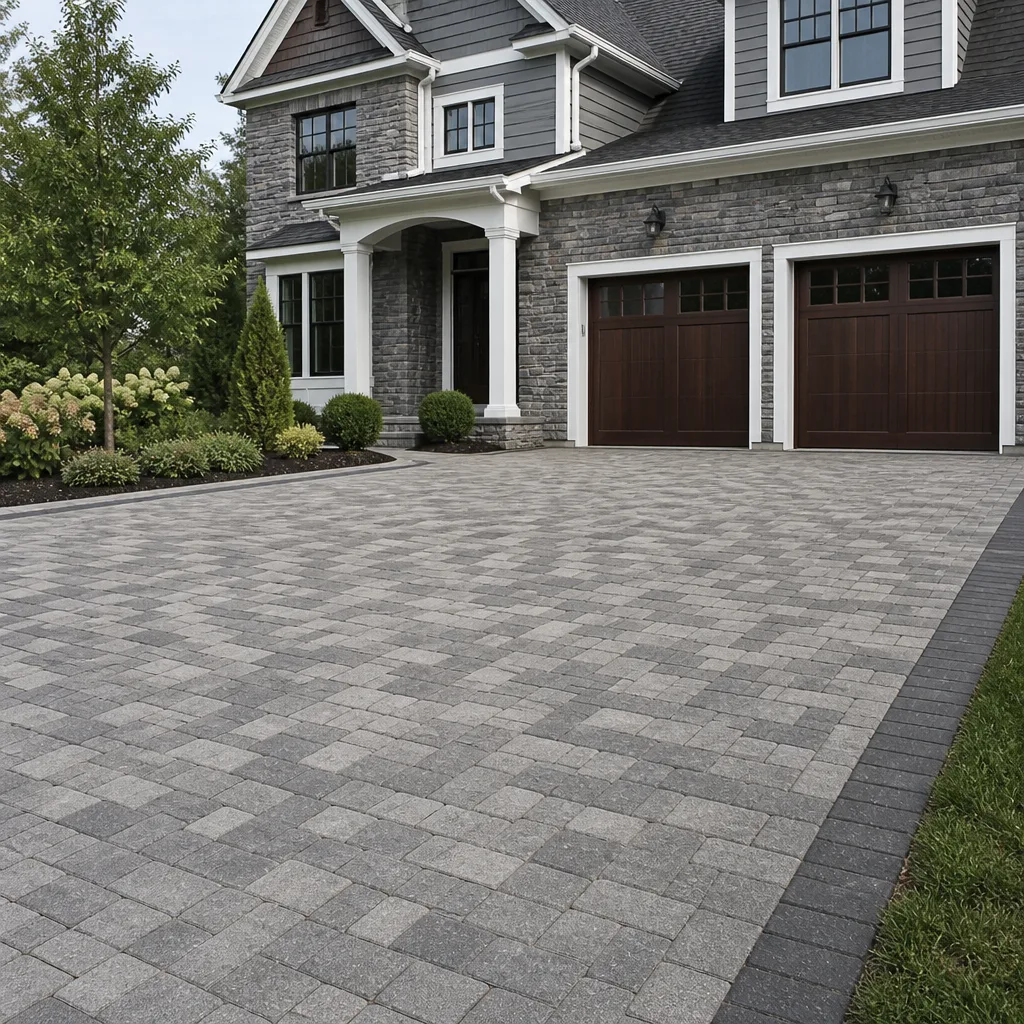
 Driveway & pavers
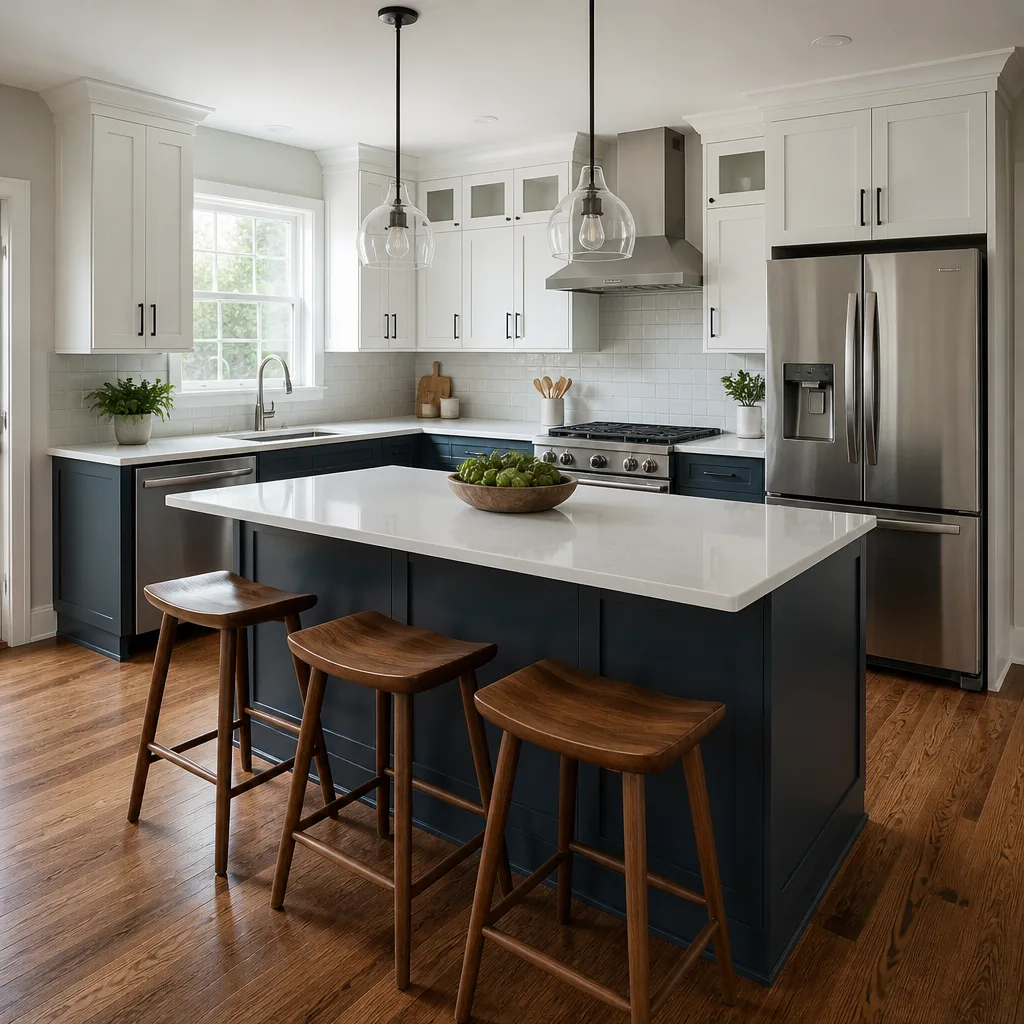 Kitchen remodeling
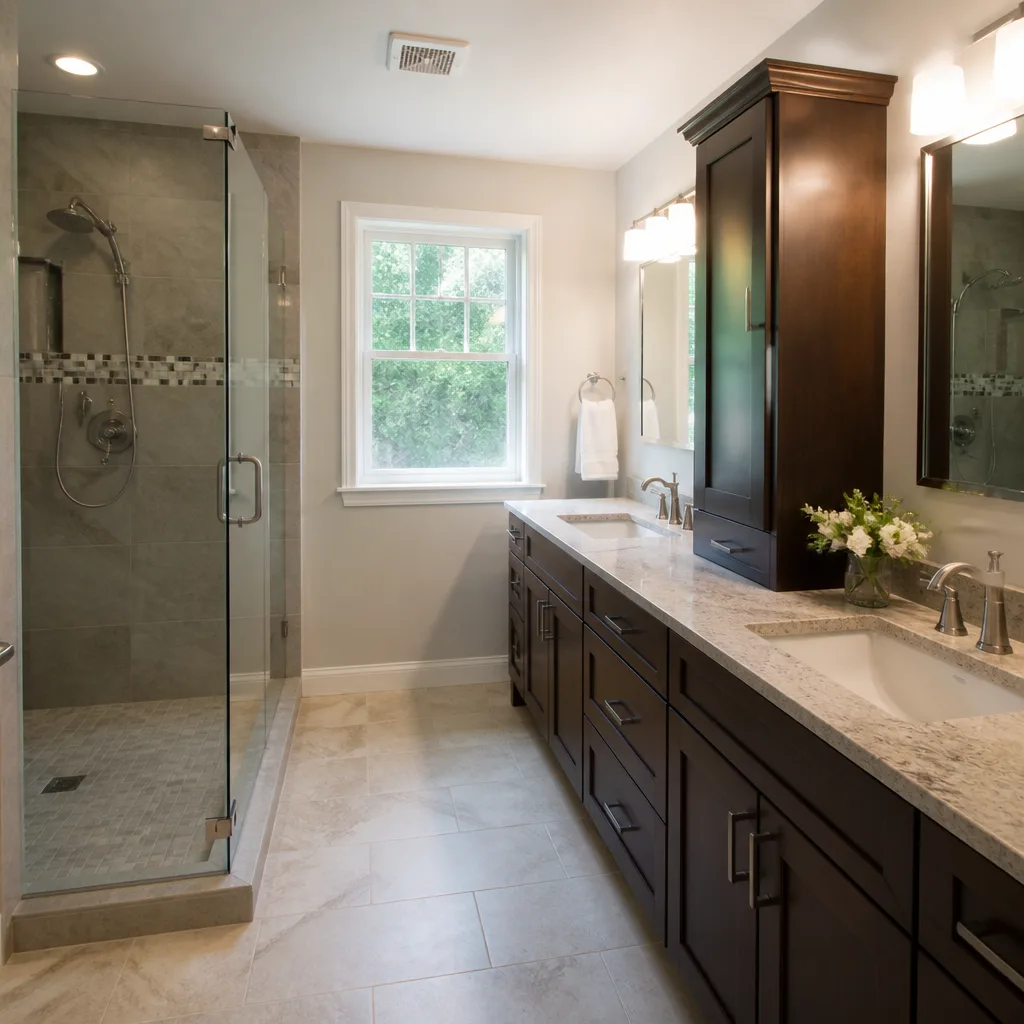 Bathroom remodeling
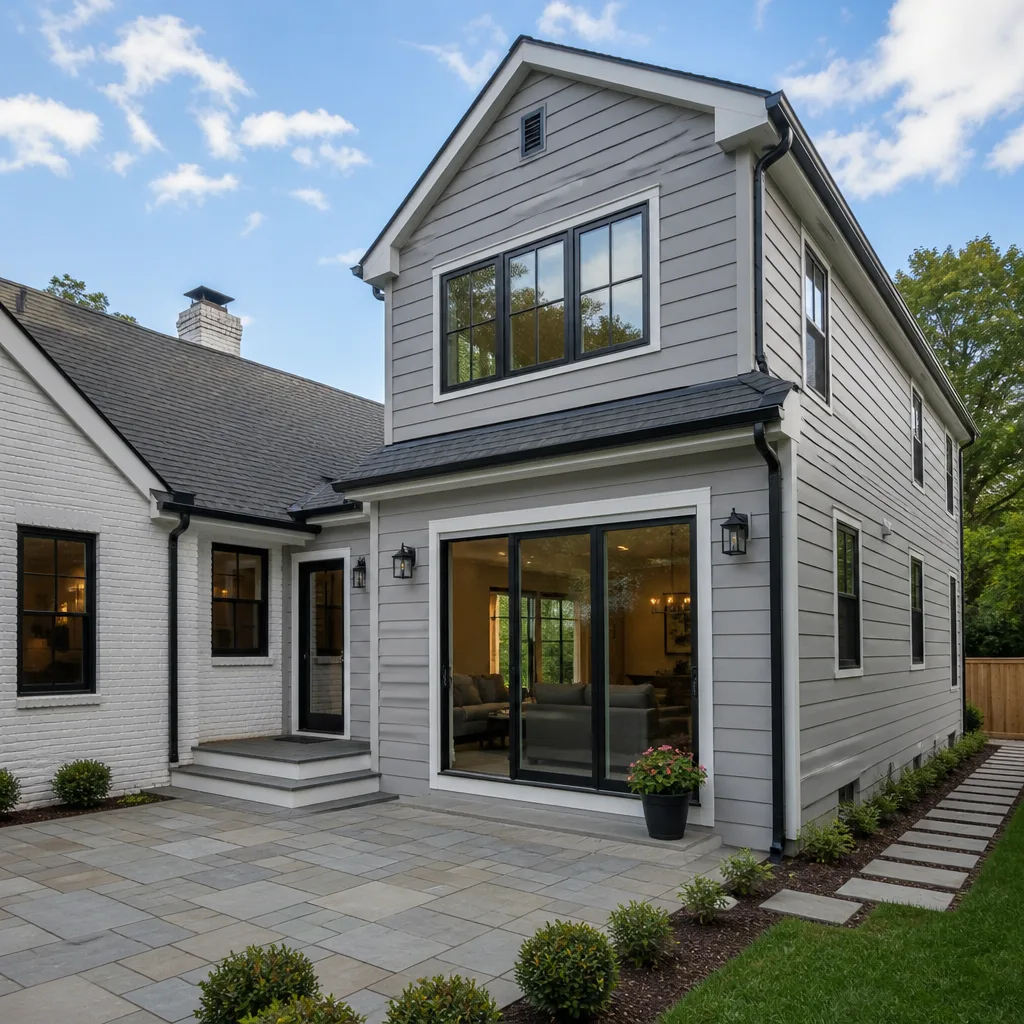 Home additions & ADU
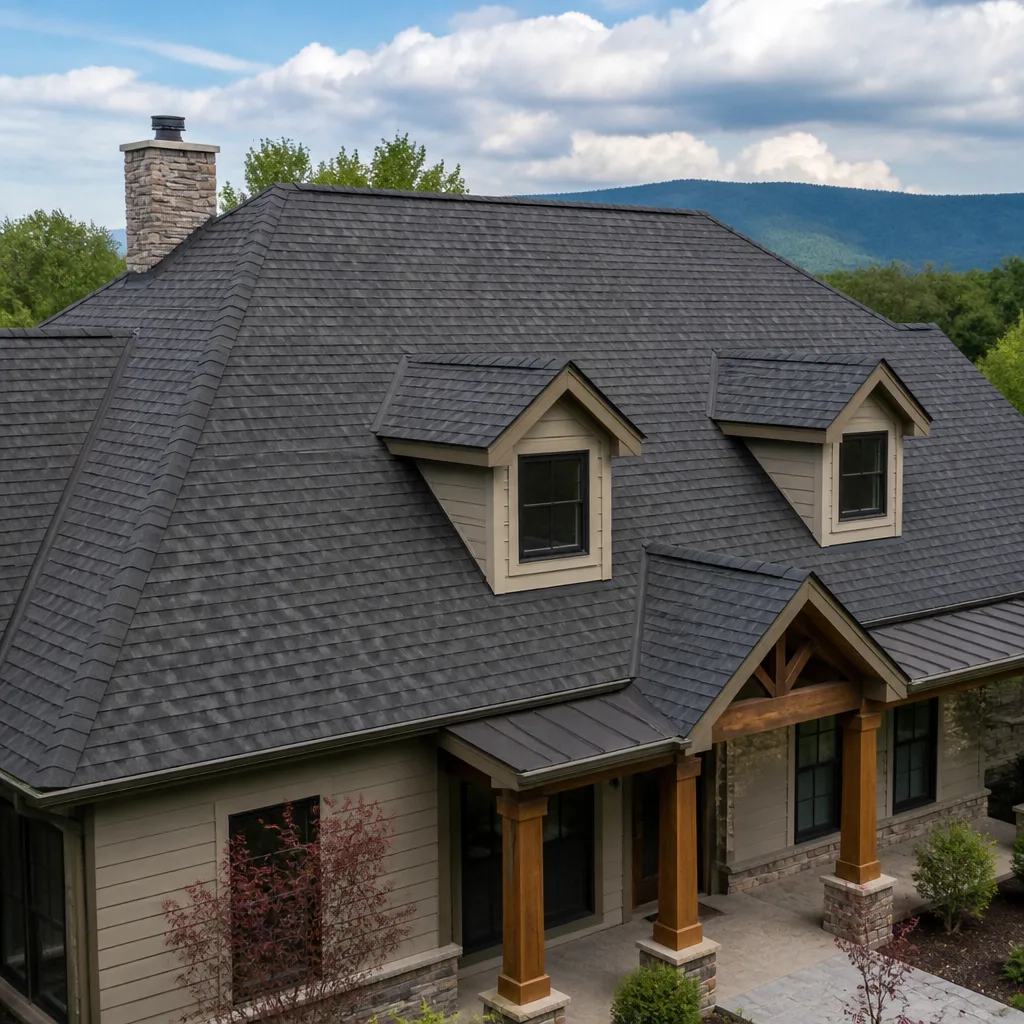 Roofing
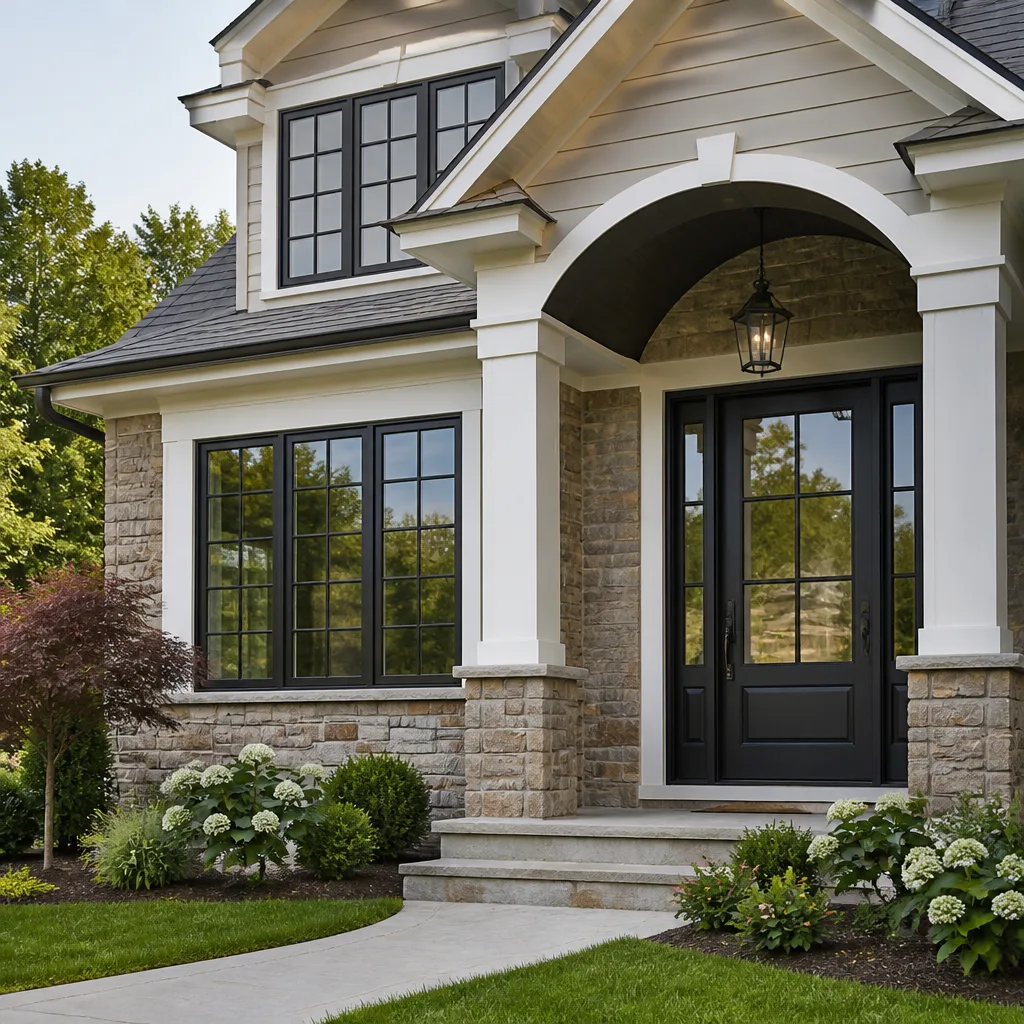 Windows & doors
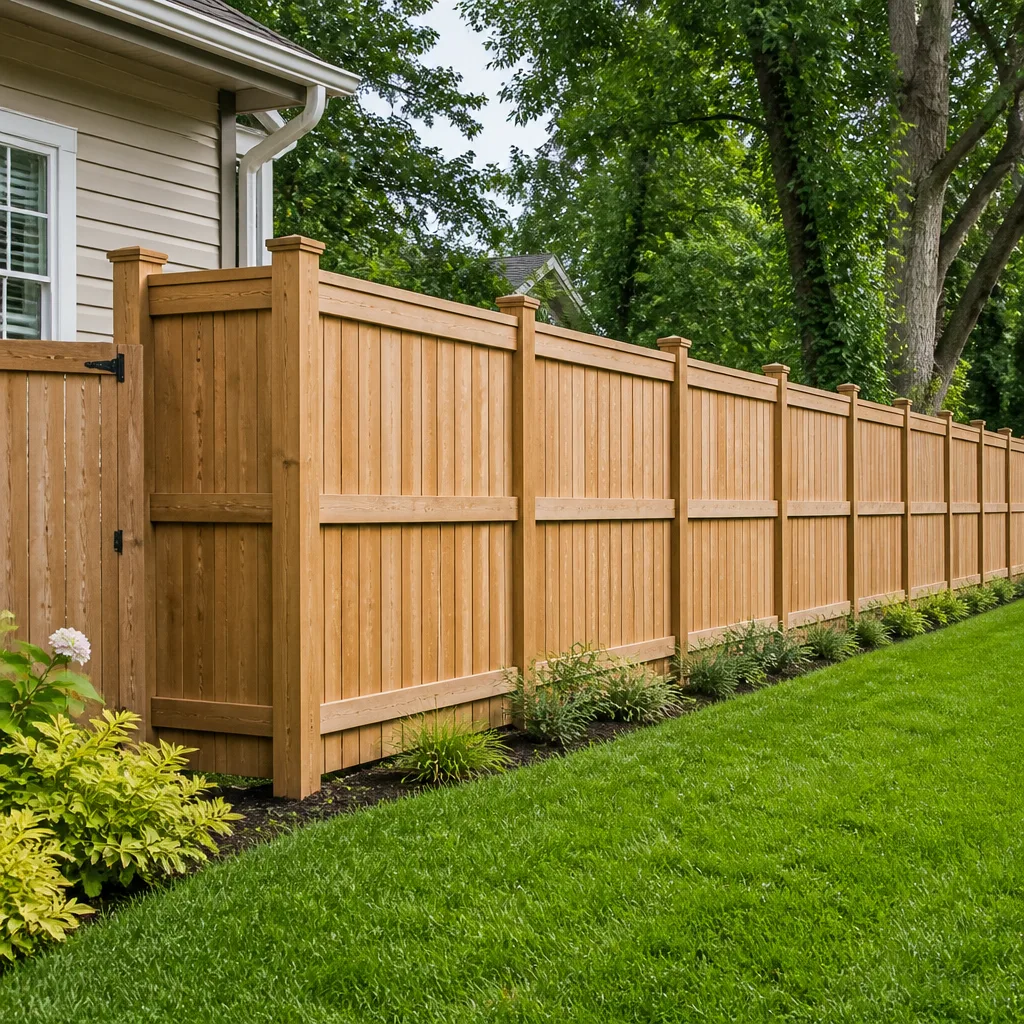 Fence
Free written scope consultation - allowances, timeline, and change-order rules on paper before a single trade is scheduled
Styles & brands we work with
- Kitchen remodeling
- Bathroom remodeling
- Home additions & ADU
- Roofing
- Windows & doors
- Driveway & pavers
- Fence
See the difference
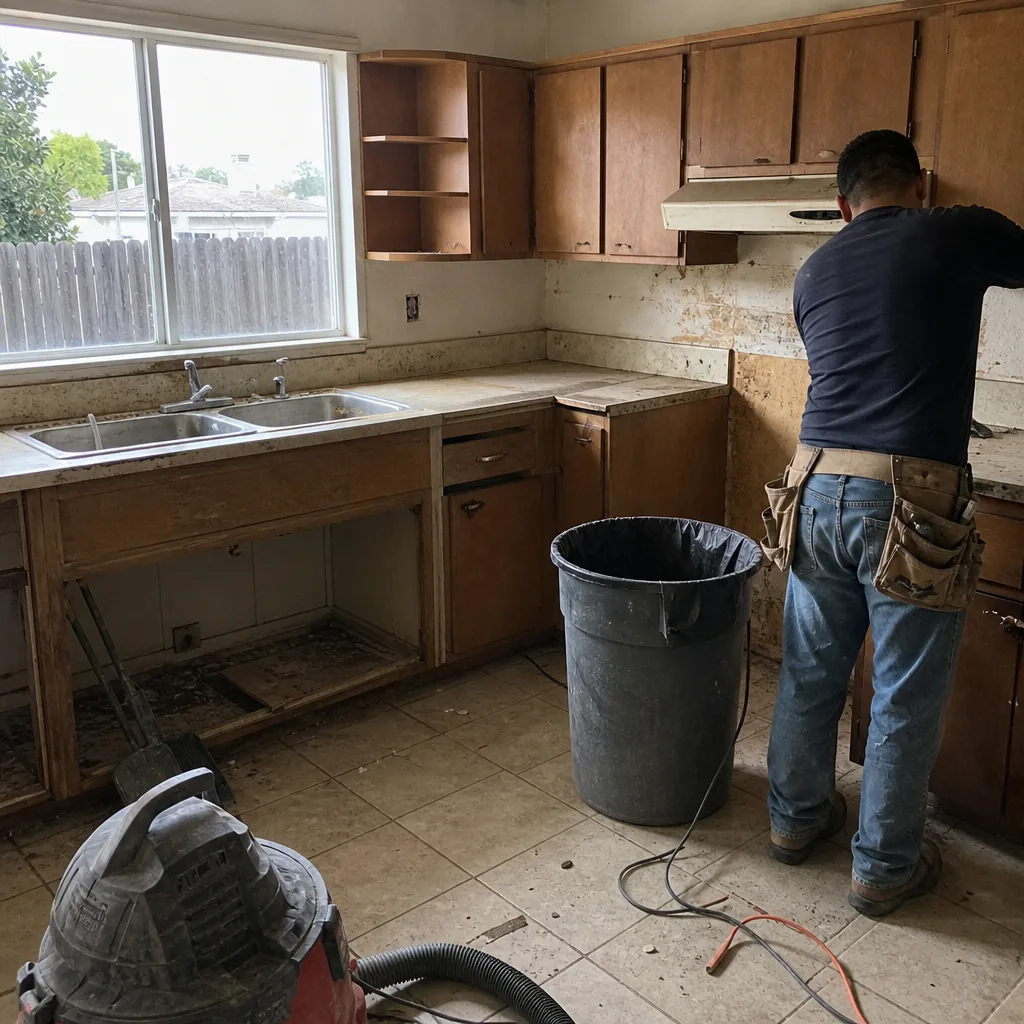 Before
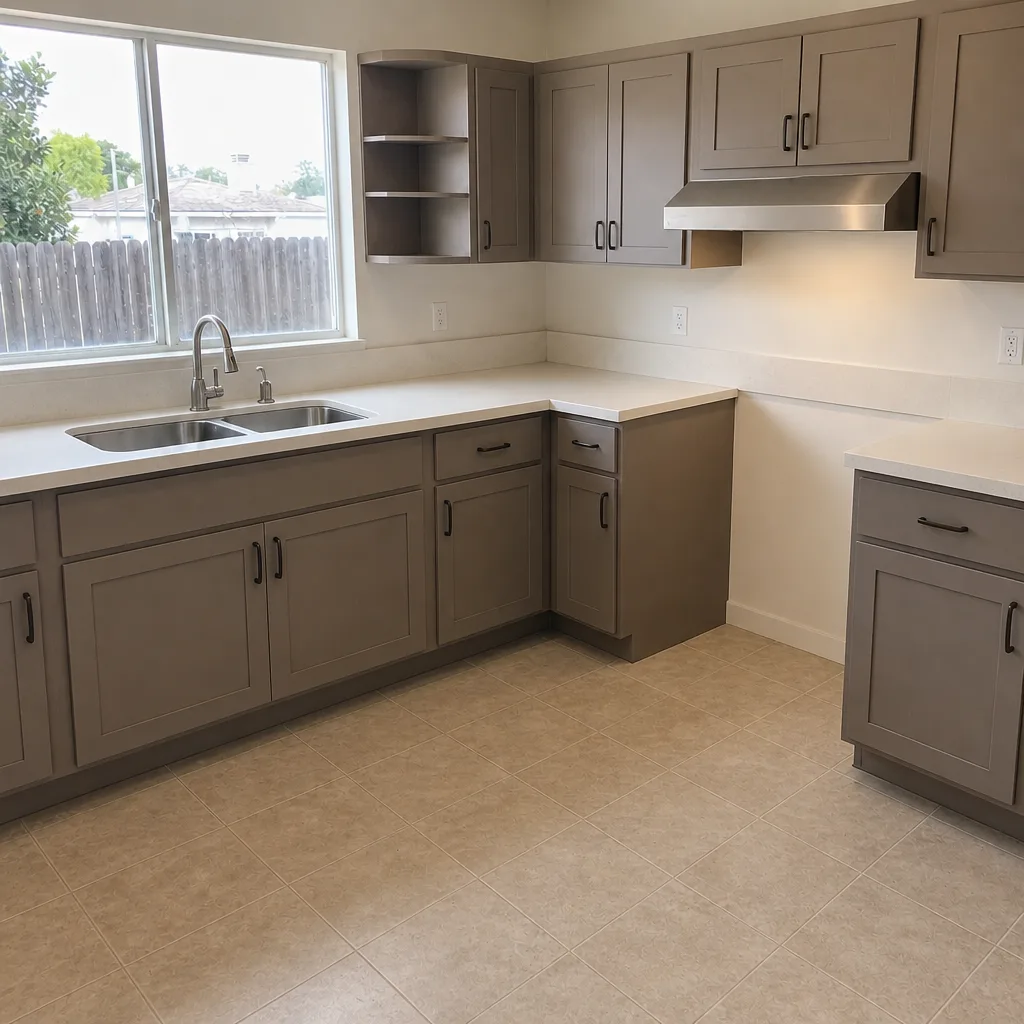 After
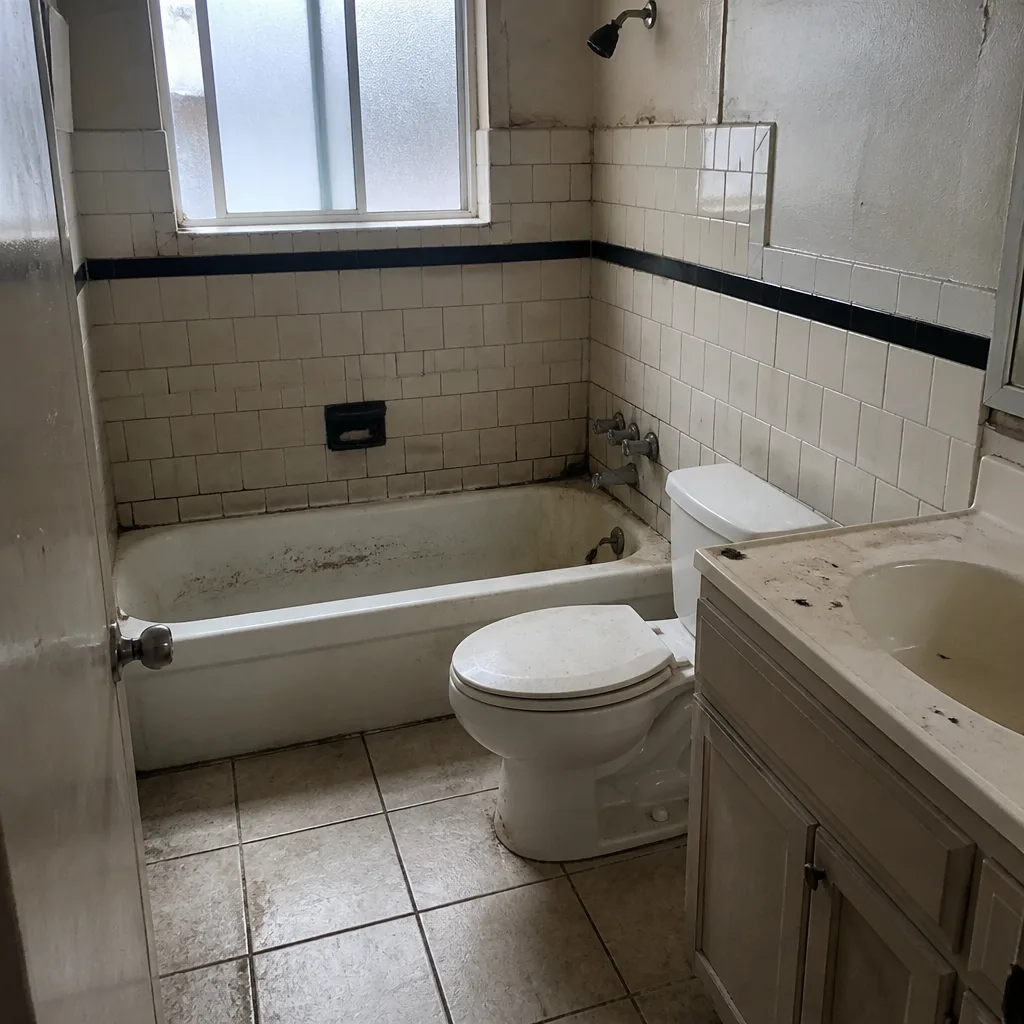 Before
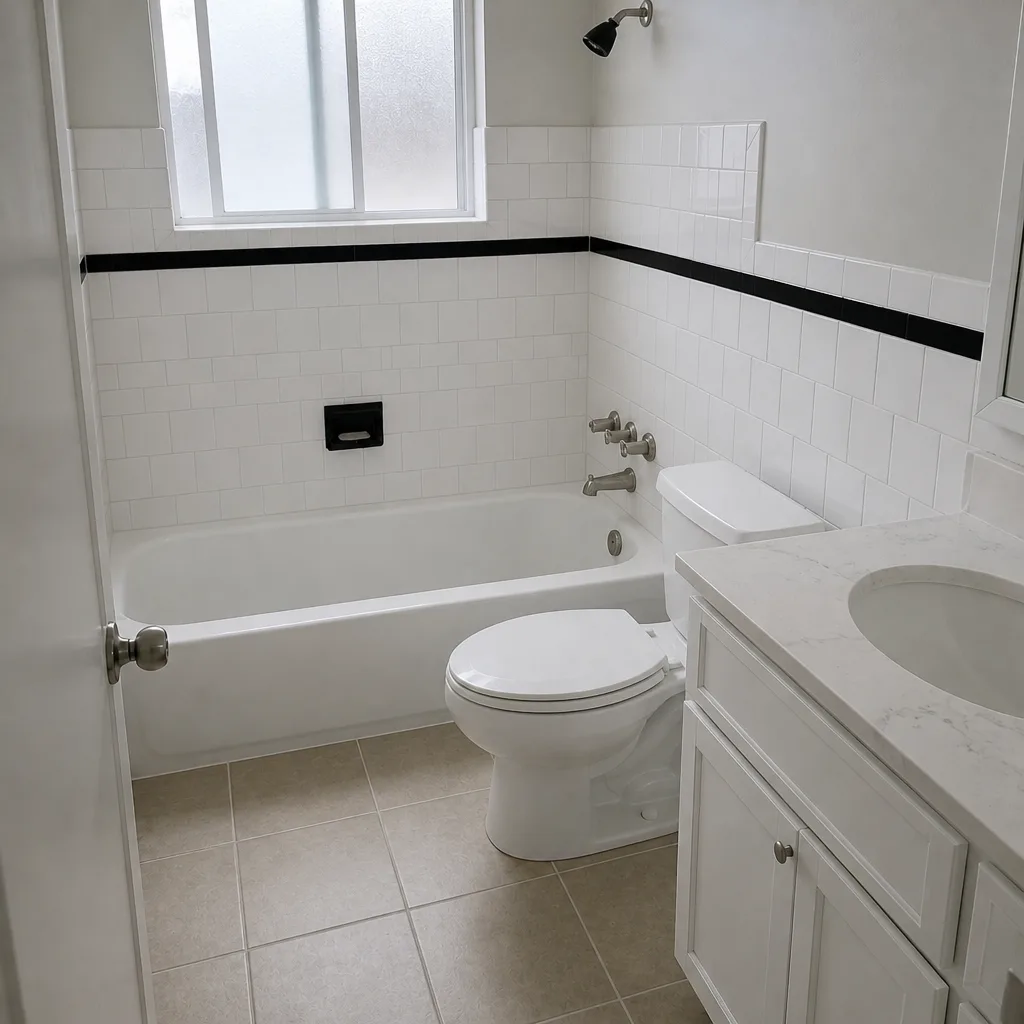 After
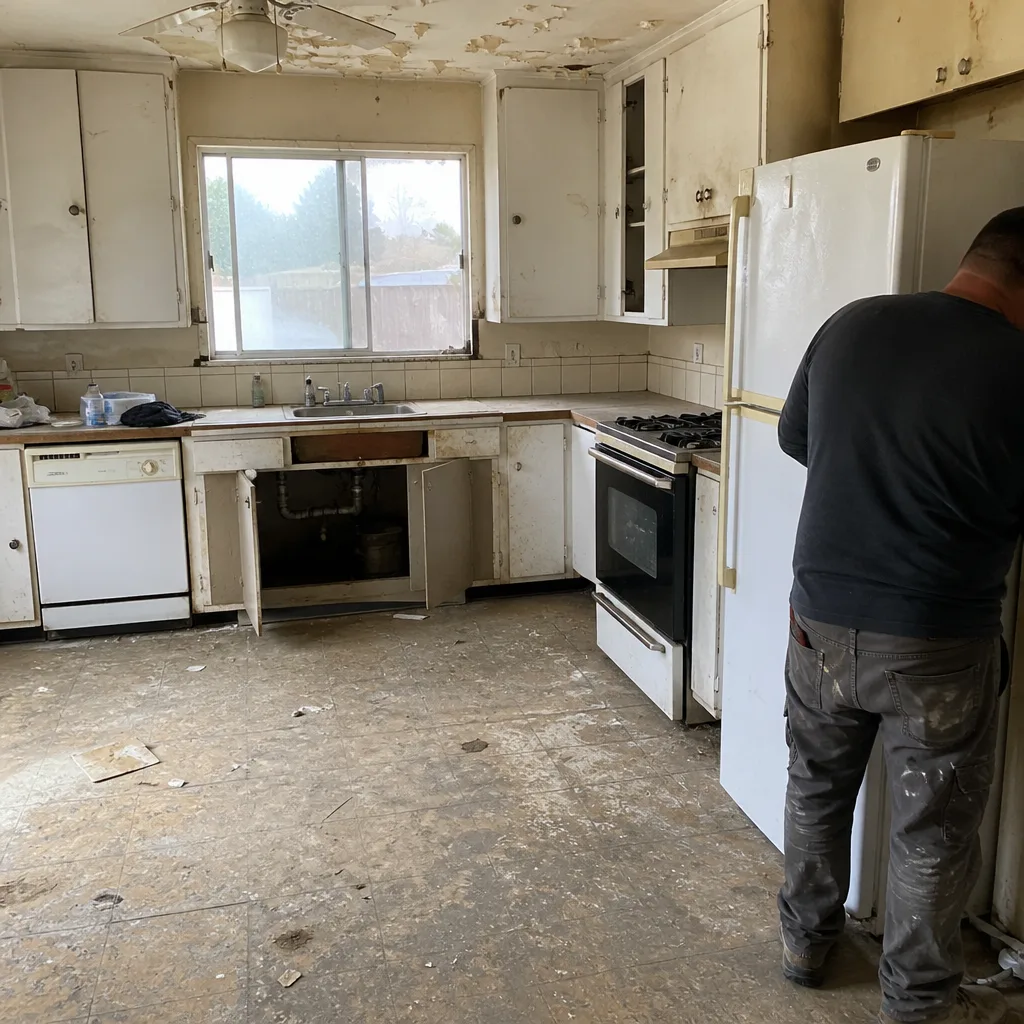 Before
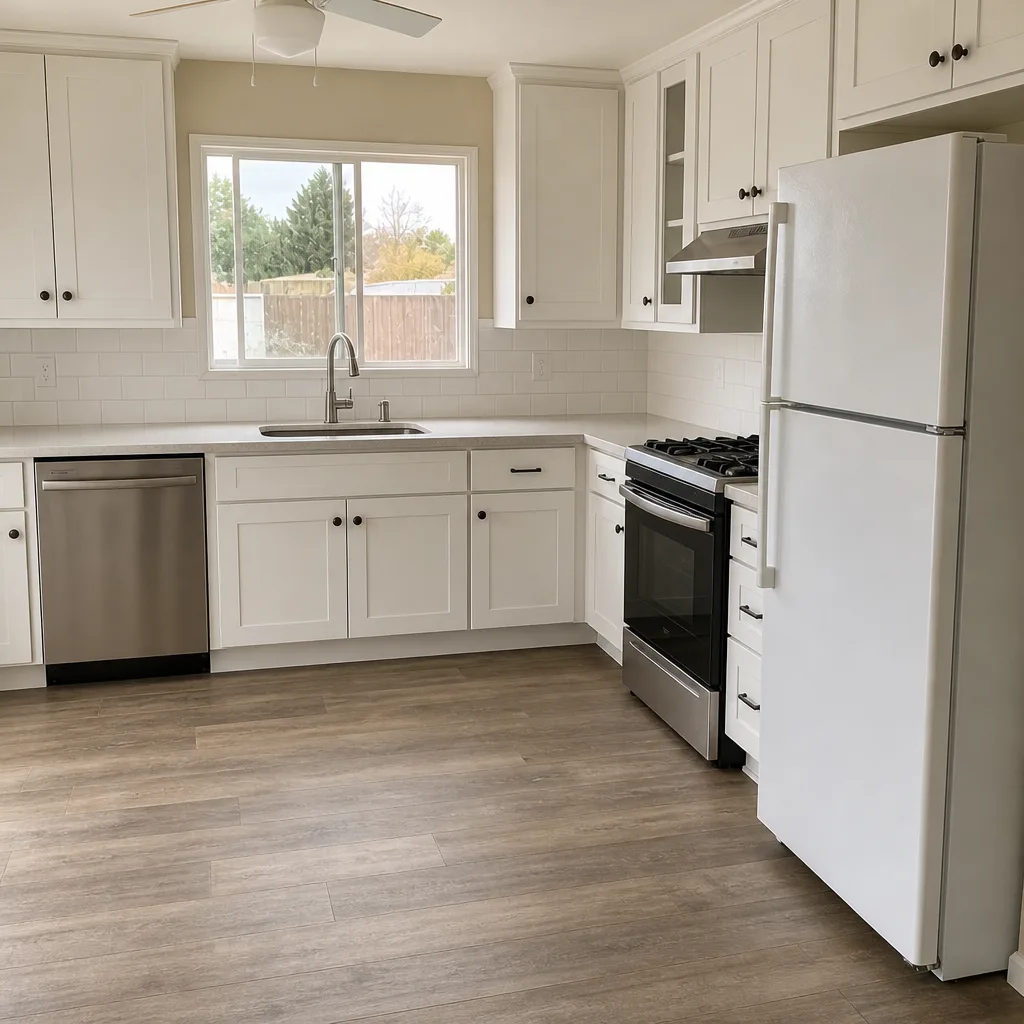 After
When to Seal a New Asphalt Driveway in Antioch, CA
Seal a new asphalt driveway in Antioch after 6 to 12 months, not at a fixed 90 days. In practice that means late September, once summer heat has dried the expansive clay under the pavement, or early April, before wind and heat cycles start. The calendar month matters less than the condition of the subgrade beneath the blacktop. If your driveway was poured over the clay flats near the San Joaquin River waterfront in late spring, sealing at 90 days can lock moisture into the base and speed up cracking. Call (888) 419-3650 and we’ll tell you what your pavement actually needs.
Why the 90-day rule doesn’t hold up here
The 90-day figure gets repeated everywhere because it assumes a stable, well-draining base. Asphalt cures from the surface down, and most of a new driveway’s strength lives in what’s underneath. On firm, sandy subgrade, 90 days is usually plenty.
Antioch doesn’t have that subgrade. Much of the city sits on expansive Bay Area clay, and blocks near the Delta and the river hold moisture well into summer. That clay swells when wet and shrinks when dry, and it moves long after your new asphalt has gone hard on top. Sealing too early traps that moisture in the base, so the pavement starts flexing over a soft spot before it has fully settled.
So the real question isn’t “how many days.” It’s “has the base under this driveway stopped moving?” For most Antioch driveways, that takes a full dry season, not a season and a half.
The Delta wind problem: a surface that lies to you
Here’s the part most guides skip. Antioch’s hot, dry summers come with steady afternoon winds off the river, and those winds pull moisture out of the top inch of asphalt fast. Your driveway can look and feel fully cured weeks before it actually is.
We see it constantly: a homeowner runs a hand over the surface in July, it feels bone dry, and it’s easy to assume it’s ready. But wind-driven evaporation only touches the surface. The clay underneath stays damp and still moving. The pavement that reads “ready” is sitting on a base that isn’t.
That gap between surface cure and base cure is where early sealing goes wrong. It’s also why a driveway poured in March often needs longer than one poured in August.
The two Antioch windows where sealing makes sense
In our experience across Antioch, sealing lands well in one of two stretches:
- Late September into October. Summer heat has done its job and the clay has dried and settled. You’re sealing ahead of the fog-influenced, wetter winter, which is the right order of operations.
- Early April. The ground has drained from winter rain but hasn’t hit the drying-and-swelling cycle yet. This window is tighter, so watch the forecast for a dry stretch.
Mid-summer is the worst time to guess. The surface looks great, so it’s tempting, and the base is often still settling. That’s how a “new” driveway ends up with cracks in year two.
If your driveway is a paver surface rather than asphalt, the timing rules differ, and our Driveway & Pavers page covers how we handle those installations and their seasonal care.
Signs your driveway isn’t ready, no matter the date
Days on a calendar are a rough guide. These physical signs tell you more:
- Hairline flex cracks along the seams or edges. If they’re widening or reappearing, the base is still moving. Sealing now just hides a problem that’s still active.
- A slight give under heel pressure. Press down hard with your heel near the edges. Any softness or sponginess means the base hasn’t firmed up.
- Damp patches that linger after rain. Slow-drying spots point to trapped subgrade moisture, especially on river-adjacent lots where the water table runs higher.
- Visible settling or a low spot holding water. A driveway that ponds is telling you the subgrade moved. Find out why before you seal over it.
Any one of these means wait, regardless of how long it’s been. On the older flats with mid-century slabs, we check the base and surrounding drainage carefully, since that soil behavior can differ from the newer hill subdivisions.
What sealing costs in Antioch
Sealing a residential driveway in Antioch typically runs $250 to $700, depending on square footage, surface condition, and prep work. Small, clean, single-car driveways land at the low end; larger or crack-filled drives sit higher.
| Item | Antioch price range |
|---|---|
| Driveway sealing | $250 - $700 |
| Asphalt driveway paving (new) | $3,500 - $9,000 |
| Concrete driveway installation | $4,500 - $12,000 |
| Paver driveway installation | $7,000 - $18,000 |
| Driveway replacement | $5,000 - $14,000 |
Those numbers are upfront, with no surprises tacked on later. If you’re weighing a new build against a reseal, our Driveway & Pavers in Antioch page lays out what each option involves. And if your driveway sits near other exterior projects, good timing keeps the whole job cleaner; you can see how we sequence that work from the ground up on our home page.
How Groundwork handles the timing
We don’t seal on a stopwatch. When we look at a new driveway in Antioch, we check the base condition, the surrounding drainage, and how the soil has behaved through the season, then give you a clear recommendation. Sometimes that’s “seal it now.” Sometimes it’s “give it until October.” We’d rather tell you to wait than take your money and watch the pavement fail.
Every driveway project we do is covered by our 730-Day Done Right Promise. If timing or application causes premature failure, we make it right, in writing. Our technicians bring up to 12 years of experience, arrive background-checked and in uniform, and answer the phone with a live person around the clock. We pair quality materials from brands like Belgard on hardscape work with upfront pricing, 0% financing for 18 months, and $1,000 off projects over $10,000.
Common Antioch scenarios we run into
A late-spring pour on the clay flats. Homeowner wants it sealed by August because the surface looks dry. We usually hold off until the fall dry-out so the base can settle first.
A hill-subdivision driveway. Newer lots in the southern hills drain differently and often tolerate an earlier seal than the older downtown flats. The soil and slope change the answer.
A river-adjacent block with a high water table. These driveways keep moisture in the base longer, so we watch for lingering damp patches before setting a date.
An older mid-century home with a short drive. Often the cheapest to seal, but we check the original slab and drainage before assuming a reseal is the fix.
FAQs
Generally no, and in Antioch you often shouldn’t seal at exactly 90 days either. New asphalt needs to cure and the base needs to settle, which on our clay soils usually takes a full dry season. Sealing early can trap subgrade moisture and trigger cracking. Call (888) 419-3650 for a free assessment of your driveway’s actual condition.
Late September and early October are the safest window in Antioch, after summer heat has dried and settled the clay and before the wetter winter. A narrower early-April window also works when the ground has drained. The temperature and dry conditions matter as much as the month. Call for a timing check specific to your lot.
Driveway sealing in Antioch typically costs $250 to $700, depending on size, surface condition, and prep. Crack filling or repairs can add to that. Expect upfront pricing with no surprises. Call (888) 419-3650 for an exact quote, and estimates are free.
Watch for flex cracks along the seams, any give under heel pressure, and damp patches that linger after rain. If you see any of them, the base is still moving and it’s too early regardless of the date. Call us for a no-pressure look and a straight answer.
If you’d rather have it looked at by someone who knows Antioch’s clay and Delta wind, Groundwork Construction Co. of Antioch offers a no-pressure driveway assessment. We’ll tell you whether to seal now or wait, and why. Call (888) 419-3650 to set it up.
Written by the team at Groundwork Construction Co. of Antioch, serving Antioch, CA.