
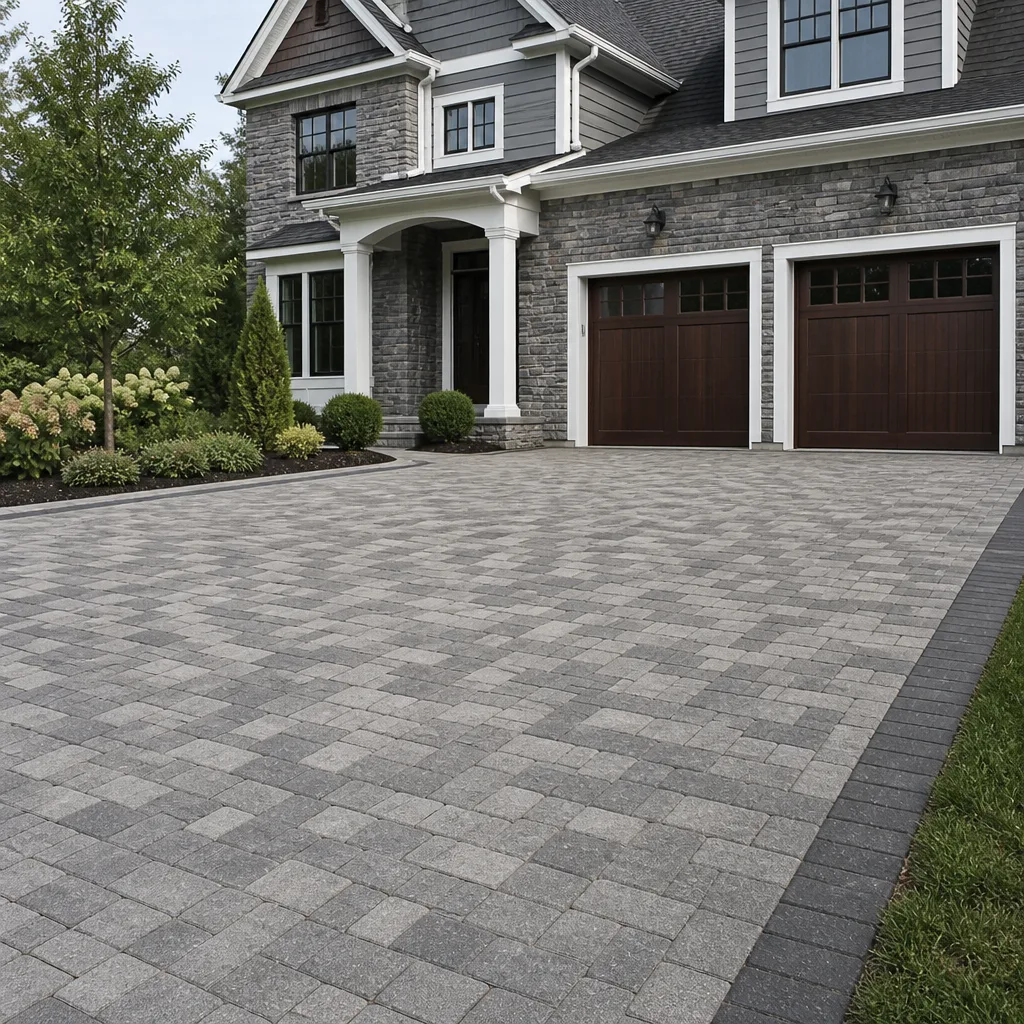
 Driveway & pavers
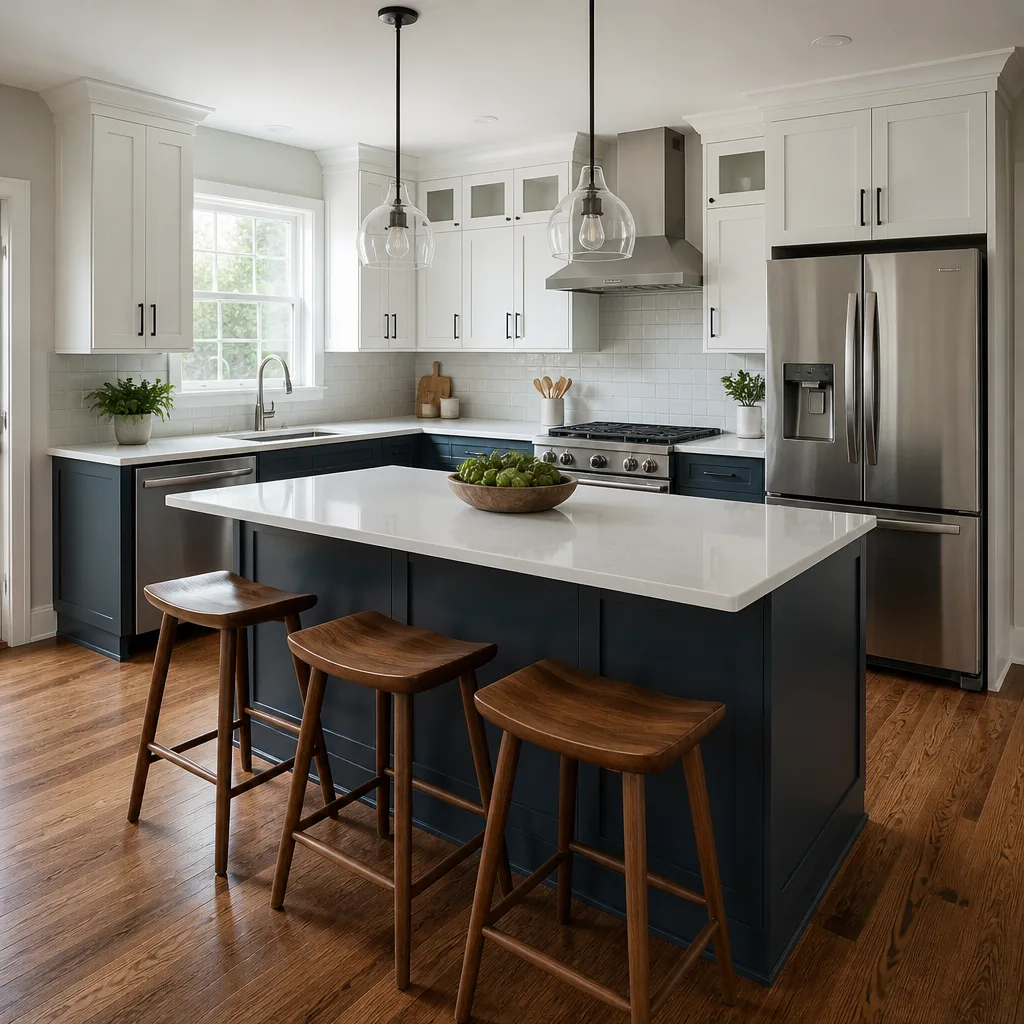 Kitchen remodeling
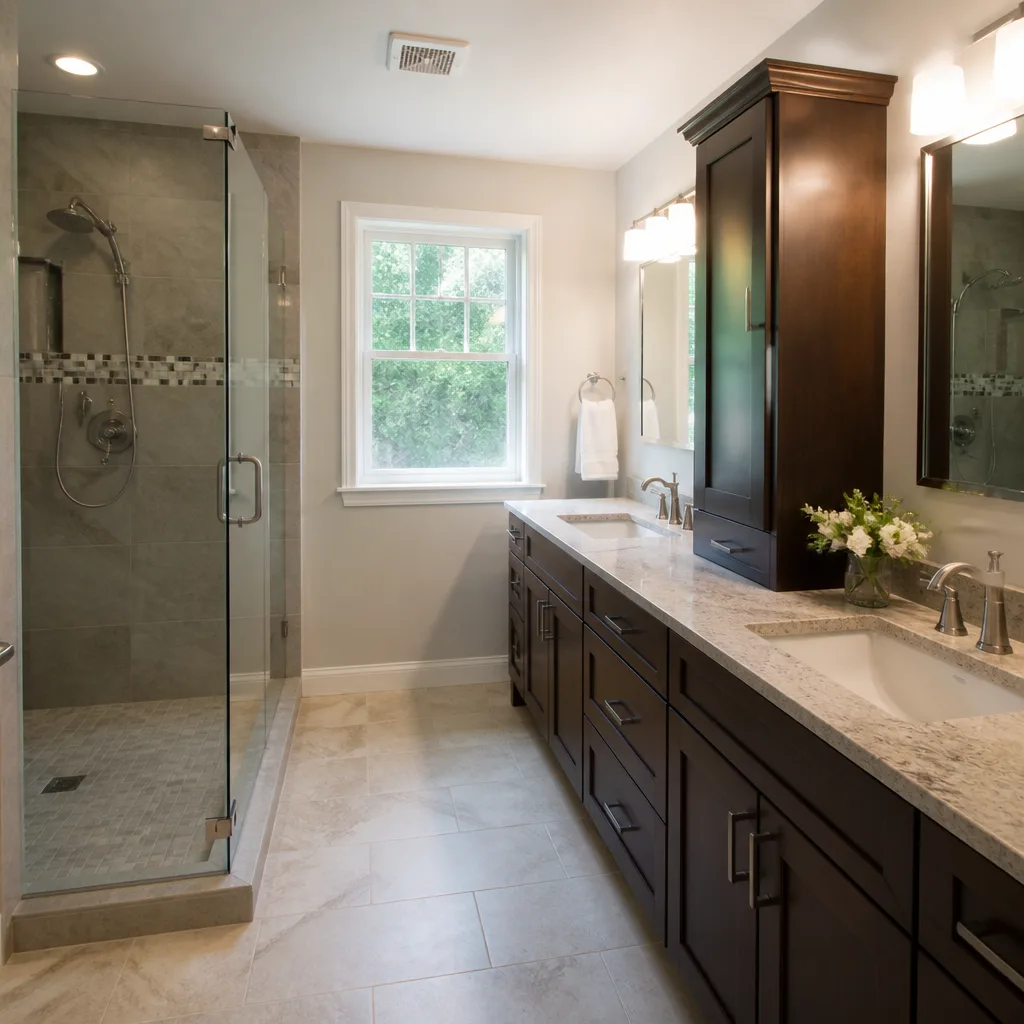 Bathroom remodeling
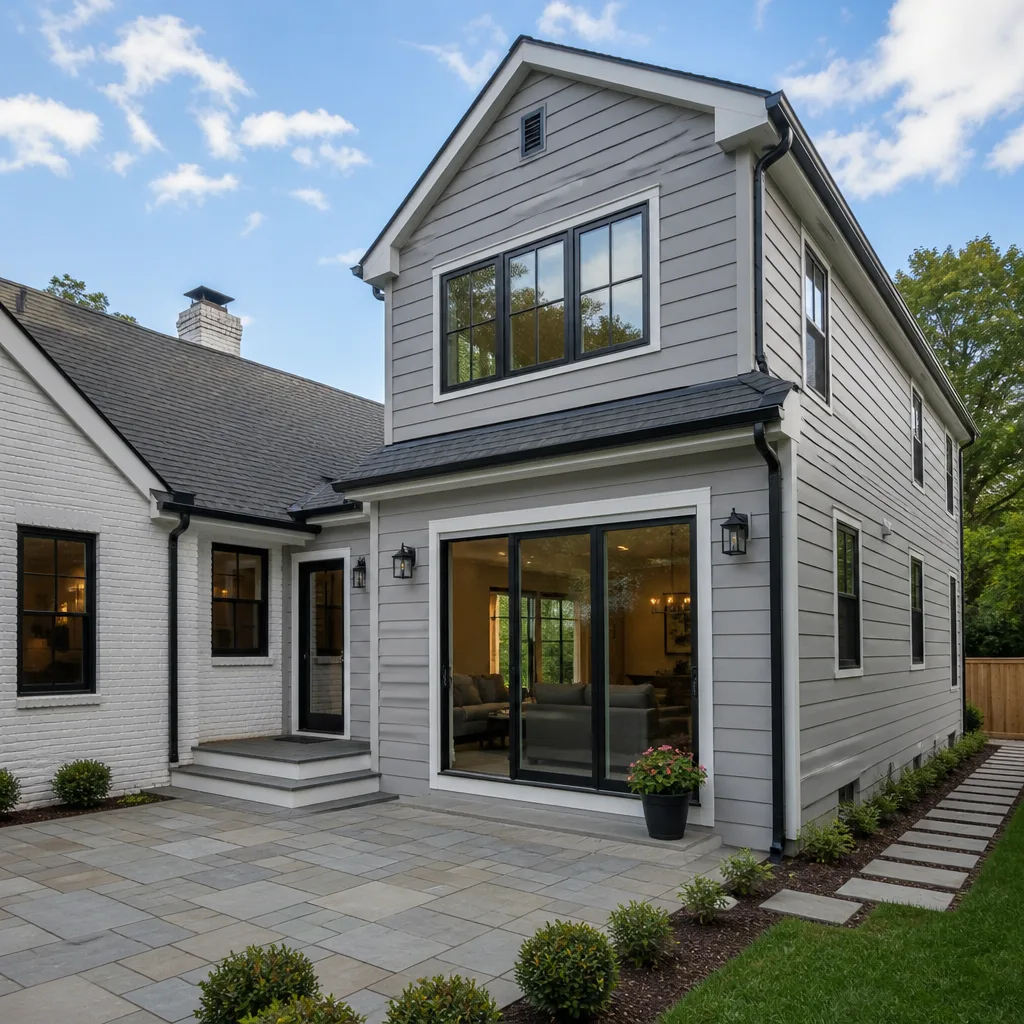 Home additions & ADU
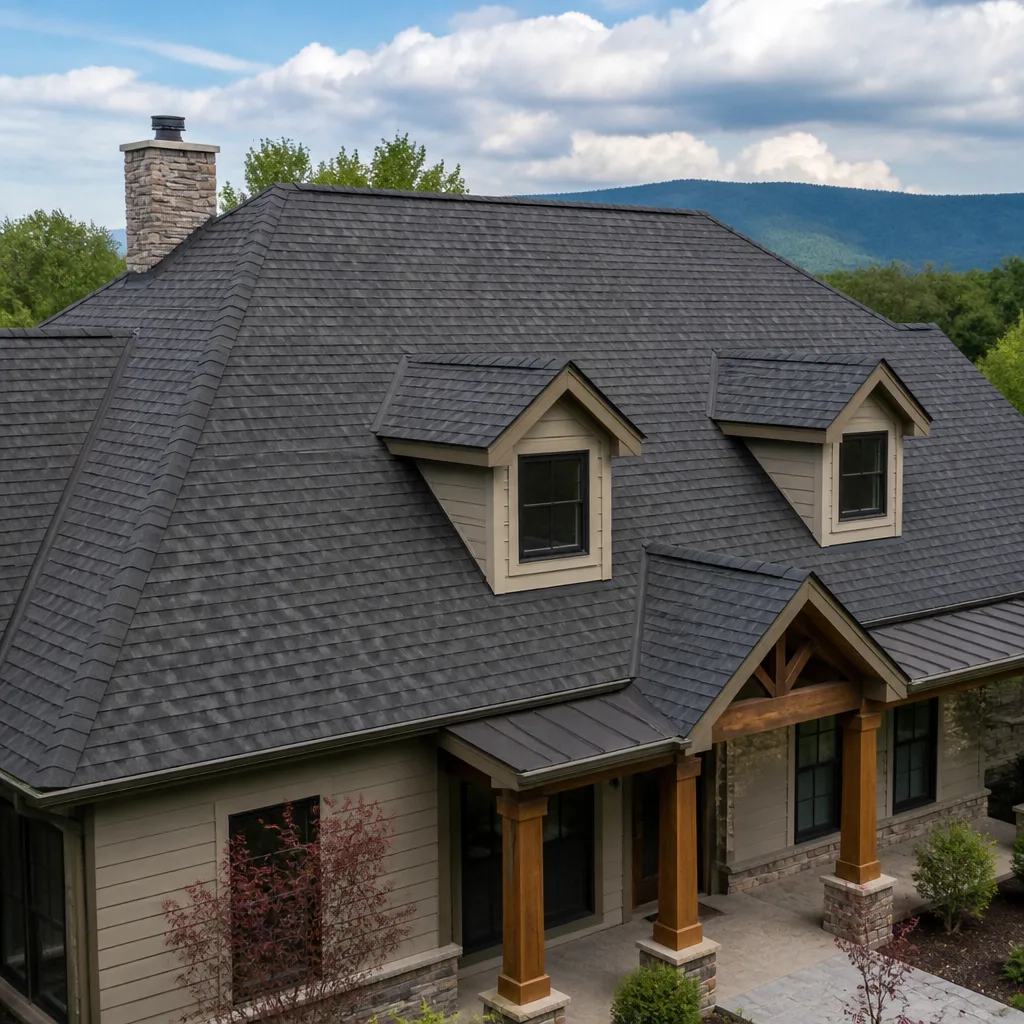 Roofing
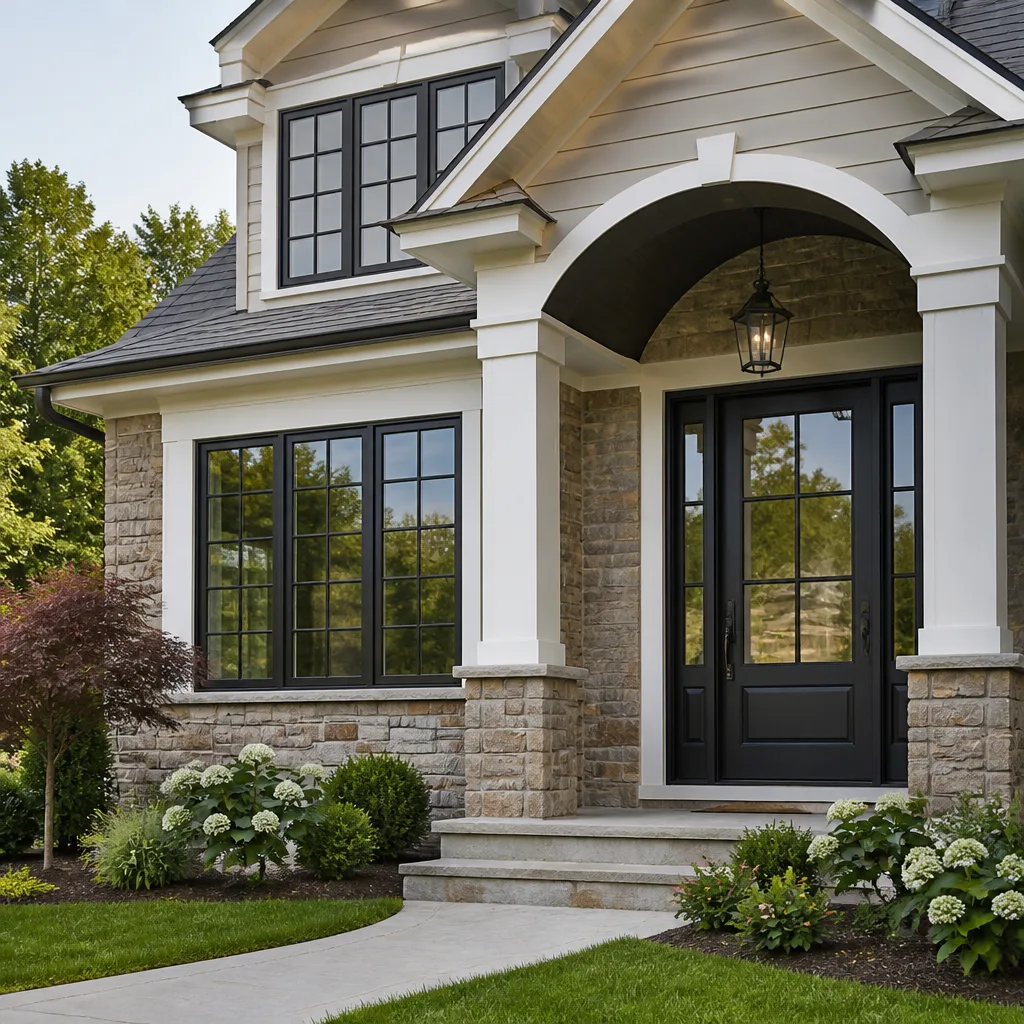 Windows & doors
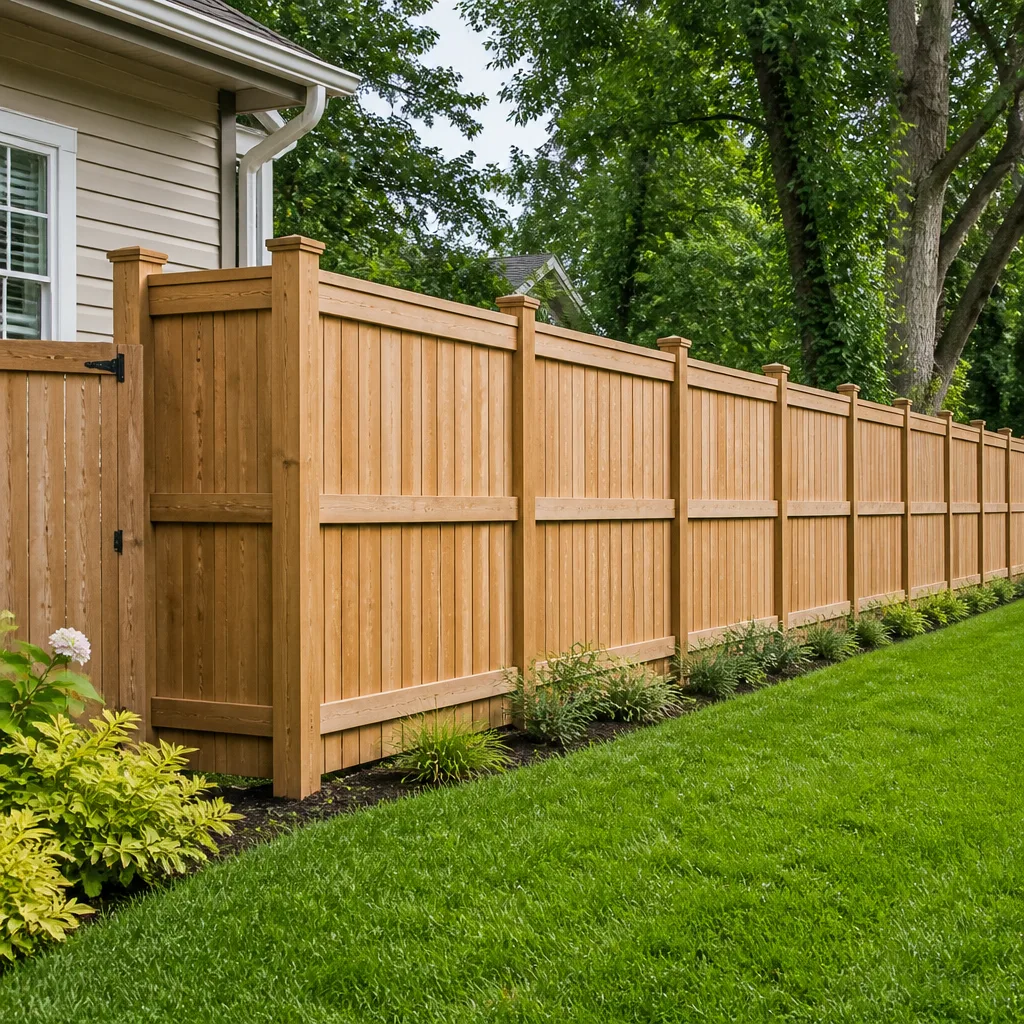 Fence
Free written scope consultation - allowances, timeline, and change-order rules on paper before a single trade is scheduled
Styles & brands we work with
- Kitchen remodeling
- Bathroom remodeling
- Home additions & ADU
- Roofing
- Windows & doors
- Driveway & pavers
- Fence
See the difference
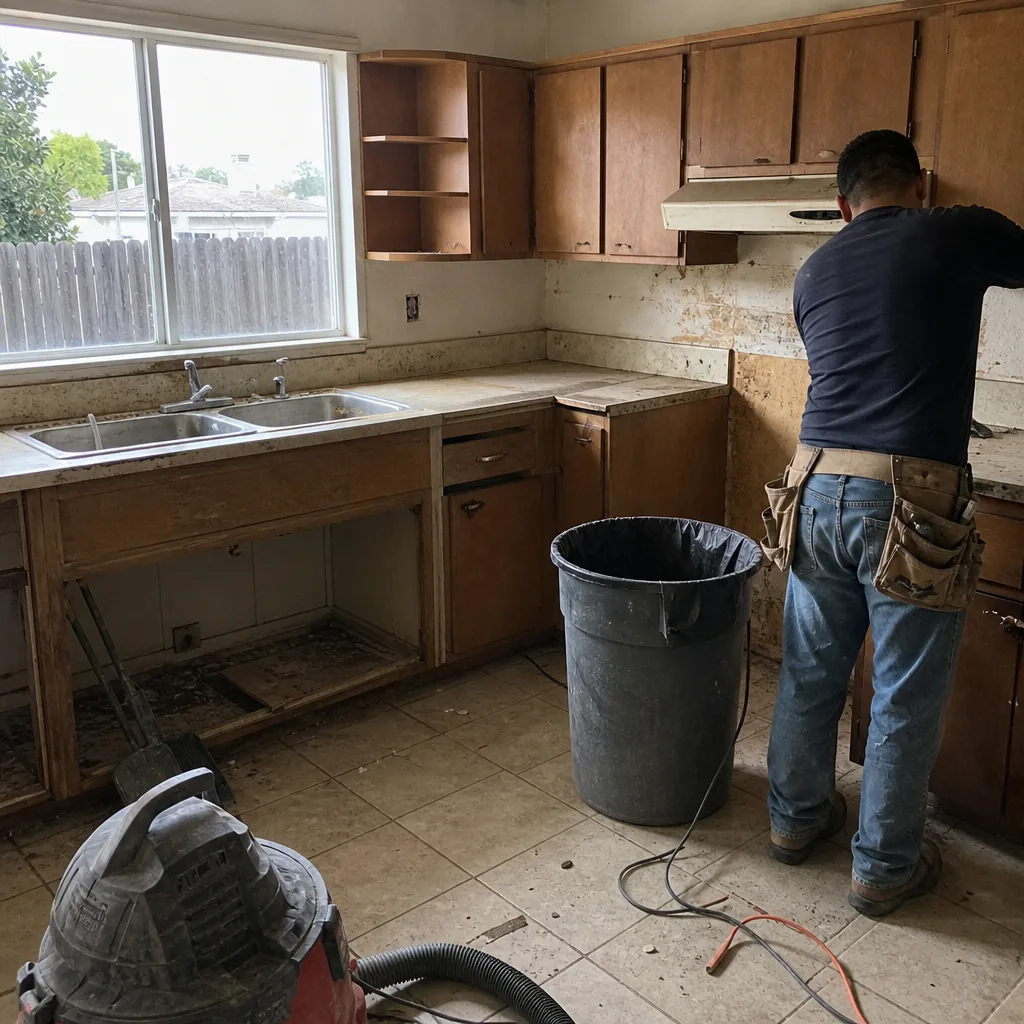 Before
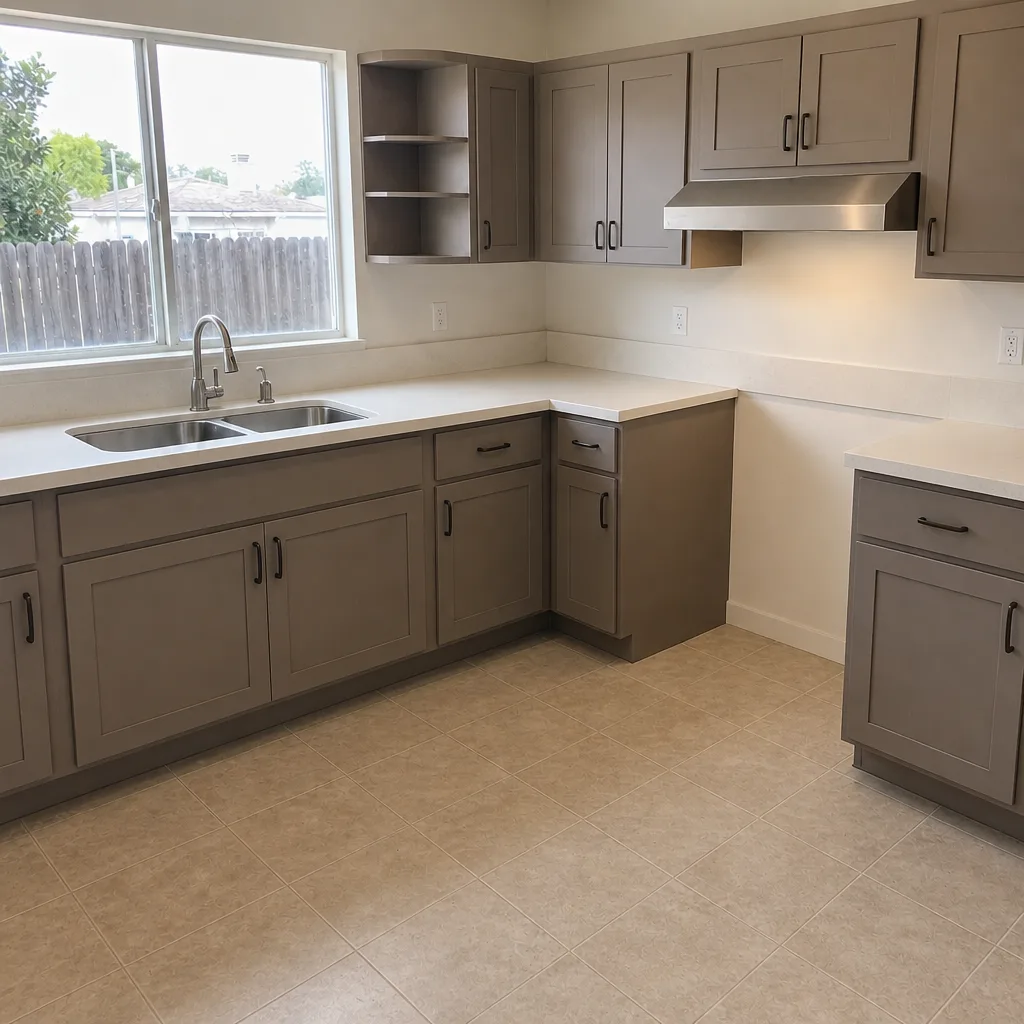 After
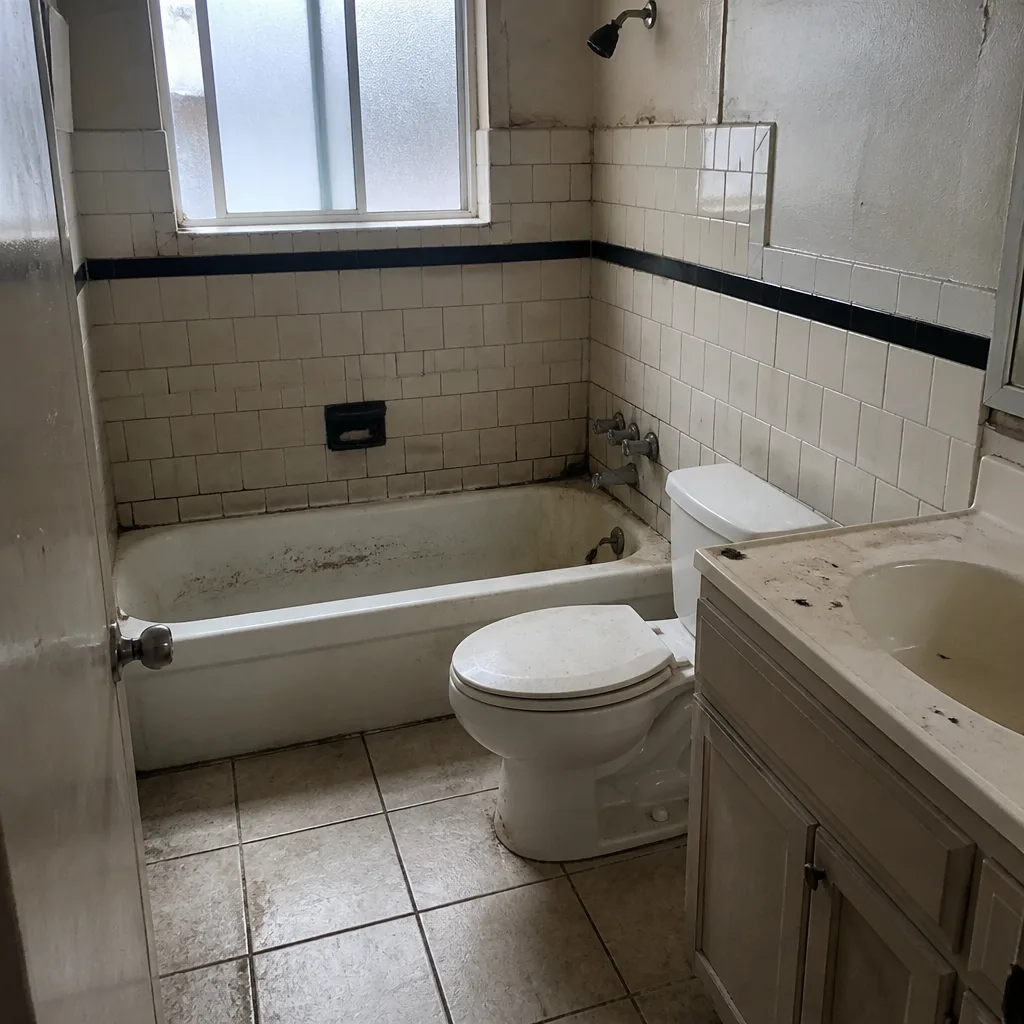 Before
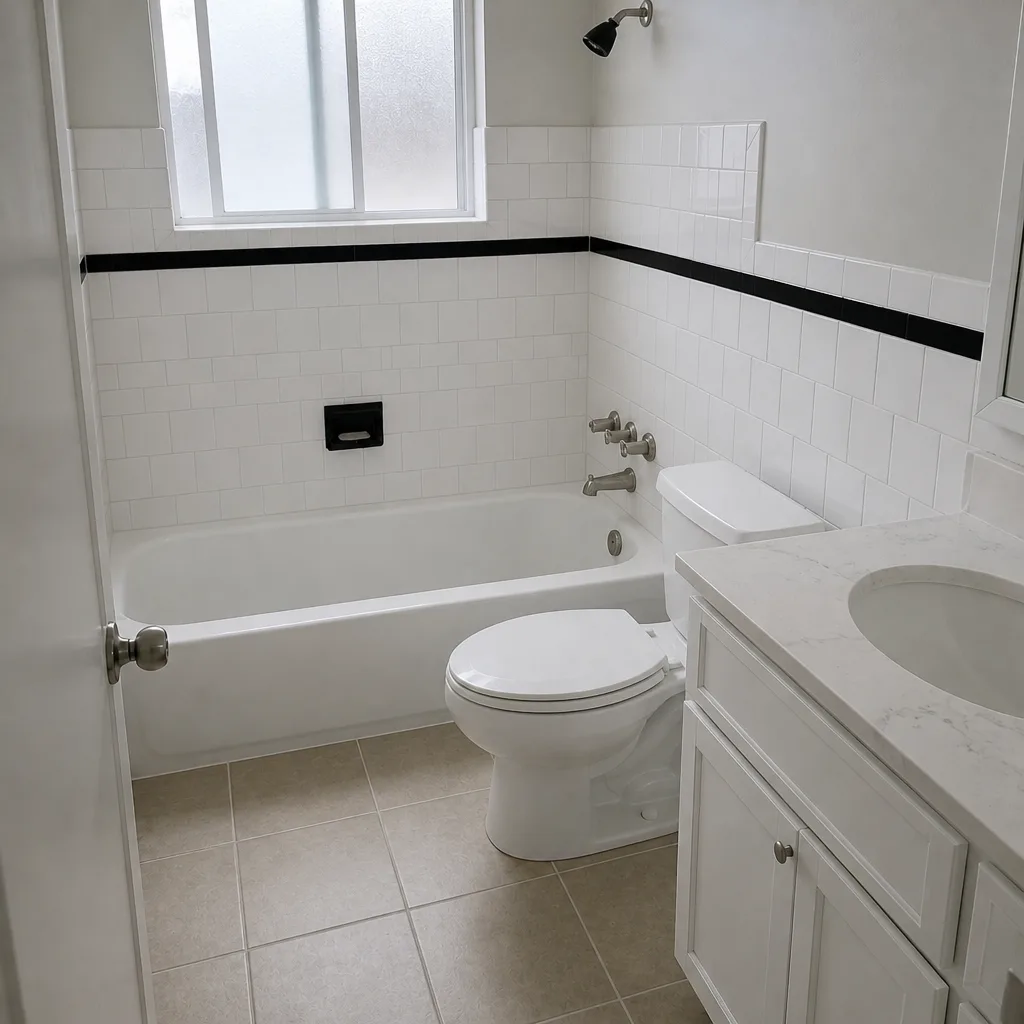 After
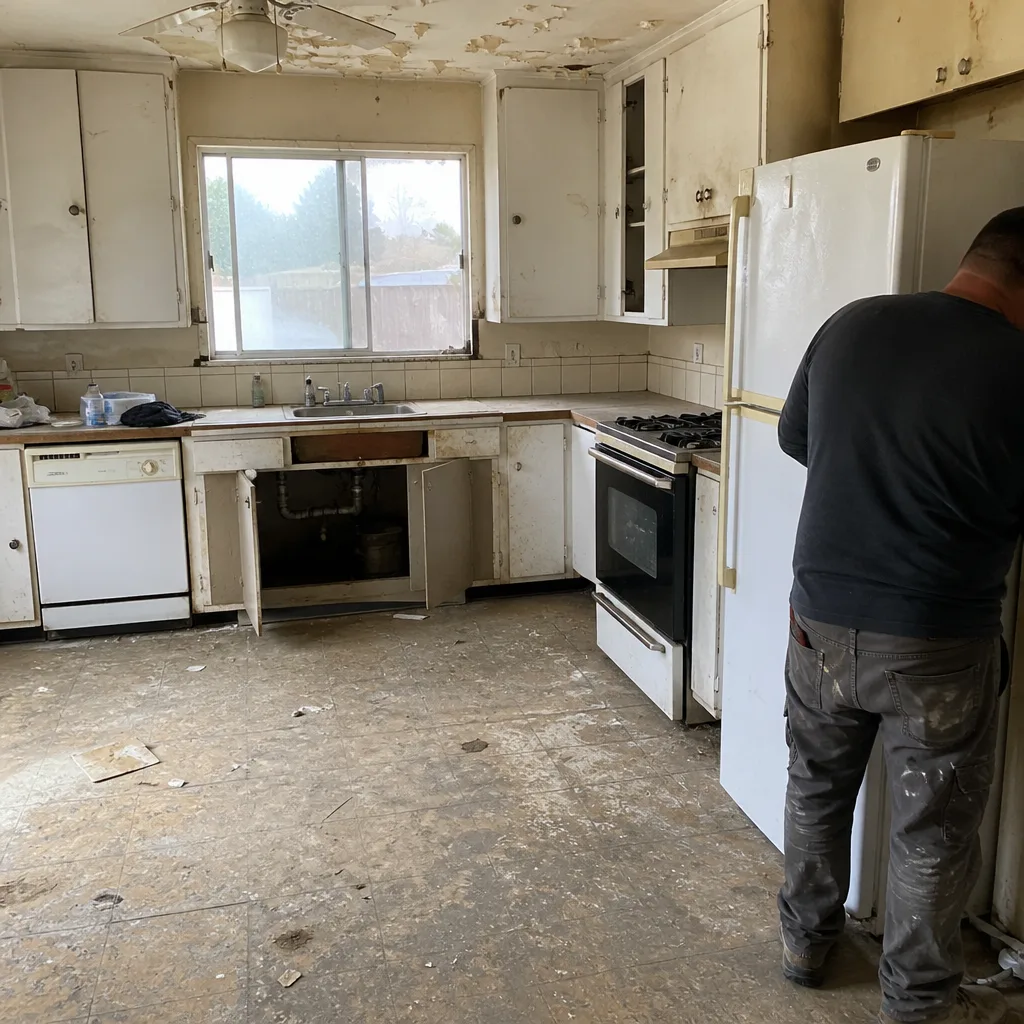 Before
 After
Pavers vs Concrete Driveway in Antioch, CA: Which One Holds Up?
Choose pavers unless you’re pouring on a flat, well-drained hill lot with stable subgrade – then concrete is the smarter spend. On Antioch’s clay-heavy flats, a monolithic concrete slab and expansive soil are on a collision course, and interlocking pavers win that fight because they move with the ground instead of fighting it. Here’s the honest decision framework, calibrated to Antioch soils and Antioch budgets. Call Groundwork Construction Co. of Antioch at (888) 419-3650 for a free estimate and a straight answer on your specific lot.
Why Antioch’s Soil Makes This a Different Question
Antioch sits on the Delta at the foot of the East Bay hills, and that geography sets the rules. The flats – the older ranch tract neighborhoods built from the 1950s through the 1970s, plus the downtown stock near the river – sit on clay-dominant soil that swells and shrinks with the seasons. We’re talking 2 to 4 inches of vertical movement across a wet winter and a dry Delta summer. That’s more than enough to heave a concrete slab and pop its control joints open within a few seasons.
Add the local climate to the mix. Hot, dry summers with that persistent afternoon wind off the San Joaquin River pull moisture out of the ground fast, and concrete pours here cure quicker than crews from cooler markets expect. Cool, fog-influenced winters push the swelling back the other way. A driveway in Antioch lives through a lot of ground movement in a single year.
What actually happens mechanically?
Interlocking pavers distribute load across thousands of small units and accommodate differential settlement without cracking. The joints between them are designed to flex. When the clay moves, individual pavers shift slightly – and they can be pulled, releveled, and reset without replacing the whole surface. A concrete slab transfers stress to its control joints, which is exactly where it fails first on unstable subgrade. Once a slab cracks through, patching is cosmetic, and the crack usually comes back.
Pavers or Concrete on Your Lot? A Lot-by-Lot Read
The answer depends heavily on where in Antioch you live, not just on taste. Here’s how we read it:
| Your situation | Better fit | Why |
|---|---|---|
| Flats / older ranch tract home on clay soil | Pavers | Flexes with 2-4 inch seasonal soil movement; individual units relevel without full replacement |
| Downtown or river-adjacent blocks, high water table | Pavers | Permeable joints manage surface water better than a slab pushing it to the edges |
| 1980s-2000s southern hills subdivision, stable graded lot | Concrete | Stable subgrade means less movement; concrete wins on upfront cost |
| Long driveway with heavy vehicle traffic | Pavers | Load distribution handles repeated point loads without joint failure |
If you’re on the flat with an aging slab already showing hairline cracks, read that as a warning, not a cosmetic issue. That’s the subgrade telling you what it plans to do to any replacement poured the same way.
What Does Each Option Cost in Antioch?
Paver driveway installation in Antioch runs $7,000-$18,000. Concrete driveway installation runs $4,500-$12,000. That gap is real, and we won’t pretend otherwise – concrete is the cheaper day-one decision. Here’s the line-item view so you can budget honestly:
- Paver driveway installation: $7,000-$18,000
- Concrete driveway installation: $4,500-$12,000
- Full driveway replacement: $5,000-$14,000
- Driveway sealing (maintenance): $250-$700
Where the math changes is over time. On problematic clay, a cracked slab means a tear-out and repour – you’re paying the installation cost again, not a repair bill. Pavers on the same lot usually need a section releveled, not a full replacement. Over a 20-year horizon, the higher paver upfront cost often narrows or reverses on Antioch’s flats. On the stable southern hill lots, concrete stays the value play and we’ll tell you so.
The Maintenance Difference Most Guides Skip
Both systems carry real recurring costs, and anyone who tells you otherwise is selling something. Pavers need joint sand replenishment every few years to keep the interlock tight and stop weeds and ants from working into the seams. Concrete needs crack routing and sealing on a similar cycle. Neither is free, neither is optional if you want the surface to last, and the sealing line item above applies to both.
How does the material choice hold up over time?
Premium paver units from brands like Oldcastle are engineered for freeze-thaw and load cycles, and individual units can be swapped if one chips – you never see a patch scar the way you do on concrete. Concrete is a single pour, so any failure is a whole-surface conversation. That’s the trade: pavers cost more to install and forgive more; concrete costs less to install and forgives almost nothing on moving ground.
How Groundwork Handles an Antioch Driveway Project
We install premium paver systems and read your subgrade before we quote, because the soil under your driveway decides more than the surface does. Driveway & Pavers is our core trade, and our technicians bring up to 12 years of experience to each job. Every crew is background-checked and arrives in uniform. Every project is covered by our 730-Day Done Right Promise – if it isn’t done right, we make it right. Calls are answered by a live person, 24/7, and pricing is upfront with no surprises.
Budget matters, so we make the upfront gap easier to swallow: 0% financing for 18 months, plus $1,000 off projects over $10,000. That turns a $14,000 paver driveway into a monthly decision rather than a lump-sum shock. See our full Driveway & Pavers in Antioch service page for scope and process.
FAQs
On Antioch’s clay flats, replacement usually wins because a crack that runs through the slab signals subgrade movement that patching won’t stop – the crack returns. Small surface repairs are worth it on stable hill lots. Call (888) 419-3650 for a free assessment of which camp your driveway is in.
Pavers typically outlast a concrete slab on expansive soil because they flex and can be releveled instead of replaced, while concrete on moving clay tends to crack within a few seasonal cycles. Longevity depends on base prep and drainage more than the surface material. Call (888) 419-3650 to talk through your lot.
Yes – interlocking pavers accommodate differential settlement and load distribution without cracking, where a monolithic slab transfers stress to control joints that fail first on unstable subgrade. The 2-4 inch seasonal swell on the flats is the exact condition pavers are built for. Call (888) 419-3650 for a free estimate.
Yes, with proper base engineering – hill lots in the southern subdivisions can handle pavers, though concrete is often the value choice on stable graded ground. We read the slope and drainage before quoting. Call (888) 419-3650 to schedule a no-pressure look.
If you’d rather have it looked at, Groundwork Construction Co. of Antioch offers a no-pressure assessment in Antioch – call (888) 419-3650. We’ll tell you which surface your lot actually needs, even when the cheaper answer is concrete.
Written by the team at Groundwork Construction Co. of Antioch, serving Antioch, CA.