
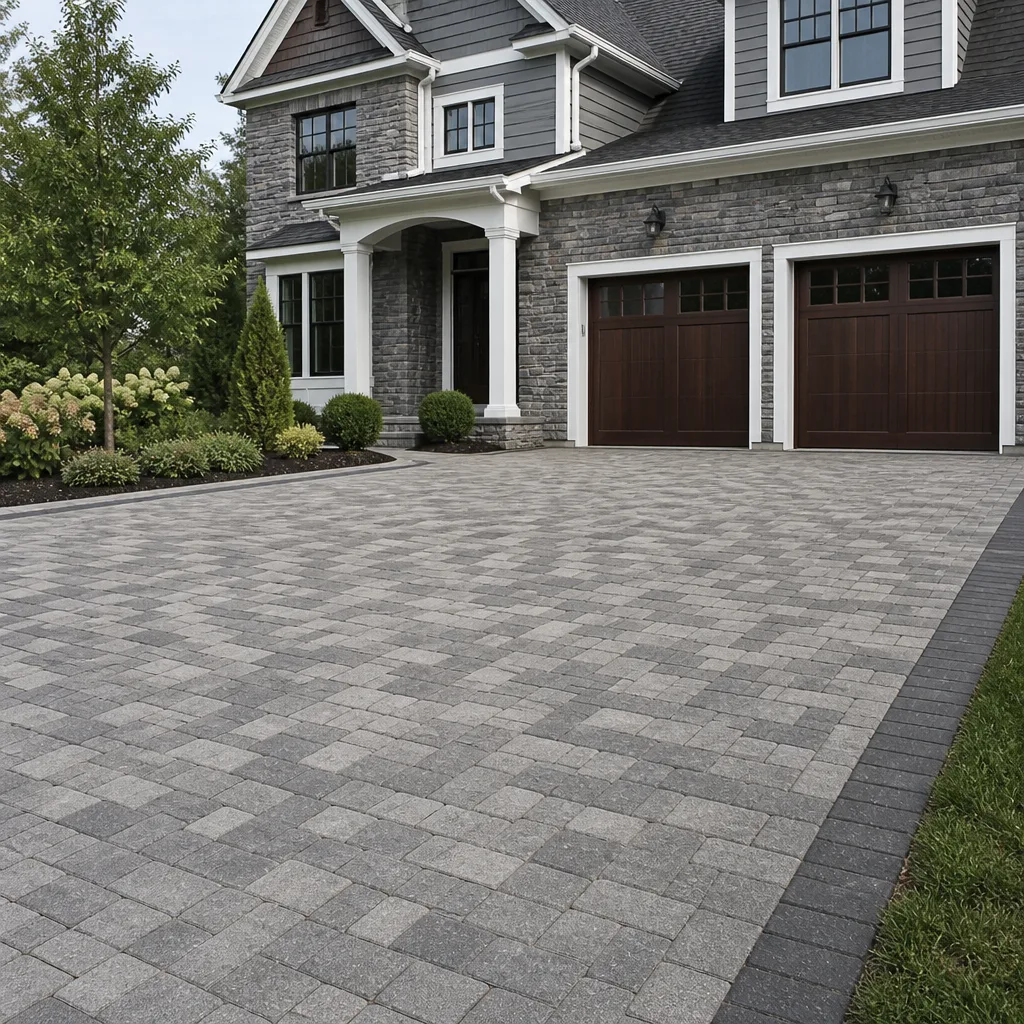
 Driveway & pavers
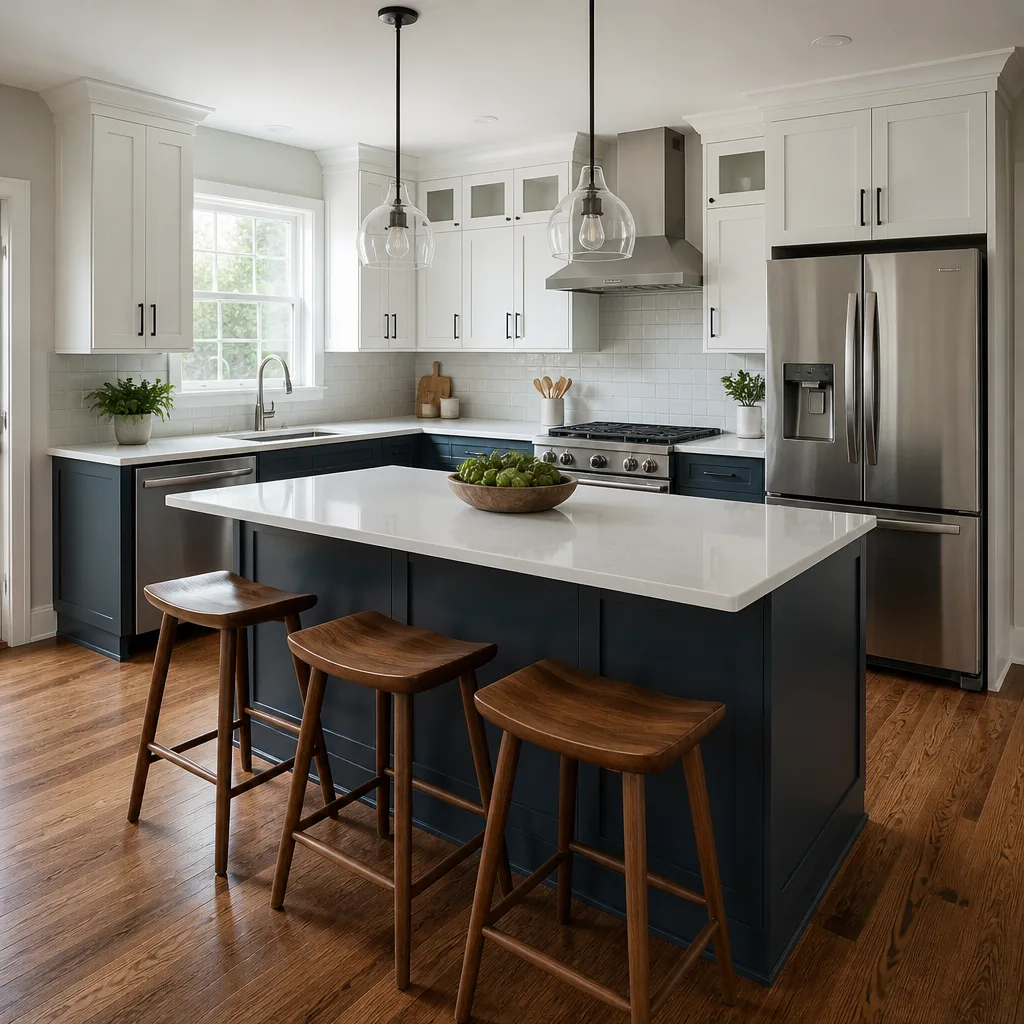 Kitchen remodeling
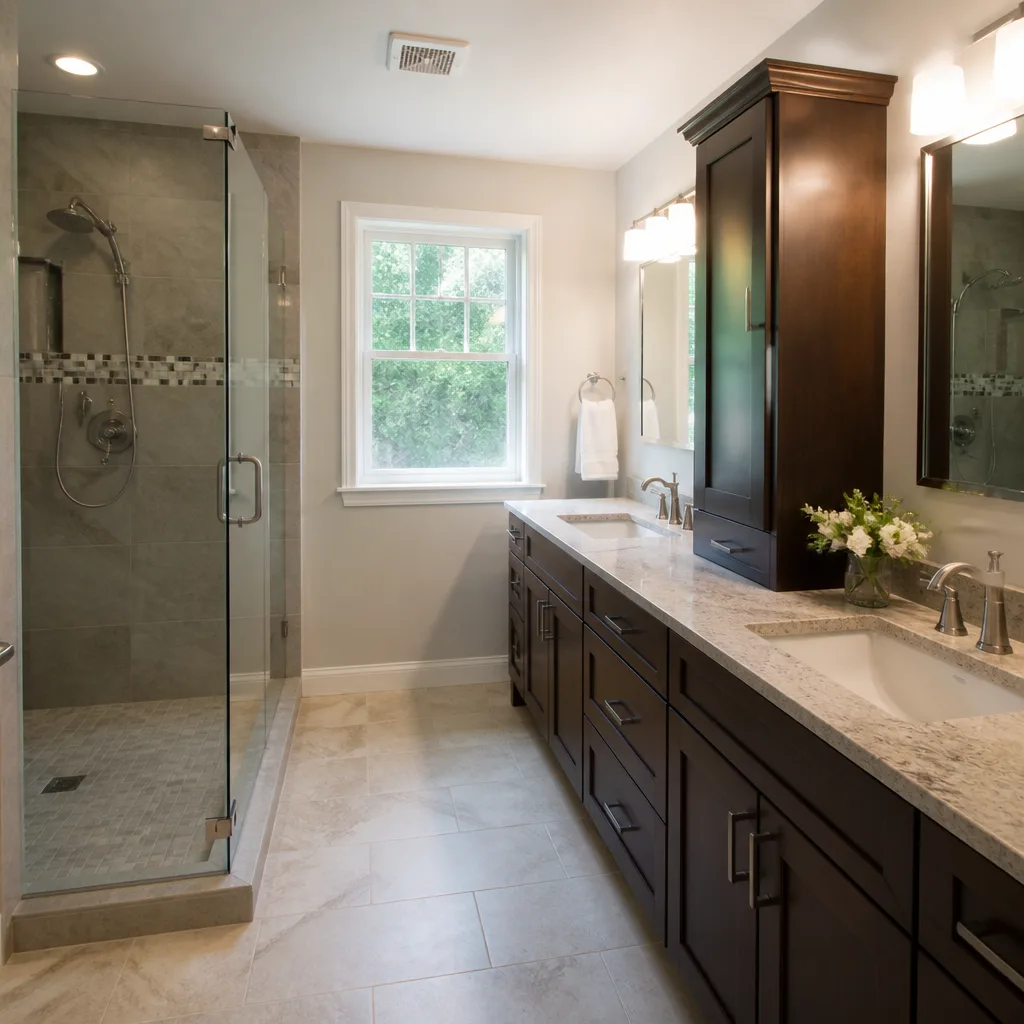 Bathroom remodeling
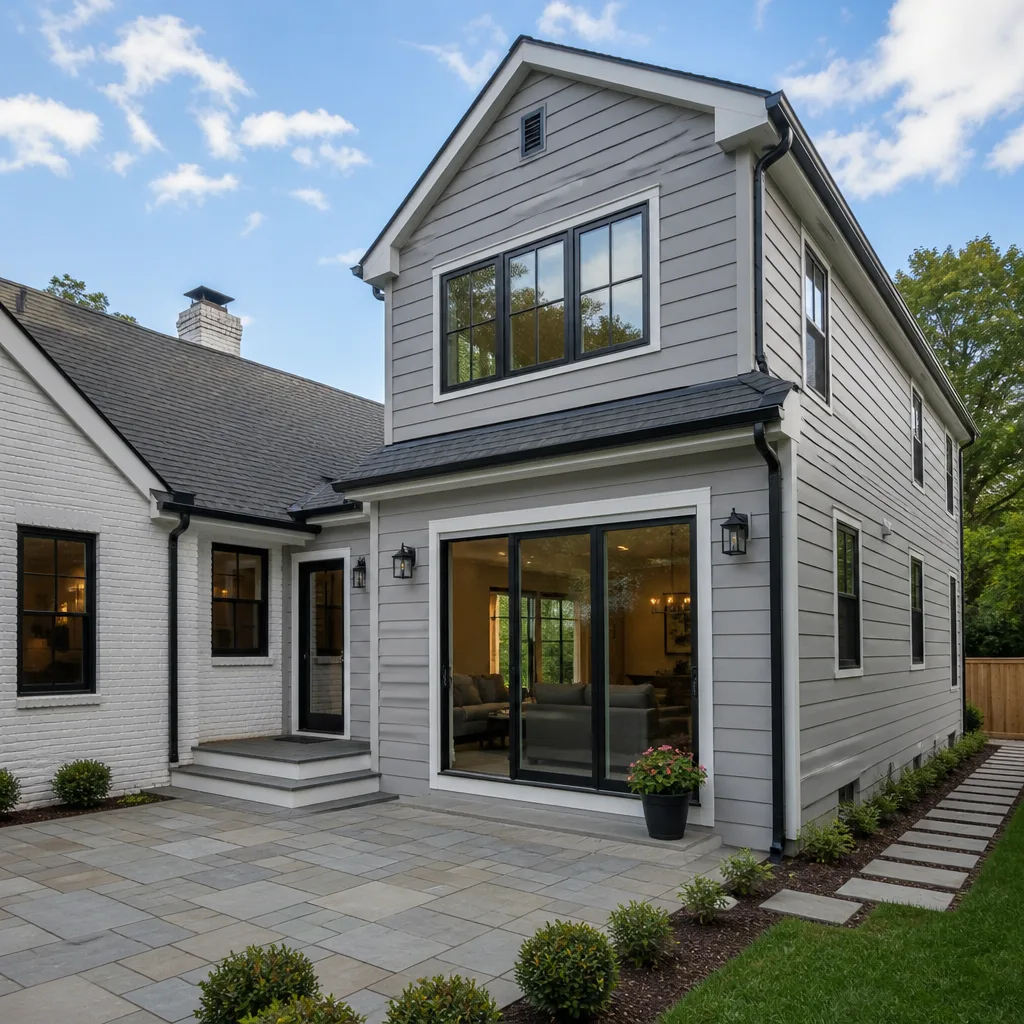 Home additions & ADU
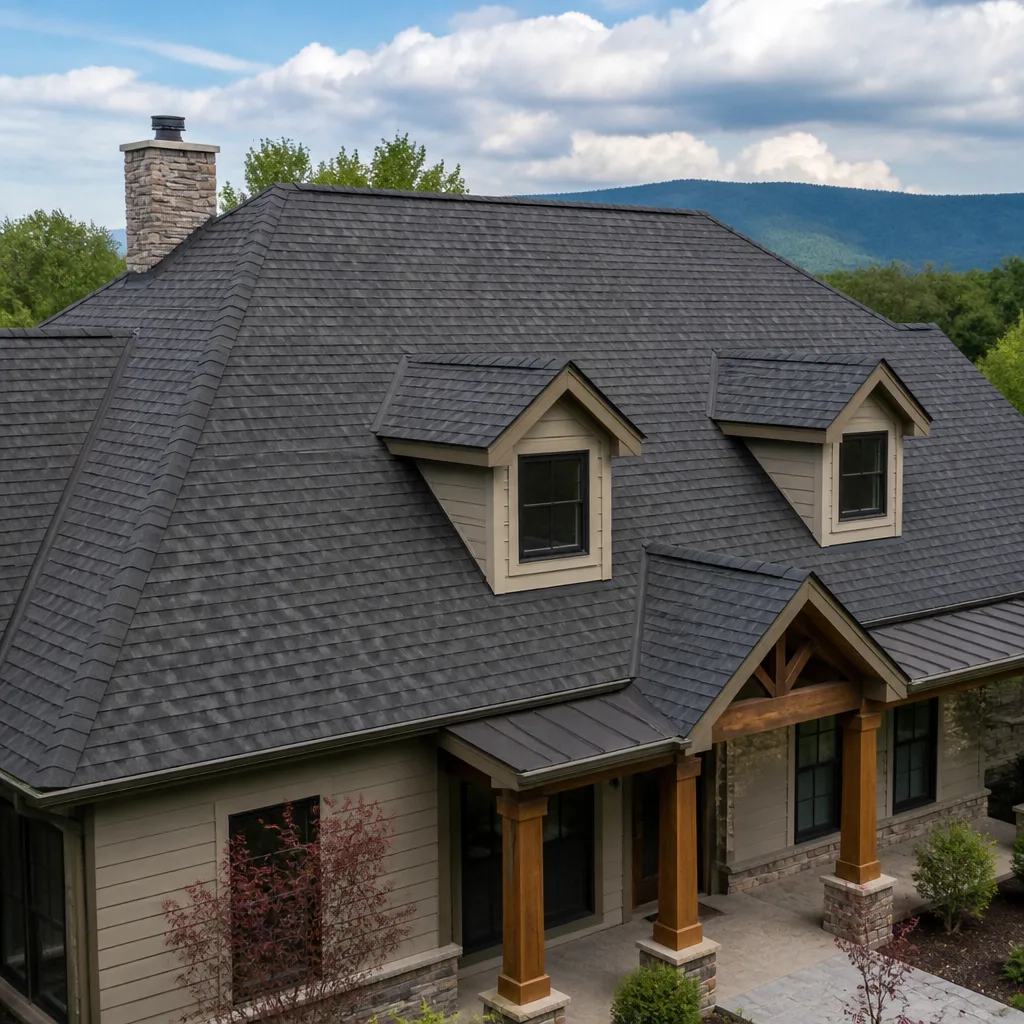 Roofing
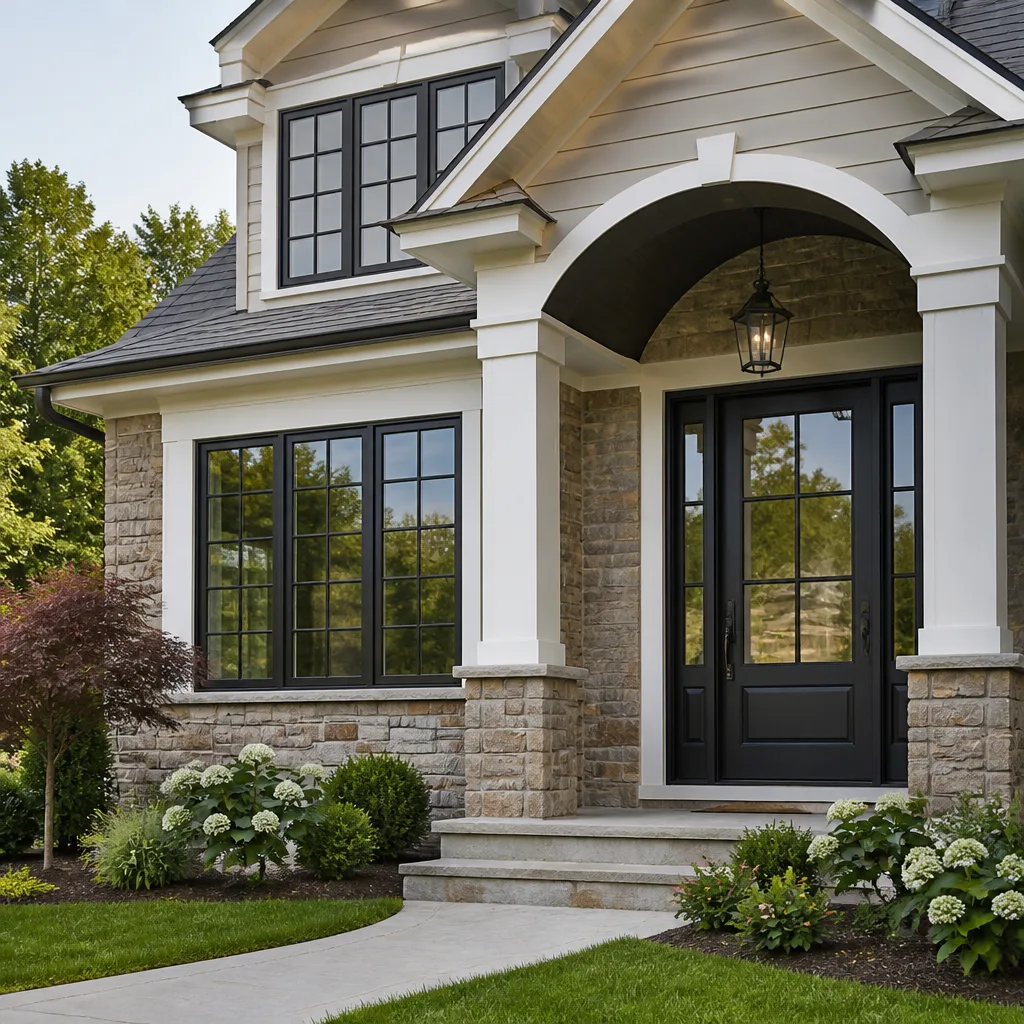 Windows & doors
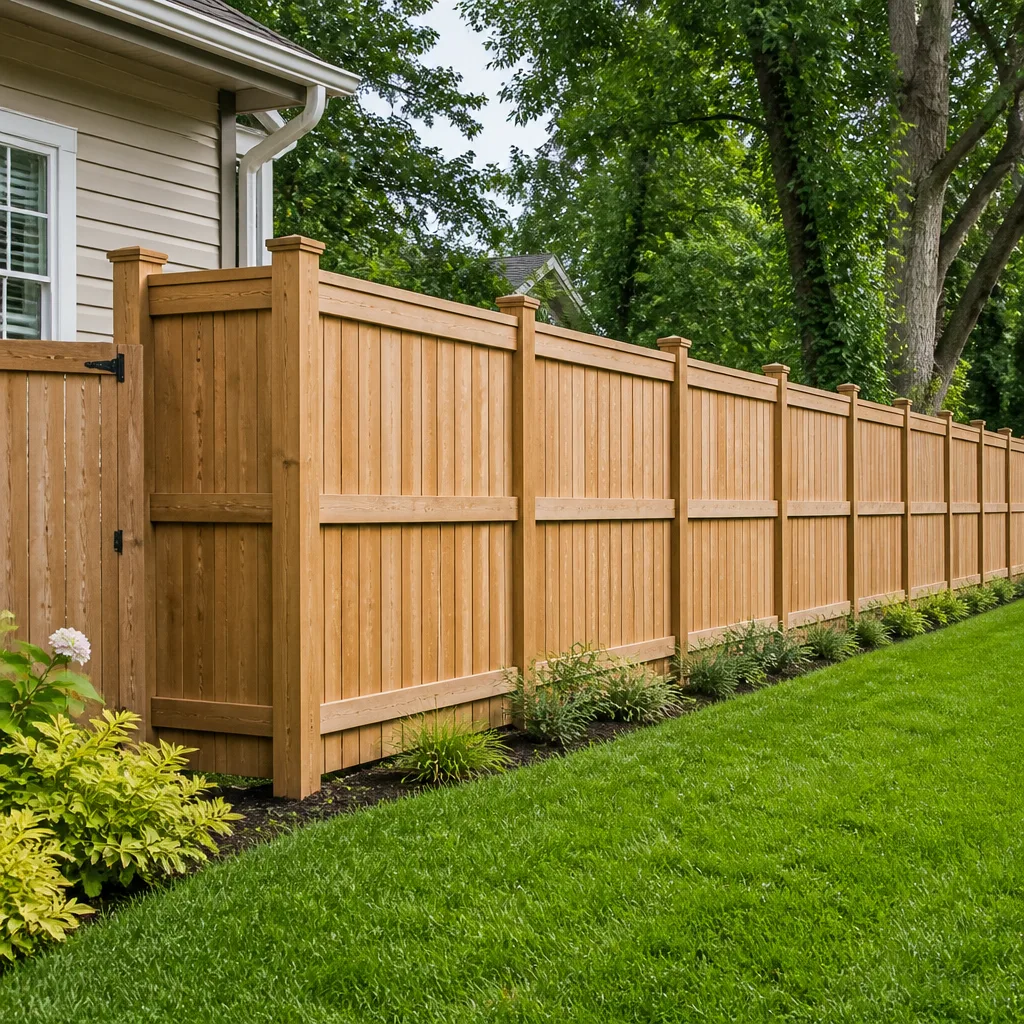 Fence
Free written scope consultation - allowances, timeline, and change-order rules on paper before a single trade is scheduled
Styles & brands we work with
- Kitchen remodeling
- Bathroom remodeling
- Home additions & ADU
- Roofing
- Windows & doors
- Driveway & pavers
- Fence
See the difference
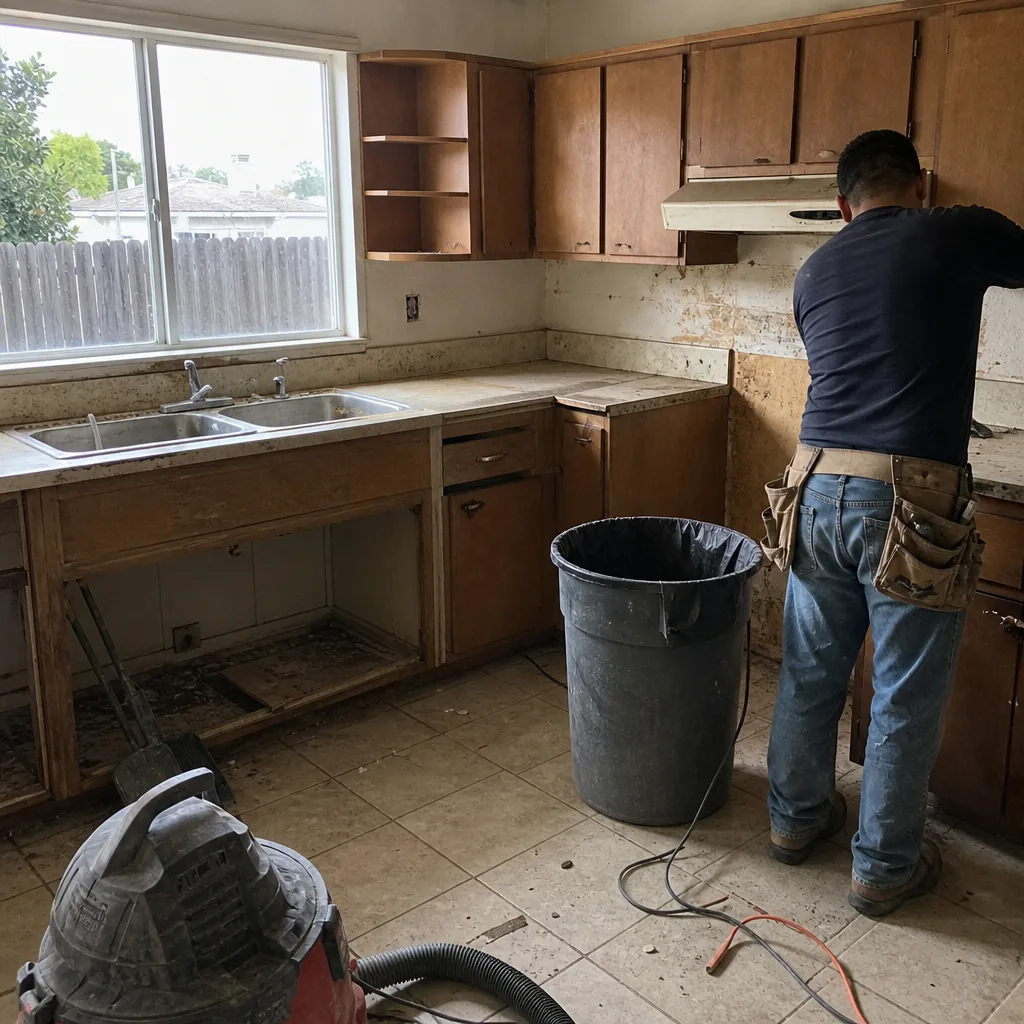 Before
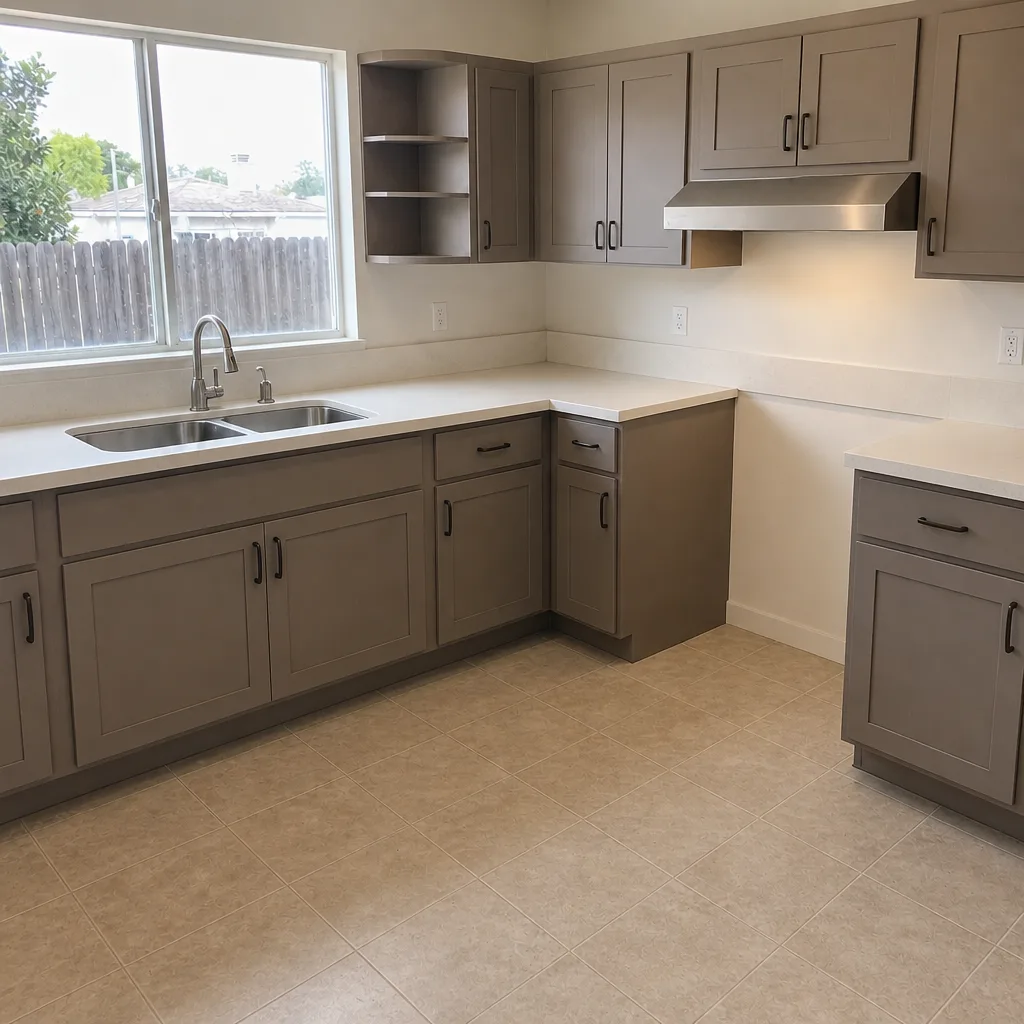 After
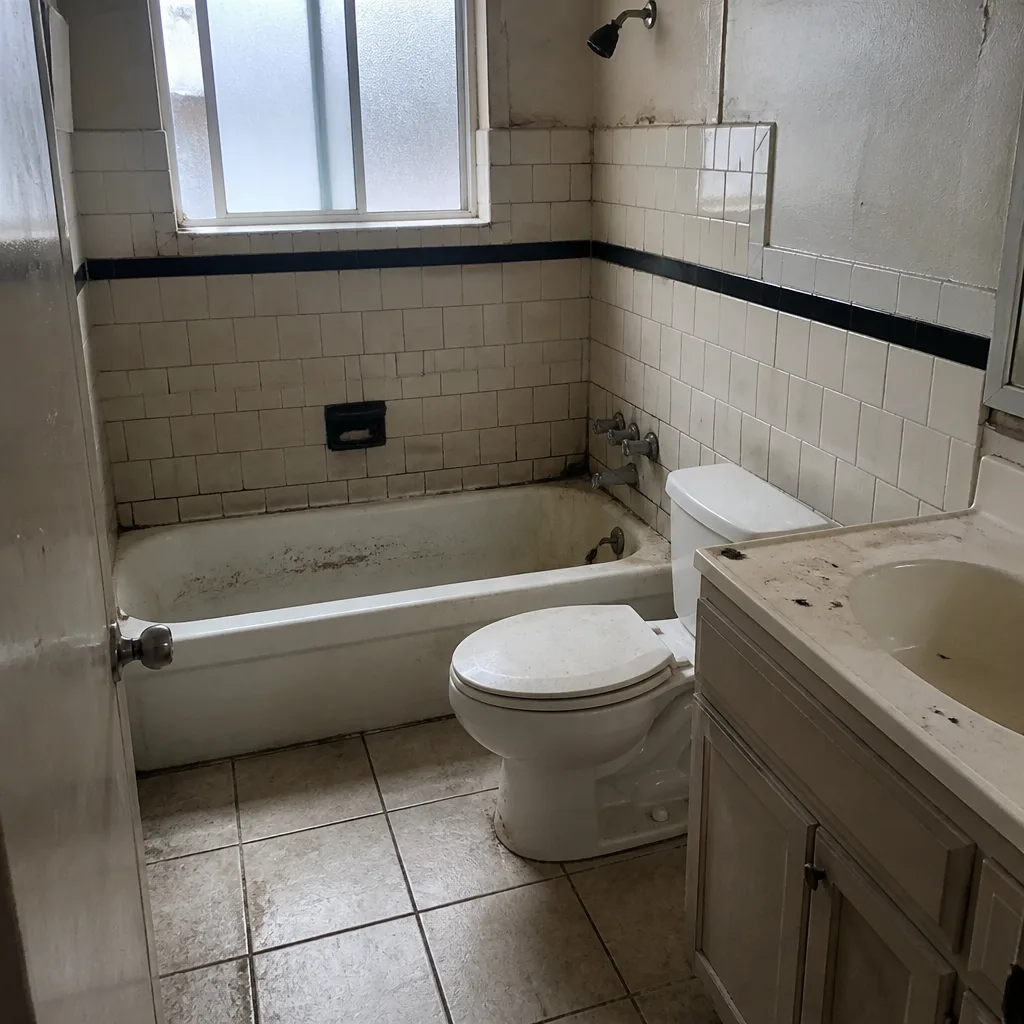 Before
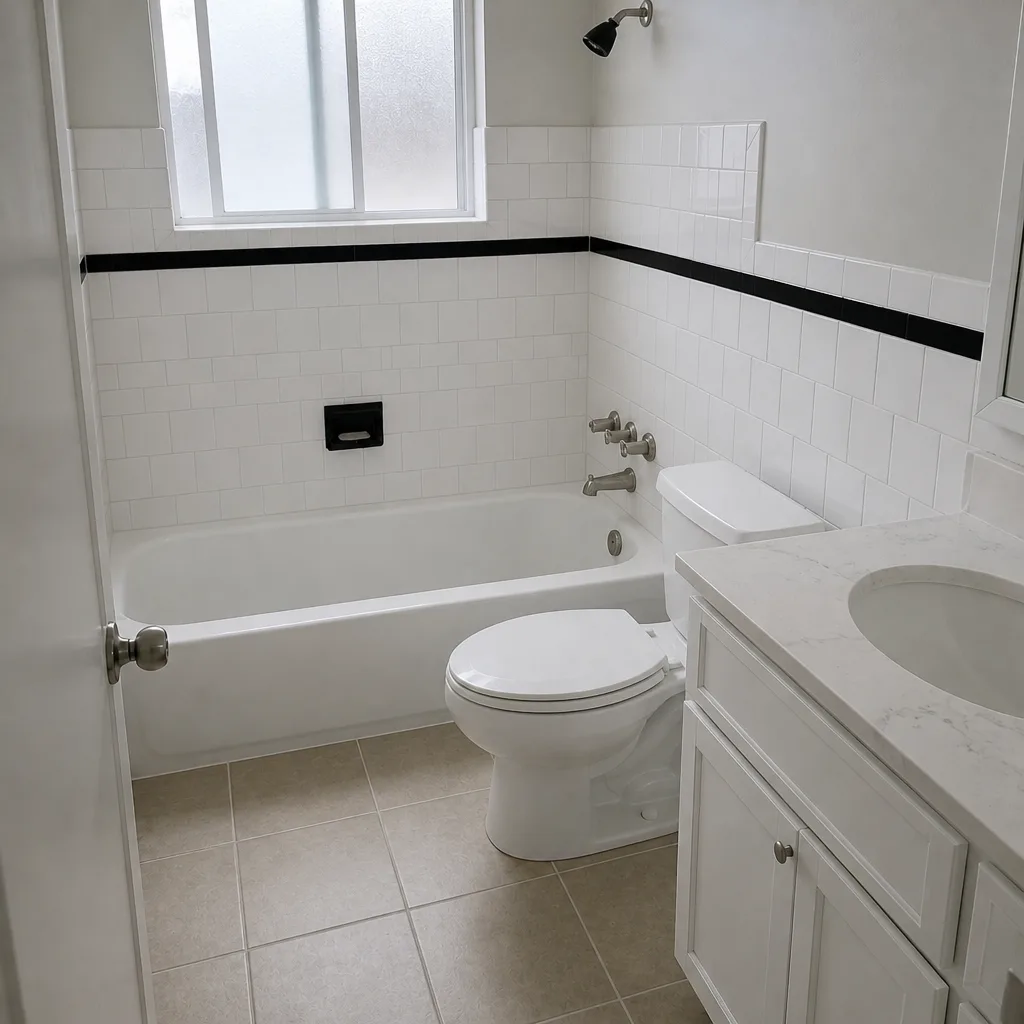 After
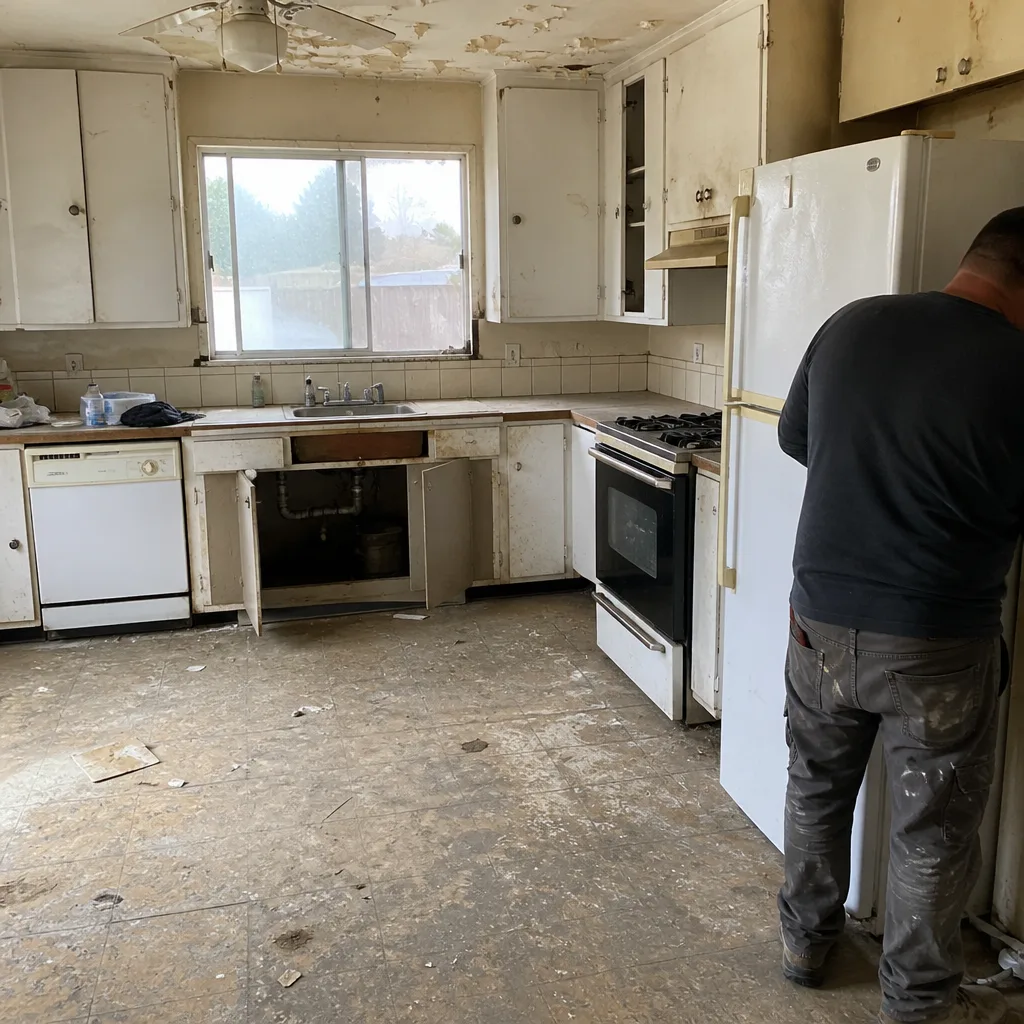 Before
 After
Stamped Concrete vs Pavers in Antioch, CA: Which Holds Up on Delta Clay?
Choose pavers unless you have a covered, stable spot where a stamped slab will never see soil movement. Stamped concrete costs less upfront, but on Antioch’s expansive clay it cracks, heaves, and can’t be cosmetically patched to match. Pavers flex with the ground and swap out one stone at a time. For most Antioch driveways and patios, pavers are the lower-cost choice over 10 to 15 years. Call (888) 419-3650 for a free estimate and an honest read on your specific lot.
Why Antioch’s Ground Punishes a Single Decorative Slab
Stamped concrete is a single slab pretending to be individual stones – and on Antioch’s expansive clay, the ground will eventually call that bluff with a crack that runs straight through the pattern. That’s the whole argument in one sentence. Everything below is just detail.
Antioch sits on the Delta at the foot of the East Bay hills. The flats along the San Joaquin River carry a high water table, and the soil under most of the older downtown and river-adjacent blocks is clay that swells when it’s wet and shrinks hard through our dry Delta summers. Builders here plan for that. A stamped slab doesn’t. It’s poured as one continuous piece of concrete, often with only minimal control joints, and when the clay under one corner swells more than the clay under another corner, the slab has nowhere to give. It heaves. And because the whole point of stamped concrete is a continuous decorative pattern, the moment it lifts or cracks, the pattern distorts in a way you can’t hide.
Pavers are the opposite approach. Hundreds of small units, each locked in a bedding layer, each free to shift a hair without tearing the surface. When the clay moves, the pavers move with it. When one settles, you pull it and reset it. When one cracks – rare, but it happens – you lift a single stone and drop in a replacement from the same stock.
The southern hill subdivisions built in the 1980s through the 2000s sit on better-draining, more stable subgrade, and that changes the math. But even there, tree roots and seasonal soil movement find a monolithic slab eventually. If you’re on the flats, plan for it from day one.
The Repair Problem Nobody Warns You About
Here’s the part homeowners find out the hard way. When stamped concrete cracks, fixing it means color-matching a weathered, sun-faded, dirty slab with a fresh patch. The new concrete cures to a different shade. The stamp texture never lines up perfectly. Within two summers, the repair reads as a scar. There’s no clean fix, only a visible one.
A cracked paver is the opposite story. That’s a 15-minute job, and the repair is invisible because it’s literally the same product. We keep replacement units from Cambridge Pavers and Oldcastle on hand for exactly this reason – a homeowner shouldn’t have to special-order a color that’s been discontinued since the original pour.
That single difference is why the lifetime cost math flips. Broken down over the long haul:
| Cost category | Stamped concrete | Pavers |
|---|---|---|
| Upfront (patio, ~300 sq ft) | $3,500-$6,500 | $3,500-$11,000 |
| Crack / heave repair | Patch, color-match, usually visible | Swap single units from stock |
| 10-15 year outlook on clay flats | Higher total cost from repeated patching | Lower – spot repairs, reseat as needed |
| Resale perception | Cracks read as foundation trouble | Pavers read as maintained, premium |
Stamped concrete wins on the invoice the day it’s poured. It loses on the invoice five years later, when you’re paying a crew to chase a crack that keeps returning.
Where Stamped Concrete Actually Makes Sense in Antioch
It’s not a bad material everywhere, and we’d tell you if it were. It earns its keep in a few specific spots:
- A covered patio or porch. No direct rain, no sun-bake cycling, no soil moisture swings. The slab stays stable and the finish holds.
- Interior courtyard areas where a decorative surface sits over a well-compacted, drained subgrade with no tree roots within reach.
- Southern hill lots on stable, well-draining subgrade – generally the newer subdivisions where the ground doesn’t carry the same clay profile as the riverfront flats.
Outside those conditions, stamped concrete on the flats is a bet against the soil. And the soil here usually wins.
What We Look for Before Recommending Either One
Any honest recommendation starts with the ground, not the catalog. When we walk a property in Antioch, we’re checking for a few specific things:
- Soil and drainage. Clay-heavy flats versus the better-draining hill lots. Where does water go in a winter storm?
- Tree roots. Roots lift both materials, but a monolithic slab has no relief joints to absorb the movement – it cracks instead.
- Water table. River-adjacent blocks run high; that changes how a base is built.
- Use and exposure. A shaded, covered surface and a sun-baked riverfront driveway are entirely different jobs.
- Your timeline. Ten years or thirty? The answer points to a different material.
If you’re comparing driveway options specifically, our Driveway & Pavers page covers base prep, drainage slope, and what a proper installation looks like. We install Driveway & Pavers in Antioch on the same clay-flats conditions we’re describing here, so the recommendations match what the ground actually does.
For the two main driveway routes, our price ranges in Antioch look like this: paver driveway installation runs $7,000-$18,000, while concrete driveway installation runs $4,500-$12,000. Paver patio installation is $3,500-$11,000. Concrete starts lower. The question is whether the finish survives the clay.
Where Quality Comes From
The reason we lean on pavers for this climate isn’t loyalty to one product – it’s that pavers put quality accountability at two levels. The product itself comes from manufacturers like Cambridge Pavers and Oldcastle with their own material warranties. The installation is covered by our 730-Day Done Right Promise: if it’s not done right, we make it right. That’s two layers of coverage instead of one contractor handshake. Stamped concrete gives you workmanship coverage only – if the slab cracks, the concrete isn’t defective, the ground moved. That’s not a warranty problem. It’s a material-fit problem.
We back the work with background-checked, uniformed technicians, upfront pricing so the number you see is the number you pay, and 0% financing for 18 months plus $1,000 off projects over $10,000. Calls are answered by a live person, 24/7, so a question about your slab doesn’t have to wait for Monday.
FAQs
Stamped concrete typically runs $3,500-$6,500 for a patio-size area, while a comparable paver patio runs $3,500-$11,000 – so concrete starts lower upfront. On Antioch’s clay flats, though, crack repair and color-matching patches push the stamped slab’s 10-15 year total above pavers, which spot-repair with single replacement units. Call (888) 419-3650 for an exact quote on your property – estimates are free.
Honestly, no – not invisibly. A repair means color-matching a weathered, sun-faded slab, and the new patch cures to a different shade and never lines up with the stamp texture perfectly. A cracked paver is simply lifted and swapped for a new unit from the same stock, which is why paver repairs are nearly impossible to spot. That difference is the biggest reason we steer Antioch homeowners toward pavers on the flats.
Yes, by a wide margin. Pavers are individual units that flex with differential soil movement, while stamped concrete is monolithic and heaves or cracks because it has no relief joints to absorb the shift. On the riverfront flats with high water tables and clay that swells and shrinks through the seasons, that flexibility is the difference between a surface that stays intact and one that develops a crack straight through the pattern.
In most cases, yes. We schedule around the dry Delta weather, and our technicians have up to 12 years of experience reading clay-based lots so the base and drainage are built right the first time. Call (888) 419-3650 to check the calendar and lock in your date – free estimates, and a live person answers 24/7.
If you’d rather have it looked at, Groundwork Construction Co. of Antioch offers a no-pressure assessment in Antioch – call (888) 419-3650 for a free estimate, and we’ll tell you honestly whether your lot favors stamped concrete or pavers.
Written by the team at Groundwork Construction Co. of Antioch, serving Antioch, CA.