
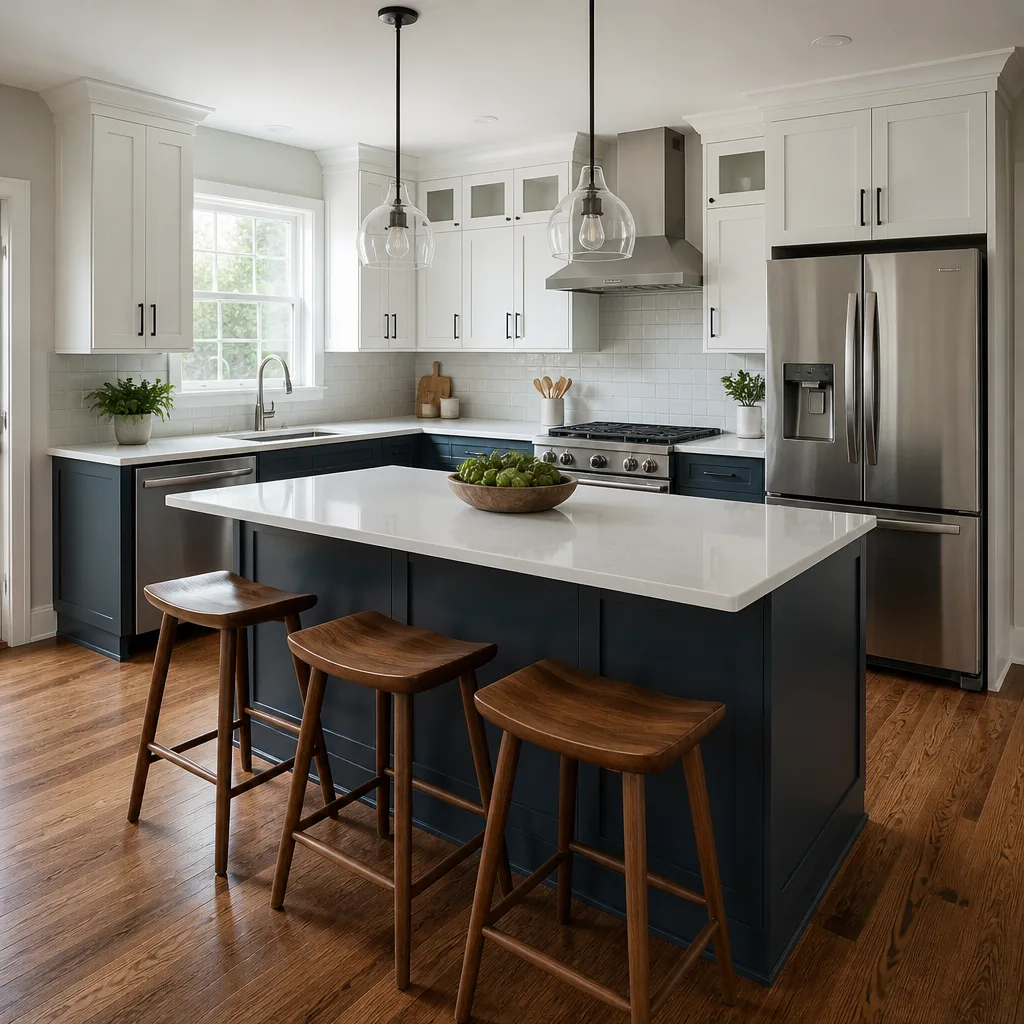
 Kitchen remodeling
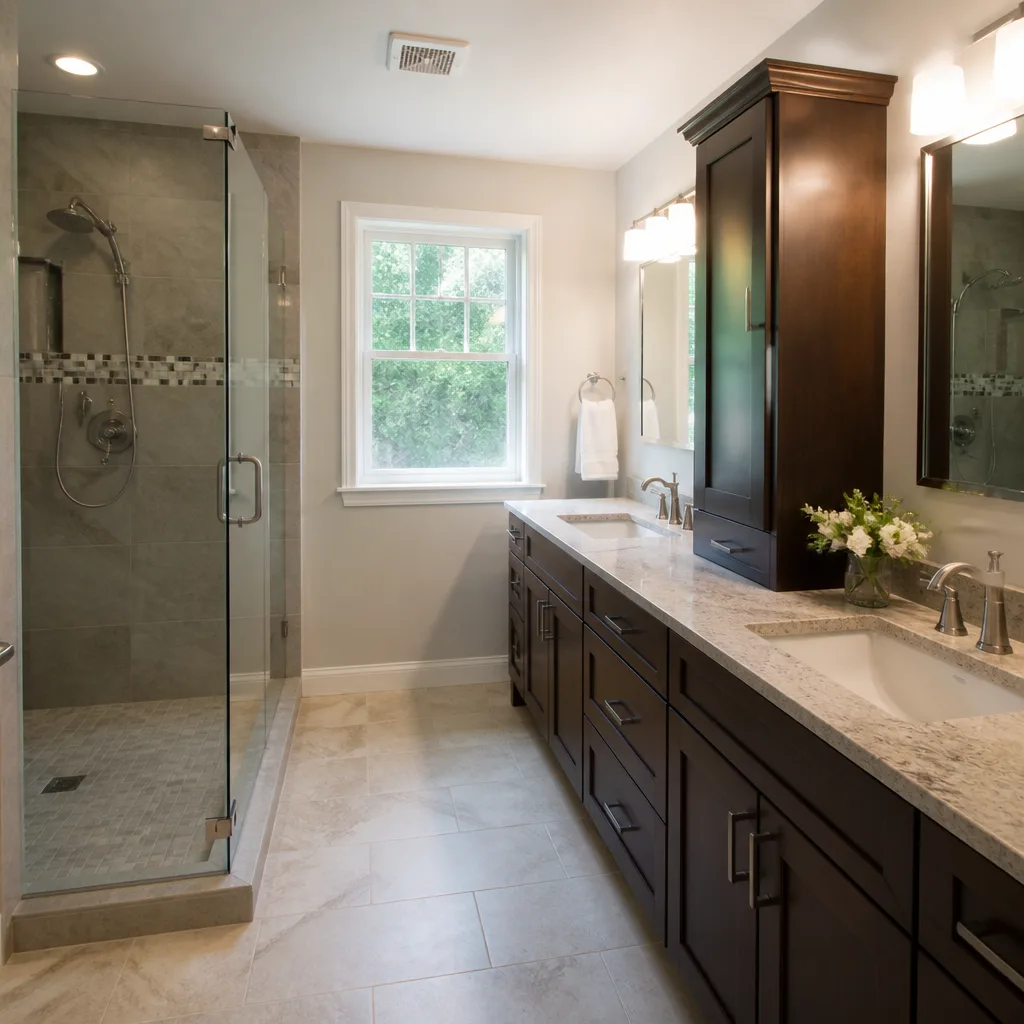 Bathroom remodeling
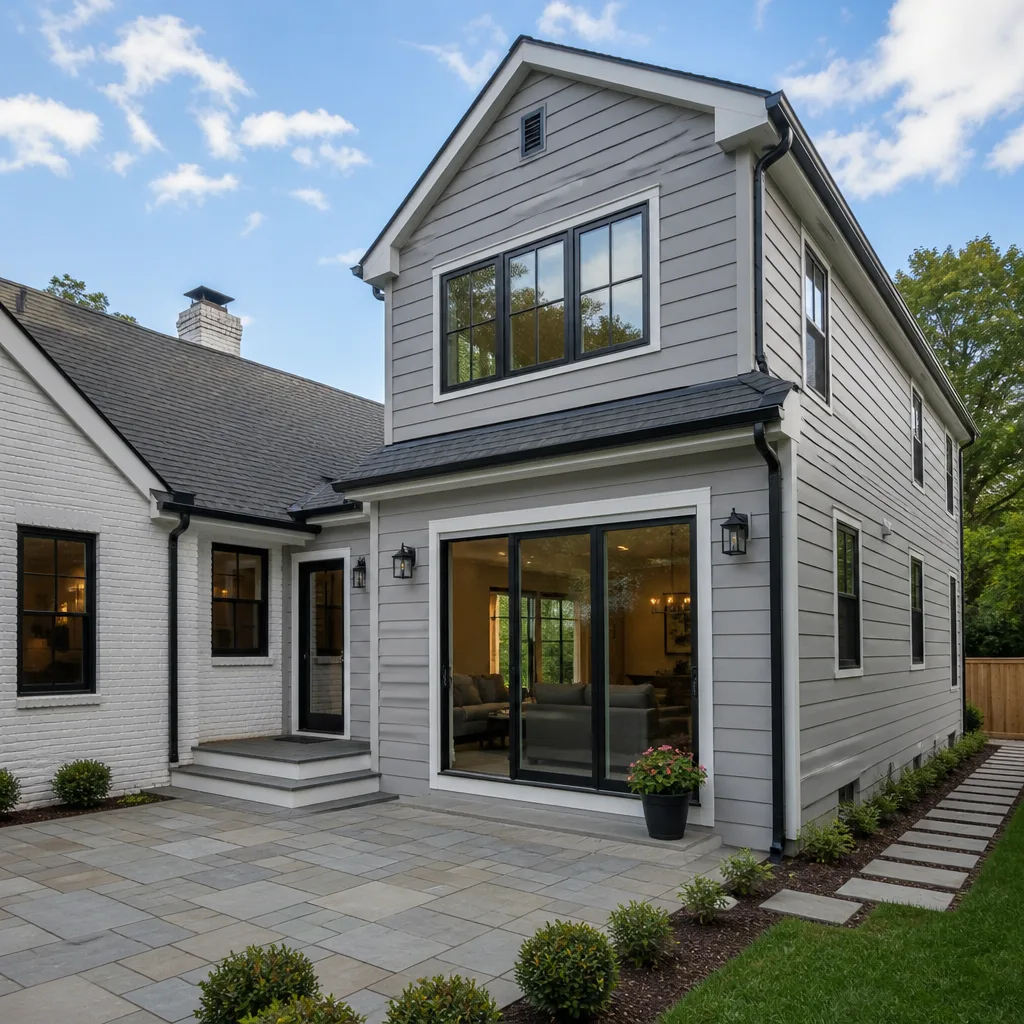 Home additions & ADU
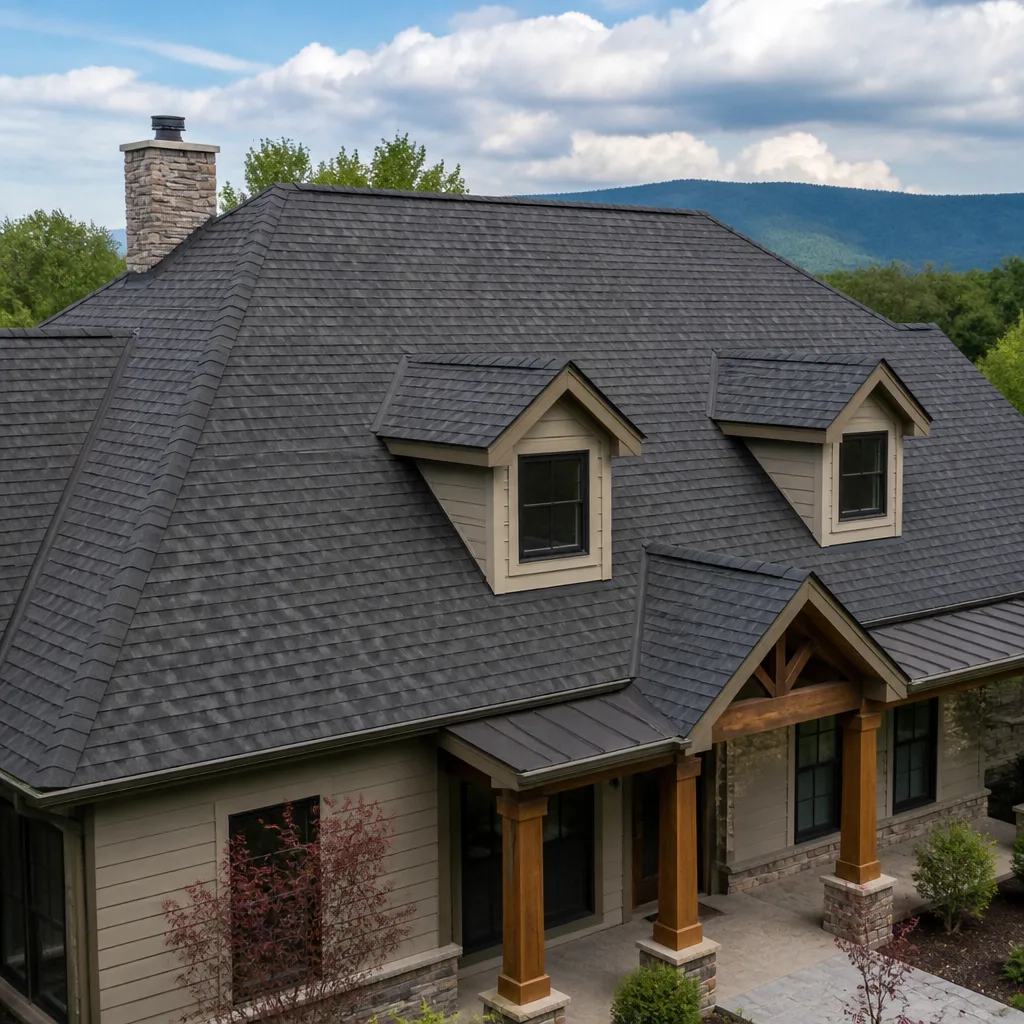 Roofing
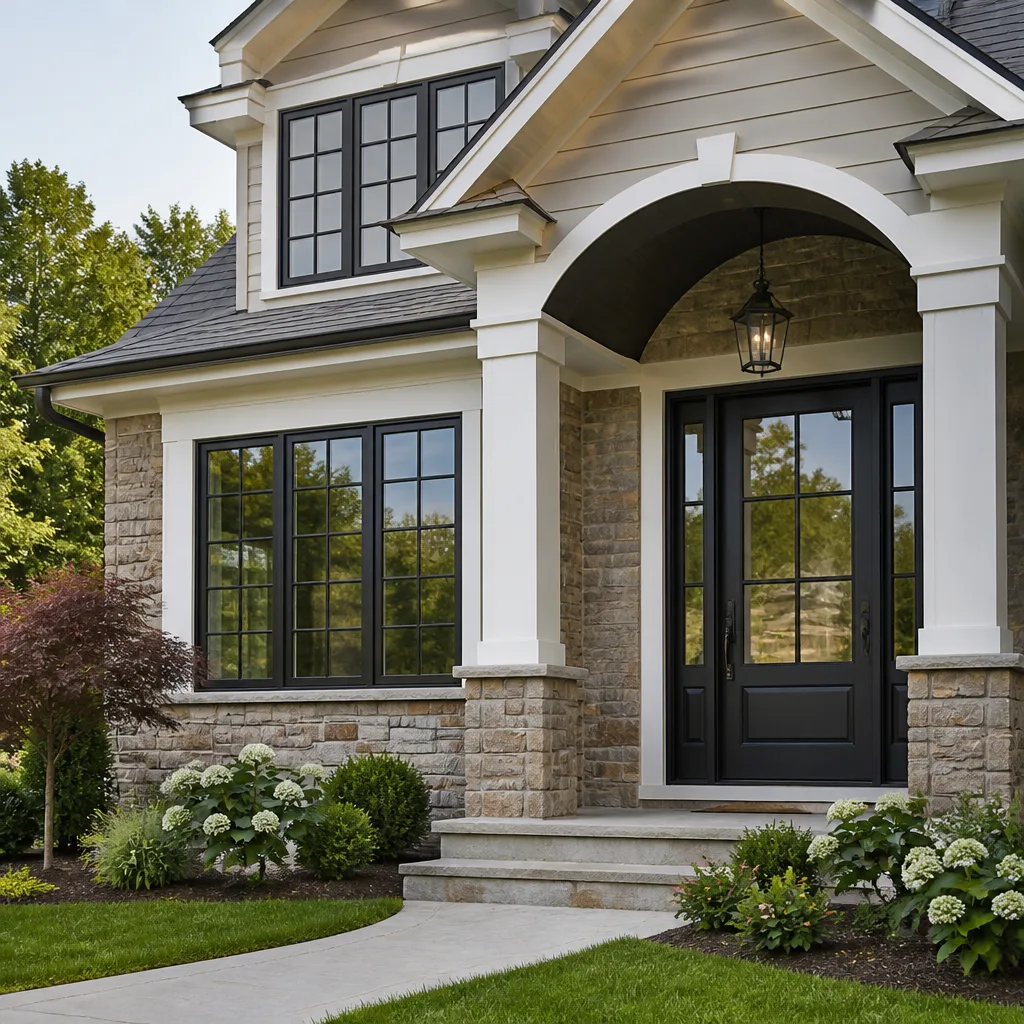 Windows & doors
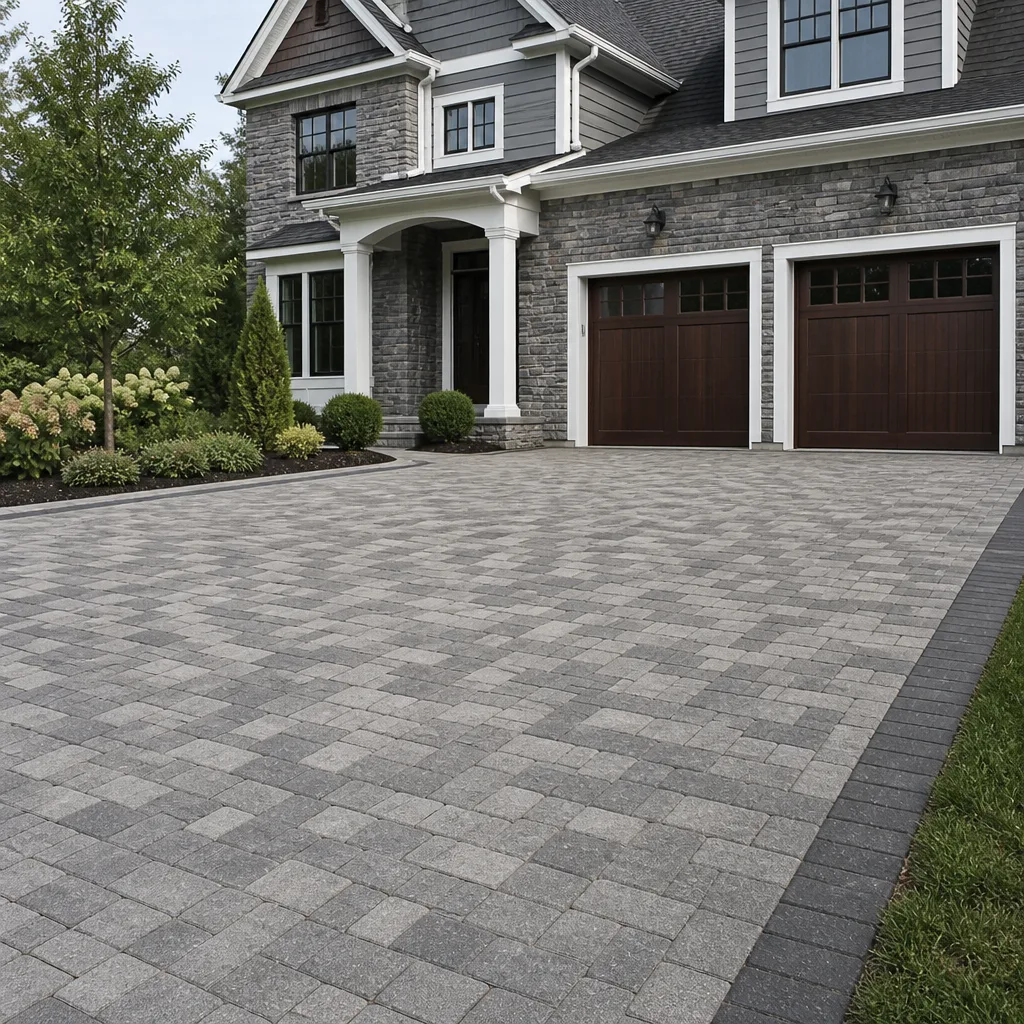 Driveway & pavers
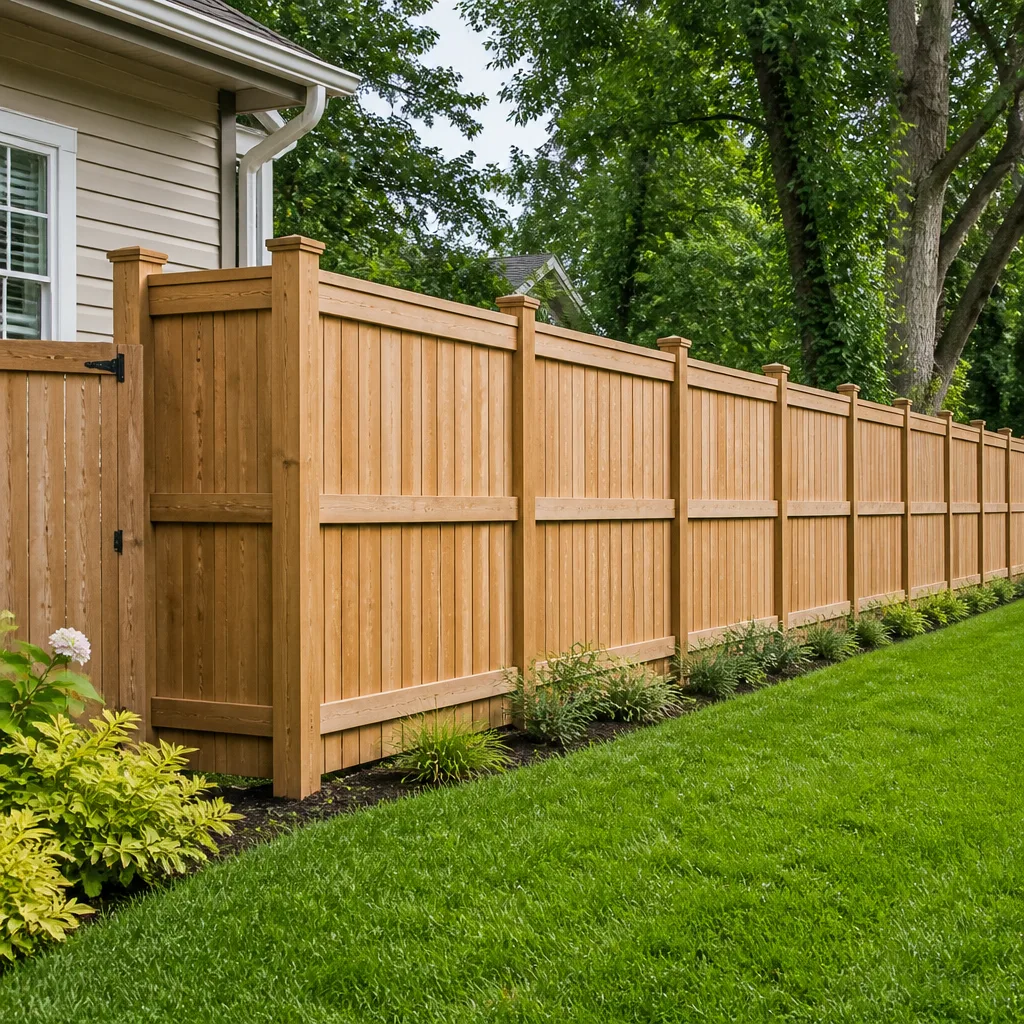 Fence
Free written scope consultation - allowances, timeline, and change-order rules on paper before a single trade is scheduled
Styles & brands we work with
- Kitchen remodeling
- Bathroom remodeling
- Home additions & ADU
- Roofing
- Windows & doors
- Driveway & pavers
- Fence
See the difference
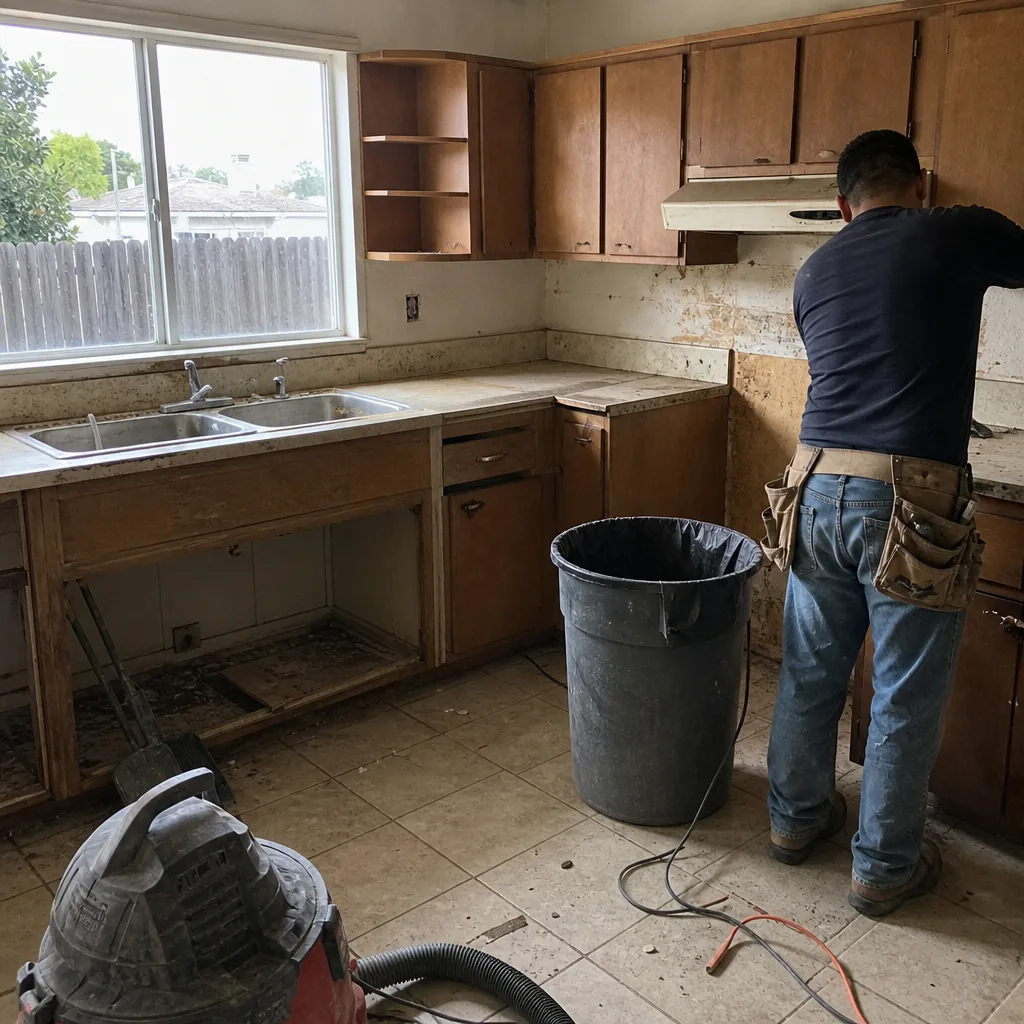 Before
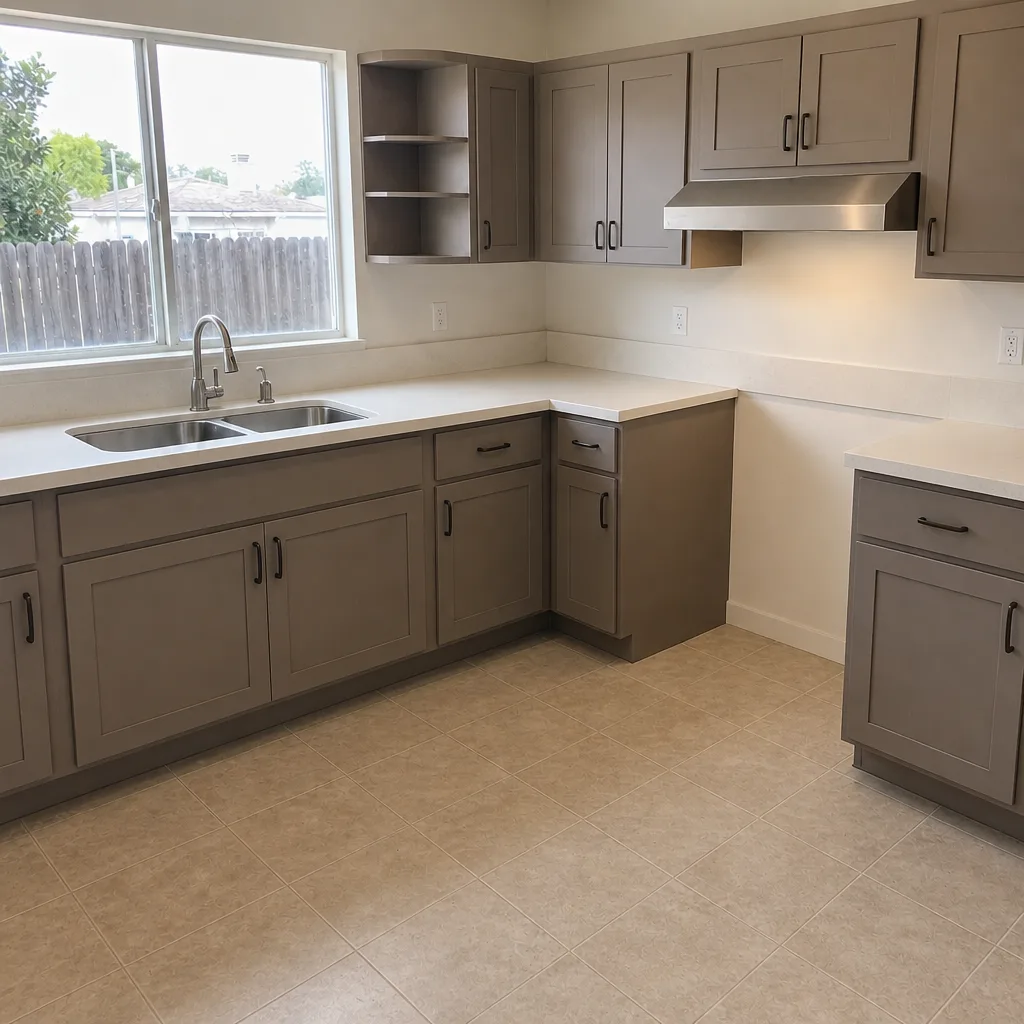 After
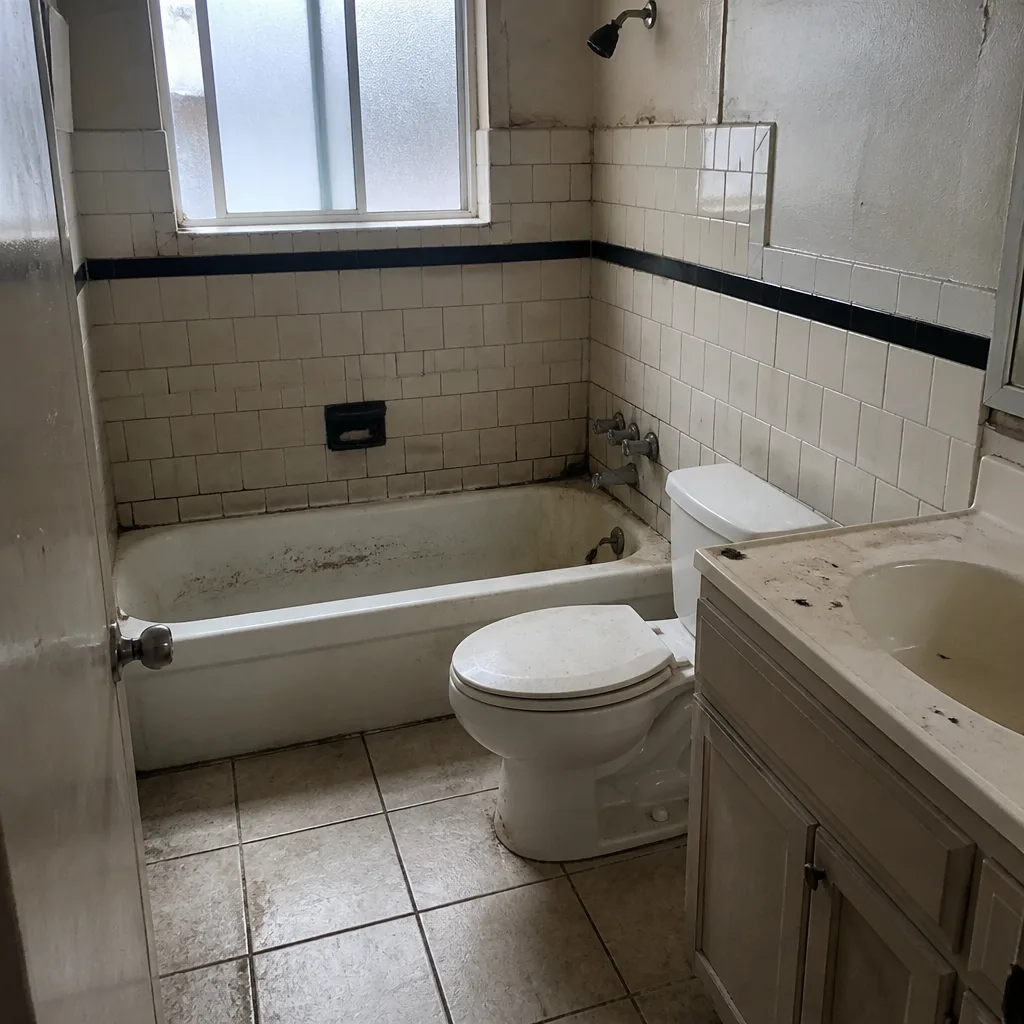 Before
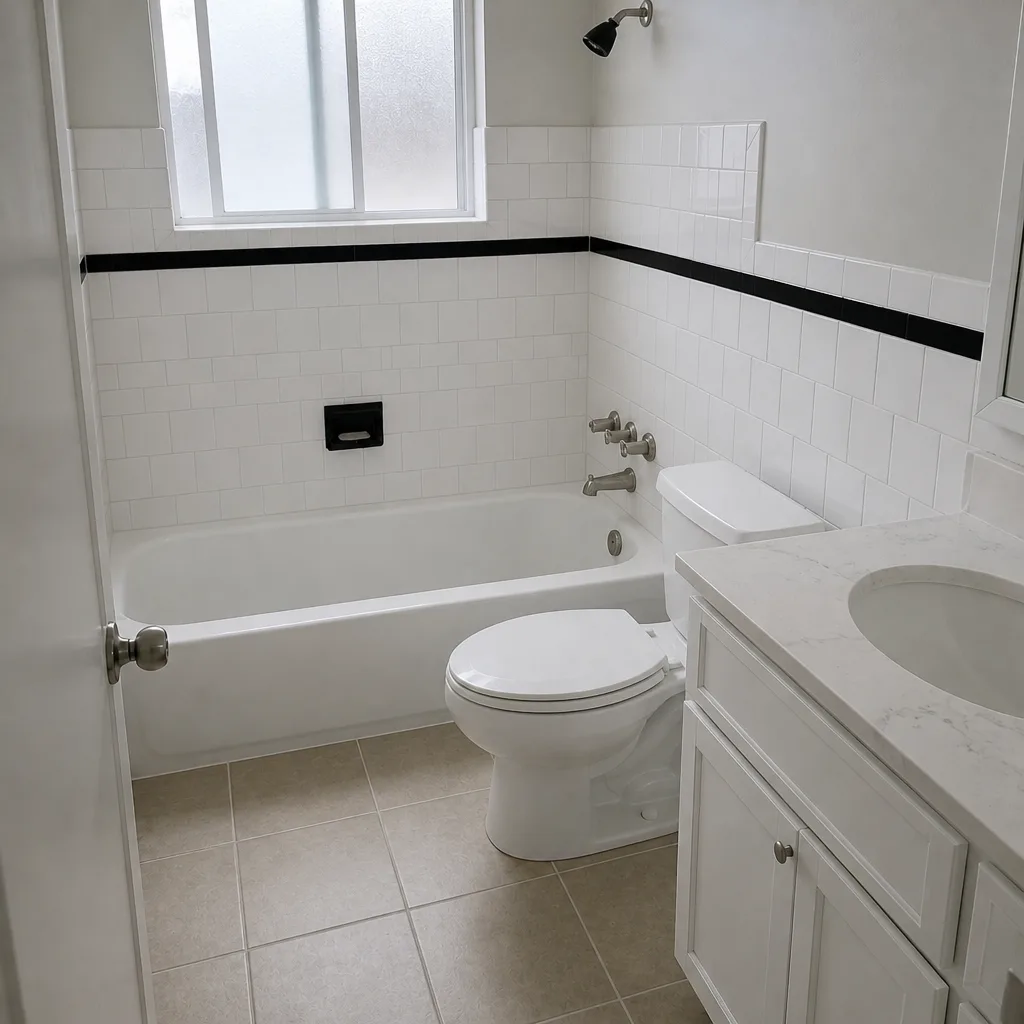 After
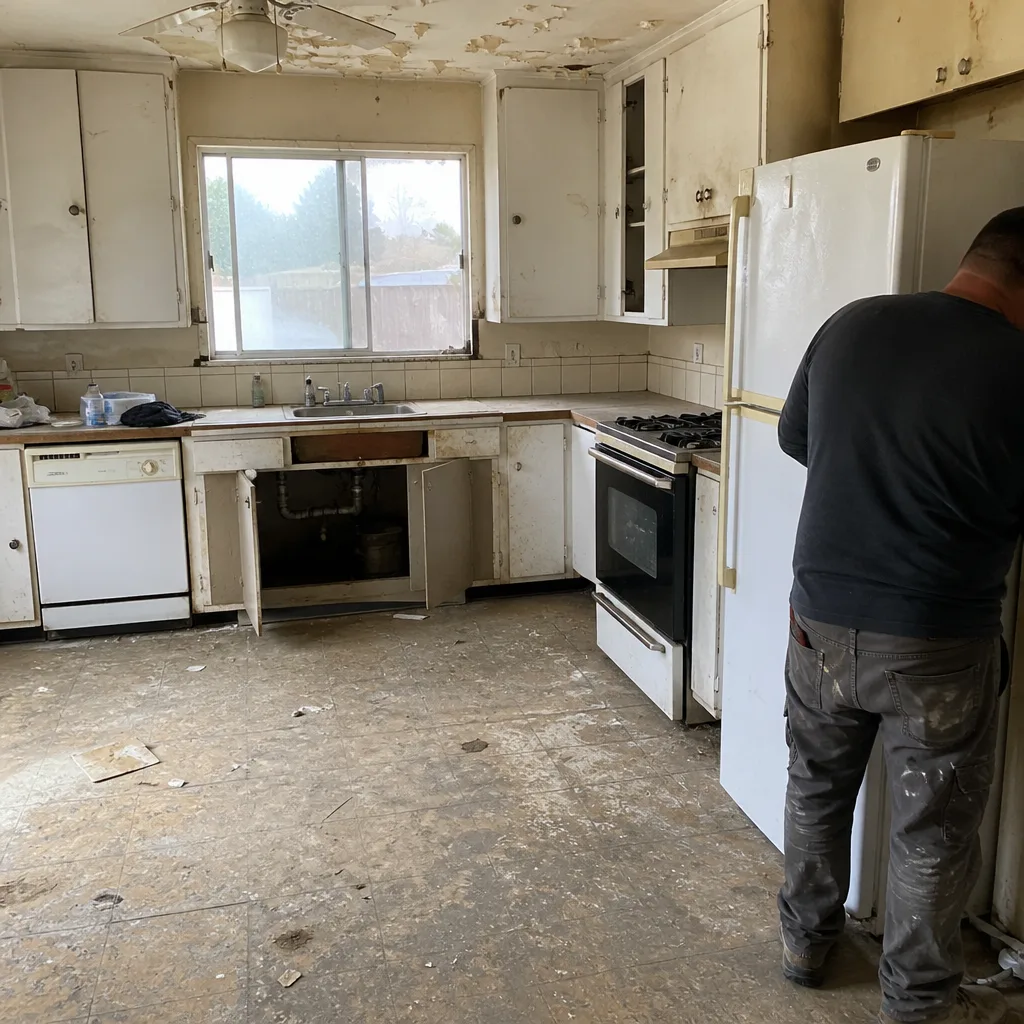 Before
 After
What Is a Junior ADU in Antioch, CA? The State-Defined Housing Unit Hiding Inside Your Home
A Junior ADU (JADU) is a state-defined housing unit of no more than 500 square feet, carved entirely out of the existing walls of your primary home. Under California’s ADU law (AB 68 and SB 13), it must have its own exterior entrance, an efficiency kitchen, and a bathroom – but it needs no new foundation, no new exterior footprint, and no separate utility trench. In Antioch, a JADU is the cheapest legal path to rental income from space you already own. If you want to know whether your house can carry one, the fastest answer comes from a walkthrough: call (888) 419-3650 to schedule a free estimate and design consult.
Antioch’s housing stock matters here. The flats are dominated by 1950s to 1970s single-story ranch tract homes, and many of those floor plans already include a bedroom wing with its own exterior door off a side yard or carport. That configuration is the shortcut. A JADU conversion in one of those homes is often a fraction of the work of a detached build, with a permit process to match. Along the Delta waterfront and the older blocks near downtown, expansive clay soils and a high water table make detached construction more expensive to engineer – another reason the within-the-walls option deserves a serious look.
How Is a Junior ADU Different From a Standard ADU?
The core differences are size, placement, kitchen scope, and an owner-occupancy rule that catches people off guard. A standard ADU can be detached, can run up to 1,200 square feet in most cases, and can carry a full kitchen. A JADU stays inside the main house, caps at 500 square feet, and needs only an efficiency kitchen – typically a sink, a small fridge, a microwave or hot plate, and limited counter space.
That kitchen detail is a real tradeoff. It lowers construction cost, sure. But it also limits who will rent the unit and at what rate, because a tenant who wants to cook full meals will find an efficiency setup tight. Homeowners comparing the two should weigh that against the money saved.
- Size cap: 500 sq ft maximum, versus up to about 1,200 sq ft for a standard ADU.
- Location: must be inside the existing primary dwelling, versus a detached structure, garage conversion, or attached addition.
- Kitchen: efficiency kitchen only, versus a full kitchen in a standard ADU.
- New footprint: none, versus new foundation, framing, and roof.
- Owner-occupancy: required by state law for JADUs – the owner must live in either the JADU or the main home.
That owner-occupancy requirement is the nuance most informational pages skip past, and it matters enormously for anyone buying property as a pure investment. A JADU cannot be an absentee rental play the way a detached ADU on a properly permitted lot can be. If you plan to move out and rent both units, the JADU math changes.
Can My Antioch Ranch Home Actually Fit a Junior ADU?
Often, yes – and more often than the homeowner expects. The single-story ranch layout that dominates Antioch’s flats frequently has a spare bedroom, a den, or a converted garage space that already touches an exterior wall. If there’s room to add a door to the side yard or an existing covered entry, the structural scope shrinks fast.
Here’s what the walkthrough looks for: ceiling height that meets code, a wet-wall location for the bathroom tie-in, distance to the main electrical panel, and whether the existing HVAC can serve the new unit or needs a dedicated mini-split. Clay-heavy soils and seasonal swelling along the river-adjacent blocks don’t change a JADU’s foundation, because there isn’t a new one – but they do affect drainage and grading around the new exterior door.
Antioch’s hot, dry Delta summers and wind-driven dust are worth planning for during the build itself, especially on any exterior work. Interior JADU conversions are largely shielded from that, which is one more reason the within-walls path runs smoother than a detached project.
What Does a Junior ADU Cost in Antioch in 2026?
A Junior ADU conversion in Antioch typically runs $45,000-$130,000 for the full project, depending on how much plumbing, electrical, and finish work the space needs. That range sits well below a detached ADU at $90,000-$220,000, because a JADU skips the new foundation, the new roof, and the separate utility runs. The exact number depends on your layout – an existing bath tie-in and a short electrical run land near the low end.
| Scope | Typical Antioch Range |
|---|---|
| Junior ADU conversion (full project) | $45,000-$130,000 |
| Garage conversion (similar utility scope) | $30,000-$80,000 |
| Detached ADU (for comparison) | $90,000-$220,000 |
| Home addition (new footprint) | $45,000-$130,000 |
| Efficiency kitchen and bath finishes | Within project range, scoped by walkthrough |
Pricing stays upfront and no-surprise with us – the number you see is the number you pay. Groundwork Construction Co. of Antioch also offers $1,000 off projects over $10,000 and 0% financing for 18 months, which spreads out a JADU build without adding interest for the first year and a half.
What Should You Look for in a Junior ADU Contractor?
The JADU work happens inside your occupied home, not on a detached lot, and that changes the vetting criteria. You’ll have crews in your living space every day for weeks. The contractor should be background-checked, arrive in uniform, and be reachable by a live person at any hour – not a voicemail box that returns calls on Monday.
Ask for a written scope that separates permit costs from construction, confirm the warranty period in writing, and ask directly how the contractor handles the owner-occupancy documentation the city will require. On the material side, a JADU’s finishes should still hold up: an entry door from Therma-Tru, energy-rated glass from ES Windows or ECO Window Systems, and a durable bath package. Those aren’t upgrades for a rental unit – they’re what keeps the space livable and low-maintenance. For the full range of what our Home Additions & ADU team builds, the parent service page lays out the ground floor.
Is a Junior ADU Right for Your Antioch Home?
It depends on three things: whether your floor plan already has a convertible space with exterior-wall access, how you feel about living on the same property as a tenant, and whether the owner-occupancy rule fits your plans. If you’re looking to house an aging parent, offset your mortgage with a rented unit, or add space for an adult child moving back home, a JADU on the flats is often the lowest-friction answer. If you want a fully separate structure, a standard ADU is the right tool – and on the southern hills subdivisions, both options are usually workable. For a broader look at what’s happening with home construction across the area, our home page covers the full scope we handle.
The Delta waterfront neighborhoods around downtown and the older river-adjacent blocks deserve one caution: if you’re adding any exterior work at all, get a drainage assessment first. Clay swelling and a high water table can undo the best interior build if water finds a path around a new door threshold.
FAQs
Yes, you can rent a JADU in Antioch, but only if you live in either the JADU or the main home – state law requires owner-occupancy. That’s the rule that separates a JADU from a detached ADU investment. If you plan to move out entirely and rent both units, a standard ADU is the more flexible path. Call (888) 419-3650 for a free assessment of which unit type fits your plan.
A junior ADU in Antioch typically costs $45,000-$130,000 for the full project, with the low end reserved for layouts that already have a bathroom tie-in and short electrical runs. Because a JADU skips a new foundation and roof, it costs far less than a detached ADU at $90,000-$220,000. Call us for a free estimate – the number you see is the number you pay.
Yes, a JADU requires its own permit, and the city will review the plan for the 500-square-foot cap, the separate exterior entrance, the efficiency kitchen, and the bathroom. What you don’t need is a new foundation permit or a separate utility trench, because the unit sits inside the existing footprint. That’s the big time and cost saver. A walkthrough will tell you what your specific layout requires.
Sometimes, if the converted space stays within the 500-square-foot cap, sits under the primary roof, and has its own exterior entrance and efficiency kitchen. A garage conversion at $30,000-$80,000 is close in scope, but whether it counts as a JADU depends on how the space connects to the main dwelling. Bring us the plans and we’ll confirm the classification. Call (888) 419-3650 to start that conversation.
Get a Straight Answer on Your Antioch Home
If you’d rather have it looked at, Groundwork Construction Co. of Antioch offers a no-pressure assessment in Antioch – we’ll walk the space, size up the JADU conversion, and give you a straight cost range with the 730-Day Done Right Promise behind it. Call (888) 419-3650 for your free estimate and design consult.
Written by the team at Groundwork Construction Co. of Antioch, serving Antioch, CA.