

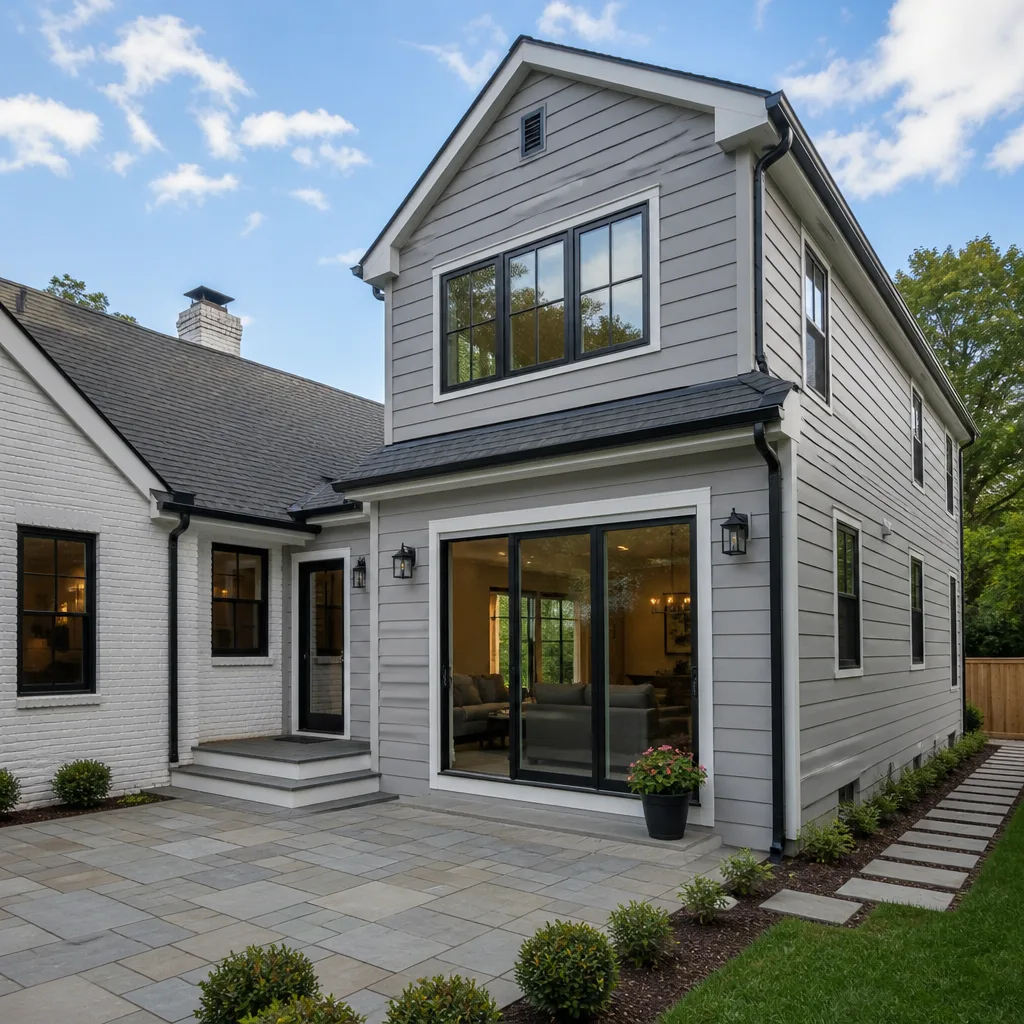
 Home additions & ADU
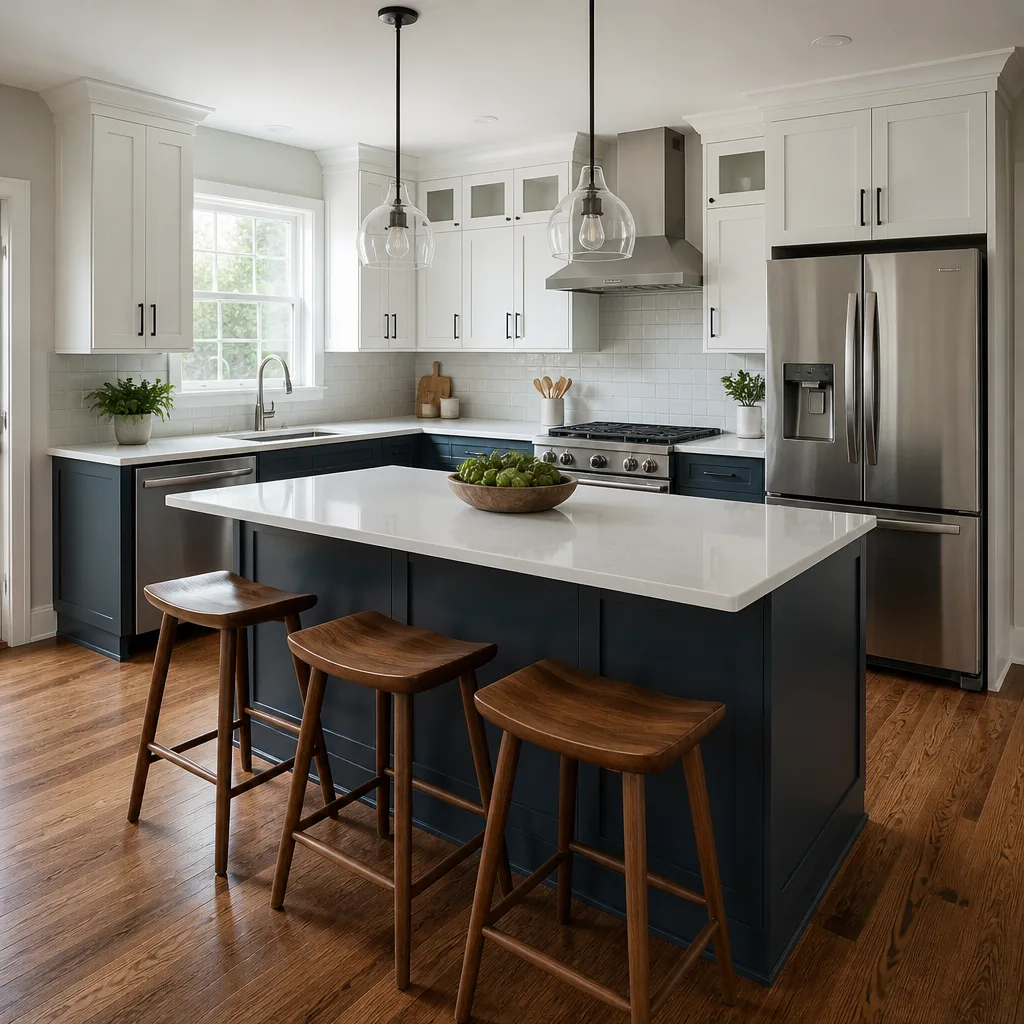 Kitchen remodeling
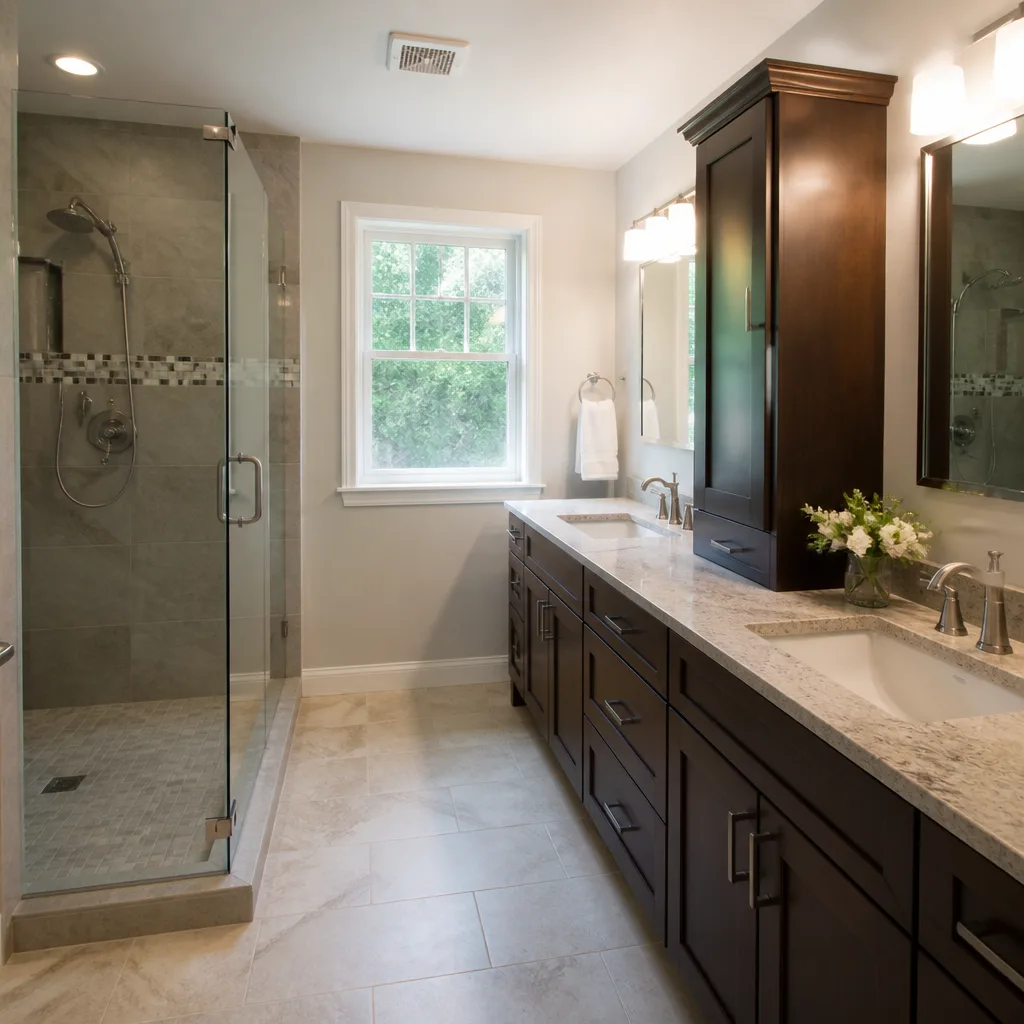 Bathroom remodeling
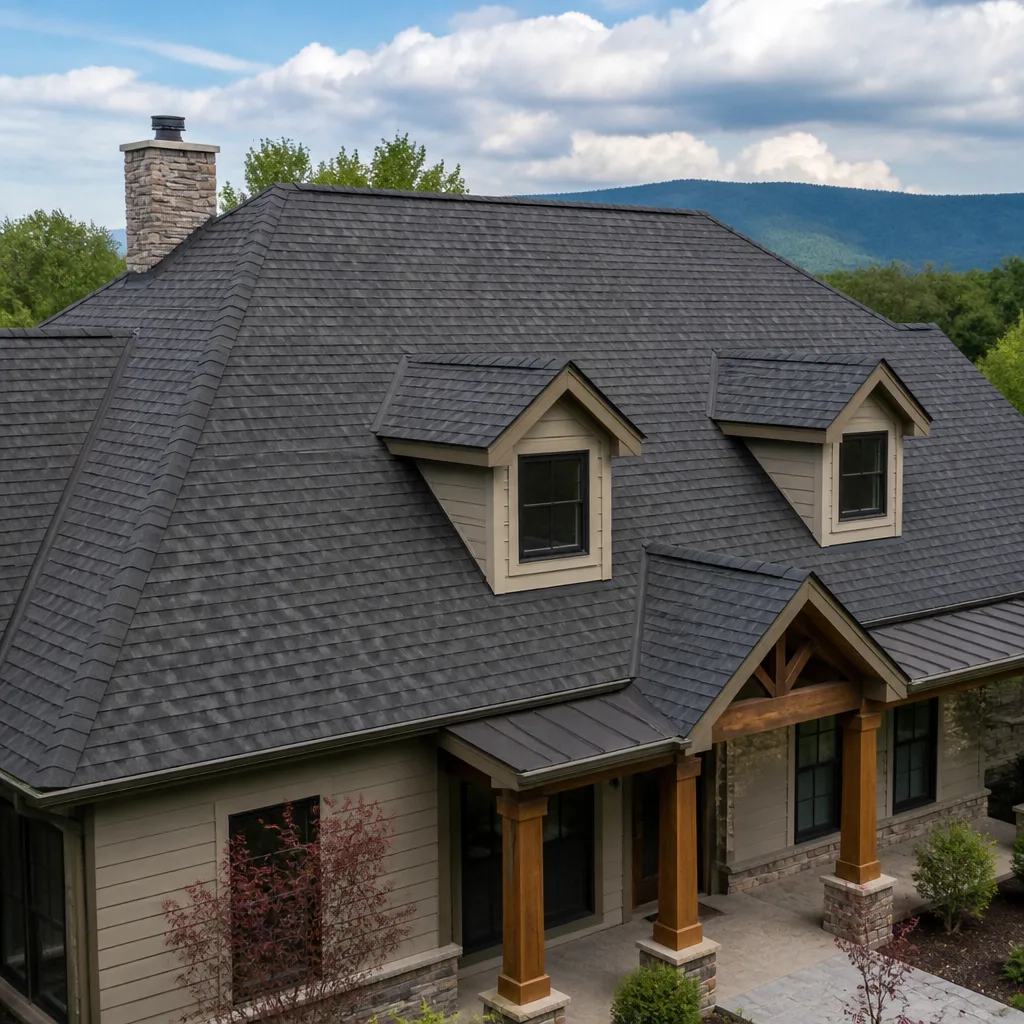 Roofing
 Windows & doors
 Driveway & pavers
 Fence
Free written scope consultation - allowances, timeline, and change-order rules on paper before a single trade is scheduled
Silestone Home Additions & ADU in Antioch: The Owner’s Guide
We build Silestone-clad home additions and ADUs in Antioch, and installed projects here typically run $45,000 – $130,000 for an addition and $90,000 – $220,000 for a detached or attached ADU. A human answers our phone 24/7, so you can call (888) 419-3650 at any hour and get a real person on a free estimate. Most owners don’t arrive at this page because a part failed. They arrive because a countertop in an existing addition or ADU has chipped at the edge, stained around the sink, or separated from the cabinet run, and they want to know whether Silestone can be repaired in place or whether the layout has to change with the build.
Groundwork Construction Co. of Antioch is an independent construction company. We are not affiliated with Silestone or its manufacturer.
Key Takeaways
- Silestone is an engineered quartz, roughly 90-94% ground quartz by volume, and it cannot be field-seamed or color-matched the way natural stone can. This drives most repair-versus-replace decisions in Antioch.
- Installed addition work in Antioch runs $45,000 – $130,000; ADUs run $90,000 – $220,000. Quartz surfaces are a line item inside those numbers, not a separate project.
- The 730-Day Done Right Promise covers our workmanship for two full years. If it’s not done right, we make it right.
- Upfront pricing, written line-item quotes, and 0% financing for 18 months on approved credit. $1,000 off projects over $10,000.
Which Silestone Models This Applies To
Silestone’s lineup has changed names more than once, and that trips up Antioch owners trying to match a slab to an existing counter. The current lines you’ll see specified in additions and ADUs include the Eternal, Ethical, and Sunlit series, plus the older Iconic and N-Boost finishes that still show up in kitchens built in the 2010s. Older slab names like Nebula, Stellar, and River series were retired or rolled into newer collections, so a 2013 spec sheet won’t match a 2026 sample chip even when the color looks close.
Identify your slab three ways before you order anything. First, look for the fabricator’s sticker or ink stamp on the underside of the counter, usually near the sink cabinet or the dishwasher opening. Second, measure the edge profile and thickness: standard Silestone ships in 1.2 cm, 2 cm, and 3 cm, and the 2 cm and 3 cm slabs are the ones framed into most Antioch additions. Third, note the finish, because polishing a Suede or Volcano finish in the field will not match a polished sibling.
The OEM-versus-aftermarket call is real here. Silestone quartz only comes from Silestone. There is no quality aftermarket equivalent of a specific Silestone color, and no fabricator can recreate a discontinued shade exactly. What you can do is source a current Silestone color for the whole run, or pull a compatible quartz from Cambria if the homeowner prefers that palette. KraftMaid and Kohler cabinetry and fixtures are the other two brands we match most often in these builds.
Styles & brands we work with
- Kitchen remodeling
- Bathroom remodeling
- Home additions & ADU
- Roofing
- Windows & doors
- Driveway & pavers
- Fence
Signs Your Silestone Home Additions & ADU Is Failing
Quartz is hard and non-porous, but it is not indestructible, and Antioch’s inland heat swings test it. Here’s what we see on inspection calls.
- Chipping along the front edge. A dropped pan or a chair back hitting the overhang knocks a chip out of the resin-quartz matrix. Silestone chips rather than dents, and the chip leaves a lighter, rougher face that catches light and dirt.
- Dark rings around the sink or cooktop. Water and oil sit in a failed silicone bead and wick under the slab. On quartz the stain shows at the joint, not across the surface, which is why owners usually blame the sink first.
- Visible seam opening or lifting. In an ADU with a sliding door nearby, daily thermal cycling and slab expansion can open a seam. A seam that has lifted more than a credit card’s thickness needs to be cut out and re-set, not caulked over.
- Heat scorch or a dull white patch. A hot pan set down on the counter, or a slow cooker run for six hours against the backsplash, can scorch the resin. Quartz tolerates heat but not direct contact from a 400°F pan.
- Sagging or a hollow sound underfoot. The cabinet run has shifted or the substrate is failing, and the quartz is spanning a gap it shouldn’t. This one always means pulling the counter to fix what’s underneath.
The lifespan reality in Antioch: Silestone itself holds up well for 15 to 25 years in a covered addition, but the failure you’re chasing is usually the substrate, the seam, or the cabinet box, not the slab. In Antioch’s hot, dry summers and cool winters, an ADU with a west-facing window over the counter will see more UV and heat stress on the resin than a shaded kitchen inside the main house.
What a Silestone Addition or ADU Costs in Antioch?
An addition in Antioch runs $45,000 – $130,000, and a detached or attached ADU runs $90,000 – $220,000. Those are installed prices, and they include the structure, finishes, and a Silestone quartz surface where the plan calls for one. A garage conversion sits lower, at $30,000 – $80,000, because the shell and foundation already exist.
| Line item | Antioch range |
|---|---|
| Home addition, full build | $45,000 – $130,000 |
| ADU, attached or detached | $90,000 – $220,000 |
| Garage conversion to living space | $30,000 – $80,000 |
| Silestone countertop inside the build | $2,000 – $6,500 |
| Backsplash to match | $800 – $2,500 |
| Kitchen island with quartz top | $3,000 – $10,000 |
What drives the range on an addition is the foundation condition, whether the roofline has to tie into the existing house, and how much plumbing and electrical has to move. Site access matters too: a narrow driveway in Antioch’s older neighborhoods makes delivering a slab and framing lumber slower than a wide suburban lot. The quartz line item itself moves with square footage, edge profile, and whether you choose a 2 cm or 3 cm slab.
Every quote is a written line-item quote. The number you see is the number you pay. All of it is backed by the 730-Day Done Right Promise.
See the difference
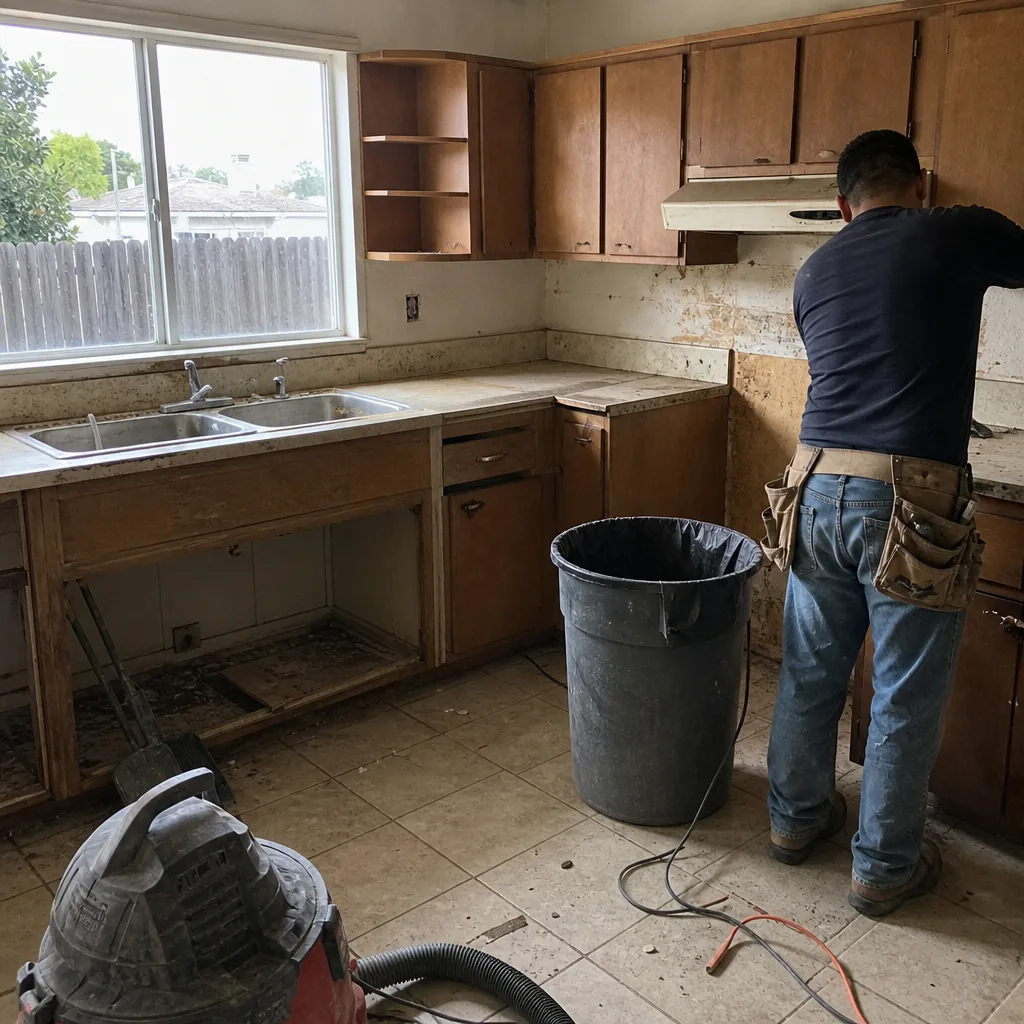 Before
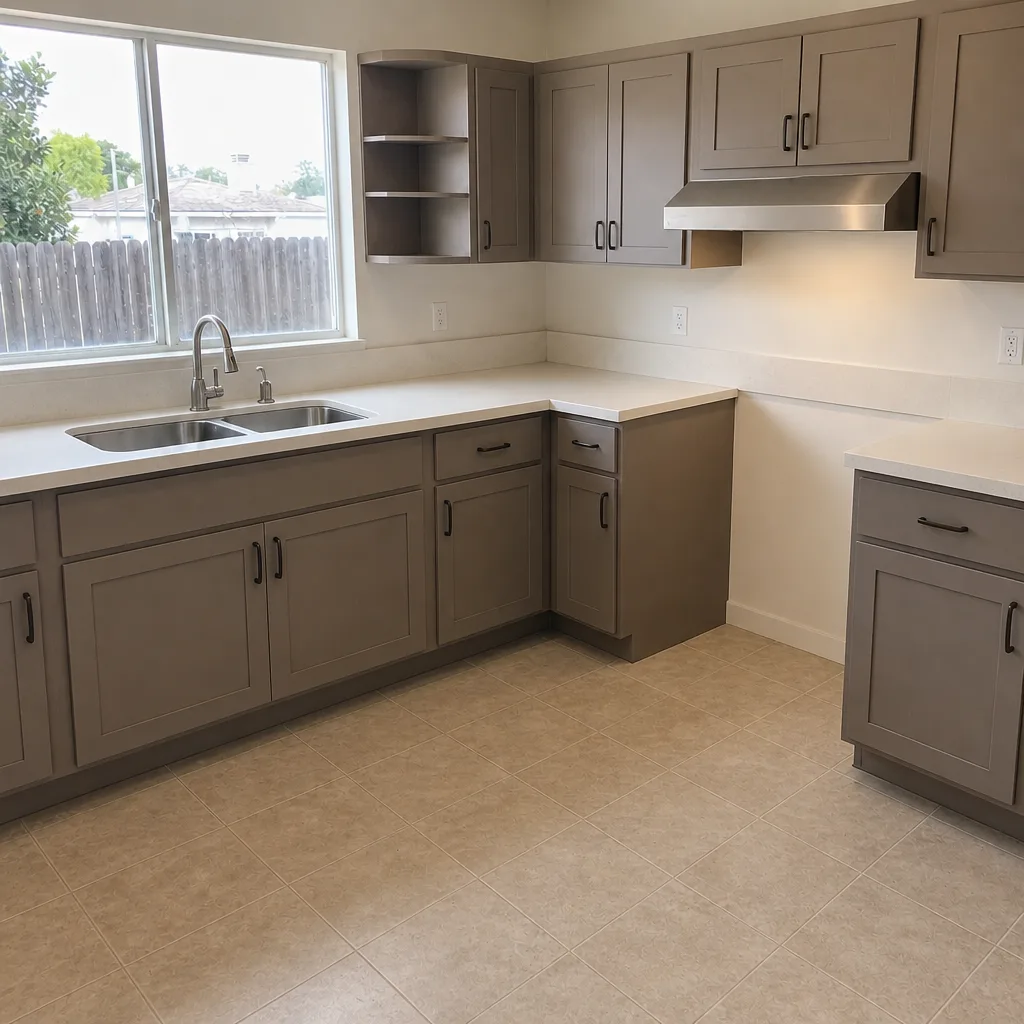 After
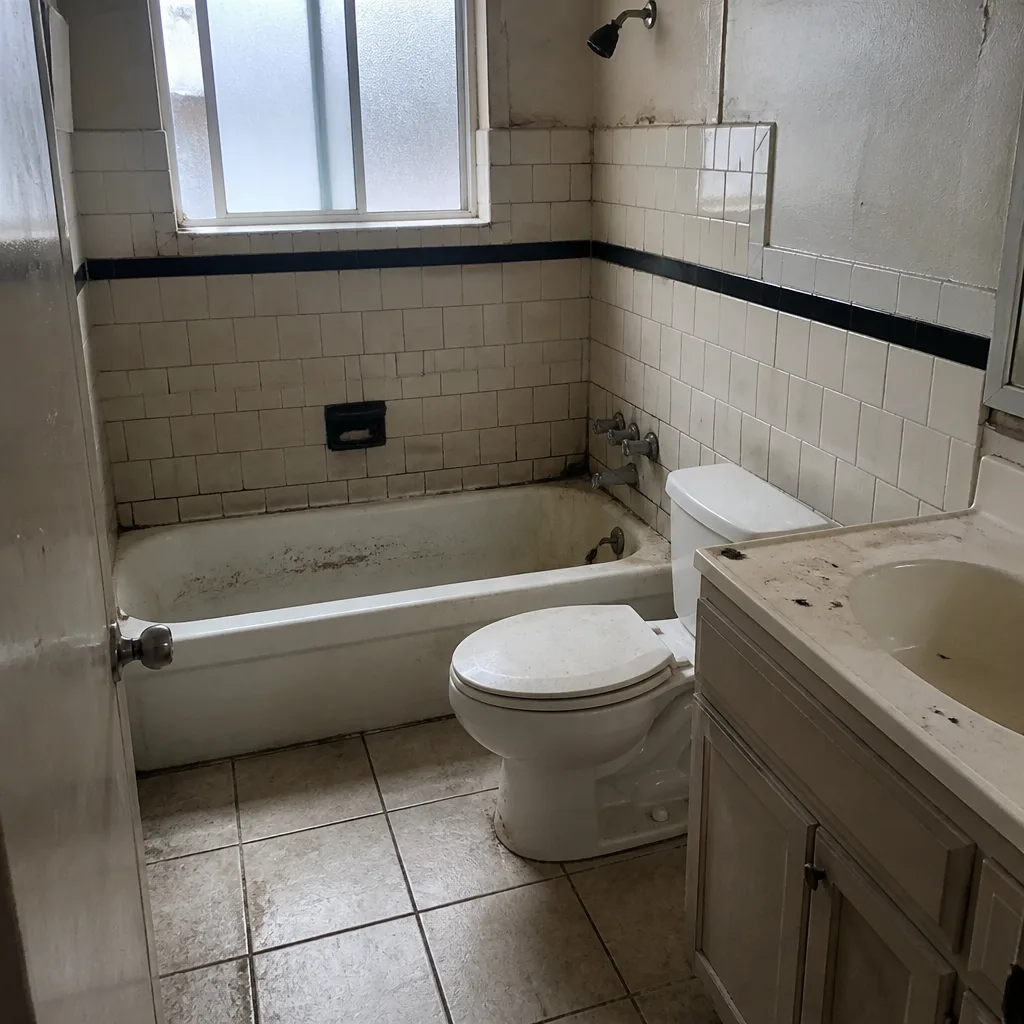 Before
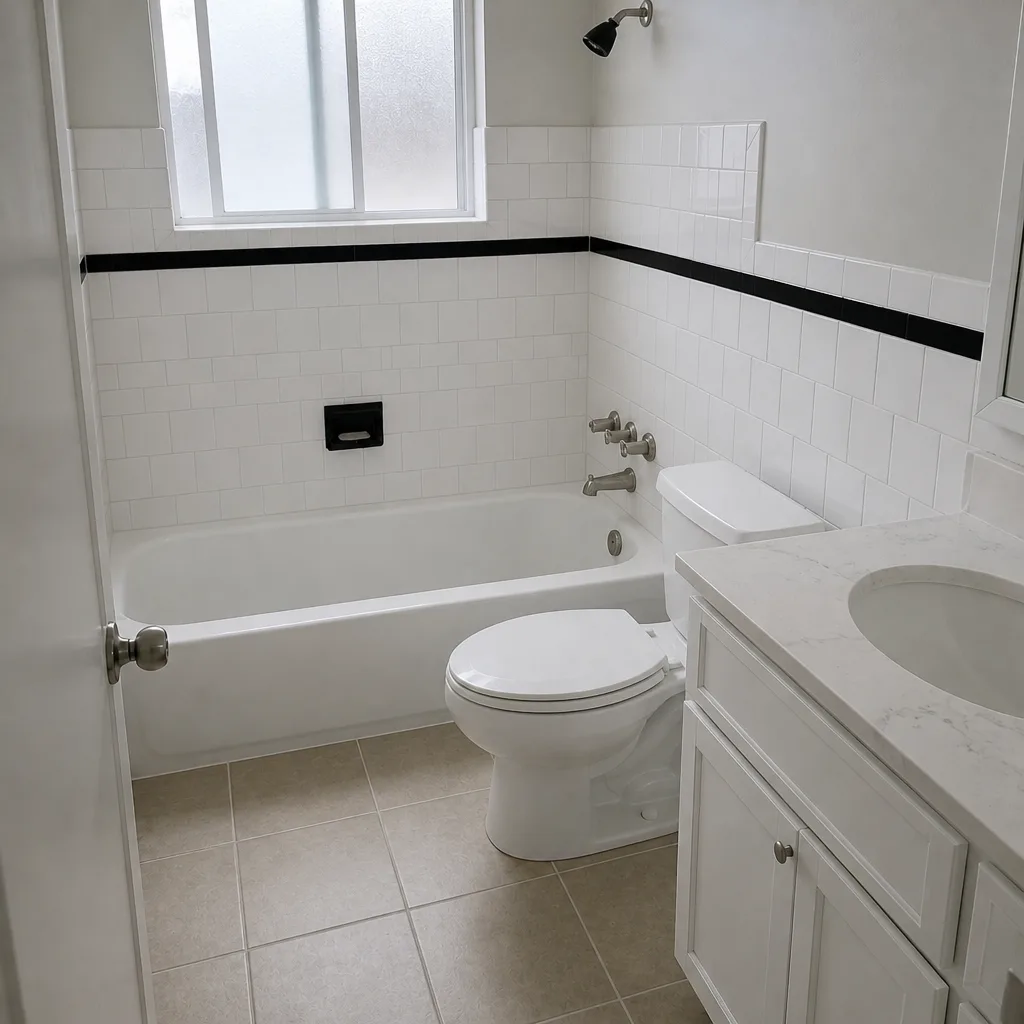 After
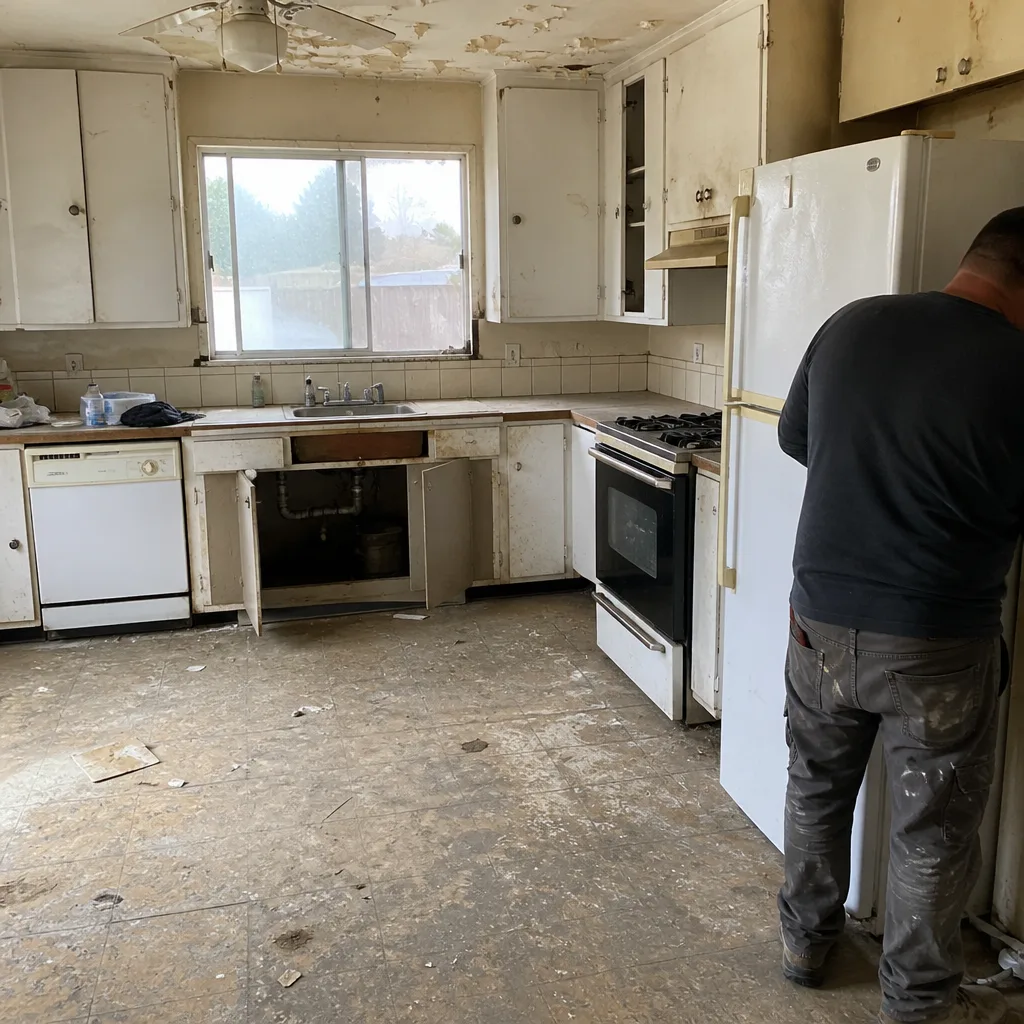 Before
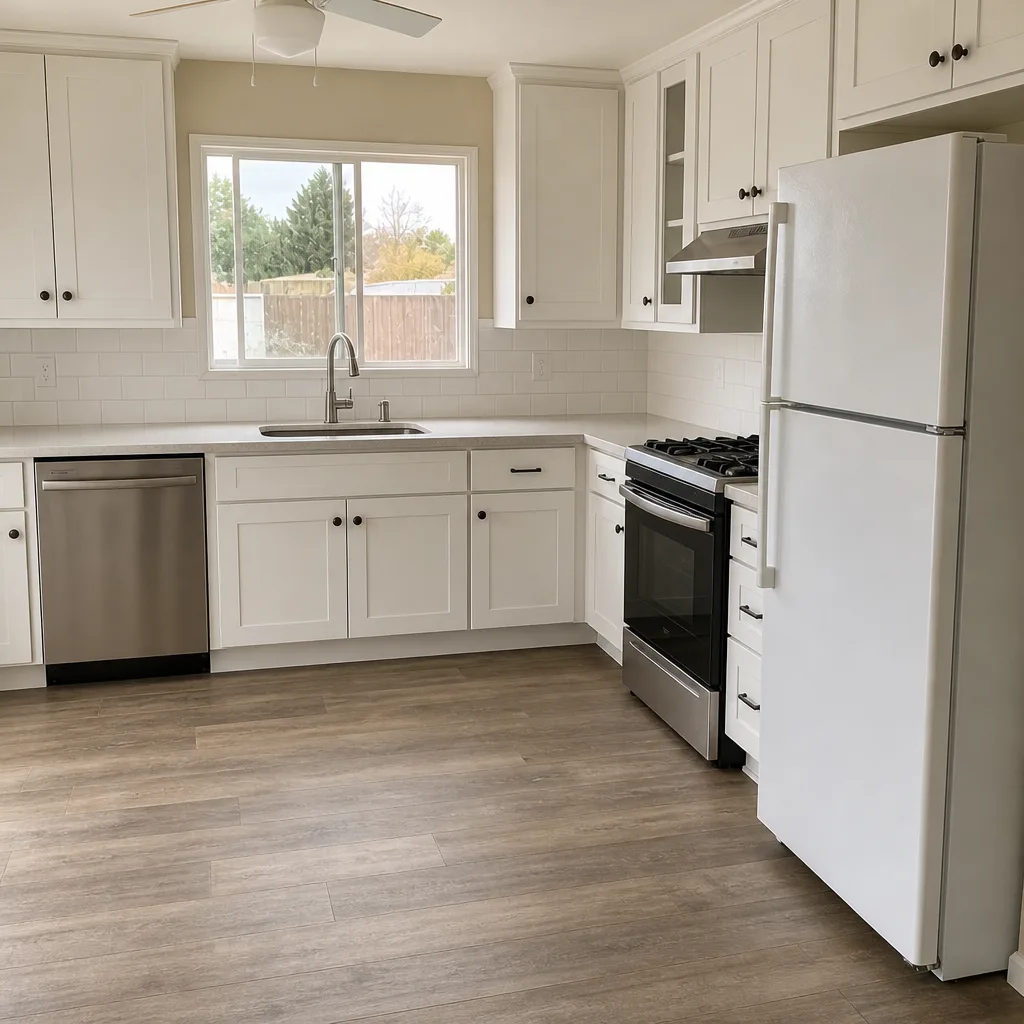 After
DIY or Call Us?
What you can safely check on your own: look under the counter for the fabricator’s stamp, measure the slab thickness, run a fingernail across a seam to feel a lip, and photograph any chip or stain next to a ruler. That gives us enough to price a repair or a replacement before we arrive.
What you should not do yourself: cutting, grinding, or re-setting a quartz slab. Silestone contains respirable crystalline silica, and dry-cutting it without proper dust controls is a genuine health hazard to you and anyone in the house. Lifting a 3 cm slab is a two-person job even for a pro, and a dropped slab can break a foot. Seam repair requires a color-matched epoxy and a vacuum-rated shop setup. We say this plainly because we’ve seen the results of a homeowner with a $40 angle grinder and a $6,000 counter.
To skip the guesswork entirely, call (888) 419-3650. Estimates are free and we answer around the clock.
FAQs
Fifteen to twenty-five years is realistic for a well-supported Silestone surface in a covered addition. The slab rarely fails on its own. What fails first in Antioch is the cabinet box underneath or the silicone at the seam, which is why we inspect the substrate before quoting a surface replacement.
Yes, in many cases. Small chips can be filled with a matched epoxy and sanded flush, and a single seam can be cut out and re-set without replacing the run. Stains around a sink usually come out once the failed bead is removed and the joint is dried. A crack that runs the depth of the slab is a replacement, not a repair.
A countertop swap in an existing ADU is usually one to two days on site, plus the shop time to cut and finish the slab, which runs about one to two weeks. A new addition with a quartz surface follows the build schedule, and we put that timeline in the written quote.
We match by the fabricator’s stamp on the underside, the slab thickness, and the finish, then confirm against current Silestone samples so a discontinued color doesn’t show up as a close-but-wrong match. If the exact color is retired, we’ll walk you through a current Silestone line or a Cambria alternative.
No. Our quotes are upfront and fixed. If we discover something hidden, like rotted framing under a sink, we stop and show you before any added work, and you approve it in writing first. That’s how the 730-Day Done Right Promise and no-surprise pricing work together.
Yes. An addition or ADU in Antioch requires permits, and we pull them and schedule the inspections. You get copies of the approved plans and the final sign-off, and we don’t close out a job until every inspection passes.
Yes. We offer 0% financing for 18 months on approved credit, plus $1,000 off projects over $10,000. That’s how a full addition stays workable for a homeowner planning a meaningful build rather than a patch.
Talk to Us About Your Antioch Addition
A failing counter or a build you’ve been putting off is easier to price than you think. Our technicians have up to 12 years of experience, they arrive background-checked and in uniform, and a live person answers (888) 419-3650 every hour of every day. Call us for a free project estimate and design consult. From foundation to finish line, we handle the permits, the framing, the Silestone surface, and the walkthrough, and we back it in writing with the 730-Day Done Right Promise.
Written by the team at Groundwork Construction Co. of Antioch, serving Antioch and nearby areas.