
Last updated November 17, 2026
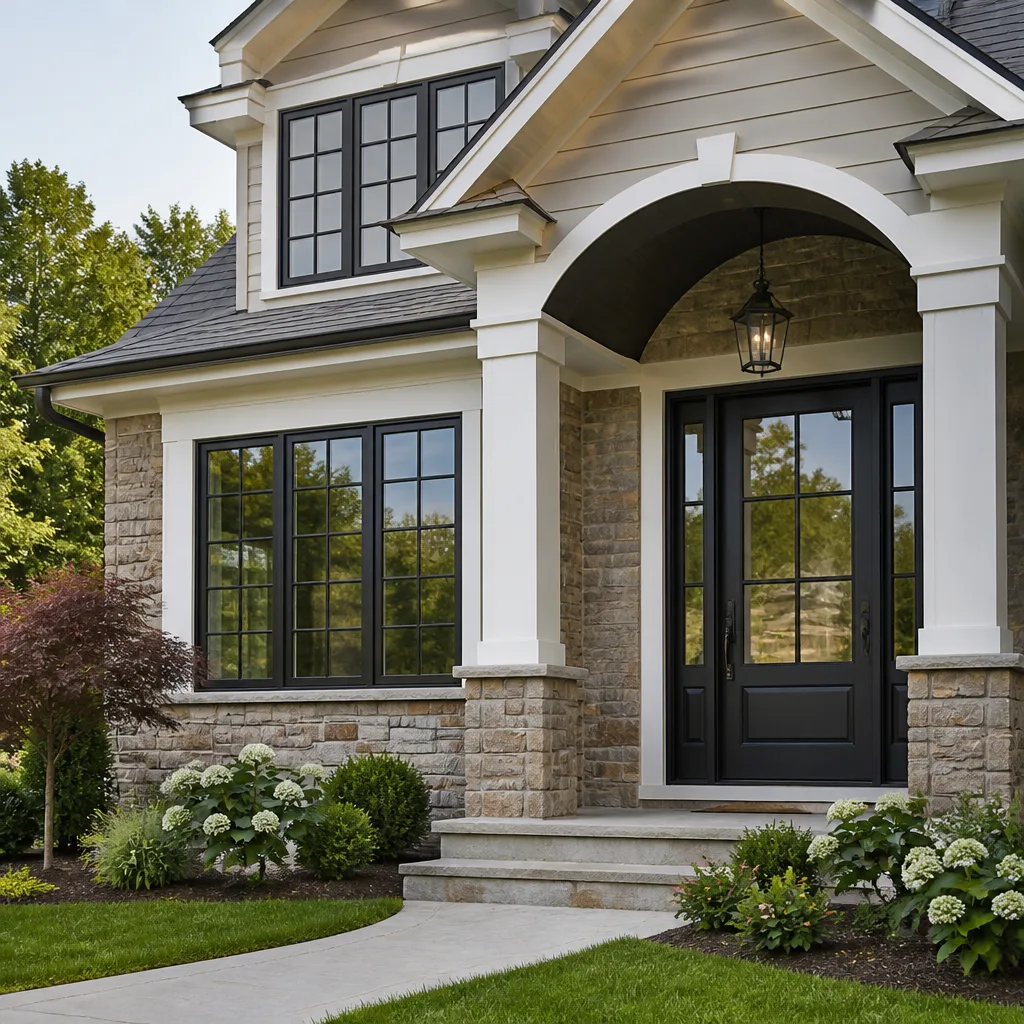 Windows & doors
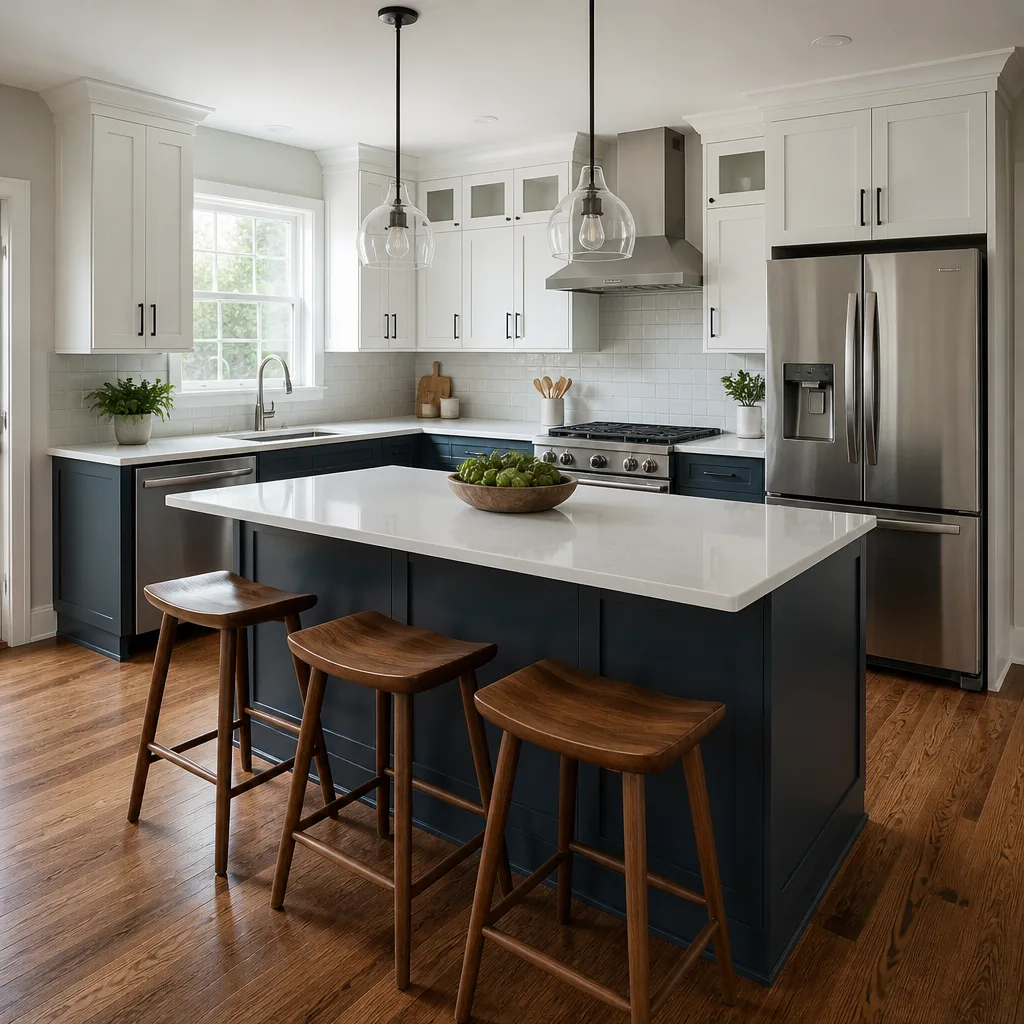 Kitchen remodeling
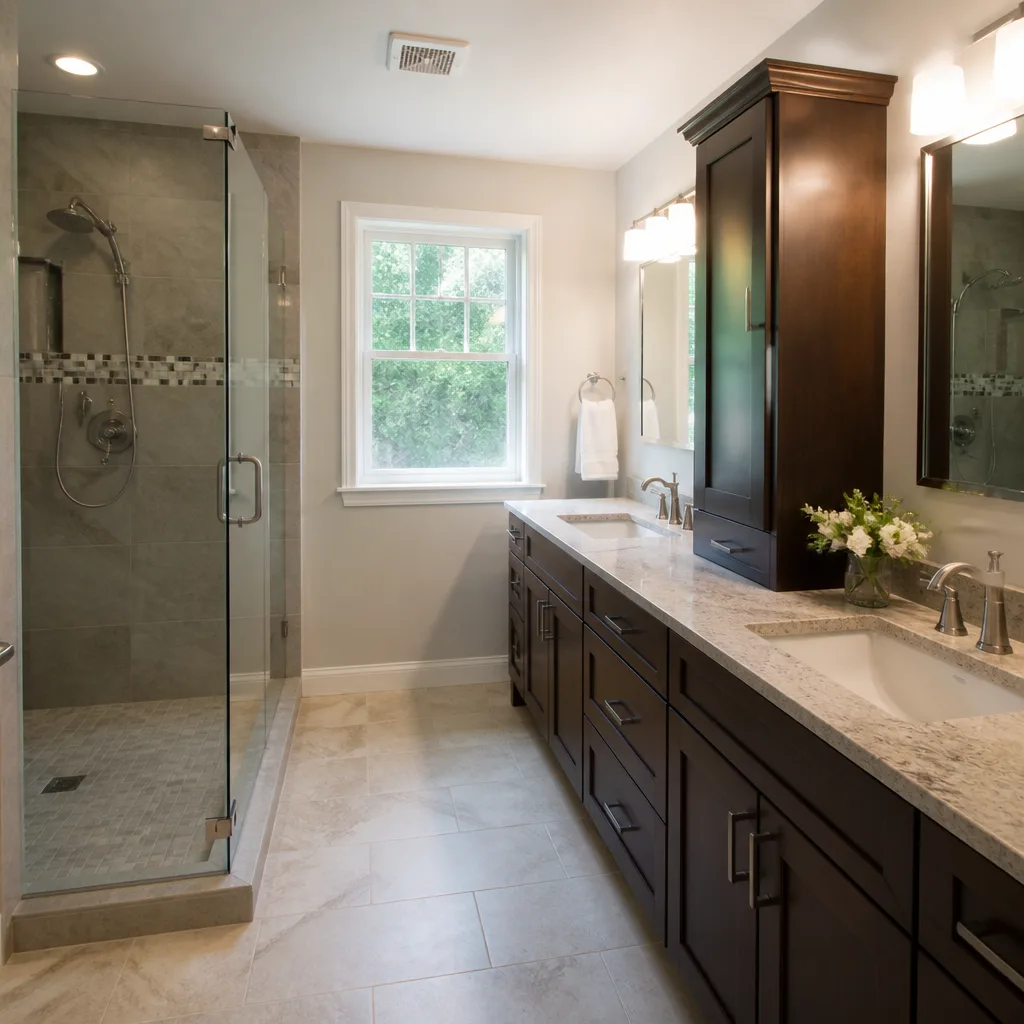 Bathroom remodeling
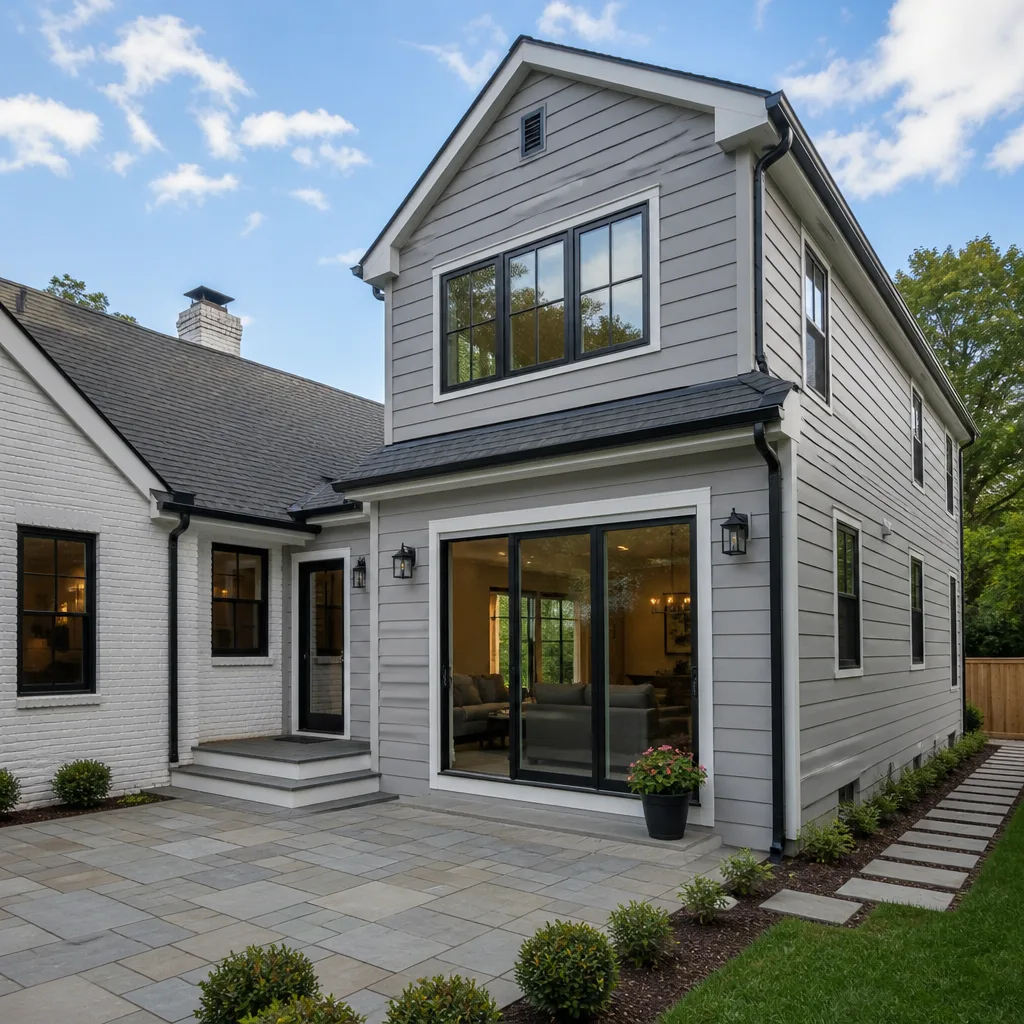 Home additions & ADU
 Roofing
 Driveway & pavers
 Fence
Free written scope consultation - allowances, timeline, and change-order rules on paper before a single trade is scheduled
The Complete Windows & Doors Guide for Antioch Homeowners
A window rated for coastal fog climates and a window rated for Antioch’s summer heat load are rarely the same product, and most big-box installations don’t account for the difference. Here in Antioch, the thermal reality is specific: a summer afternoon on the south-facing side of a house in Prewett Ranch can push glass surface temps that a fog-tuned window sold out of a Bay Area catalog simply wasn’t engineered to handle, and a winter evening in the Delta wind corridor along the river tests door frames in ways an installer from Walnut Creek may never have considered. This guide is built around what actually works in this zip code. We’ll cover why SHGC outranks U-factor here, how Delta pressure affects weatherstripping, what Title 24 really requires for replacement windows, and full cost ranges for window and door projects in Antioch.
Quick Answer
The right window and door package for an Antioch home prioritizes Solar Heat Gain Coefficient (SHGC) on south- and west-facing glass, uses impact- and pressure-rated framing to survive Delta wind cycling, and meets California Title 24 replacement rules including permit and prescriptive compliance. A typical Antioch window replacement runs roughly $650 to $1,400 per unit installed for standard vinyl, and $1,200 to $2,600 per unit for premium fiberglass or clad wood. The right spec is climate-specific, not a national label.
Styles & brands we work with
- Kitchen remodeling
- Bathroom remodeling
- Home additions & ADU
- Roofing
- Windows & doors
- Driveway & pavers
- Fence
Table of Contents
- Why Antioch’s Climate Changes the Window Equation
- SHGC vs. U-Factor: What Matters More in Antioch
- The Delta Wind Factor and Door Frame Integrity
- Title 24 Compliance for Replacement Windows and Doors
- Milgard, Andersen, and Pella: Brand Performance in Antioch’s Climate
- What Windows and Doors Cost in Antioch
- Choosing Entry, Patio, and Sliding Doors for East Contra Costa
- How the Installation Process Works in Antioch
Why Antioch’s Climate Changes the Window Equation
Antioch sits in a thermal band that neither the Bay Area marketing catalogs nor the Central Valley spec sheets fully address. Summer highs regularly push into the triple digits during July and August, and because the Delta funnels cool marine air through the Carquinez Strait most evenings, the day-to-night swing in a neighborhood like Rivertown or the Antioch waterfront can run twenty to thirty degrees. That thermal cycling is the single biggest driver of window and door failure in East Contra Costa.
What does that mean in practice? Glass expands and contracts. Seals that perform in steady weather get worked harder in a cycle-heavy climate. Weatherstripping on doors compresses and relaxes repeatedly. Frame joints that would hold for a decade in a stable climate can develop hairline gaps within three to five years if the material isn’t matched to the swing.
Three conditions we see repeatedly in Antioch that shape product selection:
- Peak summer heat load. South- and west-facing glass in Antioch gets direct afternoon sun from roughly April through October. Without proper solar control, that glass becomes a radiator inside the room.
- Delta evening cooling. The marine air that pours through at night is a gift for comfort and a stressor for materials. Woods need to be properly sealed and clad; vinyl needs to be heat-stabilized; fiberglass handles the swing best of the common options.
- Wind-driven dust and pollen. Antioch sits downwind of agricultural areas to the east and south. That means more airborne grit than a coastal city faces, which wears on gaskets and sliding door tracks.
We’ve seen these dynamics show up as a pattern: in the hillside neighborhoods south of Highway 4, west-facing windows that looked fine on the showroom floor become noticeably hot to the touch by August of the first summer. That heat is radiating into the room and loading the HVAC system. The fix isn’t a thicker frame. It’s the right solar control spec on the glass itself, chosen for west exposure in this specific thermal zone. Get that right up front and everything downstream gets easier.
SHGC vs. U-Factor: What Matters More in Antioch
For Antioch, SHGC is the number to lead with, and U-factor is secondary. Here’s why. U-factor measures how fast heat moves through the glass assembly. It matters most in cold climates where interior heat is escaping. SHGC (Solar Heat Gain Coefficient) measures how much of the sun’s heat energy passes through the glass. It matters most in climates like ours, where solar gain is the dominant driver of cooling load and comfort.
Every window sold in California carries both ratings on the NFRC label, but most national buying guides lead with U-factor because they’re written for cold-weather markets. In Antioch, that emphasis gets the priority backwards.
What to actually specify, by exposure
- West-facing glass (the hardest in Antioch): SHGC of 0.25 or lower. This is where the afternoon sun does the most work.
- South-facing glass: SHGC of 0.25 to 0.30. Slightly higher is okay because the sun angle flattens in summer.
- East-facing glass: SHGC up to 0.35 works. Morning sun is gentler here.
- North-facing glass: SHGC of 0.40 or above is fine. North glass contributes very little cooling load.
- U-factor across the board: 0.30 to 0.35 is the practical target in Antioch. Below 0.30 adds cost with diminishing returns here.
Put another way: a national “Energy Star” window with a beautiful 0.28 U-factor and an SHGC of 0.40 will underperform in a west-facing Antioch installation versus a window with U-factor 0.34 and SHGC 0.22. Same label, different real-world result. That gap is why replacing windows generically, without matching the spec to the exposure, is one of the most common miss-steps we see in Antioch.
Get the exposure map of your home right before you buy a single unit. Walk the exterior mid-afternoon in July and note which faces of the house are hottest. That list is your spec sheet.
The Delta Wind Factor and Door Frame Integrity
The Delta wind is Antioch’s signature. Cool evening air rushing through the Carquinez Strait and Suisun Bay creates positive and negative pressure loading on doors that most installation guides never mention. A front door that faces the wind corridor, or a sliding patio door on the water side of a house, takes a pressure workout every evening from roughly May through October. That cycling is what eats weatherstripping, loosens hinges, and produces the drafts homeowners call us about in winter.
Three things drive weatherstripping longevity in East Contra Costa specifically:
- Frame rigidity. A door frame that flexes even a few millimeters under wind pressure opens micro-gaps at the strike side. Choose frames thick enough to hold shape, and make sure the installer shims and anchors at more points than a fair-weather-market spec would call for.
- Weatherstrip material. Standard hollow foam weatherstrip compresses fast. Fin-seal or magnetic weatherstripping holds its profile longer under cyclical loading and is worth specifying on any exterior door facing the wind.
- Threshold and sweep design. The threshold is where Delta-driven dust and grit collect. Interlocking thresholds with adjustable sweeps outlast simple bumper thresholds here by years, not months.
We see the results of skipping these steps on doors installed five to seven years ago in Antioch neighborhoods like Mira Vista and Black Diamond. The door still closes, the frame still looks fine. But if you hold a hand to the edges on a windy night in November, you’ll feel the leak. That’s the weatherstripping telling you its story.
If you’re re-doing door and adjacent hardscape together, it’s worth coordinating the exterior sequencing so new thresholds don’t get damaged during paving work. Our team handles both, and the sequencing saves real money when the right hand knows what the left is doing. If the driveway is part of the same project, see Driveway & Pavers in Antioch for material options that pair with new entries.
Title 24 Compliance for Replacement Windows and Doors
California Title 24 governs energy performance for any window or door replacement in Antioch, and most homeowners are surprised by what it actually requires. Short version: replacement windows must meet prescriptive U-factor and SHGC values matched to the California climate zone the home sits in. Antioch is in a climate zone that requires cooler-glass performance than many Bay Area coastal zones.
What the process actually requires
- Permit. Window and door replacements in Antioch generally require a building permit, especially when the frame opening, size, or glass area changes.
- Prescriptive compliance or performance modeling. Title 24 offers a prescriptive path (meet the package values) and a performance path (model the whole-house envelope). Prescriptive is simpler for one-off replacements; performance is better when you’re replacing every window in the home.
- Documentation. The installer provides NFRC labels and manufacturer compliance certificates that the inspector will look at during final.
- Inspection and sign-off. The building department inspects the install before the permit is closed.
What “Energy Star” labels don’t guarantee locally is this: Energy Star is a national program with versions that often default to cold-climate assumptions. A window can carry the Energy Star badge and still be outside the prescriptive values Title 24 requires for Antioch’s climate zone, especially on SHGC. Use the NFRC label and the Title 24 requirement, not the Energy Star badge, as your go/no-go check in East Contra Costa.
We pull the permits and pass the inspections on every window and door project, and we hand you the documentation when the job is done. A written record that the replacement was done to code is worth real money at resale, and it also means the next inspector who looks at your house sees a clean paper trail.
Milgard, Andersen, and Pella: Brand Performance in Antioch’s Climate
Milgard, Andersen, and Pella all make excellent products. They’re not interchangeable in Antioch’s climate, though, and choosing among them is a question of how each brand’s typical products handle the heat swing and the Delta wind. Here’s how we think about the three.
Milgard
Milgard’s vinyl and fiberglass lines are popular in Antioch for good reason: their fiberglass (Ultra series) handles thermal cycling better than almost any vinyl on the market, and their vinyl windows with SunCoatMAX glass come in SHGC ranges that work well for south and west exposures here. If budget matters and the home is a straightforward replacement job, Milgard vinyl is a solid value.
Andersen
Andersen’s 100 Series (composite) and A-Series (clad wood) are the pair we recommend most often for Antioch homes where curb appeal and long-term durability both matter. The composite 100 Series resists the thermal movement that shows up in real wood, and Andersen’s glass packages can be specified to low SHGC values on demand. If you’re also considering Home Additions & ADU in Antioch, matching Andersen glazing specs across the new and existing structure keeps the envelope consistent.
Pella
Pella’s fiberglass and wood lines are strong performers on the thermal swing, and their window-and-door integration (patio doors matched to entry doors in the same style) makes the whole-house look cleaner. Pella’s Advanced Low-E glass with argon meets Title 24 in Antioch easily. We’d specify Pella over other options when the homeowner wants the doors and windows to read as a coordinated system in a Rivertown or historic-district home where appearance details matter.
The real lesson on brand: the label matters less than the spec sheet. Any of these brands can be ordered at Antioch-correct values. The question is whether the person installing them has done the exposure analysis to know which values to order. That’s where a replacement job earns or loses its value.
What Windows and Doors Cost in Antioch
Cost in Antioch is driven by four things: unit size, material class, exposure-driven glass spec, and installation complexity (retrofit into an existing opening versus new construction with framing). Below are the practical ranges we see for East Contra Costa projects. Prices assume permitted work, quality brands, professional installation, and the 730-Day Done Right Promise on labor.
Window replacement cost, installed
- Standard vinyl, single unit: $650 to $1,100
- Premium vinyl with low-SHGC glass, single unit: $850 to $1,400
- Fiberglass, single unit: $1,100 to $1,800
- Clad wood (Andersen A-Series, Pella Reserve), single unit: $1,400 to $2,600
- Whole-home (10 to 15 units), vinyl: $9,000 to $16,000
- Whole-home (10 to 15 units), premium: $16,000 to $32,000
Door replacement cost, installed
- Standard entry door (fiberglass or steel): $1,200 to $2,400
- Premium entry (clad wood, custom): $2,800 to $6,500
- Sliding patio door (vinyl): $1,800 to $3,400
- Sliding patio door (aluminum or clad wood): $3,200 to $7,800
- French door pair: $3,500 to $8,000
Other cost drivers to expect
- Permit fees: $250 to $900 depending on scope; whole-home replacements sit at the higher end.
- Exposure-driven glass upgrade: $60 to $200 per unit when you specify the low-SHGC package correctly for west exposure.
- Trim and finish carpentry: $80 to $250 per unit if existing trim is damaged or you want upgraded interior casings.
- Stucco repair or flashing: $150 to $500 per opening in some situations, especially older Rivertown homes.
What “upfront pricing, no surprises” means in this context: a written line-item quote before work starts, with the exact brand, model, and glass spec named, so you can compare bids honestly. Change orders during the job are one of the biggest ways a window replacement overruns budget. We eliminate them with a full scope before we pick up a tool.
Choosing Entry, Patio, and Sliding Doors for East Contra Costa
Door selection in Antioch follows a different logic than window selection. Windows are mostly about thermal performance. Doors are about thermal, durability, and daily use all at once, and the Delta wind brings pressure to the choice.
Entry doors. Fiberglass outlasts wood in Antioch’s swing. Steel entry doors are durable but show denting easily and can’t be easily re-stained. Wood is beautiful but needs vigilant sealing in the Delta wind corridor. For most Antioch homes, fiberglass is the sweet spot between appearance, durability, and price.
Sliding patio doors. These take the most wind pressure of any door type in Antioch. Look for a sliding panel with a positive latch, dual-point locking, and a threshold with drainage channels. Vinyl sliding doors perform well at moderate cost. Aluminum with thermal break is the better long-term bet for homes on the wind corridor.
French doors. Beautiful, but a challenge in Antioch unless carefully installed. The swinging panel catches wind loading and puts stress on hinges. Specify heavy-duty hinges, a three-point lock, and doors with the correct interior/exterior finish to handle sun on the exterior side.
Matching doors to your home
- Map exposures first. Same as with windows: which exterior doors face the Delta wind? Those get the premium weatherstripping and heavier hardware.
- Match interior trim to the room. The entry door should read with your home’s style; patio and French doors should read with the exterior elevation.
- Coordinate with any adjacent fencing or hardscape. New exterior doors that open onto fencing projects make the yard flow better. If your fencing is due for replacement, our Fence Installation in Antioch team can factor that into the exterior plan.
- Plan the install season. Late spring and early fall are the sweet spots in Antioch to avoid peak heat and Delta wind on install day.
How the Installation Process Works in Antioch
Installation in Antioch has a rhythm that’s different from inland installs. The heat and Delta wind change when the crew can open a wall, how the adhesive and sealant cure, and the size of the work window each day. Here’s the process we follow, step by step.
- Pre-install inspection and measurement. Every opening is measured and evaluated. We confirm existing framing condition, exposure, and Title 24 requirements before any order is placed.
- Permit submission. We file the permit with the City of Antioch, submit Title 24 compliance documentation, and handle the inspection scheduling.
- Manufacturing and delivery. Lead times on quality brands run four to ten weeks in the current market. Doors with custom sizing run longer. We tell you the window in writing before the order goes in.
- Install day. Crews arrive in uniform, background-checked, with the prepped materials and a written scope. Most single-unit replacements are completed in a single visit. Whole-home replacements run two to four days depending on scope.
- Flashing, sealing, and trim. This is where a good install earns its money. Flashing built right behind the trim, proper low-expansion foam at frame-to-wall joints, and correct sealant detailing at the exterior.
- Final inspection. The City of Antioch inspector signs off. We hand over documentation.
- Walkthrough and warranty handoff. The 730-Day Done Right Promise covers all labor. If it’s not done right, we make it right, for the full 730 days.
Two things we ask of homeowners in Antioch during the install week: keep a lane clear on the exterior wall being worked, and be aware that on peak-heat days crews may start earlier and pause for two hours mid-day. That’s not delay, it’s a safety and quality practice. Adhesive and sealants behave badly above about 100°F, and a good install crew respects that.
We’re often asked what a window and door project looks like alongside other exterior work. It’s a common combination in Antioch, and couples well with broader exterior renovations you can explore through Groundwork Construction Co. of Antioch home.
Common Mistakes to Avoid
- Letting the “Energy Star” badge replace a Title 24 check. The badge is a national program; Title 24 in Antioch’s climate zone has stricter SHGC requirements. Ask your contractor for the NFRC label and the prescriptive compliance documentation for your climate zone before you order.
- Ignoring exposure mapping. Buying every window in the house at one SHGC value wastes money on north glass and underserves west glass. Antioch homes need exposure-by-exposure specs.
- Skipping the permit. Unpermitted window replacements in Antioch can complicate a future sale, especially when buyers’ inspectors pull the permit history and see the discrepancy.
- Underestimating the Delta wind in door selection. A beautiful slab door chosen on appearance alone in a Rivertown or waterfront home often fails weatherstripping within five years. Match the door to the exposure.
- Going with the cheapest bid without reading the model numbers. Two quotes with the same headline price can be wildly different in what’s actually being installed. Insist on brand, model, and glass spec by name.
- Letting installers skip flashing behind trim. Flashing is invisible after install and is the number one reason replacement windows leak in East Contra Costa. Ask how it’s being done.
- Ordering replacement doors without measuring the threshold relationship to existing flooring. Threshold height changes cause floor transitions to fail, especially in older Antioch homes where the floor may not be level.
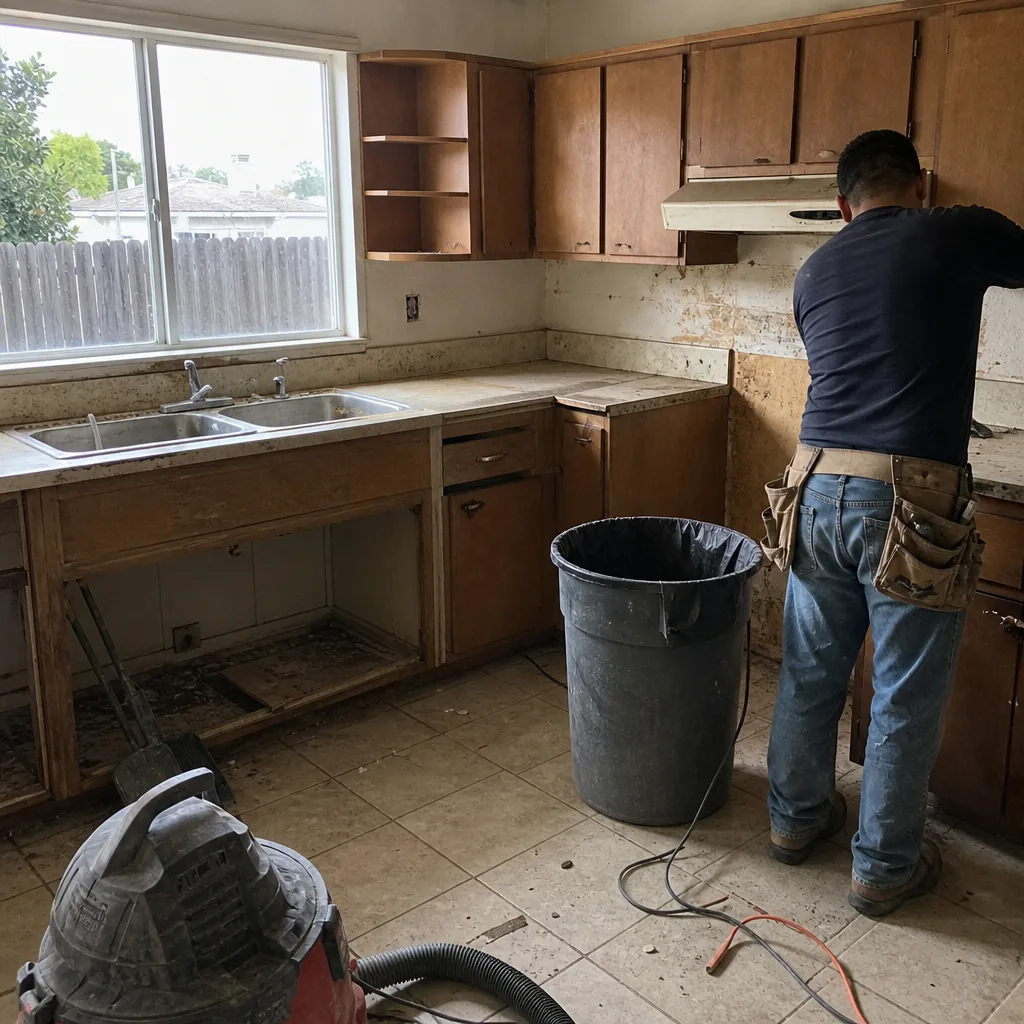
See the difference
 Before
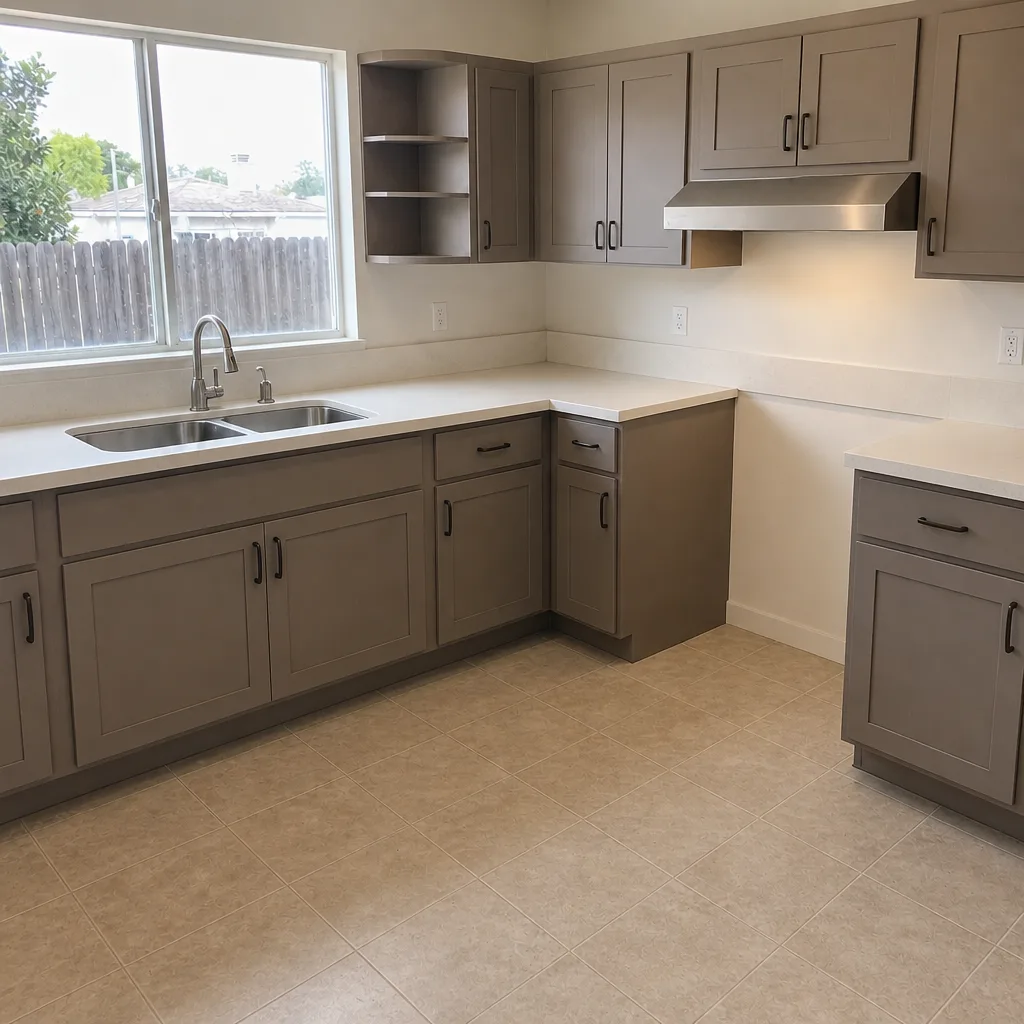 After
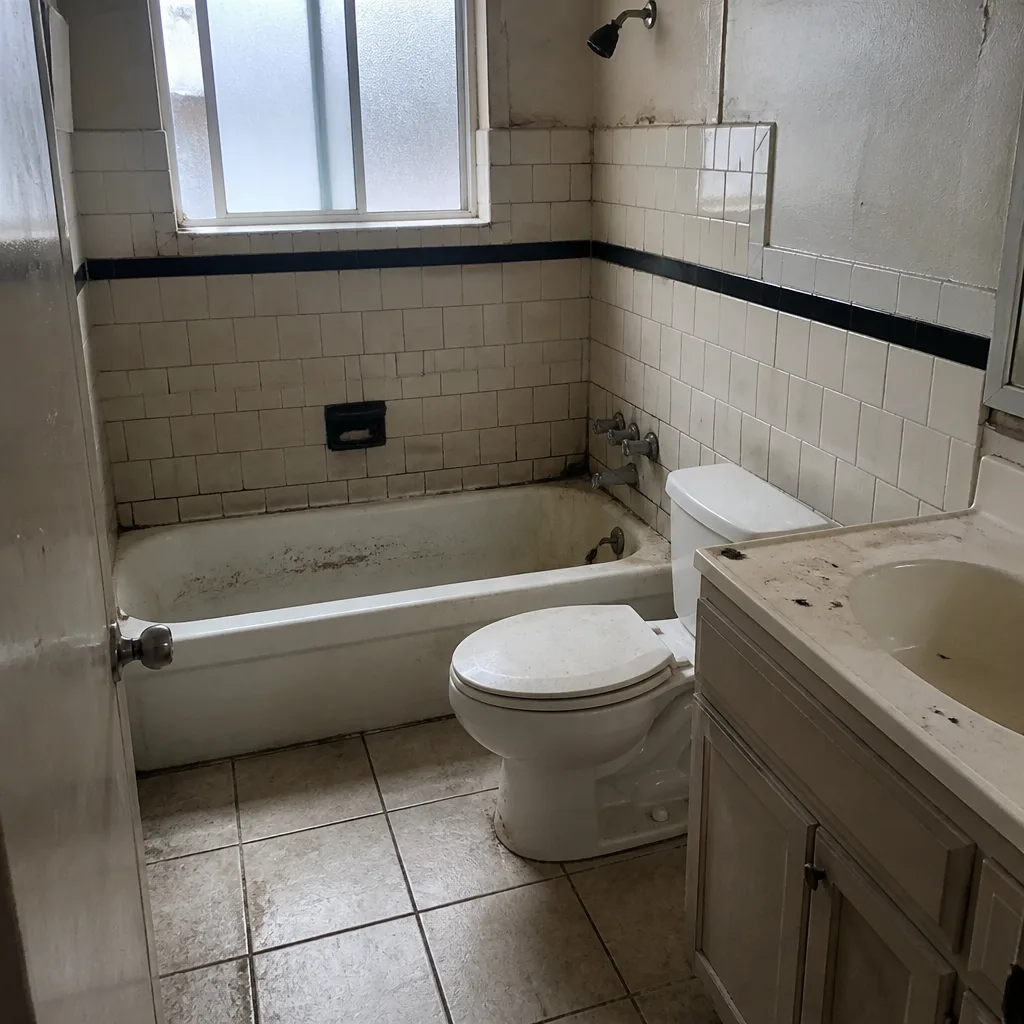 Before
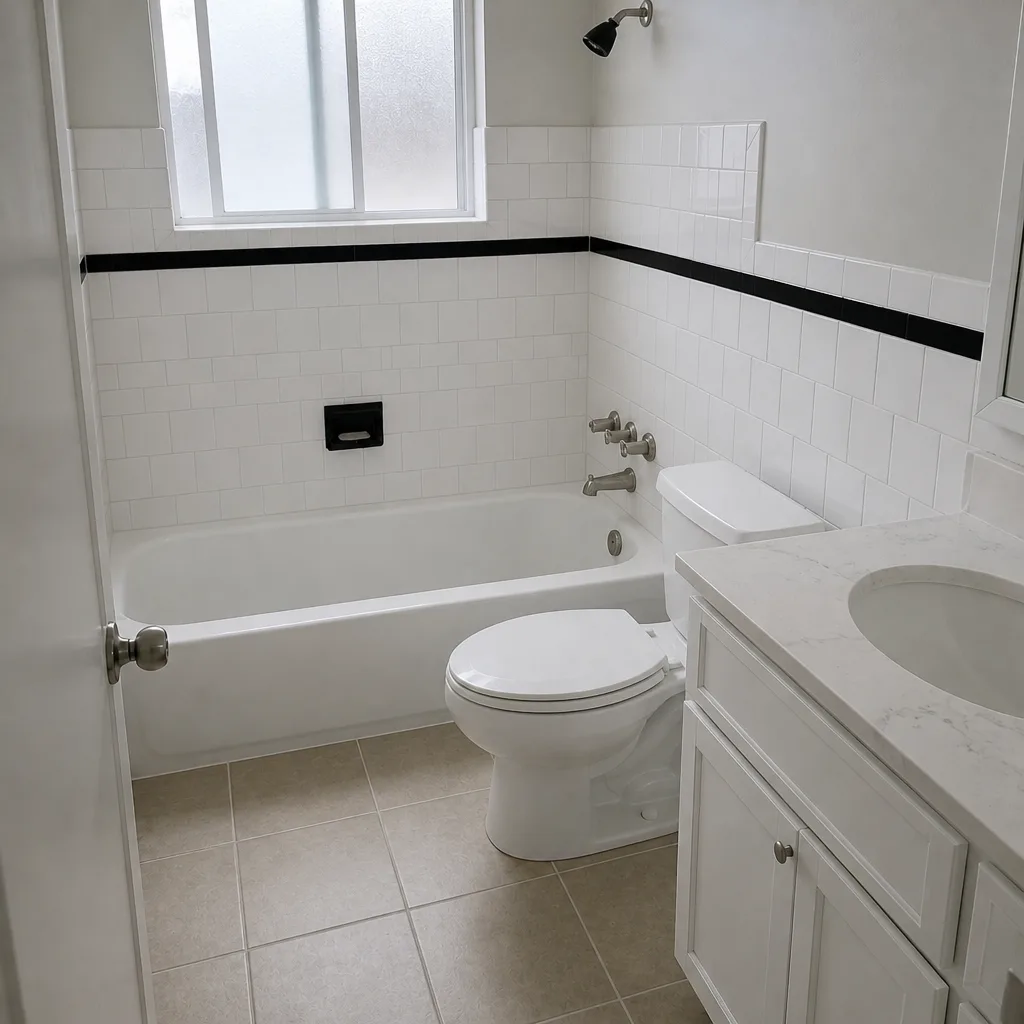 After
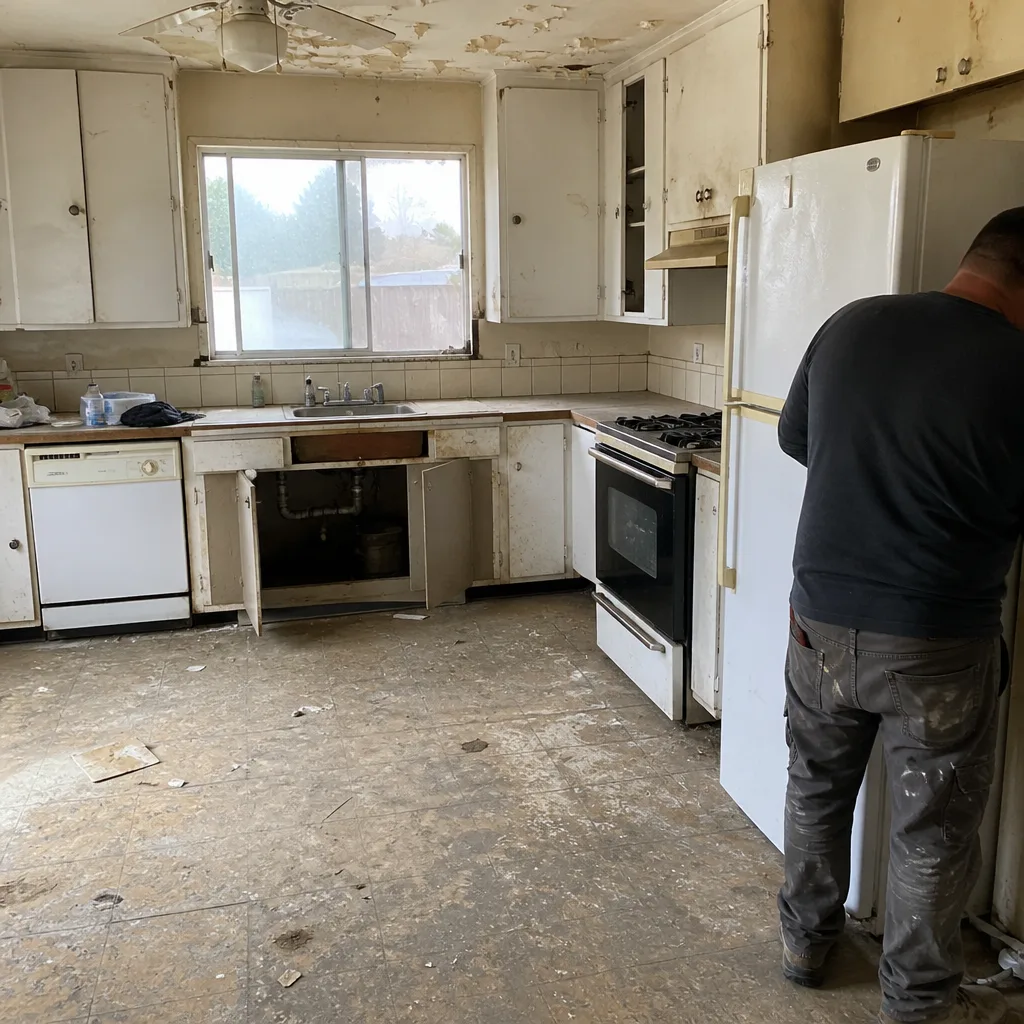 Before
 After
When to Call a Professional
Some window and door work is genuinely beyond DIY. Full replacements, any unit that requires opening the wall, and anything requiring a permit belongs with a licensed, permitted installer. On top of that, if you’ve noticed fogging between glass panes, drafts you can feel at door edges in the Delta wind, failing weatherstripping, or windows that get hot enough to touch in summer, the diagnosis needs a trained eye. Those aren’t cosmetic problems, they’re envelope problems. Attempting to re-seal a window that’s failed internally, or to re-hang a heavy entry door into a fatigued frame, is the kind of work that goes wrong faster than it goes right.
Groundwork Construction Co. of Antioch offers free estimates in Antioch. Call (888) 419-3650 to schedule yours. Every job is backed by the 730-Day Done Right Promise, our technicians are background-checked and arrive in uniform, and our line is answered by a live person 24/7.
Frequently Asked Questions
Window replacement in Antioch runs $650 to $1,400 per unit for vinyl, $1,100 to $1,800 for fiberglass, and $1,400 to $2,600 for clad wood, installed. A whole-home replacement of 10 to 15 units typically lands between $9,000 and $32,000 depending on brand and glass spec. Call (888) 419-3650 for an exact quote on your home, and yes, estimates are free.
Yes, window and door replacements in Antioch generally require a building permit, and the work must meet Title 24 prescriptive compliance for the local climate zone. Permits cost $250 to $900 depending on scope. We pull the permits and pass the inspections on every project, and we hand over the documentation when the job closes.
Aim for SHGC of 0.25 or lower on west-facing glass and 0.25 to 0.30 on south-facing glass in Antioch. East-facing windows can go up to 0.35 and north-facing up to 0.40 without penalty. West exposure is the hardest-working side of the house here because of the summer afternoon sun, so it deserves the tightest spec.
A single-unit replacement is usually completed in a single visit. Whole-home replacements run two to four days on site, plus a four- to ten-week lead time on the manufactured windows before install begins. Custom doors can extend the lead time. Ask for the lead time in writing before the order goes in, and it should be in your contract.
Yes, and the savings are most measurable in summer. In our experience, a properly spec’d replacement on west-facing glass in an Antioch home noticeably reduces mid-afternoon heat load and lets the HVAC run less. Winter savings are smaller but real, mostly from reduced air infiltration. The best returns come from exterior-facing glass facing the exposures that get the hardest sun and wind.
We install Milgard, Andersen, and Pella, matched to the specific exposure and envelope of each Antioch home. Each brand has products that fit different goals: Milgard for value, Andersen for composite durability and curb appeal, Pella for integrated window-and-door systems. We specify the model and glass by name in every quote so you can compare fairly.
The Bottom Line
Windows and doors in Antioch are a climate-specific decision, not a generic one. Lead with SHGC on the west and south faces, spec for the Delta wind on exterior doors, and treat Title 24 documentation as a hard requirement, not a checkbox. The three brands we install, Milgard, Andersen, and Pella, all make quality products that perform in Antioch’s thermal band when the glass and hardware specs are matched to the exposure correctly. Budget $9,000 to $32,000 for a whole-home window replacement, and build in the permit, lead time, and installation sequencing. Get the spec right before you buy a unit, and the long-term performance follows.
If you’re ready to price a project or just want a second read on a bid you’ve already received, we’re glad to help. Groundwork Construction Co. of Antioch offers free estimates and a design consult, no obligation. Call (888) 419-3650 to schedule yours. Every project is backed by the 730-Day Done Right Promise, our line is answered by a live person 24/7, and our technicians are background-checked and arrive in uniform. We also offer $1,000 off projects over $10,000 and 0% financing for 18 months, so a full exterior upgrade stays within reach.
Written by the team at Groundwork Construction Co. of Antioch.