
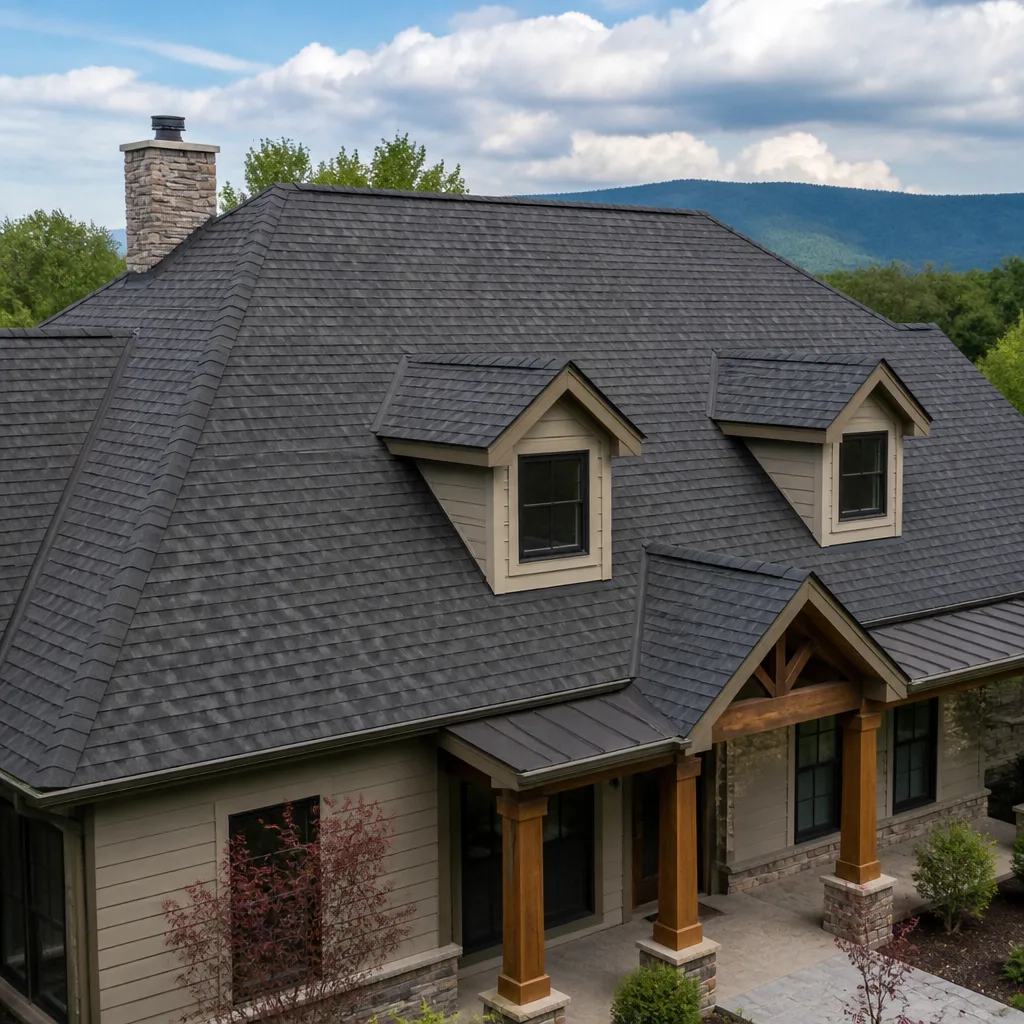
 Roofing
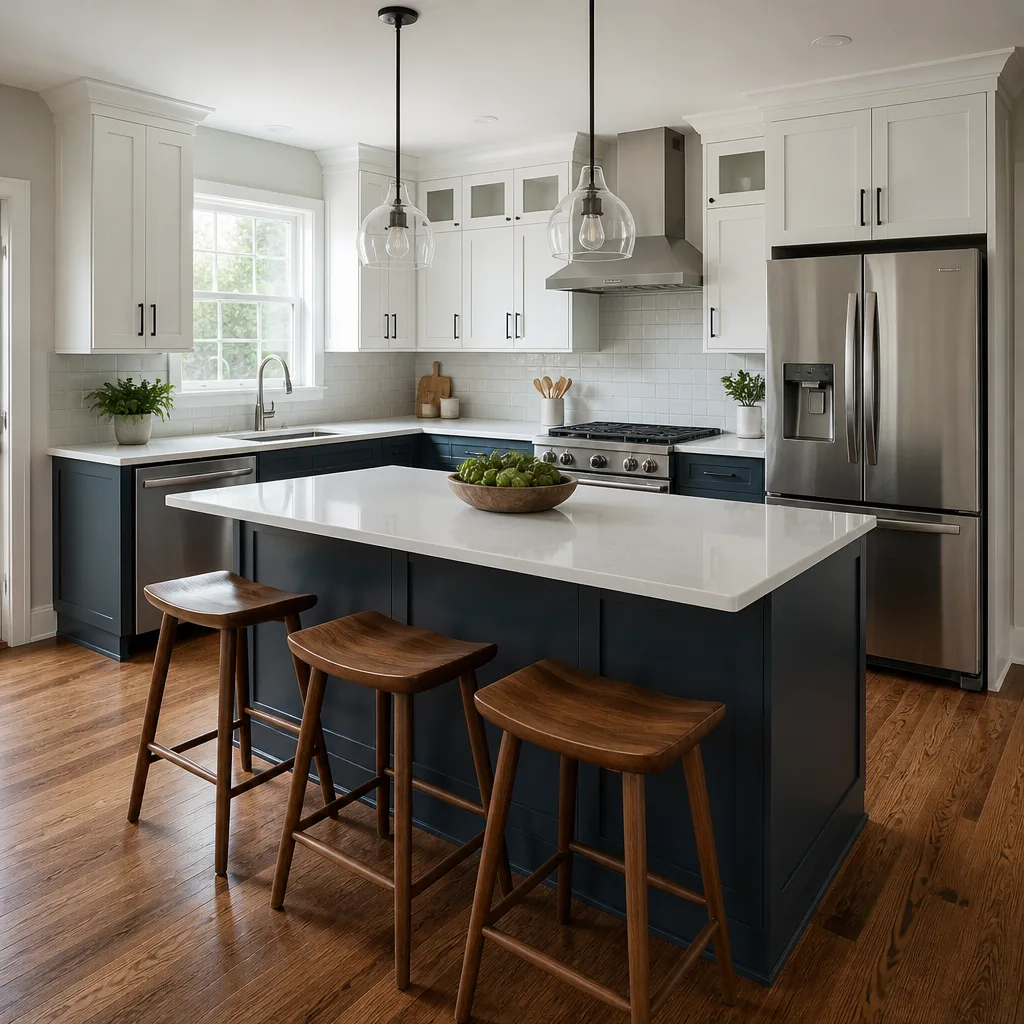 Kitchen remodeling
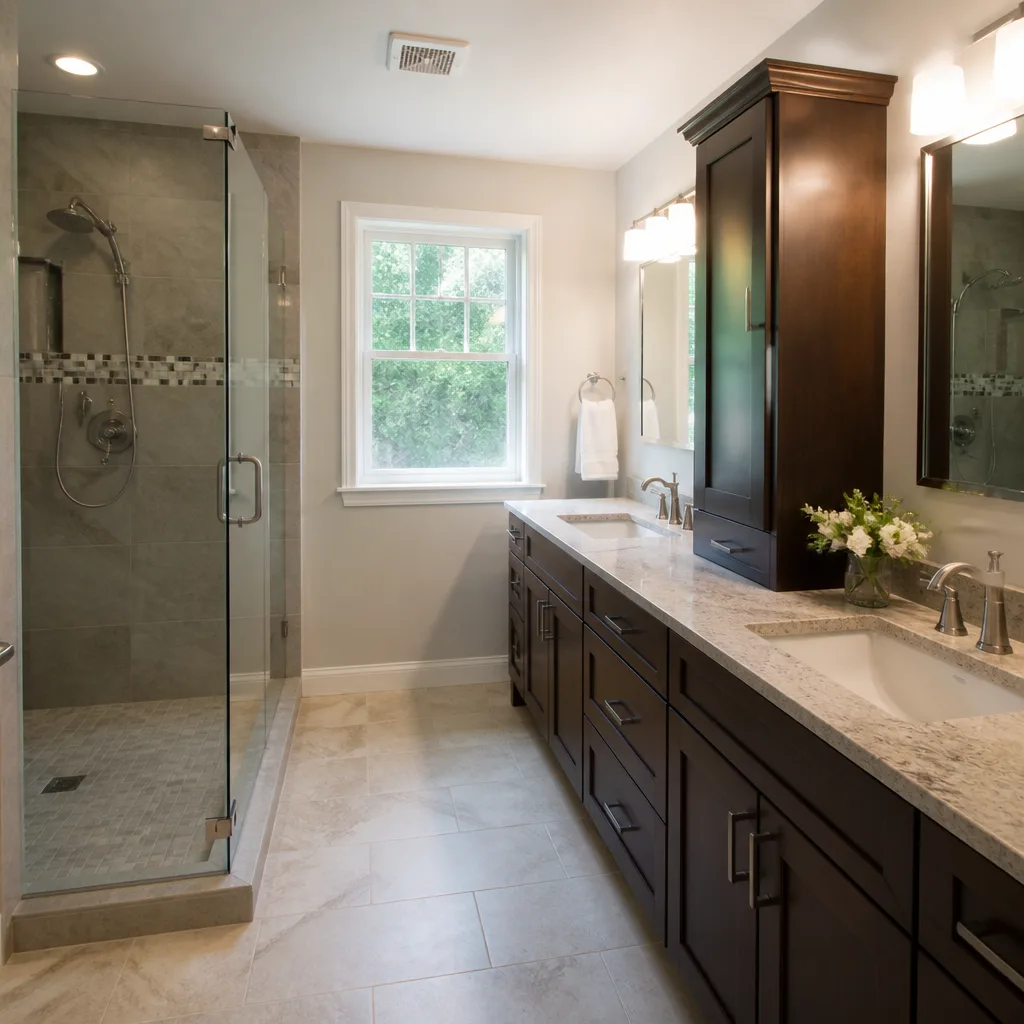 Bathroom remodeling
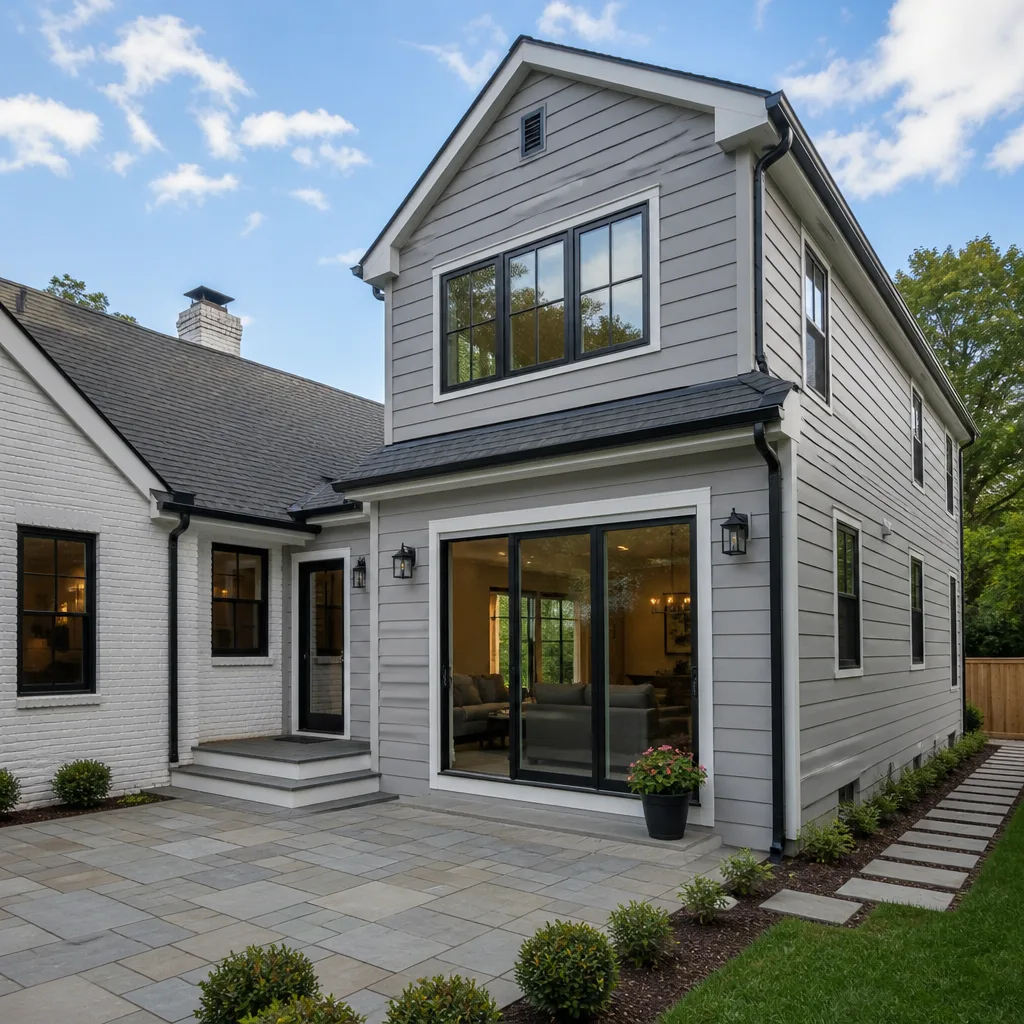 Home additions & ADU
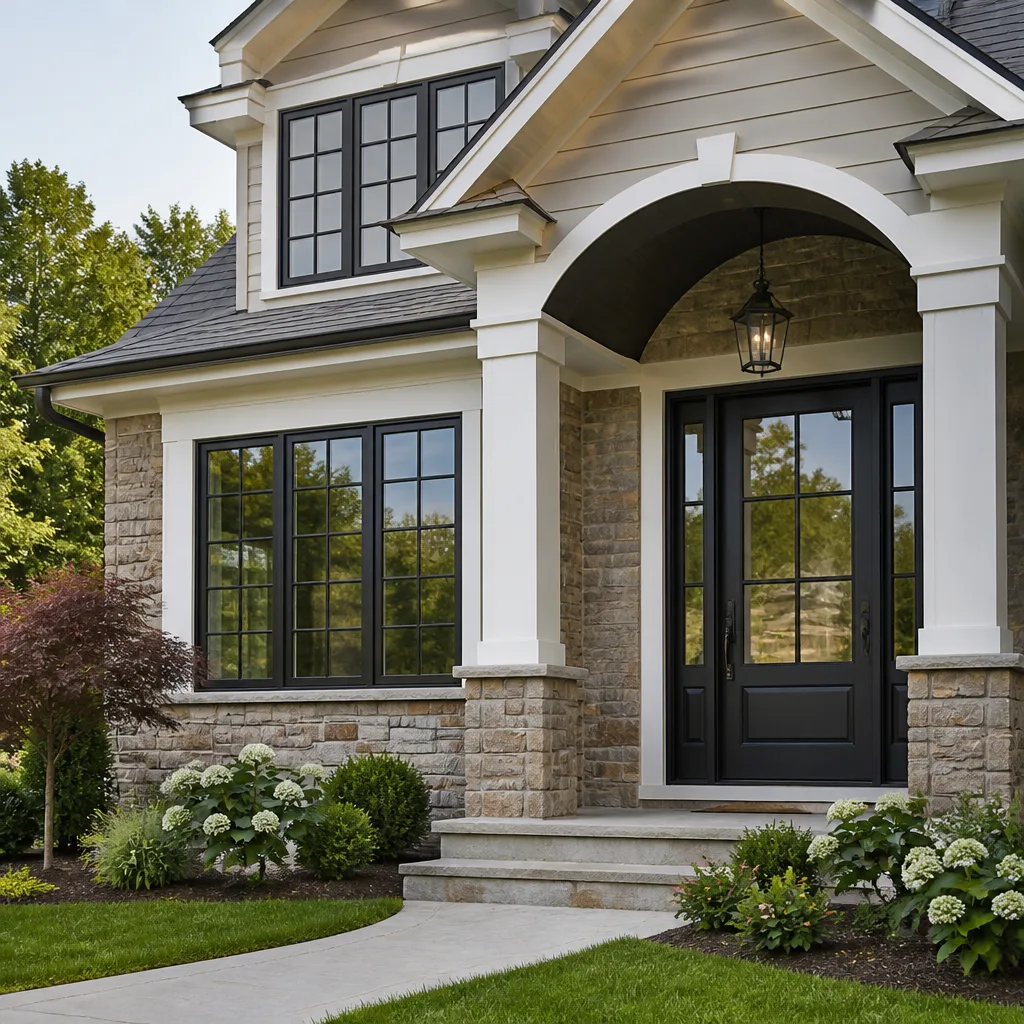 Windows & doors
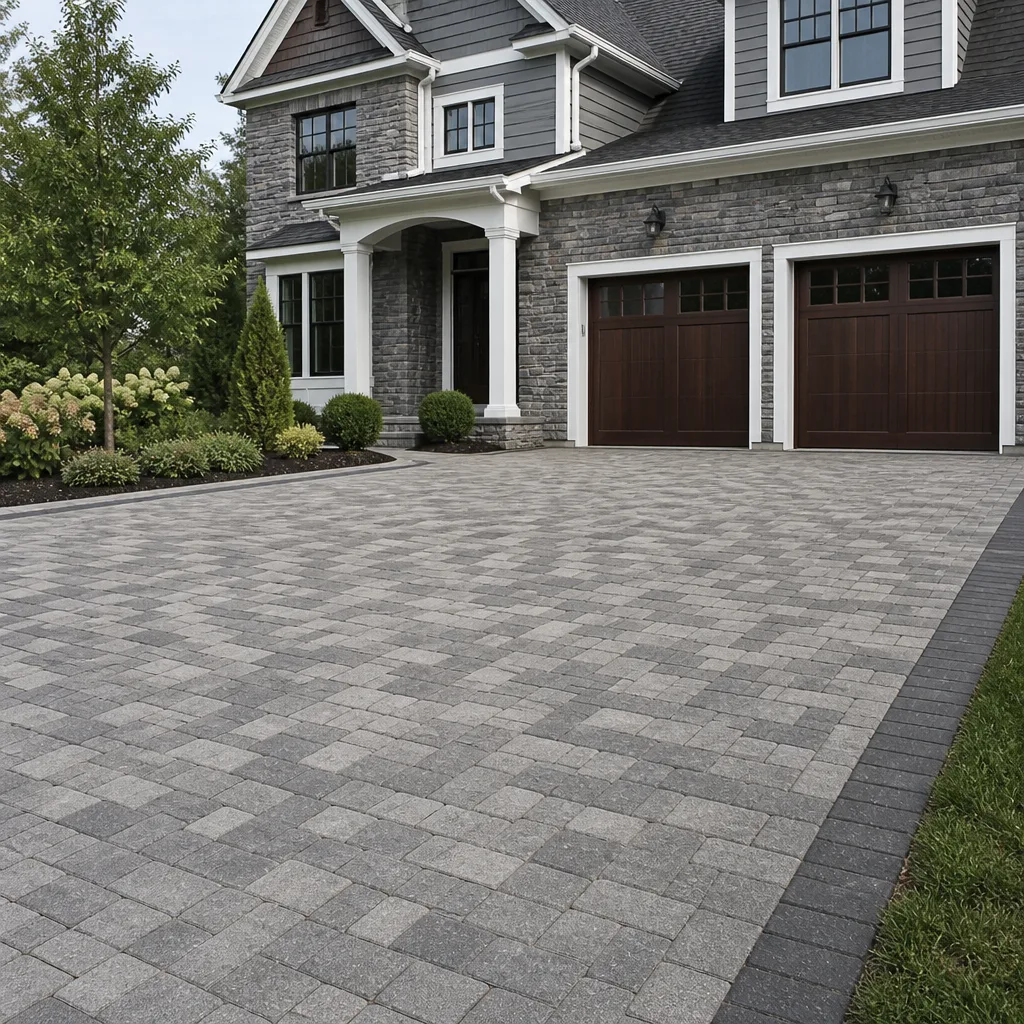 Driveway & pavers
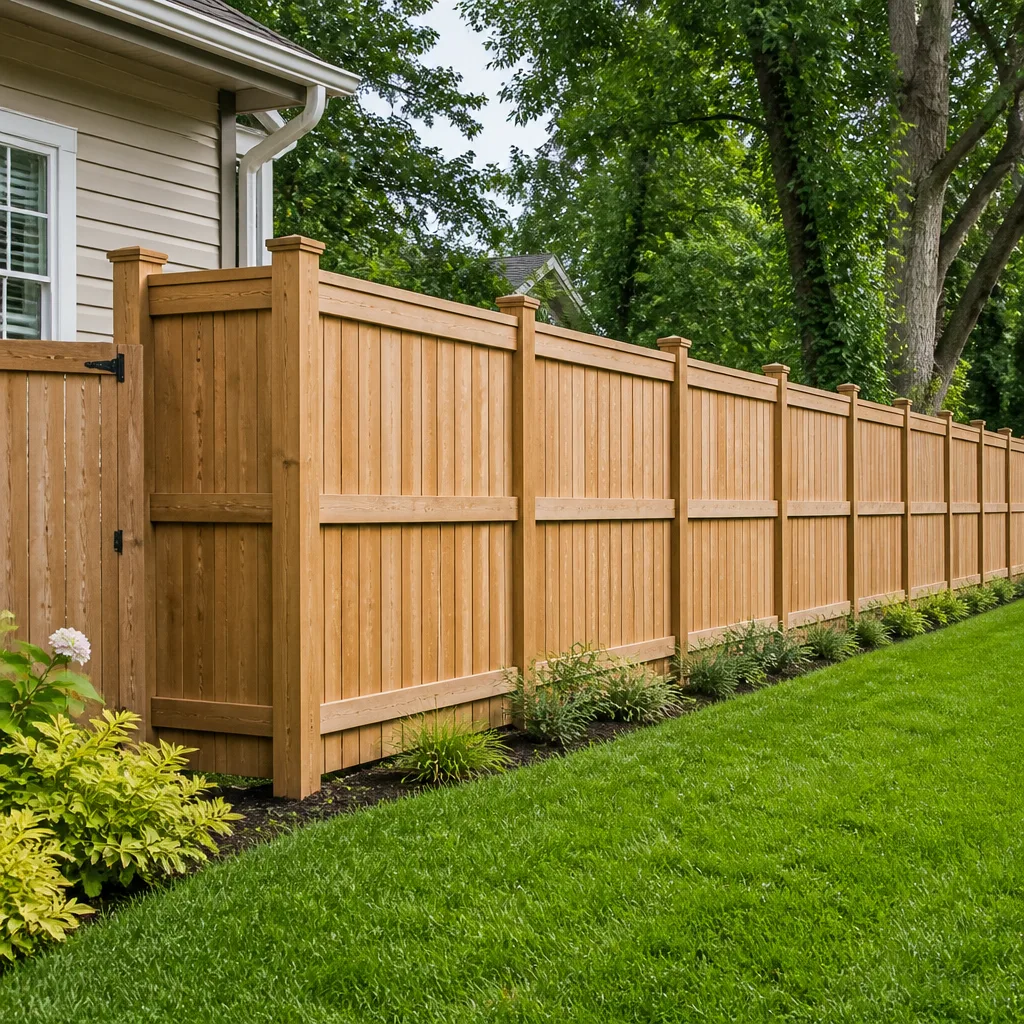 Fence
Free written scope consultation - allowances, timeline, and change-order rules on paper before a single trade is scheduled
Styles & brands we work with
- Kitchen remodeling
- Bathroom remodeling
- Home additions & ADU
- Roofing
- Windows & doors
- Driveway & pavers
- Fence
See the difference
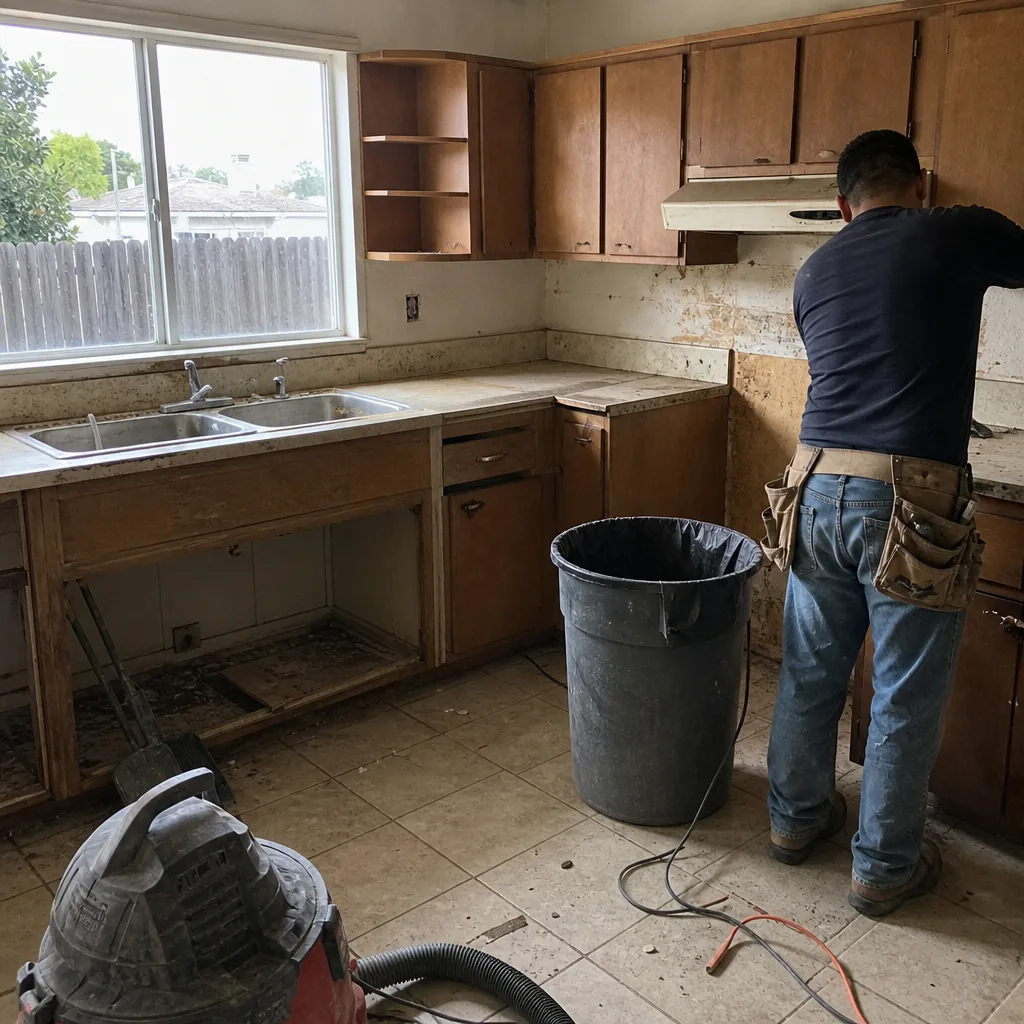 Before
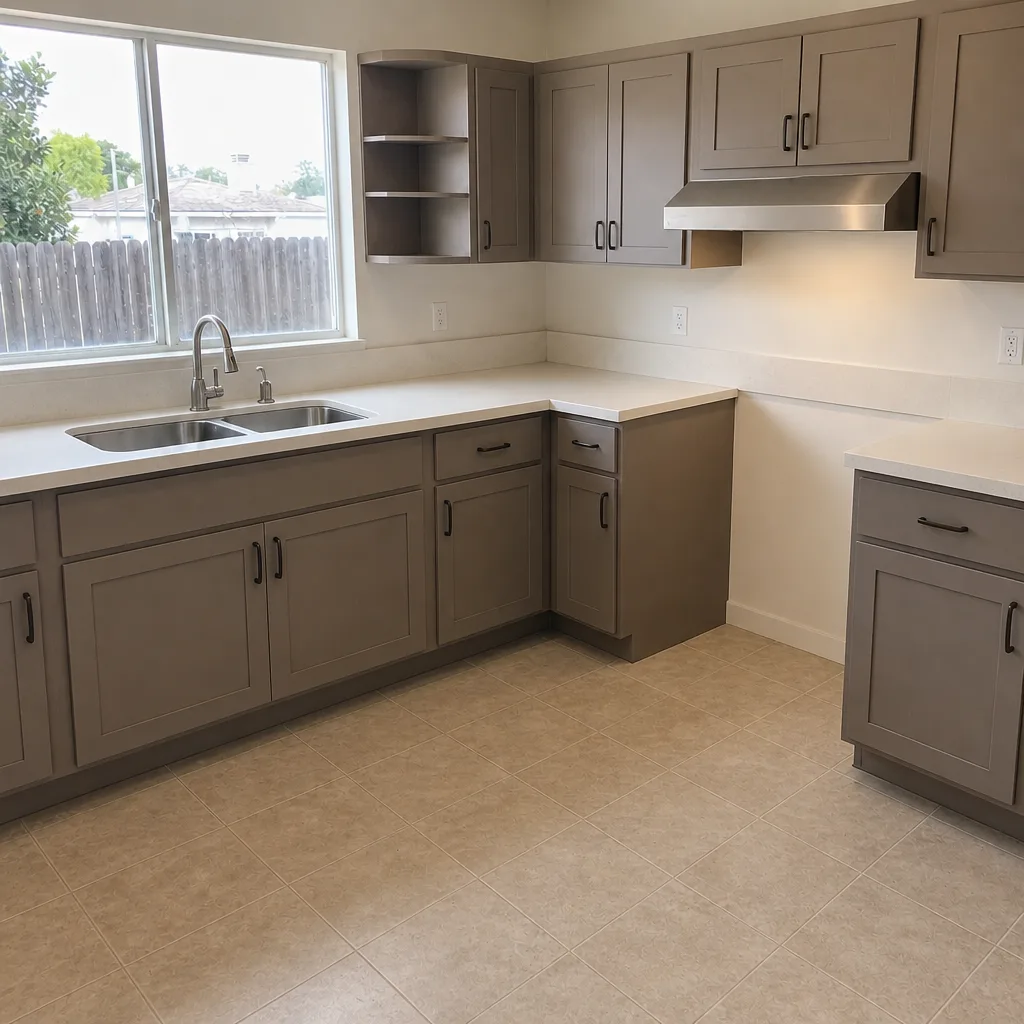 After
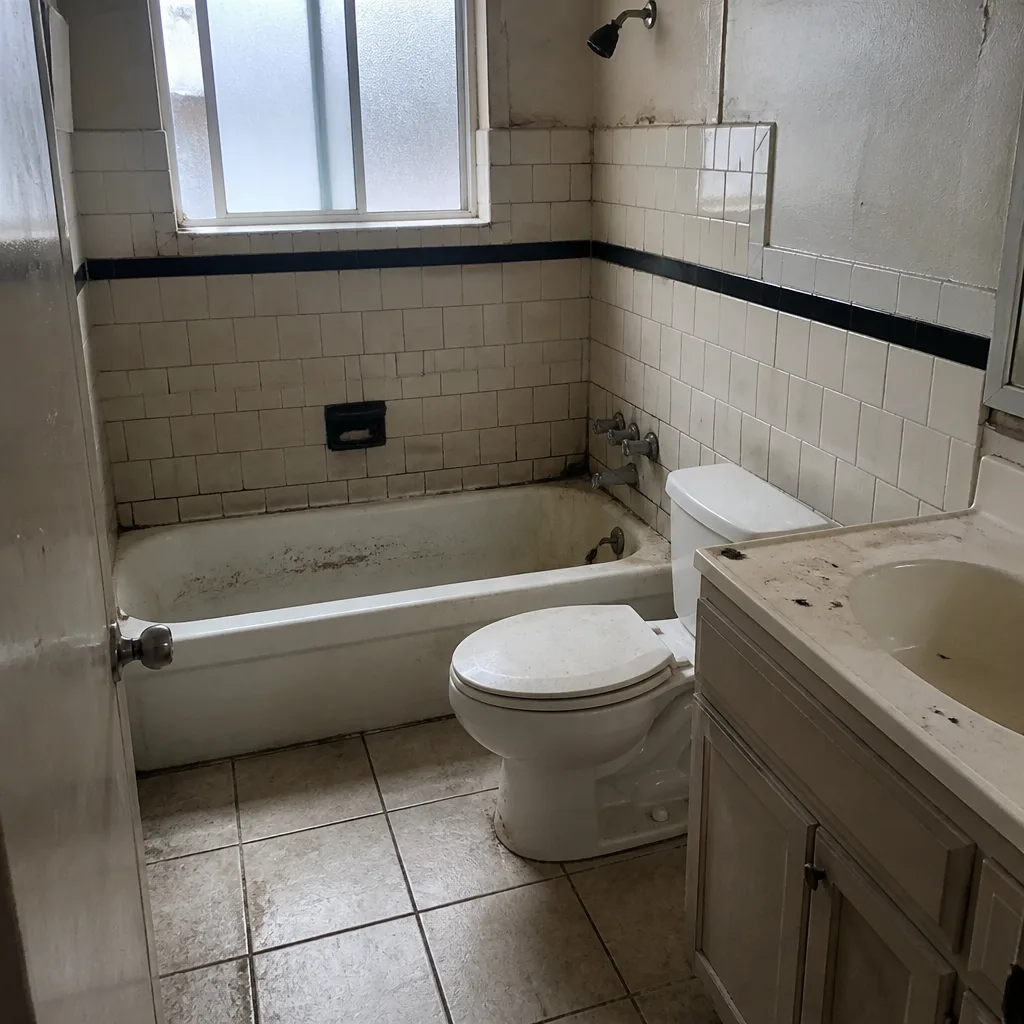 Before
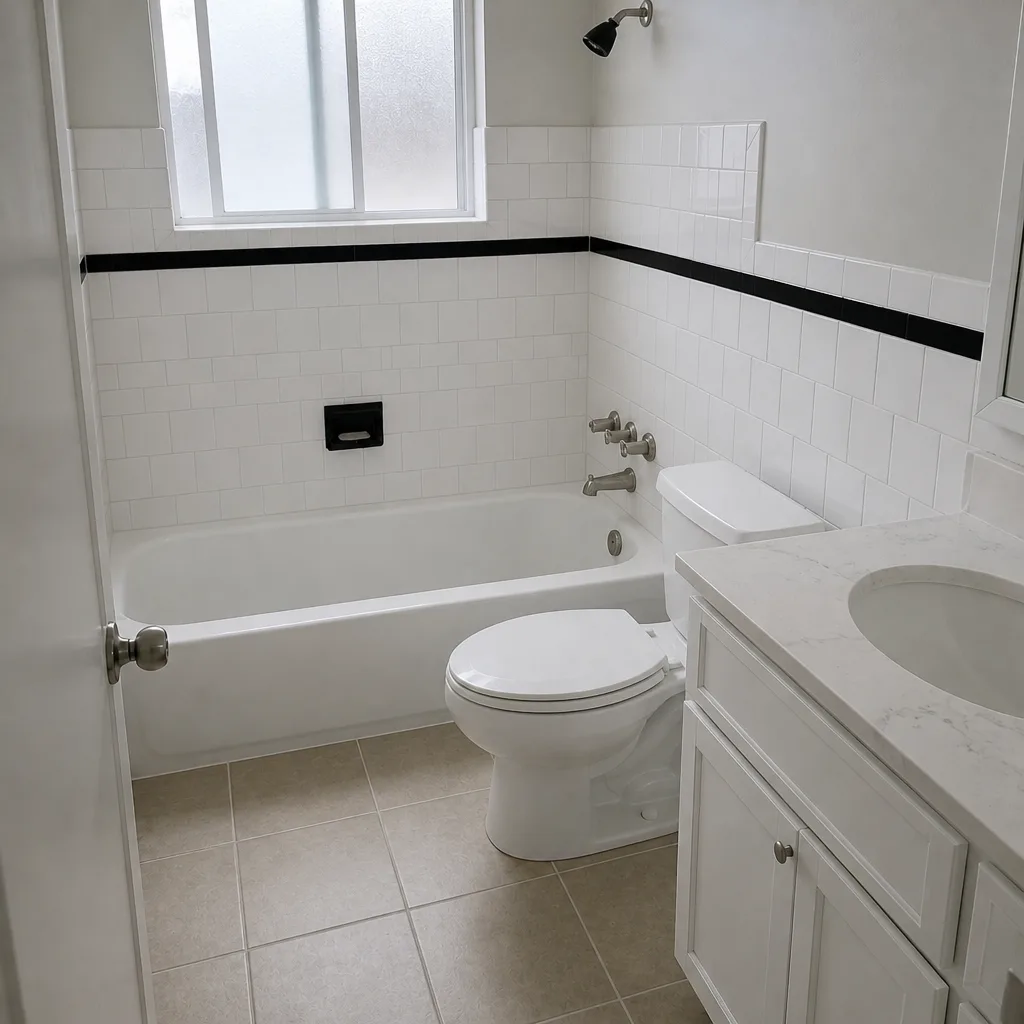 After
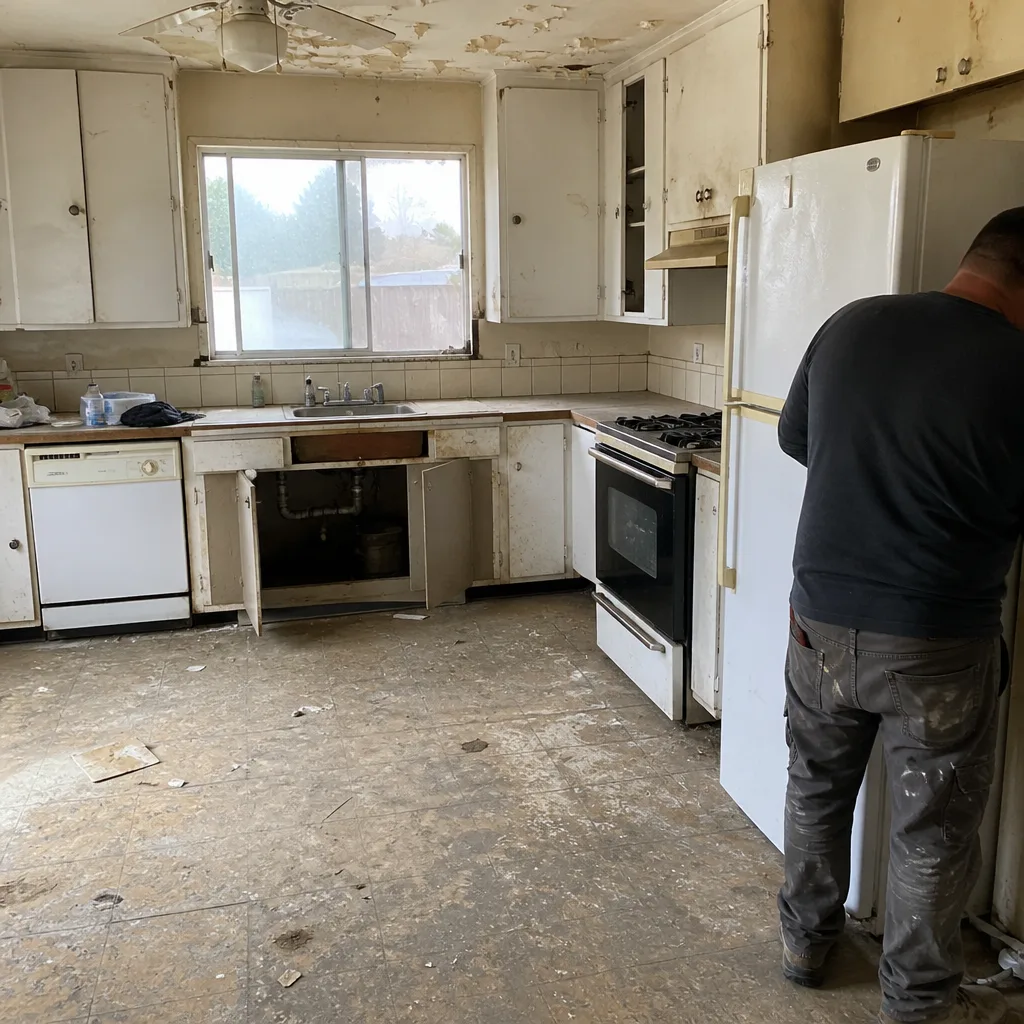 Before
 After
What’s the Best Roofing Material in Antioch, CA? Architectural Shingles on the Flats, Tile in the Hills
Choose architectural asphalt shingles (GAF or Owens Corning) if your Antioch home was built before 1980 on the flats. Choose concrete or clay tile only if you live in a 1990s-2000s hill subdivision and the original truss load rating checks out first. That’s the honest bottom line. There is no single best roofing material in Antioch, and any guide that hands you one answer for the whole city is guessing. The right call depends on how old your house is and which side of Highway 4 you call home. Call (888) 419-3650 and we’ll walk those three variables with you before anyone writes a proposal.
Ask a roofer in Portland and they’ll say metal. Ask one in Phoenix and they’ll say tile. Ask us in Antioch, and the conversation starts differently: how old is your house, and which side of Highway 4 are you on? That’s not a deflection. It’s the frame that actually predicts what will hold up here. Antioch sits on the Delta at the foot of the East Bay hills, where the afternoon winds come off the river for months and the expansive clay soils swell and shrink with the seasons. Those two forces stress a roof system in ways a national “best material” ranking never accounts for. Groundwork Construction Co. of Antioch is a roofing contractor in Antioch, and this is how we think through the question.
The three variables that decide your roof material in Antioch
Every recommendation we make for a roof in Antioch comes down to three things. Get these right and the material choice mostly makes itself. Skip them and you’re buying a system your house wasn’t built to carry.
- Structural load capacity: what your rafters and trusses can actually hold. This is the one that quietly kills the “just put tile on it” plan.
- Delta wind uplift rating: how the system is fastened and whether the material carries a wind warranty that means something in sustained 15-25 mph afternoon gusts.
- The clay-soil movement cycle: how the swelling and shrinking ground under your house translates up through the walls and roof deck over a decade.
A roofing quote that doesn’t address all three is telling you what’s on the truck, not what your house needs. That’s the difference between an estimate and a plan.
Pre-1980 homes on the Antioch flats: why shingles usually win
The older tract homes across Antioch’s flats (the downtown blocks and the mid-century neighborhoods) were mostly built with skip sheathing or light board decking, not the solid plywood we use today. That matters more than most homeowners realize. Tile is heavy, and skip sheathing simply won’t carry it without re-decking and likely some rafter work. By the time you price that structural upgrade, the tile premium gets expensive fast.
Architectural shingles sit in the structural sweet spot for these homes. On a solid plywood re-deck, an architectural shingle system adds modest weight, installs cleanly, and gives you real wind performance when it’s fastened correctly. This is where fastening pattern and installer technique matter as much as the product name. GAF’s wind warranty tiers reward proper nailing and underlayment, and a sloppy install quietly forfeits that coverage. We specify GAF and Owens Corning systems for exactly this reason: the warranty has teeth only when the install behind it is right.
What the flats rebuild typically costs
For the older Antioch homes, a full roof replacement with a plywood re-deck runs in our Roofing pricing range of $8,000-$20,000, and most jobs land inside that band depending on square footage and how much decking gets replaced. Metal, if you want the long horizon, is a real option but runs higher. Here’s the line-item picture homeowners ask us for:
| Material / job | Antioch price range | Where it fits |
|---|---|---|
| Architectural shingle replacement (with re-deck) | $8,000-$20,000 | Pre-1980 flats homes, solid plywood deck |
| Metal roof installation | $15,000-$40,000 | Long-horizon buyers, confirmed structural capacity |
| Tile roof repair | $600-$2,500 | Hill homes keeping an existing tile system |
| General roof repair | $400-$1,800 | Leaks, flashing, localized storm damage |
1990s-2000s hill homes: tile is native, but check the truss first
Head up into the southern hills and the picture flips. Those subdivisions were framed to carry tile, the original designs expected it, and the neighborhood norm is tile. That last part affects resale whether we like it or not. Putting shingles on a hill home surrounded by tile can work fine mechanically, but it stands out at appraisal time.
Here’s the catch most tile pitches skip: “the neighborhood has tile” doesn’t mean your specific truss load rating was built for it. Plenty of hill homes were engineered for one tile system and later got a heavier one after a contractor eyeballed it instead of reading the plans. Before we specify any tile on a hill home, we confirm the original truss load rating. If the structure wasn’t framed for the added weight, we say so and offer the better-fit alternatives. That confirmation is the difference between a 20-year roof and a structural problem.
Delta wind exposure even hits hill homes, especially the exposed ridges. Tile systems live or die on the fastening and on underlayment quality. The supplier behind the tile matters too, which is why we work with premium tile suppliers and hold our recommendations to performance fit rather than the cheapest stack in the yard.
How the right material choice accounts for Delta wind
Sustained afternoon winds off the river in summer run around 15-25 mph, and on the exposed ridges they gust higher. That’s not a footnote for material selection; it’s central. Two systems made of the same shingle can perform completely differently if one was nailed to spec and the other wasn’t. When we weigh any material, we look at whether its wind warranty actually holds up in sustained Delta gusts, and we pay attention to the fastening pattern and underlayment that make that warranty real.
That’s also why we don’t recommend any material based on what a warehouse happens to stock that week. Our curated brand partners (GAF and Owens Corning among them) give us room to choose the system that fits the house, not the one that’s easiest to unload.
What’s “best” once you combine all three variables?
Run the full framework and the recommendations narrow to something you can act on:
- Pre-1980 flats homes: architectural shingles on a solid plywood re-deck. Best structural fit, predictable performance, reasonable home budget.
- 1990s-2000s hill homes: concrete or clay tile, provided the truss load rating is confirmed. Matches the neighborhood and the resale norm.
- Long-horizon owners with the structural capacity: metal is worth pricing, especially for wind resistance and lifespan.
- Anyone fighting a leak right now: repair first, full replacement conversation second. A $400-$1,800 repair often buys years.
Nobody in Antioch can pick your material from a webpage. But a contractor who walks those three variables before quoting can. That’s the standard we hold our Roofing in Antioch work to, and it’s why we price the plan before the product.
What makes a roofing material right for an Antioch home specifically?
Three things decide it in Antioch: whether your structure can carry the material’s weight, whether it holds up to the Delta’s sustained afternoon winds, and how it handles the seasonal swelling of the clay soils. A material that scores well on all three for your house is the right one, even if it’s not the trendiest name.
FAQs
For most pre-1980 homes on the Antioch flats, architectural shingles are the better fit because the original decking often can’t carry tile without costly rafter work. Tile is a strong choice for 1990s-2000s hill homes where the truss load rating was framed for it. The answer depends on your structure, not the neighborhood’s reputation. Call (888) 419-3650 for a free assessment and we’ll tell you which side of that line your house falls on.
A full roof replacement in Antioch typically runs $8,000-$20,000 with architectural shingles and a fresh re-deck; metal systems range $15,000-$40,000, and localized repairs sit at $400-$1,800. Tile repairs land around $600-$2,500. Exact numbers depend on square footage, decking condition, and material. Call (888) 419-3650 and estimates are free, with upfront pricing so the number you see is the number you pay.
Yes. Sustained afternoon winds of 15-25 mph in summer, plus stronger gusts on the exposed ridges, make wind uplift rating and fastening technique as important as the product itself. A shingle system’s wind warranty is only as good as the install behind it, so the fastening pattern and underlayment matter as much as the brand. That’s a conversation worth having before you compare materials on price alone.
Often, yes. Many roof problems (flashing, localized leaks, damaged tiles) are repairable in the $400-$2,500 range and don’t require a full replacement yet. We look at whether a repair makes sense against the remaining life of the roof before we quote anything bigger. Call (888) 419-3650 for same-day availability and a free look before you commit.
Let’s figure out your roof together
If you’d rather have it looked at than argued over, Groundwork Construction Co. of Antioch offers a no-pressure assessment in Antioch. We’ll confirm your structural load, talk through the Delta wind realities, and give you an honest upfront price on the material that actually fits your house, backed by our 730-Day Done Right Promise. Call (888) 419-3650 and a live person will pick up.
Written by the team at Groundwork Construction Co. of Antioch, serving Antioch, CA.