
Last updated November 17, 2026
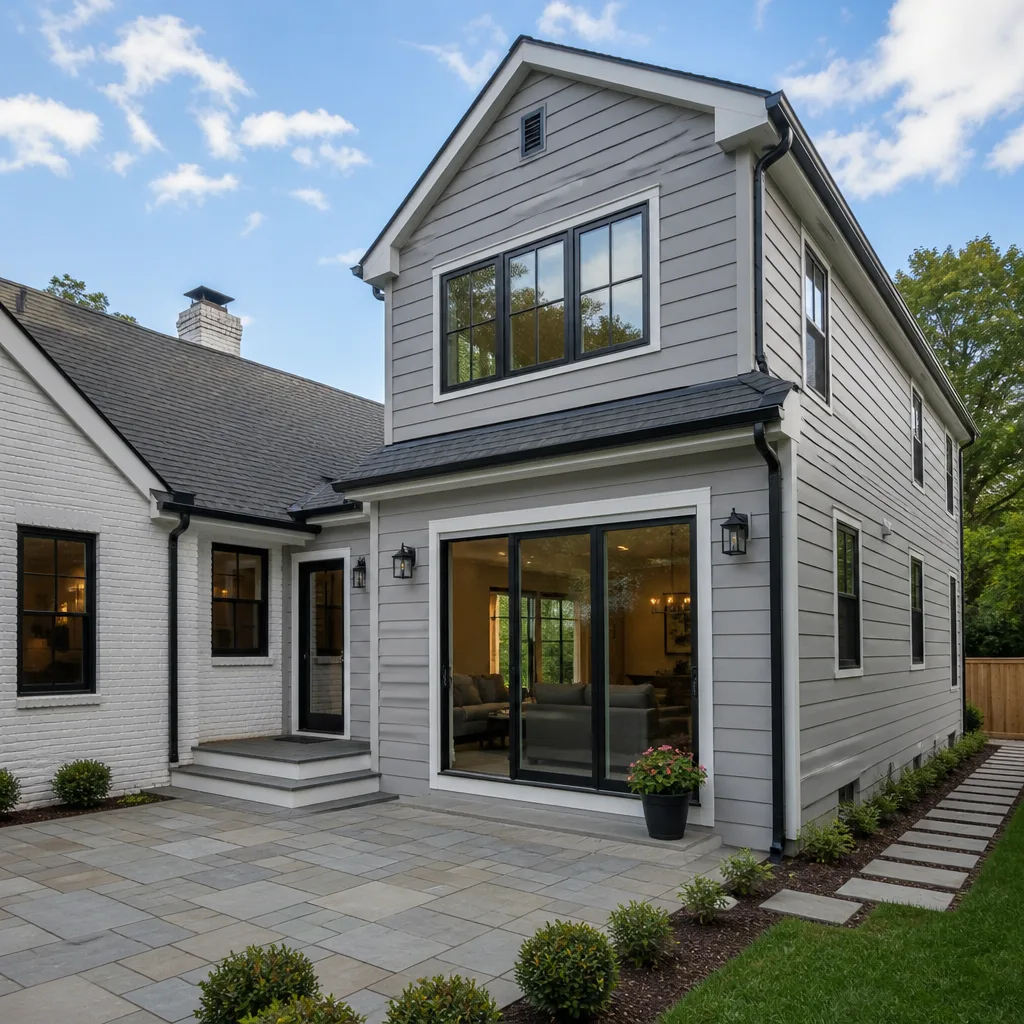 Home additions & ADU
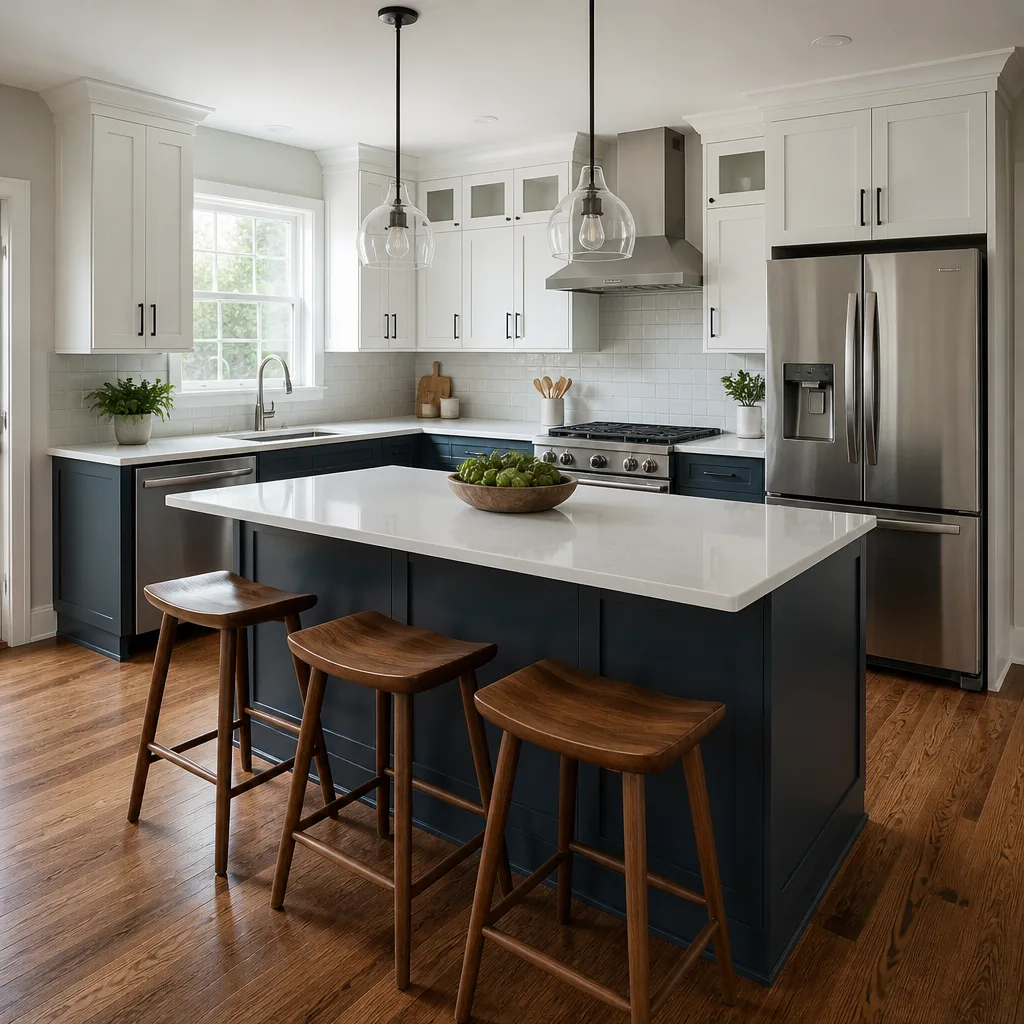 Kitchen remodeling
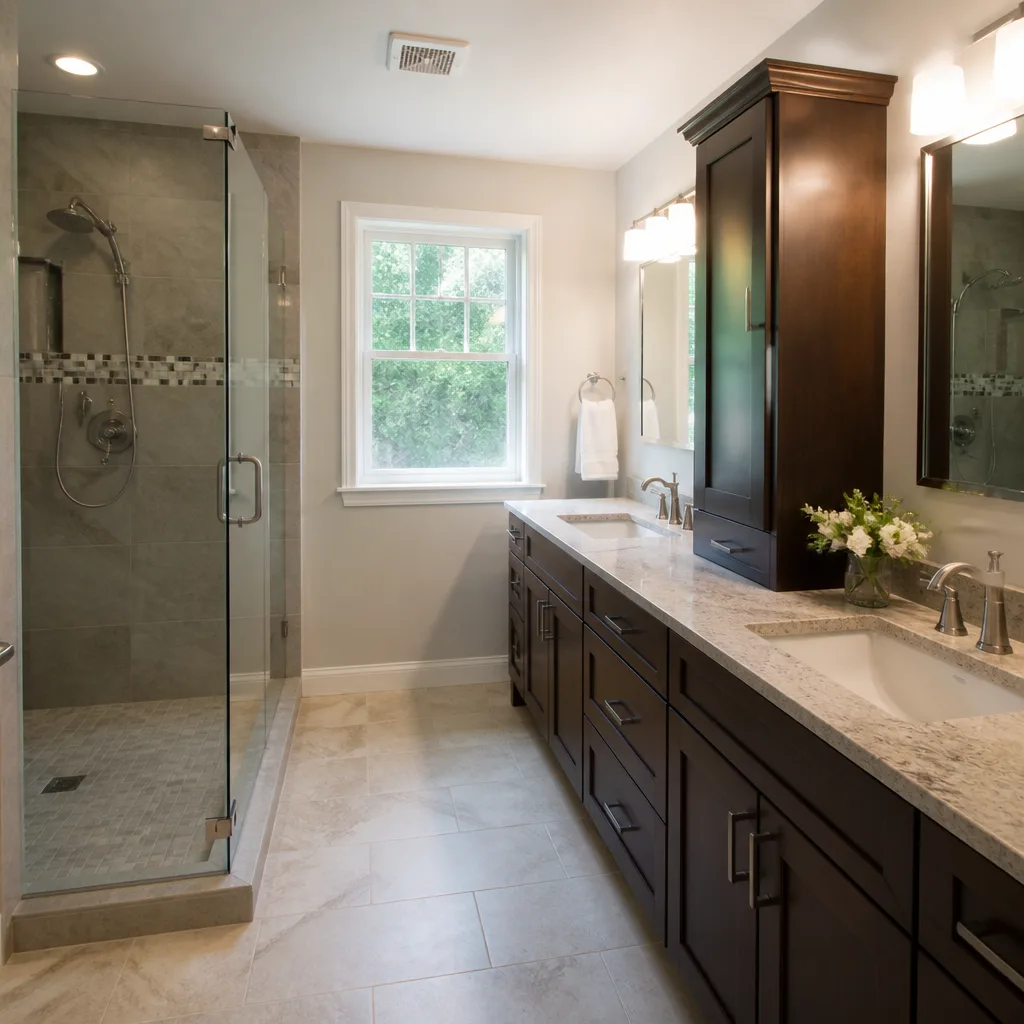 Bathroom remodeling
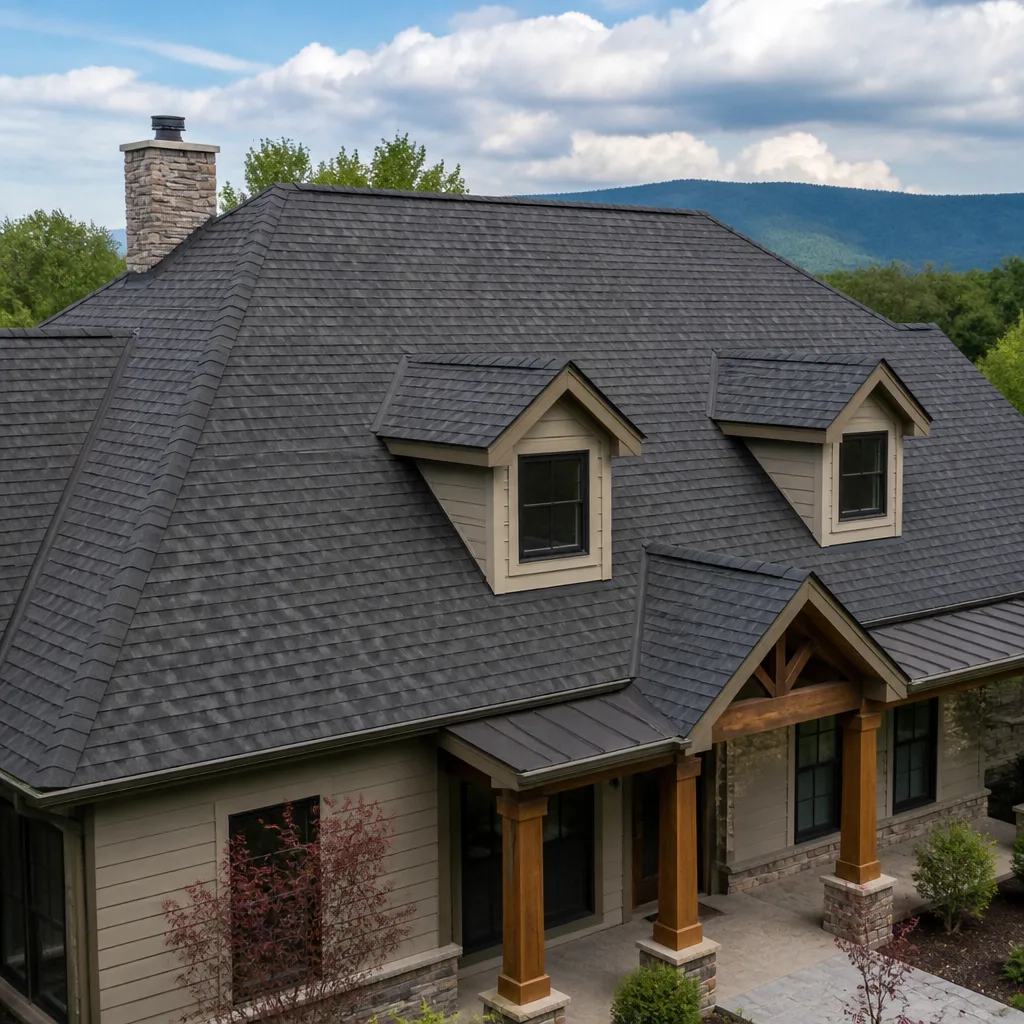 Roofing
 Windows & doors
 Driveway & pavers
 Fence
Free written scope consultation - allowances, timeline, and change-order rules on paper before a single trade is scheduled
The Complete Home Additions & ADU Guide for Antioch Homeowners
California’s ADU law overrides many local restrictions, but Antioch still controls setbacks, height limits, and utility hook-up fees in ways that can swing your project budget by $40,000 or more if you don’t know them before you design. That gap between what the state permits and what the city approves is where most Antioch homeowners get stuck: they design a plan that looks legal on paper, submit it, and discover a setback rule, a sewer capacity fee, or a school district charge that forces a redesign after they’ve already paid an architect. This guide walks through Antioch-specific zoning, the real cost split between an ADU, an attached room addition, and a second-story addition, how to pick the right structure for your lot, the permitting sequence in the order it actually has to happen, and how a written workmanship guarantee protects you long after the final inspection.
Quick Answer
In Antioch, a detached ADU typically runs $180,000 to $320,000 for a 600 to 900 square foot unit, an attached single-room addition runs $95,000 to $180,000, and a second-story addition runs $240,000 to $400,000, depending on foundation work, utility upgrades, and finish level. State ADU law preempts many local rules, but the City of Antioch still sets setbacks, height limits, and utility connection fees, so the sequence of permitting matters as much as the design. Getting the zoning and feasibility work done first, before design drawings, is the single biggest cost saver on an Antioch additions project.
Styles & brands we work with
- Kitchen remodeling
- Bathroom remodeling
- Home additions & ADU
- Roofing
- Windows & doors
- Driveway & pavers
- Fence
Table of Contents
- What Antioch’s Zoning Rules Actually Control for ADUs and Additions
- What Do Home Additions and ADUs Cost in Antioch?
- How to Choose Between an Attached Addition, Detached ADU, Garage Conversion, and JADU
- The Antioch Permitting Sequence: What Has to Happen in Which Order
- Utility Connections, Sewer Capacity Fees, and the Costs Nobody Warns You About
- Reading Your Antioch Lot: Slope, Drainage, and Delta Soil
- Structural Additions and What the 730-Day Done Right Promise Covers
- How Long Do Home Additions Take in Antioch?
What Antioch’s Zoning Rules Actually Control for ADUs and Additions
California’s 2019 ADU legislation and the later updates stripped a lot of local control away, and that confuses homeowners. Here’s what most people get wrong: they hear “the state overrides the city” and assume they can build an ADU anywhere on the lot with any setback. In Antioch, the city still controls several things, and knowing which is which saves you real money before you spend a dollar on design.
State law preempts local rules on things like minimum lot size for an ADU, owner-occupancy requirements for new ADUs, the number of ADUs allowed if you convert or attach, and replacement parking when you convert a garage. Antioch can’t override those. But the city still controls setbacks, height limits, rear and side yard placement, utility connection fees, sewer and water capacity charges, school district impact fees, and the design review process for certain overlay zones.
- Setbacks: ADU setbacks from side and rear property lines are still a local call. Confirm the specific distance for your parcel before drawing anything.
- Height limits: A detached ADU near a single-family lot has a state floor, but anything taller or closer to a main structure may need a design review.
- Utility fees: Water and sewer capacity charges for a new unit are set by the city and the water district, not the state. These run in the thousands and vary by fixture count and meter size.
- School impact fees: A new ADU with a full kitchen and bedroom can trigger a school district fee. A JADU or a junior unit within the main home usually does not.
- Design review: Standards for exterior materials, window placement, and color are local and apply most strictly in historic or specific plan overlays near the downtown and Riverfront areas.
If your property sits in a specific plan area, an overlay zone, or on a hillside parcel in the southeast part of Antioch, expect additional review. For the broader service scope of what Groundwork handles on additions and ADUs, see our Home Additions & ADU in Antioch page.
What Do Home Additions and ADUs Cost in Antioch?
National averages are useless for budgeting an Antioch project. The real split comes down to foundation type, utility upgrades, and the local permitting burden. Here’s what we see on actual Antioch jobs, priced as line items so you can see where the money lands.
| Project Type | Typical Size | Cost Range | What Drives the High End |
|---|---|---|---|
| Detached ADU (stick-built) | 600 – 900 sq ft | $180,000 – $320,000 | Utility trenching, sewer capacity fees, foundation depth, full kitchen + bath |
| Attached single-room addition | 300 – 500 sq ft | $95,000 – $180,000 | Roof-to-wall tie-in, match to existing finishes, foundation extension |
| Second-story addition | 400 – 800 sq ft | $240,000 – $400,000 | Structural reinforcement of existing framing, stairs, MEP rerouting |
| Garage conversion to ADU | 400 – 500 sq ft | $145,000 – $210,000 | Insulation, new HVAC, kitchen and bath rough-in, fire separation |
| JADU (junior unit) | Up to 500 sq ft | $85,000 – $130,000 | Bathroom addition, kitchenette, separate entry |
Those are hard numbers from the Antioch market. If a bid comes in 30% under the low end, the scope is missing something: utility work, upgraded foundation, or proper permits. Upfront pricing with written line items is the only way to compare bids honestly.
What’s Not in the Headline Number
Add these costs to your budget before you sign anything:
- Architectural and engineering: $6,000 – $15,000 depending on structural complexity.
- Permit and impact fees: $8,000 – $22,000 in Antioch depending on unit size and school district determination.
- Utility connection and capacity charges: $4,000 – $12,000 for water and sewer combined on a new unit.
- Site work: $5,000 – $20,000 for grading, drainage, and access improvements on sloped lots.
Financing options help spread the load. Groundwork Construction Co. of Antioch offers 0% financing for 18 months and $1,000 off projects over $10,000, both of which make a $200,000 ADU budget manageable without tapping a HELOC at a variable rate.
How to Choose Between an Attached Addition, Detached ADU, Garage Conversion, and JADU
The right structure comes down to three things: what the space is for, your lot’s physical constraints, and how much of your existing house you’re willing to disturb. Work through these in order.
- Start with the use case. Multigenerational living, rental income, home office, and primary-suite expansion all point to different structures. Rental income almost always favors a detached ADU. Family living favors an attached addition or JADU.
- Measure the lot. A detached ADU needs a real yard footprint plus setback clearance. On a tight Antioch lot in a dense pocket, a garage conversion or JADU fits more naturally.
- Check the garage. If you have an attached two-car garage and don’t need the parking, garage conversion is often the cheapest path to a livable unit and it skips the state parking replacement rule in most cases.
- Consider the disruption. A second-story addition means living through structural work on your existing framing. A detached ADU is disruptive for a shorter window and doesn’t touch your main house.
- Weigh resale. In Antioch’s market, a dedicated rental-ready ADU adds a strong income story to your listing. A JADU is more of a family-flexibility feature and prices differently at resale.
A Short Decision Guide
- Detached ADU: Best for rental income, privacy, and lots with a usable backyard. Highest total cost, highest resale upside.
- Attached addition: Best for primary suite, family room, or home office. Cheapest per square foot, but you live through the build.
- Garage conversion: Best combination of cost and speed when you don’t need the parking.
- JADU: Cheapest entry point, smallest footprint, least rental flexibility because it shares a bathroom or kitchen with the main home under some configurations.
If the ADU is part of a larger exterior improvement plan, it’s worth reading about how an exterior fence installation in Antioch can define the yard before you break ground, since fencing between an ADU and the main house clarifies lot use and improves privacy for both.
The Antioch Permitting Sequence: What Has to Happen in Which Order
The order of operations on an Antioch addition is where money gets wasted. Do the sequence right and you save six figures in redesign fees. Do it out of order and you’re paying your architect twice.
- Feasibility check (1 – 2 weeks). Pull your parcel’s zoning designation, setback requirements, and overlay status. Confirm ADU eligibility and whether the lot can support the structure size you want. Don’t skip this.
- Utility capacity pre-check (2 – 4 weeks). Contact the city water and sewer departments to confirm capacity for an additional unit. There is a real difference between “the code says you can build” and “the sewer line can handle it.”
- Architectural design (4 – 8 weeks). Now, and only now, commission the drawings. Design both the structure and the site plan, including drainage and utility routing.
- Structural engineering (2 – 4 weeks). For any addition that ties into existing framing or adds a second story, you need stamped structural drawings.
- Building permit submission (3 – 8 weeks for plan check). Submit plans to the City of Antioch building department. Expect one round of plan check corrections minimum.
- Utility and impact fee payment. Fees get paid before permit issuance, not after. Budget for this cash flow timing.
- Construction (see schedule below). Inspections happen at framing, rough MEP, insulation, and final.
- Final inspection and certificate of occupancy. Never let anyone move into or rent the unit before this comes through.
What Causes Costly Restarts
In our experience, the three most common restart triggers in Antioch are: designing before checking setback and overlay zoning, missing a school impact fee determination until late in plan check, and discovering a utility trenching obstacle after plans are approved. All three are avoidable with a proper feasibility phase.
Utility Connections, Sewer Capacity Fees, and the Costs Nobody Warns You About
Utilities are the quiet budget killer on Antioch additions. The headline construction number looks fine, then the water and sewer capacity fees land on the table and the project jumps $10,000 overnight. Here’s how to plan for them.
Water and sewer capacity charges. The City of Antioch and the water district charge a connection fee per new dwelling unit, and the fee scales with the size of the meter. A new detached ADU almost always requires a new meter or an upgrade to the existing one. That fee is set by ordinance and doesn’t negotiate.
Electricity. Most Antioch ADUs are all-electric to avoid gas line extension costs, which can run $6,000 – $15,000 depending on distance from the meter. If you’re building a fully electrified unit, budget for a panel upgrade if your existing panel is under 200 amps.
Sewer lateral and trenching. Detached ADUs need a new sewer lateral dug from the main house or the street to the new unit. On lots with mature landscaping, driveways, or retaining walls in the path, that trench work runs $8,000 – $25,000. Sloped lots cost more.
Stormwater and drainage. Antioch’s clay-heavy soils and winter rain mean the site plan needs proper drainage design, not a last-minute addition. If your plan concentrates runoff onto a neighboring property, expect a correction notice and a redesign.
How to Control Utility Costs
- Run the utility capacity pre-check before design, not after.
- Route the ADU near existing utility lines if your lot layout allows.
- Consider all-electric for new units to skip gas line extension.
- Confirm your main panel capacity during the feasibility phase.
- Get a site-specific drainage plan from your architect, not a generic detail.
Reading Your Antioch Lot: Slope, Drainage, and Delta Soil
Antioch’s geography matters more than most guides acknowledge. Properties near the river and the Delta flats have different foundation requirements than the hillside parcels in the southeast, and those differences run into real money.
Delta-side lots. Expansive clay soils near the river and the flats hold water in winter and shrink in summer, which means foundation design has to account for movement. A post-tension slab or a deeper stem wall is often necessary for a detached ADU. Expect $5,000 – $12,000 of added foundation cost over a standard build elsewhere.
Hillside lots. The southeastern hills and the areas near Lone Tree and the Black Diamond ridgeline have slope stability and drainage considerations. A hillside ADU may need a stepped foundation, retaining walls, or pier-and-grade-beam construction. Those costs run $15,000 – $40,000 above a flat-lot equivalent.
Drainage. Antioch’s wet winters and dry summers mean a detached ADU needs proper roof drainage, footing drains, and site grading. Skipping these sets up foundation and standing-water problems two or three winters later, which is exactly the scenario the 730-Day Done Right Promise is built to catch.
Sun and heat exposure. Antioch runs hotter than the bay-side cities in summer, so HVAC design for an ADU has to account for real cooling load, not a rule of thumb. Undersized units are a common complaint we hear from owners of ADUs built by others.
If your project also involves reworking the driveway and hardscape around an ADU, the local considerations for driveway and pavers in Antioch overlap with the drainage discussion. Plan both together.
Structural Additions and What the 730-Day Done Right Promise Covers
Structural work is where a workmanship guarantee earns its keep. Roof-to-wall tie-ins on attached additions, load transfer on second-story builds, and foundation extensions on any addition are the areas where shortcuts show up two or three winters later as cracks, settlement, or leaks. That’s the exact reason Groundwork backs every project with the 730-Day Done Right Promise: if it’s not done right, we make it right, for two full years after completion. It’s one of the longest workmanship guarantees in the residential construction space, and it applies to the structural and weatherproofing work, not just the visible surfaces.
What that means for you on an Antioch addition:
- Structural work covered for two years: framing, tie-ins, foundation connections, and roof integration.
- Water intrusion covered: flashing, drainage, and envelope details on the new structure.
- Written terms, not verbal: the guarantee is in the contract, not just on a website.
- Fixed pricing: the number you see is the number you pay. No change order games once work starts.
That fixed-pricing commitment is the part most homeowners say matters most, because it’s the one thing that wasn’t true on their last project. Premium materials from partners like IKO and Atlas for roofing tie-ins, and Boral for trim, sit inside a written scope and a written guarantee, not on a verbal promise. It’s the same principle we apply to our Groundwork Construction Co. of Antioch home services across every trade.
How Long Do Home Additions Take in Antioch?
Realistic timelines for an Antioch additions project, from signed contract to final inspection:
| Phase | Typical Duration |
|---|---|
| Feasibility and zoning check | 1 – 2 weeks |
| Utility capacity pre-check | 2 – 4 weeks |
| Design and engineering | 6 – 12 weeks |
| Plan check and permit issuance | 4 – 10 weeks |
| Construction (detached ADU) | 5 – 8 months |
| Construction (attached addition) | 3 – 5 months |
| Construction (garage conversion) | 2 – 4 months |
| Final inspection and CO | 2 – 4 weeks |
Add the phases up and a typical Antioch detached ADU runs 10 – 16 months from contract to move-in. An attached addition runs 7 – 12 months. Anyone promising a full ADU in under six months is either skipping permits or underestimating the plan check phase.
Common Mistakes to Avoid
- Designing before checking zoning. We see Antioch homeowners pay an architect $10,000+ for drawings, then learn the setbacks and overlay requirements on their parcel force a redesign. Do the feasibility work first.
- Skipping the utility capacity pre-check. A lot can look perfect and still not support a new sewer connection without a costly upgrade. Confirm capacity before you commit to a structure type.
- Ignoring the school impact fee question. A full ADU with kitchen and bath can trigger a school district fee that a JADU would not. Find out which side of that line your project sits on before you build.
- Comparing bids on headline price only. The low bid is usually missing scope: utility trenching, drainage, foundation upgrades, or permit fees. Compare line items, not totals.
- Using national cost averages. A $150 per square foot number from a national site is missing Antioch’s clay-soil foundation costs, delta-side drainage, and local impact fees. Budget from local numbers.
- Not verifying the workmanship guarantee in writing. Verbal promises of a warranty are not a warranty. Make sure the guarantee period and covered scope are written into the contract.
- Building an ADU with no HVAC plan for Antioch summers. Undersized cooling is one of the most common complaints on ADUs built by others in the area. Size the system for the real load.
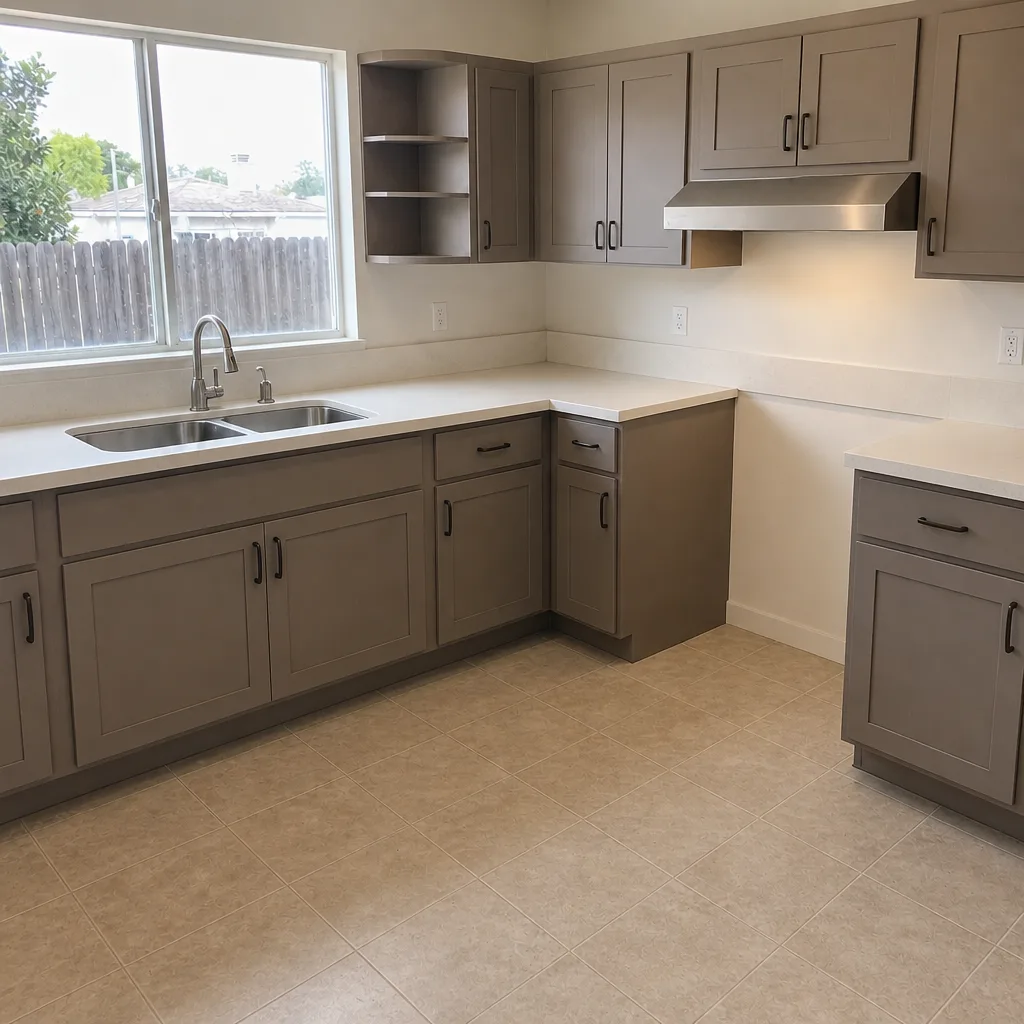
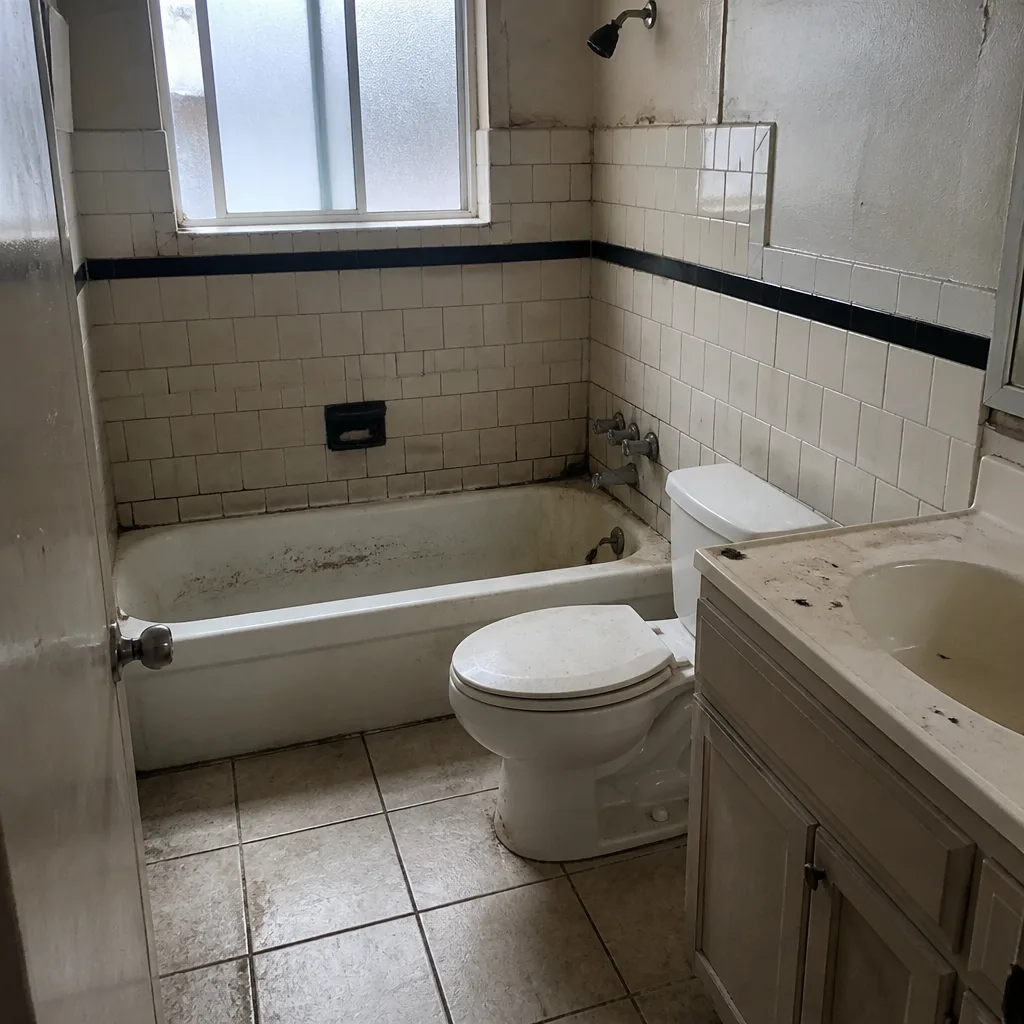
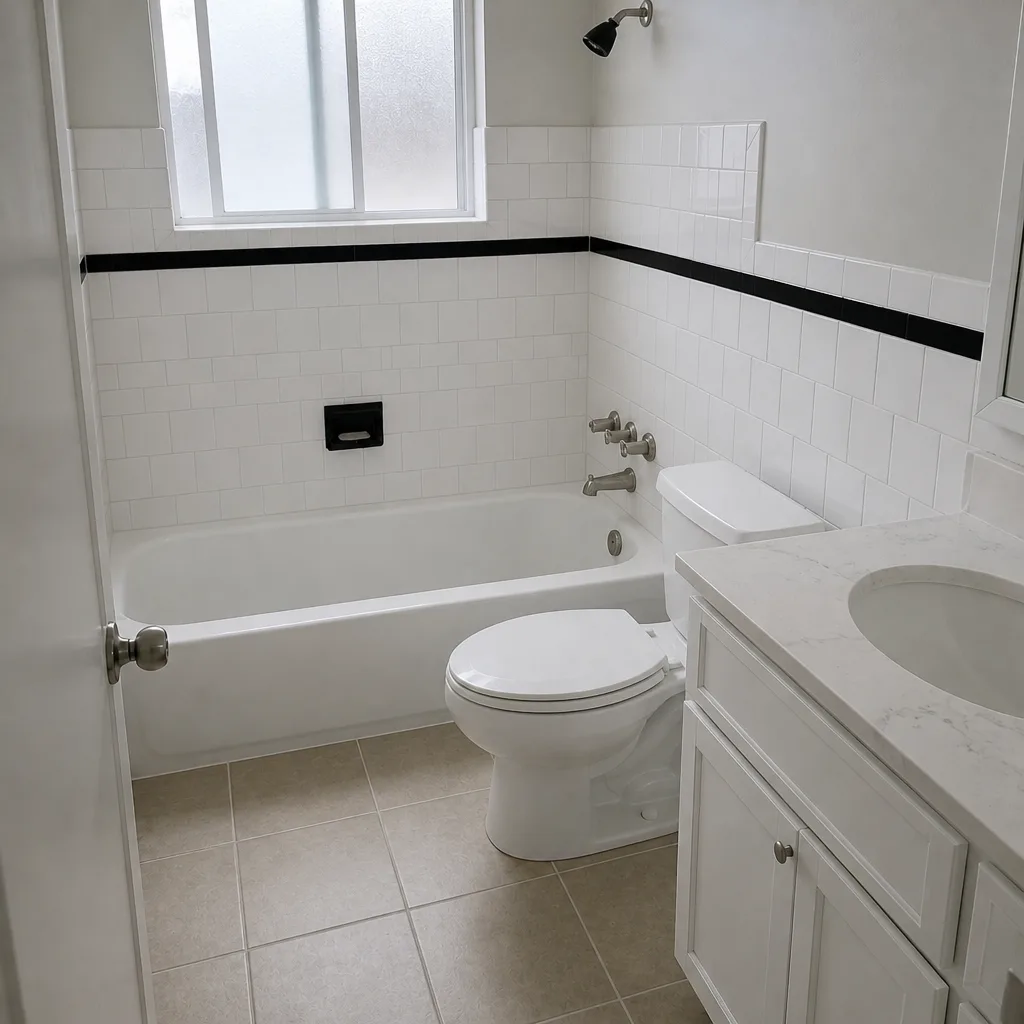
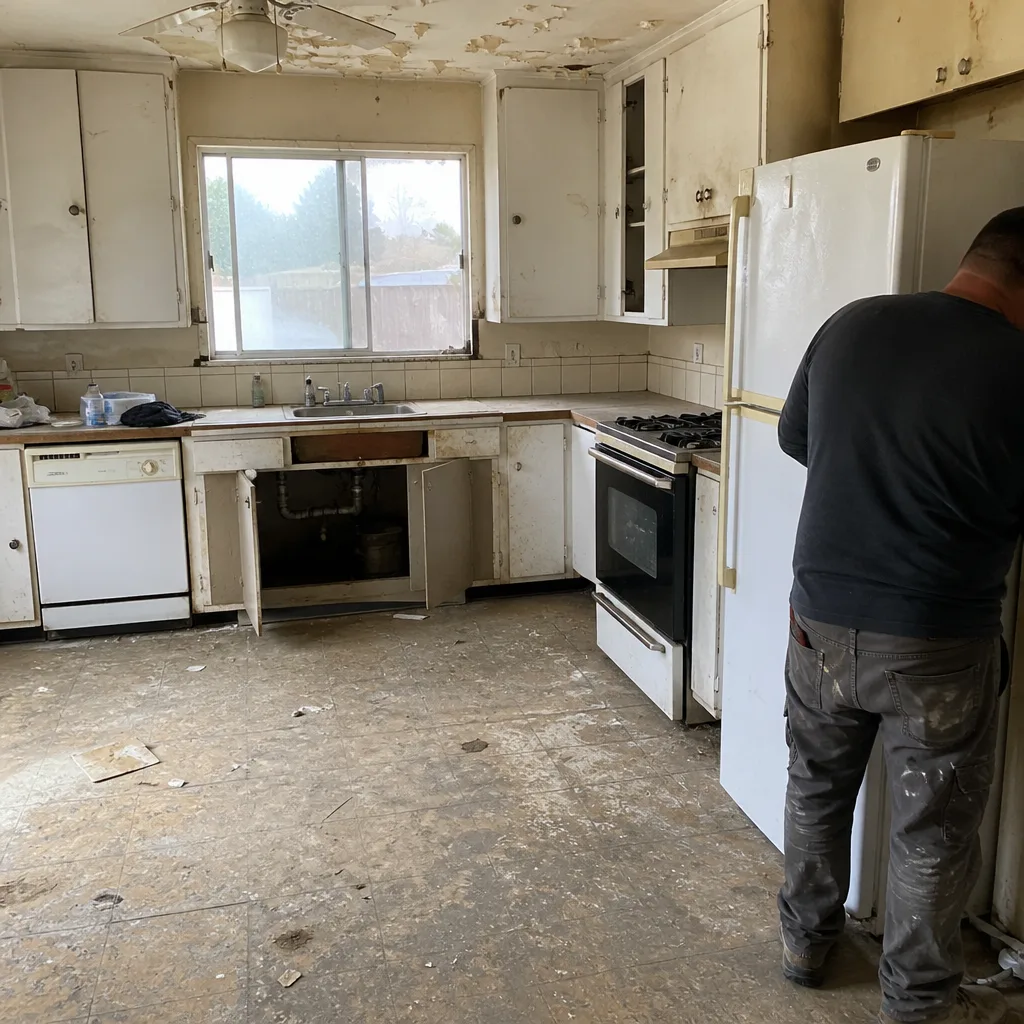
See the difference
 Before
 After
 Before
 After
 Before
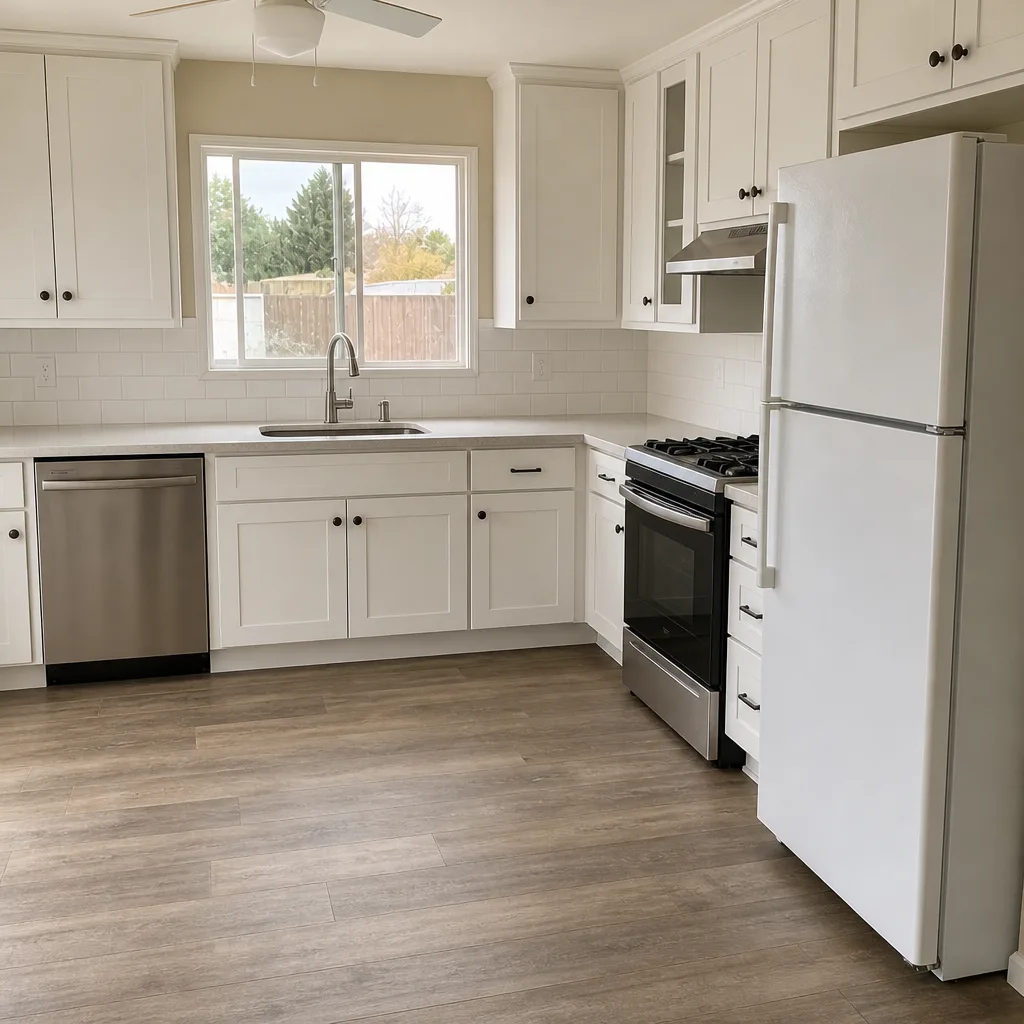 After
When to Call a Professional
The point to bring in a licensed construction partner is before you hire an architect, not after. Feasibility, zoning interpretation, utility capacity, foundation design, and the permitting sequence all have to be worked through with someone who has done this on Antioch parcels before, and getting them right depends on local knowledge of the city’s review process, the soil, and the fee structures. If your project involves structural tie-ins, a second story, a detached ADU, or any new utility connection, the time and money saved by starting with a professional review usually exceeds the review cost itself. Groundwork Construction Co. of Antioch offers free estimates in Antioch, with written line-item pricing and no change-order surprises. Call (888) 419-3650 to schedule your free estimate, and we’ll walk your lot, confirm the zoning and utility picture, and give you a number you can plan against.
Frequently Asked Questions
A detached ADU in Antioch typically costs $180,000 – $320,000 for a 600 – 900 square foot unit, including foundation, utilities, and finish level. Attached additions run $95,000 – $180,000 depending on size and existing framing. Call (888) 419-3650 for an exact quote – estimates are free and include written line-item pricing.
Only in specific ways. State law preempts local rules on minimum lot size, owner-occupancy for new ADUs, and parking replacement for garage conversions, but Antioch still controls setbacks, height limits, design review in overlay zones, and utility capacity fees. Confirm which is which on your parcel before design.
No, with a fixed-price contract from Groundwork Construction Co. of Antioch, the number you see is the number you pay. Any change order for scope you request mid-build is priced and approved in writing before work continues. Call (888) 419-3650 to schedule your free estimate.
Yes. Groundwork handles permit submission, plan check coordination, and inspection scheduling as part of the project scope. The permitting sequence in Antioch runs feasibility, utility pre-check, design, engineering, plan check, and construction, and we manage each step in order to avoid costly restarts.
A detached ADU in Antioch typically takes 10 – 16 months from signed contract to certificate of occupancy. Attached additions run 7 – 12 months and garage conversions run 5 – 9 months. Plan check alone runs 4 – 10 weeks, so the timeline is longer than most homeowners expect.
Yes, in most cases. Garage conversions in Antioch typically run $145,000 – $210,000 and skip the state parking replacement rule in many cases. You’ll still need proper insulation, HVAC, fire separation, and a full permit. Call (888) 419-3650 for a free feasibility check on your specific lot.
The Bottom Line
Building an ADU or addition in Antioch comes down to getting the sequence right. Do the feasibility and zoning check before design. Confirm utility capacity before you commit to a structure type. Budget from Antioch numbers, not national averages, and plan for the impact fees and drainage work that generic guides never mention. Choose the structure type based on your lot and use case, not on what looks cheapest up front. And hold any contractor to a written workmanship guarantee that covers the structural work for two full years, because that’s where shortcuts show up later. Do those things in order and an Antioch additions project goes from a gamble to a plan.
Ready to price your Antioch addition? Call Groundwork Construction Co. of Antioch at (888) 419-3650 for a free estimate and design consult. Calls are answered by a live person 24/7, we offer written line-item pricing with fixed numbers, 0% financing for 18 months, and $1,000 off projects over $10,000. Our technicians have up to 12 years of experience, and every project is backed by the 730-Day Done Right Promise: if it’s not done right, we make it right.
Written by the team at Groundwork Construction Co. of Antioch.