
Last updated November 17, 2026
 Home additions & ADU
 Kitchen remodeling
 Bathroom remodeling
 Roofing
 Windows & doors
 Driveway & pavers
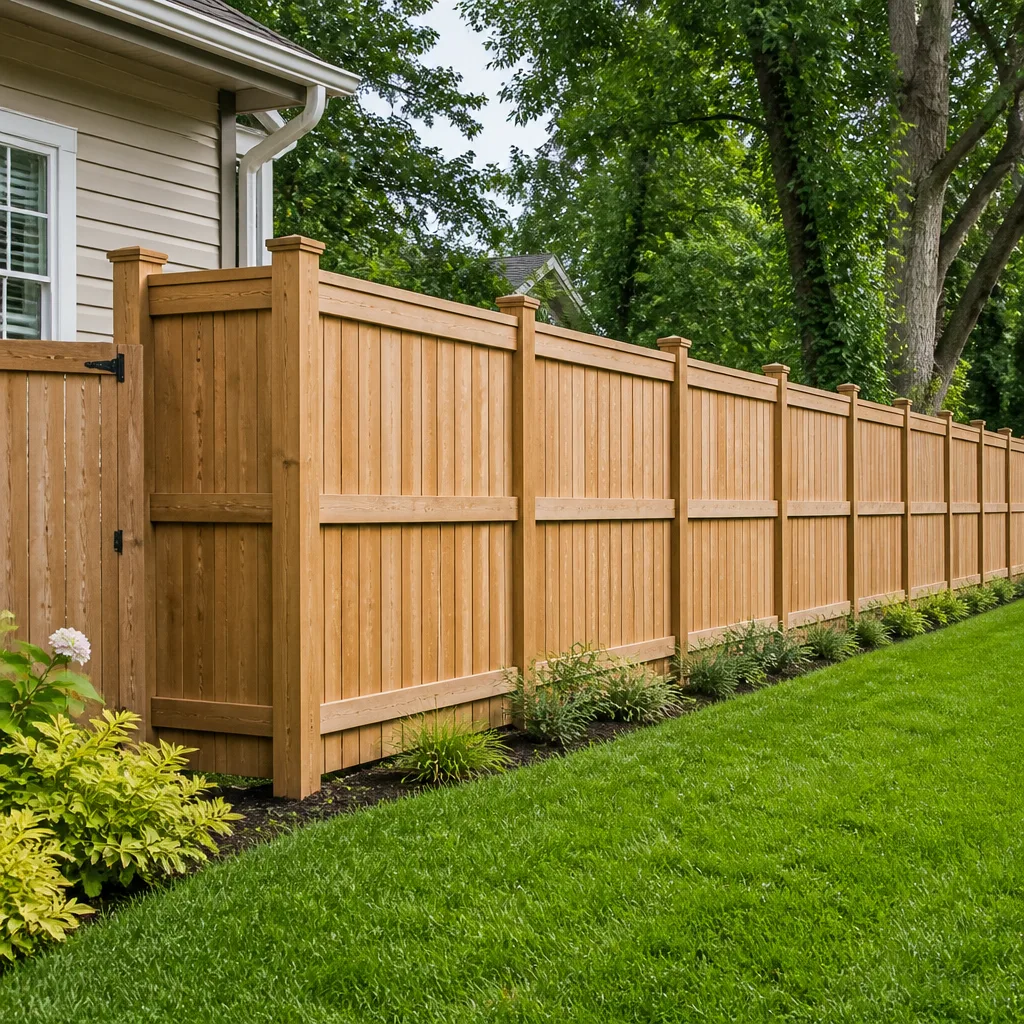 Fence
Free written scope consultation - allowances, timeline, and change-order rules on paper before a single trade is scheduled
Fence Installation Warning Signs Every Homeowner Should Know
You can’t see the most expensive part of a fence once it’s finished. The post holes are backfilled, the soil is raked, and the panels hide everything that actually determines whether that fence stands for 20 years or starts leaning by year three. What you can see on day one is a straight, clean line. What you can’t see is whether those posts went down 18 inches or 30, whether the footings are 8 inches wide or 12, and whether the contractor pulled a permit. We’ve walked homeowners in Antioch through fences that failed in two years, and the culprit was almost never the material. It was what happened below grade and in the paperwork. This guide shows you exactly where to look.
Quick Answer
The biggest fence installation warning signs are shallow post holes (under 24 inches), undersized concrete footings, no permit pulled where one is required, vague written quotes with no footing specs, and a contractor who won’t verify property lines before digging. None of these show up in the finished fence on day one, but all of them cause leaning, rot, or legal and insurance problems within a few years. Check the ground, the contract, and the paperwork before the crew fills a single hole.
Styles & brands we work with
- Kitchen remodeling
- Bathroom remodeling
- Home additions & ADU
- Roofing
- Windows & doors
- Driveway & pavers
- Fence
Table of Contents
- Why Post Depth and Footing Size Predict Everything
- How to Verify Post Depth Before the Concrete Pours
- The Antioch Permit Trap Nobody Explains to You
- Contractor Red Flags Before the Job Starts
- On-Site Warning Signs Most Homeowners Walk Past
- What a Warranty Actually Means (and Doesn’t)
- Why Antioch Soil and Wind Changes the Rules
- Property Lines, Surveys, and Neighbor Disputes
Why Post Depth and Footing Size Predict Everything About Your Fence
Ask a contractor what depth they set fence posts and watch what happens. A professional gives you a number without blinking: 24 inches minimum, 30 to 36 for taller privacy fences, deeper in loose soil. A contractor angling for the low bid gets vague. “Code compliant.” “Standard depth.” “Don’t worry about it.” That vagueness is the single biggest predictor of a fence that fails early.
The math is simple. A 6-foot privacy fence with 8-foot post spacing acts like a sail in a windstorm. A 4×4 post in an 18-inch hole is relying on roughly 30 inches of concrete contact with the soil to hold up that sail. A 4×4 post in a 30-inch hole with a 12-inch-wide footing has over 60 inches of contact and a much wider base to resist tipping. In a windstorm, one stays up and one doesn’t.
What proper post installation looks like
- Post holes dug 24 to 36 inches deep, depending on fence height and local soil
- Hole diameter at least three times the post width (a 4×4 post needs a 12-inch hole minimum)
- 2 to 3 inches of gravel at the bottom for drainage before concrete
- Concrete mixed and poured, not dry-poured into the hole with water added later
- Posts braced and plumbed for a full 24 hours before any panel goes on
- Crown or cap on the post top to shed water
In Antioch, we’ve opened up fences that were “installed” three years earlier and found posts sitting on a bag of dry quikrete that never set. That’s not a material failure. That’s a contractor cutting 20 minutes per post across a 30-post fence. That’s ten hours saved and a fence that walks out of plumb by the second rainy season.
Brand matters less than install. A top-tier composite panel from a manufacturer like Boral will outlive a builder-grade wood panel by a decade, but only if the framework underneath was built to carry it. If your contractor recommends premium materials and then talks about a 12-inch post hole, you have the priority backwards.
How to Verify Post Depth Before the Concrete Pours
You can’t see it once it’s buried, but you can see it during installation if you show up early. The pour window is your one chance. Here’s what to do on day one of the install, before anything else happens.
- Be there for the digging. Not the whole job, just the first two hours. Confirm the crew is actually digging to the depth on the quote, not scraping a shovel into the surface and calling it a hole.
- Ask for the depth spec in writing first. Your contract should state post depth, hole diameter, and concrete or gravel type. Any contractor who balks at writing “24-inch minimum post depth, 12-inch footing diameter” is planning to skimp.
- Measure one hole yourself with a tape. Pick a hole before concrete goes in and ask the installer to measure it for you. A professional will do this without drama. The ones who get annoyed are usually the ones about to fall short.
- Watch the concrete. A proper pour fills the hole to 2 to 3 inches above grade and slopes away from the post so water sheds. A hole with dry mix dump-trucked in and left for later is a warning sign.
- Photograph everything. Take date-stamped photos of the open holes. If a warranty dispute comes up five years later, you have evidence of what actually went into the ground.
Notice if any holes are shallower than others. In Antioch, we’ve seen crews hit a chunk of concrete from a previous fence and just shallow out the hole instead of moving it. Now one post out of twelve is 14 inches deep and that’s the one that tips in a windstorm.
Footing diameter is the same story. A 4×4 post in a 10-inch hole has almost no lateral resistance. A 12-inch hole gives you the bell shape that concrete needs to lock into the surrounding soil. Ask before the pour, not after.
If you’re planning more than a fence and want a single contractor coordinating everything from grading to finish, see our page on Driveway & Pavers in Antioch for how we tie ground-level hardscape into the same project schedule.
The Antioch Permit Trap Nobody Explains to You
Most homeowners assume a fence under 6 feet needs no permit anywhere. That’s a common story contractors tell to close a job fast. In Antioch and across Contra Costa County, the reality is more specific: fences over 6 feet tall usually require a building permit, fences in front-yard setback zones typically have height limits under 4 feet, and any fence on a corner lot with a sightline easement can run into additional restrictions.
Here’s what actually happens when a fence gets installed without the permit it needed:
- Your city inspector can require removal or modification of the fence at your expense
- Your homeowner’s insurance carrier can deny a claim on a structure that wasn’t permitted if that structure was involved in the loss
- When you sell the house, a title or disclosure search can flag unpermitted work and stall or reprice the sale
- Neighbors in a dispute over sightlines or property lines can point to the lack of permit as leverage
- You lose the paper trail that would have proven your contractor followed code
A permit typically costs $150 to $400 depending on fence length and height in Antioch. Pulling one takes the contractor an afternoon of paperwork and an inspection visit. Skipping it saves them maybe two hours and costs you thousands if it surfaces later.
Ask your contractor two questions before signing: “Will you pull the permit if this fence requires one?” and “Who is listed as the contractor of record on the permit?” If neither question lands cleanly, walk. A contractor who says “permits aren’t needed for fences” without asking you the fence height, the setback distance, and the property zoning hasn’t done the research.
When fences typically require a permit in Antioch
- Height over 6 feet in most residential zones
- Any fence in a front-yard setback zone over 3 to 4 feet (varies by zone)
- Fences on corner lots where sightline visibility is regulated
- Fences over retaining walls or drainage easements
- Fences enclosing a pool (which have their own safety codes on top)
Confirm your specific address with the City of Antioch Community Development Department before the first post goes in. It’s a 10-minute call and it protects your entire fence investment. If you want a contractor who handles that call for you and provides the paper trail, this is one of the reasons we handle permits in-house. Our Fence Installation in Antioch page covers how that process works in more detail.
Contractor Red Flags Before the Job Starts
The warning signs start long before the crew shows up. Most homeowners miss them because they’re comparing prices instead of comparing processes. Here’s what to look for.
Vague written quotes
A quote that says “install cedar privacy fence, 80 linear feet – $6,200” without specifying post spacing, post depth, hole diameter, concrete type, post material grade, gate hardware, or panel attachment method isn’t a quote. It’s a number. You can’t compare a number to another number. You can compare a spec list to another spec list, and the difference tells you what you’re actually buying.
No property line verification process
Ask the contractor: “How will you confirm where the fence goes?” If the answer is anything other than “we walk the property line with you and either pull the survey or locate pins,” you have a problem. Installing a fence 6 inches onto your neighbor’s property is one of the most expensive mistakes in home improvement, and the contractor usually walks away while you deal with the outcome.
In Antioch, we’ve seen this happen in neighborhoods where the plat maps are old and the pins are buried. A surveyor’s fee is $400 to $800 and it’s the cheapest insurance you’ll ever buy on a fence job. A contractor who pressures you to skip it isn’t helping you save money. They’re transferring risk onto you.
Pressure to skip the survey
Once you hear “we don’t need a survey, I’ve been doing this for years, I know where the line is,” the conversation is over. Years of experience can’t replace a legal instrument that says where your property ends.
No physical address or bond on the contract
A contractor who can’t put a physical business address and license number on a written contract is a contractor you can’t find if the fence fails in year three. Check the Contractors State License Board (CSLB) website yourself. Verify the bond. Verify the insurance. Two minutes of work on your end.
Live-answer test
Call the contractor’s phone number on a Saturday morning. If it goes to voicemail with “we’ll get back to you Monday,” you now know how they’ll respond when your gate is sagging in year two. We answer our phones 24/7 with a live person because responsiveness is the easiest thing in this industry to fake and the easiest to verify.
If your project is bigger than a fence and you’re vetting contractors for larger work, the same red flags apply to Home Additions & ADU in Antioch, where the stakes are much higher and the paperwork trail matters even more.
On-Site Warning Signs Most Homeowners Walk Past
Installation day is when the truth comes out. Here’s what to look at while the crew is working. You don’t need to hover. Just walk out once an hour and check these.
1. Posts aren’t plumb before the concrete sets
Every post should be checked against a spirit level after bracing, before concrete goes in. If you see posts leaning or braces going up after the concrete is already poured, that’s a crew working backward. A post set out of plumb pulls the panels with it as it cures.
2. Spacing is inconsistent
Measure between posts. Standard is 6 to 8 feet on center. On an 8-foot spacing with 6-foot panels, you’ll get panel sag over time. On inconsistent spacing, gate hardware won’t line up, and the fence looks hand-built by someone who stopped measuring after the third post.
3. Concrete is dry-poured with water added later
Watch how the concrete goes in. Proper method: mix in a wheelbarrow or small mixer, then pour. Improper method: dump dry bags into the hole and add water from a hose. The second method is faster for the crew and much weaker for the footing, because the mix doesn’t distribute evenly through the hole.
4. No gravel at the bottom of the holes
Gravel at the bottom is a drainage layer. Without it, water pooling under the post rots the wood in three to five seasons. In Antioch’s clay-heavy soil, that pooling happens fast because the water doesn’t percolate quickly.
5. Gate posts are the same size as line posts
Gate posts carry far more stress than line posts and should be set deeper and in wider footings. A crew using the same hole spec for a gate post as a line post is setting up a sagging gate in year two. Ask specifically: “Are gate posts getting bigger footings?”
6. No crown or cap on post tops
Water enters wood through the end grain faster than any other surface. A post with no cap is a post rotting from the top down. It’s a $1 piece of hardware that doubles the life of a cedar post.
7. Contractors leave debris in the concrete
Look at the hole before concrete pours. Cardboard, wood scraps, old fence pieces, empty cement bags. Some crews drop their lunch trash in a hole because they don’t want to carry it to the truck. That becomes a void in the footing.
If you want premium materials integrated properly with the installation, our team uses curated brands across every category, the same standard we apply to windows and doors from Andersen and Pella, and to composite fencing options from brands like Boral. The brand on the panel matters, but only if the framework below it is right.
What a Warranty Actually Means (and Doesn’t)
A 5-year workmanship warranty is worth exactly as much as the contractor’s ability to answer the phone in year four. Most homeowners never check that before signing. Here’s the difference.
What a real warranty means:
- The contractor has a physical address, a current bond, and active insurance on file with the CSLB
- The warranty covers workmanship, not just material defects from the manufacturer
- There’s a written claims process with a response time commitment
- There’s a documented paper trail of the installation (photos, permit numbers, spec sheets) that determines what’s covered
What a fake warranty means:
- “Lifetime warranty” with no written document
- Material-only coverage disguised as workmanship coverage
- Warranty void if the fence wasn’t maintained, with “maintenance” undefined
- Contractor has no trackable presence beyond a phone number
Our team backs every project with the 730-Day Done Right Promise. If something isn’t done right, we make it right. What makes that promise worth the paper it’s on: you can reach a live person 24/7, the contract has a physical address, and the paper trail includes photos of the footings before the concrete poured. That’s the difference between a warranty as a marketing line and a warranty as an actual commitment.
Ask the contractor who quoted your fence: “Show me one claim you’ve honored in the last two years. Send me the address and I’ll drive by.” A real contractor will either show you the address or explain in detail why the claim isn’t disclosed. A contractor who deflects, gets defensive, or promises it won’t happen is telling you their warranty is theater.
Why Antioch Soil and Wind Changes the Rules
The standard contractor plays in this business assume temperate, well-draining soil. Antioch doesn’t always deliver on that assumption. The soil composition across the city varies from dense clay in some eastern neighborhoods to looser, sandier profiles closer to the river corridor. Clay holds water. Sand drains. Neither holds a post the same way, and a contractor who doesn’t ask “which neighborhood” before quoting a post depth is quoting blind.
What this means for post depth in Antioch
In clay-heavy soil, the water pooling around a post needs more gravel and better drainage to keep the wood from rotting at grade. Deep holes with no drain at the bottom become bathtubs. In sandier soil, a post needs more depth and a wider footing to hold, because the surrounding soil provides less lateral resistance. Neither condition is negotiable. The right depth is 24 to 36 inches depending on fence height and soil, with proper gravel and proper concrete mix.
Wind exposure on the ridges
Antioch’s higher elevations and exposed lot lines catch wind that lower, protected neighborhoods don’t. A 6-foot privacy fence on a ridgeline is essentially a solid wind sail. The wind pressure on that fence is no longer trivial, which is why post spacing tightens to 6 feet on center and post depth goes to 30 or 36 inches on exposed sites. A contractor who quotes a fixed 8-foot spacing regardless of exposure is quoting the cheapest version of the job, not the right one.
In our experience around East Antioch and the hillside pockets, we’ve seen 8-foot spacing fail in windstorms while 6-foot spacing on the same street held up through the same gusts. The wind doesn’t negotiate.
Seasonal timing
Late fall and winter rain in Antioch complicate concrete curing and soil settling. Posts poured in dry summer soil go through their first significant settle in the first winter rain. If the footings are undersized, that settle is when you see the leaning. If they’re right, you don’t. Good contractors account for this and set posts slightly proud on new installs to allow for settle.
Property Lines, Surveys, and Neighbor Disputes
Property line mistakes on fence installations run $3,000 to $15,000 to fix, and that’s before any legal costs if the neighbor escalates. The fix usually requires removing the fence, pulling a new survey, and reinstalling – often on both sides if the neighbor feels wronged enough to push back.
Here’s the process that prevents it:
- Pull the survey before anything else. A licensed surveyor marks the corners on the record. Cost in Antioch: $400 to $800 for a standard residential lot.
- Walk the line with your neighbor. Show them the stakes. Get a handshake and, if possible, a text or email confirming they agree with the line. A two-minute text has resolved more disputes than any contract clause.
- Confirm the setback requirement with the city. In some Antioch zones, fences must sit a few inches inside the property line, not on it. Know the rule before the posts go in.
- Locate any easements or utility lines. Utility easements override your fence plans. Call 811 two to three business days before excavation, and it’s free. Hitting a gas line is a bad day for everyone.
- Document the finished install with photos. Date-stamped photos of the survey stakes, the install, and the final walkthrough. If the neighbor sells their house in five years and the new owner wants to argue, you have the file.
The cheapest fence job is the one that goes in the right place the first time. The most expensive is the one installed 8 inches onto the neighbor’s lot because the contractor “was pretty sure” that’s where the line was. We won’t install a fence in Antioch without confirming the line, and that’s not a customer-service preference. It’s how the job gets done right.
For the full scope of what a coordinated construction project looks like when multiple trades are involved, see the main Groundwork Construction Co. of Antioch home page, which covers how we approach every category we serve.
Common Mistakes to Avoid
- Hiring on price alone. A bid that’s $800 cheaper than the next one isn’t a deal. It’s typically a shallower footing spec, a skipped survey, or no permit. You’re paying $800 less today for $3,000 more in repairs by year five.
- Skipping the survey to save $500. The single most expensive shortcut in fencing. Property line mistakes in Antioch have forced homeowners to remove and rebuild entire fences. Pull the survey.
- Not asking about post depth in writing. If the number isn’t in the contract, it isn’t what’s being installed. “Standard depth” is not a specification.
- Trusting the finished look on installation day. A fence looks great on day one whether the posts are at 18 inches or 30. You have to check the holes before they’re filled.
- Accepting “we’ll pull the permit later” or “permits aren’t required.” Either the fence doesn’t need one and the contractor should be able to say so by address and height, or it does and the contractor should be pulling it. There’s no middle ground.
- Not verifying the contractor’s bond and insurance on the CSLB website. Two minutes of work. The difference between a real warranty and an unenforceable promise.
- Ignoring drainage around the fence line. Water pooling under posts is the most common cause of early rot in Antioch, especially in clay-heavy soil. A 4-inch gravel trench along the base of the fence extends life by years.
See the difference
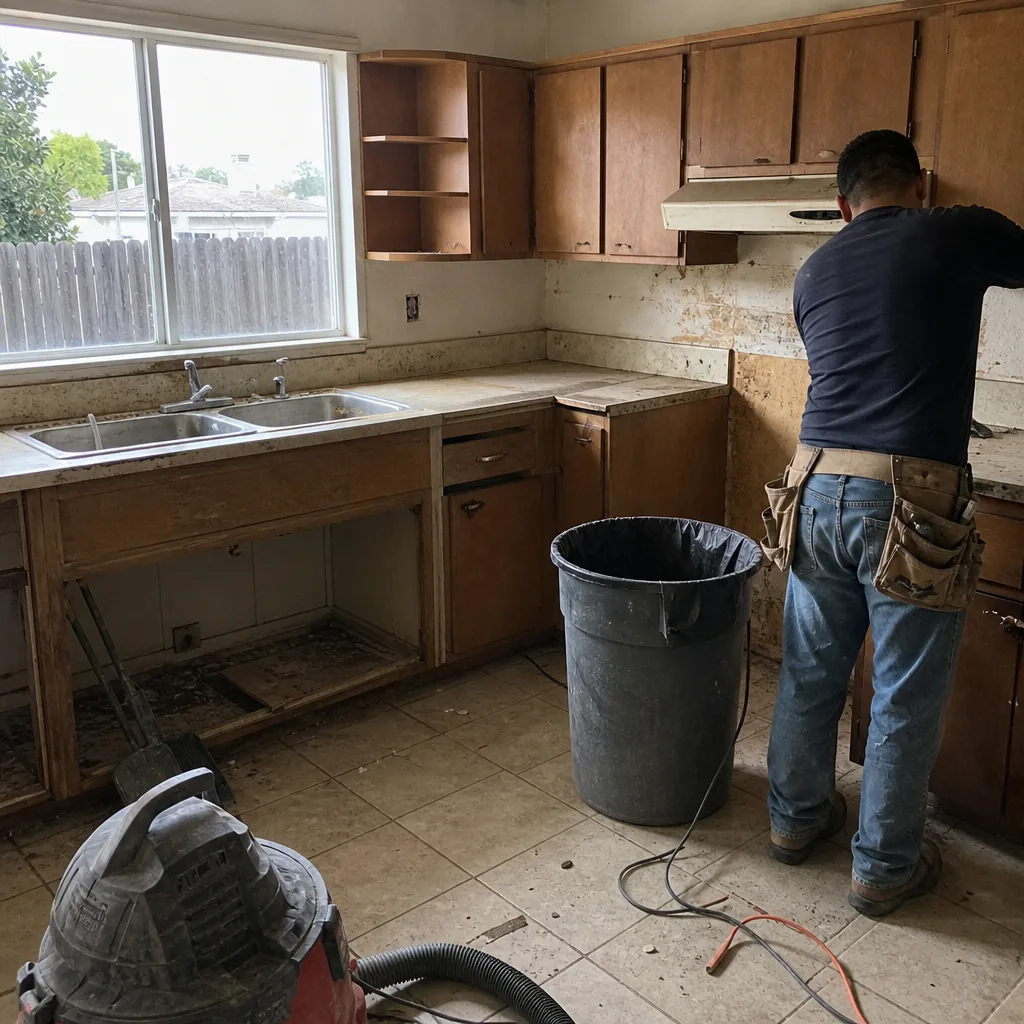 Before
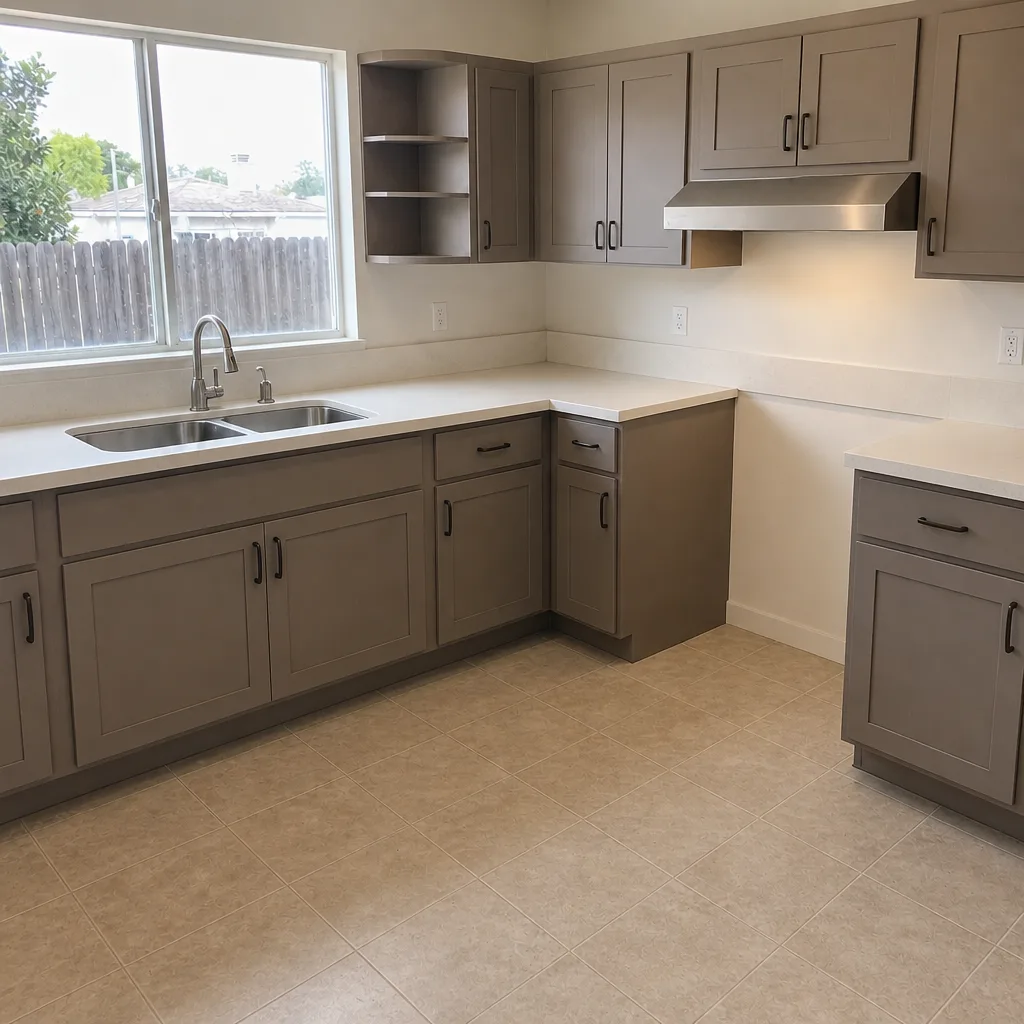 After
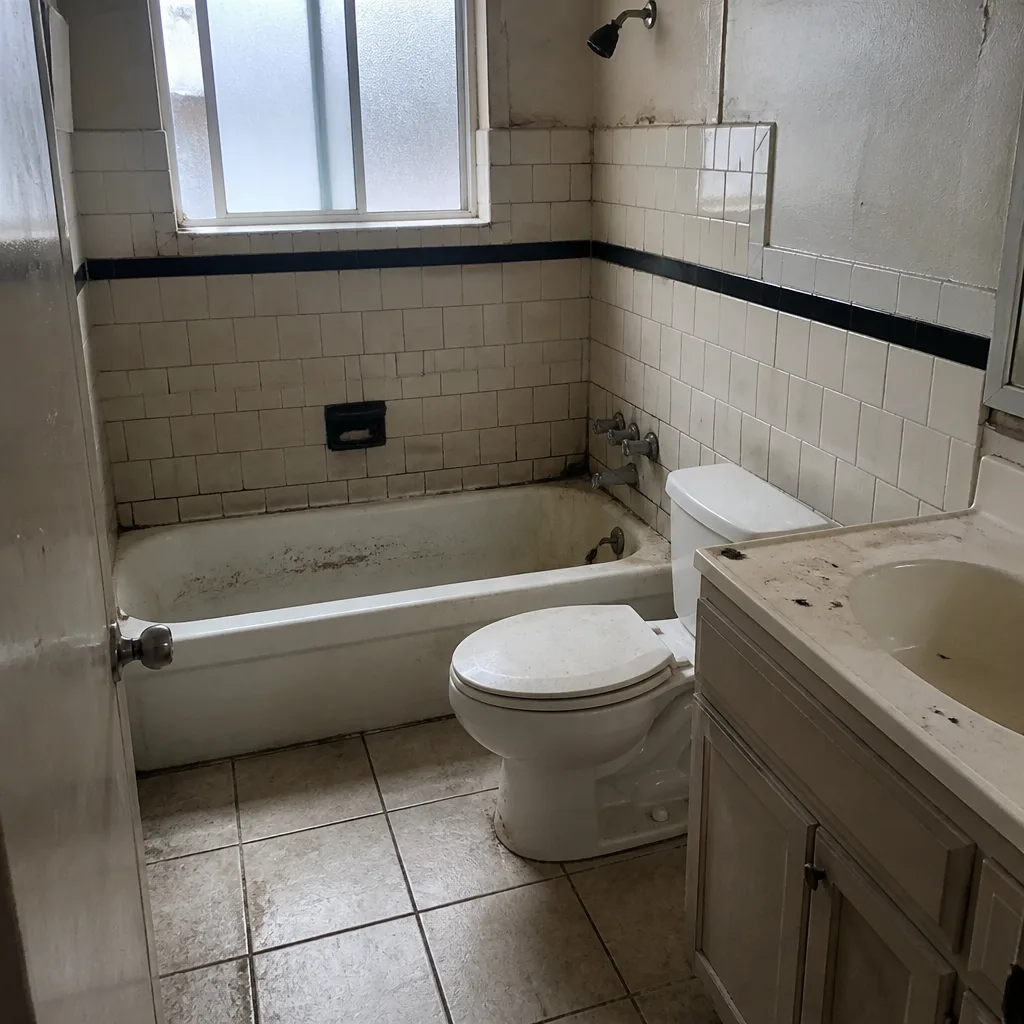 Before
 After
 Before
 After
When to Call a Professional
Some fence issues are a Saturday morning DIY fix. Most aren’t. Call a professional when:
- A post has gone out of plumb more than 1 inch and hasn’t self-corrected after a season
- You’re planning a fence over 6 feet tall, on a slope, on an exposed lot, or near a property line
- Your quote doesn’t include a written spec for post depth, footing diameter, and concrete type
- A contractor won’t pull a permit or won’t answer the property line question directly
- You need to coordinate a fence with other work like drainage, grading, or gate automation
- Your current fence is failing and you don’t know why. The diagnosis matters more than the replacement.
Groundwork Construction Co. of Antioch offers free estimates in Antioch and surrounding communities. Our technicians have up to 12 years of experience and every install is backed by the 730-Day Done Right Promise. Call (888) 419-3650 to schedule yours. We answer live, 24/7.
Frequently Asked Questions
Fence posts in Antioch should be set a minimum of 24 inches deep for standard 6-foot fencing, and 30 to 36 inches for taller privacy fences or on exposed, wind-prone lots. Hole diameter should be at least three times the post width (12 inches for a 4×4), with 2 to 3 inches of gravel at the bottom for drainage. Call (888) 419-3650 for a free estimate with the exact spec for your property.
Often yes. Fences over 6 feet tall in most Antioch residential zones require a building permit, and front-yard setback zones typically limit fence height to under 4 feet. Corner lots with sightline regulations have additional restrictions. Confirm your specific address with the City of Antioch before install. A contractor who pulls the permit saves you the follow-up headaches, and we handle that as part of the job. Call (888) 419-3650 to talk through your address.
Fence installation in Antioch typically runs $35 to $65 per linear foot for standard wood privacy fencing, and $55 to $110 per linear foot for composite or premium materials, depending on height, material, terrain, and gate count. A typical 100-linear-foot privacy fence lands around $4,000 to $7,500 installed with proper footings, permit, and hardware. Call (888) 419-3650 for an exact quote. Estimates are free.
It can. A fence installed without a required permit is technically unpermitted work, and some carriers will deny claims involving that structure if the loss can be tied to it. Even when a claim pays, unpermitted work often has to be disclosed at sale and can delay or reprice a transaction. Pulling the permit is a $150 to $400 cost that protects the whole investment. Call (888) 419-3650 to schedule a free estimate and we’ll confirm permit requirements for your address.
Leaning posts are the most obvious sign, but check for inconsistent post spacing, sagging gates, panels that bow outward, water pooling at the base of posts, and wood rot starting at the grade line within the first three years. Any of these usually points to undersized footings, insufficient post depth, or missing drainage. A free evaluation tells you which. Call (888) 419-3650 to schedule one.
A standard residential fence of 80 to 150 linear feet typically takes one to three days from post-setting through final walkthrough, depending on terrain, access, and gate complexity. The post-setting day and the 24-hour cure are fixed timing that no contractor can compress safely. Any quote promising same-day install on a full fence is skipping the cure or the footings. Call (888) 419-3650 to schedule a free estimate and we’ll walk through the timeline for your specific property.
The Bottom Line
The finished fence is the least informative part of the whole job. What actually determines whether it lasts 20 years or starts leaning by year three is buried in the ground and hidden in the paperwork. Check post depth and footing size before the concrete pours. Verify the permit. Confirm the property line with a survey. Read the warranty for who’s actually on the hook. Ask every contractor the same questions and compare the answers, not the totals. The cheapest bid is usually the most expensive fence. If you want an install done to a spec you can see and a warranty you can enforce, we’re the team to call. Free estimates, upfront pricing, and a 730-Day Done Right Promise on every job.
Ready to get a fence installed the right way? Call Groundwork Construction Co. of Antioch at (888) 419-3650 for a free estimate. A live person answers, 24/7.
Written by the team at Groundwork Construction Co. of Antioch.