

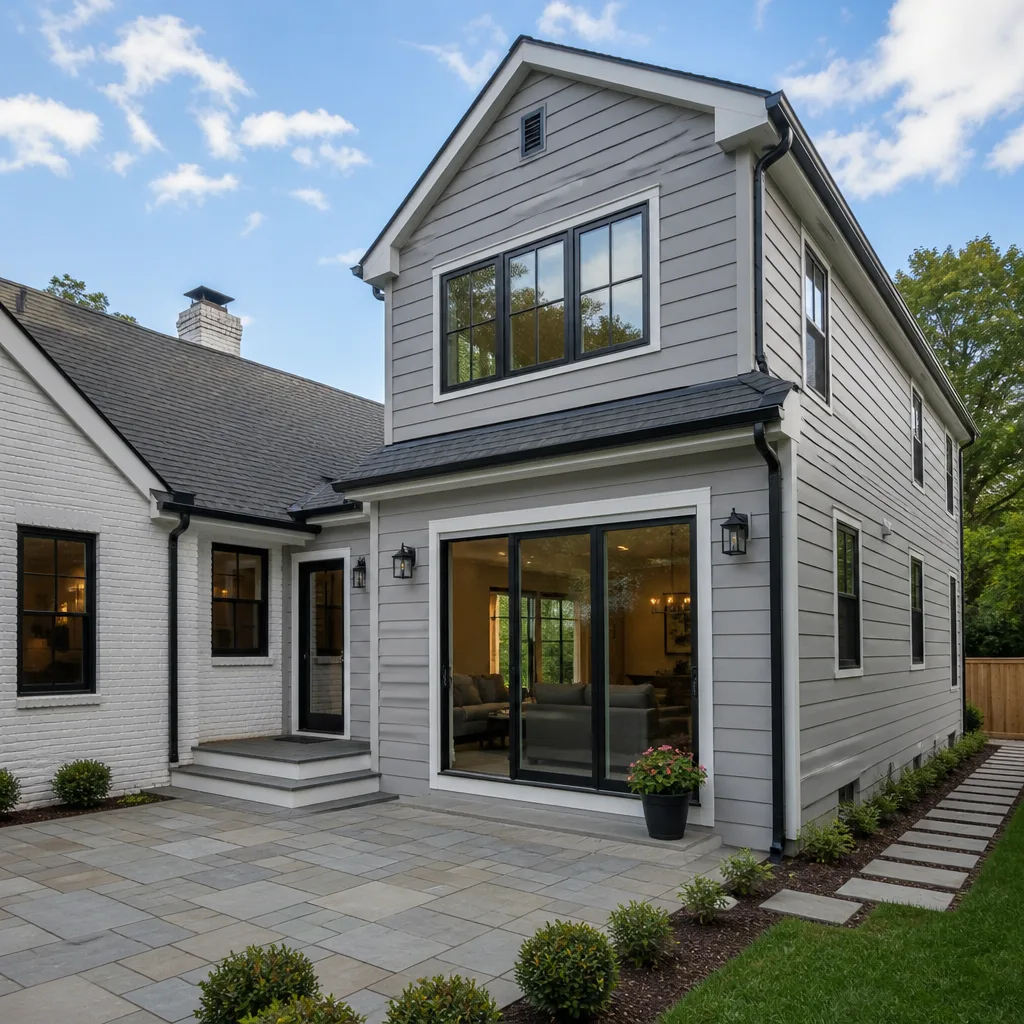
 Home additions & ADU
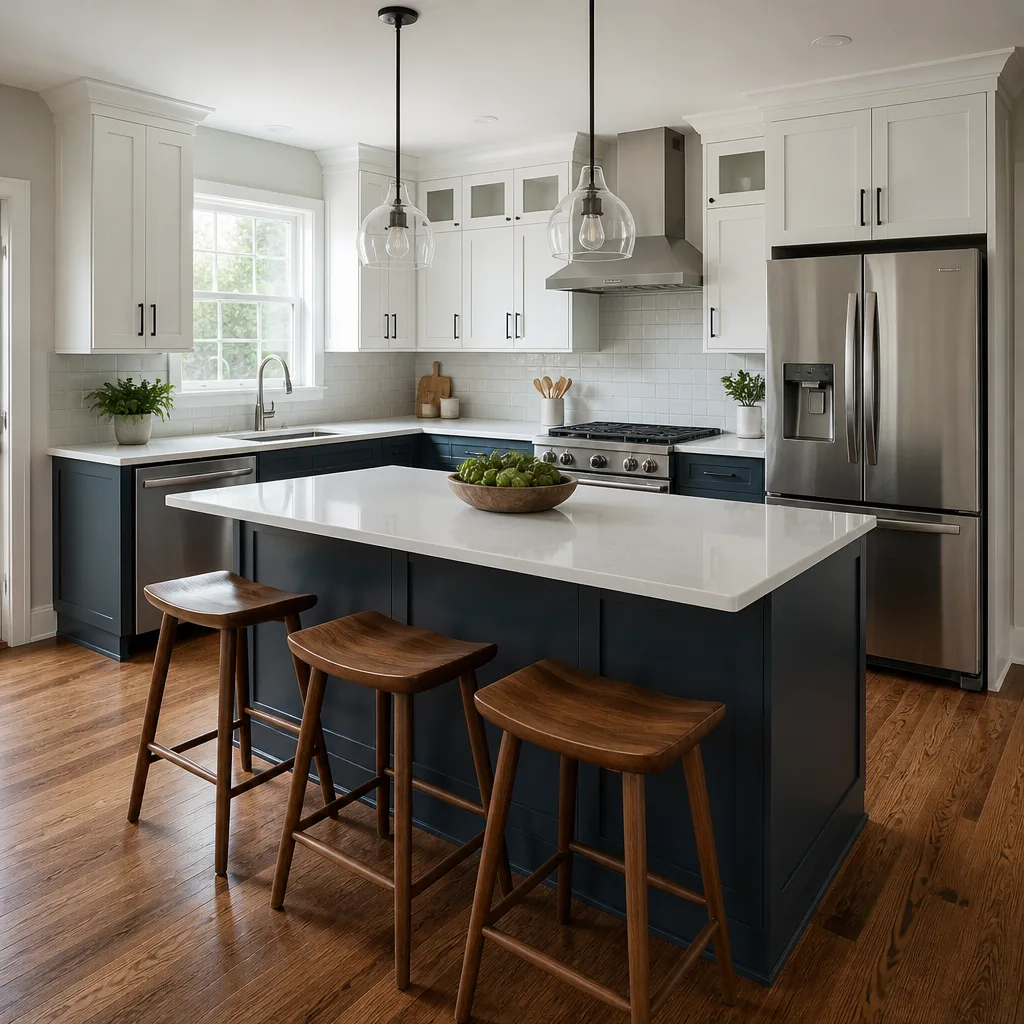 Kitchen remodeling
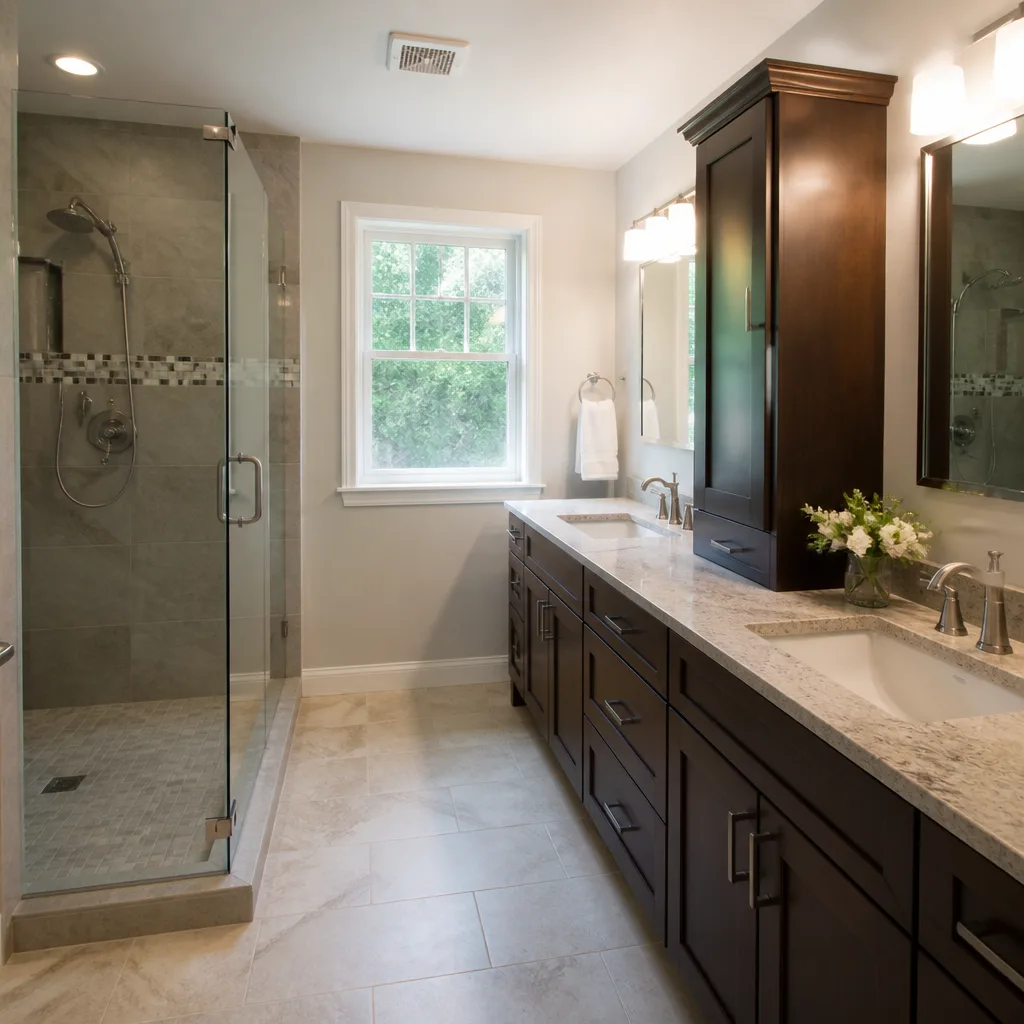 Bathroom remodeling
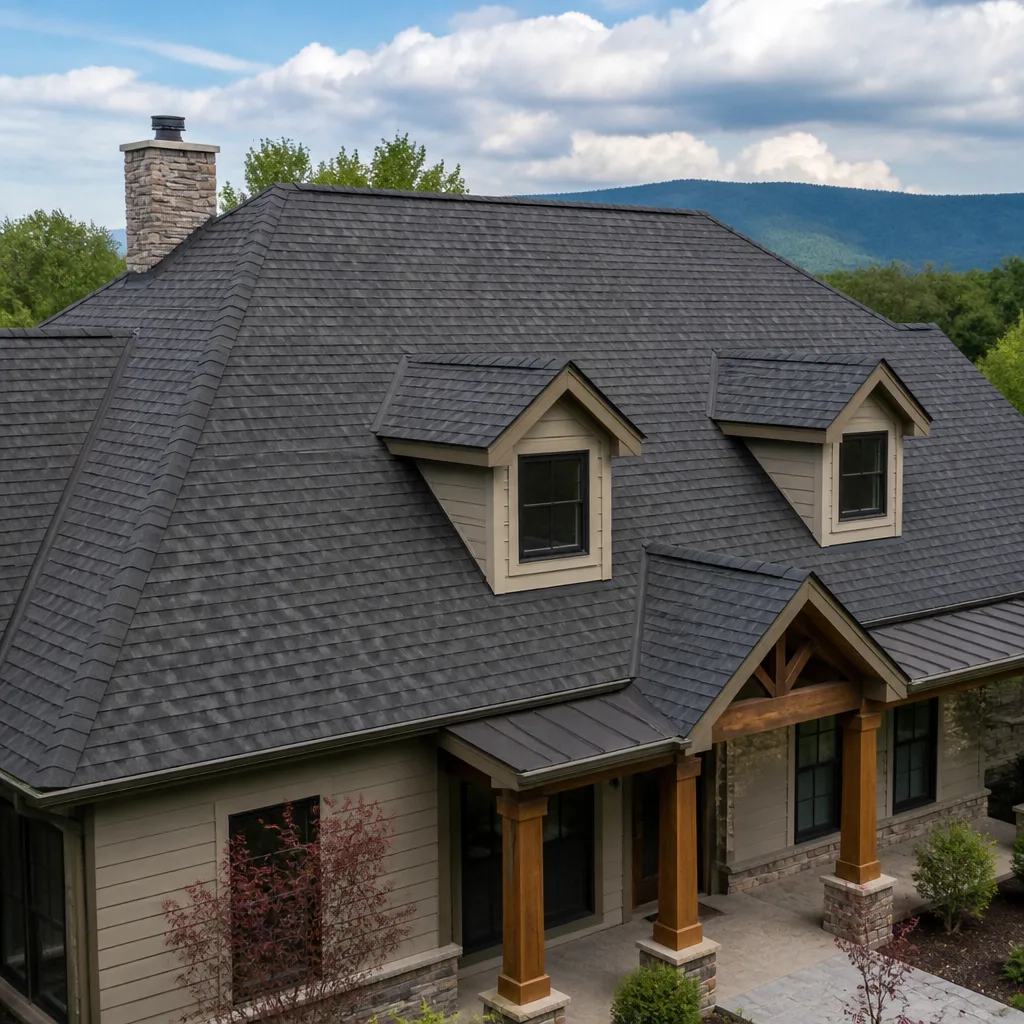 Roofing
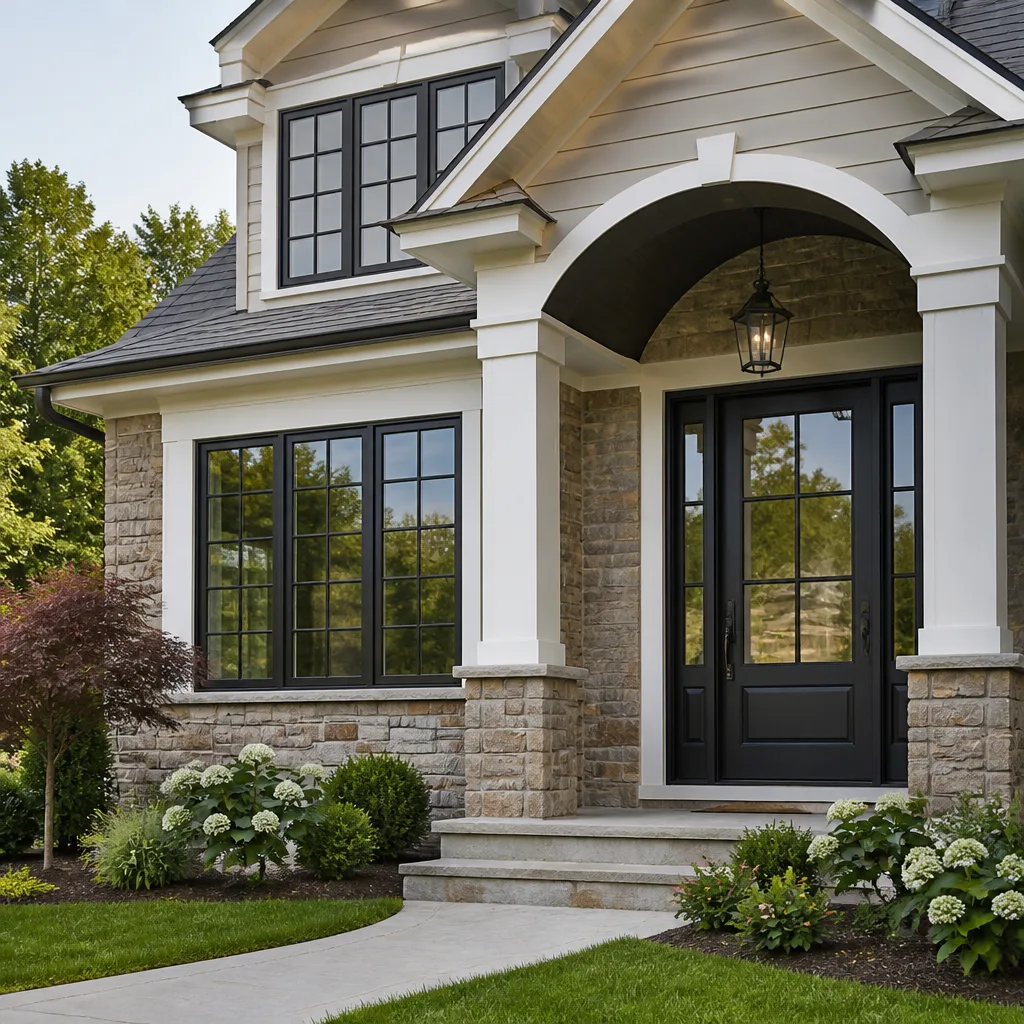 Windows & doors
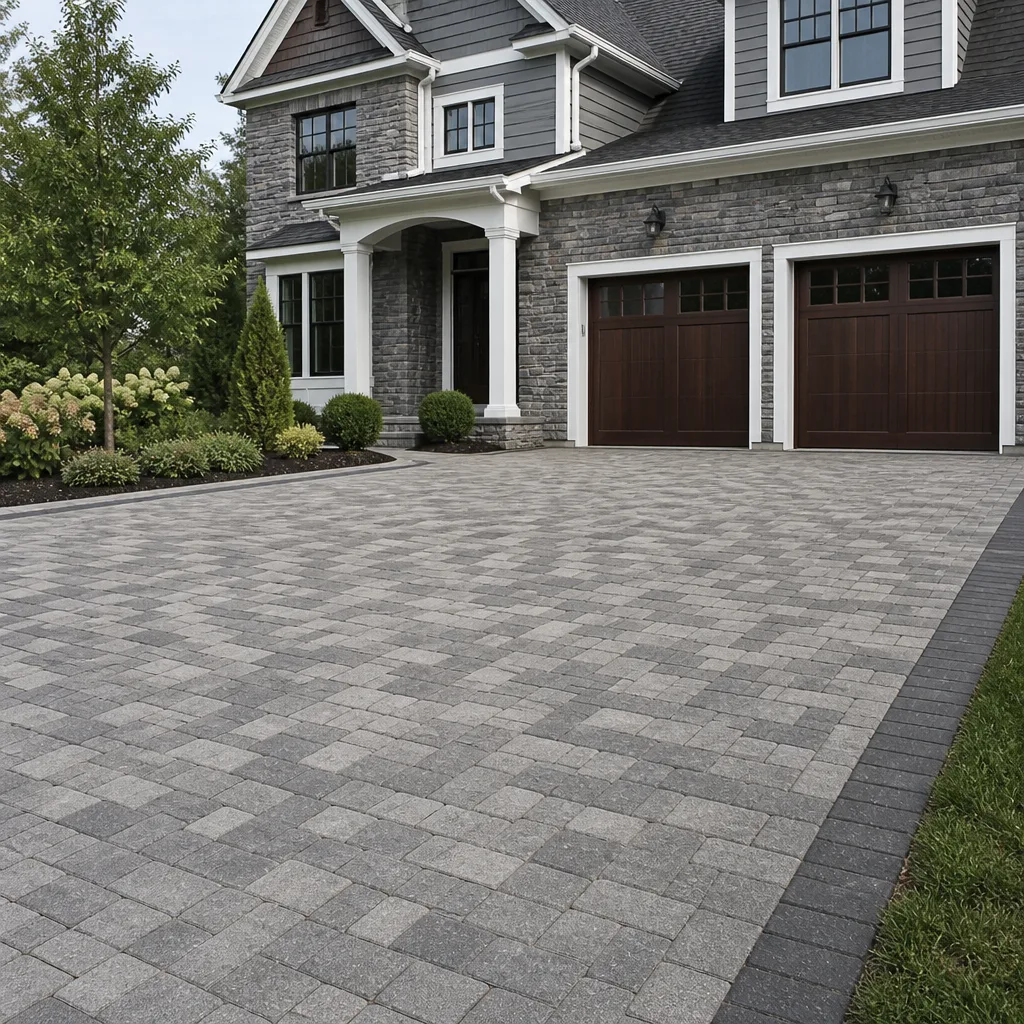 Driveway & pavers
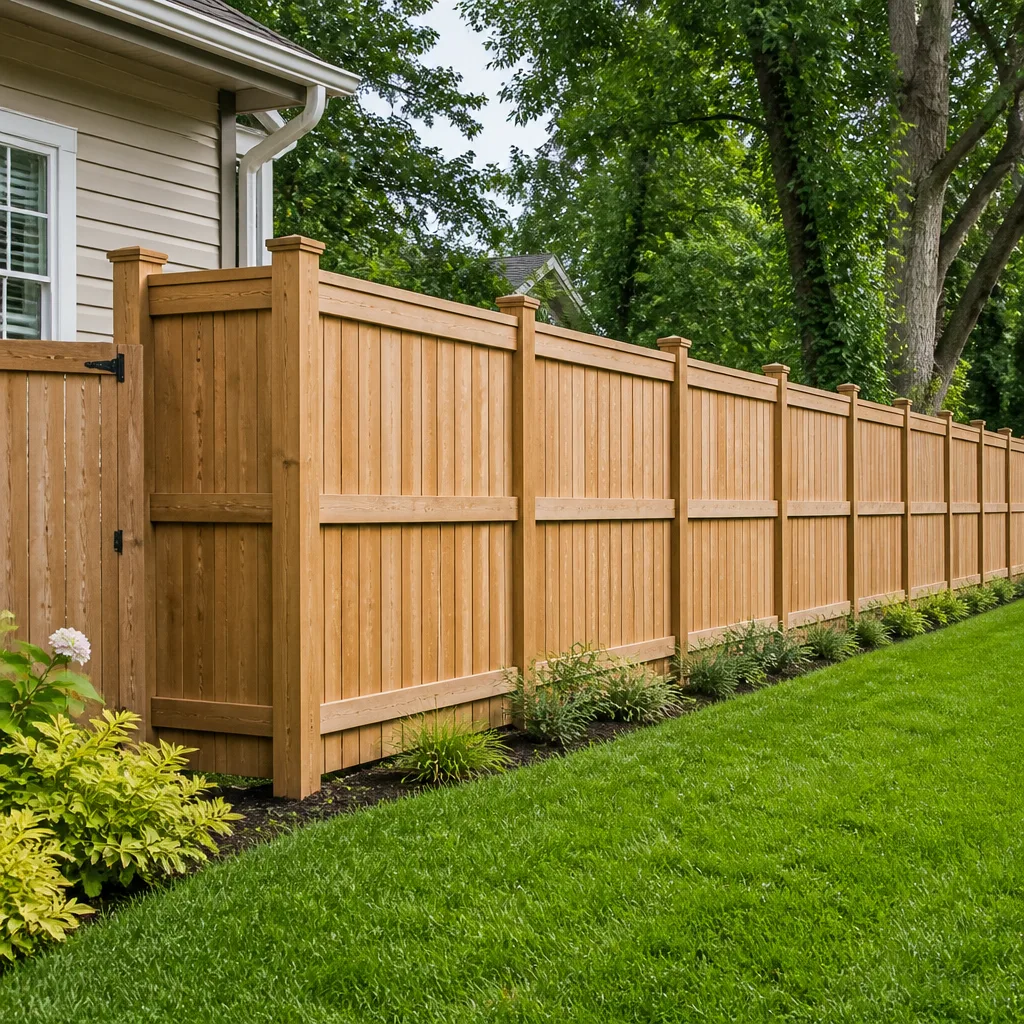 Fence
Free written scope consultation - allowances, timeline, and change-order rules on paper before a single trade is scheduled
Blanco Home Additions & ADU: The Antioch Owner’s Guide
We build and finish Blanco-compatible home additions and ADUs in Antioch, and typical installed projects run $45,000 – $130,000 for an addition and $90,000 – $220,000 for a detached ADU, depending on size, foundation conditions and whether you’re tying into existing utilities. Scheduling a free design consult takes a phone call; construction timing depends on permit turnaround at Antioch’s building department, not on us.
Owners usually start looking at this page for one of two reasons. Either a Blanco-finished room or modular component is showing wear – a sticking door frame, a hairline crack along a wall joint, a window that won’t sit flush in its rough opening – or they’re planning a new addition and want it built to the same spec as the Blanco work already on the house. Both are legitimate entry points. What follows is honest guidance on which parts of the job are compatible, what actually fails first in Antioch’s climate, and what it costs to fix.
Which Blanco Models This Applies To
Blanco doesn’t publish a single universal “addition” spec sheet, so the work starts with identification. Check the builder’s documentation packet, the permit card stapled inside your electrical panel, or the interior face of any cabinet or window frame for a model tag. If you have a Blanco-labeled window or door unit, measure the rough opening (stud-to-stud, not the finished sash) and the depth of the jamb pocket – that pair of numbers tells us which series line it came from far more reliably than the label alone.
The larger compatibility question is structural, not cosmetic. Additions built in Antioch’s older pockets – the 1950s – 70s stock around the historic downtown grid and along A Street – often sit on pier-and-beam foundations with different framing dimensions than the slab-on-grade construction common in newer Deer Valley and Prewett Ranch subdivisions. If you’re extending a Blanco-finished structure, the new framing has to match the existing plate height and shear-wall detailing or you’ll get a visible step at the transition and a failed inspection.
On the OEM-versus-aftermarket decision: for structural connectors, flashing and window units, we source OEM or listed-equivalent (ICC-evaluated) components because the code official will ask. For finish trim and interior millwork, a quality aftermarket match is often indistinguishable and cheaper. We tell you which is which before you sign anything.
Styles & brands we work with
- Kitchen remodeling
- Bathroom remodeling
- Home additions & ADU
- Roofing
- Windows & doors
- Driveway & pavers
- Fence
Signs Your Blanco Home Additions & ADU Is Failing
Additions rarely fail all at once. They telegraph. Here’s what we look for on an inspection walk, and what’s usually underneath it:
- Hairline cracks that reappear after patching. This is almost always differential settlement, not bad drywall mud. In Antioch’s expansive clay soils, a pier that wasn’t deep enough will move seasonally, and the crack returns every wet winter.
- Doors and windows that stick only in summer. Wood framing swells with humidity; if the binding is seasonal and consistent, the rough opening was cut too tight. If it’s year-round and worsening, the header may be undersized.
- Water staining at the wall-roof junction. Flashing details where an addition roof meets the original structure are the number-one leak point we find. Antioch’s wind-driven rain in January and February finds every gap.
- Cold floors or a room that never heats evenly. Usually missing or compressed insulation at the new-to-old wall cavity, or a duct run that was never properly sealed at the transition.
- Visible gaps at the exterior siding transition. Siding on the addition and siding on the original house expand and contract at different rates. A rigid joint without a designed gap will open up within two seasons.
See the difference
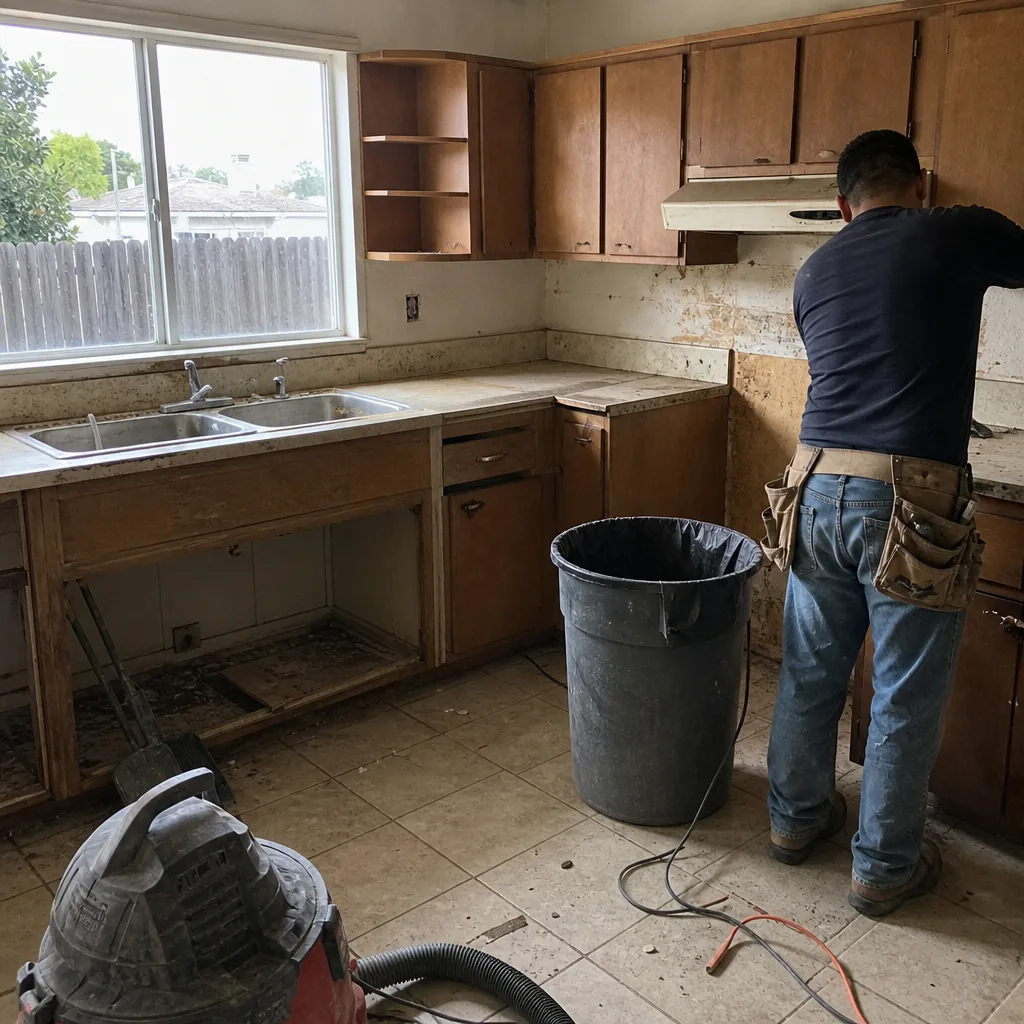 Before
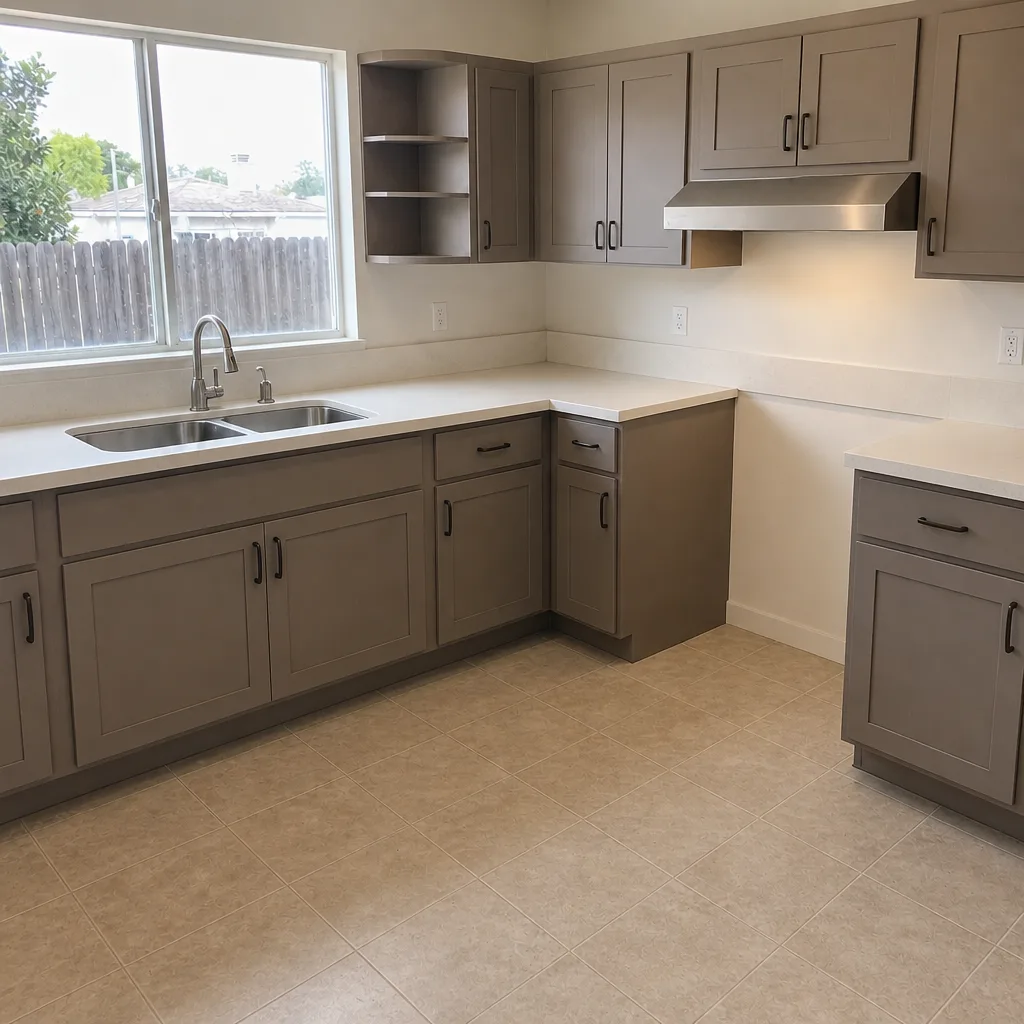 After
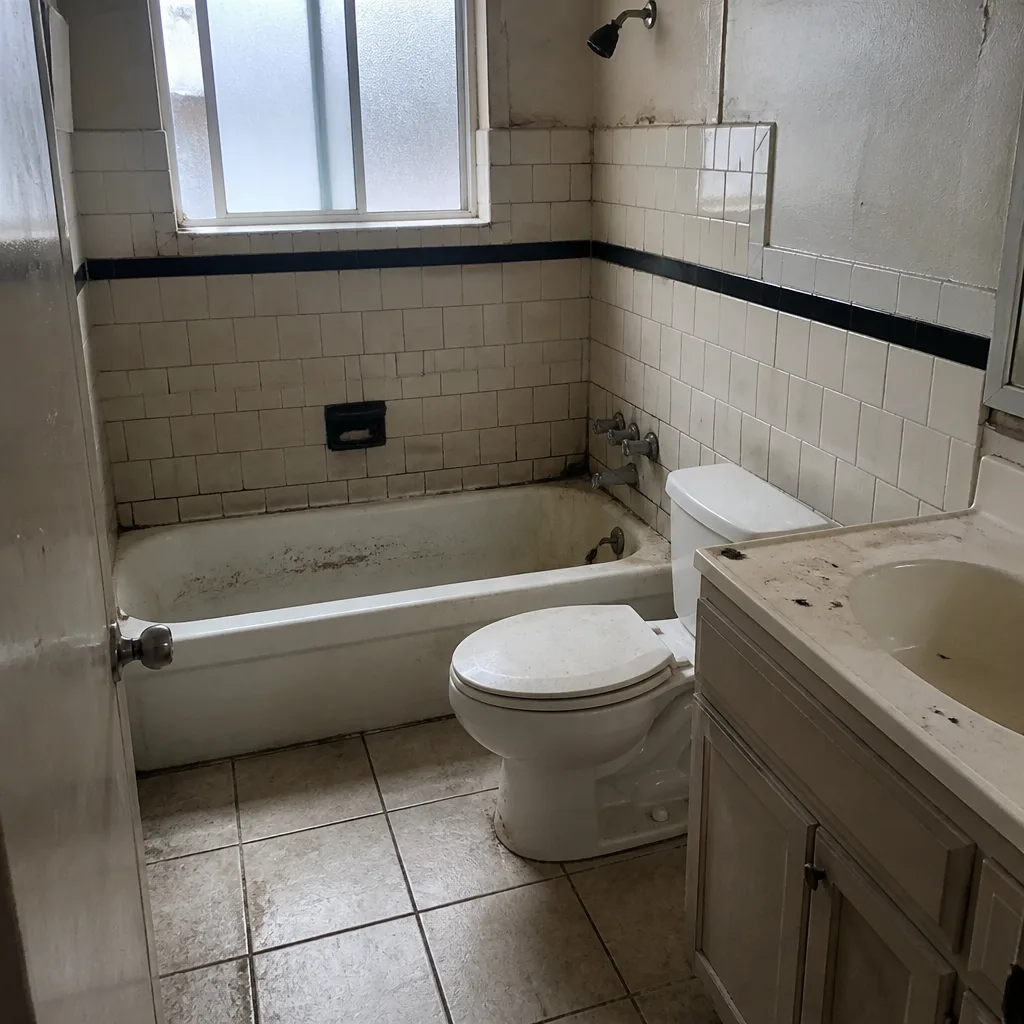 Before
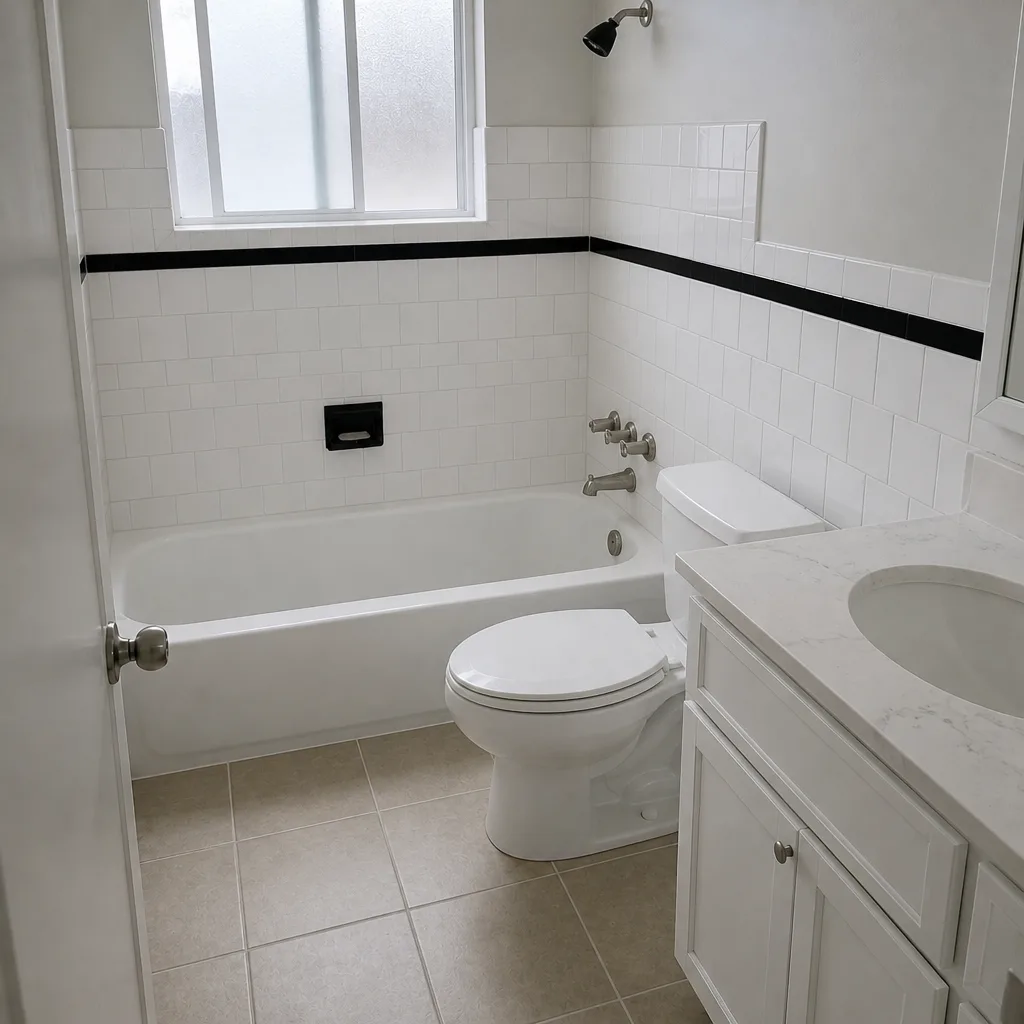 After
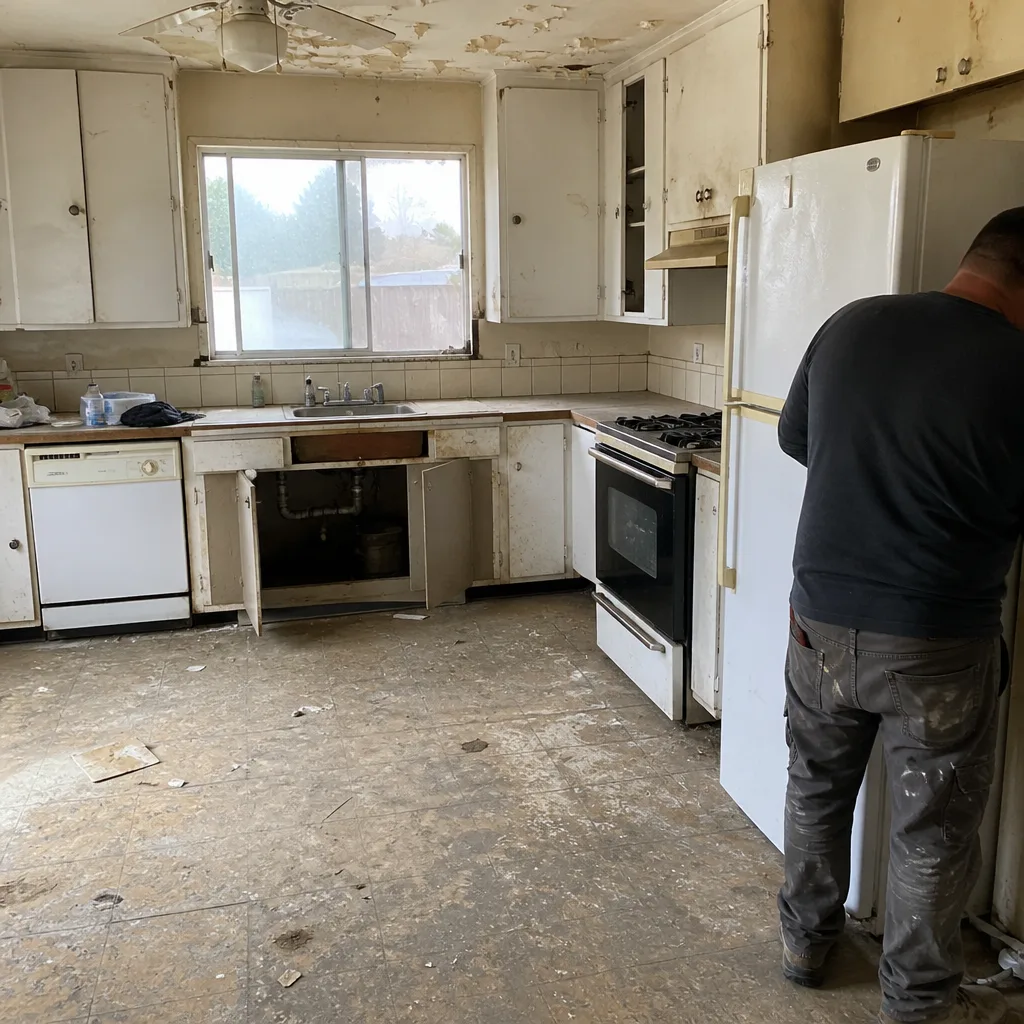 Before
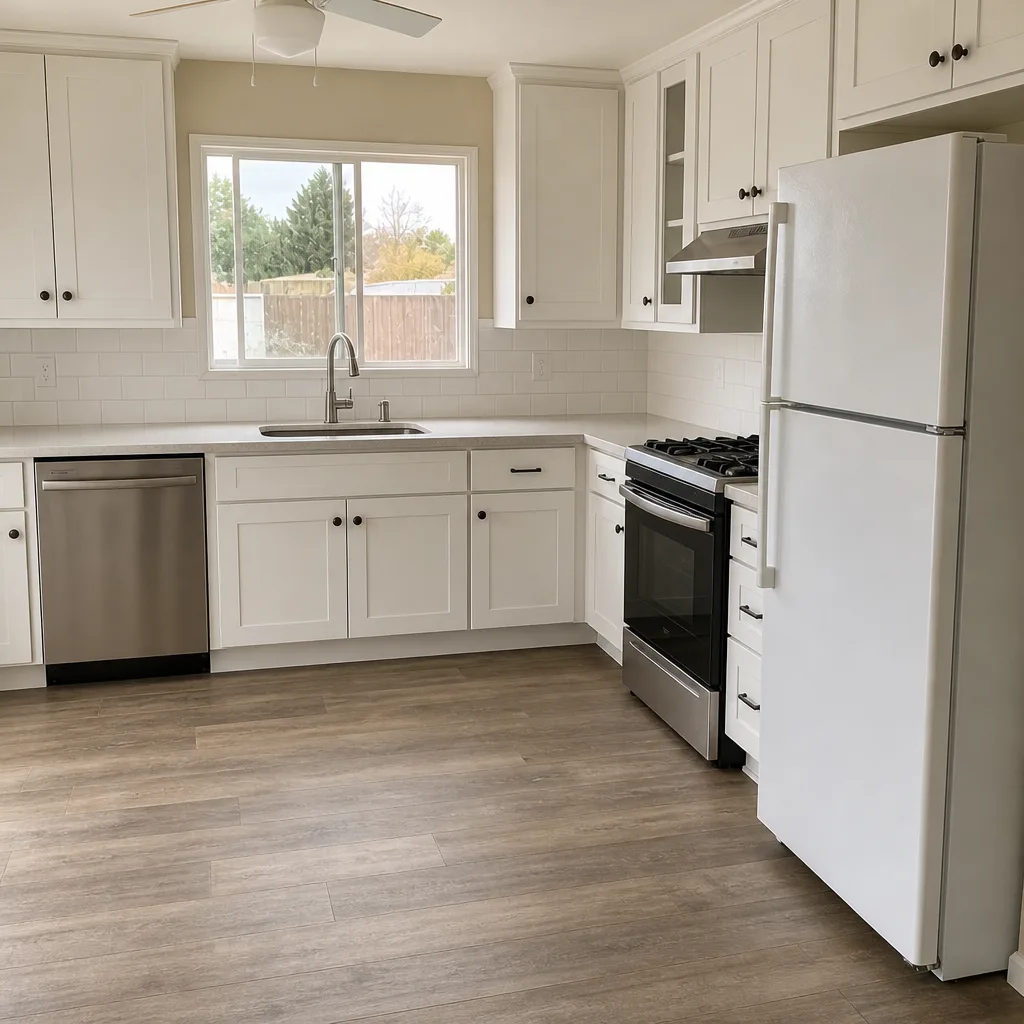 After
Replacement Cost & What’s Included
For an Antioch addition, plan on $45,000 – $130,000 installed. For a detached ADU, $90,000 – $220,000. A garage conversion sits lower, typically $30,000 – $80,000, because the shell and slab already exist. These are installed prices – framing, electrical, plumbing rough-in, insulation, drywall, finish, and permit fees are in the number, not hidden above it.
What moves you up or down the range: foundation type (pier-and-beam retrofit adds real cost), whether you’re extending a bathroom or kitchen into the new space, and window and door selection. A Blanco-compatible window package versus a standard line can swing the total by several thousand. On any project over $10,000, we take $1,000 off, and 0% financing for 18 months is available so the number doesn’t have to arrive all at once. Every job carries our 730-Day Done Right Promise – if the workmanship fails, we come back and make it right, in writing.
DIY or Call Us?
Here’s the honest split. You can safely check the permit card, photograph cracks with a tape measure for scale, probe for soft spots in drywall with a screwdriver handle, and note which doors stick and when. That’s useful diagnostic information and we’ll ask for it.
What you shouldn’t touch: anything structural. Cutting into a header, re-flashing a roof-to-wall junction, or opening a foundation to inspect a pier are jobs where a mistake causes thousands in damage or, in the case of load-bearing walls, a genuine safety problem. We’re not going to walk you through removing a structural member over the phone. Our technicians have up to 12 years of experience reading exactly these failure patterns, and the diagnostic visit is free.
If you’re seeing active water intrusion or a crack that’s widened noticeably in the last month, call us now at (888) 419-3650 – a live person answers around the clock.
FAQs
A properly built addition on an adequate foundation lasts 40 – 60 years or more in this climate; the failure points are foundation and flashing, not the structure itself. Antioch’s clay soils and wet winters are the real test, so pier depth and roof-to-wall detailing matter more than finish quality. Call (888) 419-3650 for a free assessment of what you have.
Often yes. Settlement cracks, flashing leaks and door misalignment are usually repairable at a fraction of replacement cost. The exception is an undersized header or a foundation that’s moving beyond what underpinning can correct – we’ll tell you plainly which situation you’re in. Estimates are free.
A targeted repair – re-flashing, crack remediation, door realignment – is typically one to three days. A full addition is a months-long project driven by permit timelines at the Antioch building department. We give you a written schedule before work starts and don’t move the goalposts. Call (888) 419-3650 to get your timeline.
We source through our verified brand network and listed-equivalent suppliers, matching OEM spec where the code official requires it and offering quality aftermarket where it doesn’t affect inspection. We don’t claim to stock parts or carry inventory – each material is ordered to your project’s spec. That transparency is why our numbers hold. Call (888) 419-3650 to start your free estimate.
We also work alongside KraftMaid, Cambria and Silestone on the cabinetry and surface side of these projects when your addition includes a kitchen or bath. Groundwork Construction Co. of Antioch is an independent service provider and is not affiliated with Blanco. Calls are answered by a live person 24/7, technicians arrive background-checked and in uniform, and pricing is upfront – the number you see is the number you pay. Ready to price your project? Call (888) 419-3650 for a free estimate and design consult.
Written by the team at Groundwork Construction Co. of Antioch, serving Antioch and nearby areas.