

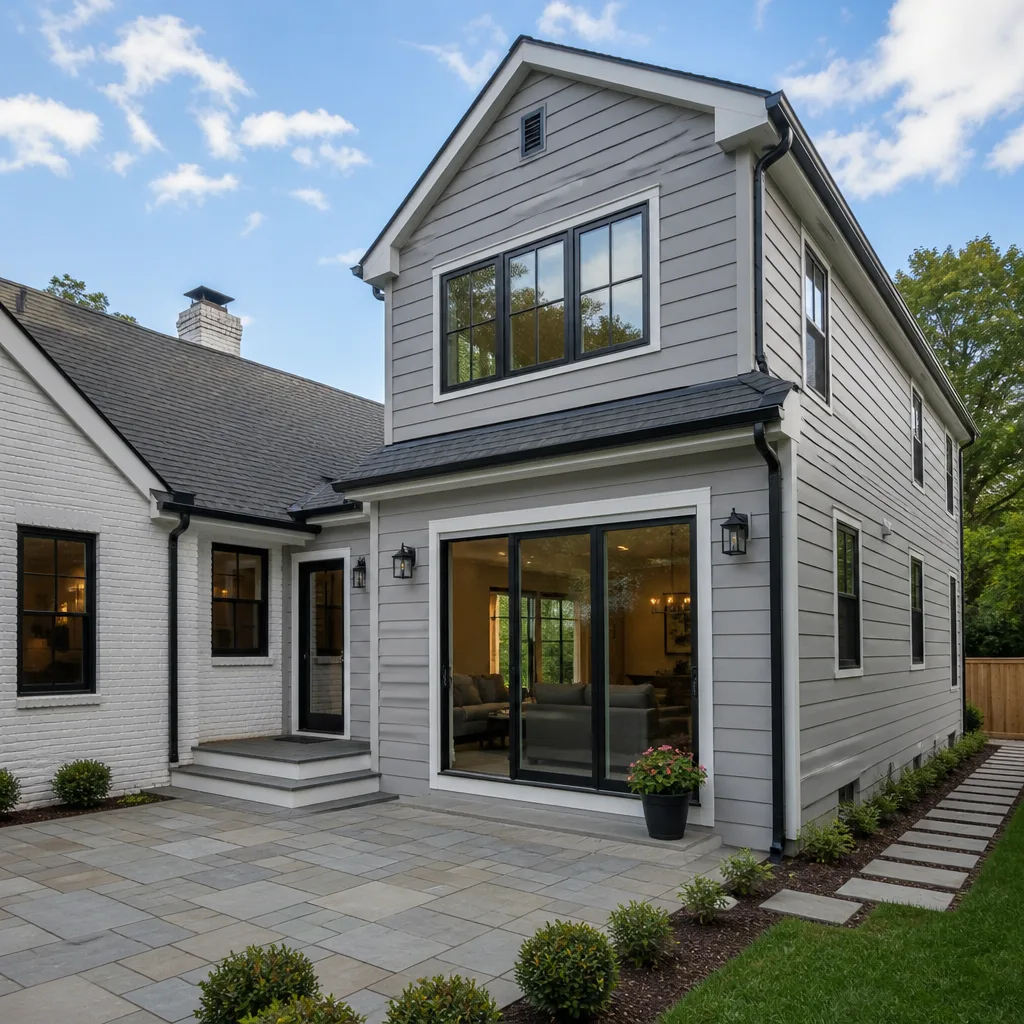
 Home additions & ADU
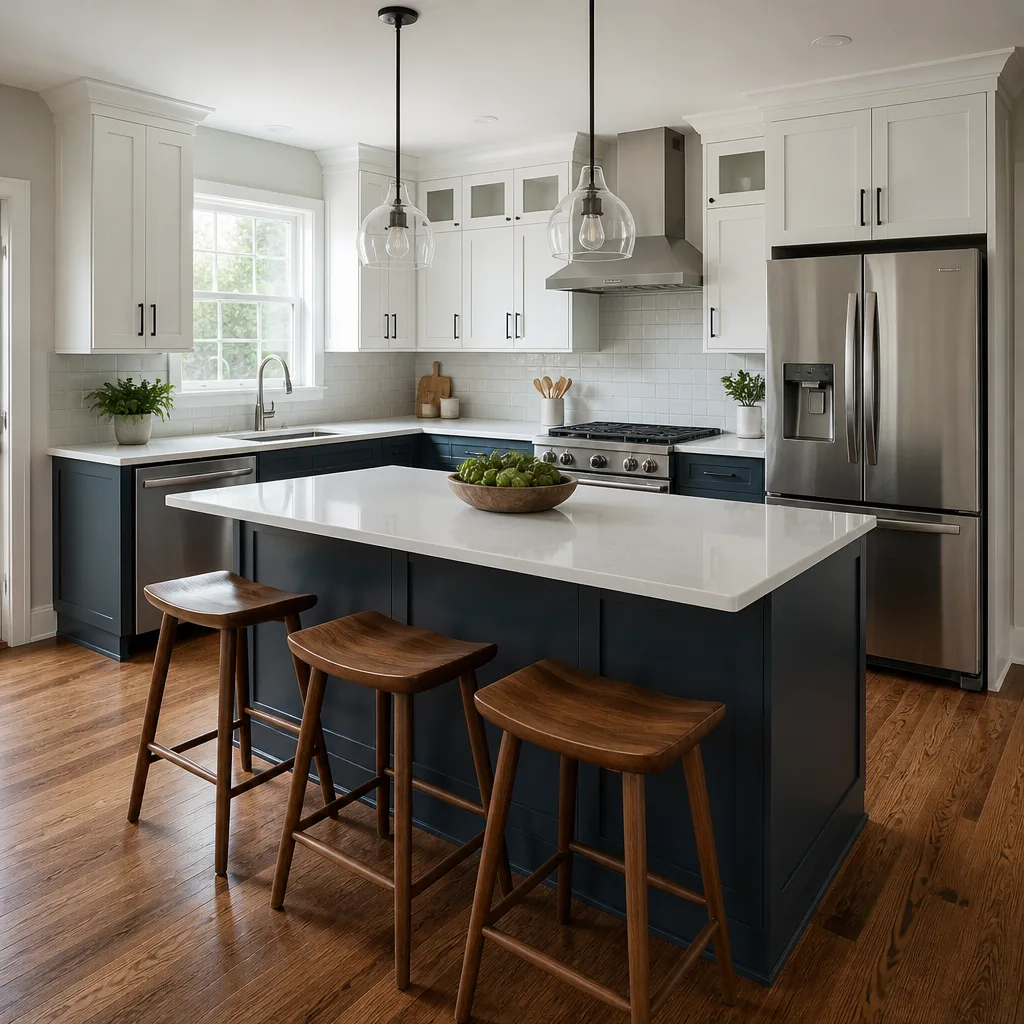 Kitchen remodeling
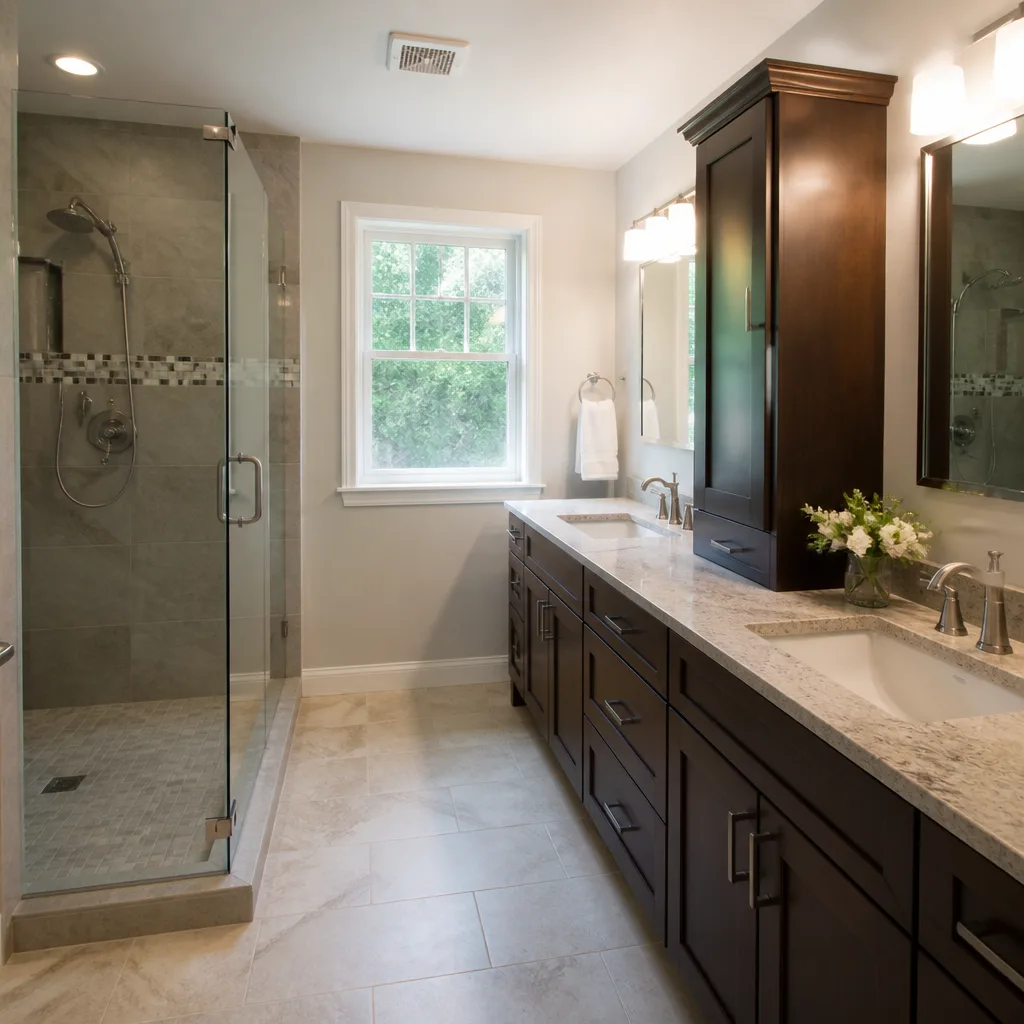 Bathroom remodeling
 Roofing
 Windows & doors
 Driveway & pavers
 Fence
Free written scope consultation - allowances, timeline, and change-order rules on paper before a single trade is scheduled
Caesarstone Home Additions & ADU: The Antioch Owner’s Guide
Caesarstone quartz is a countertop and surface material, not a part in a home addition or ADU, so the “failure” you’re chasing is almost always a slab, seam, or edge that wasn’t installed to spec during the build. In Antioch, a Caesarstone-topped addition runs $45,000 – $130,000 installed, and an ADU runs $90,000 – $220,000, depending on size and finish level. We install those surfaces to manufacturer spec, and when a Caesarstone top fails after the fact, we assess it against the original installation.
Most owners find the problem the same way: a hairline crack spreading from a sink cutout, a seam that’s gone dark, or an edge that’s chipped where a chair or appliance keeps catching it. By the time you notice, the underlying cause has usually been there for months. Groundwork Construction Co. of Antioch is an independent contractor, not affiliated with Caesarstone.
Which Caesarstone Models This Applies To
Caesarstone sells quartz under several collections, and the surface spec matters more than the model name when you’re planning an addition or ADU. The classic collections (Caesarstone’s Original and Supernatural lines) run 20mm and 30mm thicknesses, and 30mm is the standard for kitchen islands and any surface that takes a cantilever. The thinner 13mm and 20mm profiles are fine for vanities and backsplashes but deflect over a long island span if the fabricator skipped the subframe.
To identify what you’re working with, flip the edge banding or check under the front lip of the counter; Caesarstone etches a batch and collection mark on the underside of every slab. Match that mark to the collection before you order anything, because a replacement piece from a different collection will read as a color mismatch even when the name sounds similar. On the ADU side, the most common compatibility gotcha is a slab sized for a bathroom vanity because the fabricator assumed the counter was the same depth as the main house. It usually isn’t.
Styles & brands we work with
- Kitchen remodeling
- Bathroom remodeling
- Home additions & ADU
- Roofing
- Windows & doors
- Driveway & pavers
- Fence
Signs Your Caesarstone Home Additions & ADU Is Failing
- A crack radiating from a sink or cooktop cutout. That’s a stress point where the fabricator cut too close to the edge or skipped the relief radius. Quartz doesn’t flex like granite, so the crack runs.
- A seam that’s gone gray or black. The epoxy seam has failed and is letting moisture in. In Antioch’s hot inland summers, the thermal cycling opens seams faster than most owners expect.
- Edge chipping along the front of an island. Usually caused by a barstool or appliance catching the edge, but a poorly polished factory edge makes chipping more likely. A 30mm edge resists it better than 20mm.
- Discoloration or a dull patch under a window. Quartz is UV-stable, but sealant and edge polish aren’t. If a surface in an ADU bath or laundry has gone cloudy, the finish is the culprit, not the stone.
- A surface that’s pulling away from the cabinet line. That’s usually a cabinet or subframe issue, not a Caesarstone problem. It shows up in additions where the cabinetry was installed after the surface was set.
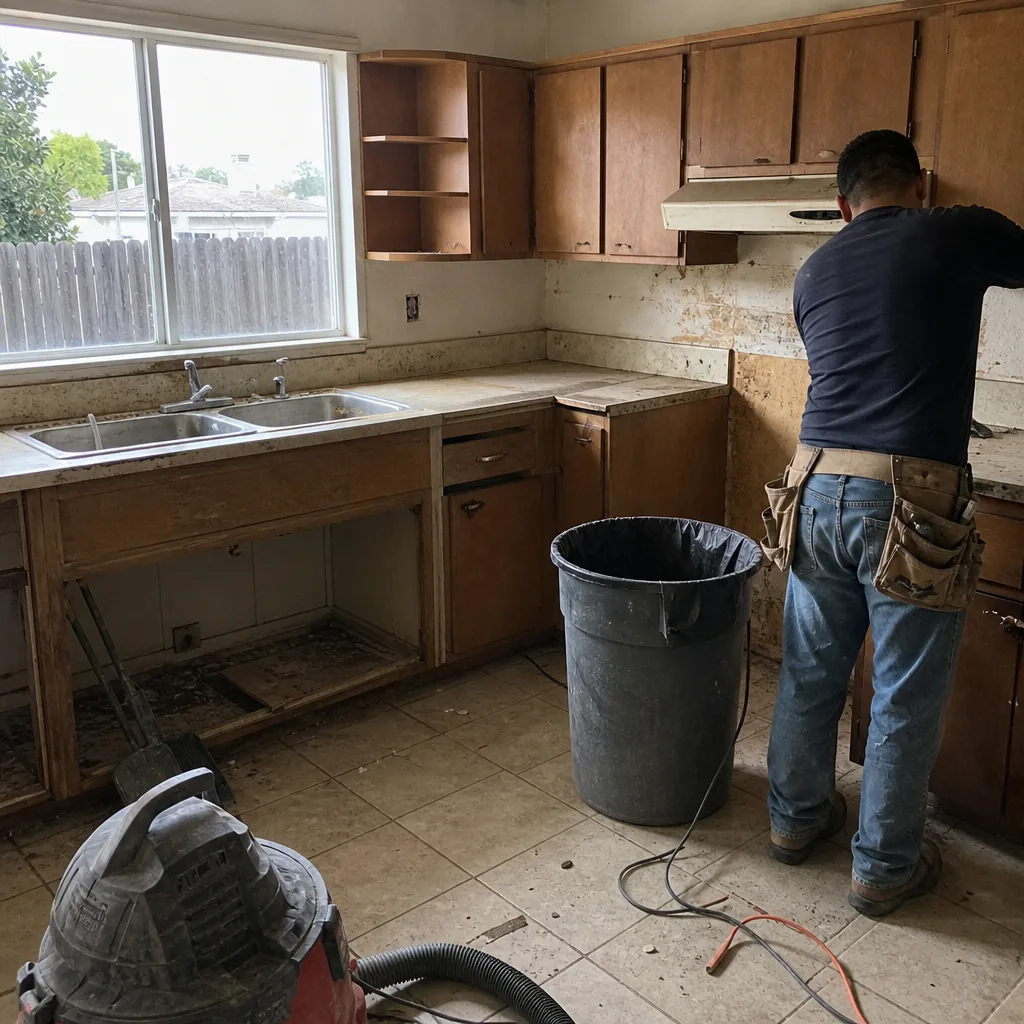
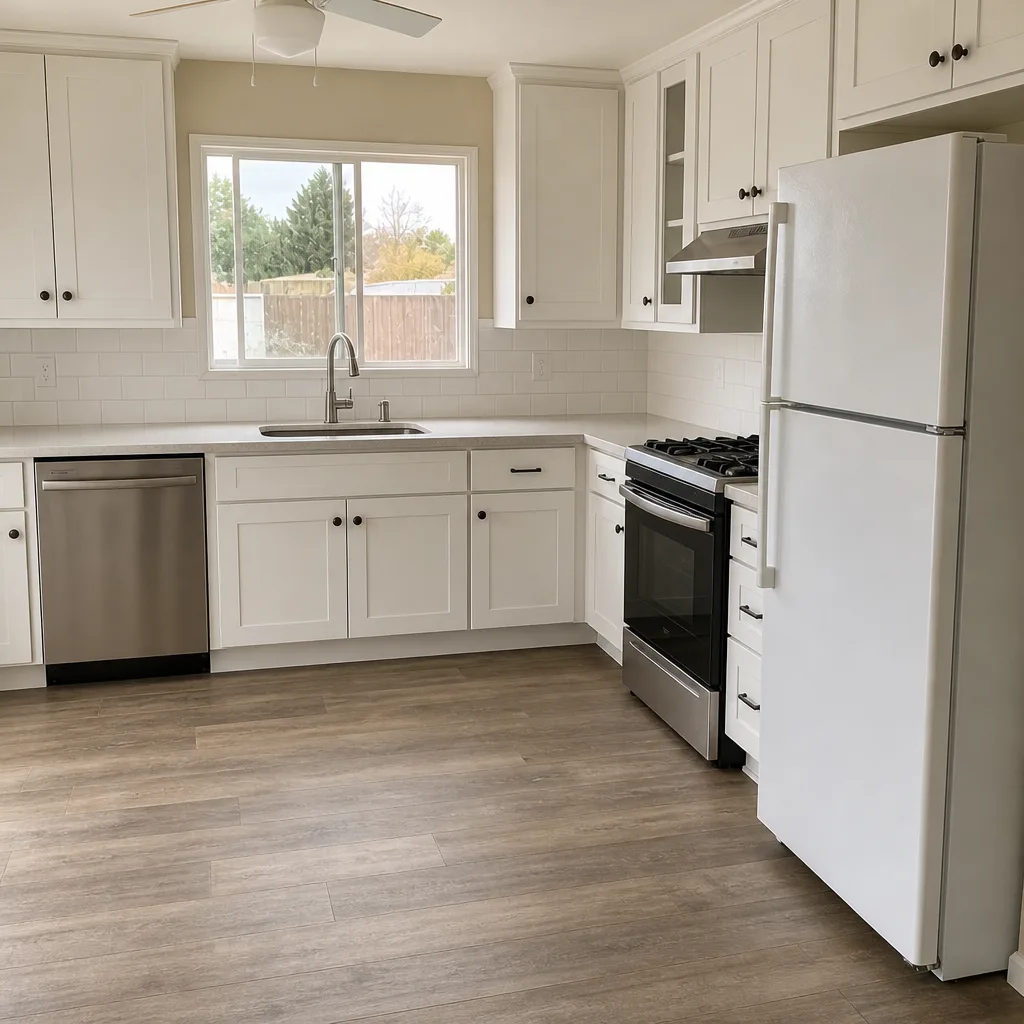
See the difference
 Before
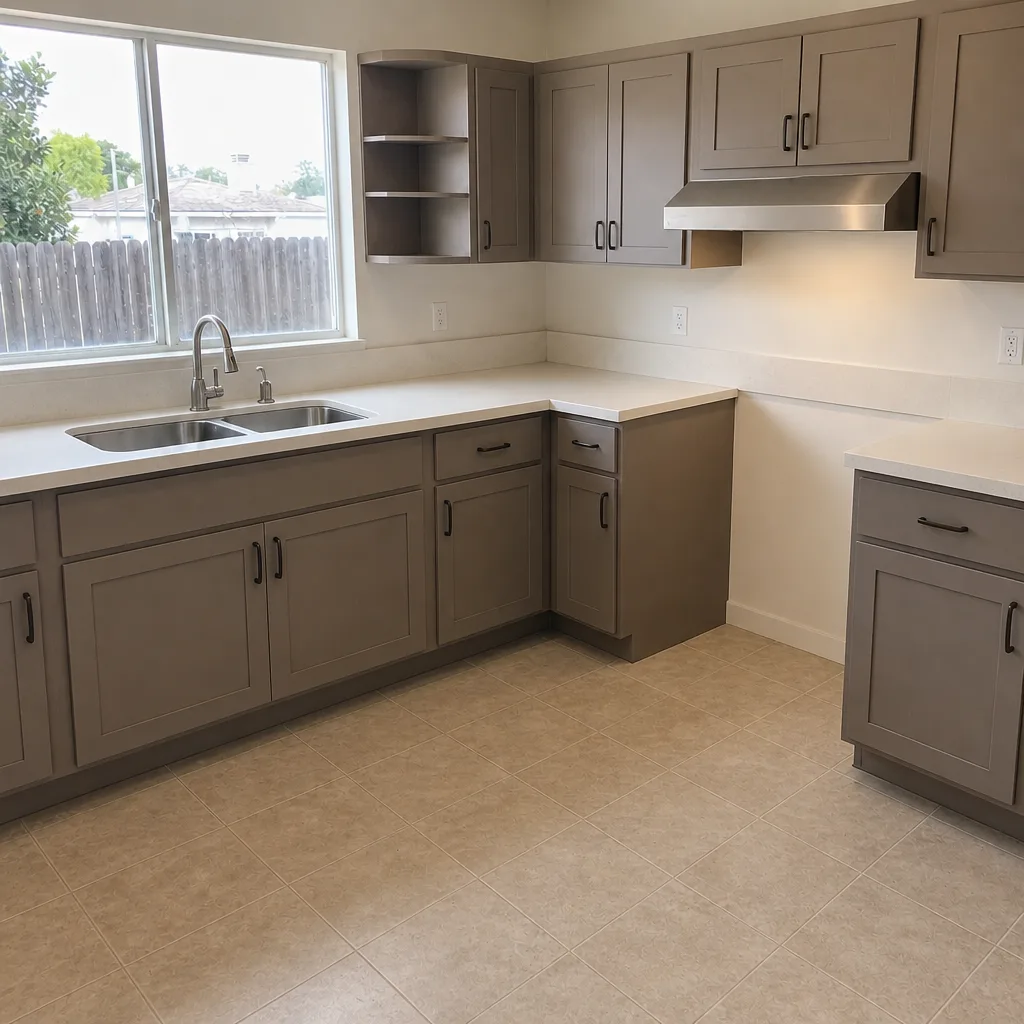 After
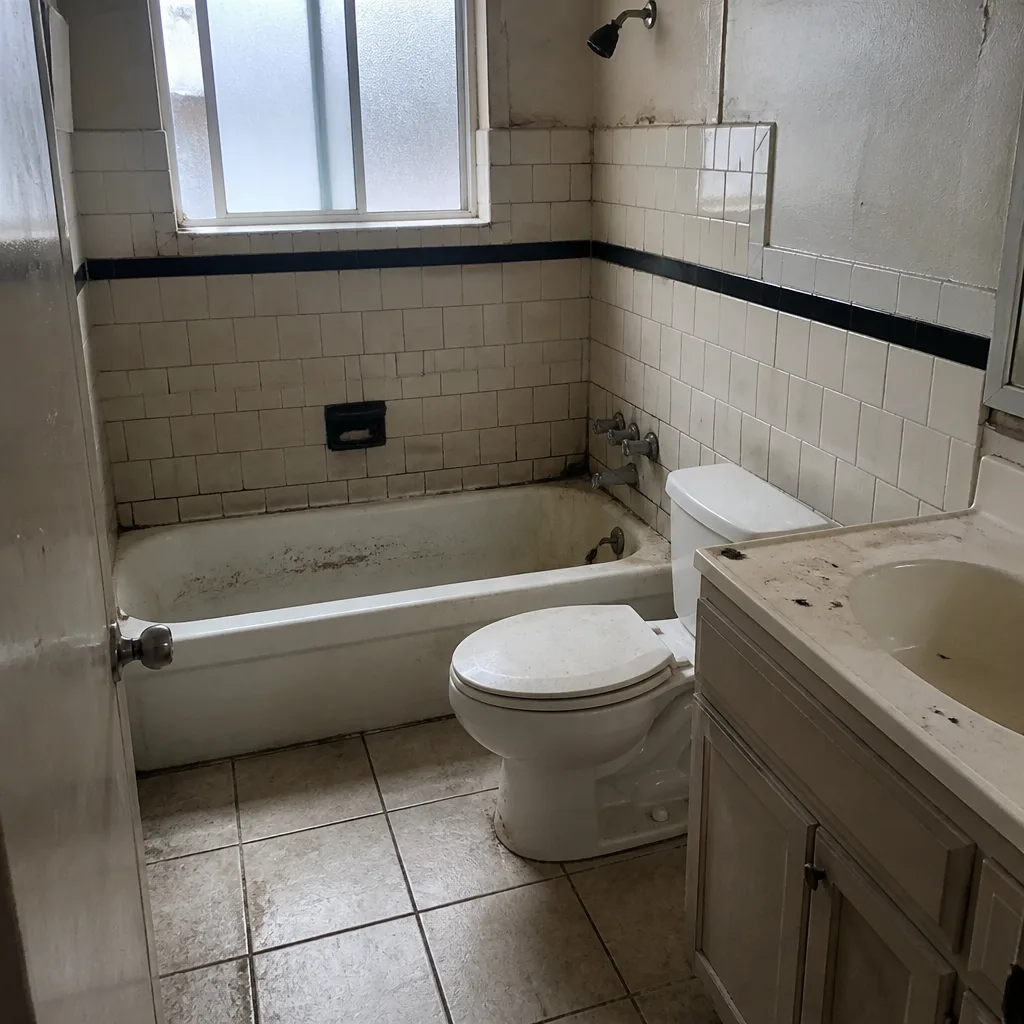 Before
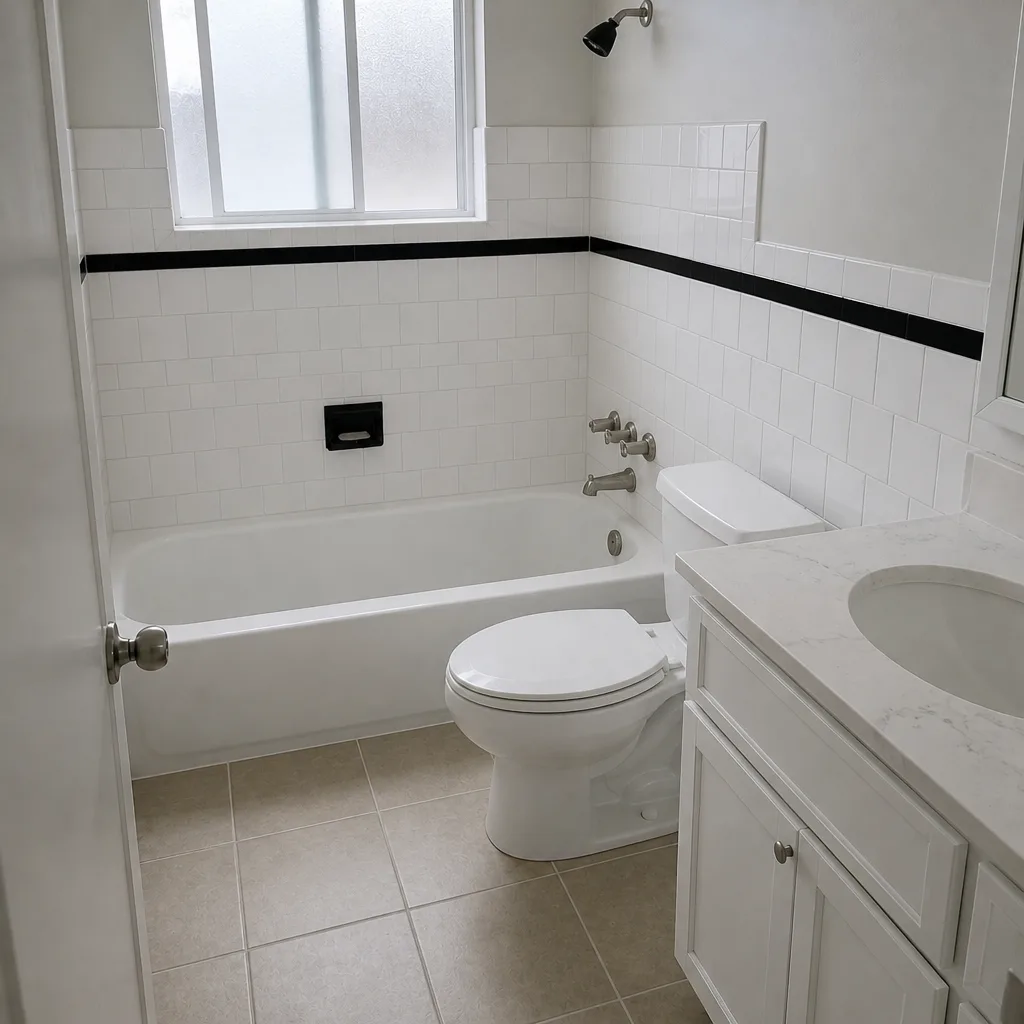 After
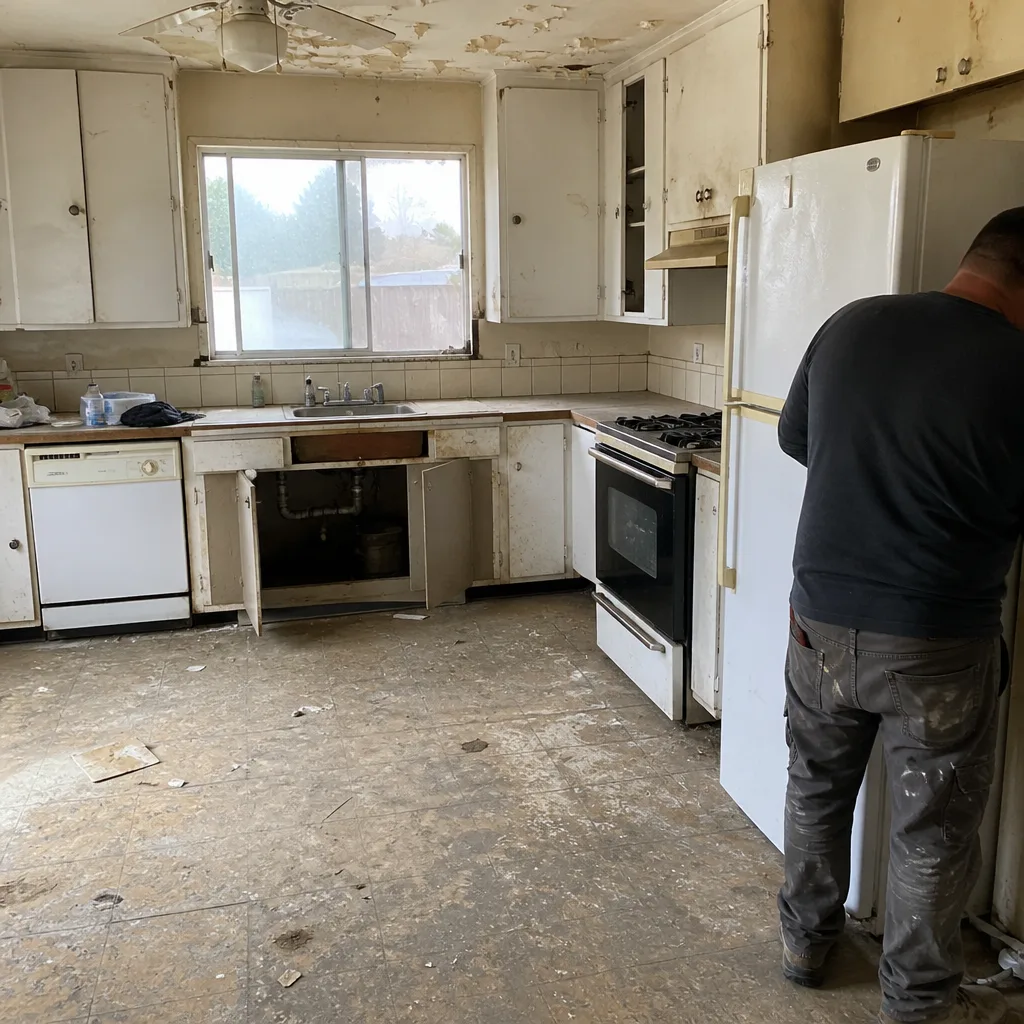 Before
 After
Replacement Cost & What’s Included
Replacing a failed Caesarstone surface in an Antioch addition or ADU is a line item inside the larger project budget, not a separate trade call. Expect the surface itself to land in the $2,000 – $6,500 range depending on area, edge profile, and whether the old piece has to be demolished and hauled. A full kitchen surface swap inside an existing addition runs $4,000 – $13,000 when cabinetry has to be adjusted to accept a new depth profile.
Those numbers include templating, fabrication, delivery, and installation. They don’t include the structural or plumbing work if the failure traced back to a cabinet or sink cutout issue. We write the quote line by line so you see parts, labor, and haul-away separately, and the 730-Day Done Right Promise covers the workmanship on every surface we set. The number you see is the number you pay.
DIY or Call Us?
You can safely check the model and collection on the underside etch, measure the surface depth, and photograph the seam or crack. That information shortens the conversation when you call. What you shouldn’t do is try to re-epoxy a seam or glue down a cracked section yourself.
Quartz doesn’t bond like wood or tile, and a bad epoxy repair traps moisture and makes the crack worse. A cracked waterfall edge or an island slab is a two-person lift with a suction cup rig; a dropped slab shatters. Call us at (888) 419-3650, and we’ll tell you honestly whether it’s a repair, a replace, or a cabinet problem underneath. Estimates are free.
FAQs
A properly installed Caesarstone surface should outlast the addition itself, 20-plus years, as long as the subframe and seams were done right. The failures we see in Antioch are almost always installation errors, not stone age.
Small chips and surface scratches can be polished out, but a crack radiating from a cutout or a failed seam usually can’t be repaired reliably. We’ll assess it in person and tell you which one you’re facing before you commit to a replacement.
A single-surface replacement takes one to three days once the new piece is fabricated: template, fabricate, demolish the old piece, and set the new one. If cabinetry has to be modified for a different depth profile, add a few days.
We match the collection mark etched on the underside of your existing slab and order the same collection, because a lookalike from another line will read as a color mismatch. Call (888) 419-3650 to start the match.
Written by the team at Groundwork Construction Co. of Antioch, serving Antioch and nearby areas.