

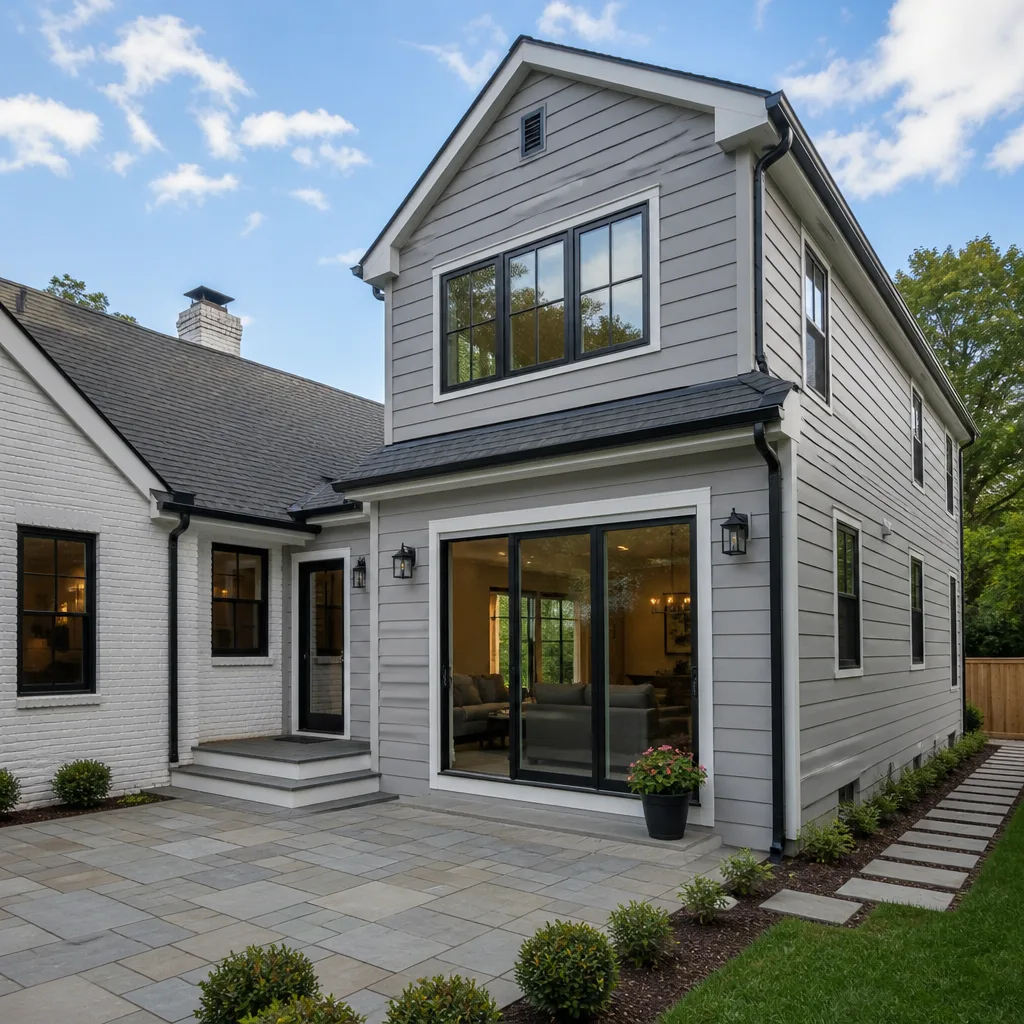
 Home additions & ADU
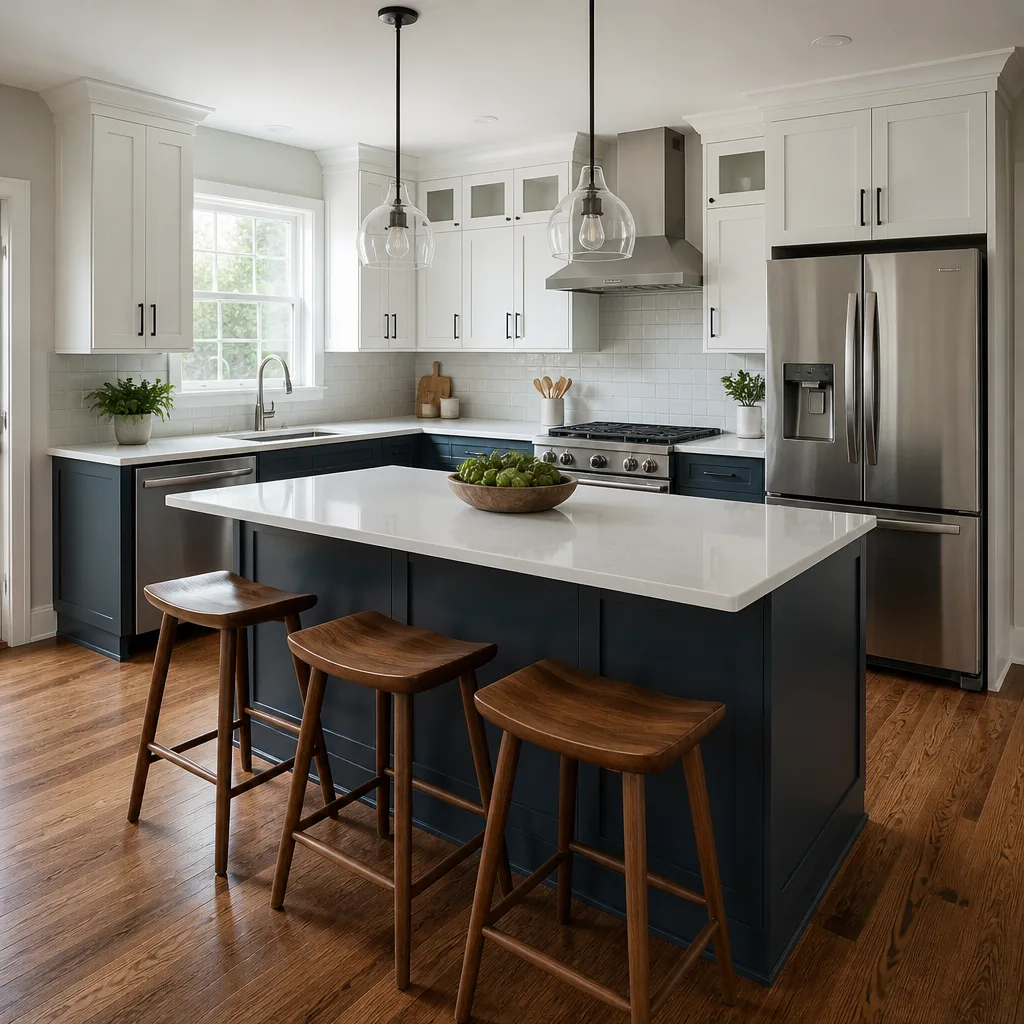 Kitchen remodeling
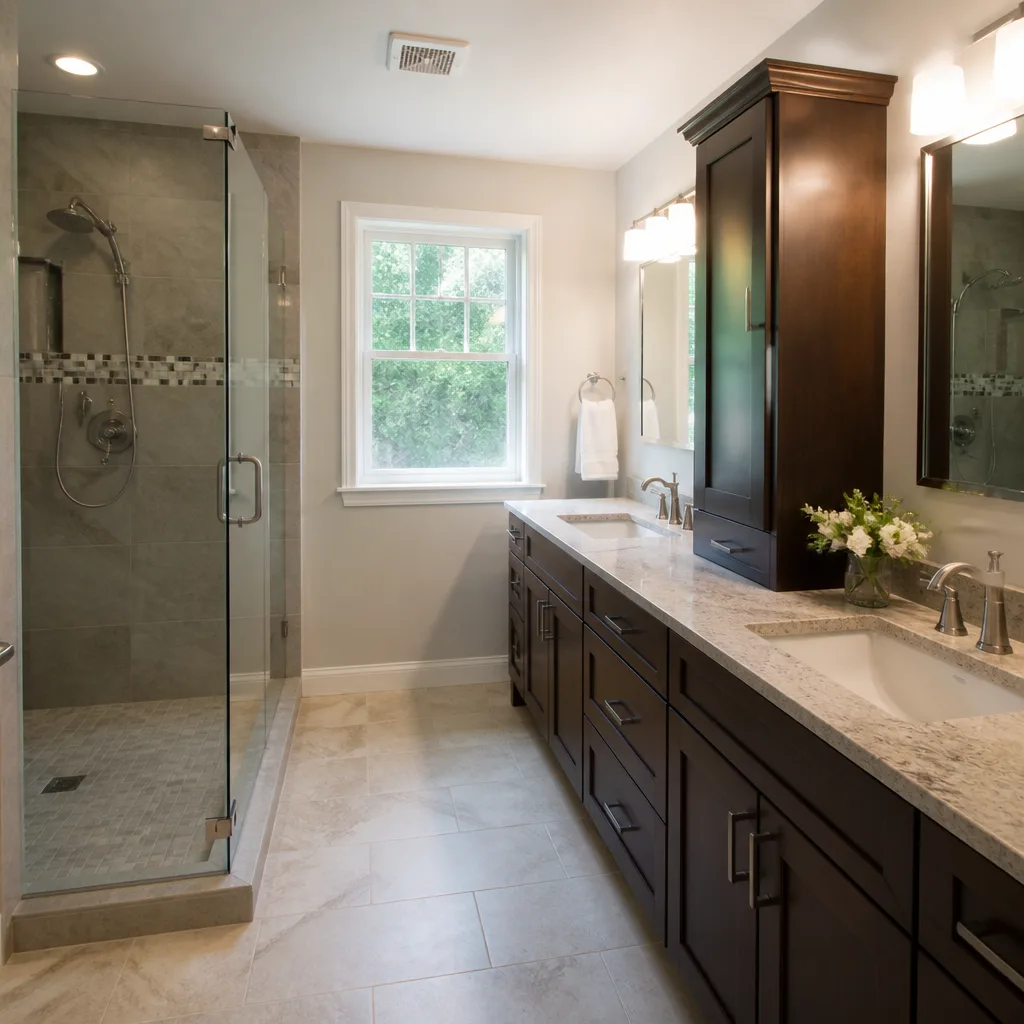 Bathroom remodeling
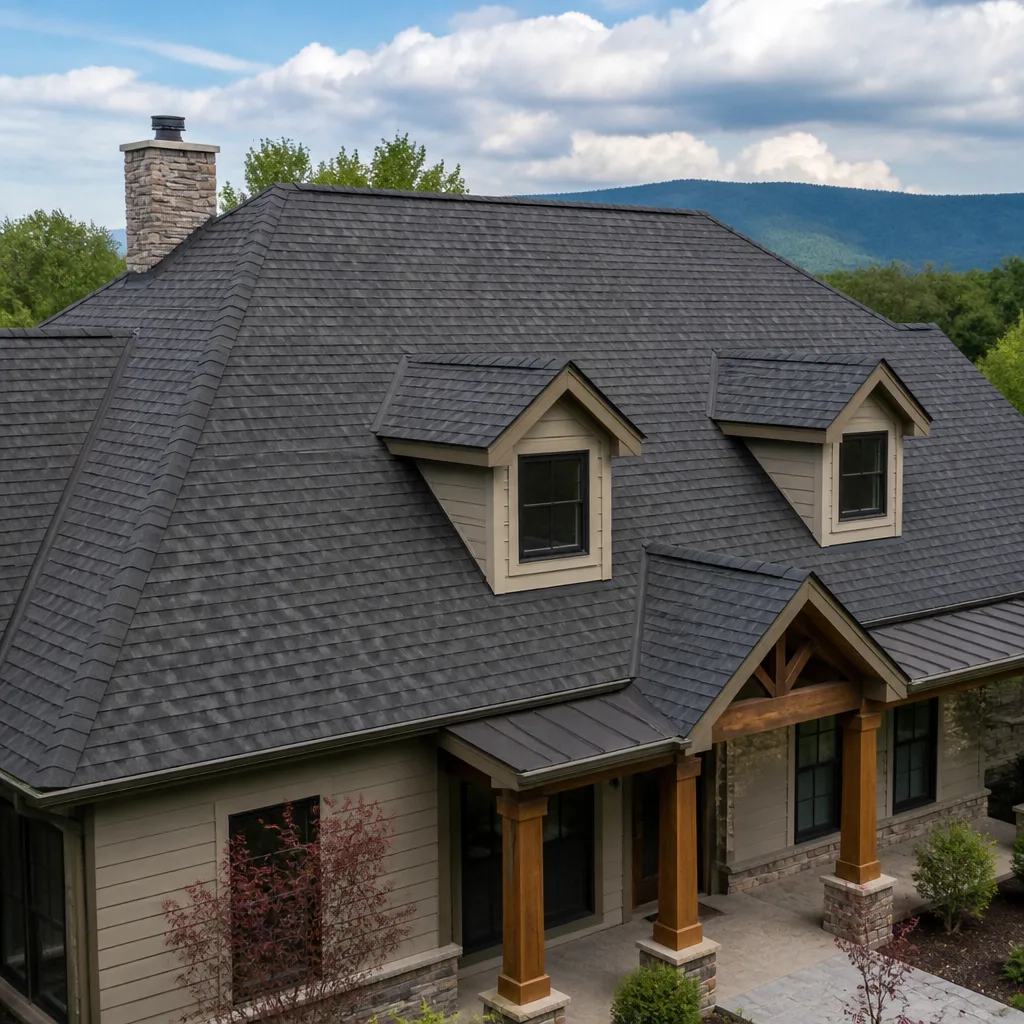 Roofing
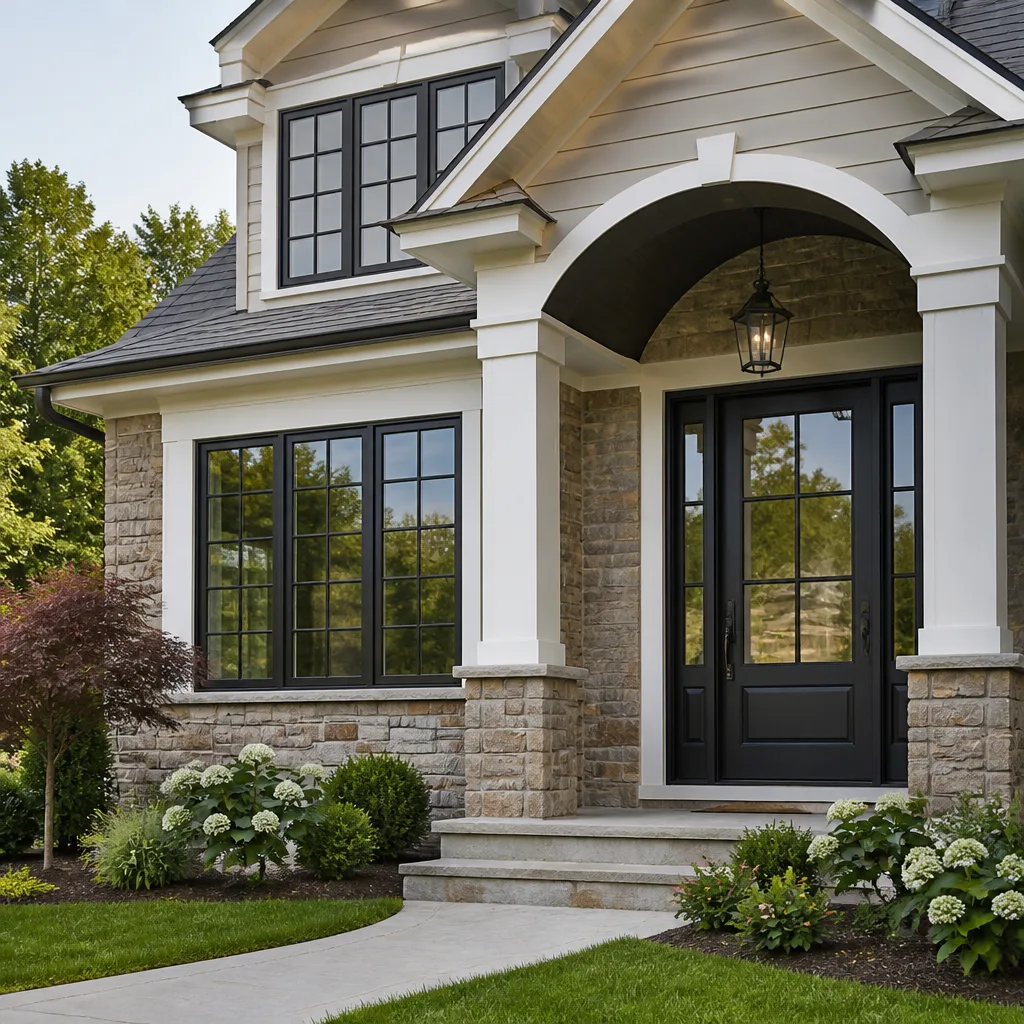 Windows & doors
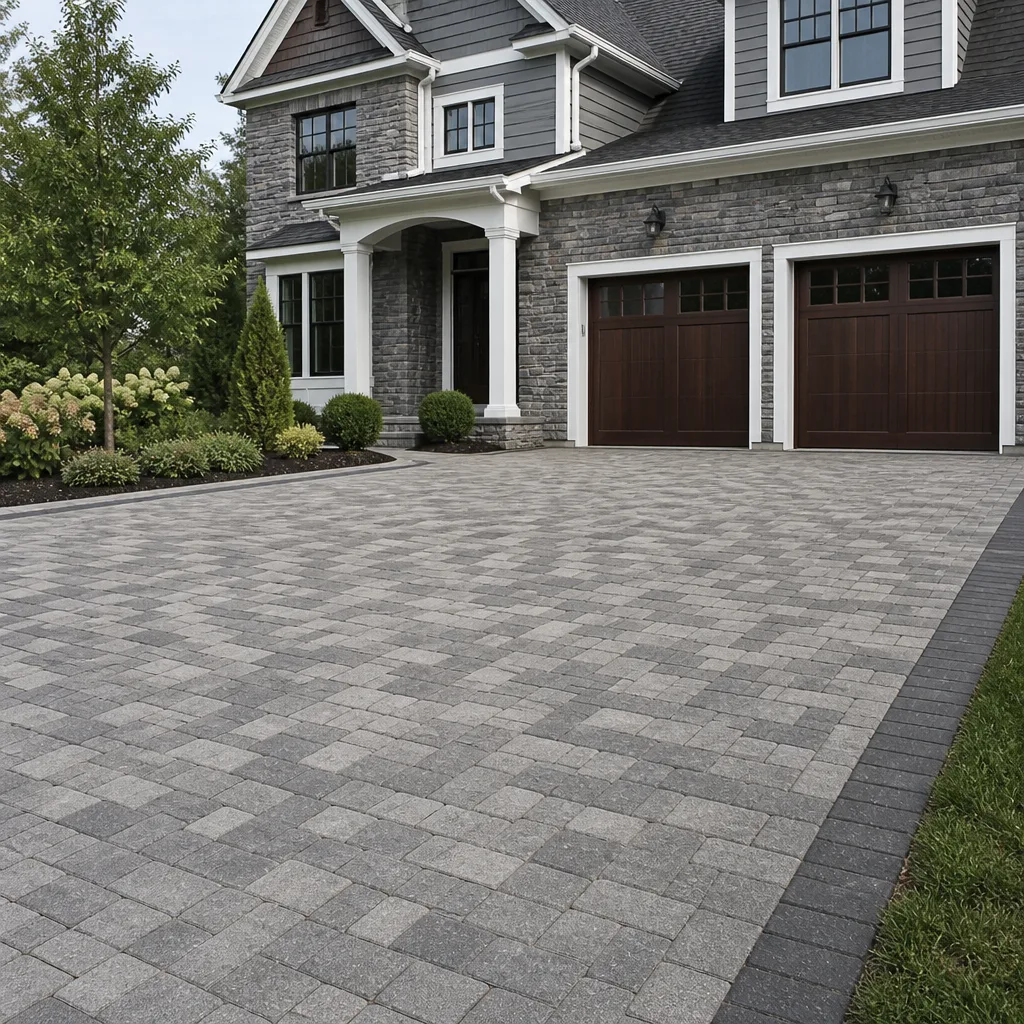 Driveway & pavers
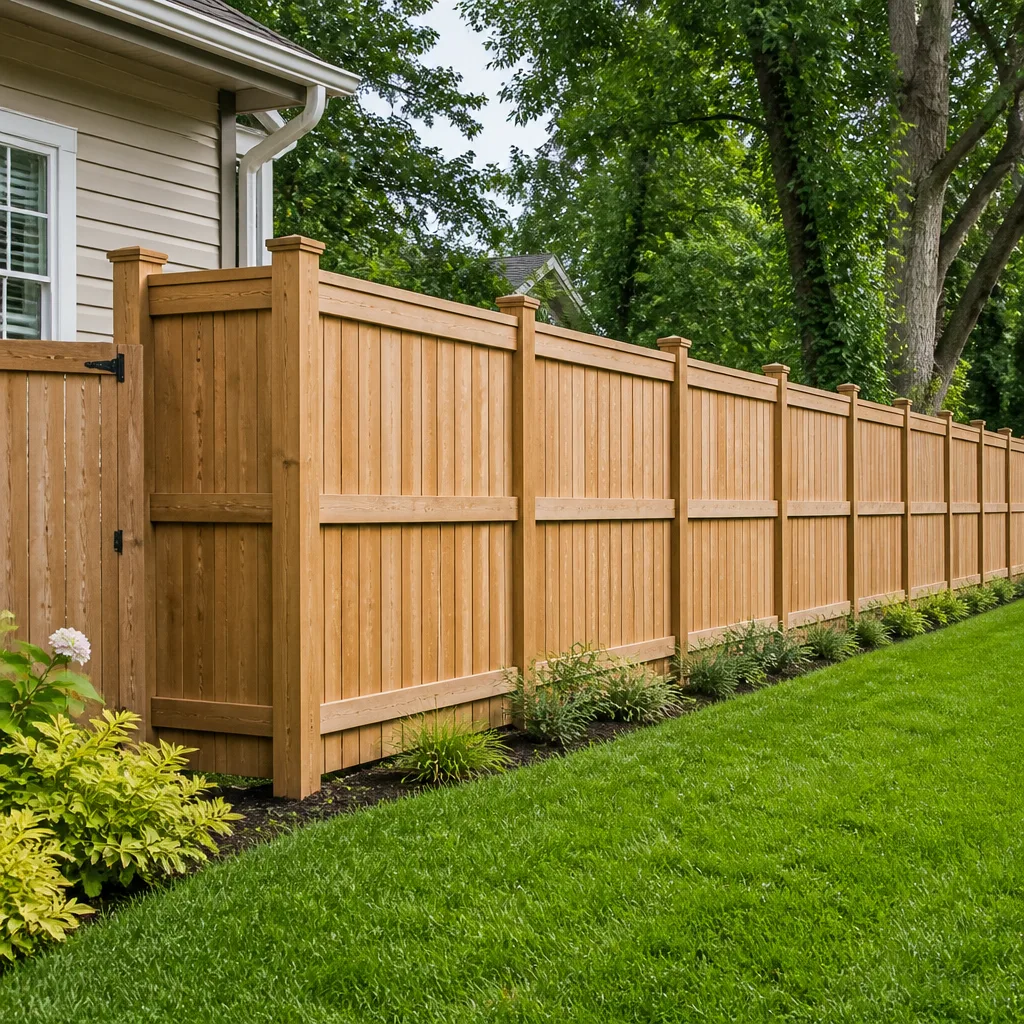 Fence
Free written scope consultation - allowances, timeline, and change-order rules on paper before a single trade is scheduled
James Hardie Home Additions & ADU: The Antioch Owner’s Guide
We build home additions and ADUs in Antioch using James Hardie siding systems that are matched to the manufacturer’s current spec sheets, and typical installed projects run $45,000 – $130,000 for an addition or $90,000 – $220,000 for a full ADU, priced honestly upfront with no change-order games. Because additions depend on engineering, permits, and inspection schedules, we don’t promise same-day starts; we promise a free design consult and an estimate you can compare line by line.
Owners usually discover a James Hardie siding failure long after the addition is finished. It shows up as paint blistering along a south-facing wall, a soft spot under a window, or a hairline crack that keeps reopening after every repair. By the time it’s visible, moisture has often been working behind the board for a season or two. This guide explains the part, what fails first, and what replacement actually costs in Antioch.
Key Takeaways
- Additions in Antioch run $45,000 – $130,000; detached or attached ADUs run $90,000 – $220,000.
- James Hardie siding on an addition is a system, not a single board: panel, trim, flashing, and fasteners all have to match.
- Most failures we see in Antioch trace to trim and flashing details, not the fiber cement itself.
- Written line-item estimates, permits pulled, inspections passed, and our 730-Day Done Right Promise on the workmanship.
Styles & brands we work with
- Kitchen remodeling
- Bathroom remodeling
- Home additions & ADU
- Roofing
- Windows & doors
- Driveway & pavers
- Fence
Which James Hardie Models This Applies To
James Hardie makes fiber cement siding in a few families, and each one has a place on an addition. HardiePlank lap siding is the most common on residential additions in Antioch. HardiePanel vertical siding is used on gable ends and modern-style ADUs. HardieShingle covers accents and upper stories. HardieTrim boards handle the corners, fascia, and window surrounds, and they’re often the part that fails first because they take the most water and sun. HardieSoffit closes the underside of the eaves.
Identifying the right replacement starts with the back of a scrap or a loose board. James Hardie stamps the product name, thickness, and sometimes the plant code on the back face. If you can’t find a stamp, measure thickness and reveal. Most lap siding in this region is 5/16 inch thick with a 6 to 8 inch reveal, but the profile has to match the existing course or the wall will look patched. Trim boards are where this gets tricky: a 5/4 trim board from one series won’t line up with a 4/4 board from another, and using the wrong thickness throws off the shadow line along the whole elevation.
On the OEM-versus-aftermarket question, our answer for James Hardie is specific. For the fiber cement panels and trim, we source genuine James Hardie, because the manufacturer’s finish, thickness tolerances, and warranty are tied to the product itself. For fasteners, flashing, and house wrap, we use quality equivalents from known brands, and those are often the parts that actually stop a leak. Groundwork Construction Co. of Antioch is an independent service provider and is not affiliated with James Hardie. We install and repair the product; the manufacturer stands behind its material.
Signs Your James Hardie Home Additions & ADU Is Failing
These are the five symptoms we see most often on Antioch additions and ADUs, and what’s usually causing each one.
- Paint blistering or peeling on one wall. Usually the sun-facing elevation, where the board gets the most heat and the least airflow. If the paint lifts in sheets rather than flakes, moisture is trapped behind it, which points to a flashing or house wrap problem, not the paint.
- Hairline cracks along a seam or window corner. Fiber cement is stable, but the joint will crack if the board was nailed tight instead of allowed to move, or if the trim behind it is absorbing water and swelling. Cracks at window corners almost always trace to missing kick-out flashing.
- Soft or crumbly trim at the base of the wall. HardieTrim can hold up for years, but ground contact and sprinkler spray will break down any trim board eventually. This is the single most common failure on Antioch additions because the trim sits close to grade.
- Staining or efflorescence under an eave. White chalky streaks mean water is running behind the siding and drying out at the surface. The cause is usually a failed caulk joint or a missing head flashing above a window.
- Visible gaps at butt joints or corners. Board shrinkage and settling open up gaps that let wind-driven rain in. In a Delta-wind corridor like Antioch, a 1/8 inch gap can push water deep into the wall assembly over a single wet season.
See the difference
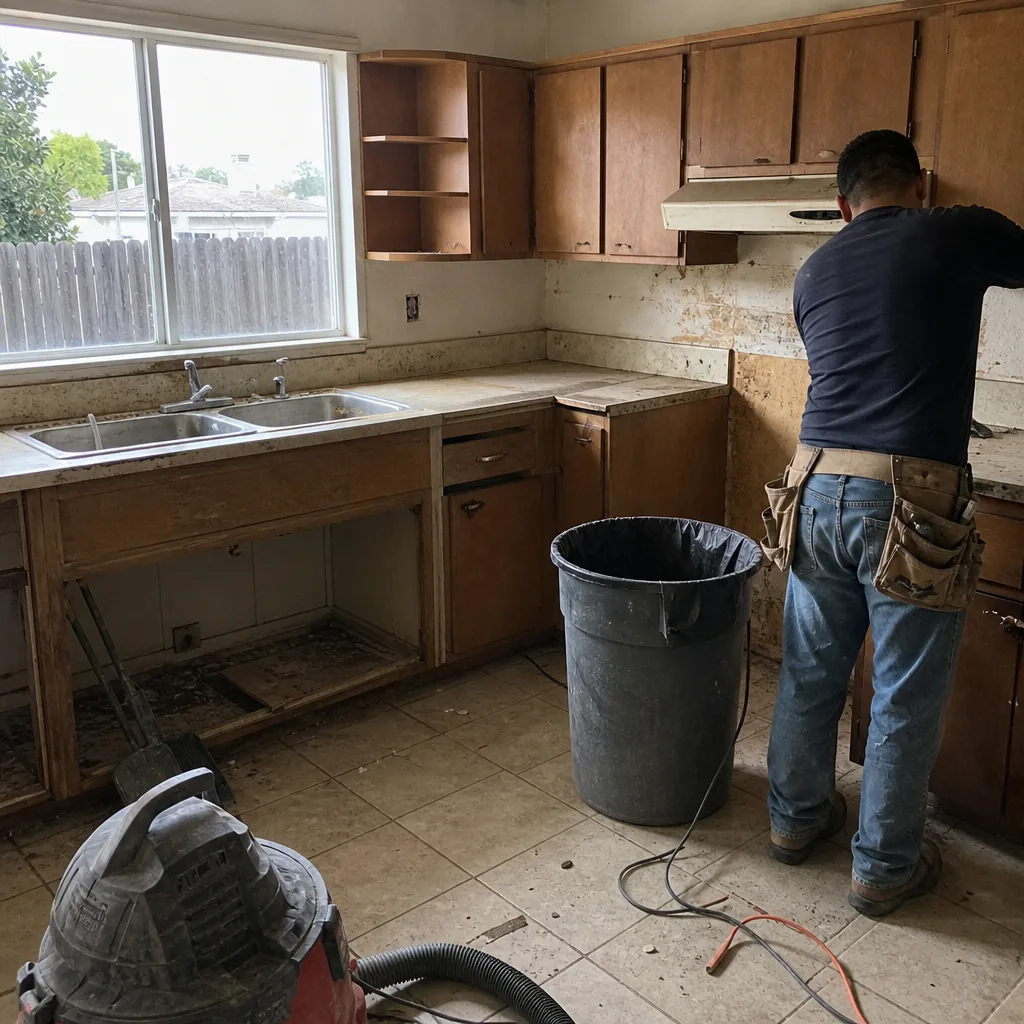 Before
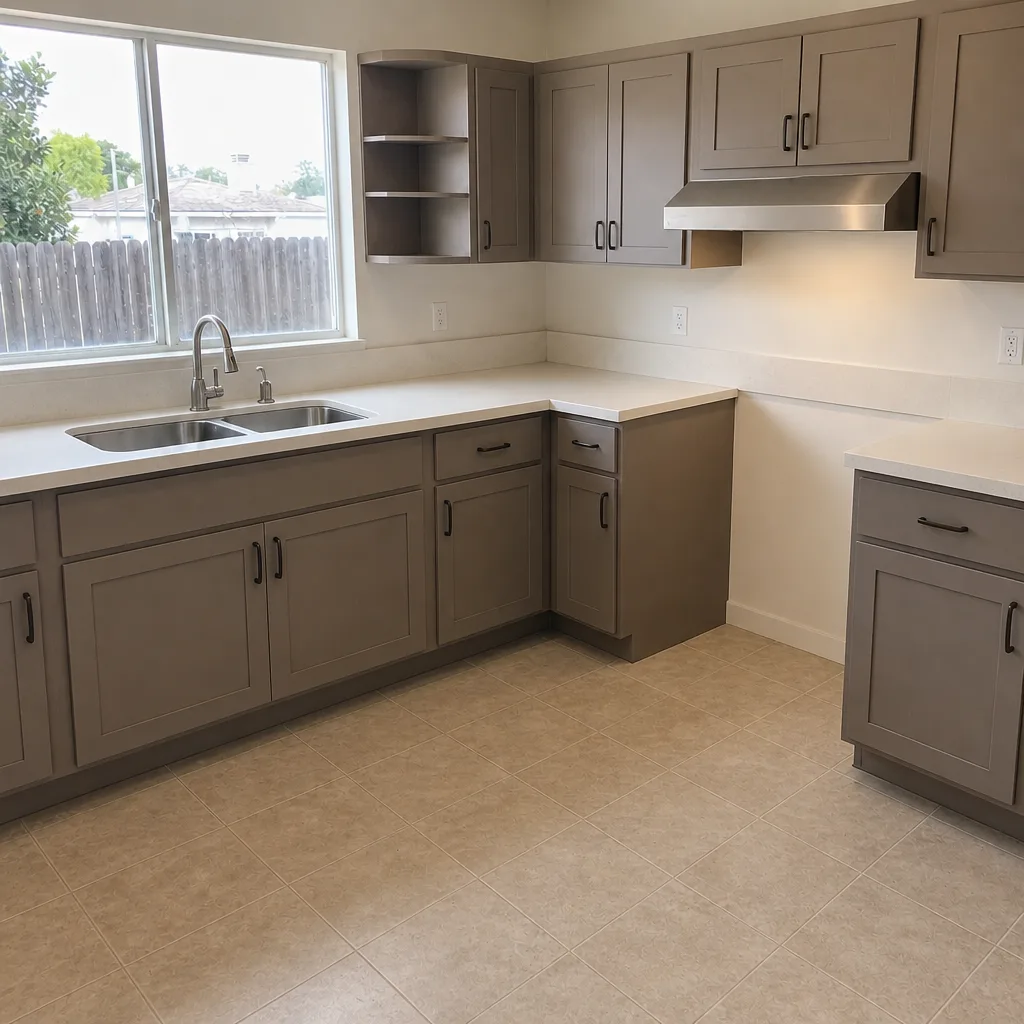 After
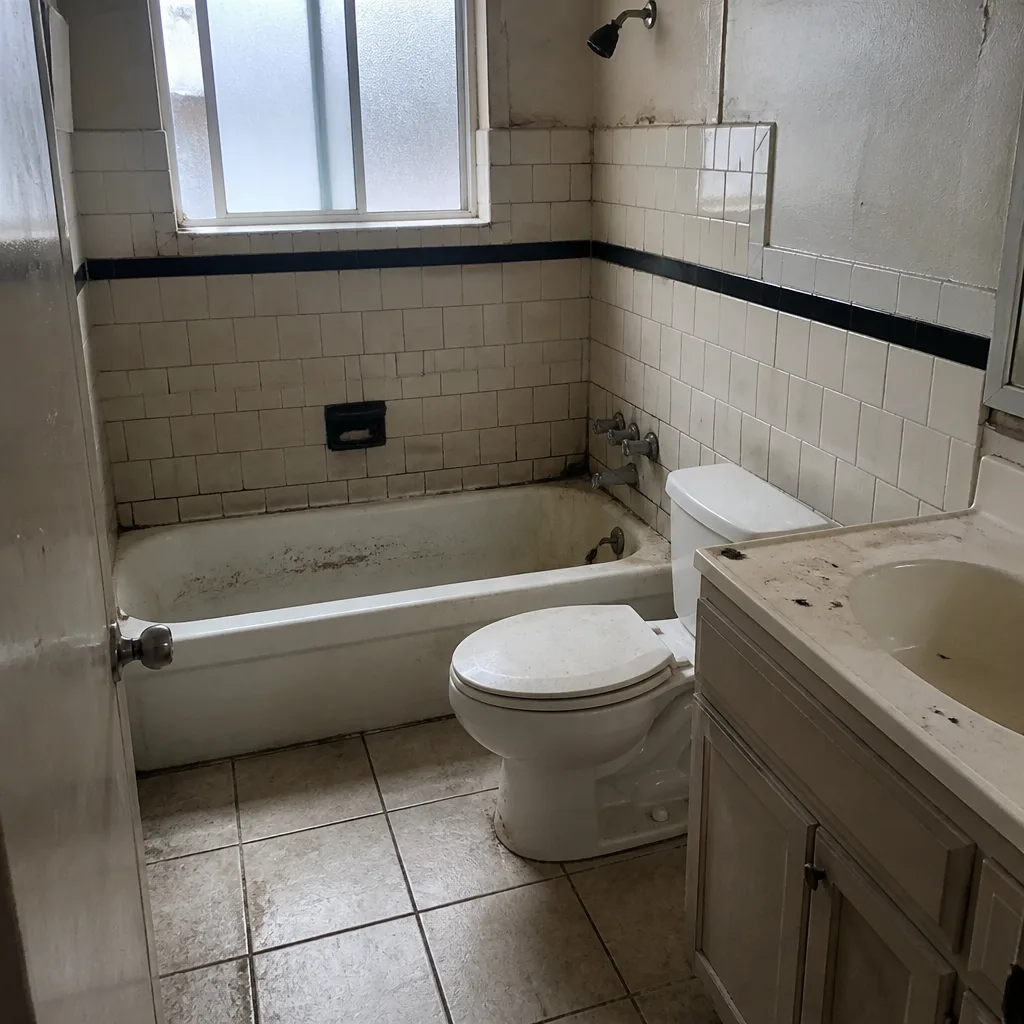 Before
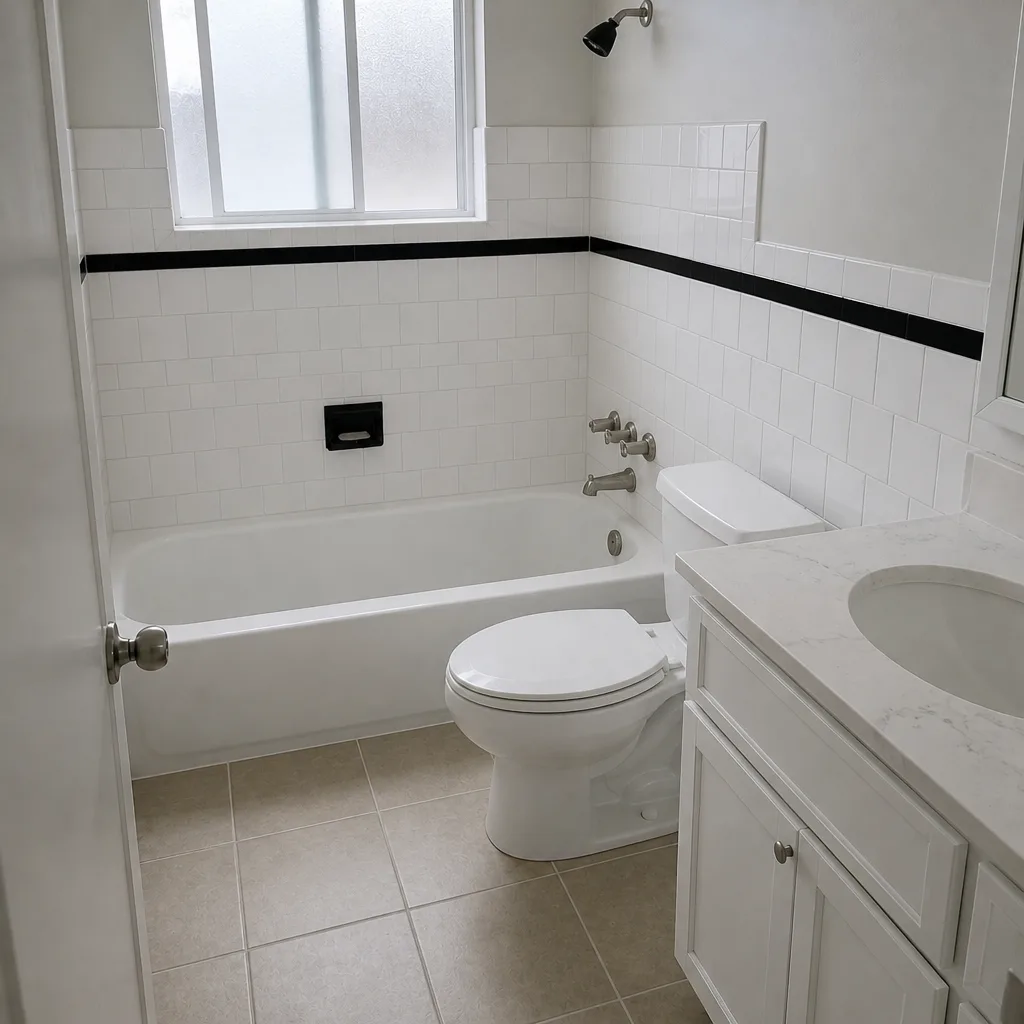 After
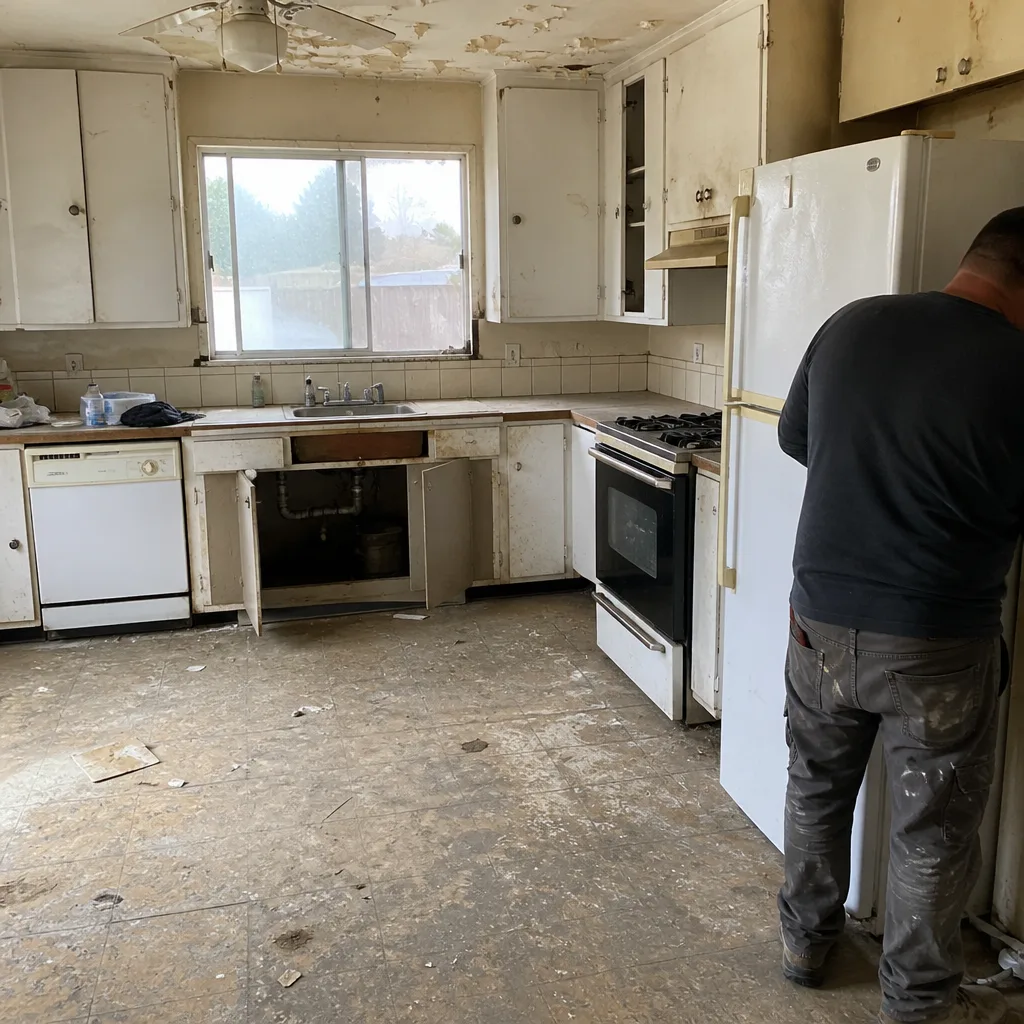 Before
 After
Replacement Cost & What’s Included
For a full addition in Antioch, expect $45,000 – $130,000 installed. A detached or attached ADU runs $90,000 – $220,000, and a garage conversion runs $30,000 – $80,000. If the scope is narrower and you’re replacing siding and trim on an existing addition rather than building new, the number comes down, but it still depends on square footage, stories, and how much trim and flashing has to be redone.
What drives the range: the footprint and height of the addition, whether the foundation needs engineering, how many windows and doors the elevation carries, the siding profile selected, and permit and inspection costs from the City of Antioch. Every one of those lines appears in our estimate, so you can see where the money goes.
| Scope | Installed Price Range |
|---|---|
| Home Addition | $45,000 – $130,000 |
| ADU Construction | $90,000 – $220,000 |
| Garage Conversion | $30,000 – $80,000 |
Every project includes a written line-item quote, permits pulled and inspections passed, and our 730-Day Done Right Promise on the workmanship. If something we built fails inside that window, we make it right. The manufacturer’s material warranty is separate and runs on its own terms. We also offer 0% financing for 18 months and $1,000 off projects over $10,000. Call (888) 419-3650 for an exact quote; estimates are free.
DIY or Call Us?
An owner can safely do a few things. Walk the addition after a rain and look for streaks, bubbling paint, or water staining at window corners. Check that the caulk joints at trim and corners are intact. Look at the base of the wall where the siding meets grade and confirm at least 6 inches of clearance. If a trim board is soft to a light press, stop and take a photo before you poke further.
What goes wrong with DIY here is scope, not skill. Replacing a single board on an addition means cutting back the course above and below, matching the reveal, re-flashing the joint, and reinstalling trim in the right order. Done out of sequence, the repair traps water behind the wall and the failure comes back in a year. Siding and flashing on a full elevation is also height work, and ladder work on a two-story addition is a real fall risk. We’d rather you call than take that on.
Call (888) 419-3650 and a live person answers, day or night. We’ll schedule a free design consult, walk the wall with you, and put the scope in writing. Our technicians have up to 12 years of experience, arrive in uniform, and are background-checked.
FAQs
James Hardie fiber cement commonly lasts 30 to 50 years when it’s installed with proper flashing and painted on schedule, though the finish coat is the shorter-lived part and typically needs repainting every 10 to 15 years in Antioch’s sun. The panel itself outlasts the trim and fasteners around it, which is why those parts are what we inspect first. Call (888) 419-3650 if you’d like us to look at yours.
Yes, in many cases a single board, trim run, or flashing detail can be repaired rather than replacing the whole elevation, and we’ll tell you honestly when that’s the better call. The exception is widespread moisture damage behind the siding, where a patch just hides the problem. We’ll show you what we find before any work starts, and estimates are free.
A trim and flashing repair on one elevation typically takes one to three days, while a full addition build runs on its permit and inspection schedule, often several months from design through final walkthrough. We give you a realistic timeline in the written estimate rather than a number that sounds good. Call (888) 419-3650 to talk through your scope.
We source genuine James Hardie panels and trim through authorized distribution so the product line, thickness, and finish match your existing wall, and we match fasteners, flashing, and house wrap to the manufacturer’s spec. Groundwork Construction Co. of Antioch is an independent installer, not affiliated with James Hardie, so the material warranty is the manufacturer’s and the workmanship warranty is ours. Call (888) 419-3650 for a free estimate.
Other Brands We Work With
Home additions often pull in interior finishes as well, and we install KraftMaid cabinetry, Cambria quartz, and Silestone countertops alongside the James Hardie exterior work. One contractor, one scope, from foundation to finish line.
Call (888) 419-3650 to schedule your free estimate. A live person answers, background-checked technicians walk the project with you, and you’ll get upfront pricing with no surprises, backed in writing by our 730-Day Done Right Promise.
Written by the team at Groundwork Construction Co. of Antioch, serving Antioch and nearby areas.