
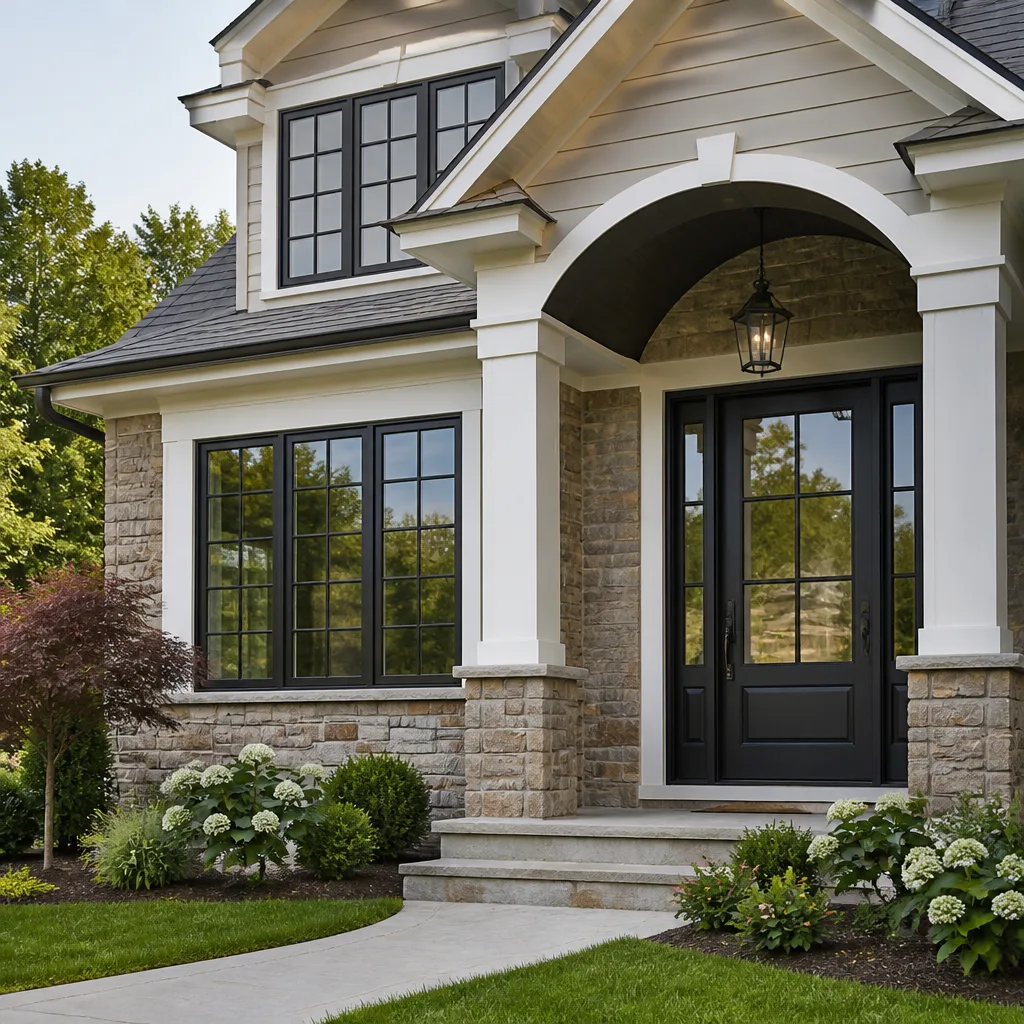
 Windows & doors
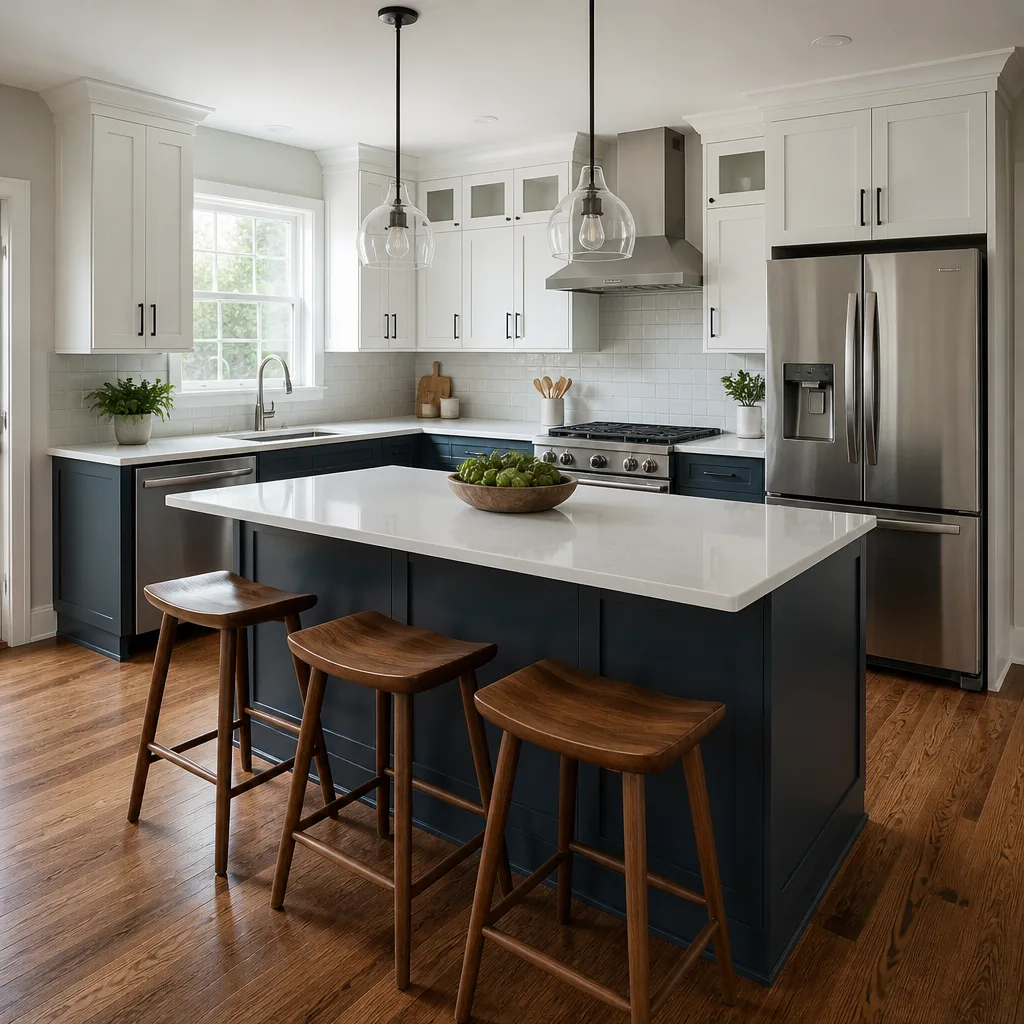 Kitchen remodeling
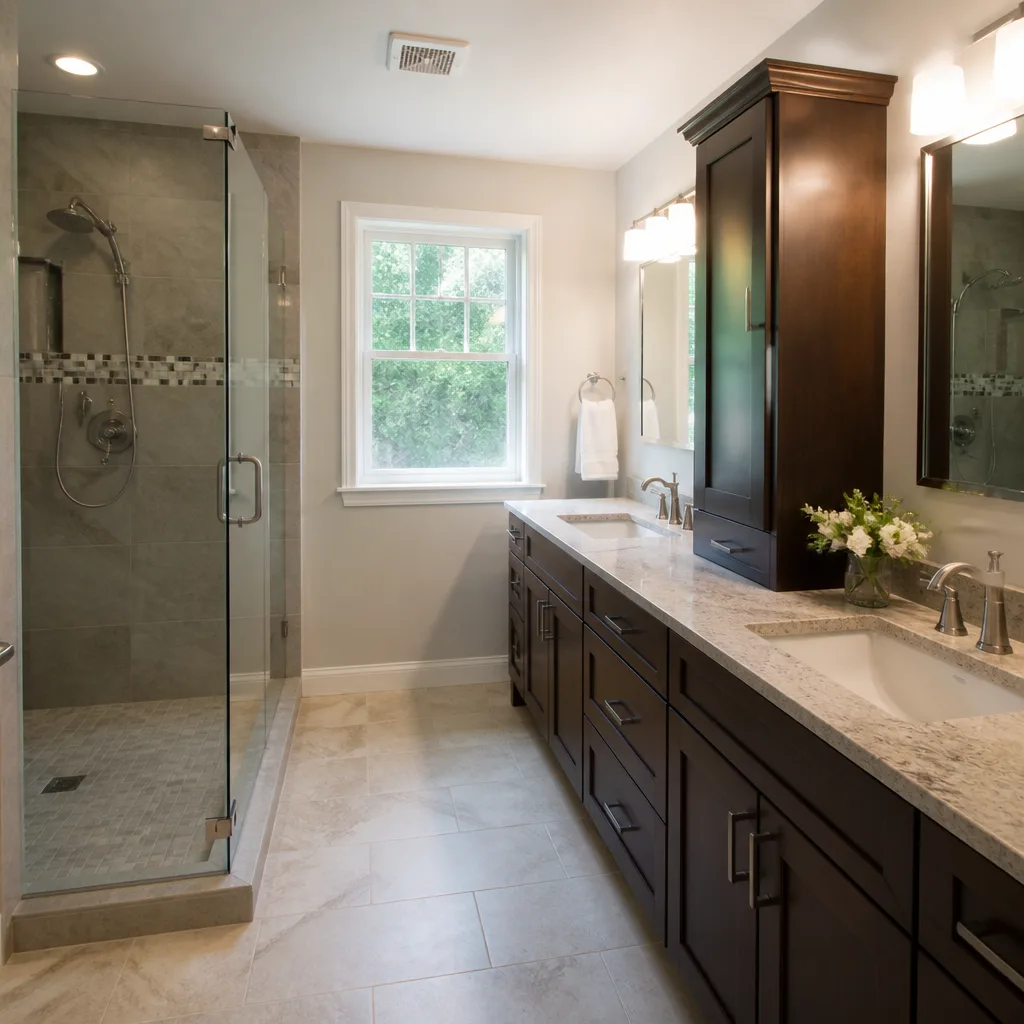 Bathroom remodeling
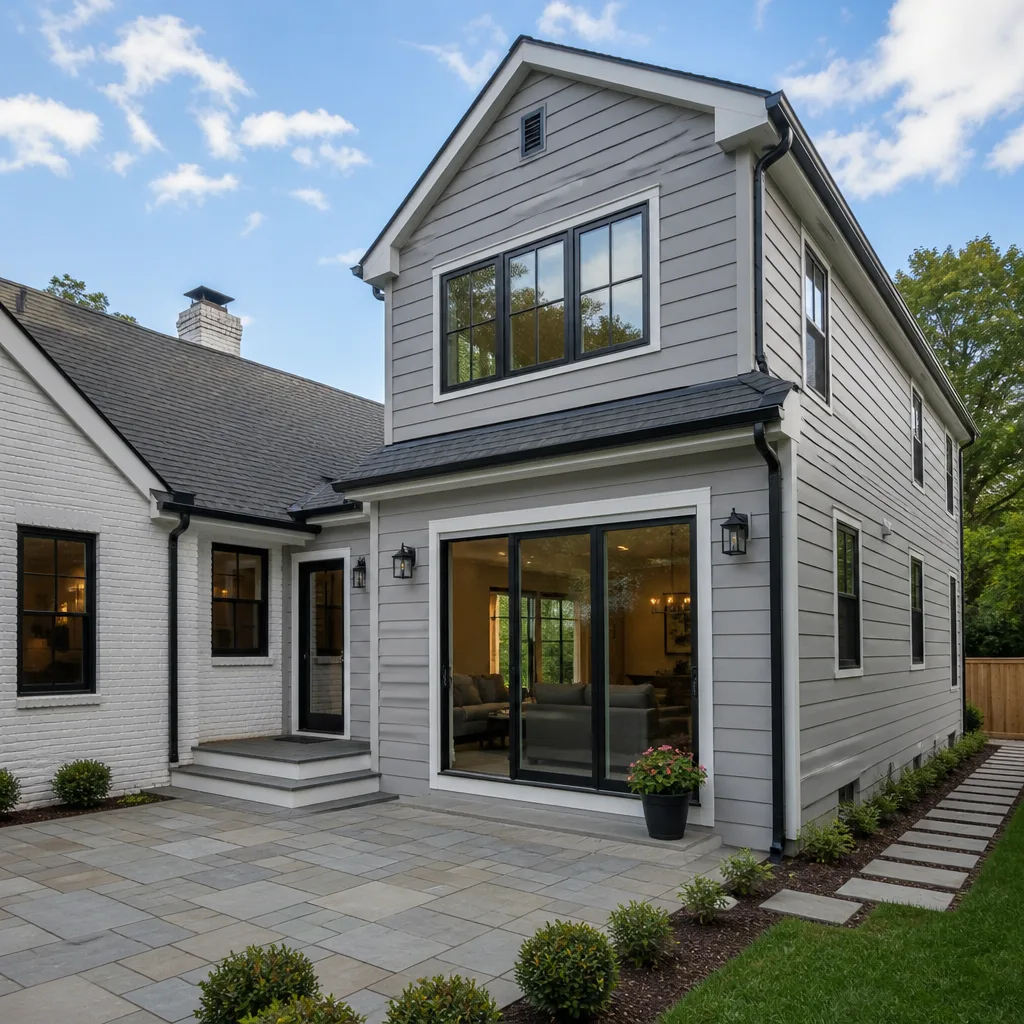 Home additions & ADU
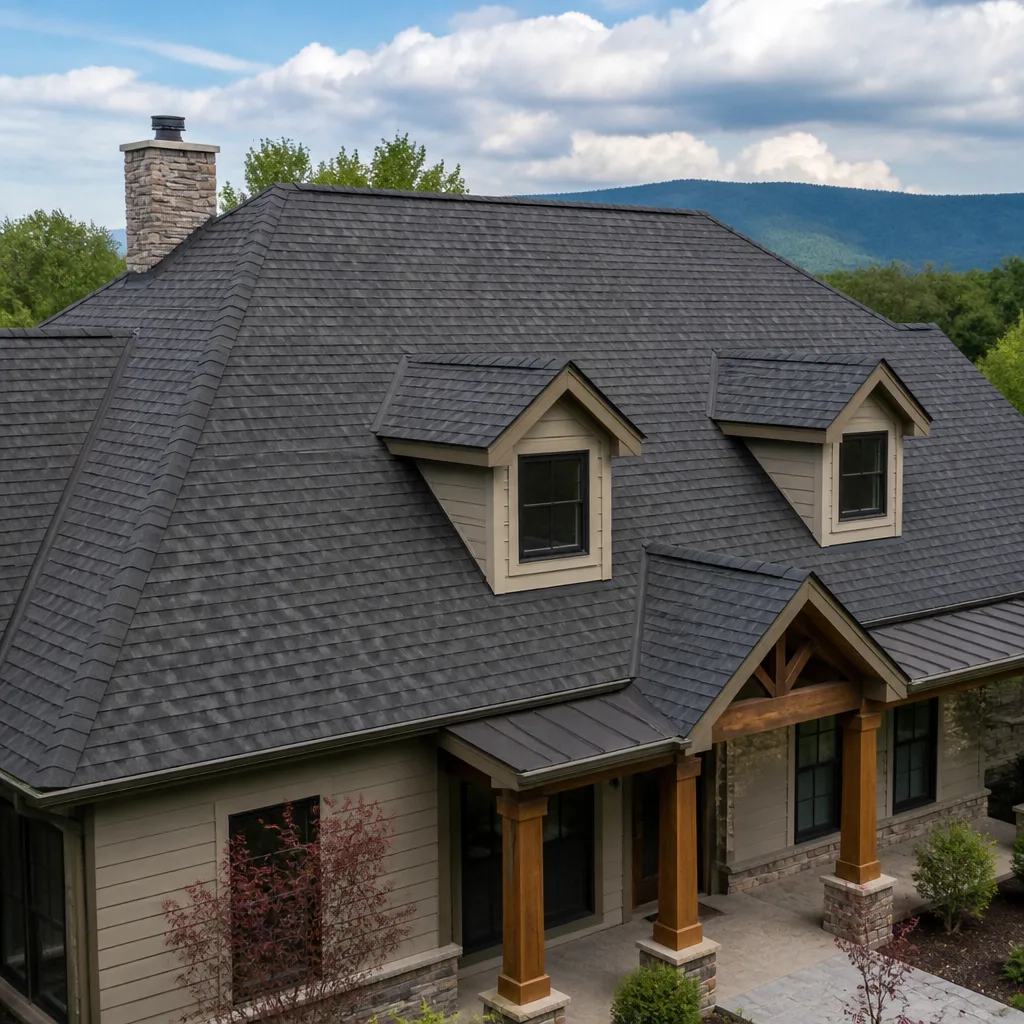 Roofing
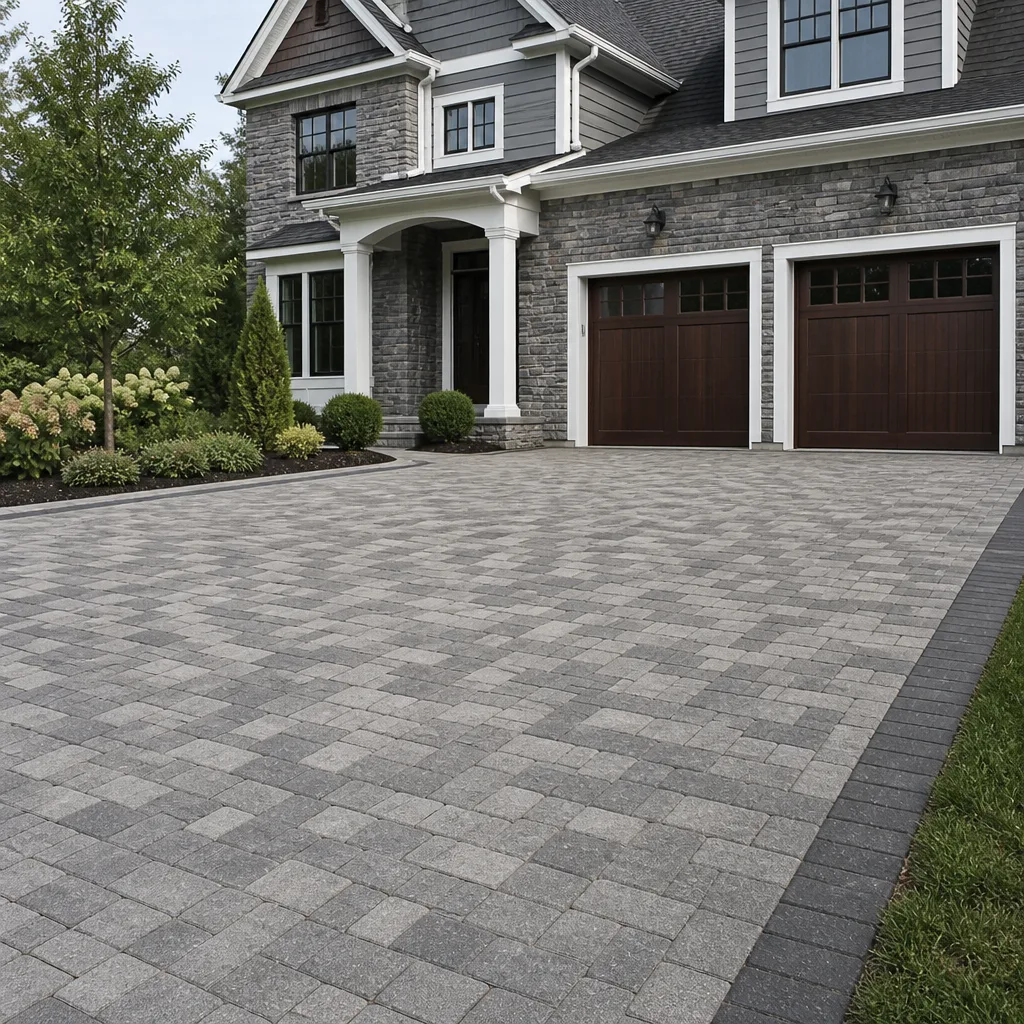 Driveway & pavers
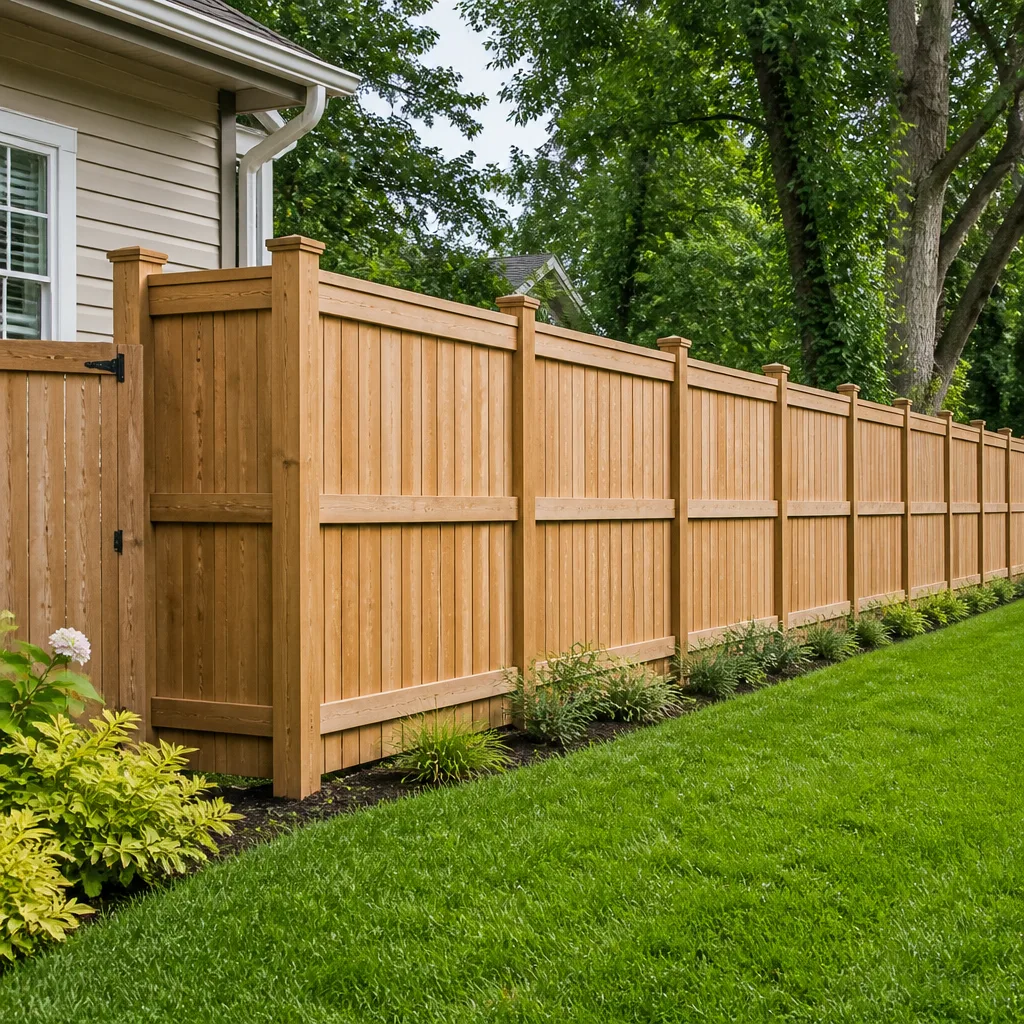 Fence
Free written scope consultation - allowances, timeline, and change-order rules on paper before a single trade is scheduled
Styles & brands we work with
- Kitchen remodeling
- Bathroom remodeling
- Home additions & ADU
- Roofing
- Windows & doors
- Driveway & pavers
- Fence
See the difference
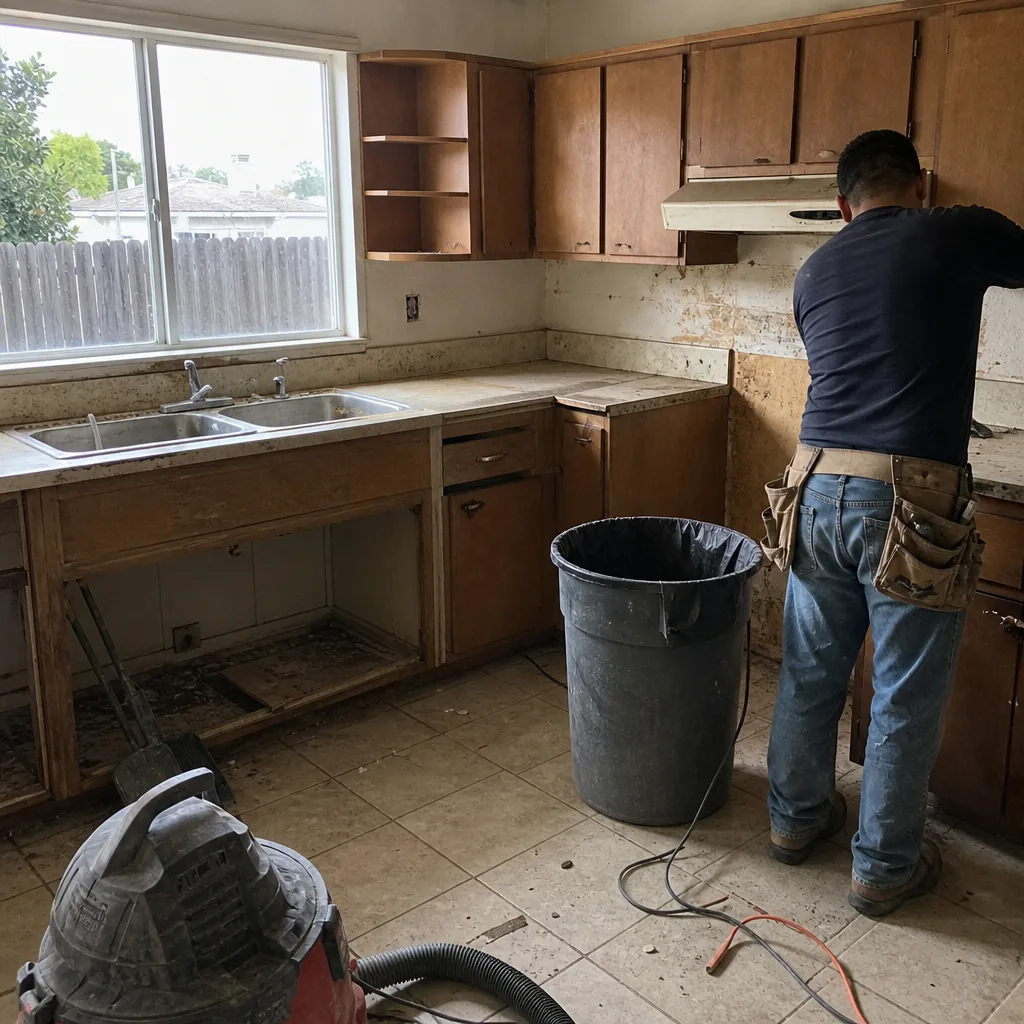 Before
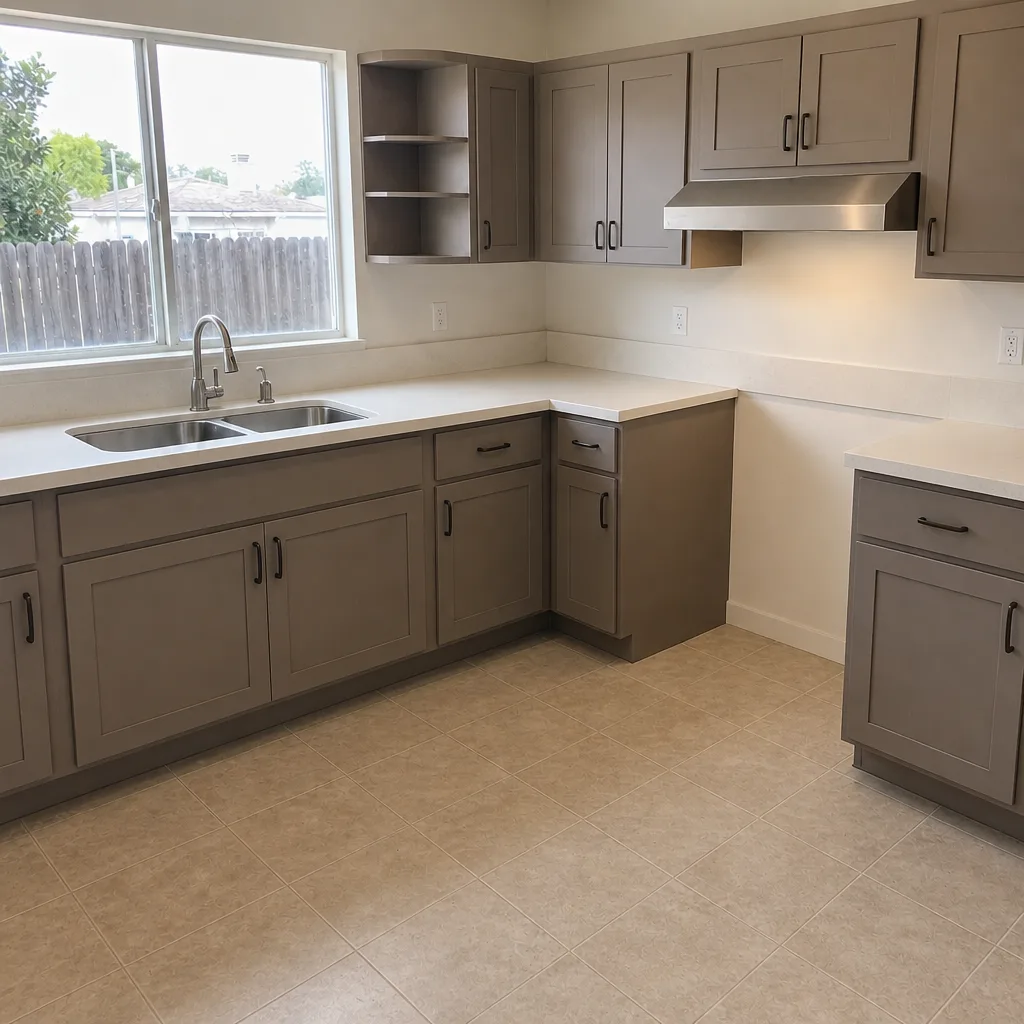 After
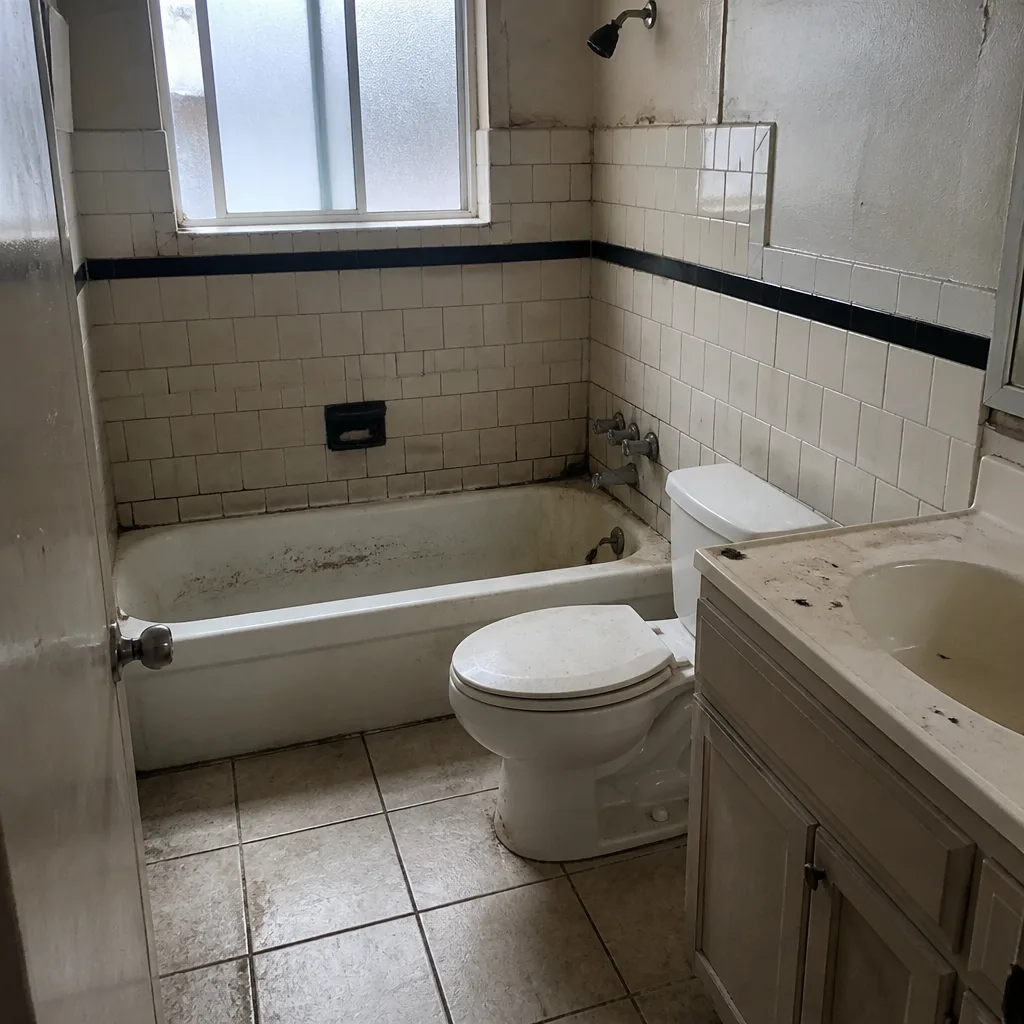 Before
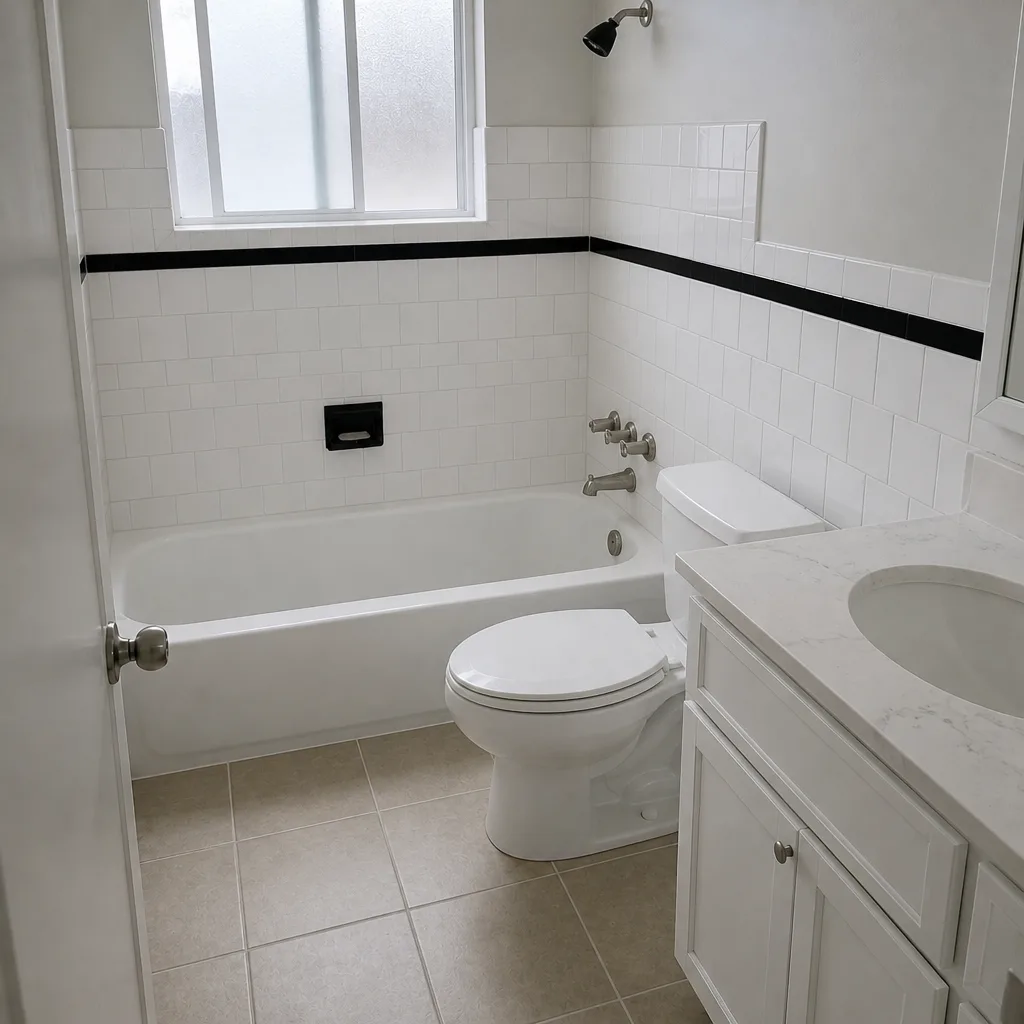 After
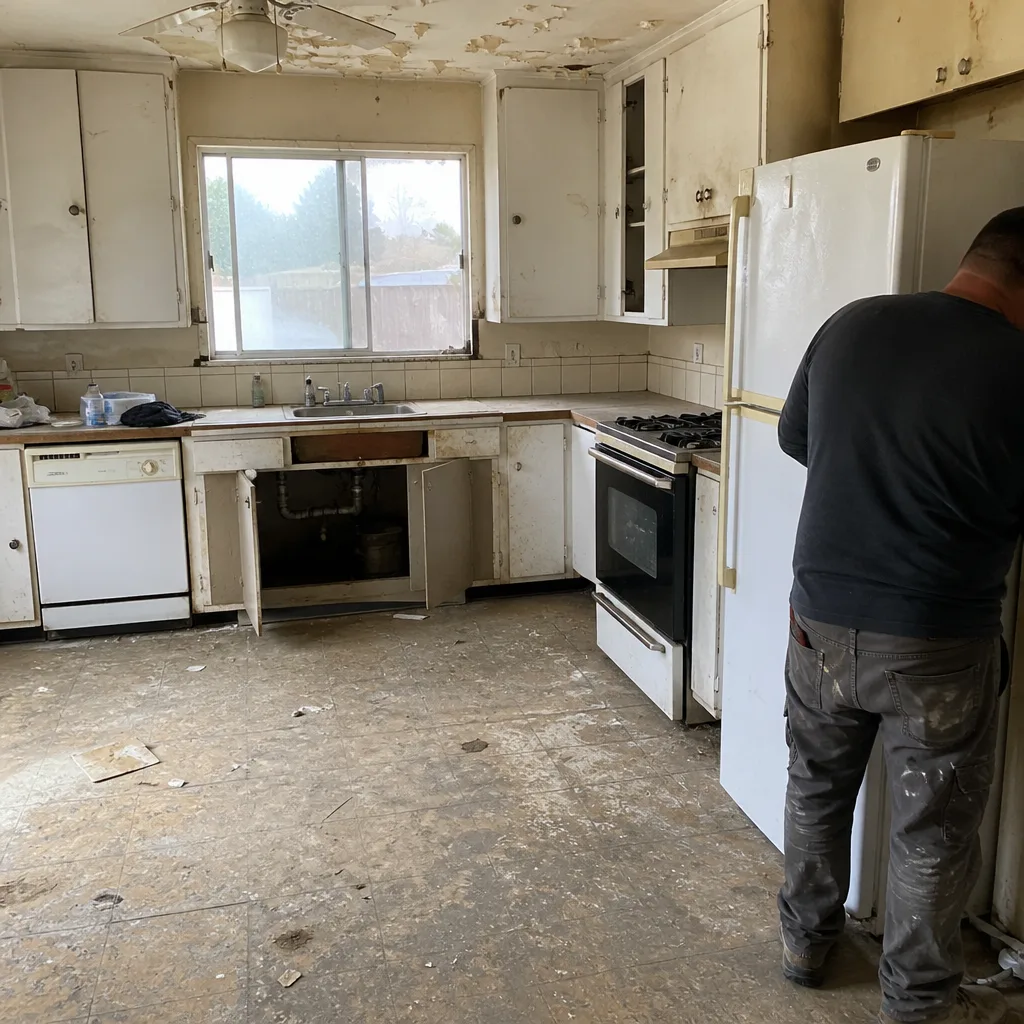 Before
 After
Double Hung vs Casement Windows in Antioch, CA: Which One Belongs on Your Wall?
For most Antioch homeowners replacing original single-pane units in a mid-century ranch, choose double-hung windows on the exposed south and west elevations and choose casement windows on sheltered north and east walls where you want an unobstructed view. That split recommendation comes from one variable most window guides skip: Antioch’s Delta wind. A casement cranked open into a 20 mph Delta afternoon wind isn’t ventilating your home, it’s acting like a sail that loads the operator arm, the hinge, and the sash-to-frame seal all at once. A double-hung on that same wall just rattles. Knowing your wall’s wind exposure changes the entire comparison. Call (888) 419-3650 for a per-opening recommendation that explains why each window type fits each wall.
Why the Answer Depends on Which Wall You’re Looking At
Antioch sits on the Delta at the foot of the East Bay hills, and the summer wind here tracks southwest-to-northeast almost every afternoon. That direction matters for casement windows because a casement’s sash swings outward, directly into the airstream. On a ranch home’s south or west elevation, an open casement catches wind head-on. The operator arm fights the load, the hinge point absorbs repetitive torque, and the compression seal along the sash edge gets worked every time the wind gusts.
On a sheltered north or east elevation, the same casement behaves exactly as designed: the sash opens outward, the compression seal presses against the frame perimeter, and the wind barely touches it. We see service intervals stretch out dramatically on north-facing casements compared to the identical unit three walls over. That’s not a product problem. It’s a siting problem.
Double-hung windows don’t scoop wind because they slide vertically. Both sashes travel inside the frame and the meeting rails close the gap in the middle. Wind pressure hits the glass and pushes against the frame instead of a protruding sash. The catch is that a double-hung’s seal lives at two weatherstripped meeting rails and two side jamb liners. If the rough opening racks out of square even slightly, those rails can misalign and you get a draft that no amount of caulk fixes.
The Antioch Soil Factor Nobody Warns You About
Antioch’s flats are built on expansive Bay Area clay, and that clay swells and shrinks with the seasonal wet-dry cycle. A 1950s-1970s ranch slab on that soil moves. Not dramatically, but enough that rough openings can shift a few degrees out of square over a decade, especially in the older downtown buildings and the river-adjacent blocks where the water table stays high.
That soil movement is where casement construction wins a durability argument. A casement’s seal runs continuously around the entire perimeter, so the sash compresses against the frame in a way that tolerates minor racking. A double-hung relies on two liners and two meeting rails staying parallel. When the opening racks even slightly, the top rail and bottom rail go out of parallel and the weatherstripping gaps at the corners.
| Factor | Double-Hung | Casement |
|---|---|---|
| Wind load (SW/NE Delta airstream) | Handles well; slides internally | Scoops wind; stresses operator and hinge |
| Seal durability under slab movement | Racks at two meeting rails | Perimeter compression seal holds |
| Light in 3/0 x 4/0 opening | Splits into two smaller lites | Single unobstructed glass area |
| Mechanical service interval (south/west) | Longer, fewer adjustment points | Shorter, roughly doubled load |
| Best wall placement in Antioch | South, west, exposed elevations | North, east, sheltered elevations |
What Your Existing Rough Opening Is Really Telling You
The ranch tract homes on Antioch’s flats typically have 3/0 x 3/0 and 3/0 x 4/0 rough openings. In the taller opening, a double-hung divides the glass into two stacked lites, so you lose roughly half your usable daylight to sash rails and frame overlap. A casement in that same opening gives you a single uninterrupted pane. If your living room has the low ceilings and shallow rooms this era of ranch is known for, that difference in glass area reads as a room that suddenly feels open.
Width is another pinch point. A 3/0-wide double-hung splits the glass vertically into two narrow lites, which makes a room look narrower than it is. A casement in that same 3/0 opening gives you the full width as one glass plane. On the flats where square footage is modest, that’s not a small thing.
If you’re working through this decision across several rooms, our team fields it on every window replacement project in Antioch. Windows & Doors is the service line behind these recommendations, and the work is covered by our 730-Day Done Right Promise: if it’s not done right, we make it right.
A Mixed Strategy Few Installers Offer
Most window replacements get sold from a single brand’s catalog. That limits your options because brands have spec constraints and availability that push the recommendation toward whatever’s cheapest to order, not what actually fits your wall. We’re brand-partner driven, which means we can spec Andersen on some openings and Marvin on others, or mix product families within the same home.
That lets us hold two lines at once for a ranch home in Antioch. On sheltered north and east walls, we’ll spec a casement in Andersen or Marvin to open up the view and daylight. On south and west walls where the Delta wind runs, we’ll spec a double-hung for lower wind-load risk and fewer operator service calls. Only a dealer holding both lines can hand a homeowner that mixed recommendation. Window replacement in Antioch typically runs $4,500-$15,000 depending on how many openings you’re replacing; impact-rated units run $8,000-$25,000 for homes that need them.
Common Antioch Installations and What We Recommend
Here’s how the mixed strategy plays out in the housing stock we actually work in.
- Original-pane ranch on the flats (downtown, river-adjacent blocks): Double-hung on the south and west elevations facing the wind corridor, casement on the north and east to recover daylight. The clay soil here means we always check opening squareness before ordering.
- 1960s-70s ranch in hill-adjacent neighborhoods: Casements work better on the sheltered side because the wind exposure is more variable up-slope. We spec on a per-elevation basis, not a whole-house rule.
- 1980s-2000s subdivision with mixed elevations: Often the older low-e units are aging out. Double-hungs on exposed walls here are the low-maintenance bet.
- Waterfront-adjacent homes with view corridors: Casements on the view side, always. Double-hungs on the street side exposed to the airstream.
- Homes with kid-safe second-story openings: Casements get you a slimmer profile that clears the sill without a walkway gap, but we spec restricted-opening operators on exposed second floors regardless.
Every window replacement project comes with upfront pricing, no surprises. When we hand you an estimate, it shows the rationale per opening, not just a total. That’s how you can tell a dealer from an installer.
How Double-Hung and Casement Compare Under the Two Real Antioch Risks
The two risks that matter here are wind-driven seal wear and slab-driven frame racking. Double-hungs win the wind category because nothing protrudes into the airstream. Casements win the racking category because a continuous perimeter compression seal tolerates minor frame movement better than a two-rail weatherstrip does.
You don’t have to pick one over the other if your home has both wind exposure and soil movement. The trick is matching the type to the wall. That’s what our technicians (with up to 12 years of experience) are trained to do in the field: measure squareness at each opening, clock the elevation against the prevailing wind direction, and file the recommendation in writing. It’s covered under our 730-Day Done Right Promise so any adjustment down the road is handled in writing. For the full service breakdown, see our Windows & Doors page (note that page also covers Windows & Doors in Antioch).
FAQs About Double Hung vs Casement Windows in Antioch
Double-hung is usually the better choice on south and west elevations facing Antioch’s Delta airstream because the sliding sash doesn’t scoop wind and stress the operator. Casements are better on sheltered north and east walls where you get the unobstructed glass without the mechanical load. Call (888) 419-3650 for a free per-elevation assessment before you order either.
Yes, in most cases. A casement’s perimeter compression seal tolerates minor rough-opening racking better than double-hung meeting rails do because the seal doesn’t depend on two parallel rails staying aligned. The tradeoff is that on exposed elevations the operator arm and hinge absorb more load, so we’d spec the casement on the sheltered side. Our technicians check opening squareness at every site visit before recommending a unit.
Yes, and it’s a significant difference in the 3/0 x 4/0 rough openings common in Antioch’s ranch tract homes. A double-hung splits that glass area into two stacked lites with a mid-rail in between, while a casement delivers the full opening as one pane. In the low-ceiling ranch rooms on the flats, that’s the difference between a room that feels closed in and one that feels sized correctly. Free estimates include a daylight comparison per opening.
Window replacement in Antioch typically runs $4,500-$15,000 depending on how many openings and which elevations. Impact-rated window installation is $8,000-$25,000 for homes that need impact specification. A mixed double-hung and casement strategy doesn’t cost more than an all-one-type order because we spec per opening. Call (888) 419-3650 for an upfront quote.
Getting a Recommendation You Can Actually Use
If you’d rather have it looked at, Groundwork Construction Co. of Antioch offers a no-pressure assessment in Antioch. We’ll walk each opening, check squareness against the clay soil, and tell you which window type belongs on which wall. Call (888) 419-3650 and we’ll get you on the schedule. Our team has worked these homes and this Delta wind enough to know what we’re recommending before the tape measure comes out, and every project is covered by our 730-Day Done Right Promise.
Written by the team at Groundwork Construction Co. of Antioch, serving Antioch, CA.