
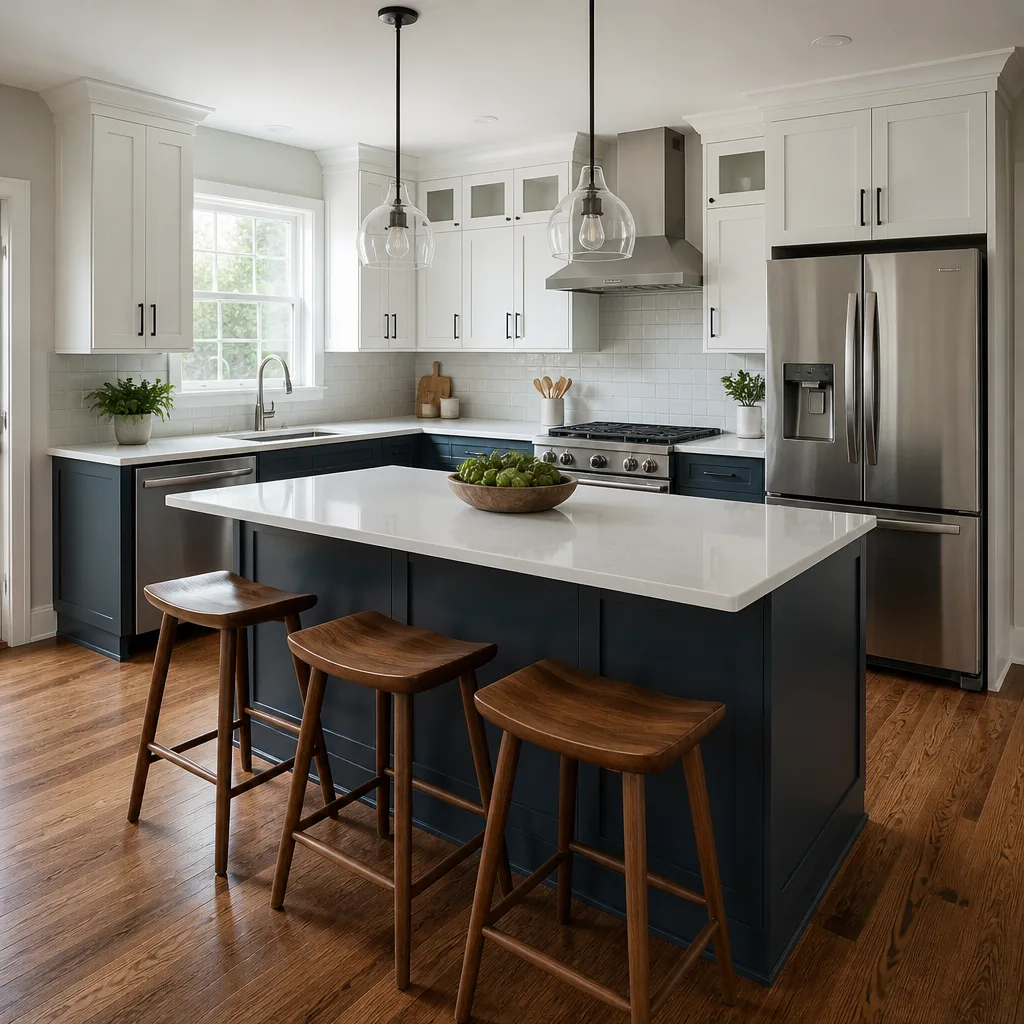
 Kitchen remodeling
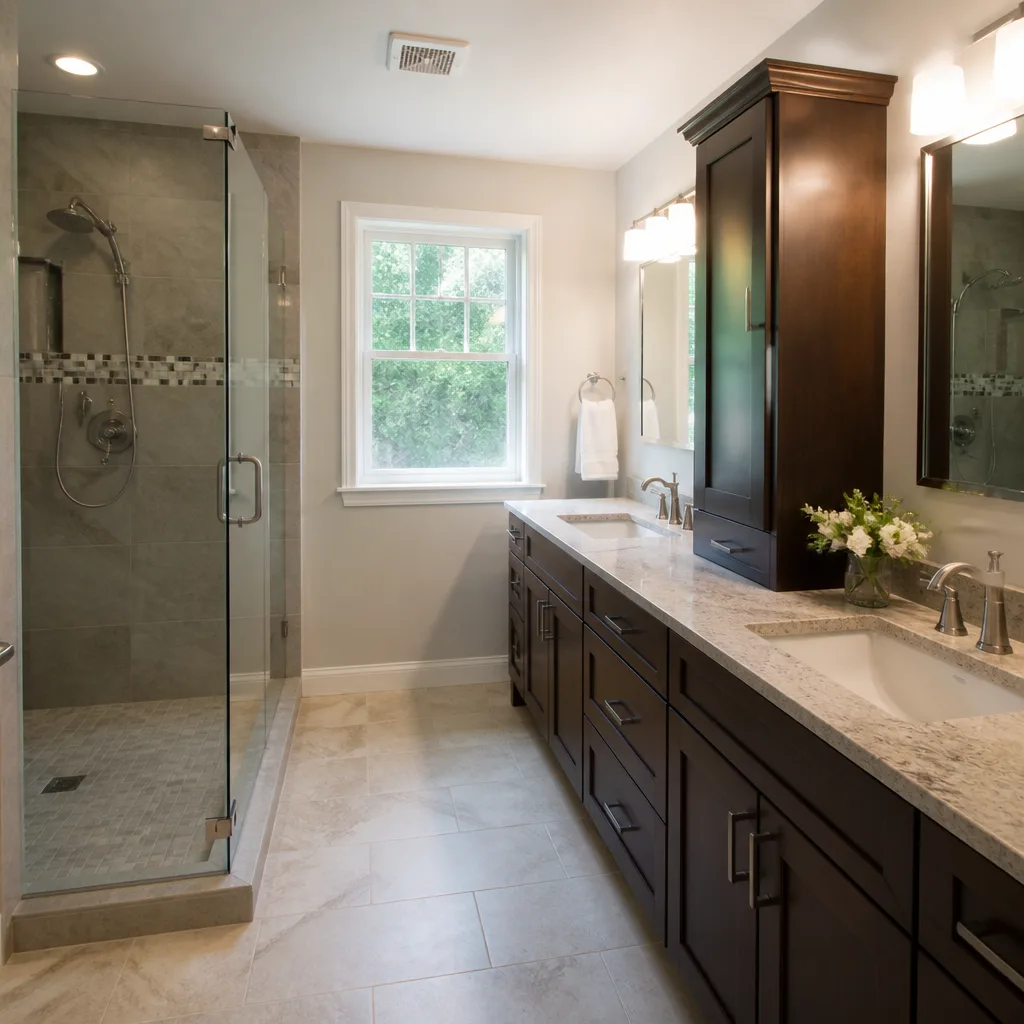 Bathroom remodeling
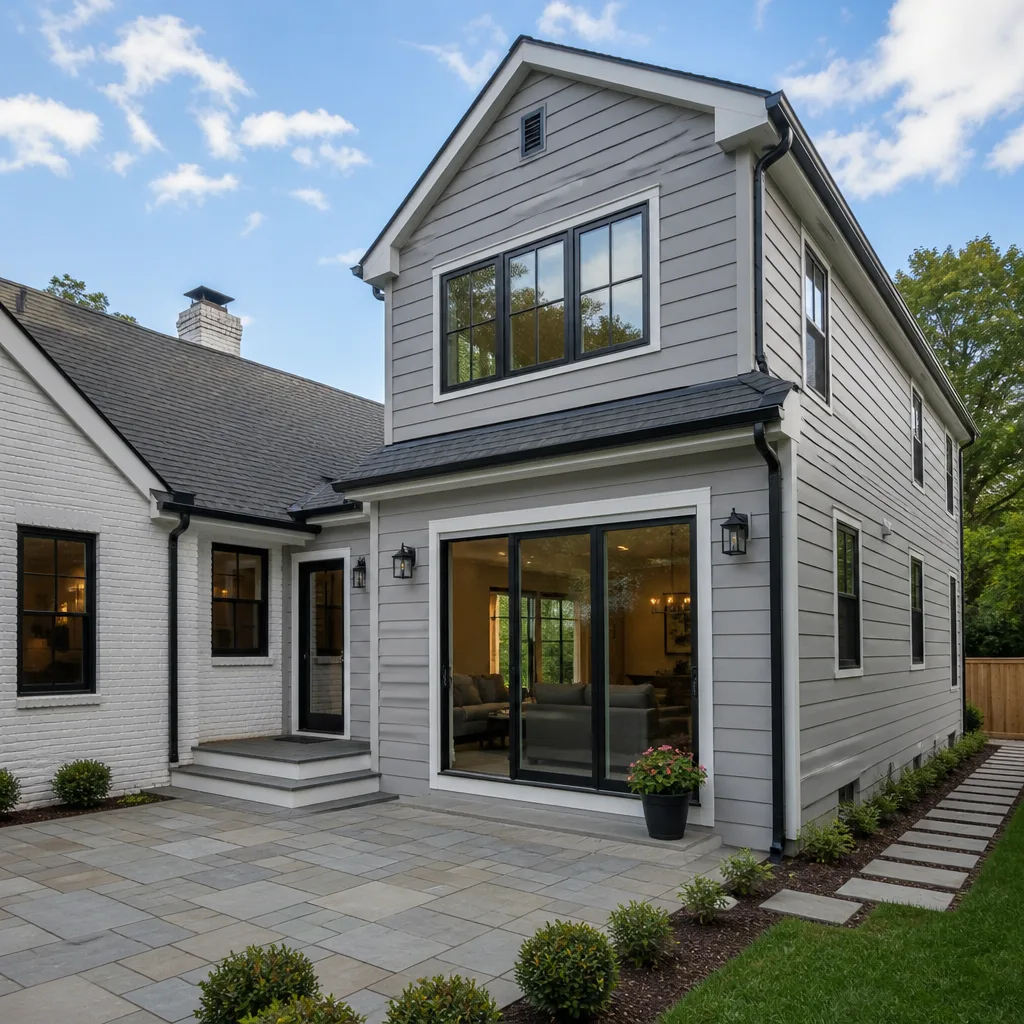 Home additions & ADU
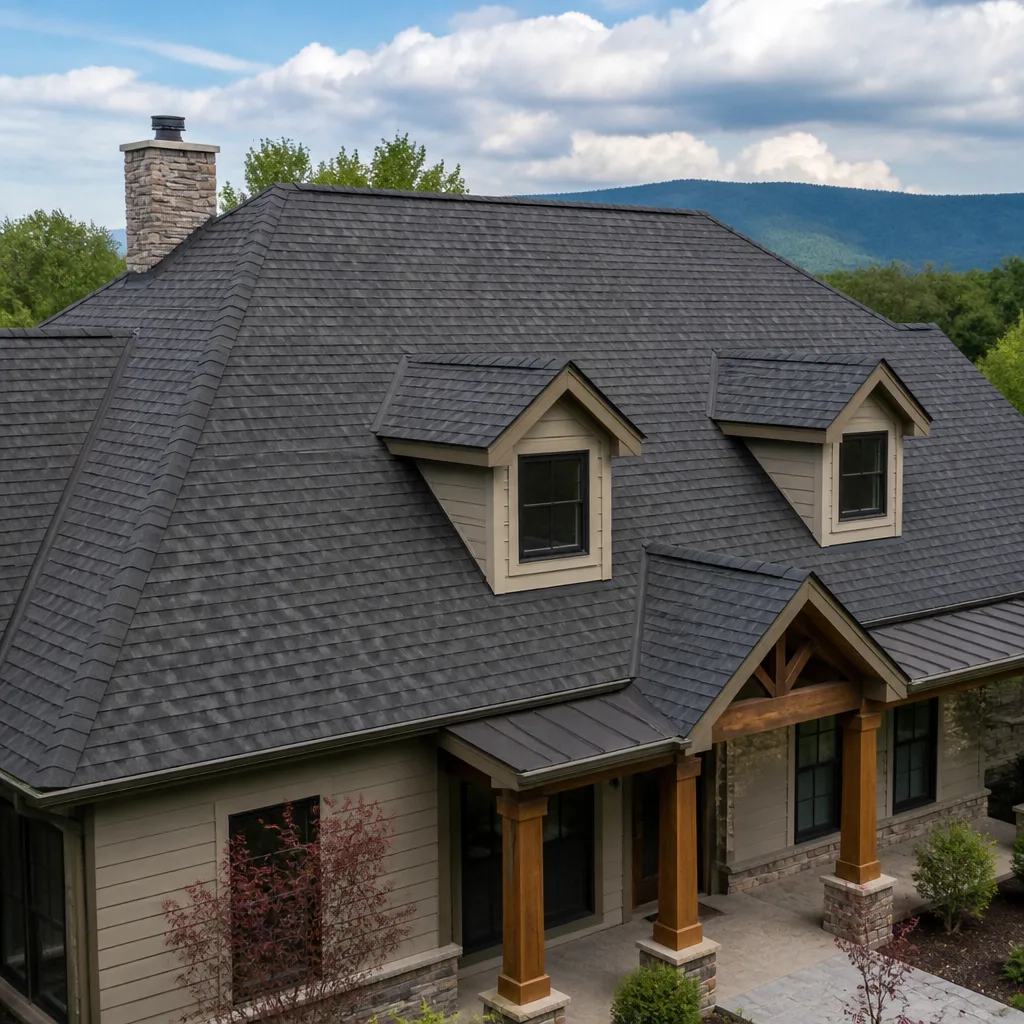 Roofing
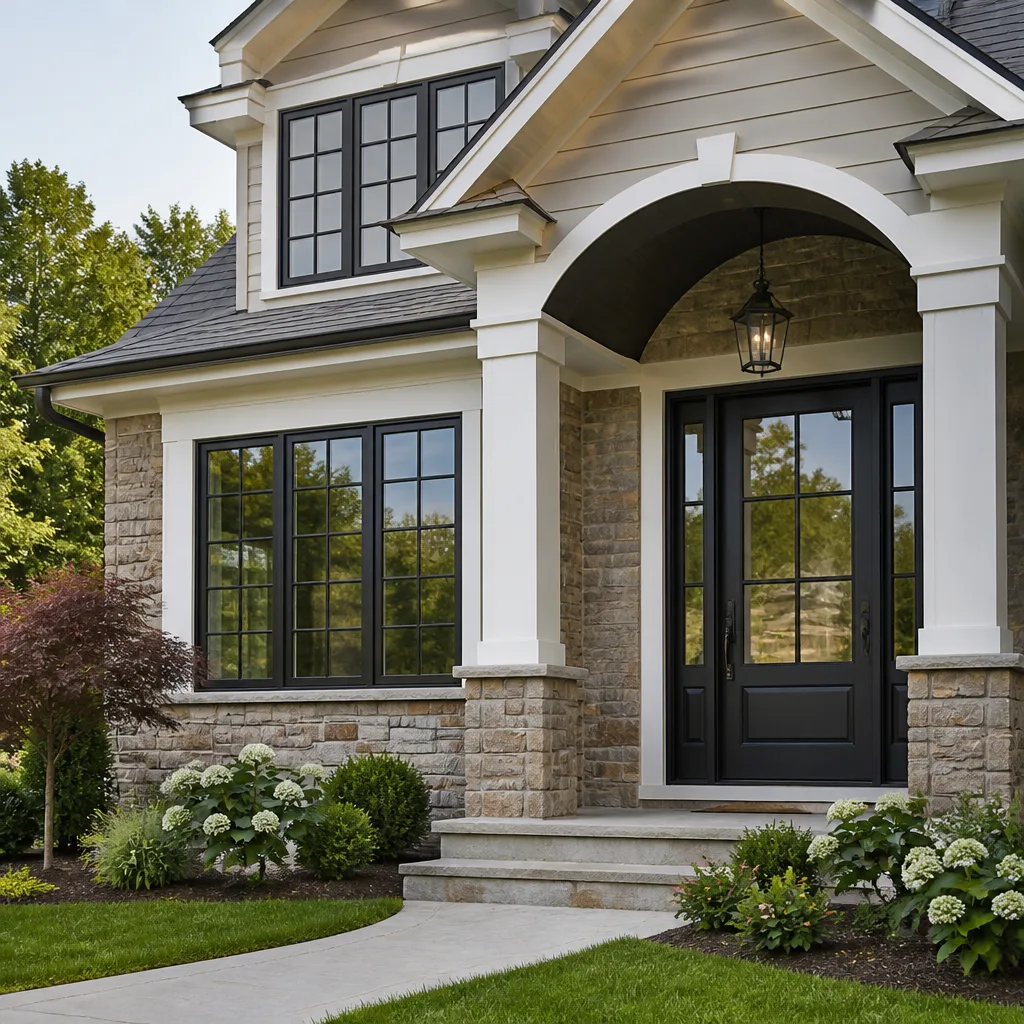 Windows & doors
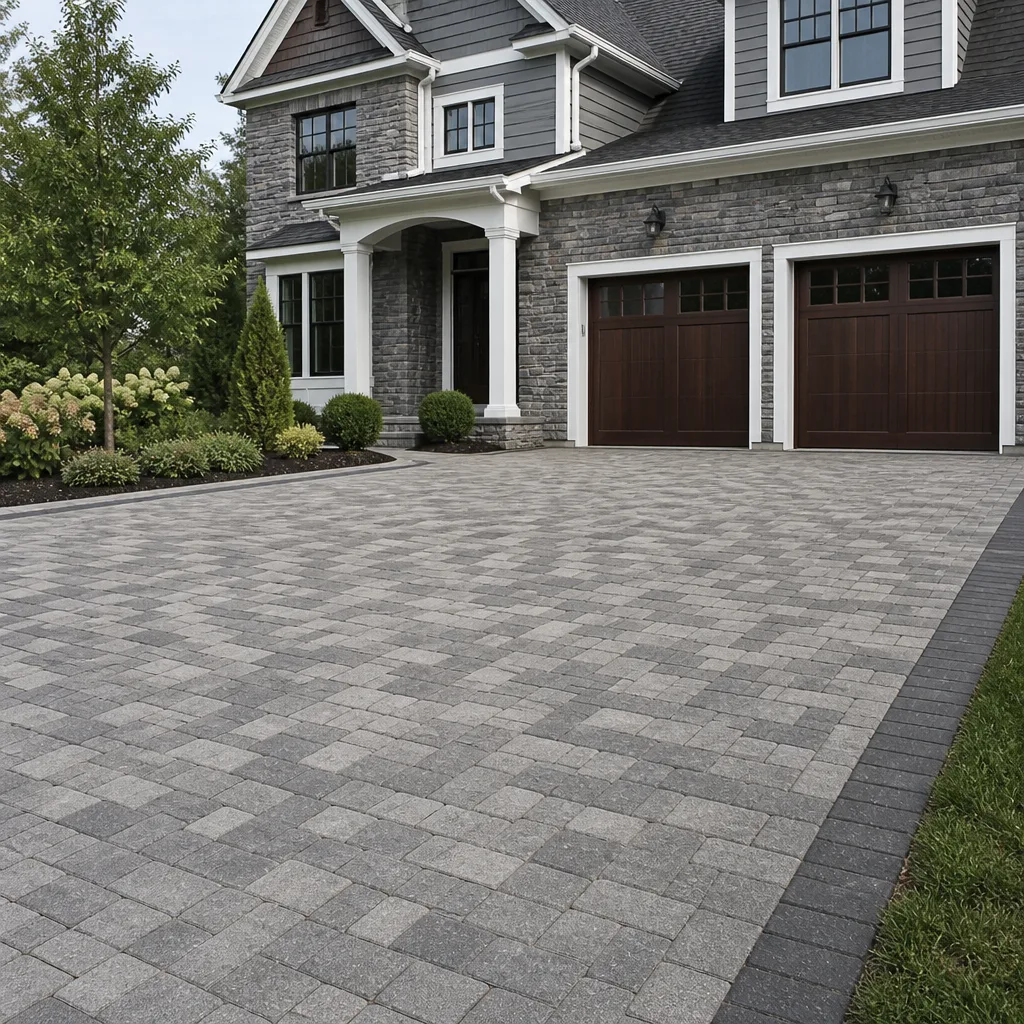 Driveway & pavers
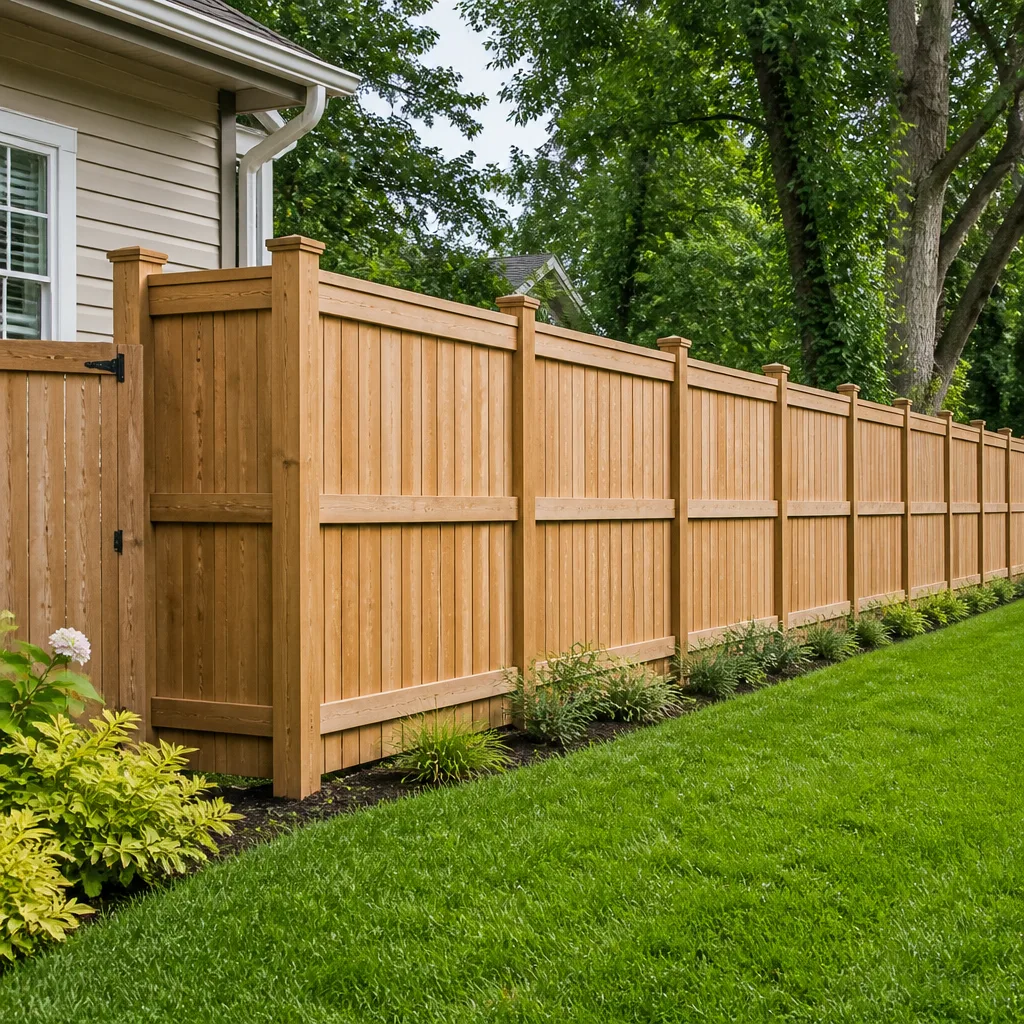 Fence
Free written scope consultation - allowances, timeline, and change-order rules on paper before a single trade is scheduled
Styles & brands we work with
- Kitchen remodeling
- Bathroom remodeling
- Home additions & ADU
- Roofing
- Windows & doors
- Driveway & pavers
- Fence
See the difference
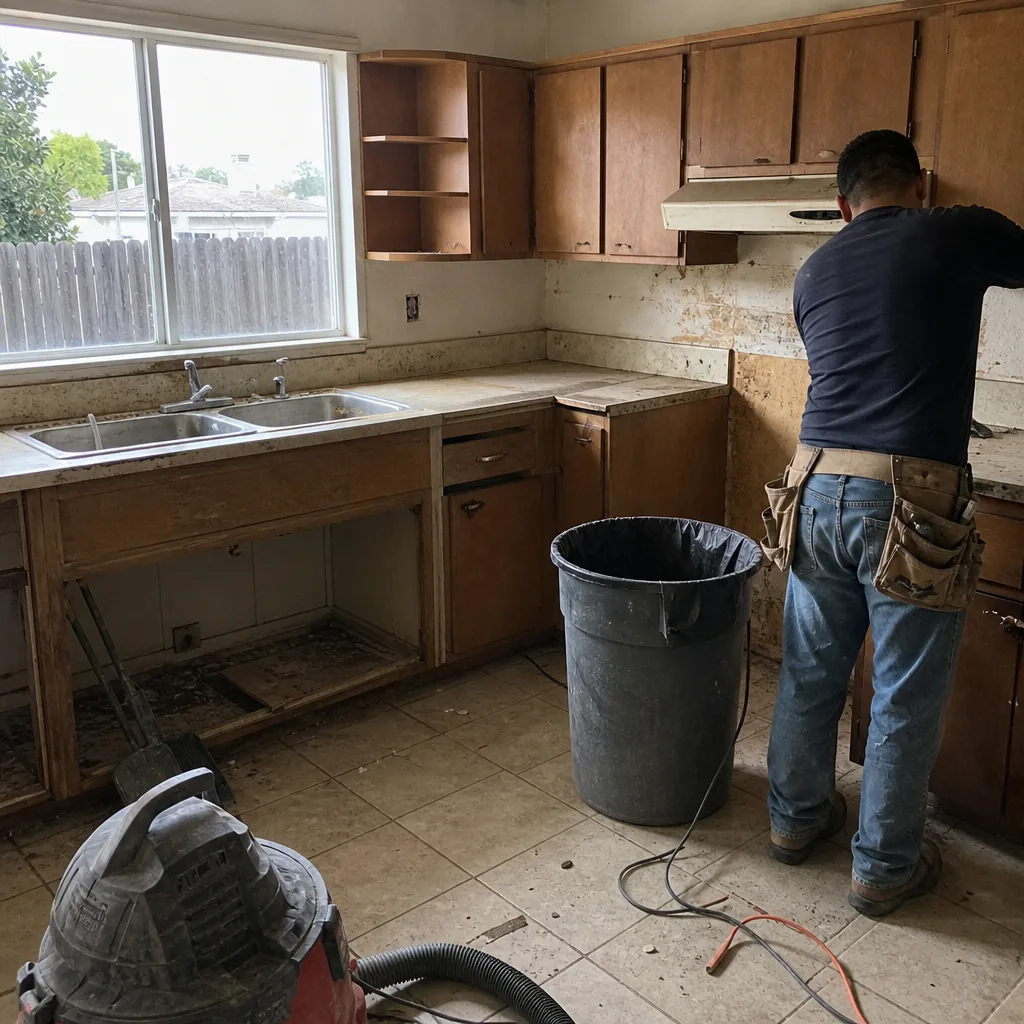 Before
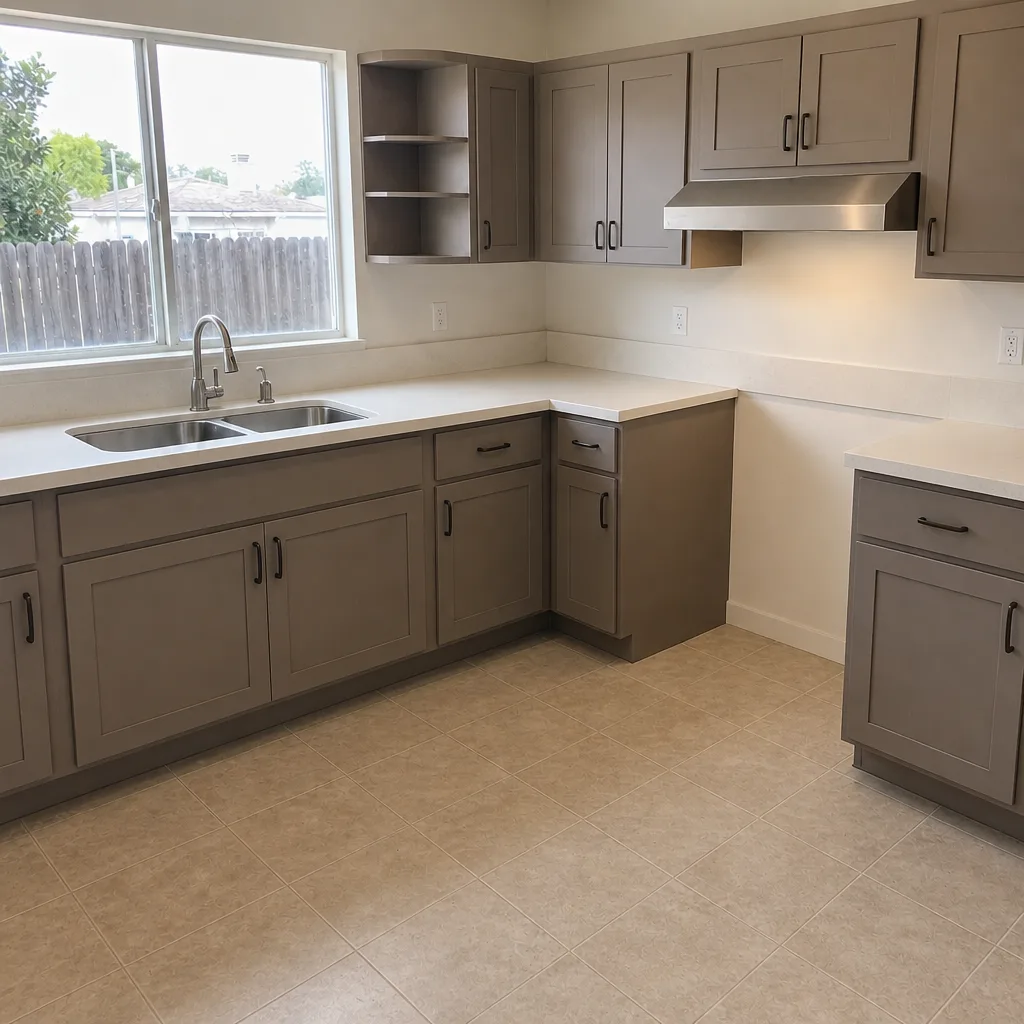 After
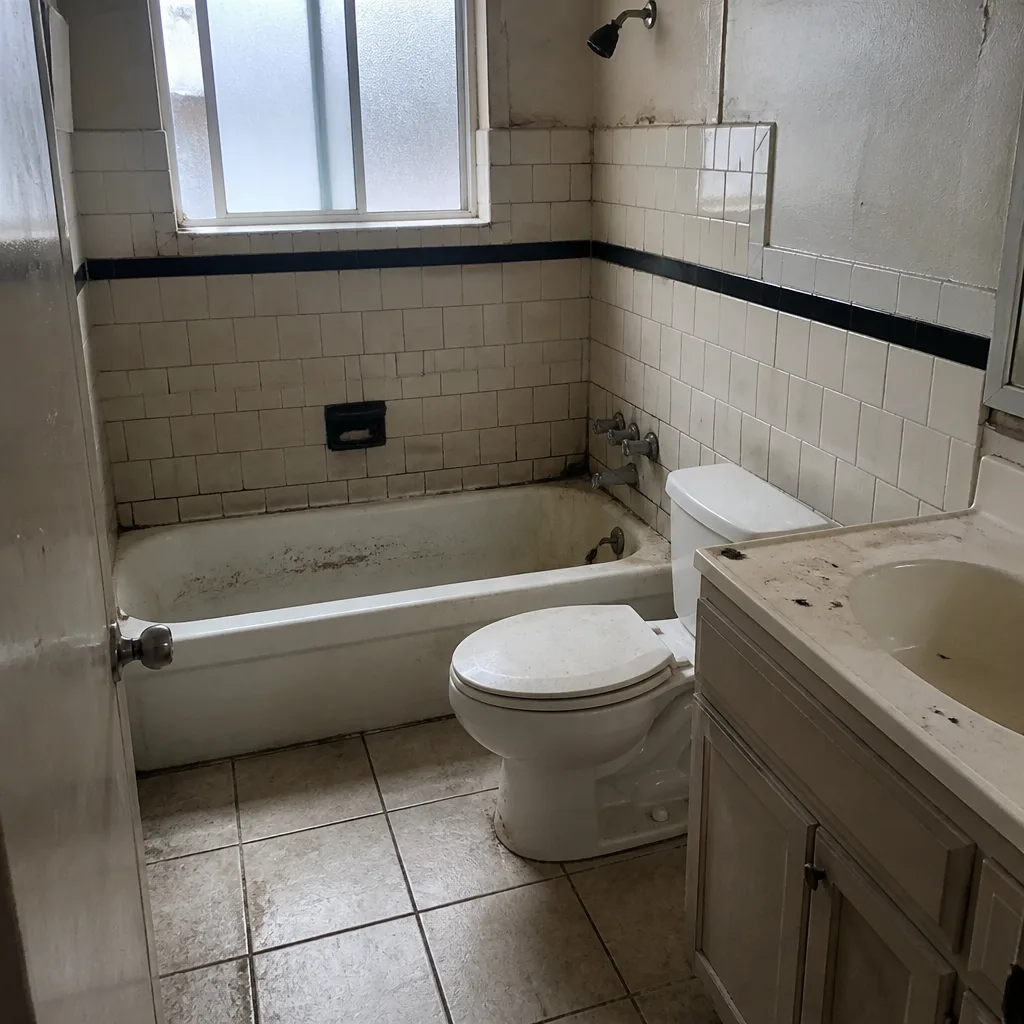 Before
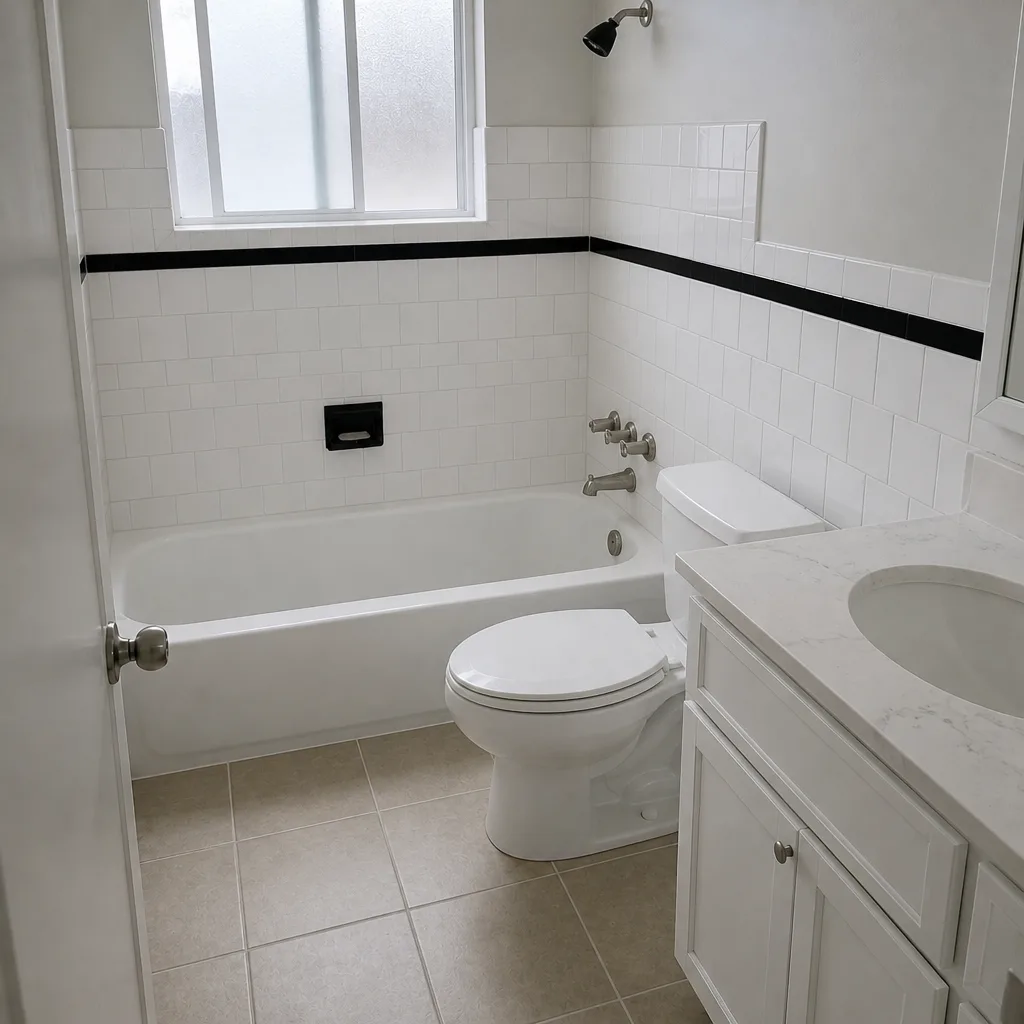 After
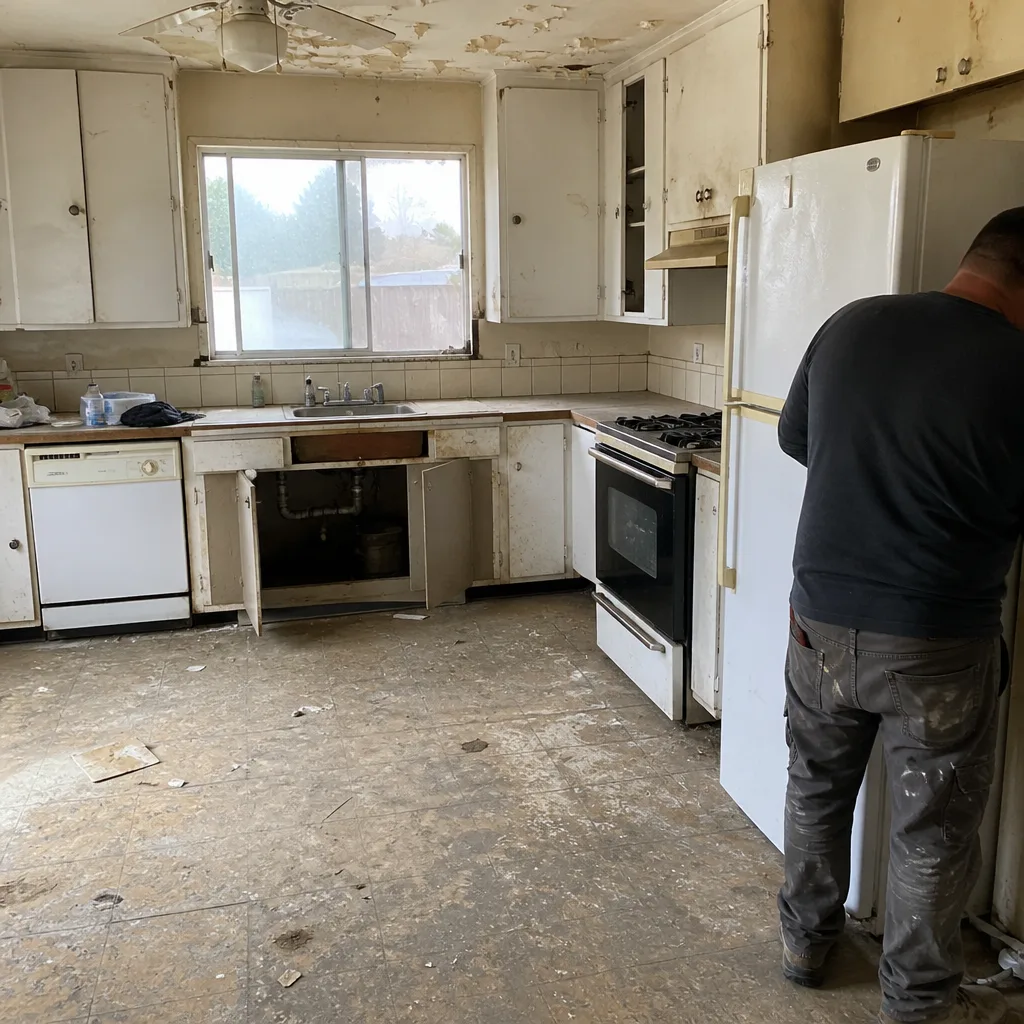 Before
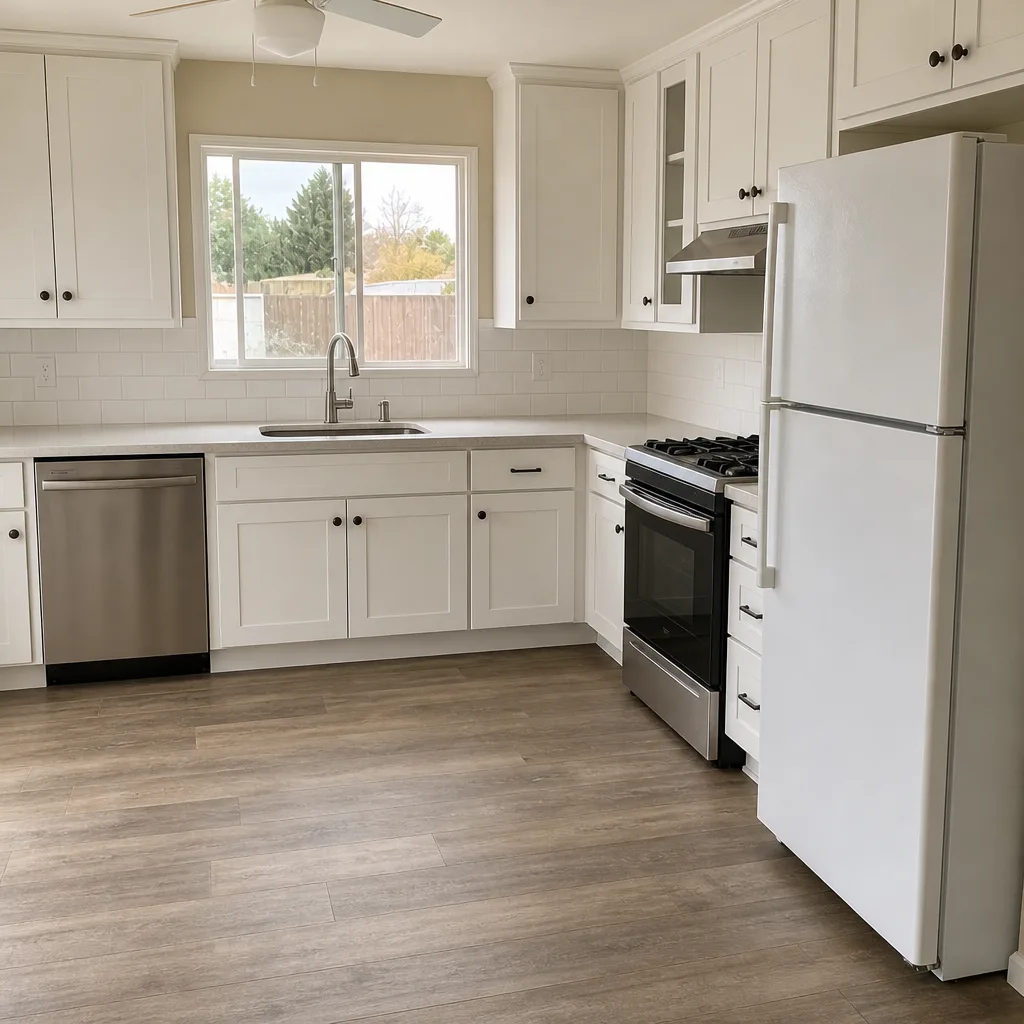 After
General Contractor vs Handyman in Antioch, CA: Choose a Licensed GC Unless the Job Is Truly Cosmetic
For anything cosmetic and under $500 in combined labor and materials, a handyman is the right call. For anything that touches structure, electrical, plumbing, or permits in an older Antioch home, hire a licensed general contractor. That’s the honest bottom line. Most of the “small” projects we assess in Antioch’s ranch-home flats turn out to involve hidden conditions a handyman legally cannot fix and isn’t insured to touch. Want a straight read on your project before you decide? Call (888) 419-3650.
What the California Scope Line Actually Says
California law sets a bright line, and it’s worth knowing exactly where it sits. A handyman working without a contractor’s license can legally take on a job only when labor and materials together stay under $500. Past that threshold, the work requires a licensed contractor. The rule isn’t a technicality; it’s the mechanism that keeps unlicensed, uninsured work off your property.
In newer housing, that $500 limit rarely bites. A drywall patch, a sticking door, a new faucet – small jobs stay small. In Antioch’s 1950s-1970s ranch stock, the same “small” job often cracks the limit on day one. Pulling a baseboard to fix a soft spot can reveal a slab crack tied to expansive clay movement. Swapping an outlet in a house with original wiring can mean the panel can’t legally support the load. Each of those escalations crosses into licensed trade territory fast, and a handyman who keeps going anyway is working outside the law.
Why Antioch’s Housing Stock Raises the Stakes
Antioch sits on the Delta at the foot of the East Bay hills, and that geography shows up in the work. The flats are dominated by mid-century ranch tract homes and older downtown stock; the southern hills hold 1980s-2000s subdivisions. Expansive Bay Area clay soils and a high water table along the riverfront mean foundation and drainage issues are common, especially on the older blocks near downtown and the water.
That housing profile creates a specific hidden-condition risk when a handyman takes on what looks like a minor repair:
- Original slabs. A hairline crack in a 1960s ranch slab can signal active soil movement. Filling it with caulk hides the symptom; it doesn’t address the cause. Sorting that out properly may require a licensed structural engineer’s assessment.
- Aging electrical panels. Many flats still run undersized panels or aging wiring. Adding circuits or replacing fixtures often needs a licensed electrician and a permit – work a handyman can’t legally perform.
- Single-pane windows in wood frames. Replacing them properly involves structural openings, flashing, and permit pulls. Patch-and-paint keeps the drafts and the callbacks.
- Delta climate effects. Hot, dry summers with persistent afternoon river winds and fog-influenced winters drive seasonal soil swelling and shrinkage. Exterior repairs done without accounting for that movement fail early and fail often.
The pattern is consistent enough that we plan for it on nearly every Antioch assessment. What reads as a weekend patch job is frequently a licensed-trade project with a permit attached.
The Liability Gap Most Homeowners Miss
Here’s the part that doesn’t show up on a bid sheet. A licensed general contractor carries liability insurance and workers’ comp that protect you if something goes wrong on-site – a wall opened that shouldn’t have been, a worker injured in your home. A typical handyman carries neither. In California, that means the homeowner absorbs the liability when the job goes sideways.
That gap turns the comparison into risk management, not snobbery. On a $200 cosmetic fix, the exposure is small. On a repair that opens a wall in a 1965 ranch, the exposure can run to structural remediation, code corrections, and a claim your homeowner’s policy may not cover. The upfront difference in price is real. The downside difference is bigger.
General Contractor vs Handyman: Side-by-Side
| Factor | Licensed General Contractor | Handyman (unlicensed) |
|---|---|---|
| Legal project ceiling in CA | Full scope, with permits | Under $500 labor + materials |
| Liability & workers’ comp | Carried by the contractor | Typically none; homeowner exposed |
| Structural / electrical / plumbing | Licensed trades, permits pulled | Outside legal scope |
| Hidden-condition handling | Assessed and priced upfront | Patched, deferred, or refused |
| Workmanship guarantee | 730-Day Done Right Promise | Rarely written; hard to enforce |
| Presentation | Background-checked, uniformed technicians | Often unmarked van, unknown crew |
The right column isn’t a knock on handymen doing what they’re legally allowed to do. It’s a description of what falls outside their lane. When a project stays in that lane, hire the handyman and keep your money. When it drifts out, the licensed GC is the only legal path.
Common Local Scenarios We Get Called About
A few patterns come up again and again in Antioch, and each one makes the GC-vs-handyman call clearer:
- “Just fix the crack in my slab.” On flats near the riverfront, that crack frequently traces to expansive clay and water-table movement. Caulk is a stopgap; the real fix needs assessment and possibly engineering input. This is where a licensed home construction team earns its keep.
- “Replace a few outlets and add a light.” In a house with an original panel, that pushes into licensed electrical and permit territory on the first visit.
- “Swap out these old windows.” Single-pane wood-frame replacements almost always involve structural openings, flashing, and permits – a full window replacement runs $4,500-$15,000 in Antioch, and doing it right the first time costs less than doing it twice.
- “Patch the bathroom so we can sell.” A handyman patch over failing plumbing or a soft subfloor surfaces in the buyer’s inspection. A bathroom remodel runs $9,000-$28,000; a hidden failure discovered mid-sale costs more in concessions.
When a Handyman Is the Right Hire
We’ll say it plainly: some jobs belong with a handyman, and we’ll tell you so. A sticking door, a cabinet handle swap, a patch-and-paint on drywall, a fence board that came loose in the Delta wind – if it stays under the $500 legal ceiling, touches nothing structural, and needs no permit, a good handyman is efficient and affordable. The mistake is treating every small-looking job as small. In older Antioch homes, the size of the job isn’t what matters. What’s behind the wall is.
How Groundwork Takes the Guesswork Out
The comparison gets easier when the contractor side is concrete. Groundwork Construction Co. of Antioch runs on upfront pricing – the number you see is the number you pay – and backs workmanship with the 730-Day Done Right Promise. Every technician is background-checked and arrives in uniform, so you know who’s in your home. Calls are answered by a live person 24/7, not a voicemail box that fills up over the weekend. Our technicians have up to 12 years of experience, and we work with trusted brands across every trade, from IKO and Atlas roofing materials to James Hardie siding and KraftMaid cabinetry.
Financing keeps larger corrections within reach: 0% financing for 18 months, plus $1,000 off projects over $10,000. And every estimate and design consult is free, so you can get a real scope and a real number before you commit to anything.
FAQs
A handyman in California can legally perform work only when labor and materials combined total under $500. Anything past that – or any job requiring a permit – needs a licensed contractor. In Antioch’s older ranch homes, the $500 limit gets crossed on the first visit more often than homeowners expect.
You need a licensed general contractor the moment a project touches structure, electrical, plumbing, or permits – regardless of how small it looks. Cosmetic work under $500 can go to a handyman. A kitchen remodel in Antioch runs $14,000-$45,000, and hidden conditions behind the walls are exactly why that work belongs with a licensed team. Call (888) 419-3650 for a free assessment.
In California, the homeowner typically assumes the liability when an unlicensed handyman causes damage, because the handyman usually carries no liability insurance or workers’ comp. A licensed general contractor carries that coverage, which shifts the risk off your property. That difference alone often justifies hiring the licensed crew.
It depends on what’s behind the wall, and a licensed assessment is the only way to know for certain. Patching a symptom often costs less upfront and more later; correcting the cause costs more initially and holds. A roof repair runs $400-$1,800 while a full replacement is $8,000-$20,000, and choosing between them should be based on condition, not convenience. Call (888) 419-3650 for a straight answer.
Get a No-Pressure Read on Your Project
If you’d rather have it looked at, Groundwork Construction Co. of Antioch offers a no-pressure assessment in Antioch – call (888) 419-3650. We’ll tell you honestly whether your job belongs with a handyman or a licensed GC, and if it’s the latter, we’ll scope it, price it upfront, and back it with the 730-Day Done Right Promise.
Written by the team at Groundwork Construction Co. of Antioch, serving Antioch, CA.