
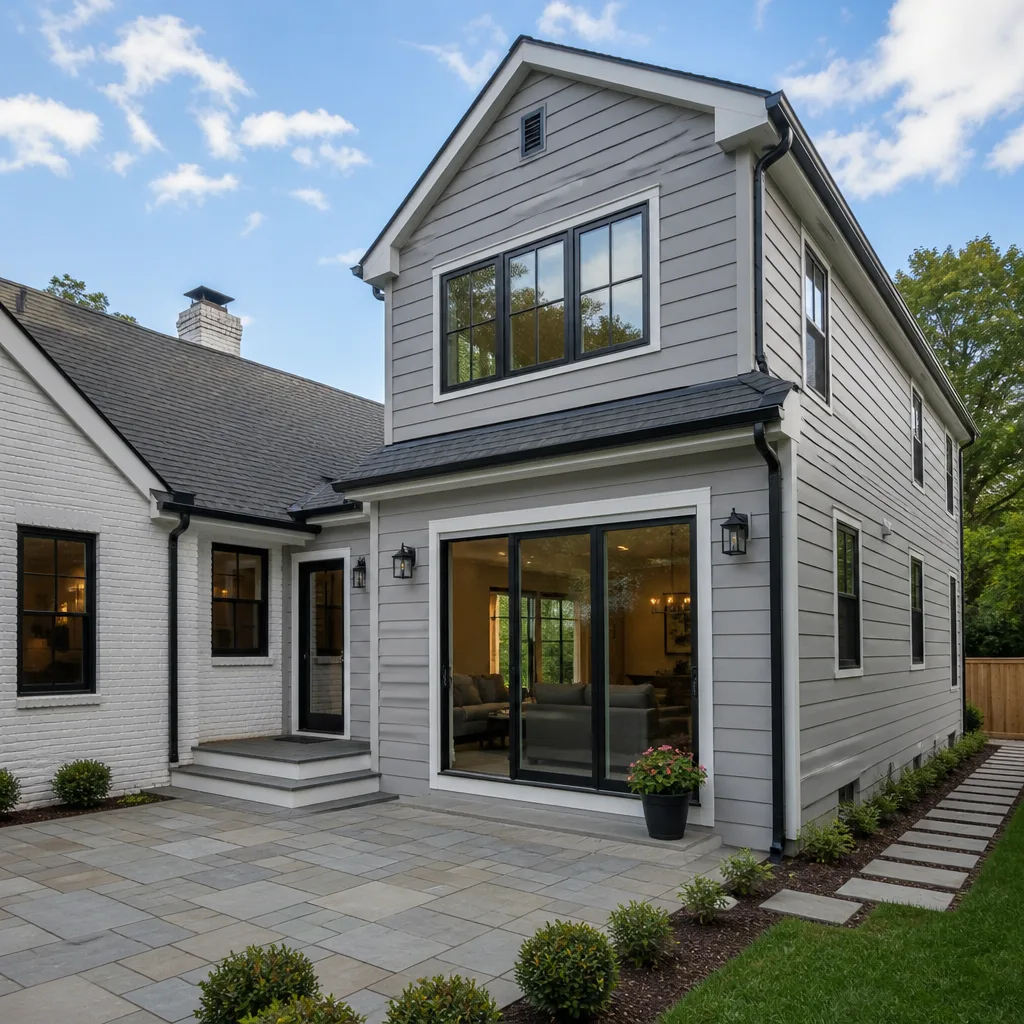
 Home additions & ADU
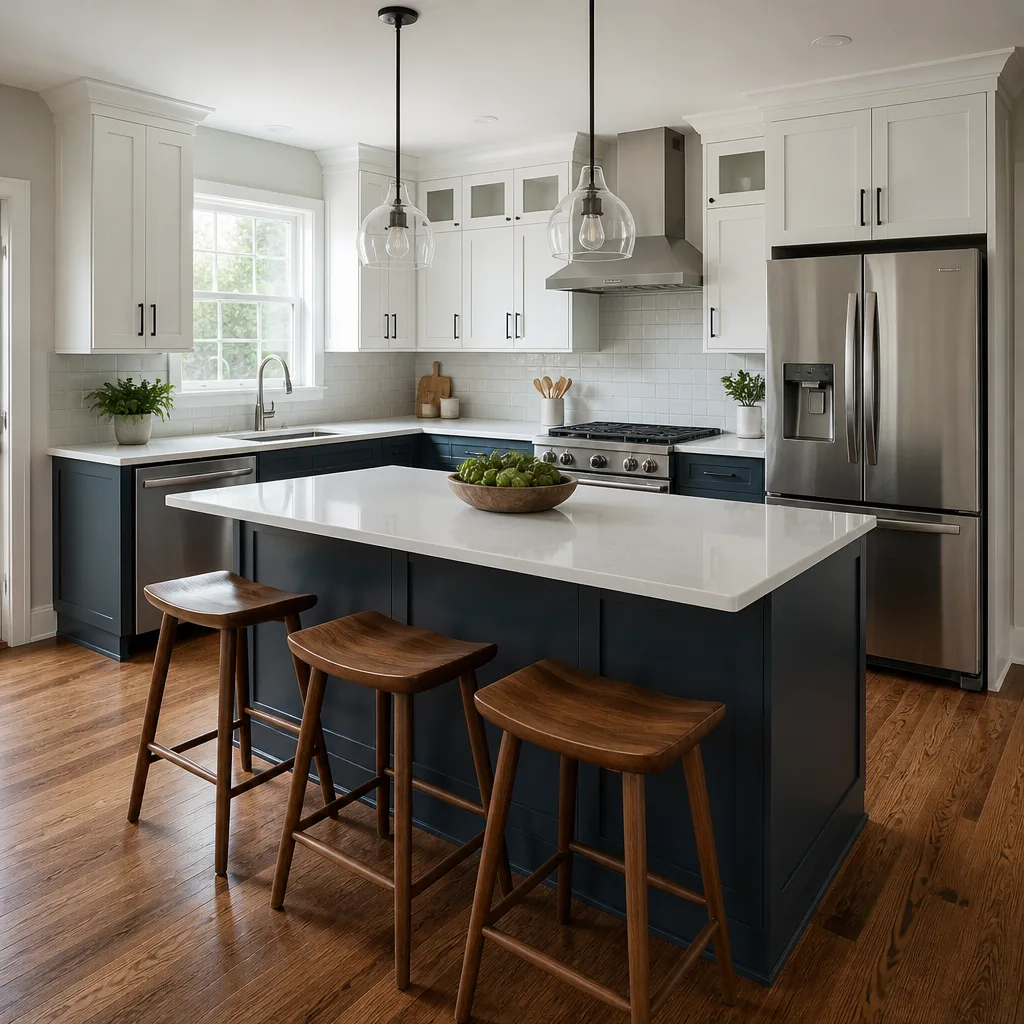 Kitchen remodeling
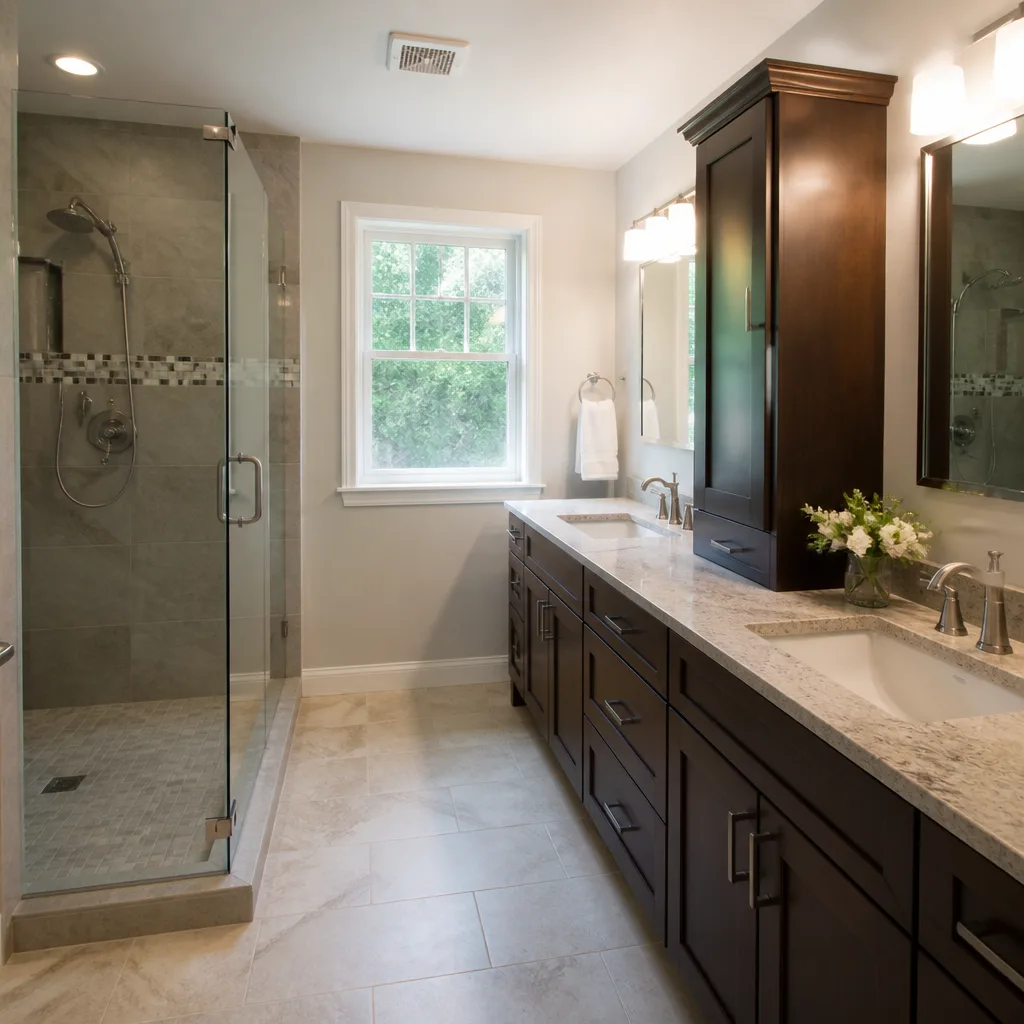 Bathroom remodeling
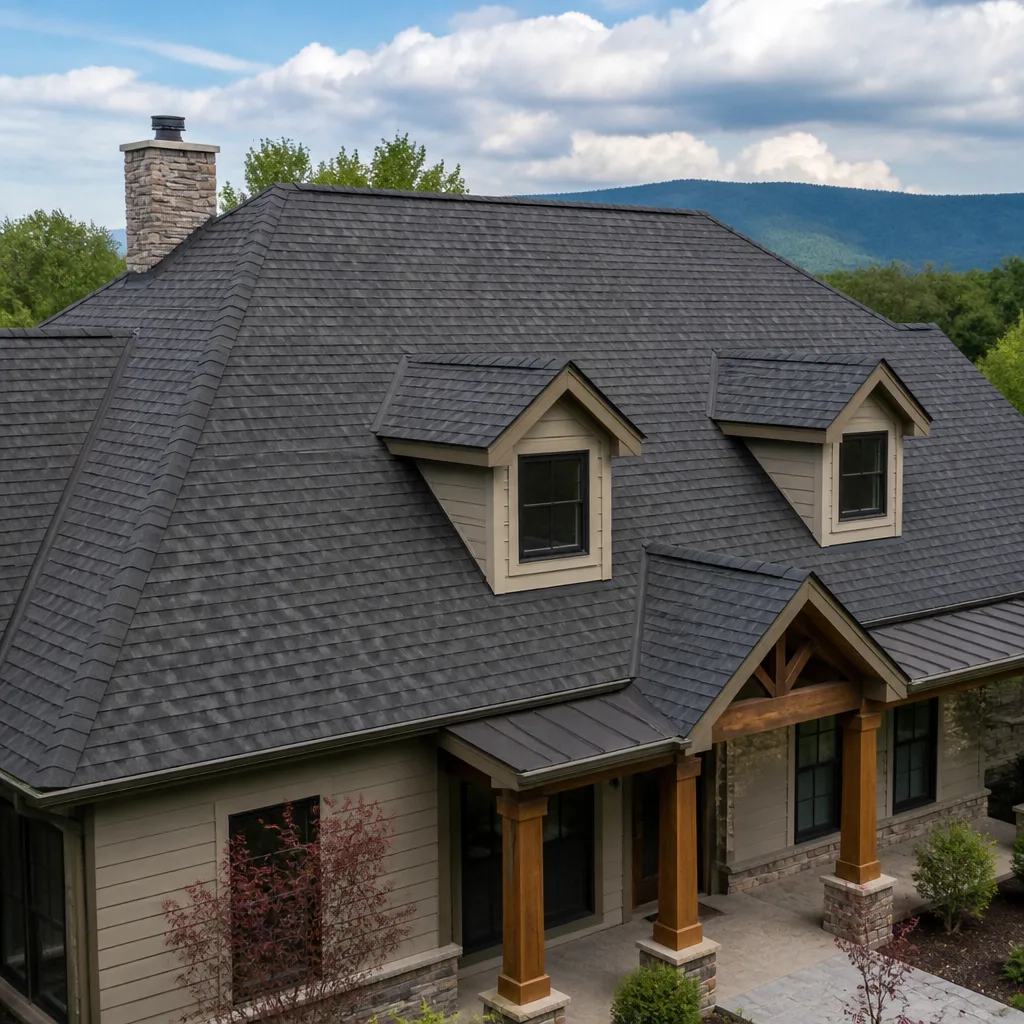 Roofing
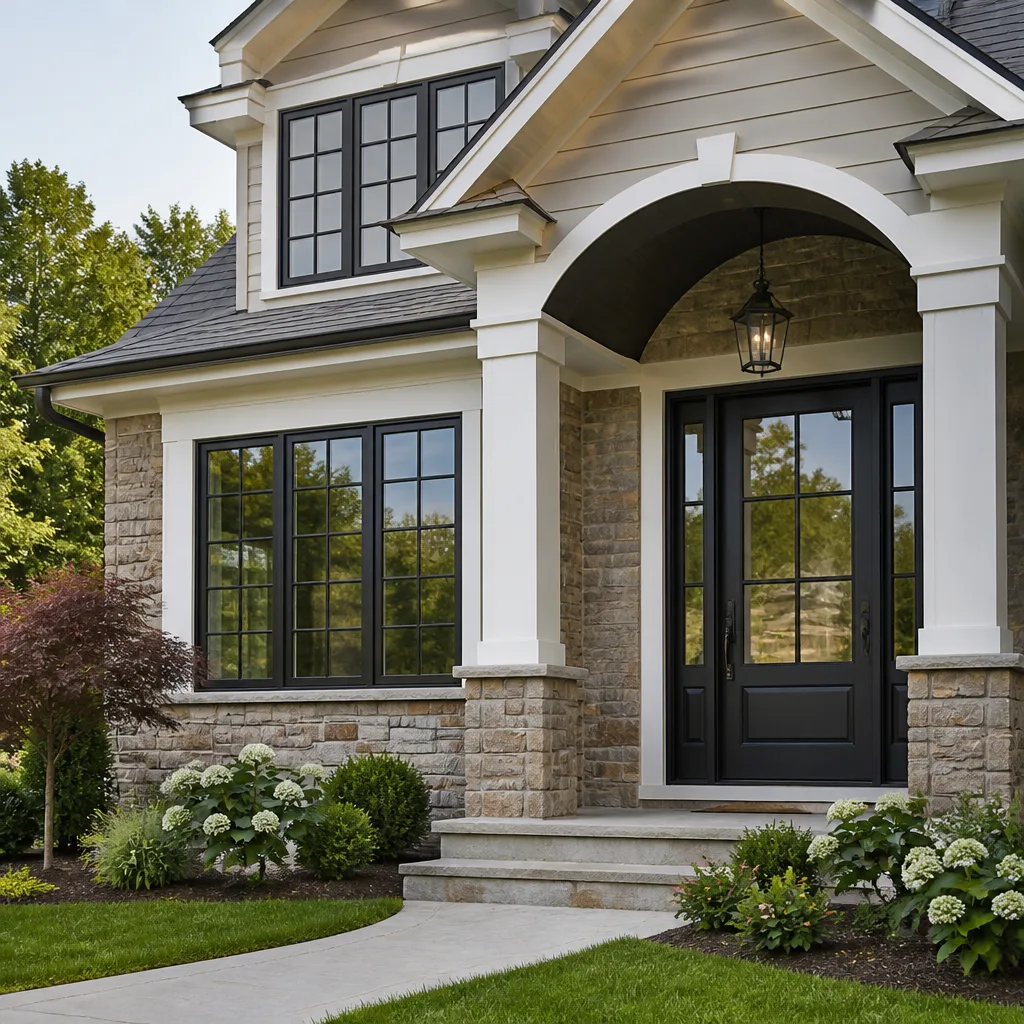 Windows & doors
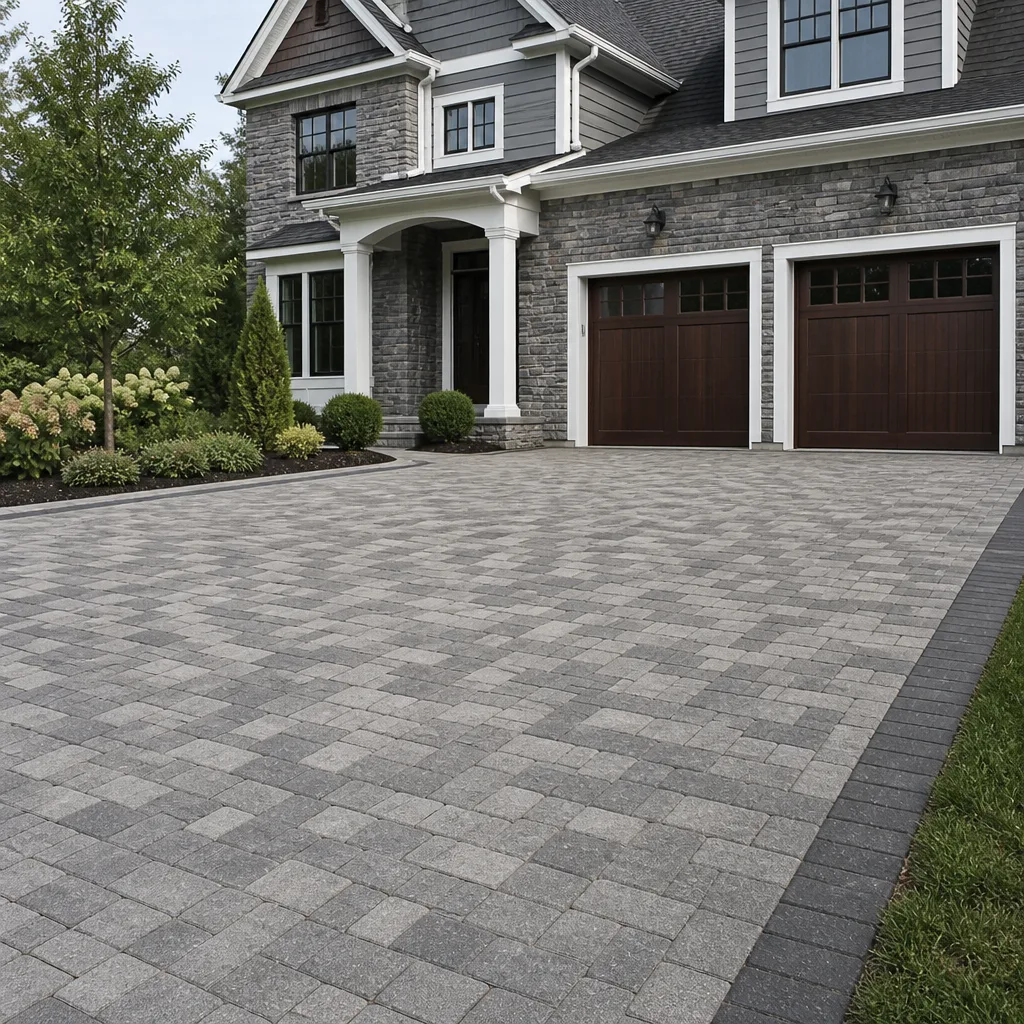 Driveway & pavers
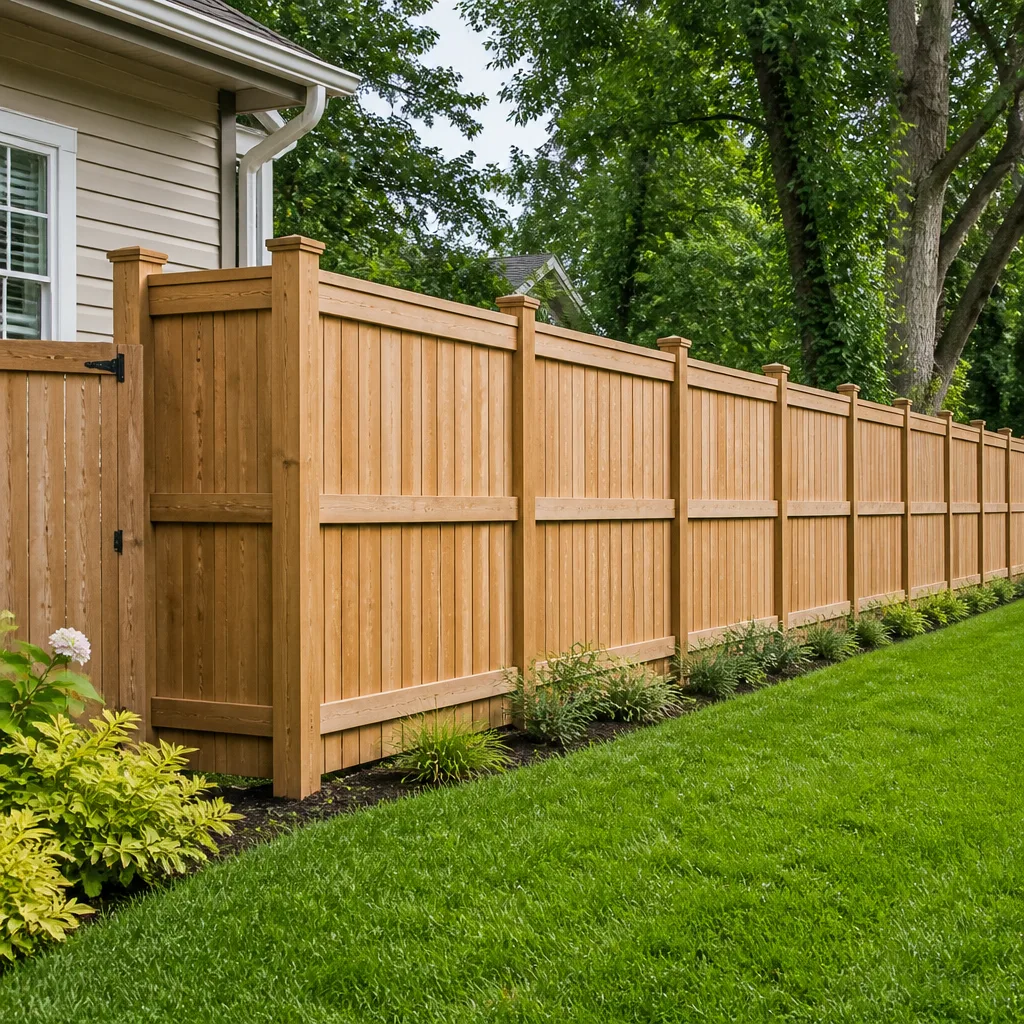 Fence
Free written scope consultation - allowances, timeline, and change-order rules on paper before a single trade is scheduled
Styles & brands we work with
- Kitchen remodeling
- Bathroom remodeling
- Home additions & ADU
- Roofing
- Windows & doors
- Driveway & pavers
- Fence
See the difference
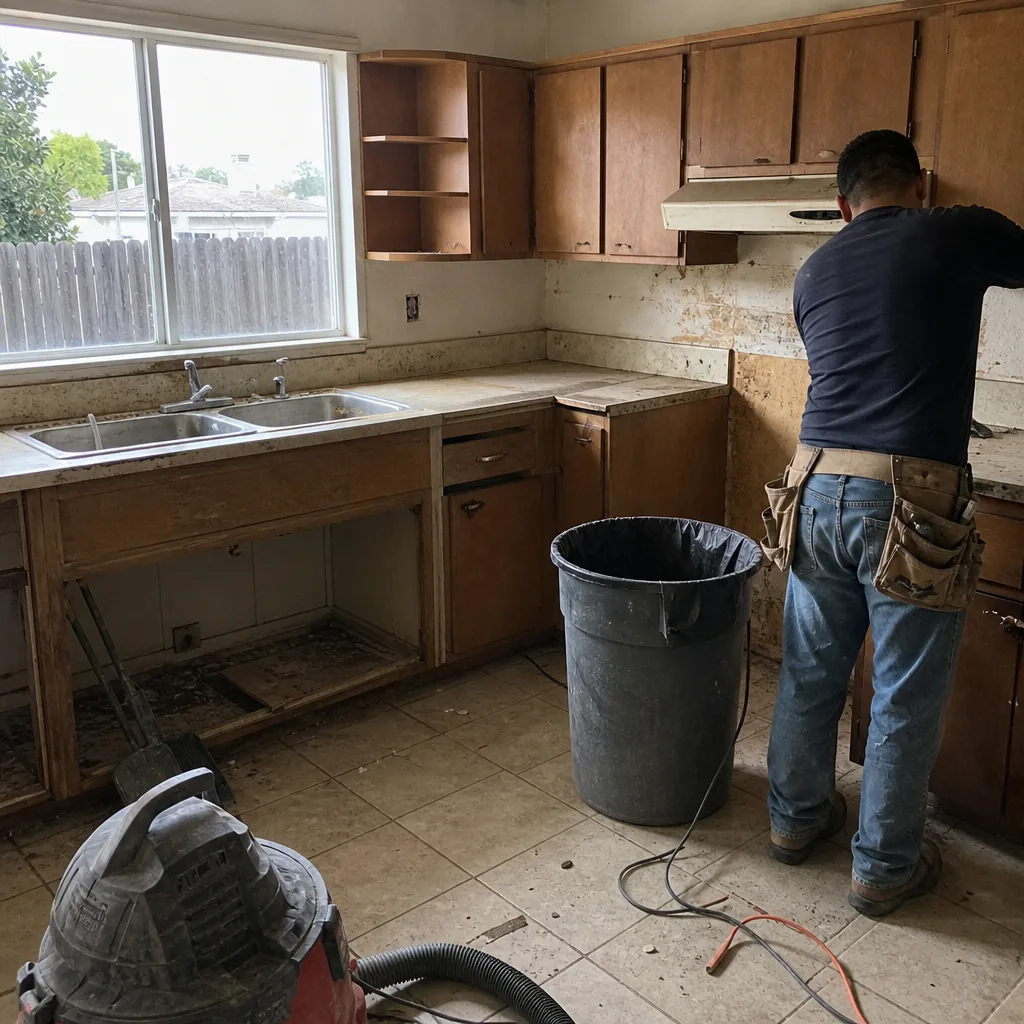 Before
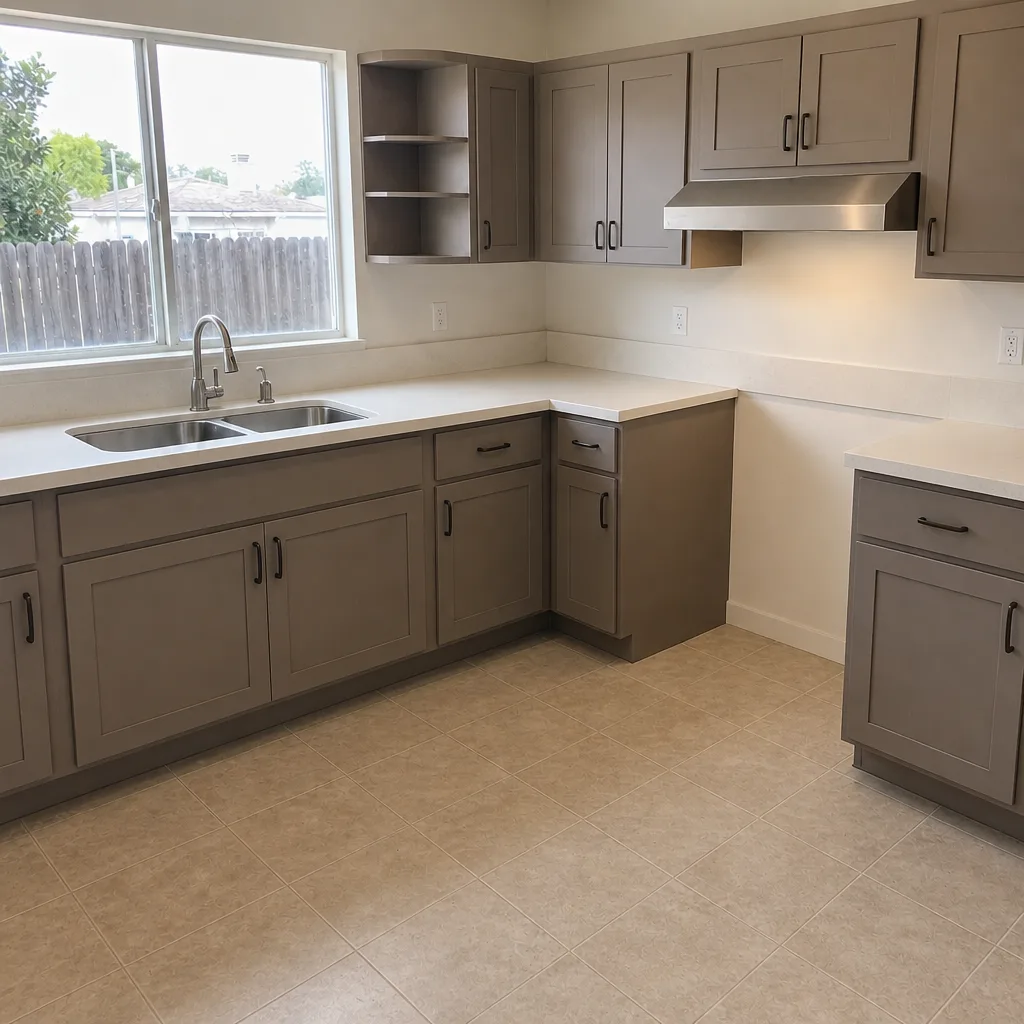 After
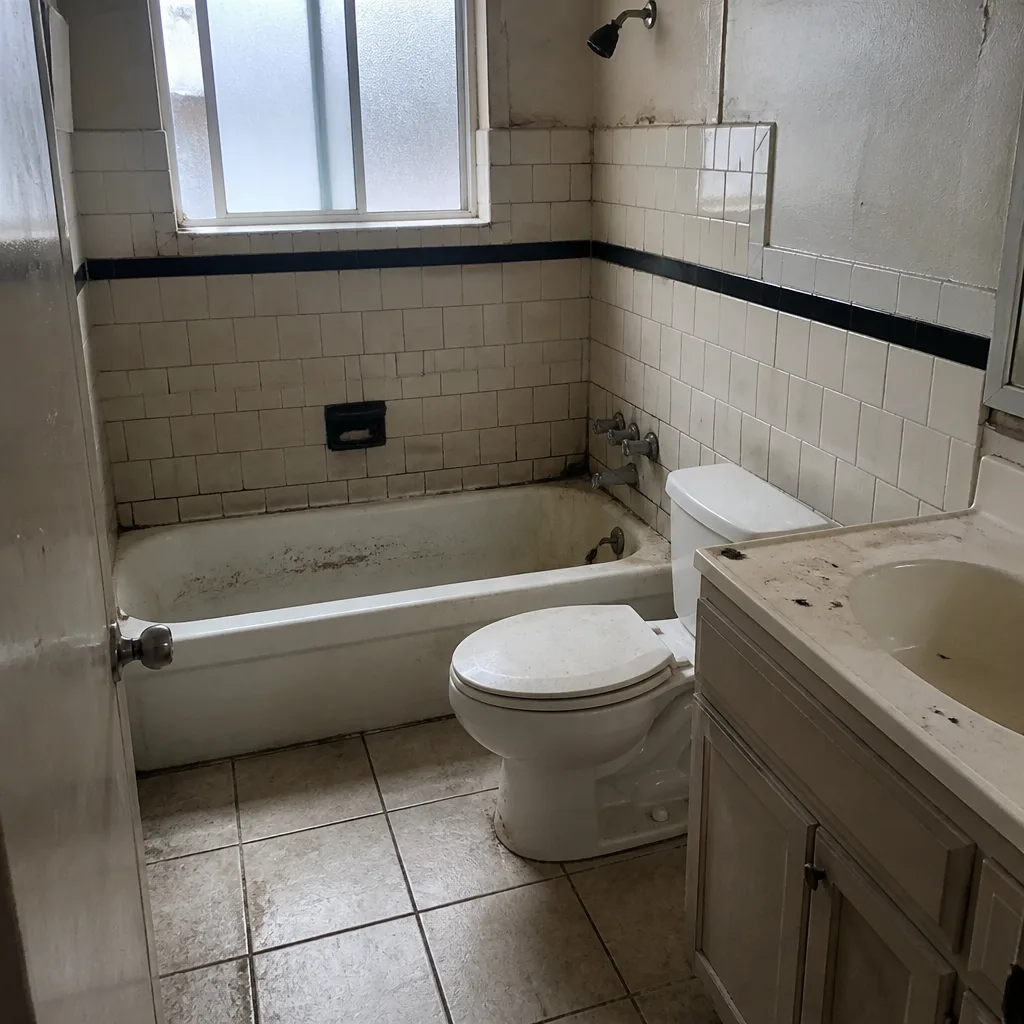 Before
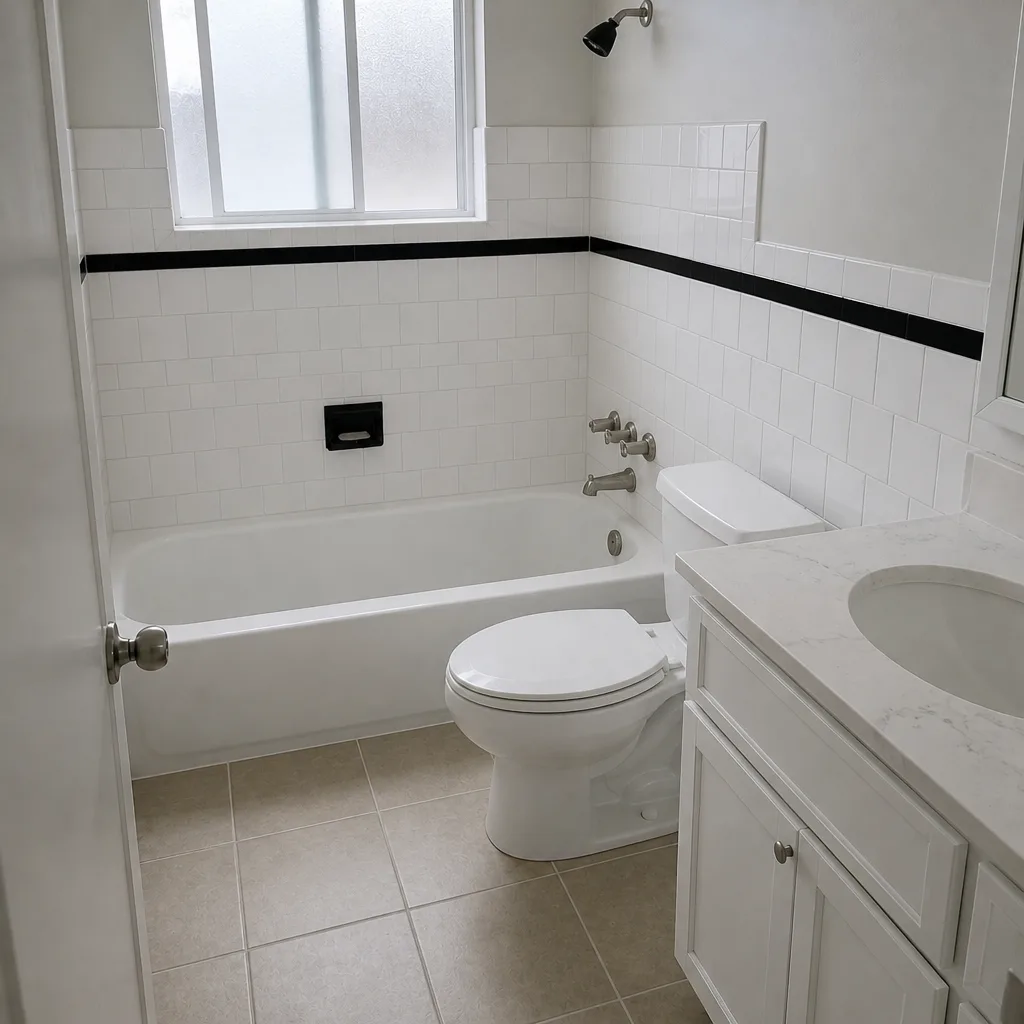 After
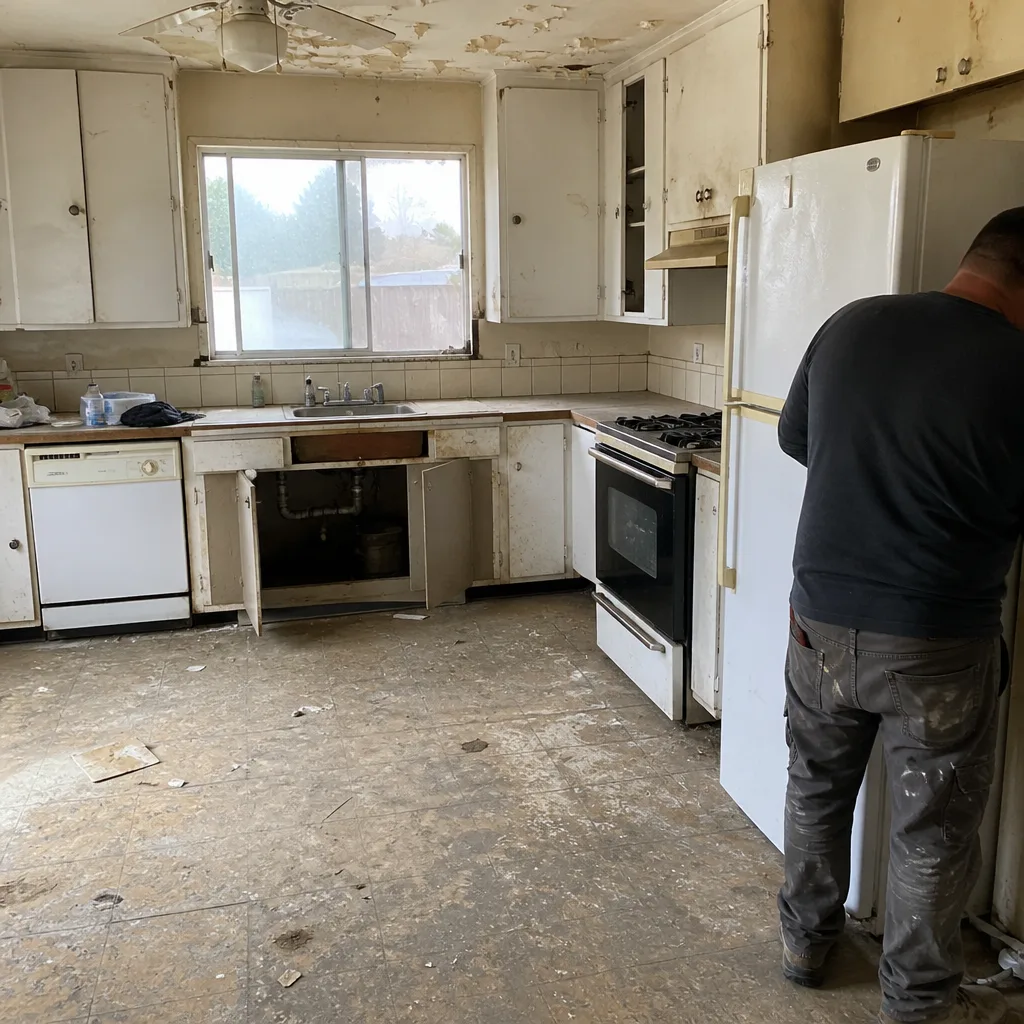 Before
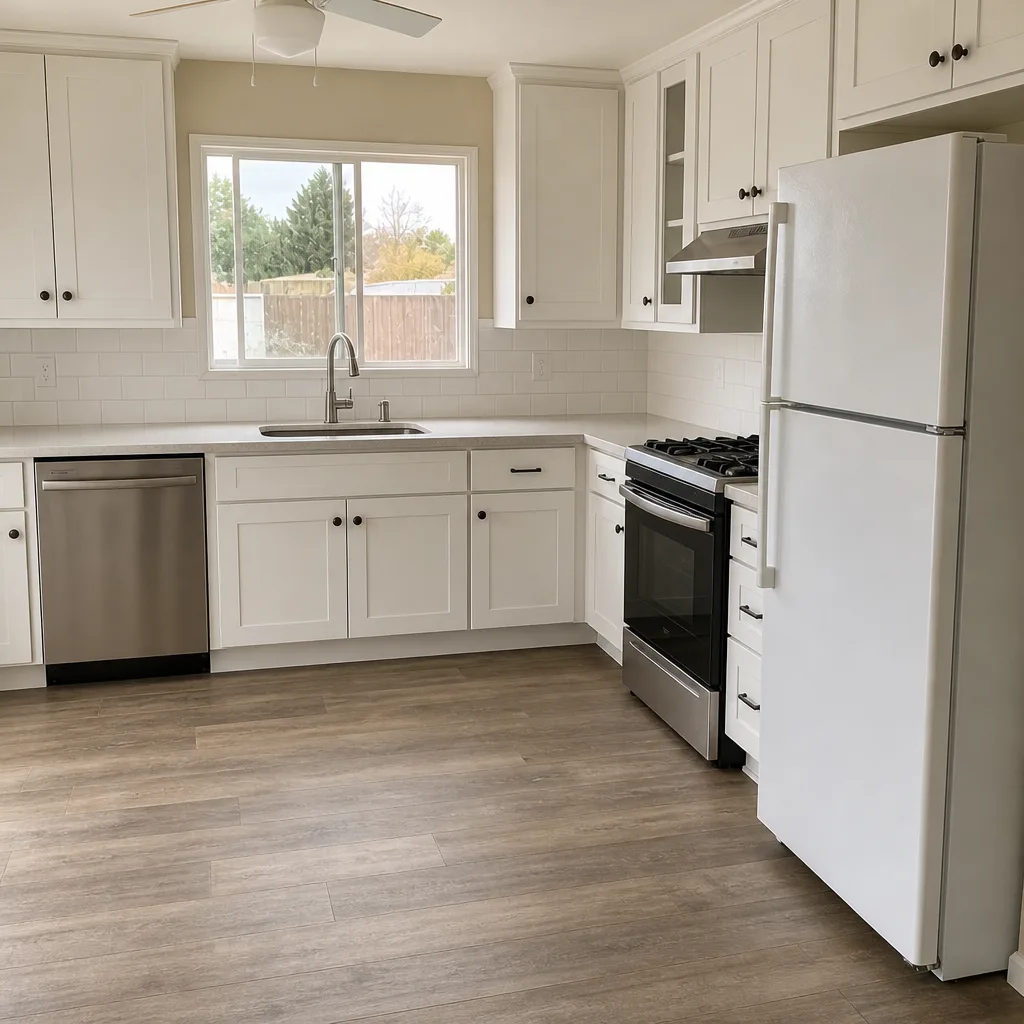 After
Home Addition vs. ADU in Antioch: Which One Actually Fits Your Lot?
Choose a home addition unless your existing slab is already telling you no. For most Antioch homeowners comparing a home addition vs an ADU, the deciding factor isn’t budget or taste; it’s whether the ground under your current foundation can carry more house. If your slab is sound, an addition is the lower-cost path to living space. If it isn’t, a detached ADU gets its own engineered foundation and sidesteps the problem entirely. We build both, so nobody here is steering you toward the one we’d rather sell. Call (888) 419-3650 and we’ll walk your property before you commit a dollar.
Why Antioch Is a Different Comparison Than You’ll Read Elsewhere
Most “addition vs. ADU” articles are written for a generic suburb with flat, predictable soil. Antioch isn’t that. The flats here are dominated by 1950s through 1970s ranch tract homes sitting on expansive clay, and the closer you get to the riverfront and downtown blocks, the higher the water table runs. Add hot, dry Delta summers with that persistent afternoon wind off the river and cool, fog-influenced winters, and you get soil that swells and shrinks through the year. Builders who work Brentwood or Pittsburg deal with some of this; along Antioch’s water-adjacent blocks they live with it. That matters for this decision more than almost anything else on the page.
The Structural Inheritance Problem Nobody Explains
Here’s the part that gets skipped. A home addition ties into your existing foundation. It inherits every bit of soil-movement history that foundation has already been through: the settling, the step cracks, the drainage quirks from decades of clay swelling. If that slab has issues, you’re either paying to remediate them first or you’re building new living space on a compromised base. We’ve opened enough flat-district crawlspaces to know that’s a conversation worth having early, not after the plans are drawn.
A detached ADU starts fresh. It gets its own engineered slab or pier system, designed for today’s soil conditions and drainage rather than inheriting yesterday’s. On a lot where the main house is already showing movement, that’s often the cheaper, faster, and structurally cleaner answer, even though the ADU sticker price looks higher up front.
What to Look for Before You Decide
Run these checks in order. The first two decide the answer more than the last two.
- Foundation condition. Visible step cracks at the corners of the slab, doors that stick in summer and free in winter, or uneven floors are all signals to get the foundation looked at before planning an addition.
- Rear-yard depth. Most 1950s to 1970s flat-district parcels in Antioch have enough rear-yard depth for a detached ADU without needing a variance. That lower-friction path is a real advantage of the ADU route.
- How you’ll use the space. Family living room or rental income? Additions serve the household; ADUs generate a separate income stream and a separate resale value.
- Timeline tolerance. Permitting and structural review differ significantly between the two. More on that below.
Addition vs. ADU: The Honest Side-by-Side
Definitions won’t help you; a decision framework will. Here’s how the two actually compare for an Antioch property.
| Factor | Home Addition | Detached ADU |
|---|---|---|
| Foundation | Ties into existing slab, inherits its soil history | Own engineered slab or pier system, fresh start |
| Antioch cost range | $45,000-$130,000 | $90,000-$220,000 |
| Permitting | More complex structural plan review | State-mandated 60-day timeline the city must honor |
| Best use | Family living space, increases assessed square footage | Rental income, separate resale value |
| Lot requirement | Attaches to existing footprint | Needs rear-yard depth (most flats lots have it) |
| Friction | Higher if slab needs remediation | Lower on sound-use lots without variances |
The ADU’s permit advantage is concrete: California sets a state-mandated approval timeline of 60 days that the city must honor, so the paperwork clock is shorter and more predictable than a structural addition’s review. And because those older flat-district lots tend to have the rear-yard depth to spare, many Antioch homeowners can place a detached ADU without a variance at all. That combination makes the ADU the lower-friction option on a lot where the main slab is questionable, and the addition the smarter spend on a lot where it’s solid.
Which One Adds More Value in Antioch?
They add value differently, and that’s the point. An addition increases your home’s assessed square footage, so the value shows up in the house itself and in how the family lives in it. An ADU carries its own resale value as a separate structure and can generate rental income month after month. For a household that needs room for aging parents or growing kids, the addition wins on use. For a household that wants the space to pay for itself, the ADU route is the one to weigh. Neither is universally “better”; the lot and the foundation decide which is smarter for you.
A Local Cost Reality Check
Homes in Antioch are older than a lot of the surrounding East Bay, which means original single-pane windows, aging slabs, and clay-heavy soils are the working conditions, not the exception. Groundwork Construction Co. of Antioch builds our quotes with that in mind, and we give you the number up front. Upfront pricing, no surprises.
- Home addition: $45,000-$130,000
- ADU construction: $90,000-$220,000
- Garage conversion (a middle path worth knowing about): $30,000-$80,000
The key move is getting a side-by-side cost comparison for addition vs. ADU before you sign anything, rather than committing to one and discovering the foundation caveat later. Our technicians have up to 12 years of experience, they’re background-checked and arrive in uniform, and every project is covered by our 730-Day Done Right Promise. If it’s not done right, we make it right.
Doing This Under One Roof
We handle both the addition and the ADU, which means you’re not comparing bids from one contractor who builds additions and another who builds ADUs and hoping the numbers mean the same thing. Additions and ADUs move through different trades and sometimes different partners, whether it’s a Therma-Tru entry door on the new living space or a Mr-Glass window package in the ADU, and we walk you through each before it’s ordered. You can see our full Home Additions & ADU work to get a feel for the scope. You can request your free estimate and design consult to start, and we offer 0% financing for 18 months plus $1,000 off projects over $10,000, so a large build doesn’t have to wait for the perfect moment.
FAQs
A home addition is the cheaper path on a sound lot, typically running $45,000-$130,000 versus $90,000-$220,000 for an ADU. That’s only true when your existing slab and soil can support the new structure without costly remediation first. If the foundation shows movement, the ADU’s engineered, self-supporting foundation can end up cheaper once remediation is priced in. Call (888) 419-3650 for a free side-by-side comparison of your lot.
Home additions in Antioch typically run $45,000-$130,000, and ADUs run $90,000-$220,000, depending on size, site, and finishes. A garage conversion sits in between at $30,000-$80,000 if you want a narrower option. We give you the number up front so there are no surprises at the final walkthrough. Reach us for an exact quote.
A detached ADU is typically faster to permit because California sets a 60-day state-mandated timeline the city must honor, while an addition often needs more complex structural plan review. That review difference matters most on older flat-district lots where the existing slab has to be checked before plans are approved. Call (888) 419-3650 and we’ll map the timeline for your specific property.
Most 1950s to 1970s flat-district parcels in Antioch have enough rear-yard depth for a detached ADU without needing a variance, which makes the ADU a genuinely low-friction option for many homeowners. The honest answer depends on your specific setback and yard depth, so we walk the lot rather than guess. Estimates are free; call and we’ll take a look.
If you’d rather have it looked at, Groundwork Construction Co. of Antioch offers a no-pressure assessment in Antioch. We’ll check the slab, walk the yard, and hand you a side-by-side so the addition vs. ADU question gets answered with your lot, not a generic chart. Call (888) 419-3650 to set it up. Reasons homeowners reach for a home project like this rarely come down to one factor, and we’re glad to talk through all of them.
Written by the team at Groundwork Construction Co. of Antioch, serving Antioch, CA.