
 Kitchen remodeling
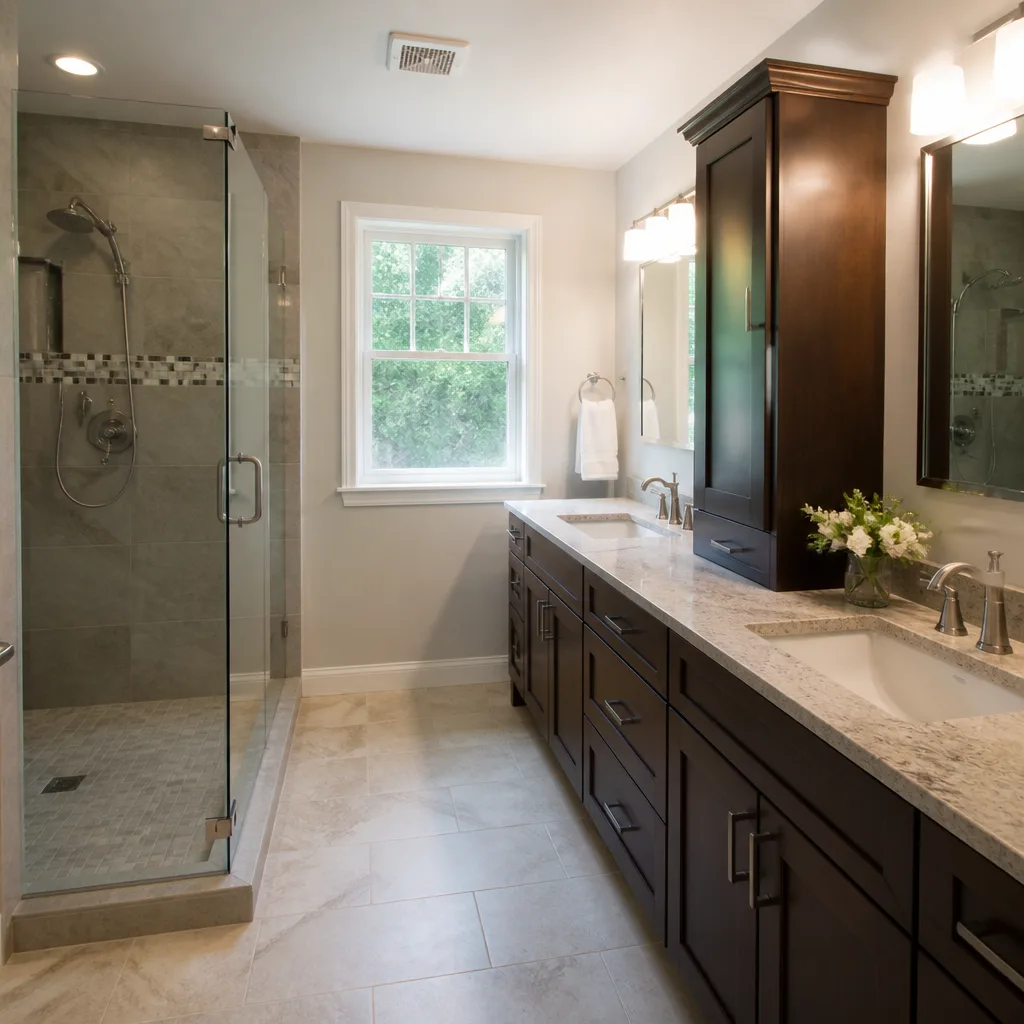 Bathroom remodeling
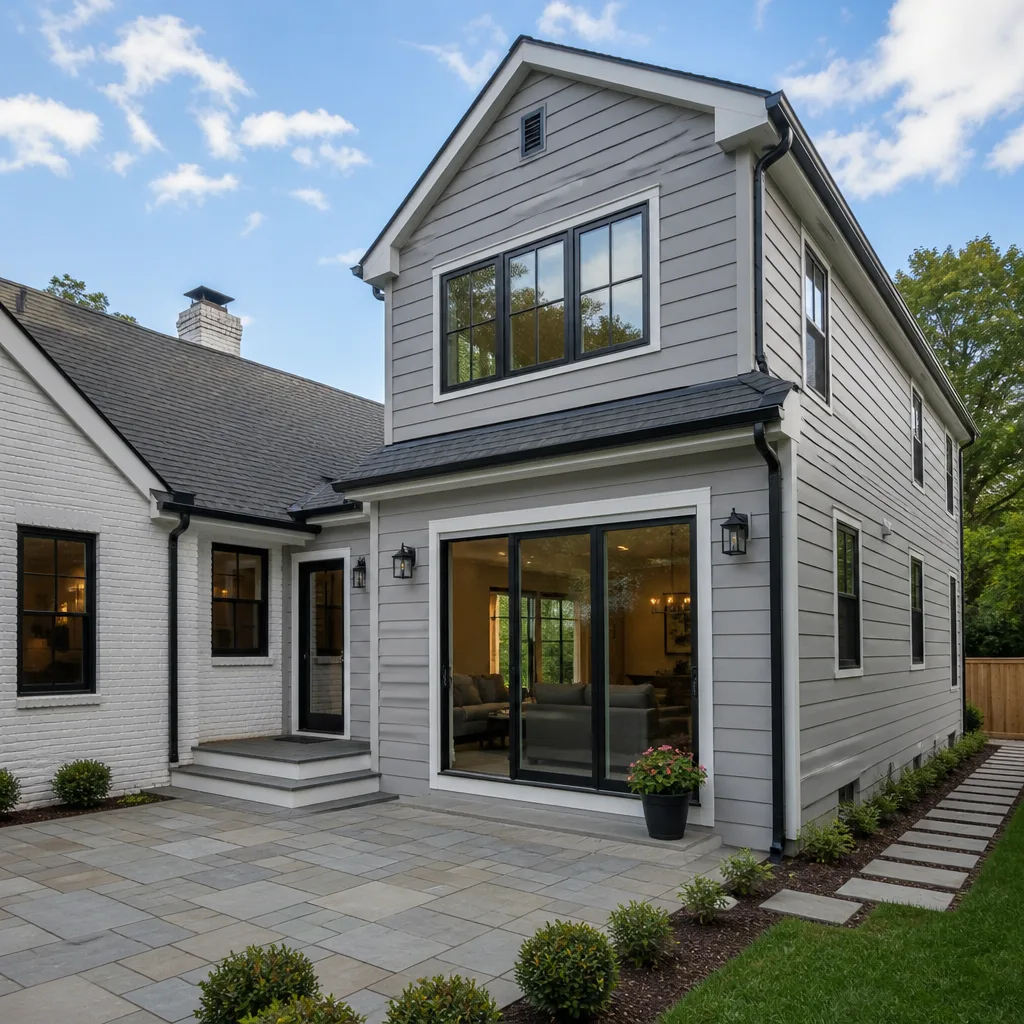 Home additions & ADU
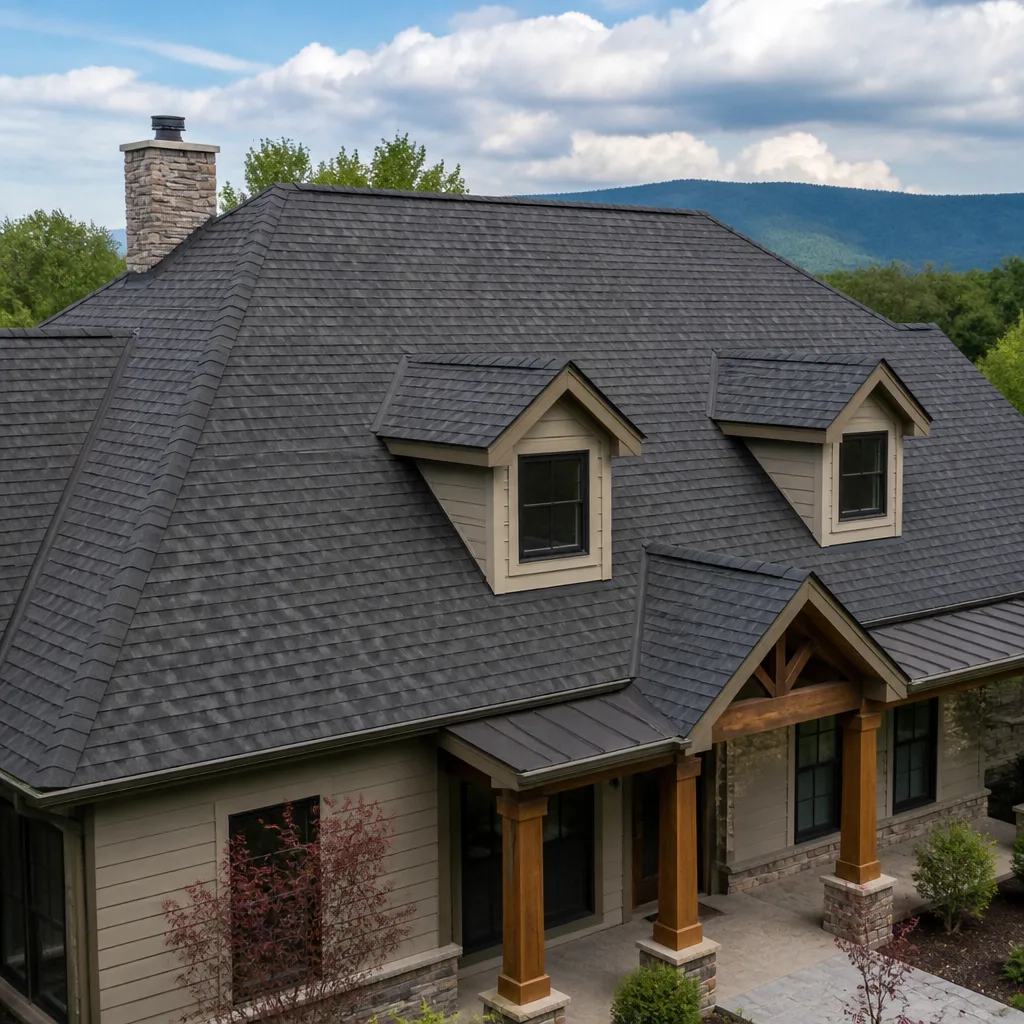 Roofing
 Windows & doors
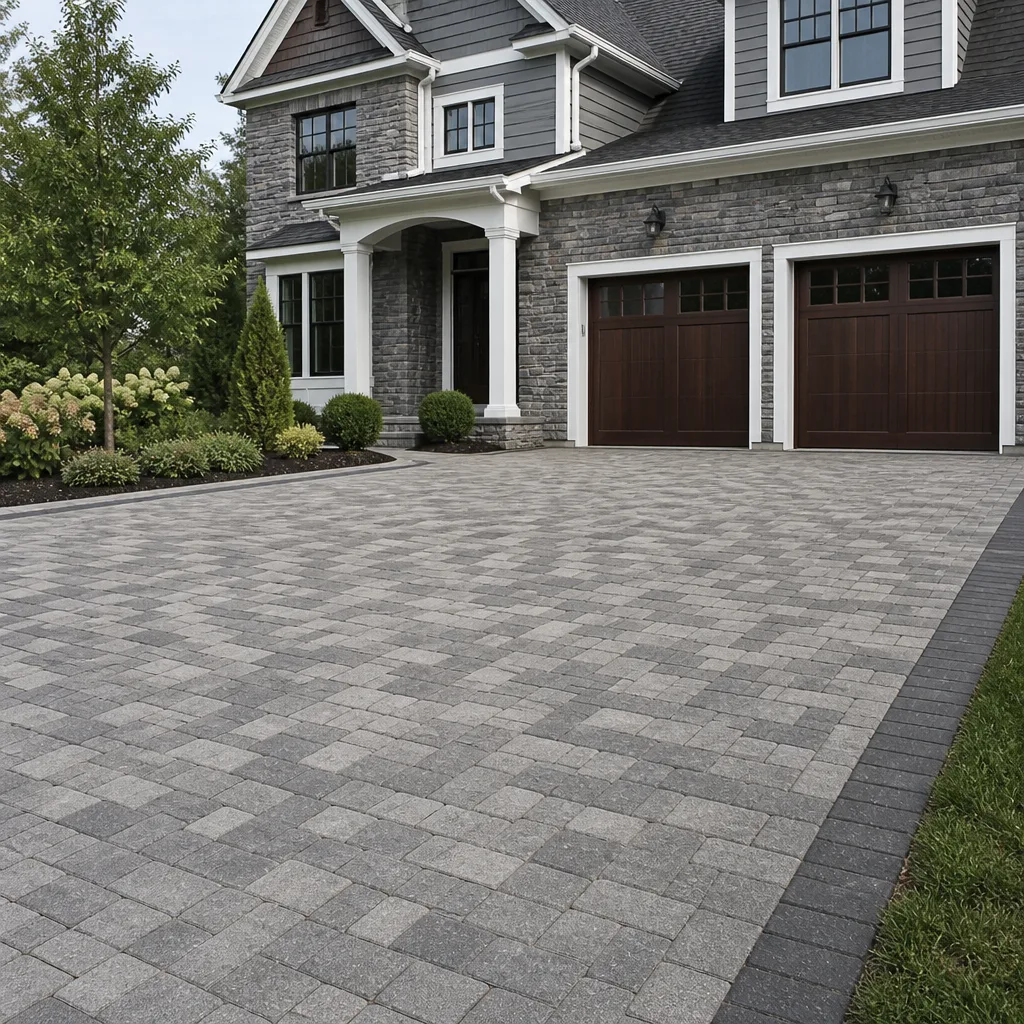 Driveway & pavers
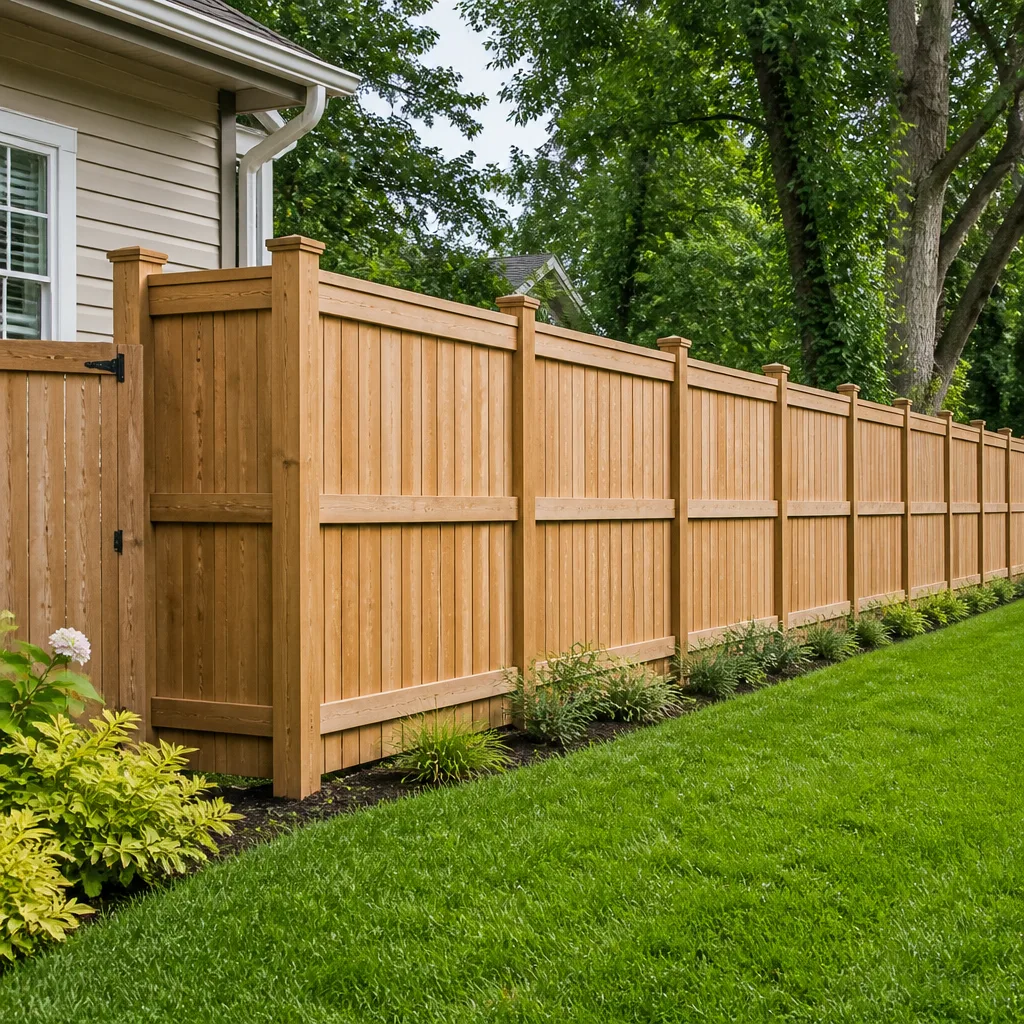 Fence
Free written scope consultation - allowances, timeline, and change-order rules on paper before a single trade is scheduled
Styles & brands we work with
- Kitchen remodeling
- Bathroom remodeling
- Home additions & ADU
- Roofing
- Windows & doors
- Driveway & pavers
- Fence
See the difference
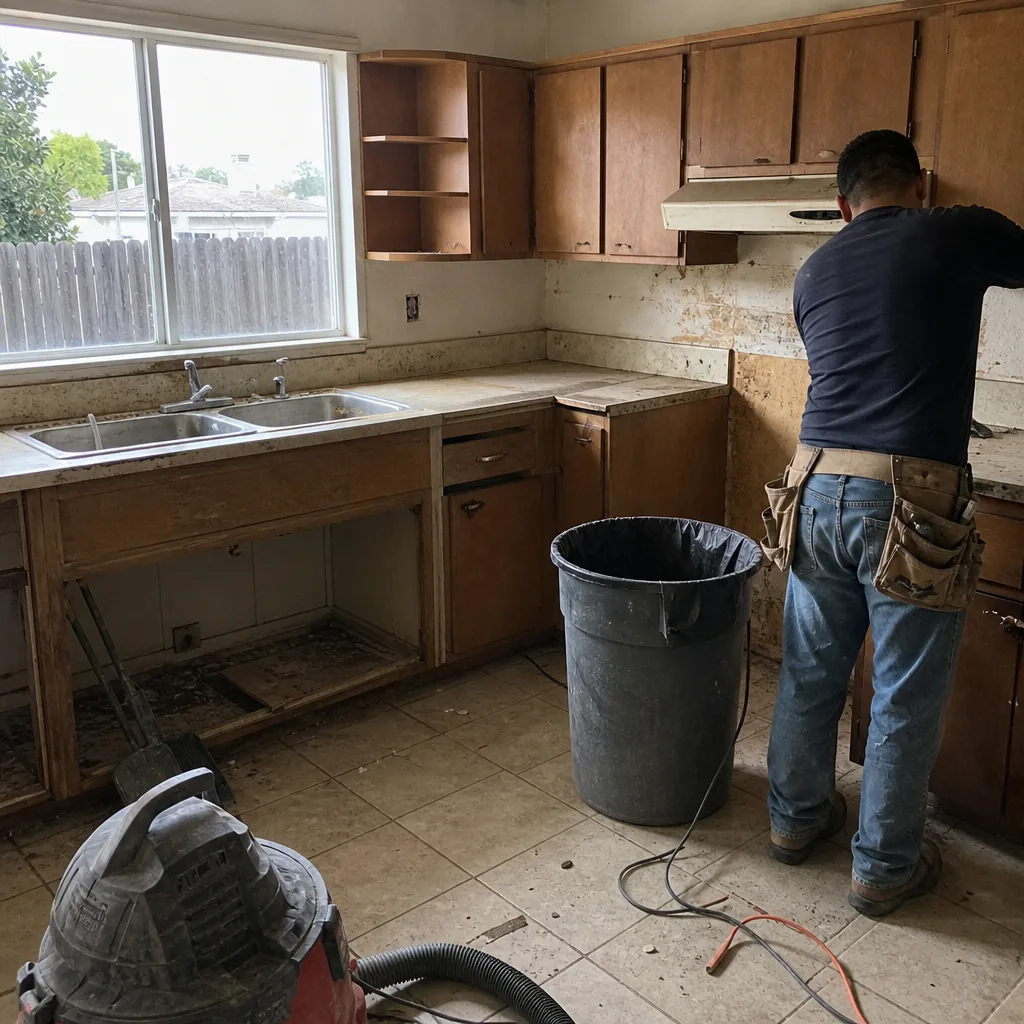 Before
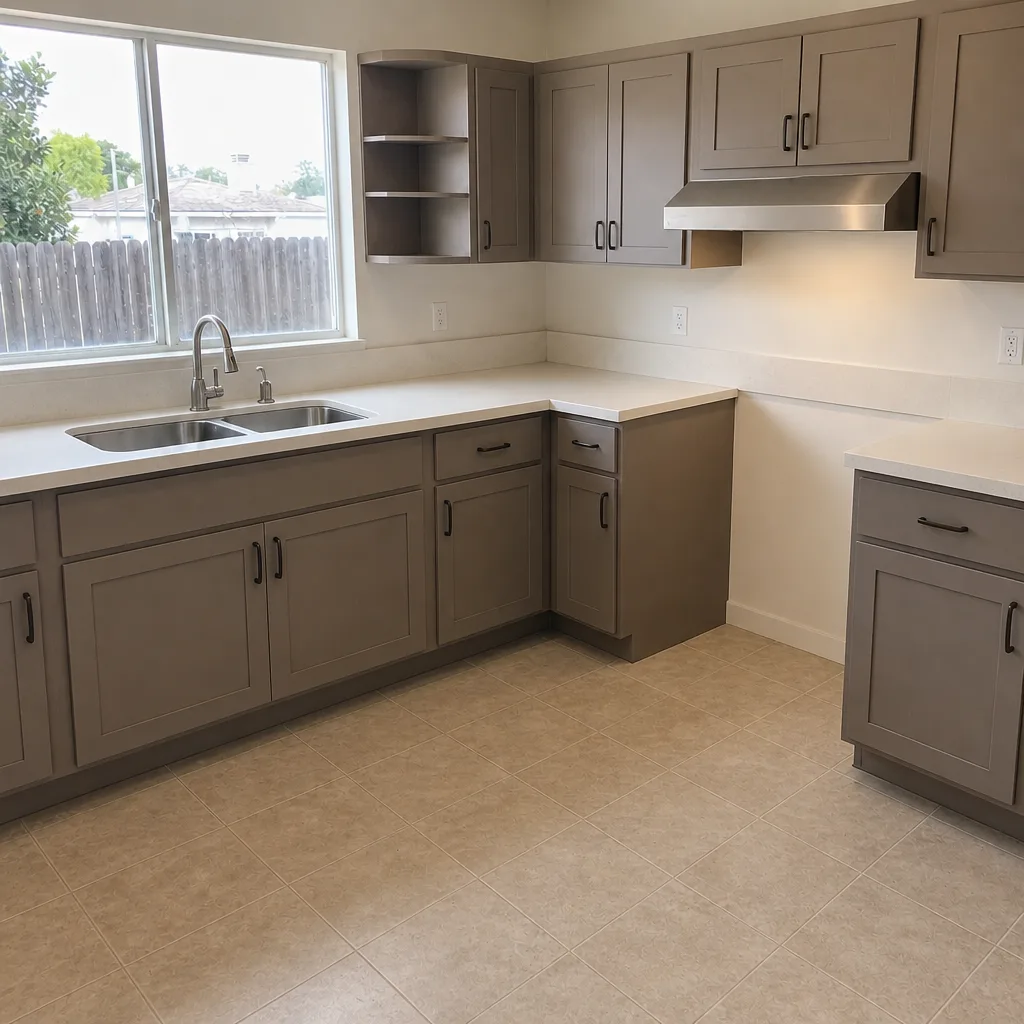 After
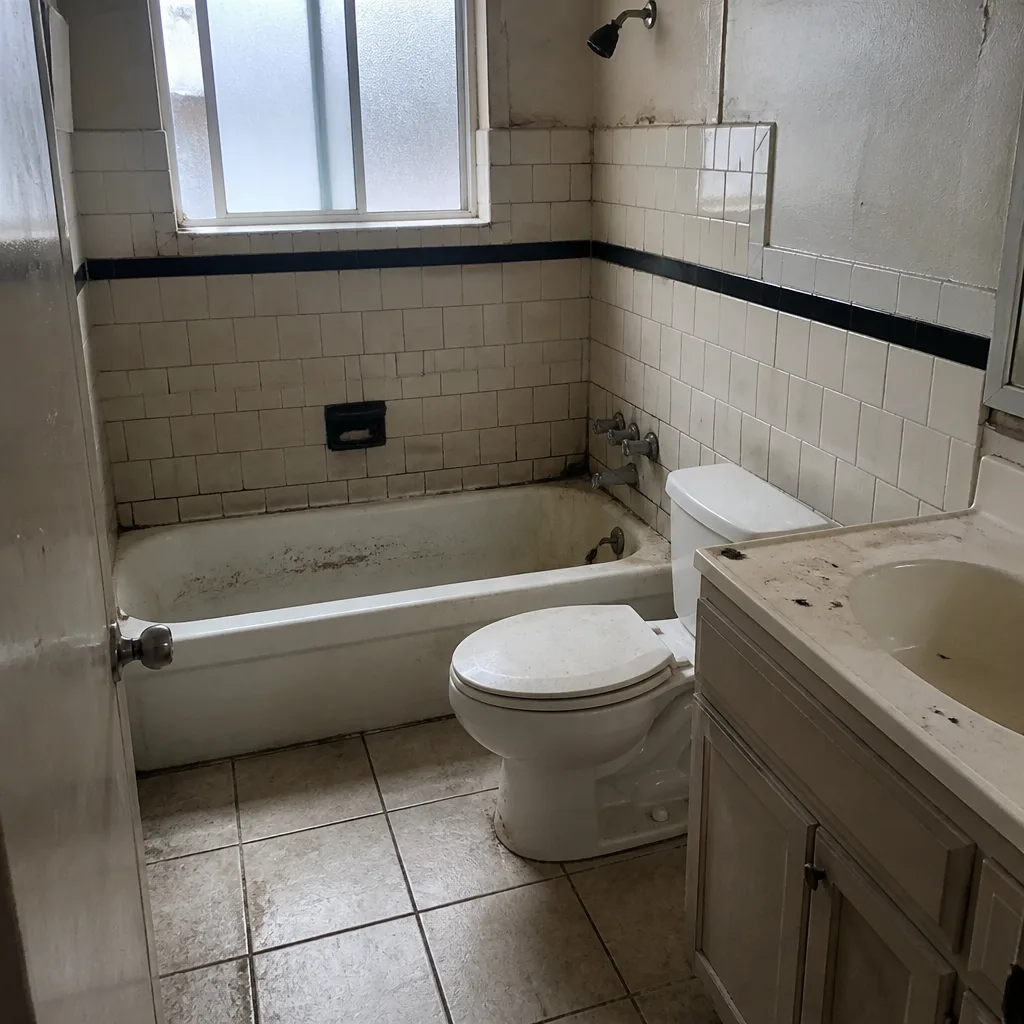 Before
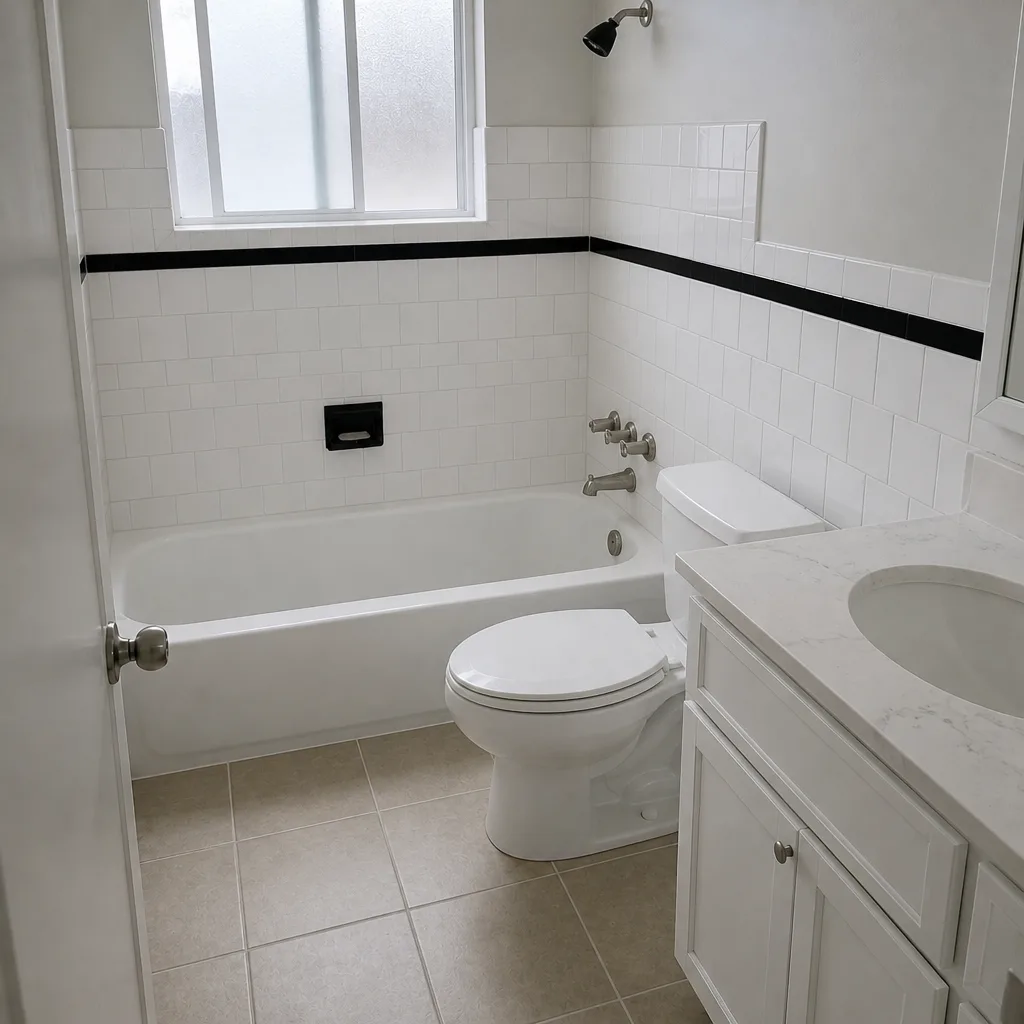 After
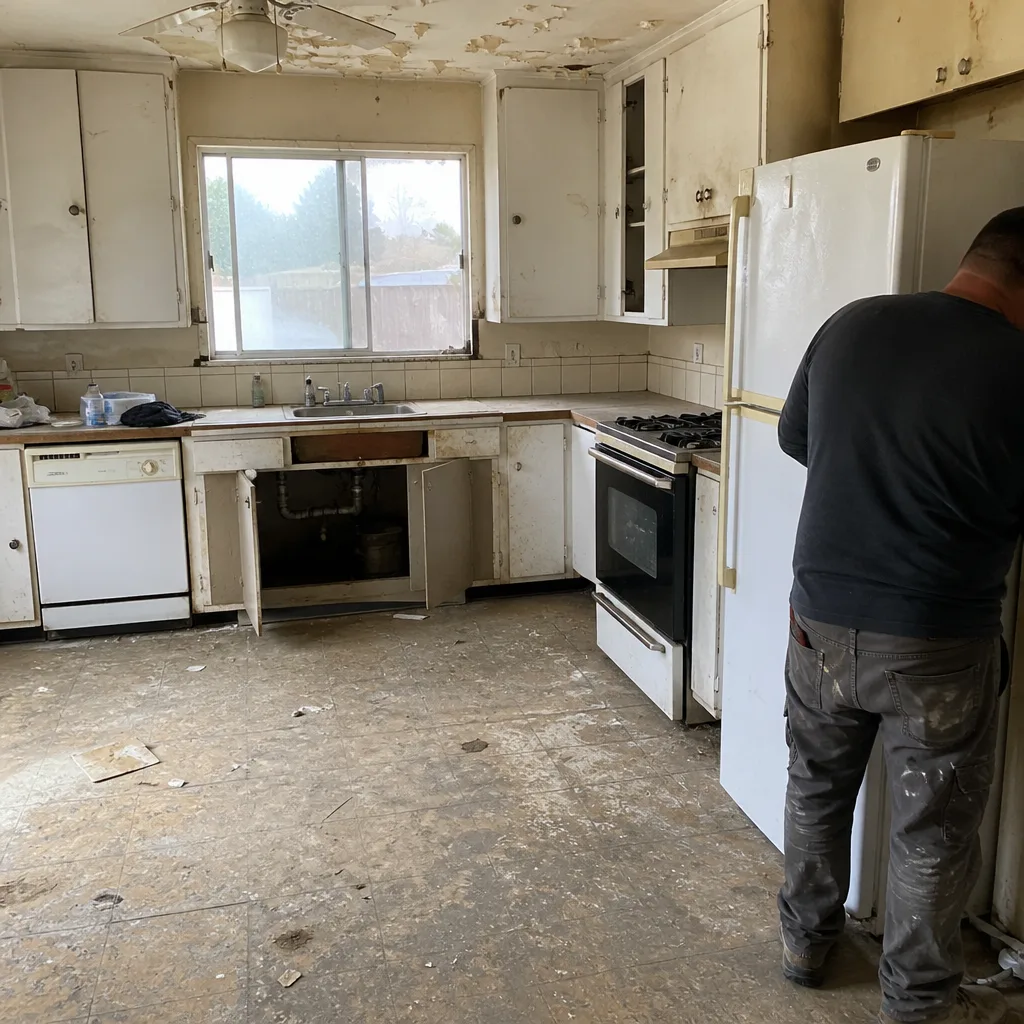 Before
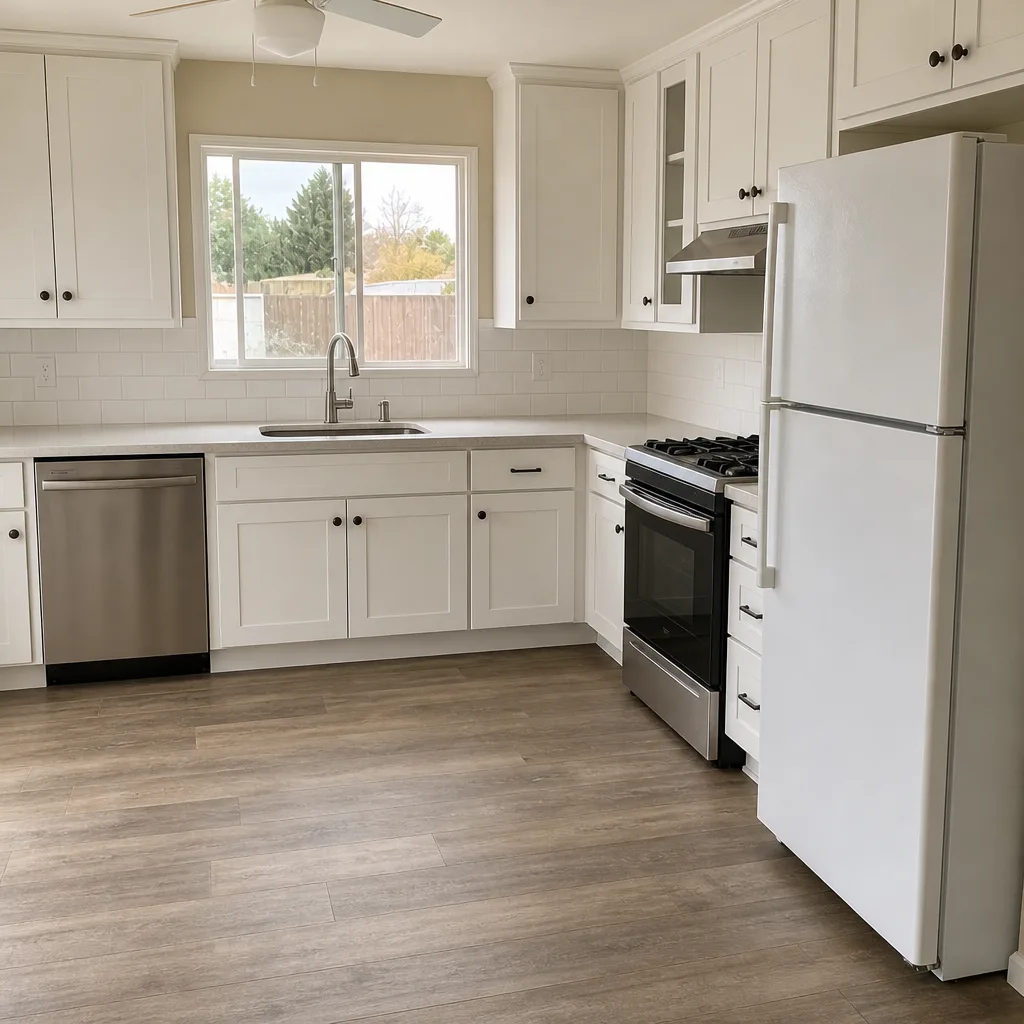 After
How long does a tile roof last in Antioch, CA?
A clay or concrete tile roof in Antioch typically lasts 50+ years. The system under it usually doesn’t. In the southern hill subdivisions, where tile went up in the late 1980s and 1990s, the felt underlayment beneath the tile is the part most likely to fail first – often somewhere around the 15 to 25 year mark. That gap between tile life and roof life is what actually decides when your tile roof needs replacing.
The tile is not the roof. The system is.
Your neighbor’s tile roof looks intact at 28 years old. From the street it probably is. What you can’t see from the sidewalk is the asphalt-saturated felt underneath, and in Antioch’s heat that layer has been cooking since the first summer.
South Antioch hill homes from the 1990s are hitting the 25 to 30 year window right now. Many still have their original underlayment while the tile above it looks perfectly serviceable. That’s the trap. The tile will outlast the felt it sits on by decades, and once the felt goes, you have a leak waiting for the first real storm.
We’ve walked those roofs on the hillsides above Highway 4 and seen the same thing repeatedly: tile that snaps back into place when you lift it, sitting over a felt that crumbles when you touch it. The homeowner had no idea. Nothing was leaking yet.
Why Antioch heat is hard on the layer you can’t see
Standard 30-pound felt underlayment doesn’t belong in a place where summer afternoons regularly climb past 95°F. Under tile, that felt bakes. The oils that keep it pliable dry out, it turns brittle, and it develops the kind of hairline cracks that let water through months before anything shows on your ceiling.
Most felt under tile reaches the end of its useful life at 15 to 20 years in this climate. Synthetic underlayments rated for 50-plus years are the only product that matches the tile’s actual lifespan. That single decision – which underlayment goes down – is the difference between a roof system that lasts 20 years and one that lasts 50.
This is where a lot of bids get quiet. A tile replacement that reuses the cheapest felt available passes inspection and looks identical from the street. It also puts you back in this same spot 20 years sooner. When we build a tile scope, the underlayment gets specified by product and rating, not defaulted to whatever’s on the shelf. Our technicians have up to 12 years of experience working with tile and steep-slope systems, and the underlayment call is one they make deliberately.
What breaks first on a tile roof in Antioch
Wind-driven water is the second factor most homeowners miss. Clay-heavy soils in the flats swell and shrink with the seasons, and that seasonal movement opens small gaps at ridges and hips. Those gaps are wide enough for Delta wind to push dust and debris under the tile, where it traps moisture against the underlayment and speeds up the breakdown.
The pattern holds along the river-adjacent and older downtown blocks, where the water table runs high and soil movement is more pronounced. It’s a different problem than the hill subdivisions face, but it ends in the same place: moisture sitting where it shouldn’t.
What we look for on a tile roof inspection:
- Lifted or slipped tiles at ridges, hips and valleys – the first sign movement is opening seams
- Debris packed under tile courses where wind has driven it
- Brittle or crumbly felt visible at any exposed edge
- Cracked, broken or shifted field tile after a wind event
- Ceiling or attic staining that shows up long after the felt has already failed
Fixing this isn’t a do-it-yourself job. Tile work means walking steep, brittle surfaces at height, and one wrong step cracks tile you can’t easily match. It’s work for a trained professional with the right fall protection and the right replacement tile on hand. Our Roofing in Antioch work covers both repair and full replacement when the underlayment has gone.
What tile roof repair and replacement cost in Antioch
Prices here reflect what homeowners in Antioch actually pay for tile work. Repairs stay small when the problem is isolated. When the underlayment is the issue, the numbers shift because you’re redoing the layer, not just the tile above it.
| Tile roof repair (individual tile, flashing, minor sealing) | $600 – $2,500 |
| Roof repair (leaks, small sections) | $400 – $1,800 |
| Full roof replacement | $8,000 – $20,000 |
| Metal roof installation (if you’re changing materials) | $15,000 – $40,000 |
Those ranges are upfront pricing, no surprises – the number you see is the number you pay. Larger replacement projects qualify for $1,000 off projects over $10,000 and 0% financing for 18 months, which matters when a full tile system replacement lands all at once. Every tile installation we do includes a full underlayment specification and is covered by the 730-Day Done Right Promise: if anything moves or fails in the first two years, that’s our problem, not yours.
On every job, the underlayment decision gets written into the scope before work starts. A roof over old felt is a roof you’ll pay for twice. Materials come from partners we trust, including GAF and Owens Corning systems, so the felt and flashing under your tile meet the same standard as the tile itself.
Can you check my tile roof before it fails?
Yes. A tile roof inspection is the only way to know what shape your underlayment is in, because the tile hides it. We check for lifted tile, packed debris, brittle felt at edges and any attic-side signs of moisture. If the felt is still sound, we tell you. If it’s at the end of its life, you’ll know what’s coming before a leak forces the decision. The inspection is free, and it takes the guesswork out of whether you’re looking at 10 more years or 2.
FAQs
The tile itself lasts 50+ years in Antioch’s climate, but the full roof system often needs attention at 20 to 25 years because the felt underlayment fails first. Homeowners who judge their roof by the tile alone are usually looking at the wrong layer. Call (888) 419-3650 for a free estimate – we’ll tell you which layer you’re dealing with.
Repair is cheaper when the problem is isolated – a handful of cracked tiles or flashing at $600 to $2,500 runs far less than a full replacement at $8,000 to $20,000. Replacement wins the math when the felt underlayment is at end of life, because patching tile over failing felt just delays the bigger cost. Call (888) 419-3650 and we’ll give you the straight answer for your roof.
No. Reusing old felt defeats the purpose of a tile replacement, because the underlayment is the layer that actually keeps water out and it’s already at end of life. A proper tile install removes the old felt and specifies a synthetic underlayment rated for 50-plus years. Call (888) 419-3650 to talk through what a full system scope looks like.
Yes, we can usually get an assessment out fast, and calls are answered by a live person 24/7 – no voicemail, no waiting until Monday. Active leaks get prioritized. Call (888) 419-3650 any time and we’ll get someone scheduled for a free estimate.
If you’d rather have it looked at, Groundwork Construction Co. of Antioch offers a no-pressure assessment in Antioch. We’ll tell you what’s under that tile and what it means for the next twenty years – call (888) 419-3650 for your free estimate and design consult.
Written by the team at Groundwork Construction Co. of Antioch, serving Antioch, CA.