
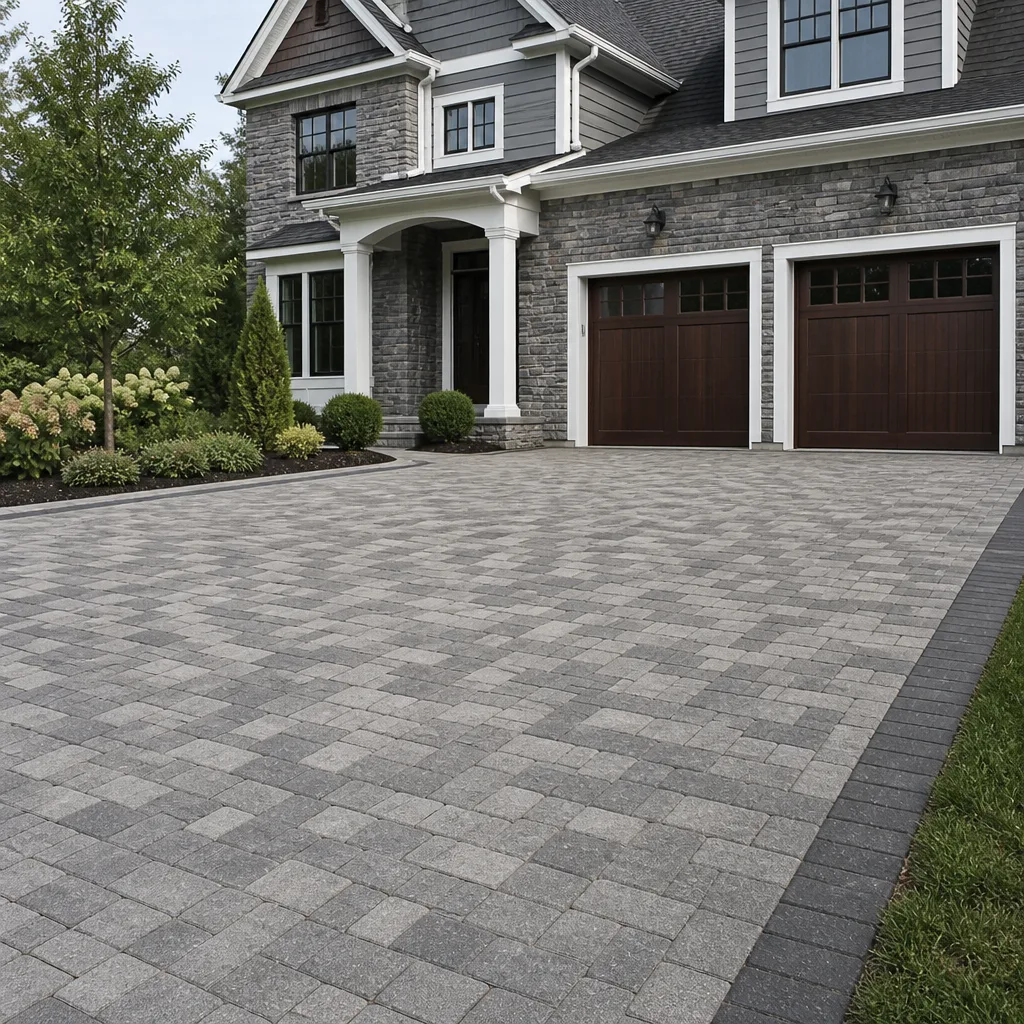
 Driveway & pavers
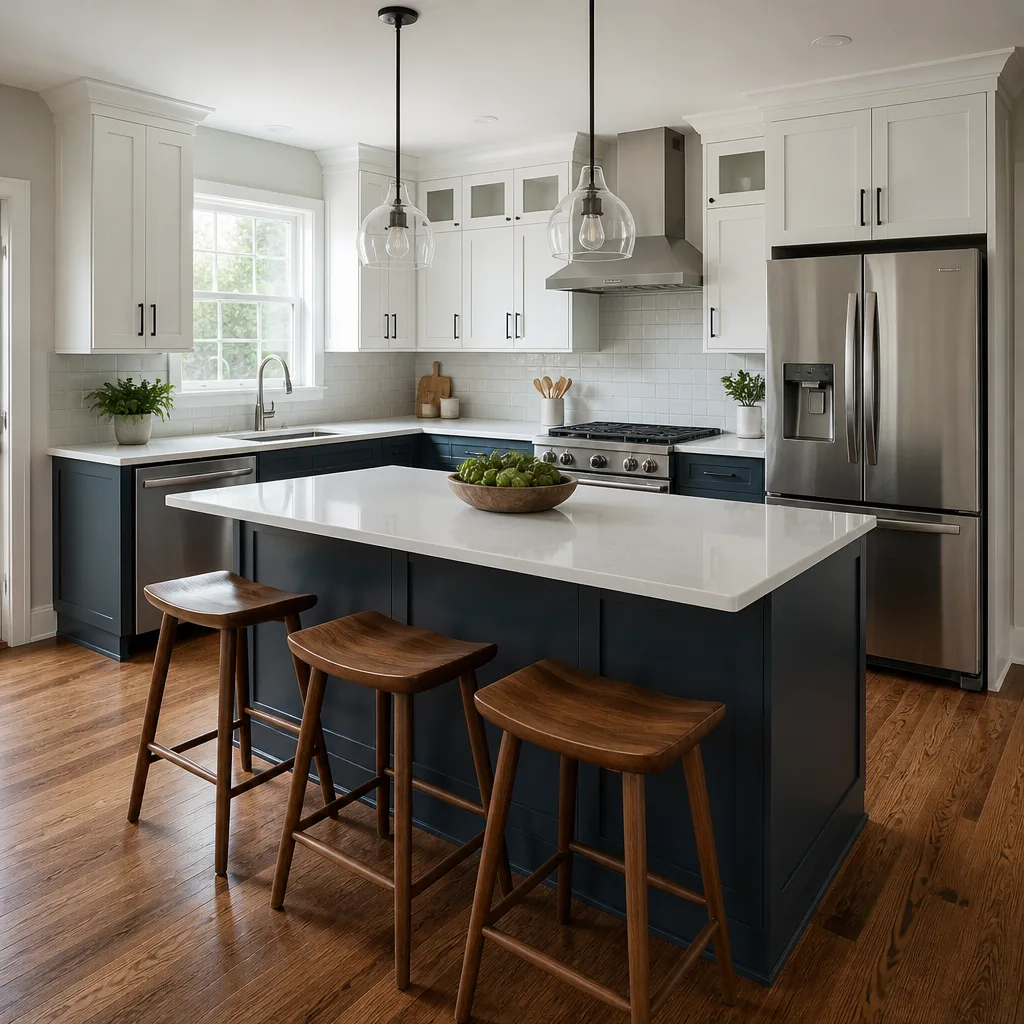 Kitchen remodeling
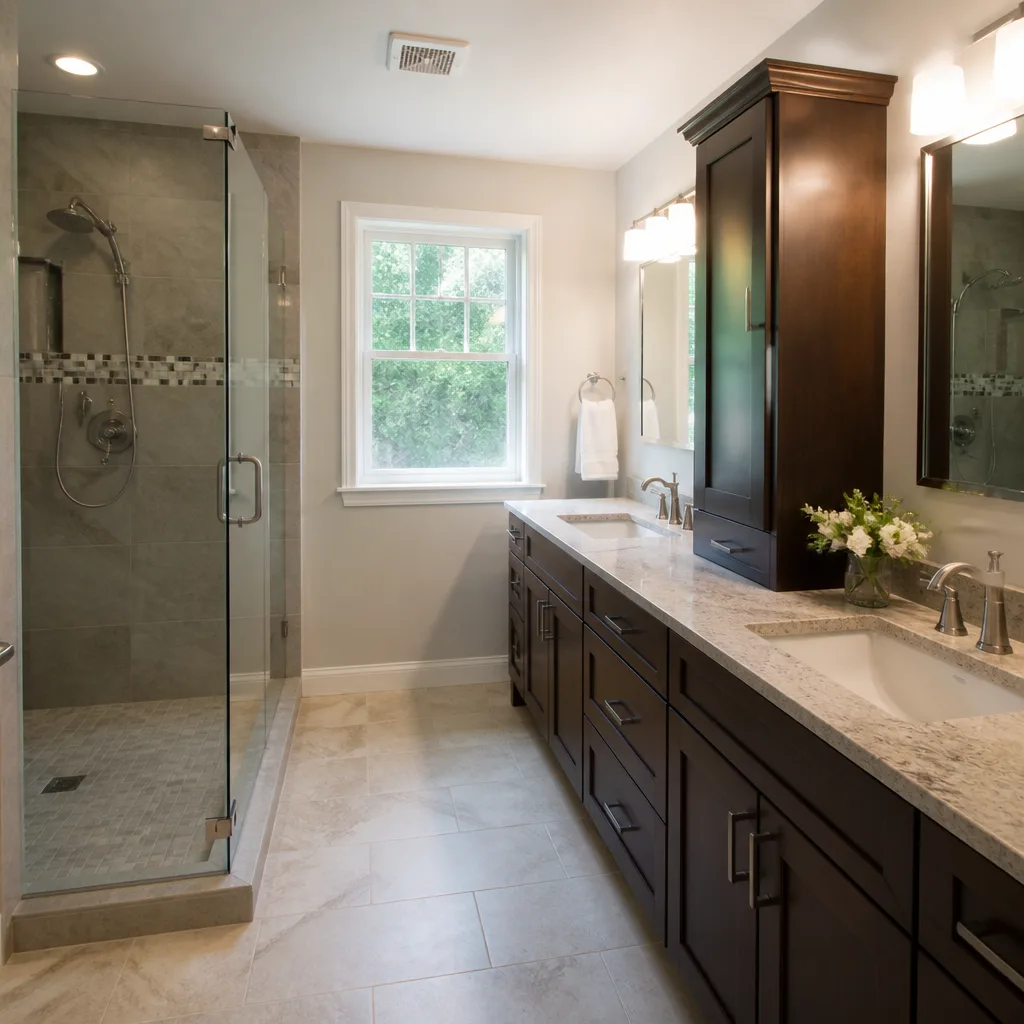 Bathroom remodeling
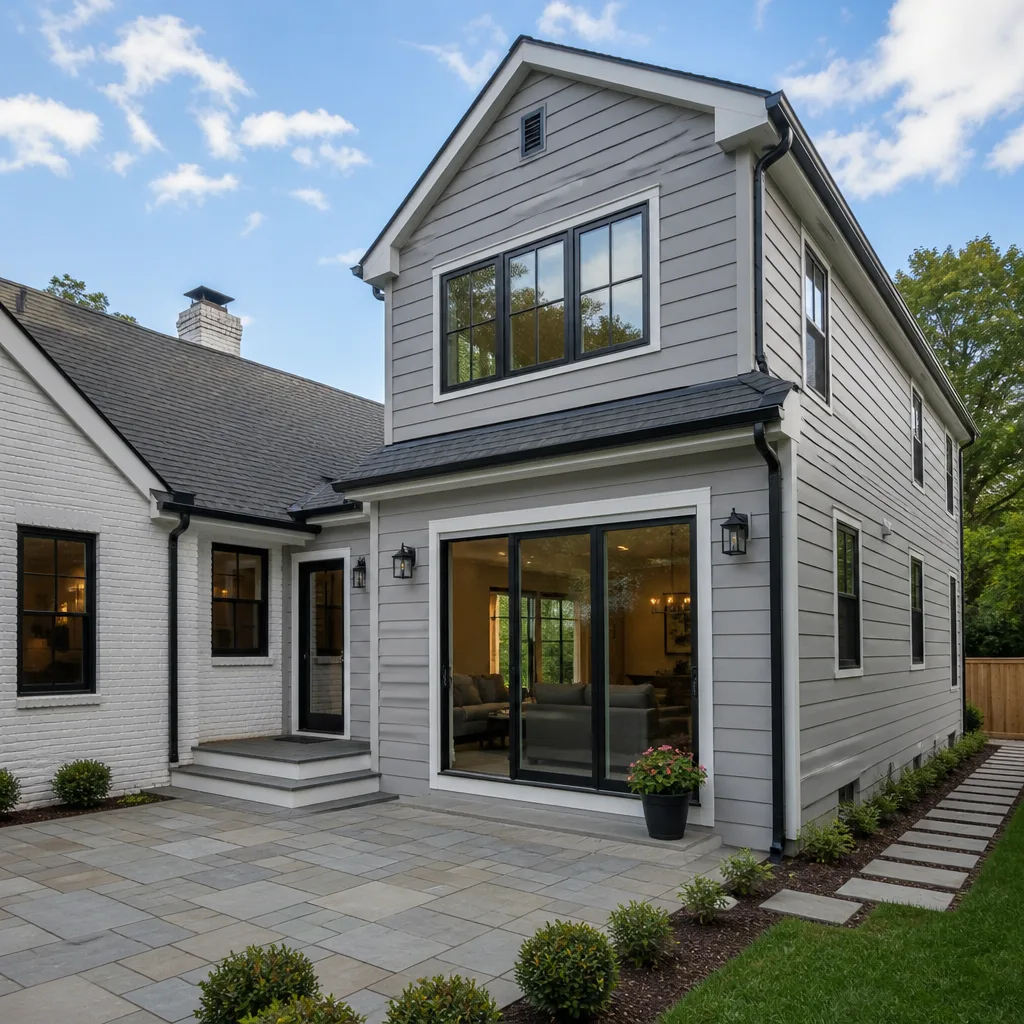 Home additions & ADU
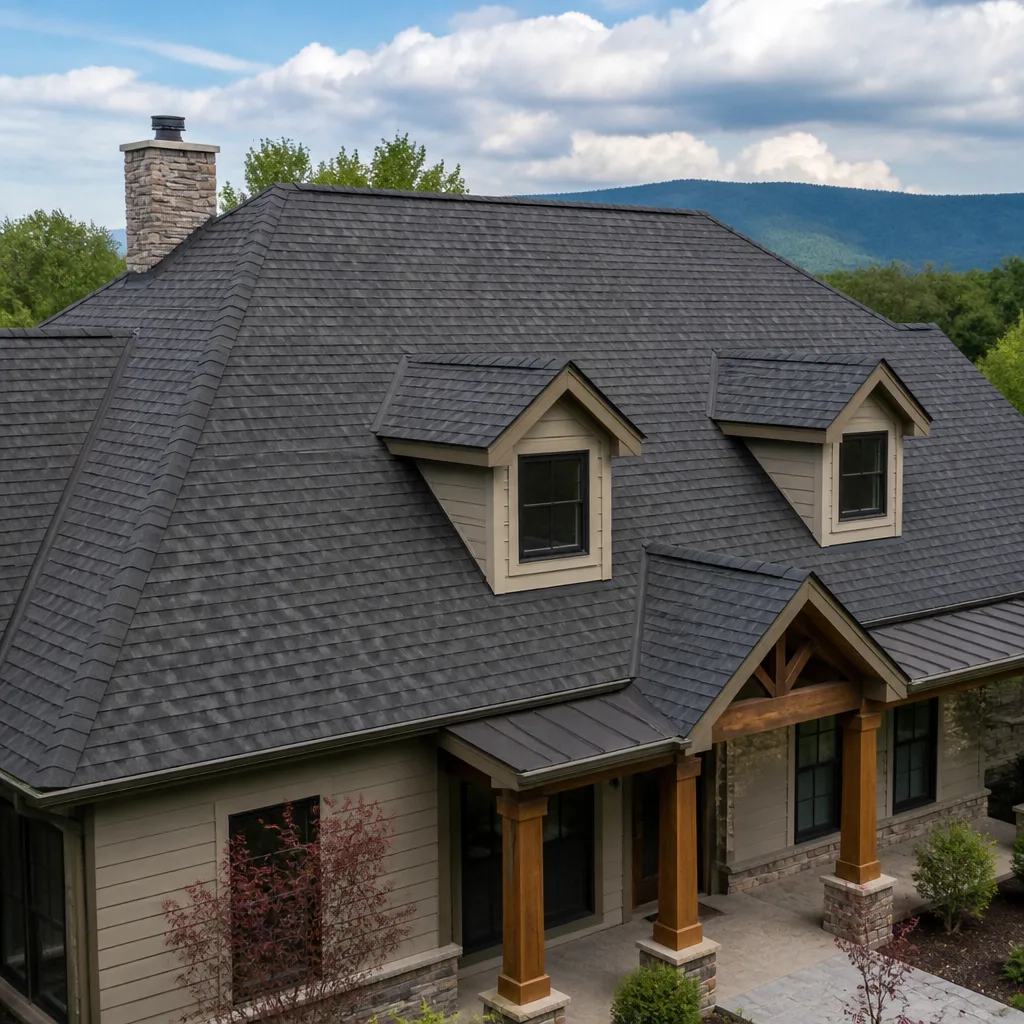 Roofing
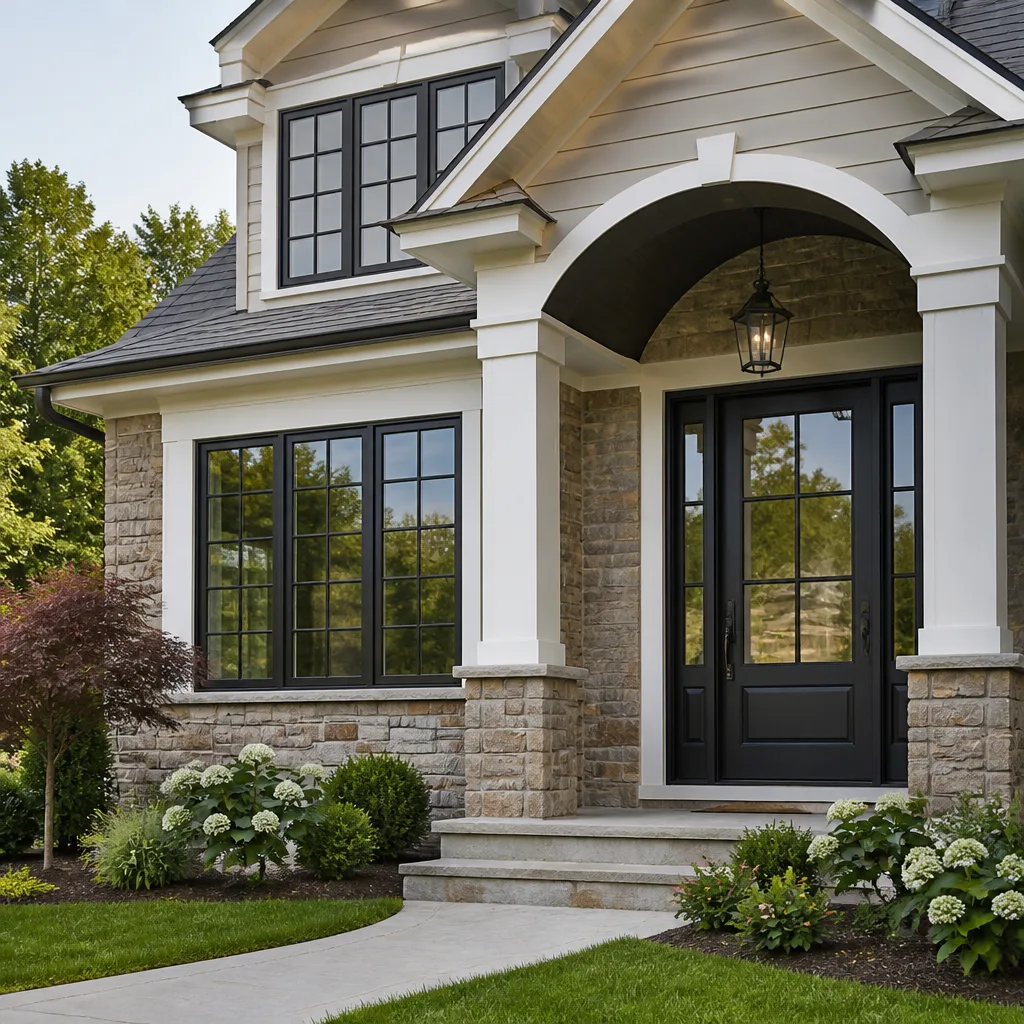 Windows & doors
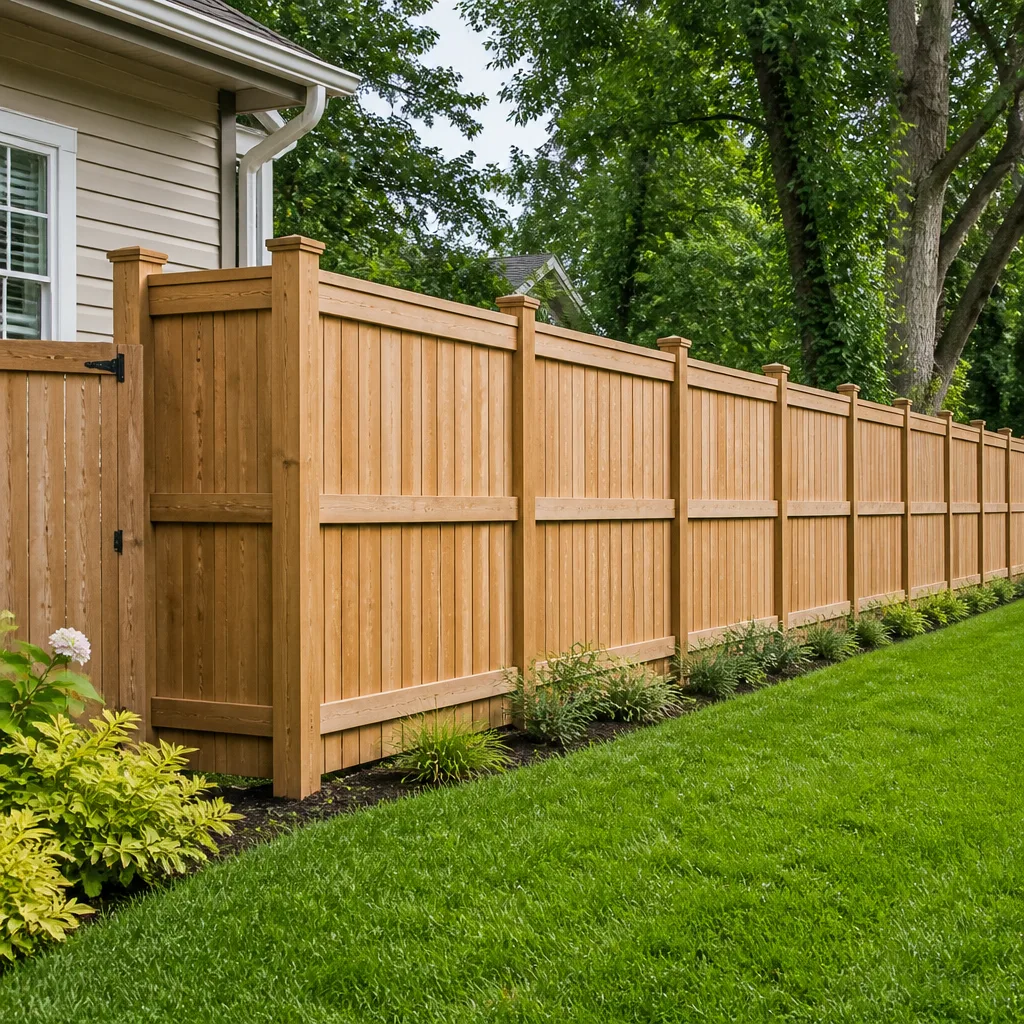 Fence
Free written scope consultation - allowances, timeline, and change-order rules on paper before a single trade is scheduled
Styles & brands we work with
- Kitchen remodeling
- Bathroom remodeling
- Home additions & ADU
- Roofing
- Windows & doors
- Driveway & pavers
- Fence
See the difference
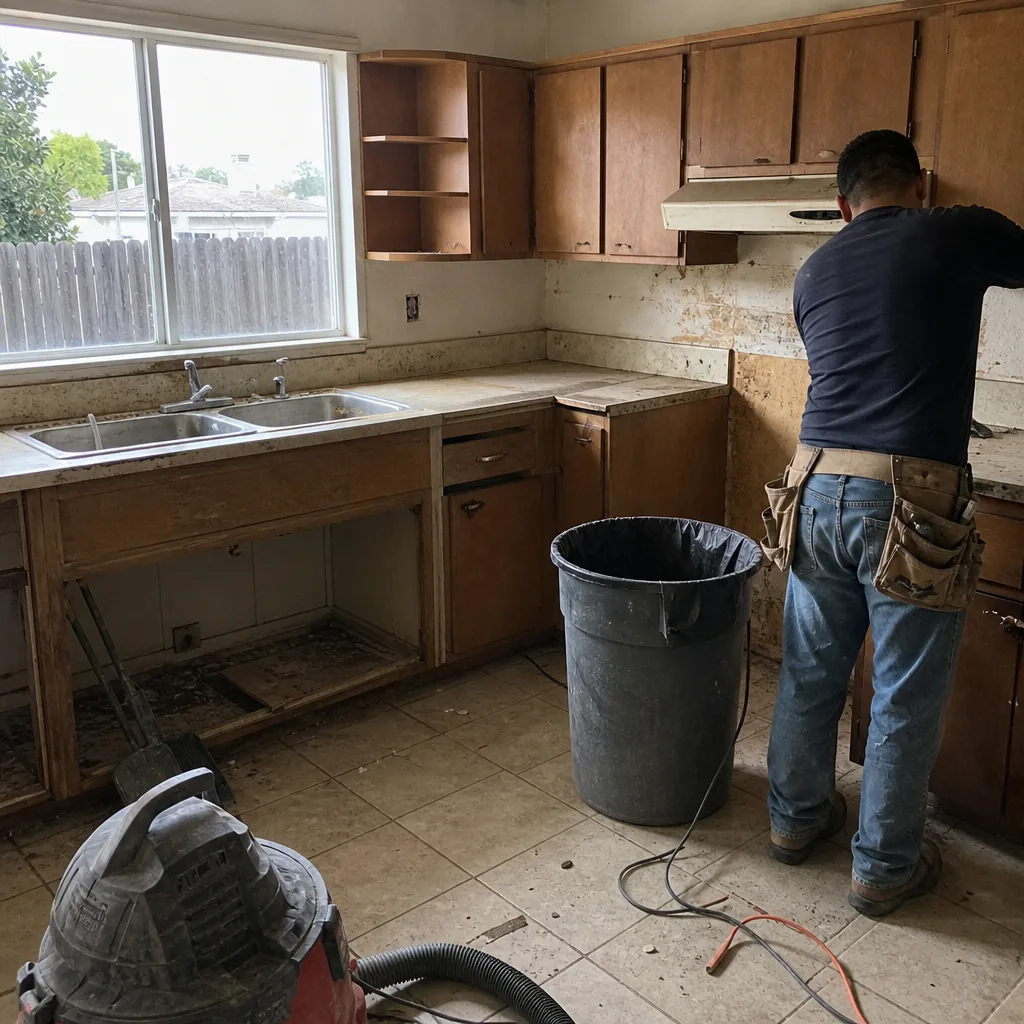 Before
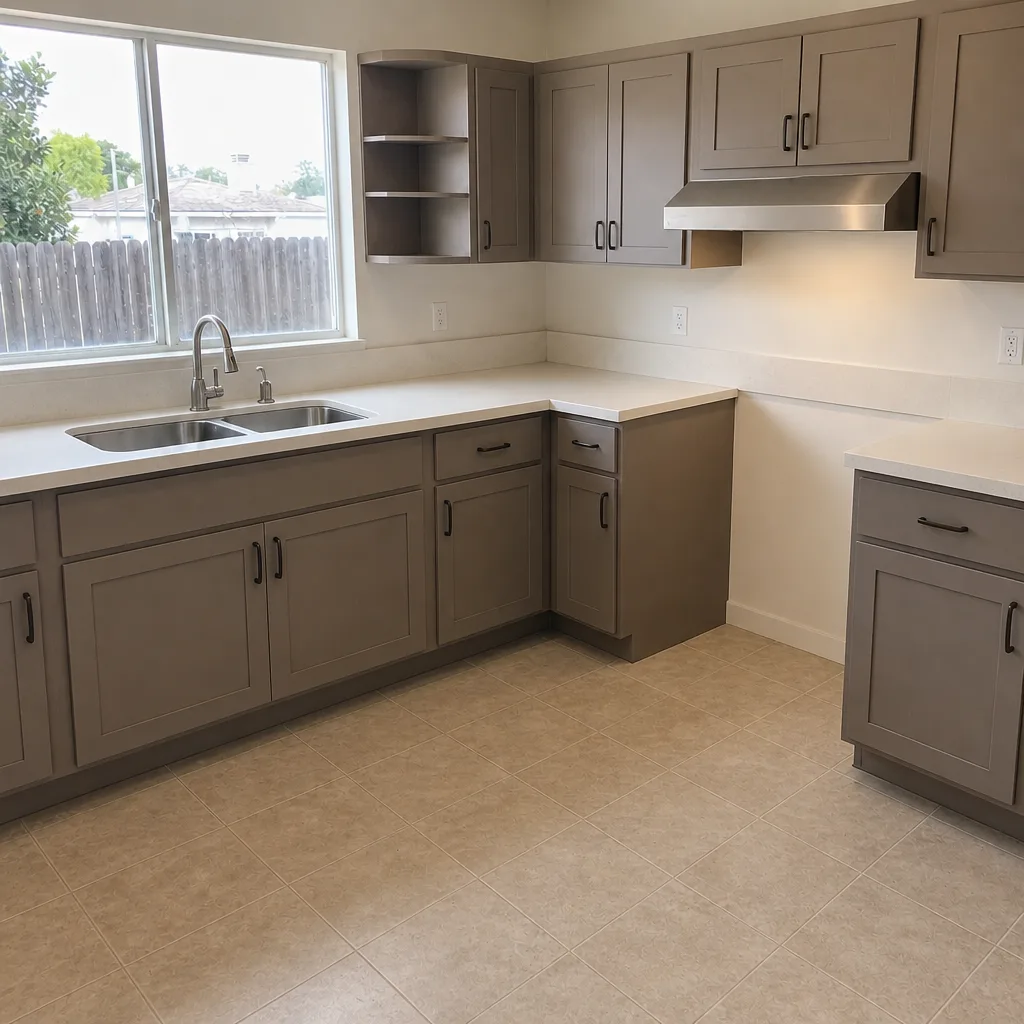 After
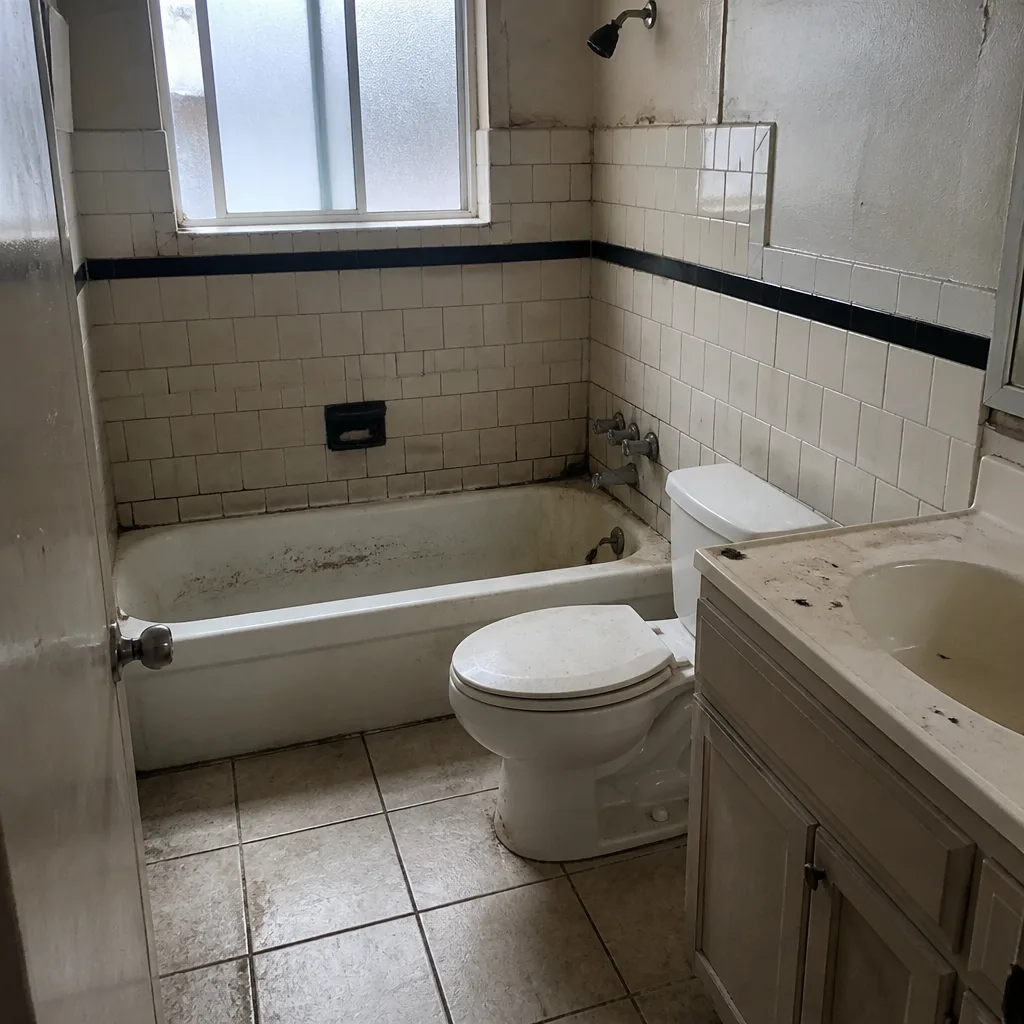 Before
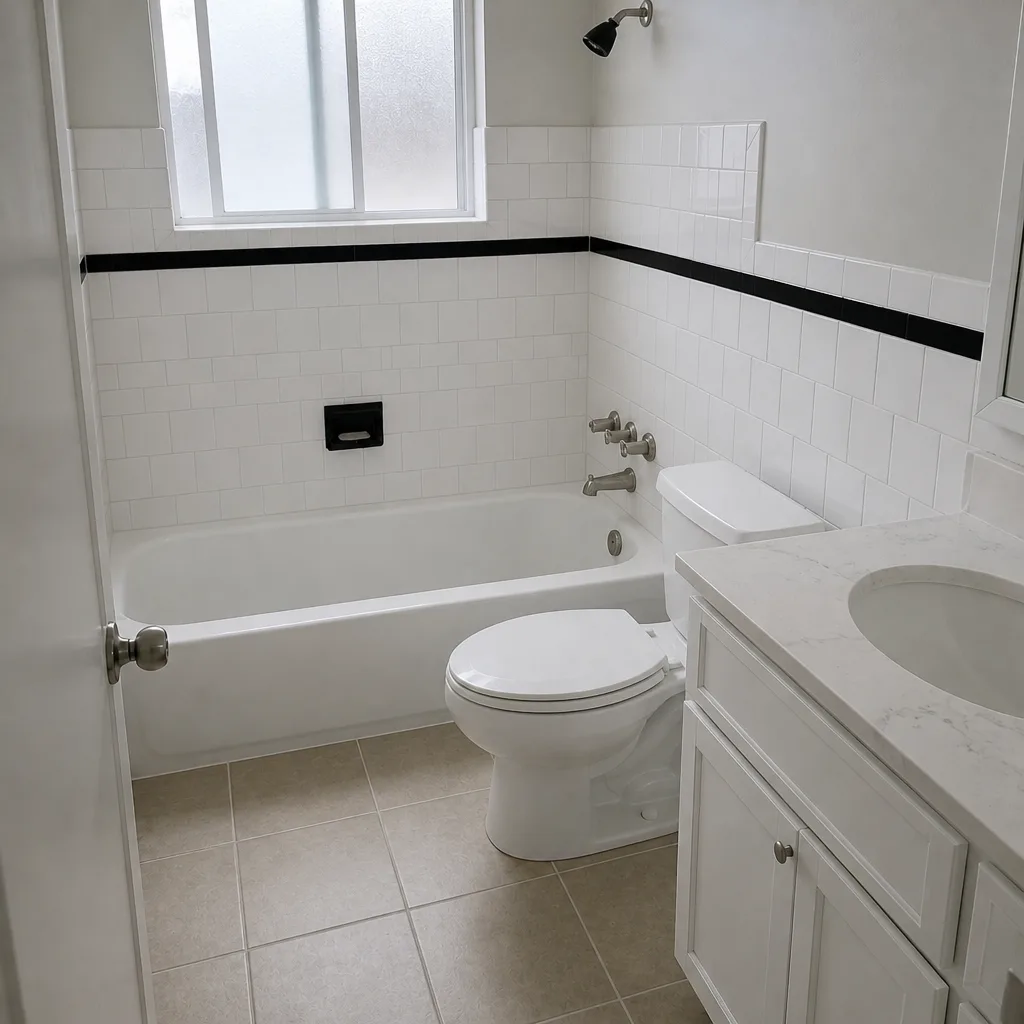 After
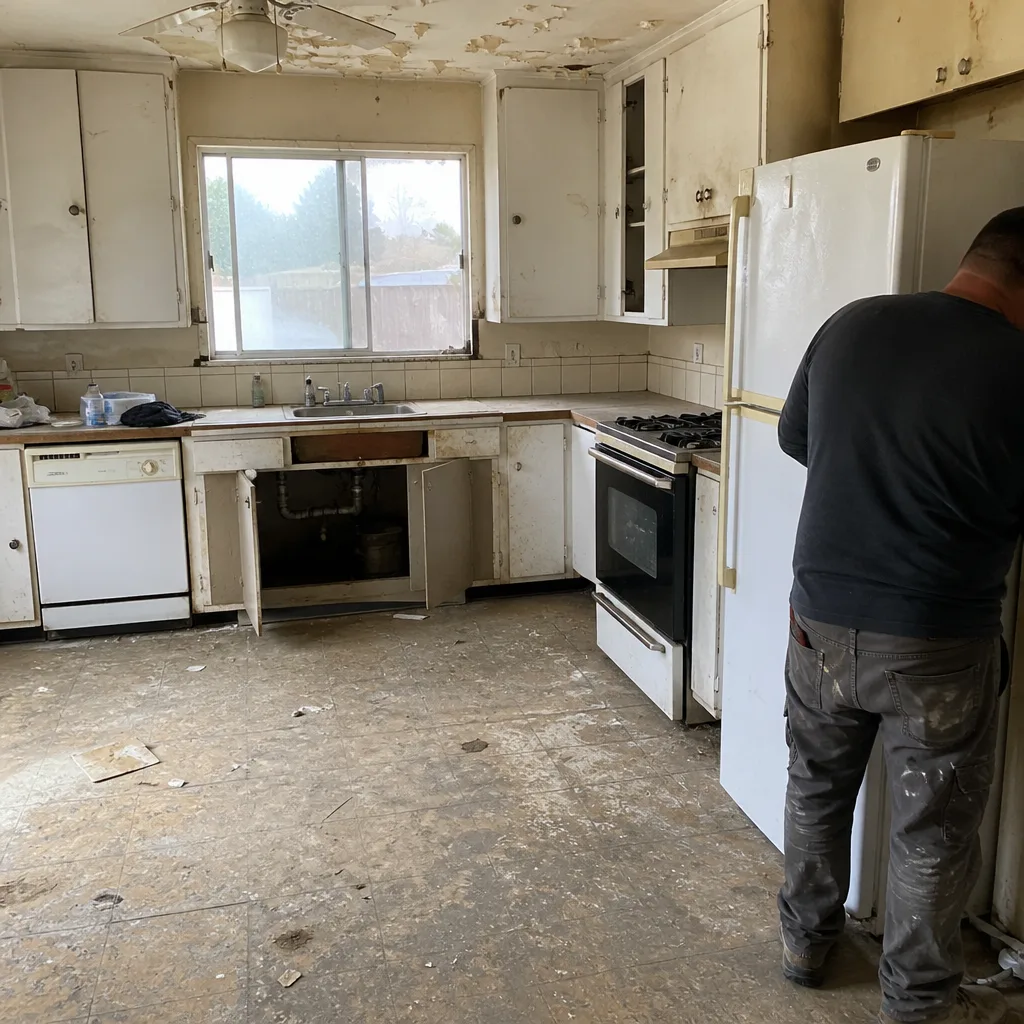 Before
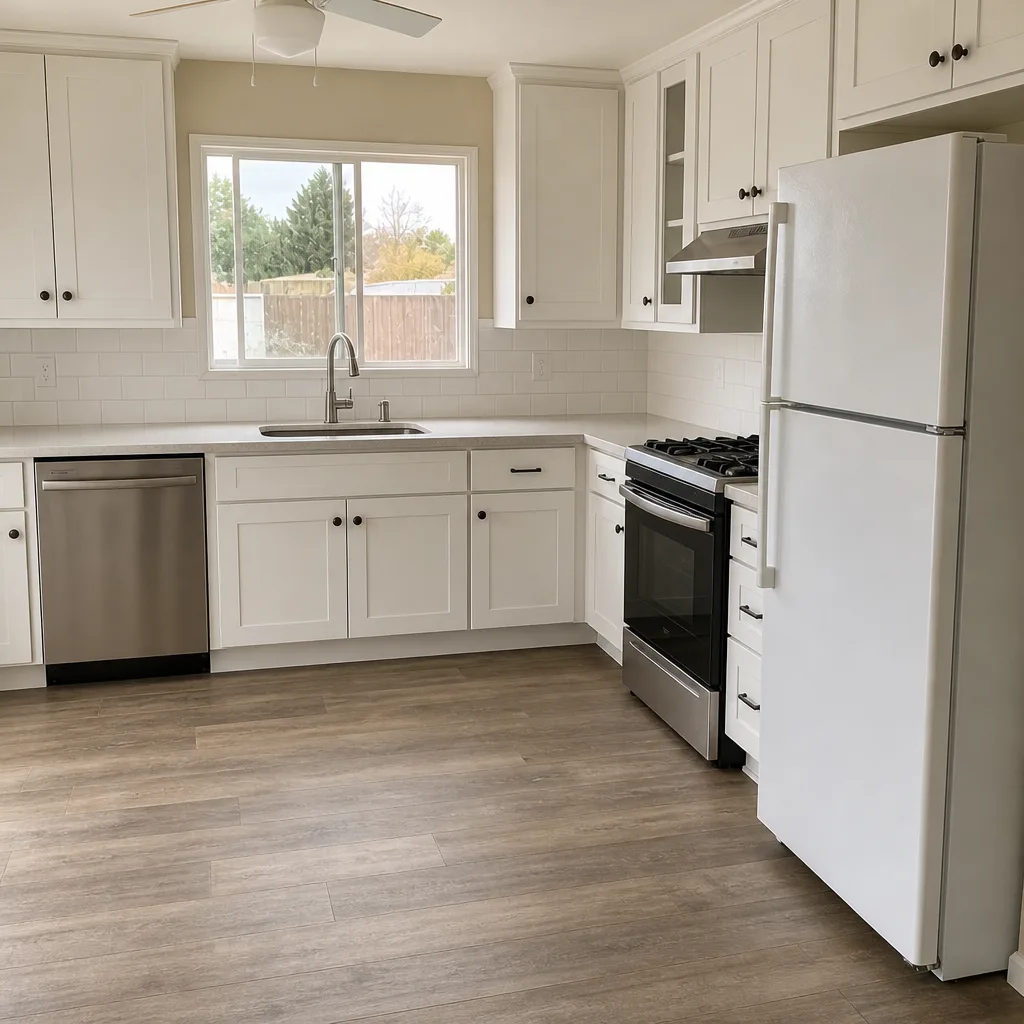 After
How Thick Should a Concrete Driveway Be in Antioch, CA?
For most Antioch driveways, the right answer is 5 inches - not the 4-inch national minimum. Four inches is a builder’s floor spec intended for stable, average soils, and much of Antioch’s flat housing stock doesn’t sit on stable average soil. If you park a full-size pickup, an SUV, a boat trailer, or an RV, go to 6 inches. A standard passenger car on a properly prepared base can live at 4 inches, but only when the gravel underneath is compacted and thick enough to absorb the movement that clay pushes upward every wet season. Call (888) 419-3650 and we’ll tell you which number your driveway needs, and why, before a single yard of concrete gets ordered.
Why Antioch Driveways Don’t Follow the National Spec
Antioch sits on the Delta at the foot of the East Bay hills, and the flats are dominated by 1950s through 1970s ranch tract homes built on clay-heavy soils. Clay expands when it’s wet and shrinks when it’s dry. Antioch’s hot, dry Delta summers with persistent afternoon winds off the river, followed by cool, fog-influenced winters, hand that subgrade a hard seasonal swing twice a year. A 4-inch slab poured directly on uncompacted native clay has nowhere to put that movement, so it comes up through the slab as a crack.
That’s the failure we see over and over in the older river-adjacent blocks and downtown, where the water table also runs high. We’ve torn out slabs that were only a few seasons old, cracked straight through the middle, with four inches of concrete sitting on top of six inches of undisturbed clay and nothing else. The concrete wasn’t the problem. The spec underneath it was.
So when a homeowner calls us asking about slab thickness, the honest answer is always two variables, not one. Thickness is the number you can see. Base prep is the number that decides whether the slab survives.
The Thickness Decision Tree: Match the Slab to the Load
Thickness should follow what actually rolls onto the driveway, then get adjusted upward for soil conditions. Here’s the decision tree we use on Antioch bids:
- Standard passenger cars only, stable sub-base: 4 inches. This is the minimum, and only when the base is right.
- SUVs, light trucks, full-size pickups: 5 inches. This is the Antioch starting point for most homes, because most driveways see at least one truck or SUV in the household.
- Heavy trucks, RVs, trailers, or frequent delivery vehicle access: 6 inches. Delivery trucks and RVs concentrate load in a way passenger vehicles never do.
- Clay-heavy sites, any vehicle: bump up one tier. The soil, not the car, is often what earns the extra inch.
Here’s the comparison that matters, and it’s the one that surprises people: a 4-inch slab on 6 inches of properly compacted gravel over clay will outperform a 6-inch slab poured directly on uncompacted native clay every time. Thicker concrete on a bad base still cracks. The base is where clay movement gets absorbed, and the slab on top just has to carry the load.
What About Rebar and Control Joints on Clay?
Reinforcement matters as much as thickness on clay soils. For Antioch driveways replacing an aging slab on the flats, 3/8-inch rebar on an 18-inch grid is the defensible spec. Wire mesh alone is not adequate for sites with known clay movement, it has a tendency to end up at the bottom of the pour instead of the middle, where it does the least good.
Control joints need attention too. National guidelines call for joints every 10 to 12 feet. On expansive clay, we tighten that to joints every 8 to 10 feet. Closer joints give the slab planned places to accommodate seasonal micro-movement, so it cracks where you designed it to instead of randomly across the surface. It’s a small change in layout that makes a real difference in how the driveway looks five winters from now.
Weather shifts the pour schedule as well. Concrete cures fast in a dry Delta summer with wind coming off the river, so a pour that sits too long before finishing can develop surface problems nobody wants to discover the following spring. We schedule around that, not through it.
What Should a Concrete Driveway Cost in Antioch?
Concrete driveway installation in Antioch typically runs $4,500 to $12,000 for a full pour. Thickness and base prep push that range up or down more than square footage does, which is why a fair bid shows the spec in writing rather than a single lump number.
| Line Item | Typical Antioch Range |
|---|---|
| Concrete driveway installation | $4,500 - $12,000 |
| Full driveway replacement (removal + new pour) | $5,000 - $14,000 |
| Paver driveway installation | $7,000 - $18,000 |
| Asphalt driveway paving | $3,500 - $9,000 |
| Driveway sealing | $250 - $700 |
A thicker slab, rebar instead of mesh, and extra base gravel all add cost up front. Skipping them is what adds cost later. That’s the trade homeowners in Antioch keep having to make, and the numbers usually favor doing it right the first time.
How Groundwork Handles the Spec
Groundwork Construction Co. of Antioch specifies slab thickness and reinforcement on a site-specific basis, not from a one-size-fits-all bid. You see the thickness spec and the reason behind it in writing, along with the base prep, rebar schedule, and control joint spacing, so you know what’s going into the ground before anyone breaks it. Our technicians have up to 12 years of experience, and every finished slab carries the 730-Day Done Right Promise, if it’s not done right, we make it right.
Pricing is upfront with no surprises, and when you’re ready to move on a full driveway project, we offer 0% financing for 18 months plus $1,000 off projects over $10,000. If you’re weighing concrete against a different finish, our Driveway & Pavers team can walk you through how thickness and base prep change across materials, including Driveway & Pavers in Antioch, where we also install Techo-Bloc and Cambridge Pavers systems that flex with soil movement instead of fighting it.
For the bigger picture on what we build, see our home page. If you’d rather talk it through, calls are answered by a live person 24/7, no voicemail, and every technician who shows up is background-checked and in uniform.
FAQs
Four inches is only enough if the sub-base under it is properly compacted and thick enough to absorb clay movement, and even then it’s a passenger-car spec. For most Antioch homes on the flats, 5 inches is the safer starting point because the household usually has at least one SUV or pickup. Call (888) 419-3650 and we’ll give you a straight answer for your address.
A driveway that takes full-size pickups, RVs, trailers, or regular delivery trucks should be 6 inches thick over a properly prepared base. Heavy loads concentrate stress in a way passenger cars don’t. If your site sits on known clay, we’d look at that thickness as the floor, not the ceiling. Call (888) 419-3650 for a free estimate that spells out the spec.
Yes. Thickness alone doesn’t fix clay movement, so on Antioch sites we spec 3/8-inch rebar on an 18-inch grid rather than wire mesh. A thicker slab with no reinforcement still cracks when the subgrade shifts. The 730-Day Done Right Promise covers the work, and we’d rather build it so you never need to use it. Call (888) 419-3650 for an exact quote with the reinforcement schedule in writing.
Concrete driveway installation in Antioch typically runs $4,500 to $12,000 depending on size, thickness, and base prep. A full replacement including tear-out and haul-away runs $5,000 to $14,000. Call (888) 419-3650, estimates are free and include the spec, so you know what you’re paying for.
If you’d rather have it looked at, Groundwork Construction Co. of Antioch offers a no-pressure assessment in Antioch. We’ll check the subgrade, measure the loads your driveway actually sees, and put the thickness spec in writing before you commit. Call (888) 419-3650 for a free estimate.
Written by the team at Groundwork Construction Co. of Antioch, serving Antioch, CA.