
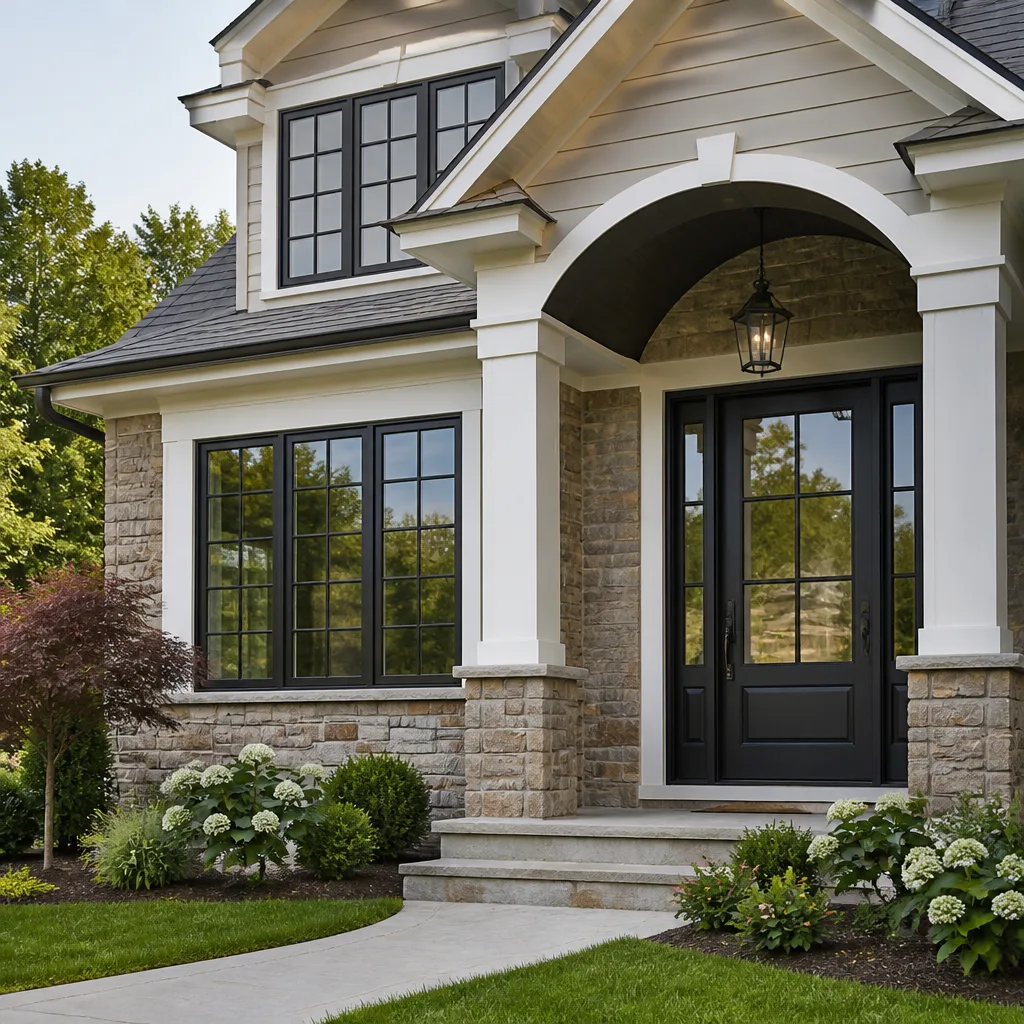
 Windows & doors
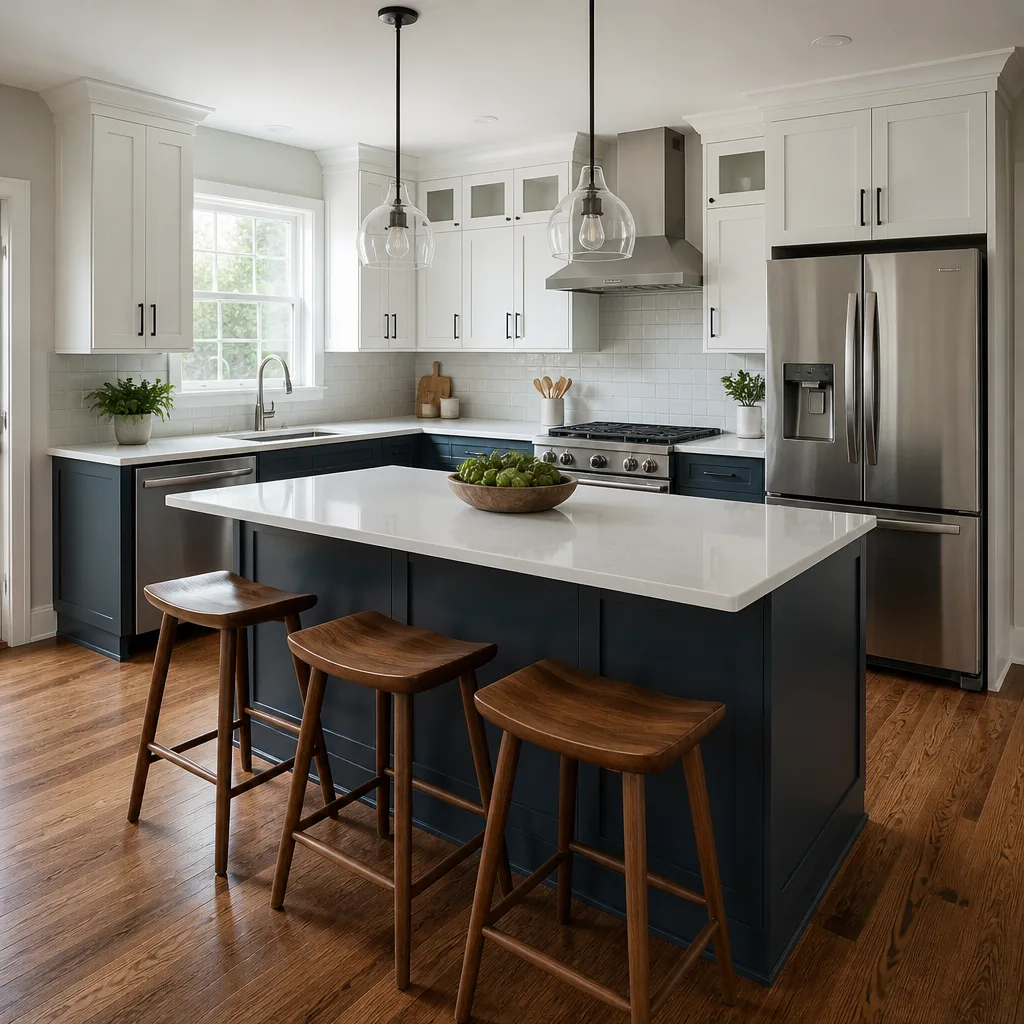 Kitchen remodeling
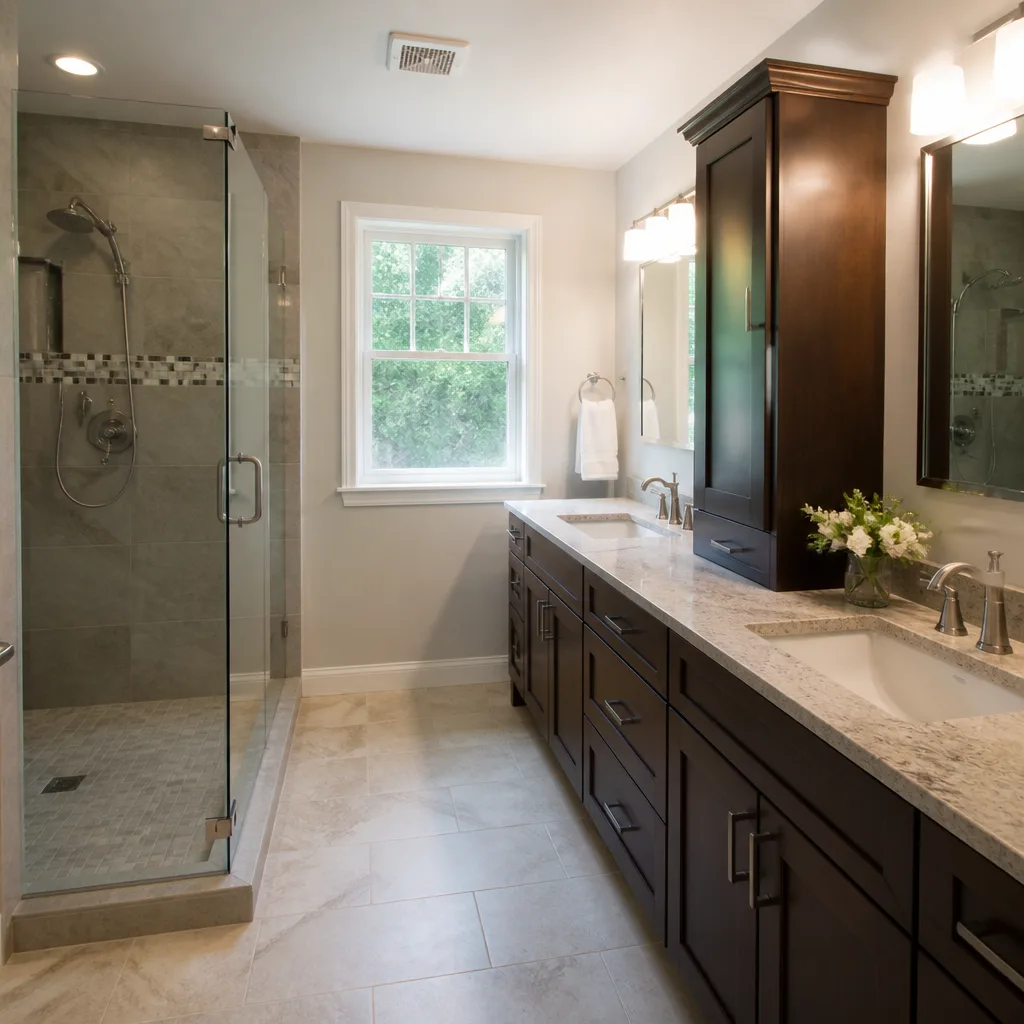 Bathroom remodeling
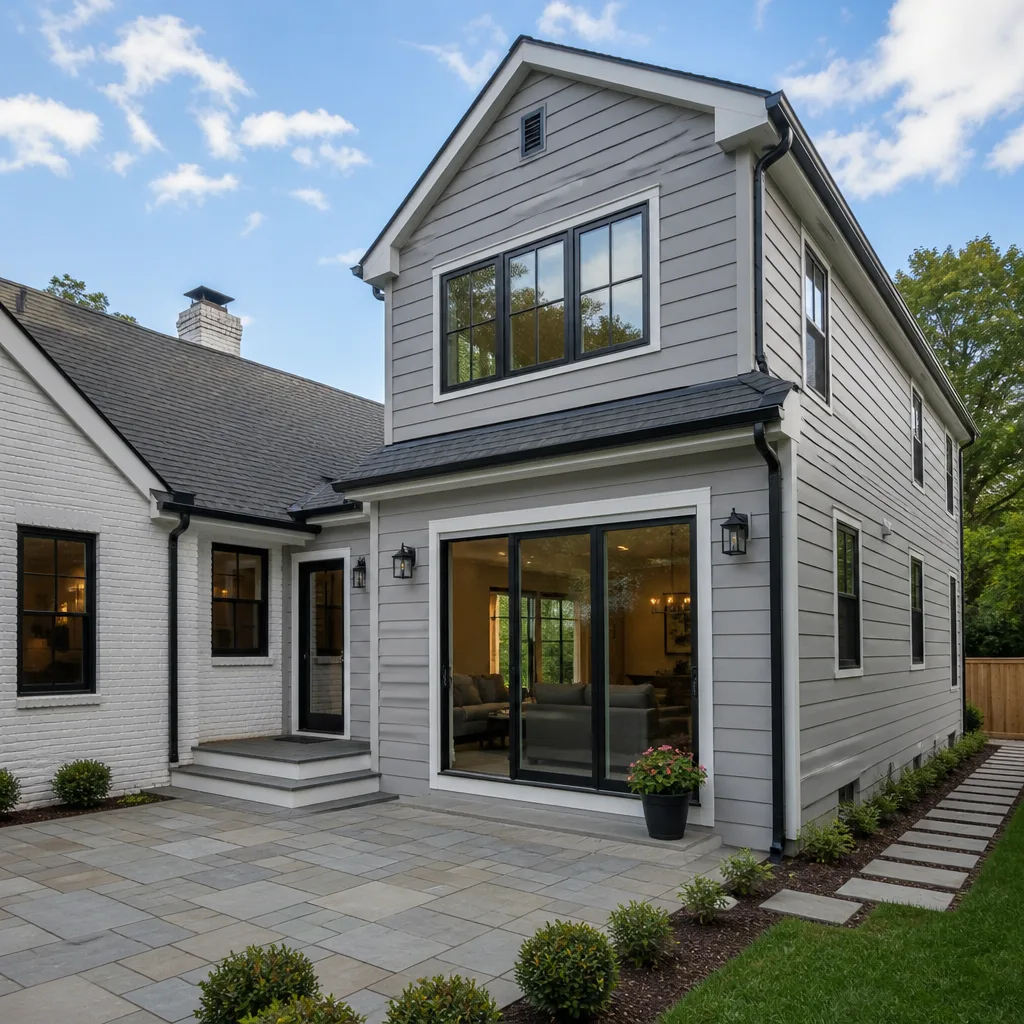 Home additions & ADU
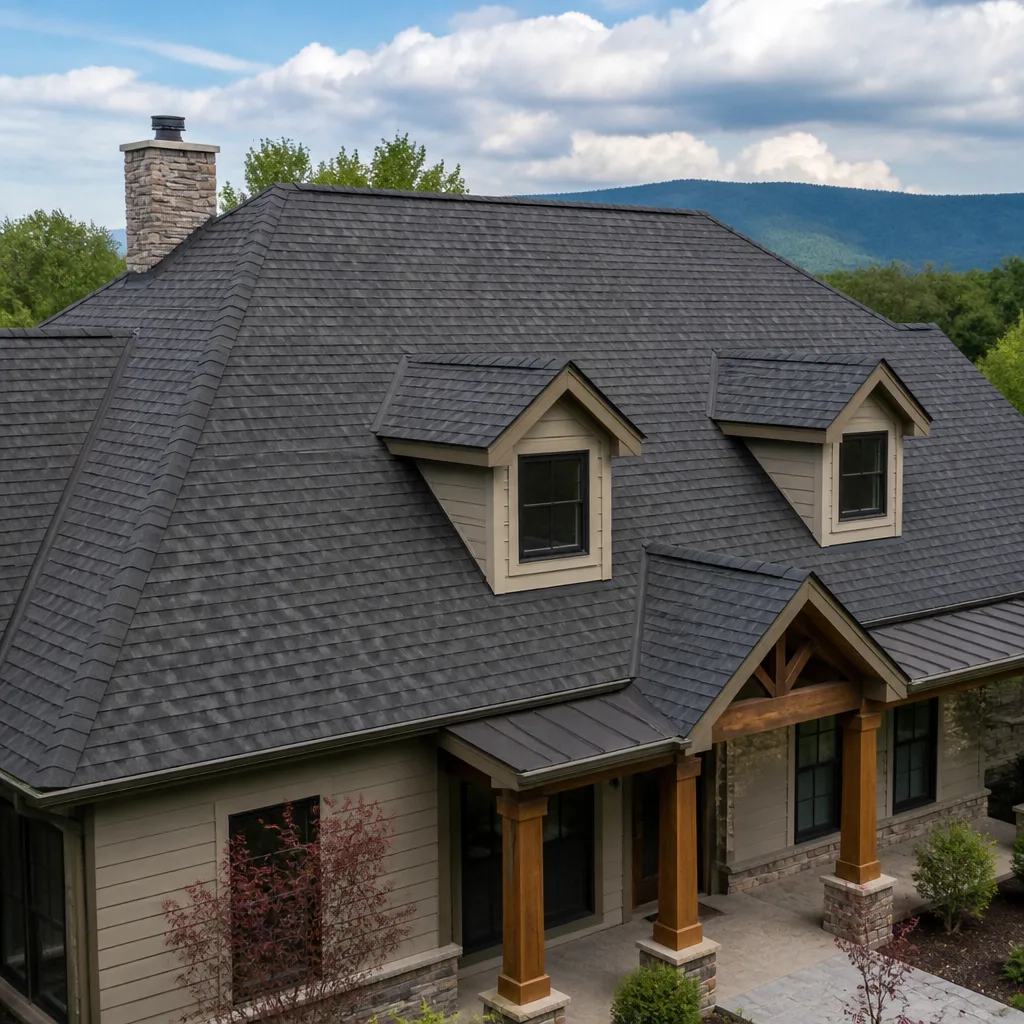 Roofing
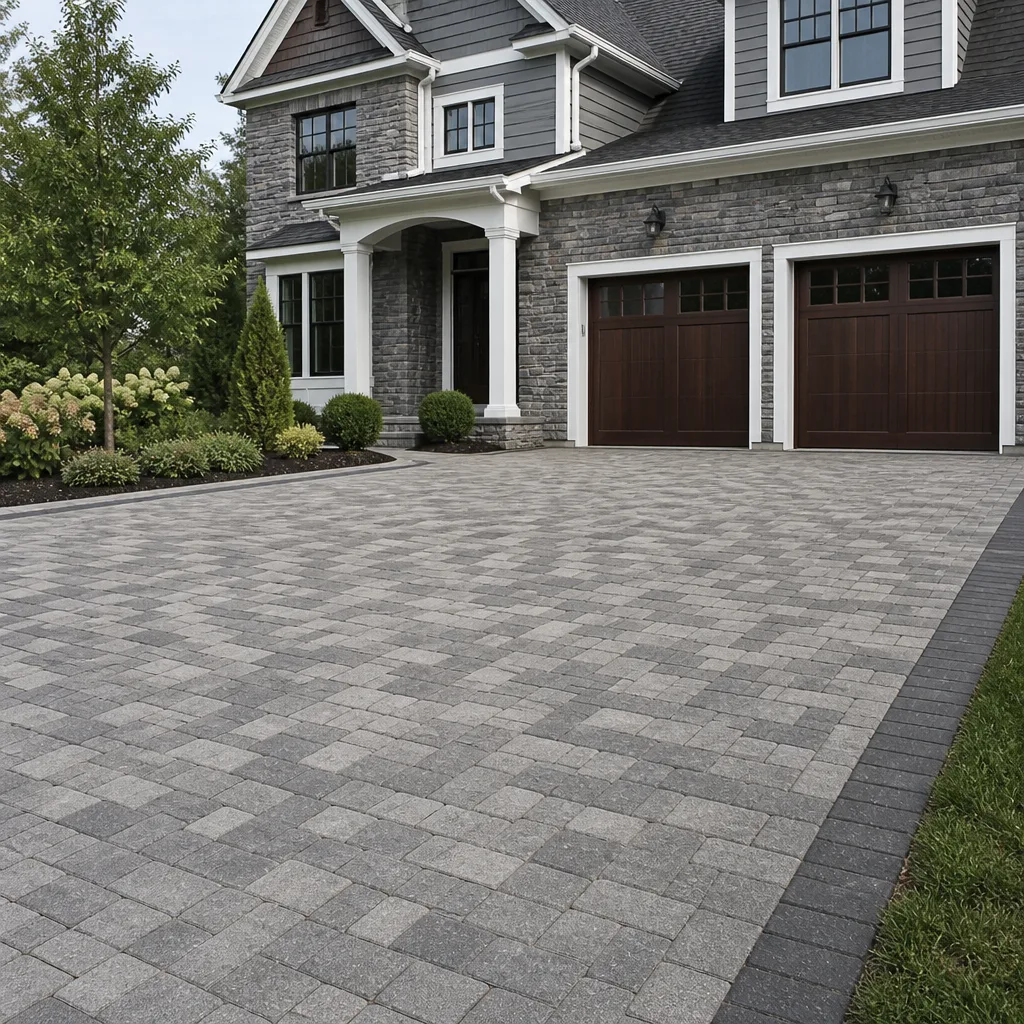 Driveway & pavers
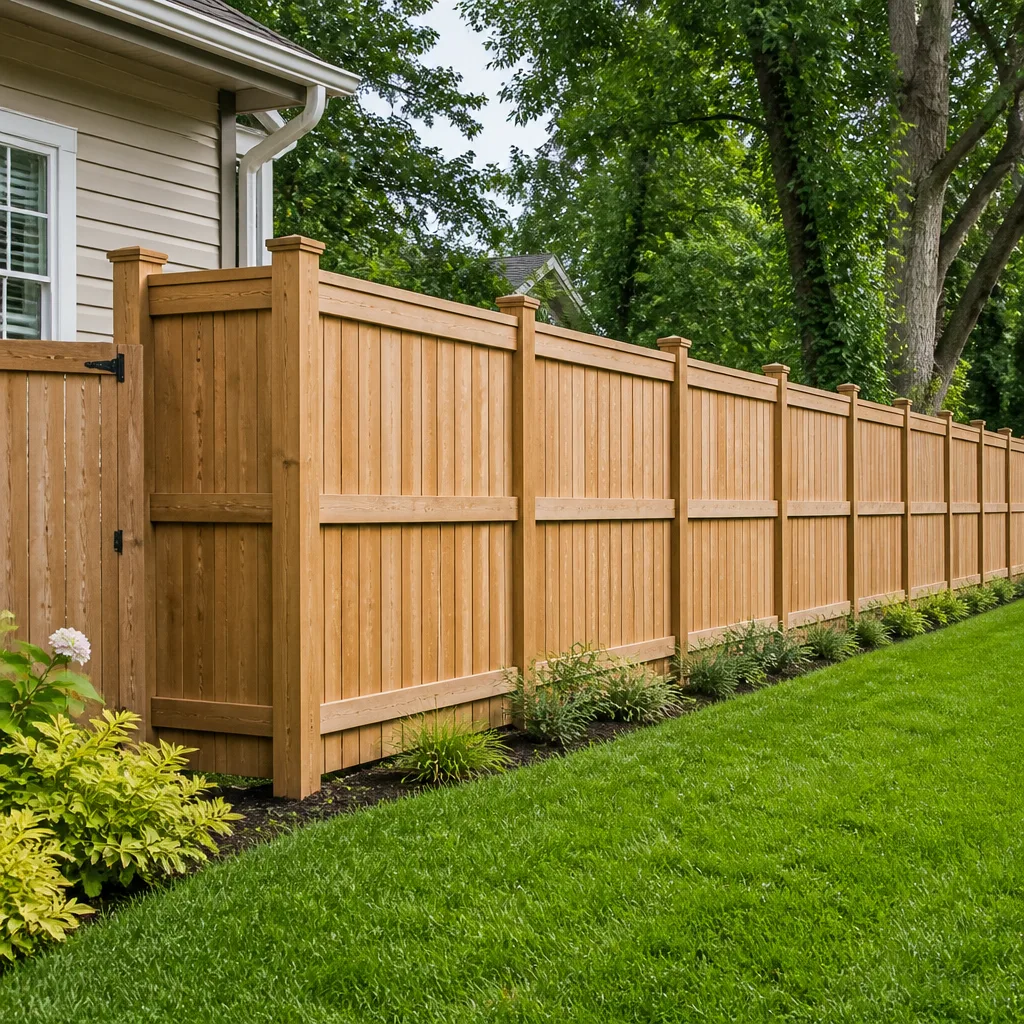 Fence
Free written scope consultation - allowances, timeline, and change-order rules on paper before a single trade is scheduled
Styles & brands we work with
- Kitchen remodeling
- Bathroom remodeling
- Home additions & ADU
- Roofing
- Windows & doors
- Driveway & pavers
- Fence
See the difference
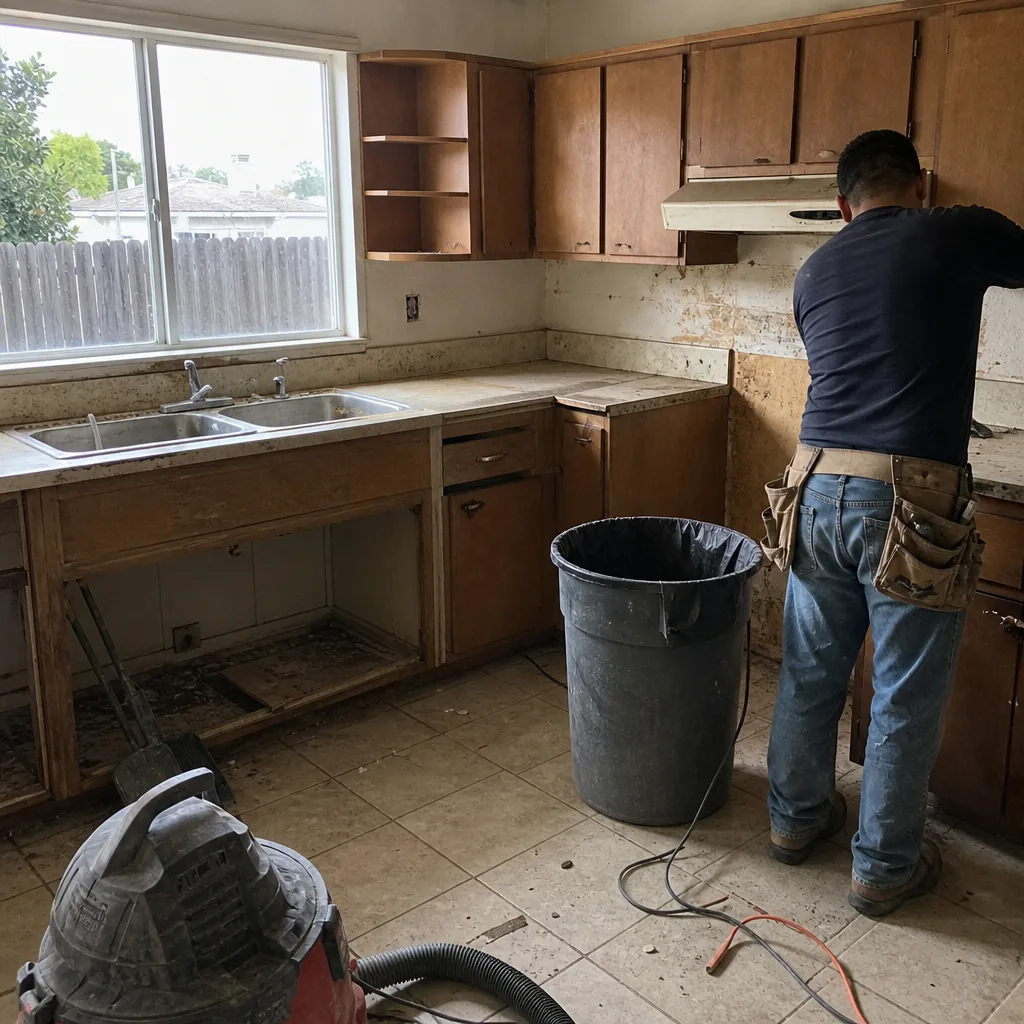 Before
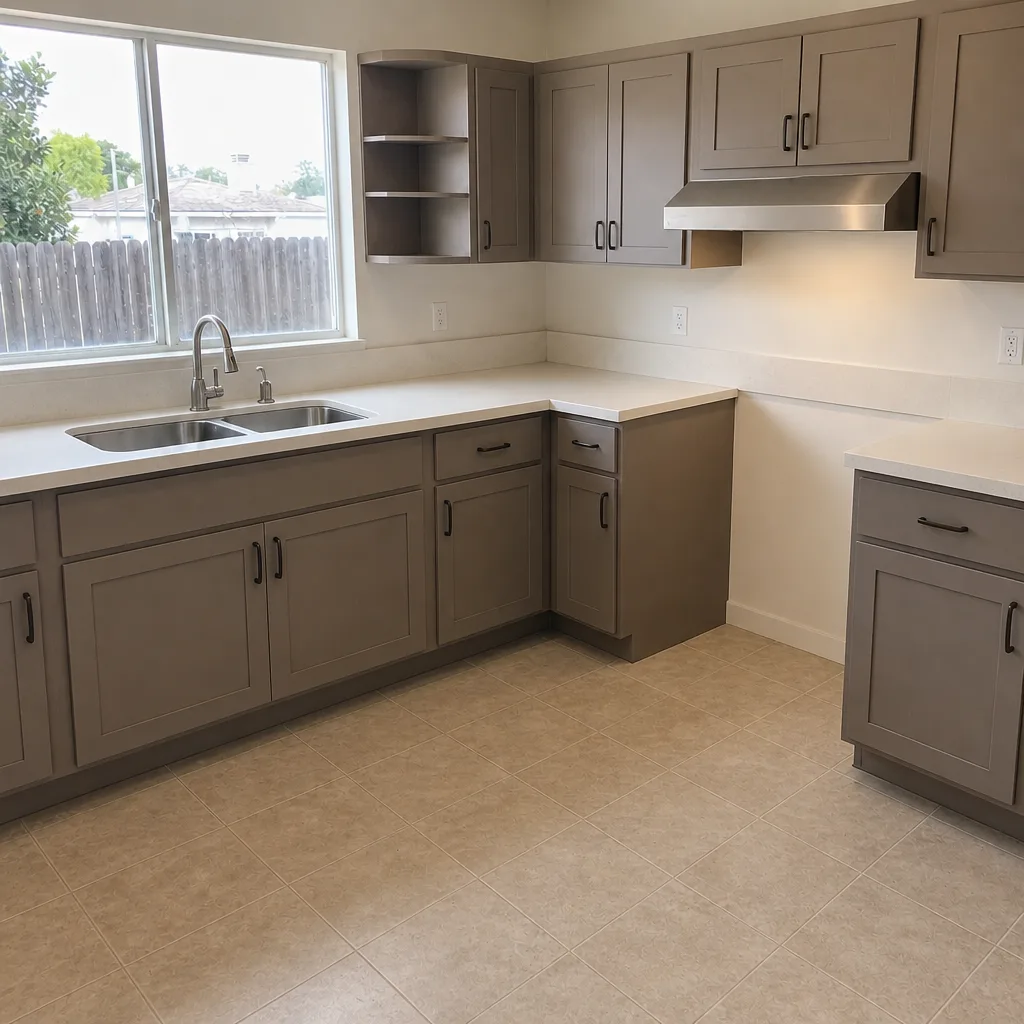 After
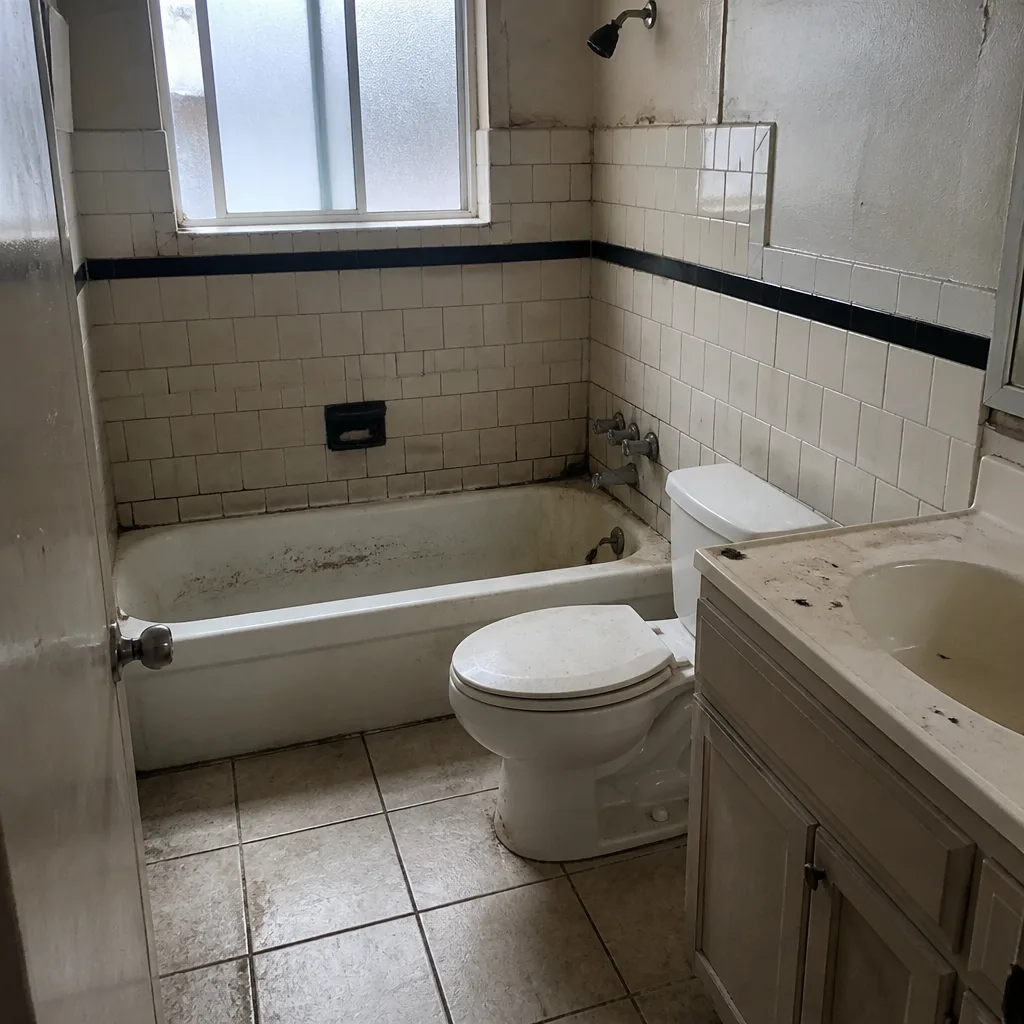 Before
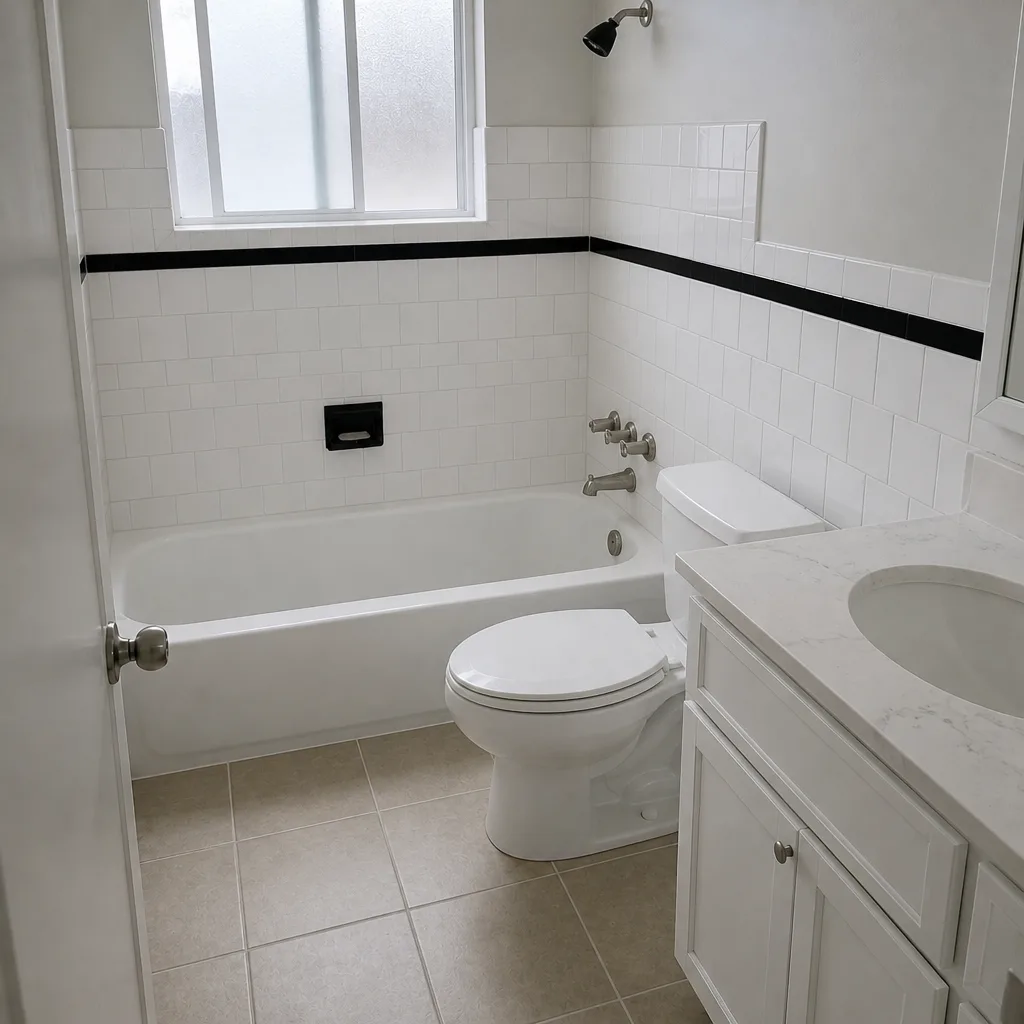 After
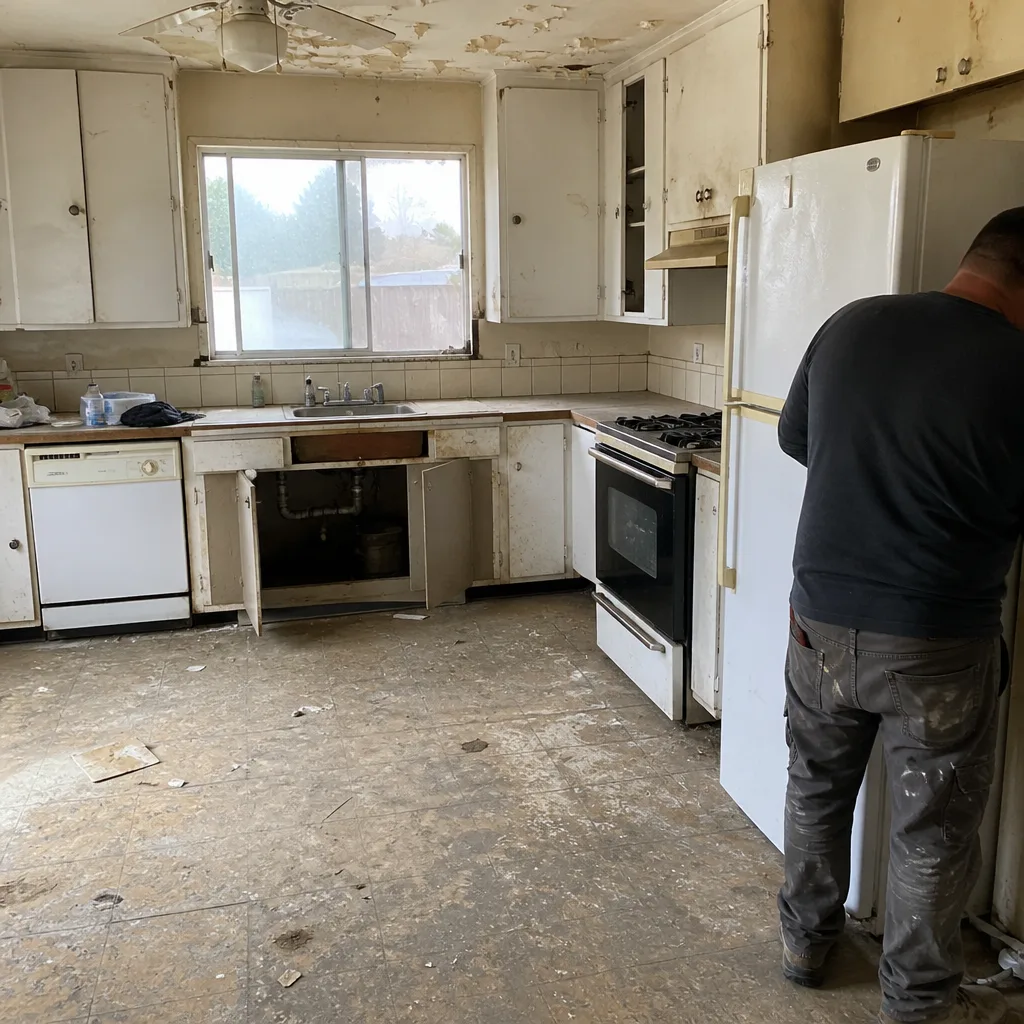 Before
 After
Impact vs Hurricane-Proof vs Storm-Rated Windows in Antioch, CA: What the Labels Actually Mean
Impact-rated, hurricane-proof, and storm-rated windows are three different things: “impact-rated” means the glass passed a standardized missile-impact test (ASTM E1886/E1996), “storm-rated” usually means the unit passed wind-pressure testing without any impact test at all, and “hurricane-proof” is a marketing phrase with no regulatory definition behind it. In Antioch, that distinction decides whether a window passes a Contra Costa County permit review or just sounds impressive in a sales pitch. If you’re weighing options, call (888) 419-3650 for a free estimate and a straight read on what your project actually needs.
Why the wrong label is a real problem in Antioch
Antioch isn’t a hurricane zone. The wind that actually hits this city comes off the Delta in the afternoon, dry and relentless, pushing grit and debris against the west-facing sides of homes. So the case for impact-rated glass here isn’t storm surge – it’s debris resistance and, for ground-floor windows, forced-entry resistance.
Here’s where homeowners get tripped up. A sales rep says “these are hurricane-proof windows,” and it sounds like a top-tier spec. But “hurricane-proof” maps to no AAMA or ASTM citation in California’s residential code. When the plan checker at Contra Costa County looks at your submittal, they’re reading a product data sheet with a design pressure (DP) rating and, where required, an impact-test standard – not a marketing label. Buy the label and you can end up with a product that fails inspection or a permit that stalls.
Defining each term precisely
- Impact-rated: The glazing and frame passed large-missile and small-missile impact testing under ASTM standards, usually paired with cyclic pressure testing. This is a real, testable performance claim you can verify on the manufacturer’s published data.
- Storm-rated: Typically refers to wind-pressure resistance only – the window holds against a given load in pounds per square foot. Storm-rated does not automatically include impact testing. It’s a strength rating, not a debris rating.
- Hurricane-proof: A marketing term. There’s no standardized regulatory definition, which means it can mean almost anything depending on who’s selling it. Treat it as a red flag that needs a spec sheet behind it.
That last point matters most. Florida’s Miami-Dade NOA certification comes up constantly in homeowner research, but it’s a Florida-specific approval process that has zero bearing on California permitting. What does transfer is the underlying testing those approvals reference – the ASTM impact protocols are used nationally, so a California manufacturer can publish results against the same standards.
How Contra Costa County reads a window spec
California’s building code, enforced locally through Contra Costa County, points to AAMA and ASTM standards for window performance. That means your submittal needs documentation that cites those standards – design pressure ratings, AAMA certification, and impact test reports where the application calls for them. A “hurricane-proof” sticker on a showroom sample proves nothing to an inspector.
This is exactly why we tell Antioch homeowners to ask for the numbers. Andersen and Marvin both publish specific AAMA and ASTM ratings for their impact-rated products, so you can compare tested performance window to window instead of comparing adjectives. When we spec a job through Windows & Doors, that documented rating is the starting point, not an afterthought.
What it costs to get the right glass in Antioch
| Scope | Typical Antioch range |
|---|---|
| Standard window replacement | $4,500-$15,000 |
| Impact-rated window installation | $8,000-$25,000 |
The gap between those two lines is real, and it’s driven by the glazing assembly and frame spec, not by a label. On a 1950s ranch tract home in the Antioch flats – a lot of that housing stock still runs original single-pane windows – upgrading a whole elevation to impact-rated glass is a meaningful jump. On a 1990s subdivision home in the southern hills, the existing frames may already meet a higher DP rating, which changes the math. We price it upfront with no surprises, and the number you see is the number you pay.
Common local scenarios we walk into
Original single-pane in the flats. Downtown and river-adjacent blocks are full of mid-century homes where the windows have never been touched. Homeowners here usually want impact-rated glass for debris resistance from Delta wind events, and the conversation is really about whether the existing frames are worth keeping.
A neighbor’s “hurricane-proof” pitch. When a homeowner has already been quoted on a product sold as hurricane-proof, our first job is pulling the actual ASTM and AAMA data. Sometimes the product is genuinely impact-rated and just badly labeled. Sometimes it isn’t impact-tested at all.
Waterfront and near-waterfront homes with a high water table. On the San Joaquin River side, the ground stays wetter and the wind-driven dust load on exterior surfaces is heavier. Sealing and frame detailing get more attention on these homes than they do a mile inland.
Fog-influenced winters. Cool, damp winters and hot, dry summers age sealants and frame finishes unevenly. A window that’s rated well but installed with sloppy flashing detailing will fail at the frame long before the glass does. That’s an installation-quality question, and it’s where the 730-Day Done Right Promise earns its keep – if it’s not done right, we make it right.
Key takeaways
- “Hurricane-proof” has no regulatory definition and shouldn’t be treated as a performance spec.
- “Storm-rated” means wind pressure, not impact. They’re separate tests.
- “Impact-rated” is the verifiable one – ask for the ASTM test report and AAMA rating.
- Contra Costa County permitting cares about the standard, not the sales label.
- Miami-Dade NOA matters in Florida, not California. The ASTM testing behind it does transfer.
How to sort out your window spec without the sales fog
Walk into any window conversation with three questions: What’s the design pressure rating? Which AAMA certification does this unit carry? And do you have the ASTM impact test report? If a salesperson can’t answer those, the label on the brochure is doing all the work. Our technicians have up to 12 years of experience reading specs against actual code requirements, and we work with Andersen and Marvin products that publish their ratings openly. Calls are answered by a live person, 24/7, so you never sit waiting on a callback.
Groundwork Construction Co. of Antioch works from foundation to finish line across kitchens, baths, roofing, and home additions too, so a window decision that touches a larger remodel stays under one roof. Financing runs 0% for 18 months, and projects over $10,000 get $1,000 off.
FAQs
Impact-rated windows have passed standardized missile-impact testing under ASTM E1886/E1996, while storm-rated windows typically carry only a wind-pressure rating without impact testing. That means a storm-rated window can hold against a high wind load but isn’t rated for debris strike, which is a different failure mode entirely.
No. “Hurricane-proof” has no standardized regulatory definition, so it can mean almost anything depending on the seller. Ask for the specific AAMA certification and ASTM test report behind any product sold under that label, and if it isn’t there, treat it as marketing.
No. Miami-Dade NOA is a Florida-specific approval process that doesn’t apply to Contra Costa County permitting. What does carry over is the ASTM impact-testing protocol those certifications reference, so a manufacturer that publishes ASTM-compliant results is showing you a standard California plan checkers recognize.
Impact window installation in Antioch typically runs $8,000-$25,000, versus $4,500-$15,000 for standard replacement. The difference comes from the glazing assembly and frame spec, not the label. Call (888) 419-3650 for an exact quote – estimates are free.
If you’d rather have it looked at, Groundwork Construction Co. of Antioch offers a no-pressure assessment in Antioch – call (888) 419-3650 to schedule, and we’ll read the actual specs against what your permit requires.
Written by the team at Groundwork Construction Co. of Antioch, serving Antioch, CA.