
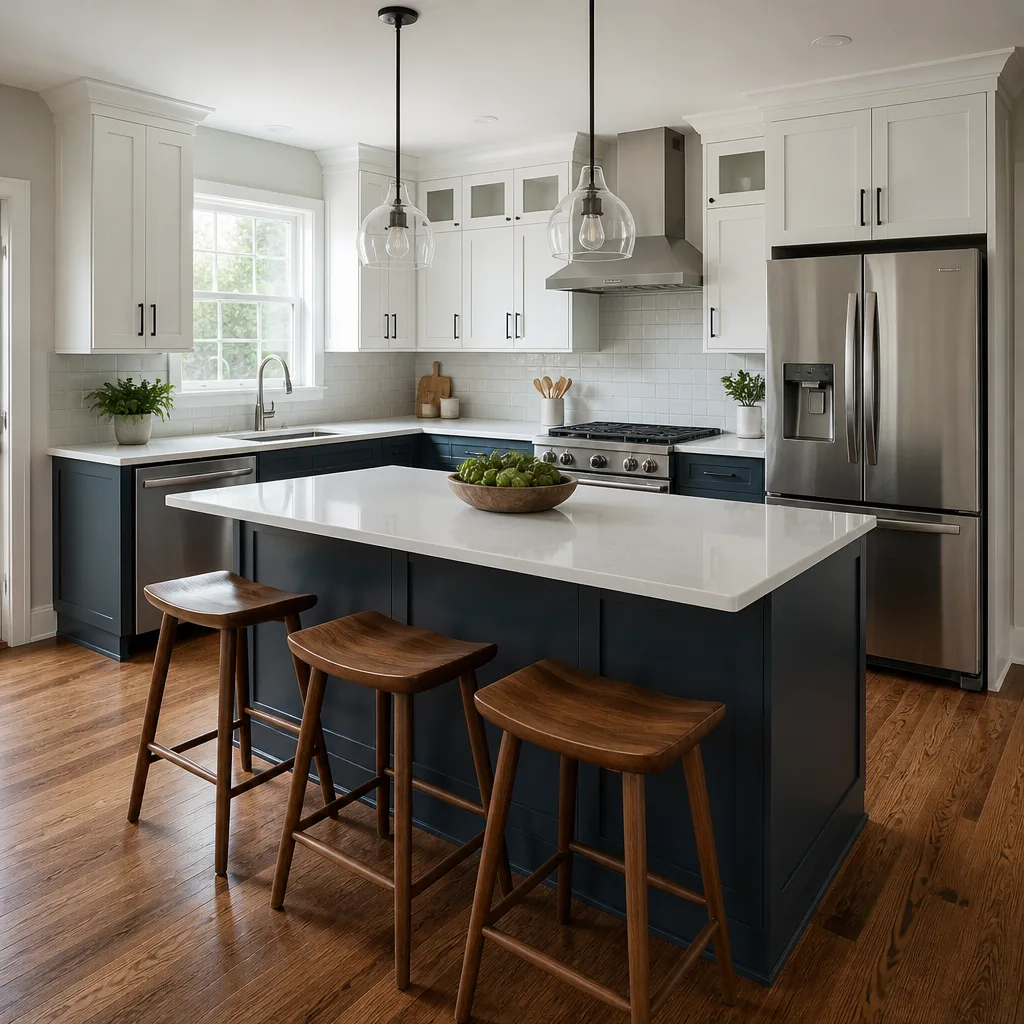
 Kitchen remodeling
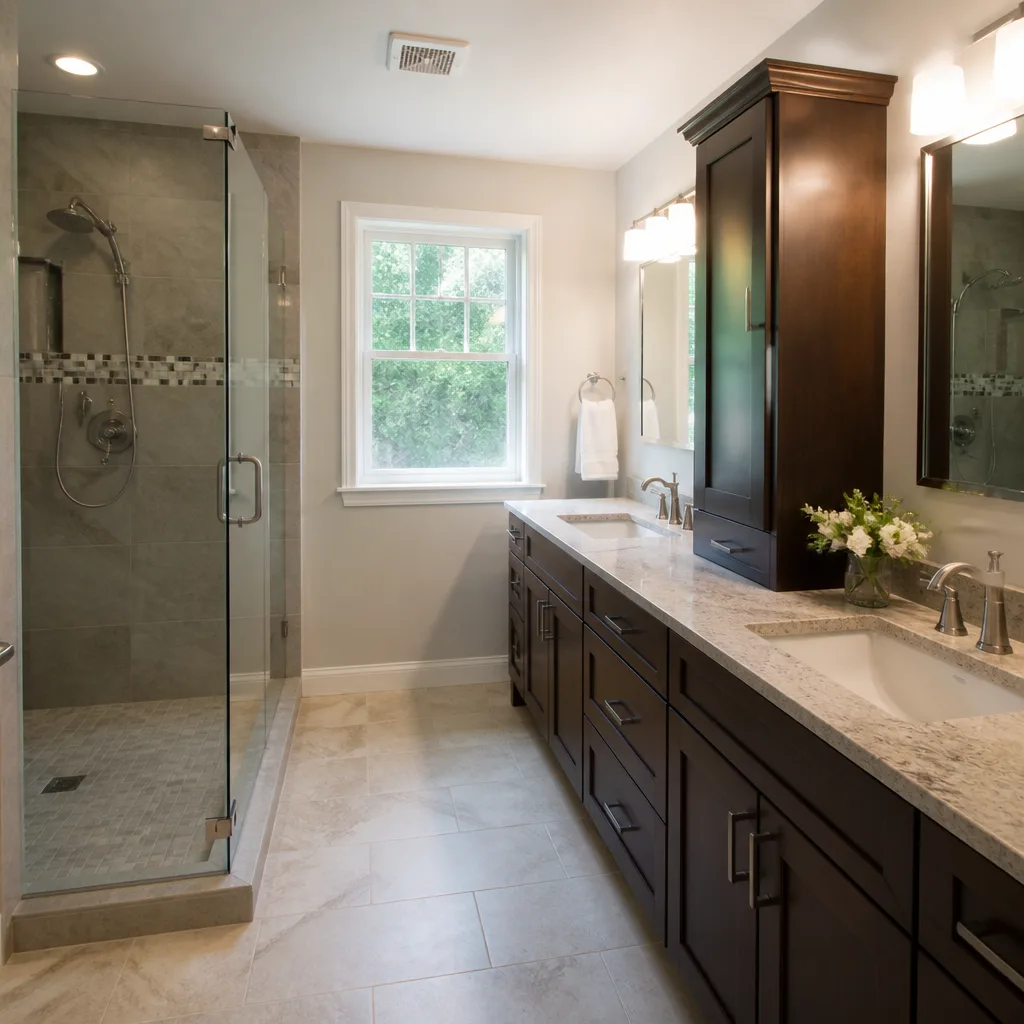 Bathroom remodeling
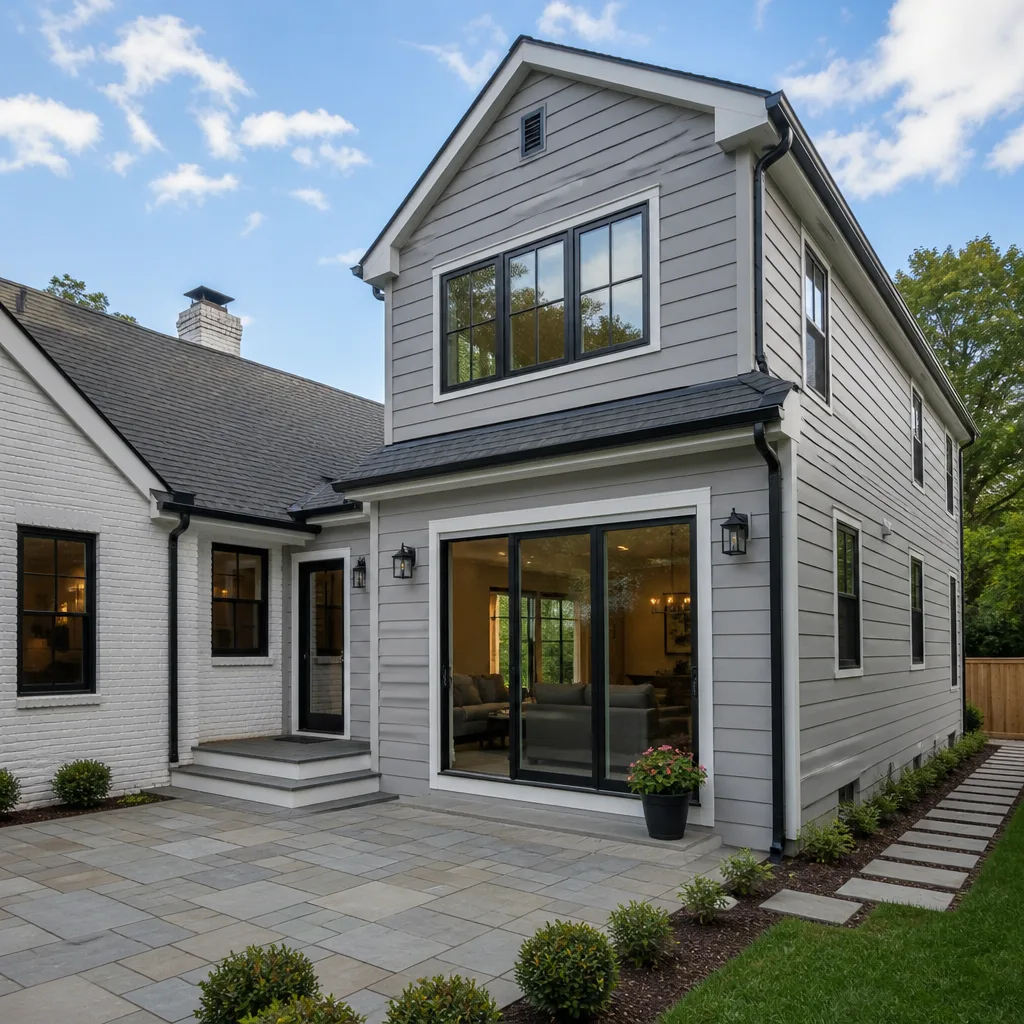 Home additions & ADU
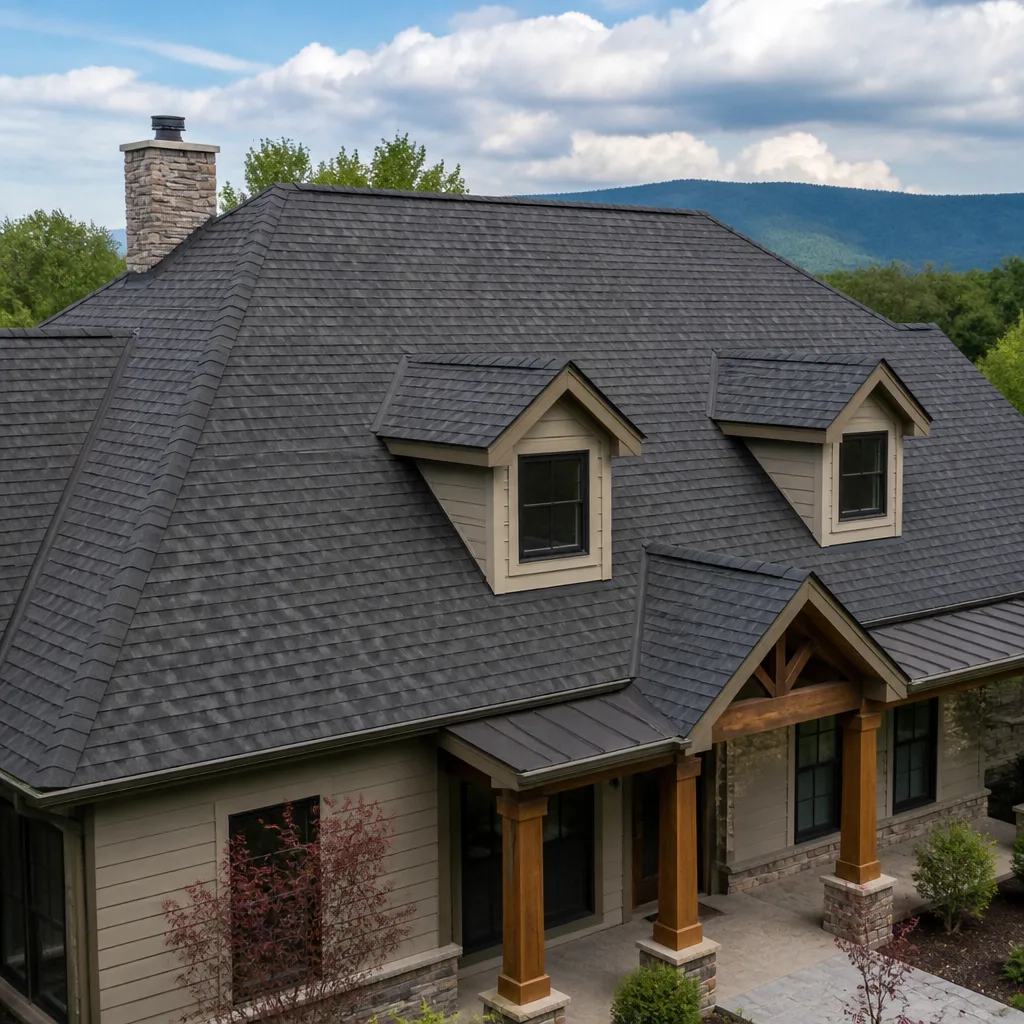 Roofing
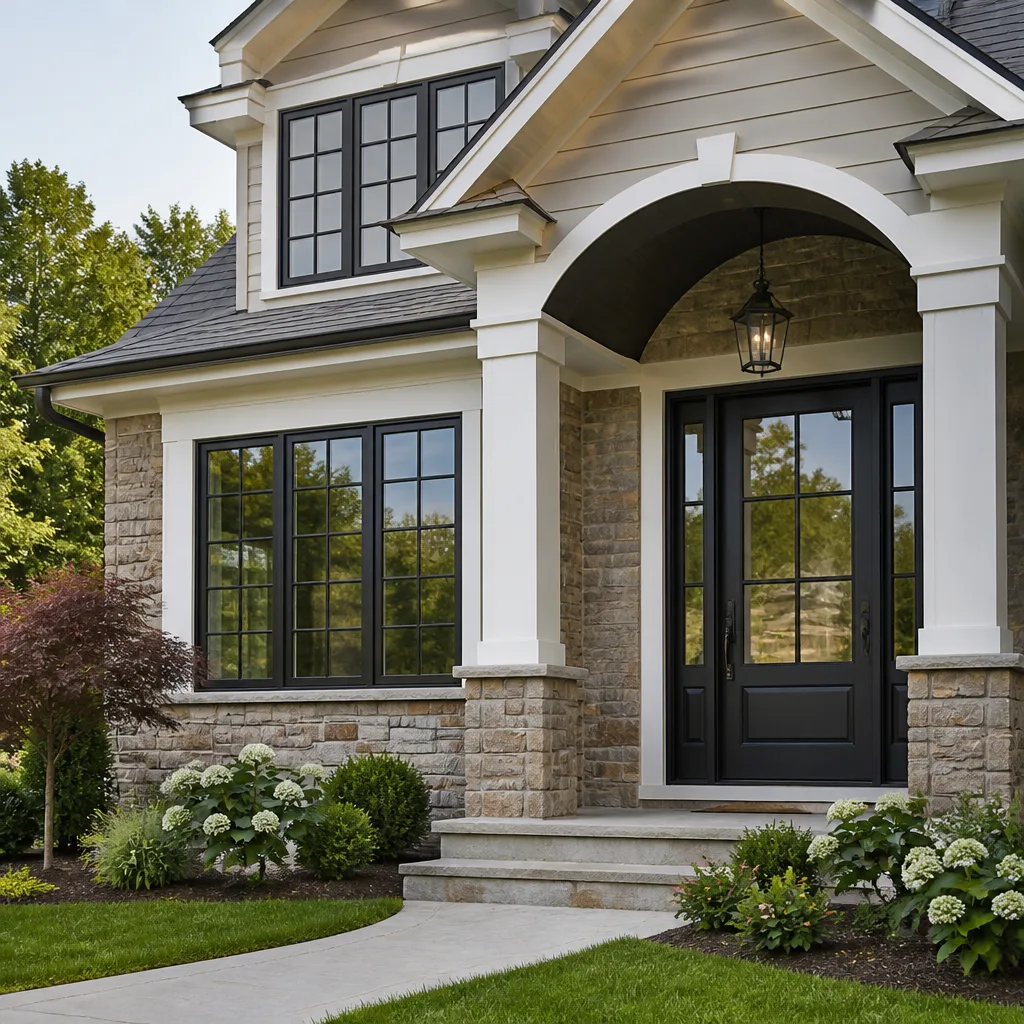 Windows & doors
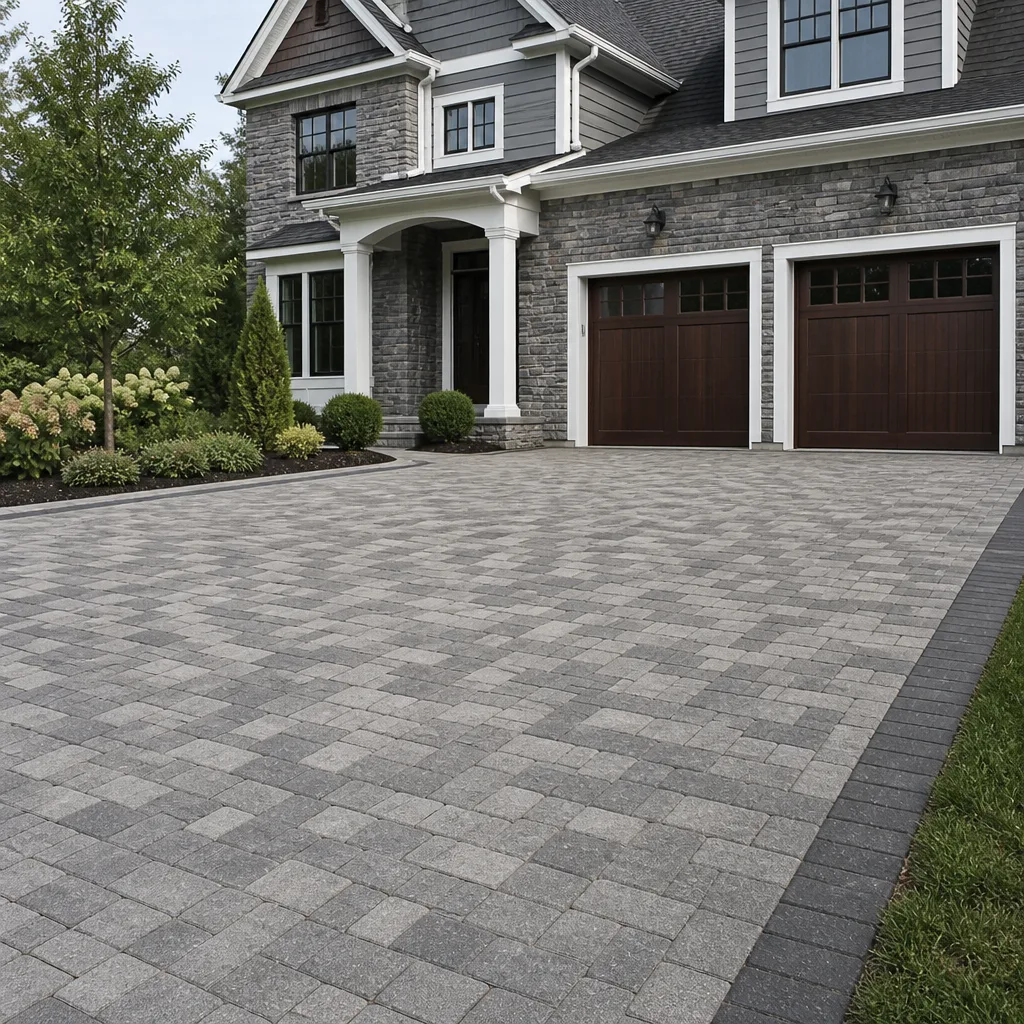 Driveway & pavers
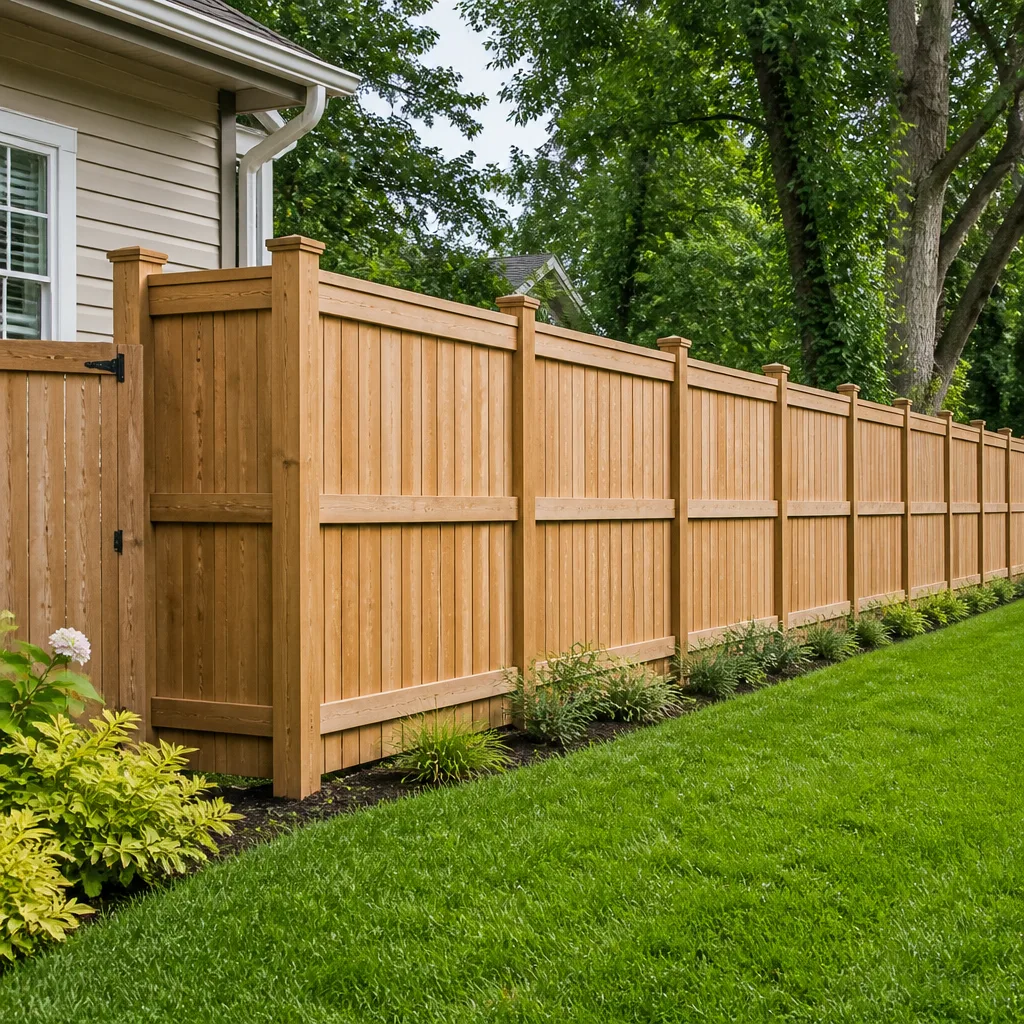 Fence
Free written scope consultation - allowances, timeline, and change-order rules on paper before a single trade is scheduled
Styles & brands we work with
- Kitchen remodeling
- Bathroom remodeling
- Home additions & ADU
- Roofing
- Windows & doors
- Driveway & pavers
- Fence
See the difference
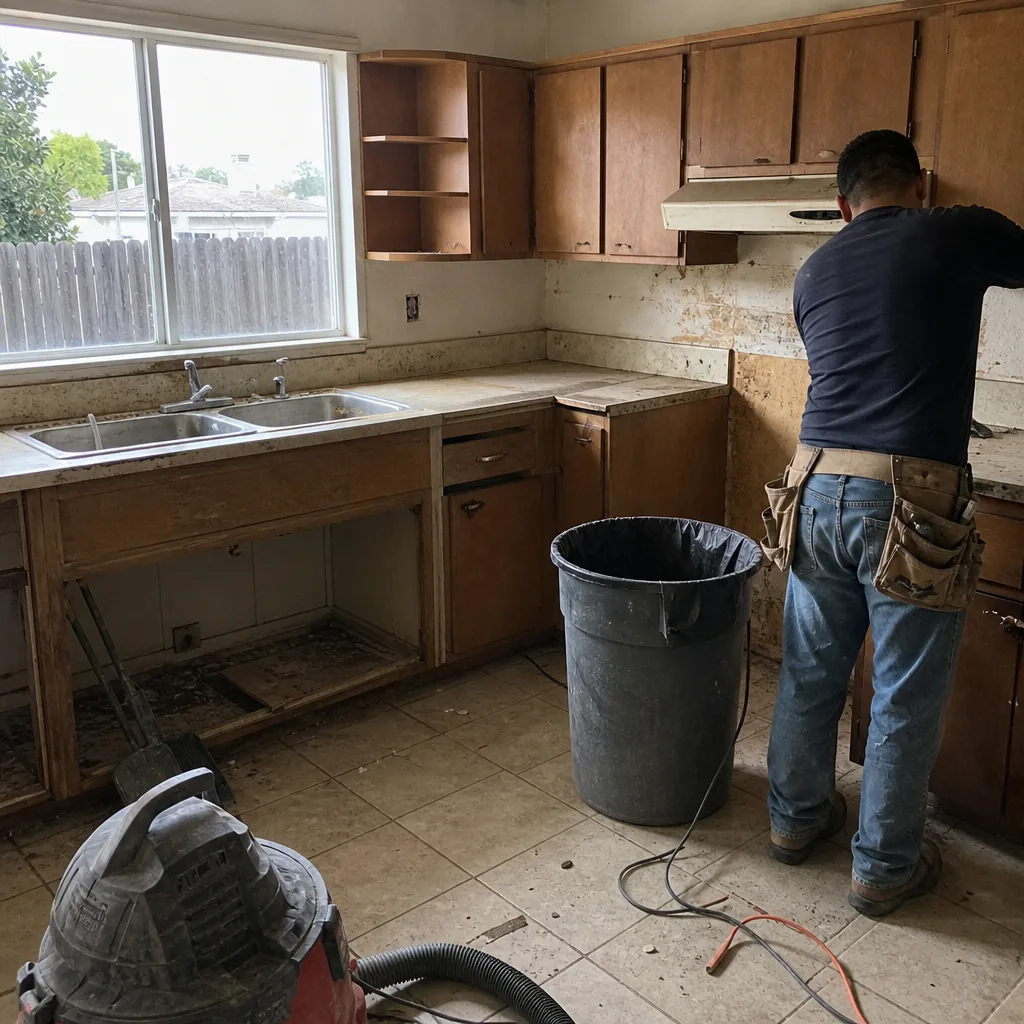 Before
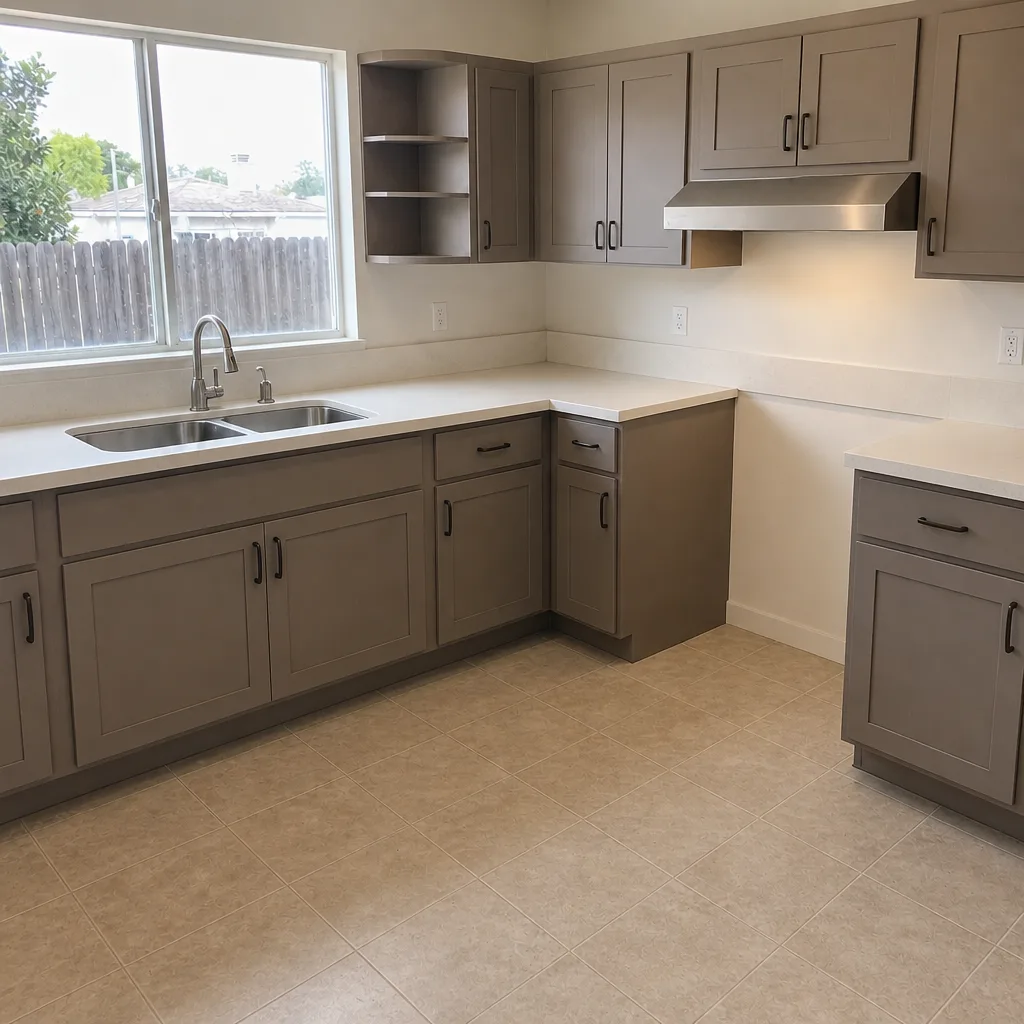 After
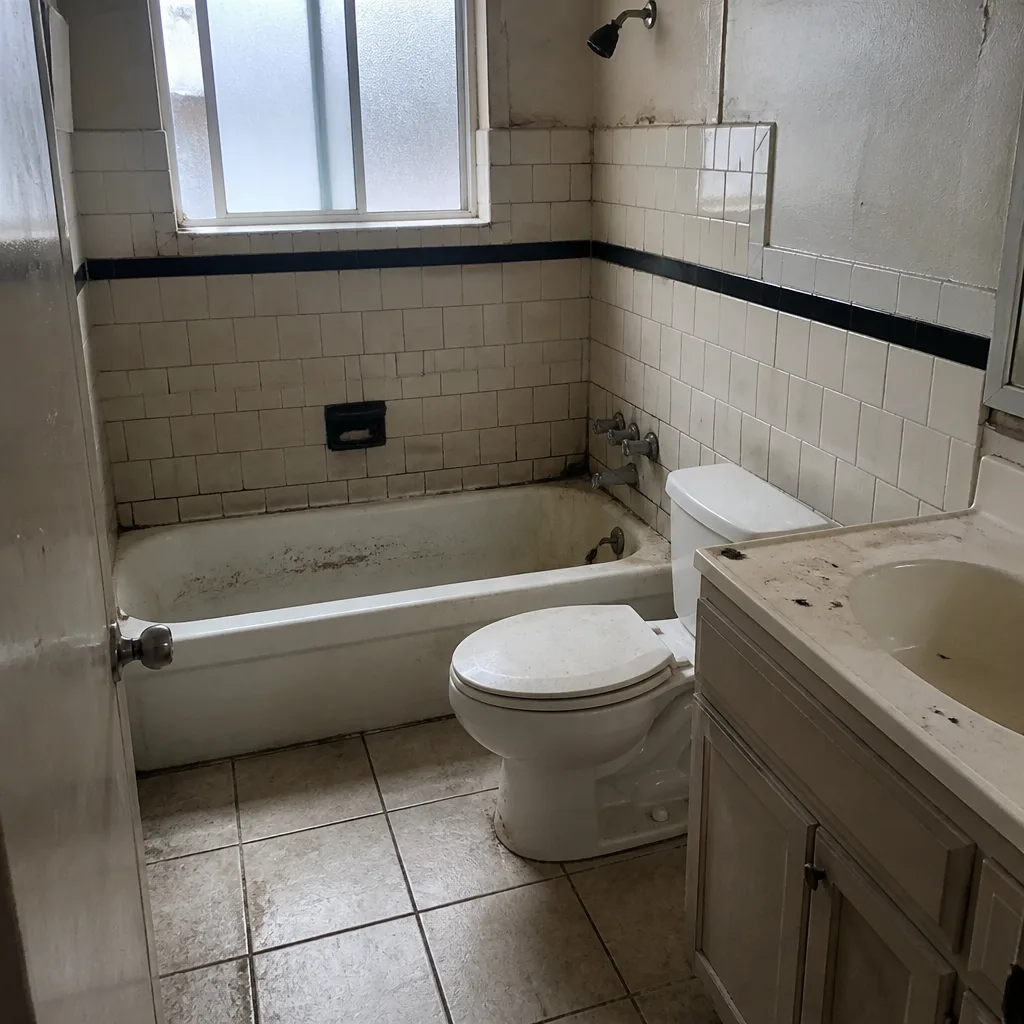 Before
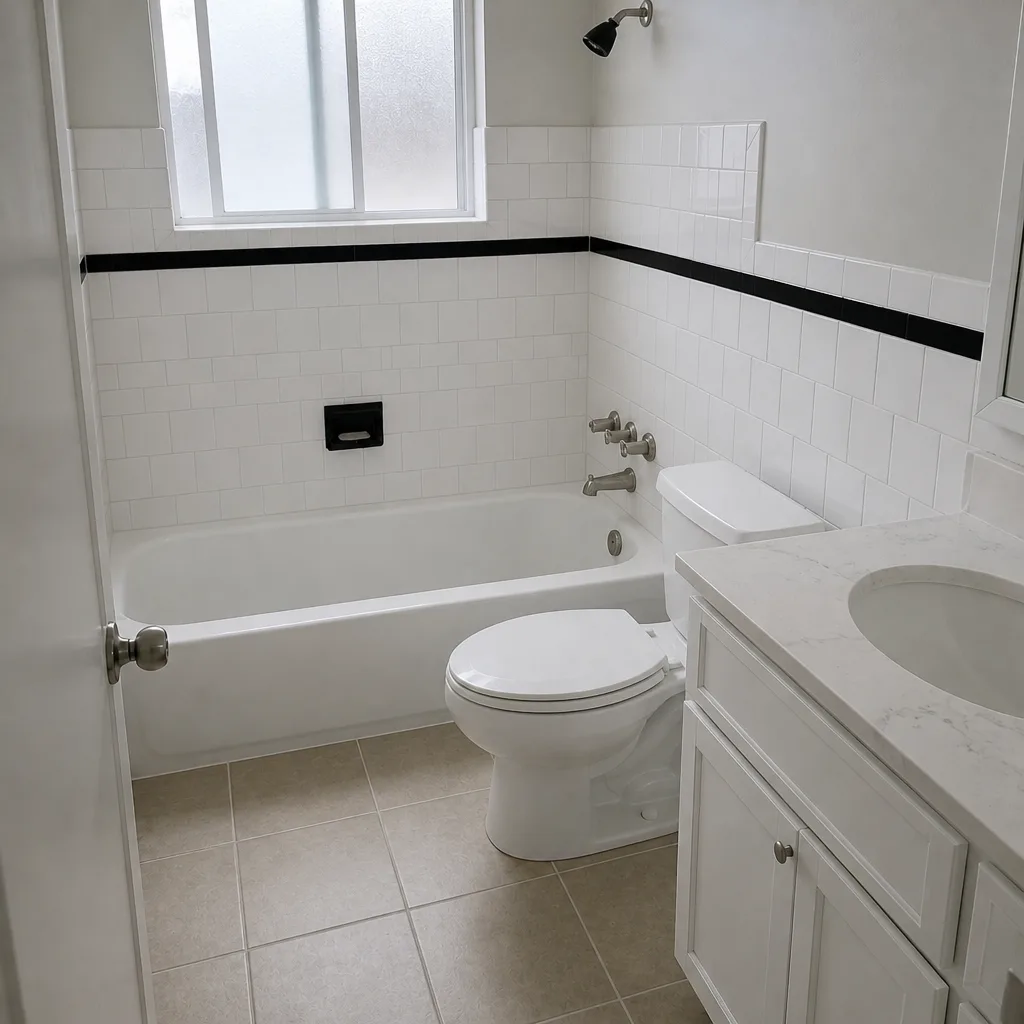 After
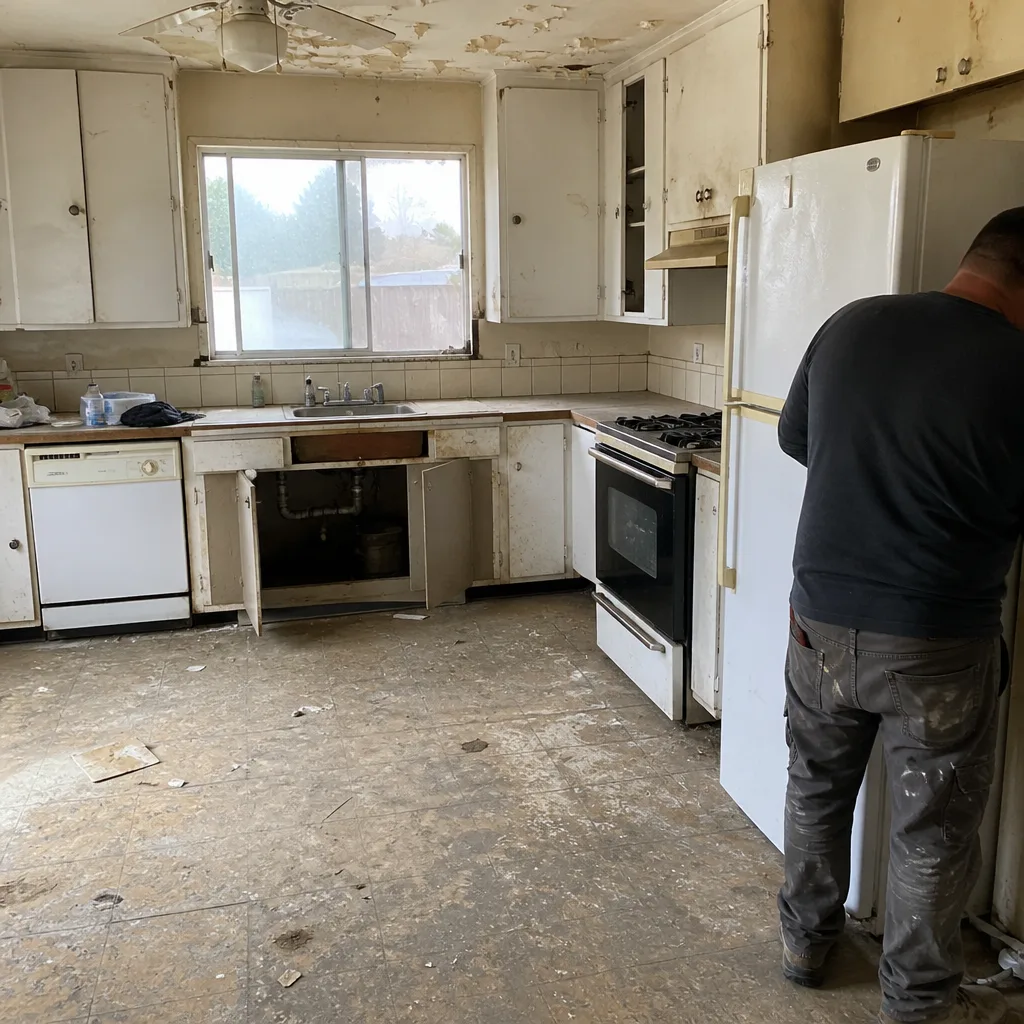 Before
 After
Junior ADU vs Standard ADU in Antioch: Which One Fits Your House?
Choose a Junior ADU unless you need rental flexibility, more than 500 square feet, or the freedom to sell to an investor who won’t live on-site. In Antioch, that decision usually comes down less to budget and more to how much floor plan your existing home can give up. A JADU converts space you already own inside the house, caps at 500 square feet, and legally requires you to live on the property. A standard ADU is a freestanding or attached new unit with its own foundation, full kitchen, and no owner-occupancy requirement. Call (888) 419-3650 and one of our team will talk through which path your specific house supports.
The Real Difference: It’s About the Floor Plan, Not the Brochure
A JADU isn’t a smaller version of an ADU. It’s a different animal. It has to fit inside the existing footprint of your main home, which means you’re carving it out of space you already live in. That’s the trade nobody puts on a comparison chart.
Walk through an Antioch ranch home on the flats and the geometry often surprises people. These 1950s to 1970s tract houses tend to have a bedroom wing off a single hallway: two or three bedrooms, a shared bath, a short run to the kitchen. That wing is a natural JADU candidate. One bedroom becomes the sleeping area, the adjoining room becomes a sitting/living space, the hall bath gets upgraded, and a small kitchenette goes in. A section of the hallway gets closed off with a door and you have a self-contained unit. On paper, it works.
In practice, that same 1,200 or 1,400 square foot ranch is now splitting its remaining square footage among fewer bedrooms. If you had three bedrooms, you may have two. The family bathroom is now shared by everyone who isn’t in the JADU. The living room still gets used by everyone. Nobody prepared you for that arithmetic before the walls came down. This is why we start with a floor plan walkthrough, not a cost sheet.
What JADUs and Standard ADUs Actually Require in Antioch
Here’s the honest side-by-side. Both are legitimate under California law, but the requirements diverge in ways that matter for Antioch homeowners who plan to rent, sell, or hold long-term.
| Factor | Junior ADU (JADU) | Standard ADU |
|---|---|---|
| Maximum size | 500 sq ft | Up to 1,200 sq ft in many Antioch zones |
| Foundation | Reuses existing (JADU converts interior space) | New foundation, often engineered |
| Kitchen | Efficiency kitchen only | Full kitchen |
| Laundry | May share with the main home | Own hookups, typically separate |
| Owner must live on-site | Yes, required by state law | No |
| Typical Antioch cost | $45,000-$80,000 | $90,000-$220,000 |
| Permit timeline | Faster (no new footprint) | Standard ADU review |
That cost gap is real and it isn’t a sales tactic. A standard ADU in Antioch means digging a new foundation, and the ground here doesn’t make that easy. Much of the city sits on expansive clay, and where the ground runs toward the San Joaquin River waterfront the water table rises close enough to change your drainage plan. On those parcels, a standard ADU needs a geotechnical assessment and an engineered foundation before the first form is set. None of that exists for a JADU, because you’re converting space that already has a slab or a raised floor under it. On a difficult-soil lot, the JADU path can be meaningfully cheaper for reasons that have nothing to do with square footage.
Both projects land under the same Home Additions & ADU program, and both carry the 730-Day Done Right Promise. If it’s not done right, we make it right. That’s not a marketing line in a brochure. It’s in writing, and it covers JADU conversions and ground-up ADUs identically.
Three Local Scenarios You’ll Recognize
- 1958 ranch off G Street, three bedrooms, one bath. A JADU conversion of the back bedroom and hall bath is realistic and doesn’t require touching the foundation. The friction shows up later when a tenant wants a full kitchen and a washer of their own.
- 1980s two-story on the hills, wide side yard. Here a detached standard ADU can clear the roofline of the main house and give you a true full-independence unit. The trade is a new foundation and a longer permit cycle.
- River-adjacent lot with a known high water table. We’ve watched concrete pours on this side of Antioch dry unevenly and slab corners crack in ways that would surprise a builder from Brentwood. On these parcels, foundation engineering on a standard ADU runs into real money, and the JADU path starts looking much better.
Every one of those scenarios is a place where the answer changes based on the specific lot. There’s no template that fits all three.
The Rental Math Most Comparisons Leave Out
A 500 sq ft JADU in Antioch typically rents for $1,200-$1,600 per month. A standard ADU of 800+ sq ft rents for $1,800-$2,400. Over ten years, that’s a difference of $60,000 to $100,000 in gross rental income, and some of that gets eaten by the higher build cost of the standard ADU.
But there’s a flexibility cut-off that the math doesn’t capture. Owner-occupancy is a legal requirement for JADUs in California. If there’s any chance you’ll want to rent both units, move out and rent the whole property, or sell to an investor who isn’t planning to live there, the JADU forecloses those options. A standard ADU preserves them. Our team has watched Antioch homeowners plan a JADU, then sell two years later and lose part of the upside because the buyer was an investor who couldn’t use it that way. That’s a consideration that belongs in year one, not year five.
Where the Laundry and Kitchen Rules Bite
Two JADU requirements create friction that most buyers don’t anticipate until they’ve signed a lease. A JADU is allowed to share laundry hookups with the main home, and its kitchen has to be an efficiency kitchen. For a short-term renter or an adult family member, that’s fine. For a long-term tenant who wants to cook full meals and wash their own clothes without walking through someone else’s house, those two limits become real deal-breakers over time. If your plan is a multi-year rental, the standard ADU usually wins on tenant retention alone.
Where Standard ADU Still Wins in Antioch
If any of the following describe your plans, lean standard ADU:
- You may move out eventually and rent both units.
- You want to sell to a non-owner-occupant buyer.
- You want a full kitchen and separate laundry.
- You want more than 500 sq ft of floor space.
- You want the ADU to feel private and separate from the main house.
And if none of those apply? The JADU path deserves serious weight. It builds faster, costs less, and on a difficult-soil parcel it avoids a whole category of foundation risk you’d otherwise need to budget for.
How Groundwork Approaches the Decision
We don’t hand out the generic pros-and-cons list. We walk the house, look at the floor plan, check the lot, and talk through your five-year plans before recommending anything. One call to (888) 419-3650 gets you talking with a live person, any hour, any day. Every project, JADU or standard ADU, uses the same tier of material brands we specify on every build, from GAF roofing products to KraftMaid cabinetry, and every job carries the same 730-Day Done Right Promise. Our technicians have up to 12 years of experience on these conversions, and every crew member is background-checked and arrives in uniform.
Pricing is upfront, and there are no surprises. If you’re planning a larger new build rather than a conversion, take a look at what our Home Additions & ADU in Antioch program offers on ground-up additions and detached units. And if you’re weighing the whole picture of how a home construction project comes together, our home page lays out the full scope of what we build.
FAQs
Yes, substantially. A JADU conversion in Antioch typically runs $45,000-$80,000 while a standard detached or attached ADU runs $90,000-$220,000. The gap comes from the foundation, full kitchen, separate laundry, and engineering work that only a standard ADU requires. Call (888) 419-3650 for an exact number on your lot.
No. California law requires owner-occupancy for JADUs, which means at least one owner must live in either the main home or the JADU. Standard ADUs have no such requirement. If renting both units or selling to an investor is in your future, a standard ADU is the only one of the two that preserves that option. Call (888) 419-3650 to talk through your exit strategy before you build.
JADU conversions usually move through permitting faster than a standard ADU because there’s no new footprint or foundation to review. Actual build time for a JADU is often a matter of weeks once permits clear; a standard ADU adds foundation, framing, and longer inspection cycles. Call (888) 419-3650 and we’ll walk you through current timelines for your specific plan.
Not automatically, but it can narrow your buyer pool. A JADU buyer has to be an owner-occupant, while a standard ADU buyer can be an investor or a future renter. The rentable square footage is real in both cases, but the buyer who can use it is smaller for a JADU. Call (888) 419-3650 and we’ll run through the resale scenario for your Antioch block.
Ready to Decide?
If you’d rather have it looked at than diagrammed in a chart, Groundwork Construction Co. of Antioch offers a no-pressure, site-specific assessment anywhere in Antioch. Call (888) 419-3650 for a free estimate. We’ll walk the house, look at the lot, and tell you plainly which path your floor plan supports.
Written by the team at Groundwork Construction Co. of Antioch, serving Antioch, CA.