
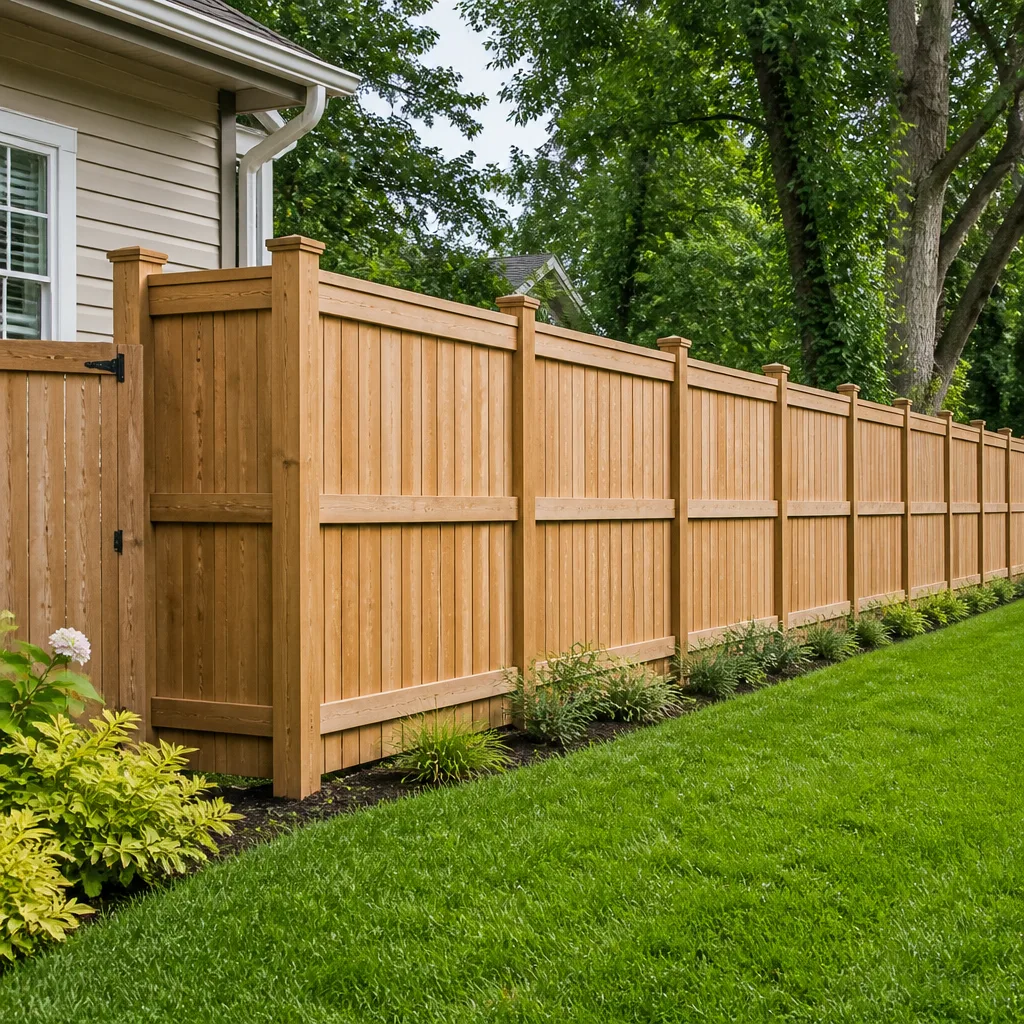
 Fence
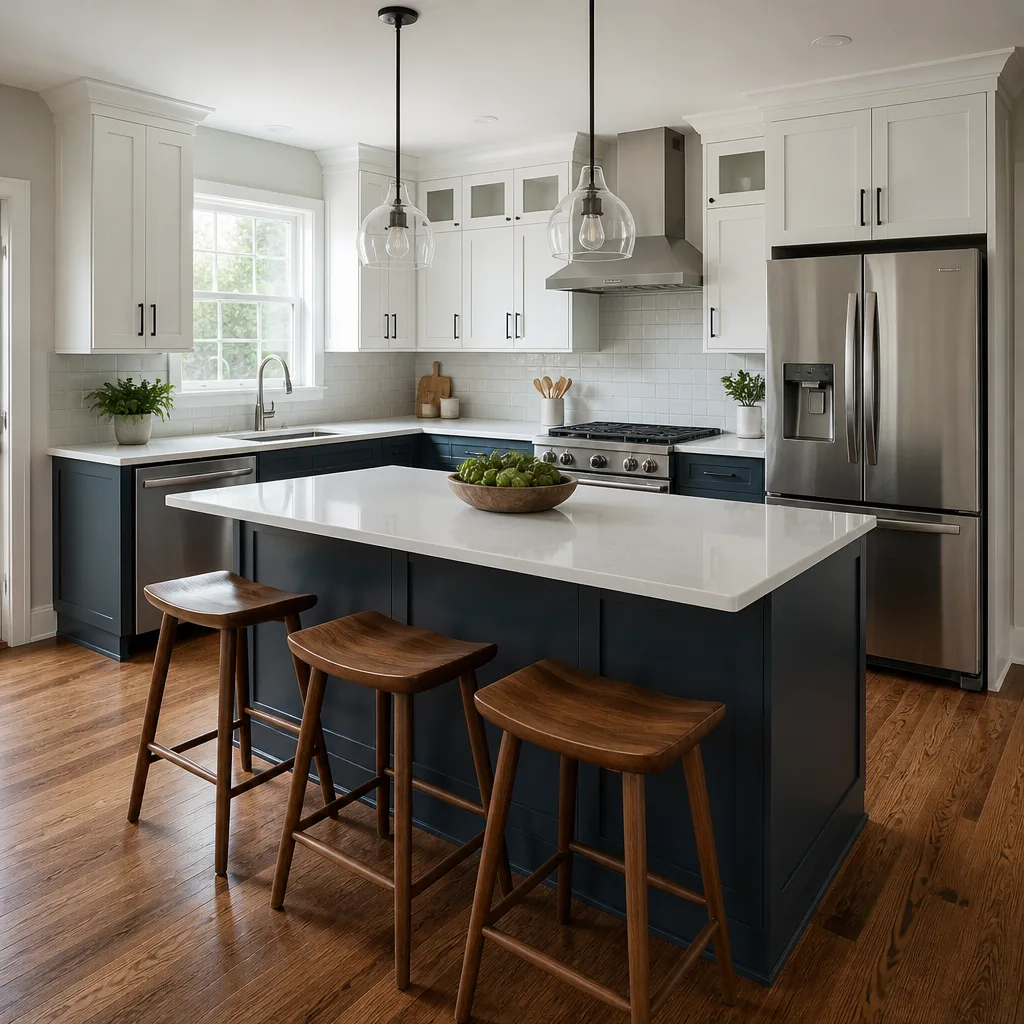 Kitchen remodeling
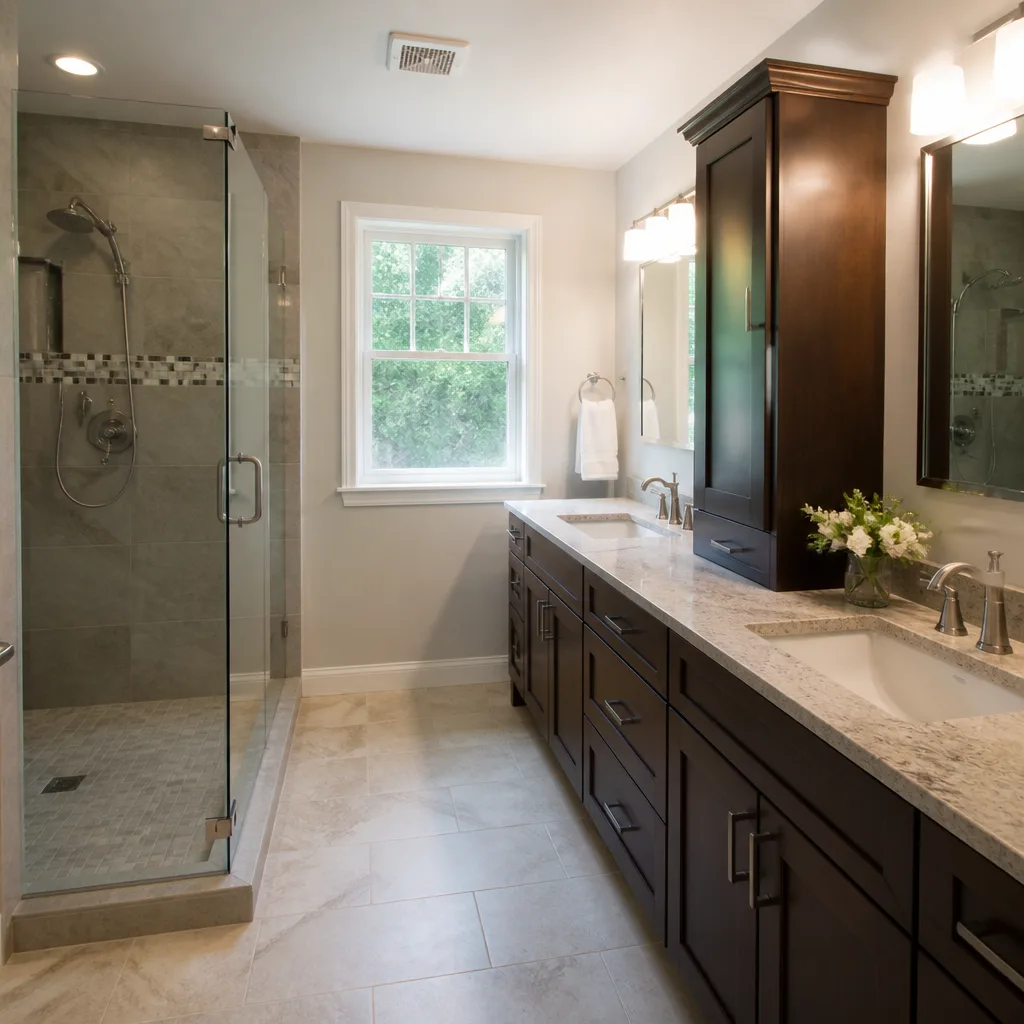 Bathroom remodeling
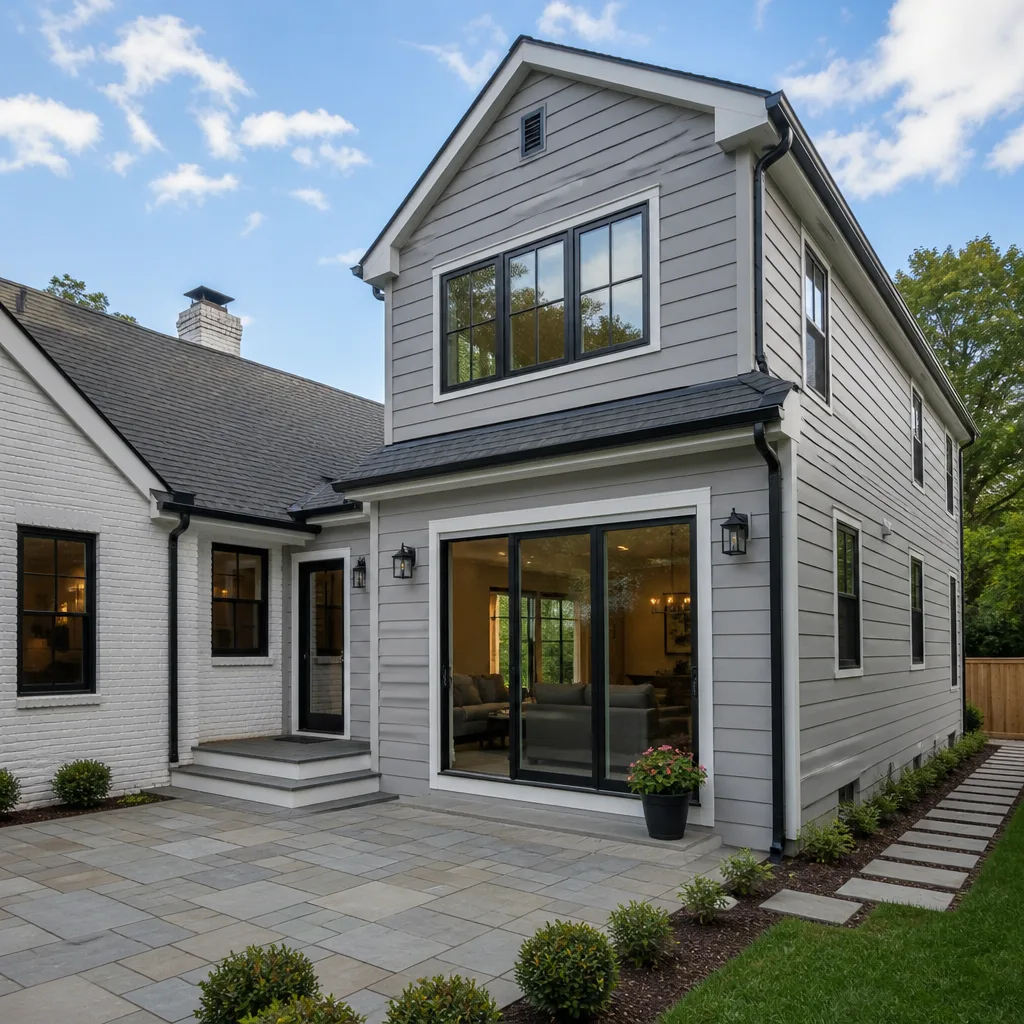 Home additions & ADU
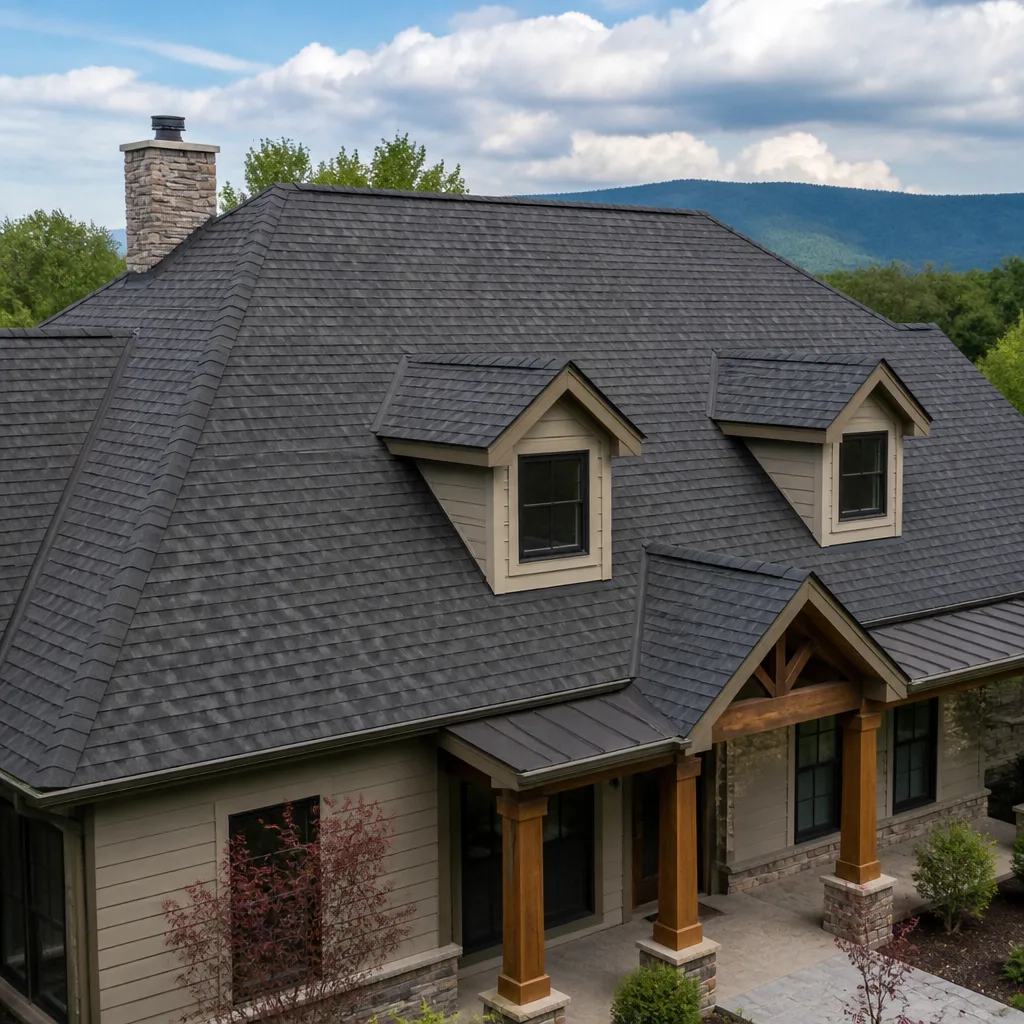 Roofing
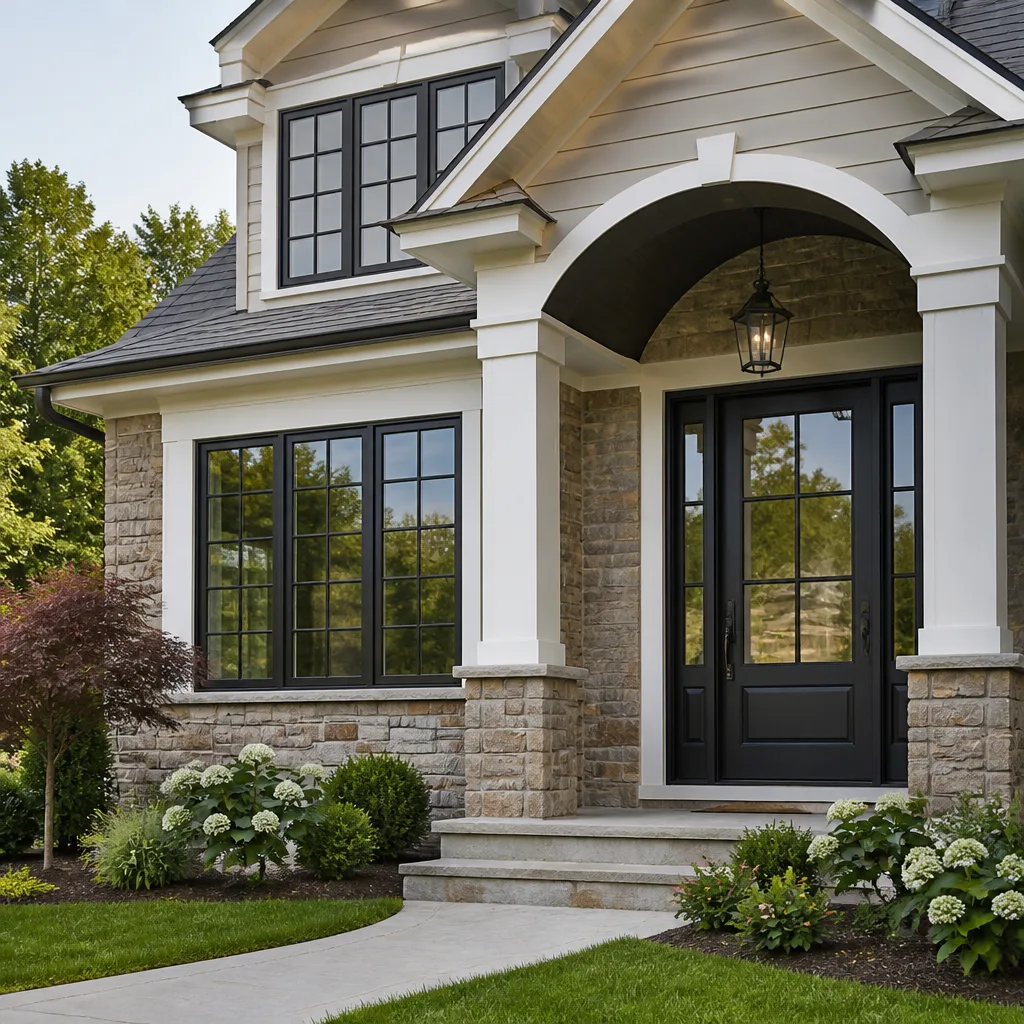 Windows & doors
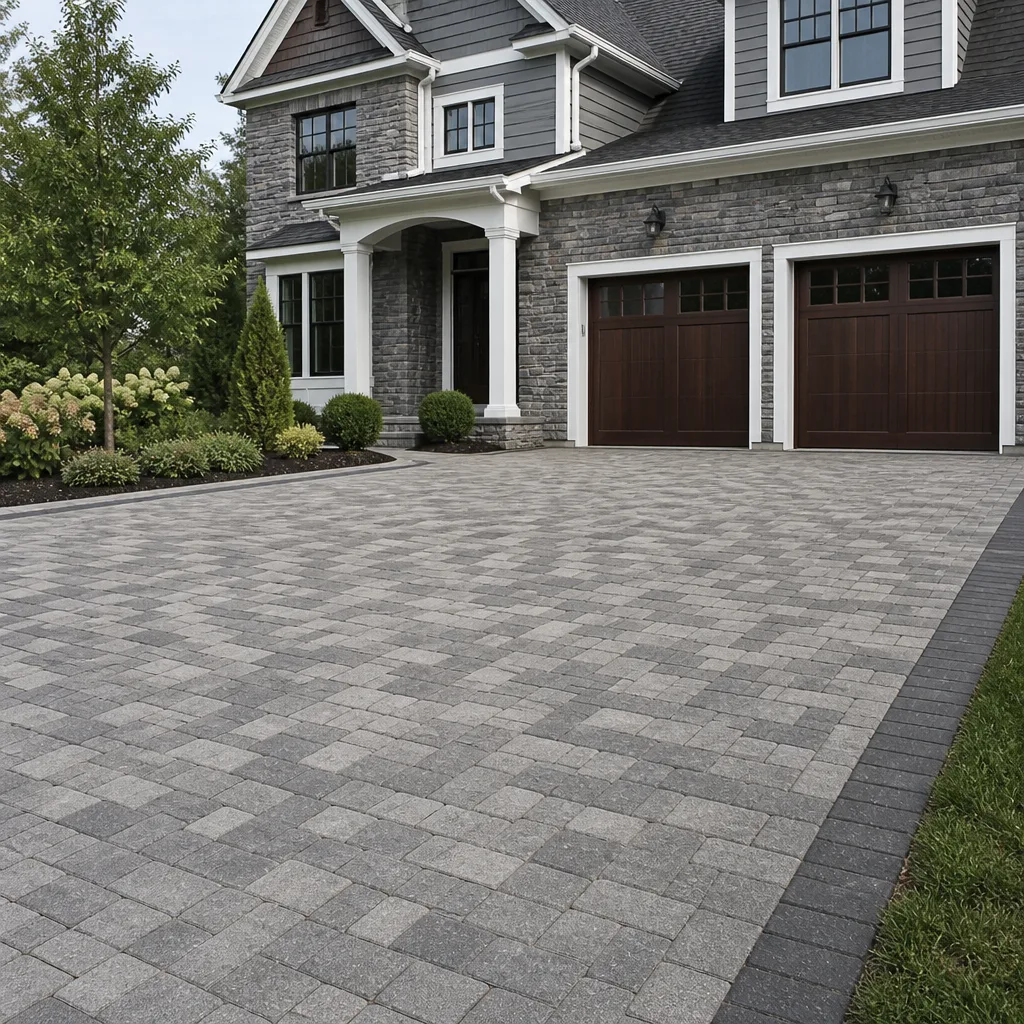 Driveway & pavers
Free written scope consultation - allowances, timeline, and change-order rules on paper before a single trade is scheduled
Styles & brands we work with
- Kitchen remodeling
- Bathroom remodeling
- Home additions & ADU
- Roofing
- Windows & doors
- Driveway & pavers
- Fence
See the difference
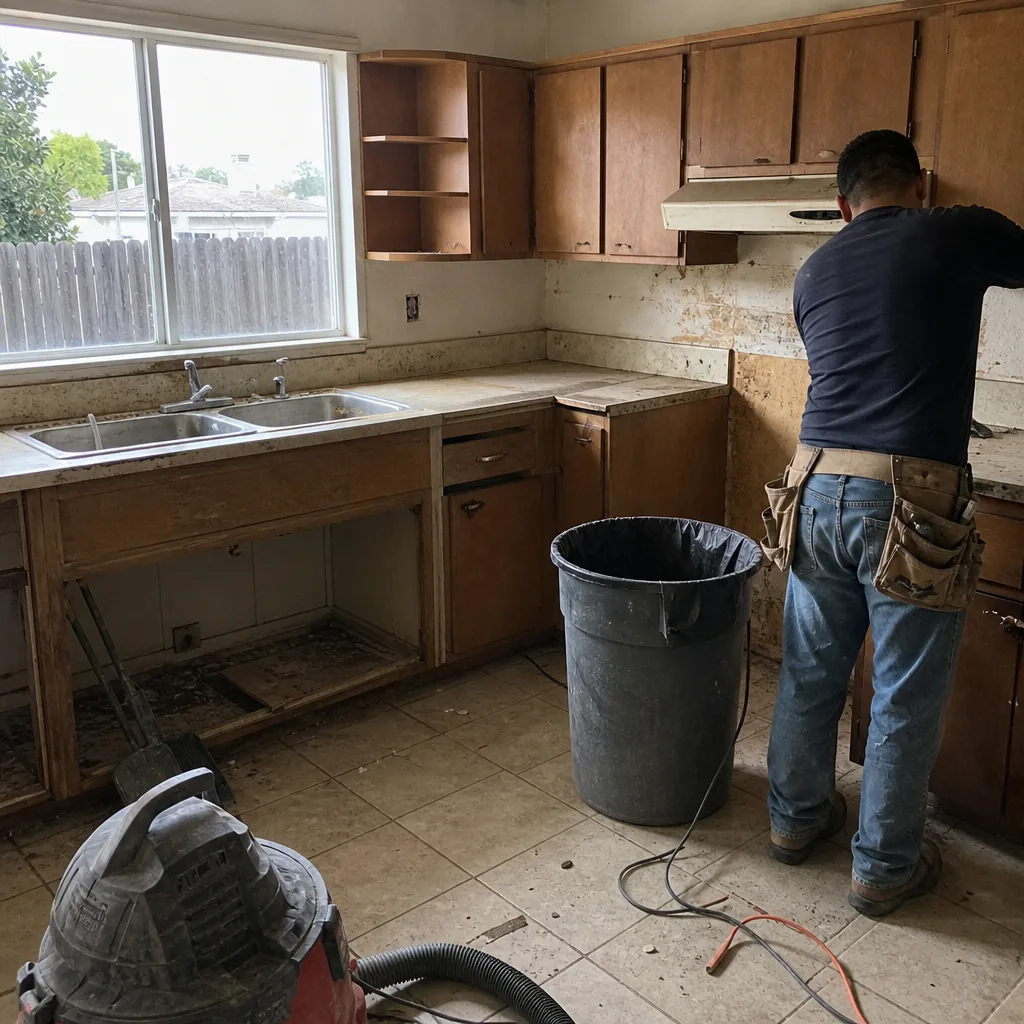 Before
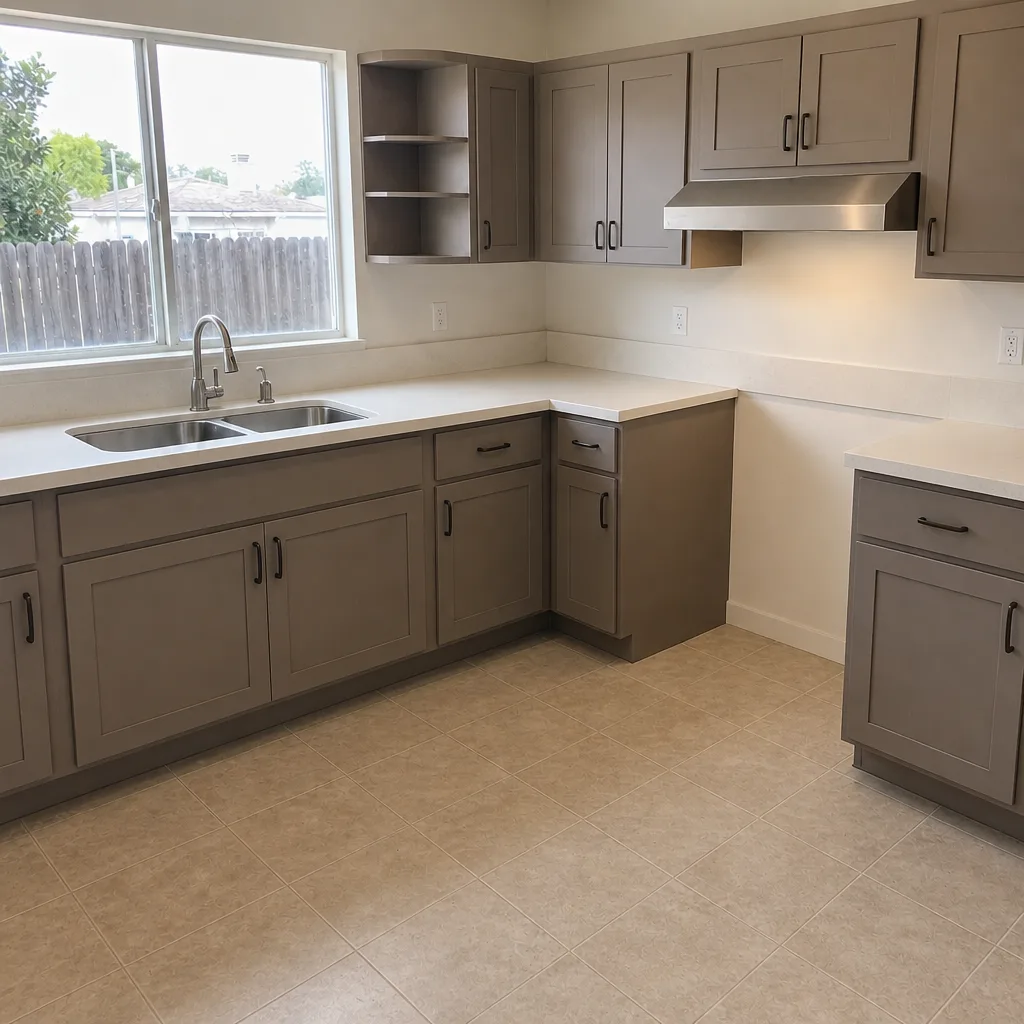 After
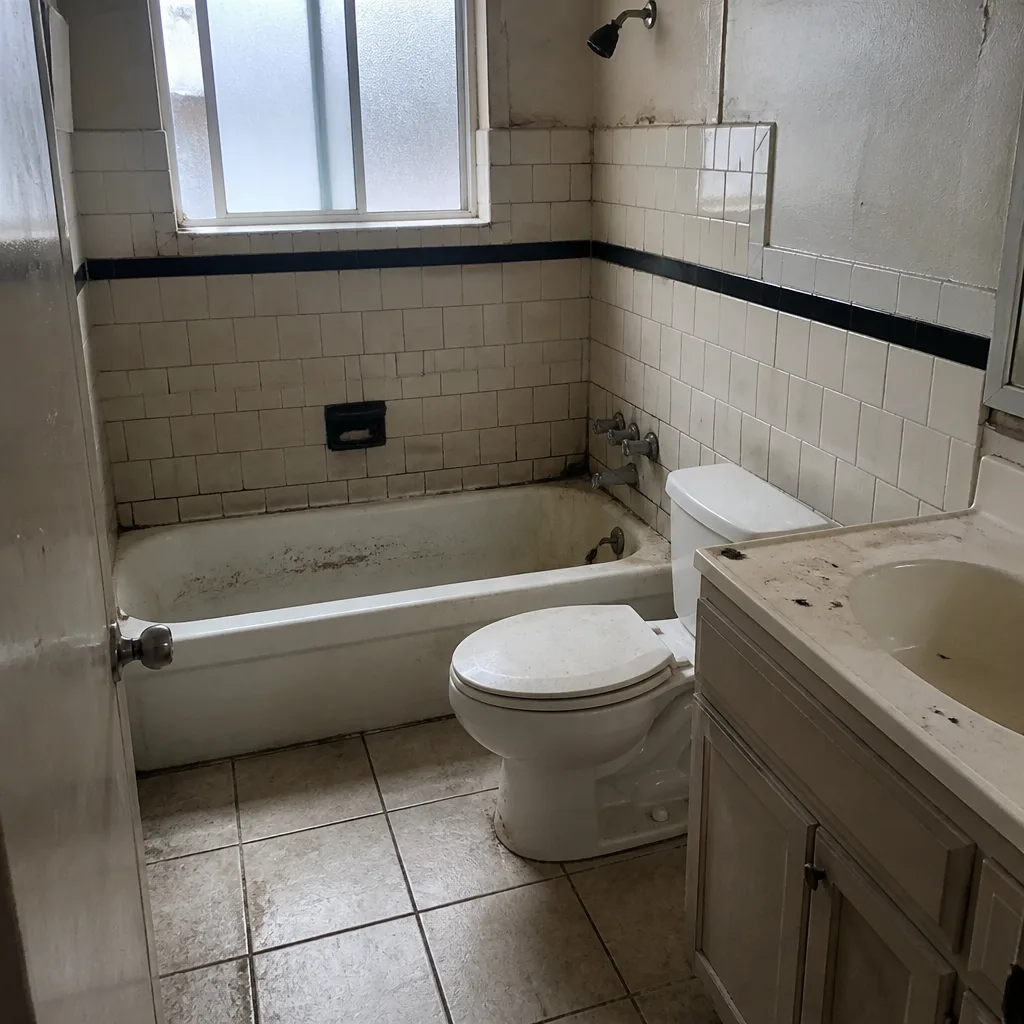 Before
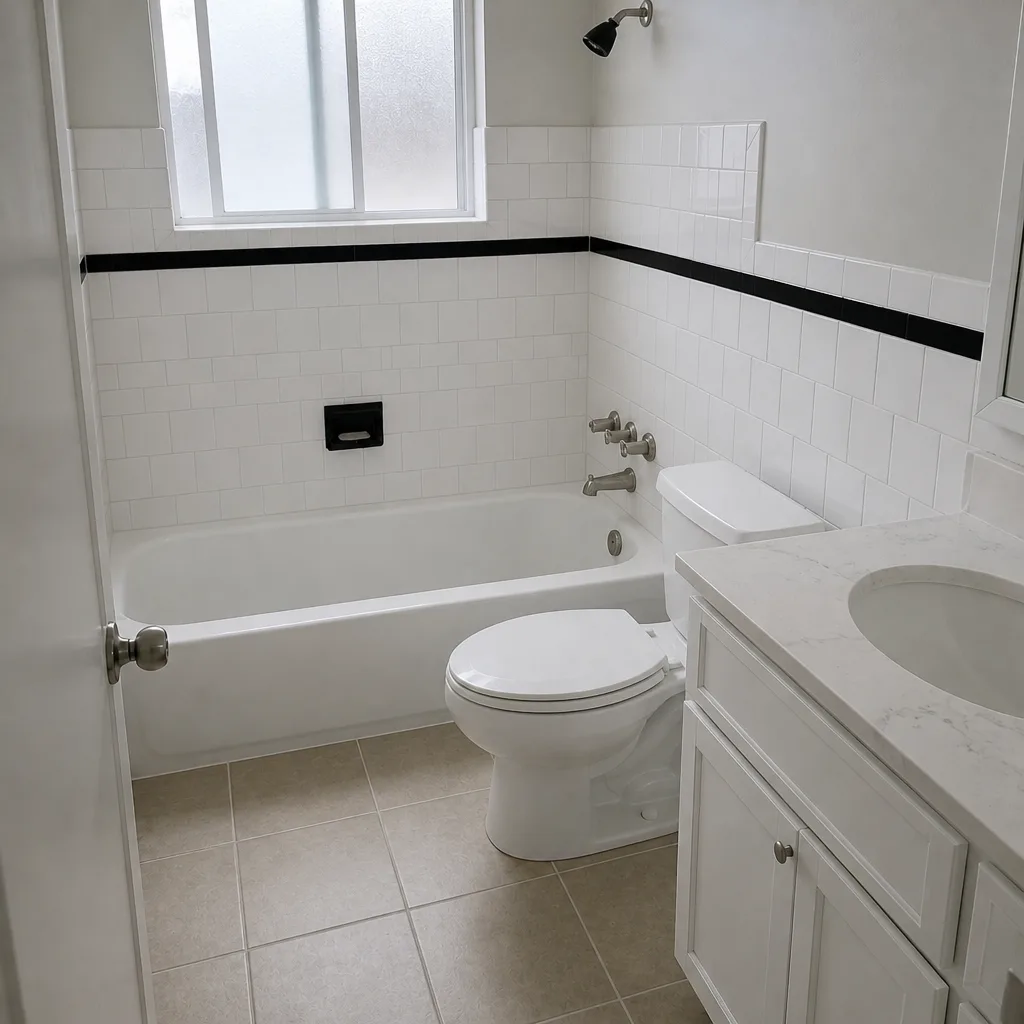 After
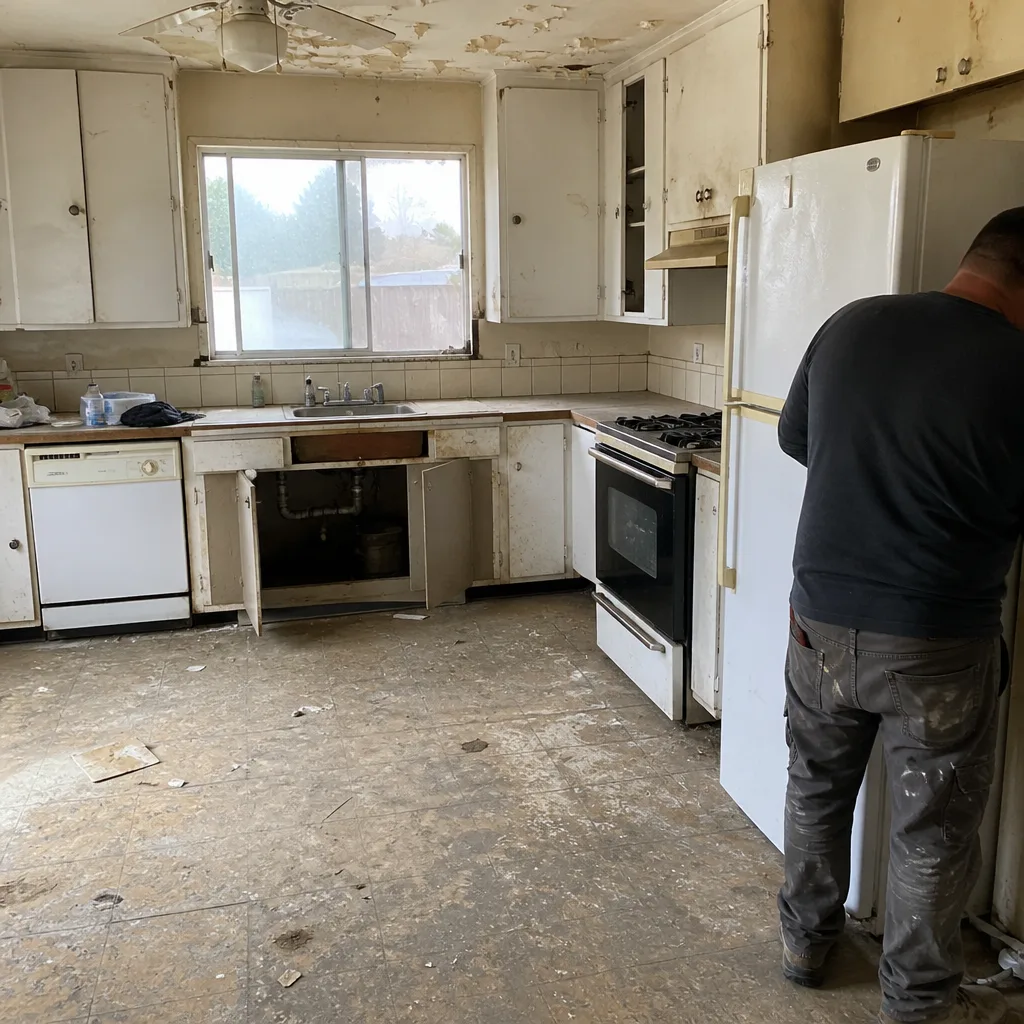 Before
 After
Repair or Replace Your Fence in Antioch? Here’s the Straight Answer
Choose repair if the damage is isolated, recent, and the fence itself is under seven years old; choose replacement if more than a quarter of the posts show clay-heave or base rot, boards are decaying at the bottom rail, or the same fence has already been patched within the last five years. For Antioch homeowners, the deciding variable is almost always the ground the fence sits in. Repairing a fence on an Antioch flatland lot without asking why it failed is the most expensive fence decision you can make, and it just doesn’t feel that way on invoice day. Call (888) 419-3650 for a free estimate.
Why Antioch Fences Fail Differently Than You’d Expect
Antioch sits on the Delta at the foot of the East Bay hills, and the conditions that wreck a fence here are not the same ones that wreck a fence in Brentwood or Pittsburg. Along the river-adjacent blocks and through downtown, the water table runs high. Combined with the expansive clay soils that dominate these lots and the seasonal swelling and shrinkage that comes with cool, fog-influenced winters, you get posts that push, pull, lean, and rot from the base up rather than the top down.
We see this constantly on the older flats. A homeowner in the downtown grid calls because one section of fence is sagging. We pull a post and find it set 18 inches into clay with no gravel layer, no drainage, no bearing on anything solid. The fence didn’t fail because the wood was bad. It failed because the installation never accounted for soil that moves. Repairing the sag without fixing the reason for the sag buys the same problem twice.
When Repair Is the Right Call (and When It’s Not)
Repair is appropriate when the failure is genuinely isolated: a single panel knocked out by a storm, a gate that’s dragging on hardware, a section a truck clipped and pushed over. If the surrounding posts are solid, the boards above the bottom rail are sound, and the fence is under seven years old, a targeted fix is the correct answer and the cheapest one.
Here’s the tipping-point framework we use instead of guessing:
- More than 25% of posts showing clay-heave or base rot – replacement wins. Fixing one out of five posts works; fixing five out of fifteen means you’re rebuilding the entire load-bearing structure one panel at a time.
- Board decay concentrated at the bottom rail – that’s seasonal moisture cycling telling you the fence sits in wet clay year-round. Surface repair doesn’t change the moisture, so the new boards rot on the same timeline as the old ones.
- Prior repairs on the same fence within five years – you’ve already made the repair bet once. Making it again is the definition of a losing streak.
- Fence is 12+ years old and failing broadly – replacement. Even a well-built fence in Antioch soil reaches the end of its structural life around that mark.
Everything else lands in repair. The trap is deciding on the number on the invoice rather than the number you’ll pay five years out.
The Soil-Condition Audit: The Step Most Contractors Skip
Before Groundwork Construction Co. of Antioch quotes a repair, we audit the soil. Not the fence boards – the ground underneath them. On Antioch flatland lots, a fence failing at the post base is a signal: either the original posts weren’t set deep enough for these soils, or there’s no drainage layer letting water move away from the lumber. A surface repair leaves both problems fully intact.
The audit answers three questions:
- How deep are the posts set? Shallow posts in expansive clay are the number-one cause of the leaning we see on the flats.
- Is there a drainage layer? Gravel and proper concrete setting keep water off the wood. Silted or missing drainage means the post sits in a sponge.
- Which direction is the failure moving? If it’s spreading along the run, that’s systemic. If it’s isolated to one or two spots, repair has a real chance.
You can see the difference in the price ranges below. A repair built on solid posts is money well spent. A repair built on the same failing ground is not:
| Work | Typical Antioch Range | When It Makes Sense |
|---|---|---|
| Isolated repair (panel, hardware, gate) | $400-$1,500 | Fence under 7 years old, solid posts, no drainage issue |
| Post replacement | $250-$500 per post | One or two failing posts on otherwise sound run |
| Partial rebuild (25-30%) | $1,500-$3,500 | Rarely. Usually a staged replacement on a bad timeline |
| Full vinyl fence replacement | $3,500-$9,000 | Systemic failure, aged fence, or soil-driven rot |
| Full aluminum fence replacement | $4,000-$10,000 | Above, where a metal system suits the property |
The False Economy of a Partial Repair
Replacing 30% of a fence with new materials while leaving 70% of aging boards and original shallow-set posts in clay soil is not a money-saving move. It’s a staged replacement on a bad timeline – you pay the mobilization cost twice, rip out boards you just installed, and hit the same moisture problem on the untouched stretch two or three years later.
We see it most on the mid-century tract homes on the flats, where a fence has often already been patched once. The homeowner who chooses the 70% replacement in stages usually spends more than the homeowner who did it once – and has the disruption of a torn-up yard twice over. If the base soil problem is real, replace the whole run and set the posts correctly the first time. That’s the version of Fence Installation that actually holds up.
How Upfront Pricing Changes the Decision
A Groundwork site visit produces two written numbers – a repair estimate and a replacement estimate – side by side, with the honest breakeven analysis spelled out. No pressure to pick the bigger job. No vague asterisk that turns into a change order. The number you see is the number you pay, and it’s the same on the invoice as it was on the quote.
If replacement is the right answer, our customers choose from a curated set of proven systems and colors rather than whatever’s on the truck, and every project carries the 730-Day Done Right Promise – if it isn’t done right, we make it right. With board replacement, that guarantee means nothing if the ground still moves. With a full replacement done correctly, it means a fence that stands for the long haul.
If you’re weighing repair against replacement on a fence that’s been failing for a while, the wrong move is picking the cheaper invoice. The right move is picking the one that ends the problem.
FAQs
Repair is cheaper up front – an isolated repair typically runs $400-$1,500 – but replacement is the better value when the failure is systemic. A full vinyl replacement runs $3,500-$9,000. If more than 25% of posts show clay-heave or base rot, the repair money is likely to be spent again within a few years. Call (888) 419-3650 for an exact quote – estimates are free.
Start with post count and age. If more than 25% of the posts are heaving or rotting at the base, if boards are decaying at the bottom rail, or if the fence has been patched in the last five years, replacement is the honest answer. Otherwise, repair. A soil-condition audit – checking post depth and drainage – tells you which category you’re in on Antioch clay. Call (888) 419-3650 and we’ll walk you through it on-site.
Yes, when the failure is isolated. Single panels, gates, and hardware are routine fixes. What we won’t do is sell a 30% patch on a fence that’s failing systemically – that’s a staged replacement on a bad timeline, not a saving. Call (888) 419-3650 for a free assessment of which category your fence is in.
Vinyl fence installation typically runs $3,500-$9,000 and aluminum $4,000-$10,000, depending on run length, height, gate count, and how much post-setting the soil demands. Groundwork offers no-hassle upfront pricing – the number you see is the number you pay – and 0% financing for 18 months. Call (888) 419-3650 for an exact quote – estimates are free.
Ready to Stop Guessing?
If you’d rather have it looked at, Groundwork Construction Co. of Antioch offers a no-pressure assessment – a real soil check, a repair number, a replacement number, and a straight recommendation. Call (888) 419-3650 and we’ll tell you which one your fence actually needs. Live person, 24/7. Free estimate, upfront pricing, and 0% financing for 18 months if replacement is the call.
Written by the team at Groundwork Construction Co. of Antioch, serving Antioch, CA.