
 Kitchen remodeling
 Bathroom remodeling
 Home additions & ADU
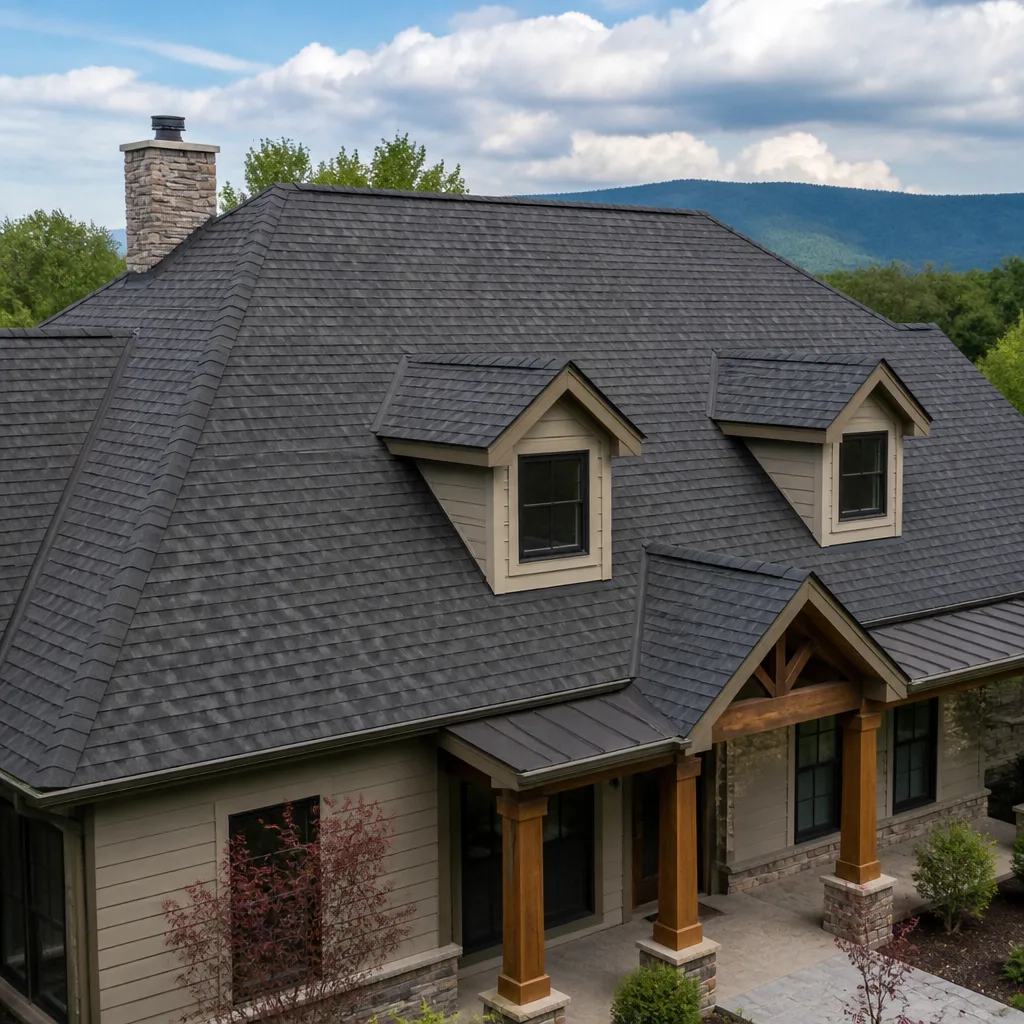 Roofing
 Windows & doors
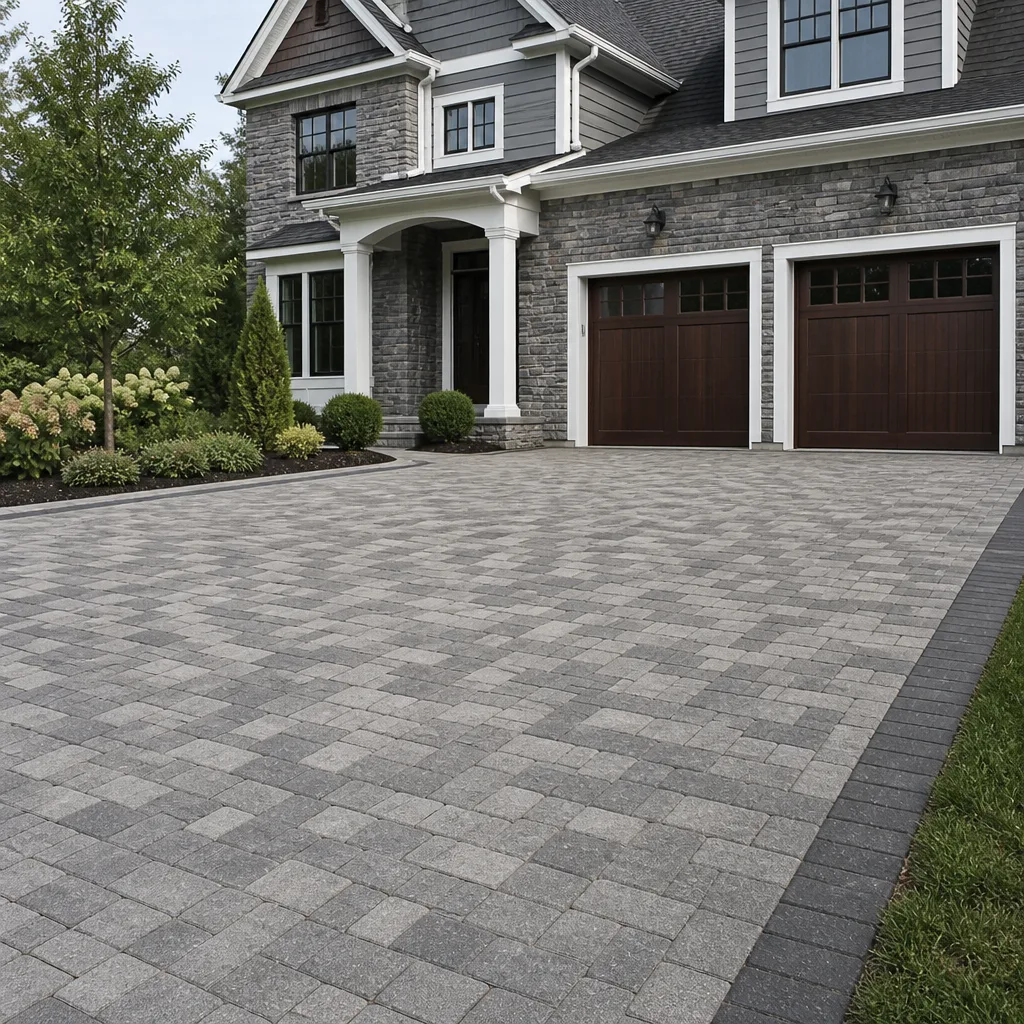 Driveway & pavers
 Fence
Free written scope consultation - allowances, timeline, and change-order rules on paper before a single trade is scheduled
Styles & brands we work with
- Kitchen remodeling
- Bathroom remodeling
- Home additions & ADU
- Roofing
- Windows & doors
- Driveway & pavers
- Fence
See the difference
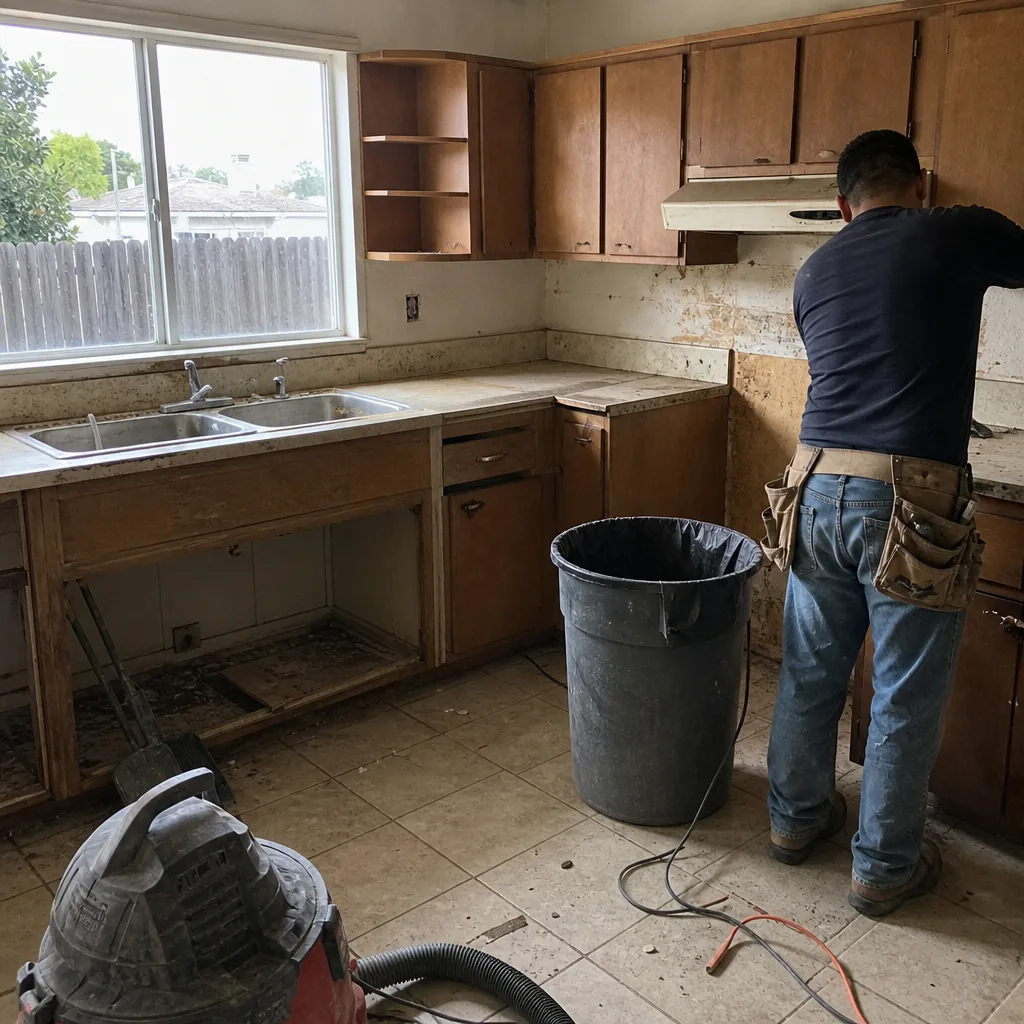 Before
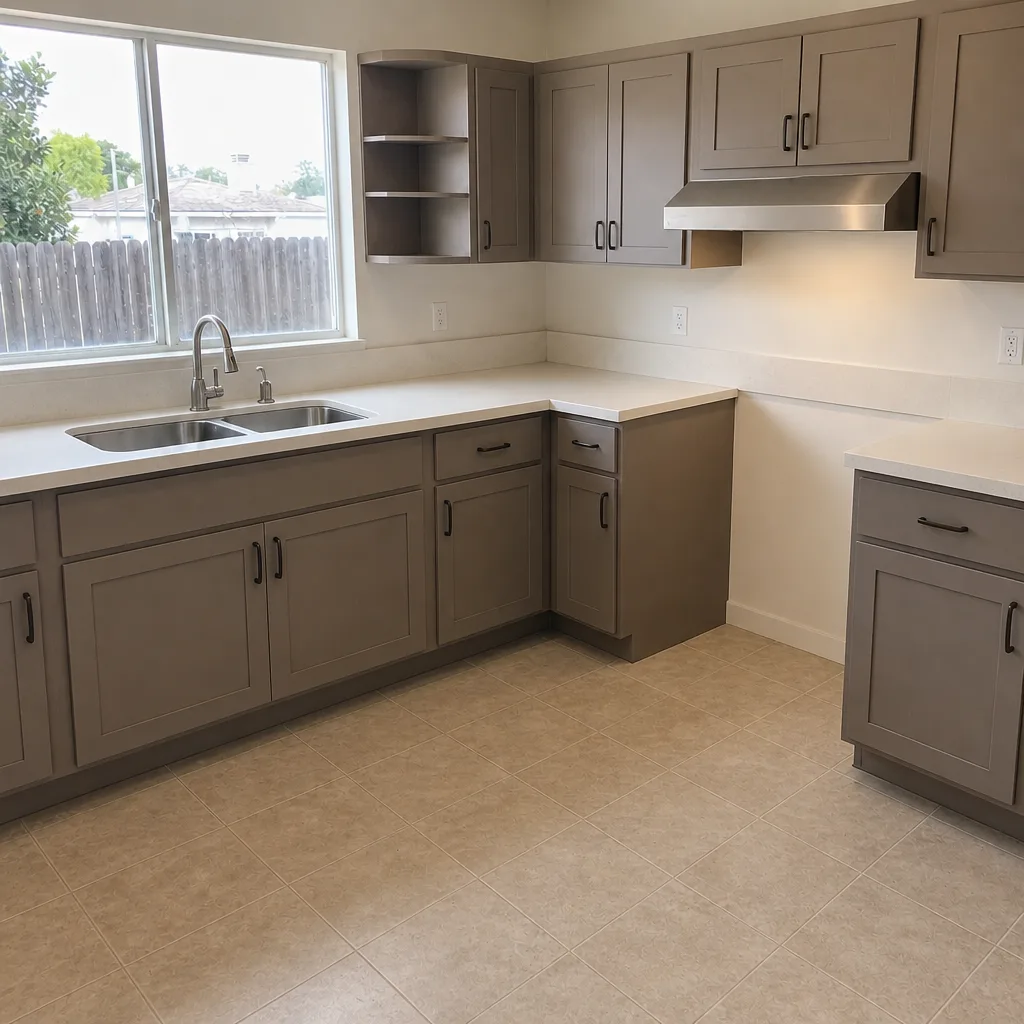 After
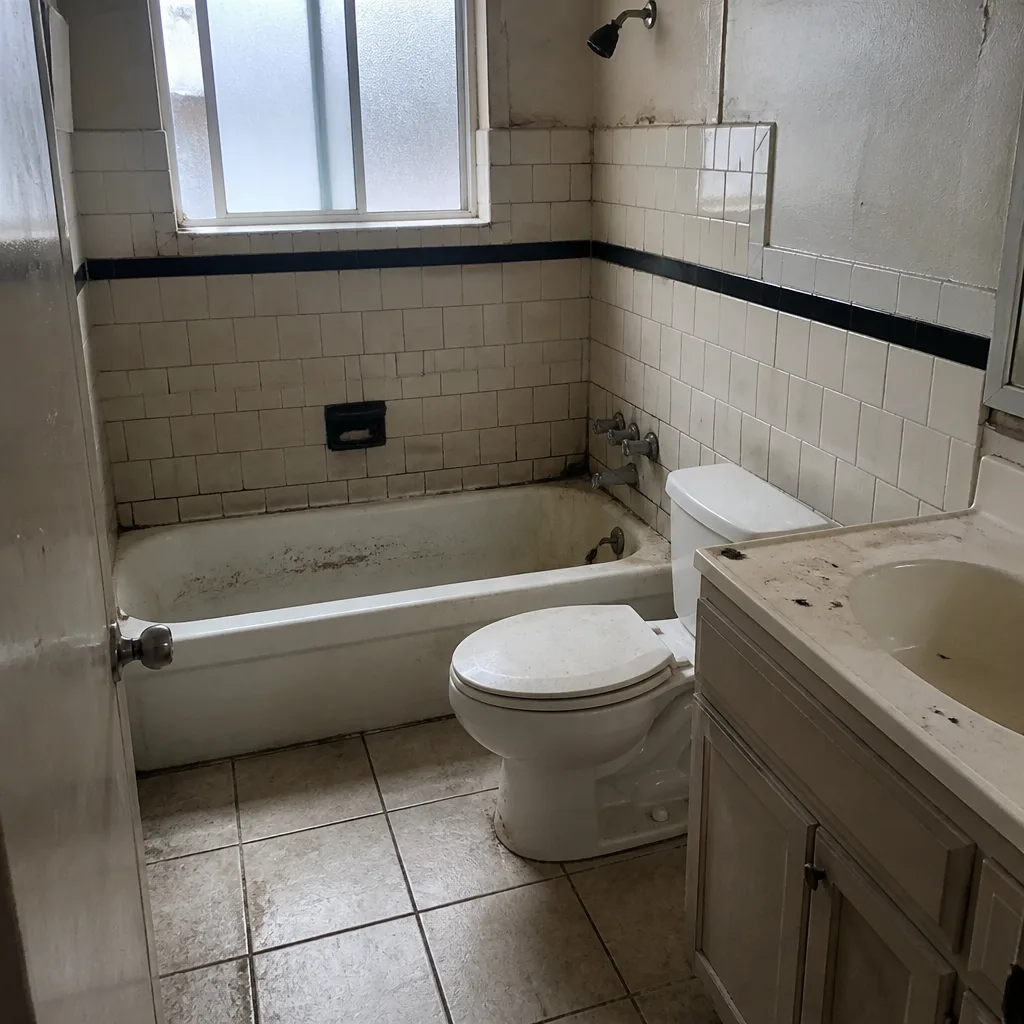 Before
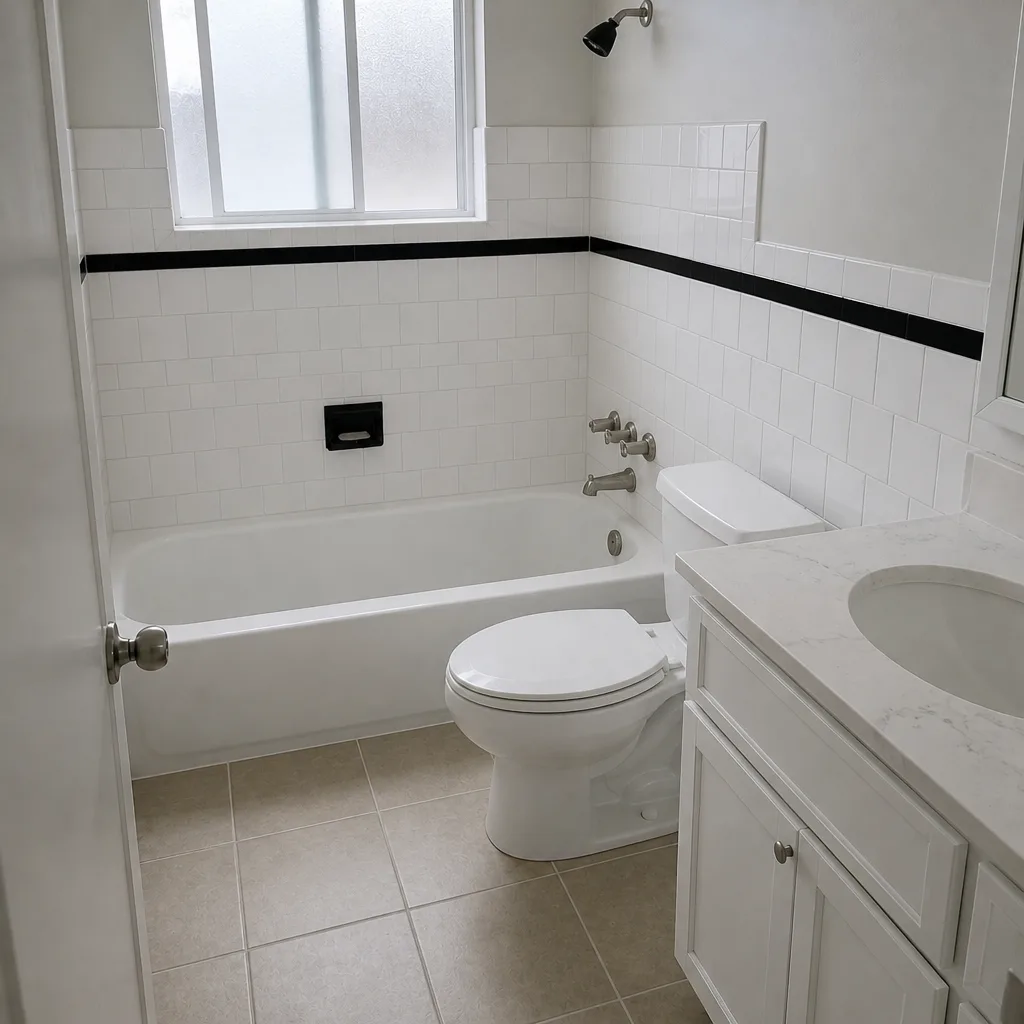 After
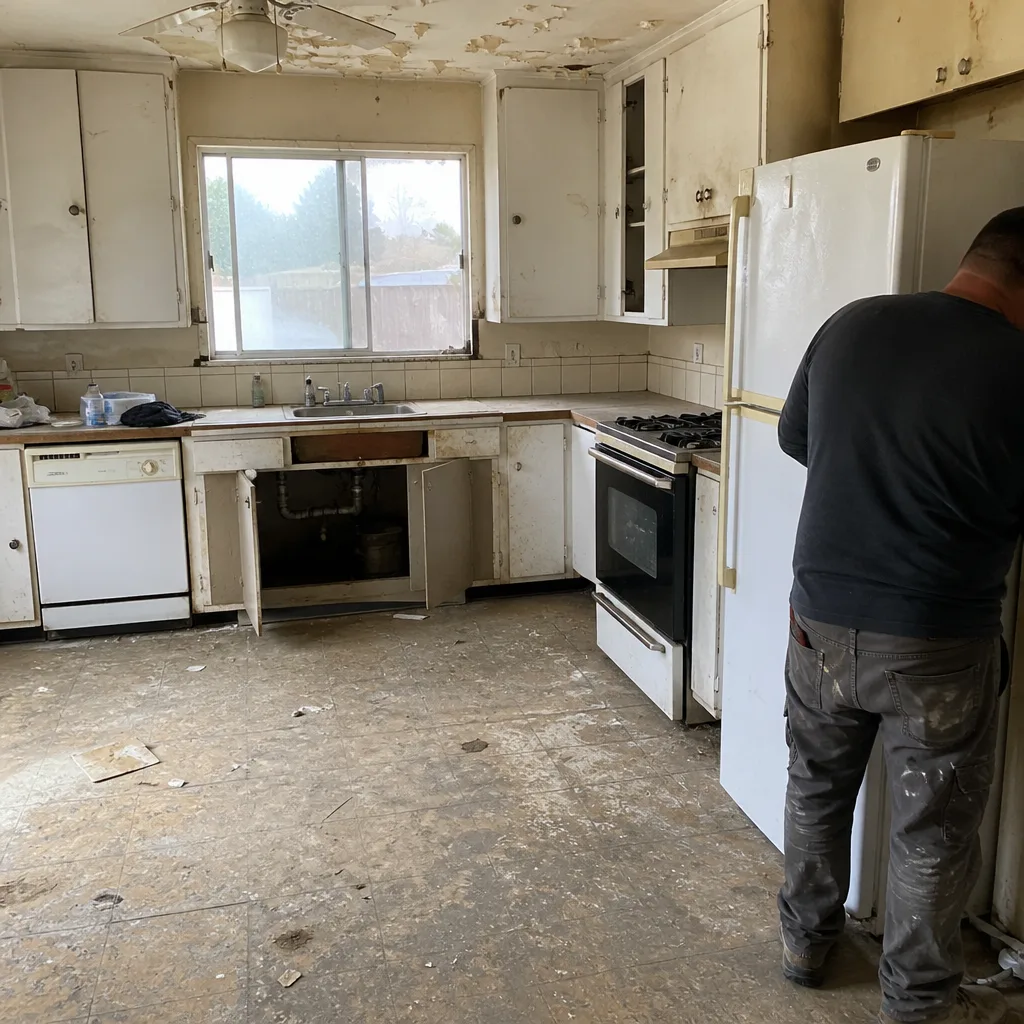 Before
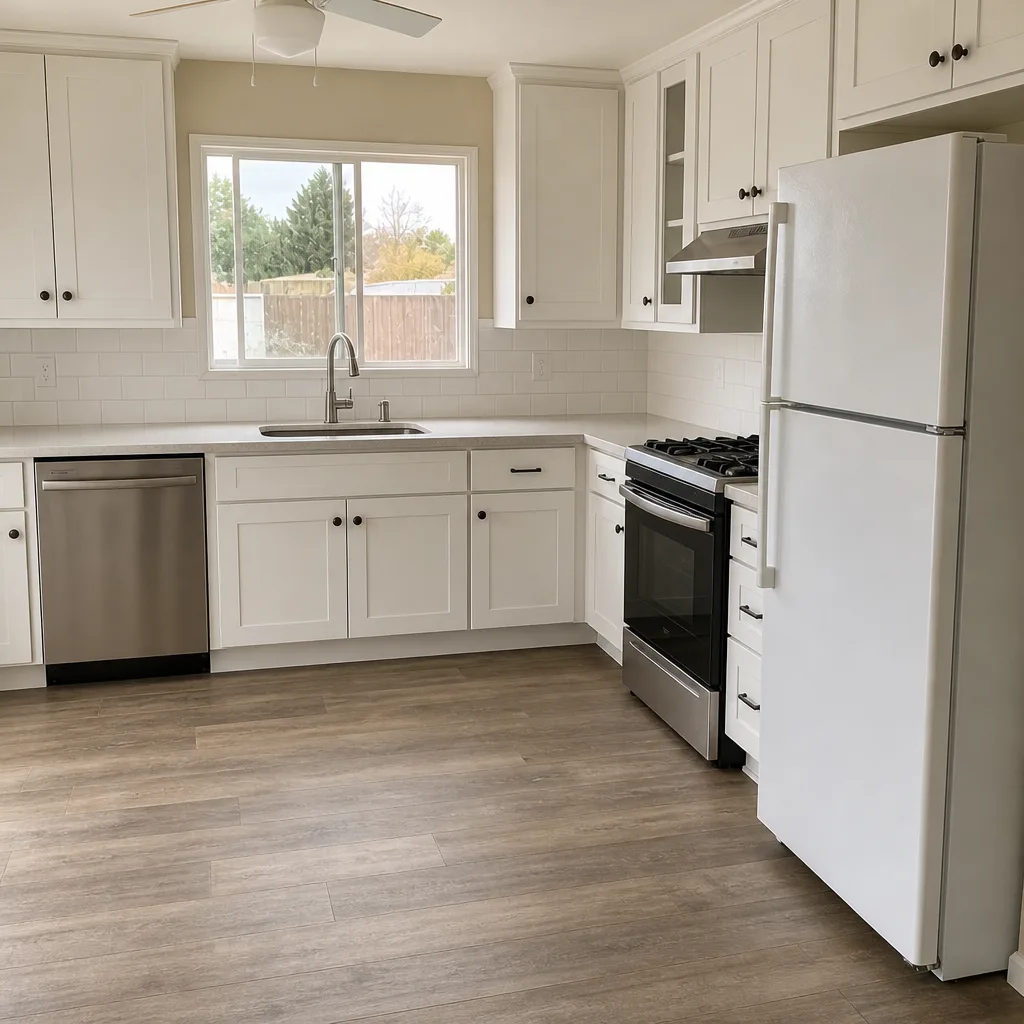 After
Roof Hail Damage Signs in Antioch, CA: What to Look For After a Delta Storm
The most reliable signs of roof hail damage are random, circular patches of exposed black mat where granules have been knocked off, hairline cracks in the fiberglass layer, and matching dings or spatter marks on soft metal like downspouts and AC fins. Antioch hail that causes this damage is usually marble-sized or smaller, so the shingles often look fine from the ground while the mat underneath is already compromised. If your roof is past its manufacturer’s rated service life, or you see granules in your gutters, call (888) 419-3650 for a free slope-by-slope inspection.
Why Antioch Hail Rarely Looks Like the Damage You See on TV
Antioch doesn’t sit in Tornado Alley. Our storms are convective cells that build along the East Bay hills and roll down toward the Delta, and they’re most likely between March and early May. The hail from those cells is small: usually pea to marble size, occasionally a little bigger on the higher elevations south of town. Golf-ball hail that dents shingles and cracks them in half is the exception here, not the rule.
That matters because small hail does its damage differently than large hail. A big stone hits hard and leaves a visible bruise. A small stone at high velocity sandblasts the protective granules off the asphalt and, on older or already-weathered shingles, fractures the fiberglass mat underneath. From your driveway, the roof looks normal. Up close, the mat is exposed to UV and slowly drying out.
How to Tell Functional Damage From Cosmetic Damage
This is where most homeowner guides go sideways. They lump everything into “hail damage” and either send people chasing an unnecessary insurance claim or, worse, convincing them to skip a claim that was actually valid. There’s a real difference.
- Functional damage means the shingle’s ability to shed water has been reduced. Granules are displaced down to the mat, the mat has hairline fractures, or the asphalt is visibly exposed. Functional damage shortens roof life and creates a path for water infiltration.
- Cosmetic damage is a scuff, a small surface mark, or a slightly darker spot where granules shifted but didn’t leave the mat exposed. The shingle still sheds water exactly as designed. Cosmetic damage is real, but it doesn’t shorten the roof’s life and is often excluded from insurance coverage.
The difference is sometimes a half-inch wide and requires eyes on the slope, not binoculars from the backyard. When the question is whether to file a claim, that half-inch matters.
What Small-Hail Damage Actually Looks Like on an Antioch Roof
Antioch’s housing stock runs from 1950s-1970s ranch tract homes on the flats to 1980s-2000s subdivisions in the southern hills. The shingles on those roofs are overwhelmingly asphalt, and small hail leaves a consistent fingerprint on them. Look for:
- Random granule loss. Wind wear moves granules in a directional pattern. Hail knocks them off in circular or oval patches, typically 1 to 2 inches across, scattered randomly across the slope. The randomness is the tell.
- Exposed black mat. Where granules are gone, the dark fiberglass layer shows through. Count the patches, not just the presence of them; density helps an adjuster gauge severity.
- “Shiny” or slick spots. On sunny days, exposed asphalt catches light differently than granule-covered shingle. Those spots are where UV will start chewing into the mat.
- Granule accumulation in gutters and at downspout discharge points. After a storm, a handful of granules in the gutter is normal. Cups of them is not.
- Hairline mat fractures. Usually only visible in raking light up close. These are the cracks that let water in.
If you’re seeing any of these after a spring storm, Roofing repair is a reasonable next conversation. Not every one of these patterns means a full replacement; most of the time it means targeted repair and a documented before-and-after.
The Control-Surface Check: Your Best Confirmation Method
When shingle damage is subtle, the roof isn’t the most useful place to look. Soft metals on the house tell you conclusively whether a hail event happened at all. Walk the property and inspect:
- Soffit fascia and vent metal for tiny dings and paint spatter marks.
- Aluminum downspouts for small depressions and dimpling along the vertical runs.
- AC condenser fins for bent or flattened fins on the top of the unit.
- Gutter tops for spatter marks where stones struck the edge and bounced.
These dings and spatter patterns are what insurance adjusters use as corroborating evidence when shingle damage on the roof is borderline. If the soft metal is clean, the roof is likely clean too. If the soft metal is dinged and the shingles are showing random granule loss, you have a documented event.
Delta Timing: When to Inspect, Not Wait
The hail window in Antioch is March through early May, when convective cells form along the East Bay foothills and push west toward the river. That’s when a post-storm inspection pays off. Do a ground-level pass within 48 hours of any hail event: look at the gutters, check the soft metal, and scan the shingle field from the base of each slope. Don’t wait for a ceiling stain. Water intrusion from a hairline mat fracture can take one wet season to show up inside, and by then the repair scope is larger.
The Delta wind exposure matters here too. Afternoon winds off the San Joaquin River dry out exposed mat faster than in more sheltered East Bay neighborhoods, which accelerates the weathering process on any spot where the granules are gone.
What Groundwork’s Hail Inspection Actually Covers
Our background-checked technicians walk every slope at close range, not just the accessible ones, and photograph every damage point so you have documentation you can actually use. The written report separates functional from cosmetic damage and flags the soft-metal findings that support an insurance claim. It’s free, and it comes with no pressure to buy anything.
We answer the phone live, 24/7, so a storm on Sunday evening doesn’t mean waiting until Tuesday to know if the damage is real. If repair or replacement is the right call, we quote transparently and back the work with our 730-Day Done Right Promise: if it isn’t done right, we make it right. Material choices run through GAF, CertainTeed, and Owens Corning, so you’re picking quality rather than whatever’s in stock.
For context on scope, roof repair in Antioch typically runs $400-$1,800, while a full roof replacement runs $8,000-$20,000. Impact-rated products and premium systems land higher. The inspection tells you which bucket you’re actually in.
Common Scenarios We See in Antioch
A 1968 ranch on the flats with 22-year-old three-tab shingles. Owner sees nothing from the ground after an April hailstorm. Inspection finds dense random granule loss across the south slope and a handful of mat fractures. That’s functional damage on a roof already past its rated service life, and it’s a strong candidate for replacement with an insurance supplement.
A 1990s hills subdivision roof with newer architectural shingles. Same storm, similar marble-sized hail. We find cosmetic scuffs but no mat exposure and clean soft metal. That’s a “no claim needed” outcome. Saved the homeowner a claim on their record.
A downtown river-adjacent bungalow with original metal flashing. Downspouts show clear hail dings, but the homeowner had a leaking ceiling nine months ago and figured it was condensation. Inspection ties the interior moisture to a mat fracture from the previous spring’s storm, now enlarged by a wet winter.
Each of those is a different call. Cookie-cutter answers don’t work.
Frequently Asked Questions
It looks like random circular or oval patches, 1 to 2 inches wide, where granules are gone and the black mat is exposed, often with small “shiny” spots where asphalt meets UV. Unlike wind wear, the pattern is scattered and non-directional. If you see those patches after a March-May storm, call (888) 419-3650 for a free inspection; estimates cost nothing and the report is yours to keep.
Yes, small hail can cause functional damage, especially on shingles past 15 years old where the mat has already lost flexibility. Pea- and marble-sized stones at 60-80 mph strip granules and hairline-fracture the fiberglass layer beneath without leaving a visible dent. Whether it’s functional or cosmetic is a slope-by-slope call. Call (888) 419-3650 and let a technician confirm it in person; you’ll get straight answers, not upsell.
Coverage usually depends on whether damage is functional, not how big the stones were. Adjusters look at mat exposure, shingle fracture density, and the corroborating soft-metal dings on soffits, downspouts, and AC fins. A written inspection report with dated photos strengthens a borderline claim. Call (888) 419-3650 to schedule one before you file; the paperwork matters.
Within 48 hours if you can, and definitely before the spring storm window closes in early May. Ground-level checks catch most of it: gutter granule accumulation, soft-metal dings, and shingle field appearance from the base of each slope. Don’t wait for a ceiling stain to appear. Call (888) 419-3650 for 24/7 scheduling; a storm on a Sunday doesn’t have to mean a week of waiting.
Get Eyes on Your Roof Before the Next Storm
If you’d rather have it looked at than guess from the ground, Groundwork Construction Co. of Antioch offers a free, no-pressure hail inspection in Antioch. We photograph every slope, document the soft-metal findings, and hand you a written report you can take to your insurer. Call (888) 419-3650 any hour, any day. Upfront pricing, 730-Day Done Right Promise, no surprises.
Written by the team at Groundwork Construction Co. of Antioch, serving Antioch, CA.