
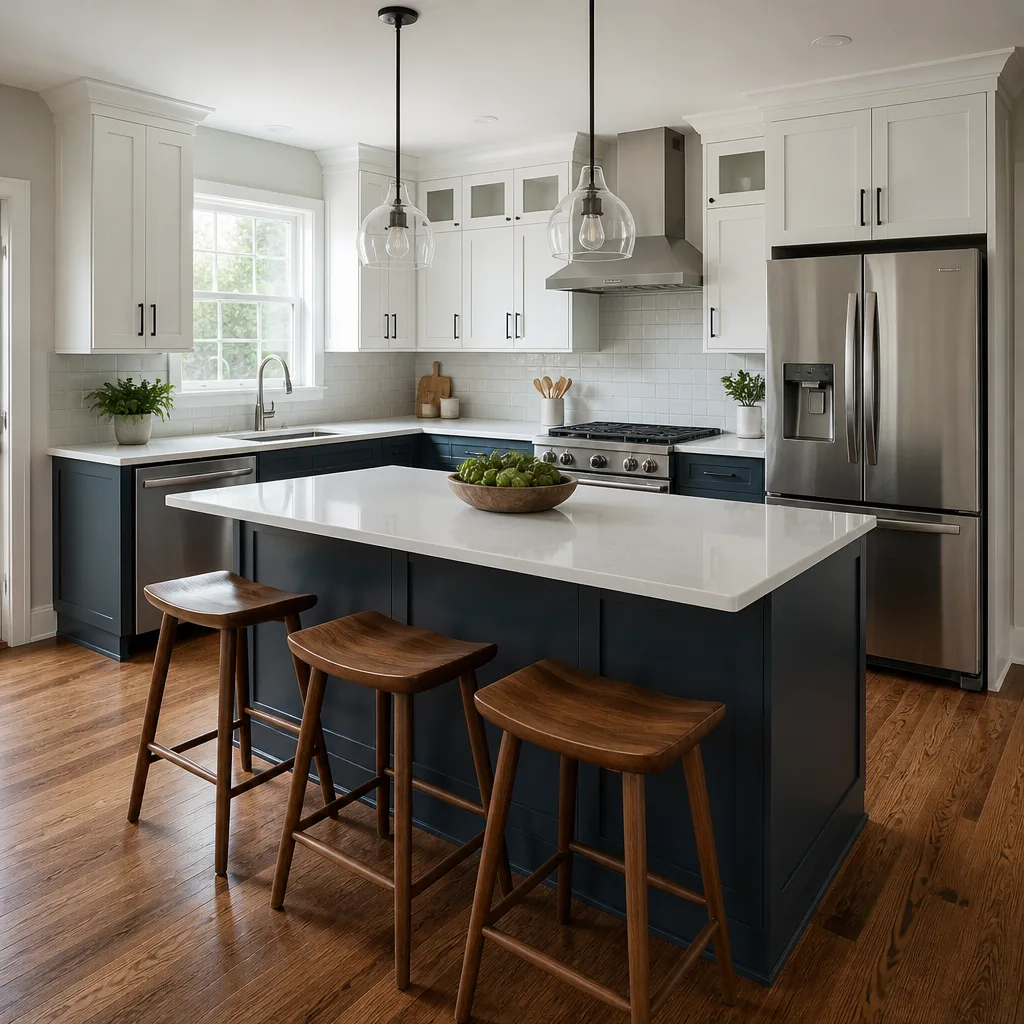
 Kitchen remodeling
 Bathroom remodeling
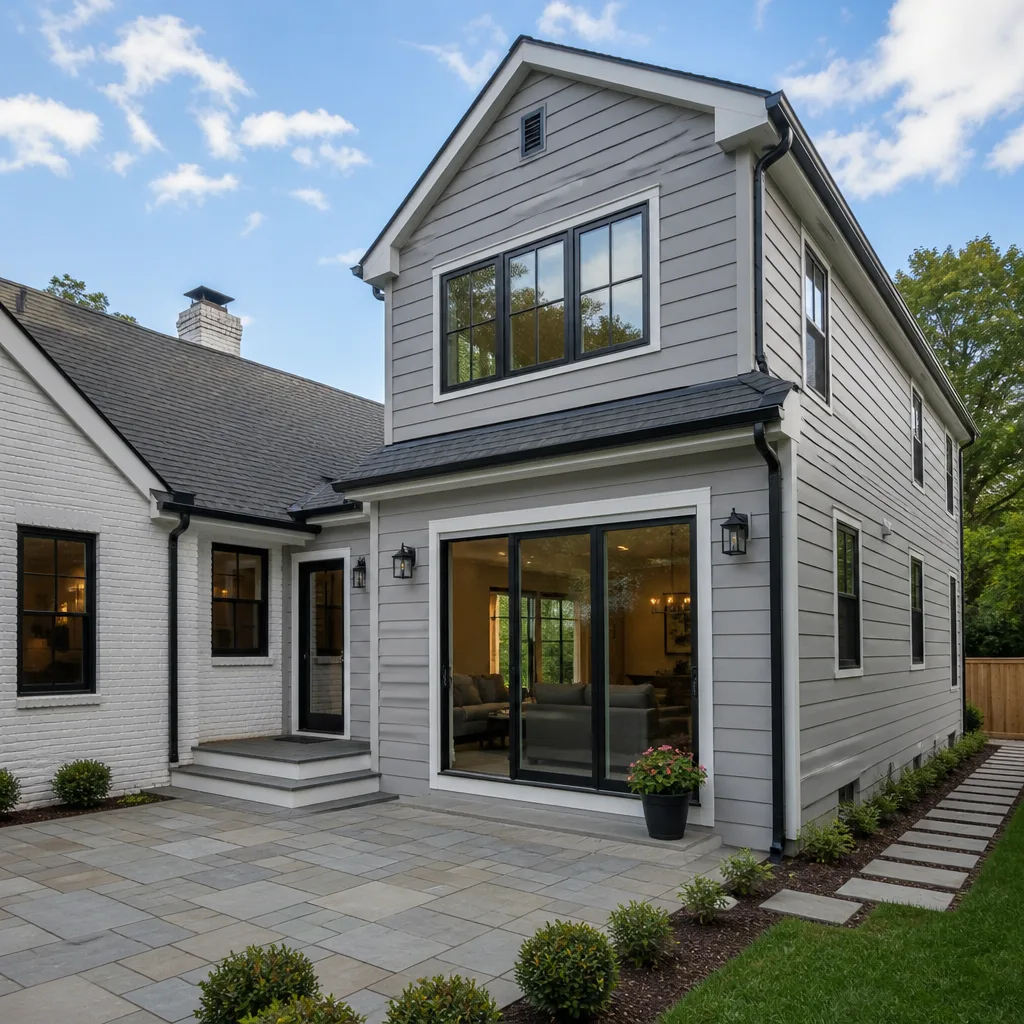 Home additions & ADU
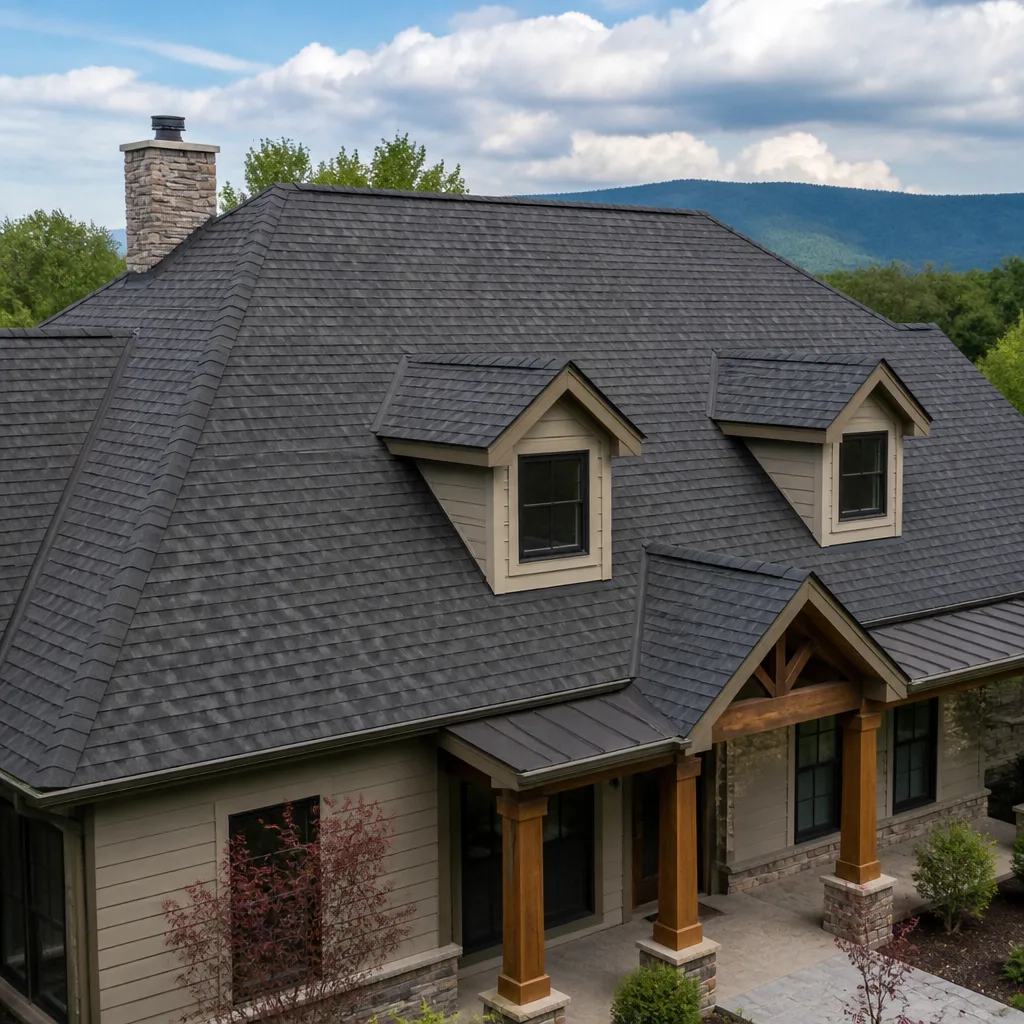 Roofing
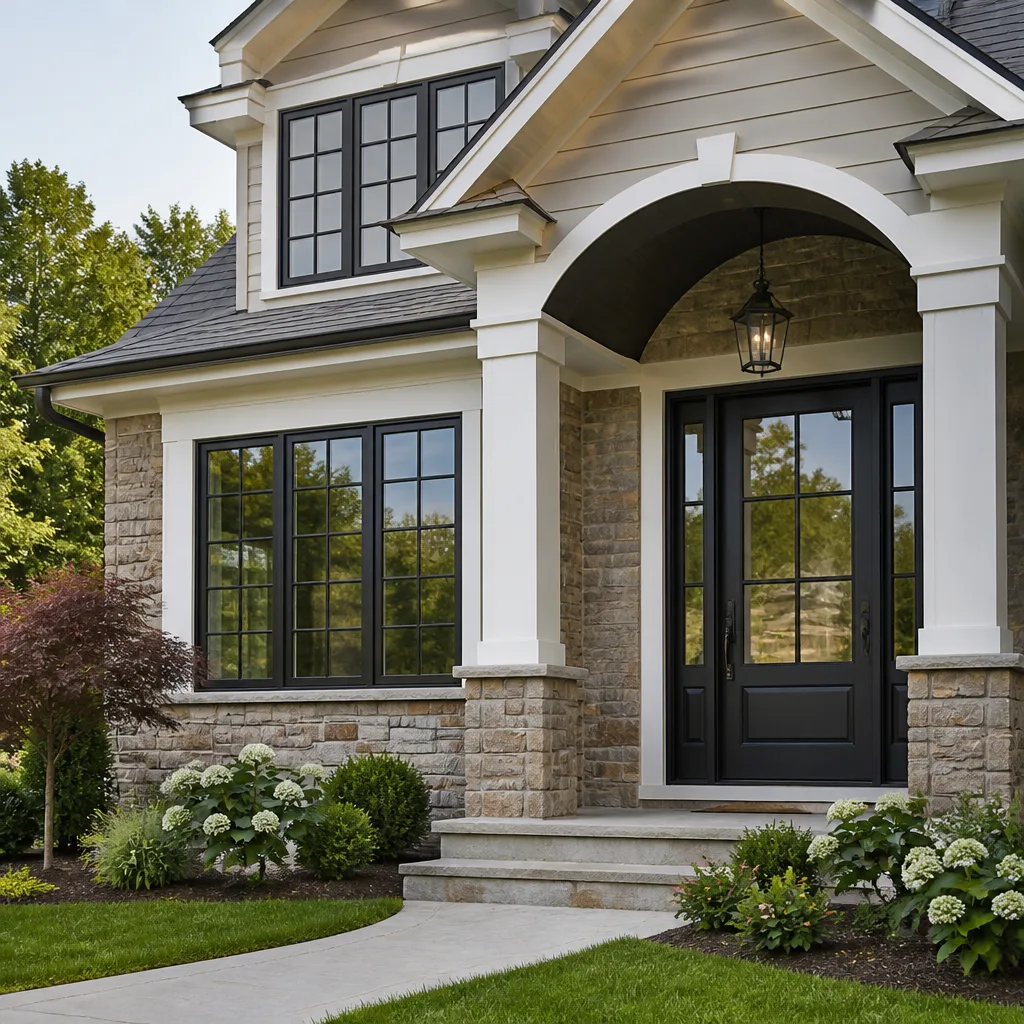 Windows & doors
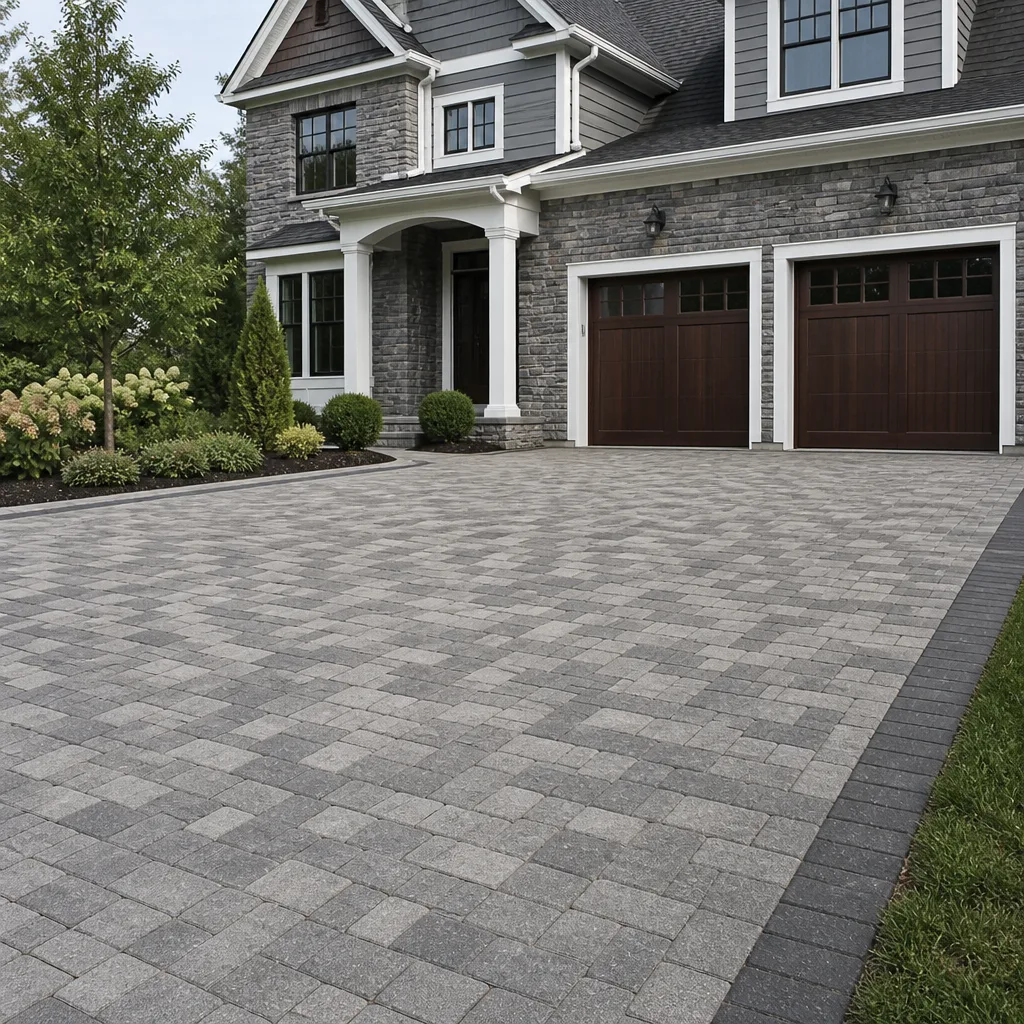 Driveway & pavers
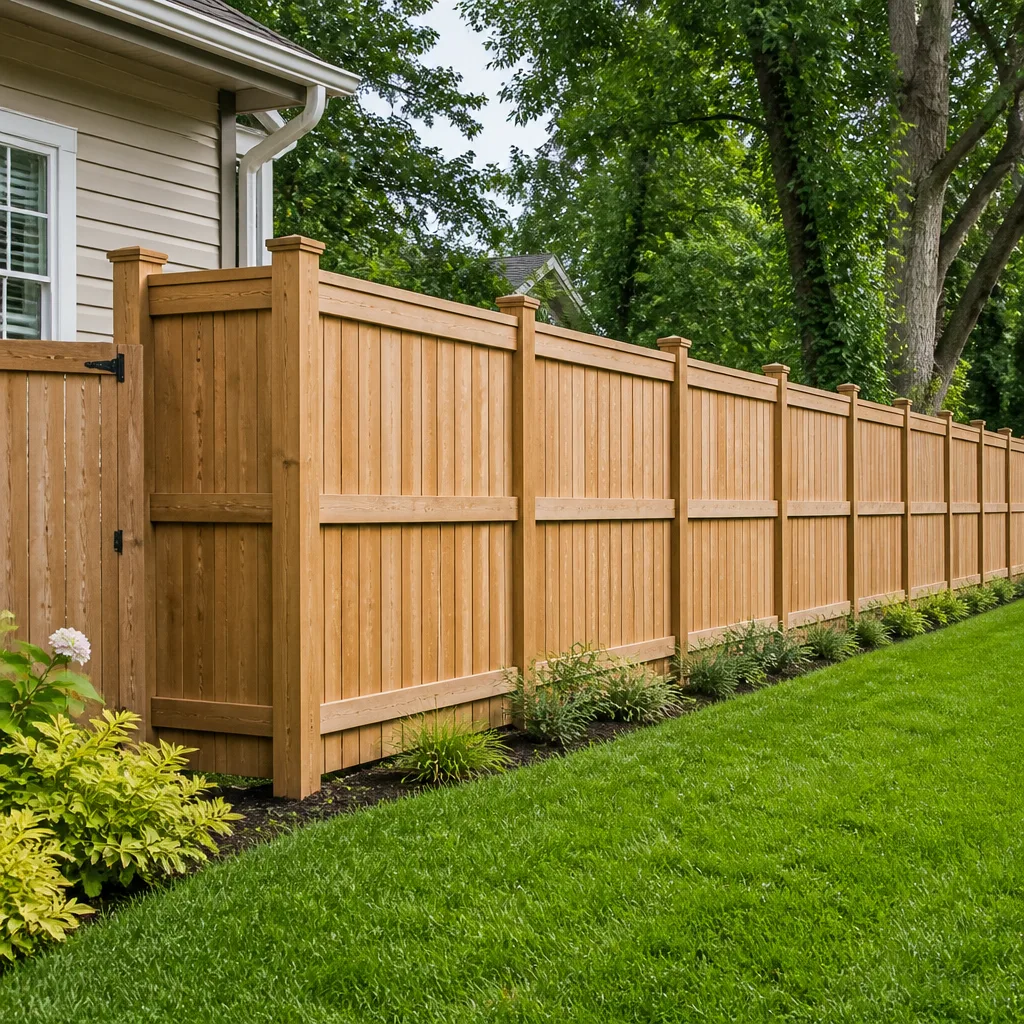 Fence
Free written scope consultation - allowances, timeline, and change-order rules on paper before a single trade is scheduled
Styles & brands we work with
- Kitchen remodeling
- Bathroom remodeling
- Home additions & ADU
- Roofing
- Windows & doors
- Driveway & pavers
- Fence
See the difference
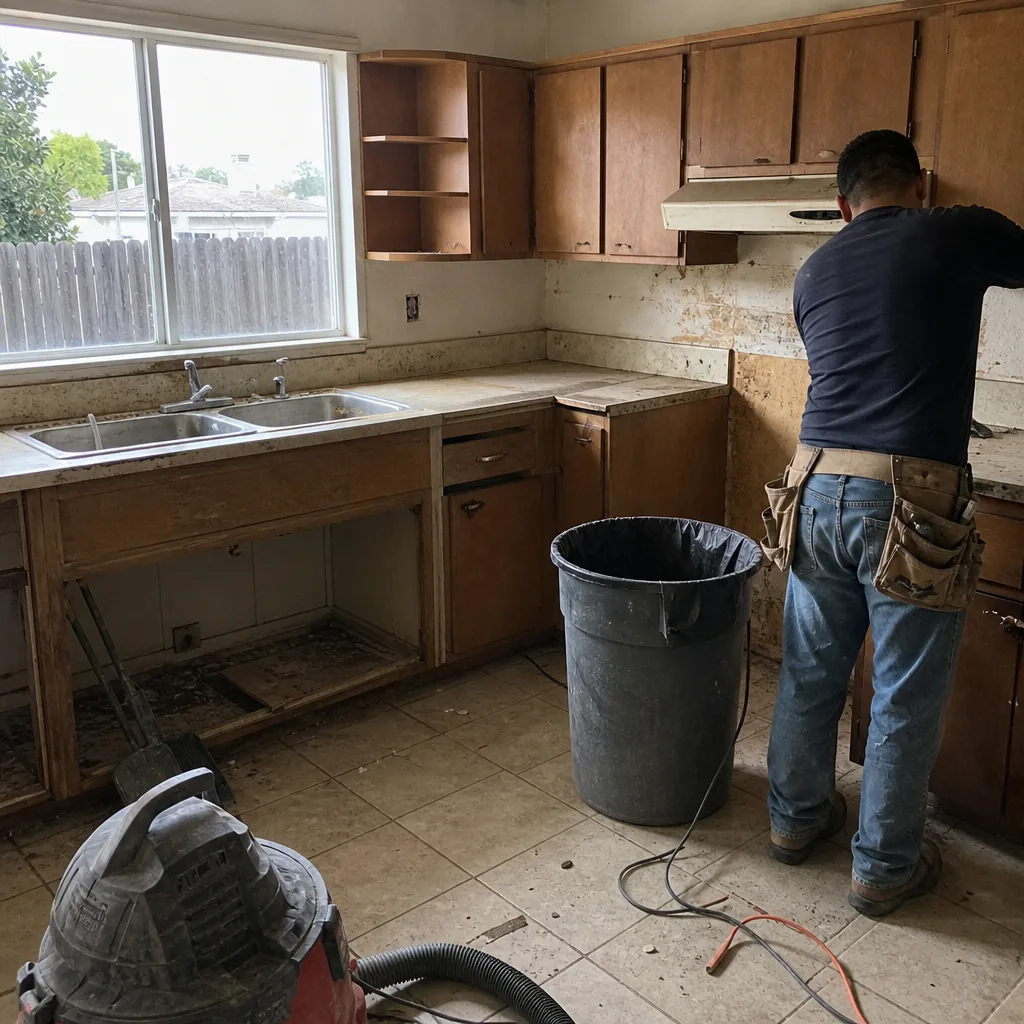 Before
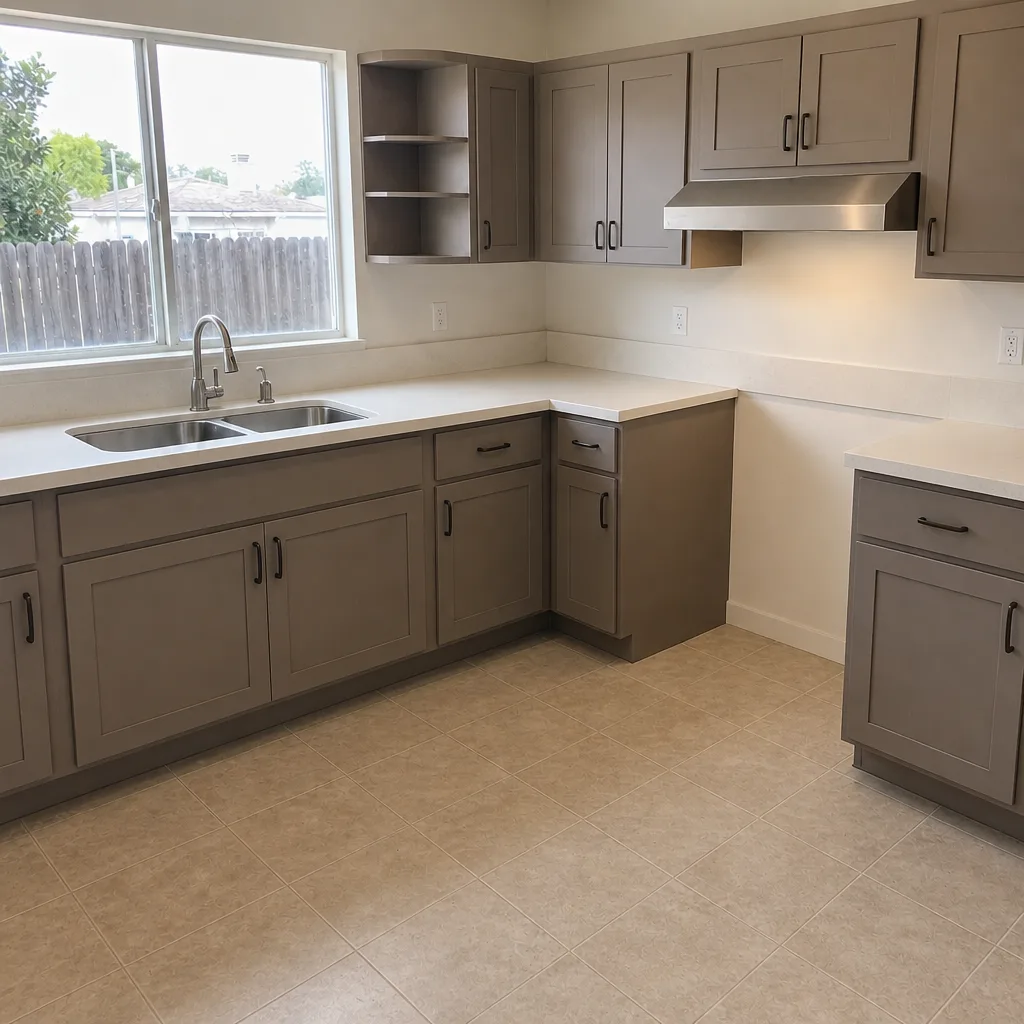 After
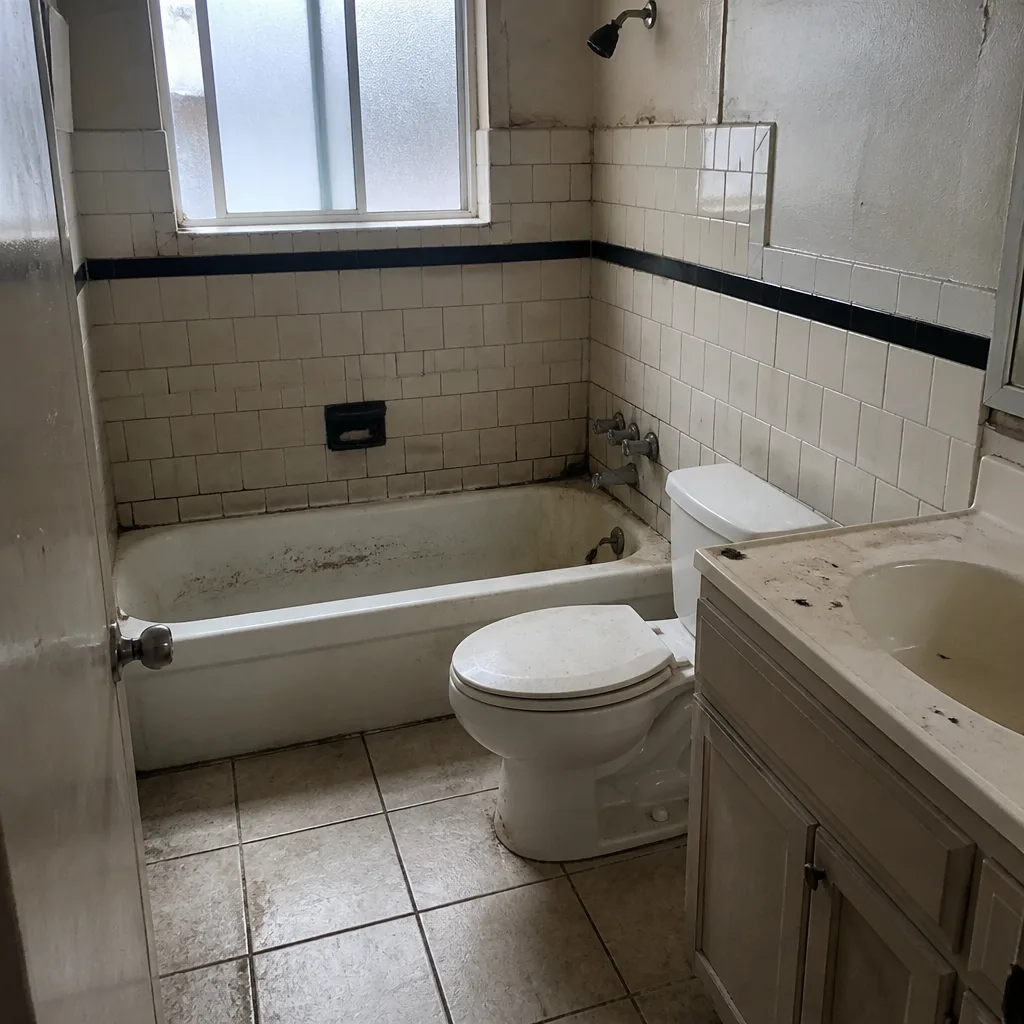 Before
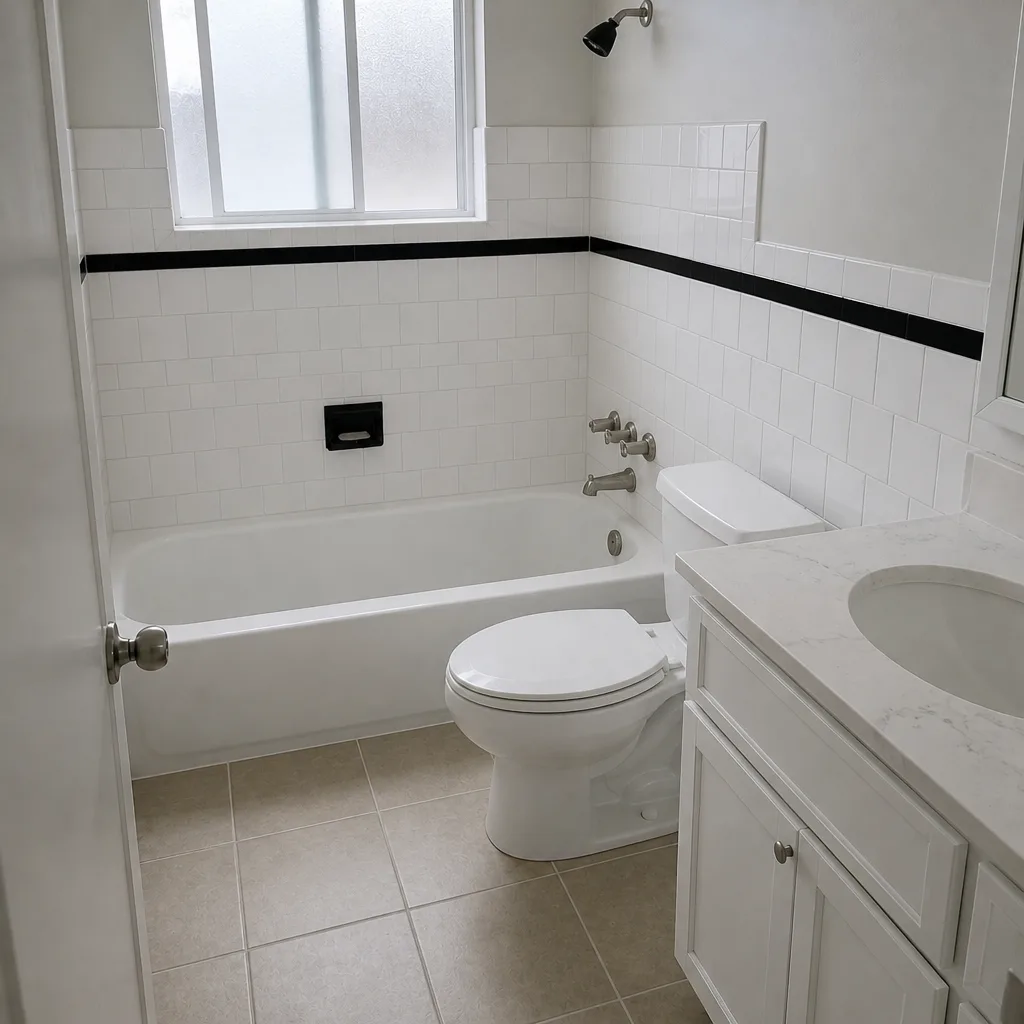 After
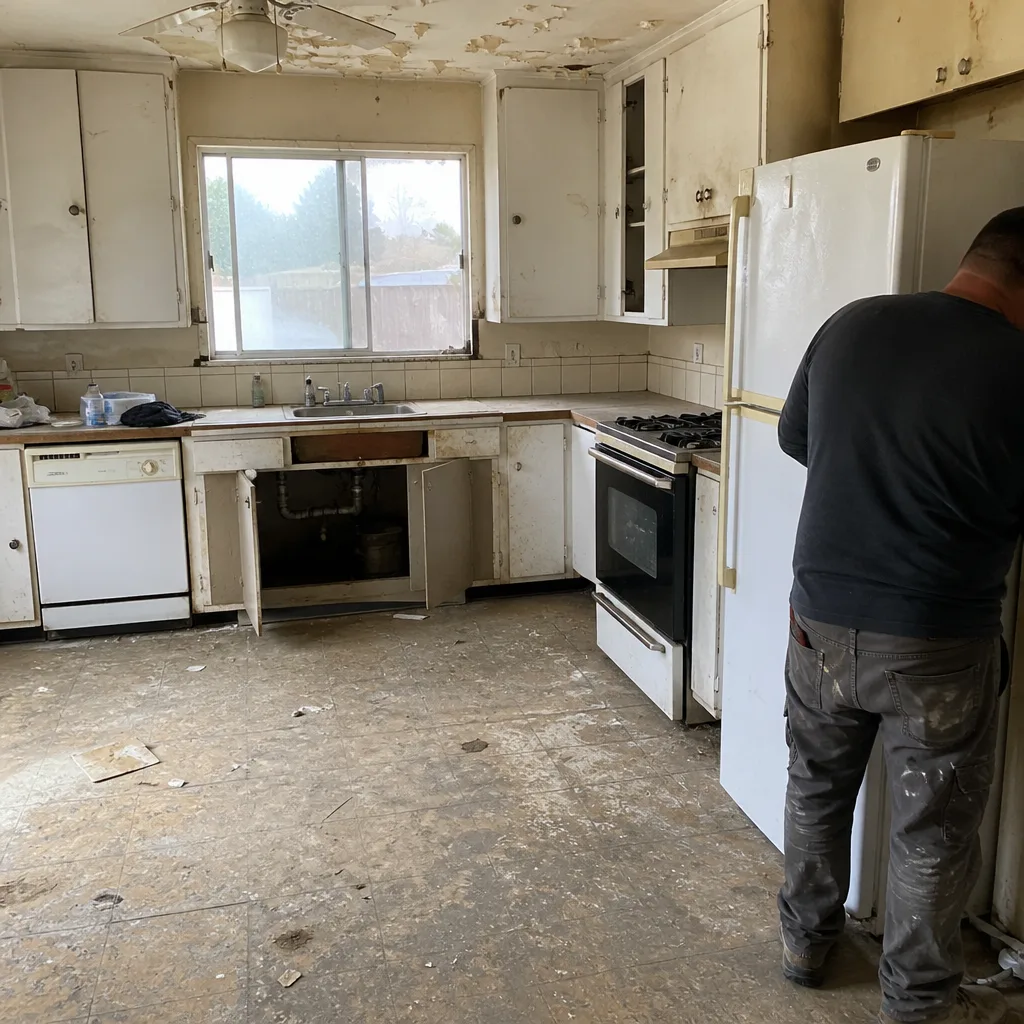 Before
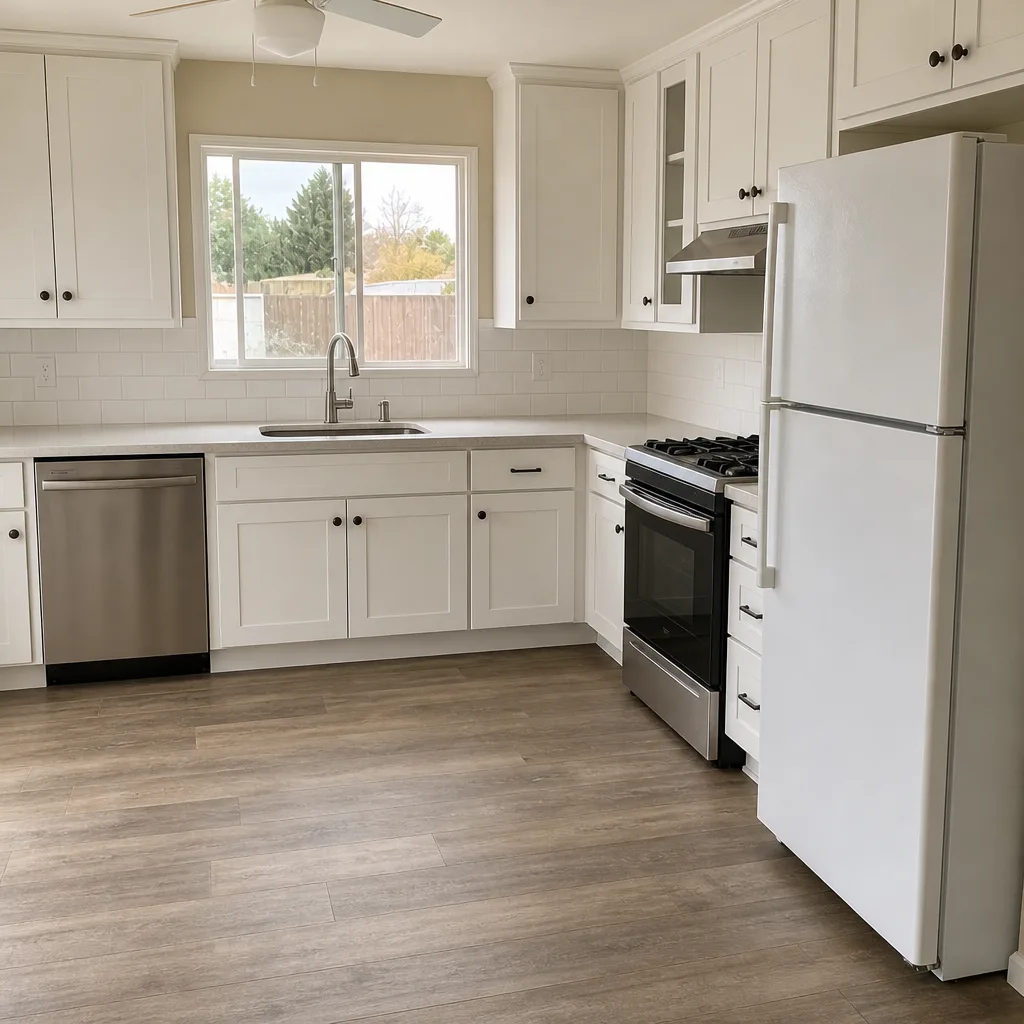 After
Looking for signs you need a new roof in Antioch? The short answer: if your shingles are curling, granules are pooling in gutters, or you’re seeing daylight through the attic deck, replacement is usually closer than repair. But in Antioch, the most telling signals often aren’t on the shingles at all – they’re structural, and they show up as a bowed ridge line or sunken hip corners on flats-built ranch homes.
If your Antioch ranch home’s ridge line has developed a subtle bow, or your hip corners look slightly sunken, that isn’t an aging shingle problem. It’s your roof deck flexing from decades of expansive clay soil cycling under the slab, and no shingle replacement will fix a deck that’s lost its structural plane. That distinction matters more here than in most of the East Bay, because the generic “curled shingles and water stains” checklist was written for a national audience. It doesn’t account for what clay movement and Delta wind do to a roof over 40 or 50 years.
Here’s how to actually triage the signals, including the two that most Antioch homeowners never think to check.
The five standard signs – and what each one really tells you
Most informational pages stop at listing symptoms. The useful question is urgency: which signs mean “schedule it this season,” and which mean “call someone today.”
- Curled or clawing shingles. Edges lifting away from the deck mean the mat is drying out. A few on one slope is a repair. Widespread curling across multiple slopes means the shingle is at end of life and patching is throwing money at a losing battle.
- Granule loss. Some granule shedding is normal in the first year. Finding a steady accumulation of grit at downspout outlets and in gutters after every wind event means the protective surface is gone and the asphalt underneath is now taking UV directly.
- Daylight visible in the attic. Any pinhole of light through the roof deck is a breach, not a warning. This one moves to the front of the line.
- Water stains on ceiling or attic sheathing. Brown rings and dark streaks mean water is already getting past the underlayment. Where the stain is tells you more than the stain itself – a stain near a chimney or a valley points to flashing, not shingles.
- Age. Age alone is a weak signal. Age combined with any of the above is decisive.
Two Antioch-specific signs that generic checklists miss
Antioch’s flats are dominated by 1950s through 1970s ranch tract homes, and the downtown and river-adjacent blocks sit on clay-heavy soils with a high water table along the San Joaquin River waterfront. That combination does something to a roof that coastal checklists never mention.
1. Ridge and hip deflection from soil-driven deck movement
Expansive clay swells and shrinks with the seasons – wet winters, hot dry Delta summers – and over decades that cycling works on the slab and framing. The roof, sitting on top of all of it, loses its flat plane. Stand across the street and sight down the ridge line. A subtle bow, or hip corners that look slightly lower than they should, is structural. Shingles may look fine. They still need to come off, because a new layer over a deck that has lost its plane just hides the problem under fresh material.
2. Flashing separation at parapet walls and chimney bases
Slab-edge expansion pushes walls outward by small amounts, and the flashing that ties a roof to a parapet wall or a chimney base doesn’t always move with it. What you’ll see is a bead of separation – a gap where the metal meets the masonry, or cracked sealant along a chimney cricket. This is invisible to a homeowner who only checks the shingles from the ground, and it’s one of the most common leak sources we find on older Antioch homes. Concrete tile roofs are especially prone to hiding it, since the tile looks fine while the underlayment beneath has long since aged out.
Wind-stress: the third sign that lives on one side of the roof
Persistent afternoon winds come off the river through the Delta, and they hit west- and southwest-facing slopes hardest. Shingle tabs on those slopes lift in a gust and re-seal when the wind drops – over and over. The evidence is a sealant bleed mark: a faint dark strip where the adhesive strip has repeatedly released and re-bonded, often with a tab sitting slightly proud of its neighbors.
Once you can see those bleed marks across a slope, the adhesive strip is failing. The next serious wind event takes tabs. That’s a re-roof trigger, not a repair situation, and no amount of roofing cement fixes an adhesive strip that has already quit.
How long should an Antioch roof actually last?
National marketing numbers are optimistic for this climate. Delta heat and thermal cycling shorten service life, and concrete tile hides underlayment failure until it’s a leak. Calibrated to Antioch conditions, these are the realistic thresholds:
| Material | Realistic life in Antioch | What to watch |
|---|---|---|
| 3-tab asphalt | 15-20 years (not the marketed 25) | Widespread curling, heavy granule loss |
| Architectural asphalt | 22-28 years | Sealant bleed on wind-exposed slopes |
| Concrete tile | Underlayment 20-25 years, even when tile looks new | Flashing separation, interior stains with intact tile |
Past those windows, the underlayment is the part failing, not the visible surface. Brands like GAF and Owens Corning architectural lines hold up reasonably well in Delta heat; when we quote a replacement we usually recommend an Atlas or Tamko architectural shingle as a solid value option for this market.
What a real roof inspection in Antioch should cover
An inspection that never leaves the driveway isn’t an inspection. When Groundwork Construction Co. of Antioch sends someone out, the visit includes a written condition report covering decking condition, flashing at every penetration and wall, underlayment, gutter attachment and drainage path, and attic ventilation. Our technicians have up to 12 years of experience, and every one is background-checked and arrives in uniform. Calls are answered by a live person 24/7, so you can schedule an assessment any day of the week instead of waiting until Monday morning.
Expect straight answers on which items are urgent, which can wait a season, and what a replacement actually runs. Typical Roofing pricing in this market runs $8,000-$20,000 for a full replacement, with targeted repairs at $400-$1,800 and tile roof repair at $600-$2,500. Every project carries our 730-Day Done Right Promise – if it’s not done right, we make it right – and pricing is upfront, so the number you see is the number you pay. For the full scope of what we handle, see our Roofing in Antioch page, or start from our home page to see every service line.
FAQs
If the damage is confined to one slope or one flashing point and the shingles elsewhere are flat and granule-rich, a repair is the right call. Widespread curling, granules in the gutters after every wind, ridge line deflection, or stains appearing in the attic all point to replacement. An inspection settles it in under an hour, and estimates are free – call (888) 419-3650.
Yes, and summer is a good window, as long as the crew starts early. Afternoon temperatures on the flats get hot enough to soften shingle adhesive before it can bond properly, so tear-off and deck work ideally happen in the morning, with the sun-facing slopes finished before the heat peaks. Our teams schedule around that; call (888) 419-3650 for a summer slot.
Very possibly. Concrete tile is designed to last decades, but the underlayment underneath it ages out in 20-25 years in Antioch’s climate, and the tile hides that failure completely. If your tile roof is past 20 years or you’re seeing interior stains under intact tile, the underlayment needs attention. Call (888) 419-3650 and we’ll tell you honestly whether the tile can be lifted and reused.
It depends on the cause. Sudden damage – a wind event that lifts tabs, a fallen limb – is usually covered. Wear and tear, granule loss, and age-related underlayment failure are not, and neither is deck deflection from soil movement. We document conditions in writing so you have what your adjuster needs. Call (888) 419-3650 to schedule that documentation.
If you’d rather have it looked at
If you’d rather have it looked at, Groundwork Construction Co. of Antioch offers a no-pressure assessment in Antioch – call (888) 419-3650. We’ll put the condition report in writing, tell you what’s urgent and what isn’t, and quote upfront pricing with 0% financing for 18 months and $1,000 off projects over $10,000. Live person, 24/7.
Written by the team at Groundwork Construction Co. of Antioch, serving Antioch, CA.