
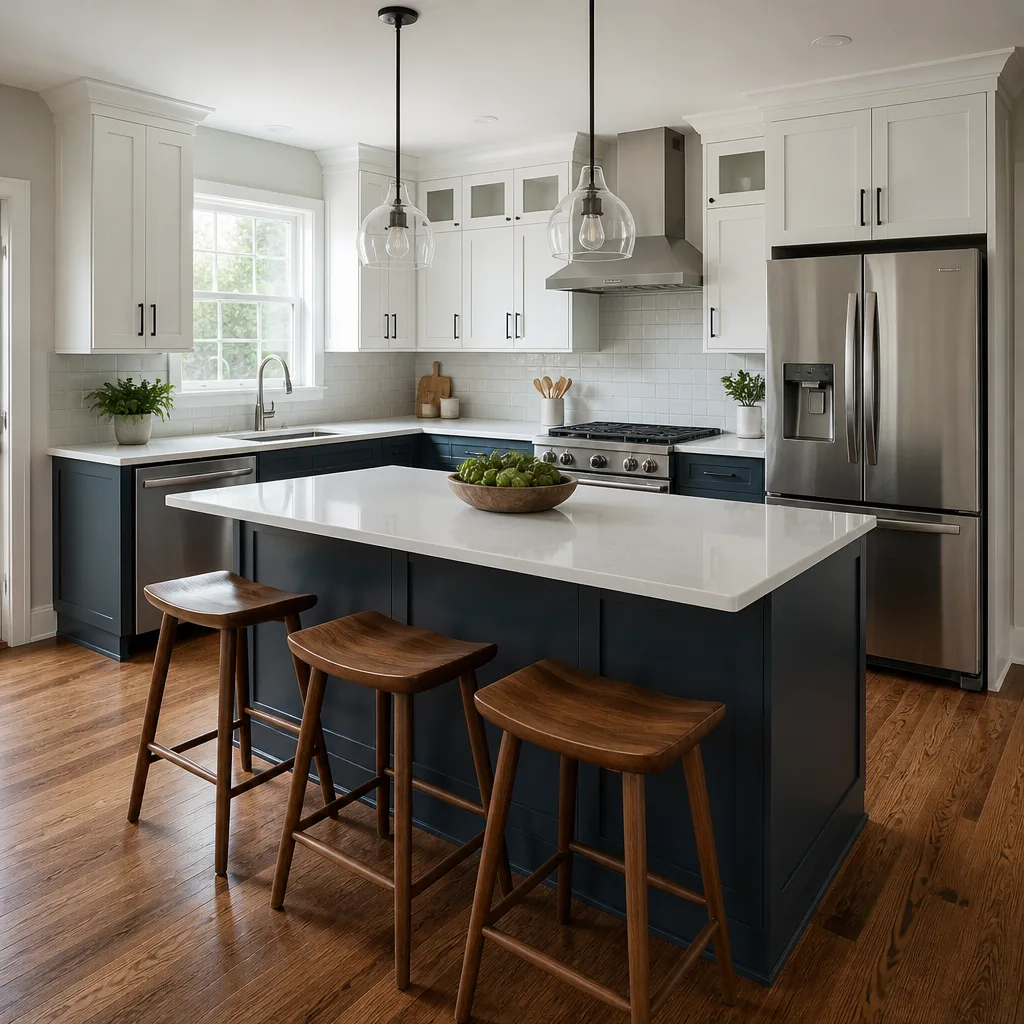
 Kitchen remodeling
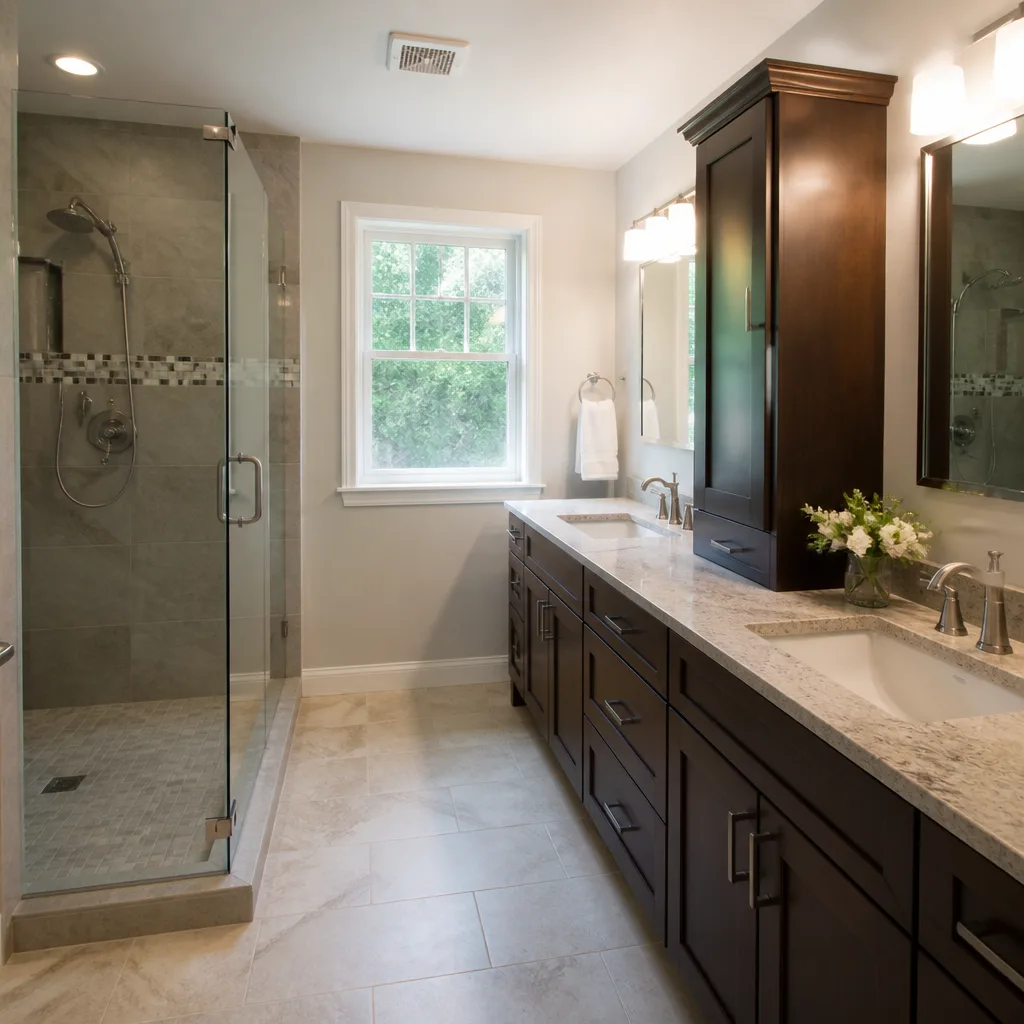 Bathroom remodeling
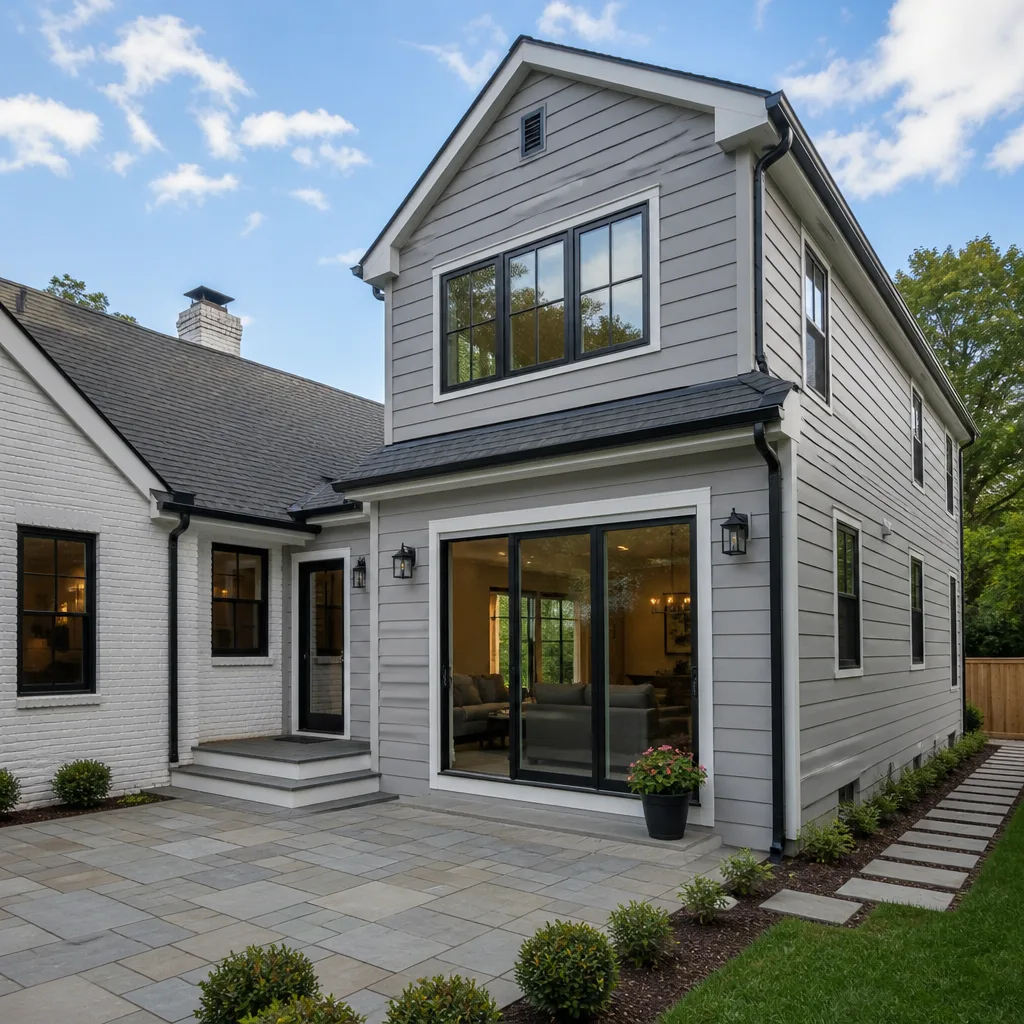 Home additions & ADU
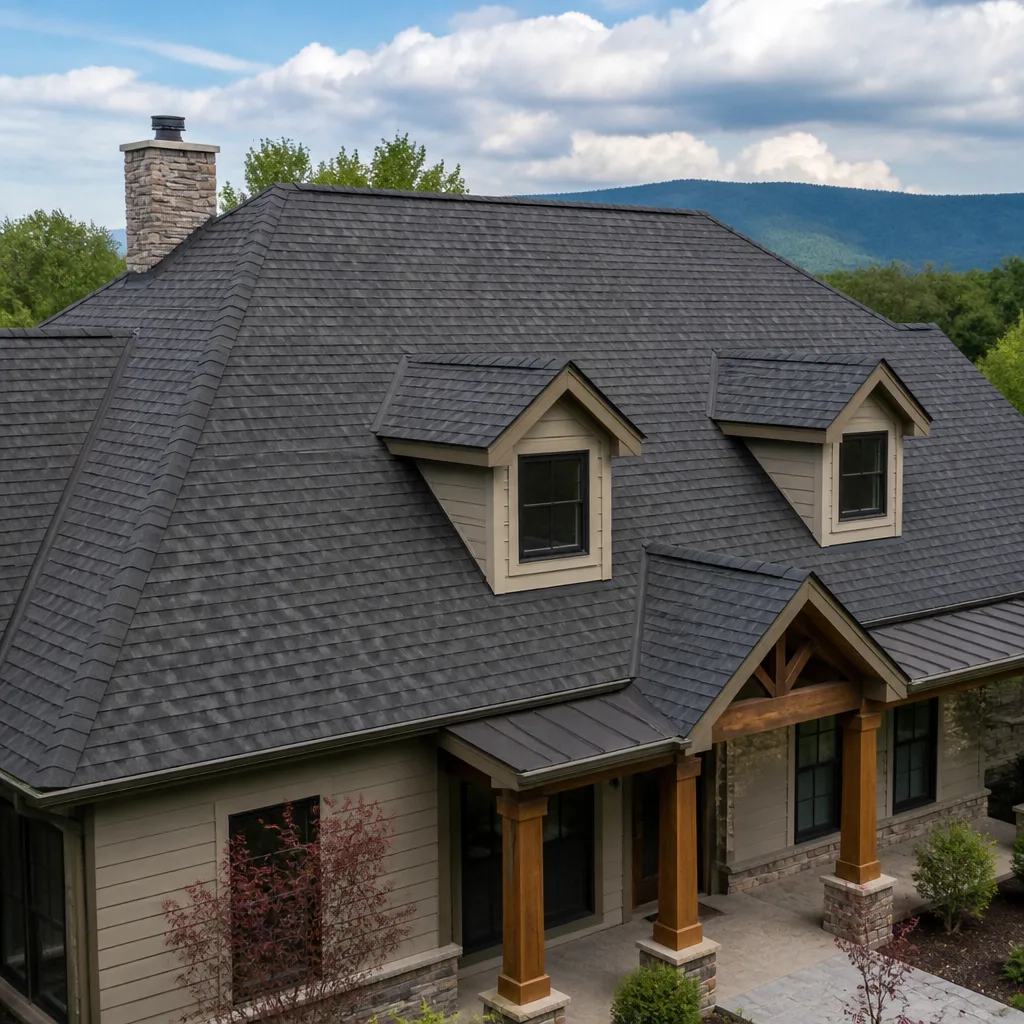 Roofing
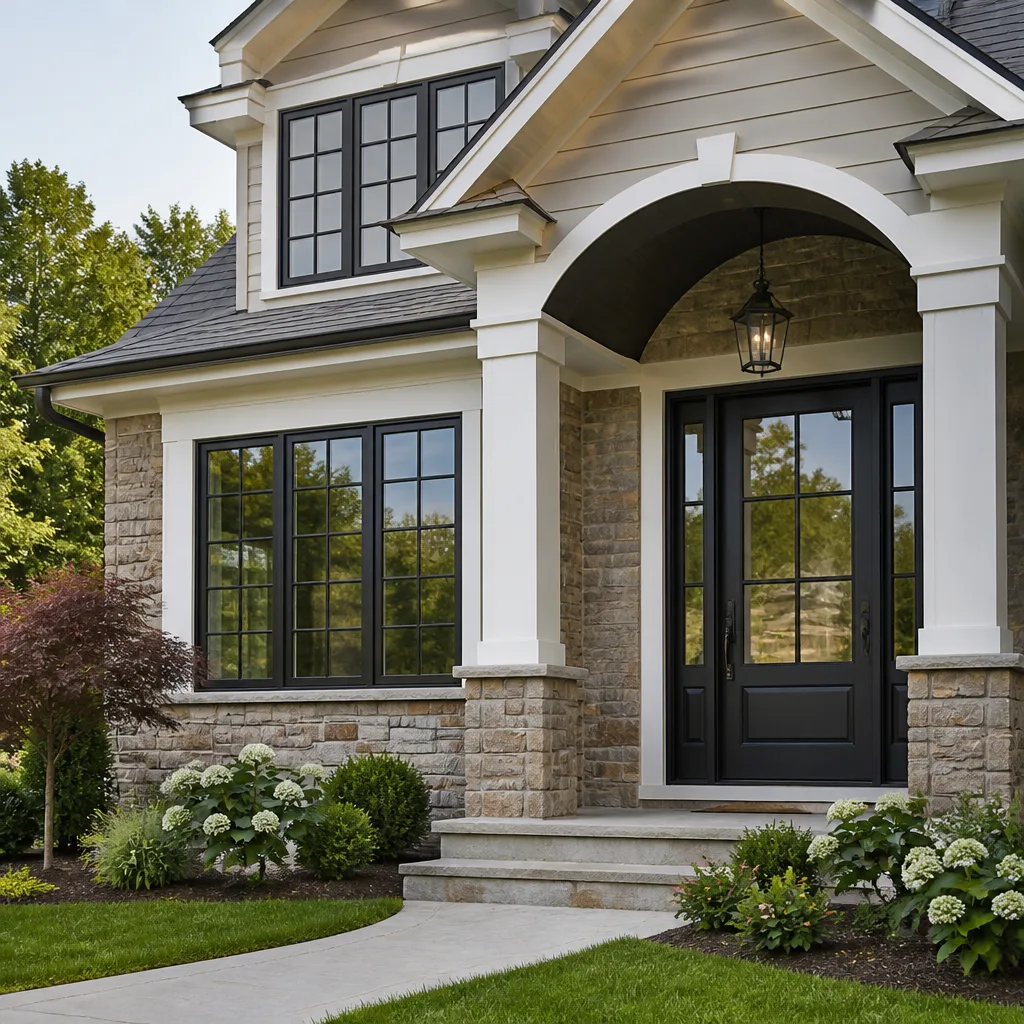 Windows & doors
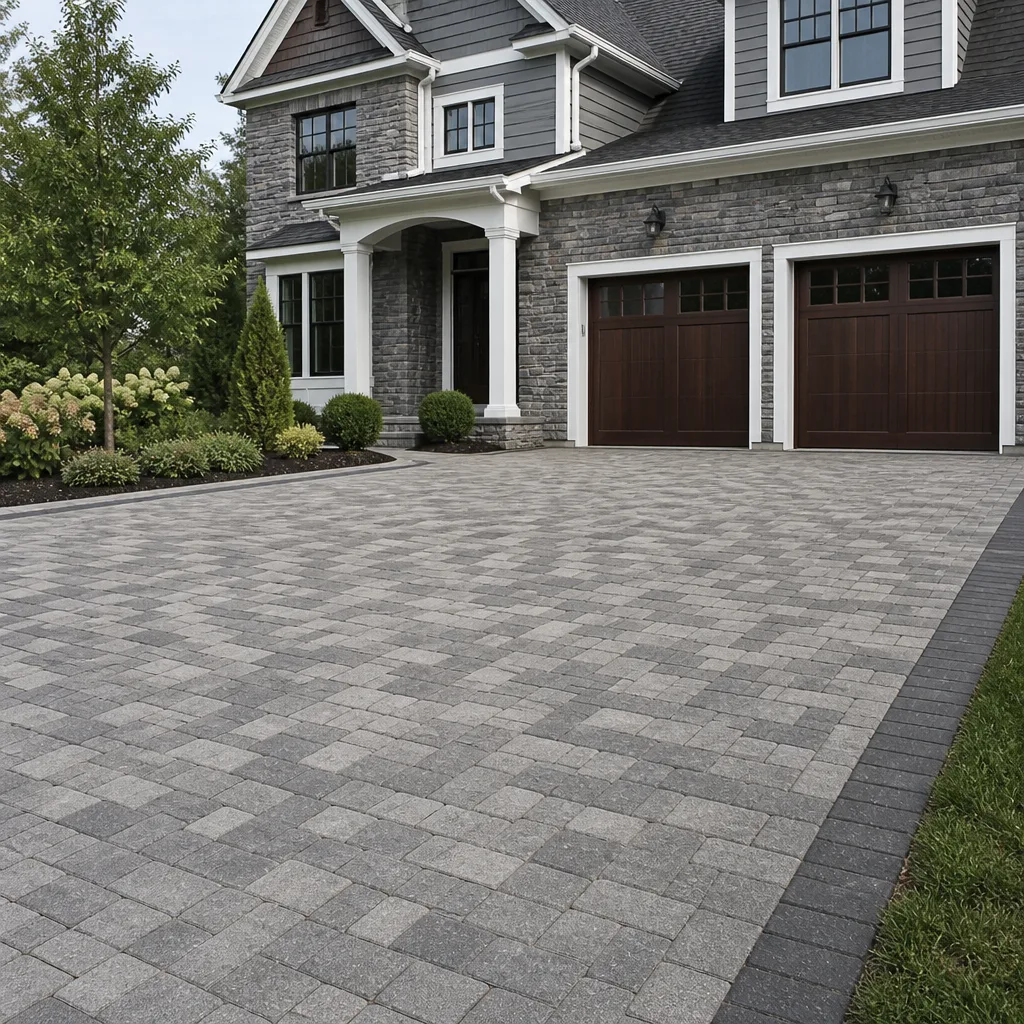 Driveway & pavers
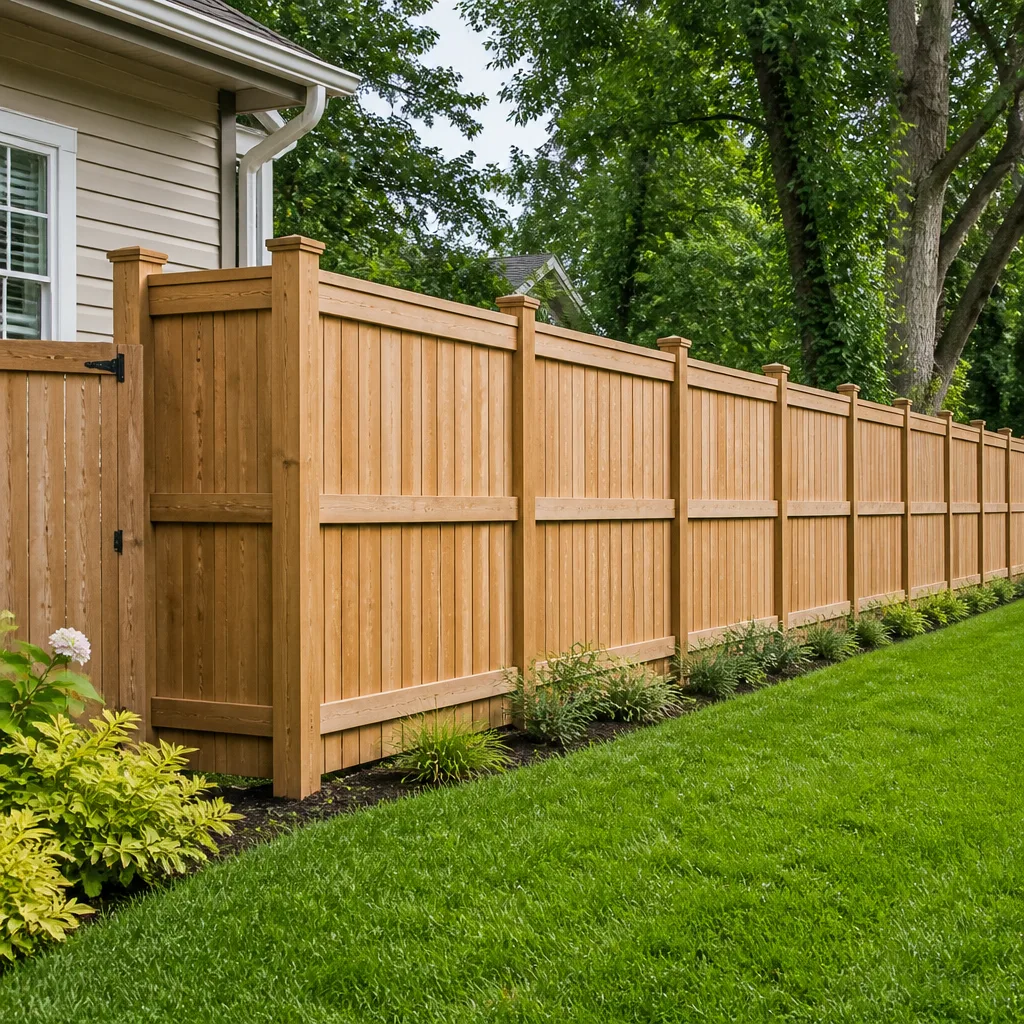 Fence
Free written scope consultation - allowances, timeline, and change-order rules on paper before a single trade is scheduled
Styles & brands we work with
- Kitchen remodeling
- Bathroom remodeling
- Home additions & ADU
- Roofing
- Windows & doors
- Driveway & pavers
- Fence
See the difference
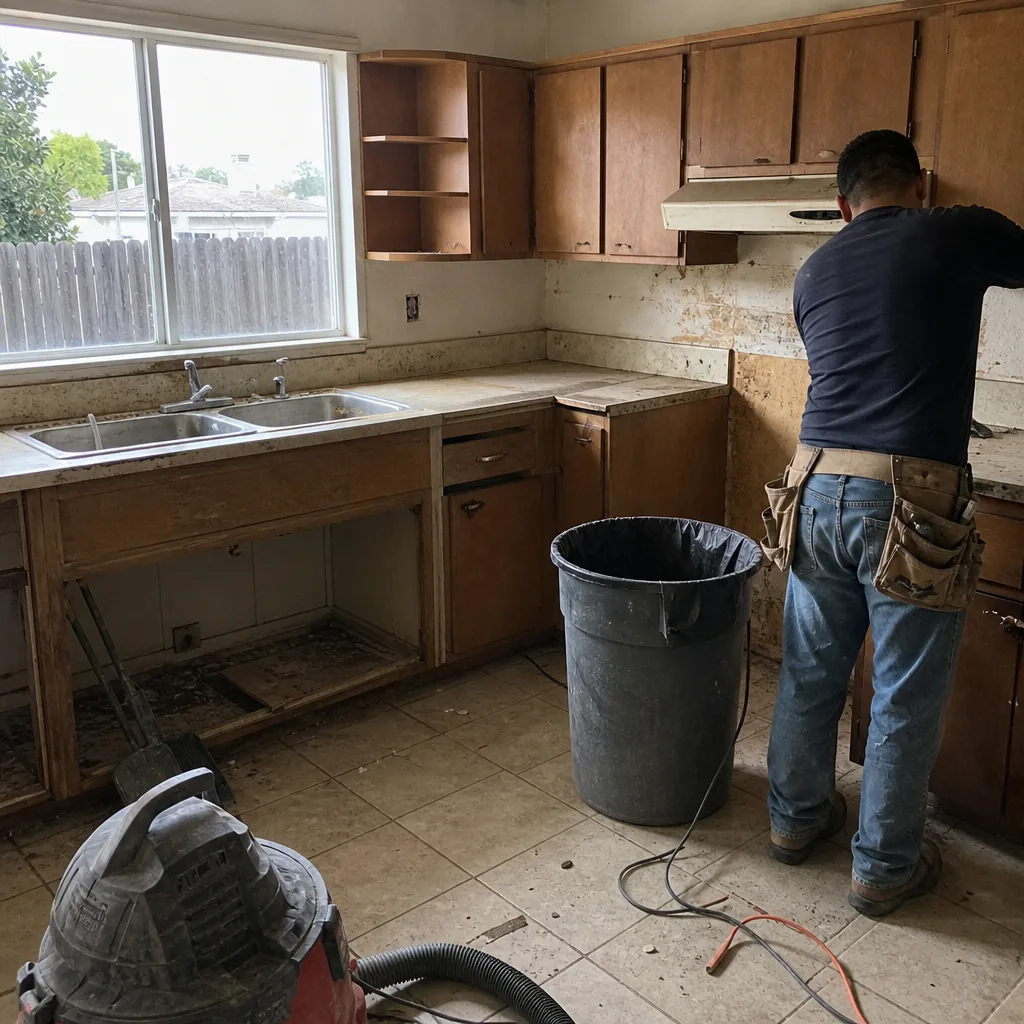 Before
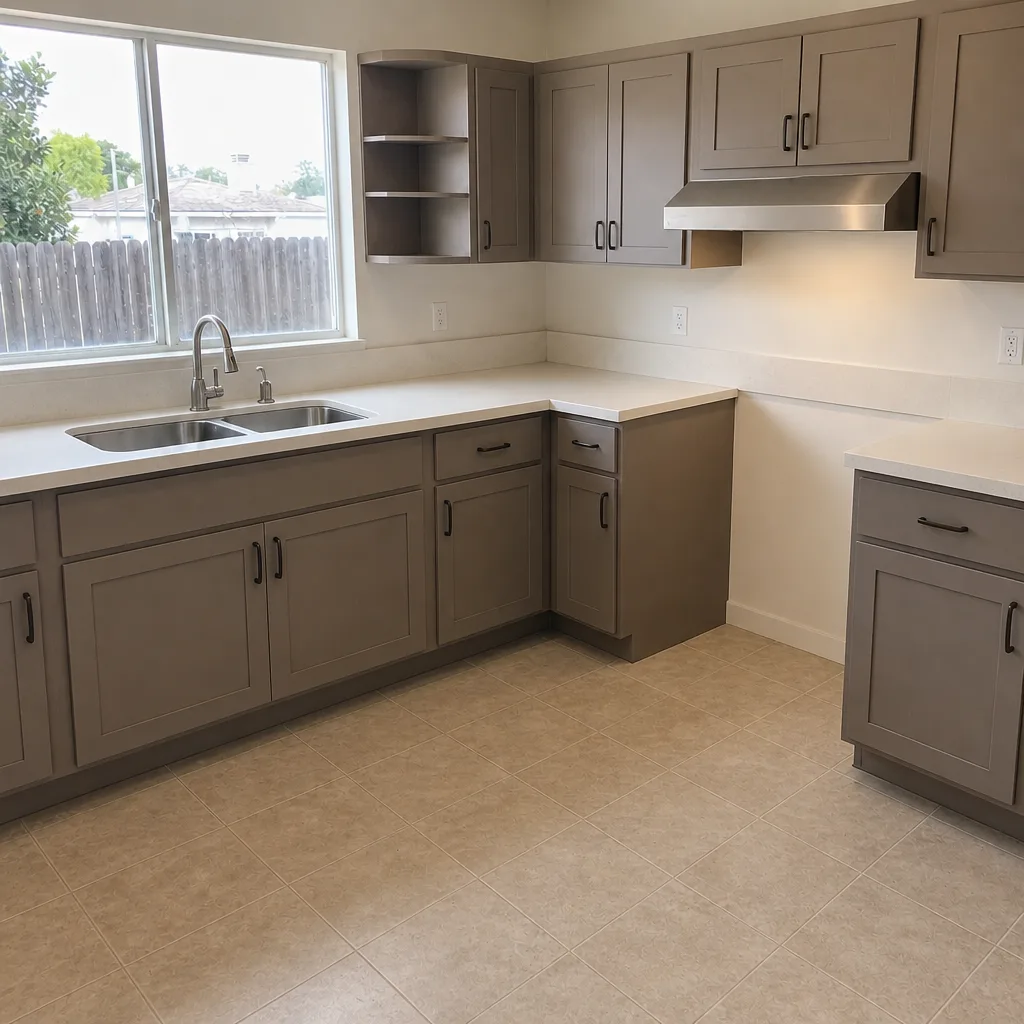 After
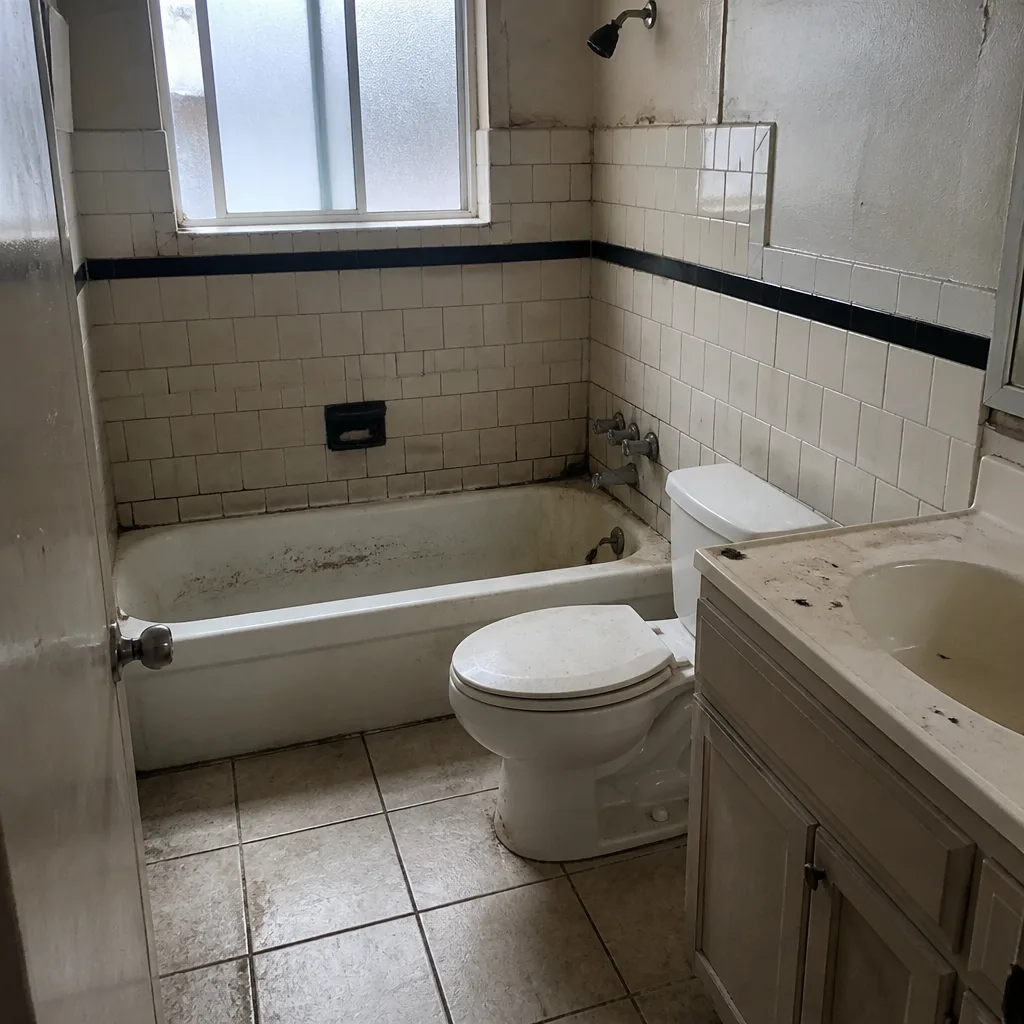 Before
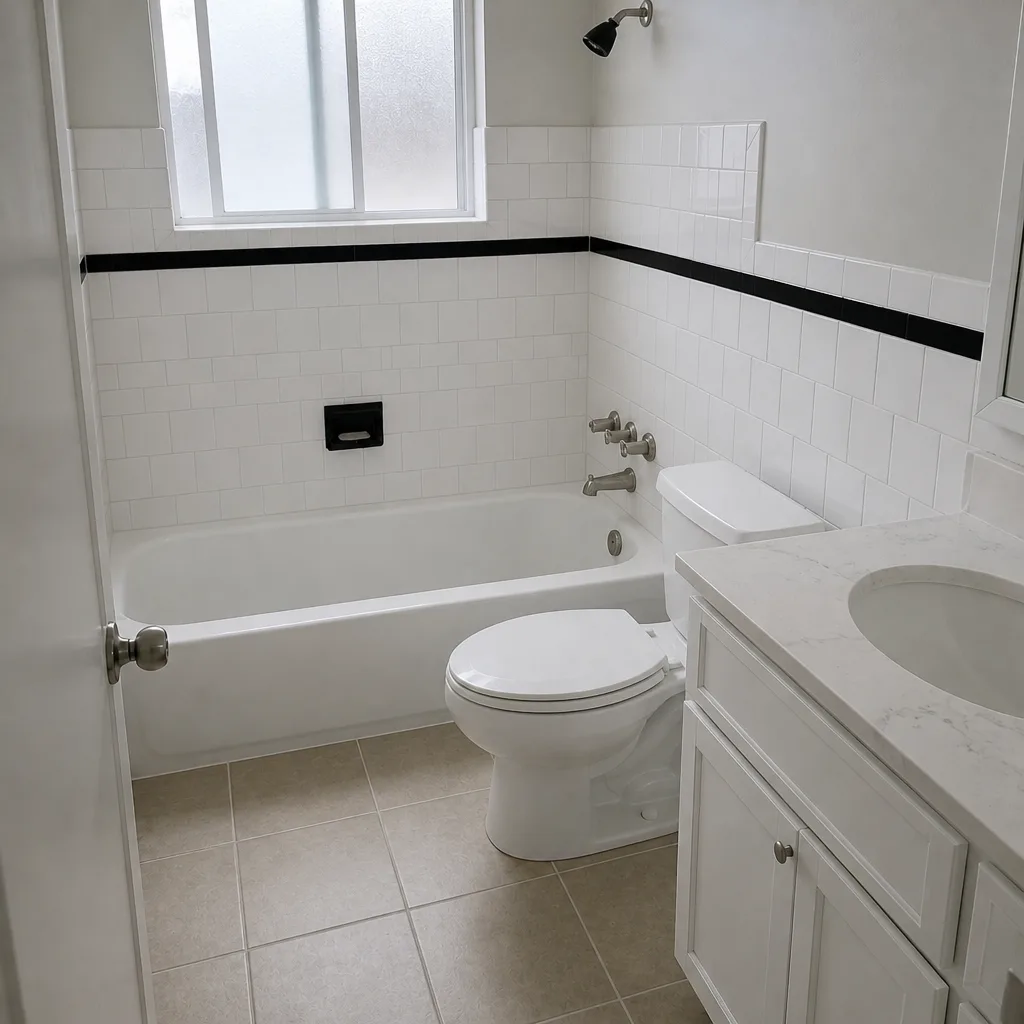 After
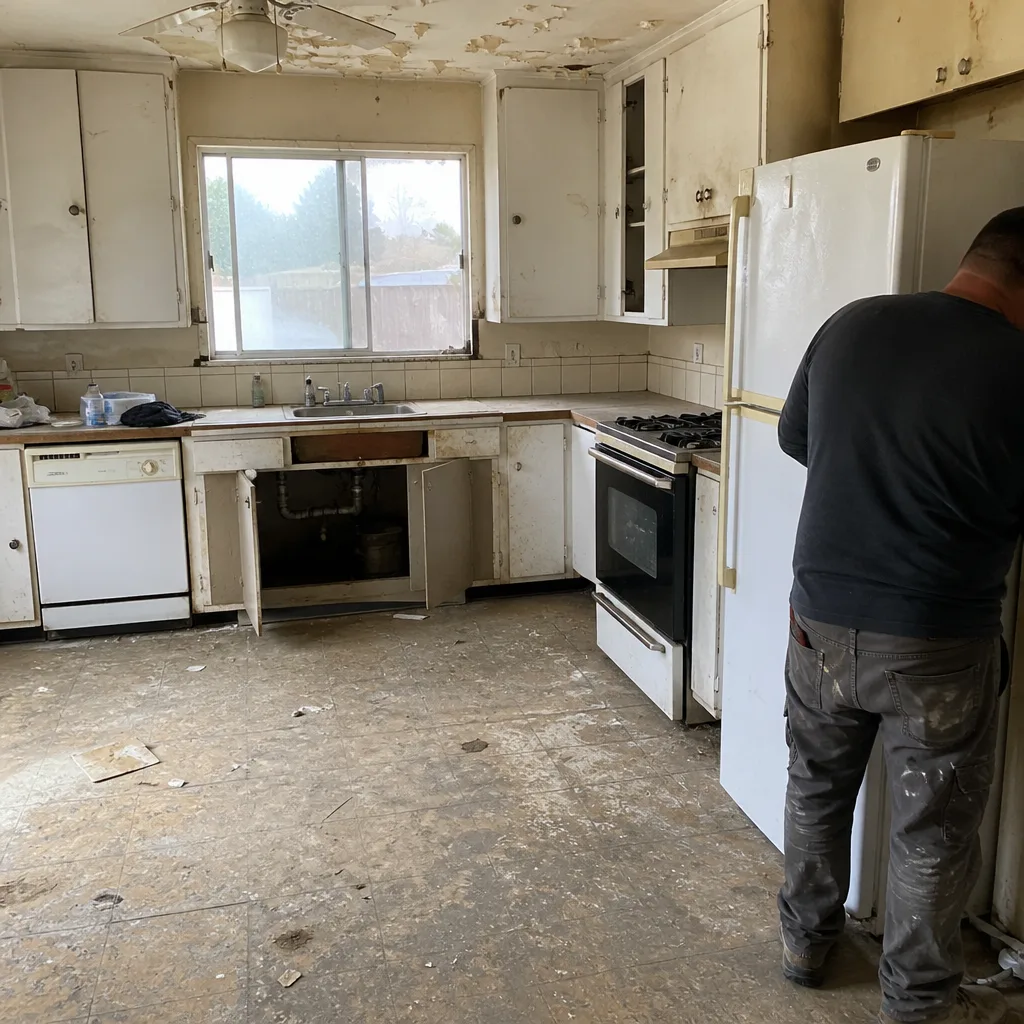 Before
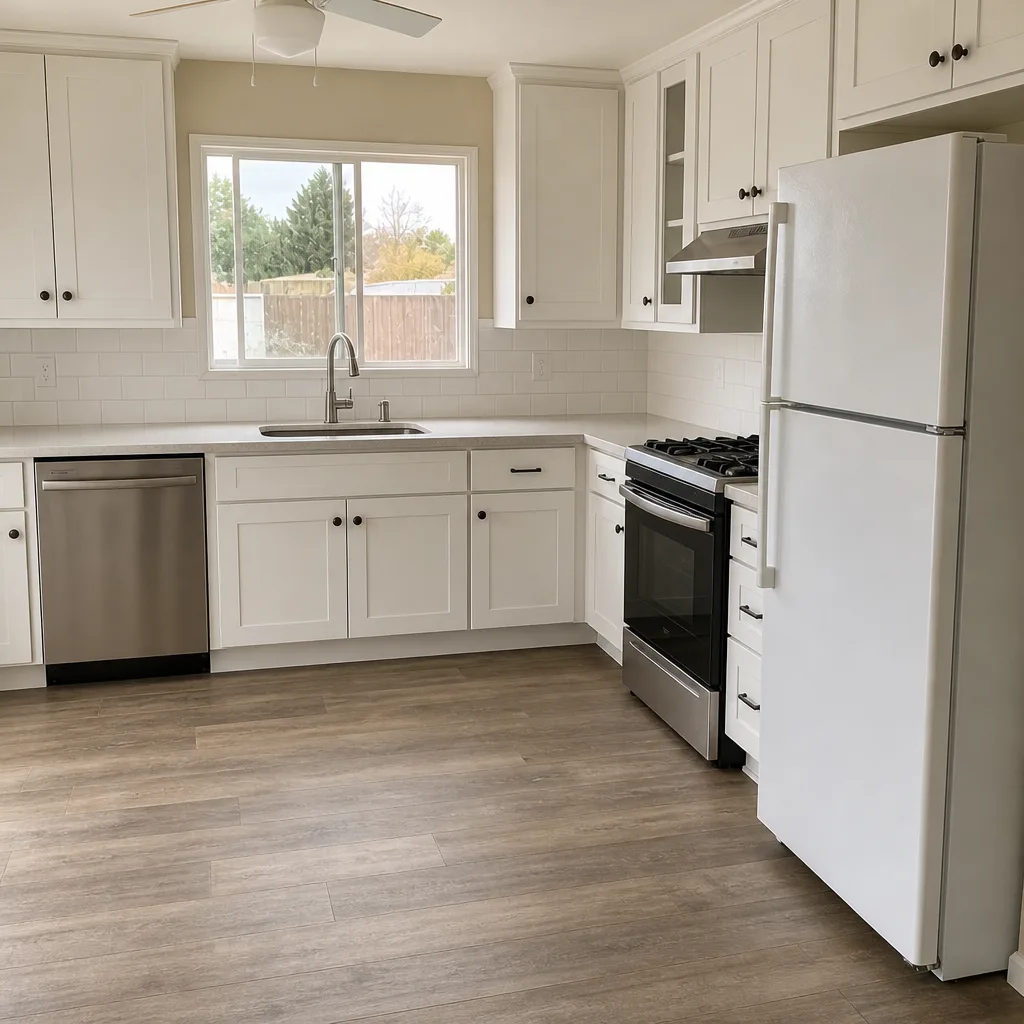 After
Tile vs Vinyl Plank Kitchen Flooring in Antioch: Which One Survives the Slab?
For most Antioch ranch homes with any history of slab movement, floating luxury vinyl plank over a quality underlayment beats direct-glue tile over the first decade of ownership – choose LVP unless you specifically want the hard, cool feel of tile underfoot and are willing to manage heat exposure and control joints. Neither material is the problem. The slab underneath is. Antioch sits on clay-heavy Delta soils that swell in wet winters and shrink through dry summers, and a kitchen floor installed without respect for that movement will fail long before its warranty paperwork suggests it should. Call (888) 419-3650 for a free estimate and we’ll tell you what your slab is likely to do.
Why Antioch Slabs Move, and What That Does to a Kitchen Floor
The mechanism matters more than the marketing. During a wet Delta winter, the expansive clay under a typical Antioch slab takes on water and pushes upward. Through a dry summer, that same soil shrinks back. The slab itself doesn’t crack in half, but it does flex by tiny fractions of an inch – enough to telegraph straight through a rigid floor covering.
That’s exactly why grout lines in a tile kitchen open up within two to three years in homes on the flats, especially the 1950s through 1970s ranch tract stock where original slabs were poured thin and without modern moisture barriers. It isn’t a bad tile. It isn’t a bad installer. It’s seasonal movement that finds every weak point in a floor that has no way to absorb it.
The downtown and river-adjacent blocks add another wrinkle: a high water table along the San Joaquin River waterfront pushes moisture up through slabs in ways that hill developments in the southern subdivisions simply don’t see. If you’ve pulled up old vinyl in a river-adjacent kitchen and found a damp, chalky slab, that’s the water table talking – and any flooring decision has to start there.
The LVP Heat Problem Nobody Warns You About
Vinyl plank has its own local failure mode, and it’s a summer story. Kitchens with sliding glass doors or windows facing south or west pick up direct afternoon sun, and slab surface temperatures in those spots can climb past 85-90°F in a hot Antioch July. That’s above the rated installation threshold for many LVP adhesives. The plank doesn’t fail – the glue does. You get lifting edges, tenting seams, and a floor that peels up in the sunniest three feet of the room.
Two fixes make the difference. First, specify commercial-grade LVP with a heat-rated adhesive if you’re gluing down, or use a floating installation with a quality underlayment that tolerates the swing. Second, manage the heat itself – window film, a roller shade, or a thermal break at the door line. A floor that’s installed correctly but cooked every summer afternoon will still fail. When we walk a kitchen, we note which windows catch that western sun before we spec a single plank.
Slab Prep: What Each Material Actually Requires
This is where the real cost hides, and where a cheap bid and an honest bid diverge. Here’s the specification difference in plain terms:
| Requirement | Ceramic / Porcelain Tile | Floating Luxury Vinyl Plank |
|---|---|---|
| Slab flatness tolerance | Within 3/16 inch over 10 feet | Within 3/16 inch over 10 feet |
| Crack isolation membrane | Required over moving slabs | Not applicable (floating) |
| Tolerance of minor slab imperfection | Low – movement telegraphs through grout | High – underlayment absorbs small variance |
| Movement / control joints | Required at perimeter and field transitions | Expansion gaps at perimeter walls |
| Heat sensitivity | Low | Adhesive-dependent in sun-exposed zones |
Both materials want a flat slab. Tile is far less forgiving of what happens after installation. Grinding and leveling a slab before either product goes down typically adds prep cost on top of the finished floor, and on older Antioch flats with a hump or a dip, that’s not optional – it’s the difference between a floor that lasts and one that’s a callback in 18 months.
What prep and install add to a kitchen remodel budget
Flooring is one line item inside the bigger kitchen picture, so keep it in context. Full Kitchen Remodeling in Antioch runs $14,000-$45,000, and the flooring portion usually falls inside that envelope. A few reference points for the surrounding work:
- Cabinet Installation: $4,000-$13,000
- Countertop Installation: $2,000-$6,500
- Backsplash Installation: $800-$2,500
- Kitchen Island Installation: $3,000-$10,000
We set flooring alongside cabinetry early in planning because cabinet layout, island placement, and the floor plane all have to agree. Nothing derails a kitchen faster than laying a floor and then finding out the island won’t sit level. For an integrated view of how flooring fits with cabinets and counters, the home page lays out our full scope, and our Kitchen Remodeling in Antioch page walks through a whole-room remodel from first measurement to final walkthrough.
Our Stance, and the Warranty Behind It
For an Antioch ranch home with any active slab movement history, floating LVP over a quality underlayment is the smarter decade-one bet. It flexes with the slab instead of fighting it. Tile isn’t wrong – it’s just less forgiving, and it requires window film or shading in heat-exposed kitchens to keep adhesive failure off the table.
The install details are where a warranty earns its keep. Groundwork Construction Co. of Antioch specs crack isolation membrane on every tile kitchen floor and specifies commercial-grade LVP with the correct heat-rated adhesive where one is used. That’s what makes the 730-Day Done Right Promise mean something – if a floor we installed lifts or cracks, we make it right. Upfront pricing means the slab prep you need is in the bid, not a surprise line item halfway through the job. Brand partners like Sakrete and Quikrete handle the slab prep and leveling compounds, and background-checked, uniformed technicians run the work.
FAQs
Floating vinyl plank is the better default for most Antioch kitchens because it tolerates the seasonal clay-soil slab movement that cracks tile grout within two to three years. Tile wins when you want a hard, cool surface and will install crack isolation membrane plus control joints – and manage summer heat exposure on sun-facing glass.
Often yes, if the cracks are isolated and the tile beneath is sound – but re-grouting without addressing slab movement just resets the clock. We check whether a crack isolation membrane or control joints were installed. Call (888) 419-3650 for an honest read on whether a repair or a reinstall makes sense.
Glue-down vinyl plank can, in kitchens where south- or west-facing glass pushes slab temperatures past 85-90°F in summer. The failure is adhesive, not the plank. A floating installation with quality underlayment, plus window film or shading at the door line, keeps the risk low.
Flooring is typically folded into the full remodel, which runs $14,000-$45,000 in Antioch – higher when slab grinding and leveling are needed before tile. Small kitchen remodels land at $9,000-$20,000. Call (888) 419-3650 for an upfront quote that includes prep, so estimates come in free and the number you see is the number you pay.
If you’d rather have it looked at, Groundwork Construction Co. of Antioch offers a no-pressure assessment in Antioch – call (888) 419-3650. We answer live, 24/7, and we’ll tell you straight whether your slab wants tile, LVP, or a little prep first.
Written by the team at Groundwork Construction Co. of Antioch, serving Antioch, CA.