
 Kitchen remodeling
 Bathroom remodeling
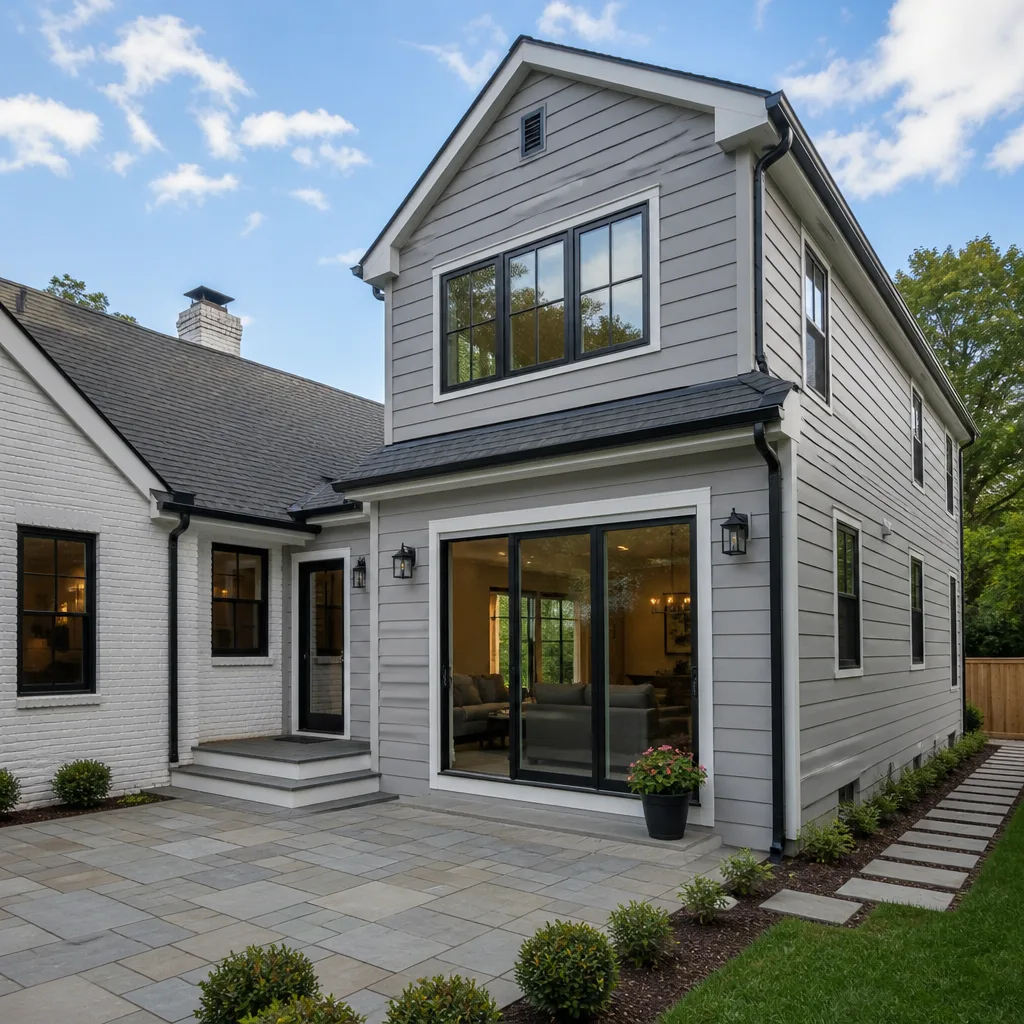 Home additions & ADU
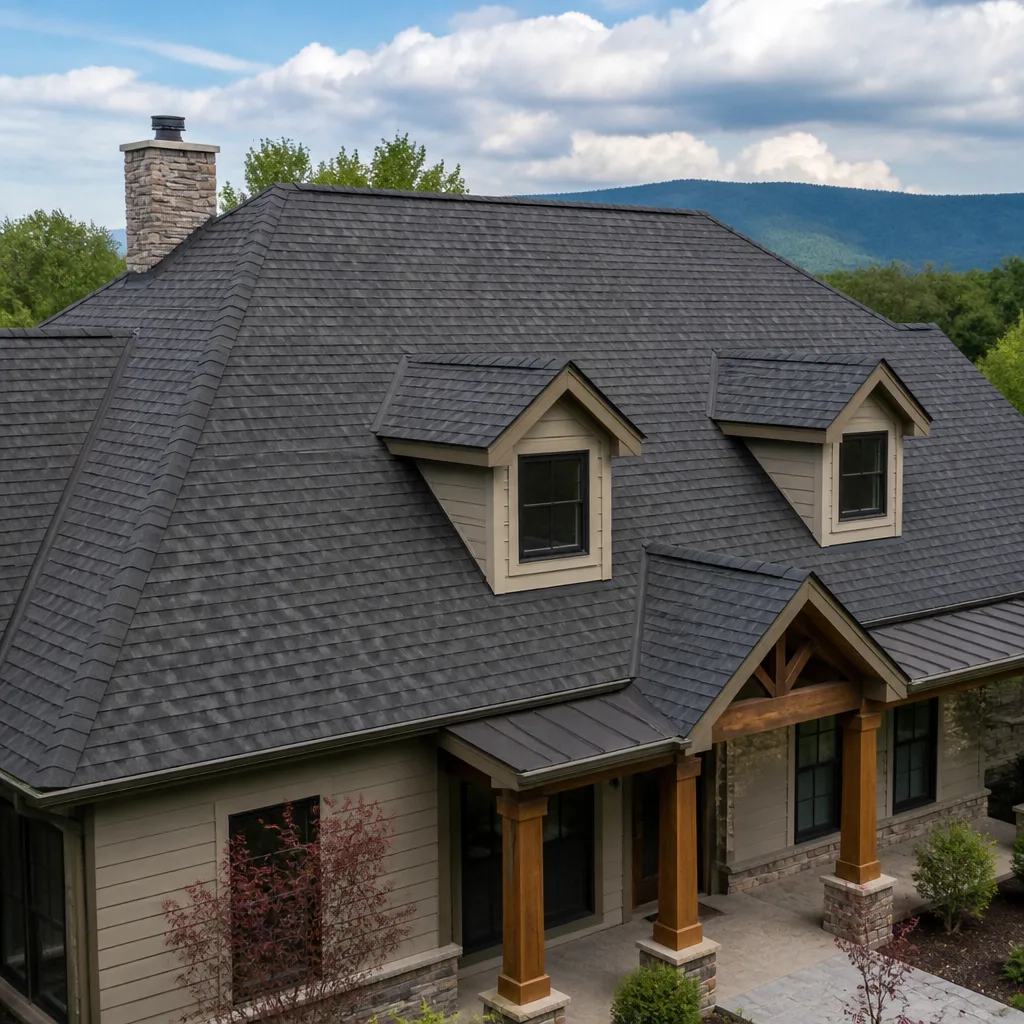 Roofing
 Windows & doors
 Driveway & pavers
 Fence
Free written scope consultation - allowances, timeline, and change-order rules on paper before a single trade is scheduled
Styles & brands we work with
- Kitchen remodeling
- Bathroom remodeling
- Home additions & ADU
- Roofing
- Windows & doors
- Driveway & pavers
- Fence
See the difference
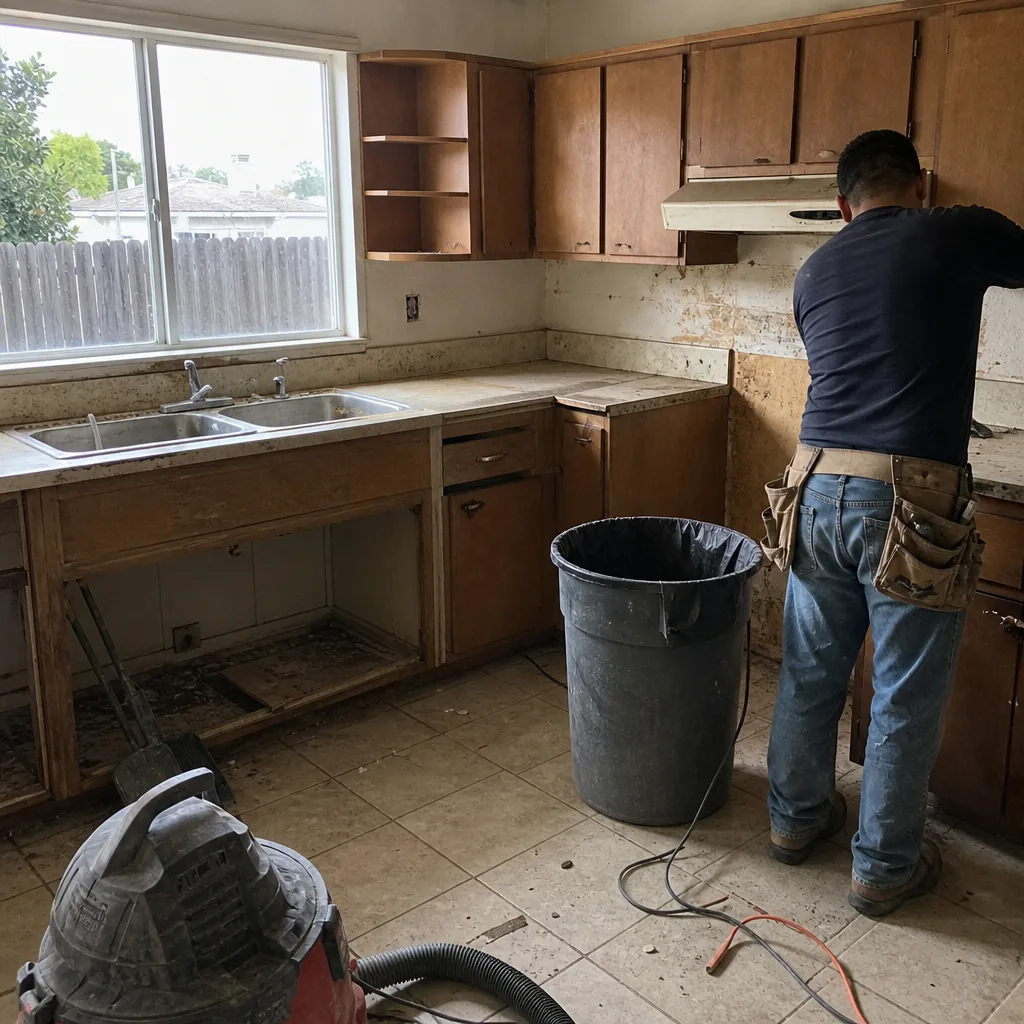 Before
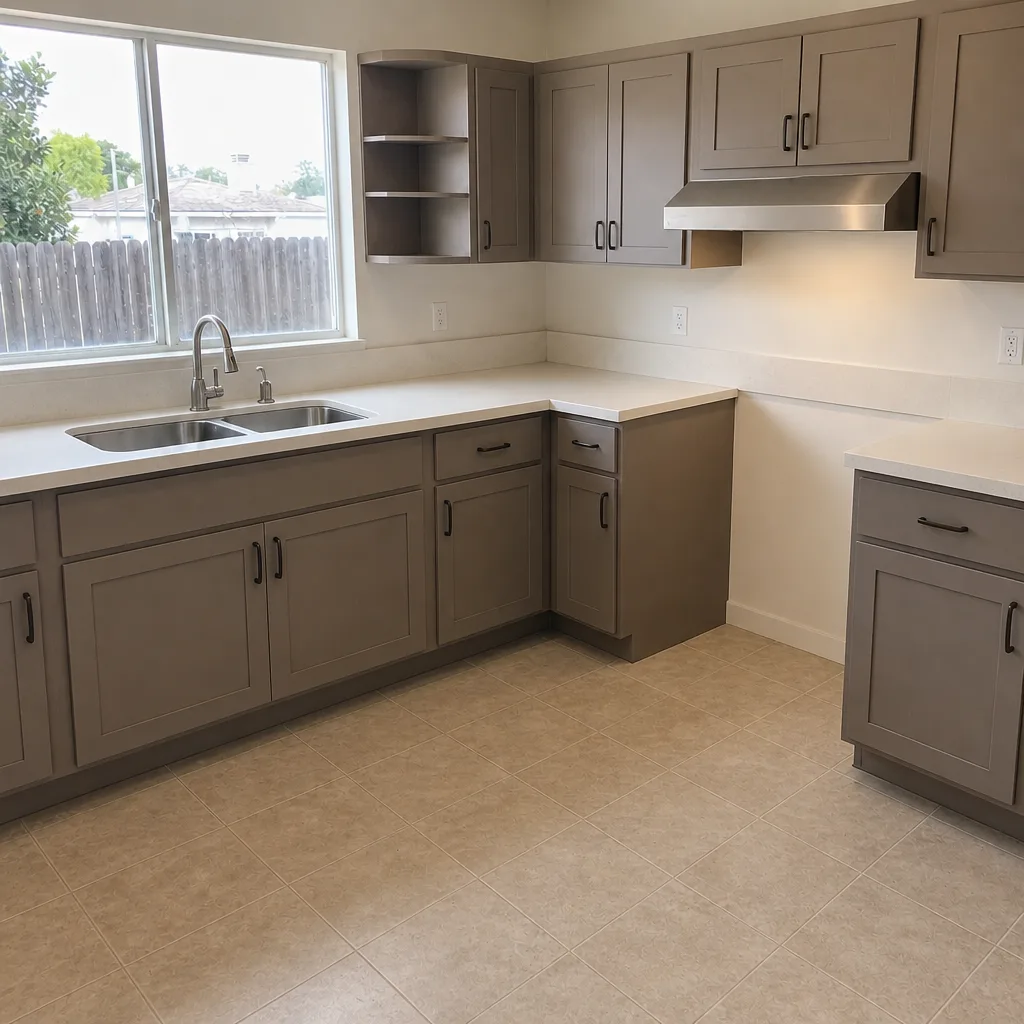 After
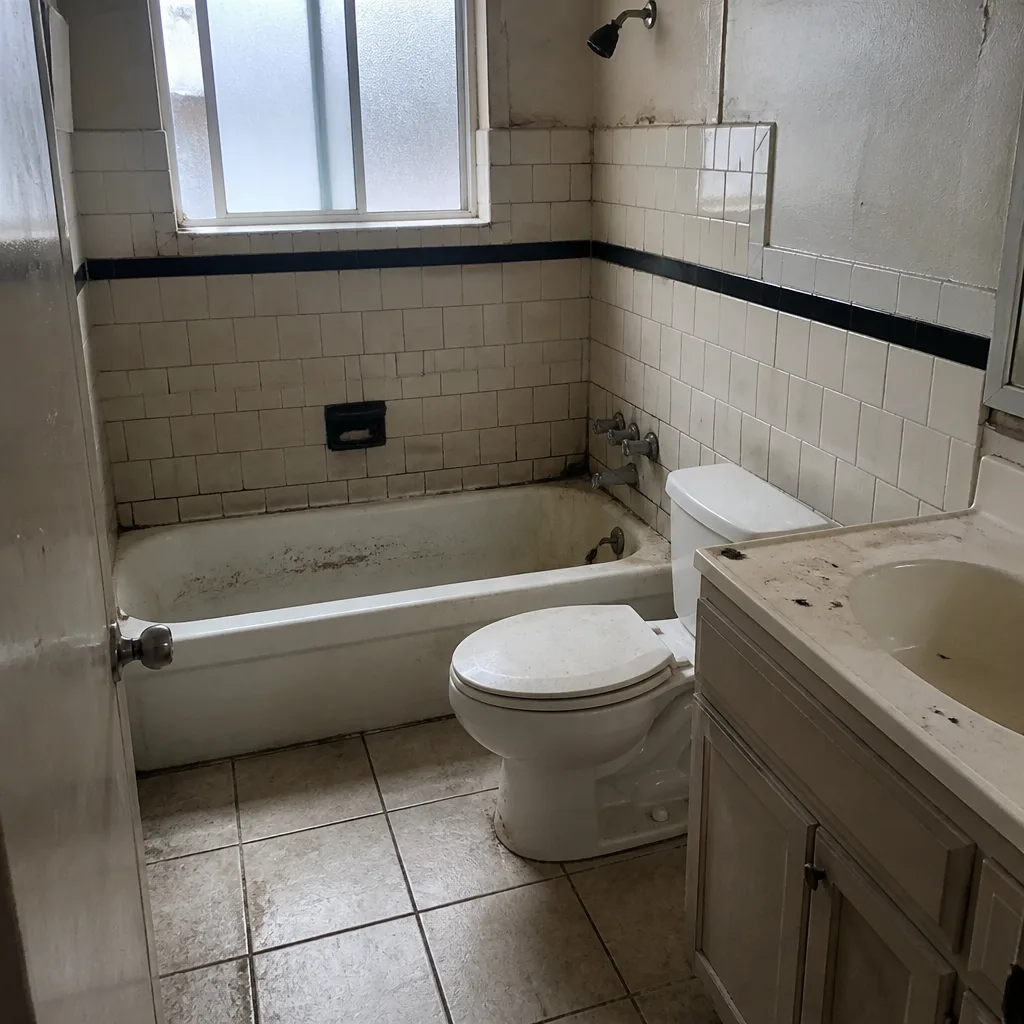 Before
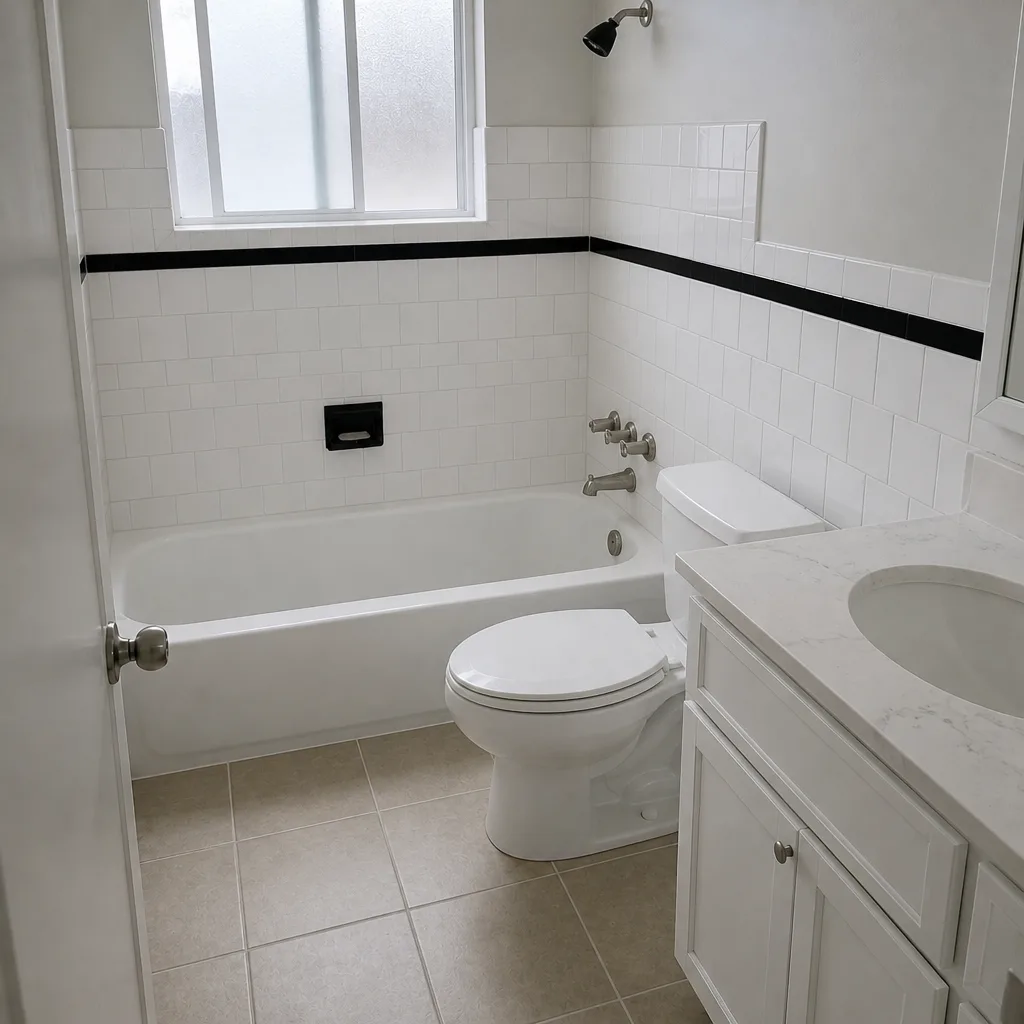 After
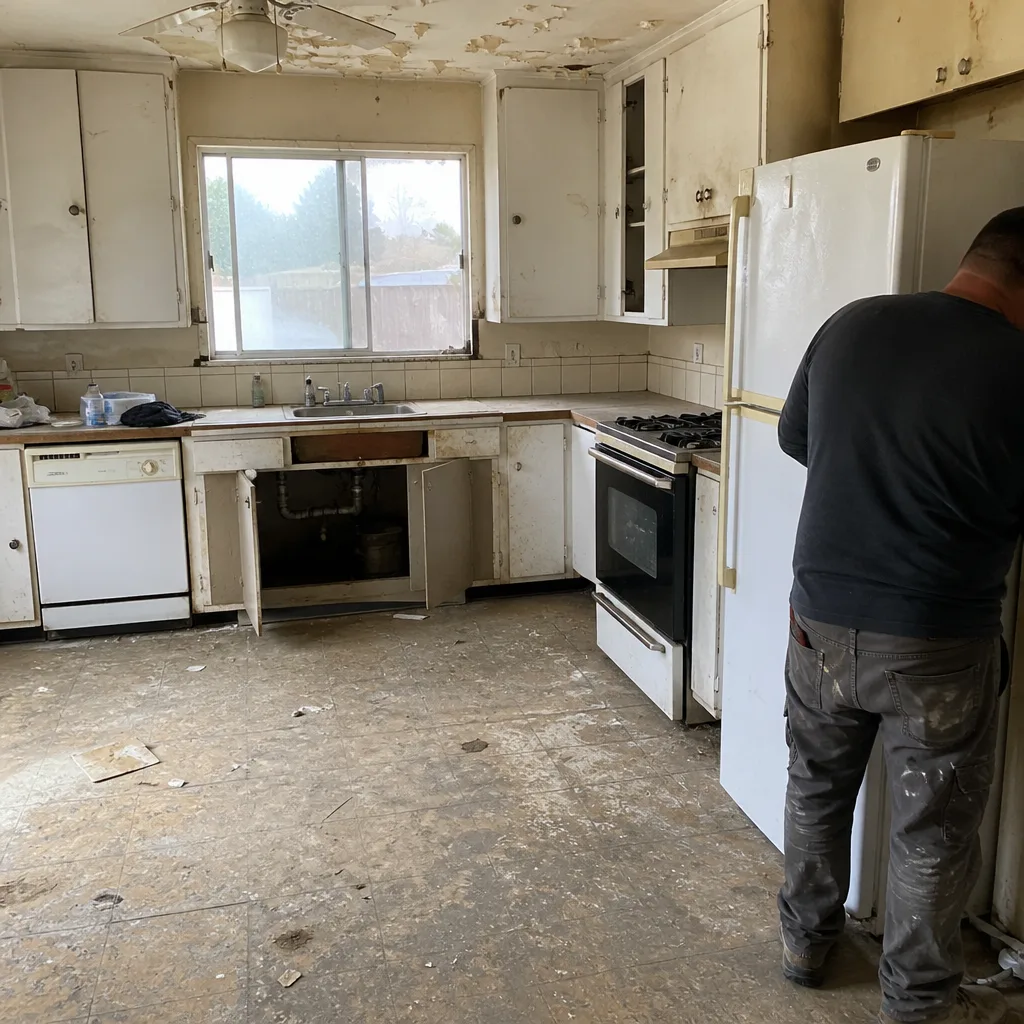 Before
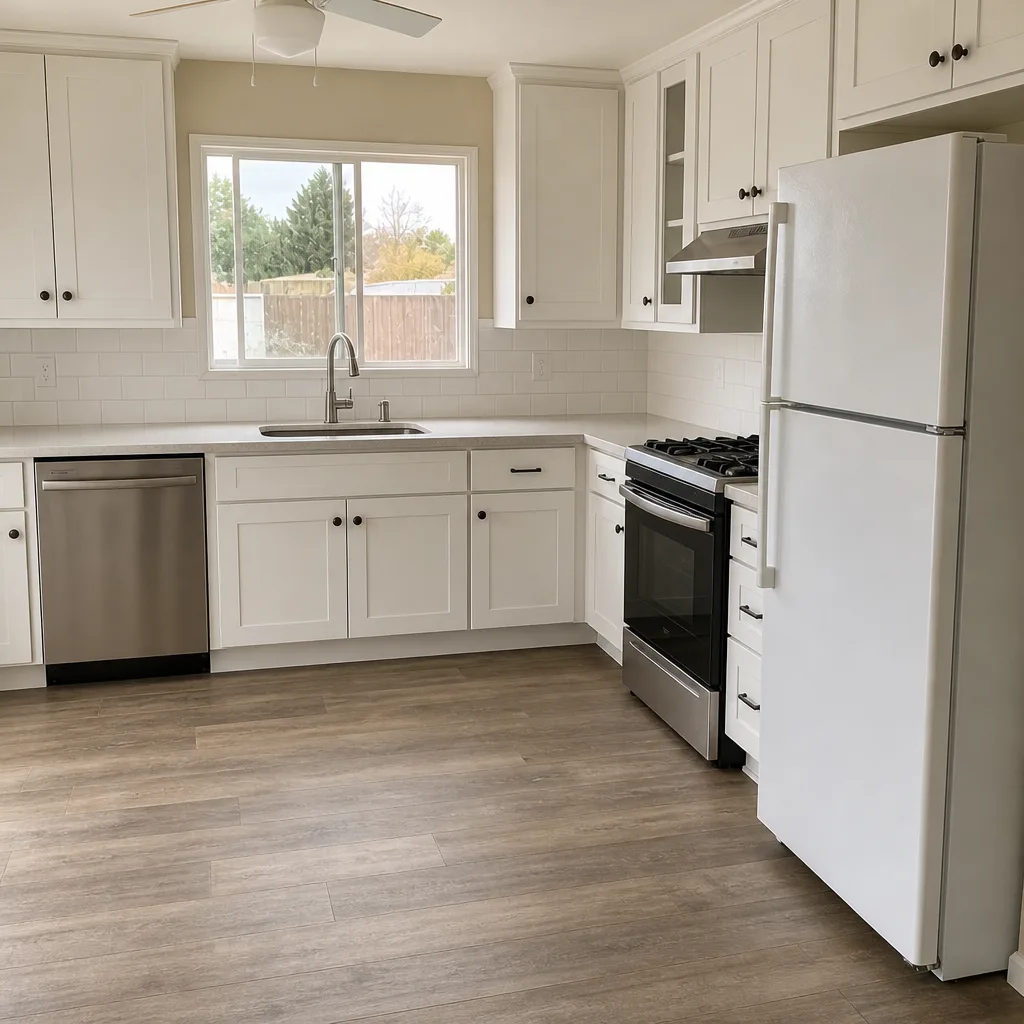 After
What Causes Roof Leaks in Antioch, CA? The Dry-Season Damage You Can’t See From the Ground
The single most common cause of roof leaks in Antioch is wind-fatigued flashing separation, followed closely by dried-out pipe boot collars and failed valley metal laps. Most Antioch roof leaks don’t originate during the rainstorm. They originate in the dry months before it, when sustained Delta winds slowly work flashing lips away from vertical surfaces and lift shingle tabs whose adhesive strips dried out in triple-digit summer heat. The rain just reveals damage that was months in the making. If you’re seeing a stain spread across a ceiling right now, call Groundwork Construction Co. of Antioch at (888) 419-3650 and we’ll trace it to the actual entry point, not the wet spot.
Why Antioch Leaks Start in August, Not January
Roofing failures on Delta-climate homes follow a mechanical sequence that generic “eight causes of roof leaks” articles never describe. Here’s what actually happens on an Antioch roof over a single year.
Through July and August, attic temperatures under a dark shingle field push past 140°F. Roofing cement and sealant beads shrink and crack. The adhesive strips under shingle tabs dry out and lose their grip. Then the afternoon Delta winds off the river arrive – sustained, directional, dozens of events across the season – and lever every gap a fraction wider. A flashing lip that sat flush in April is standing a quarter inch proud by October. When the first real winter storm rolls in with fog-influenced rain pushing sideways, water finds an open seam that’s been waiting for it.
- Sealant cracks in sustained 100°F+ heat, creating the initial gap.
- Delta winds lever that gap wider across dozens of wind events.
- The first significant rain pushes water through what is now an open seam.
- The leak appears in January. The damage happened in September.
That’s why a roof that “looked fine” in the fall can leak in the first storm. Nothing changed during the storm. The failure was already complete.
The Antioch Cause Hierarchy, Ranked by Actual Frequency
On the rooftops we see across Antioch, the causes stack up in a predictable order. This isn’t the national list reordered for local color – it reflects what fails first on Delta-climate homes and the older flats stock specifically.
- Wind-fatigued flashing separation. Step flashing at sidewalls, chimney counterflashing, and headwall transitions. The number one entry point, by a wide margin.
- Dried-out pipe boot collars. The rubber collar around plumbing vents bakes under UV and heat until it cracks and pulls away from the pipe. A $15 part that quietly soaks your ceiling.
- Valley metal corrosion or lap failure. Where two roof planes meet, water volume concentrates. Corroded valley metal or a failed lap sends it straight into the deck.
- Aging felt underlayment beneath intact tile or metal. Common on the hill-development homes built from the 1980s into the 2000s. The tile looks perfect from the street. The felt underneath has been degrading for years.
- Gutter overflow redirecting water under the eave edge. Especially on flat-area ranch homes where a single clogged run sends water backward under the fascia and into the soffit.
Notice what isn’t on this list: the field shingles themselves. On most Antioch homes, intact shingles in decent condition are rarely the actual water entry point. Flashing, penetrations, and edges account for the large majority of leak origins. If you’re picturing a missing shingle, the odds are the water is coming in somewhere else entirely.
When Clay Soil Quietly Opens Your Roof Deck
There’s a cause that exists in Antioch and basically nowhere in stable-soil markets, and no generic article will mention it. The expansive clay soils along the San Joaquin River waterfront swell in wet winters and shrink in dry summers. On the flood-prone river flats, that seasonal movement works on foundations and, in turn, on the roof structure above.
A slight shift in the roof deck is all it takes. Nail shanks work loose in their holes. Rigid-set flashing at a wall or chimney cracks at the seal. You get a leak that has nothing to do with storm damage and everything to do with the ground your home sits on. Older ranch tract homes and downtown stock are the ones we see this on most, which is why diagnosing an Antioch leak sometimes means looking down before you look up.
Why a Ground Inspection Almost Never Finds the Real Cause
Standing in the yard with binoculars tells you almost nothing useful. The failure points that matter – flashing at sidewalls, boot collars behind the ridge, valley laps, underlayment under tile – are exactly the places you can’t see from the ground. That’s the operator reality: most “leak repair” callbacks happen because someone patched the visible stain instead of tracing the entry point.
Because our 730-Day Done Right Promise covers workmanship, it’s in our direct financial interest to find and fix the real cause. A surface patch that fails in six months comes back as a callback on our dime. So we test with water, we pull back material where we need to, and we tell you what’s actually failing before we quote the repair. Our technicians bring up to 12 years of experience to that diagnosis, and every one of them is background-checked and arrives in uniform. When we install new roofing, it’s backed by GAF and Owens Corning materials – product warranties and our workmanship guarantee working together. See the full scope of Roofing work we handle, or go straight to Roofing in Antioch for the local service detail.
What Leak Diagnostics and Repair Actually Cost in Antioch
Upfront pricing means the number you see is the number you pay. Here’s what to expect across the most common leak-related jobs in the Antioch market.
| Job | Typical Antioch Range |
|---|---|
| Roof repair (diagnosis + fix) | $400-$1,800 |
| Tile roof repair | $600-$2,500 |
| Roof replacement (when repair stops making sense) | $8,000-$20,000 |
| Metal roof installation | $15,000-$40,000 |
Most single-cause leaks fall into the repair band. If you’re facing a replacement, we offer 0% financing for 18 months and $1,000 off projects over $10,000. The estimate and design consult are free either way, and a live person answers the phone around the clock – no voicemail, no waiting until Monday.
FAQs
Failed flashing is the most common cause, not damaged shingles. Water almost always enters at the joints and transitions – sidewalls, chimneys, valleys, and pipe penetrations – where sealant and metal have degraded. On Antioch homes, Delta wind fatigue accelerates exactly those failures. Call (888) 419-3650 and we’ll pinpoint the entry point before quoting anything.
Wind-driven leaks point to flashing separation or a lifted shingle tab, because a sideways rainstorm is what turns a small open seam into a real leak. The gap is already there; the wind just forces water into it. That’s a strong signal the failure happened during the dry season. We trace it with controlled water testing – call for a free estimate.
Yes, in Antioch it can. The expansive clay soils along the riverfront swell and shrink seasonally, and that movement can shift the roof deck just enough to loosen nails and crack rigid-set flashing. This cause shows up on older flats homes and almost never appears in generic leak guides. Call (888) 419-3650 and we’ll check whether the ground is part of the problem.
Most roof repairs in Antioch run $400-$1,800, with tile roof repairs at $600-$2,500. If the damage points to a full replacement, expect $8,000-$20,000, and we back it with 0% financing for 18 months plus $1,000 off projects over $10,000. Call (888) 419-3650 for an exact quote – estimates are free.
If you’d rather have it looked at than climb up there yourself, Groundwork Construction Co. of Antioch offers a no-pressure assessment anywhere in Antioch – call (888) 419-3650. We’ll find the real cause, put the fix in writing, and stand behind it for 730 days. From foundation to finish line, built to last and backed in writing.
Written by the team at Groundwork Construction Co. of Antioch, serving Antioch, CA.