
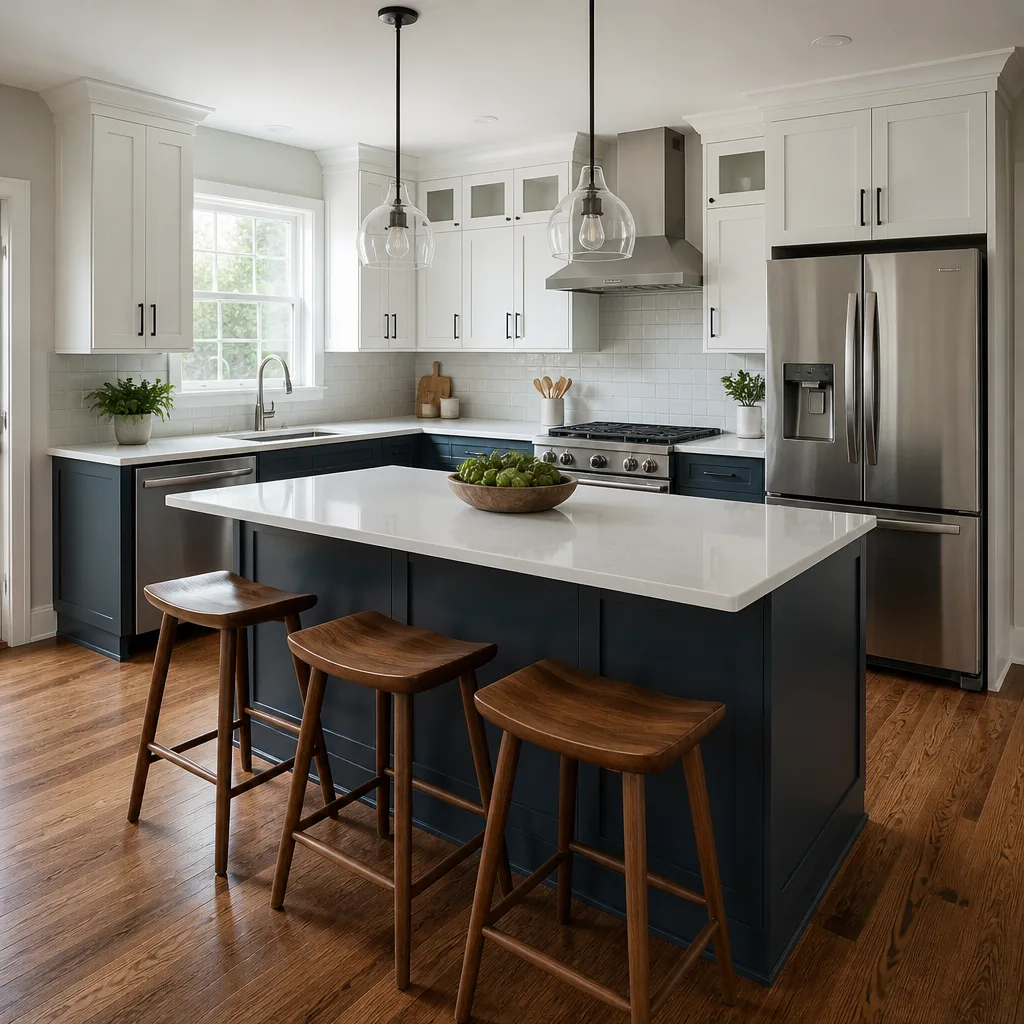
 Kitchen remodeling
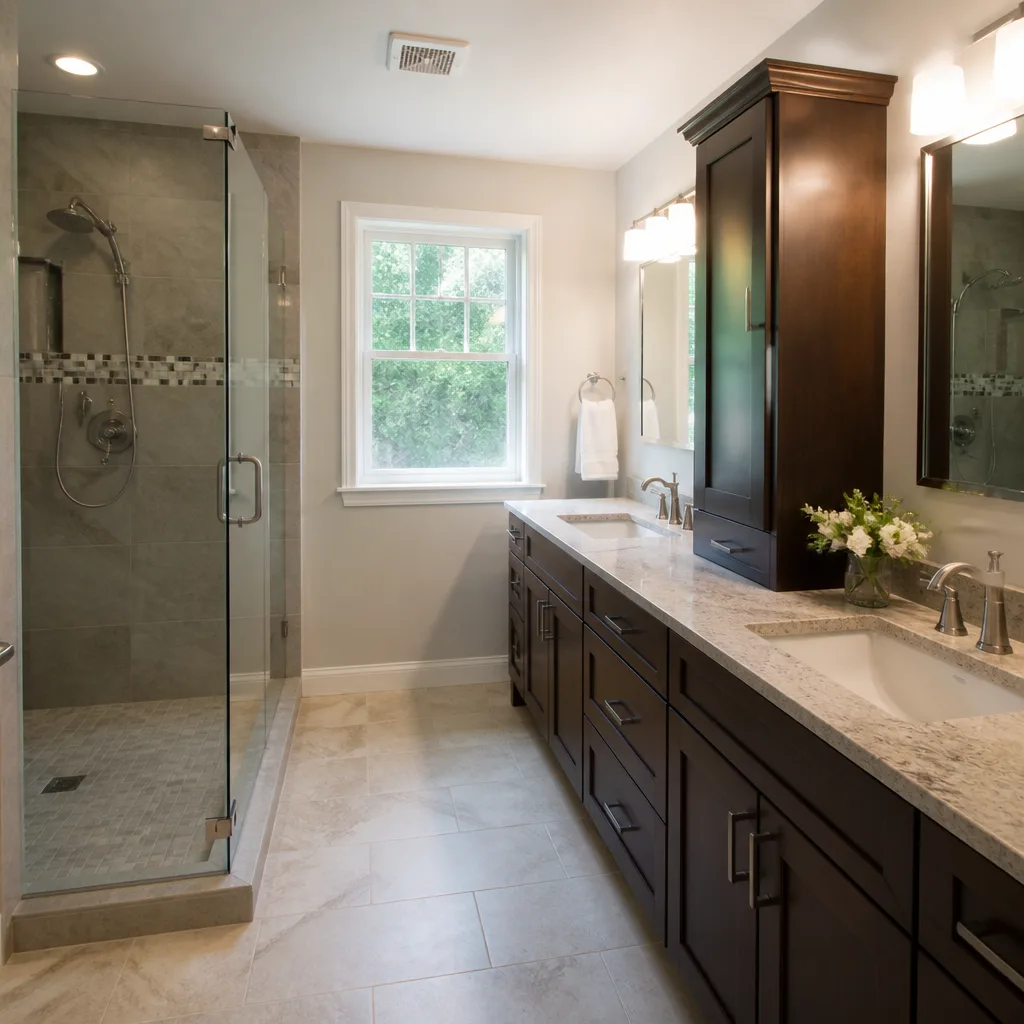 Bathroom remodeling
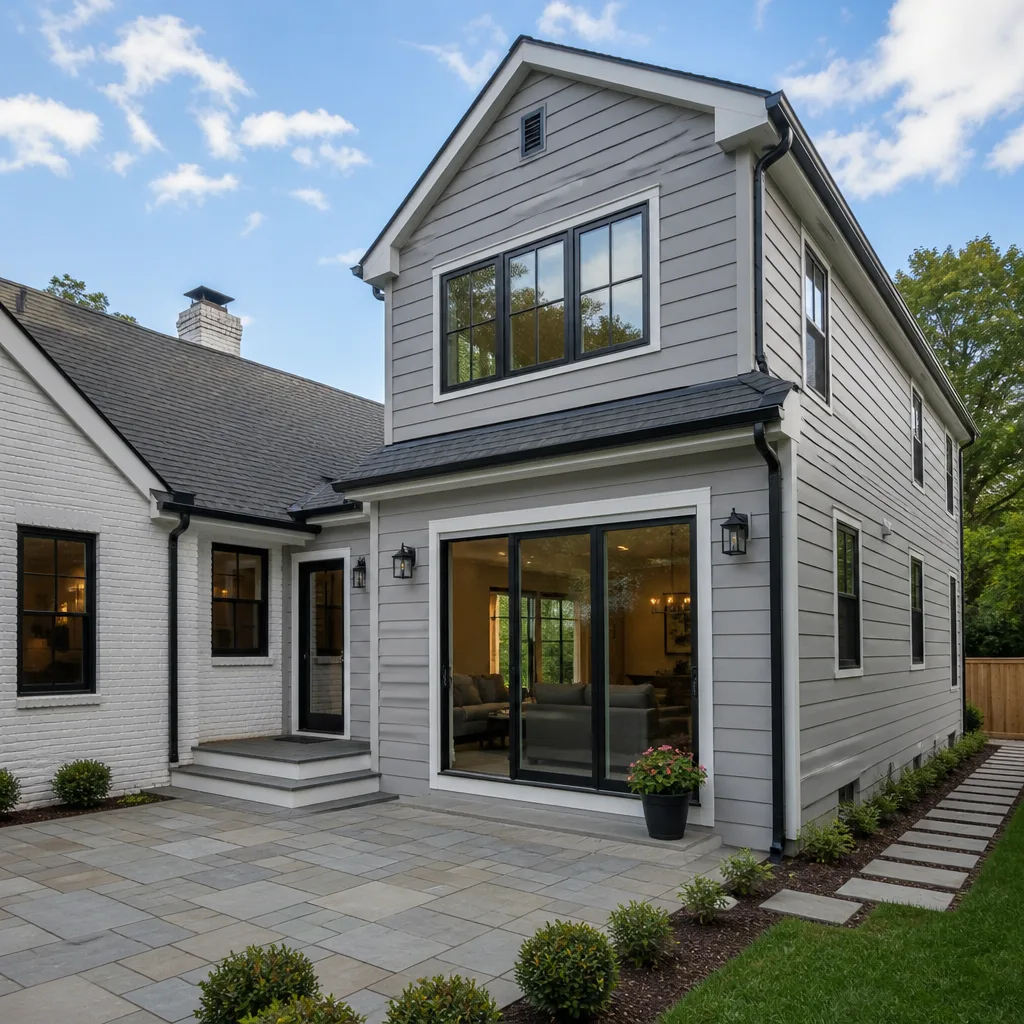 Home additions & ADU
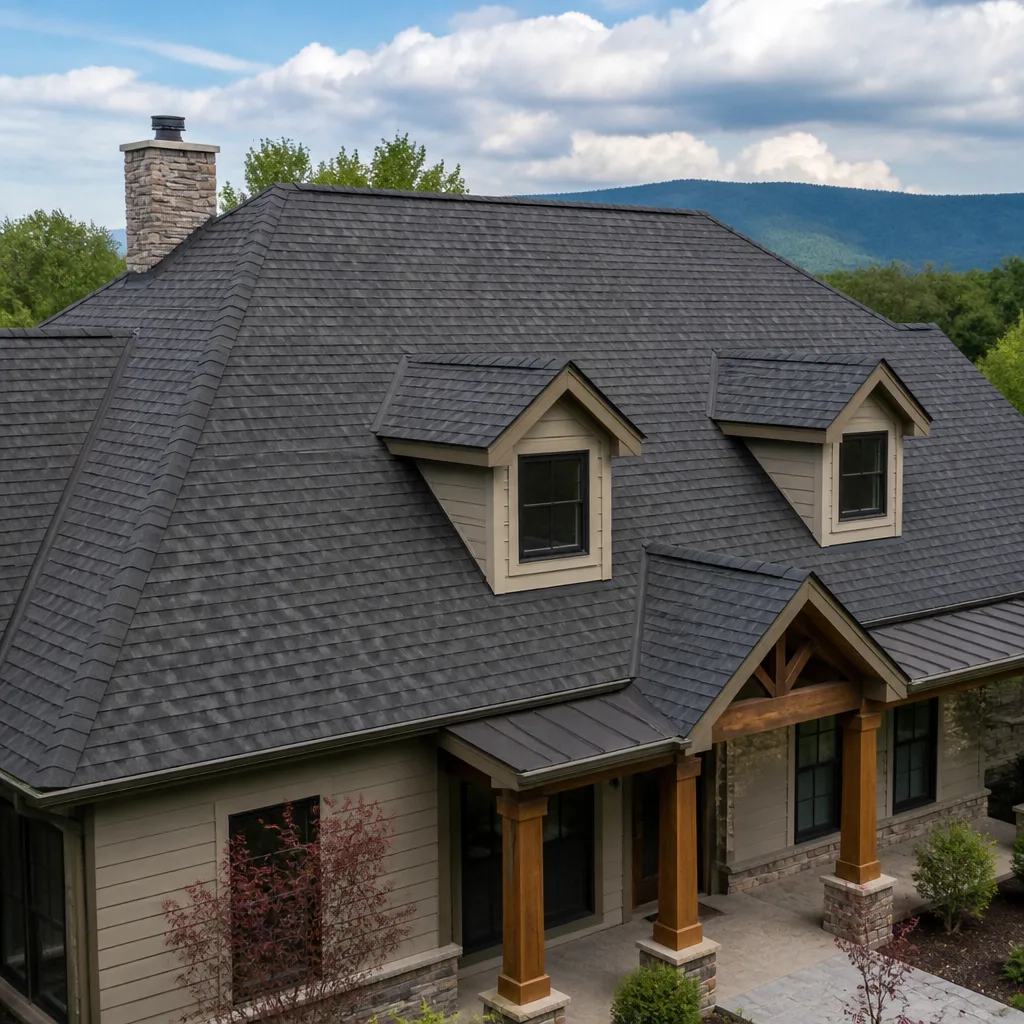 Roofing
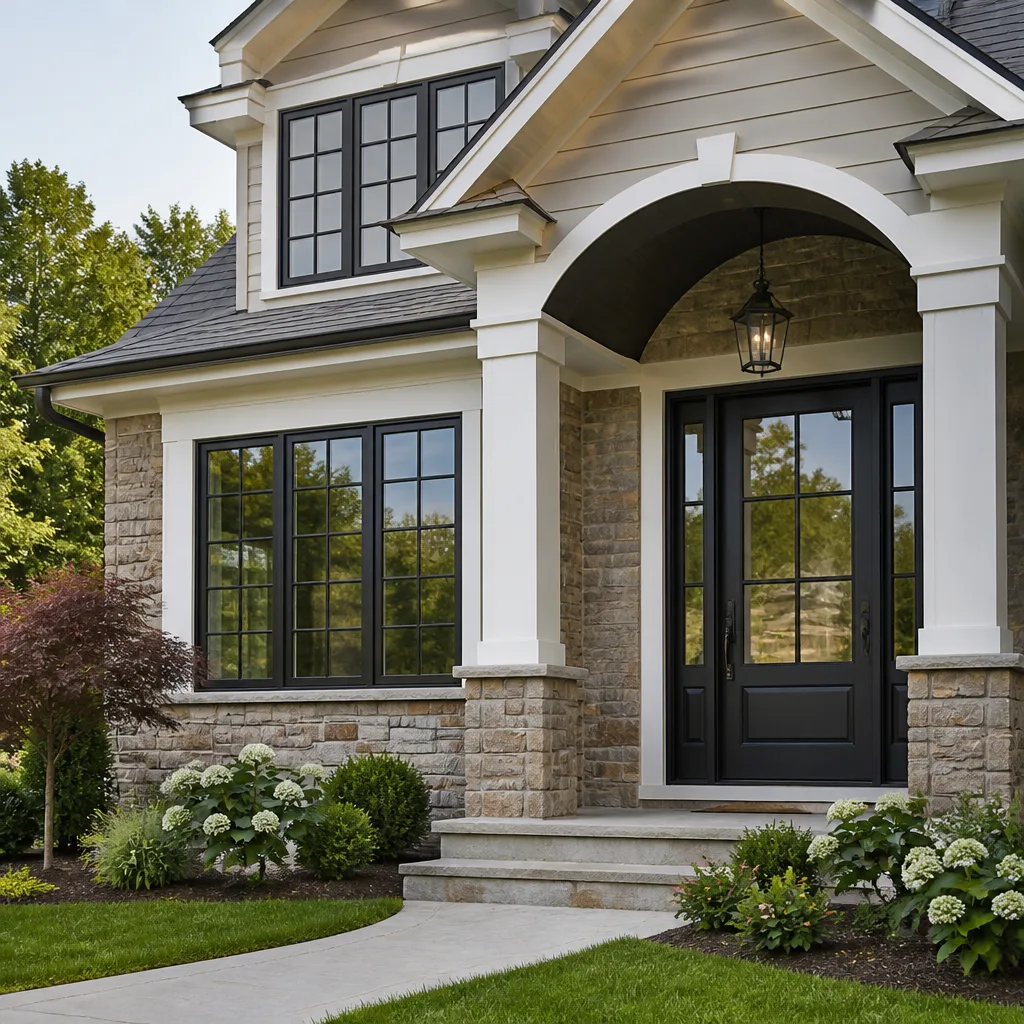 Windows & doors
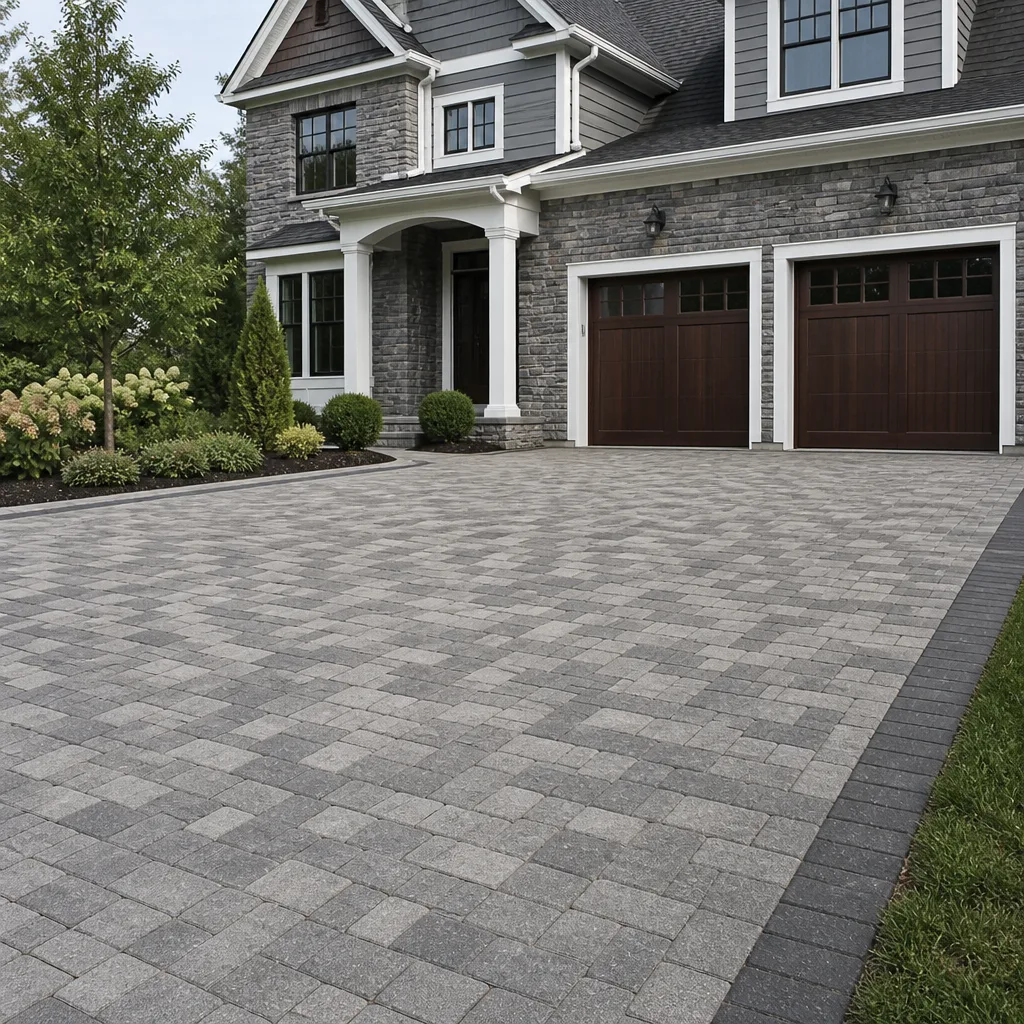 Driveway & pavers
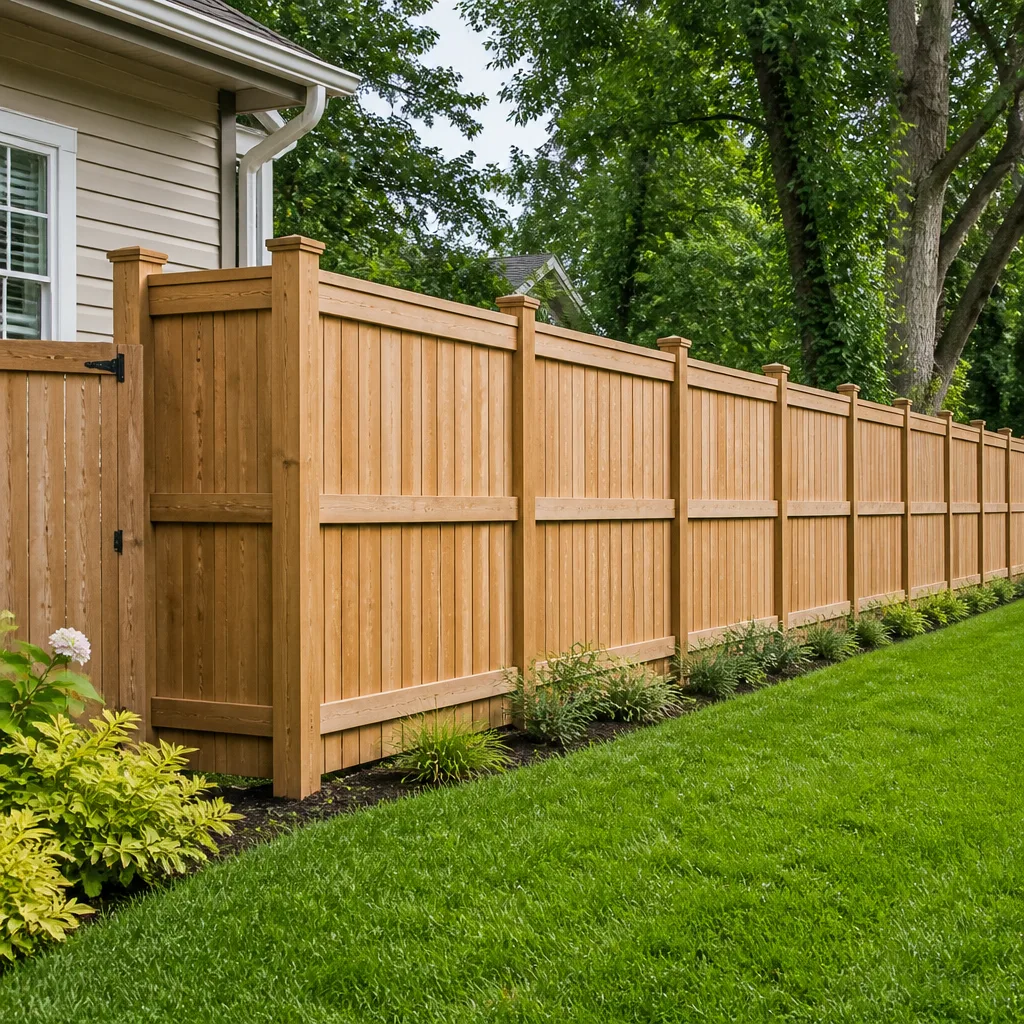 Fence
Free written scope consultation - allowances, timeline, and change-order rules on paper before a single trade is scheduled
Styles & brands we work with
- Kitchen remodeling
- Bathroom remodeling
- Home additions & ADU
- Roofing
- Windows & doors
- Driveway & pavers
- Fence
See the difference
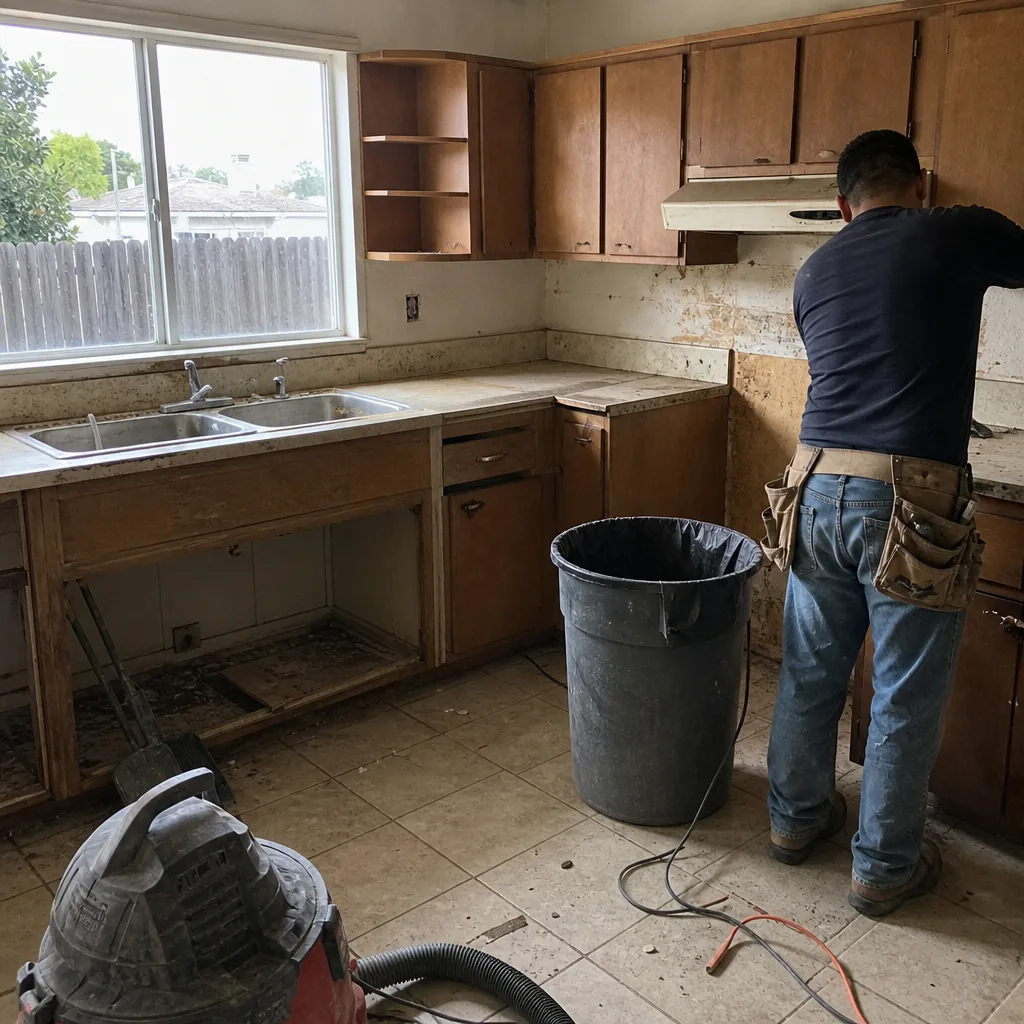 Before
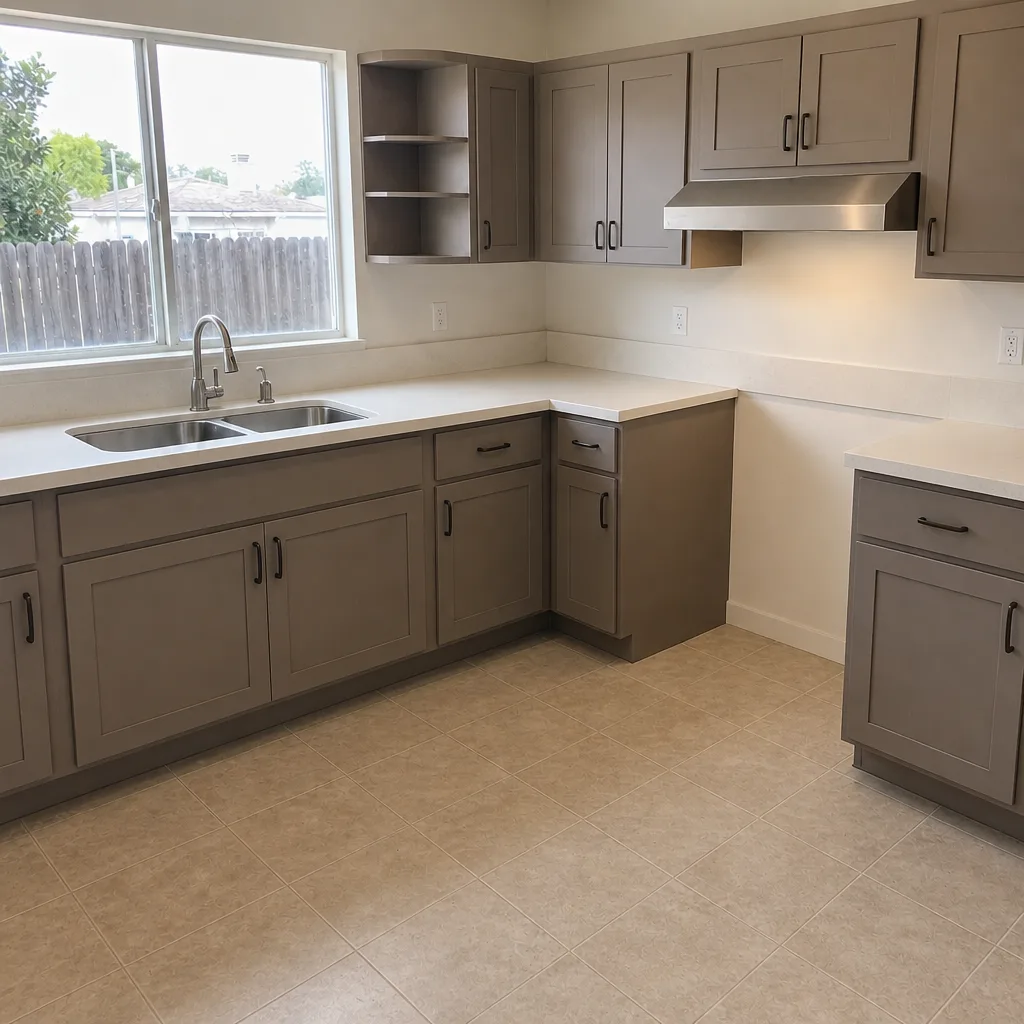 After
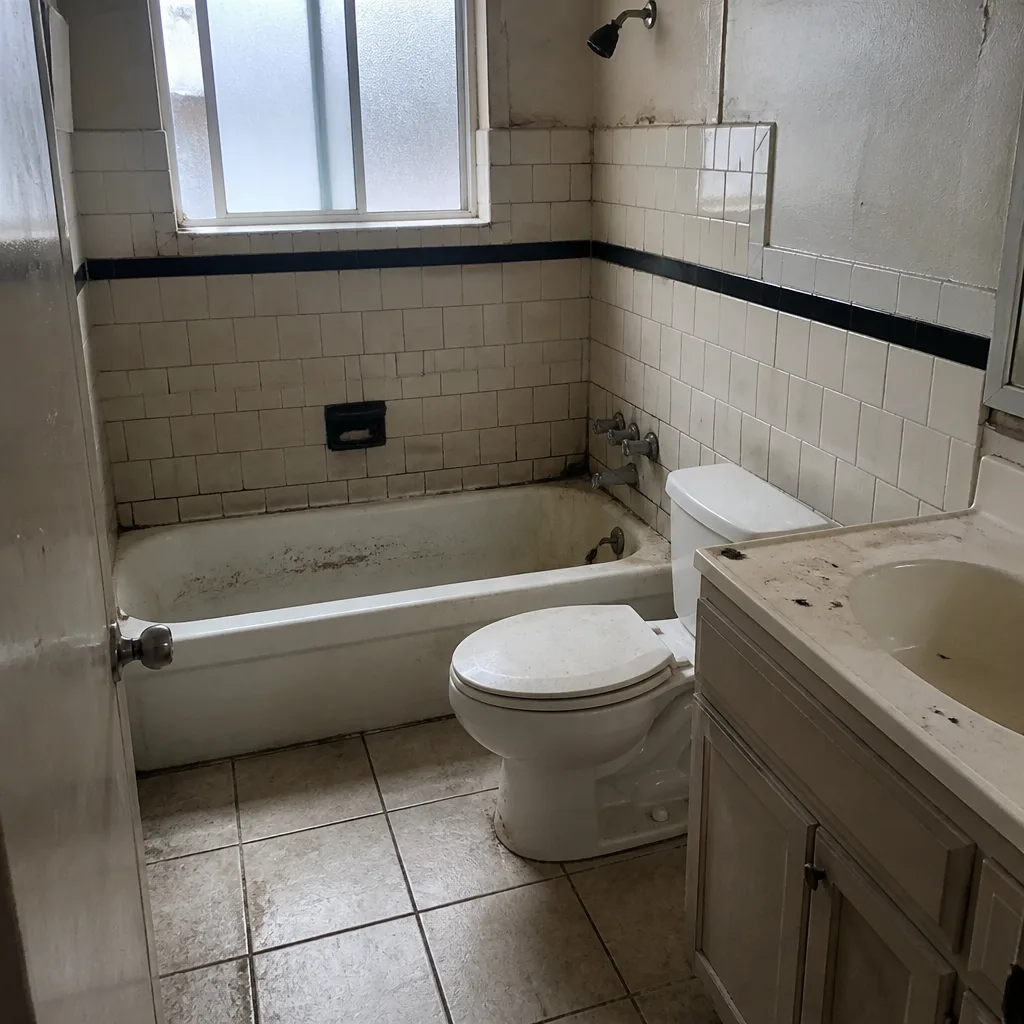 Before
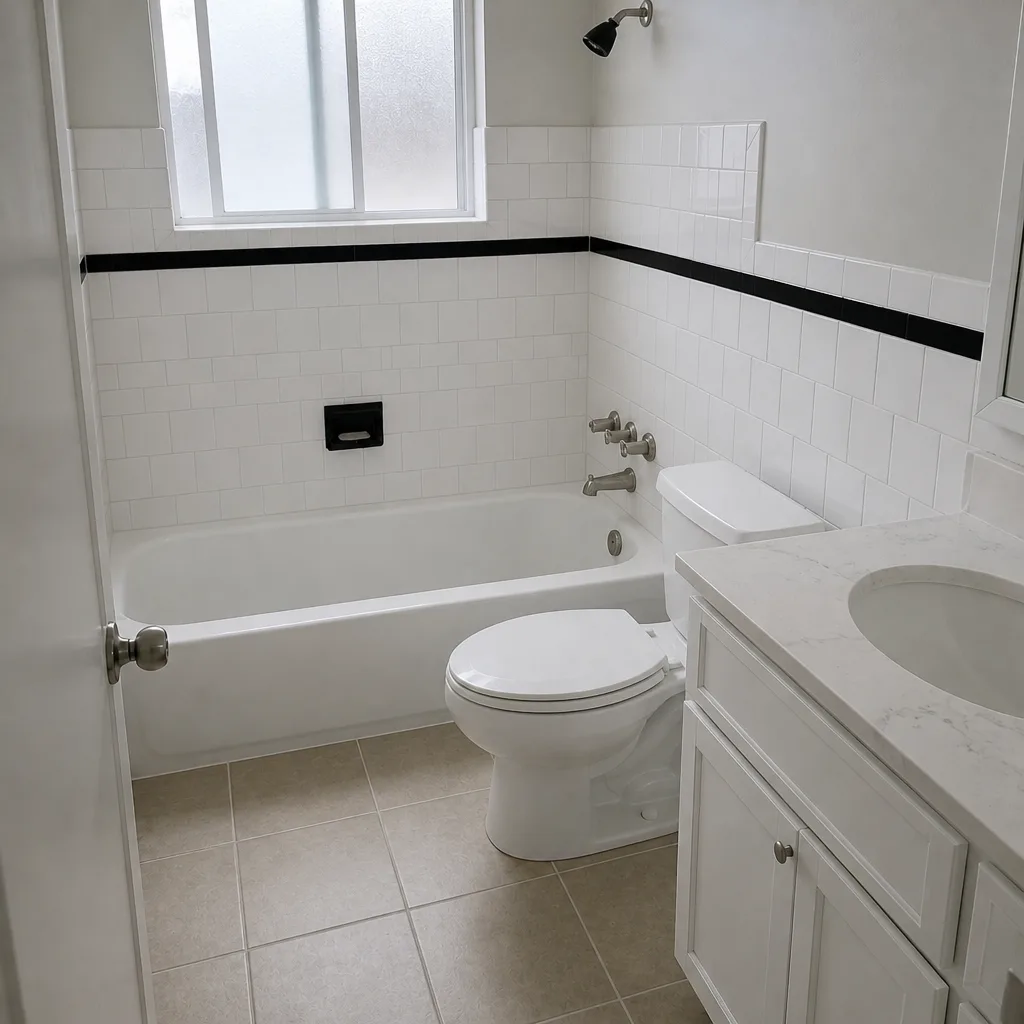 After
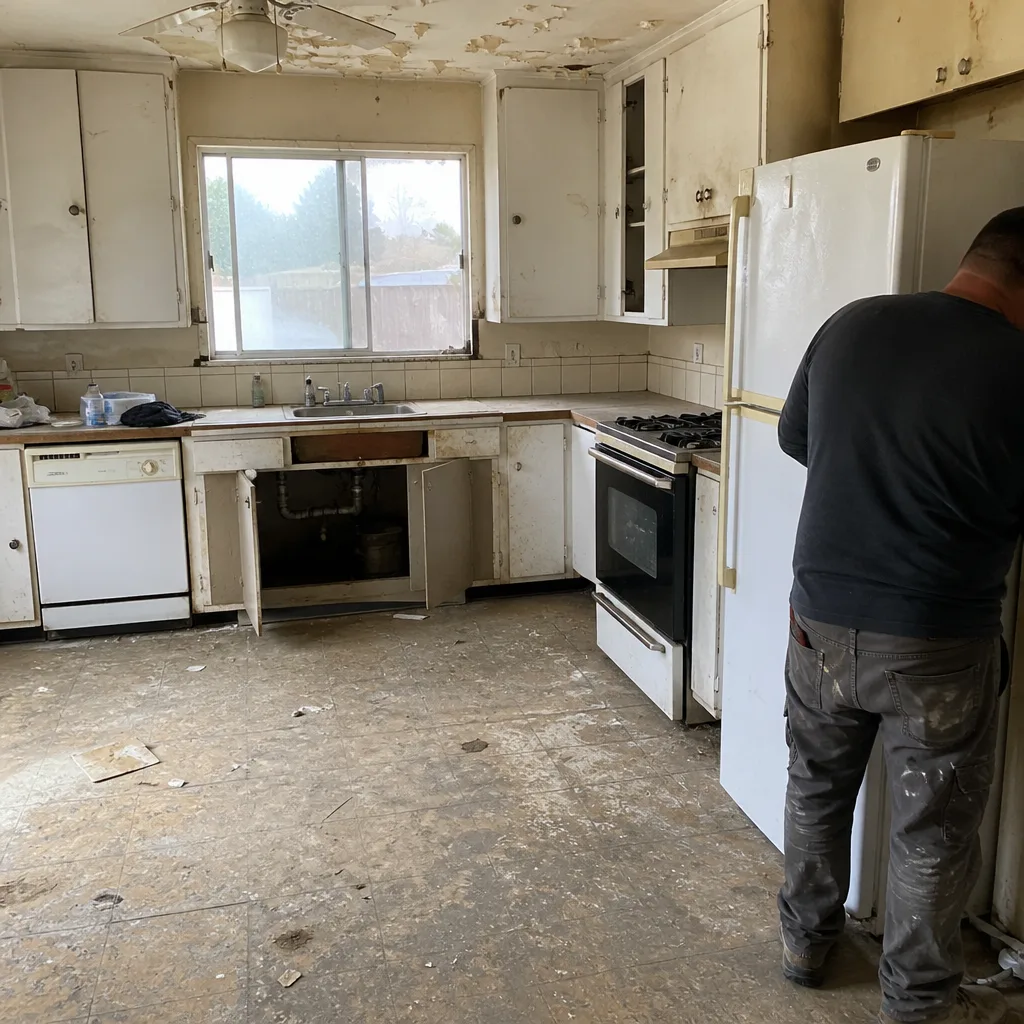 Before
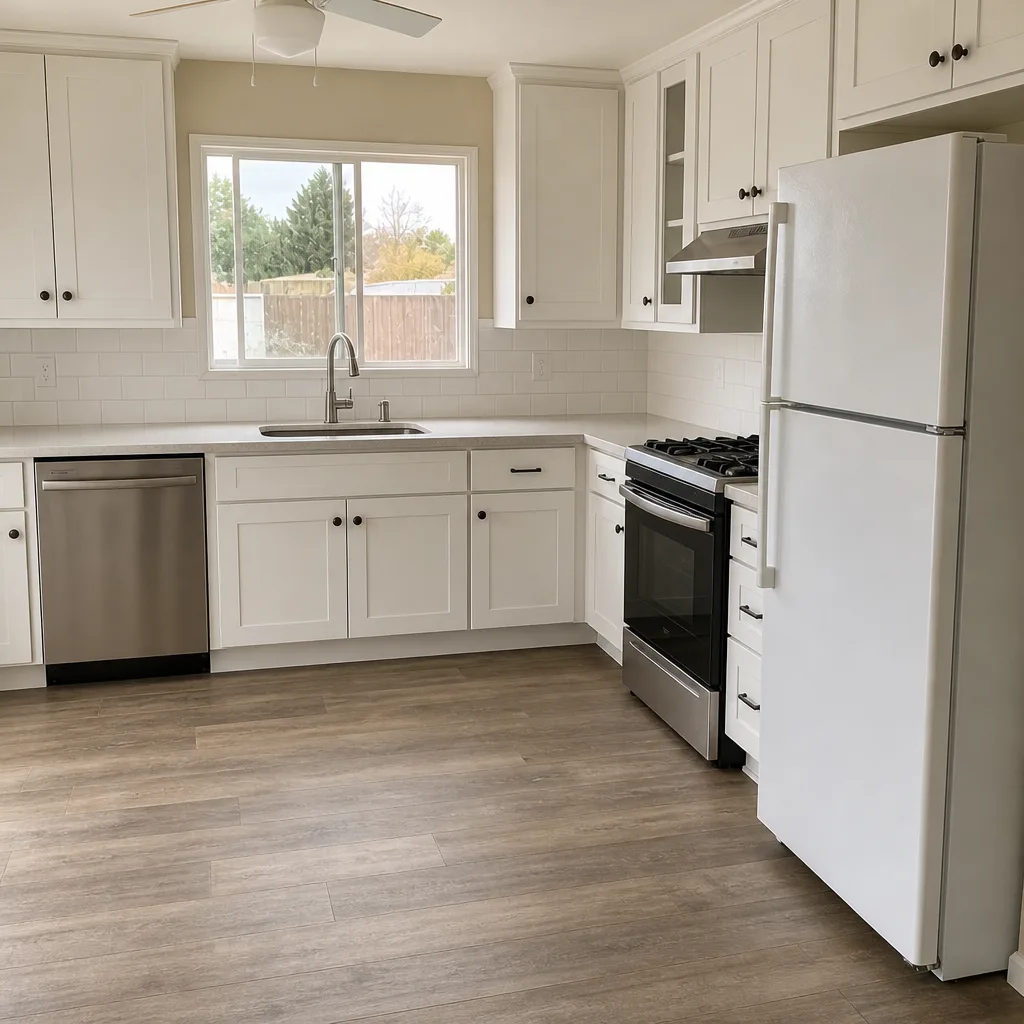 After
What Is Low-E Glass? A Practical Guide for Antioch, CA Homeowners
Low-E glass is window glass with a microscopically thin metallic oxide coating that reflects infrared heat while letting visible light pass through. The coating is invisible, measured in atoms, and it’s the single biggest reason a modern window outperforms the single-pane glass in most Antioch ranch homes. But here’s what the standard explainers skip: there are two very different Low-E coatings, and choosing the wrong one for Antioch’s Delta climate can work against your comfort and your energy bill. If you want a straight answer on which coating fits your house, call (888) 419-3650 and we’ll talk through it.
Key takeaways:
- Low-E is a reflective coating, not a tint. It blocks heat, not daylight.
- Passive Low-E keeps heat in. Solar control Low-E keeps heat out.
- Antioch’s hot, wind-blown summers make solar control the usual right call.
- The Delta’s cool, foggy winters mean you still want some passive heat gain.
- Window brands like Andersen and Marvin publish SHGC and U-factor specs so you’re not guessing.
The two kinds of Low-E, and why Antioch’s climate decides the answer
Most windows sold today carry some form of Low-E coating, but the industry splits it into two families. Passive Low-E is built to retain heat inside the home. It’s the coating you’d want in Minnesota or upstate New York, where keeping warmth in through a long winter matters more than keeping summer heat out. Solar control Low-E does the opposite: it’s engineered to reject solar heat gain, so the interior stays cooler when the sun is hammering the glass.
For Antioch, solar control Low-E is the default correct choice for most homes. The reasoning is climate, not marketing. Antioch sits on the Delta at the foot of the East Bay hills, and summers here are hot and dry with intense direct sun. On the flats, the housing stock leans heavily toward 1950s-1970s ranch tract homes, and those ranches were built with large west- and south-facing walls and original single-pane glass. A west wall takes the full afternoon sun, and a south wall takes it much of the day. Without a solar control coating, that glass turns your living room into a slow oven from June through September.
We see the consequences of skip-the-spec windows on remodels regularly. A homeowner replaces old glass with a standard clear double-pane, feels no real difference in July, and assumes windows just don’t help. They do help. The coating type was the problem, not the idea of new windows.
Why the “just get solar control” answer isn’t the whole story
Here’s the nuance most Low-E explainers never get to, and it’s the part that matters in Antioch. Our winters are cool and fog-influenced, with morning marine layer rolling through the Delta and stretches of grey, damp weather. On a cold, overcast day, a window with an aggressive solar rejection coating can underperform at passive heat gain. The sun’s warmth never fully reaches the interior, and the room feels colder than a smarter spec would deliver.
The right window balances two performance numbers, and both are printed on the manufacturer’s label:
- SHGC (Solar Heat Gain Coefficient): how much solar heat the window lets in. Lower means more heat blocked. In Antioch, a lower SHGC is your summer friend.
- U-factor: how well the window resists heat flow through the glass itself. Lower is better for holding conditioned air inside.
The Delta’s dual-season demands mean you don’t want a blanket “lowest SHGC possible” spec on every window. You want the coating and the SHGC tuned to which direction each wall faces and how much sun it actually catches. That’s a real design decision, not a checkbox.
How we pick the coating by elevation, not one spec for the whole house
This is where a Low-E conversation turns into a construction conversation. Before any window is ordered, a background-checked technician from Groundwork Construction Co. of Antioch walks the home and looks at orientation and existing conditions. Which walls face west and take the afternoon blast. Which are shaded by a tree, an overhang, or a neighboring structure. What the current glass is doing, and where the homeowner actually feels the heat or the cold. Because a single spec for the entire house ignores the fact that your west-facing bedroom and your north-facing kitchen live in two different climates under one roof.
The manufacturer options make this practical rather than theoretical. Andersen and Marvin, both brands we install through our Windows & Doors service, publish Low-E coating choices with labeled SHGC and U-factor specs for each one. You’re not guessing at performance. You can compare a passive coat and a solar control coat side by side on paper before a single pane is ordered. For a homeowner who’s been burned by vague bids before, that’s the difference between a real spec and a sales pitch.
And if you’re still weighing whether new windows are the move versus other exterior upgrades, our team is happy to walk you through the comparison. Our home page lays out the full scope of what we handle from foundation to finish line.
What Low-E glass costs and how it fits a window project in Antioch
Low-E glass isn’t sold on its own. It comes with a replacement window, so the pricing question is really the window question. Here’s how window work typically runs in the Antioch market:
| Project type | Typical Antioch range |
|---|---|
| Window replacement (whole-home or multi-window) | $4,500-$15,000 |
| Impact window installation | $8,000-$25,000 |
Those ranges reflect real market pricing, not a teaser number that balloons after the contract is signed. We pair them with no-hassle upfront pricing, so the number you see is the number you pay, and 0% financing for 18 months plus $1,000 off projects over $10,000 to make the full job workable. Every window project is backed by our 730-Day Done Right Promise: if it’s not done right, we make it right. Built to last, backed in writing.
We also see the housing stock’s fingerprints on this work all the time. The older flats and downtown blocks still hold a lot of original single-pane glass, and those panes have been through decades of Delta wind-driven dust and seasonal swelling and shrinking. When we spec Low-E replacements, we’re often doing more than swapping glass. We’re correcting frames, sealing gaps, and addressing the conditions that let the Delta wind push its way in.
FAQs
Low-E glass is window glass with an invisible metallic oxide coating that reflects heat back where it came from while letting daylight through. It’s not a tint and it doesn’t darken the room. The coating is engineered at the atomic level and it’s the main reason a modern double-pane window beats the old single-pane glass in most Antioch homes.
Solar control is the right default for most Antioch homes, because hot, dry Delta summers and intense afternoon sun on west- and south-facing ranch walls make blocking solar heat gain the dominant problem. The exception is the Delta’s cool, fog-influenced winters, where you still want a coating and SHGC that let some passive warmth in. The smartest approach specs coating by wall orientation, not one blanket number for the house.
Look at two labeled numbers on the window: SHGC and U-factor. SHGC tells you how much solar heat gets through (lower blocks more), and U-factor tells you how well the window resists heat flow (lower holds conditioned air better). Andersen and Marvin publish these per coating option, so you can compare before you buy. If you’d rather have someone read them with you in person, call (888) 419-3650 and we’ll go through it.
Yes, especially if the home still has original single-pane glass. The flats around downtown and the river-adjacent blocks have plenty of it, and those panes were never built to handle today’s sun-load. A correctly specified Low-E replacement can noticeably cut the heat you feel near west-facing glass. Call (888) 419-3650 for a free estimate and we’ll tell you what makes sense for your specific house.
Let’s spec the right glass for your house
If you’d rather have it looked at than sorted out on your own, Groundwork Construction Co. of Antioch offers a no-pressure assessment. We’ll walk your home’s orientation, look at the existing glass, and recommend the coating type by elevation so you’re not guessing at performance. Call (888) 419-3650 for a free estimate and design consult.
Written by the team at Groundwork Construction Co. of Antioch, serving Antioch, CA.