
 Kitchen remodeling
 Bathroom remodeling
 Home additions & ADU
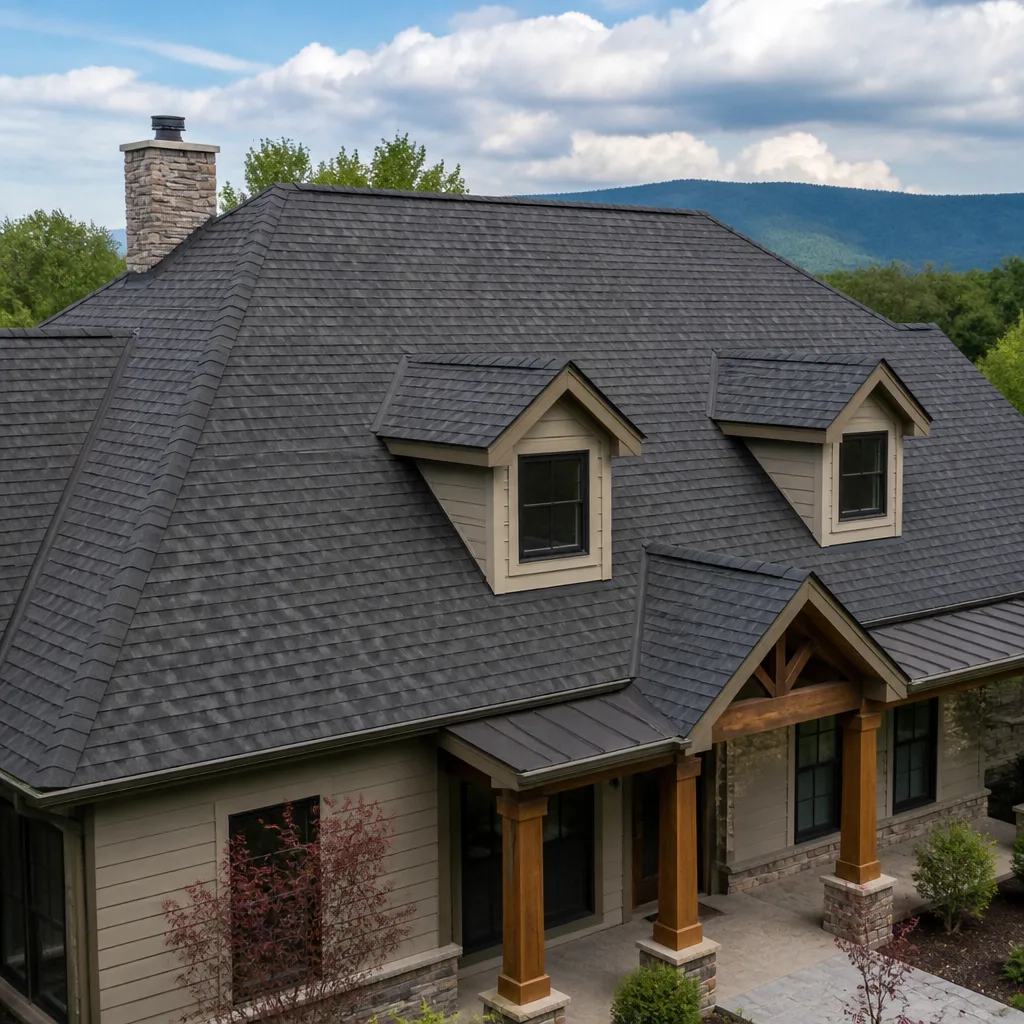 Roofing
 Windows & doors
 Driveway & pavers
 Fence
Free written scope consultation - allowances, timeline, and change-order rules on paper before a single trade is scheduled
Styles & brands we work with
- Kitchen remodeling
- Bathroom remodeling
- Home additions & ADU
- Roofing
- Windows & doors
- Driveway & pavers
- Fence
See the difference
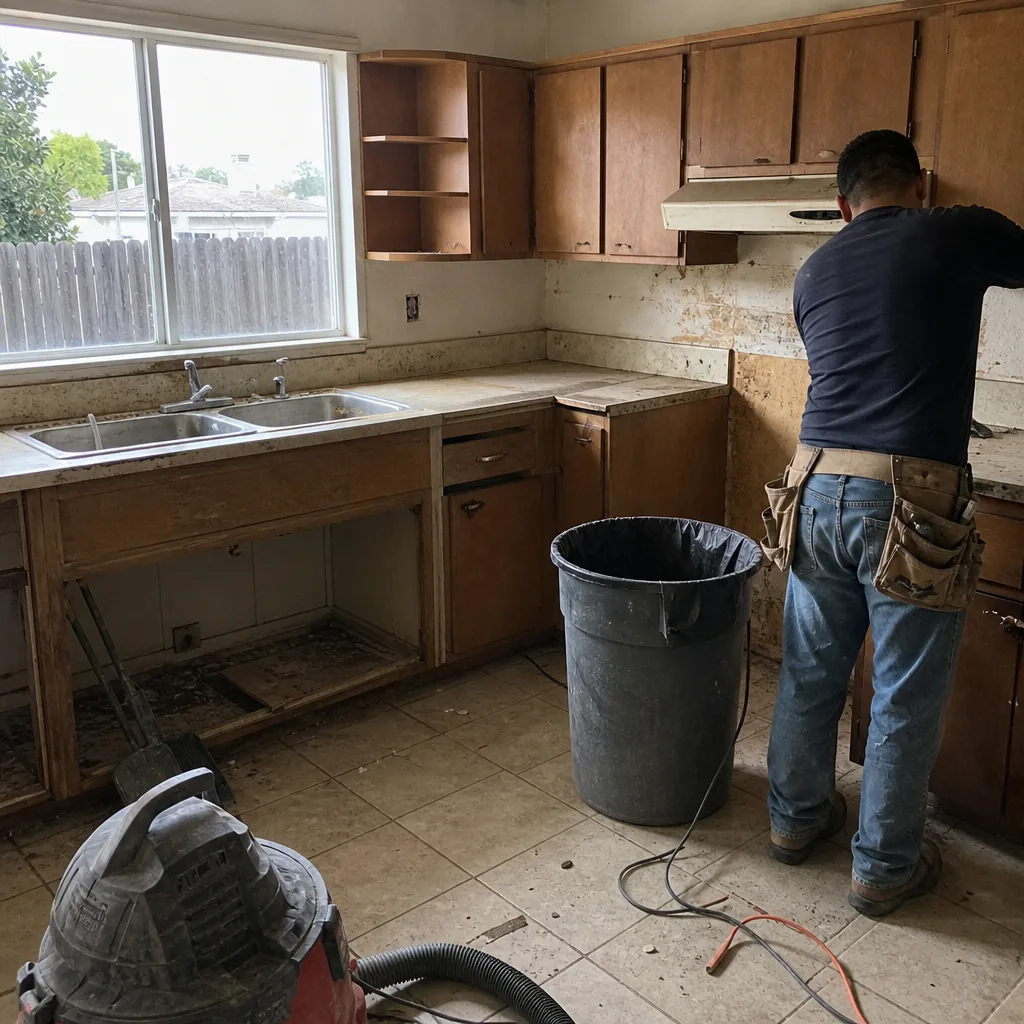 Before
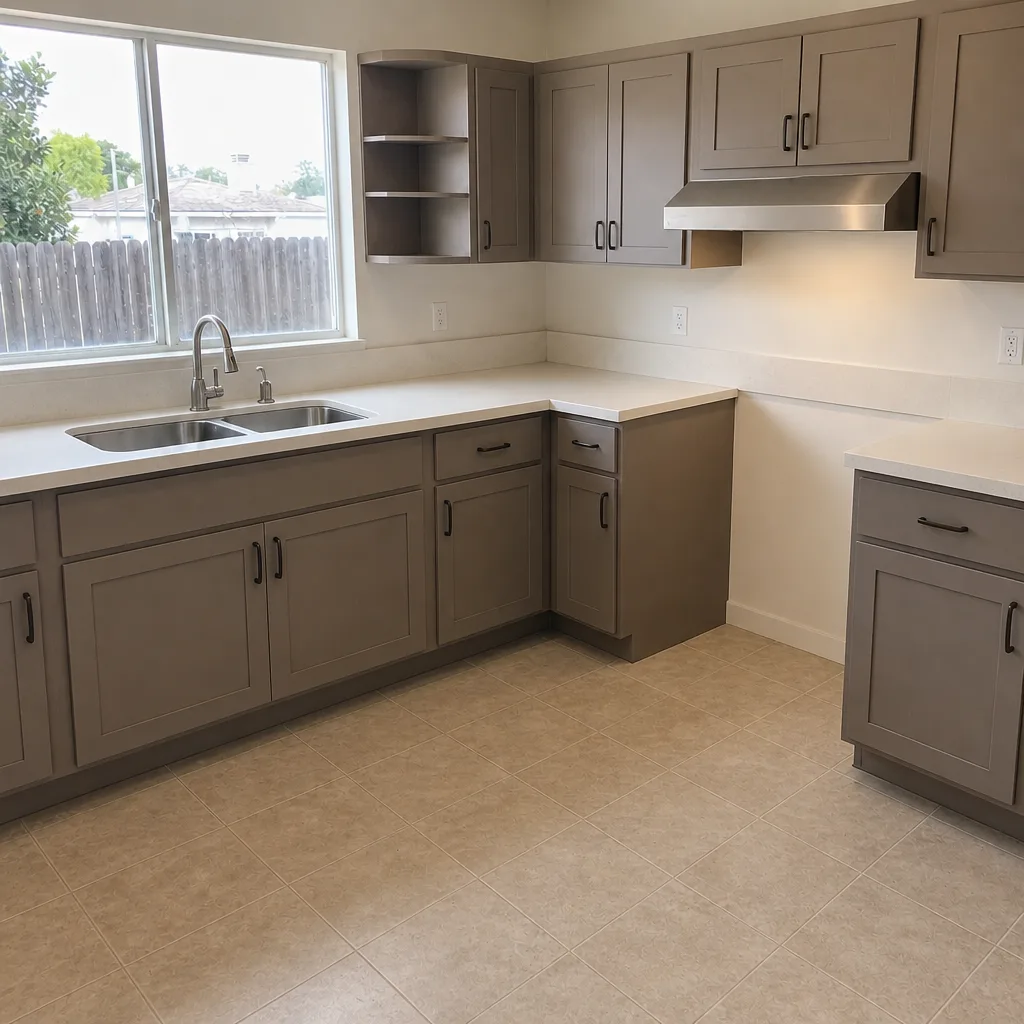 After
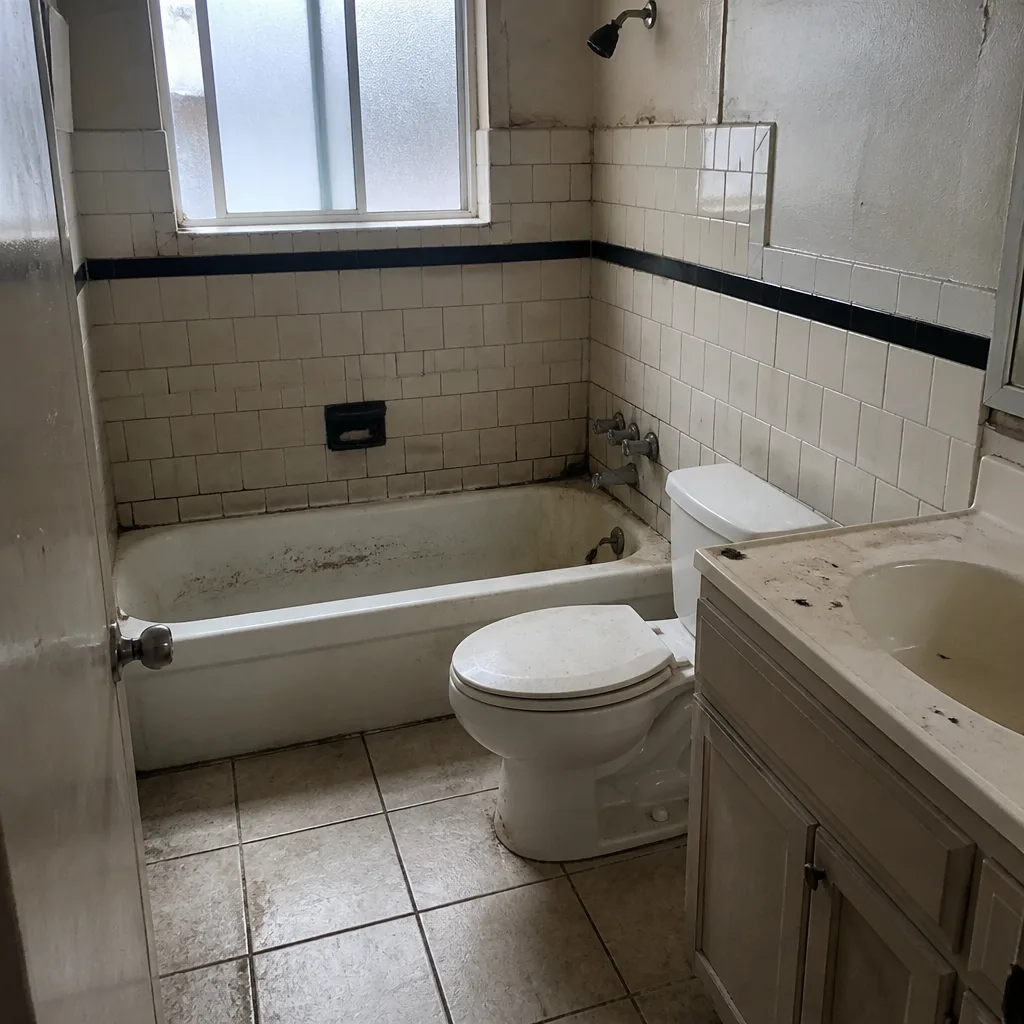 Before
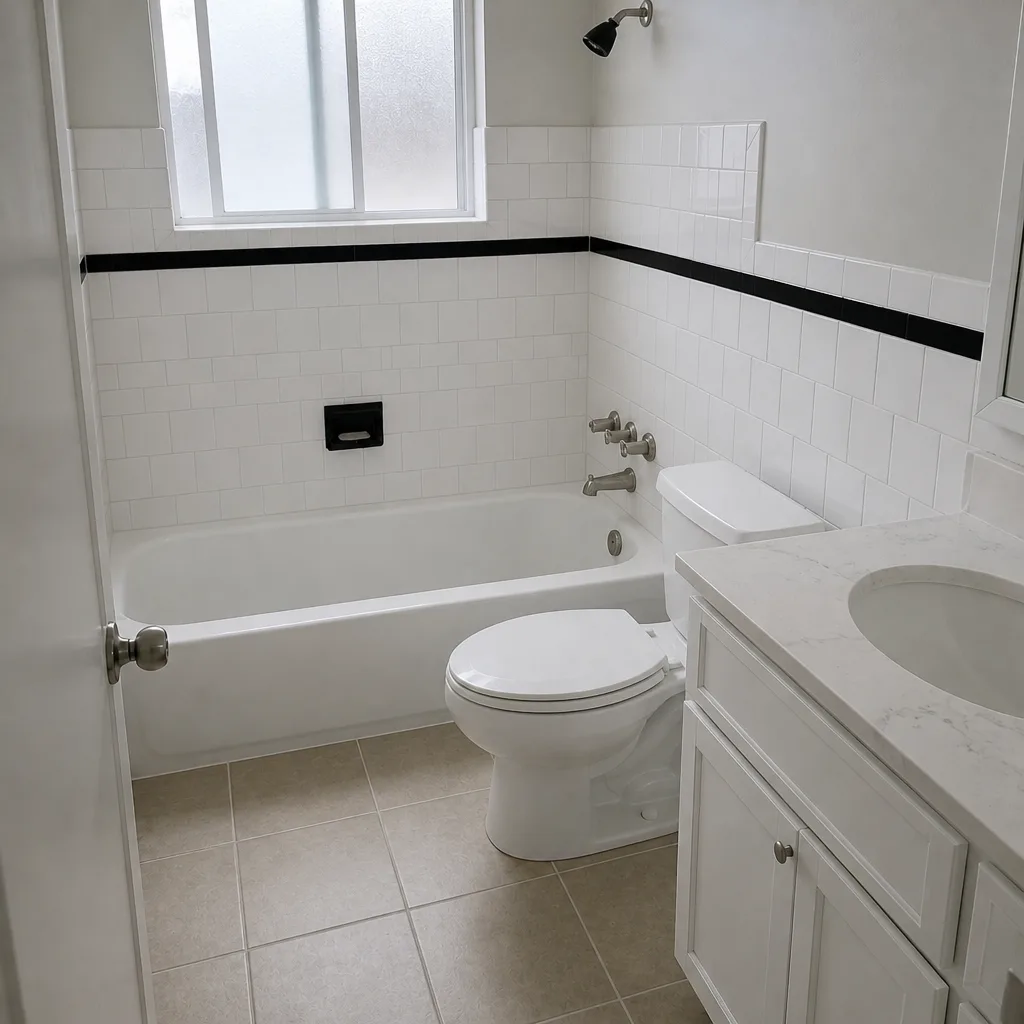 After
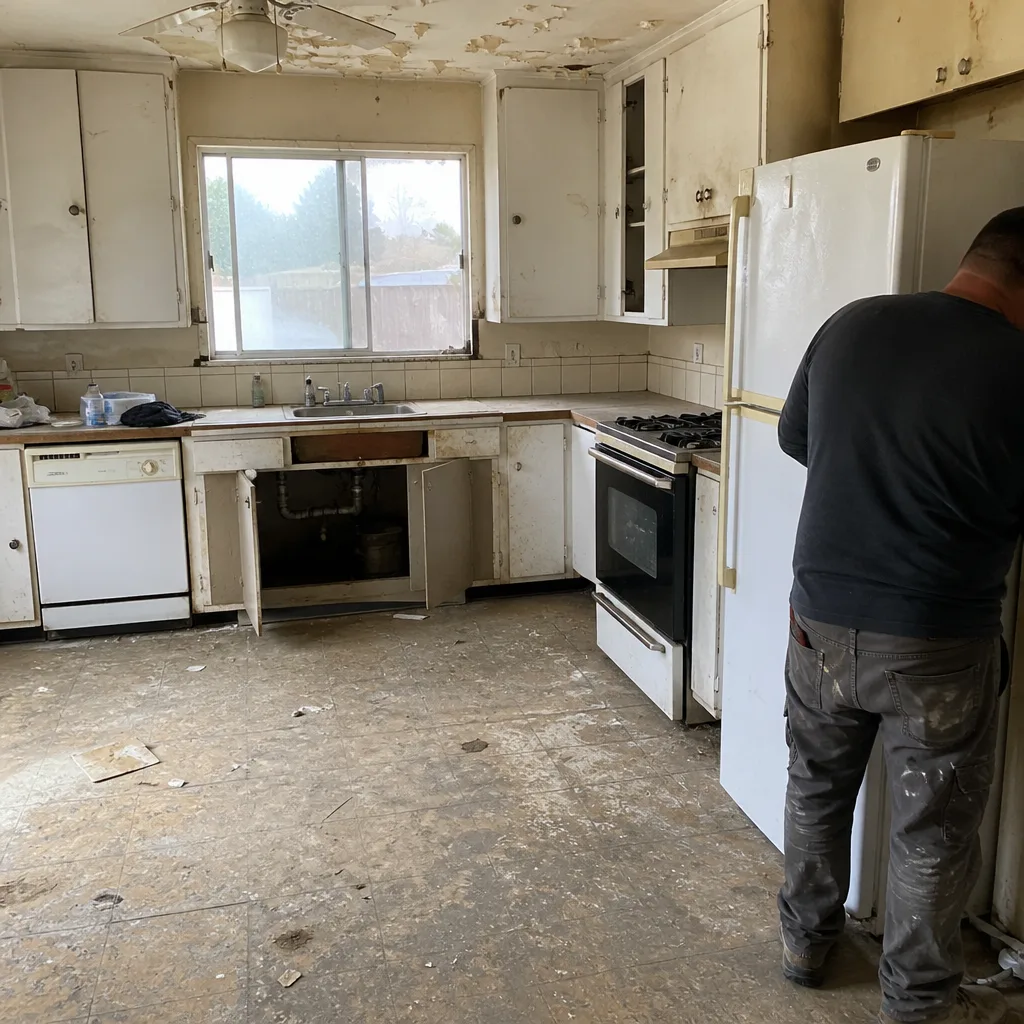 Before
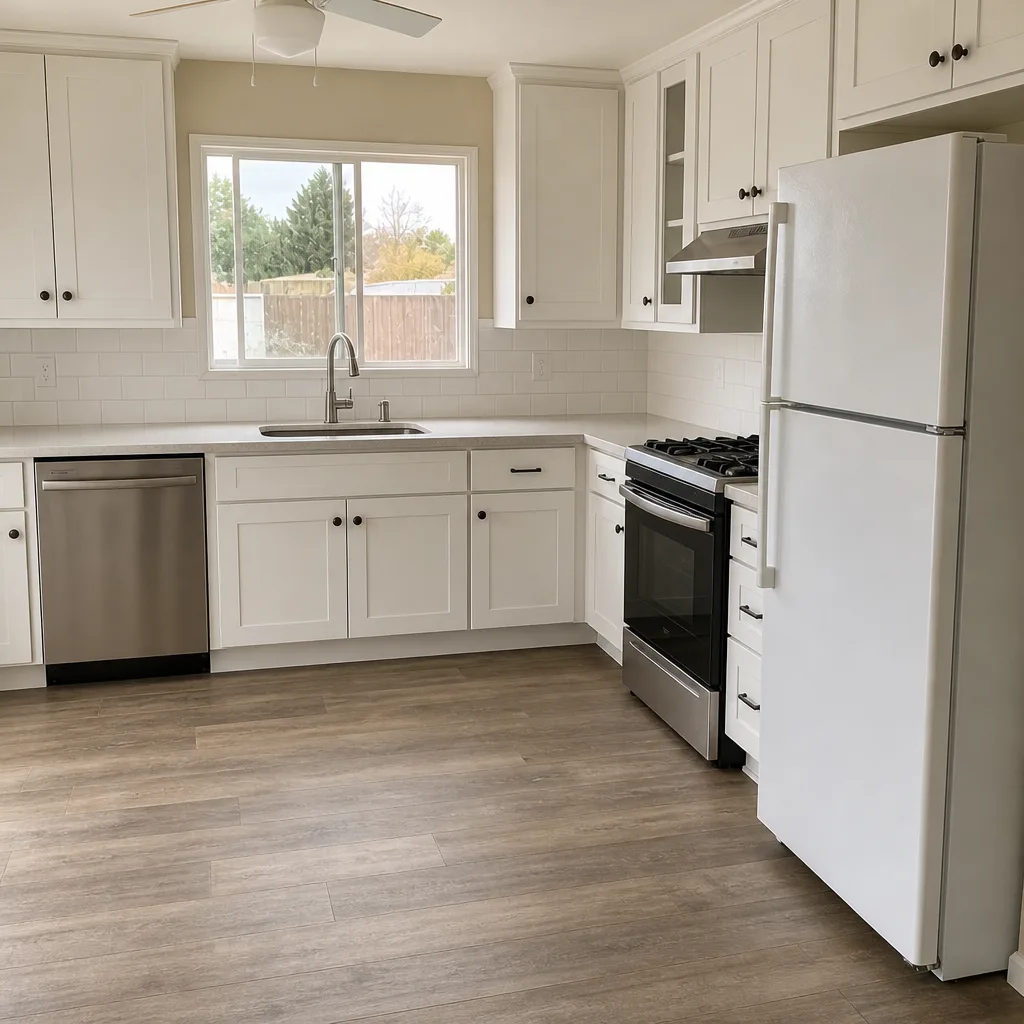 After
How to Find a Roof Leak in Antioch, CA - and Why the Ceiling Stain Is Misleading You
To find a roof leak on a low-slope Antioch ranch home, start in the attic with a flashlight and trace the water trail upstream along the rafter bays toward the entry point - not from the ceiling stain upward. On mid-century homes with original 1×6 skip sheathing, water routinely travels 6 to 15 feet laterally inside the roof cavity before it finds a gap to drip through, so the stain on your ceiling is often nowhere near the hole letting the rain in. Chasing the stain is the single most common way homeowners pay for the wrong repair. If you’d rather have a trained eye trace it, call (888) 419-3650 for a free assessment.
Key Takeaways
- The ceiling stain and the entry point are usually not in the same place on a low-slope ranch - the water runs sideways under the sheathing.
- Five entry points cause most leaks in Antioch’s mid-century housing stock, and “missing shingles” isn’t one of them.
- A controlled hose test, one 4-foot zone at a time with a 10-minute wait, isolates the zone better than any visual guess.
- If the leak is at a flashing junction, pipe boot, or valley, stop and call - those repairs need metal and sealant work done right.
Why Antioch Ranches Leak Sideways
Antioch’s flats are dominated by 1950s-1970s ranch tract homes, and most of them went up over original skip sheathing - a deck of spaced 1×6 boards rather than solid plywood. Over a hot Delta summer, that lumber dries and shrinks. Come the cool, fog-influenced winter, water finds its way into the gaps and rides along the top of the rafters. On the shallow pitches common on these roofs, gravity doesn’t pull it straight down; the water spreads sideways across two rooms’ worth of framing before it reaches a fastener hole or a drywall seam and starts to drip. That’s why a stain over your hallway can trace back to a pipe boot twelve feet away in the garage wing. This isn’t a roof defect you’d see from the ground. It’s geometry.
Groundwork Construction Co. of Antioch works on this housing stock constantly, and our technicians - up to 12 years of experience between them - have learned that the diagnostic has to follow the water, not the stain. When a homeowner calls us because they can’t make sense of a ceiling mark, the afternoon often ends with the entry point found in a completely different part of the roof than where they were looking.
The Correct Diagnostic Sequence: Work From the Attic Up, Not the Stain Up
Here’s the sequence that actually locates a leak on a low-slope ranch. It’s not glamorous, and it doesn’t involve a drone or a moisture meter on the ceiling.
- Get into the attic on a dry day with a bright flashlight. You’re looking for the trail, not the drip. The trail is the evidence - the drip just happens to be where the water found a hole.
- Trace from the ceiling stain toward the ridge, but stay flexible about direction. Follow the staining along the rafter bay. Water stain on the framing, not the drywall, is your map.
- Look for daylight. On a clear afternoon, a true hole often shows a pinhole of light through the sheathing or at a penetration. That’s your fast confirmation.
- Check nail shanks for rust. Rust rings on the nails poking through the roof deck are a strong tell - they mark where water has been sitting repeatedly, even if the sheathing looks dry today.
- Note moisture staining on the framing. A wet or darkened rafter, a water line on the underside of a board, or a soft spot near an HVAC curb all narrow the search.
Once you have a suspect zone from the attic, you test it from below - meaning on top of the roof, with water. That’s the next section. For the full picture of what we handle once a leak is located, see our Roofing service.
The Five Most Likely Entry Points on an Antioch Ranch, Ranked
Generic leak guides tell you to look for missing or damaged shingles. On Antioch’s mid-century stock, that’s rarely the culprit. Here are the five we find in order of probability:
- 1. Dried-out pipe boot collars. Every plumbing vent penetration has a rubber boot, and on a 40- or 50-year-old roof that rubber has baked to a brittle, cracked ring. The Delta’s dry summers are exactly the condition that hardens them. This is the number-one offender on these roofs.
- 2. Flashing at chimney and HVAC curb bases. The metal where a chimney or rooftop unit meets the deck is a water-focused joint. Sealant ages, and the flashing lifts.
- 3. Valley metal laps. Where two roof planes meet, the metal valley sections overlap - if the laps aren’t sealed right or have lifted, water backs up under them.
- 4. The eave edge, where original skip sheathing has a gap. At the low end of the roof, a spacing gap in the boards lets water into the wall cavity above the wall plate.
- 5. A wind-lifted ridge cap. Persistent afternoon winds off the Delta can work the ridge cap loose over time; that’s the one that shows up on a windy rain.
Notice that none of these is “a shingle is missing.” An experienced crew would, but you probably won’t spot a pipe boot issue from the ground. That’s the point.
How to Run a Controlled Water Test
Once the attic inspection points to a zone, isolate it with a controlled water test - the method beats a visual guess every time, because on a shallow-pitch roof water moves slowly and can hide in a joint that looks sealed. Here’s the method:
- Start at the lowest suspect point. That’s usually the eave edge or the lowest penetration in the suspect zone. Water runs downhill, so testing high first can flood zones you haven’t ruled out.
- Soak one 4-foot section at a time. Not the whole roof, not a whole plane - a single 4-foot band. Fresh water, a steady soak.
- Wait 10 minutes per zone. On a low-slope ranch, water migration is slow. Rushing the wait is how you chase a false positive. Ten minutes is the working number.
- Have a second person in the attic. The spotter watches the suspect framing and calls out the moment a stain darkens or a drip appears. One person on the roof and one in the attic - that pairing is how you pin it down.
When a zone triggers the drip, you’ve narrowed it to a 4-foot band and a specific penetration or joint. That’s a repair, not a mystery.
A Misdiagnosis That Costs Antioch Homeowners Money
Not every winter ceiling stain in Antioch is a roof leak. In the river-adjacent neighborhoods, the water table along the San Joaquin River waterfront runs high, and during the wet months, ground moisture can wick up through a slab and condense inside wall cavities. That moisture can show up as staining on ceiling drywall near exterior walls - looking exactly like a roof leak to a worried homeowner. It’s easy to book a roofing repair for a problem that isn’t on the roof at all. Before you approve roof work, confirm the stain grows after rain versus during damp ground conditions. Our technicians know this call - it’s the same reason we think about drainage and soils on any exterior project in Antioch. If the diagnosis is genuinely a roof problem, the fix depends on the scope. A repair typically runs $400-$1,800 in Antioch; a full replacement runs $8,000-$20,000, and we use proven materials like GAF and Owens Corning systems when a replacement is the right answer. Whatever we recommend, it’s backed by our 730-Day Done Right Promise and priced upfront - the number you see is the number you pay.
| Roof work in Antioch (market ranges) | Typical cost |
|---|---|
| Targeted leak repair | $400-$1,800 |
| Tile roof repair | $600-$2,500 |
| Full roof replacement | $8,000-$20,000 |
| Metal roof installation | $15,000-$40,000 |
When to Stop and Call a Pro
If the entry point is at a flashing junction, a pipe boot, or a valley - not a loose shingle tab - that’s the moment to stop. These repairs involve metal work and sealant applied in the right sequence; sealant over wet substrate or an unsealed lap creates a fresh leak path that’s worse than the original. A pro does the flashing and boot work correctly so you don’t get a call-back in the next storm. Because our calls are answered by a live person 24/7, a leak that shows up on a Saturday night during a Delta storm can be talked through or booked on the spot - no voicemail, no waiting until Monday. A short leak-repair visit is far cheaper than the interior damage that follows a slow drip over a month.
FAQs
Start in the attic with a flashlight and trace the water trail upstream along the rafter bays toward the entry point, looking for daylight, moisture staining on framing, or rust on nail shanks. On Antioch ranches with original skip sheathing, water travels sideways 6 to 15 feet before it drips, so ignore where the ceiling stain is and follow the framing instead. If you can’t trace it, call (888) 419-3650 for a free assessment.
Because on low-slope mid-century roofs, the leak is usually not the shingles - it’s a dried-out pipe boot collar, chimney or HVAC curb flashing, a valley lap, the eave edge, or a wind-lifted ridge cap. Shingle damage is rare in the entry points we see on Antioch’s older flats. Our technicians can inspect those joints directly; call (888) 419-3650 to book it.
A careful controlled test (one 4-foot zone, 10-minute wait, a spotter in the attic) can isolate the zone yourself, but it’s slow and easy to do wrong if you test the whole roof at once. If the leak keeps returning during storms, the isolation is often faster done by a pro who knows the five usual entry points. Call (888) 419-3650 for a free estimate and we’ll take it from there.
Yes - our calls are answered by a live person 24/7, including weekends, so a storm-night leak can be assessed the same day. We also offer 0% financing for 18 months if a larger repair or replacement turns out to be the answer. Call (888) 419-3650 any hour to get it looked at.
If you’d rather have it looked at, Groundwork Construction Co. of Antioch offers a no-pressure assessment in Antioch - we’ll trace the leak, show you the entry point, and price the fix upfront with no surprises. Call (888) 419-3650 and we’ll take it from there.
Written by the team at Groundwork Construction Co. of Antioch, serving Antioch, CA.