
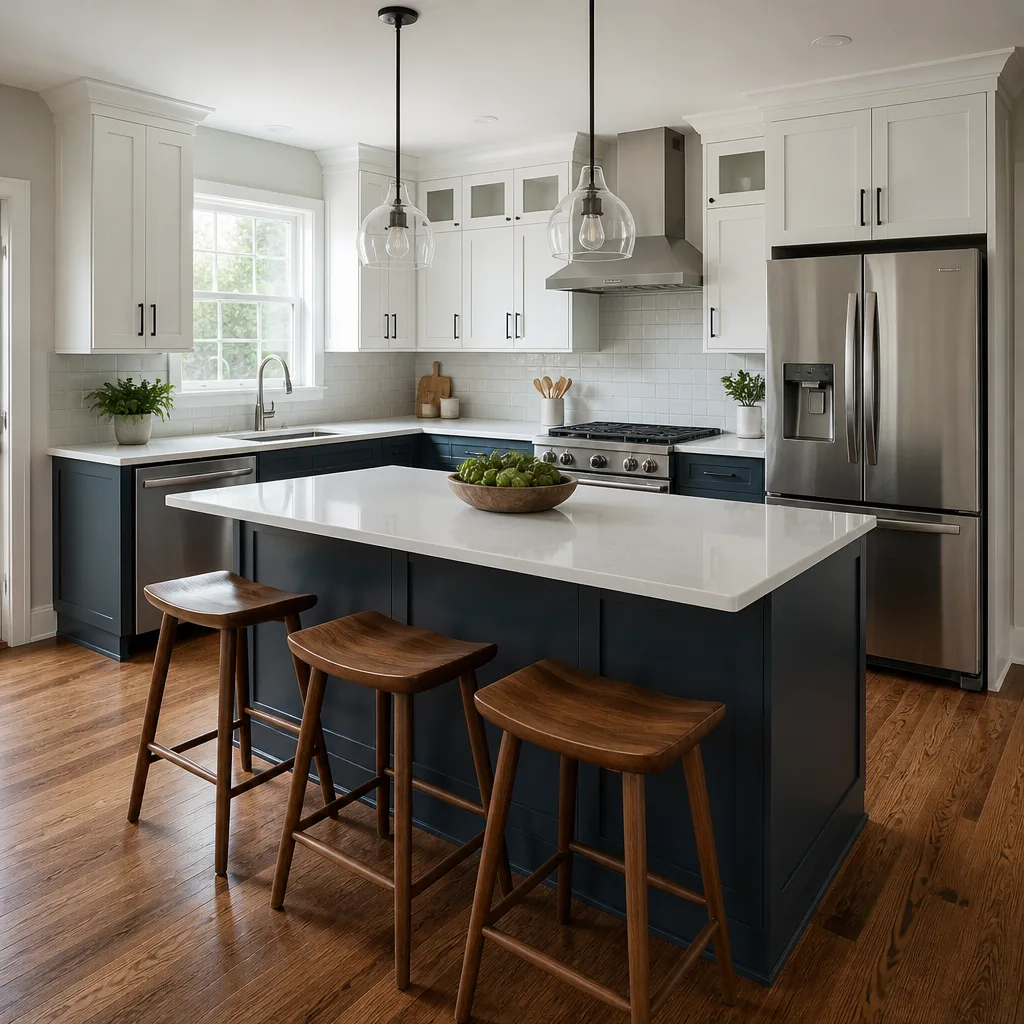
 Kitchen remodeling
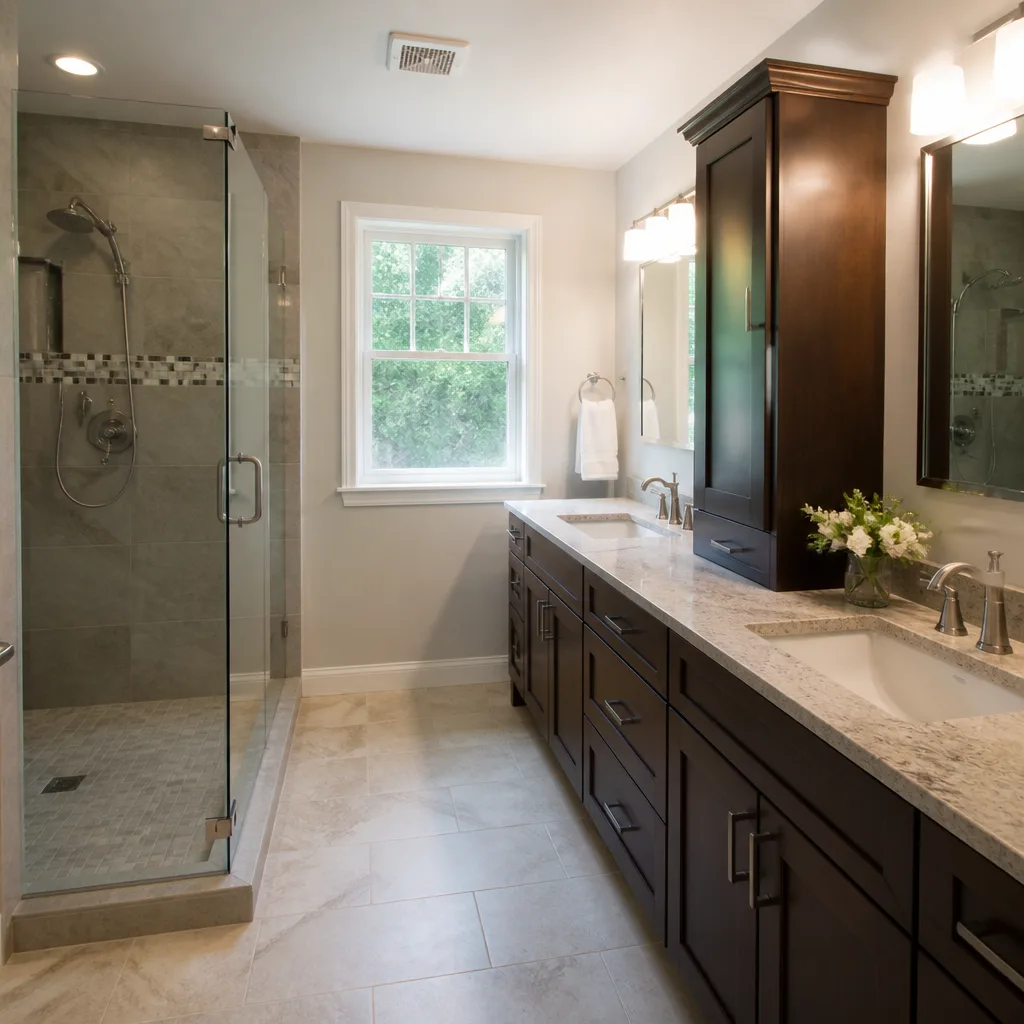 Bathroom remodeling
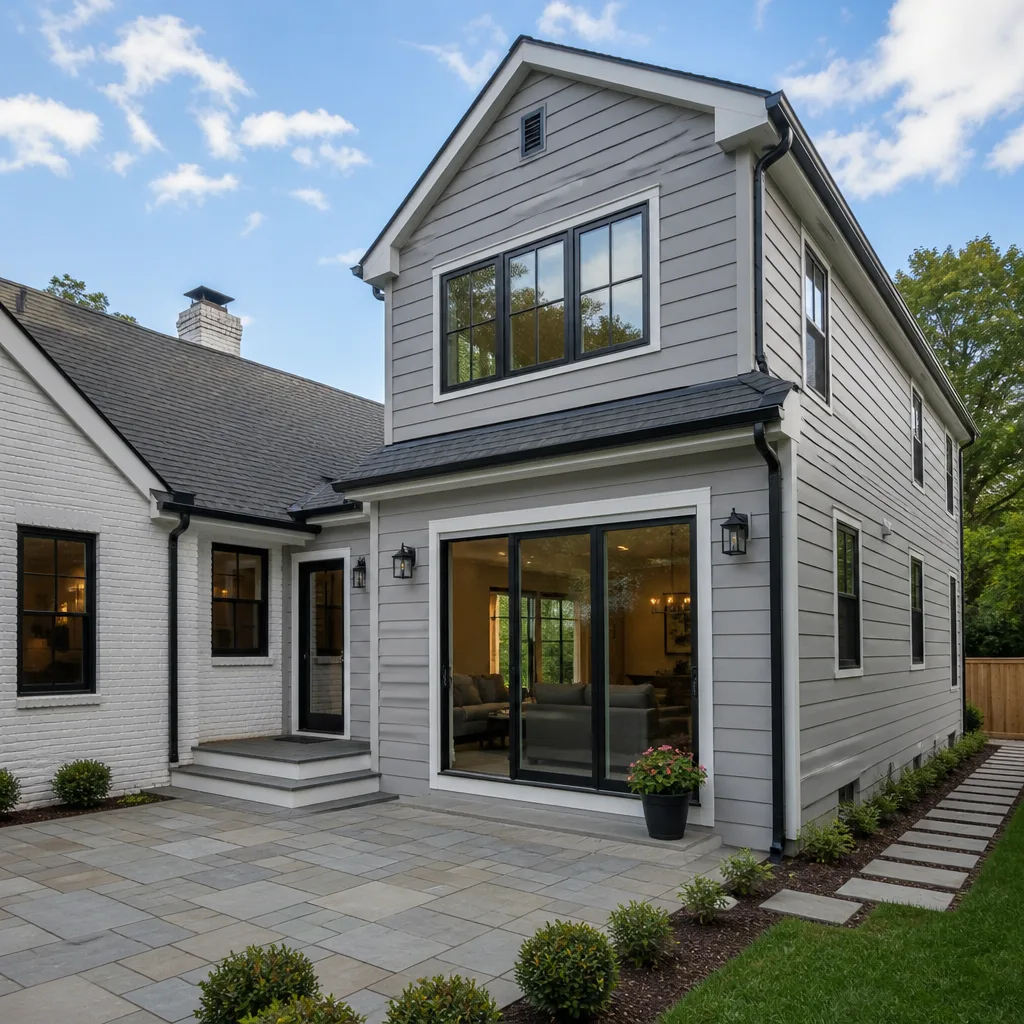 Home additions & ADU
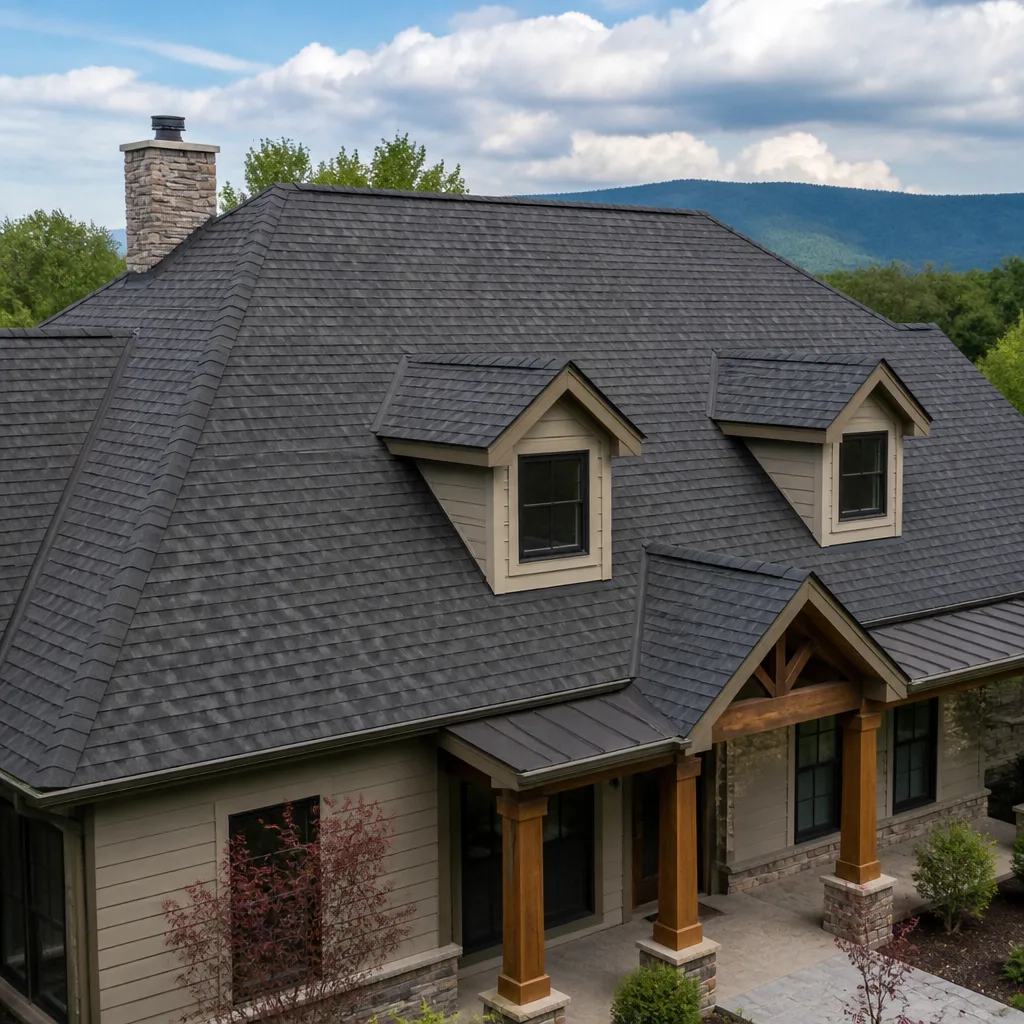 Roofing
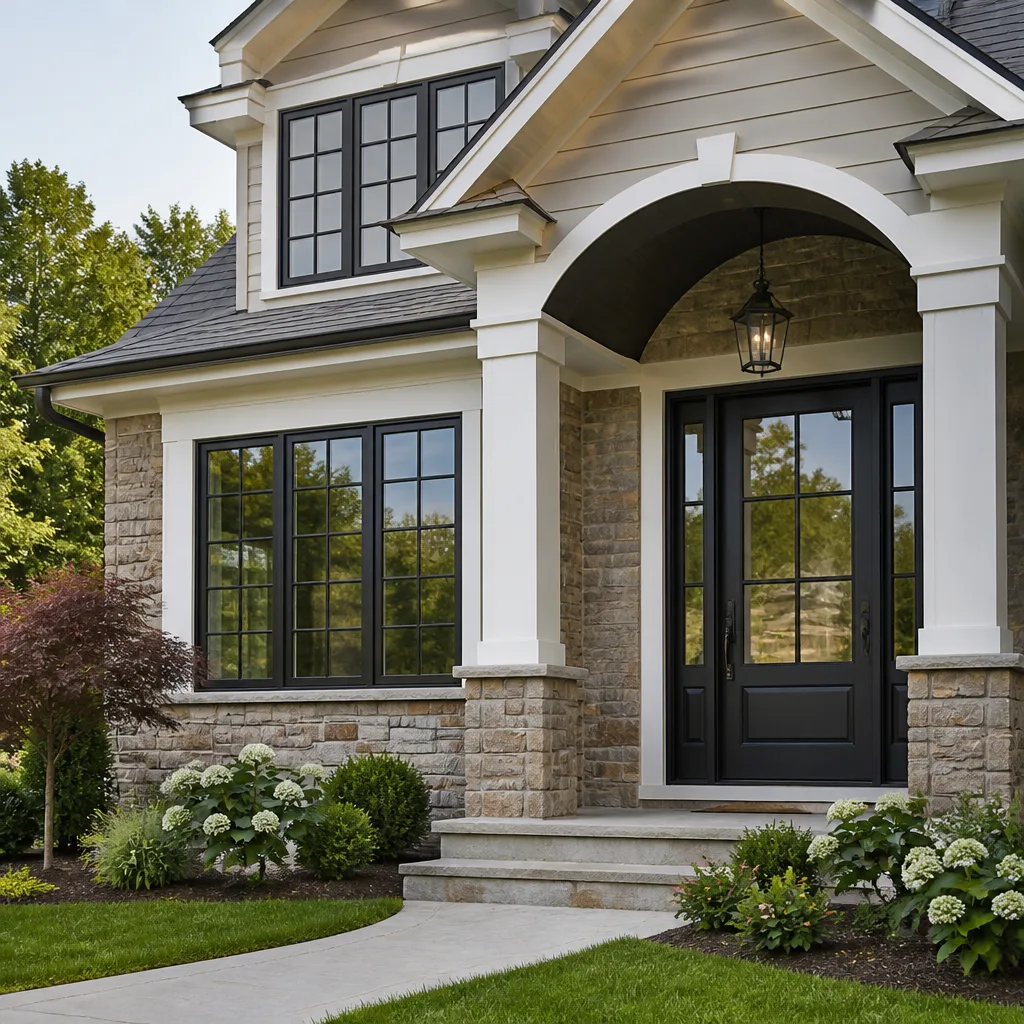 Windows & doors
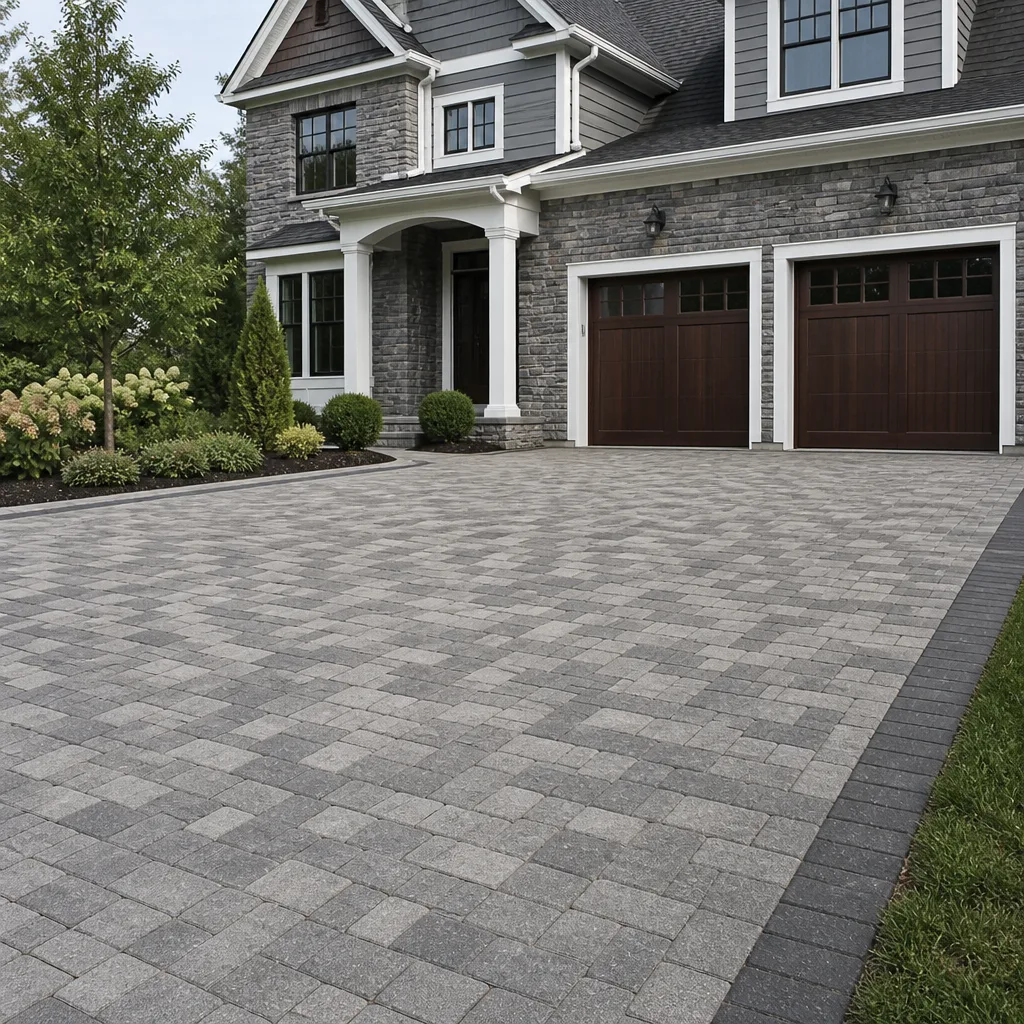 Driveway & pavers
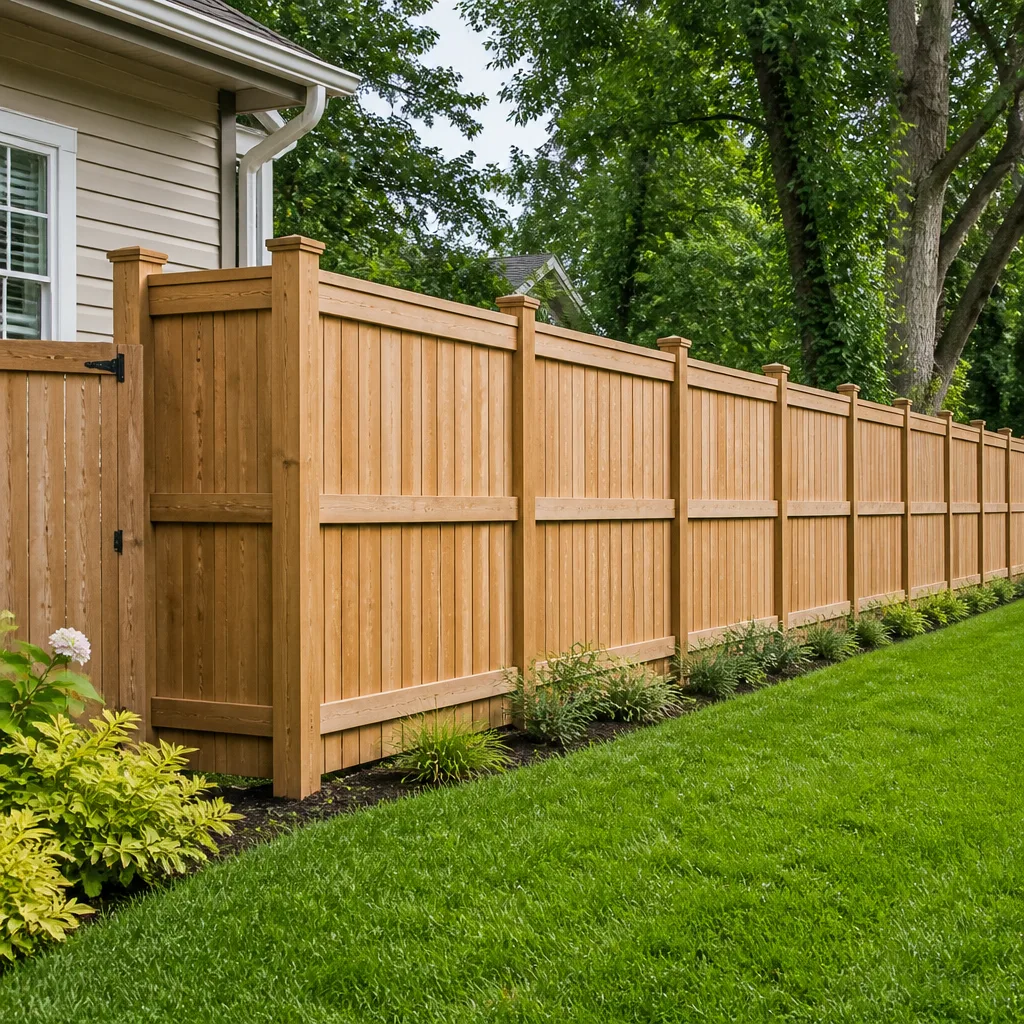 Fence
Free written scope consultation - allowances, timeline, and change-order rules on paper before a single trade is scheduled
Styles & brands we work with
- Kitchen remodeling
- Bathroom remodeling
- Home additions & ADU
- Roofing
- Windows & doors
- Driveway & pavers
- Fence
See the difference
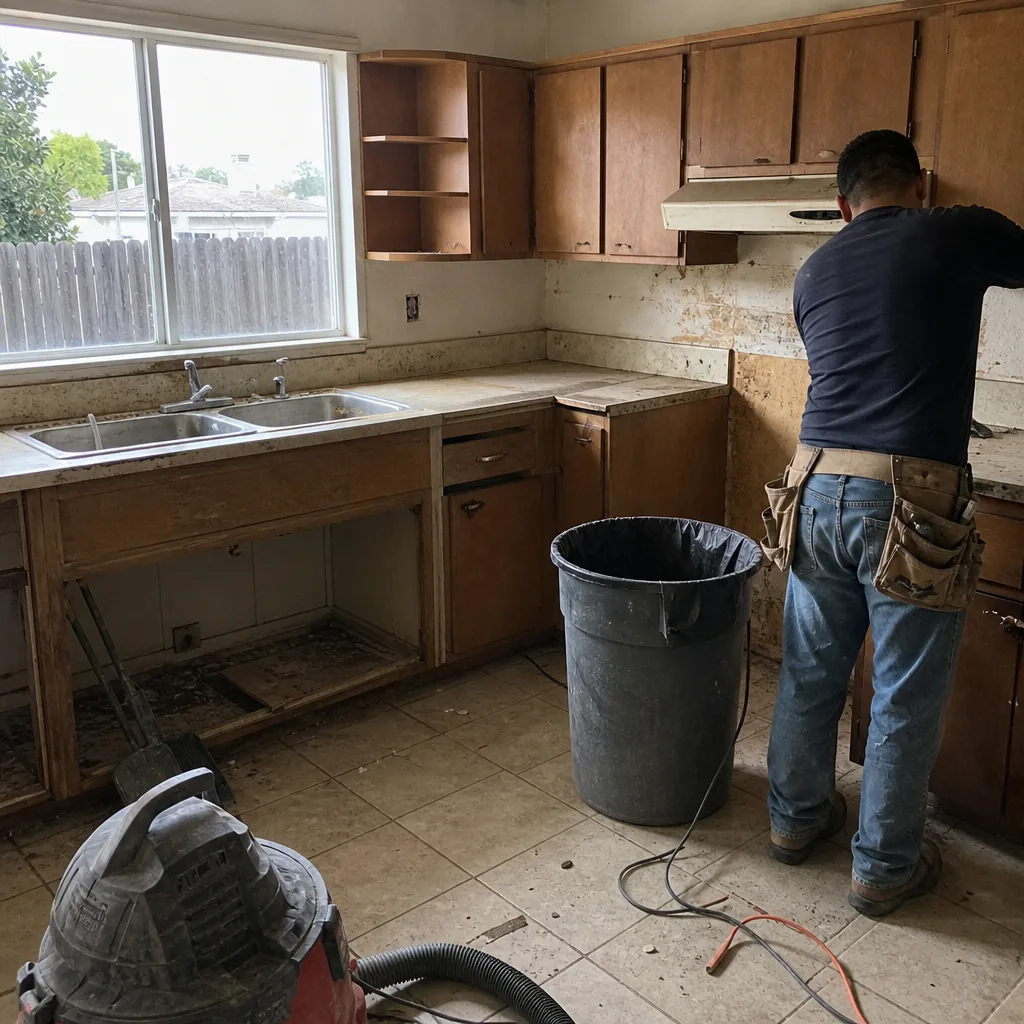 Before
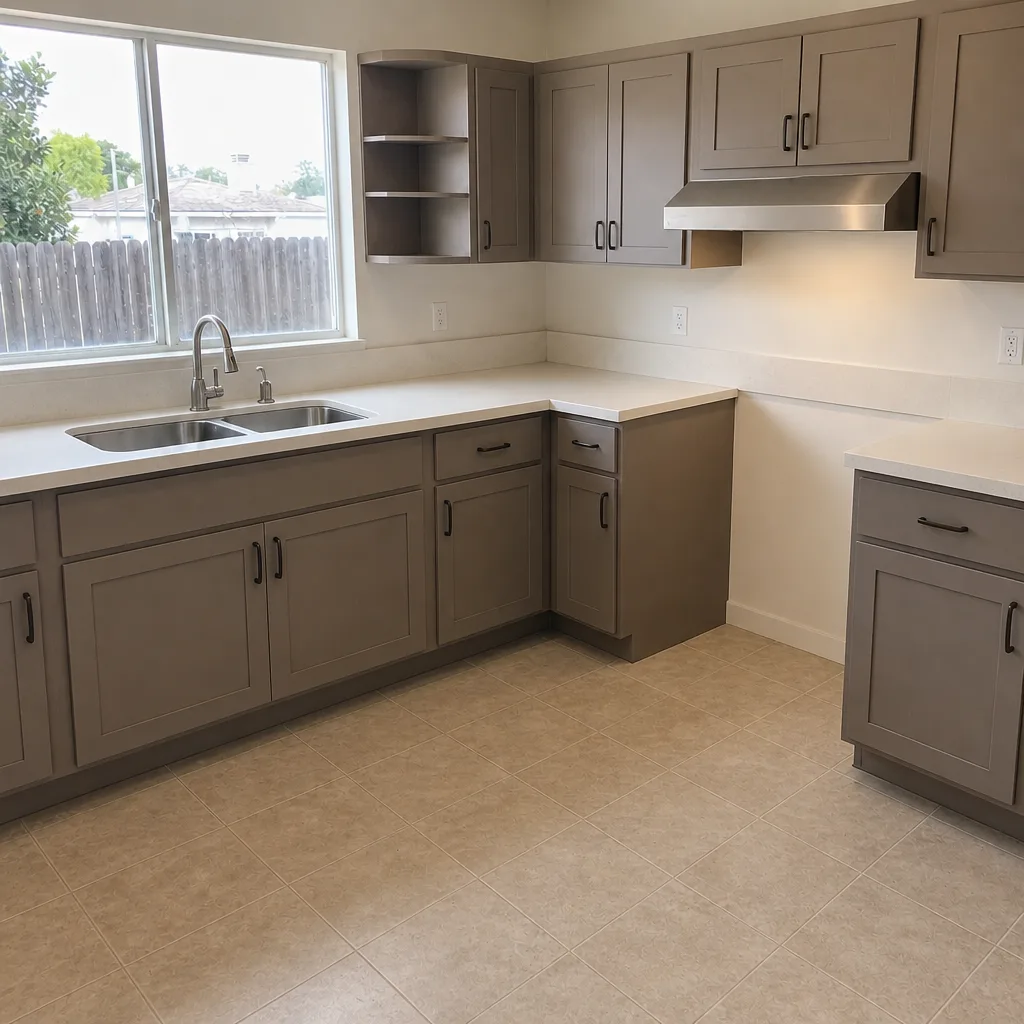 After
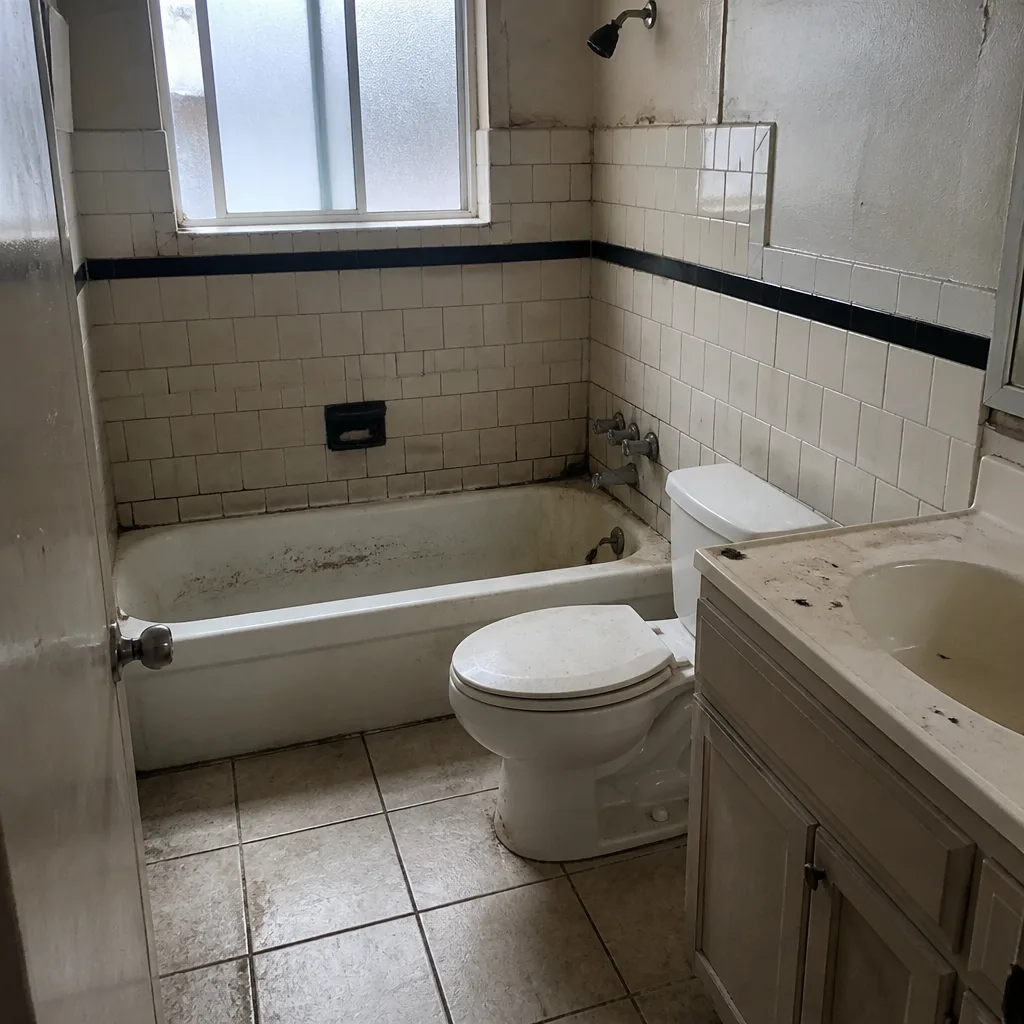 Before
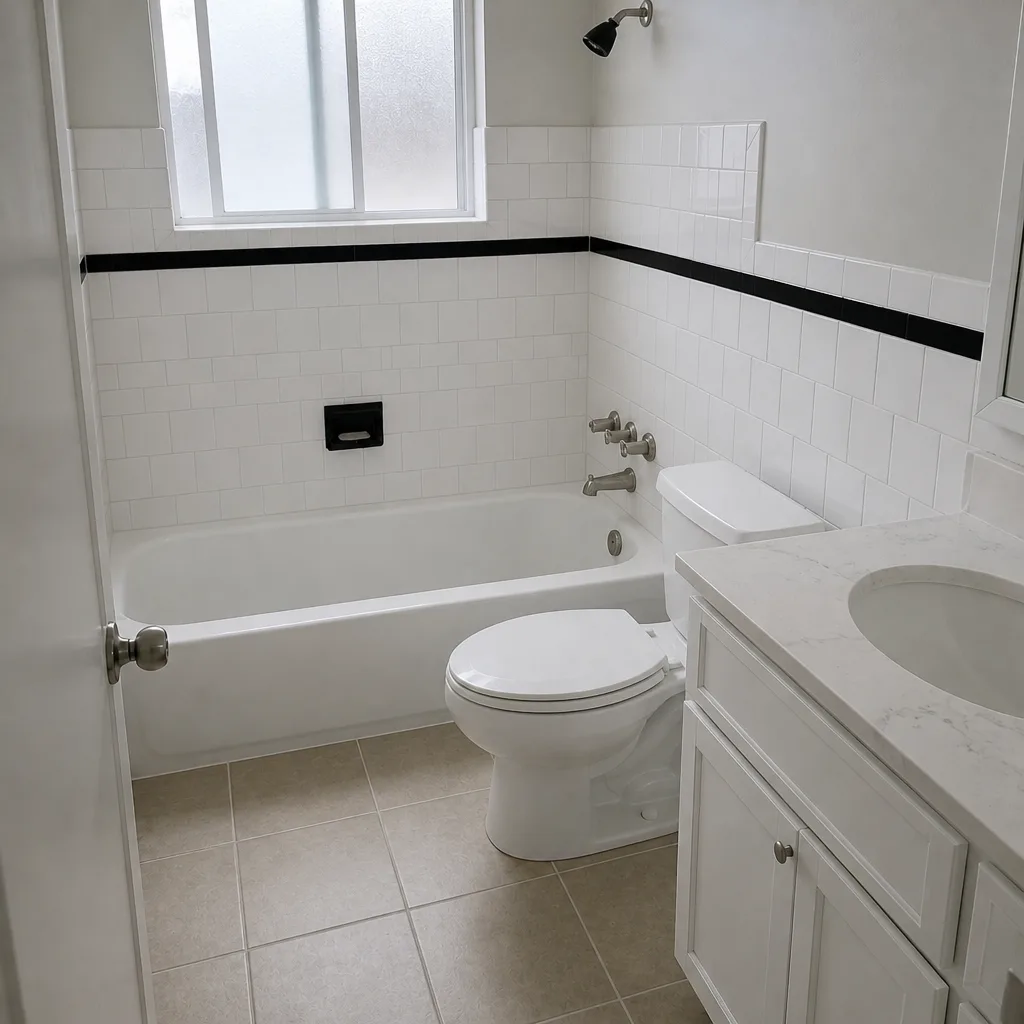 After
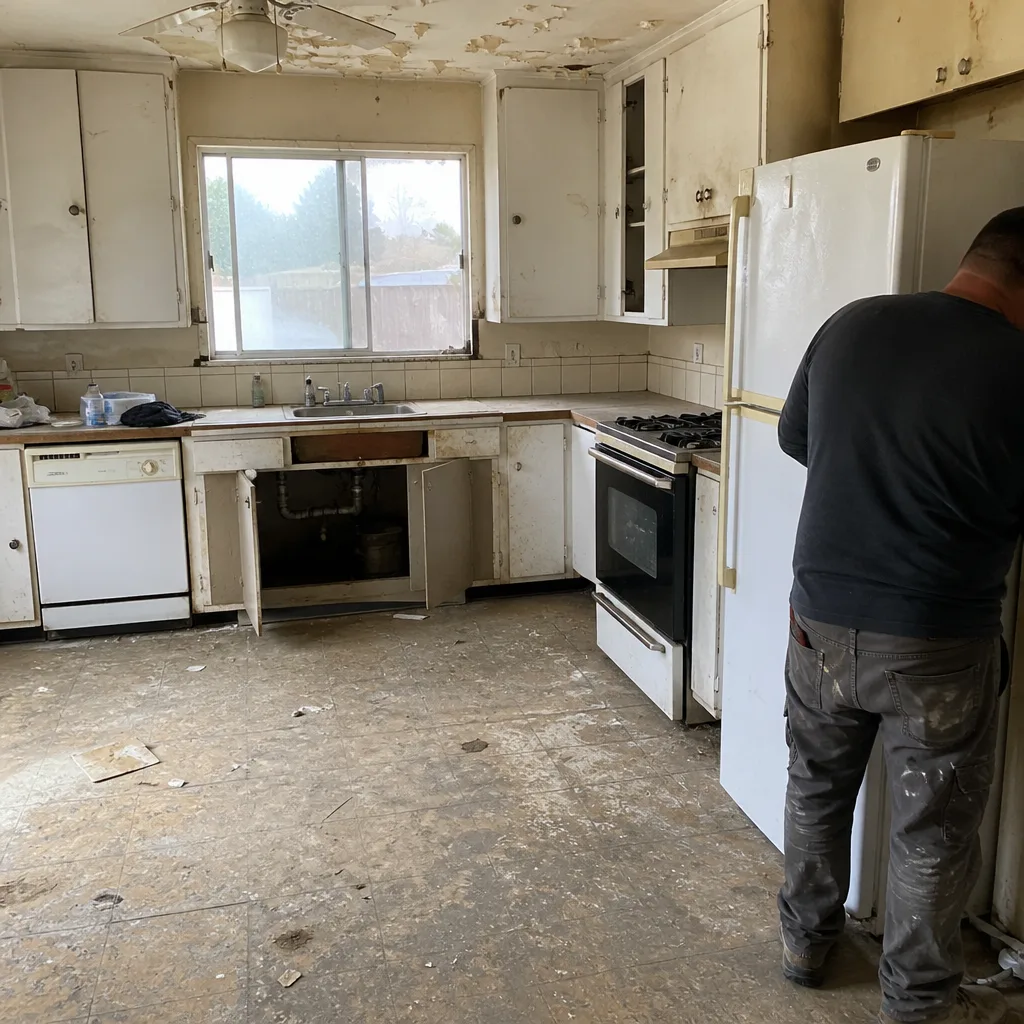 Before
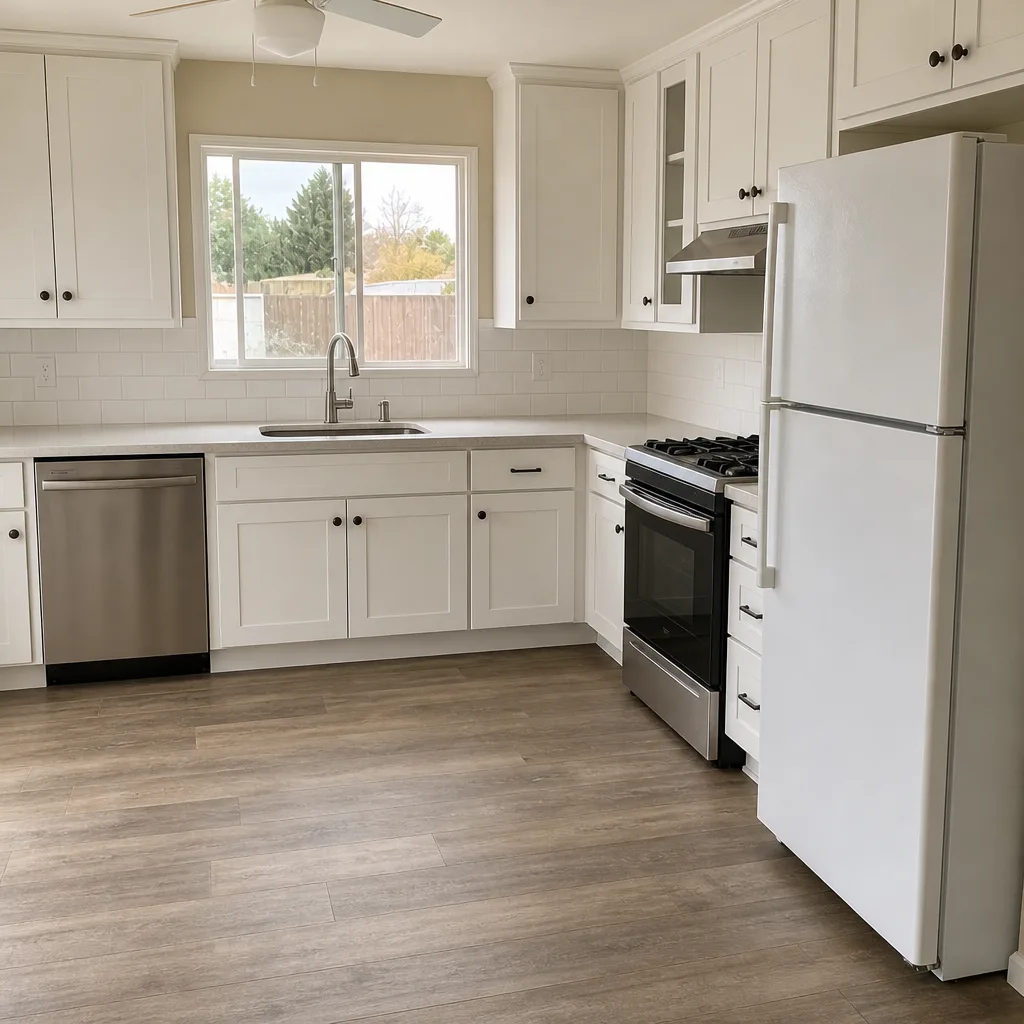 After
Metal Roof vs Shingles in Antioch, CA: Which One Handles Delta Wind Better?
For most Antioch homeowners, shingles win on budget and metal wins on lifespan and wind performance. Choose asphalt shingles if you’re re-roofing a 1950s-1970s ranch on the flats and need to stay near the $8,000-$20,000 roof replacement range. Choose a standing-seam metal roof if your home sits on a west-facing slope in the southern hills, if you’re planning to stay 25-plus years, or if attic heat has been driving summer cooling bills up. Metal runs $15,000-$40,000 in Antioch. Both options are covered by our 730-Day Done Right Promise, so the call here is about how your roof performs against Delta wind, not about hedging installation risk. Call (888) 419-3650 and we’ll walk your roofline and give you a straight answer.
Key Takeaways
- Antioch’s afternoon Delta winds create repetitive uplift cycles that fatigue standard shingle nail patterns over time.
- Standing-seam metal uses concealed clips that flex and re-seat under uplift instead of loosening fasteners.
- Dark shingle roofs on Antioch’s poorly insulated flats regularly push attic temps past 150°F in July and August.
- Clay-heavy soils and seasonal slab movement open micro-cracks that metal panels bridge better than shingles.
- Shingle cost in Antioch: $8,000-$20,000. Metal: $15,000-$40,000. Both backed by our 730-Day Done Right Promise.
Why Antioch’s Wind Makes This a Different Comparison
Antioch sits on the Delta at the foot of the East Bay hills, and that geography runs the show on exterior work here. On a typical summer afternoon, west-facing rooflines take 15-25 mph gusts off the San Joaquin River. They aren’t dramatic storms. They’re a slow, daily, repetitive load that most national comparison charts never account for.
Here’s the operator detail those charts miss: shingle roofs fail at the fasteners long before the shingle itself wears out. Standard nailing patterns (four or six nails per shingle) are designed for wind events, not for a wind cycle that repeats almost every afternoon for four months straight. Over years, the nail holes widen slightly, the shingle lifts a fraction of an inch, and the sealant strip slowly loses its grip. On an older roof on the flats, you’ll often see the first evidence at the rake edges and ridge caps, where uplift pressure concentrates.
Standing-seam metal distributes that same load differently. Concealed clips allow the panel to move slightly with the wind and re-seat, which means no pierced fastener is being worked loose every July. The seams themselves run vertically with the wind, not against it. That’s the mechanical reason metal holds up here, and it’s why we recommend it whenever a homeowner is planning a long-term stay.
Antioch Climate Demands: Heat, Soil, and Housing Stock
Three forces combine to make roofing choices in Antioch more specific than they look on paper.
Attic heat. Antioch’s hot, dry summers push attic temperatures past 150°F on dark shingle surfaces, especially on the aging ranch homes on the flats that were built with minimal attic insulation. A metal roof installed over a vented airspace can run 20-40°F cooler at the deck, which translates to a measurable cooling-load reduction in July and August. If your home has original 1960s or 1970s insulation, the roof material is part of your summer cooling story, not just your exterior finish. Our Roofing in Antioch page covers how we approach attic ventilation alongside the roof itself.
Clay soils and slab movement. Antioch’s flats sit on expansive clay-heavy soil. It swells in wet winters and shrinks in dry summers, and older single-story slabs on the flats (especially in the older downtown blocks and near the river waterfront) move with it seasonally. Micro-cracks in the wall-to-ridge line are common on aging homes here. Shingles don’t have much give; when the substrate shifts, the shingle cracks or gaps. Standing-seam panels flex slightly and re-seal along the seam, which is a real durability advantage in this soil environment.
Housing stock differences. The flats hold mostly 1950s-1970s ranch tract homes and older downtown stock with steeper original roof pitches and aging decks. The southern hills hold 1980s-2000s subdivisions with more complex rooflines. The material choice, the ventilation strategy, and the flashing details we recommend actually change depending on which side of town you’re on. A shingle recommendation for a hills subdivision isn’t the same conversation as a shingle recommendation for a 1962 ranch with a heavily weathered deck.
Shingle vs Metal: Side-by-Side for Antioch Homes
| Factor | Asphalt Shingles (GAF / Owens Corning) | Standing-Seam Metal |
|---|---|---|
| Antioch cost range | $8,000-$20,000 | $15,000-$40,000 |
| Fastener behavior under Delta wind | Nail holes can enlarge over years of uplift cycles | Concealed clips flex and re-seat with uplift |
| Attic temperature effect | Dark surfaces push attic above 150°F in summer | Vented airspace can run 20-40°F cooler at deck |
| Response to clay-soil slab movement | Cracks and gaps when substrate shifts | Panels flex and re-seal along the seam |
| Typical service life (Antioch environment) | 20-25 years on quality architectural systems | 40-50 years |
| Best fit in Antioch | Older flats homes, budget-focused, shorter horizon | Hill subdivisions, long-term stay, west-facing rooflines |
One point the comparison articles consistently get wrong: we don’t install builder-grade shingles. Our shingle roofing systems use GAF and Owens Corning materials with manufacturer-backed warranties and proper underlayment and ventilation packages, which means the shingle side of this comparison is a full, warrantied system rather than the commodity product those guides assume. That changes the calculus for any homeowner who assumed “shingle equals cheap.”
The shingle recommendation usually lands on homes where the budget matters, the existing deck is sound, and the roof pitch is simple. The metal recommendation usually lands on homes with complex rooflines, west-facing exposure, long-term ownership plans, or the classic Antioch 150°F-attic problem. Both stay under the 730-Day Done Right Promise, so whichever you choose, the workmanship is backed in writing.
What to Check Before You Decide
Before committing to either material, ask your roofer five questions. These are the ones we walk through on every first visit.
- What’s the deck condition? On older flats homes, the original deck sheathing often needs partial replacement. Our home services start at the substrate, not the finish.
- Is the attic properly vented? A metal roof without adequate airspace intake and exhaust won’t deliver the cooling benefit.
- Are the fasteners specified for wind? Standard nailing patterns may not be enough on a west-facing roofline. We spec higher-wind-rated patterns where needed.
- What’s the flashing plan at the chimney, valleys, and fascia? Metal and shingle flashing details are genuinely different. Ask the roofer to describe both approaches before you pick.
- How long are you staying? A homeowner planning to sell in five years gets a different answer than someone retiring in the home.
Our technicians have up to 12 years of experience, and every job is scheduled through our Roofing team so the install matches what was quoted. We answer the phone live, 24 hours a day, seven days a week – not a voicemail tree.
FAQs
Standing-seam metal roof installation in Antioch runs $15,000-$40,000, and asphalt shingle roof replacement runs $8,000-$20,000. The gap narrows on larger or more complex hills-subdivision rooflines where the shingle scope climbs toward the top of its range, and it’s smallest when you factor in the roughly double service life of metal. Call (888) 419-3650 for an exact number on your roof; estimates are free.
Metal holds up better against Antioch’s daily 15-25 mph Delta wind cycles because standing-seam panels use concealed clips that flex and re-seat under uplift instead of relying on a pierced fastener. Standard shingle nail patterns loosen over years of repetitive afternoon wind. That said, a properly installed architectural shingle roof with enhanced wind-rated nailing will still last 20-25 years here. If wind fatigue is your main concern, metal is the stronger answer. Call (888) 419-3650 and we’ll walk your exposure.
Yes, when they’re installed with a vented airspace, which is standard on our metal installs. Antioch attic temperatures on dark shingle roofs commonly exceed 150°F in July and August. A metal roof with proper intake and exhaust ventilation can shave 20-40°F off that peak, and the savings show up fastest on homes with original 1950s-1970s insulation on the flats. Ask us to spec ventilation into the metal quote so you get the full benefit. Call (888) 419-3650 for a free assessment.
Our shingle systems use GAF and Owens Corning materials with manufacturer-backed warranties, and both shingle and metal installs are covered by our 730-Day Done Right Promise – if it’s not done right, we make it right. So the warranty side is a push. The decision comes down to whether you want the lower upfront cost of shingles or the longer service life and wind performance of metal. Call (888) 419-3650 and we’ll quote both options side by side.
Ready for a Straight Answer on Your Roof?
If you’d rather have it looked at, Groundwork Construction Co. of Antioch offers a no-pressure assessment in Antioch. We’ll walk the deck, check the flashing and ventilation, and give you a written side-by-side on metal and shingles with honest pricing – no upsell. Financing is available at 0% for 18 months, plus $1,000 off projects over $10,000. Call (888) 419-3650.
Written by the team at Groundwork Construction Co. of Antioch, serving Antioch, CA.