
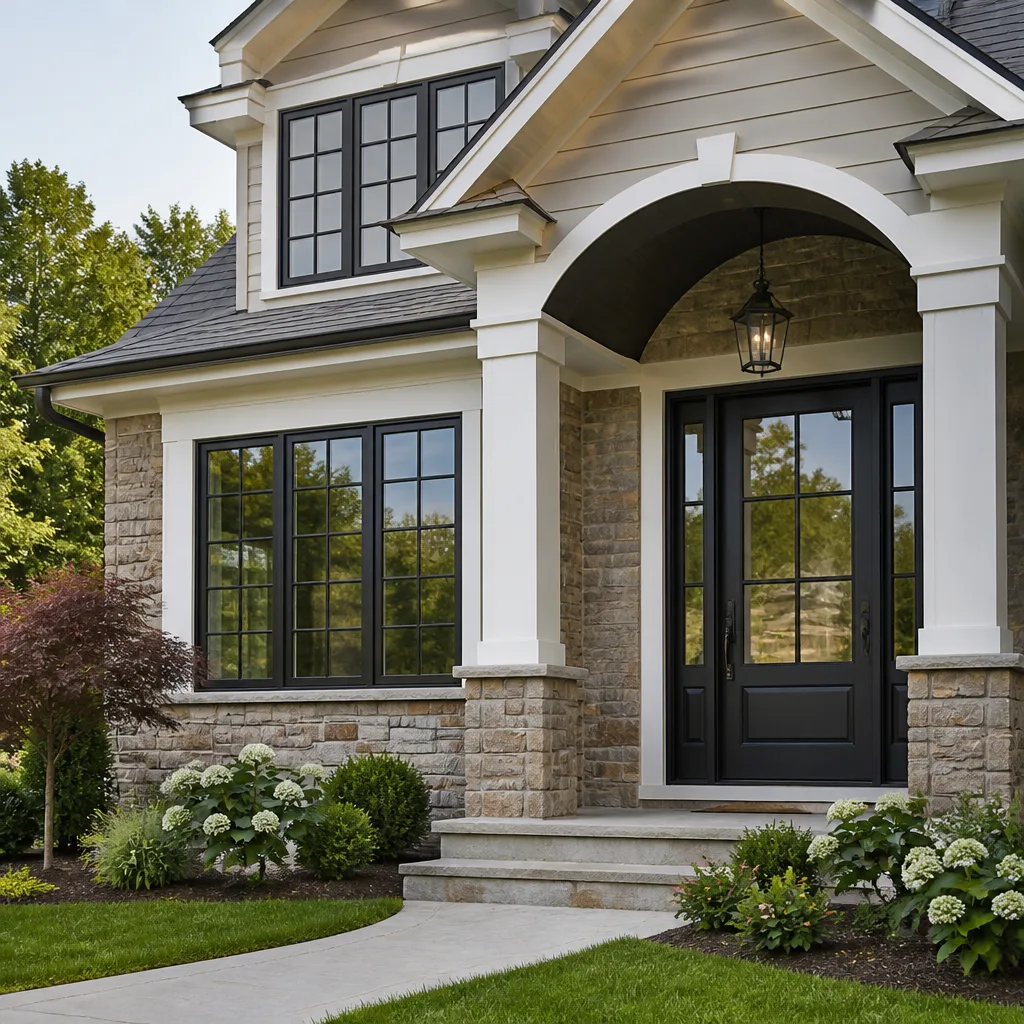
 Windows & doors
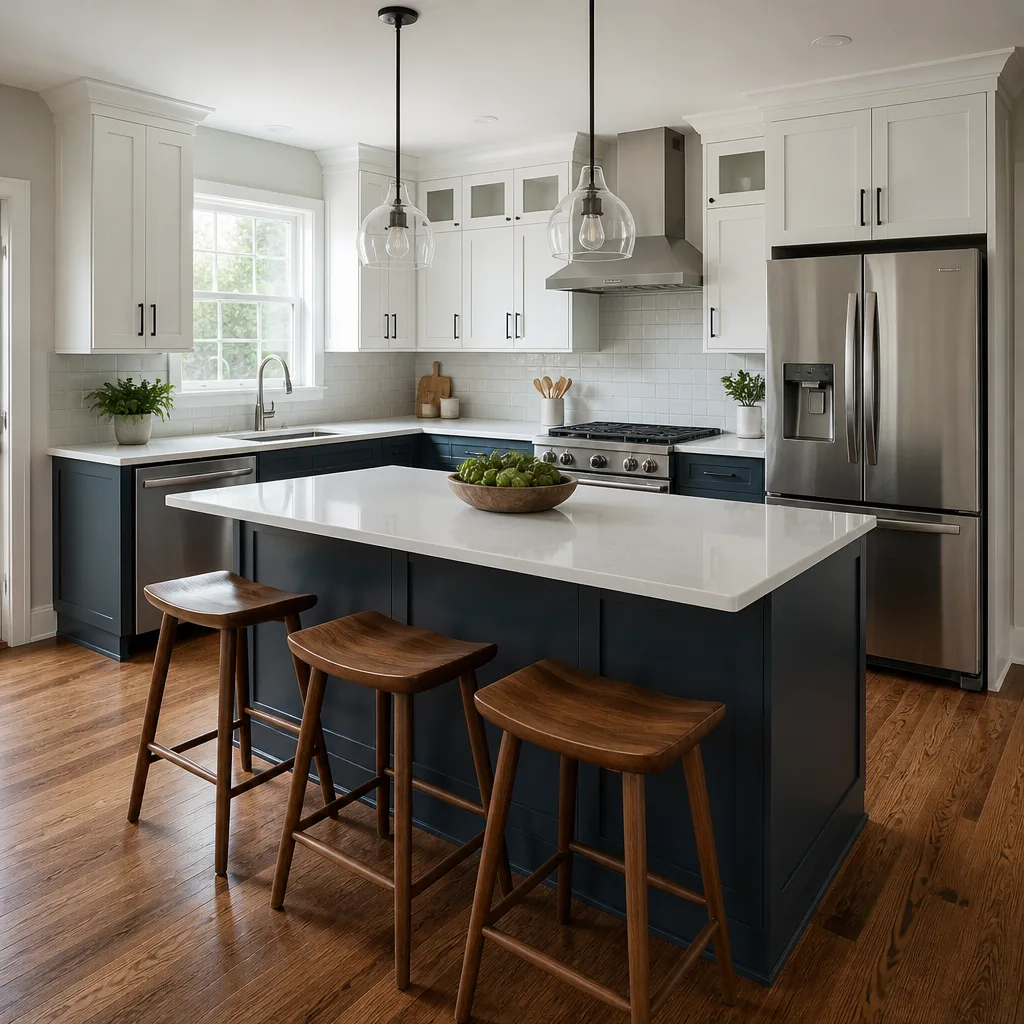 Kitchen remodeling
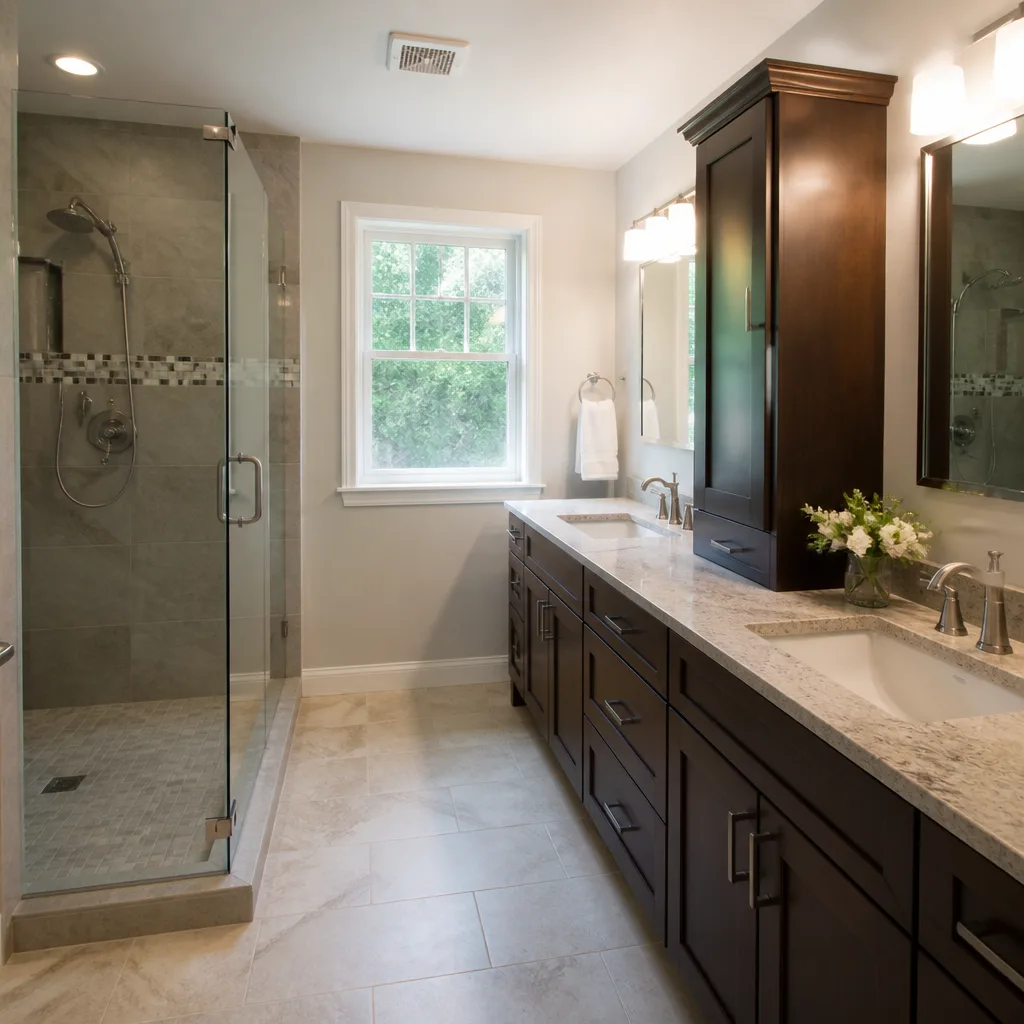 Bathroom remodeling
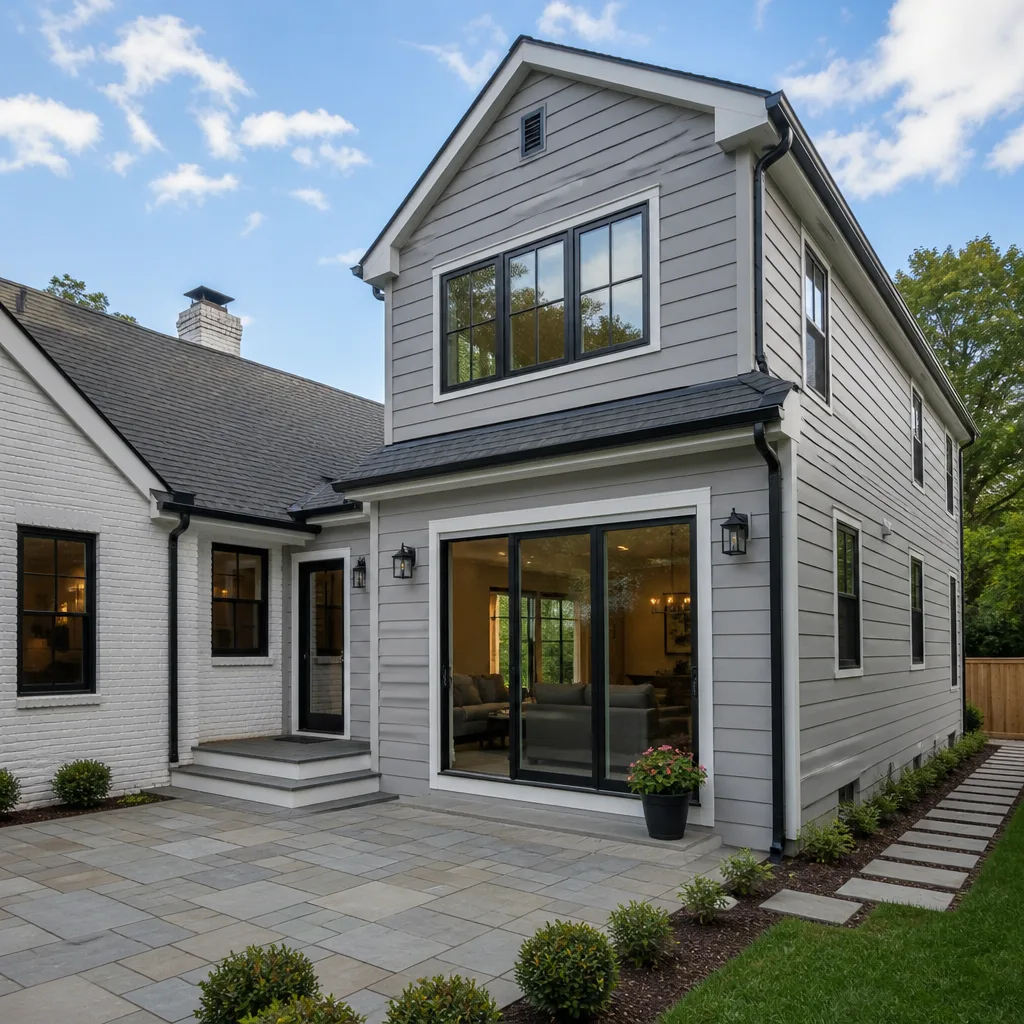 Home additions & ADU
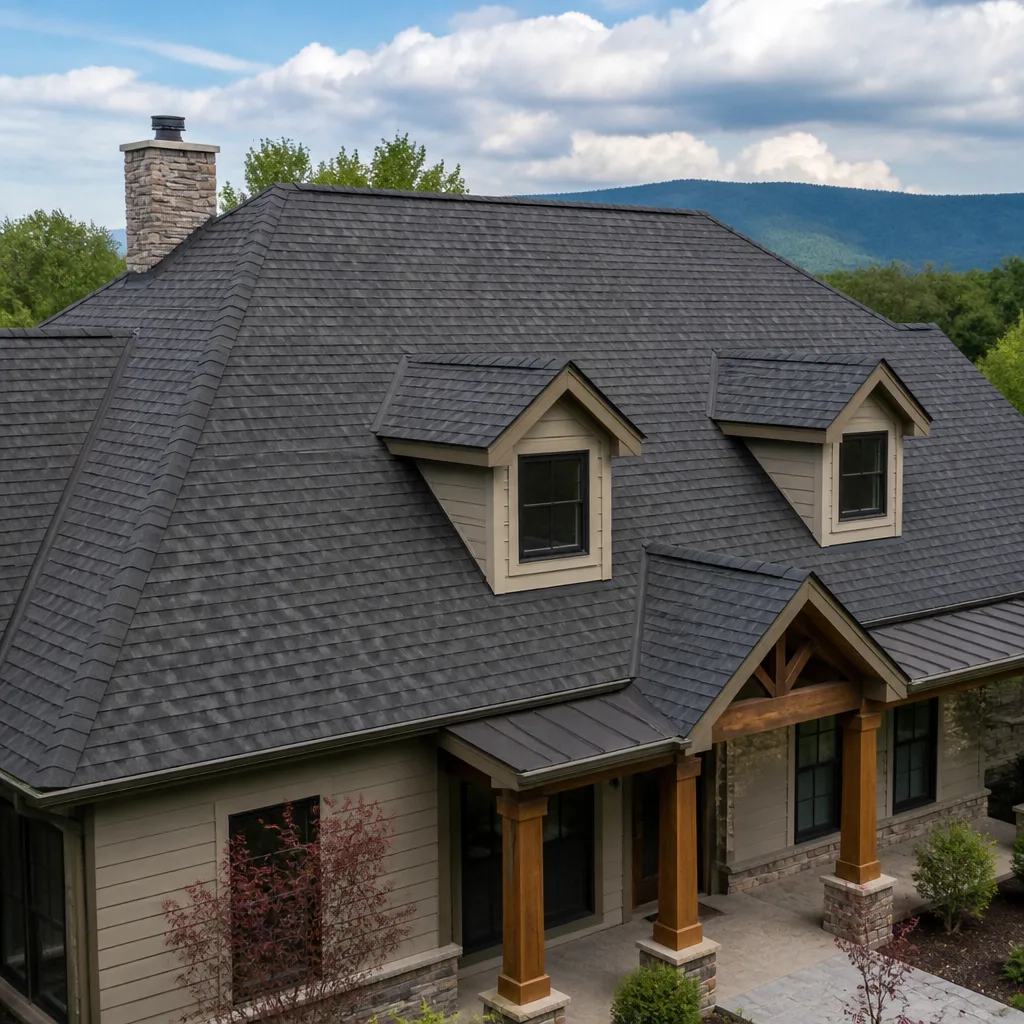 Roofing
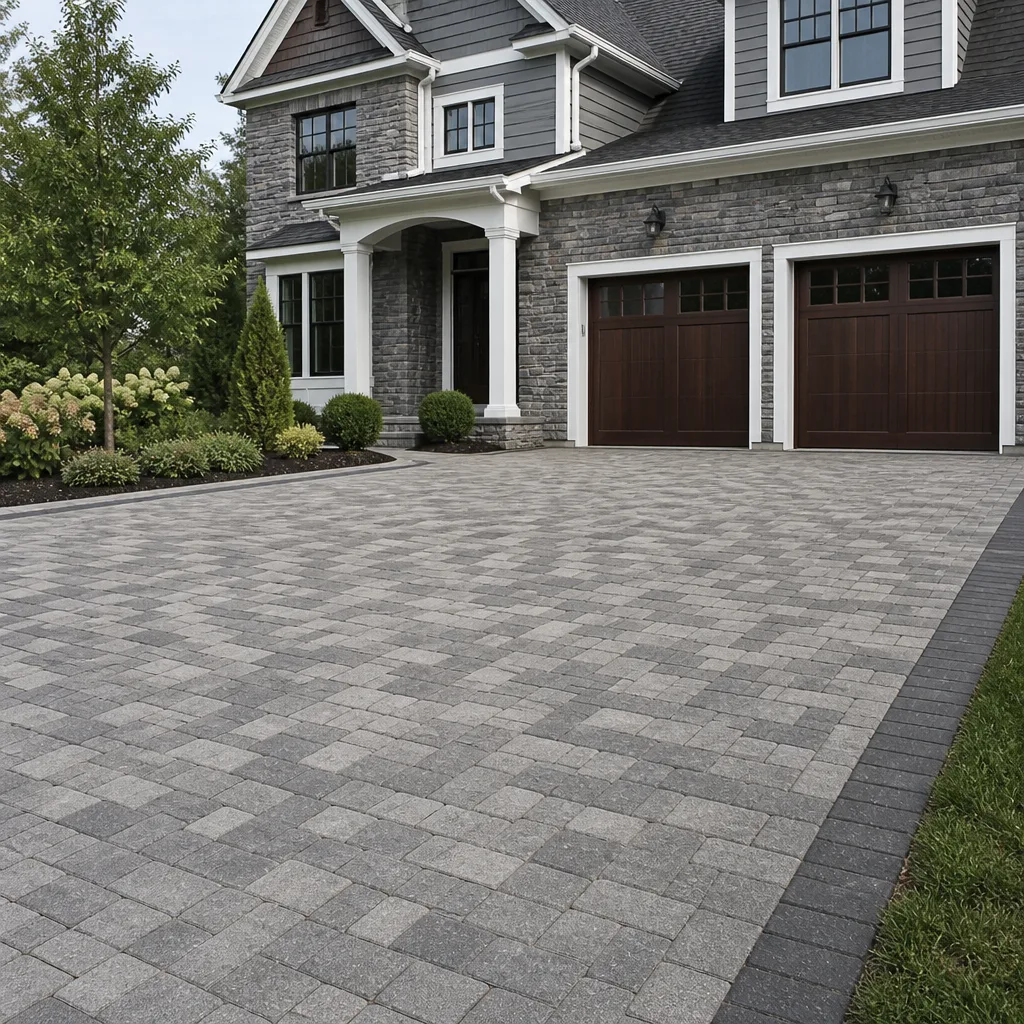 Driveway & pavers
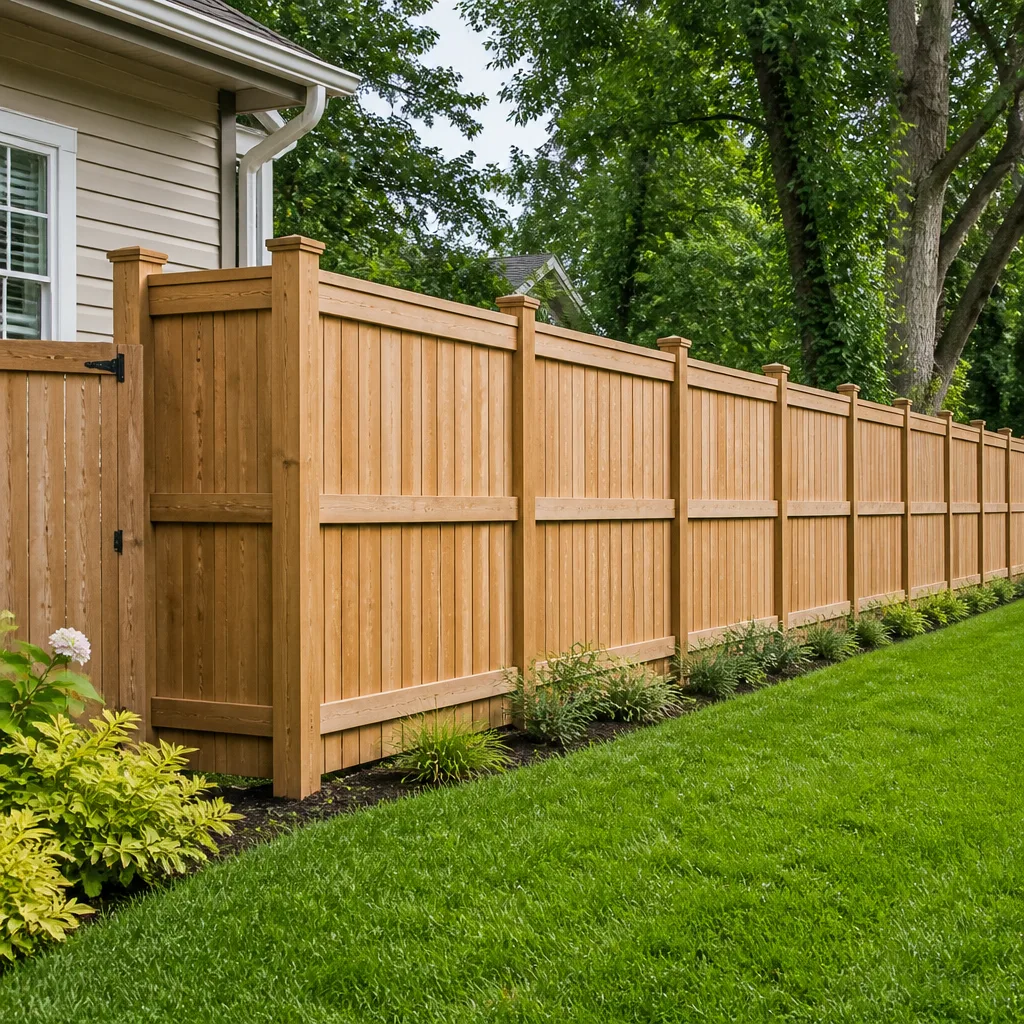 Fence
Free written scope consultation - allowances, timeline, and change-order rules on paper before a single trade is scheduled
Styles & brands we work with
- Kitchen remodeling
- Bathroom remodeling
- Home additions & ADU
- Roofing
- Windows & doors
- Driveway & pavers
- Fence
See the difference
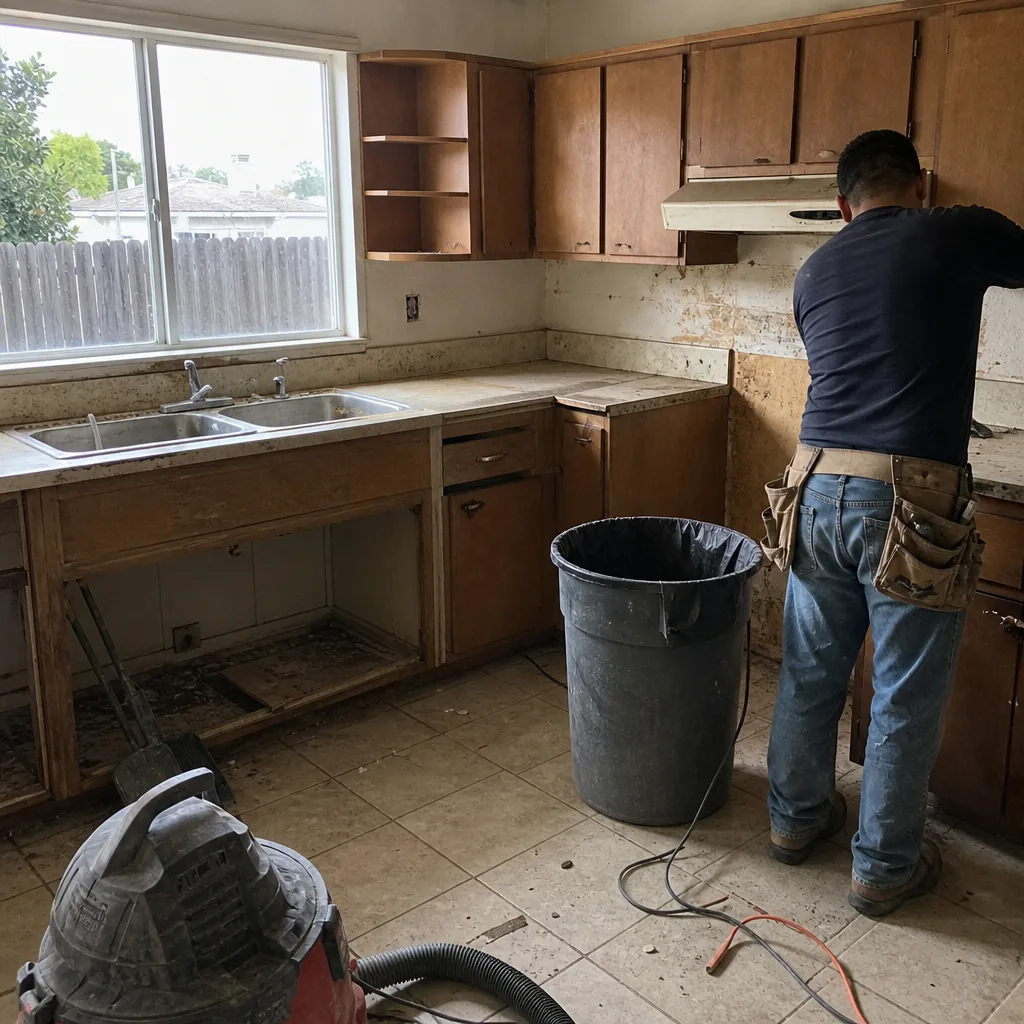 Before
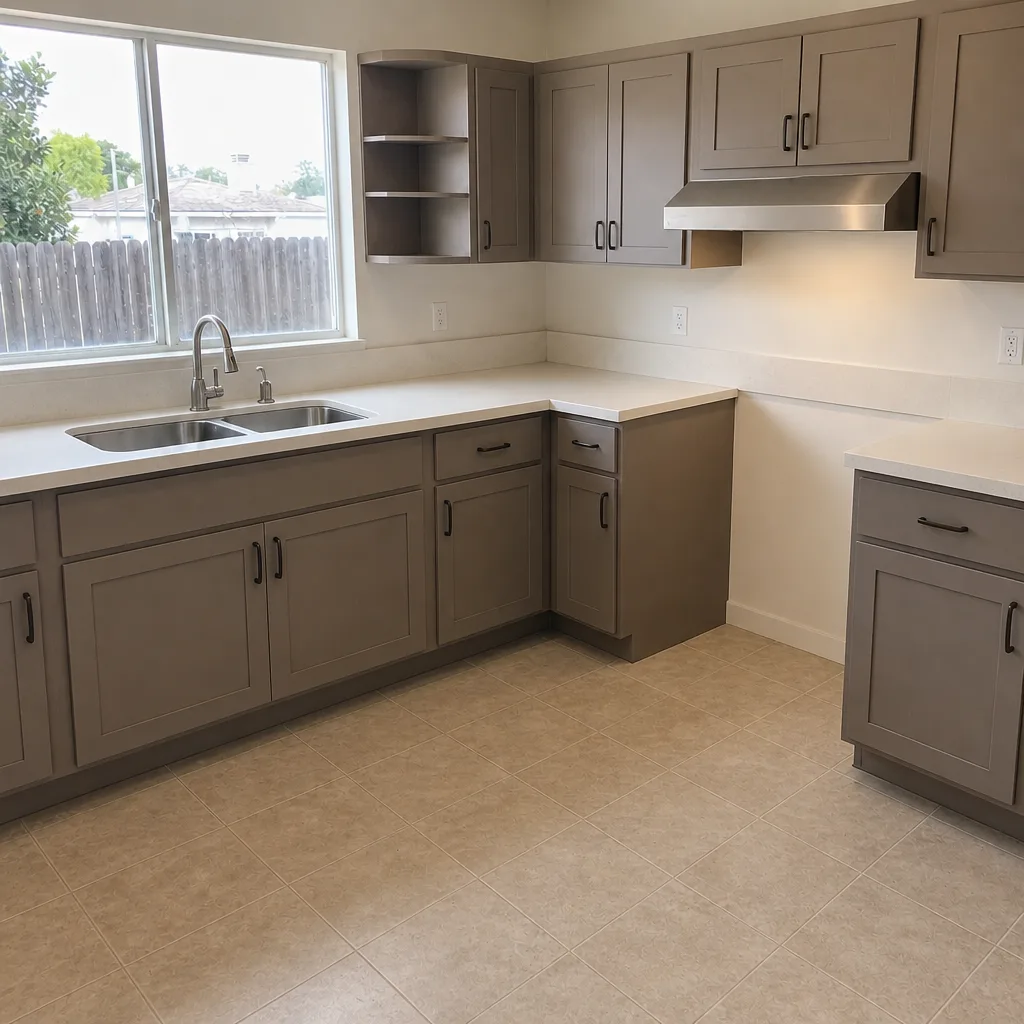 After
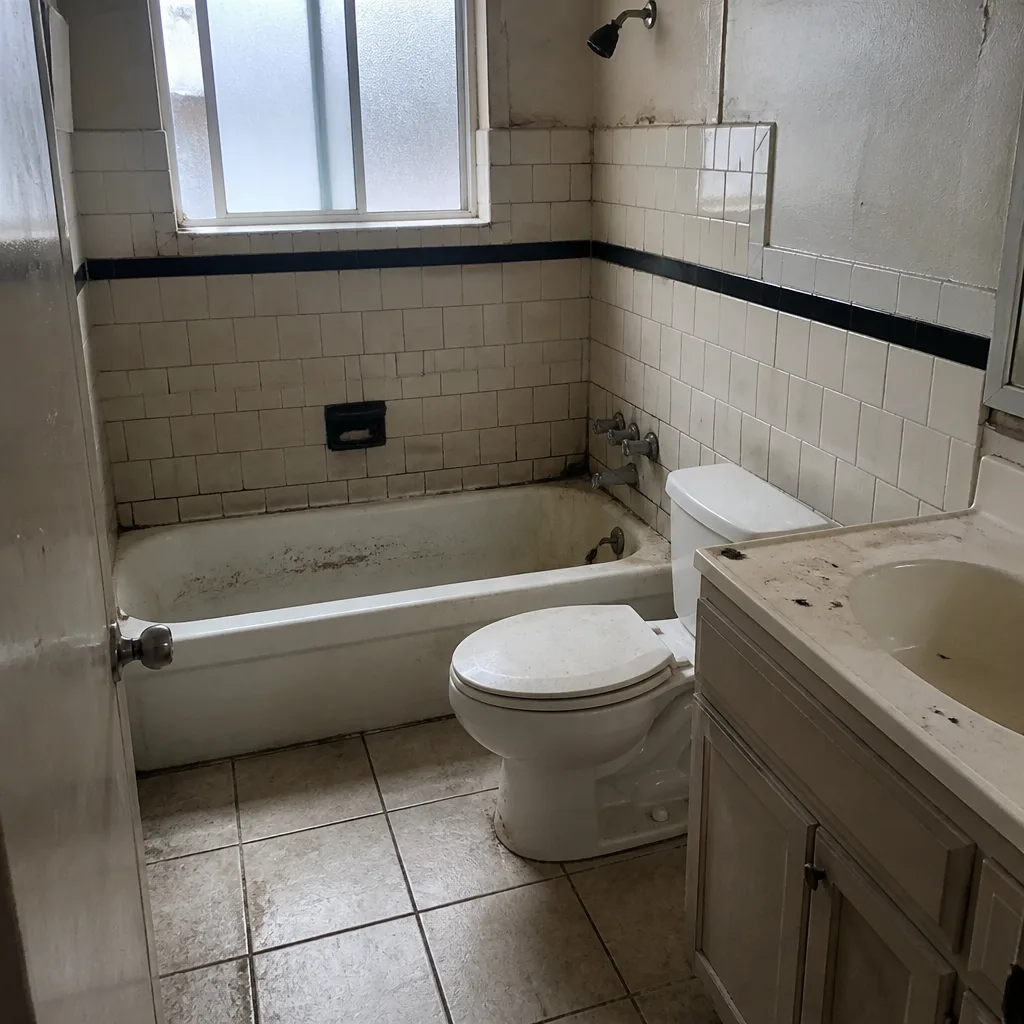 Before
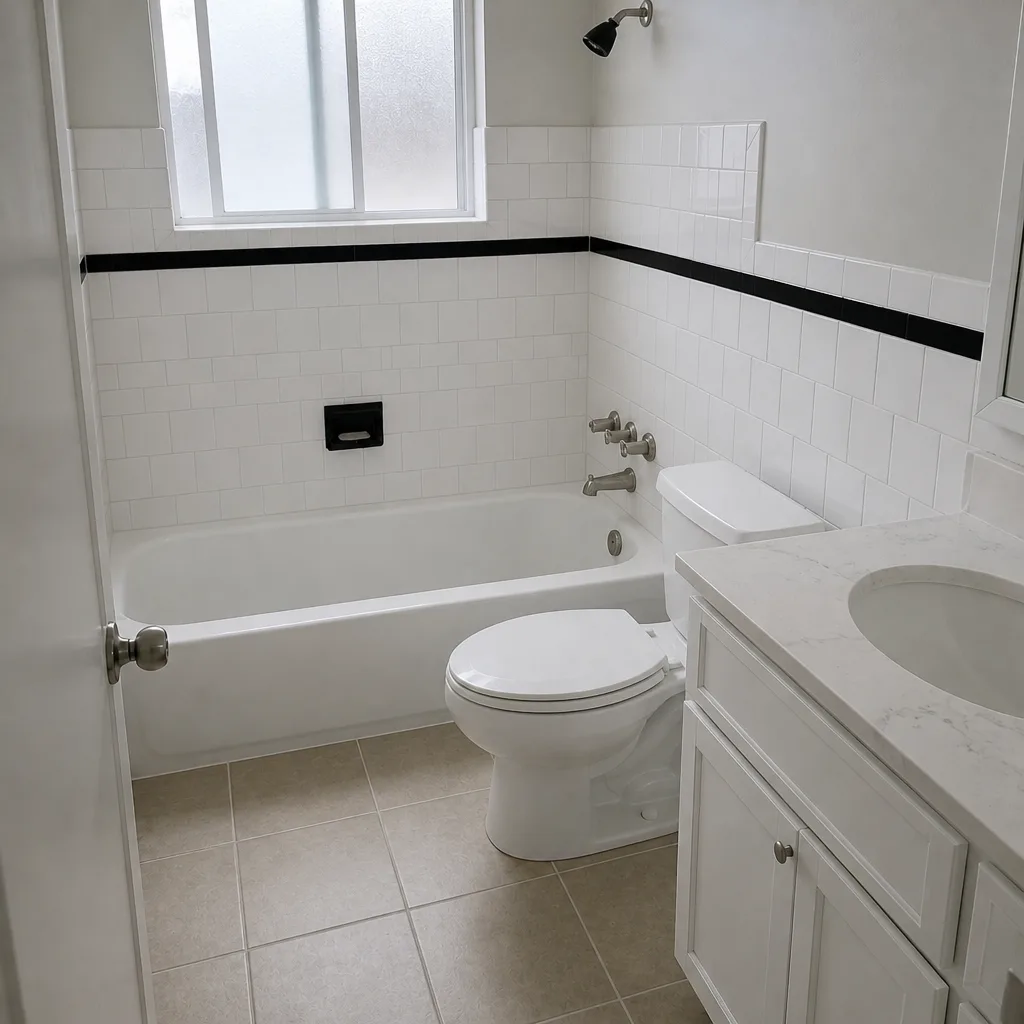 After
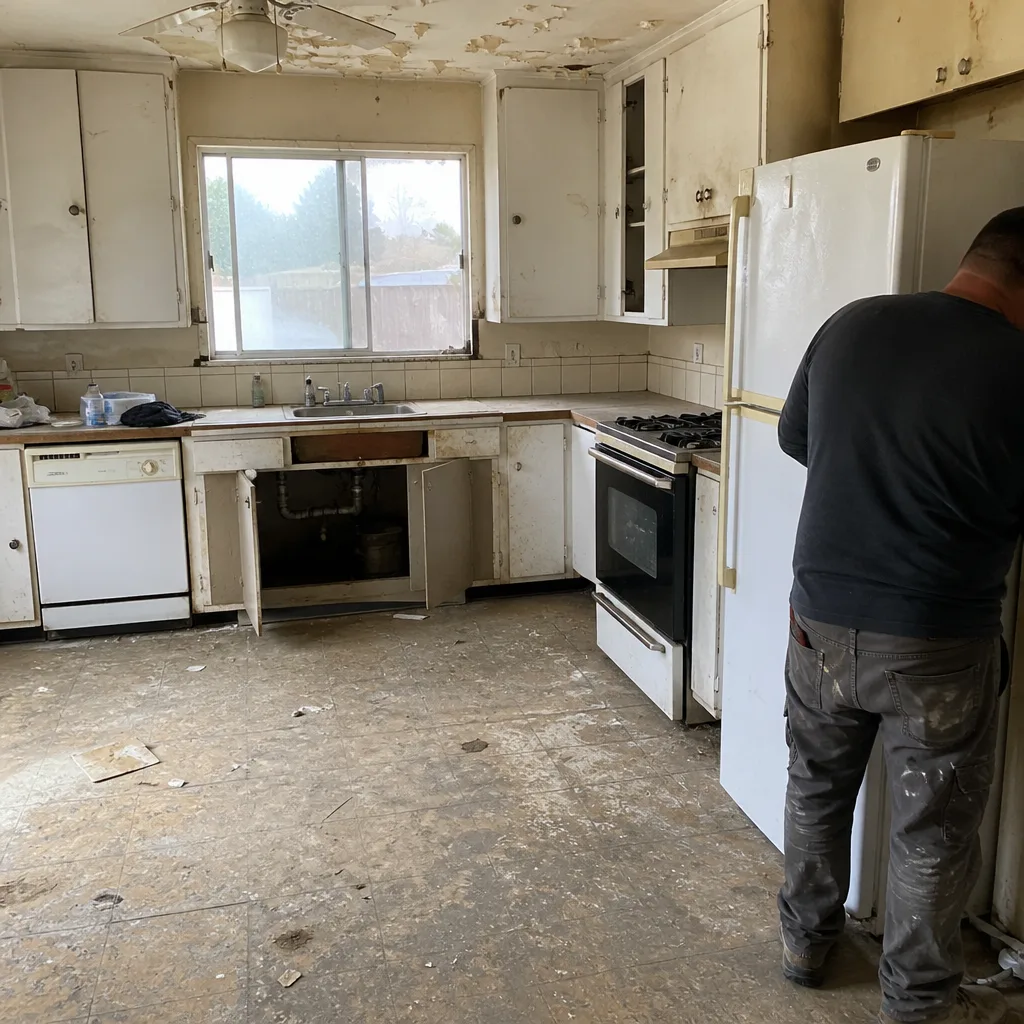 Before
 After
Vinyl vs Fiberglass Windows in Antioch: Which Frame Survives the Delta?
Vinyl wins the price comparison. Fiberglass wins the Antioch climate comparison. And here’s why that distinction matters more in the Delta than it does almost anywhere else in the Bay Area: fiberglass is the better choice for the older flats, while vinyl is a sound, cost-effective pick for the hill developments and interior replacements. For a straight answer on your specific house, call Groundwork Construction Co. of Antioch at (888) 419-3650 and we’ll look at the openings, not just the brochure.
Most window comparisons floating around online were written for a mild coastal climate where summer and winter sit within a few degrees of each other. Antioch isn’t that. Between July afternoons well over 100°F and winter mornings near freezing, a frame here sees a 60°F-plus swing every single year. That swing is the whole argument.
Why do fiberglass frames hold up better than vinyl in Antioch?
The core fact most vinyl marketing skips: vinyl expands and contracts at roughly twice the rate of fiberglass. Every time the frame cycles during Antioch’s seasonal temperature swing, the joint between the frame and the rough opening moves. Caulk seals stretch and crack. Weatherstripping compresses unevenly. Water finds the gap, and then the wind off the river pushes dust and grit into it. Do that a few thousand times over a decade and the seal is done, even on a well-made window.
Fiberglass barely moves under the same load. Its dimensional stability means the frame stays put against the rough opening while the caulk does its one job. That’s the “on paper” part. Here’s the field part: Antioch’s older flats sit on expansive clay that swells when the winter rain arrives and shrinks through the dry months. In the mid-century ranch homes near the downtown blocks and river-adjacent streets, that soil movement works on the same joints the thermal cycling is already stressing. A material that resists movement on both fronts is doing real work that a materials chart won’t show you.
This is where comparison shopping usually goes wrong. People price vinyl against fiberglass on the invoice and stop there. The honest framework includes:
- Frame movement: fiberglass resists the 60°F-plus annual swing; vinyl cycles with it.
- UV exposure: Antioch sees 270+ sunny days and gets no coastal fog buffer, so vinyl oxidizes and fades faster than the mild-climate photos in the catalogues suggest. Fiberglass holds its finish longer under sustained sun.
- Soil movement: on the clay flats, the frame-to-opening joint takes hits from below as well as from temperature.
- Upfront cost: vinyl is cheaper today. The question is how many reseals and weatherstrip replacements you’ll pay for over the life of the window.
The Delta UV factor nobody puts on the label
Vinyl oxidation isn’t cosmetic. Faded frames are a symptom, and chalky, brittle surfaces are the underlying problem. In Antioch we get more sustained sun load than the cool, fog-covered microclimates that most vinyl product photography was shot in. Left on a south-facing wall here, vinyl weathers faster than the warranty fine print implies. Fiberglass, finished in a factory-applied topcoat, keeps its color and surface integrity through that same load. If you’re tired of peeling and repainting original single-pane frames, it’s worth knowing one material choice won’t just trade one maintenance cycle for another.
For the top-tier end of fiberglass, we carry the Marvin Infinity series. It’s a real step up from commodity vinyl in exactly the areas Antioch punishes: dimensional stability, UV resistance, and long-term finish. The price gap between commodity vinyl and a proper fiberglass unit also narrows once you factor in a shorter realistic lifespan under Delta conditions plus a resealing cycle. Two windows at the same sticker price aren’t actually the same cost.
When does vinyl actually make sense in Antioch?
Vinyl is a legitimate choice. In Antioch’s southern hill developments, the 1980s to 2000s subdivisions sit on far more stable soils with standard rough openings built to modern tolerances. In those homes, a well-made insert vinyl replacement handles the climate fine, installs cleanly, and costs less. For interior replacement applications where the frame isn’t fighting soil movement or the worst of the sun, vinyl earns its place.
Our recommendation, plainly: vinyl for hill-zone homes with stable openings and for interior replacements; fiberglass for any flat-zone home in original mid-century housing stock, where soil movement and UV exposure are the primary threats. Either way, both choices are covered by our 730-Day Done Right Promise – if it’s not done right, we make it right. That’s one of the longest workmanship guarantees in residential construction, and it applies regardless of which frame you pick.
| What to compare | Vinyl | Fiberglass (e.g. Marvin Infinity) |
|---|---|---|
| Thermal expansion | Roughly twice fiberglass | Dimensionally stable |
| UV / finish | Oxidizes and fades faster in high sun | Factory finish holds up under sustained UV |
| Best fit in Antioch | Hill developments, interior replacements | Clay-soil flats, original mid-century stock |
| Upfront cost | Lower | Higher, but fewer reseal cycles |
| Window Replacement range | $4,500-$15,000 | Toward the upper end of that range |
What does window replacement cost in Antioch?
Standard window replacement in Antioch runs $4,500-$15,000 for a typical whole-home job, and impact window installation runs $8,000-$25,000. Fiberglass generally lands toward the top of the standard range and vinyl toward the bottom, so the honest move is to price the same house both ways rather than assume. Our Windows & Doors team pulls exact numbers from your window schedule, not a guess. The number you see is the number you pay.
Financing helps close the fiberglass gap. We offer 0% financing for 18 months and $1,000 off projects over $10,000, which softens the difference between a commodity vinyl install and a proper fiberglass one. Since our technicians have up to 12 years of experience installing in these conditions, the assessment on your home is grounded in what actually fails here. See our broader Windows & Doors in Antioch work for the full scope, and start at our home page if you’re planning more than windows.
FAQs
For flats and river-adjacent homes on expansive clay, yes. The extra upfront cost buys a frame that resists the 60°F-plus temperature swing and the soil movement working the same joints, which means fewer reseals and weatherstrip replacements over the life of the window. For hill-zone homes on stable openings, vinyl is often the smarter spend. Call (888) 419-3650 for a free estimate on your specific house.
They fade faster here than in milder Bay Area microclimates. Antioch’s 270+ sunny days and lack of a coastal fog buffer put sustained UV load on vinyl, accelerating oxidation and color fade. Fiberglass holds its factory finish longer under that same sun. A free estimate will tell you which material fits your exposure.
Full replacement is usually the better value on original single-pane frames in the mid-century flats. Patching seals and re-glazing buys a couple of seasons, but the frame movement and UV load here keep coming back. Replacement range is $4,500-$15,000. Call (888) 419-3650 for a no-hassle, upfront quote.
Most single-window and small-batch jobs are completed in a single visit; whole-home replacements are scheduled across a few days. Our technicians are background-checked and arrive in uniform. Calls are answered by a live person 24/7, so you’re never stuck in a voicemail loop waiting for a callback.
If you’d rather have it looked at, Groundwork Construction Co. of Antioch offers a no-pressure assessment in Antioch – call (888) 419-3650. We’ll walk the openings with you, price vinyl and fiberglass honestly, and let you decide without a sales pitch.
Written by the team at Groundwork Construction Co. of Antioch, serving Antioch, CA.