
 Kitchen remodeling
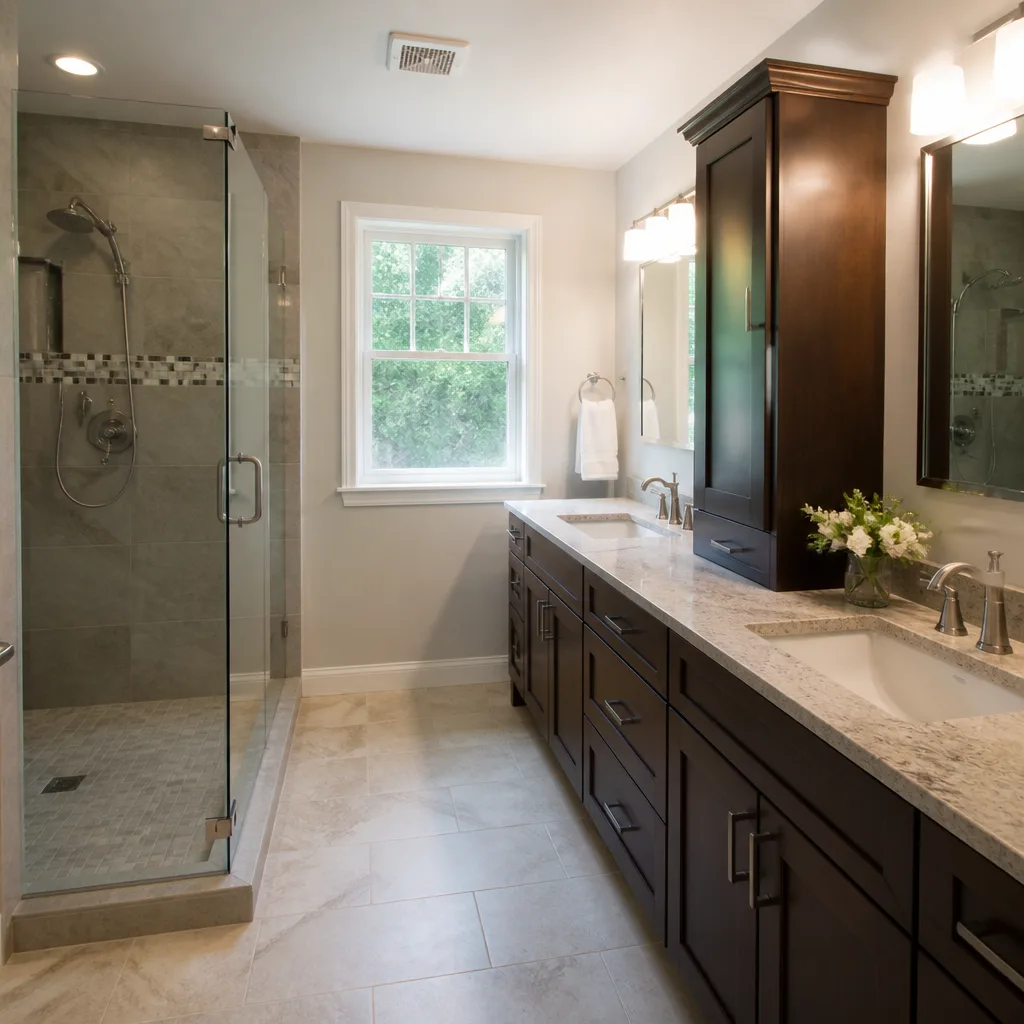 Bathroom remodeling
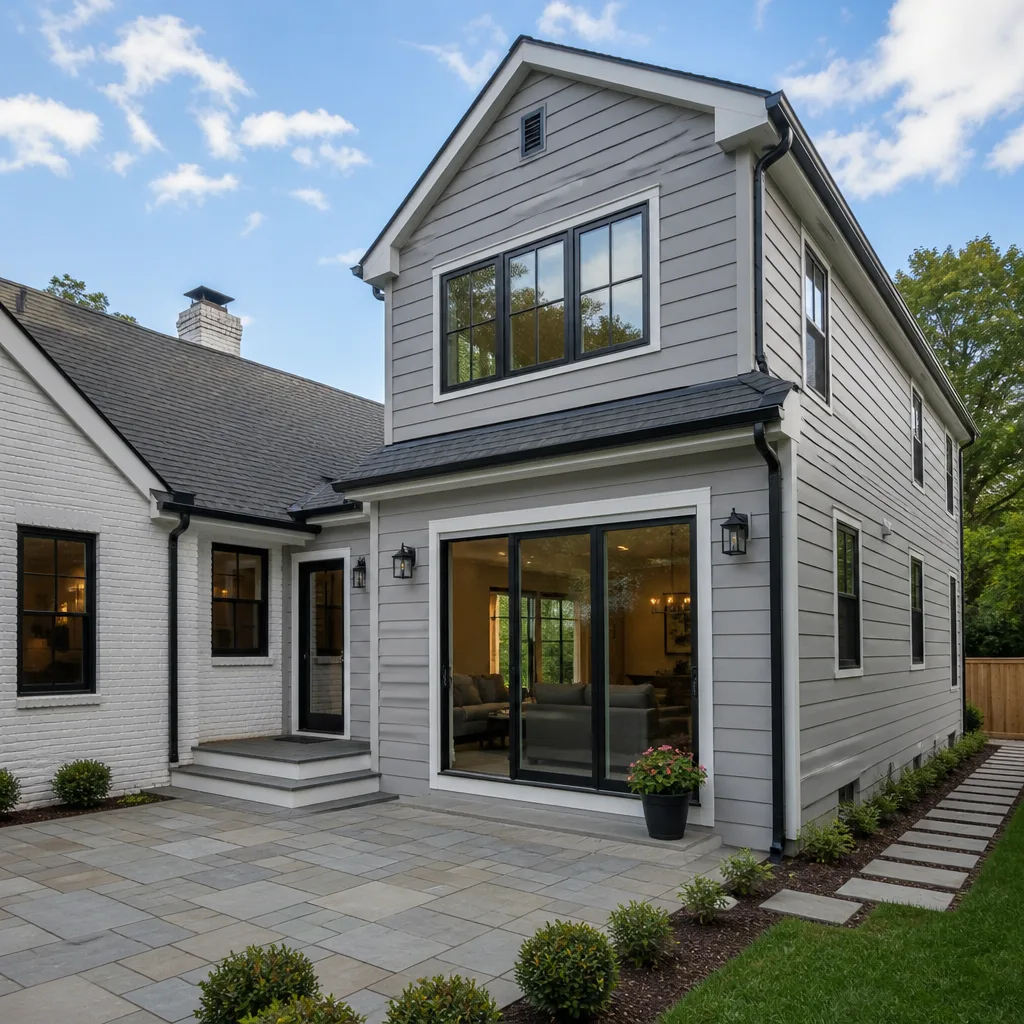 Home additions & ADU
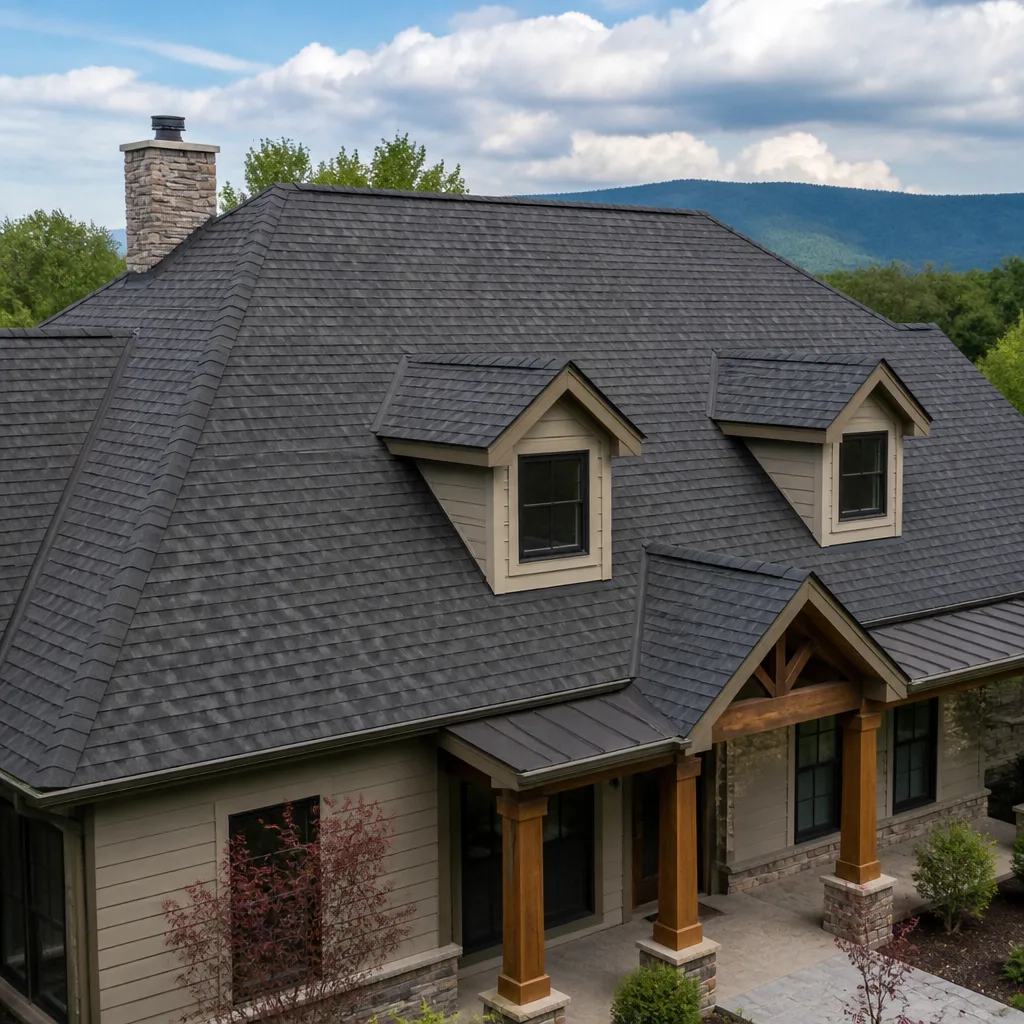 Roofing
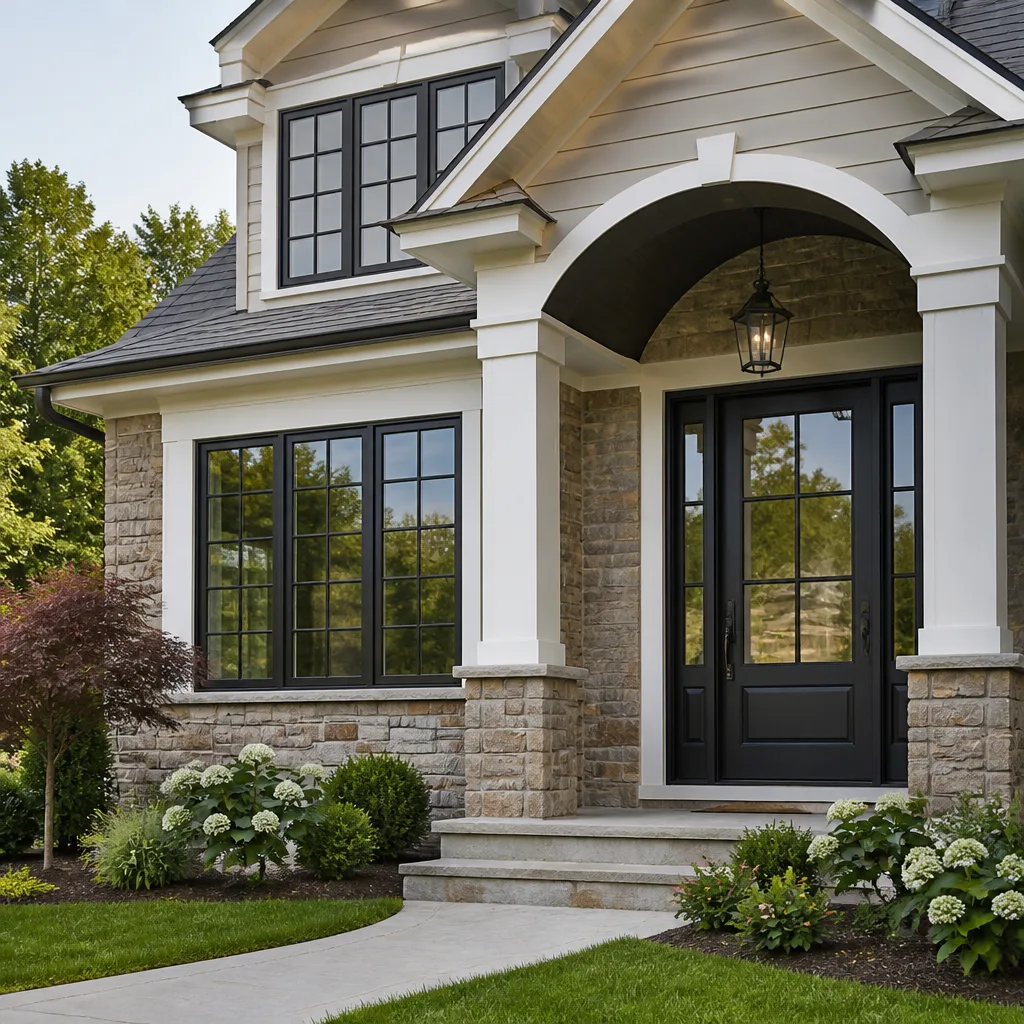 Windows & doors
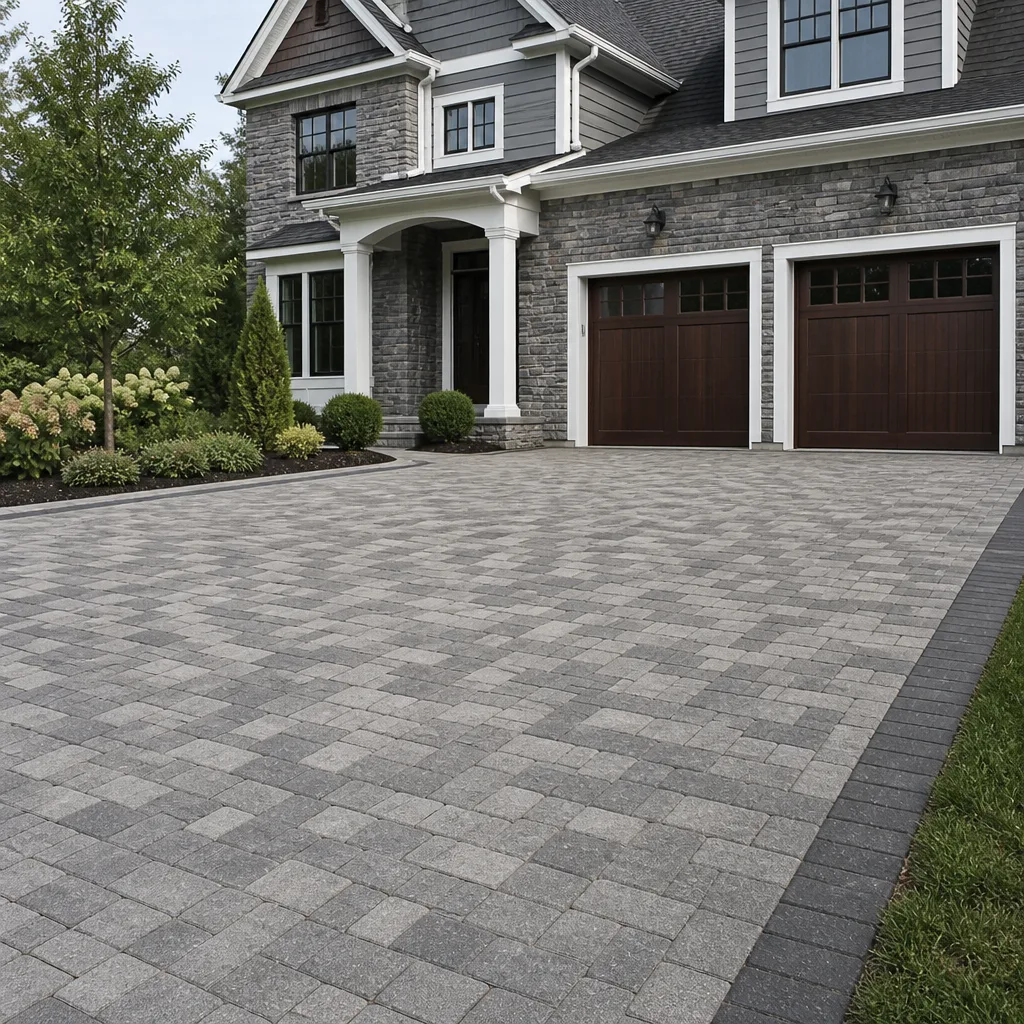 Driveway & pavers
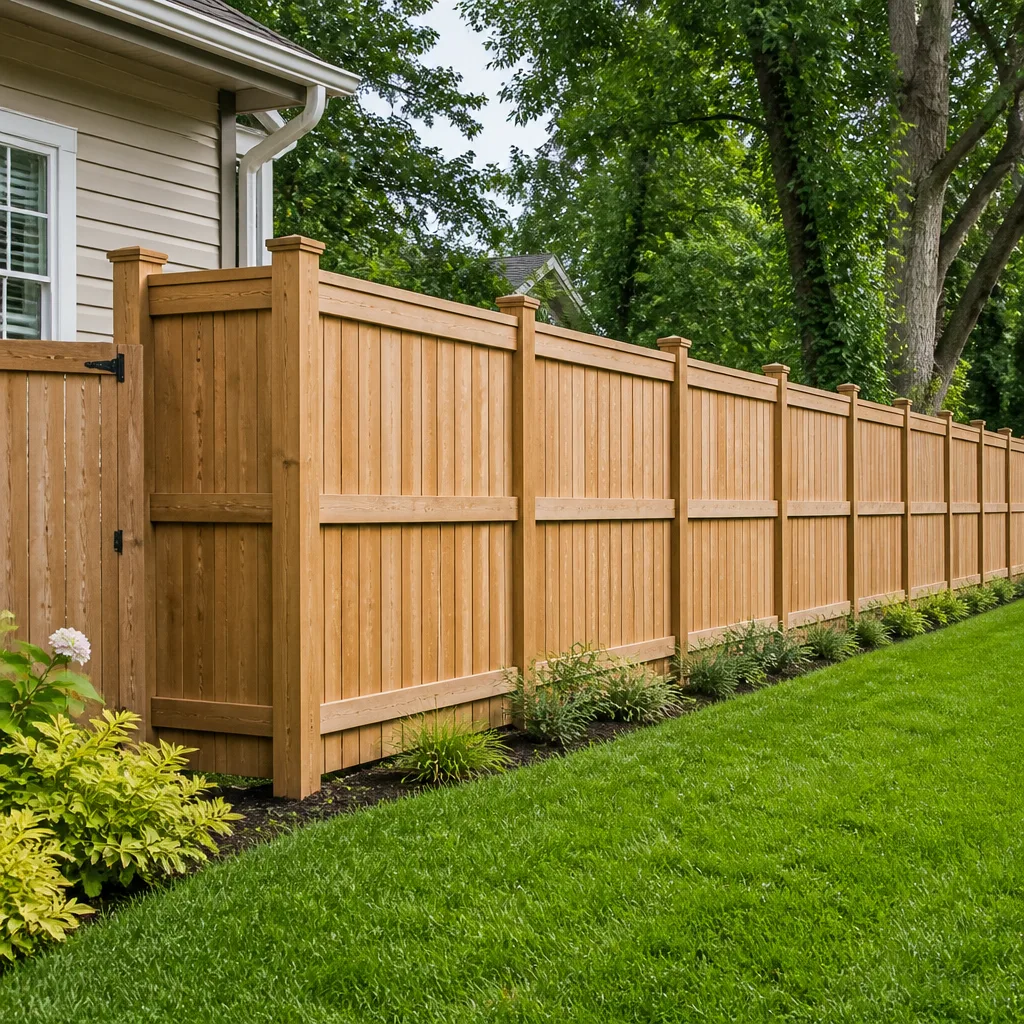 Fence
Free written scope consultation - allowances, timeline, and change-order rules on paper before a single trade is scheduled
Styles & brands we work with
- Kitchen remodeling
- Bathroom remodeling
- Home additions & ADU
- Roofing
- Windows & doors
- Driveway & pavers
- Fence
See the difference
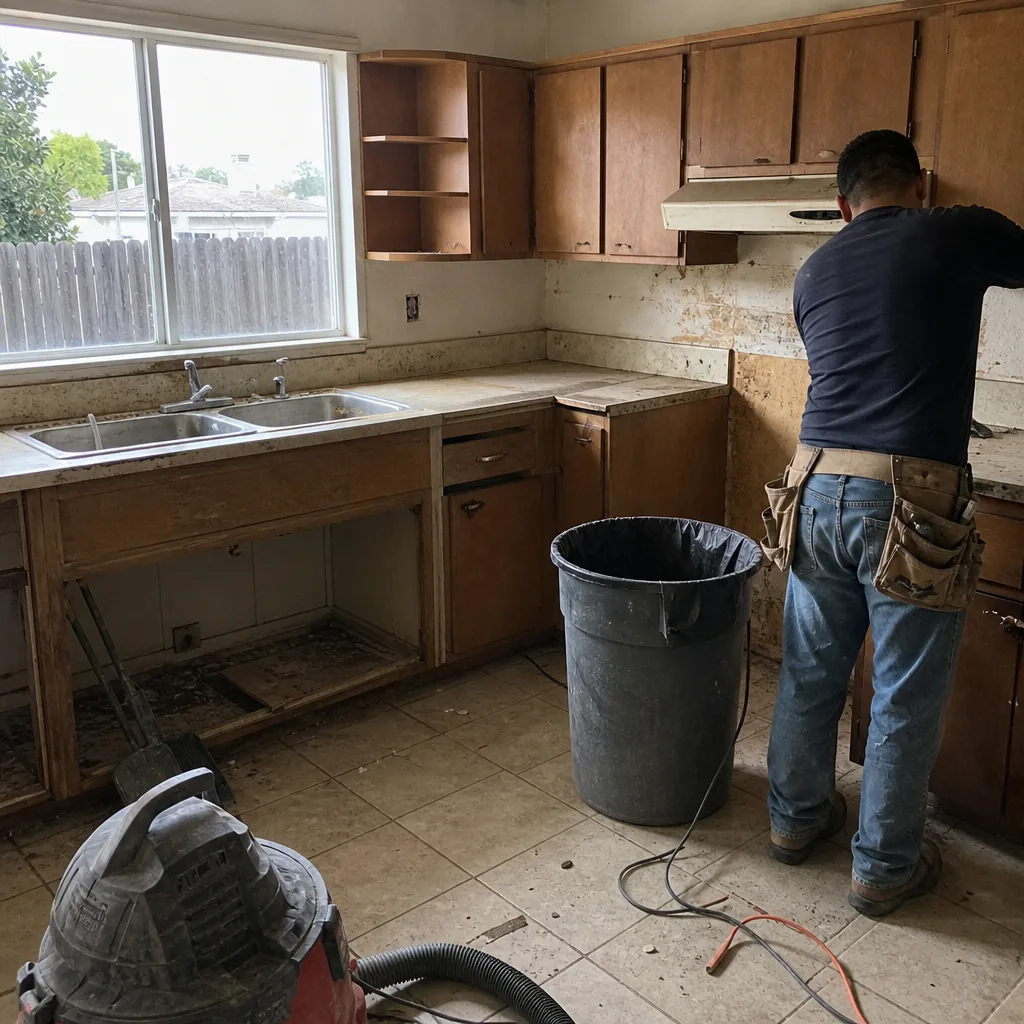 Before
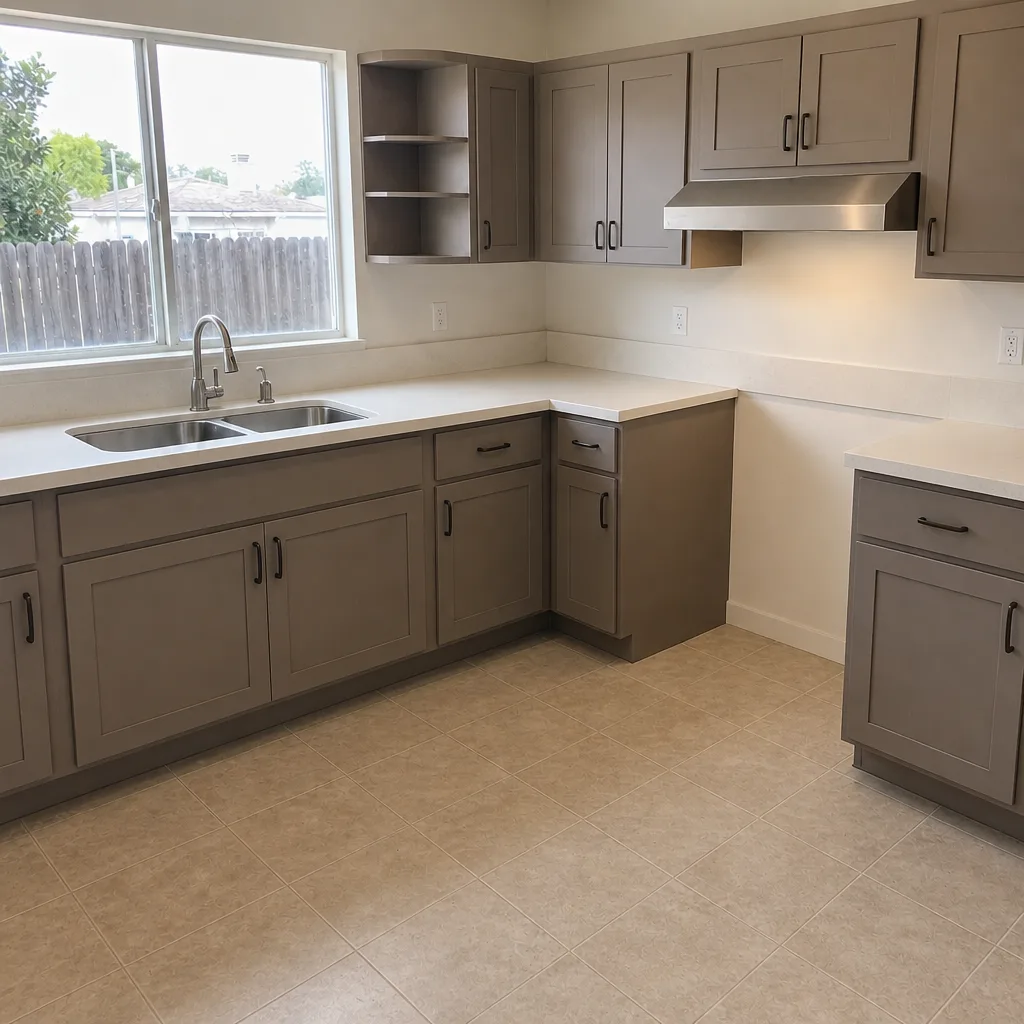 After
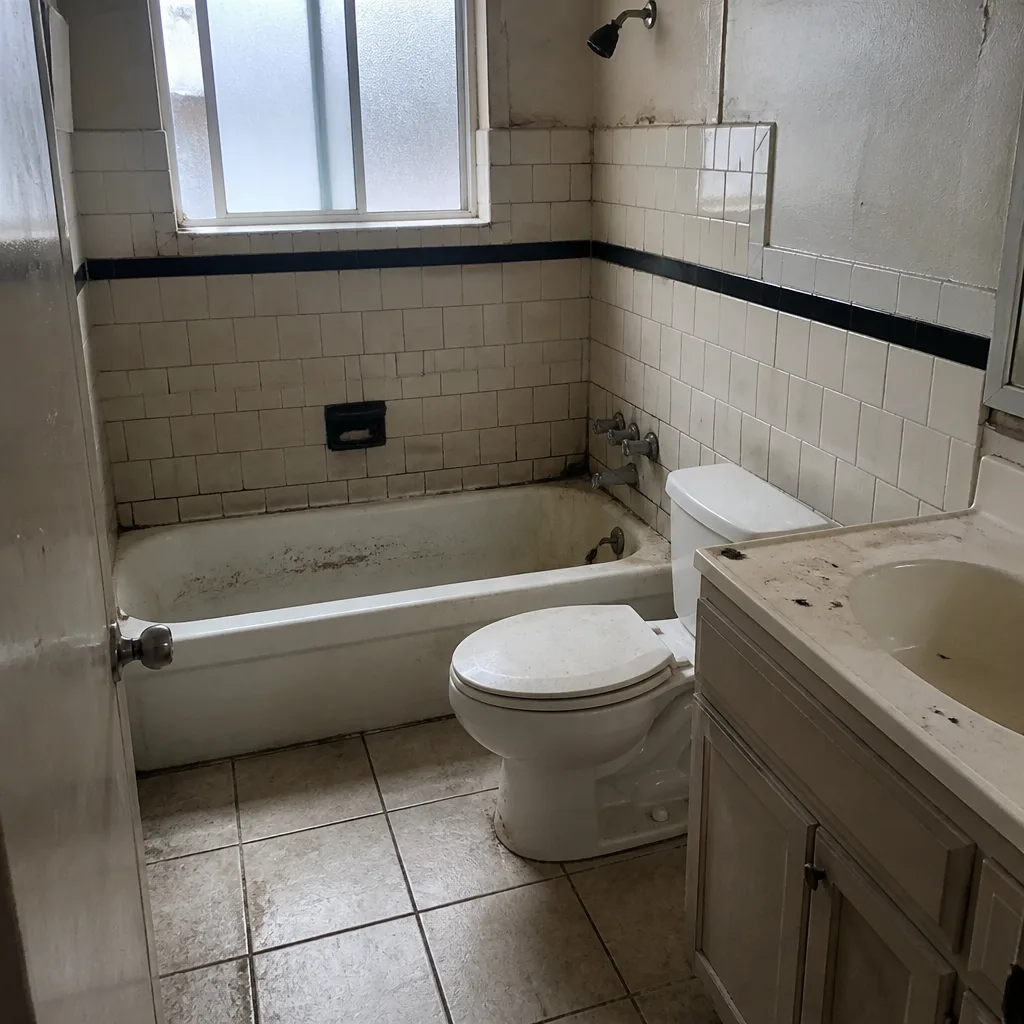 Before
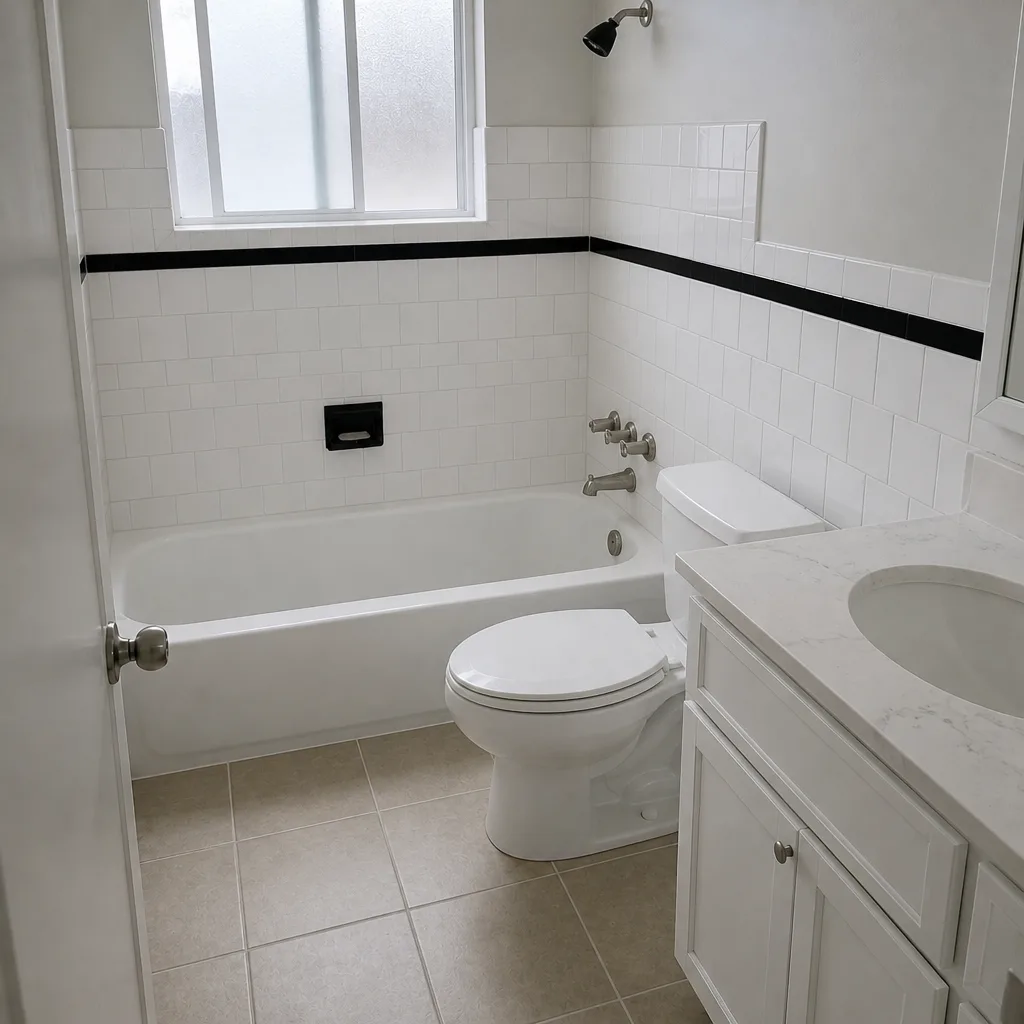 After
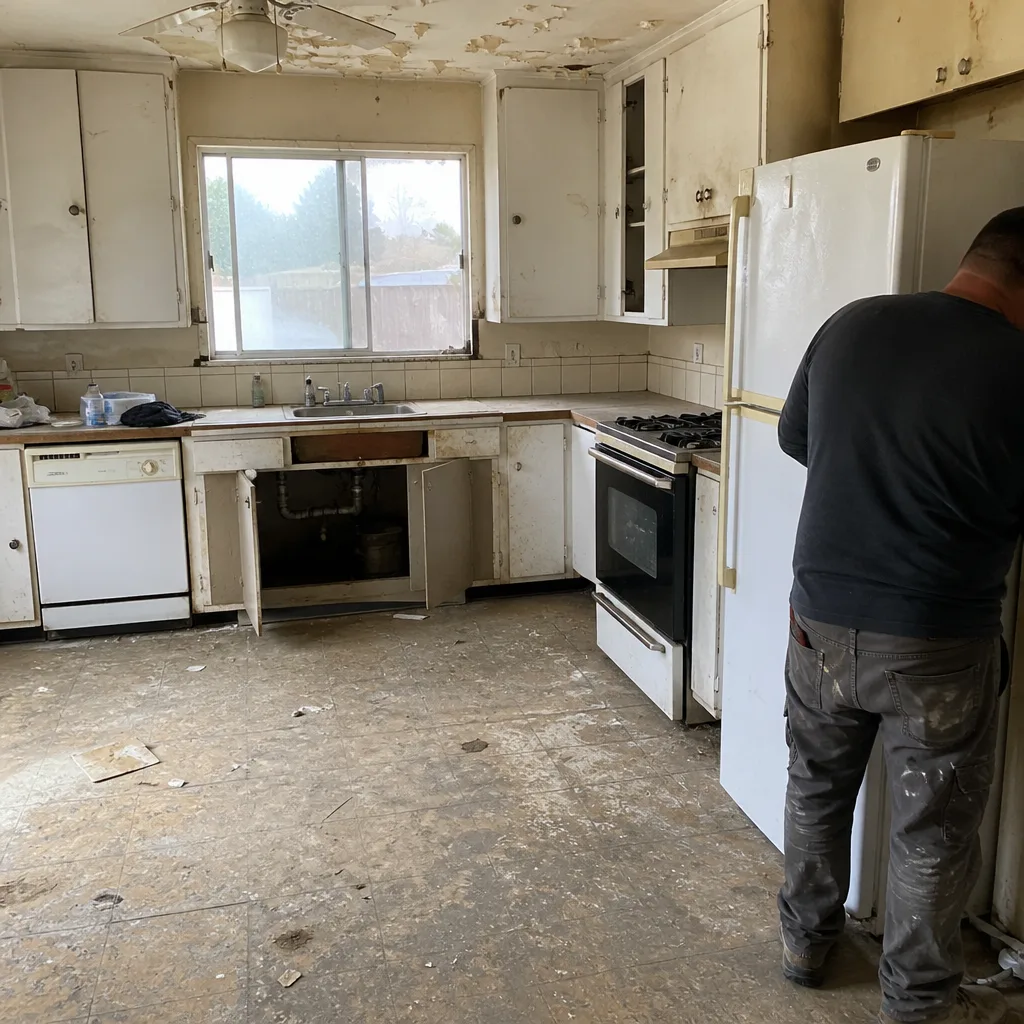 Before
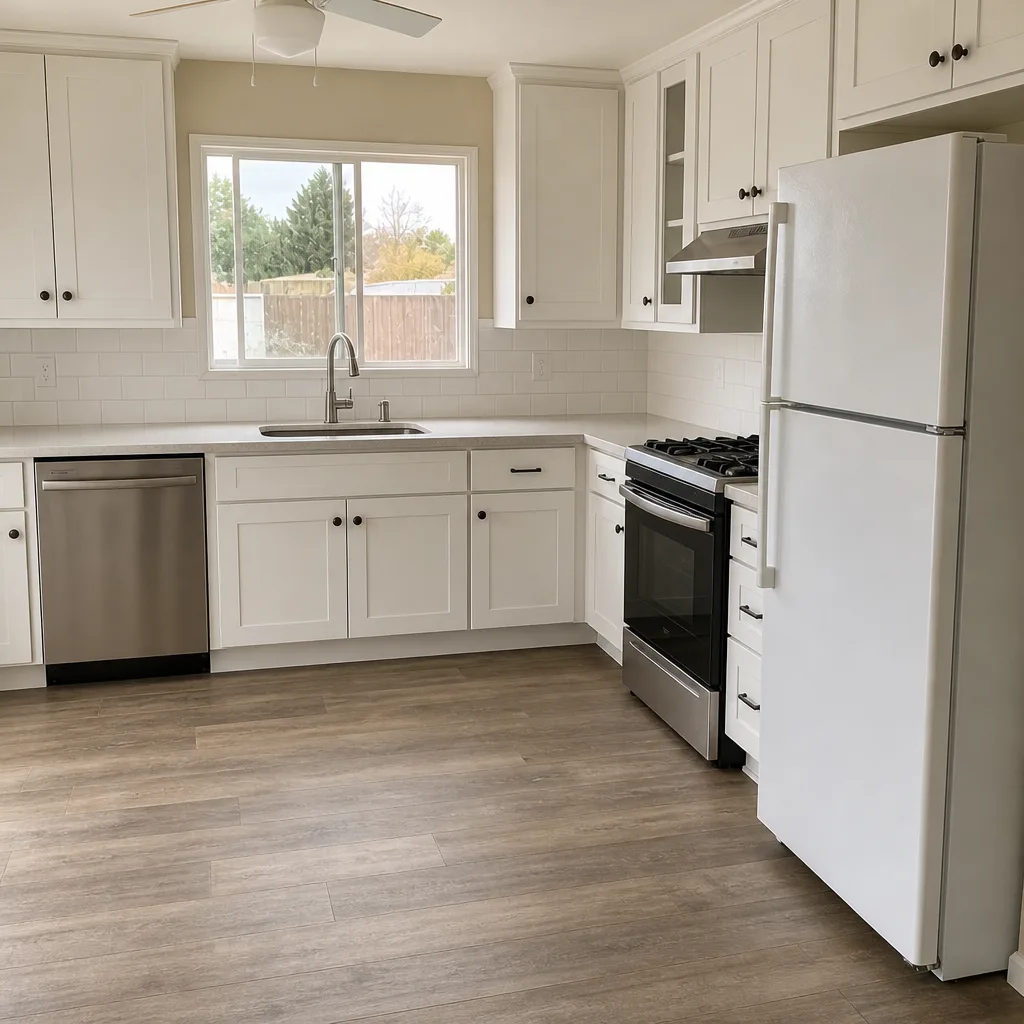 After
What Is a Miami-Dade NOA? A Straight Answer for Antioch Homeowners
A Miami-Dade NOA (Notice of Acceptance) is a product approval issued by Miami-Dade County’s building department certifying that a window, door, or shutter meets the Florida Building Code requirements for the High-Velocity Hurricane Zone. It is a Florida-specific regulatory instrument. It is not a California compliance document, and it has no direct standing in Contra Costa County permitting.
If a window salesperson waves an NOA in front of you to sell impact windows in Antioch, you should know exactly what that document says and what it has nothing to do with. This page walks you through both. Call (888) 419-3650 if you want a straight read on a specific product without the sales theater.
Why Antioch Homeowners Run Into This in the First Place
Antioch sits on the Delta at the foot of the East Bay hills. Wind off the San Joaquin River pushes through here most afternoons from late spring into fall, and the housing stock is split between aging mid-century tract homes on the flats and newer subdivisions in the southern hills. That wind is real, and it does matter for windows. So when a homeowner starts researching impact-rated or high-wind products, the term “Miami-Dade” shows up fast in search results and product brochures.
Here’s where the confusion starts. Florida requires NOA approval for products installed in its hurricane zone. California doesn’t. Our code references different standards entirely, and a knowledgeable installer should be able to walk you through the distinction without turning it into a pitch.
What an NOA Actually Certifies (and What It Doesn’t)
An NOA is a piece of paper that says a specific product, from a specific manufacturer, met Florida’s High-Velocity Hurricane Zone testing protocol. It covers the product design, the materials, and the installation method that was approved. It is jurisdictionally limited. Florida’s building department issued it for Florida construction.
The underlying test data is legitimate and it travels. An NOA references results from:
- Large and small missile impact tests – the same 9-pound and 2-gram projectile tests that underpin real impact resistance ratings
- Cyclic wind pressure loading – pressure cycling that simulates sustained storm loading, not a single gust
- Water infiltration testing – how the assembly performs when wind drives rain against it
That testing is real. It’s cross-applicable evidence of how a product behaves. But the approval document itself is not what a Contra Costa County building plan reviewer looks for.
What California Actually Asks For
California residential window requirements reference AAMA 101/I.S.2/A440 for structural and water performance, and ASTM E1996 and E1886 for impact. Those are the standards your permit plan reviewer, your inspector, and your installer should be citing. Not an NOA.
| Standard | What It Covers | Where It Applies |
|---|---|---|
| Miami-Dade NOA | Florida HVHZ product approval | Florida construction only |
| AAMA 101/I.S.2/A440 | Structural, air, water, thermal performance | U.S. national standard, referenced in CA |
| ASTM E1886 / E1996 | Impact resistance to windborne debris | Impact-rated products nationally |
| CA Title 24 | Energy performance | All California residential windows |
The practical takeaway for Antioch: when you’re evaluating a window for Delta wind and debris exposure, the ASTM impact test results are what matter. The NOA is often just the document that happens to record them. Ask for the test report, not the Florida approval stamp.
Common Local Scenarios We See
A hillside home in the southern subdivisions. A homeowner gets quoted on impact windows and the salesperson cites “Miami-Dade certified” as the headline proof point. It’s technically true and completely beside the point. What we look at instead is the AAMA rating, the ASTM E1996 classification, and the install method specific to that wall assembly.
A 1960s ranch on the flats. Original single-pane windows, some with aluminum frames that have pitted over decades of Delta dust and river moisture. The replacement conversation here is about thermal performance, wind resistance, and getting the flashing right the first time. No NOA will fix a bad flashing detail.
An out-of-state contractor pitching “hurricane-rated” windows. Hurricane-rated is a marketing phrase. What you want is the specific AAMA performance grade and the impact classification. If a product gets pitched at you with an NOA and nothing else, ask for the test report.
For a full picture of how we approach window selection, see our Windows & Doors service page, or our Windows & Doors in Antioch overview.
Product Transparency: Where to Find the Real Specs
Andersen and Marvin both publish complete AAMA and ASTM test data for their window lines. That means you can evaluate actual measured performance without leaning on a Florida regulatory document as a proxy. We work with both manufacturers, and we’ll pull the data for you on request. We also work with Therma-Tru and Mr-Glass when the project calls for a specific profile or finish.
Every window and door project we handle is backed by our 730-Day Done Right Promise, with background-checked, uniformed technicians on the job. If the install doesn’t hold up, we come back and make it right. That’s a written commitment, not a slogan.
FAQs
No. A Miami-Dade NOA is a Florida product approval and has no direct standing in Contra Costa County permitting. California references AAMA 101/I.S.2/A440 and ASTM E1996/E1886 for the performance evidence that matters. An installer who tells you an NOA is required for an Antioch permit either doesn’t understand California code or is using it as a sales hook.
An NOA is a specific regulatory document from a specific jurisdiction. “Hurricane-rated” is a marketing term with no defined standard. What you should actually ask for is the AAMA performance grade and the ASTM E1996 impact classification. Those are the numbers that tell you how the product will perform.
Yes, usually. Impact window installation in Antioch runs $8,000-$25,000, while standard window replacement runs $4,500-$15,000. The gap reflects the impact testing and heavier assembly. Whether it’s worth the premium depends on your exposure and your goals. We’ll walk you through the trade-off with upfront pricing and no surprises.
We can. Bring us the product spec sheet and we’ll pull the AAMA and ASTM data for you. Our technicians have up to 12 years of experience with window and door installation in the Bay Area, and we’ll tell you plainly what a product actually delivers versus what the sales pitch claims. Call (888) 419-3650 for a free estimate and design consult.
Ready to Get a Straight Answer?
If you’d rather have it looked at by someone who reads the spec sheets for a living, Groundwork Construction Co. of Antioch offers a no-pressure assessment in Antioch – call (888) 419-3650. Live person, 24/7. Free estimate, no sales pressure, and we’ll show you the test data before you sign anything.
Written by the team at Groundwork Construction Co. of Antioch, serving Antioch, CA.