
Last updated November 17, 2026
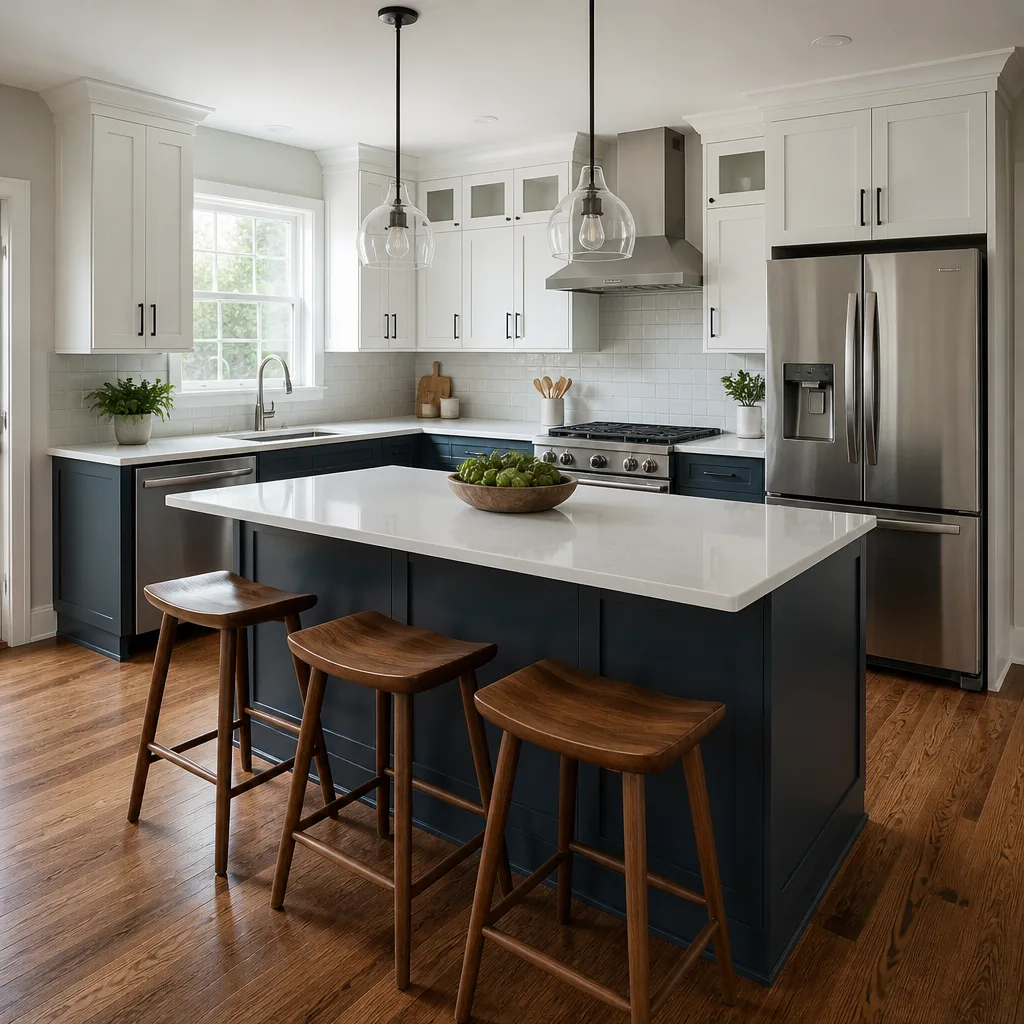 Kitchen remodeling
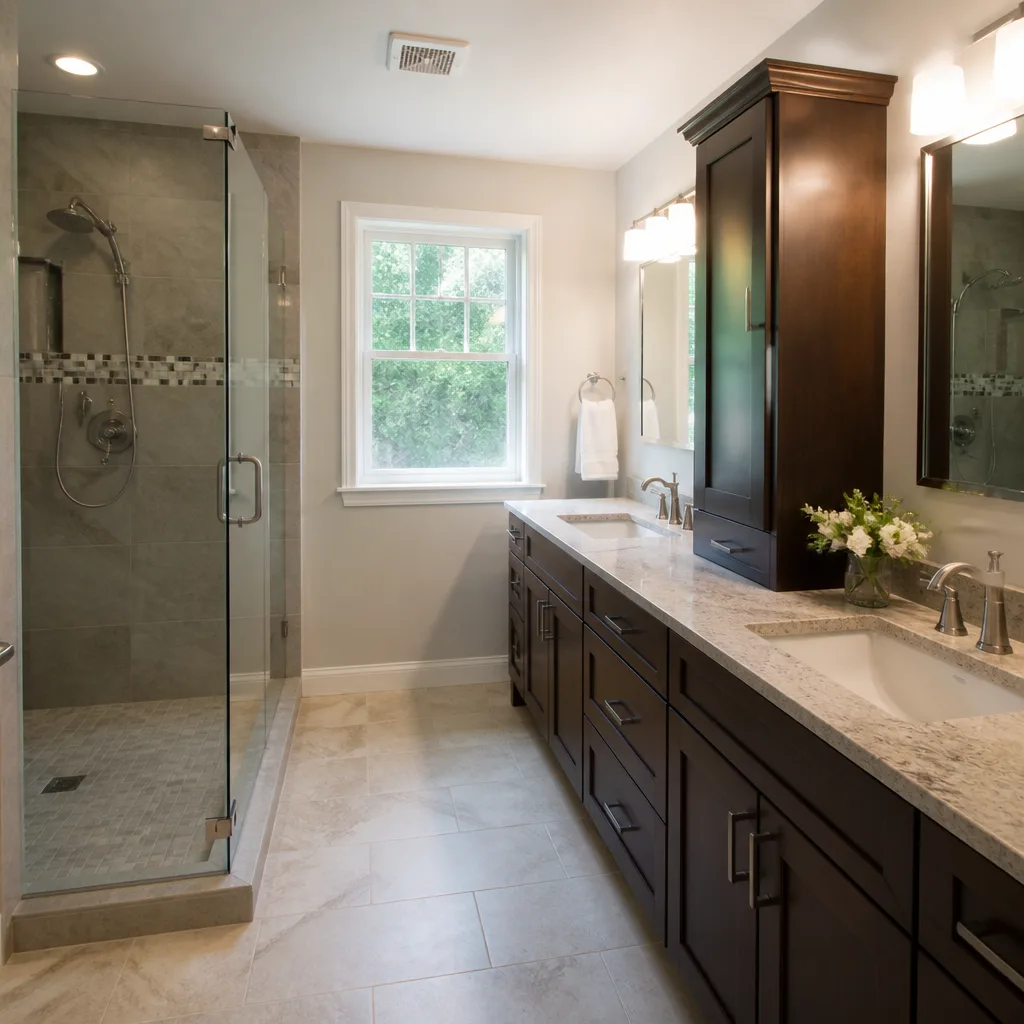 Bathroom remodeling
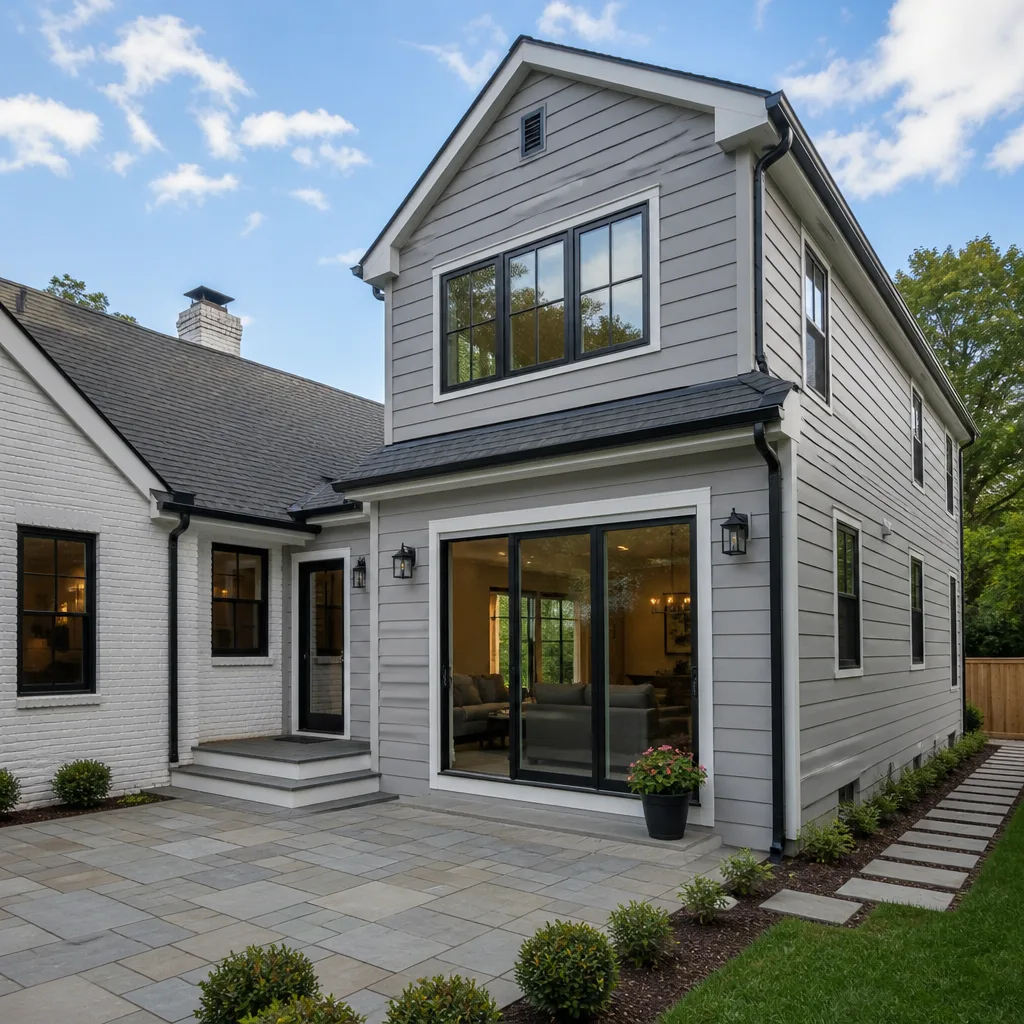 Home additions & ADU
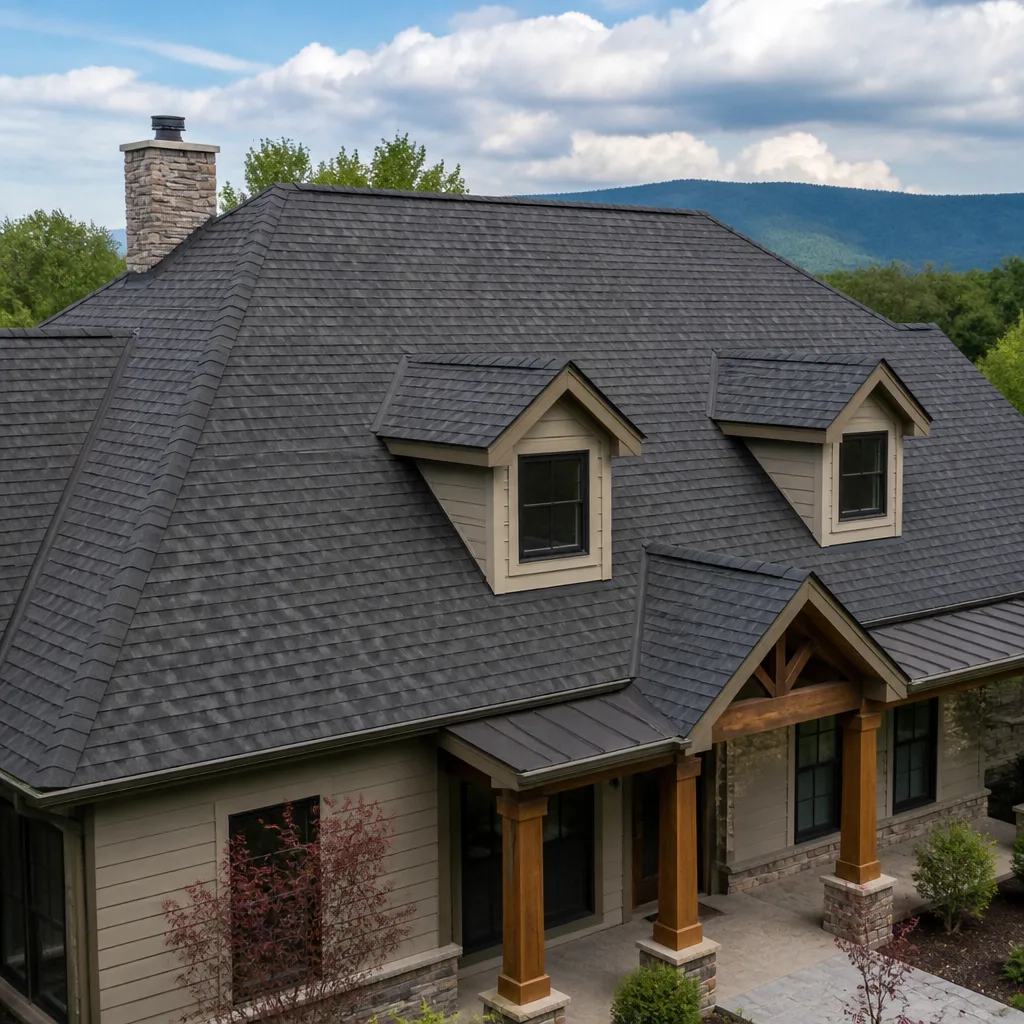 Roofing
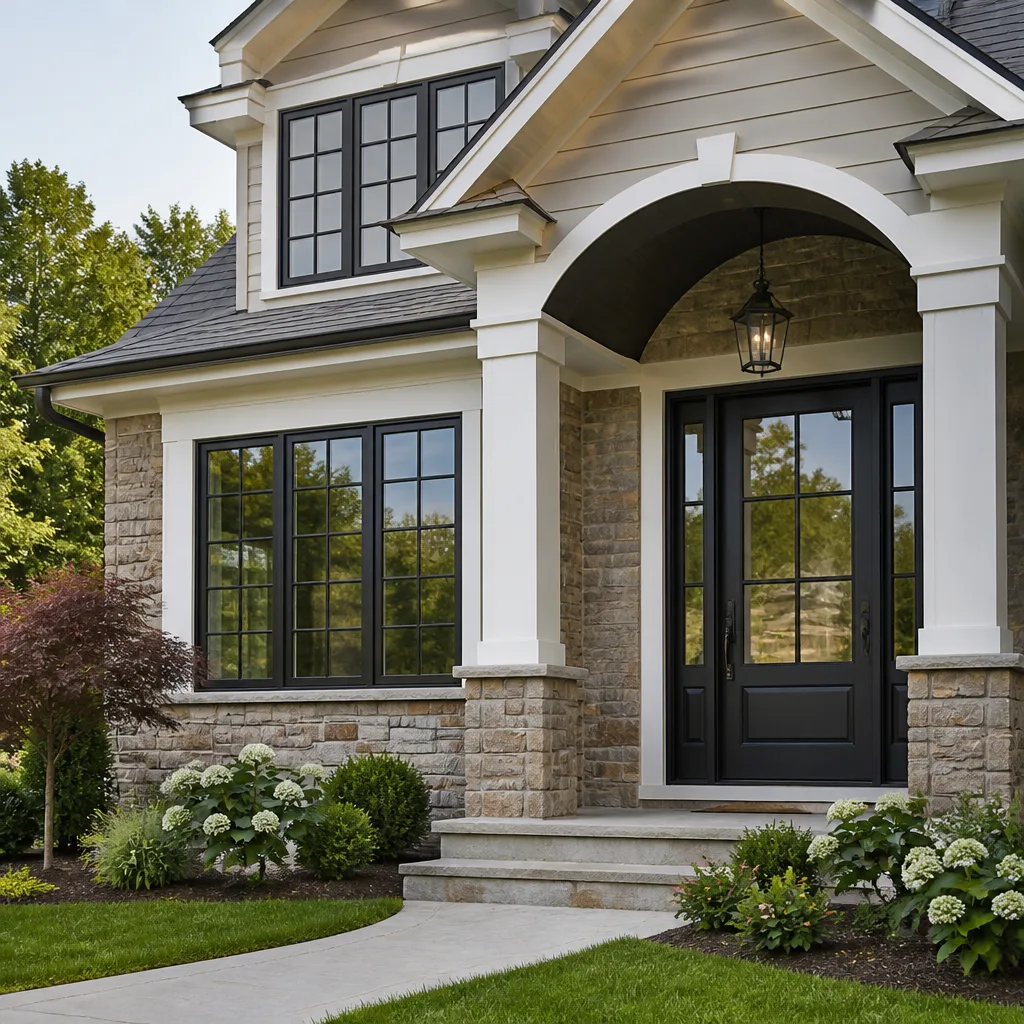 Windows & doors
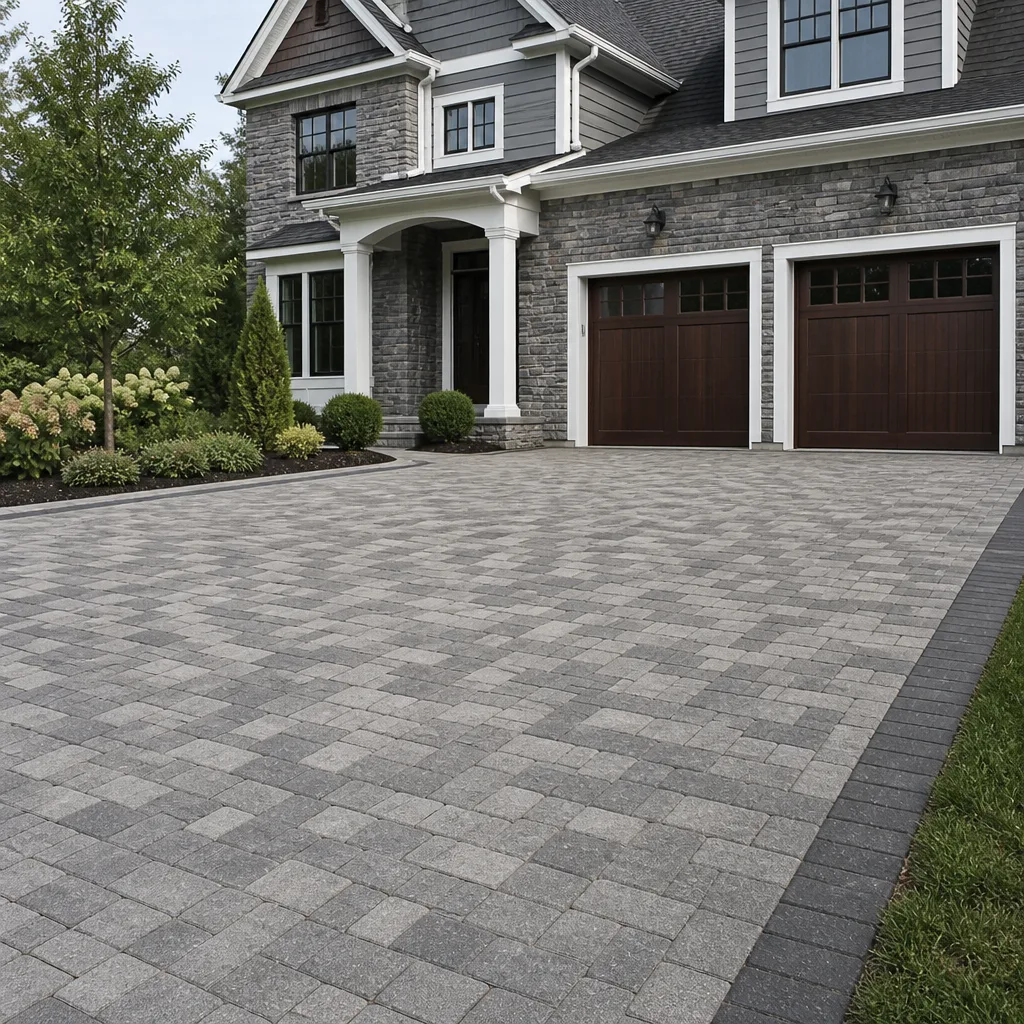 Driveway & pavers
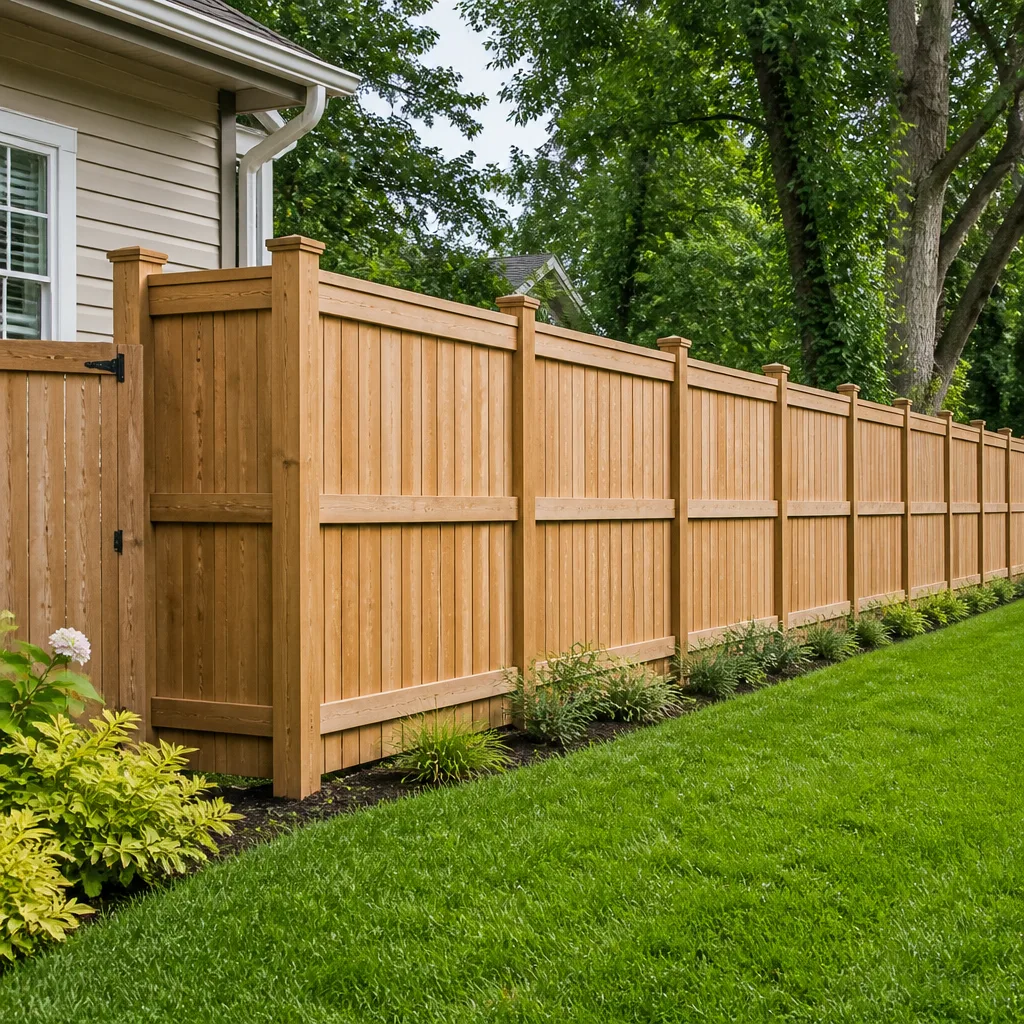 Fence
Free written scope consultation - allowances, timeline, and change-order rules on paper before a single trade is scheduled
The Complete Guide to Construction in Antioch
Antioch issued more residential building permits in 2023 than any Contra Costa city outside Richmond. That single fact explains a lot about what’s happening here. This isn’t the quiet Delta town your cousin remembers from the 1990s. It’s a city mid-growth spurt, and the construction landscape has changed with it. Most building guides homeowners find online were written for San Jose or Sacramento. They don’t mention Antioch’s expansive clay, its delta wind, or its permit office quirks. We put this guide together to fix that. You’ll learn how Antioch’s soil, climate, and housing stock shape project costs, timelines, and material choices, and how to sequence a build without losing months to avoidable delays.
Quick Answer
Construction in Antioch is shaped by three local forces most out-of-town contractors miss: expansive clay soils that demand careful foundation and drainage work, delta wind exposure that stresses exterior materials, and a permit office with seasonal backlog patterns. Projects here typically run 10-25% above generic Bay Area estimates when soil and wind factors are properly addressed. Getting a written line-item quote from a contractor who understands Antioch specifically is the single biggest cost control step you can take.
Styles & brands we work with
- Kitchen remodeling
- Bathroom remodeling
- Home additions & ADU
- Roofing
- Windows & doors
- Driveway & pavers
- Fence
Table of Contents
- Why Antioch’s Soil Changes Your Foundation and Drainage Plans
- Delta Wind Exposure and Material Selection
- Navigating Antioch’s Permit Office: Sequencing to Avoid Dead Zones
- Wildfire Buffer Zones and Exterior Material Requirements
- What Actually Costs More in Antioch (and What You Can Value-Engineer)
- Lone Tree vs. Prewett Ranch vs. Delta Fair: Why the Same Scope Quotes Differently
- How to Choose a Contractor in Antioch
- A Realistic Project Timeline from Permit to Final Walkthrough
Why Antioch’s Soil Changes Your Foundation and Drainage Plans
Antioch sits on some of the most expansive clay soils in Contra Costa County. That’s not a marketing line. It’s a geological reality that shows up in every foundation, driveway, and hardscape decision on your property. Expansive clay swells when wet and shrinks when dry, and in Antioch’s wet-winter, dry-summer cycle, that expansion and contraction moves a surprising amount of soil. The result: foundation settlement, cracked driveways, and fence posts that lean within a season or two.
What this means in practice:
- Foundations need engineered design. Post-tension slabs or deeper footings are common on new construction in Antioch. If your contractor’s bid doesn’t include a geotechnical review or engineered foundation spec, ask why.
- Drainage matters more than you think. Grading that sends water away from the house, French drains in low spots, and gutters with proper downspout extensions aren’t optional upgrades here. They’re what keeps clay from swelling against your foundation.
- Driveway and paver bases need extra depth. A standard 4-inch aggregate base that works in Sacramento will fail faster in Antioch. We typically recommend 6 inches of compacted base with proper geotextile fabric on clay-heavy lots. This is one reason Driveway & Pavers in Antioch projects need a contractor who knows the local soil profile.
- Fence posts need concrete and depth. A post set 18 inches deep in Antioch’s clay will heave. Going 24-30 inches with a proper concrete collar is the local standard for anything that should stay plumb. For more on this, see our guide to Fence Installation in Antioch.
In our experience, the homeowner who skips the geotechnical review on a foundation or large hardscape project is the one calling us two winters later about cracks. The upfront cost of proper soil work runs a few thousand dollars. Fixing a settled foundation after the fact runs into five figures.
Delta Wind Exposure and Material Selection
Antioch sits right at the edge of the Sacramento-San Joaquin Delta, and that geography brings wind. Not hurricane wind, but steady, consistent afternoon gusts through the spring and summer that put real stress on exterior materials. Roof shingles, siding, windows, and fencing all take more abuse here than they do 20 miles inland.
What holds up in Antioch:
- Roofing: Architectural shingles with a 110-130 mph wind rating, properly nailed per manufacturer spec with six nails per shingle in high-wind zones. GAF and Owens Corning both make products rated for this exposure, and choosing the right one matters. Ask for the wind rating on the specific product, not the brand.
- Siding: Fiber cement products like James Hardie hold up better than vinyl against wind-driven rain and Delta dust. Vinyl can crack or loosen at fasteners over time in consistent wind.
- Windows: Double-hung windows with proper weatherstripping and reinforced frames, like the Andersen and Pella lines we work with, seal better against wind-driven dust than builder-grade single-hung units.
- Fencing: Solid board fences act like sails in Delta wind. A 6-foot privacy fence on an exposed lot needs steel or thicker posts, deeper embedment, and often a wind-permeable top section to relieve pressure.
The construction lesson: the cheapest product on the shelf is rarely the cheapest product over ten years in Antioch. Wind exposure turns small material savings into recurring repair costs. Groundwork Construction Co. of Antioch home projects are specified with local wind exposure in mind, and it’s one of the first things we ask about when scoping any exterior work.
Navigating Antioch’s Permit Office: Sequencing to Avoid Dead Zones
The City of Antioch’s Building Division handles permits for residential remodels, additions, ADUs, roofing, and fence work, and the timing patterns are predictable if you know what to plan for. The permit office runs on a first-submitted, first-reviewed basis, with review turnaround that swings significantly based on seasonal demand. Spring and early summer submissions typically take longer because that’s when everyone files. Late fall and winter submissions move faster.
There’s also a summer dead zone worth planning around. Around mid-June through late July, review timelines can stretch considerably as staff time goes to inspections on active projects and submissions pile up. Homeowners who submit in June are often still waiting in August.
Here’s the sequencing that works:
- Submit in late fall or winter. October through February is the fastest window for initial plan review in Antioch. If your project can be planned around this window, do it.
- Get your plan check done early. Corrections requested by the plan reviewer are normal. Building in 4-6 weeks for one round of corrections is realistic. Two or more rounds (common on additions and ADUs) can push that to 8-12 weeks.
- Pull the permit before ordering materials. Long-lead items like custom windows or specialty roofing can take 6-10 weeks to arrive. Sequence these after permit issuance, not in parallel with plan review, so you’re not paying storage fees while you wait for a green tag.
- Schedule inspections early. Antioch’s inspection slots fill quickly in peak season. Have your contractor call for inspections 48-72 hours ahead of when the work will be ready to see.
- Build in a 2-3 week buffer on your timeline. A realistic Antioch permit-to-start timeline is 6-12 weeks for straight remodels and 12-20 weeks for additions or ADUs with plan review and utility coordination.
For a full-scope Home Additions & ADU in Antioch project, that sequencing window matters even more because you’re coordinating structural review, utility tie-ins, and often a separate ADU permit. Getting the sequencing right is the difference between breaking ground in spring and breaking ground after Labor Day.
Wildfire Buffer Zones and Exterior Material Requirements
Some Antioch parcels fall within or adjacent to California’s Wildland-Urban Interface (WUI) fire severity zones, particularly properties on the southern and eastern edges of the city where development abuts open grassland and hills. If your property sits in one of these zones, your exterior material choices and construction methods are governed by Chapter 7A of the California Building Code (fire-resistant construction standards for WUI areas).
What that typically shapes on an Antioch project:
- Roofing material class: Class A fire-rated roofing (most asphalt shingle, tile, and metal systems qualify) is required in WUI zones.
- Siding: Non-combustible or ignition-resistant siding materials are required. Fiber cement and stucco systems meet this; wood siding often doesn’t.
- Vents: Ember-resistant venting on attics and soffits, which is a detail most standard bids omit.
- Decking: Non-combustible decking or specific ignition-resistant assemblies for exterior decks.
- Windows: Multi-pane glazing with tempered glass in some applications.
Here’s the part many homeowners miss: WUI designation isn’t uniform across Antioch. Two houses on the same street can have different requirements if one sits within a mapped fire hazard severity zone and the other doesn’t. Before scoping any exterior project, check your parcel’s designation through the city or Cal Fire’s fire hazard severity zone map. This affects fence installation too, since wood fencing is restricted in some WUI zones. It also drives material cost on roofing and windows projects, sometimes by 10-20% depending on what was originally specified.
What Actually Costs More in Antioch (and What You Can Value-Engineer)
Construction costs in Antioch are shaped by supply chains as much as by labor. Most building materials reach Antioch through distribution hubs in the Central Valley or the greater Bay Area, and the trucking layer adds real cost. Here’s the honest breakdown of what inflates locally versus what you can shop hard on.
What costs more in Antioch:
- Lumber and framing: Freight surcharges from Sacramento-delta distribution hubs add 3-8% versus Bay Area metro pricing on heavy materials. Lumber, plywood, and framing stock are most affected.
- Concrete and masonry: Ready-mix concrete and brick/block materials carry similar freight costs because of weight and volume. Foundation work in Antioch runs a bit above comparable Bay Area projects for this reason.
- Specialty finishes: Tile, stone, and custom cabinetry from out-of-region suppliers adds shipping, and it adds schedule risk if a pallet gets delayed at the hub.
What you can legitimately value-engineer:
- Interior finishes: Fixtures, tile, and paint are where you have the most flexibility. KraftMaid cabinets and Cambria countertops are strong choices, and there are tiers within each that let you hit a budget without cutting quality.
- Hardware and trim: Door hardware, baseboards, and fixture packages can be spec’d at different price points with minimal visual difference.
- Prefab and modular elements: For ADU projects or outbuildings, prefab framing systems and modular options like Plant Prefab or Tuff Shed assemblies can reduce on-site labor hours in Antioch’s higher labor market.
- Roofing and siding grades: There’s real range within the GAF, CertainTeed, and James Hardie product lines. Choosing a mid-tier product with a strong wind rating often beats the top-tier product without one in Antioch’s climate.
The rule of thumb: don’t value-engineer the envelope (foundation, framing, roofing, siding, windows). Those items are exposed to Antioch’s soil and wind every day. Do value-engineer the visible interior and cosmetic elements where substitution risk is low. Want to know where you can save without touching structural materials? Get a written line-item quote so you can see exactly what’s spec’d where.
Lone Tree vs. Prewett Ranch vs. Delta Fair: Why the Same Scope Quotes Differently
Start shopping for a kitchen remodel across Antioch and you’ll notice the bids come in very different depending on the neighborhood. A 200-square-foot kitchen remodel in Lone Tree runs one number on the low end, and the same square footage in a Delta Fair-area home of the same size runs higher, sometimes by 15-25%. The scope isn’t the difference. The house is.
Newer developments (Lone Tree, Prewett Ranch, similar builds since the 2000s):
- Standardized framing dimensions and code-compliant mechanical chases make upgrades more predictable.
- Modern fire separation and installation standards mean less remediation during demolition.
- Kitchens are often laid out for modern appliance dimensions, which means fewer cabinet reworks.
- Existing finishes may be low-tier builder-grade, but the underlying structure is current.
Older homes (Delta Fair area, historic downtown pockets, 1960s-1980s construction):
- System upgrades are frequently needed during remodels because older plumbing and electrical aren’t code-compliant when opened up. Opening a wall to upgrade a bathroom often triggers a 1950s-era plumbing replacement.
- Framing sizes and methods vary widely, and remodels often need structural reinforcement to meet current seismic and load standards.
- Window and door rough openings don’t line up with today’s standard sizes, adding framing time.
- Hazardous materials mitigation (asbestos, lead paint) is sometimes required on very old stock, which adds both timeline and cost.
What this means for your budget: an Antioch contractor who quotes a Lone Tree kitchen and a Delta Fair kitchen the same way is either underbid on the Delta Fair job or overbid on the Lone Tree job. Either way, you’re not getting an accurate number. Ask your contractor how many projects they’ve completed in your specific neighborhood, and ask for the scope assumptions behind their number. For a detailed breakdown of how Kitchen Remodeling scopes and pricing work in Antioch’s varying housing stock, get a written quote specific to your home.
How to Choose a Contractor in Antioch
The single biggest risk in any Antioch construction project isn’t materials or weather. It’s the contractor. We’ve seen homeowners get burned by vague bids, disappearing crews, and warranty fine print. Here’s how to filter for a contractor worth your money.
- Ask for a written line-item quote, not a lump sum. A number without a scope behind it isn’t a quote. Good contractors show you what’s included: materials, labor, permits, inspections, and any contingency.
- Verify the license and insurance. Confirm the contractor is state-licensed and carries current liability insurance and workers’ comp. Ask for the policy and verify it directly with the carrier.
- Ask specifically about local experience. Antioch’s soil, wind, and permit office are different from San Jose or Sacramento. A contractor who has done dozens of projects in Contra Costa County will know what to plan for. A contractor who hasn’t will learn on your dime.
- Get the warranty in writing, and read it. Ask how long the workmanship warranty runs and what it actually covers. A 730-Day Done Right Promise means something only if the document spells out exactly what “done right” means and how a claim gets resolved.
- Ask who will be on the job site. Background-checked, uniformed technicians working under a licensed contractor with clear supervision is the standard you should expect. If the crew is “a few guys we work with,” that’s a red flag.
- Ask how they handle change orders. A good contractor gives you a fixed scope with fixed pricing, and any changes go through a written, signed change order with pricing before the work starts. Surprise change orders in the middle of a project are the single biggest cost overrun in residential construction.
- Check call responsiveness before you sign. Call and see if someone picks up. A contractor who can’t answer a phone call before the contract is signed won’t answer it during a problem.
Antioch’s construction market is competitive enough that these standards are achievable. Hold contractors to them. The right contractor will welcome the questions.
A Realistic Project Timeline from Permit to Final Walkthrough
Homeowners routinely underestimate project timelines by 30-50%. Here’s a realistic breakdown based on typical Antioch projects. Your timeline will vary by scope, but this is the shape of it.
Kitchen remodel (Antioch, 200 sq ft, standard scope):
- Design and material selection: 2-4 weeks
- Permit application and plan review: 4-8 weeks
- Demolition and rough-in (plumbing, electrical, HVAC): 1-2 weeks
- Framing, drywall, and inspection: 1-2 weeks
- Cabinets, countertops, and finish installation: 2-3 weeks
- Final inspection and walkthrough: 1 week
Total: 11-20 weeks from first design meeting to final walkthrough. Most of the swing comes from permit timing and material lead times.
Bathroom remodel (Antioch, single bath, standard scope):
- Design and selection: 1-3 weeks
- Permit review: 3-6 weeks
- Demolition and rough-in: 1 week
- Waterproofing and tile: 1-2 weeks
- Fixtures and finish: 1-2 weeks
- Inspection and walkthrough: 1 week
Total: 8-15 weeks. Older Antioch bathrooms in the Delta Fair area often add 1-2 weeks for plumbing and electrical upgrades triggered by opening the walls.
Roof replacement (Antioch, standard ranch home):
- Permit: typically 1-3 weeks for re-roofing (some standard scopes move even faster)
- Material delivery and staging: 1 week
- Tear-off and decking inspection: 1-2 days
- Installation: 2-4 days
- Final inspection: within 1 week
Total: 3-6 weeks. This is one of the faster categories, but the timeline still depends on permit office turnaround.
Addition or ADU (Antioch, 400-800 sq ft):
- Design, engineering, and geotechnical review (critical in Antioch’s clay): 4-8 weeks
- Permit review, including corrections: 8-20 weeks
- Site prep, foundation, and inspection: 3-6 weeks
- Framing, roofing, windows, and exterior: 4-8 weeks
- Interior rough-in, drywall, finishes: 6-10 weeks
- Final inspections and walkthrough: 2-3 weeks
Total: 27-55 weeks. Prefab and modular options can compress this timeline if you’re considering one. For a full scope breakdown, see Home Additions & ADU in Antioch.
Common Mistakes to Avoid
- Using a contractor with no Antioch experience. A contractor who’s built a hundred kitchens in San Jose still doesn’t know Antioch’s soil expansion patterns or which neighborhood supplies which plumbing systems. Ask directly how many projects they’ve completed here.
- Choosing the lowest bid without a line-item scope. The lowest number is often the one with the biggest scope gaps. A line-item quote lets you compare apples to apples and spot what’s missing.
- Skipping the geotechnical review on foundation work. In Antioch’s expansive clay, an engineered foundation is not optional. Cutting this corner costs a few thousand upfront and can cost five figures in remediation.
- Under-specifying materials for Delta wind exposure. Choosing standard shingles or vinyl siding to save on material cost leads to repairs in 3-5 years. Wind-rated products cost a bit more upfront and last significantly longer.
- Submitting permits in June. Antioch’s plan review slows down in summer. Homeowners submitting in June ride the dead zone into August. Submit in late fall or winter if you can.
- Assuming a Lone Tree quote applies to a Delta Fair home. Older homes in the Delta Fair area often carry code-compliance remediation that newer builds don’t. Same scope, different number, for real reasons.
- Trusting a warranty you haven’t read. “Lifetime warranty” claims are common and cover wildly different things. Ask for the written warranty document, read it, and confirm what triggers a claim. A 730-Day Done Right Promise with the terms spelled out in writing is a different commitment than a “guarantee” on a business card.
See the difference
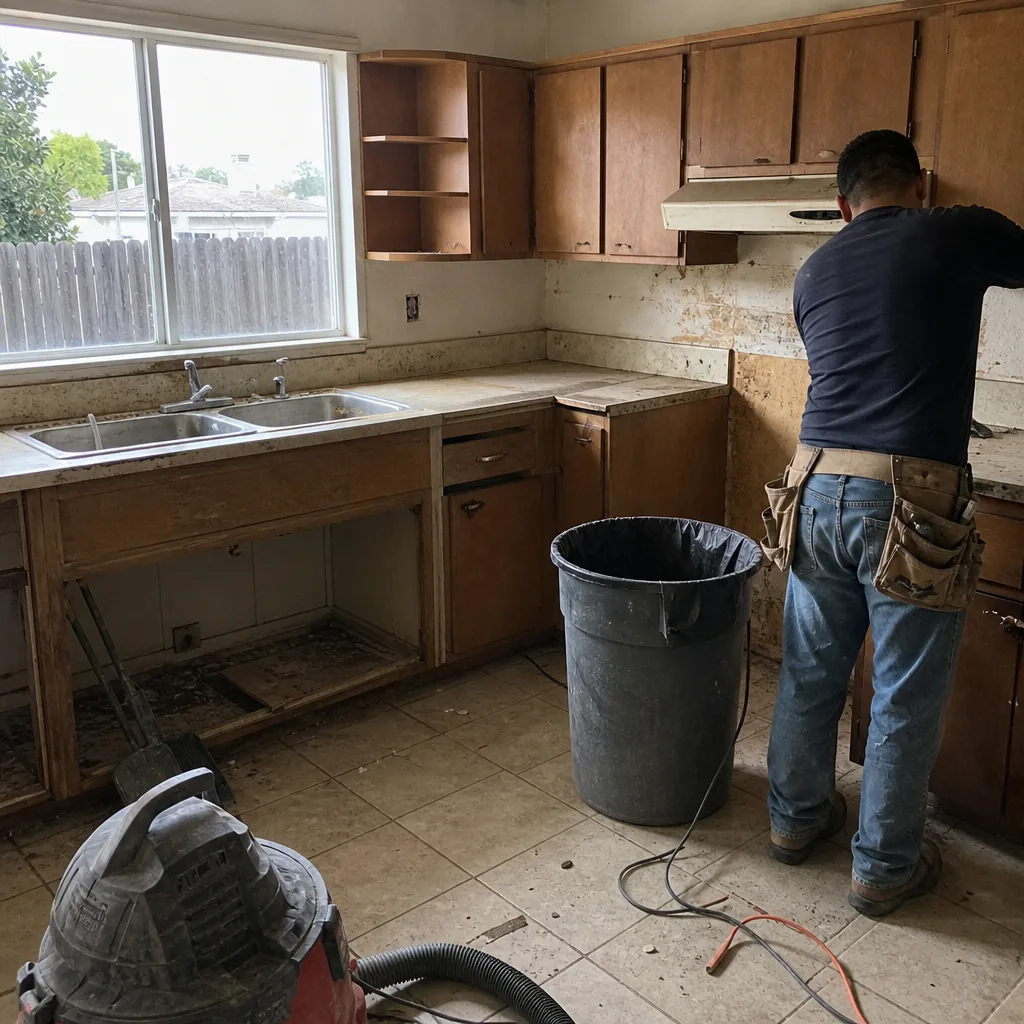 Before
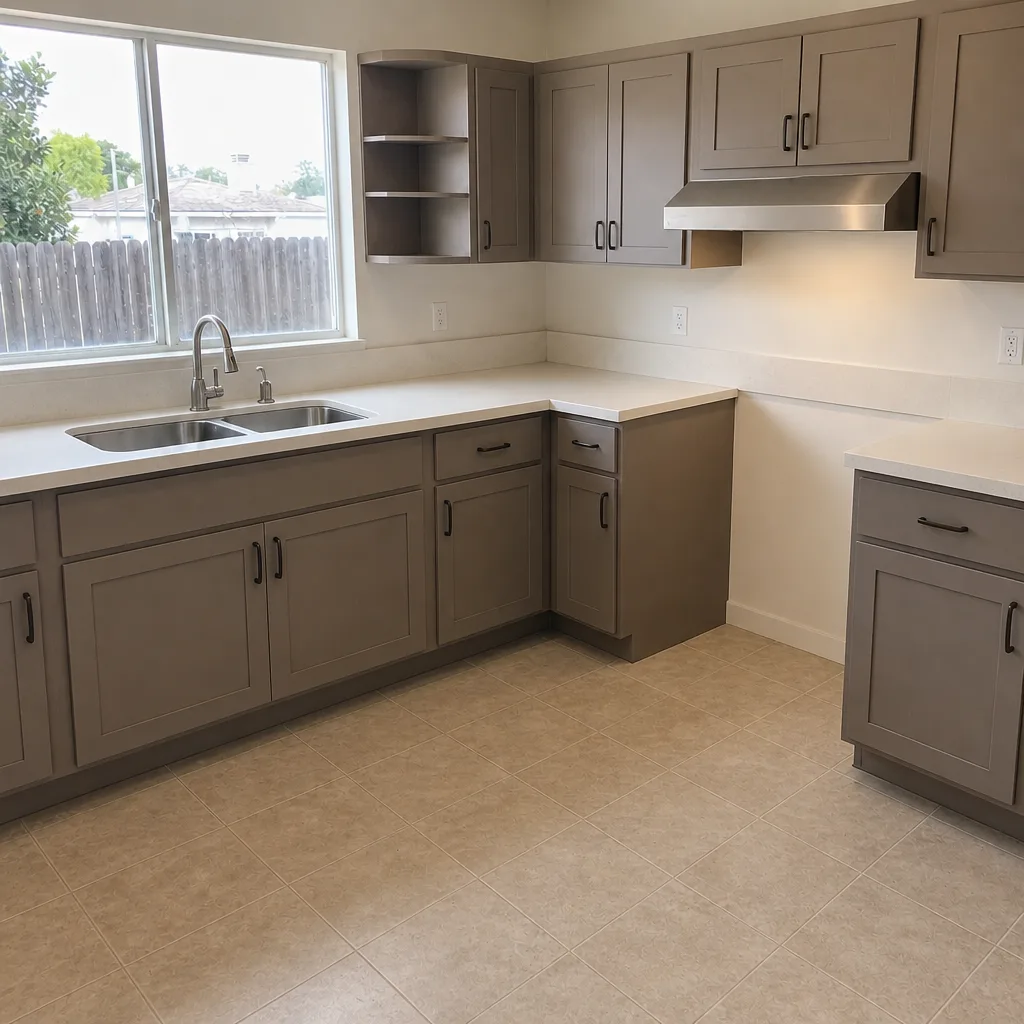 After
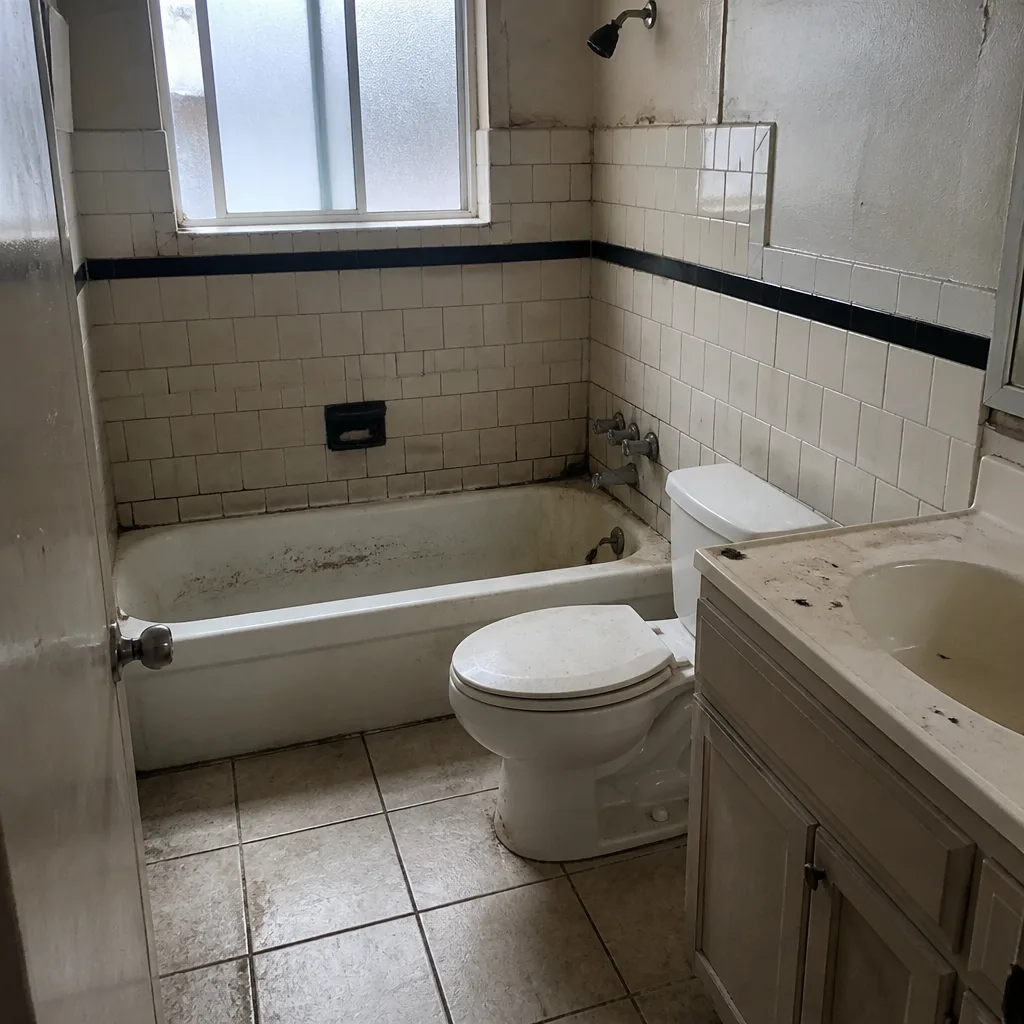 Before
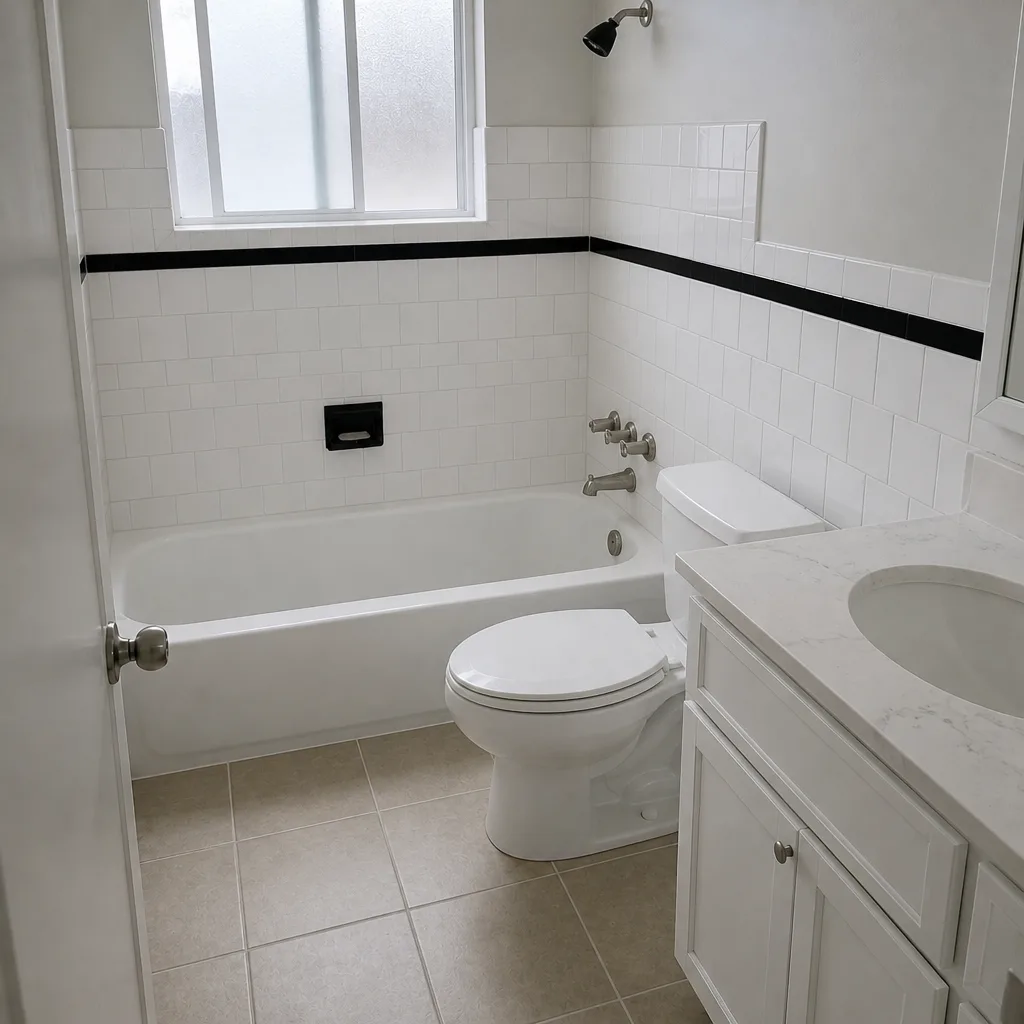 After
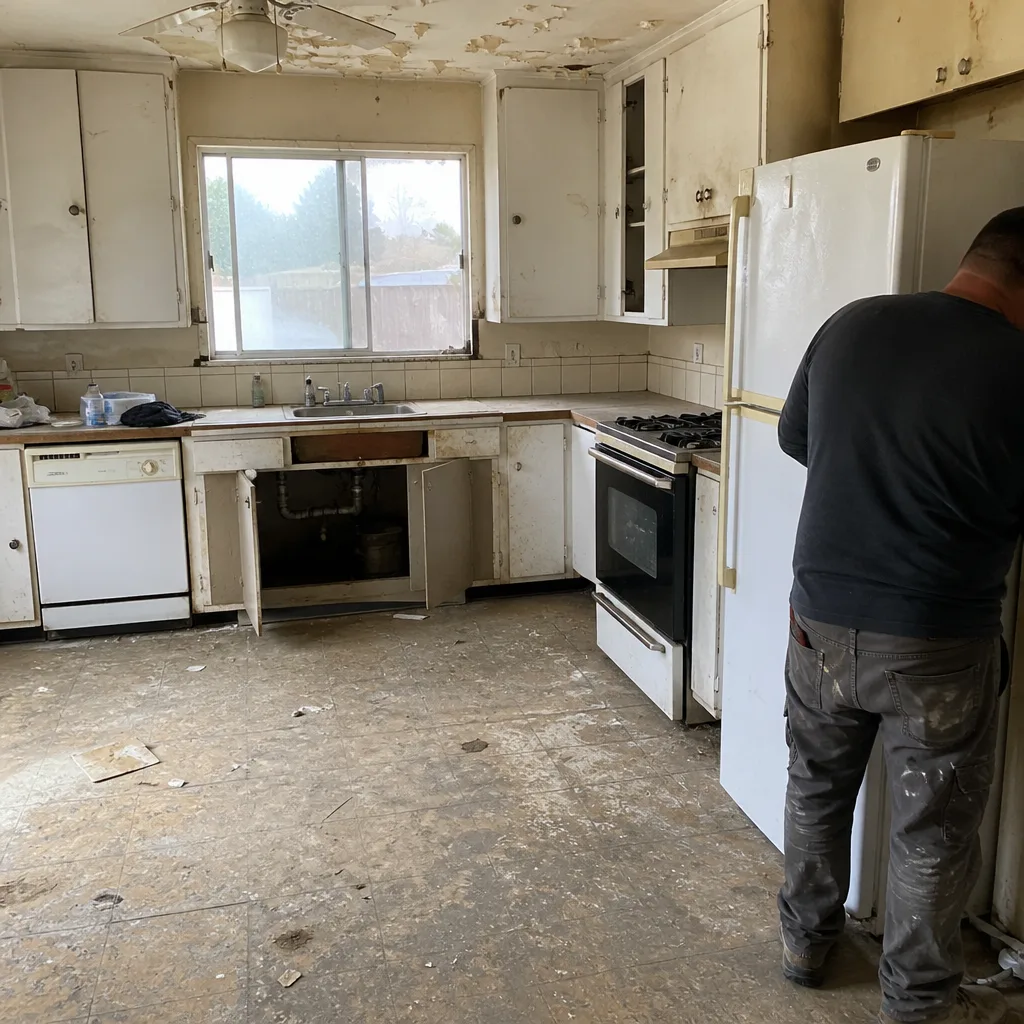 Before
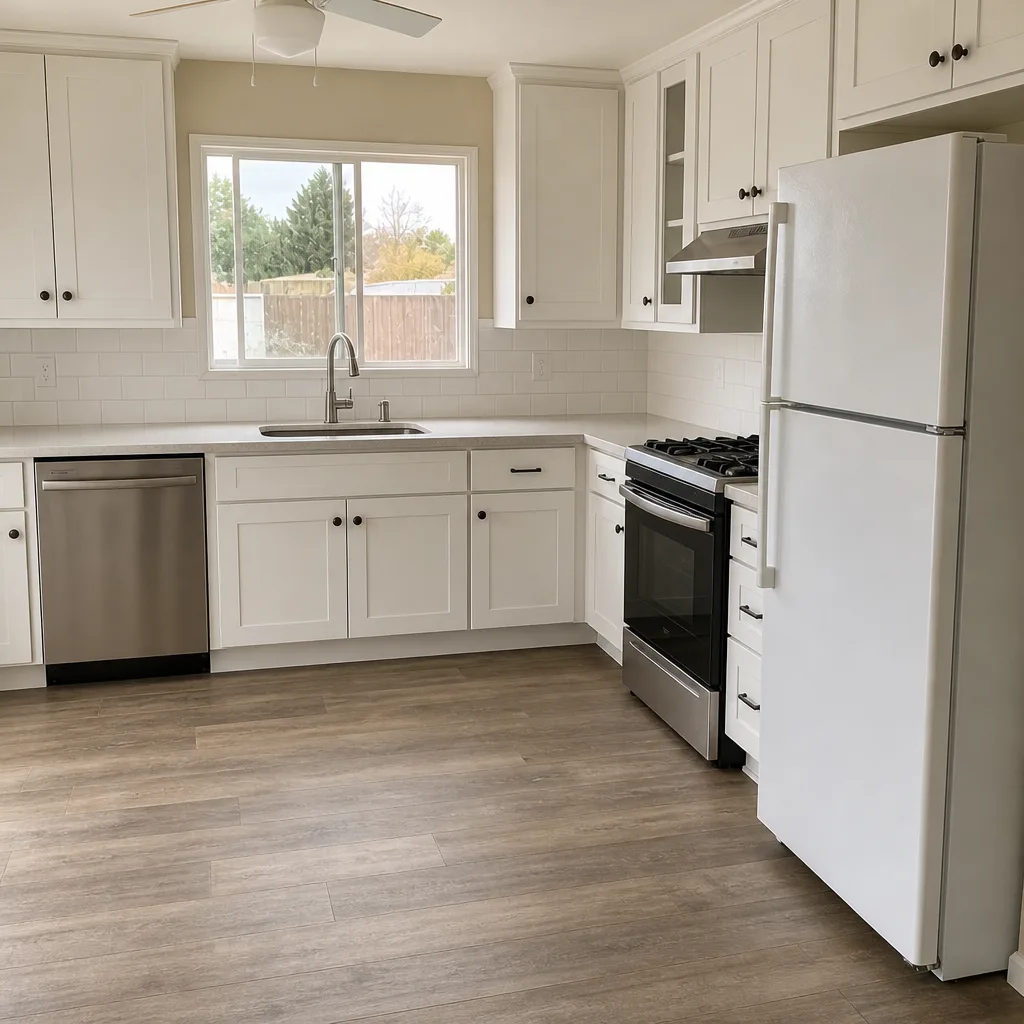 After
When to Call a Professional
Some construction projects genuinely live in DIY territory. Hanging a ceiling fan, replacing a faucet, painting a room. Others don’t. If any of the following describes your project, bring in a licensed contractor:
- Anything structural: foundation work, load-bearing wall removal, framing changes, or seismic retrofits.
- Any permit-required work: additions, ADUs, roofing, siding replacement, window replacement, electrical panel work, plumbing re-pipes, or gas line work.
- Foundation repair or remediation on any home in Antioch’s expansive clay zones.
- Roofing, exterior siding, or window replacement on WUI-designated parcels where specific approved materials are required.
- Anything where the total project cost exceeds about $10,000. At that scale, the cost of getting expert help is a small fraction of the cost of getting it wrong.
- Any project where you’d have to open walls, plumbing, or wiring to complete the work. That’s where you find out what’s behind the drywall, and that’s where a pro with local experience earns their fee.
Groundwork Construction Co. of Antioch offers free estimates in Antioch. Call (888) 419-3650 to schedule yours. Written line-item quotes, upfront pricing with no surprises, and calls answered by a live person 24/7.
Frequently Asked Questions
Standard-scope kitchen remodels in Antioch typically run $45,000-$85,000 depending on square footage, finish level, and neighborhood. A Lone Tree kitchen commonly lands on the lower half of that range because newer construction doesn’t require the code-compliance remediation older homes do. Delta Fair-area kitchens often run 15-25% higher for the same scope because opening walls frequently triggers plumbing, electrical, and framing upgrades. Call (888) 419-3650 for a written line-item quote specific to your home.
Yes, for essentially any structural, electrical, plumbing, or mechanical work, plus roofing, siding replacement, window replacement, decks, fences over a certain height, and any addition or ADU. Cosmetic work like painting, interior flooring, and cabinet swaps (without plumbing/electrical changes) typically doesn’t require a permit. When in doubt, call the City of Antioch Building Division or ask your contractor. A good contractor will always pull the permit as part of the project scope.
Because the house underneath the project isn’t the same. Lone Tree and Prewett Ranch homes typically have code-compliant mechanical systems and standardized framing, so remodels are more predictable. Delta Fair-area homes are often 1960s-1980s stock with original plumbing, electrical, and framing that isn’t current code. Opening walls to do the project often triggers code-mandated upgrades you can’t see until you’re inside the wall. A contractor who quotes both areas identically isn’t accounting for that difference.
Antioch permit review typically runs 4-8 weeks for standard remodels and 8-20 weeks for additions or ADUs, especially if plan corrections are required. Review times slow down in June and July and move faster in late fall and winter. Submitting in October through February is the fastest window for initial review. A realistic planning buffer is 6-12 weeks for a standard remodel and 12-20 weeks for larger additions.
If your parcel is mapped in a Wildland-Urban Interface fire severity zone, California Building Code Chapter 7A applies to exterior materials and construction methods. That means Class A fire-rated roofing, ignition-resistant siding (fiber cement, stucco), ember-resistant vents, and in some cases specific window and deck assemblies. WUI designation isn’t uniform across Antioch. Two houses on the same street can have different requirements. Check your parcel’s designation before scoping any exterior project.
Ask for the written warranty document and read it. A real workmanship warranty specifies what’s covered, what’s excluded, how long the coverage runs, and how a claim gets resolved. Ask specific questions: does the warranty cover labor, materials, or both? What’s the process for filing a claim? How quickly is a claim addressed? A 730-Day Done Right Promise means something only if the terms are on paper before you sign. Call (888) 419-3650 to see a written copy.
The Bottom Line
Antioch’s construction landscape is shaped by local forces that most building guides never mention: expansive clay soils, delta wind exposure, seasonal permit office patterns, and WUI designations that vary parcel by parcel. Whether you’re remodeling a Lone Tree kitchen, replacing a roof in Prewett Ranch, or building an ADU on a Delta Fair lot, the projects that go smoothly are the ones planned around Antioch’s specific realities. Get a written line-item quote from a contractor who knows this city. Ask about local experience, permit sequencing, and soil conditions. Those three questions will filter out most of the bad experiences before they start.
Groundwork Construction Co. of Antioch offers free estimates, honest line-item quotes, and upfront pricing with no surprises. Call (888) 419-3650 to schedule yours. Calls are answered by a live person 24/7, and every project is backed by our 730-Day Done Right Promise.
Written by the team at Groundwork Construction Co. of Antioch.