
Last updated November 17, 2026
 Fence
 Kitchen remodeling
 Bathroom remodeling
 Home additions & ADU
 Roofing
 Windows & doors
 Driveway & pavers
Free written scope consultation - allowances, timeline, and change-order rules on paper before a single trade is scheduled
Fence Installation Maintenance Schedule: What to Do and When
The number one killer of wood fences in Antioch isn’t wind, isn’t termites, and isn’t the summer sun. It’s the 72 hours after rain. When wood gets wet and can’t dry out, the rot cycle starts quietly at the base of the post and works its way up. Two fences on the same street, installed the same month, can age five years apart depending on how well they shed water. That’s the whole story, and it’s why reactive repair costs so much more than a written calendar. Below we lay out a month-by-month maintenance schedule keyed to how wood actually degrades, from the water-bead test to end-grain sealing, with the Antioch timing that matters.
Quick Answer
Wood fences in Antioch should be inspected every spring after the rainy season ends, cleaned annually, stained or sealed every 2 to 3 years, and resealed when the water-bead test shows moisture soaking in within 10 seconds. February through April is the ideal sealing window here, before summer UV peaks dry and crack the wood. Post bases need checking every 6 months to catch rot before it climbs.
Styles & brands we work with
- Kitchen remodeling
- Bathroom remodeling
- Home additions & ADU
- Roofing
- Windows & doors
- Driveway & pavers
- Fence
Table of Contents
- Why Wood Degrades Predictably (And Why That’s Good News)
- The Full-Year Maintenance Calendar for Antioch Fences
- The Water-Bead Test: Your 10-Second Resealing Indicator
- Why Spring Timing in Antioch Matters More Than the Product You Buy
- Post-Base Inspection Protocol: Where Rot Starts
- The Annual Hardware Audit, In Order
- End-Grain Sealing: The 5 to 8 Extra Years Nobody Mentions
- Repair or Replace? Reading the Signs
Why Wood Degrades Predictably (And Why That’s Good News)
Wood rot isn’t random. It follows a sequence: moisture absorption, fungal colonization, fiber breakdown, then structural failure. Each stage has a timeline, and each timeline has an intervention point. If you catch the wood at the moisture-absorption stage, you dry it out and seal it. If you catch it at fungal colonization, you treat it and slow it. If you wait until fiber breakdown, you’re replacing boards.
Here in Antioch, the sequence runs faster than most homeowners expect. We sit in a pocket of Contra Costa County where the rainy season drops most of the year’s moisture between November and March, then the marine layer burns off and the summer heat bakes everything from May through September. That wet-dry swing is brutal on wood. The fibers expand with every rain and contract with every hot afternoon. Repeat that cycle a couple hundred times and you get cupping, checking, and splinters regardless of how good the fence was when it went in.
The point isn’t to scare anyone. It’s to show that a maintenance schedule isn’t paperwork, it’s a sequence of well-timed interventions that cost a fraction of what reactive repairs do. A $300 reseal every 2 to 3 years beats a $2,400 partial replacement every 8. The math is not close.
We’ve seen this play out across neighborhoods from Groundwork Construction Co. of Antioch home-adjacent streets to the newer subdivisions along Hillcrest. The fences that get treated on a schedule outlast everything around them.
The Full-Year Maintenance Calendar for Antioch Fences
Here’s the annual rhythm we recommend for any wood fence in Antioch. The dates aren’t arbitrary; they’re pinned to our weather pattern.
January to March: Pre-Spring Inspection
The rainy season is still going, so don’t stain yet. Do inspect. Walk the fence line after a heavy rain and note where water pools at the base of posts, where boards are staying dark and wet longer, and where grade has settled. This is the diagnostic window.
Late February to April: The Sealing Window
Once the rain backs off and a stretch of dry weather hits, this is prime time. Wood needs to be dry to accept stain, and you want to be off before UV intensity climbs in mid-May. If you can only seal once every 3 years, seal in this window.
May to August: UV Season
Don’t put stain down in summer heat. Do inspect for checking (those hairline cracks running along the grain), and spray down fence lines with a hose every few weeks if it’s a dry stretch. Wetting wood in extreme heat slows surface checking.
September to October: The Second Best Sealing Window
If you missed spring, early fall is workable here. Temperatures are moderate, humidity is still reasonable, and the wood will take a coat. Water-based products do better in this window than oil-based, which can trap moisture before the wet season.
November to December: Hardware Audit and Winter Prep
Do the fastener check, tighten hinges, clear debris from fence bases, and cut back vegetation that holds moisture against boards. This is also when you inspect post bases because the ground is soft and easier to probe.
The Water-Bead Test: Your 10-Second Resealing Indicator
You don’t need to guess whether your fence needs resealing. You don’t need to call anyone. You need a cup of water.
Here’s how it works: Pour a small amount of water on a horizontal surface of the fence – the top rail is ideal, or a flat section of a picket. Watch it for 10 seconds.
- Water beads up and rolls off – the sealer is intact. Wait another 6 months and test again.
- Water beads but soaks in slowly – the sealer is thinning. Plan to reseal within 2 to 3 months.
- Water sits and darkens the wood immediately – the sealer has failed. Reseal as soon as weather allows.
- Water disappears into the wood like a sponge – the wood is unprotected. Reseal now, and plan a deeper treatment.
Do this test in 3 or 4 different spots. The results vary by sun exposure: the south- and west-facing side of a fence in Antioch will degrade 30 to 40 percent faster than the shaded side, so run the test on both faces.
Run the water-bead test every 6 months, in March and September. It takes less than a minute and the whole maintenance schedule hinges on it.
Why Spring Timing in Antioch Matters More Than the Product You Buy
We’ve written this whole guide around timing because in our experience, when you apply is more important than what you apply. A mid-grade stain applied at the right moment outperforms premium stain applied at the wrong one.
Antioch’s seasonal pattern creates a specific window: after the last significant rain (usually early to mid-March), and before the first real UV peak (mid-May). Two months. Miss it and you’re either staining wet wood (which traps moisture and accelerates rot under the finish) or staining hot wood (which flashes off before it can penetrate and gives you a milky, failing coat by autumn).
What does this look like in practice?
- Check the 10-day forecast. You need 48 hours of dry weather after application, and you need the wood itself to be dry to the touch and lighter in color than when it was wet.
- Clean before you seal. A pressure wash with a wood-safe nozzle, followed by 3 to 4 dry days. Don’t pressure wash and stain the same afternoon; the wood won’t be dry enough.
- Apply in the morning. Antioch afternoon temps in April and May push 75 to 80 degrees and the wood surface is warmer. Morning application gives the product time to absorb.
- Two thin coats beat one thick coat. Always. A thick coat is what flakes off 18 months later.
We’ve seen this rhythm pay off on fences across Antioch, from the older homes near downtown to newer builds off Lone Tree Way. The product matters, but the calendar matters more.
Post-Base Inspection Protocol: Where Rot Starts
Ninety percent of fence failures we diagnose start at the post base. Not because posts are weak; because the ground contact zone is where the moisture story is worst. The board never dries. The post never dries. Fungi establish. Rot climbs.
Here’s the inspection sequence. Do this every 6 months, and always after the first good rain in November.
- Clear vegetation and debris from a 6-inch radius around each post base. Soil piled against wood is moisture retention, plain and simple.
- Probe the wood with a screwdriver. Not with force – with feel. If the tip sinks in more than 1/8 inch, that post is compromised. If it sinks in easily, replace the post.
- Check the fasteners at the base. Brackets, bolts, and post-base hardware are the first to rust. Any fastener showing orange flaking has failed its weatherproofing and needs replacing.
- Look for conk. A conk is a shelf-shaped fungus growth on a post. If you see one, the rot is already inside the wood. That post is going to fail within the year.
- Check grade slope. Water should drain away from the fence line, not pool against it. Regrade with soil or add drainage rock if it’s pooling.
For posts showing early rot but not full compromise, you can slow it without replacement. Here’s how in Antioch, where our clay-heavy soils hold water longer than most places:
- Dig out soil to expose 4 inches of post above grade
- Treat the exposed wood with a copper-based wood preservative
- Backfill with drainage gravel rather than native soil
- Re-check in 6 months
We see this play out in Fence Installation in Antioch work constantly: the fences that get the post-base treatment outlast everything else on the street.
The Annual Hardware Audit, In Order
Hardware is the second most frequent failure point after post rot, and it’s the easiest to catch. Do this audit once a year, in late fall before the wet season. Follow this order so you don’t skip a category.
1. Fasteners
Check rails and pickets for loose screws, backed-out nails, and rusted heads. Rust streaks tell you the fastener has lost its coating, which means it’s holding less. Replace rusted fasteners with stainless steel, and if you’re finding rust across many boards, the fence is due for a fastener refresh across the whole line.
2. Hinges and Gate Hardware
Gates take enormous stress. Check hinge screws for backing out, oil the hinge pin, and test the gate swing. A gate that drags is a hinge that’s failed or a post that’s settled. Both need attention before winter weather turns a small issue into a sagging gate.
3. Latches and Catches
Test every latch against its strike plate. Any latch that doesn’t engage without a slam has shifted. Tighten the plate or replace the latch. If you’ve got kids or pets, don’t skip this – a fence has to hold closed or it doesn’t do its job.
4. Post Brackets and Tie Plates
Metal brackets that anchor posts to rails hold the fence up. Loose brackets mean rails drop and pickets fail. Torque every bolt to snug and replace any bracket that’s bent or missing.
5. Tension Wires (If Applicable)
Chain-link or wire-hybrid wood fences have tension wires that loosen over time. Walk the line and check for sag. Re-tension as needed.
Spending 90 minutes on this audit in October prevents most of what breaks over winter.
End-Grain Sealing: The 5 to 8 Extra Years Nobody Mentions
End grain is the cut surface at the top of a picket, the top of a post, the ends of rails. It absorbs water 10 to 15 times faster than face grain. And almost no installer mentions it at handoff.
That’s the biggest miss in fence maintenance. Here’s what it means for the lifespan.
End grain absorbs water through capillary action – the same way a paper towel sips a spill. Wood at the top of every picket becomes moisture transit. The water goes downhill into the body of the board. Over 3 to 5 years, untreated end grain is where the wood goes soft first. We’ve pulled boards that looked great 2 inches below the top and were mush at the cut.
Sealing end grain at installation is where the 5 to 8 year lifespan extension comes from. And sealing it again at every reseal keeps the protection alive. Here’s the sequence we use:
- At installation – all cut ends get end-grain sealer before the board goes up. Not after. Before.
- At each reseal – re-apply end-grain sealer to every top and cut surface. It takes 20 minutes with a small brush and it does more good than the second coat on the face.
- Cap posts and rails where the design allows. A flat post cap keeps water off the end grain entirely.
We bring this up on every fence project: check your install contract to see if end-grain sealing is included. If it isn’t, ask. It’s the difference between a fence that hits 20 years and one that needs full replacement at 12.
If you’re considering a new fence, this is also the difference between a contractor who knows wood and one who doesn’t. When we quote fence installation work for Antioch homeowners, the end-grain treatment is part of the spec, not an upsell.
Repair or Replace? Reading the Signs
At some point a fence crosses a line where maintenance costs more than replacement. Here’s how to know which side of that line you’re on. These are the numbers we use in our own estimates.
- 10 percent or fewer boards failed – repair. Replace individual pickets and reseal.
- One or two posts compromised – post replacement only. Expect to pay $150 to $300 per post in the Antioch market.
- 20 to 30 percent of the run showing rot – partial replacement. Usually cheaper than full tear-out if the post line is intact.
- More than 40 percent of the run failing, or multiple posts compromised at the base – full replacement.
- Leaning sections or failing gates – replacement of that section. Don’t try to repair a fence that’s lost structural integrity.
The other factor is finish state. A fence that hasn’t been sealed in 8 years and is showing gray, checked faces across the whole run is almost never worth a stain. Strip, sand, and prep costs land close enough to replacement that the math doesn’t work.
We’ve had many homeowners in Antioch call us thinking they needed a full fence replacement and find out their repair was under $500. We’ve also had the reverse. The inspection is the answer, not the assumption.
Antioch-Specific Notes: Climate, Soil, and Codes
A few considerations specific to Antioch that most general guides don’t cover:
- Clay soils. Antioch has areas of heavy clay that hold water against post bases. If your fence line has standing water after a rain, drainage is a maintenance priority, not a cosmetic one.
- Marine layer mornings. Spring mornings here are damp until late morning. Don’t apply stain before 9 or 10 a.m. on a foggy morning; the wood surface is still holding dew.
- HOA and city fence height limits. Antioch residential fences typically cap at 6 feet in rear and side yards, with front-yard and corner-lot rules varying by neighborhood. Any replacement or extension needs the current code checked with the city. Permits and inspections are part of every job we quote through Fence Installation in Antioch.
- Summer UV exposure. July and August UV index runs high. Wood that isn’t sealed by mid-May takes sun damage every day after.
- Winter wind events. Occasional wind storms take out weak posts and gates. A hardware audit in fall catches what will fail in winter.
If you’re also scheduling driveway or paver work at the same time, coordinate the timing: Driveway & Pavers in Antioch work can affect grading and drainage along fence lines. Good contractors flag the interaction before the work starts, not after.
Common Mistakes to Avoid
- Staining wet wood. If the wood is dark or cool to the touch, it’s still holding moisture. Stain traps it and you’ll have a failing finish within a year. Test with the water-bead test first.
- Skipping the water-bead test. Most homeowners reseal on a fixed calendar or when the fence looks “sad.” The bead test gives you actual data in 10 seconds. Use it.
- Ignoring end grain. Sealing only the faces is the standard mistake and it costs years of life. Every top of every picket needs protection.
- Power-washing at full pressure. A 3,500 PSI nozzle will fur the wood and open the grain. Use a low-pressure nozzle and wood cleaner, not pressure alone.
- Piling soil against post bases. Especially in Antioch’s clay areas, this turns a post into a wick. Grade away from the wood, every time.
- Sealing in summer heat. Staining a fence in 90-degree afternoon heat in Antioch gives you a milky finish that flakes. Wait for a 65 to 75 degree morning.
- Painting over rotted wood. Paint will seal in the fungal problem and hide the failure until it spreads. Inspect, repair, then paint.
The final mistake is the biggest: treating maintenance as a response to damage. That’s like changing the oil in your car only after the engine knocks. By the time the fence looks bad, you’ve already missed the cheap intervention window.
See the difference
 Before
 After
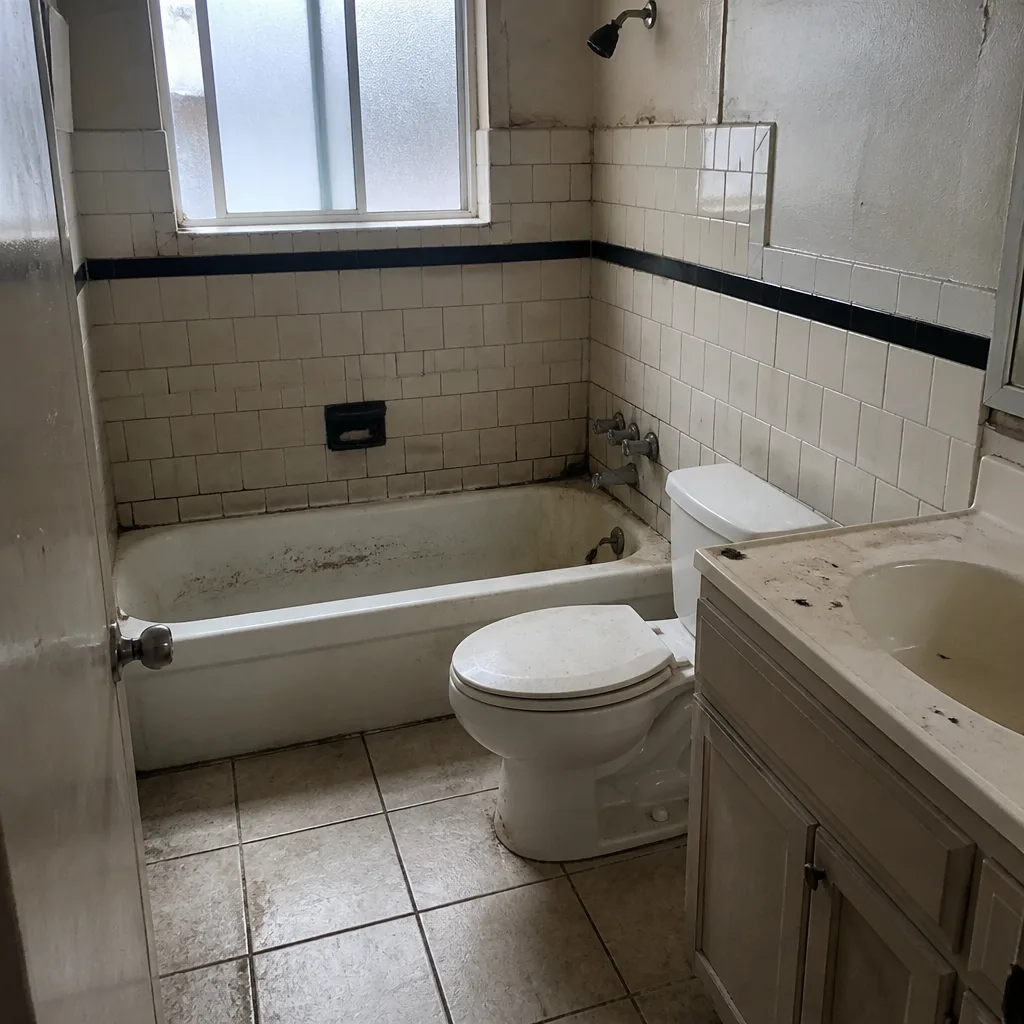 Before
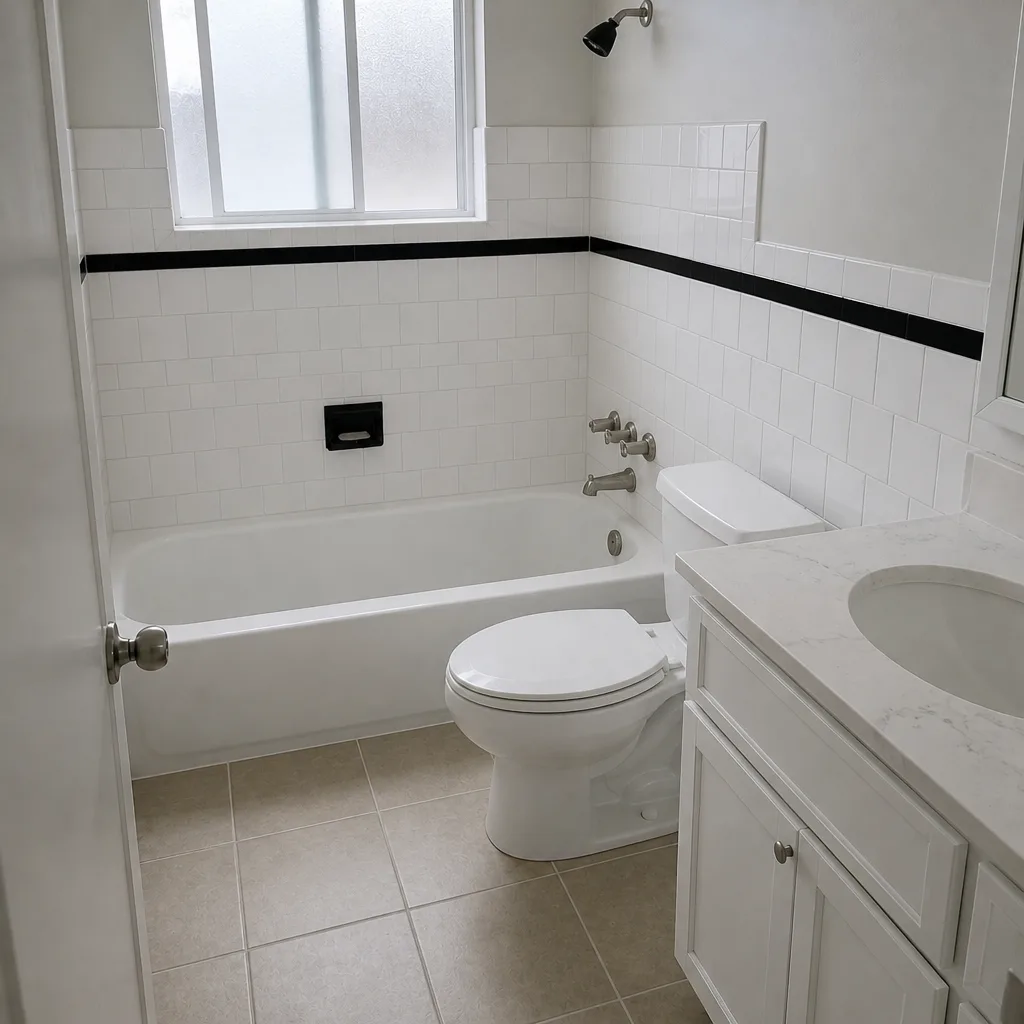 After
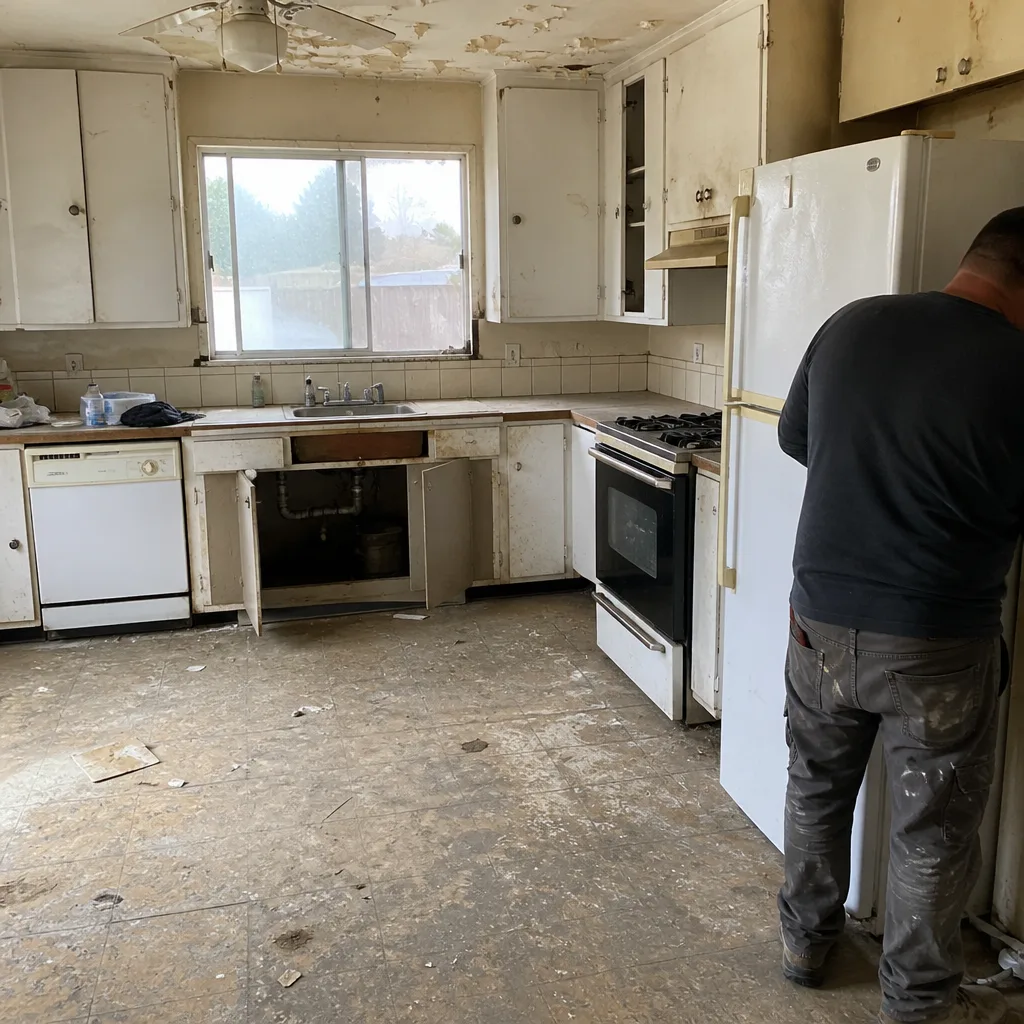 Before
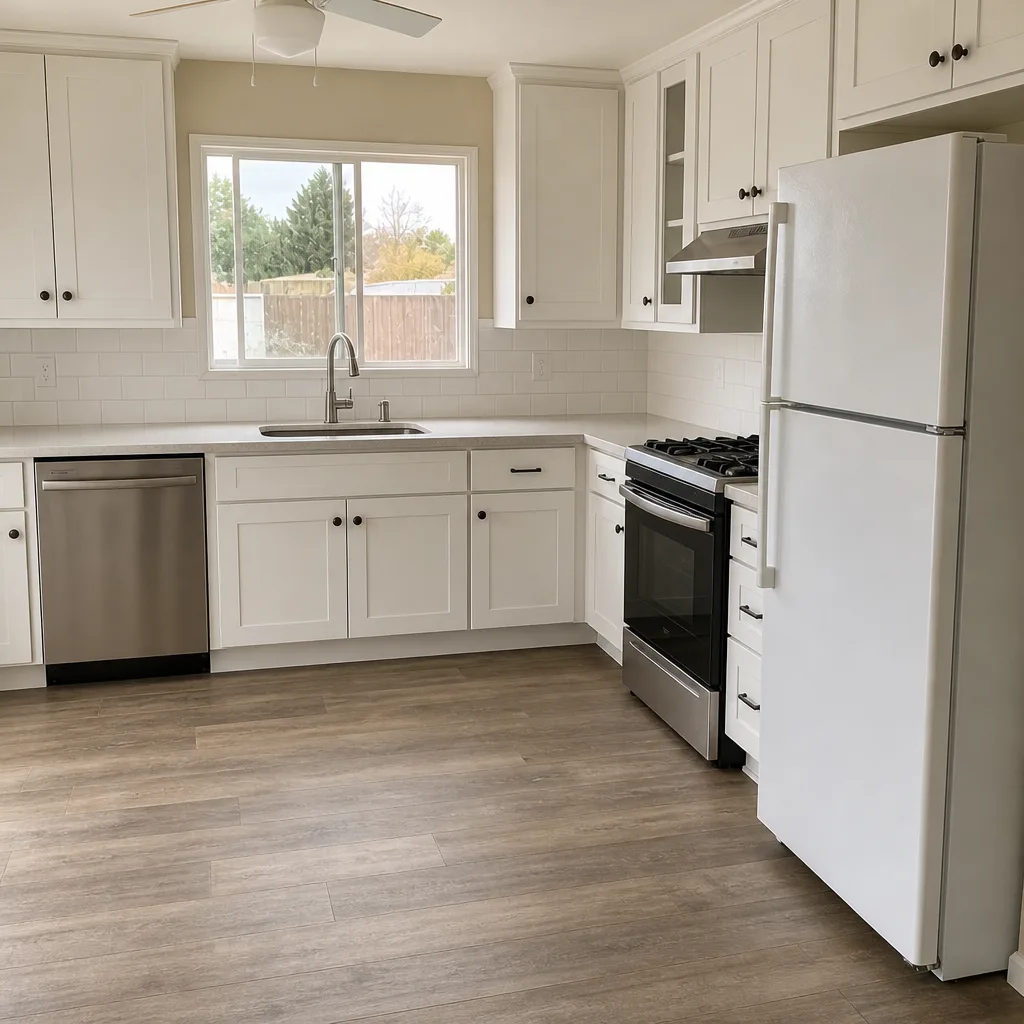 After
When to Call a Professional
Most of this guide is homeowner-doable. But some situations need a trained eye and the right tools. Call a professional when: you’re seeing more than two posts with soft bases, the fence is over 6 feet and needs replacement at height, you’re dealing with a property line dispute, the fence has taken wind or storm damage where structural integrity is questionable, or you’re considering a full replacement and the existing fence includes mature landscaping or hardscape that needs protecting. We’re also the right call if a fence section connects to a retaining wall or a previously installed home addition or ADU envelope where grading and permits interact. Groundwork Construction Co. of Antioch offers free estimates in Antioch. Call (888) 419-3650 to schedule yours. Ask for a written line-item quote and inspect before you commit to replacing anything.
Frequently Asked Questions
Every 2 to 3 years for a wood fence in Antioch, with resealing triggered by the water-bead test rather than a fixed calendar. Most fences fail the bead test between 24 and 36 months after the last coat. Spring is the best window here because you’re past the rainy season and ahead of summer UV. Call (888) 419-3650 for an exact quote on sealing work; estimates are free.
Yes, as long as the wood is clean and dry. Clean first, wait 3 to 4 dry days, then apply. If you’re doing a deep clean and the wood hasn’t been sealed in years, the whole job usually takes 2 to 3 days of prep before the finish coat goes down. Get a firm timeline in writing; the number you see should be the number you pay.
Moisture trapped against the post base, especially in areas with clay-heavy soil. Standing water after rain keeps the wood at the base saturated, and that starts the rot cycle. Second cause is untreated end grain at the top of pickets. Both are avoidable with routine inspection and end-grain sealing.
20 to 25 years for a well-maintained cedar or redwood fence with proper end-grain sealing, scheduled resealing, and post-base drainage. Untreated fences in the same climate typically need replacement at 10 to 12 years. The lifespan difference comes from maintenance, not the wood.
Fence height limits and location rules apply in Antioch, and any new installation, replacement, or extension should have current requirements checked with the city. A contractor who pulls permits and passes inspections as part of the job is the right partner. Ask for that in writing before work starts.
Routine fence repair in Antioch typically runs $300 to $1,200 depending on scope. Full boards and pickets run $75 to $200 each. Post replacement runs $150 to $300 per post. Resealing a standard residential fence runs $400 to $900. Call (888) 419-3650 for an exact quote; estimates are free and you’ll get a written line-item breakdown before you commit.
The Bottom Line
Wood fence maintenance is a calendar, not a reaction. Run the water-bead test every 6 months, seal in the Antioch spring window (late February to April), inspect post bases twice a year, audit hardware every fall, and treat end grain at every reseal. That routine costs a few hundred dollars through the cycle and extends fence life 5 to 8 years. Skipping it invites a $2,000 to $4,000 replacement a decade earlier than necessary. If you’d rather have the schedule run by someone who treats the wood like it needs to last, Groundwork Construction Co. of Antioch brings that to every job – backed by our 730-Day Done Right Promise, and calls answered by a live person 24/7. Call (888) 419-3650 for a free estimate.
Written by the team at Groundwork Construction Co. of Antioch.