
Last updated November 17, 2026
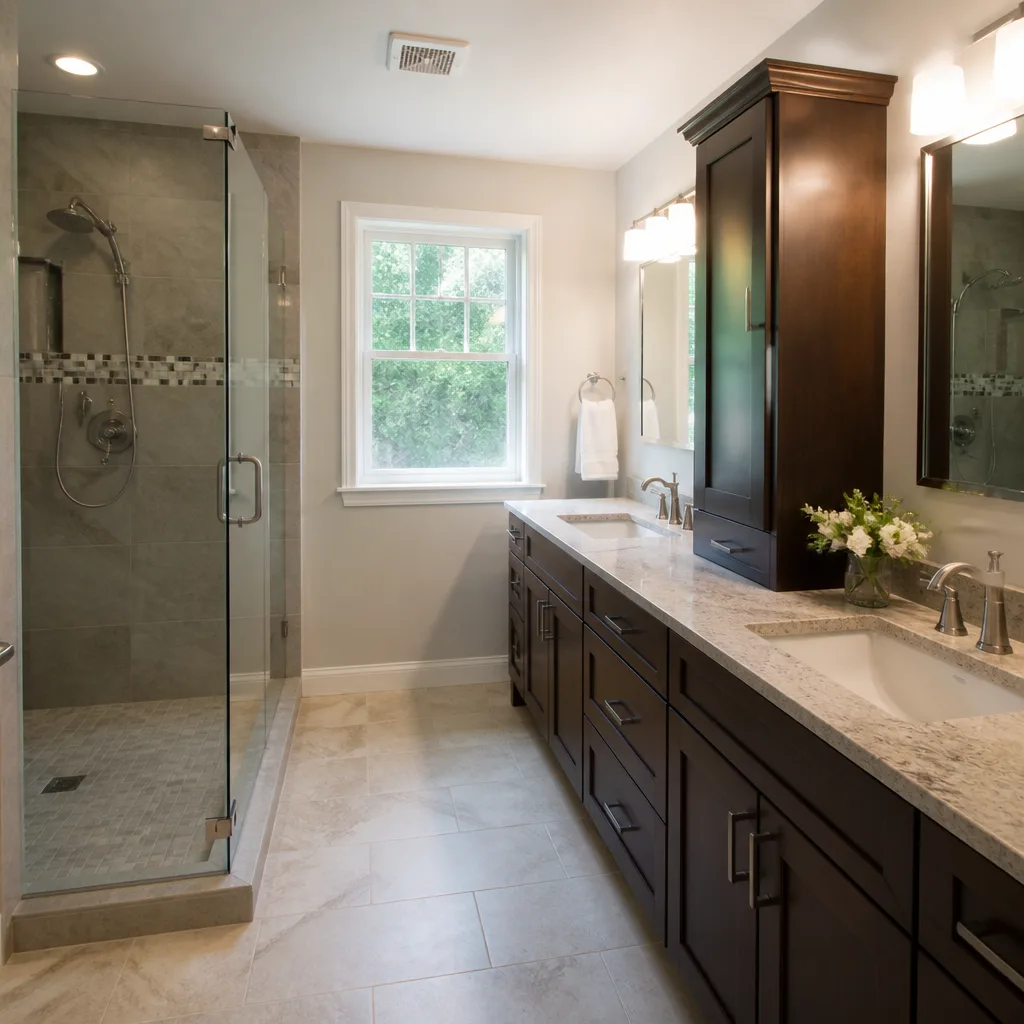 Bathroom remodeling
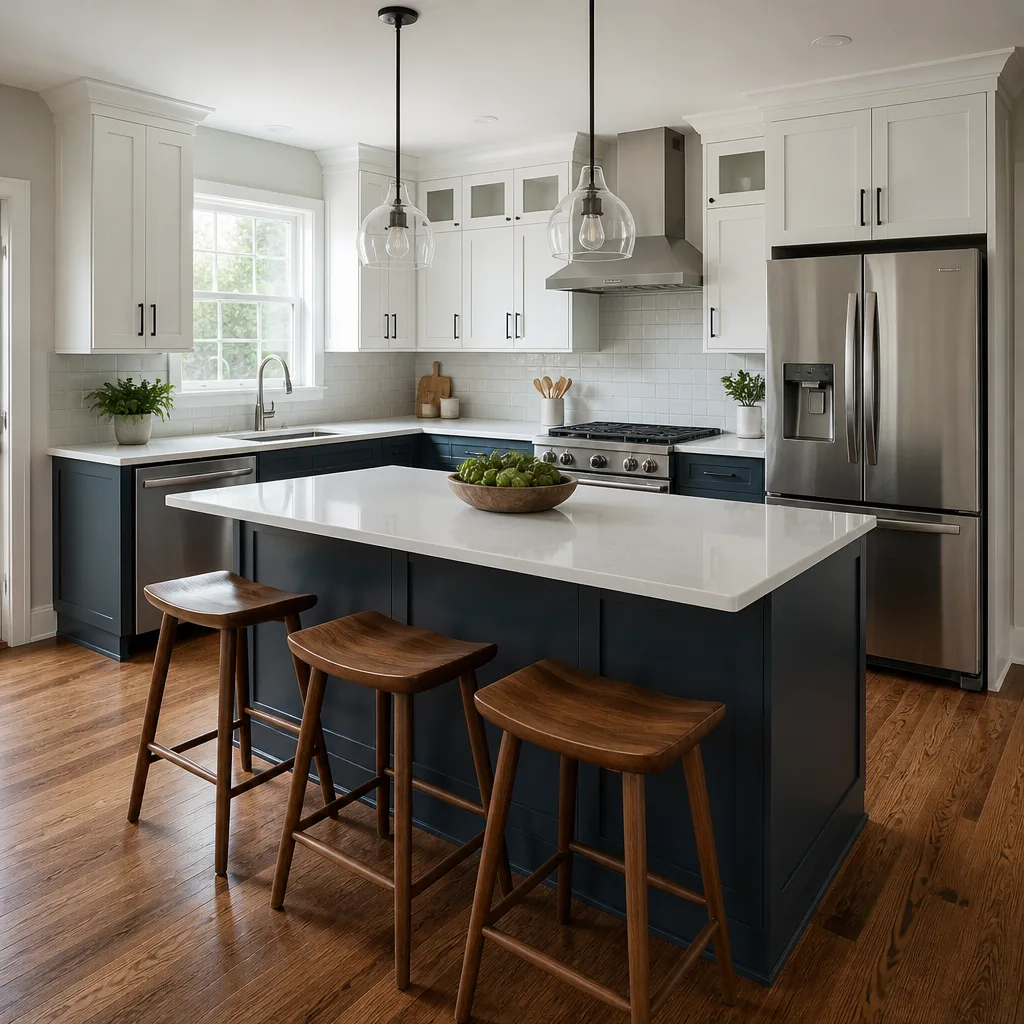 Kitchen remodeling
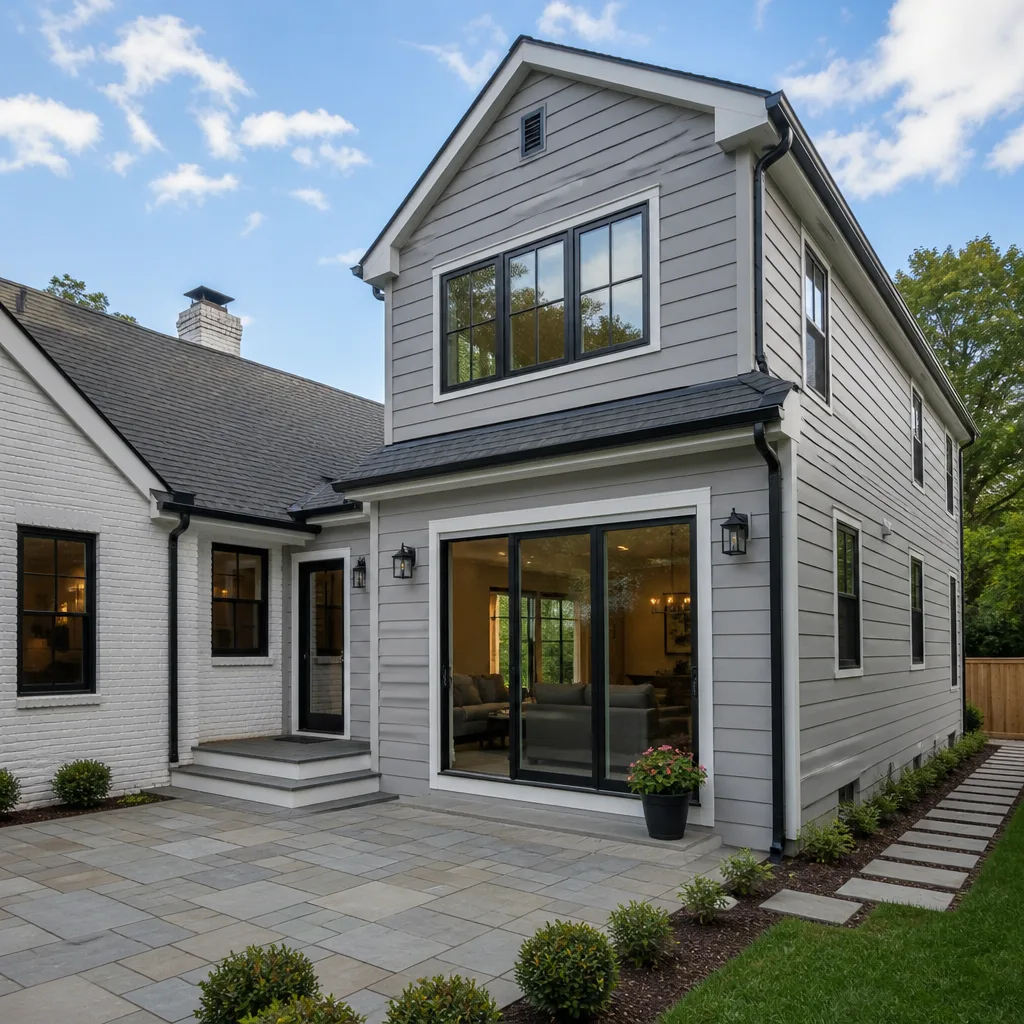 Home additions & ADU
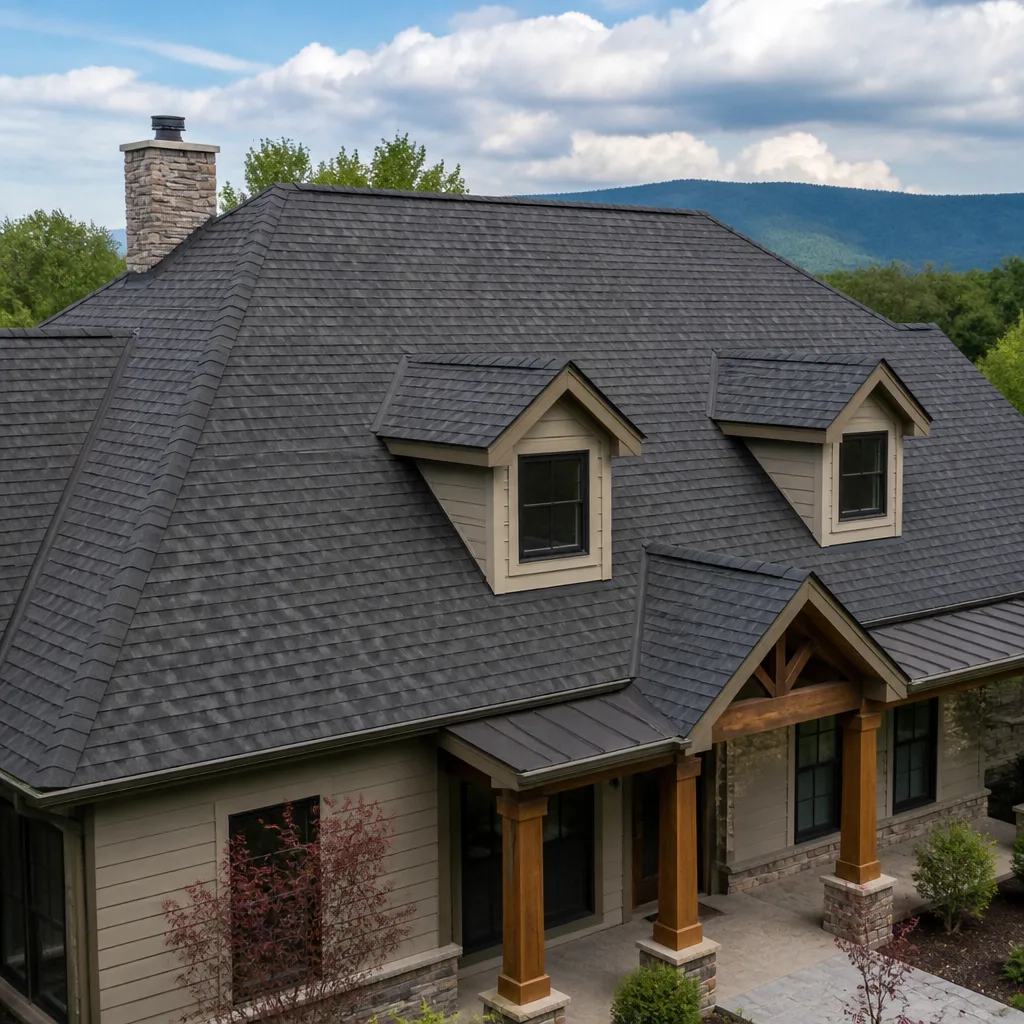 Roofing
 Windows & doors
 Driveway & pavers
 Fence
Free written scope consultation - allowances, timeline, and change-order rules on paper before a single trade is scheduled
DIY vs Professional Bathroom Remodeling: What’s Safe to Do Yourself
Painting a bathroom vanity yourself: completely fine. Relocating a drain two feet to center your freestanding tub: the single most common source of slab leak callbacks in Contra Costa County. That gap – between what looks manageable and what actually goes wrong six months later – is what this guide is about. Most DIY advice focuses on whether you have the skill to swing a hammer or spread thinset. The real question is whether the task carries downstream consequences when it fails quietly. A crooked picture frame is an eyesore. A missed waterproofing membrane behind your shower tile is a $4,000 repair hiding until the day it isn’t. We’ve walked into enough Antioch bathrooms mid-renovation to know which mistakes show up over and over, and this guide draws the line based on what we’ve actually seen fail – not what YouTube makes look achievable.
Quick Answer
Safe DIY tasks are surface-level, reversible, and don’t touch water, power, or structure: painting, mirror swaps, light fixture replacement (breaker off), toilet seat and hardware upgrades, and cabinet hardware. Anything involving supply lines, drain lines, the subfloor beneath a shower pan, electrical rough-in, or waterproofing belongs to a licensed professional, because a 2-inch mistake can cost thousands down the road. Tile setting sits in the middle – technically possible, but the membrane work underneath is where most DIYers get burned.
Styles & brands we work with
- Kitchen remodeling
- Bathroom remodeling
- Home additions & ADU
- Roofing
- Windows & doors
- Driveway & pavers
- Fence
Table of Contents
- The Wet Wall Rule: Where DIY Ends
- Why Permits Protect Your Resale Value
- What’s Genuinely Safe to Do Yourself
- Tile Setting: The Great DIY Trap
- Waterproofing: The Invisible Failure Point
- How to Structure a Hybrid Project
- Antioch-Specific Considerations
- When to Call a Professional
The Wet Wall Rule: Where DIY Ends
Every bathroom has a wet wall – the wall cavity that carries your supply lines, your drain lines, and often your vent stack. It’s usually the wall behind the shower, tub, or toilet, and it’s the single most important boundary in your DIY decision-making.
Anything that touches the wet wall requires a licensed professional. That includes moving a drain, relocating a supply stub, capping and re-sweating copper, converting a tub to a walk-in shower, or shifting a toilet flange. It also includes the subfloor beneath a shower pan or tub, because that’s where the damage hides. When a slow leak develops under a poorly seated drain, you don’t see it on the tile – you see it three months later when the joist beneath it starts to soften.
Why It Goes Wrong
Drain lines operate on gravity and slope. A 1/8-inch-per-foot slope error that a DIYer can’t easily see gets buried under a tile floor and stays wrong for years. Shower pans often require preslope, liner, and a second mortar bed done in a specific sequence – skip the preslope, and water pools in the liner instead of draining. These aren’t skill issues; they’re knowledge issues.
In Antioch, we regularly see this in two-story homes built in the 1980s and 1990s, where the upstairs hall bathroom sits directly over a living area. A failed shower pan there doesn’t just cost the bathroom – it costs a ceiling, insulation, and often drywall repair in the room below.
One more thing on the wet wall: gas lines occasionally run near bathroom plumbing in older Antioch homes. Never touch those. That’s a call to a licensed plumber and the gas utility, full stop.
Why Permits Protect Your Resale Value
Homeowners often treat permits as a tax or a hassle. In Antioch, a permit is the difference between a bathroom that sells your house and one that stalls a deal at inspection.
What California Requires
Bathroom remodels in Antioch that involve plumbing relocation, electrical changes, structural alteration, or new fixtures typically require a building permit. The permit triggers inspection at specific stages: rough plumbing, rough electrical, and final. That inspection exists because a code inspector can see mistakes that a homeowner and a future buyer cannot.
The Resale Problem
When you sell, California transfer disclosure requirements obligate you to disclose known unpermitted work. An unpermitted bathroom – even one that’s technically well done – shows up as a red flag. Buyers negotiate down, lenders may balk, and a new owner’s insurance company can flag it at renewal. We’ve watched a $30,000 bathroom improvement translate to a $15,000 concession because the seller couldn’t produce a permit for a relocated shower valve.
The math is nearly always in favor of pulling the permit. A bathroom permit in Antioch runs a few hundred dollars against a project that will sit as a permanent line item in your home’s value. Skip it, and you’re gambling that the next owner won’t check.
If your project also touches the exterior envelope – new windows for a bathroom expansion, for example – that triggers its own permit path. The same logic applies.
What’s Genuinely Safe to Do Yourself
This list is short, but it’s real. These tasks are reversible, don’t touch water or power at the distribution level, and don’t require permits in most cases.
- Painting walls, ceilings, trim, and vanity cabinets. The single highest-value DIY task in any bathroom. Prep matters more than the paint: sand, degloss, and use a primer designed for bathrooms so the finish handles humidity.
- Mirror swaps. Swapping a standard builder mirror for a framed one is a two-hour job. Make sure you’re mounting to framing or using proper drywall anchors rated for the mirror’s weight. Bathroom drywall in humid climates can lose holding strength over time.
- Light fixture replacement. Safe if you turn off the correct breaker at the panel and verify it with a tester. If the box feels hot, if the wiring looks aluminum, or if the existing fixture was undersized for the room, call a licensed electrician. Rule of thumb: fixture swap, yes; new circuit or moved switch, no.
- Toilet seat and hardware upgrades. Seats, flush valves, fill valves, and handles are all homeowner-level. They fail every few years and cost $20 to $60 to replace. This is where DIY shines.
- Cabinet hardware and towel bar swaps. Cosmetic, reversible, no risk.
- Caulking and grout touch-ups. Removing old caulk and laying a fresh bead with a silicone caulk is genuinely DIY-friendly – as long as you’re repointing, not repairing a crack in the tile plane. Cracks in tile usually signal movement underneath; that’s a professional call.
- Paint-safe tile refinishing kits. Acceptable for a guest bath or a half bath where you’re managing expectations. Not a long-term solution for a primary shower – and never over a surface that hasn’t been fully cleaned and etched.
If you’re weighing whether a specific task belongs on this list or the next one, our Groundwork Construction Co. of Antioch home page outlines the service scope we handle when you’d rather hand it off.
Tile Setting: The Great DIY Trap
Tile setting looks achievable. The tools are available at any home center, tutorials are everywhere, and the tile itself is forgiving to practice on. Most homeowners who start tiling a bathroom shower and abandon the project don’t abandon it because they couldn’t lay the tile – they abandon it because they got the waterproofing wrong and had to tear out three days of work.
What Actually Goes Wrong
The tile is the visible layer. Underneath it, in this order, should be:
- Cement backer board or a bonded waterproofing membrane
- Properly applied seam tape and thinset at every board joint
- Waterproofing coat on all walls, the bench, and the curb
- A presloped shower pan with a liner that drains to the weep holes
- Thinset with the right notch trowel for the tile size
Miss the seam tape, and water wicks behind the board. Skip the preslope, and the liner holds water instead of passing it to the drain. Skip the weep-hole protection at the drain assembly, and the pan slowly fills from below.
The Feedback Problem
Every failure point in tile work happens under a surface you’ve already paid for. There’s no warning – no drip, no crack, no color change until the surrounding wood swells. A contractor’s inspection exposure isn’t about avoiding the work; it’s about the fact that the fix happens six months after the tiles were finished.
The compromise that works: hire out the waterproofing and pan, and consider finishing the tile work yourself if you want. But we’ve seen far more people succeed by having a professional handle the pan and membrane, then doing the visible tile work on the walls over a properly prepared substrate. That said, if you’re setting large-format tile (24″ x 48″ is now common in Antioch remodels), even the finishing work needs practice, and a slightly uneven plane is hard to unsee.
Waterproofing: The Invisible Failure Point
Waterproofing is the least visible phase of a bathroom remodel and the one that determines how long the room lasts. There are two acceptable methods in a modern shower: a liquid-applied membrane over cement board, or a bonded sheet membrane. Both need correct substrate preparation, correct thickness or overlap, and correct curing before tile.
Signs a Waterproofing Job Failed
- Grout lines darken and stay dark, even after cleaning
- Grout flakes or crumbles near the shower floor
- Tiles flex underfoot or make a hollow sound when tapped
- Musty smell that comes back even after deep cleaning
- Water staining in the room below, or on adjoining walls
Any of these are a stop-and-call moment. Continuing to use a shower with a failed membrane accelerates damage and can turn a shower replacement into a subfloor repair.
Where the Efflorescence Signal Helps
Antioch’s water is moderately hard compared to some Bay Area municipal supplies – the region’s mix of delta water and imported supply means you’ll see mineral deposits on tile and glass more readily than in some neighboring cities. That’s cosmetic. But if you’re seeing white, chalky efflorescence at grout lines that reappears after cleaning, that’s often not the water – it’s moisture moving through the tile assembly. That’s a waterproofing call.
How to Structure a Hybrid Project
The most cost-effective bathroom remodel for a careful homeowner isn’t all-DIY or all-pro. It’s a phased hybrid where the homeowner takes the finish work and the professional handles the wet wall, the subfloor, the membrane, the electrical rough-in, and the permit.
A Practical Hybrid Sequence
- Phase 1: Design and permit. Confirm the layout with your professional and pull the permit. Layout changes after rough-in are where budgets blow up.
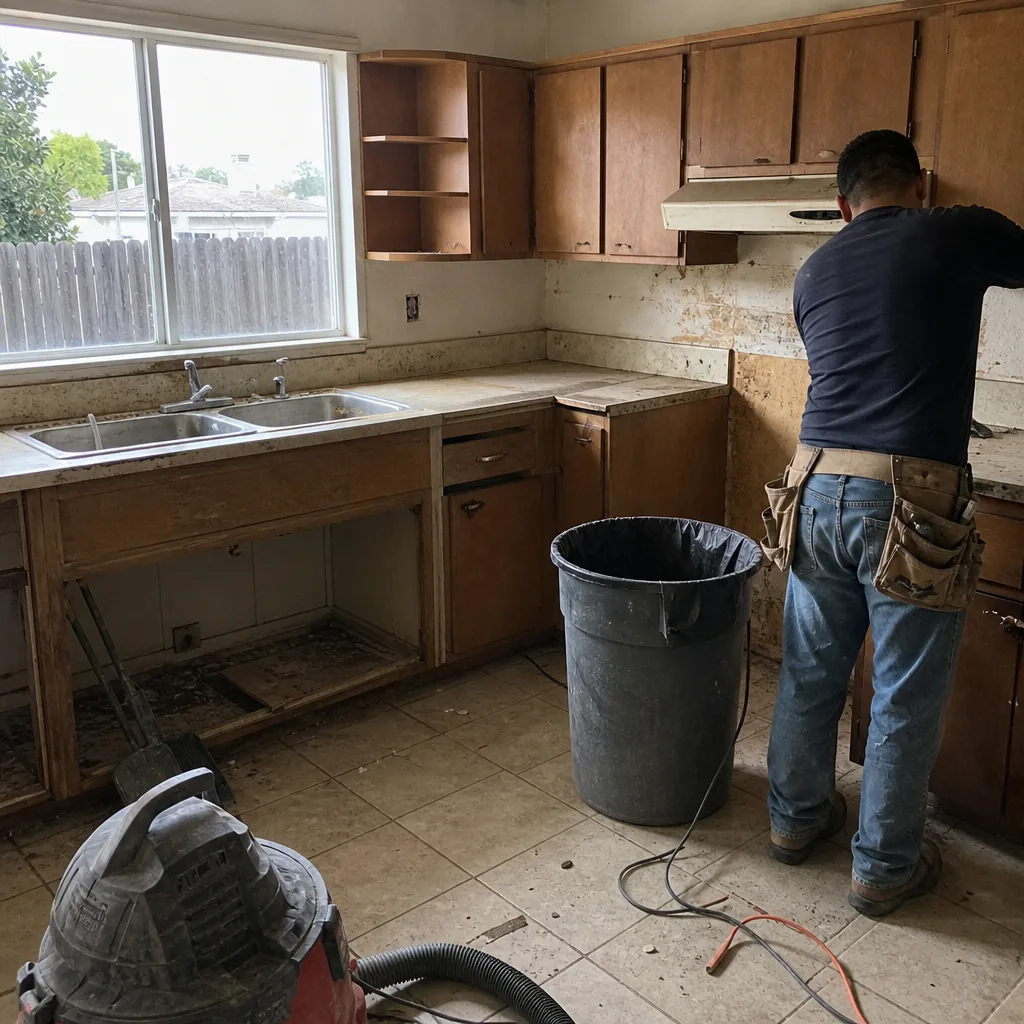
- Phase 2: Demolition. Many homeowners handle this themselves. Wear respiratory protection, seal doorways, and stop at the point of exposed framing – anything behind the walls goes to the pro.
- Phase 3: Rough plumbing and electrical. Professional phase. This is where the permit-relevant inspections happen. Do not skip the inspection to save time.
- Phase 4: Subfloor, backer board, waterproofing, and shower pan. Professional phase. This is the heart of the “no DIY” list.
- Phase 5: Drywall, prime, paint. Homeowner-safe if you’re doing your own drywall finishing. Many people choose to have a drywaller come in for a fast, flat finish, then take over the paint.
- Phase 6: Tile setting. Depends on skill. Safest split is a professional contractor doing the shower tile, with the homeowner doing flooring tile in the dry areas – floor tile tolerates more beginner error than a shower wall.
- Phase 7: Fixtures, trim, paint touch-up, and final inspection. Fixture installation (faucets, toilet, towel bars, mirror) is often safe for a homeowner as long as the rough-in is correct. Final inspection is scheduled by the contractor who pulled the permit.
What a Hybrid Typically Saves
Across Antioch-area bathroom remodels, homeowners doing their own demo, paint, and finish fixture work usually take 8 – 15% off the total labor line. The savings come from the tasks that require care but not licenses. Moving the savings into a professional waterproofing and rough-in phase is the difference between a completed remodel and a call six months later.
Antioch-Specific Considerations
Building a bathroom in Antioch is different from building one in a drier climate or a colder one. Two things matter more here than they do elsewhere.
Humidity and Ventilation
Antioch summers run hot and the delta breeze brings evening humidity that many Bay Area cities don’t get. Bathrooms here need real ventilation, not a window crack. A properly sized exhaust fan ducted to the exterior (not into the attic) is non-negotiable if you want paint, caulk, and drywall to last. If you’re doing a DIY project and your fan doesn’t move air, replacing it is one of the highest-value small fixes. Ducts that terminate in the attic are common in older Antioch homes and cause mold in the attic within two summers.
Older Housing Stock
Antioch’s housing stock is mixed. Homes in the older downtown grid often have copper supply lines and cast iron drains. Homes in the 1980s – 2000s subdivisions around Prewett Ranch and Lone Tree usually have PEX or copper supply, ABS drains, and slab-on-grade construction in the ground-floor bathrooms. Slab plumbing is unforgiving – a shifted drain or cracked fitting in a slab bathroom is a jackhammer job. That’s the strongest single argument to have a licensed plumber do anything on the wet wall.
Local Contractor Scheduling
Bathroom remodels in Antioch compete for contractor time alongside kitchen, roofing, and exterior work. Spring and early summer are the busiest windows because homeowners want to finish before the hot months. Booking a professional phase in winter gets you a faster schedule and often better material availability from brands like Kohler or KraftMaid. If the bathroom shares scope with an exterior component – new windows, a fan vented to a new roof penetration, or a paver path around the exterior – coordinating permits reduces inspection visits.
Common Mistakes to Avoid
- Skipping the permit to save time. Antioch permits take weeks, not days, and that’s the point – the inspections catch real problems. The buyer’s inspector in five years won’t care that you saved three weeks.
- Setting tile directly over greenboard drywall. Greenboard is water-resistant, not waterproof. It fails behind a shower within a couple of years and takes the tile with it.
- Not capping the supply lines before demo. We’ve walked into Antioch bathrooms where roughing out a tub meant water running down the wall because a shutoff was stuck open. Always cap before opening walls, and know where the main shutoff is.
- Reusing a shower pan liner after tearout. Liners tear at the drain and along the curb during a remodel. A $50 liner replacement avoids a $3,000 ceiling repair below.
- Venting a new exhaust fan into the attic. Common in older construction and popular in DIY retrofit videos. In Antioch’s summer humidity, this creates attic mold fast enough to void shingle warranties.
- Moving a toilet without re-checking the flange height. A flange set below the finished floor traps water under the wax ring on every flush. A $200 plumber visit fixes what a $1,000 DIY attempt turns into.
- Choosing materials for looks only. Bathroom floors that see daily splash-and-wipe need a slip rating. Large polished porcelain looks great and turns into a slip hazard the first week of cooler, damper mornings.
- Letting the contractor phase end without the final inspection. A closed but uninspected permit can still show up at resale. Insist on the signed-off card.
See the difference
 Before
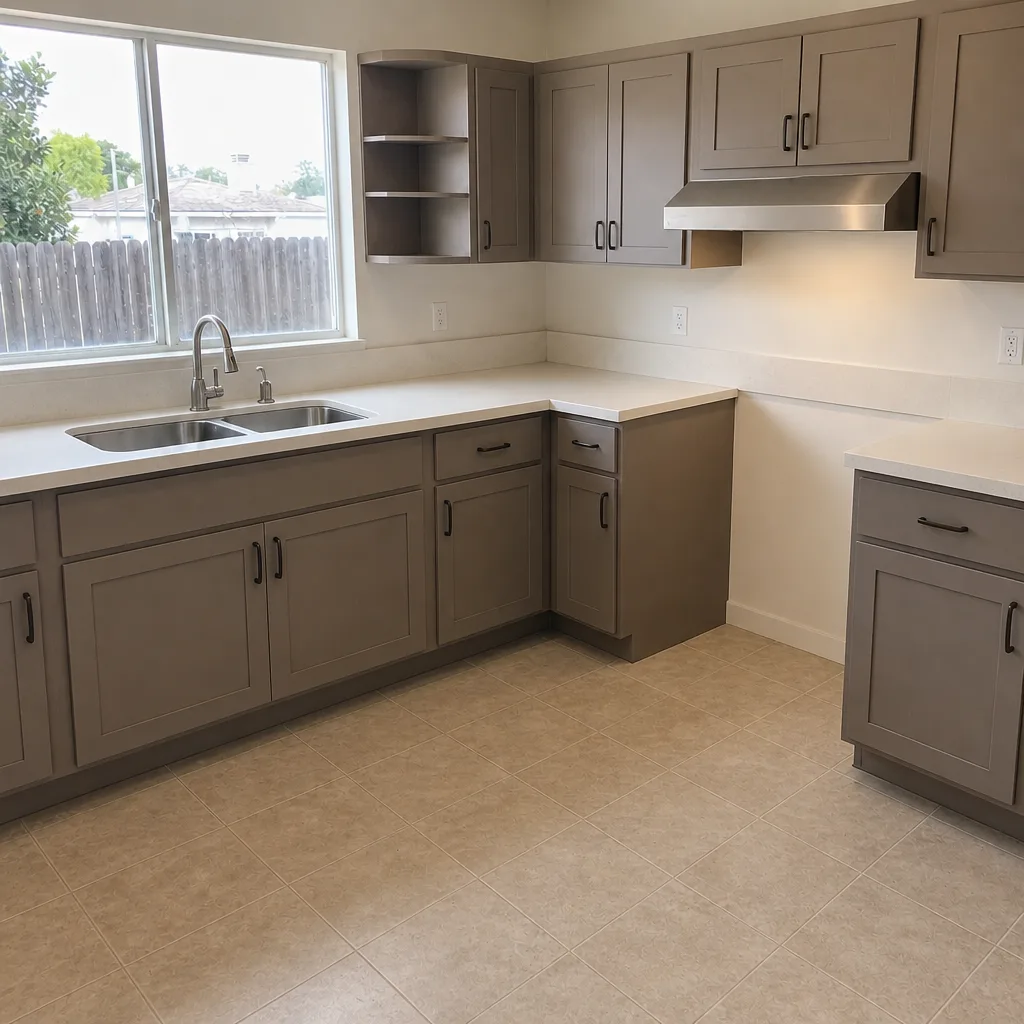 After
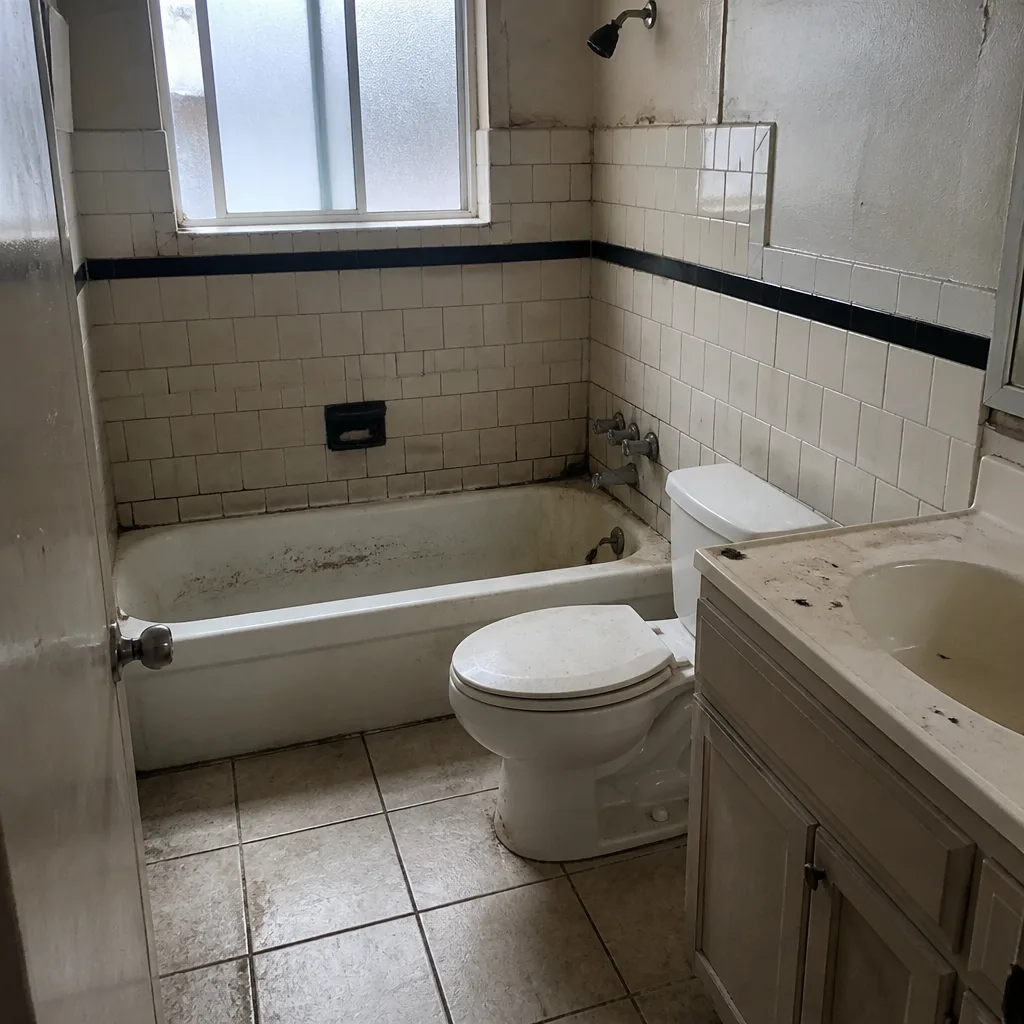 Before
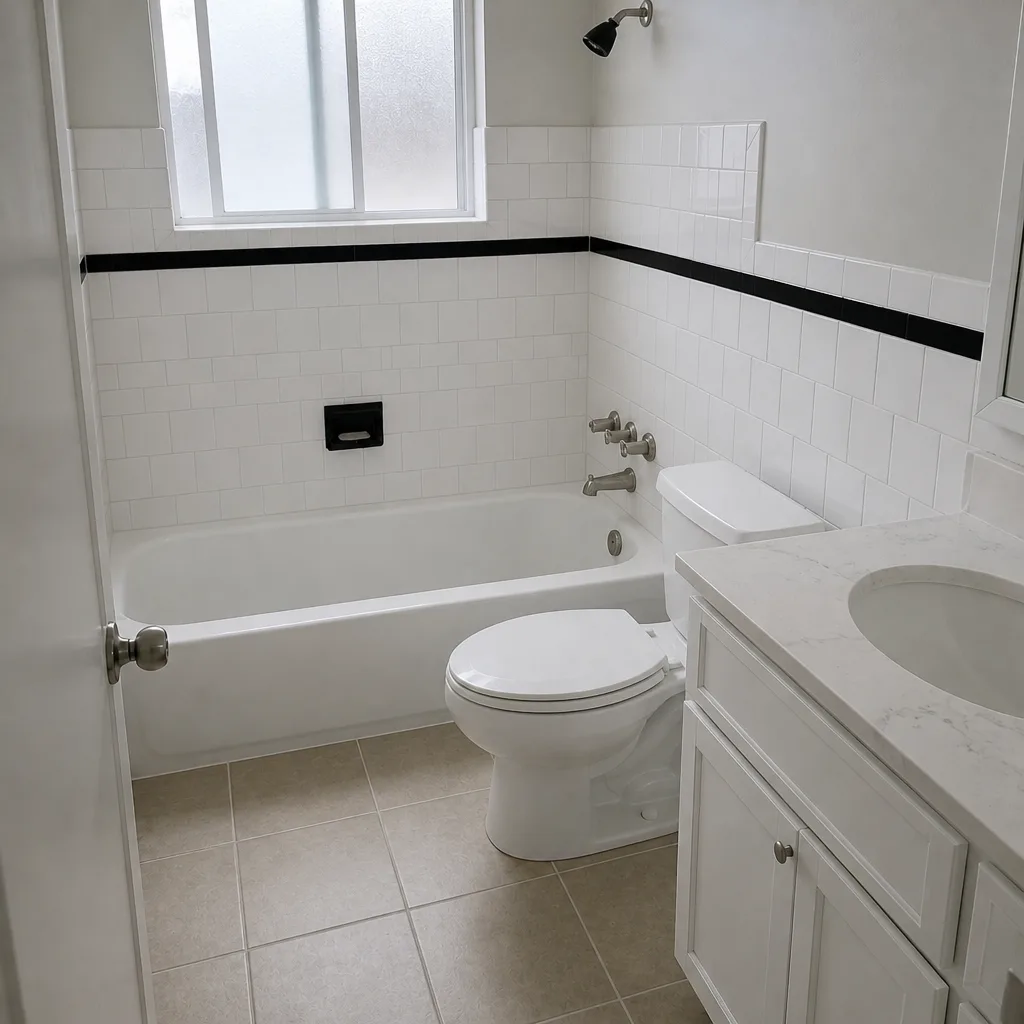 After
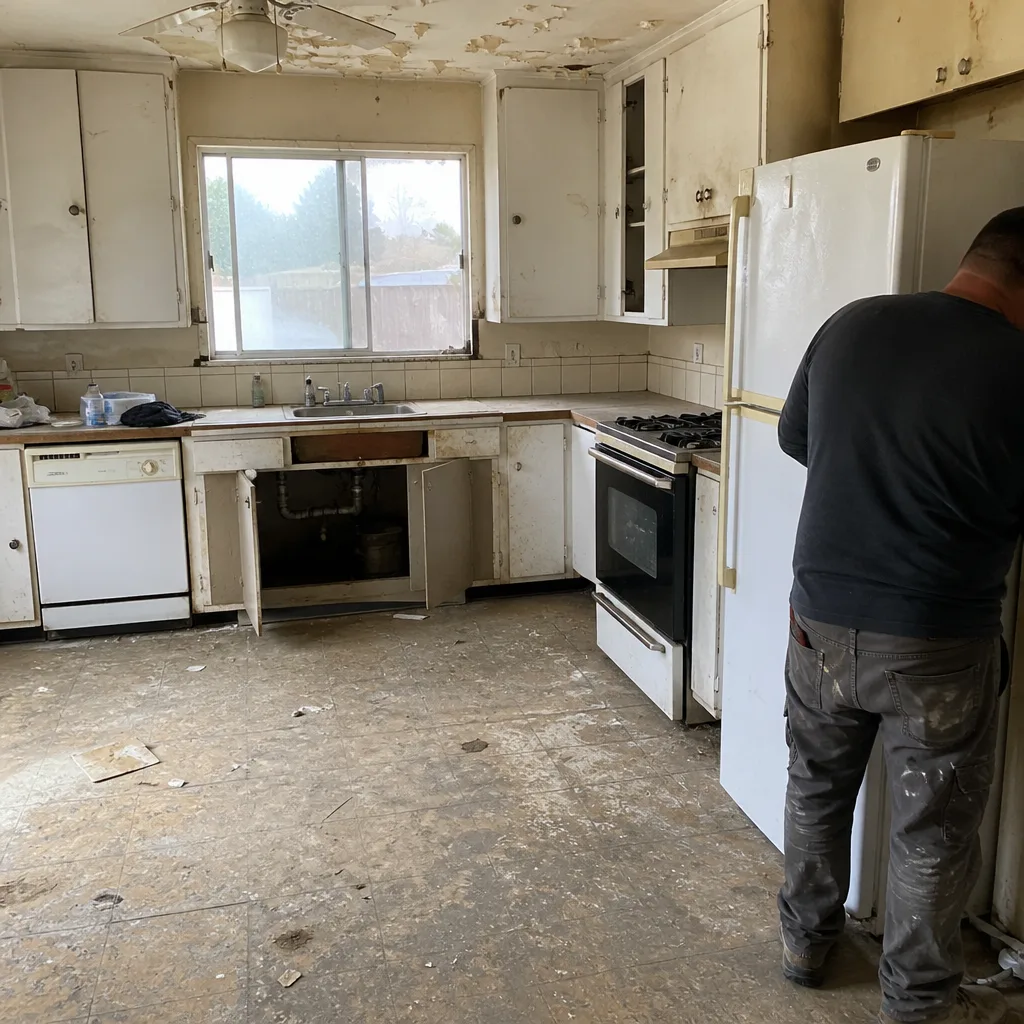 Before
 After
When to Call a Professional
Call a licensed professional when the job touches any of these: supply lines, drain lines, the subfloor beneath a shower or tub, gas, electrical rough-in, permit-required scope, structural change, or full waterproofing. Also call when the timeline is tight, when the bathroom serves a household that can’t be without it for long, or when the layout is changing. Being honest about your own limits at the front end is cheaper than finding them mid-project.
For a hybrid project, the cleanest split is to have a professional handle the permit, rough-in phases, and shower assembly, then return for the final inspection and finish. That’s how we structure bathroom projects in Antioch – the homeowner keeps the parts they want, and the parts that carry risk go to the trades that carry the license. Groundwork Construction Co. of Antioch offers free estimates in Antioch – call (888) 419-3650.
Frequently Asked Questions
Only for cosmetic work. Painting, mirror swaps, fixture replacements at existing locations, and finish changes don’t require a permit. Anything that moves plumbing, adds or changes electrical, alters structure, or replaces a shower pan with new waterproofing typically requires a permit through the City of Antioch. If you’re unsure, call the building department before you demo – they’ll tell you straight, and it saves a stop-work order later.
A full mid-range bathroom remodel in Antioch typically lands between $22,000 and $55,000 depending on size, layout changes, and finish level. A cosmetic refresh with a new vanity, paint, and fixture swaps runs $6,000 – $12,000. A hybrid project where you handle demo, paint, and finish installation usually saves 8 – 15% off the labor line. Call (888) 419-3650 for a free estimate on your specific scope.
The tile work itself is possible for a careful homeowner, but the waterproofing and shower pan beneath it are where the failure happens and where the money is lost. A safer approach is to have a professional do the waterproofing, pan, and shower walls, and let the homeowner tile a bathroom floor in a dry area. If you’re tiling over a properly prepared substrate, the tile layer is forgiving – the layer under it isn’t.
Yes, in most cases. California’s transfer disclosure requirements obligate you to disclose known unpermitted work, and buyers and lenders treat that disclosure as leverage. A bathroom with an unpermitted shower pan or relocated drain reduces offer prices by more than the permit would have cost, and it can delay the sale while a buyer’s inspector digs into other areas they now suspect.
Not safely. Relocating a toilet flange, drain, or supply line involves cutting into the drain system, re-sloping the pipe correctly, and re-testing under the inspection – all of which require a plumbing permit and a licensed plumber. In Antioch’s slab-on-grade bathrooms, that means concrete work. This is one of the top callbacks we see for six-figure homeowner regret.
In most cases, a like-for-like fan replacement at the same location with the same duct path doesn’t require a permit. A new fan ducted through the roof or exterior wall may require a permit, because it’s a new penetration of the building envelope. When in doubt, call the City of Antioch building department – the answer usually takes five minutes and prevents a problem at resale.
Take the phases that are reversible, low-risk, and cosmetic, and hand the rest to the professional: demo, paint, drywall finishing, finish fixture installation, and cabinet hardware are the standard savings. Leave the permit, plumbing rough-in, electrical rough-in, waterproofing, shower pan, and shower tile to the professional. If your project shares scope with a larger home addition, our Home Additions & ADU in Antioch page covers how phased permits work.
The Bottom Line
The DIY vs professional bathroom remodel decision isn’t about how handy you are – it’s about which failures cost money quietly. Paint, mirror swaps, and fixture replacement are yours to own. Supply lines, drain lines, the subfloor beneath a shower, and waterproofing are not, no matter how many tutorials you watch. Permits exist for resale, not just safety. Tile setting sits in the trap zone because the visible work is easy and the invisible work decides whether you pass or fail. In Antioch, add slab-on-grade plumbing and delta humidity to the list of reasons the wet phases belong to a licensed contractor. If you’re planning a bathroom remodel and want a free estimate and design consult, call (888) 419-3650. We’ll walk the scope with you, quote the number upfront, and stand behind the work with the 730-Day Done Right Promise.
Written by the team at Groundwork Construction Co. of Antioch.