
Last updated November 17, 2026
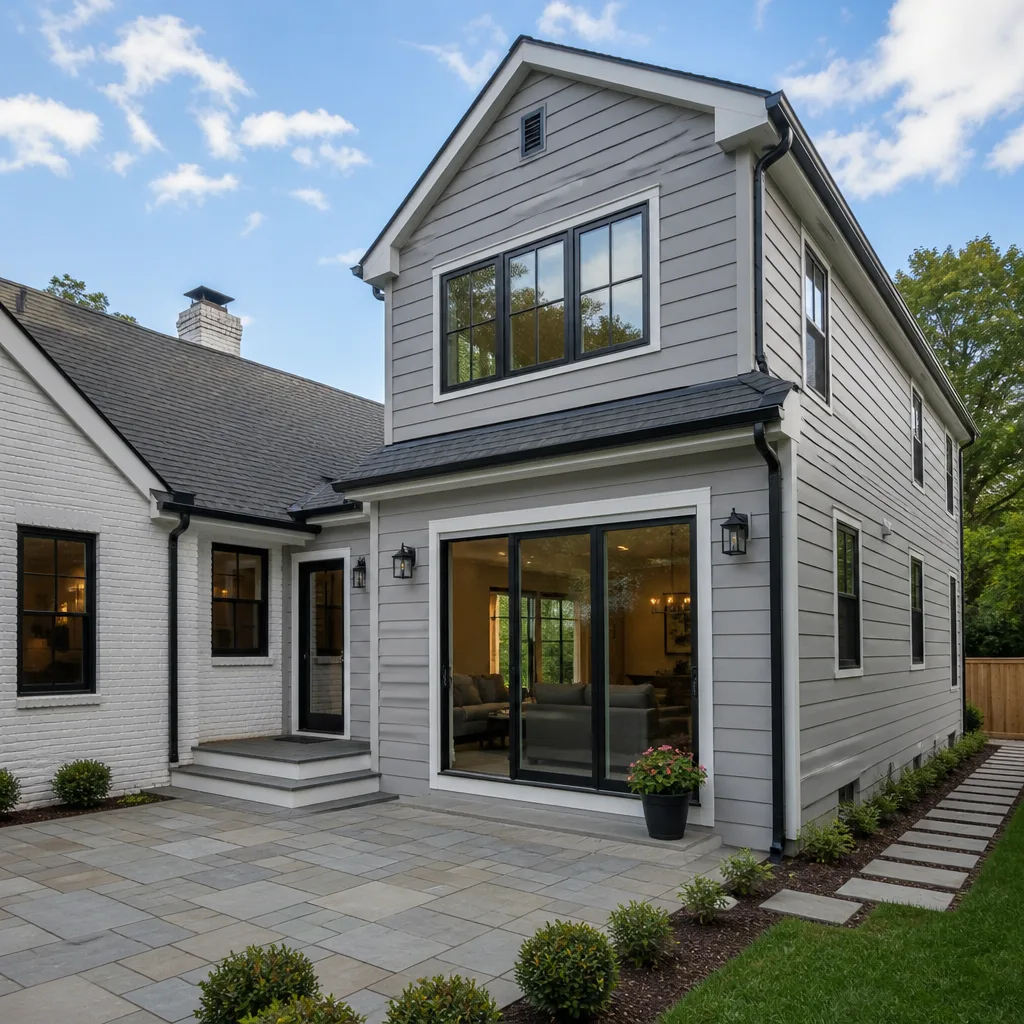 Home additions & ADU
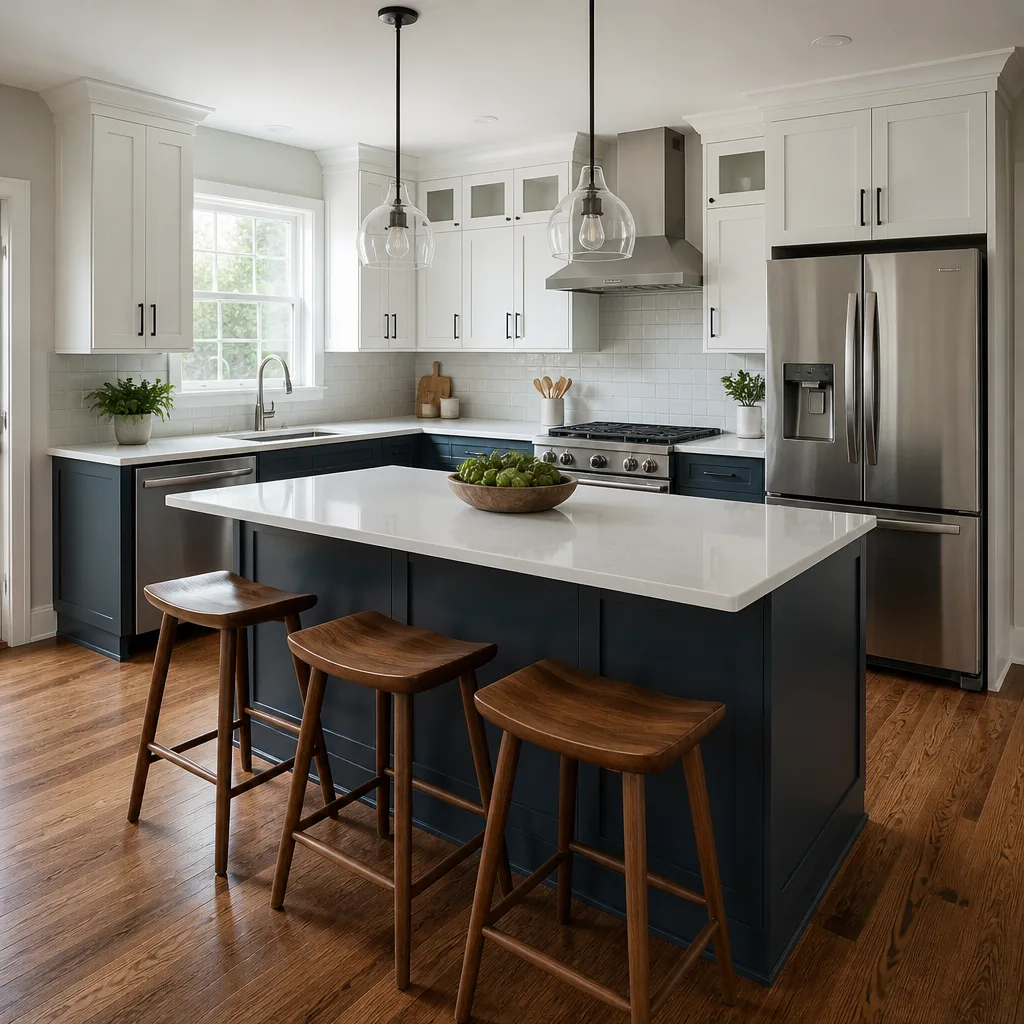 Kitchen remodeling
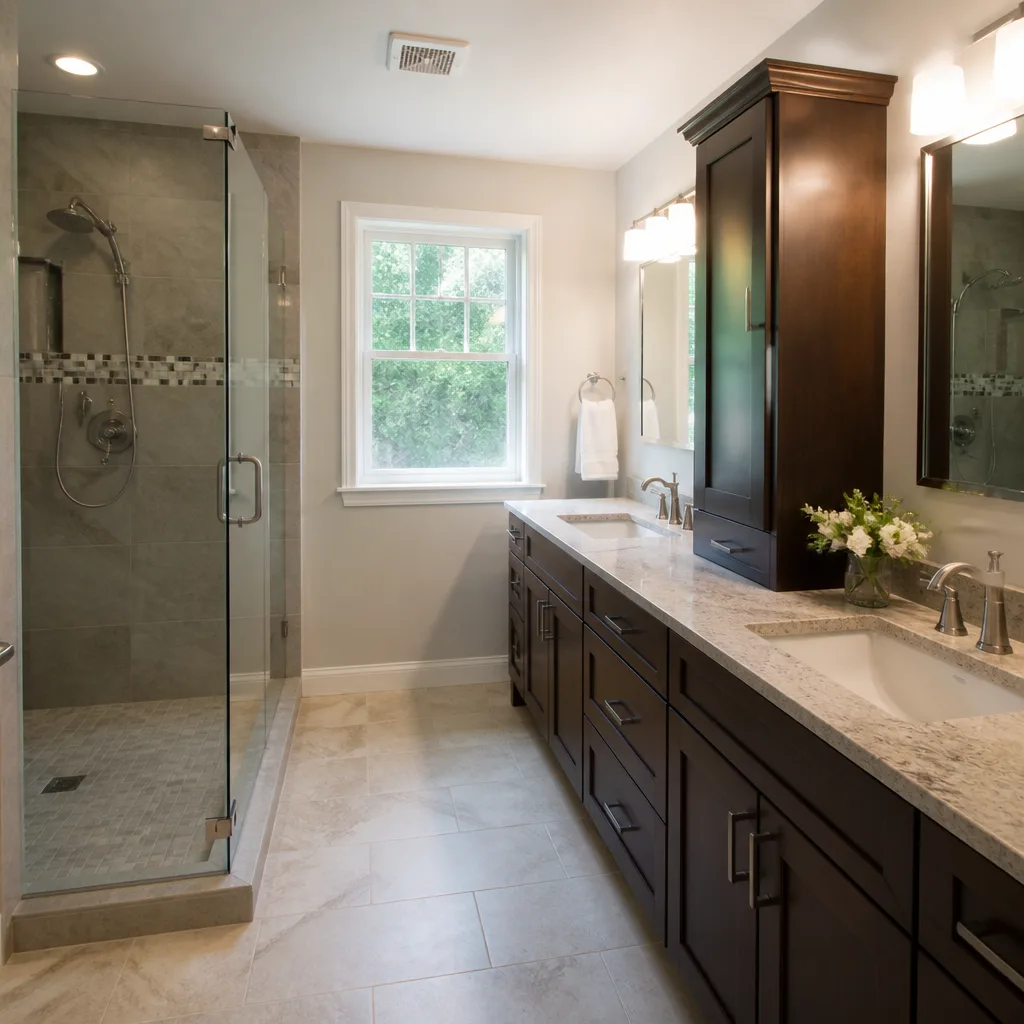 Bathroom remodeling
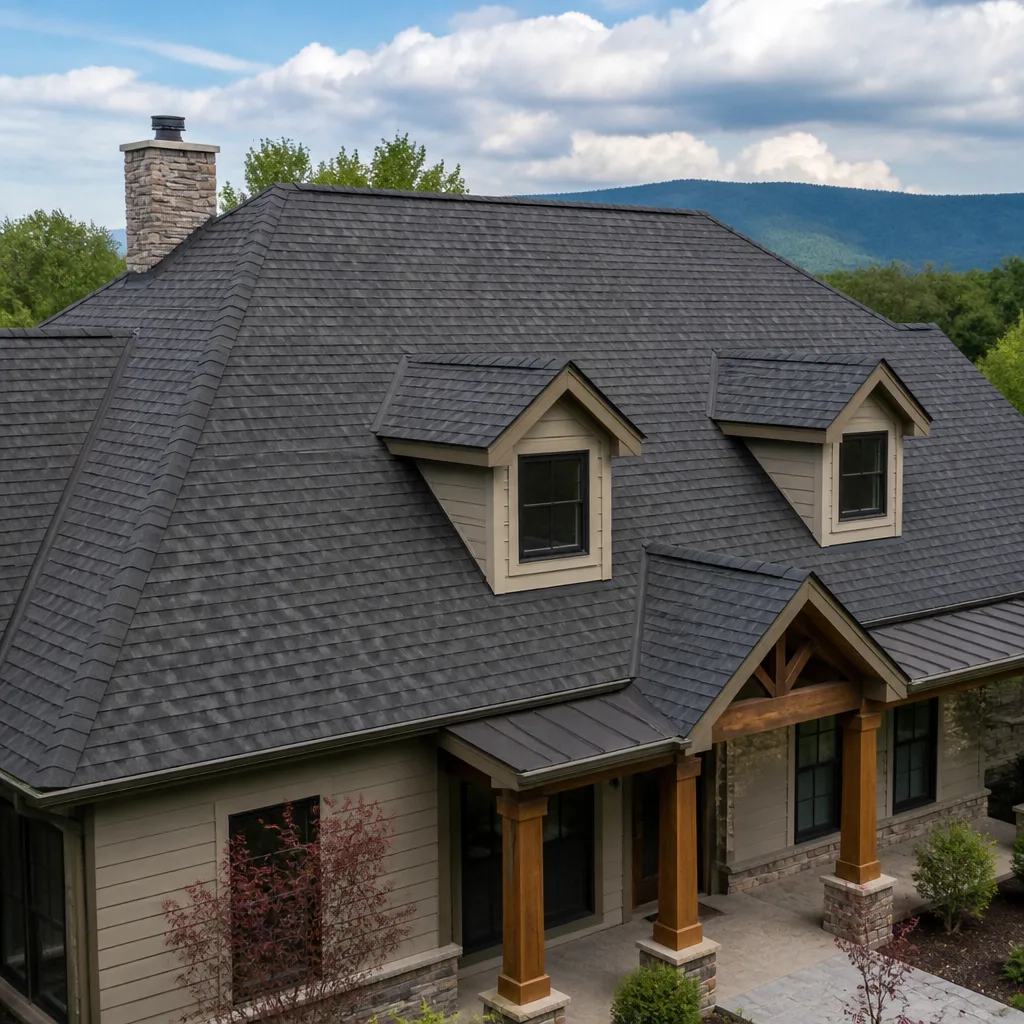 Roofing
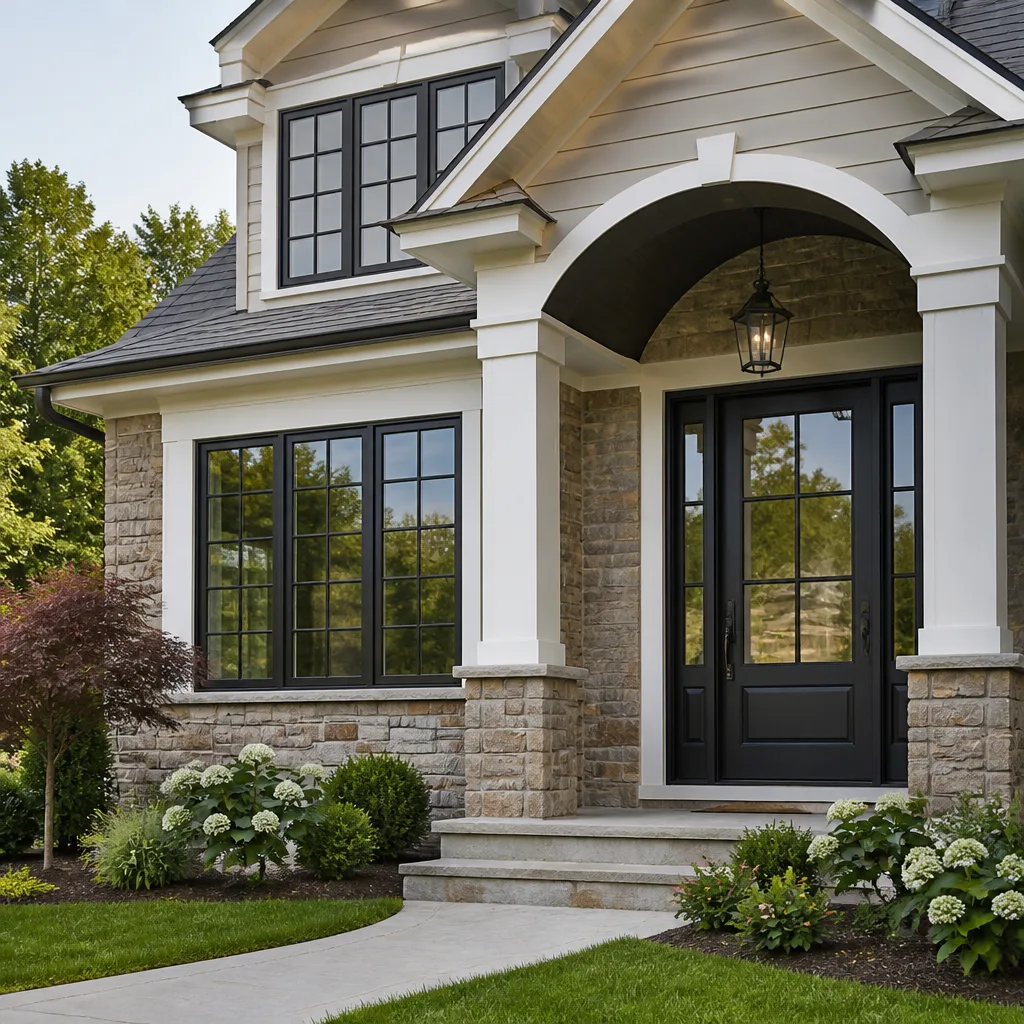 Windows & doors
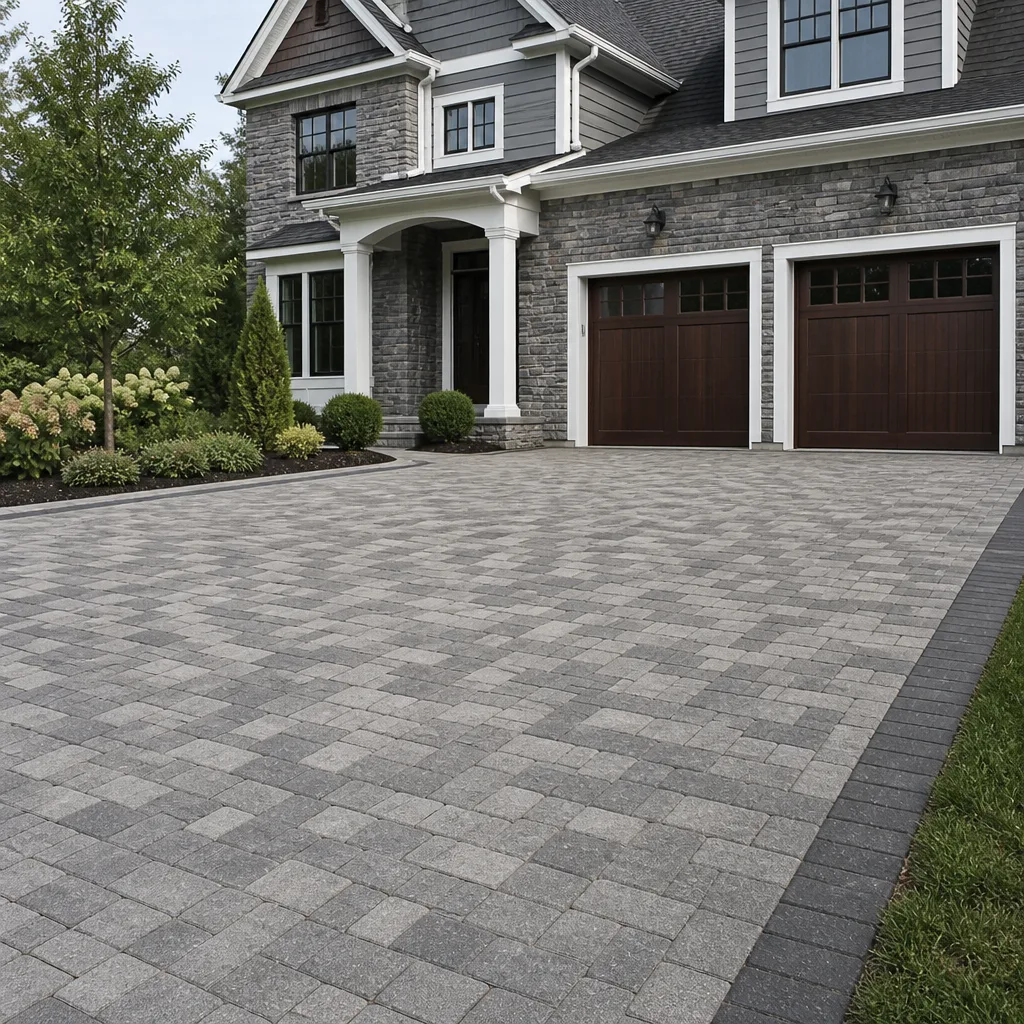 Driveway & pavers
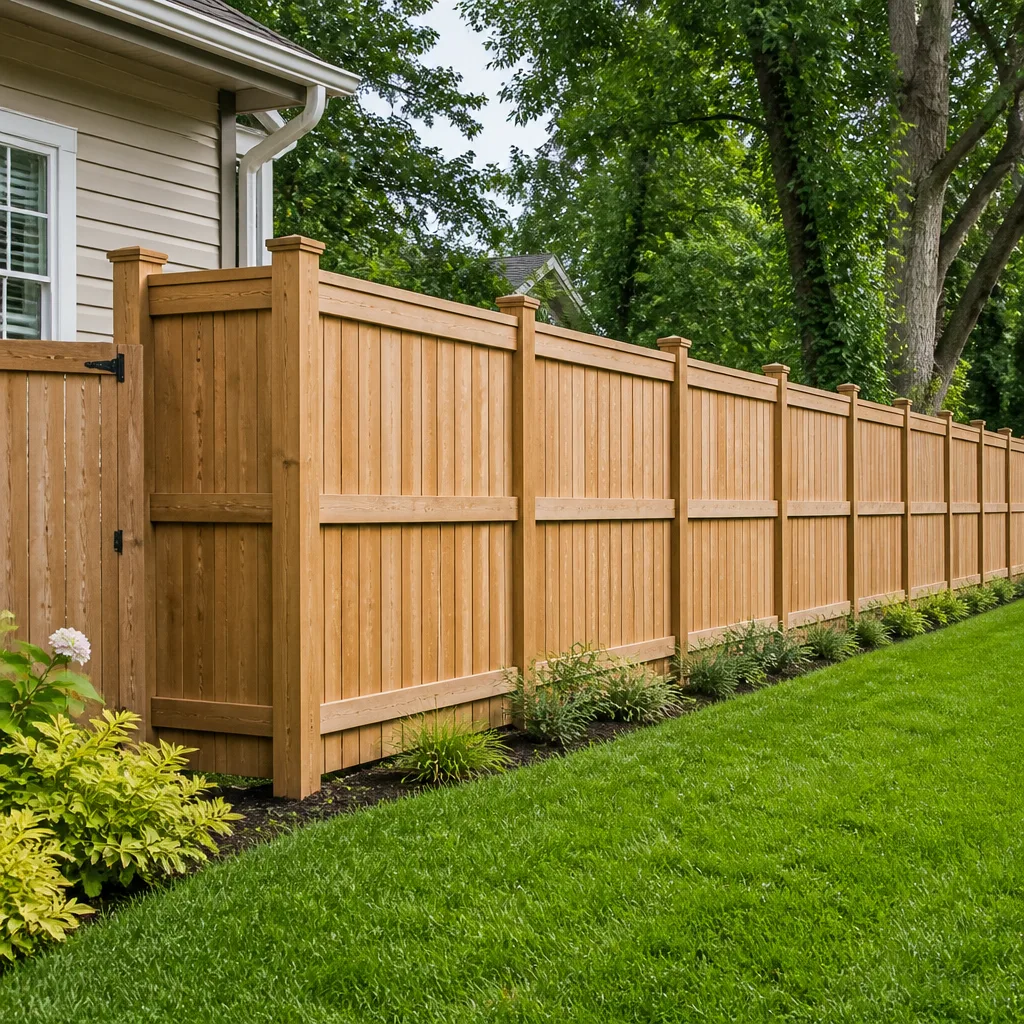 Fence
Free written scope consultation - allowances, timeline, and change-order rules on paper before a single trade is scheduled
DIY vs Professional Construction: The Antioch Homeowner’s Decision Guide
A homeowner in California who installs their own electrical panel upgrade without a permit doesn’t just risk a failed inspection. They risk an insurance denial and an unsellable home, because title companies now routinely flag unpermitted work during escrow. The YouTube tutorial that made it look easy didn’t mention that part. Neither did the comment section. Here’s the uncomfortable truth we want to put in front of every Antioch homeowner before they pick up a pry bar: the DIY versus professional question is almost never a skills question. It’s a liability, permit, and resale question, and the consequences of getting it wrong land squarely on you. This guide gives you a decision framework built on actual risk and financial return, not pride or the cost-savings math you ran in your head at the hardware store.
Quick Answer
In Antioch, DIY makes sense for cosmetic, permit-free work like painting, landscaping touch-ups, and fence staining, where a mistake costs you time and maybe a few hundred dollars. It does not make sense for anything structural, electrical, plumbing, gas, or tied to a permit, because California law and your homeowner’s insurance put the financial and legal exposure on you, not the tutorial creator. Use this guide’s project matrix to match each job to the right risk tier before you spend a dollar on materials.
Styles & brands we work with
- Kitchen remodeling
- Bathroom remodeling
- Home additions & ADU
- Roofing
- Windows & doors
- Driveway & pavers
- Fence
Table of Contents
- Why the DIY Question Is Really a Liability Question
- What California Law Actually Requires (and What It Doesn’t)
- The Real Cost of DIY: Tools, Waste, and Your Time
- Why Antioch Projects Carry Extra Risk: Soil, Code, and Climate
- How Unpermitted Work Affects Your Antioch Resale Value
- The Antioch Project-by-Project Decision Matrix
- The Insurance Angle Most Homeowners Never Consider
- Common Mistakes to Avoid
- When to Call a Professional
Why the DIY Question Is Really a Liability Question
Most homeowners frame the decision as “can I do this?” That’s the wrong question. The better question is “who eats the loss if this goes wrong in five years?” For a DIY project, the answer is you, and only you, with no warranty, no workmanship guarantee, and no second party to call when the shower pan leaks into the subfloor.
When you hire a licensed professional, the liability shifts. The contractor carries insurance. The work is documented. The permit is pulled in their name and inspected. If something fails, there’s a written guarantee behind it. When you DIY, you become the contractor, the insurer, and the warranty provider all at once. That’s a lot of hats to wear on a Saturday.
There’s a second layer people underestimate: disclosure. In California, sellers must disclose known defects and any work done without permits on the Transfer Disclosure Statement. A DIY bathroom remodel that never got inspected becomes a disclosed item. A disclosed item becomes a negotiating chip for the buyer. A negotiating chip becomes a price reduction or a lost sale. We’ve watched Antioch homeowners lose five figures in a transaction over a $3,000 DIY job they were proud of at the time.
None of this means DIY is foolish. It means the decision needs to be made on the right axis. Skill can be learned. Liability can’t be unlearned once it’s attached to your address.
What California Law Actually Requires (and What It Doesn’t)
California’s contractor licensing rules (Business and Professions Code Section 7042) are stricter than a lot of homeowners realize, and they exist precisely to protect people from the exact scenario this guide is about. Here’s the practical breakdown.
A contractor’s license is required for any project with a combined labor and materials cost of $500 or more. That threshold is low. It catches more projects than most people assume. And the license must be held by the person or company doing the work, not just the person you hired to manage it.
What about the “owner-builder exemption”? This is the part that confuses people. California allows a homeowner to build or improve their own residence without a contractor’s license, but the exemption has real limits:
- The homeowner must actually live in the home (it can’t be a rental, flip, or investment property).
- The homeowner is responsible for pulling permits and passing inspections themselves.
- The homeowner becomes the “employer” of any workers they hire and takes on workers’ comp liability.
- If the project involves selling the home within one year, additional disclosure requirements apply.
There’s also a category where even the owner-builder exemption doesn’t help you avoid licensed trade work: electrical, gas, and plumbing, which fall under their own permitting and inspection rules through the local building department. You can swing a hammer on your own house. You generally cannot legally rewire it, re-pipe it, or run a new gas line without the right permits and inspections, and those inspections require a licensed professional to sign off on the work in most Antioch cases.
Bottom line: cosmetic work is fair game. Anything that touches structure, mechanical systems, or a permit belongs with a licensed professional. If you’re unsure which side of the line a project falls on, that uncertainty itself is a signal to call.
The Real Cost of DIY: Tools, Waste, and Your Time
The DIY cost calculation almost everyone runs is materials versus the contractor’s quote. That math is missing three significant numbers. Let’s add them in, using a bathroom refresh as an example, since it’s one of the most common DIY-intended projects we see in Antioch.
Tool acquisition. A first-time bathroom tiler needs a wet saw (rentals run $60-$90/day, a purchase is $300-plus), a mixing drill, notched trowels in multiple sizes, a diamond hole saw, a level, spacers, and a niche template. Add another $400-$700 for plumbing tools if you’re moving fixtures. Some of this you’ll use once and never touch again.
Material waste factor. Professionals order 10-15% overage on tile and stone. First-timers should order 20-25%, because cuts go wrong and you don’t have a truck full of spares. On a $1,200 tile order, that’s an extra $180-$300 in waste you can’t return after it’s cut.
Time cost. A professional bathroom remodel that takes 2-3 weeks will take a first-time DIYer 6-10 weeks of weekday evenings and weekends, minimum. If you value your time at $50/hour and you spend 120 additional hours on the project, that’s $6,000 in opportunity cost. Most people don’t price that in. They should.
Add it all up and the gap between a professional quote and the DIY “savings” shrinks fast. On a mid-range Antioch bathroom remodel where we’d quote $18,000-$26,000 (labor and materials, upfront pricing), a DIY attempt with real numbers often lands at $12,000-$17,000 once tools, waste, and time are counted, plus the liability and resale exposure this guide is about. The “savings” is real but much smaller than the sticker math suggests.
Where DIY genuinely wins on cost is on low-complexity, low-consequence work: paint, trim, landscaping, fence staining, garden beds, simple shelving. The math favors DIY there because the tools are cheap, the waste factor is low, and a mistake is recoverable.
Why Antioch Projects Carry Extra Risk: Soil, Code, and Climate
This is where a generic “should you DIY?” article stops helping. Antioch has specific conditions that make certain projects riskier here than they’d be in other Bay Area cities, and homeowners deserve to know what those are before they start.
Expansive clay soils
Much of Antioch sits on expansive clay, which swells when wet and shrinks when dry. That cycling is brutal on hardscape and foundations. A DIY paver patio installed without proper base compaction and a geotextile separation layer will heave, settle, and shift within one or two rainy seasons. We’ve walked driveways and patios in Antioch where the homeowner did everything right except the base prep, and the surface is now a jigsaw puzzle. That’s not a surface repair at that point; it’s a tear-out. Professional installation using products like Unilock or Techo-Bloc with the right base system is expensive on paper but survives the clay.
Stricter-than-state inspection realities
Antioch’s building department enforces the California Building Code, but the practical requirements around soil reports, drainage, and certain structural details often go beyond what a homeowner expects. Room additions, deck footings, and ADU projects need proper plans, engineer stamps in many cases, and inspections at multiple stages. A DIY addition is essentially not viable because the plan-check and inspection process requires a licensed professional to be responsible for the work. We’ve had Antioch homeowners call us mid-project after a failed inspection on an addition they started on their own, and by that point the cost to correct is more than the original professional quote.
Climate and sun exposure
Antioch’s hot, dry summers and wind exposure along the San Joaquin and Sacramento river corridors are hard on exterior surfaces. Stucco, paint, and roofing installed without proper prep fail faster here than they would in cooler coastal cities. A DIY roof patch that looks fine in April may be a leak by the following November, and the interior damage from a missed leak is what actually costs you, not the patch. This is also why roofing and windows are projects where we rarely recommend DIY, even for confident homeowners.
Walkable proximity to Seismic Zones
Parts of Antioch sit near known fault systems. Structural and foundation work done without the right engineering is a serious exposure, not a cosmetic one. If your project touches foundation, framing, or anything load-bearing, this guide treats it as professional-only.
How Unpermitted Work Affects Your Antioch Resale Value
This is the section that changes minds. The resale math on unpermitted work has gotten worse in the last few years, and Antioch transactions in 2025 and 2026 are showing exactly how it plays out.
Here’s what’s happening during escrow now:
- Title companies are flagging permit history. A buyer’s title search pulls the permit record. Unpermitted work shows up as a gap between what’s built and what’s on record.
- Buyers are asking for permit history upfront. It’s a standard request now, especially on homes that were flipped or remodeled in the last five years.
- Appraisers are noting discrepancies. When a bedroom shows on the tax record but not in the permitted square footage, the appraiser flags it. Financing can wobble.
- Buyers are requesting credits or price reductions. Common ask on unpermitted work: 5%-10% of the value of the affected area, or a full re-permit cost paid out of escrow.
- Some lenders won’t finance. FHA and VA loans in particular are stricter on unpermitted additions and structural work.
On a $650,000 Antioch home, an unpermitted 400-square-foot addition can knock $30,000-$60,000 off the transaction, either through a direct price reduction or a failed sale to a financed buyer. Compare that to a professionally permitted addition with documentation and a 730-Day Done Right Promise on the workmanship, and the math is not close. Documented, professionally built work sells. Undocumented, owner-built work negotiates.
And here’s the part that catches people: even a well-executed DIY project can lose value at resale because the buyer can’t verify the quality the way they can verify an inspected job. The permit history is the proof. Without it, you’re asking a stranger to trust your work. Most buyers won’t, at full price.
The Antioch Project-by-Project Decision Matrix
Here’s the practical breakdown for the projects we’re asked about most in Antioch. Use “DIY-ready” for confident, detail-oriented homeowners, and “Pro-only” for anything that carries permit, insurance, or structural risk.
Driveway and pavers
Verdict: Pro-only for anything over a small landing pad. The base prep on Antioch’s clay is where DIY paver jobs fail, not the surface pattern. Proper excavation, aggregate base, compaction in lifts, and edge restraint with the right paver (Unilock, Tremron, or Cambridge Pavers) all matter. A DIY paver driveway is a two-season experiment. Driveway & Pavers in Antioch is a project where the base system is the whole game, and it needs professional compaction equipment to pass.
Patio
Verdict: Pro-only, same reason as driveway. A small stone patio can go DIY if you’re on a stable, graded spot and you keep it under 200 square feet. Anything larger, anything attached to the house, or anything on clay should be professional. Poor drainage from a DIY patio also redirects water toward your foundation, which is a five-figure problem.
Bathroom
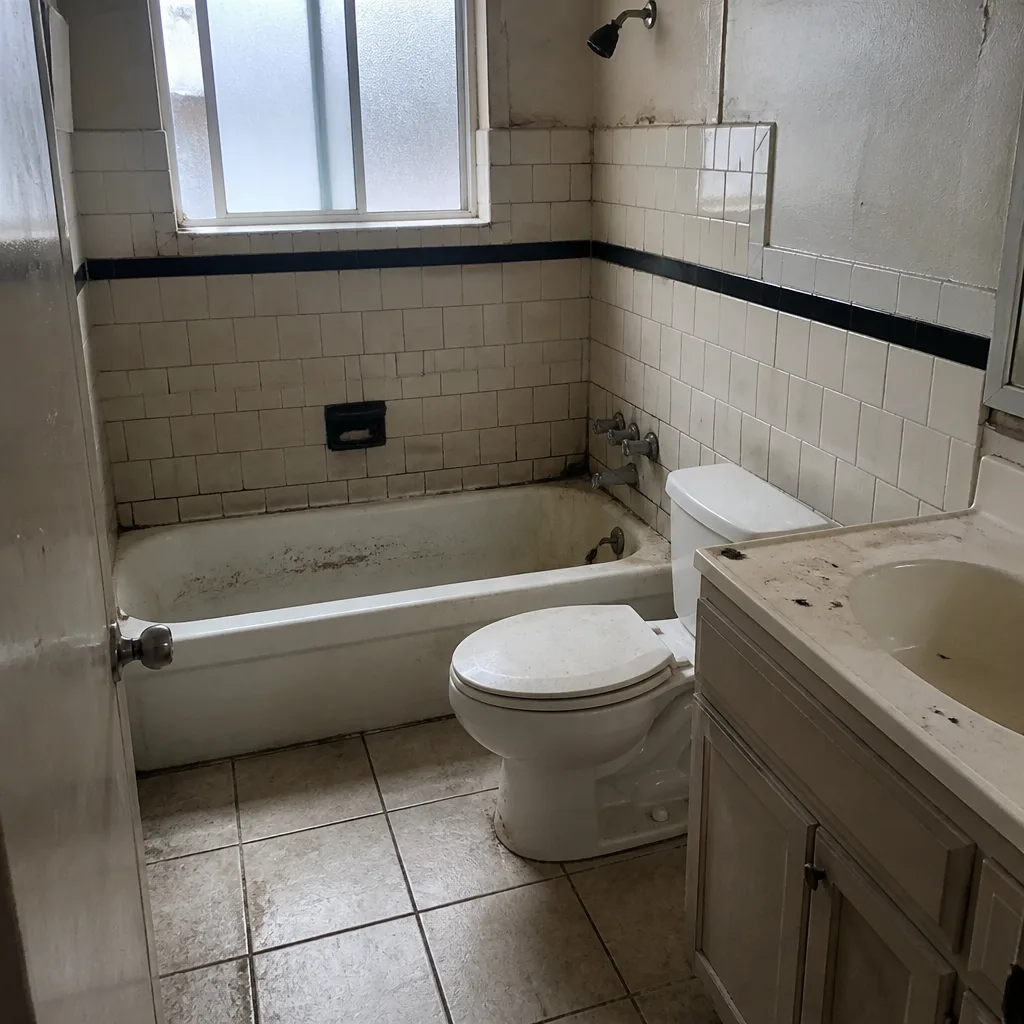
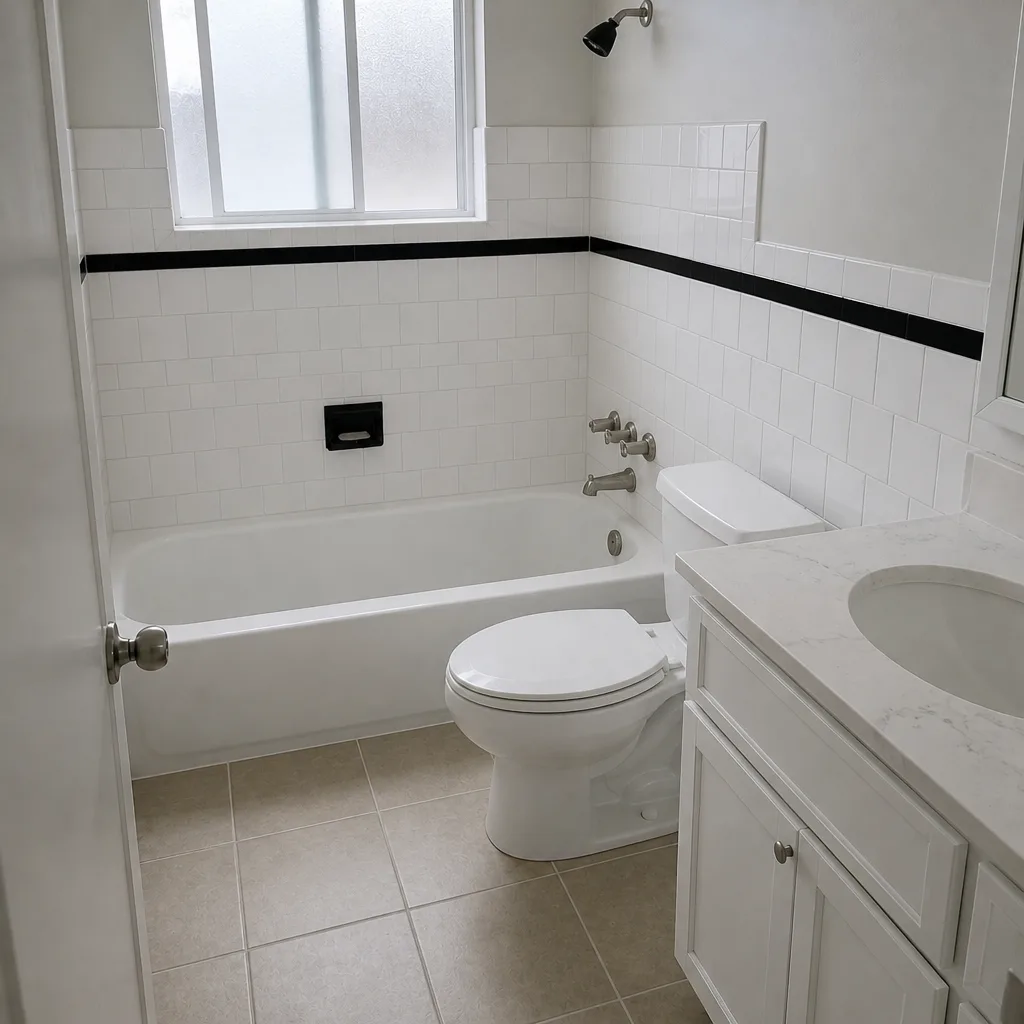
Verdict: Pro-only for anything beyond cosmetic. Tile and fixtures look DIY-able. The waterproofing behind them is not. A failed shower pan membrane leaks into the subfloor and shows no visible sign for years. Plumbing and electrical also need permits in Antioch, and the work has to be inspected. Cosmetic swaps (vanity, faucet, paint, mirror) are fine to DIY; anything that touches waterproofing, plumbing rough-in, or electrical isn’t.
Kitchen
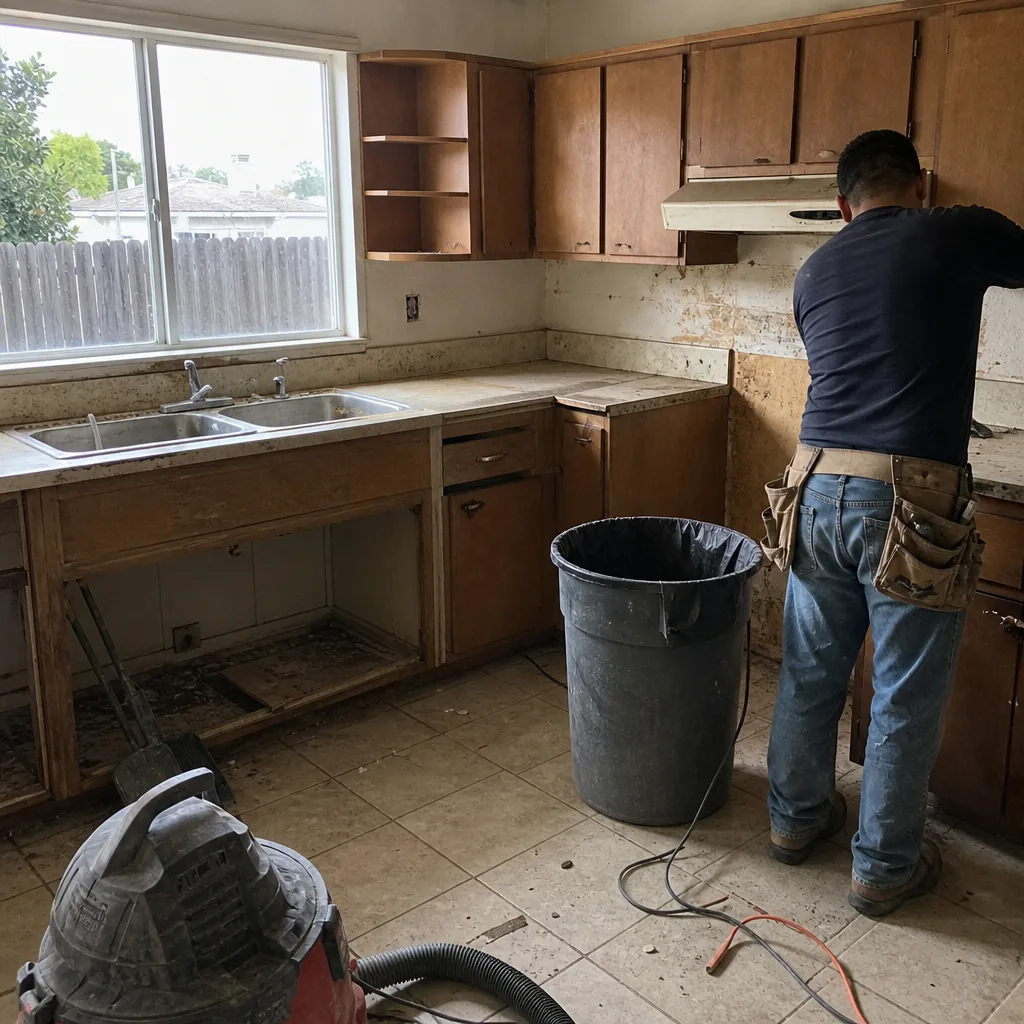
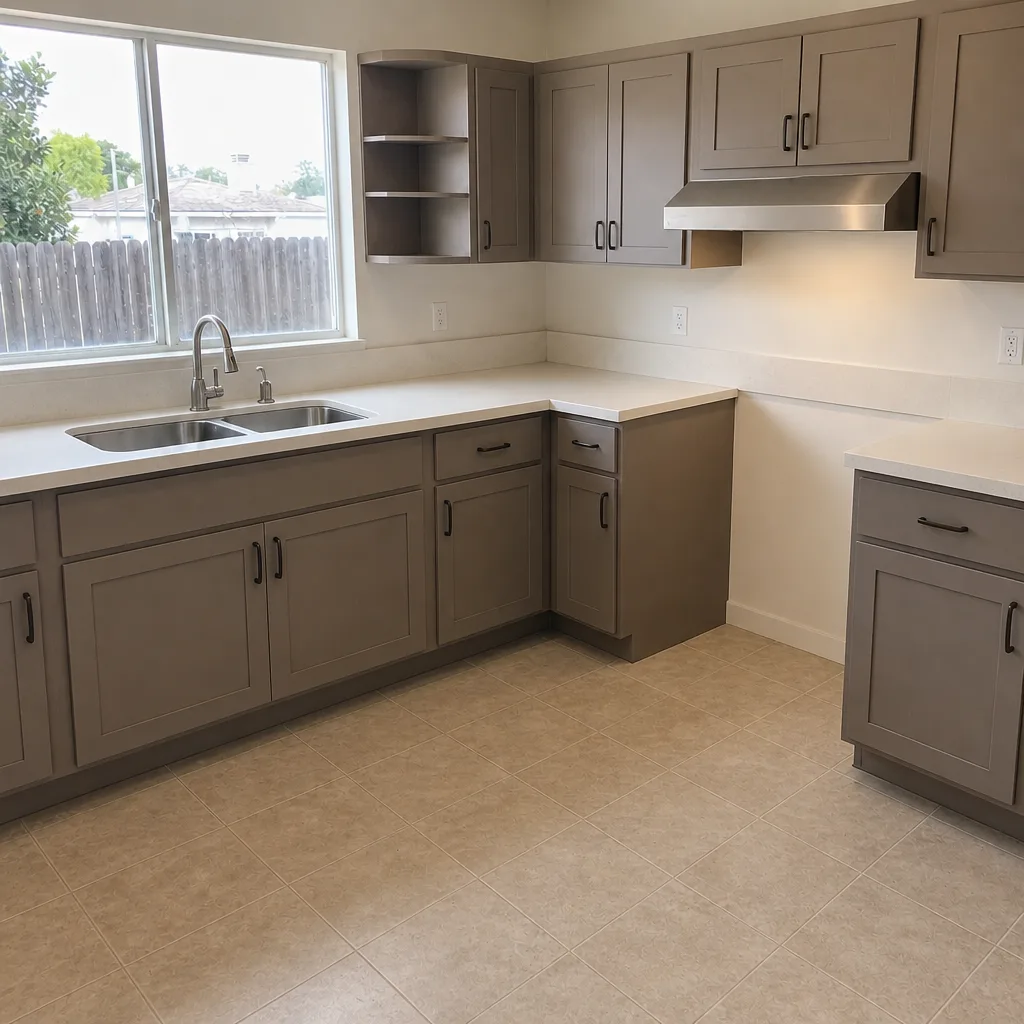
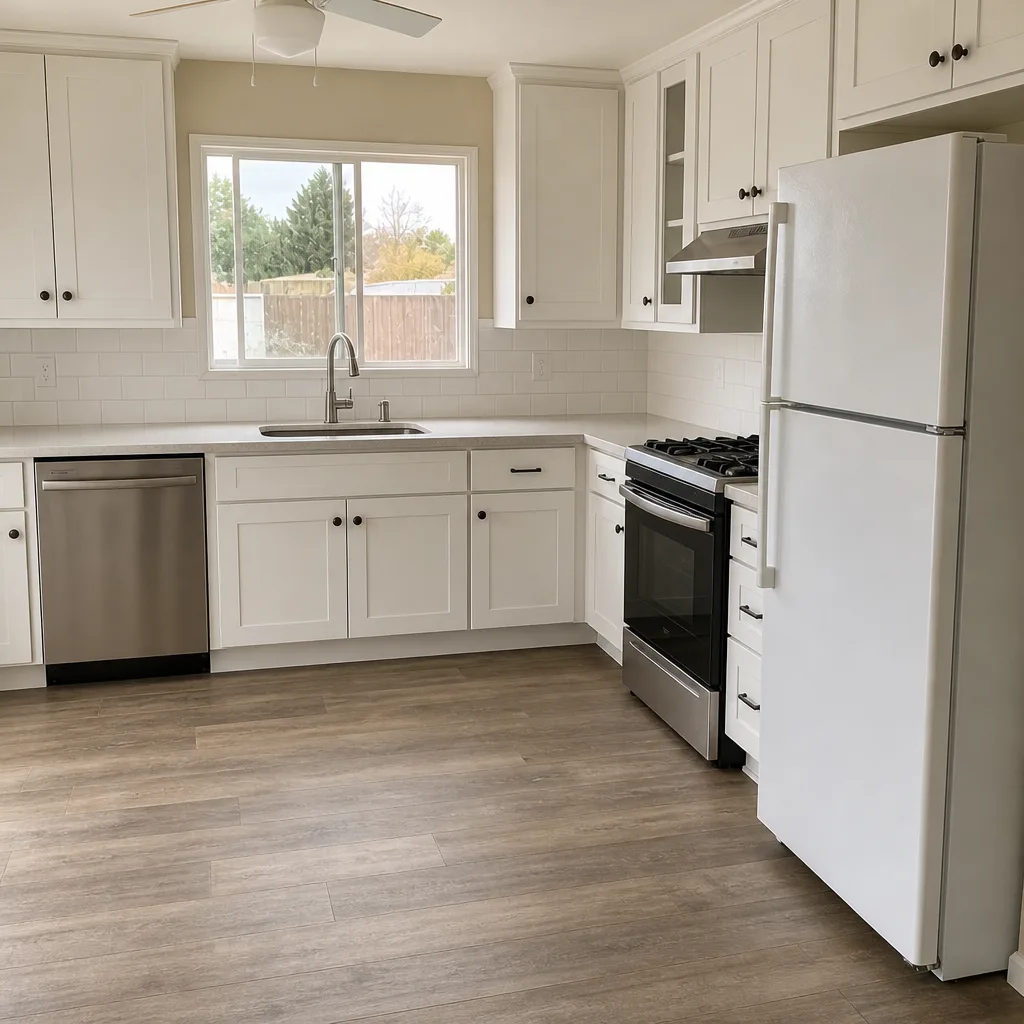
Verdict: Pro-only for anything beyond a cosmetic refresh. Kitchen remodels in Antioch involve electrical for new appliance circuits, plumbing for sink and dishwasher, gas for a range, and cabinet installation that has to land on level walls. A cabinet line like KraftMaid and a countertop like Cambria both come with installation requirements that protect their warranties. DIY installation voids those warranties, which means a premium product loses its premium protection. That math rarely works.
Fencing
Verdict: DIY possible on short runs; pro for anything long, on a slope, or shared with a neighbor. A flat, short fence line is a fair first-time project. Anything over 60 feet, on a slope, next to a retaining wall, or on a shared property line (with the associated boundary questions) is easier and safer with a pro. Fence Installation in Antioch covers the specific approach for wind exposure along the river corridors.
Room additions and ADUs
Verdict: Pro-only. Full stop. There is no realistic DIY path for a permitted addition or ADU in Antioch. The project requires engineered plans, plan-check, staged inspections, and a licensed contractor responsible for the work. An unpermitted addition is a liability, not an asset, for all the resale reasons in the previous section. If you’re adding square footage, Home Additions & ADU in Antioch is the conversation to have before you sketch anything.
The Insurance Angle Most Homeowners Never Consider
Here’s the scenario that costs people the most, and it almost never gets discussed in the DIY research phase.
You DIY an electrical panel upgrade. You don’t pull a permit. Two years later there’s a fire in the wall behind the panel. You file a claim. Your insurer investigates, finds unpermitted electrical work, and denies the claim or pays a fraction of it. Not because they’re out to get you, but because your policy requires that work on the home be done to code and with proper permitting. Unpermitted work is a breach of that requirement in many policies.
The same dynamic shows up with:
- Water damage from a DIY shower or plumbing run. Insurers ask who did the work and whether it was permitted. If the answer is “I did it myself, no permit,” coverage is often reduced or denied.
- Roof leaks from a DIY patch or installation. A leaking roof traced to unpermitted repair is a coverage problem, not just a repair problem.
- Structure or foundation damage. Unpermitted structural changes can void coverage on the affected portion of the home.
Even a homeowner with strong DIY skills is choosing, in these cases, to self-insure. That can be a rational choice on small cosmetic projects. It’s not a rational choice on anything that, if it failed, would cost more than your deductible to fix, because the actual financial exposure is the full claim amount, not the deductible.
This is also why we lead with the warranty and documentation when we talk about work. Our Groundwork Construction Co. of Antioch home page goes into the full service picture, but the short version is this: when work is professionally documented, permitted, and backed by a 730-Day Done Right Promise, you’re not just buying the labor. You’re buying the paper trail that keeps your insurance and your resale clean.
Common Mistakes to Avoid
- Skipping the permit because “it’s just a small job.” A permit isn’t about the size of the project; it’s about whether it’s on record. An unpermitted $2,000 electrical outlet run in an Antioch kitchen has the same resale flag as a $40,000 unpermitted addition. It’s the permit gap that hurts you, not the dollar amount.
- Calling the lowest bid and stopping there. In Antioch, the lowest bid on a remodel is often missing permit costs, waste removal, and the warranty. Get a written line-item quote with permits and cleanup included, and compare like for like.
- Assuming the owner-builder exemption covers everything. California’s owner-builder rules do not cover electrical, gas, or plumbing permitting, and they don’t cover rental or investment properties. A homeowner who bought a duplex to rent out has no owner-builder path for work on that property.
- Buying premium materials with no install warranty. A KraftMaid cabinet or Cambria countertop installed without a licensed, manufacturer-certified installer can lose its warranty. You paid for the finish and voided the protection. Ask about installer certification before you buy.
- Underestimating Antioch’s clay base on driveways and patios. The surface pattern is the last 10% of the project. The base system is the other 90%, and it needs the right equipment and clay-specific approach. Skip it and you’ll re-do it.
- Hiring a contractor with no verifiable license or insurance. Look up the license on the CSLB website before signing. A legitimate contractor has a license number, proof of insurance, and a written contract. A “friend of a friend” with a truck is not a contractor; he’s a liability transfer waiting to happen.
- Assuming the warranty on work is standard. Most contractors offer a one-year workmanship warranty at best. Ask what the long-term guarantee is in writing and in what period. A 730-Day Done Right Promise is genuinely uncommon, and it’s the number to compare against when you’re weighing bids on a large Antioch project.
When to Call a Professional
Call a professional in Antioch when the project touches a permit, a structural element, a mechanical system (electrical, plumbing, gas, HVAC), or anything you’d want documented for resale or insurance. That covers electrical panel work, gas line changes, roofing, window and door replacement, kitchen and bathroom remodels that touch plumbing or electrical, additions and ADUs, and any hardscape on a slope or expansive clay.
It also covers the moment you start feeling uncertain about the scope. Uncertainty on a $500 cosmetic job is manageable; uncertainty on a $25,000 remodel is the exact moment to make a phone call, not a YouTube deep dive.
Groundwork Construction Co. of Antioch offers free estimates in Antioch. Our technicians have up to 12 years of experience, they’re background-checked and arrive in uniform, and every project is covered by the 730-Day Done Right Promise. We answer calls with a live person, day or night. Call (888) 419-3650 for a free estimate and a written, line-item quote with no change-order surprises.
See the difference
 Before
 After
 Before
 After
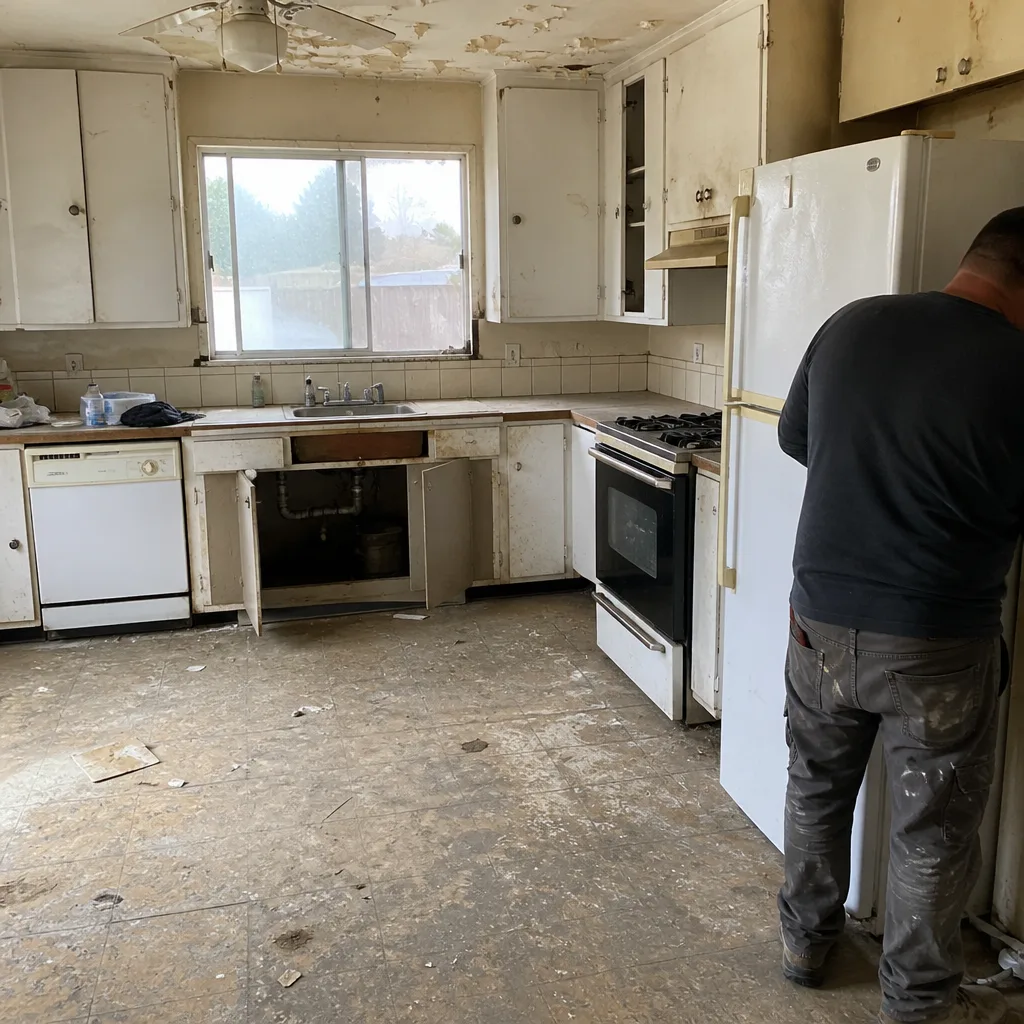 Before
 After
Frequently Asked Questions
No. California’s licensing requirement kicks in at a combined labor and materials cost of $500 or more, so small cosmetic projects under that threshold don’t require a licensed contractor. But the $500 threshold is easy to cross once you’re buying materials, and any project that requires a permit (electrical, plumbing, gas, structural) needs a licensed professional regardless of total cost.
Generally no, not in a way that will pass inspection for anyone other than a licensed electrician. California requires permits and inspections for electrical work, and the inspection sign-off requires a licensed professional responsible for the work. DIY electrical voids insurance coverage in many policies and creates a resale flag. Call us for a free estimate on electrical-adjacent projects at (888) 419-3650.
Yes, usually negatively and by a meaningful margin. Unpermitted work gets flagged during escrow, buyers ask for credits or price reductions, and some loans (FHA, VA) won’t finance a home with unpermitted additions. On a $650,000 Antioch home, an unpermitted addition can reduce the transaction price by $30,000-$60,000 or derail the sale entirely. Permitted, professionally documented work avoids this.
Antioch’s expansive clay soil swells and shrinks with moisture, which cracks and heaves a paver base that isn’t properly excavated, compacted in lifts, and separated with geotextile. Most DIY paver attempts skip the proper base depth and compaction equipment. The surface looks fine for a season or two, then it shifts. A professional install using a product like Unilock or Techo-Bloc with a proven base system survives the clay cycle.
Add three numbers to the DIY side that most people skip: tool acquisition (or rental), a 20%-25% material waste factor, and your time at a realistic hourly rate. Once those are in, the “savings” of a large DIY project often drops to 20%-30% of the professional quote, and that’s before the liability and resale exposure. Get a written line-item quote so the comparison covers the same scope. Call (888) 419-3650 for a free estimate.
Every Groundwork Construction Co. of Antioch project is covered by the 730-Day Done Right Promise: if the workmanship isn’t done right, we make it right, for 730 days after completion. It’s one of the longest workmanship guarantees in residential construction, and it’s in writing. Ask any contractor you’re comparing to show you their equivalent, in writing, before you sign. Call us for the full details at (888) 419-3650.
The Bottom Line
DIY is a rational choice for cosmetic, permit-free work where a mistake costs you a Saturday and a few hundred dollars, not ten thousand. It’s a poor choice for anything that touches a permit, a structural element, a mechanical system, or your home’s documented resale history, because in California the liability sits with you, and title companies are flagging it during escrow. Antioch adds its own wrinkles: expansive clay under hardscape, stricter-than-expected inspection realities, and hot dry summers that punish shortcuts on exteriors. Use the matrix in this guide to sort each project into DIY-ready or pro-only before you spend on materials. When in doubt, the phone call is free and the mistake isn’t. Groundwork Construction Co. of Antioch is here for the pro-only tier, and the 730-Day Done Right Promise is how we back it. Call (888) 419-3650 for your free estimate.
Written by the team at Groundwork Construction Co. of Antioch.