
Last updated November 17, 2026
 Windows & doors
 Kitchen remodeling
 Bathroom remodeling
 Home additions & ADU
 Roofing
 Driveway & pavers
 Fence
Free written scope consultation - allowances, timeline, and change-order rules on paper before a single trade is scheduled
DIY vs Professional Windows & Doors: What’s Safe to Do Yourself
Installing a window screen yourself is obviously fine. Installing a replacement window without flashing tape over the sill pan is a water damage claim waiting to happen, and it’s the kind of claim your homeowner’s insurance may deny because the cause was an installation defect, not an accident. That gap between the two projects is where this entire guide lives. Window and door work has a wider do-it-yourself range than most trades, but the tasks that are off-limits carry consequences that surface five and ten years later as structural rot, failed inspections at resale, and water intrusion you can’t see until the drywall gives. Here in Antioch, where summer bakes the stucco and winter rain hits sideways against west-facing walls, the boundary between safe and not-safe gets tested every season. This guide maps it task by task.
Quick Answer
Safe for most homeowners: screen repair, hardware replacement, weatherstrip swaps, caulk touch-ups, and swapping insert replacement windows in a sound existing frame. Not safe and not legal to skip permitting on: full-frame replacement, new rough openings, header work, door prehang in a new opening, and any exterior assembly where flashing has to be sequenced. The flashing order and full-frame structural work are where professionals earn the fee, because those are the exact steps that fail invisibly and show up years later as rot and inspection problems.
Styles & brands we work with
- Kitchen remodeling
- Bathroom remodeling
- Home additions & ADU
- Roofing
- Windows & doors
- Driveway & pavers
- Fence
Table of Contents
- Where the DIY Line Actually Falls
- The Flashing Sequence: The One Task You Don’t Do Yourself
- Insert vs. Full-Frame Replacement: Two Very Different Jobs
- Door Prehang Installation and Why Plumb and Reveal Matter
- California Title 24, Permits, and Resale Disclosure
- The Four Projects You Can Confidently Do This Weekend
- What Antioch Weather Does to Bad Window Work
- Common Mistakes to Avoid
Where the DIY Line Actually Falls
The window and door trade splits into two categories, and most homeowners don’t realize the split exists until they’re mid-project. On one side are what we’ll call surface tasks: things that attach to a window or door but don’t change the weather envelope. On the other are structural and envelope tasks: anything that opens the wall, imposes a new load, or has to be waterproofed in a specific sequence. Surface tasks are genuinely safe and worth doing yourself. Envelope tasks are where careers are built and where homeowner projects fail.
Here’s a rough map of the line:
- Safe to do yourself: replacing a screen, swapping a door lockset, changing weatherstripping, re-caulking exterior trim joints, adjusting a strike plate, replacing a sash lock, installing blinds or hardware.
- Doable with caution and a permit: insert replacement window in a sound frame, if you can read the manufacturer’s installation instructions and own a level and a spray can of low-expansion foam.
- Professional territory: full-frame window replacement, any new opening cut into a wall, header or load-bearing changes, door prehang in a new or resized opening, sliding patio door replacement, bay or bow window work.
- Never DIY: flashing a new window opening from scratch. We’ll explain why in the next section.
In Antioch, the split matters more than it does in a mild climate because our seasonal swing is wide. Summer temperatures push into triple digits for stretches, then winter storms drive rain from the southwest at angles that a sill without proper flashing was never designed to handle. A window installed without flashing has a grace period in a mild climate. In Antioch, the grace period is measured in seasons, not years.
The Flashing Sequence: The One Task You Don’t Do Yourself
Flashing is the waterproofing system that surrounds a window or door opening and drains water that gets behind the cladding back out to the exterior. It’s not a single product, it’s a sequence of three overlapping layers, and if they’re installed in the wrong order the assembly funnels water into the wall cavity instead of out of it. That’s the entire difference between a window that lasts forty years and a window that eats the wall around it.
The three layers and why order is everything
- Sill pan flashing goes in first. This is the floor of the opening: a sloped pan, tape, or a formed sill piece that carries water toward the exterior face of the wall. Without it, any water that seeps past the window travels down by gravity and sits on the rough sill. On a stucco wall in Antioch, that water finds the framing and stays there.
- Jamb and face flashing go in second. These pieces live on the sides and across the face of the window, and they have to overlap the sill pan so water runs downhill. The window is set, the flanges are taped, and each layer shingles above the layer below it.
- Head flashing goes in last, on top. It tucks under the housewrap or building paper above the opening and sheds water out over the face of the window. If the head flashing tucks behind the water-resistive barrier instead of in front of it, water runs behind the window and into the wall cavity.
The details are further than that: nail fin placement, caulk at the right joints, whether the tape laps the fin or the fin laps the tape, what to do around a corner window. Manufacturer installation instructions run forty plus pages for a reason. We’ve watched installation defect claims get denied by homeowners’ insurance after water ruined framing, stucco, and interior drywall. The fine print almost always points back to flashing, and the homeowners who saved twelve hundred dollars on installation ended up paying five figures to fix the result. If you take one line from this guide, take this one: closed flashing is where a professional earns their price.
Insert vs. Full-Frame Replacement: Two Very Different Jobs
These two terms get used interchangeably by homeowners and they should not be. The difference between them determines whether your project is DIY-accessible or not, and it decides what your contractor is actually going to do to your wall.
Insert replacement windows
An insert, sometimes called a pocket replacement, keeps the existing window frame and trim in place and slides a new sash system into it. The interior trim, exterior cladding, and wall around the opening all stay put. Because the rough opening isn’t touched, no header is exposed, no flashing sequence needs to be rebuilt, and no structural cut is made. Inserts are the more DIY-accessible option of the two, and in a well-built existing frame they’re perfectly legitimate. For a homeowner with a level, a square, spray foam, and a manufacturer’s instructions, insert replacement is a project you can genuinely consider. It’s also frequently what’s installed when a homeowner hires a window contractor, and it should be quoted as such, plainly.
Full-frame replacement
A full-frame replacement removes the entire existing unit, sill, jamb, header contact, everything, back to the rough opening. That exposes the wall cavity, the structure, and the flashing system, and it means the installer has to rebuild all of them. On a wall built before about 1990, this is where insulation and vapor barrier reality shows up, and where the header gets examined for sag. In Antioch, a large share of our housing stock was built between the 1950s and 1990s, and full-frame work on a house that age regularly uncovers wood rot or previous bad flashing that has to be repaired before the new window can go in. Full-frame replacement always requires a professional, a permit, and inspection. There is no version of it that’s safe to do without experience.
If you’re not sure which you’re being quoted, ask. A good contractor will tell you with a straight face. Groundwork Construction Co. of Antioch walks every window customer through the distinction before quoting, and we write it on the estimate so the scope is not in question. Our technicians install Andersen and Marvin windows across Antioch and the surrounding communities, and every installation is backed by the Groundwork Construction Co. of Antioch home 730-Day Done Right Promise.
Door Prehang Installation and Why Plumb and Reveal Matter
Prehung doors look easy. The frame is assembled, the door is hung, the hinge mortises are cut. The hard part isn’t assembly, it’s getting the assembly plumb and square in the opening so the door swings without drag for the next thirty years. That takes measuring, shimming, and know-how about how the door behaves as the house goes through a summer in Antioch.
Here’s why it can’t be replaced by a video tutorial:
- Reveal. The reveal is the gap between the door edge and the jamb. Equal reveal on all three sides means the door is hung true. A quarter inch off on one corner and the door either drags at the top or gaps at the bottom, and there’s no amount of adjusting the hinges that fixes a frame installed out of square.
- Plumb. The hinge jamb has to be plumb within 1/16 inch over the height of the door. If it’s not, the door swings open or closed on its own, and the striker won’t meet the strike plate without extra work.
- Shimming. The frame gets shimmed at hinge points and at the strike side. Too few shims and the frame bows when the trim goes on. Too many and the frame won’t sit flat against the rough opening, which cracks the casing.
- Header and opening. Every prehang install reveals how square the opening is and how solid the header is. If the wall has moved, which is common in older Antioch homes after decades of clay soil movement, the new frame has to be pulled plumb anyway, and the exterior has to be re-flashed.
For an exterior door especially, prehang installation overlaps with flashing again. The threshold, the sill pan, and the weather barrier have to be sequenced correctly. A door installed with the frame out of plumb will also leak, regardless of how well the flashing was done. This is the job category where a homeowner’s weekend project turns into a contractor’s repair call, and we’ve been on those calls in Antioch. Save the effort. Have a trained installer do prehang exterior doors and finish the interior trim yourself if you enjoy that kind of work.
California Title 24, Permits, and Resale Disclosure
California’s Title 24 energy code applies to window and door replacements, and the compliance path is not optional. When you replace a window or door, the unit has to meet prescriptive requirements for U-factor and solar heat gain coefficient, which in our climate zone means choosing glazing specs that actually reject summer heat. The window supplier produces what’s called a Title 24 compliance certificate for the unit installed, and that document is part of the project paperwork.
Here’s what competitors rarely mention: unpermitted window work becomes a disclosure liability at resale. California’s transfer disclosure statement requires the seller to disclose known permitted and unpermitted work, and buyers’ inspectors find replacement windows with missing permits during a routine search of the county building records. That’s not a small problem. A buyer’s lender can refuse to fund on an unpermitted window replacement, a title insurance issue can stall closing, and the seller ends up paying for retroactive permits, inspections, and sometimes re-installation. In Antioch, the building department is responsive but requires the paperwork trail to be complete, and inspectors look at flashing and flashing access.
The permitting picture for windows and doors works roughly like this:
- Hardware, screens, weatherstrip, caulk: no permit, no inspection.
- Insert replacement of same-size unit: a permit is generally required for a window replacement, even same-size, in California and in Antioch specifically, because the code compliance path matters. Some jurisdictions waive it if the U-factor and SHGC match existing and no structural change occurs, so confirm with the city before you start.
- Full-frame replacement: permit and inspection always, no exceptions.
- New opening, enlarged opening, bay/bow, patio slider: permit plus structural review.
Groundwork Construction Co. of Antioch pulls the permits and handles the Title 24 compliance paperwork on every window and door we install. You get the certificate in a job folder at completion, which is exactly what you want to have when a buyer’s inspector asks. That’s part of what the license and insurance premiums are for. We’d rather do that once, right, than have a homeowner discover the problem later during escrow.
The Four Projects You Can Confidently Do This Weekend
Now for the good news. Window and door maintenance has a wide safe zone, and doing these four projects yourself is genuinely worth it. Each one takes under two hours and none of them touches the envelope.
- Screen replacement. Remove the spline, pull out the old screen, lay new fiberglass or aluminum mesh over the frame, and press the spline back into the channel with a roller tool. A thirty-minute job per screen and the materials cost under $25 for a five-pack of screen mesh. Test the tension: the mesh should ping just slightly when you tap it, not stretch.
- Weatherstrip swap. If your door or window has a draft, the weatherstrip is usually the culprit. Pull the old strip, clean the kerf with a razor blade, and press in a fresh bulb or kerf-mount strip. A $15 weatherstrip kit and twenty minutes fixes drafts that have been costing you on your energy bill for years.
- Hardware replacement. Handles, sash locks, patio door rollers, and strike plates are all surface items. Replacing a sliding glass door roller, in fact, is one of the most cost-effective DIY jobs on the list; a $10 roller pair turns a balky door into one your spouse can open with one hand.
- Exterior caulk touch-up. Walk the perimeter of every window once a year, look for failed caulk joints at trim, sill plates, and corners. Pull out the failed bead, clean the surface with denatured alcohol, and apply fresh exterior-grade caulk (paintable silicone or polyurethane). In Antioch, our summer heat hardens caulk fast, so an annual pass in early fall, before the rain returns, is the smart move.
These four projects add up to a couple of weekends a year and they protect the windows and doors you’re not going to replace. That’s the smart version of doing it yourself. When the work crosses into structural, envelope, or planned replacement territory, that’s where we come in.
What Antioch Weather Does to Bad Window Work
Antioch is on the western edge of the Delta, where two things happen to buildings that don’t happen inland in the same way. First, summer heat. We routinely hit the high 90s and low 100s in July and August, and a window installed with an air gap or a missing bead of caulk will show its failure in the form of fogged glass, condensation between panes, and heat gain that overwhelms an air conditioner. Second, winter rain. The Delta is a wind corridor, and storms come through sideways. West-facing walls and window corners take the wind-driven rain directly, and that rain finds any gap in the flashing system.
The houses we work in around Antioch reflect this. Older neighborhoods near downtown, along the river corridor, and in the established tracts off Lone Tree Way and Hillcrest are full of ambitious prior projects where someone installed a window without flashing and the wall around it has since seen rot. We’ve pulled windows out of walls in Antioch where the sheathing was soft and the sill was black because the sill pan was omitted. That’s a fixable problem if it’s caught in the first few years. After a decade, it’s a stucco repair plus a framing repair plus the window, and the total bill dwarfs what a permitted installation would have cost the original owner. Doing the job once, correctly, is the only version of the math that works in this climate.
Adjacent projects have the same rules. If a window replacement is part of a larger exterior update, the same discipline applies to your fence line, sidewalk, and any hardscape work. If you’re considering Fence Installation in Antioch, the post footings and the drainage at the fence line interact with the same stormwater. If you’re upgrading the walkway and the driveway, the elevations near window and door thresholds matter and we plan the Driveway & Pavers in Antioch work with the house’s exterior in mind. If the windows and doors are part of a bigger addition, we coordinate the whole scope as Home Additions & ADU in Antioch work so the flashing, framing, and finishes line up.
Common Mistakes to Avoid
- Assuming the flashing goes on top of the water barrier. It doesn’t, and this is the single most common error in failed DIY window installs. Head flashing tucks under the barrier above, but the sill and face flashing tuck over the barrier and shingle above the layer below. Reverse the order and the assembly looks fine but fails.
- Installing insert windows in a dry-rotted frame. We’ve pulled inserts out of Antioch homes where the wood frame they were nailed to was already compromised. The insert itself was fine. The frame was not. Have a contractor look at the existing frame condition before you buy the insert.
- Skipping the permit because the window is “the same size.” In Antioch, same size may not excuse the permit, and the Title 24 compliance certificate still matters at resale. Confirm with the city before you order the window.
- Caulking without cleaning first. Fresh caulk over old caulk over a dirty joint fails in one season. Clean with denatured alcohol and give it a day to dry before applying the new bead.
- Using expanding foam on an insert without checking the frame. High-expansion foam can bow a window frame out of square and crack the glass seal. Use a low-expansion window-and-door formula or none at all.
- Assuming the door reveal is close enough. A quarter-inch variance on the reveal looks fine when the door is open and drags when it’s closed. Don’t accept “close enough” on prehang exterior doors.
- Forgetting the storm-side wind load on a door. A patio slider on a west-facing wall in Antioch takes wind-driven rain that a badly sealed threshold can’t handle. Check the door manufacturer’s wind rating before installing anything exterior.
See the difference
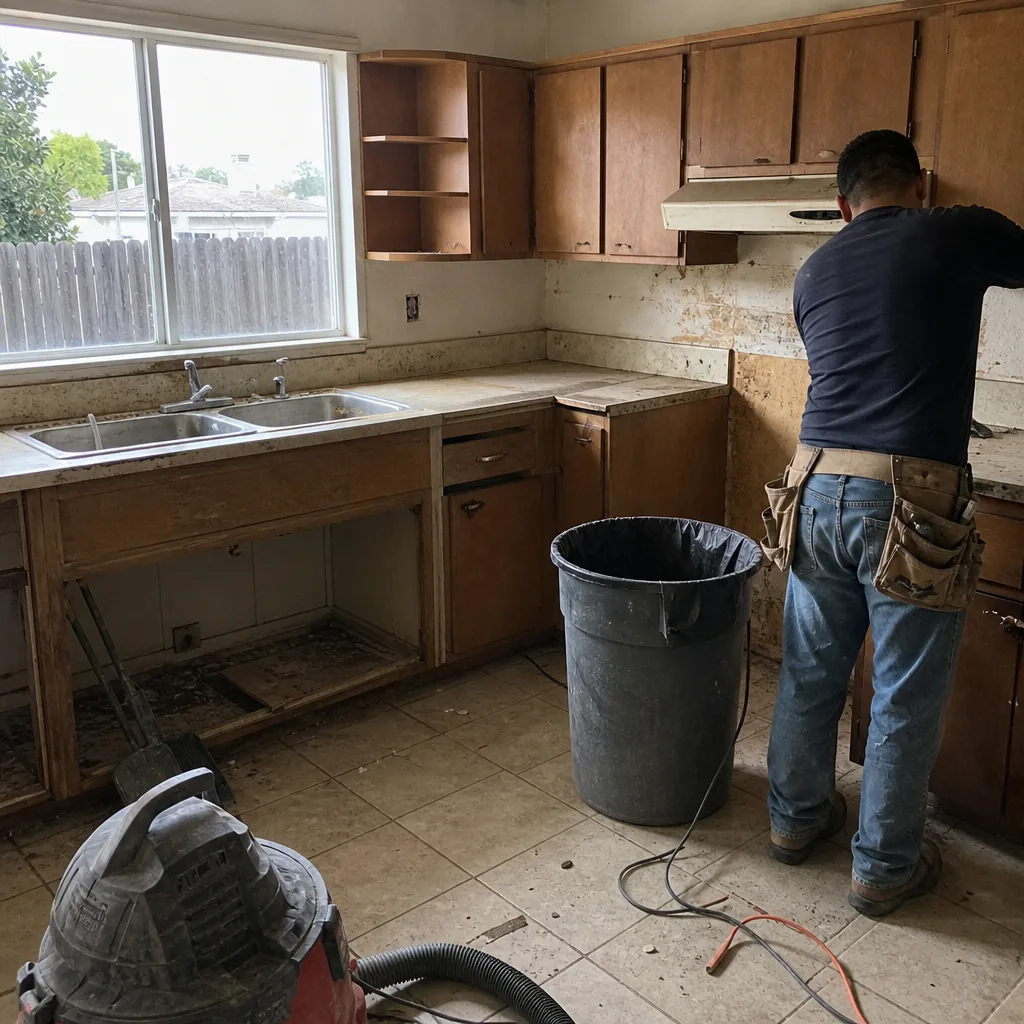 Before
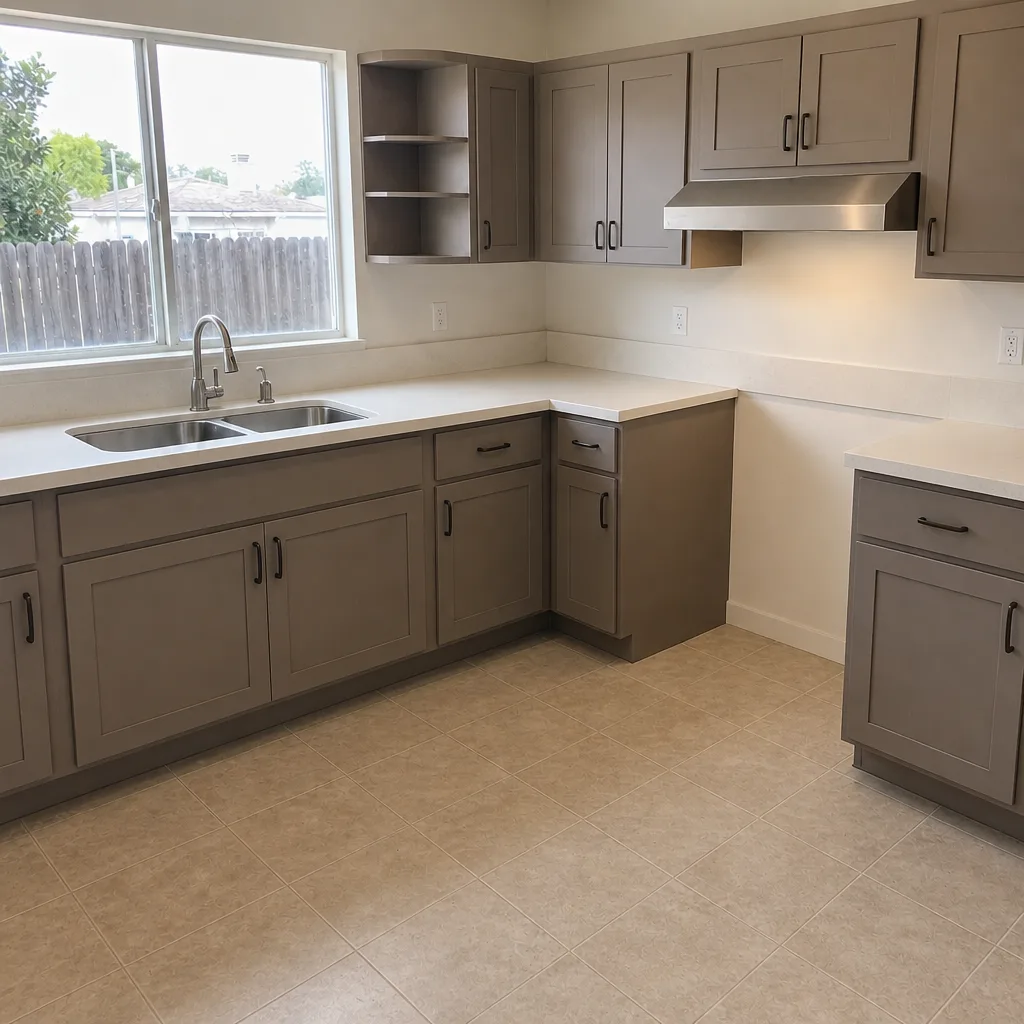 After
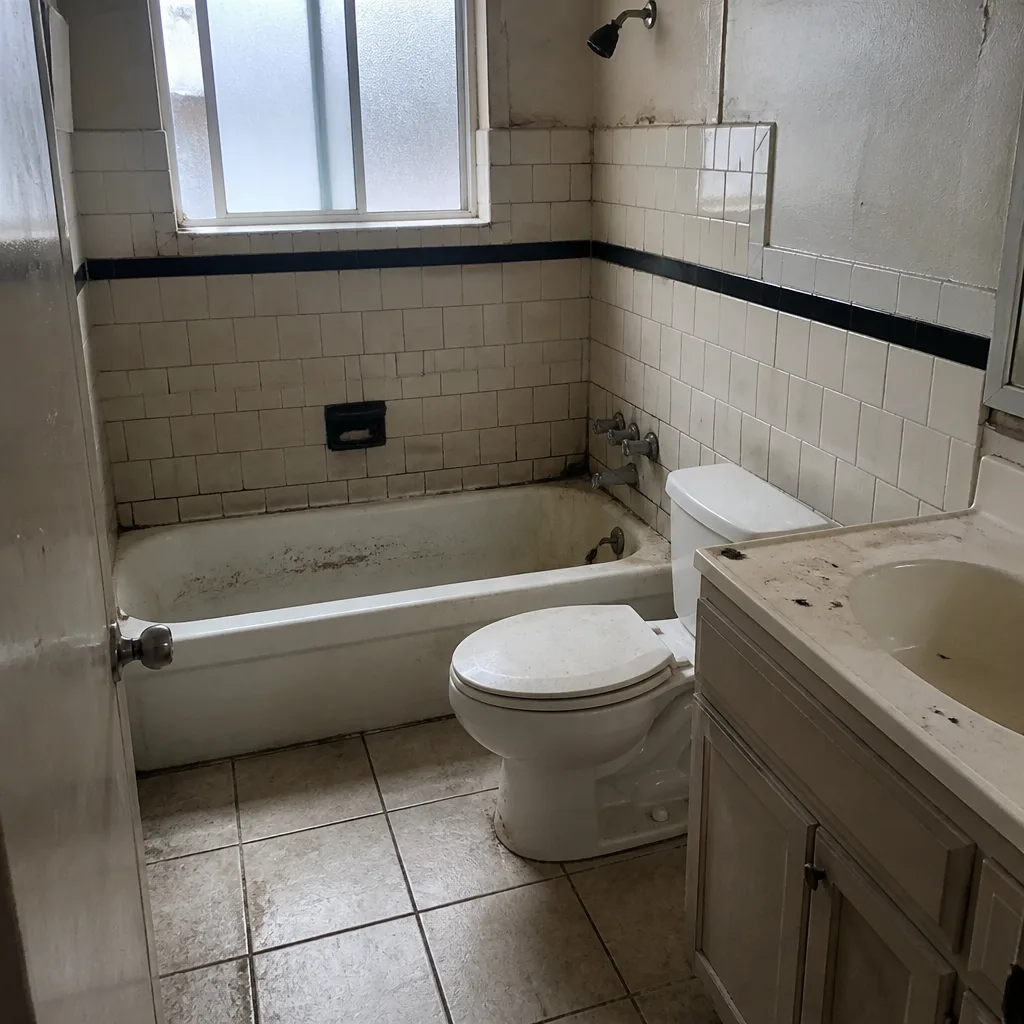 Before
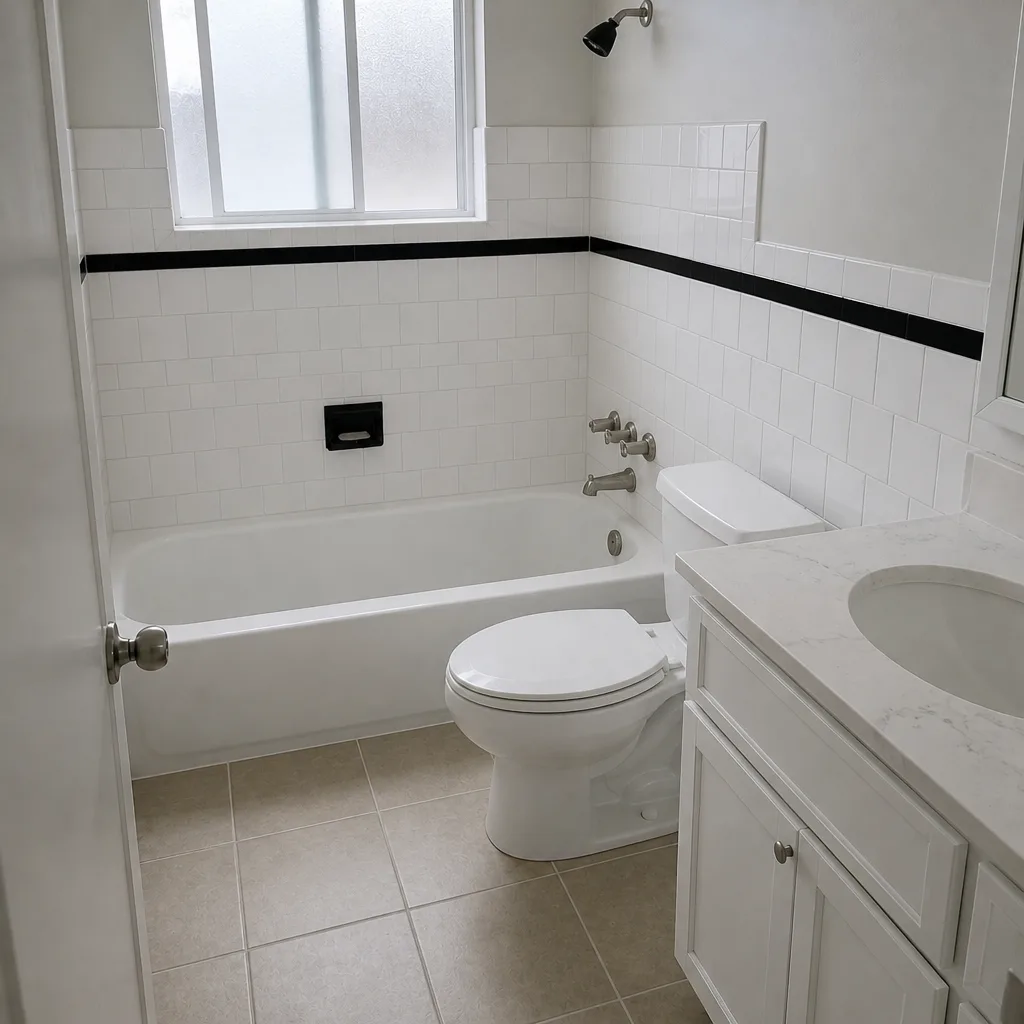 After
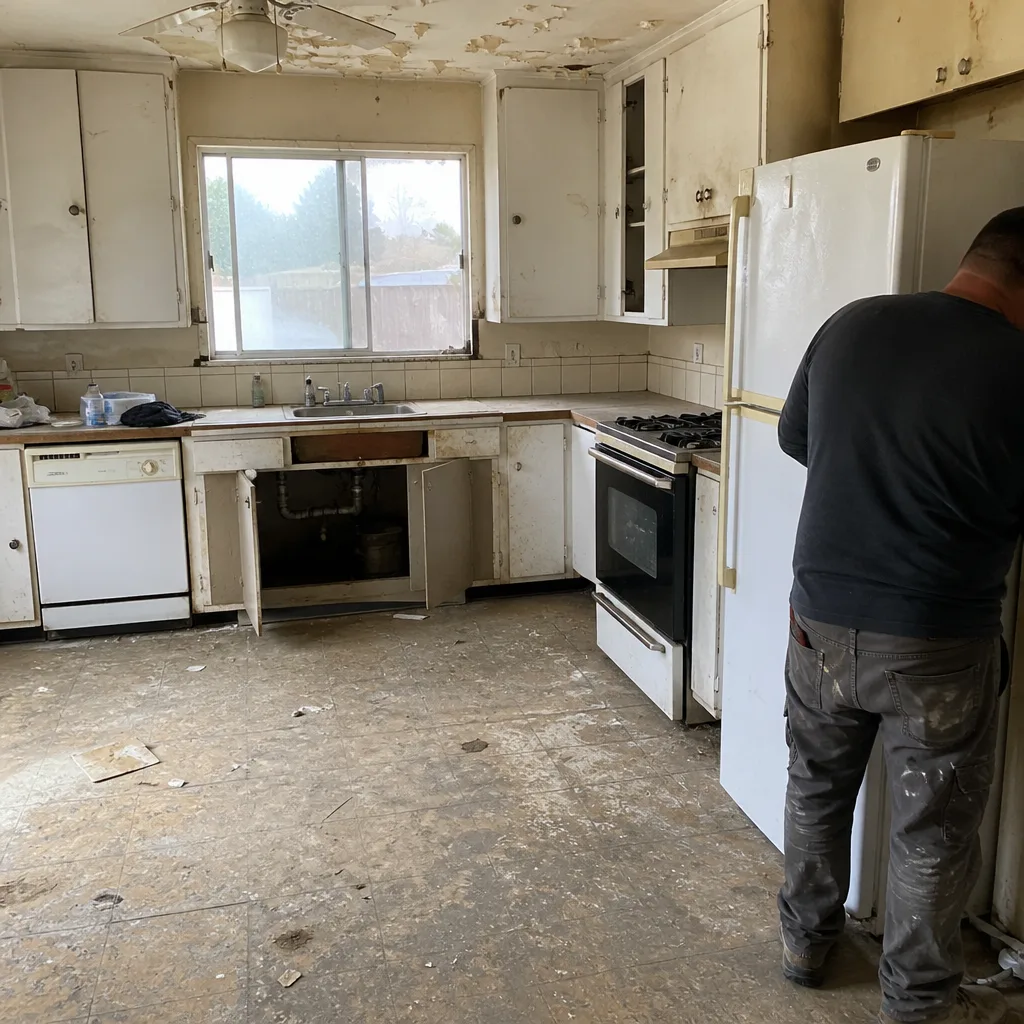 Before
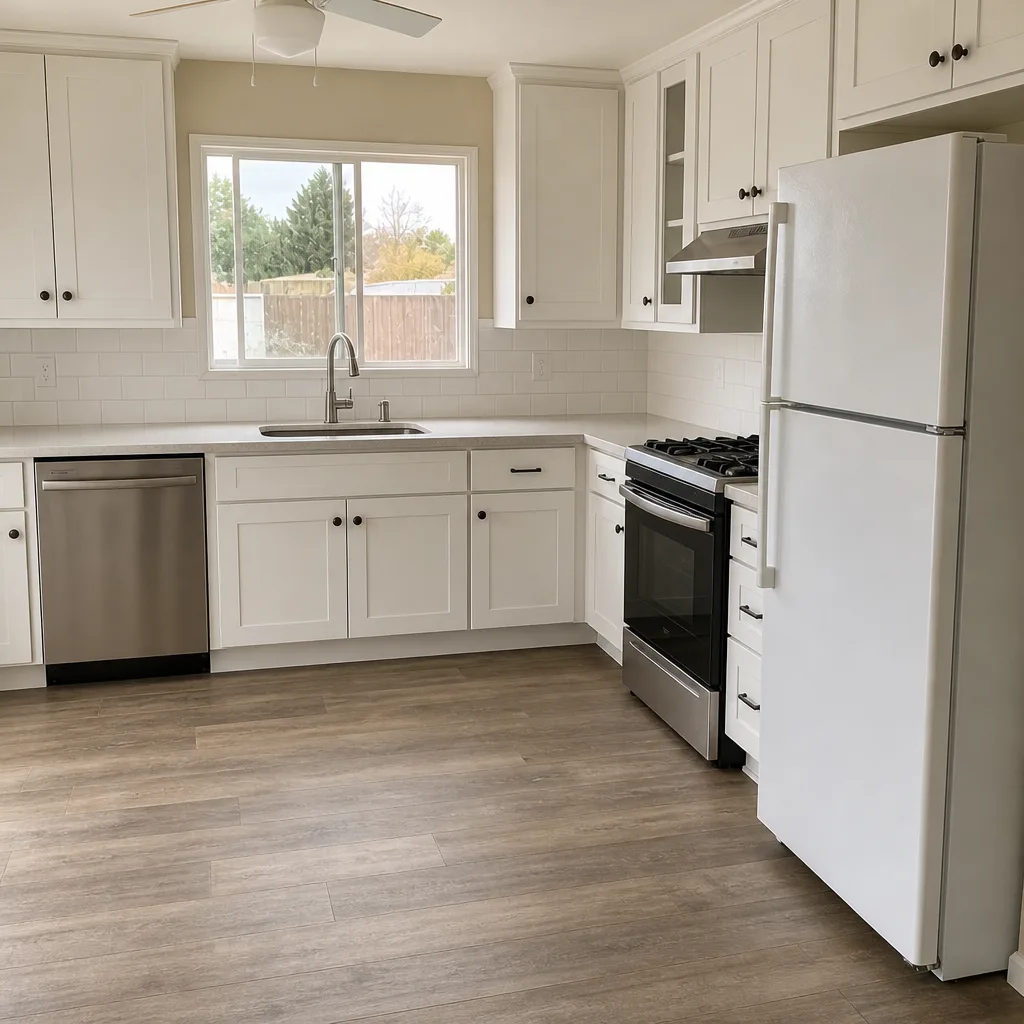 After
When to Call a Professional
Call a professional the moment a project requires opening the wall, rebuilding the flashing, or pulling a permit. That includes full-frame window replacement, any new or enlarged opening, exterior prehang door installation, sliding patio door replacement, bay or bow windows, and any project on a home built before 1990 where the framing and flashing around the opening need to be verified. Call us when a window is fogged between the panes (the seal is gone, and replacing the glass is a glass-shop task, not a homeowner’s). Call us when an exterior door is dragging, leaking at the threshold, or won’t close without a shove. And call us when you’re planning to replace multiple windows at once, because that’s a project where the flashing details multiply and the permits stack.
Groundwork Construction Co. of Antioch offers free estimates in Antioch. Call (888) 419-3650 and we’ll walk your project, tell you which scope you actually need, and hand you a written line-item quote with the flashing and permit work spelled out. No surprise line items after the fact. Upfront pricing, and a 730-Day Done Right Promise on the installation. Calls are answered by a live person 24/7 if you’re mid-project and need a straight answer tonight.
Frequently Asked Questions
Generally, a homeowner can pull an owner-builder permit to install replacement windows in Antioch if the work meets California Title 24 requirements and passes inspection, but the details matter. Same-size insert replacements still need Title 24 compliance documentation, and full-frame work may trigger structural review. Call the City of Antioch building department before you order materials, and call (888) 419-3650 if you’d rather just have the permit and inspection handled for you.
Usually yes, if you follow the manufacturer’s installation instructions to the letter and the unit qualifies as an insert in a sound frame. Where warranties get denied is where the flashing or foam work deviates from spec, so read the installation guide before you touch the window. If you’re not confident on the flashing, have a professional install it; Groundwork Construction Co. of Antioch installs with a written installation scope and a 730-Day Done Right Promise.
The frame is out of plumb, almost always. Prehung doors have to hang plumb within 1/16 inch over the height of the door, and any shim adjustment that leaves the hinge jamb a quarter inch off vertical causes drag at the top corner. Opening the wall to correct it is more work than having an experienced installer do it the first time. Call (888) 419-3650 for a free estimate on re-hanging it correctly.
You create a disclosure liability at resale. California’s transfer disclosure obligations require sellers to disclose known unpermitted work, and a buyer’s inspector who searches county records will see that the window replacement was never permitted. That can stall the sale, force retroactive permitting, or lead to a re-installation cost. Keep the compliance certificate and store it with your home records.
Hardware, screens, weatherstripping, and exterior caulk. Those four tasks form the DIY-safe category and they’re worth doing regularly in Antioch, because the summer heat and winter wind-driven rain test every joint and seal on the house. Anything that touches the flashing, the structure, the header, or the permit is where we recommend a professional. It’s not gatekeeping; it’s the specific work whose failure mode is invisible.
Yes, almost always, because a sliding door is a door replacement and the Title 24 compliance path and inspection apply. Patio sliders also carry wind and water loads on the exterior wall, so the flashing detail matters even more than it does on a fixed window. Call us at (888) 419-3650 if you want a free estimate that includes the permit and flashing work in one scope.
The Bottom Line
Window and door work splits cleanly. Screens, hardware, weatherstrip, and caulk let you stay hands-on and productive. Insert replacements in a sound frame are doable with care and a permit. Full-frame replacement, prehang exterior doors, new openings, and any flashing rebuild are professional work, and in Antioch they have to be permitted. The reason isn’t difficulty, it’s the failure mode: bad flashing and out-of-plumb doors fail silently, show up years later, and get denied by insurers when the cause is an installation defect. If you’re planning window, door, or any exterior scope this year, Groundwork Construction Co. of Antioch offers free estimates, a written line-item scope, permits pulled and inspections passed, and the 730-Day Done Right Promise. Call (888) 419-3650 to schedule yours. No-hassle upfront pricing, and our technicians have up to twelve years of experience on installations like yours.
Written by the team at Groundwork Construction Co. of Antioch.