
Last updated November 17, 2026
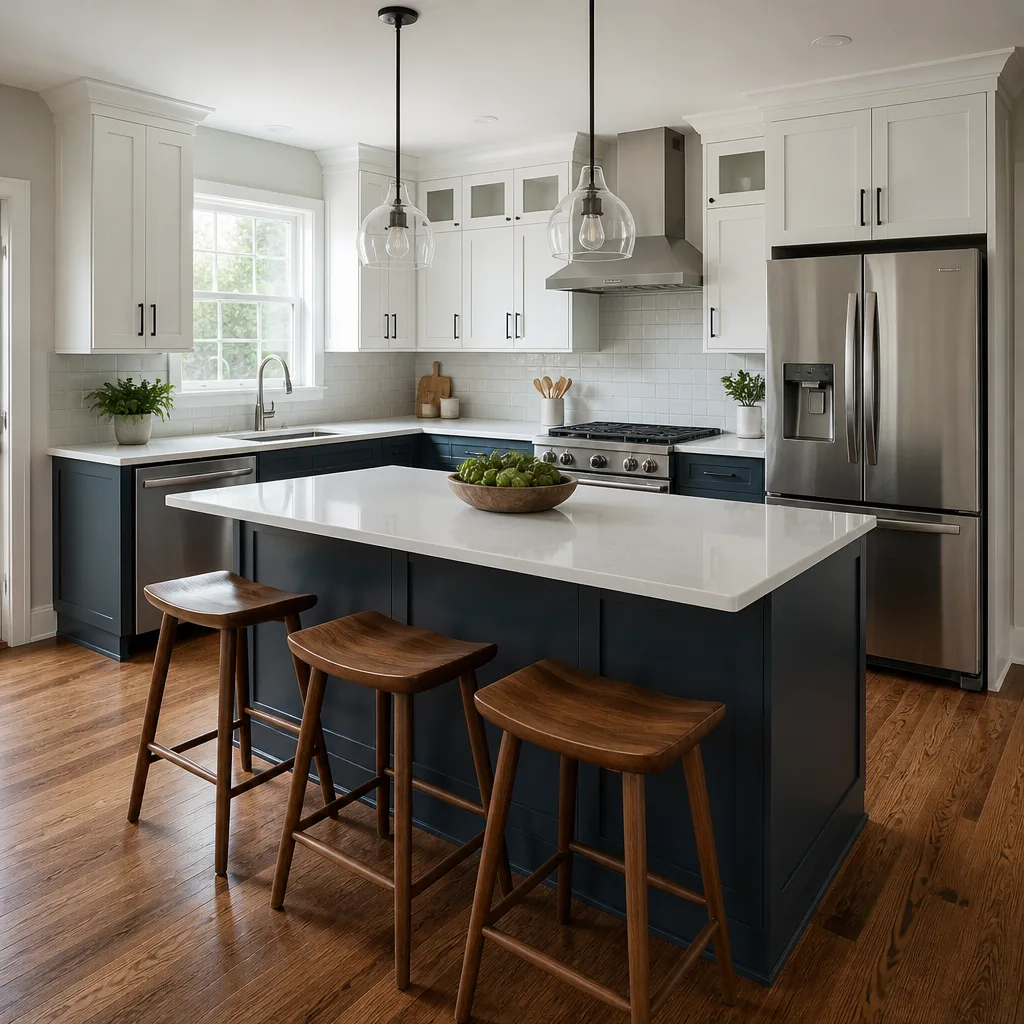 Kitchen remodeling
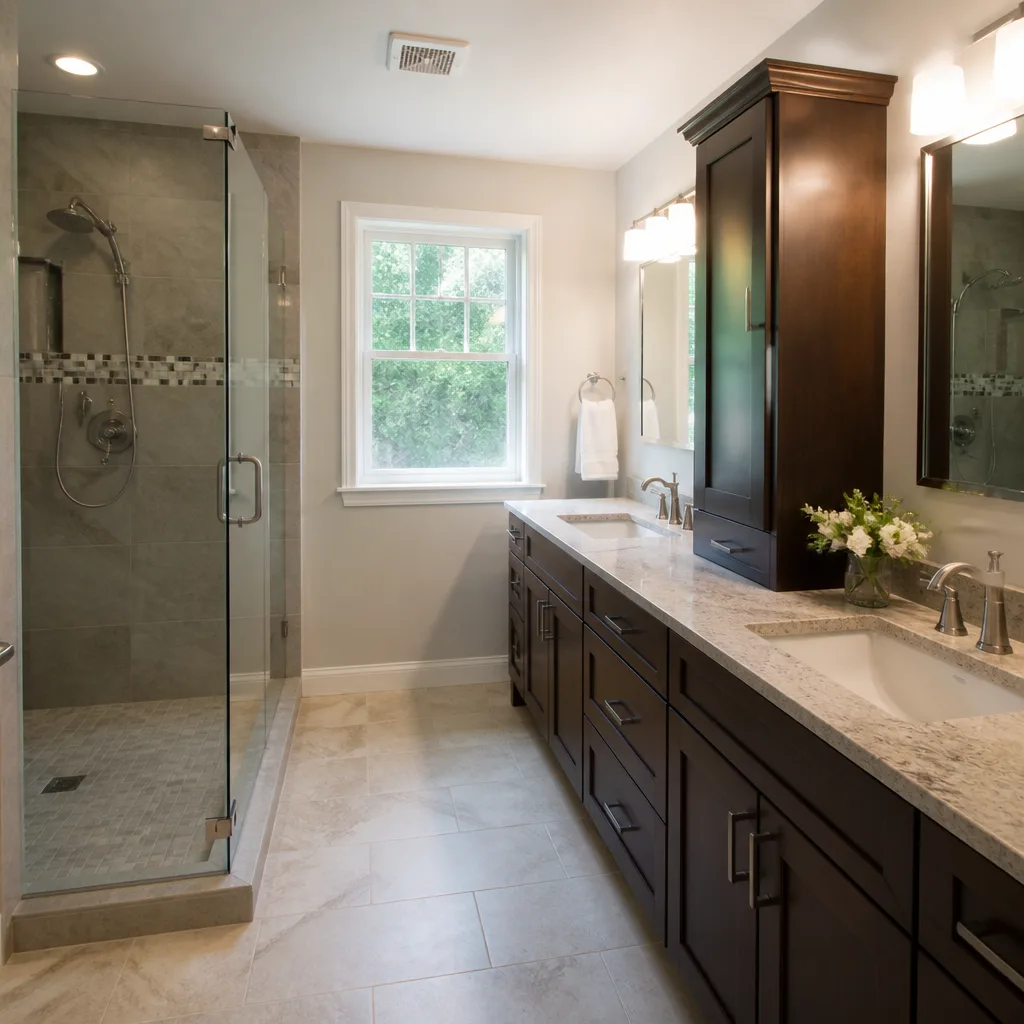 Bathroom remodeling
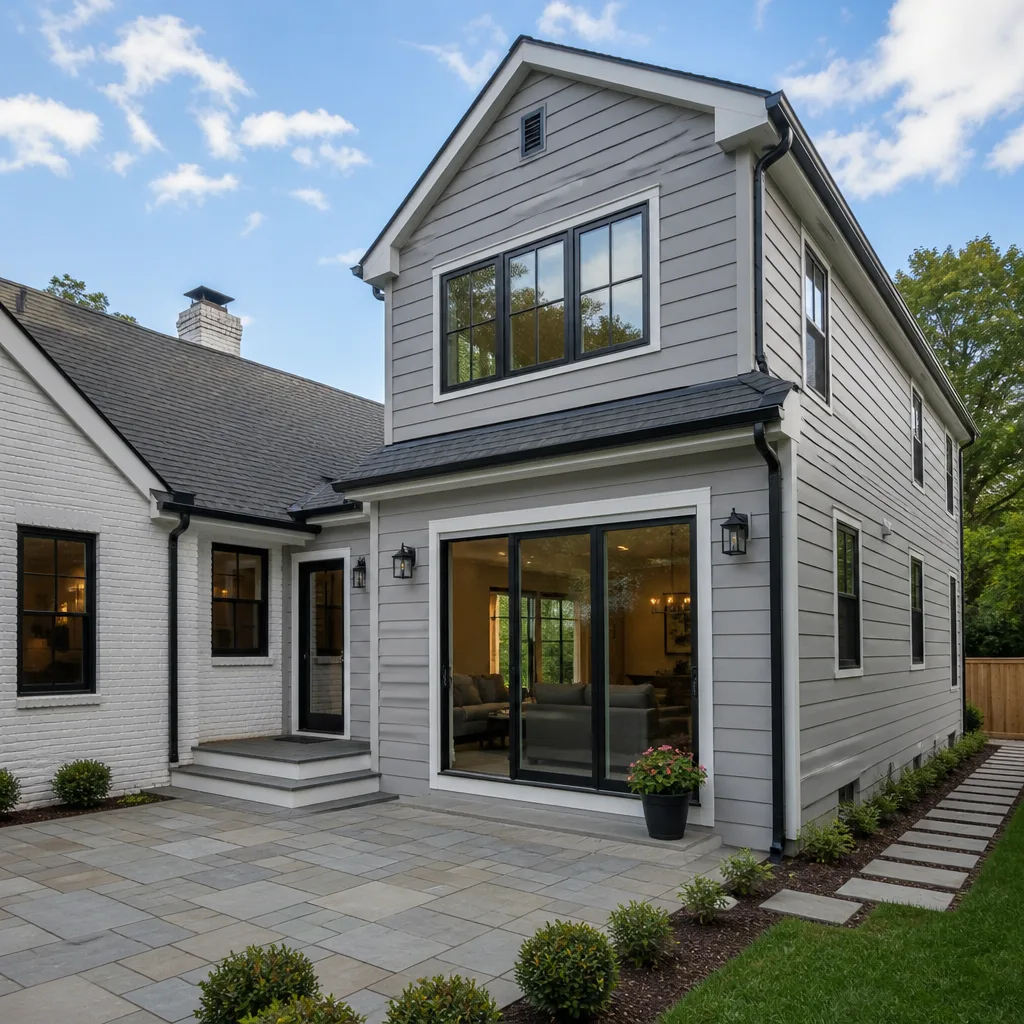 Home additions & ADU
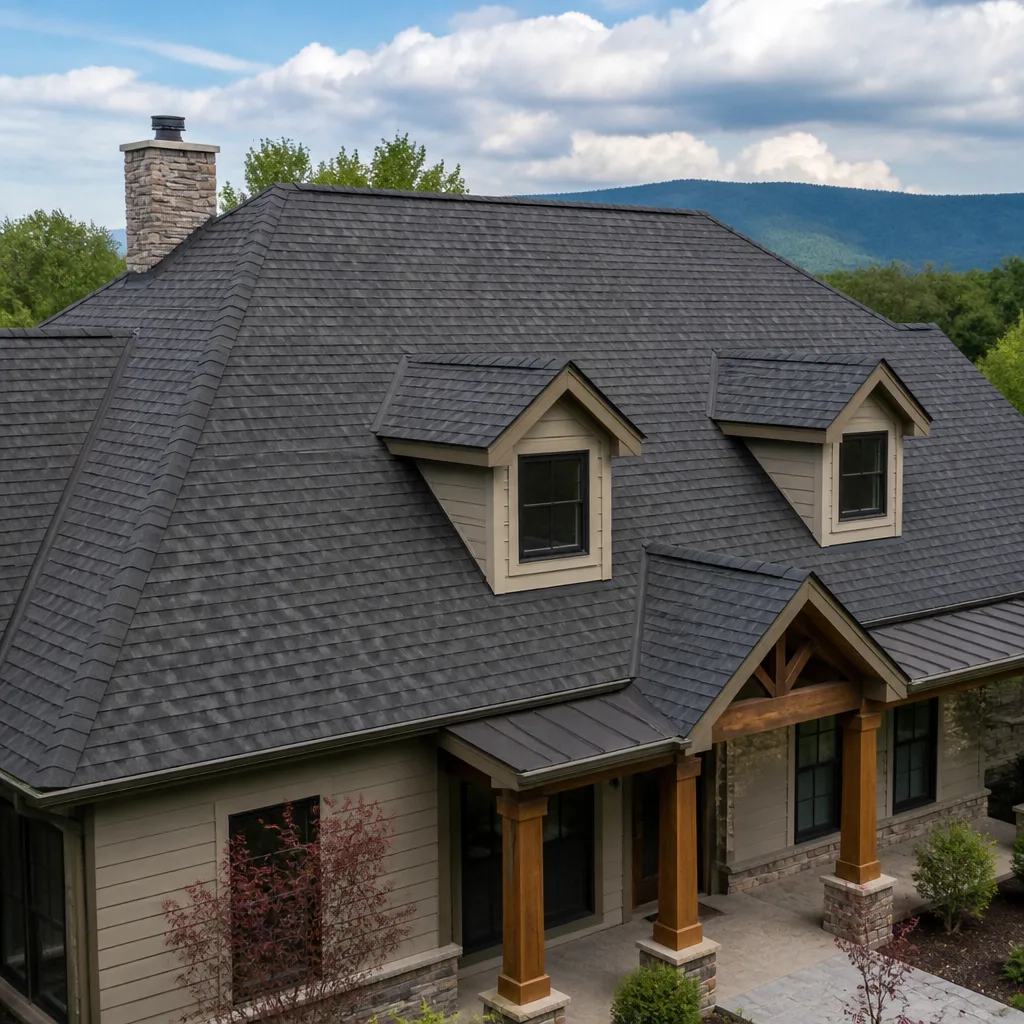 Roofing
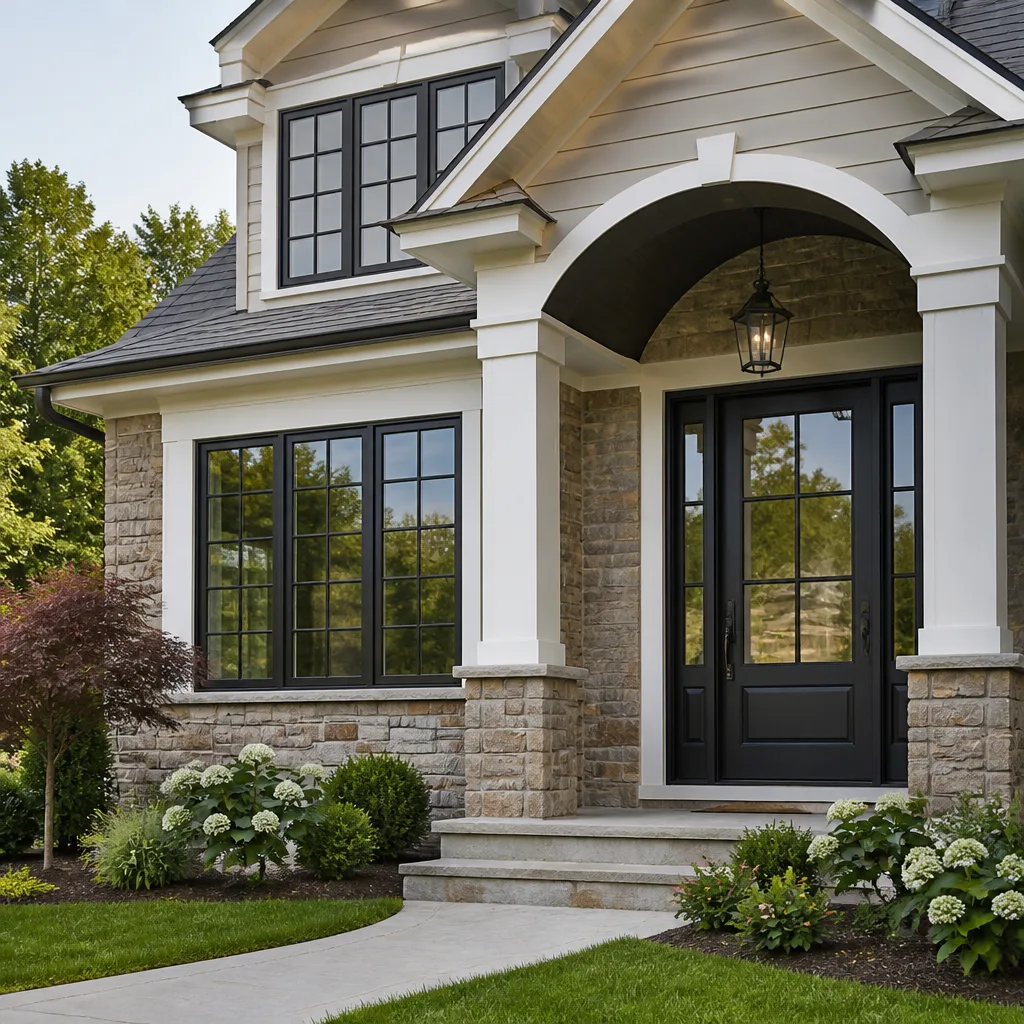 Windows & doors
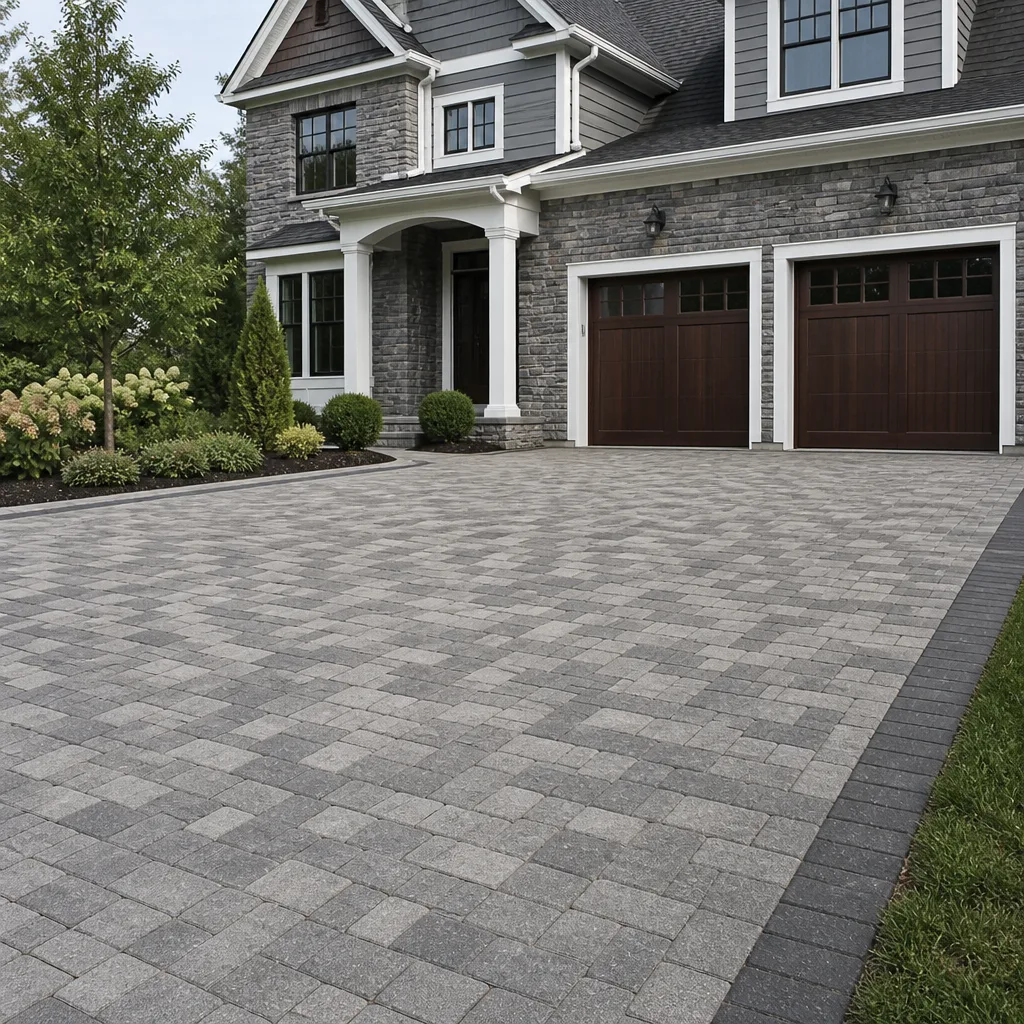 Driveway & pavers
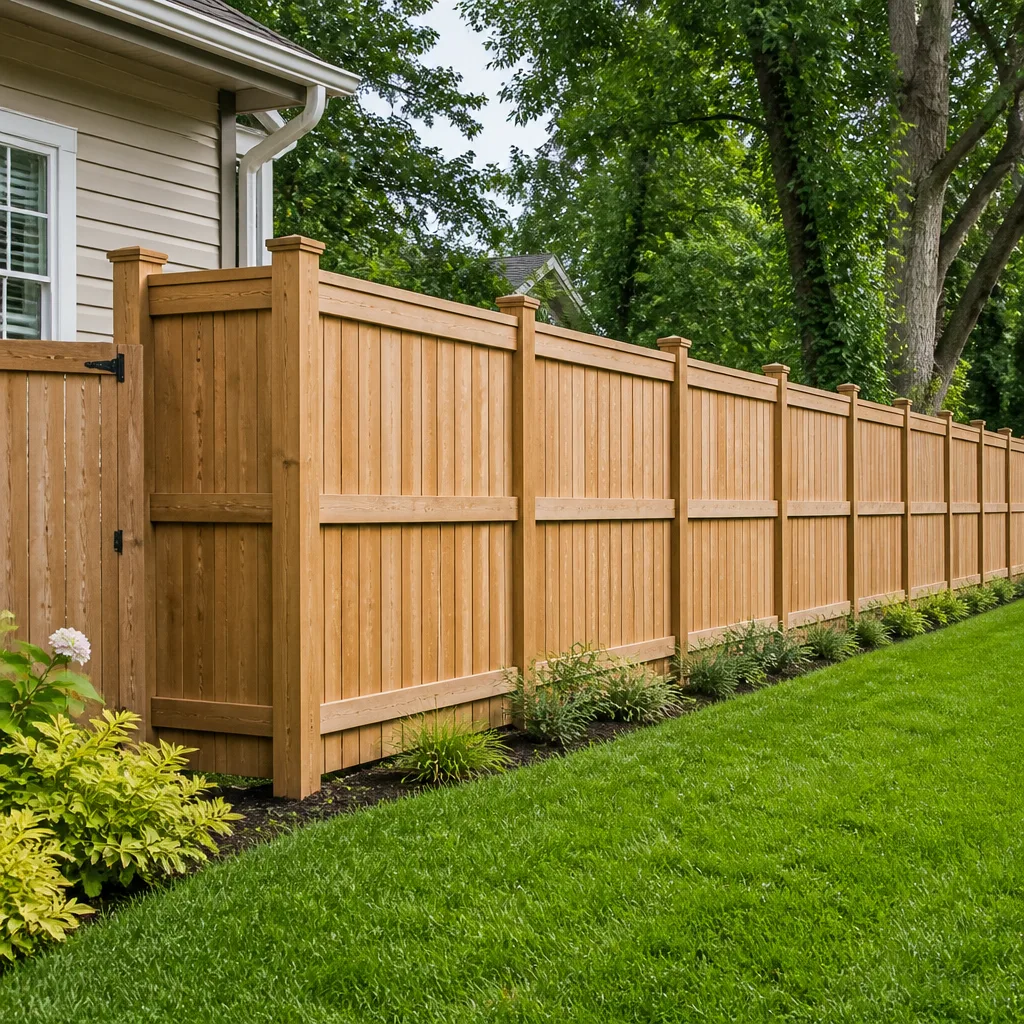 Fence
Free written scope consultation - allowances, timeline, and change-order rules on paper before a single trade is scheduled
Choosing the Right Construction Brand: A Buyer’s Guide for Antioch
The brand of concrete sealer, roofing underlayment, or paver sand your contractor defaults to may have nothing to do with what performs best on your property, and everything to do with what their supplier stocks. That’s the uncomfortable truth about construction materials: most homeowners hand the brand decision to the contractor entirely, and the contractor often hands it to the supply house. The result is a home built or repaired with whatever was convenient, not whatever was right for Antioch’s hot, dry summers and expansive clay soils. This guide gives you the vocabulary, the questions, and the standards to participate in that decision. You’ll learn what warranties actually cover, which certifications are real, how brand tiers differ over a ten-year window, and how to verify a contractor’s brand partnerships before you sign.
Quick Answer
Choosing the right construction brand in Antioch means matching products to local conditions first, then verifying claims against third-party test data and written warranties. Prioritize brands with published ASTM or ICC evaluation reports, insist on a separate written workmanship warranty that covers installation failures the manufacturer won’t, and ask your contractor to justify each brand choice in writing. The brand name matters less than the certification behind it and the install warranty covering it.
Styles & brands we work with
- Kitchen remodeling
- Bathroom remodeling
- Home additions & ADU
- Roofing
- Windows & doors
- Driveway & pavers
- Fence
Table of Contents
- Manufacturer Warranty vs. Workmanship Warranty: The Gap That Bites Antioch Homeowners
- How to Verify Brand Claims Against Real Performance Data
- Brand Tiers in Concrete, Pavers, Roofing, and Exterior Coatings
- What the 10-Year Cost Picture Actually Looks Like in Antioch
- The Questions That Get You Real Answers About Brand Selection
- How to Verify a Contractor’s Brand Partnerships Are Authorized
- Matching Materials to Antioch’s Climate and Soil
- Common Mistakes to Avoid
Manufacturer Warranty vs. Workmanship Warranty: The Gap That Bites Antioch Homeowners
Here’s the distinction that costs Antioch homeowners the most money: a manufacturer warranty covers defects in the product itself. It does not cover installation errors. If a roofing shingle fails because it was nailed incorrectly, the shingle maker will tell you the product was fine and the installer is responsible. If a paver settles because the base wasn’t compacted to spec, the paver manufacturer owes you nothing. The product didn’t fail. The install did.
That gap is why a workmanship warranty matters as much as the brand name on the box. In our experience across Antioch, the failures we see are rarely “the shingle was defective.” They’re almost always installation-related: underlayment lapped the wrong direction, base course too thin, sealant applied in the wrong temperature window. Those are contractor failures, and only a contractor workmanship warranty covers them.
Antioch’s climate makes this gap wider than it is in milder markets. Summer surface temperatures on dark roofing and unshaded pavers routinely push past 140°F, and the diurnal swing between a 100°F afternoon and a 55°F night works sealants, membranes, and joint sand hard. Add expansive clay soils in neighborhoods like Prewett Ranch and Mira Vista that swell and shrink with the wet-dry cycle, and installation tolerances get tighter, not looser. A weak workmanship warranty in this market is a real liability.
What to demand in writing:
- A named workmanship warranty period with the specific trades it covers (roofing, concrete, pavers, windows, etc.).
- What triggers a claim: leaks, settling, cracking, adhesion failure, water intrusion. Vague language like “defects in workmanship” without examples is a red flag.
- Who performs the repair and how fast they respond. A warranty you can’t activate is decoration.
- The transferability terms if you sell the home. Resale value depends on this.
Groundwork Construction Co. of Antioch backs every project with a 730-Day Done Right Promise: if it’s not done right, we make it right. That’s a workmanship guarantee sitting on top of the manufacturer warranties, covering the install failures the product brands won’t. It’s one of the longest workmanship guarantees in the residential construction space, and it’s in writing before work starts.
How to Verify Brand Claims Against Real Performance Data
Every brochure says “premium” and “engineered for performance.” Almost none of that language means anything testable. The certifications and test standards below do mean something, and you can check them yourself before you approve a product.
Standards that carry weight:
- ASTM test standards referenced by number on the product data sheet. For concrete, look for ASTM C39 (compressive strength) and ASTM C94 (ready-mix spec). For pavers, ASTM C936 (interlocking concrete paver units) and ASTM C140 (absorption and compressive strength of units). For roofing, ASTM D7158 (wind resistance of asphalt shingles) and ASTM D3161. A brand that publishes these numbers is telling you something. A brand that avoids them is telling you something too.
- ICC Evaluation Service (ICC-ES) reports for products with structural or code-compliance implications: anchors, connectors, some roofing systems, exterior insulation. An ESR number is searchable on the ICC’s public site.
- Miami-Dade NOA and Florida Product Approval numbers, which indicate tested wind and impact performance. Especially relevant in a seismically active, windy-corridor state like California.
- Cool Roof Rating Council (CRRC) listings for roofing and exterior coatings. This one matters directly in Antioch: Title 24 energy code and utility rebate programs often require a minimum solar reflectance and thermal emittance. A “cool roof” claim without a CRRC product ID is marketing.
- California Department of Public Health (CDPH) VOC compliance for sealers, coatings, and adhesives, which is a legal requirement in this state and a good proxy for whether the manufacturer is telling you straight.
Standards and phrases that mean nothing on their own: “premium grade,” “contractor preferred,” “engineered for durability,” “tested to exceed industry standards,” “high-performance formula.” These appear on the cheapest product in the aisle as often as the best. Ask for the test number. If there isn’t one, you’ve learned what you needed to know.
One hands-on check that costs nothing: request the manufacturer’s published product data sheet and limited warranty document for the specific product being installed, not a generic brochure. If the contractor can produce both quickly, they know their supply. If they can’t, they’re guessing.
Brand Tiers in Concrete, Pavers, Roofing, and Exterior Coatings
Brand tiers exist in every category you’ll buy for an Antioch home, and the difference between tier one and tier three is usually not dramatic when the product is new. It becomes dramatic after five years of Contra Costa County sun. Here’s how we break it down.
Concrete and Ready-Mix
Most residential concrete in Antioch comes from one of a handful of regional batch plants, and the brand name on the ticket matters less than the mix design and the finisher’s skill. What you should care about: the specified psi (4,000 psi is standard for driveways and slabs in this market; 2,500 to 3,000 psi is common for flatwork only), the water-cement ratio, and whether the batch was tested. Brand tiers in concrete are less about the label and more about whether the plant provides batch tickets and cylinder break results. Reputable plants do. Budget plants often skip it.
Pavers
Paver brand tiers separate clearly by absorption rate and compressive strength. High-end interlock pavers tested to ASTM C936 with absorption under 5% hold color and resist freeze-thaw and salt exposure far better than commodity units north of 7%. In Antioch, where pavers around pools and driveways face 100°F+ surface temps and intense UV, the lower-absorption product holds its color a decade longer. Belgard is a solid benchmark brand in this category. The catch: a premium paver installed on a bad base fails faster than a commodity paver on a good base, which is why we treat base prep as the deciding variable, not the brand.
Roofing
Asphalt shingles come in tiers defined mostly by warranty length, thickness, and wind rating. Three-tab is the entry tier. Architectural (dimensional) shingles are the standard for Antioch replacements because they hold up better to thermal cycling and carry 110 to 130 mph wind ratings from a reputable manufacturer like GAF or CertainTeed. Luxury and designer shingles sit above that, occasionally justified on homes in the older neighborhoods around downtown Antioch where street appearance drives resale. The brand isn’t the whole story: underlayment, flashing, and ventilation do as much work as the shingle. A premium shingle over cheap felt is a downgrade dressed up.
Exterior Coatings and Sealers
The wide-open tier gap. A big-box acrylic sealer runs a fraction of the cost of a solvent-based or polyaspartic system with UV stabilizers. In a market with 260+ sunny days, the low-tier product chalks, peels, and needs re-coating every two to three years. The upper tier holds five to seven years with proper prep. That math changes the ten-year cost discussion completely, which is the point of the next section.
What the 10-Year Cost Picture Actually Looks Like in Antioch
The purchase price is the smallest number in the equation. What matters is initial cost plus maintenance plus replacement over a decade. Here’s how the tiers play out in Antioch’s climate:
| Category | Entry Tier (10-yr total) | Premium Tier (10-yr total) | Driver |
|---|---|---|---|
| Paver driveway (600 sq ft) | $8,000 to $11,000 installed + $1,500 re-sand/reset | $12,000 to $16,000 installed + $400 touch-up | Base failure, color fade, joint sand loss |
| Roof (2,000 sq ft architectural) | $9,000 to $13,000 + risk of premature replacement | $13,000 to $19,000, full 25 to 30 yr life | Shingle quality, underlayment, ventilation |
| Exterior coating (stucco, 1,800 sq ft) | $2,500 to $3,500 + two re-coats ($4,000+) | $4,500 to $6,500 + zero re-coats in 10 yrs | UV stability, adhesion, prep |
| Concrete driveway (600 sq ft, 4,000 psi) | $6,000 to $9,000, likely crack repairs | $8,500 to $12,000, holding finish | Mix design, control joints, base compaction |
The pattern is consistent: entry-tier product costs less up front and often more total. But the premium tier only pays off when installation is right. A high-end roof installed with inadequate ventilation still fails early in Antioch’s heat. A premium paver with a thin base still settles. That’s the argument for buying the workmanship guarantee, not just the brand name. It’s also why we offer Driveway & Pavers in Antioch as a project scoped around base preparation, drainage, and compaction rather than just what’s on top.
One more number worth internalizing: in our experience, roughly 70% of the paving and roofing failures we see in Antioch trace back to installation, not the product. That percentage is an estimate from job observations, not an industry statistic, but the direction is consistent with what manufacturers themselves publish in their own claim-data literature. The product tier buys you better materials. The workmanship backing is what determines whether those materials last.
The Questions That Get You Real Answers About Brand Selection
Most homeowners ask “what brand are you using?” and get a name. That’s the least useful version of the question. The version that produces real information is designed to make a vague answer uncomfortable, because a contractor who knows their materials will answer in a couple of sentences while a contractor who doesn’t will dodge. Here’s the sequence:
- “Why this brand specifically, for my property?” The right answer references conditions at your address: sun exposure, soil type, drainage, wind exposure. The wrong answer references “reliability” or “what we’ve always used.”
- “What’s the ASTM or ICC-ES number on the product you’re specifying?” If they can’t produce it within a day, they’re not specifying to your project; they’re defaulting to whatever’s in stock.
- “What does the manufacturer warranty cover, and what does your workmanship warranty cover?” You want two distinct answers, both in the contract. If they’re the same, one is missing.
- “What are the two alternates you considered, and why did you rule them out?” A real brand decision has alternates. No alternates means no decision.
- “Are you an authorized dealer or certified installer for this brand?” Manufacturer warranty coverage is often contingent on authorized installation. Verify it with the manufacturer, not the contractor.
- “Show me the product data sheet and warranty document.” Before signing, not after. Read the exclusions section of the manufacturer warranty carefully; a lot of the “50-year” language becomes 15 years with certain conditions.
Frame these questions politely: “I’m trying to understand the reasoning so I can make an informed decision.” You’ll learn more in ten minutes than in a week of comparing brochures, and the contractor will know you’re paying attention.
How to Verify a Contractor’s Brand Partnerships Are Authorized
Contractors throw around “authorized dealer” and “certified installer” loosely, and those phrases carry real weight if true. Here’s how to check:
- Go to the manufacturer’s website first, not the contractor’s. Every major brand in our categories (KraftMaid, Kohler, GAF, CertainTeed, Andersen, Pella, Belgard, James Hardie) maintains a public dealer or contractor locator. Search your contractor’s business name and city. If they appear, the relationship is authorized.
- Ask for the certificate or dealer number. King, GAF, and CertainTeed in particular issue a certificate with a number. A real one is verifiable on the manufacturer’s site.
- Ask what “certified” means in that brand’s program. Some programs require specific training and continuing education. Some are self-enrollment. The difference matters when something fails and you’re trying to get a warranty honored.
- Check the Better Business Bureau and CSLB license lookup. Not a brand-relationship check, but a baseline integrity check that takes two minutes.
Groundwork Construction Co. of Antioch maintains industry-leading brand partnerships across every trade we work in: KraftMaid and Cambria in kitchens, Kohler in baths, GAF and CertainTeed on roofs, Andersen and Pella for windows, Belgard for pavers, and James Hardie for siding. Our technician team has up to 12 years of experience, and every job is background-checked and uniformed. If you want the partnership list verified before you sign, ask us and we’ll point you to the manufacturer locator for any of them.
Matching Materials to Antioch’s Climate and Soil
Antioch sits on the western edge of the Sacramento-San Joaquin Delta, and the local conditions that drive material selection are specific:
- Summer heat. Surface temps on pavers, concrete, and dark roofing run 30 to 50°F above ambient. Materials with UV stabilizers and low thermal expansion perform measurably better.
- Expansive clay soils. Large swaths of Antioch, especially in the newer hillside developments and in parts of the older flatland neighborhoods, sit on clay that moves with seasonal moisture. Base design for pavers, driveways, and slabs has to account for movement. A premium paver on a bad base fails the same as a cheap one.
- Seismic exposure. Every product in the structural categories (anchors, connectors, glazing, roofing attachments) needs to reference the California Building Code and seismic design categories for our area. ICC-ES reports are the shorthand check.
- Wind. The Delta corridors through Antioch push wind speeds that matter on roofs and fences. Shingles with high wind ratings and fences rated for wind load aren’t optional. When we spec fence panels, brands like Ameristar, Jerith, and ActiveYards all publish wind ratings worth comparing, and we’ll show you the numbers side by side.
- Water. Antioch gets concentrated winter rain, and poorly designed drainage is behind a lot of paver and slab failures. Any paver or driveway scope should include a plan for where the water goes. That’s as much a part of the brand decision as the product itself.
If you’re planning a project through Home Additions & ADU in Antioch or a full Fence Installation in Antioch, the material spec should reference these conditions in writing. If a bid doesn’t, ask for it to be added.
Common Mistakes to Avoid
- Accepting “premium” as a brand attribute. The word appears on commodity products as often as top-tier ones. Ask for the ASTM number and the product data sheet before you approve anything.
- Confusing the manufacturer warranty with the workmanship warranty. Two distinct documents. If your contract only names one, ask which is missing. In Antioch’s climate, install failures are more common than product failures, so the workmanship guarantee is the one you’ll actually use.
- Picking pavers, roofing, or coatings by appearance alone. Color and style matter, but a 7%-absorption paver spec’d on a sunny Antioch driveway will fade faster than a 4%-absorption unit of any brand. Read the spec, then pick the color.
- Letting the contractor default to supplier stock without discussion. Ask what alternates were considered. If the answer is “we use what our supplier carries,” you’re making a purchasing decision by proxy.
- Not checking the manufacturer’s authorized-dealer locator. A contractor’s brand-partnership claim is verifiable in two minutes. Verify it on the manufacturer’s site, not the contractor’s.
- Ignoring base prep on hardscape projects. In our experience, roughly 70% of the paver and driveway failures we see in Antioch trace to base, not product. The premium product won’t save a bad base.
- Skipping the exclusions section of the warranty. The headline number is 25 or 30 years. The exclusions reduce it dramatically. Read both.
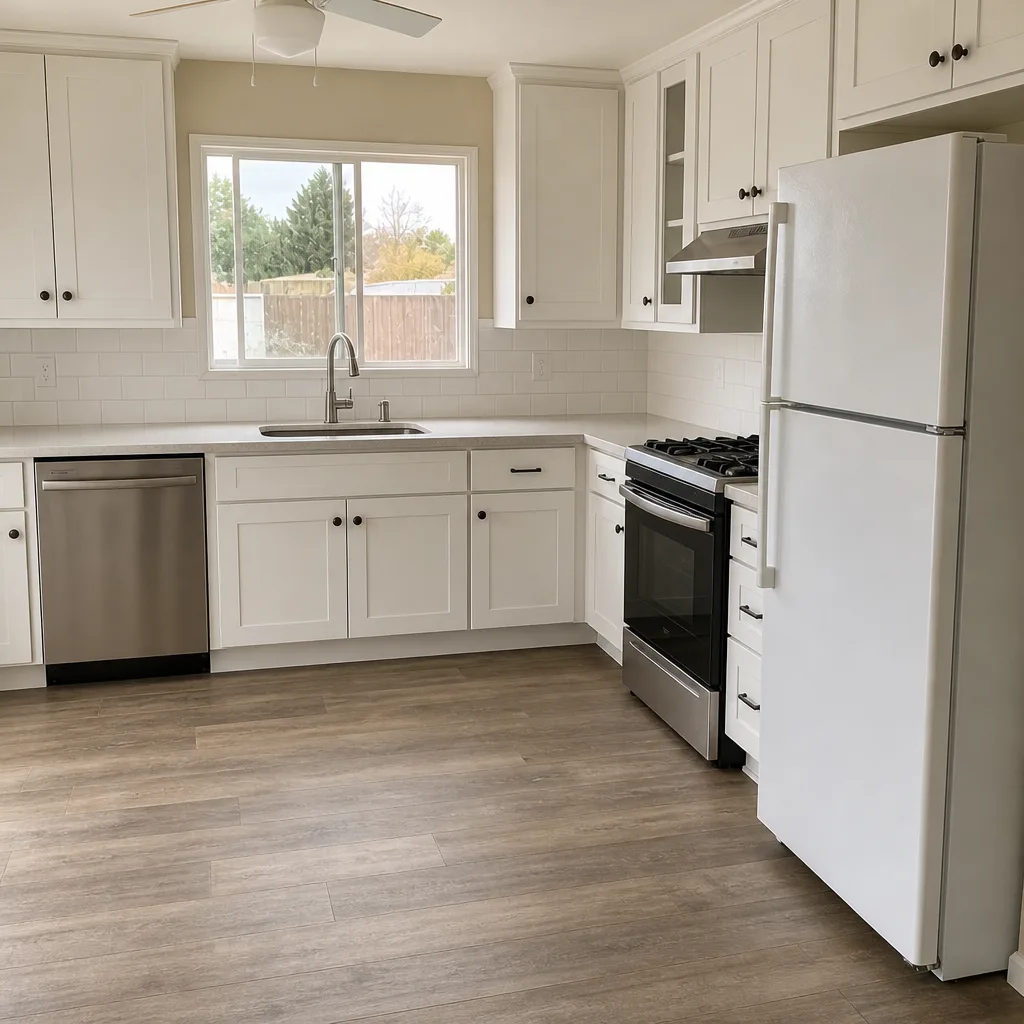
See the difference
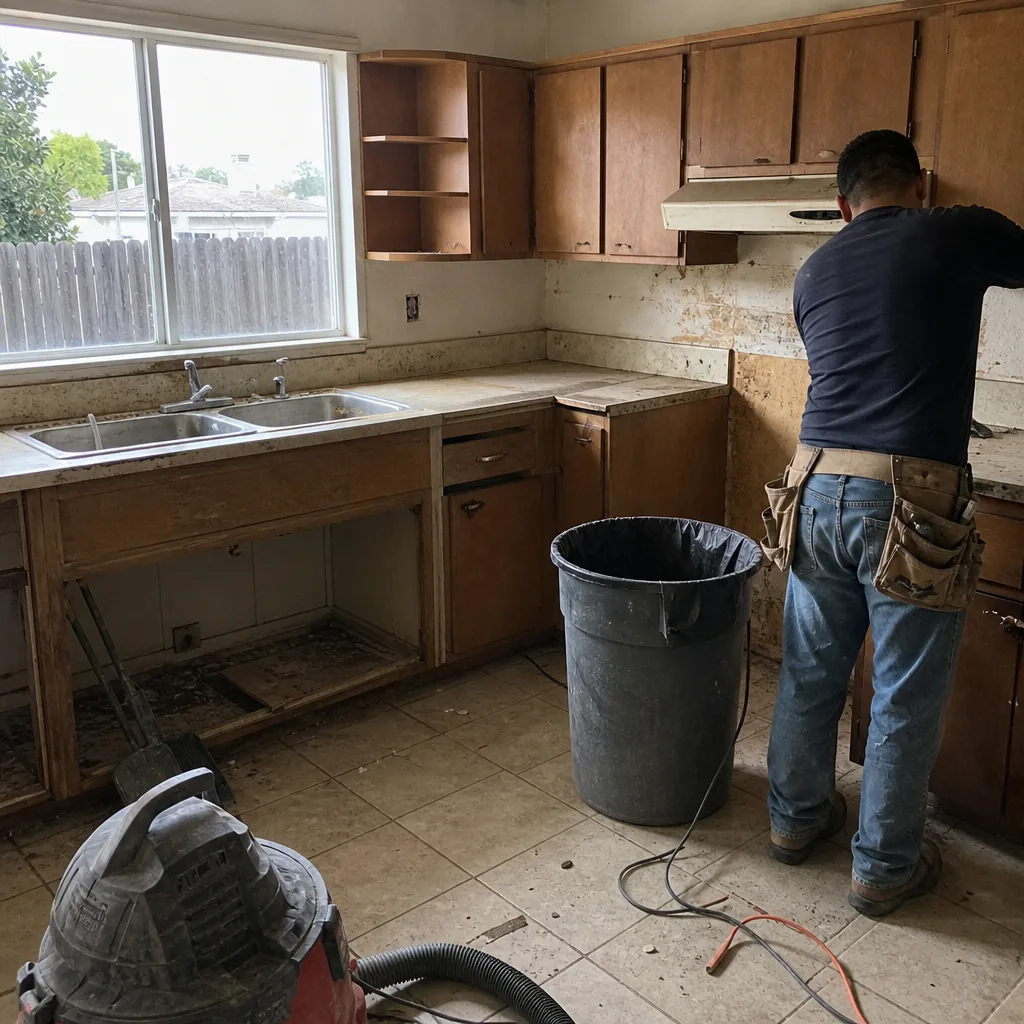 Before
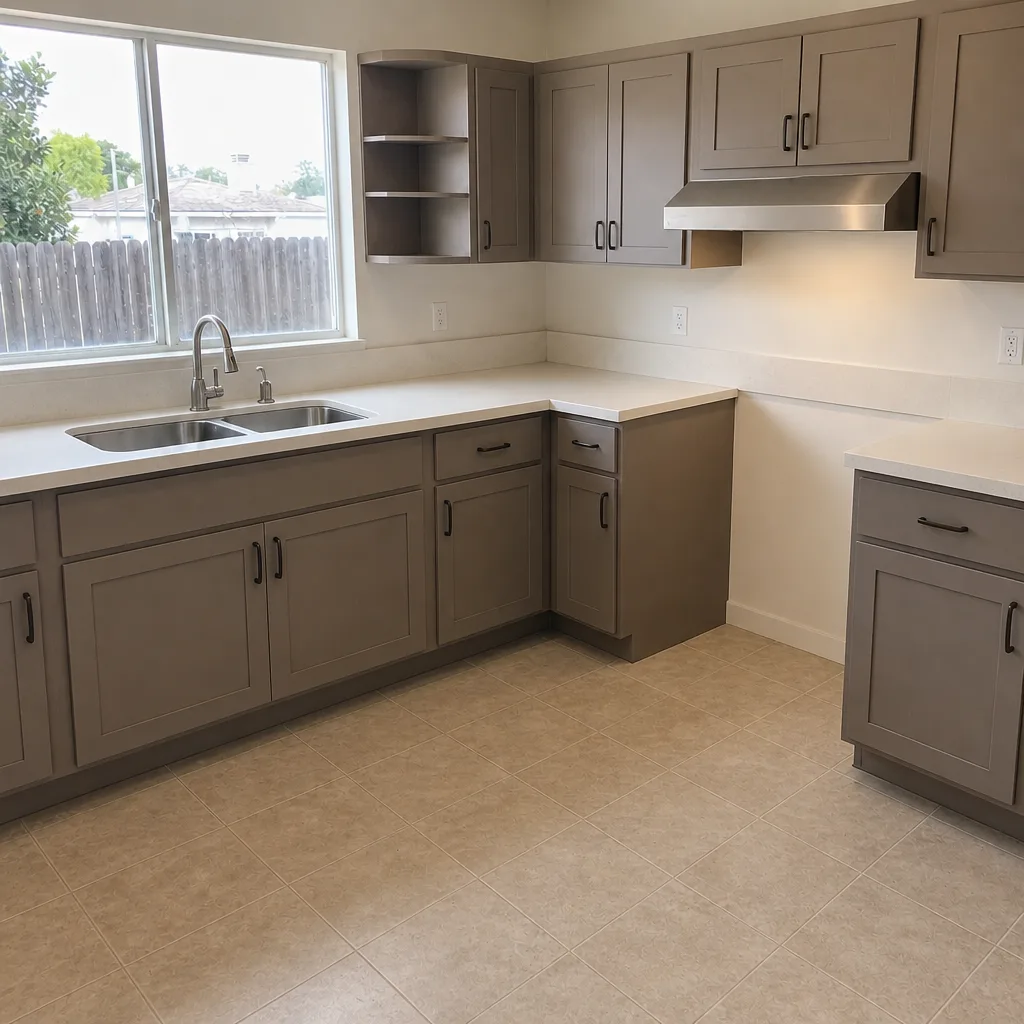 After
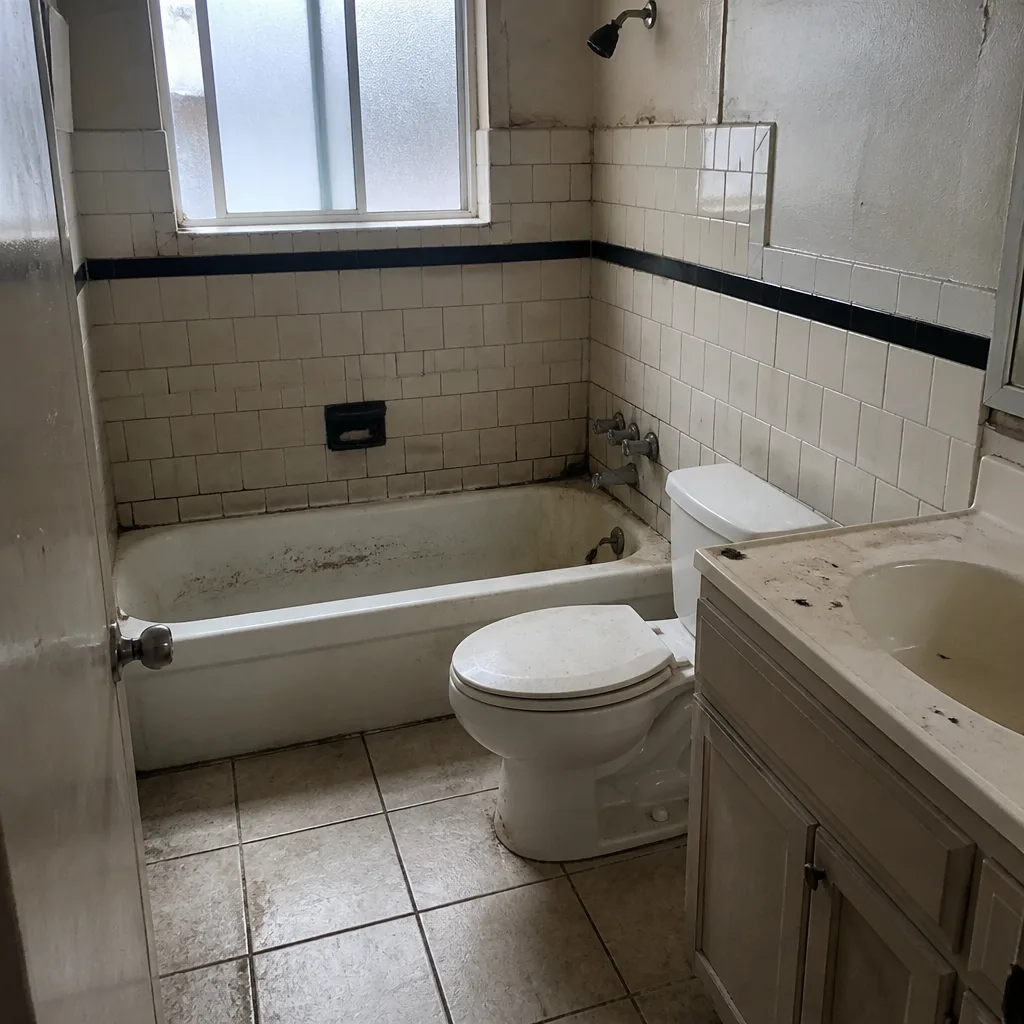 Before
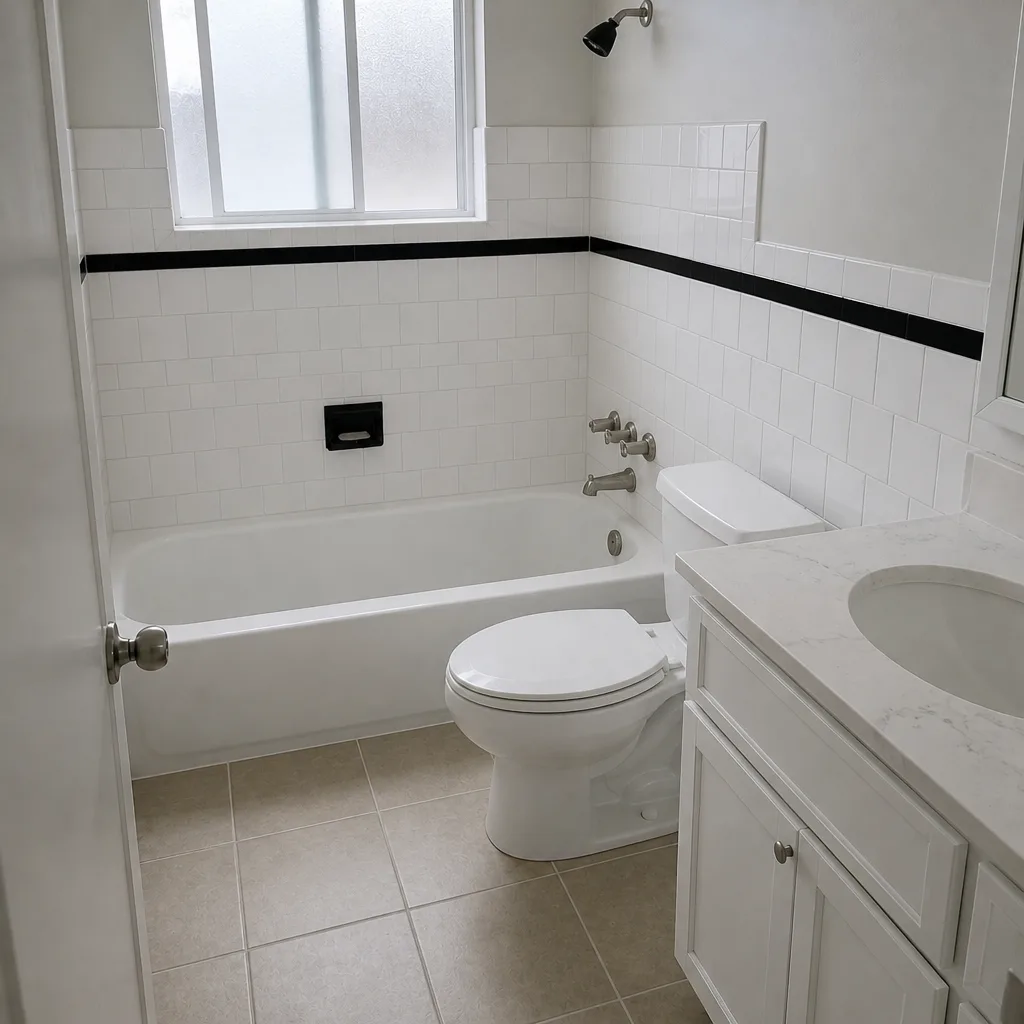 After
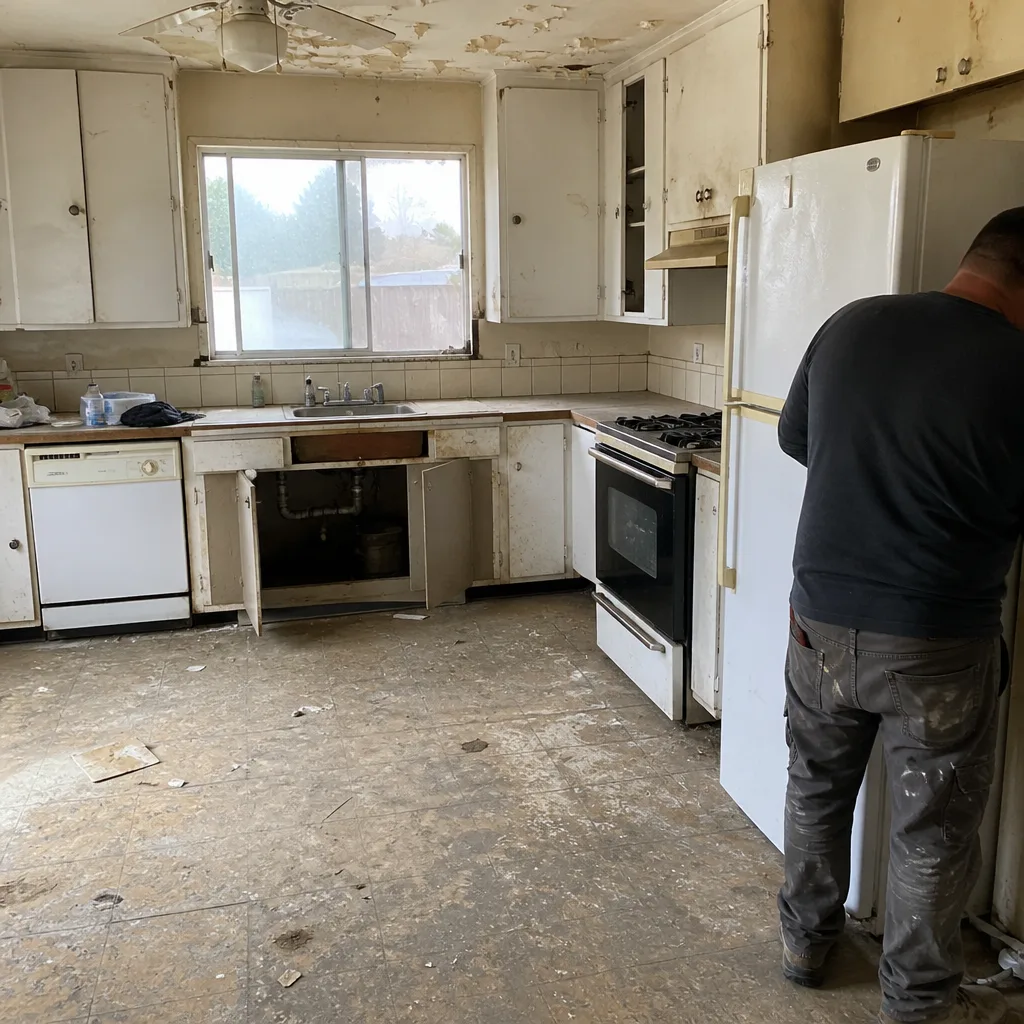 Before
 After
When to Call a Professional
Some brand decisions are simple enough to handle as a homeowner: picking a paint color, choosing a fence style. Others should not be made without someone accountable for the result. Roofing replacement, concrete work, paver installation, window and door replacement, and any project that touches structural, water-managed, or long-life components fall into the second category. These are the projects where getting the brand-to-application match wrong costs thousands over the next ten years, and where the workmanship warranty does the heavy lifting if something fails.
Groundwork Construction Co. of Antioch offers free estimates in Antioch. Call (888) 419-3650 to schedule yours. We’ll bring the manufacturer spec sheets, explain why we’re recommending each product for your property, and put both the brand and the workmanship guarantee in writing before work starts. You can also see the full range of what we do at Groundwork Construction Co. of Antioch home.
Frequently Asked Questions
Installation matters more. In Antioch’s heat and wind exposure, a well-installed mid-tier architectural shingle outperforms a poorly installed premium shingle every time. Aim for a reputable brand (GAF or CertainTeed), a proper underlayment and ventilation system, and a written workmanship warranty that covers leaks and installation failures. That combination usually serves homeowners better than chasing the top brand tier alone.
A properly designed and poured 4,000 psi concrete driveway in Antioch typically stays serviceable for 20 to 30 years with basic care. The key variables are mix design, water-cement ratio, control joint placement, base compaction, and drainage. A budget mix poured by a competent finisher often outlasts a premium mix poured poorly. Ask for the batch ticket and cylinder break results.
A manufacturer warranty covers defects in the product itself. A workmanship warranty covers defects in how that product was installed. In Antioch’s climate, installation failures account for the majority of problems we see, so the workmanship warranty is usually the one homeowners actually need to use. Both should be in the contract before work begins. Call (888) 419-3650 and we’ll walk through both documents with you line by line.
Often yes. Cool roof shingles carry a CRRC rating for solar reflectance and thermal emittance, which can reduce attic heat load and, depending on your utility, qualify for rebate programs. The upcharge typically runs 5% to 15% over standard architectural shingles. In a market with 260+ sunny days, the comfort and efficiency gains often justify that. Ask for the CRRC product ID before you approve any cool-roof claim.
Check the manufacturer’s own dealer locator, not the contractor’s website or marketing materials. Every major brand in our categories (KraftMaid, Kohler, GAF, CertainTeed, Andersen, Pella, Belgard, James Hardie) maintains a public locator by city and business name. If the contractor appears, the relationship is authorized. Ask for a dealer number or certificate, too. A real one is verifiable in a couple of minutes.
For fence panels, the main comparison is wind rating, coating longevity, and warranty length. Brands like Ameristar, Jerith, and ActiveYards publish their wind-load ratings and powder-coat warranty terms. In Antioch’s Delta wind corridors, a fence panel without a wind rating is a downstream maintenance cost. Ask for the manufacturer’s wind-load document and the panel’s coating warranty. Call (888) 419-3650 if you want us to compare the numbers with you.
The Bottom Line
The brand decision isn’t the contractor’s to make alone, and it isn’t yours either. It’s a conversation. Come prepared with the standards (ASTM, ICC-ES, CRRC), the questions that produce real answers (“why this brand for this property?”), and the recognition that the workmanship warranty covers the failures the manufacturer warranty won’t. In Antioch specifically, product tier matters, but installation quality and base preparation matter more. Pick a contractor who writes both warranties down, doubles down on prep, and explains their brand reasoning in plain language. That’s the short list. If the estimate comes in vague on brands, unclear on warranty coverage, or silent on base preparation, you’ve found your answer.
Groundwork Construction Co. of Antioch offers free project estimates and design consults across Antioch and the surrounding Contra Costa communities. Projects over $10,000 qualify for $1,000 off, and 0% financing is available for 18 months. Call (888) 419-3650 to schedule your free estimate. Live person, 24/7. Upfront pricing, no surprises. Every project backed by the 730-Day Done Right Promise: if it’s not done right, we make it right.
Written by the team at Groundwork Construction Co. of Antioch.