
Last updated November 17, 2026
 Home additions & ADU
 Kitchen remodeling
 Bathroom remodeling
 Roofing
 Windows & doors
 Driveway & pavers
 Fence
Free written scope consultation - allowances, timeline, and change-order rules on paper before a single trade is scheduled
The Complete Fence Installation Guide for Antioch Homeowners
Antioch sits in a wind corridor that regularly hits 25-35 mph gusts. A fence installed to standard residential specs in those conditions has a predictable failure point, and most homeowners don’t find out until a panel is in their yard after a March storm. That’s the part nobody warns you about. Between the Delta winds, the expansive clay under half the lots in East Contra Costa County, HOA architectural reviews in the newer developments, and property line questions that come up more often here than in denser urban areas, fence installation in Antioch is a project where the details decide whether you get fifteen years or five. This guide walks through what actually matters: wind load, post depth, soil, permits, survey lines, and which material survives this climate.
Quick Answer
A typical residential fence installation in Antioch runs $32 to $58 per linear foot for wood, $45 to $72 for vinyl, and $50 to $85 for ornamental aluminum, with most 150-foot yards landing between $5,000 and $9,500 all-in. The two variables that decide whether that money holds up are post depth (Antioch’s Delta-corridor wind exposure demands deeper, wider footings than the standard 24-inch hole) and soil conditions (the expansive clay across much of East Contra Costa County moves with seasonal moisture and can heave shallow posts over time). Get permits, confirm your property line, and check your HOA’s architectural rules before anyone digs.
Styles & brands we work with
- Kitchen remodeling
- Bathroom remodeling
- Home additions & ADU
- Roofing
- Windows & doors
- Driveway & pavers
- Fence
Table of Contents
- Why Antioch’s Wind Corridor Changes Fence Design
- Clay Soil and Post Stability in East Contra Costa County
- Permits, Setbacks, and HOA Review in Antioch
- Property Lines, Surveys, and the Cost of Getting It Wrong
- Material Comparison: Wood, Vinyl, Aluminum, and CMU Block
- What Fence Installation Costs in Antioch
- The Installation Process, Step by Step
- Maintenance and Longevity in Antioch’s Climate
Why Antioch’s Wind Corridor Changes Fence Design
Antioch’s position near the confluence of the San Joaquin and Sacramento rivers puts it in a wind corridor that funnels Delta breeze straight through neighborhoods like the ones off Lone Tree Way and along the river-facing edges of the city. Sustained afternoon winds of 15-20 mph are routine, and spring gusts of 25-35 mph are not unusual. That matters because a fence is a solid vertical surface, and wind doesn’t politely go around it. It pushes, and every post and rail has to resist that push.
A standard residential fence spec calls for posts set in roughly 24-inch-deep, 8- to 10-inch-diameter concrete footings. In many parts of California that’s fine. In Antioch’s wind corridor, that spec is marginal at best on exposed lots. Deeper footings (30 to 36 inches), wider holes (10 to 12 inches), and closer post spacing on tall or solid-panel runs make the difference between a fence that flexes and recovers and one that leans and eventually fails.
What we look at on any Antioch install:
- Exposure: A lot backing onto open field, a drainage channel, or the river side of a ridge takes more load than an interior lot screened by neighboring homes.
- Height: A 6-foot privacy fence catches roughly 36 square feet of wind per 6-foot panel. Going to 7 or 8 feet, if your HOA and the city allow it, multiplies that load fast.
- Panel style: Solid board-on-board is the worst wind catcher. Semi-privacy and shadowbox designs let some air through and reduce load on the posts.
- Post material: A 4×4 post is standard for 6-foot fences, but on exposed Antioch lots a 4×4 in clay is asking for a lean. Many of our installs on high-exposure sites move to 4×6 or 6×6 posts.
- Bracing: Steel post anchors, diagonal bracing at corners and gate posts, and cross-members at the top rail all spread wind load instead of concentrating it at the base.
This is the single biggest reason a fence that looked fine on paper in a contractor’s bid fails two winters in. Wind load isn’t a code line item most Antioch homeowners think to ask about, but it’s the one that decides whether your fence is still plumb after five spring gust seasons.
Clay Soil and Post Stability in East Contra Costa County
A lot of East Contra Costa County, including large stretches of Antioch, sits on expansive clay soils. Expansive clay swells when it takes on water during the wet season and shrinks and cracks as it dries through summer. That movement is small per cycle, maybe a fraction of an inch, but it repeats every year. A post set in a shallow, undersized concrete plug in that soil gets nudged, squeezed, and lifted over time, and the concrete itself can crack as the clay presses unevenly against it.
What this actually means for your fence:
- Deeper footings reach more stable soil. Going below the active clay layer cuts the amount of seasonal movement working on the post.
- Belled footings help. A footing that widens at the bottom gives the clay something to grip against and resists upward heave far better than a straight cylinder.
- Cure time matters. Concrete needs to cure without being rushed. Pouring footings and hanging panels the same day, or in the same few hours, is a shortcut that costs stability. In hot Antioch summers, concrete also needs to be kept from drying too fast during cure.
- Drainage directs the water. Where roof downspouts, irrigation, or slope runoff dump against the fence line, the soil stays wetter longer and the movement gets worse. Grading the soil to drain away from post lines and extending downspouts past the fence make a real difference.
- Setting posts in gravel first, then concrete, helps drainage at the base so water doesn’t sit against the bottom of the footing.
We’ve seen plenty of Antioch fences where the panels were fine but the posts had tilted because the footing was shallow and the clay did what clay does. Replacing posts is a full rebuild, not a patch. Getting the footing right the first time is the whole game.
Permits, Setbacks, and HOA Review in Antioch
Fence rules in Antioch depend on where your lot sits and how tall the fence is, and the permitting path splits into three relatively distinct cases:
- Under 6 feet in most residential zoning: A fence up to 6 feet tall in a rear or side yard typically goes in without a building permit, but you still need to respect setback and corner-visibility rules, and any fence over 6 feet in the front yard needs review.
- Over 6 feet, or a front-yard fence: These almost always require a permit, and in some cases a design review. Height, location, and material all count.
- Corner lots and lots near intersections: Sight-distance triangles apply. A solid fence can’t block visibility at the corner where drivers and pedestrians need to see.
On top of the city rules, newer Antioch developments have HOA architectural review requirements. That means filling out an application, submitting a materials and color spec, and waiting for committee approval before a single post is set. Skipping that step is one of the most common and most expensive errors we see: homeowners install what they want, the HOA rejects it, and the fence comes down at the homeowner’s cost.
Before we set anything, we walk through this checklist:
- Check current Antioch municipal code for fence height and setback by zoning district, since rules do change.
- Ask whether the property is in a planned development or HOA. If yes, request the architectural guidelines and the review timeline.
- Confirm the height and material match both the city rules and the HOA rules, not just one of them.
- Pull the survey, or get one if there isn’t one on file.
- File the permit application and, if applicable, the HOA architectural request together so the timelines line up.
Permits and HOA approvals add a couple of weeks in many Antioch installs. Build that into the schedule, because the alternative, a stop-work order or a forced removal, costs far more than the wait.
Property Lines, Surveys, and the Cost of Getting It Wrong
Property line disputes come up in Antioch more often than you’d expect, particularly in older neighborhoods where fences have crept over decades and among newer homes where a prior owner’s quick install wasn’t checked against the plat. A fence on the wrong line isn’t just an inconvenience. It’s a legal problem that can force removal, reinstallation, and in some cases a neighbor’s claim on the land under adverse possession rules.
Before anyone digs, get a professional survey if you don’t have a recent one. Here’s how to think about it:
- Check your deed and existing plat. Sometimes a survey from when the home was built or sold is on file with the county or in your closing documents.
- Locate the actual corner monuments. Those markers on the ground are what a surveyor verified. A visual line of old fence posts or a neighbor’s assumption is not.
- Talk to the neighbor before the install, especially on a shared fence line. A straightforward conversation on measurements now saves a dispute later.
- Consider a shared cost agreement. California allows adjacent property owners to share the cost of a boundary fence, and having that conversation is often easier up front than after the fact.
- Document everything. Photos, correspondence, and the survey report are all worth keeping.
We won’t set a post on an unconfirmed line. In practice, the survey and a 15-minute conversation with the neighbor remove most of the risk from this part of the project.
Material Comparison: Wood, Vinyl, Aluminum, and CMU Block
Material choice in Antioch depends less on aesthetics than on which one holds up to this specific combination of intense sun, seasonal rain, wind load, and clay movement. Every material can work; some work with less effort in this climate than others.
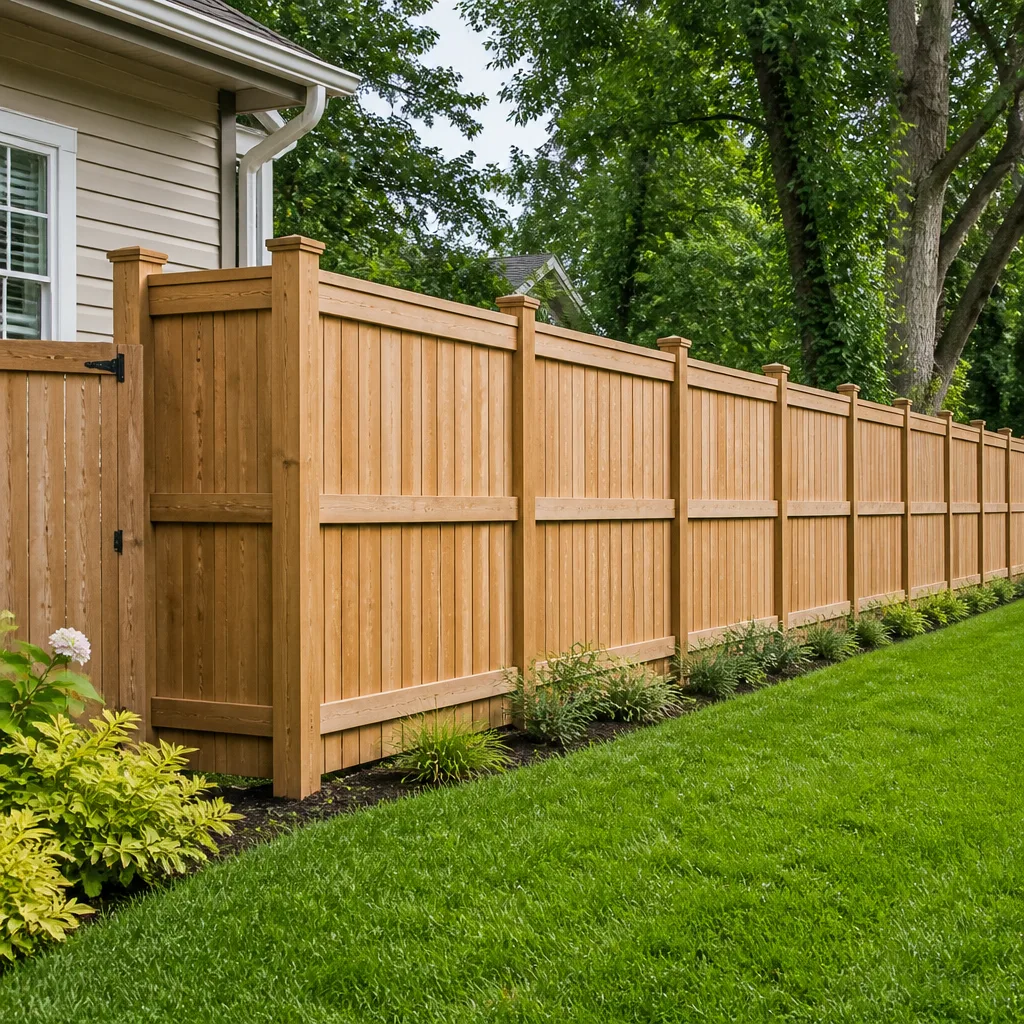
Wood (redwood or cedar). Warm look, easy to repair panel by panel, and the most familiar choice in Antioch neighborhoods. Redwood and cedar handle moisture better than pine or fir, but all wood needs sealing or staining every 2-4 years to resist UV fading and rot. Wood also moves with humidity, so panel alignment and gate fit shift over the seasons. Expect 12-20 years with regular upkeep. Cost runs $32 to $58 per linear foot installed.
Vinyl. Doesn’t rot, doesn’t need repainting, and holds color well in sun. Modern vinyl is thicker and better reinforced than the brittle early product, but in the wind corridor the key is post and mounting spec, not the panel itself. A poorly anchored vinyl fence fails just like a poorly anchored wood one. Vinyl is typically $45 to $72 per linear foot installed and can last 20-30 years with minimal upkeep.
Ornamental aluminum (steel or aluminum). Best wind performance of the three because it’s mostly open space. Lighter panels, less wind load, rust-resistant when powder-coated. Popular for front-yard fences where views and sight lines matter. Cost is $50 to $85 per linear foot installed, and the lifespan is 25 years or more.
CMU block (masonry). The most durable option and the one that matches much of the block fencing common in East Contra Costa County. Heavy, so it needs proper engineered footings, and it’s a significant cost jump ($65 to $120+ per linear foot). Where HOA rules require a masonry look, or where privacy and long-term durability are the priority, it’s the right call. It also needs to be designed for wind load and drainage, since a masonry wall that traps water against the clay is asking for settling.
What we recommend for Antioch wind exposure most often: reinforced vinyl on a properly footed 4×6 or 6×6 post system, or aluminum where visibility matters. Redwood is still a strong choice if the homeowner is committed to the upkeep. What we steer away from is thin vinyl on shallow footings, or a solid wood privacy fence in a high-wind spot with no bracing.
What Fence Installation Costs in Antioch
Local pricing in Antioch lands in the middle of the Bay Area range because East Contra Costa County doesn’t carry San Francisco labor costs, but the deeper footings the wind and soil demand add real cost to what a shallow-footing install would charge elsewhere. Here’s the range you’re likely to see on a standard 150-foot residential yard:
- Wood fence, standard 6-foot privacy, 150 linear feet: $5,000 – $8,700
- Vinyl fence, 6-foot privacy, 150 linear feet: $6,800 – $10,800
- Ornamental aluminum, 4-foot, 150 linear feet: $7,500 – $12,750
- CMU block, 6-foot, 150 linear feet: $9,750 – $18,000+
Line items that change the number:
- Old fence removal and haul-away: $400 – $1,200, depending on material and access.
- Extended footings for high-wind exposure: adds 8-15% to post work.
- Gates: $350 – $900 installed, depending on width, material, and hardware.
- Survey: $500 – $1,500 if none exists.
- Permit fee: vary; budget a few hundred dollars where required.
- Corner bracing and higher-rated hardware: $200 – $600 for a typical yard.
Get a written line-item quote, not a lump sum. And get the quote from a licensed, insured contractor in writing, with the footing spec called out explicitly. If the footing spec isn’t on the quote, the install is a question mark. Transparent pricing that spells out the footing depths, post spacing, and material grade is the only kind worth signing.
The Installation Process, Step by Step
What a properly done Antioch fence install actually looks like, in sequence:
- Confirm property lines and HOA/permit status. Survey in hand, architectural approval if applicable, permit pulled if required. No posts go in until this is settled.
- Walk the line and set the post layout. Post spacing is measured against the wind exposure and fence height, not just snapped off a default. Corners, gate posts, and terminal ends are marked for extra bracing.
- Call 811 to mark utilities. Two working days ahead minimum. Digging into a gas or water line is a scope change nobody wants.
- Dig footings to spec. 30 to 36 inches deep on wind-exposed lots, with belled bases where the clay and the terrain call for it. Wider holes (10-12 inches) on tall or solid-panel runs.
- Set posts with gravel and concrete. Gravel at the base for drainage, proper concrete mix, plumb and braced. Cure time is respected, not rushed. This is the step where shortcuts get made and where the fence survives or fails.
- Install rails and panels. Top and bottom rails set level, panels flush and secure. Board-on-board, shadowbox, or semi-privacy panel style selected based on wind exposure and HOA rules.
- Hang gates. Heavy-duty hinges, gate rated for the width, proper latch height. A gate that sags in 18 months wasn’t anchored right on the post.
- Finish hardware and clean up. Fasteners checked, ends capped, site cleared. Old material removed if it was part of the job.
- Final walk-through. Plumb check, height check, gate swing and latch check. Fix anything that isn’t right before we leave.
Maintenance and Longevity in Antioch’s Climate
A well-built Antioch fence should hold up 15-25 years depending on material, with the right maintenance. What actually matters:
- Wood: Seal or stain every 2-4 years to block UV. Inspect for rot at the base where the post meets the soil. That’s the most common failure point.
- Vinyl: Wash with a hose and mild soap once a year. Check panels after heavy wind events for popped rails or panel damage. Re-engage before the next storm.
- Aluminum: Rinse and wipe down. Touch up powder-coat chips to slow corrosion. Check gate hinges annually.
- CMU block: Inspect mortar joints after the wet season. Repoint any cracking before water gets into the wall.
Regardless of material, walk your fence line after any strong wind event. In Antioch, that means the March through May gusts. A post that has started to lean or a panel that rattled loose can be caught and fixed for a couple of hundred dollars, versus replacing several posts after a failed panel. The same goes for a quick pass each fall before the rains: clear debris from the base, check gate hardware, look for soil erosion around any footing.
If you’re thinking beyond the fence line, the same principles apply to the concrete flatwork in front of the house. Our Driveway & Pavers in Antioch work faces similar clay and wind questions, and we approach both the same way: match the material to the site, and build the base to the conditions.
Common Mistakes to Avoid
- Shallow footings on a wind-exposed lot. A 24-inch footing on a lot with open exposure to the Delta corridor is a countdown to a lean. Deeper, wider footings cost a few hundred dollars more and buy years of stability.
- Skipping the survey on an older property line. In Antioch’s older neighborhoods, fences have often crept over years. Building on an assumption instead of a survey is the fastest way to a neighbor dispute and a forced removal.
- Not checking the HOA before installing. Newer Antioch developments require architectural review. Skipping it means the fence you paid for can come down at your cost.
- Hanging panels before the concrete cures. Rush the cure and the posts shift under their own weight. Cure time isn’t optional.
- Mismatching post and panel material. A solid 6-foot vinyl privacy panel on a 4×4 post with thin brackets is a wind load failure waiting to happen.
- Ignoring drainage against the fence line. Roof downspouts dumping right against the posts keep the clay wet and moving, which is the local recipe for one post slowly tilting out of line.
- Choosing a bid by price alone. If the quote doesn’t spell out footing depth, post spacing, and fastener spec, it’s not a real bid. The number that looks lowest usually gets there by trimming exactly the parts that matter in Antioch’s wind and soil.
When to Call a Professional
Most fence work in Antioch is worth doing professionally. A post footing is a structural decision, not a weekend learning project, and about half the DIY fence failures we see started with a footing that looked fine in dry season and dove out of line by the next wet season. Call us when: your property line needs verification before you build; the run is on an exposed lot or backs up to open space; you’re installing more than 50 feet, or any gate; you need permits or HOA review handled properly; or you’ve inherited a fence that’s leaning and want a proper evaluation before replacing it. Groundwork Construction Co. of Antioch offers free estimates in Antioch. Call (888) 419-3650 and we’ll come walk the line with you, outline the footing spec, and give you a written number you can plan around. Same for planned larger projects: if Home Additions & ADU in Antioch or a backyard redesign is in your plans, we can lay the fence, driveway, and structure work together so the site is coordinated from foundation to finish line.
See the difference
 Before
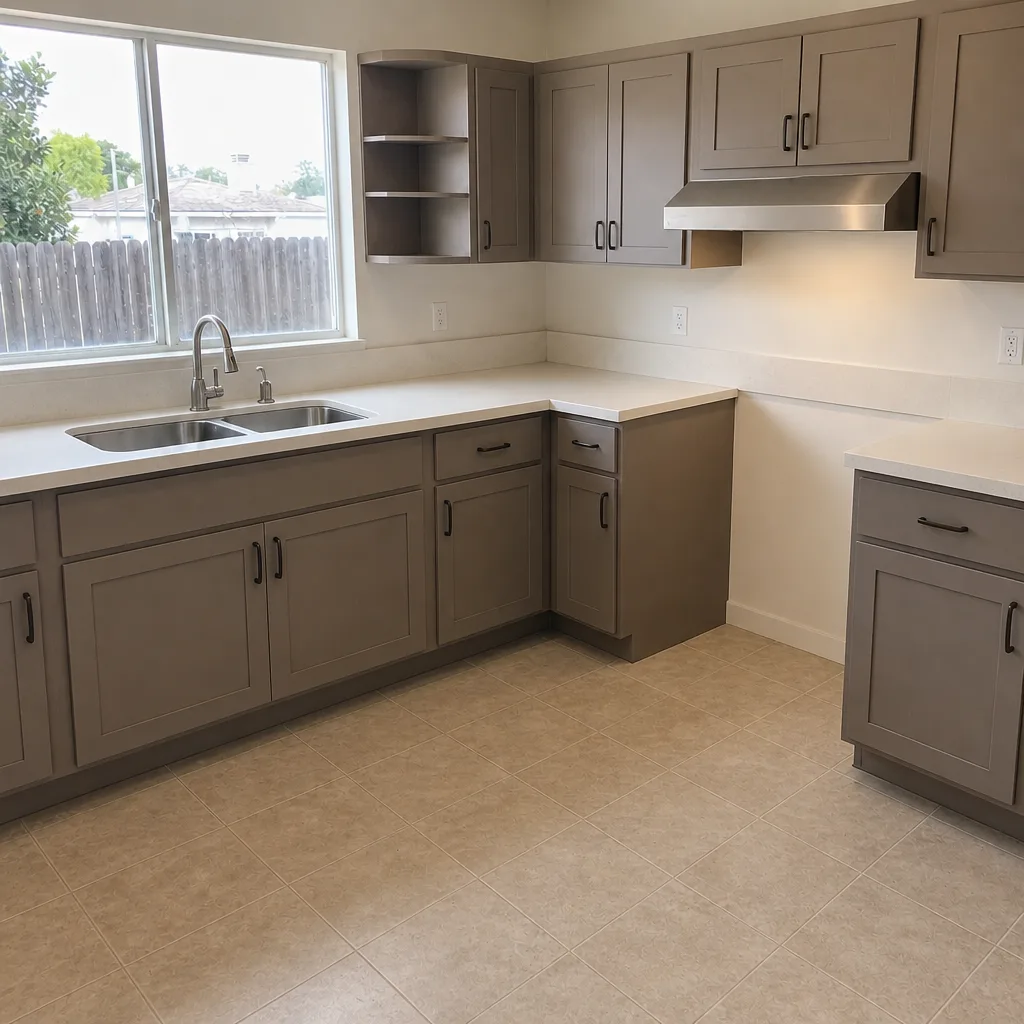 After
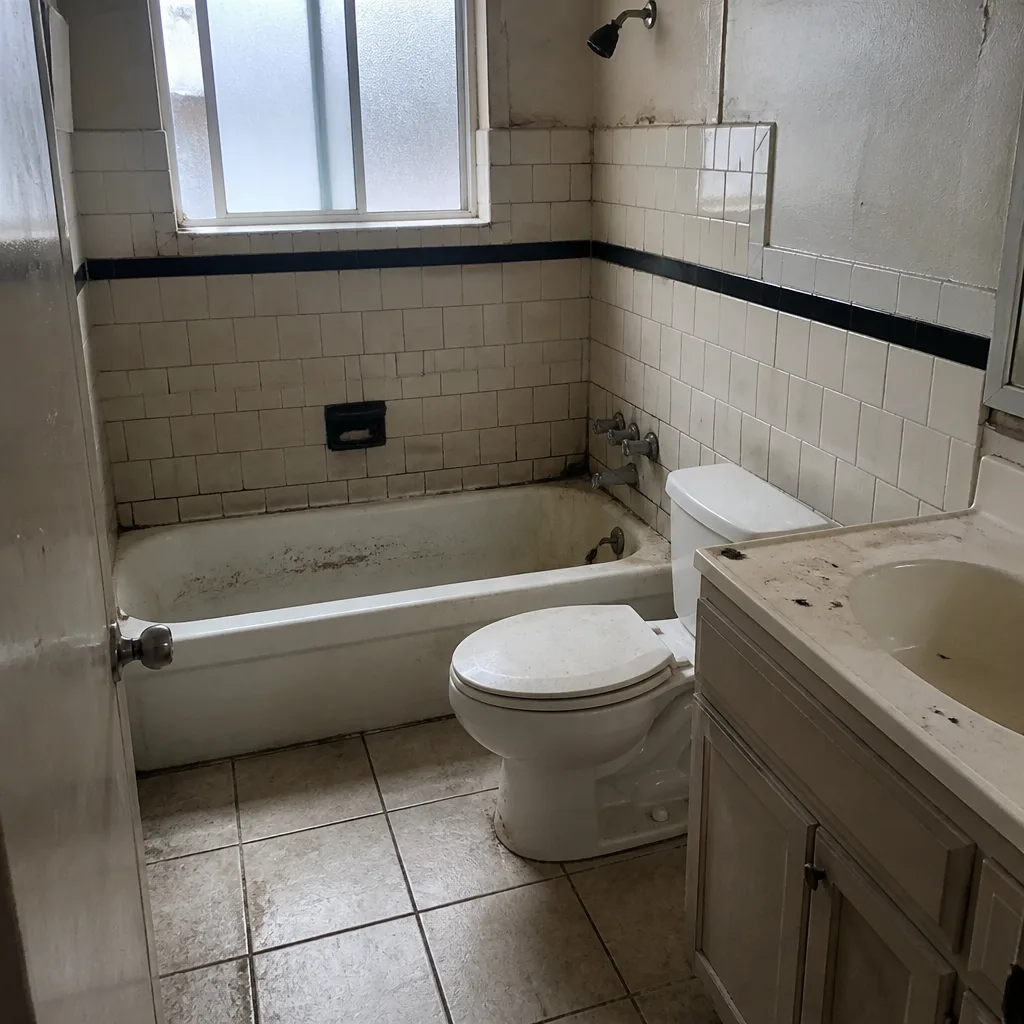 Before
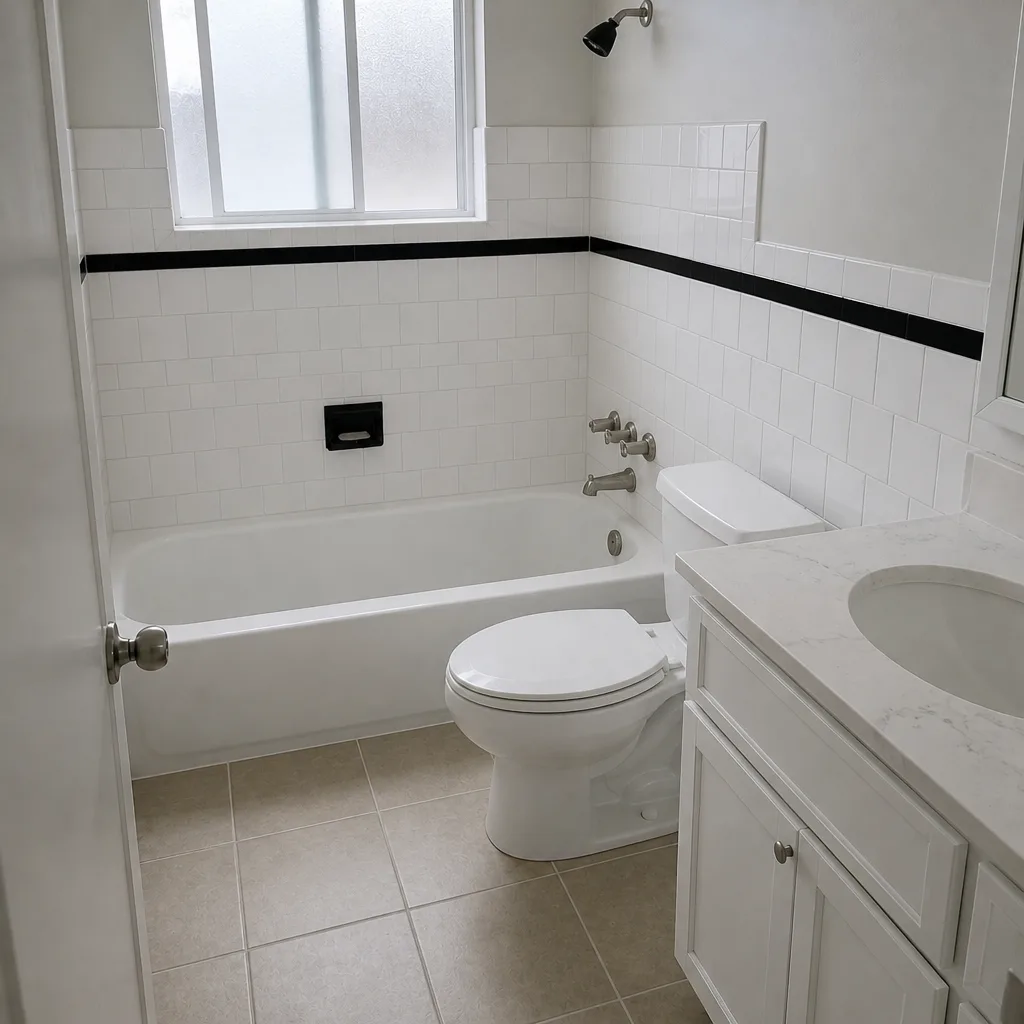 After
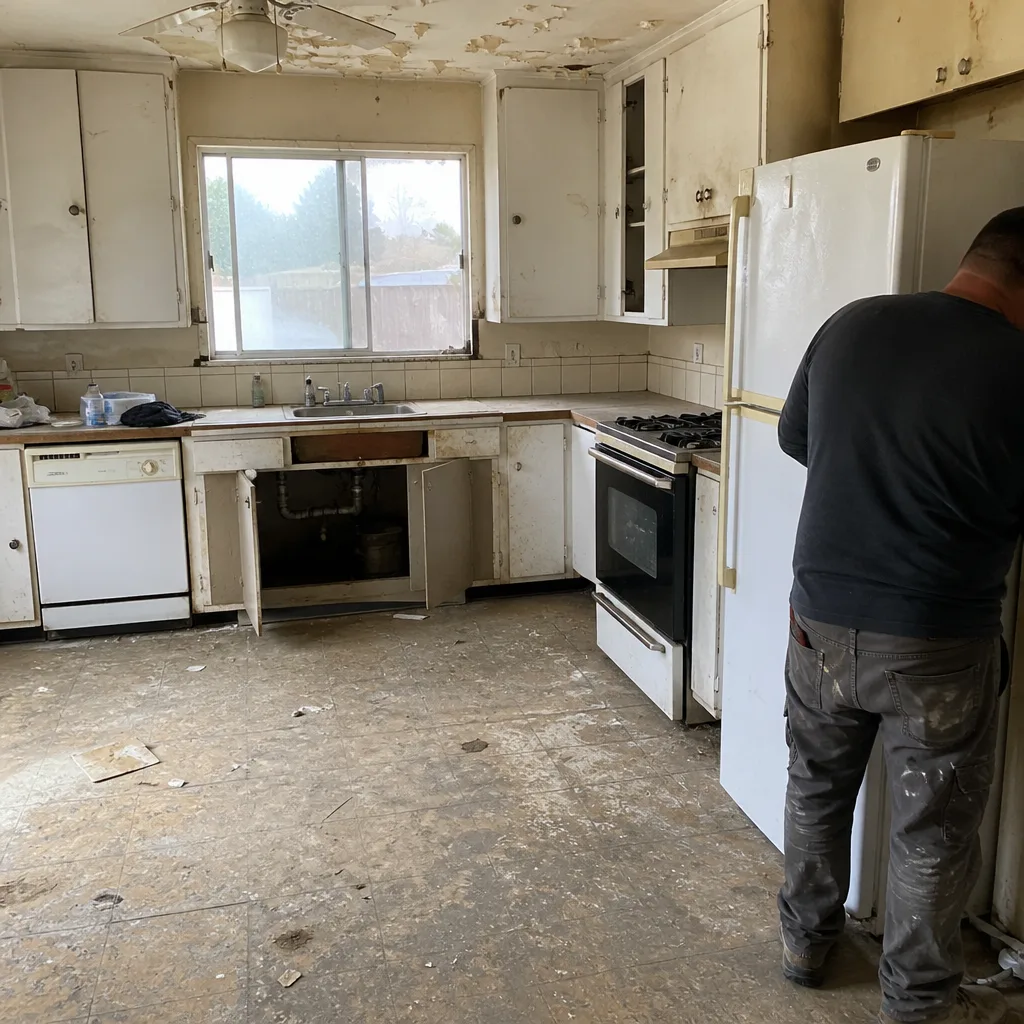 Before
 After
Frequently Asked Questions
Fence installation in Antioch typically runs $32 to $58 per linear foot for wood, $45 to $72 for vinyl, and $50 to $85 for ornamental aluminum, with CMU block at the high end. A standard 150-foot yard usually lands between $5,000 and $9,500 all-in including removal of the old fence. Wind exposure and clay footings can add 8-15% to post work compared to a standard residential install. Call (888) 419-3650 to get a written line-item quote for your yard.
For exposed Antioch lots, 30 to 36 inches deep with a 10- to 12-inch hole is the right range, deeper than the standard 24-inch spec used in less windy areas. Belled footings (wider at the base) resist both wind load and clay heave better. Post depth and diameter should be specified on the written quote, not left to the crew’s judgment day-of.
Most fences up to 6 feet tall in rear and side yards go in without a building permit, but front-yard fences, fences over 6 feet, and corner lots with sight-distance rules do require review. Newer Antioch developments also have HOA architectural review requirements that run in parallel with city rules. Confirm both before any digging starts.
Most residential fences take 2-4 working days once permits and survey work are settled, plus concrete cure time before panels go on. Add a couple of weeks for permit and HOA review. Coordinate the timing so the panels aren’t hung early on rushed concrete; the cure is what keeps the fence true.
Yes. Expansive clay across much of East Contra Costa County swells and shrinks with seasonal moisture, which can heave a shallow post or crack an undersized concrete footing over a few years. Deeper footings, belled bases, drainage at the base, and proper cure time protect against it. If a contractor doesn’t mention the soil when quoting, ask why not.
That depends on your specific community’s architectural guidelines, which usually specify approved materials, colors, and maximum heights. Submitting a design spec and waiting for committee approval before installing avoids the cost of removal. We can prepare the material and color spec for the application as part of the estimate.
When Work on an Older Fence Reveals Bigger Projects
Pulling out a 30-year-old fence often surfaces things the fence was hiding: cracked flatwork, a patio that’s settled against the clay, drainage that’s been fighting the same water problem the fence was. When the scope of the yard work grows, we handle it as one coordinated project from foundation to finish line, so the new fence line, the new flatwork, and any structure stay in step. If you’re ready to look at the whole property at once, start with Fence Installation in Antioch and we can scope the rest from there. More on who we are at our Groundwork Construction Co. of Antioch home. Every project we take on is covered by our 730-Day Done Right Promise, backed in writing, with the same upfront pricing that spells out the number before anyone shows up.
The Bottom Line
In Antioch, a fence is a structure asked to withstand sustained Delta wind, seasonal clay movement, and years of East Contra Costa sun. The specs that decide its lifespan are all below grade or in the paperwork: footing depth sized to wind exposure, belled bases set in the clay, survey and permit and HOA review every step of the way. Get those right, and a wood, vinyl, aluminum, or CMU fence holds up for 15-25 years with routine maintenance. Get them wrong, and you’ll be rebuilding in five. Every project we take on is covered by our 730-Day Done Right Promise: if it’s not done right, we make it right.
Contact
Call Groundwork Construction Co. of Antioch at (888) 419-3650 for a free estimate on your fence project. We’ll walk the line, check the soil and exposure, confirm the property line, and hand you a written, line-item quote with the footing spec spelled out. Calls are answered by a live person 24/7, and our technicians have up to 12 years of experience. Ask about our $1,000 off projects over $10,000 and 0% financing for 18 months.
Written by the team at Groundwork Construction Co. of Antioch.