
Last updated November 17, 2026
 Home additions & ADU
 Kitchen remodeling
 Bathroom remodeling
 Roofing
 Windows & doors
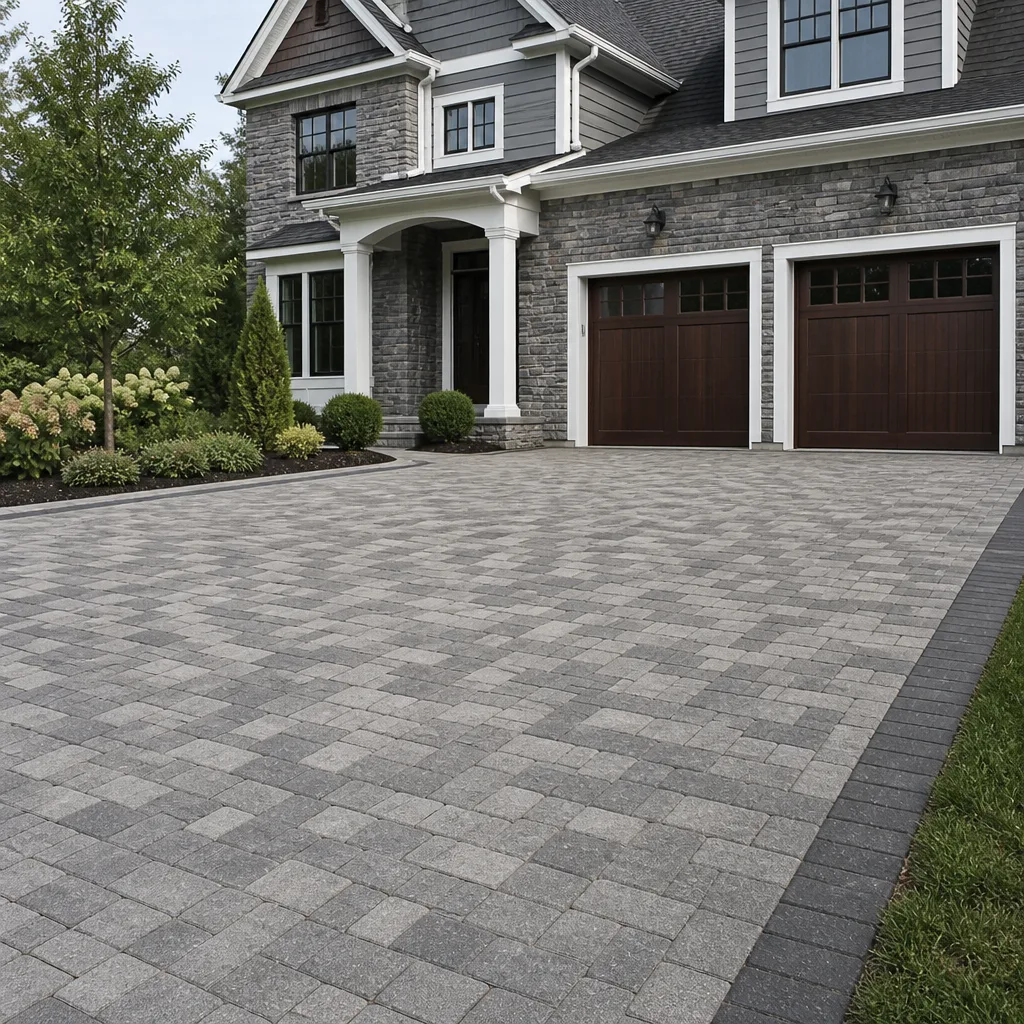 Driveway & pavers
 Fence
Free written scope consultation - allowances, timeline, and change-order rules on paper before a single trade is scheduled
Construction Warning Signs: An Antioch Homeowner’s Reference Guide
If you own a home in Antioch, you’ve probably already noticed a hairline crack or two and wondered whether it mattered. Here’s the counterintuitive part: on Antioch’s expansive clay soils, minor seasonal cracking is so routine that the most dangerous problems in local homes are usually the ones that don’t crack loudly at all. The cracks that should get your attention are specific, and they’re different from the ones most contractors point to. This guide walks through the warning signs that actually mean something in Antioch homes, which cosmetic issues can safely wait, and which structural signals deserve a professional look within the next 30 days.
Quick Answer
In Antioch, seasonal clay soil movement produces widespread minor cracking that’s often harmless, but a diagonal crack wider than 1/8 inch at a window or door corner, a crack that’s wider at the top than the bottom, or any crack paired with a sticking door or sloping floor is a real warning sign and deserves inspection within 30 days. Water intrusion, subfloor rot in older Delta Fair-era homes, and failing driveway base are the three problem categories Antioch homeowners most consistently miss because symptoms dry out or hide between rain events. Calibrate urgency by pattern, not by count.
Styles & brands we work with
- Kitchen remodeling
- Bathroom remodeling
- Home additions & ADU
- Roofing
- Windows & doors
- Driveway & pavers
- Fence
Table of Contents
- How to Read Cracks on Antioch Slabs and Stucco
- Water Intrusion Signs That Hide in a Dry Climate
- Driveway and Flatwork: Base Failure vs. Cosmetic Surface Issues
- Framing and Subfloor Red Flags in Older Antioch Housing Stock
- Grading and Drainage Flags You Can Check Without Tools
- Which Problems Require Action Within 30 Days
- Common Mistakes to Avoid
- When to Call a Professional
How to Read Cracks on Antioch Slabs and Stucco
Antioch sits on some of the more active expansive clay in the East Bay corridor, and that geology has a predictable consequence: homes here expand and contract seasonally in a way homes on solid rock elsewhere don’t. That means a stucco wall with three hairline cracks isn’t necessarily in worse shape than a wall with one. The pattern and direction of the crack tell you far more than the count. Contractors who work mostly outside this region look at a diagonal crack at a window corner and either dismiss it entirely or overreact; the reality sits in the middle and requires reading the crack’s behavior, not just its existence.
Here’s what to evaluate on any crack you spot:
- Width: Hairline cracks under 1/16 inch are usually seasonal movement in stucco. Cracks over 1/8 inch are a signal to document and monitor.
- Taper: A crack that’s wider at the top than the bottom suggests differential settlement at that corner, which is worth a professional look.
- Direction: Diagonal cracks running from a window corner outward at roughly 45 degrees are the classic soil-movement pattern. Stair-step cracks in brick or block are different and often more serious.
- Age: A crack that hasn’t changed width across two seasons is likely cosmetic. A crack that’s grown since last year is not.
- Companion symptoms: Cracks alone are one data point. Cracks plus a sticking door, a sloping floor, or a gap at a baseboard are four.
The one characteristic that matters most
If a diagonal crack shows visible width at its middle and tapers at both ends, it’s usually the clay doing what clay does. If it opens toward one end – wider at the top, or wider at the bottom – and the door or window frame near it has started to bind, that’s the pattern that separates seasonal noise from genuine structural compromise. That single distinction is the one that gets missed most often in Antioch homes.
Water Intrusion Signs That Hide in a Dry Climate
Antioch’s dry summers and concentrated winter rainfall create a specific challenge: active leaks dry out between storms, so by the time a homeowner actually looks, the evidence is gone. Any inspector who visits in July is seeing a different house than the one that existed in February. This is why visual “is it wet right now” checks fail here. The signs that survive the dry season are secondary: staining, efflorescence, wood swelling, and paint or stucco that’s bubbled or blistered in a specific location.
The secondary indicators we look for in Antioch homes:
- Water staining on stucco: A dark or chalky streak running vertically below a roofline or window usually marks where water ran during the last rain event, even if the stucco is bone-dry now.
- Efflorescence: That white, powdery bloom on concrete, brick, or stucco is mineral salt pushed out by water passing through. It’s one of the most reliable indicators that moisture is moving somewhere it shouldn’t.
- Bubbled or blistered paint: Interior paint that’s lifting near a ceiling or baseboard is often an active or recurring moisture source behind the drywall.
- Musty odor without visible moisture: Persistent smell in a closet, under the stairs, or in a hallway bathroom is a strong cue to check subfloor and framing.
- Rust at fasteners: Rusted nails or screws under eaves, in the attic, or at subfloor fasteners are evidence of repeated moisture exposure, not a one-time splash.
For a roof-specific reading, thermal imaging during a dry month is limited. Most of the useful information comes from the stains and streaks visible after the fact. If you’ve seen any of these indicators, getting them evaluated before the next rainy season is far cheaper than repairing the water damage after the next rainy season.
Driveway and Flatwork: Base Failure vs. Cosmetic Surface Issues
Antioch driveways fail in a predictable sequence on local soils, and homeowners who catch the sequence early spend a fraction of what a full replacement costs. The base course underneath a driveway is doing the heavy lifting; the concrete or pavers on top are the visible surface. Hairline surface cracking is cosmetic. What signals that the base underneath is failing is different and easier to spot than most people realize.
The predictors that base failure is 1-2 seasons away:
- Pooling water in the same spot every rain: Consistent ponding at a low spot means the base is no longer supporting level surface.
- Edge settlement: Look where the driveway meets the garage apron or the sidewalk. A lip more than 1/4 inch high means the slab has settled at the joint.
- Long, straight cracks: Surface “crazing” (fine spiderweb cracks) is cosmetic; long cracks running the length of the slab, especially when followed by separation of the two sides, indicate movement beneath.
- Paver ruts or dips: Pavers that dip underfoot in one area, or that show sand loss between joints consistently in one zone, are a base problem, not a joint-sanding problem.
- Diagonal cracks in stamped concrete: When stamped overlays crack diagonally rather than randomly, it usually indicates the stamped surface is separating from the slab below due to moisture cycling.
Purely cosmetic issues are those limited to the top 1/16 inch of surface finish, no pooling, no settling, and no edge lips. Those can be resealed and left alone. The rest deserve a visit. Our driveway and pavers work in Antioch sees both ends of this spectrum regularly, and the early-stage calls are always the easier ones.
Framing and Subfloor Red Flags in Older Antioch Housing Stock
The Delta Fair area and older neighborhoods along the river corridor have housing stock that predates current moisture-management standards, and that history shows up most clearly in wood framing and subfloor systems. A 1950s subfloor built to the code of its era has very different moisture tolerance than a modern one, and the symptoms of failure present differently. Owners of older homes here need to know what to look for because the failure points don’t announce themselves.
What to look at in a crawl space or under-floor area
- Wood that dents under thumb pressure: Planks or joists that give way under light pressure have lost structural integrity and require immediate evaluation. This test alone doesn’t require any special knowledge and catches advanced rot.
- Discoloration without active moisture: Dark staining on joists or subfloor panels that isn’t wet right now can still indicate recurring condensation or slow leaks that dried between rain events.
- Loose or missing vapor barrier: In older Antioch homes, ground soil is often directly exposed. That drives moisture into the structure year-round and is one of the cheapest fixes with the biggest effect.
- Rust at sill plate fasteners: Rust at the anchor points between sill plate and foundation signals moisture exposure at the exact place you don’t want it.
- Bounce or give underfoot: A specific floor zone that feels spongy or flexes more than the rest of the floor is a subfloor warning sign, not a flooring warning sign.
What this implies for remediation
Older stock generally needs a moisture-control upgrade (vapor barrier, improved crawl space ventilation, foundation drainage), not just lumber replacement. Replacing rotted wood without fixing the moisture source just resets the clock. In our experience, the framing is the symptom – the water management around it is the cause.
Grading and Drainage Flags You Can Check Without Tools
This is the section that saves Antioch homeowners the most money, and it’s the one most consistently skipped. Grading and drainage failures are also the most common source of foundation, driveway, and stucco trouble in Antioch because the region’s dry-to-wet rainfall pattern concentrates a full year’s moisture into a concentrated window. When the soil is dry and cracked in September, it can absorb a lot; when it’s saturated in February, small drainage mistakes turn into large ones.
Walk your property during a rain event, or right after, and check these markers:
- Water flowing toward the house instead of away: Any spot where runoff runs back toward the foundation instead of away from it. The soil at the foundation should be graded slightly higher than the surrounding ground.
- Standing water near the foundation: Any puddle that’s still visible 24 hours after the rain stops means drainage isn’t moving water where you want it.
- Gutters that empty at the base: Downspouts that dump water at the foundation instead of a few feet away push root cause moisture into the most dangerous spot on the property.
- Planters or soil berms against the wall: Common in Antioch yards, decorative planters pressed against stucco trap moisture against the wall cavity, and they’re the single most common source of lower-wall water intrusion here.
- Side yard drainage dead ends: A side yard with no fall to the front or back traps water against the fence line and the home’s side wall. If it pools for hours, it’s a top-three risk factor.
None of this requires a tool. A foam ball, a garden hose, or simply a walk after the first real rain of the season will tell you almost everything.
Which Problems Require Action Within 30 Days
The single most useful filtering question we ask homeowners is: does this signal an active path to further damage right now, or is it stable? The following scenarios warrant professional action within 30 days. Everything not on this list can be scheduled but doesn’t need to be triaged as urgent.
- A crack over 1/8 inch that’s grown since last year. Act within 30 days.
- Any crack paired with a sticking door or sloping floor. These compound – the door sticking now will get worse.
- Active water intrusion indicators following the last rain. Staining, efflorescence, or bubbling near an exterior wall.
- Spongy floor zones or wood that dents under thumb pressure. Subfloor rot expands fast once it’s this far.
- Standing water within 3 feet of the foundation 24 hours after rain stops. This is a foundation risk, not just a drainage annoyance.
- Driveway edge lip over 1/4 inch. Base failure is typically 1-2 seasons out at this stage and replacement cost roughly doubles once the subgrade fully fails.
- Any visible water-driven deterioration on a roof overhang, fascia board, or stucco band. These are structural entry points.
Adjacent to roof and envelope work, our fence installation work in Antioch regularly uncovers grading and water-pooling issues along property lines that had gone unnoticed – a useful side benefit of replacing fence where water sits.
Common Mistakes to Avoid
- Patching or painting over visible water staining. Cosmetic repairs hide the evidence you’ll need later. Document it before you touch it.
- Treating every crack as a foundation emergency. Antioch clays cause seasonal shifting that’s part of normal life. Count, width, and companion symptoms dictate urgency, not the crack itself.
- Inspecting in July and calling it done. The most useful Antioch home inspections happen during and immediately after the rainy season.
- Replacing the driveway without diagnosing the base. A new top course over failing base will fail within two seasons and cost more the second time.
- Ignoring a sticking door or window in an older home. A sticking door is the earliest signal that floor or framing is moving; it’s almost never a hinge problem.
- Assuming patched subfloor rot fixed the problem. If the vapor barrier and crawl space ventilation weren’t addressed, the rot will return.
- Waiting for “one more season” on drainage problems. Foundation moisture damage in Antioch compounds across rain events; the cheapest time to fix it was before the last one.
When to Call a Professional
Call a licensed contractor when any of the following apply: a crack is growing across seasons, a door or window is sticking in a way it wasn’t a year ago, water staining or efflorescence appears near a wall or foundation, subfloor wood gives under pressure, standing water remains near the foundation a full day after rain, or a driveway has developed an edge lip over 1/4 inch. These aren’t emergencies in the “call at midnight” sense, but they’re signals that cost real money if you let them compound through another season. For framing, subfloor, or foundation-adjacent concerns in Antioch, the diagnosis almost always requires a site visit; photographs miss too much. Groundwork Construction Co. of Antioch offers free estimates in Antioch, and our team can read these signal categories in an hour’s walkthrough – call (888) 419-3650 to schedule yours.
Frequently Asked Questions
Seasonal cracks from Antioch’s expansive clay are usually under 1/8 inch, narrow in the middle, and return to roughly the same width each year. Structural cracks are wider, taper toward one end, and pair with sticking doors, sloping floors, or gaps at baseboards. The single most useful check is whether the crack has changed width from last year to this year – measure and mark it if you’re unsure. If it’s grown, call (888) 419-3650 for an evaluation.
Because active leaks dry out between rain events, leaving only secondary evidence: efflorescence, staining, bubbled paint, and rusted fasteners. The dry summer months hide the moisture but preserve the fingerprints. Any staining or mineral bloom near an exterior wall is worth an inspection before the next wet season. Free estimates are available – call (888) 419-3650.
Base failure on expansive clay, driven by moisture cycling under the slab. It presents as consistent ponding, an edge lip over 1/4 inch at the garage apron or sidewalk joint, or long straight cracks with separation. Surface crazing and hairline cracks in good graded concrete are usually cosmetic. If any of the base-failure markers are present, call (888) 419-3650 to get a proper read on the subgrade before the top course is affected.
Replacement alone is usually the wrong first step – fixing the moisture source is right, and then replacing what’s structurally compromised. Older Delta Fair-area homes typically need a vapor barrier and improved crawl space ventilation as much as new lumber. Call (888) 419-3650 with the house’s age and condition notes; a proper inspection determines scope.
A focused structural walkthrough typically runs $250-$650 in the Antioch market, depending on whether the crawl space needs to be accessed and whether any testing (levels, moisture, or thermal) is included. Diagnosis before repair is the difference between a $2,000 fix and a $20,000 one. Groundwork Construction Co. of Antioch offers free initial estimates – call (888) 419-3650 to start.
Simple regrading of soil away from the foundation and downspout extensions are commonly doable by trained homeowners, but anything involving drainage correction next to the foundation, footing work, or connecting to a yard drainage system usually requires permitting and proper installation. In Antioch, side-yard drainage issues in particular are best handled by a contractor with local experience. Call (888) 419-3650 to discuss scope before you dig.
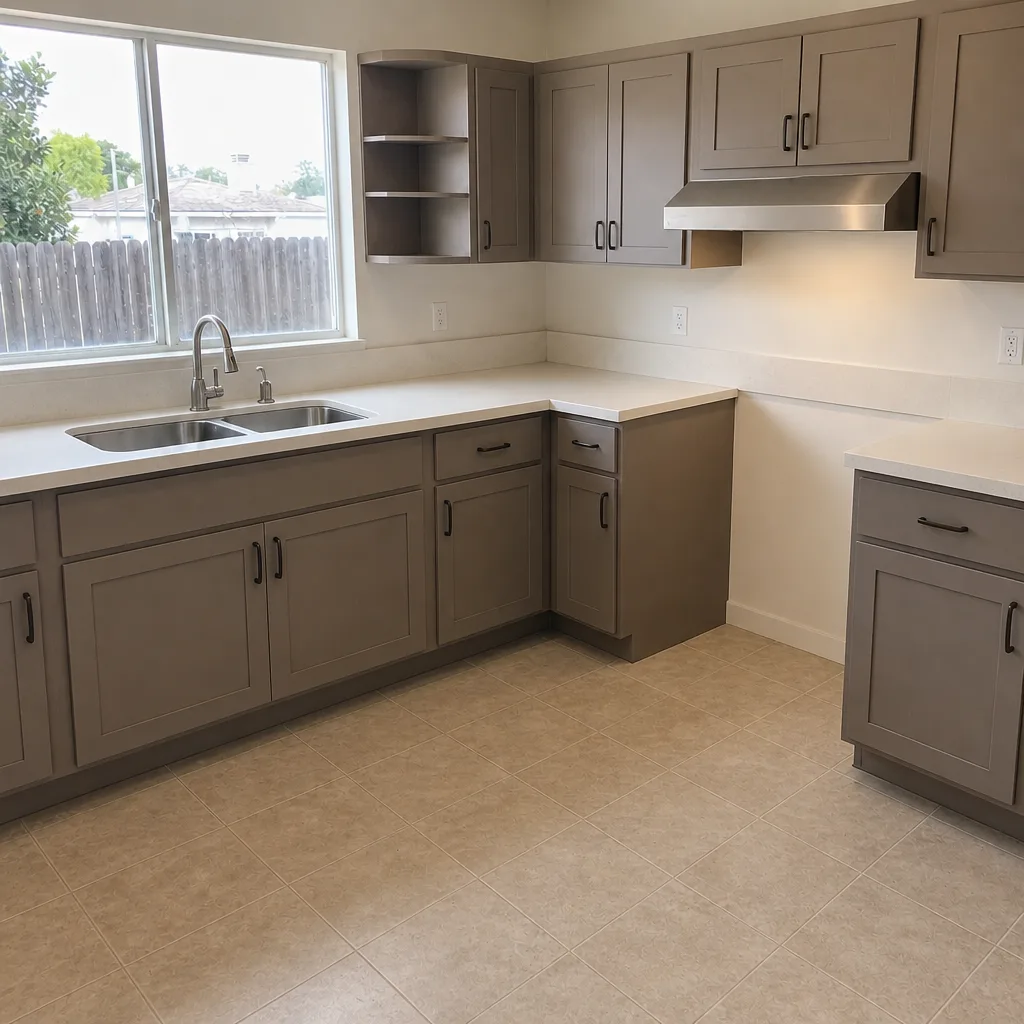
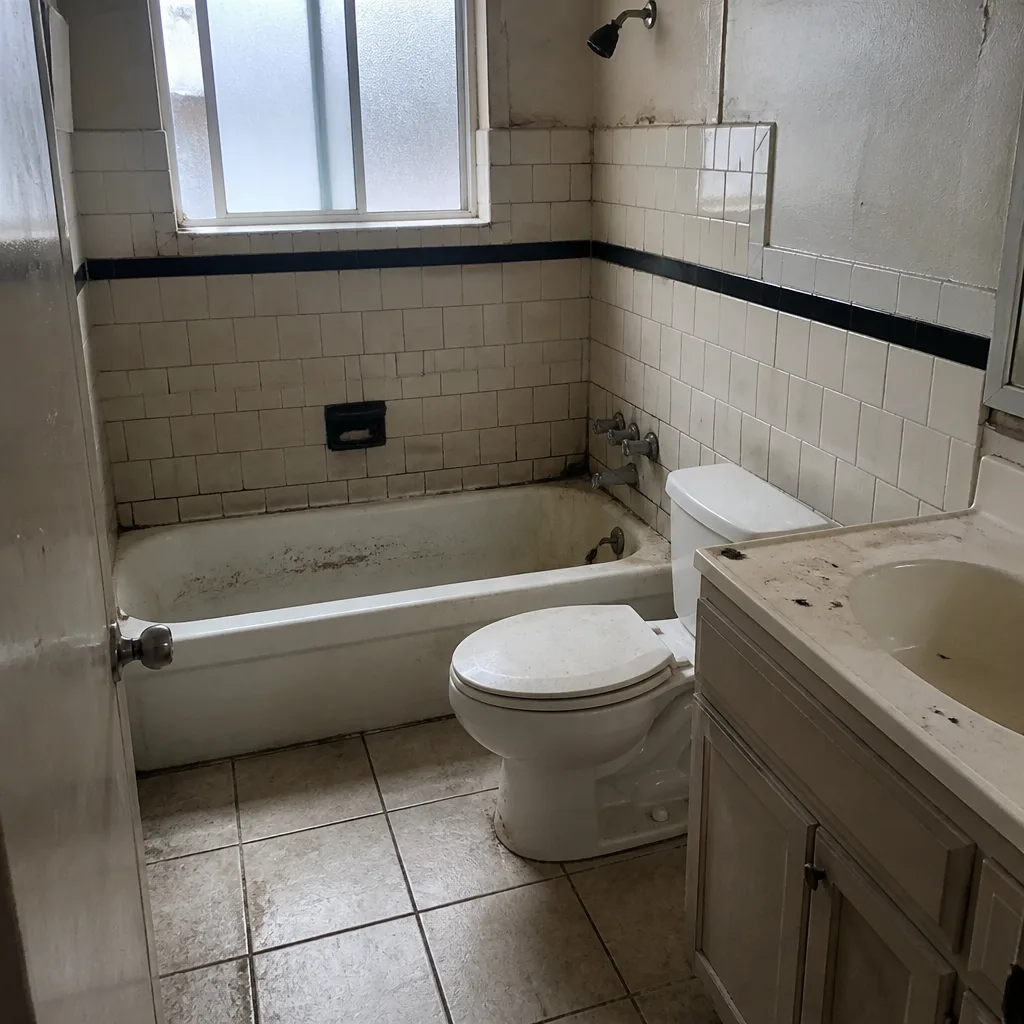
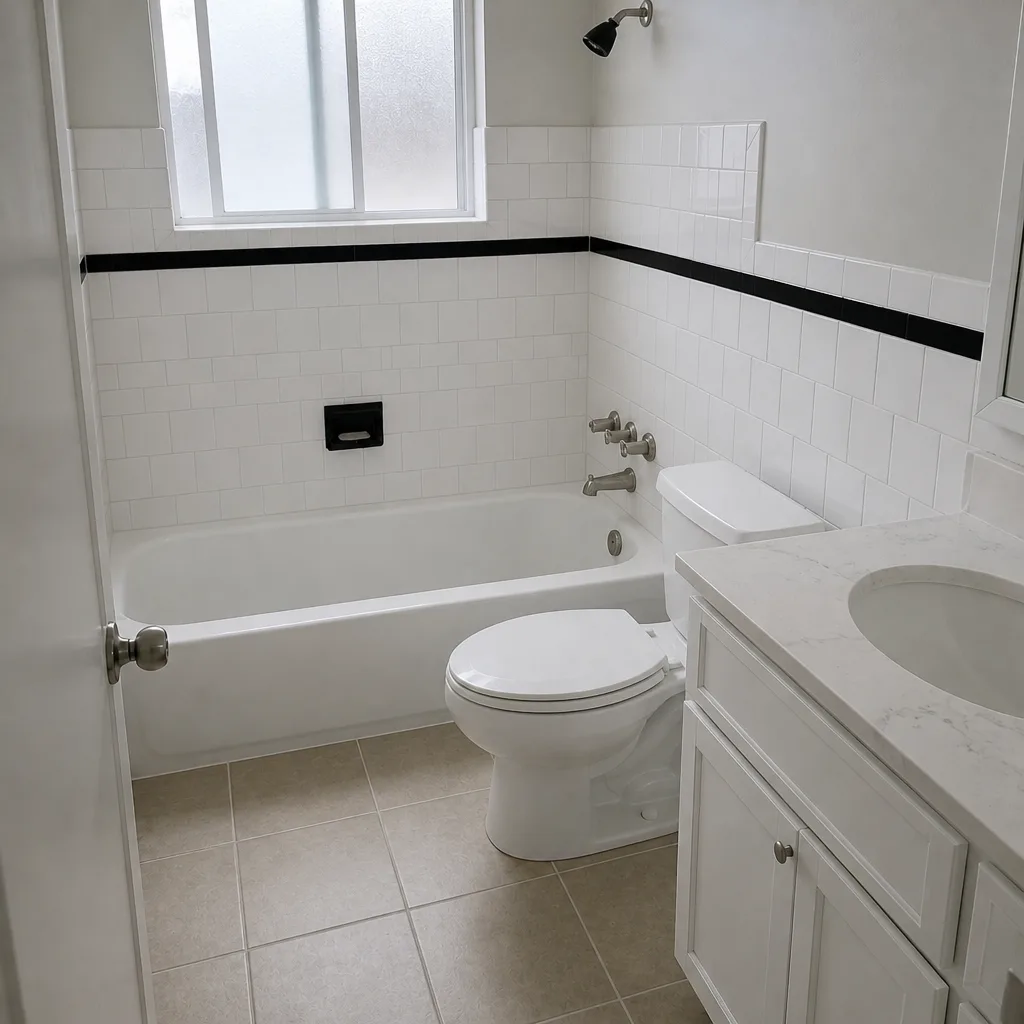
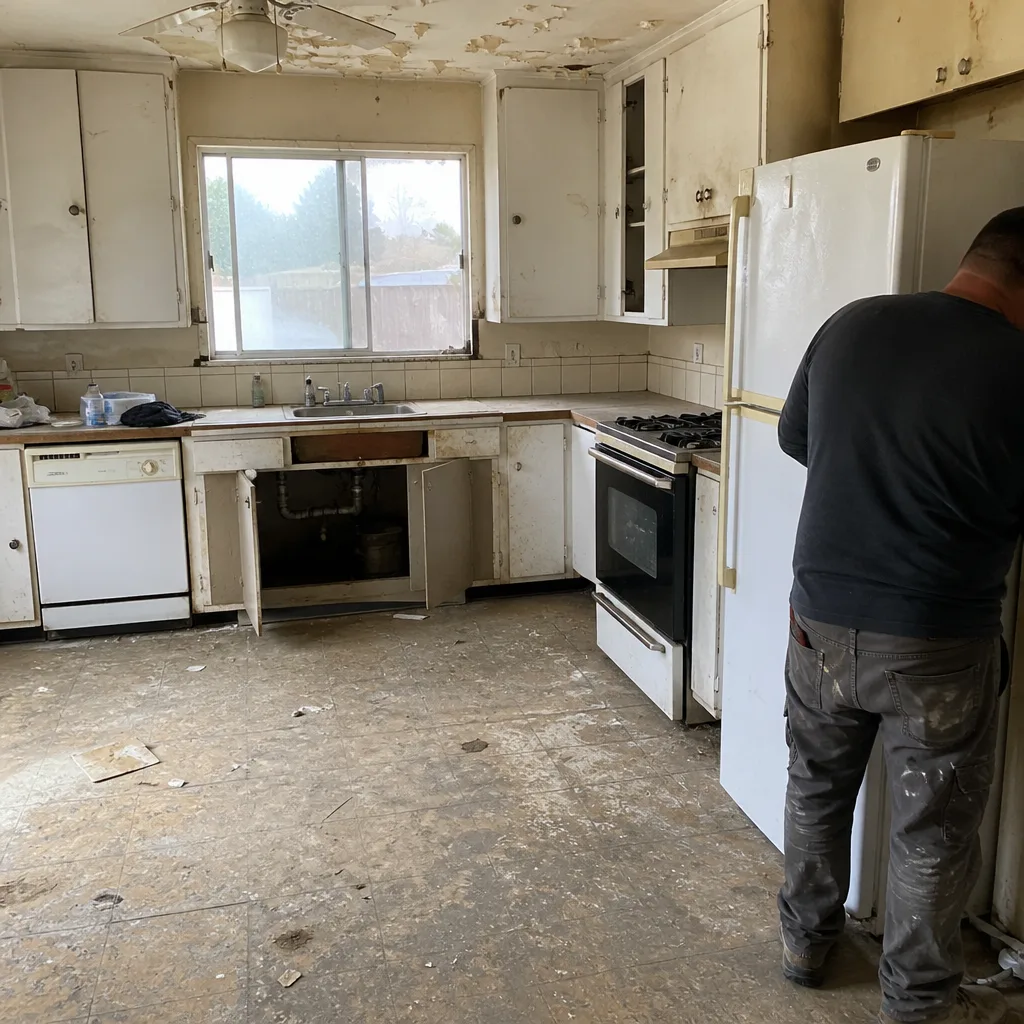
See the difference
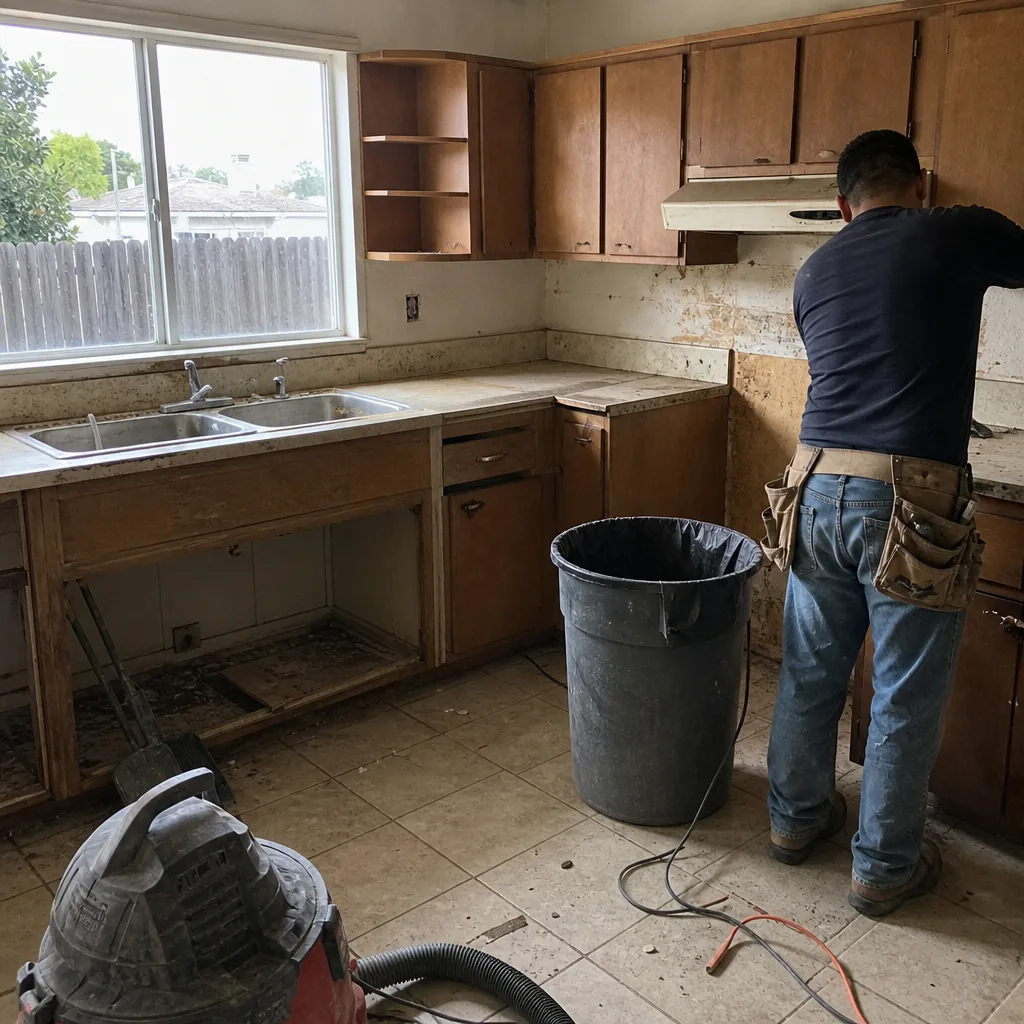 Before
 After
 Before
 After
 Before
 After
The Bottom Line
Antioch’s expansive clay soils create a background of minor cracking that’s normal, but the same soils mask serious structural problems in the ways we’ve covered here: tapered cracks with companion symptoms, water intrusion that hides in dry weather, driveway base failure presenting as ponding and edge lips, subfloor rot in older homes, and drainage mistakes near the foundation. The filtering question is always whether the pattern signals active, ongoing damage or stable cosmetic wear. If it’s active, act within 30 days; if it’s cosmetic, monitor and schedule without pressure. Read more about Groundwork Construction Co. of Antioch and how we approach local residential work, and if you’re planning additions that intersect with these warning signs, our home additions and ADU work in Antioch starts with a full structural and moisture read of the existing structure.
Frequently-asked cost and scope questions, answered straight
Homeowners often want to know what these fixes actually cost before they call. Here’s our honest regional read as a company working in this market: drainage correction near a foundation runs $800-$3,500 depending on linear feet and whether a permit is required; a stucco repair over a small crack set runs $400-$1,200; a driveway base rebuild with pavers or concrete runs $9-$18 per square foot; and subfloor repair in an older Antioch home typically lands between $2,500 and $12,000 depending on the extent of rot and whether the crawl space needs moisture-control upgrades. None of these ranges replace a proper inspection, but they let you decide whether it’s the right week to call. Our estimates are upfront and line-itemed – the number you see is the number you pay, and every project starts with a free estimate and design consult. Call (888) 419-3650 to schedule yours.
Responding to what you find: a simple 4-step plan
Once you’ve walked the property and noted what’s present, the response sequence matters more than the response speed. Here’s the sequence we recommend to Antioch homeowners:
- Document, don’t fix. Photograph every signal with a coin or ruler for scale. Date the photos. You’ll need these for any contractor conversation.
- Separate active from cosmetic. Use the 30-day list above as your filter. Active signals get called in; cosmetic gets monitored.
- Get a single line-itemed estimate before committing. Vague bids are a warning sign of their own. Any contractor should be willing to put scope, materials, and cost in writing before you sign anything.
- Fix the source, not just the symptom. Crack patching without addressing grading, vapor barrier, or base failure is money spent twice.
Every project we take on at Groundwork Construction Co. of Antioch is covered by our 730-Day Done Right Promise – if it’s not done right, we make it right. That guarantee is one of the longer workmanship warranties in the residential construction space, and it applies to structural and drainage work the same way it applies to a kitchen remodel.
You don’t need to diagnose this alone. Call (888) 419-3650 to schedule your free estimate. Calls are answered by a live person 24/7, technicians are background-checked and uniformed, and financing at 0% for 18 months plus $1,000 off projects over $10,000 is available if the scope turns out to be larger than expected. Upfront pricing, no surprises – from foundation to finish line, built to last, backed in writing.
Written by the team at Groundwork Construction Co. of Antioch.