
Last updated November 17, 2026
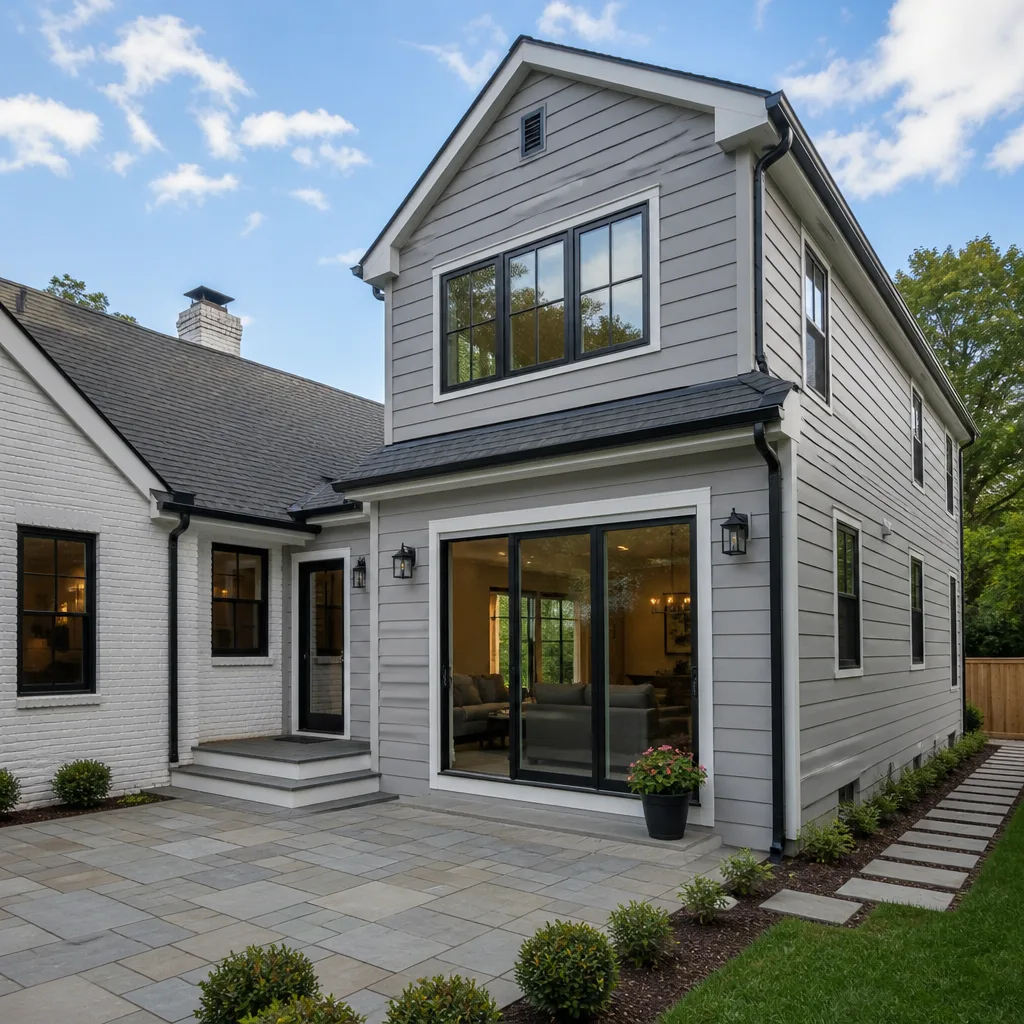 Home additions & ADU
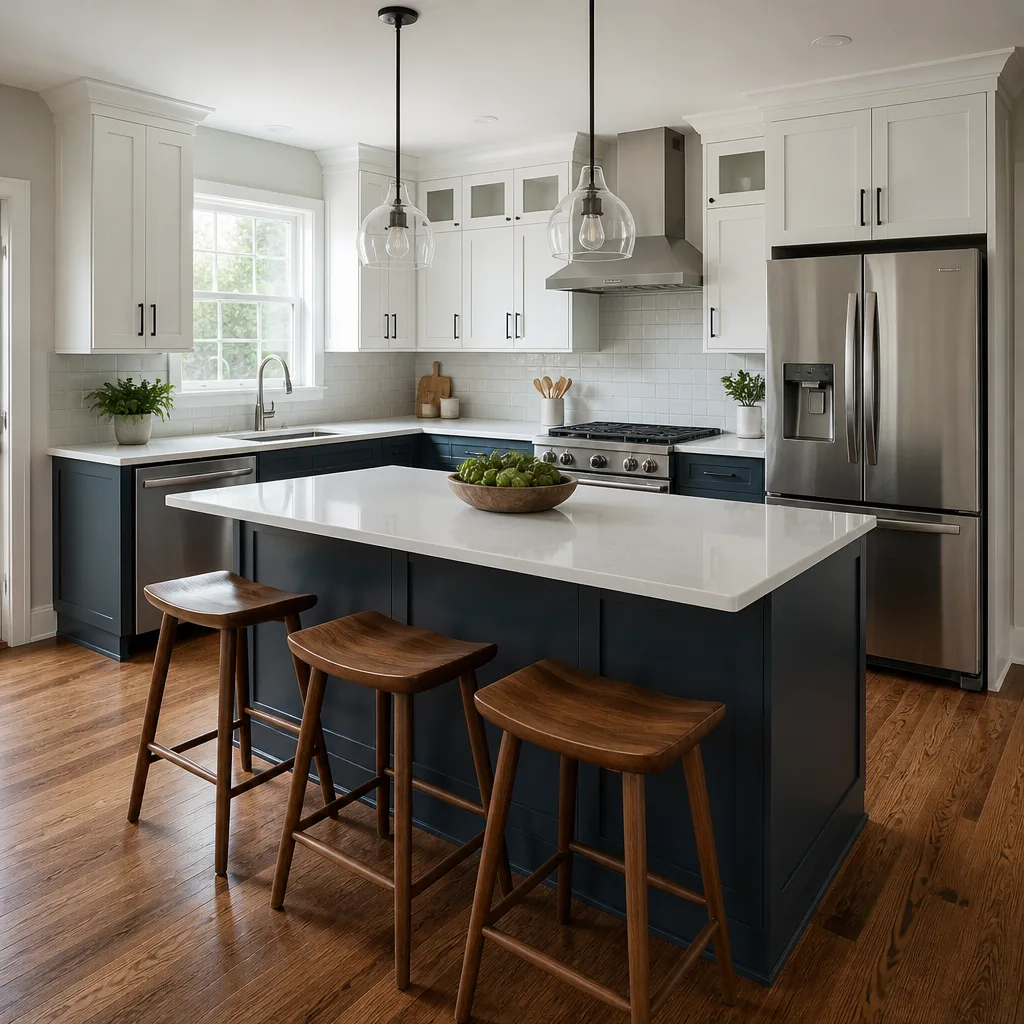 Kitchen remodeling
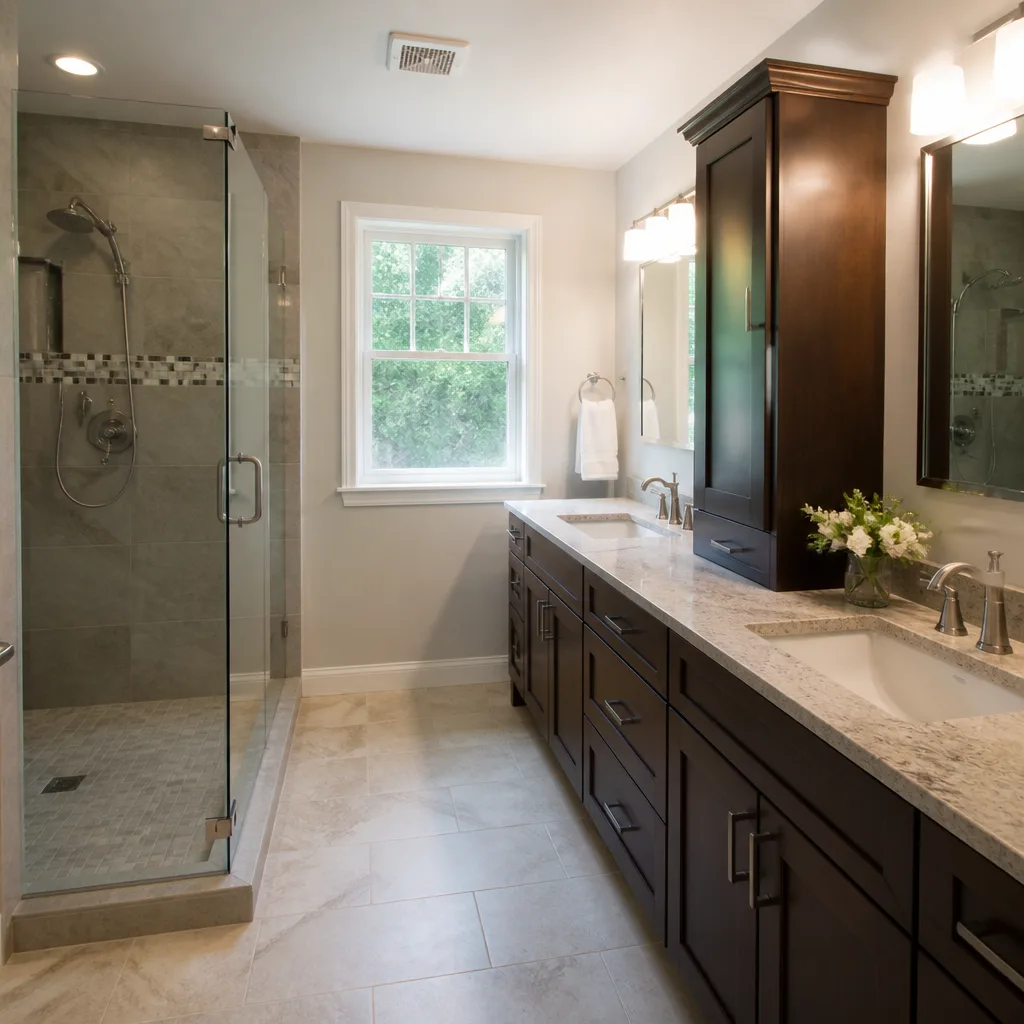 Bathroom remodeling
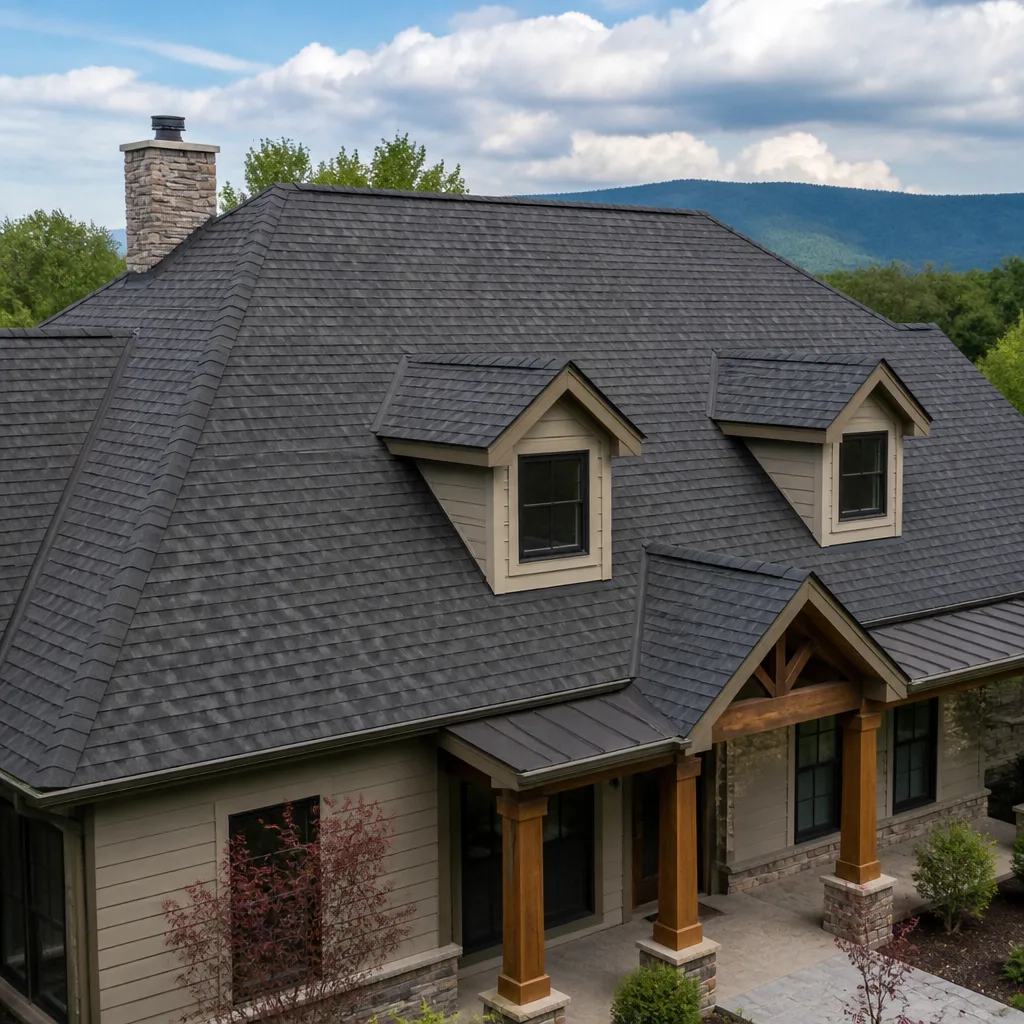 Roofing
 Windows & doors
 Driveway & pavers
 Fence
Free written scope consultation - allowances, timeline, and change-order rules on paper before a single trade is scheduled
DIY vs Professional Home Additions & ADU: What’s Safe to Do Yourself
Owner-builder permits in California are real, they’re legal, and they’ll save you thousands in permit fees. That’s the pitch most DIY guides lead with. Here’s what sits further down the page: the moment you pull an owner-builder permit on an addition or ADU in Antioch, you become the contractor of record. Every subcontractor you hire under that permit is working under your liability, your insurance, and your signature on the inspection card. If their framing fails inspection or a roofer walks, that’s your problem to fix, not theirs. This guide is about which parts of an Antioch addition or ADU are genuinely safe to own and which parts cost more to DIY than to hire out.
Quick Answer
You can safely do finish work, painting, landscaping, fixture installation, and some cabinetry on a home addition or ADU in Antioch yourself. You should not do structural framing, foundation work, electrical, plumbing, gas, or roofing yourself, because California law and Antioch building code require licensed contractors for those scopes, and any DIY mistake there triggers re-inspection fees, correction orders, insurance gaps, and disclosure obligations at resale. The savings on finish work are real. The savings on structural and system work almost never are.
Styles & brands we work with
- Kitchen remodeling
- Bathroom remodeling
- Home additions & ADU
- Roofing
- Windows & doors
- Driveway & pavers
- Fence
Table of Contents
- What California law actually requires a licensed contractor for
- The owner-builder permit trap nobody warns you about
- Where DIY labor actually makes financial sense on an Antioch addition
- How DIY work affects your homeowner’s insurance and future sale
- The hidden costs of DIY mistakes in permitted work
- Antioch-specific code and climate factors that change the calculation
- A three-question decision framework for hiring it out vs owning it
- Common mistakes to avoid
What California law actually requires a licensed contractor for
California Business and Professions Code Section 7042 is the statute that matters here. It requires a licensed contractor for any project over $500 in labor and materials combined. That threshold is low enough to cover nearly every scope on a home addition or ADU, which is why the “I’ll just do it myself” plan usually breaks down the moment you touch structural work. The owner-builder exemption under Section 7044 allows you to act as your own contractor only when you own the property, will live in it (or in the ADU) for at least 12 months after completion, and aren’t doing it for resale. That exemption doesn’t make the underlying trades legal to self-perform.
Here’s what the code actually says about the scopes that matter:
- Foundation and structural framing: Covered under the California Building Code and subject to Antioch plan check and inspection. Not a license-restricted trade in the strict sense, but the liability sits on whoever signed the permit, and the inspector will not pass work that doesn’t match stamped plans.
- Electrical: California requires a C-10 licensed electrician for any work beyond changing a fixture or receptacle. New circuits, subpanels, panel upgrades, and service changes all need a licensed electrician in Antioch and a separate permit from the Building Division.
- Plumbing and gas: A C-36 licensed plumber is required for anything beyond swapping a faucet or connecting an appliance. Gas line work, drain re-routing, water heater installation, and rough plumbing for a new bathroom all require a licensed plumber.
- Roofing: Not license-restricted for a homeowner doing their own single-family home, but an ADU roof needs a permit, must meet Title 24 cool-roof requirements in Antioch’s climate zone, and must pass shear nailing and flashing inspection. Very few homeowners get this right on the first try.
- HVAC: A C-20 licensed contractor is required for any new ductwork or system. Title 24 energy compliance for an Antioch ADU includes HERS verification on duct leakage and refrigerant charge, which is a licensed-contractor-only verification path.
- Fire sprinklers and solar: Both require licensed specialty contractors. Antioch’s fire code triggers sprinklers on many ADUs over certain thresholds, and the solar requirement under California’s Title 24 applies to new ADUs.
What this means in practice: the parts of an Antioch ADU build that you can legally self-perform are the finish-scope items, not the systems items. Everything that requires a permit to inspect and verify needs a licensed contractor to perform or a professional who can sign off on it. We’ve seen homeowners try to thread this by having a licensed friend “supervise” their electrical work. That’s not how it works. The license has to belong to the person doing the work and pull their own permit under their own bond.
The owner-builder permit trap nobody warns you about
Here’s the part most guides never reach. When you pull an owner-builder permit in Antioch, you’re not just saving the contractor’s markup. You are legally the “employer” of every subcontractor working under that permit, which means a lot of things that aren’t obvious on day one.
First, workers’ compensation. In California, if you hire subcontractors under an owner-builder permit and they get hurt on your property, you can be exposed to liability if they don’t carry their own workers’ comp. The standard assumption that “they’re covered” is wrong; the burden is on you to verify coverage before each sub walks on site, in writing.
Second, general liability. Your homeowner’s policy on a house under construction with an owner-builder permit is different from your standard policy. Many carriers will exclude claims arising from owner-builder construction activity unless you buy a builder’s risk rider. If you’re building an ADU that will rent, that’s another layer of coverage most homeowner policies won’t touch. Talk to your insurance agent before the permit is pulled, not after.
Third, the stop-work risk. Antioch’s Building Division can and does issue correction notices on owner-builder jobs, and those notices go to the permit holder. That’s you. The contractor who framed your foundation pads doesn’t get the correction notice. You do. You’re the one who has to schedule the re-inspection, coordinate the fix, and eat the $180 to $400 re-inspection fee (Antioch charges a re-inspection fee after the first failed inspection on a given scope, which adds up fast on a project that fails three or four times).
Fourth, mechanics liens. Any subcontractor or supplier who isn’t paid on an owner-builder project can file a mechanics lien against your property. In a professional contract, the general contractor’s bonding and payment process protects the homeowner. As your own contractor, you carry that risk directly.
None of this is a dealbreaker for finish work. It’s a serious consideration for anything that moves the structural or systems scope of your build. When you’re ready to have the structural side handled by a licensed team working under their own bond and permit, our Home Additions & ADU in Antioch page walks through how that process protects you from day one to final inspection.
Where DIY labor actually makes financial sense on an Antioch addition
Now the good news. There are real, meaningful scopes on an Antioch addition or ADU where your own labor saves actual money without adding actual risk. Here’s the honest breakdown, with realistic time and skill estimates.
Painting (interior and exterior)
An entry-level but real DIY win. A 600-square-foot ADU takes most homeowners 40 to 60 hours to prep, prime, and paint interior walls and trim, and 25 to 35 hours for exterior siding if it’s a single story. Skill level required is low to moderate; the main thing that separates a good paint job from a bad one is prep work and cutting clean lines. Budget $800 to $1,400 in materials for a 600-square-foot ADU versus $3,500 to $5,500 to hire it out. Worth doing.
Fixtures and finish plumbing touches
Swapping faucets, installing a toilet, hanging light fixtures on existing circuits, and installing cabinet hardware are all legal to self-perform in California. A rough time estimate for a full ADU bathroom: 4 to 6 hours for faucets and toilet, 2 to 3 hours for light fixtures, 1 to 2 hours for hardware. Skill level is moderate; watch a few videos first, and know that if you’re adding a new fixture in a new location, that’s plumbing or electrical work and falls out of this category.
Landscaping and hardscape around the ADU
Sod, mulch, plantings, gravel paths, and simple retaining walls under 4 feet are all homeowner-legal in Antioch. Hardscape beyond 4 feet of retaining height, or anything that alters drainage at the property line, needs permits and often a licensed landscape contractor. A 500-square-foot ADU yard takes most homeowners a full weekend or two with rented equipment. Materials typically run $1,500 to $3,500 depending on how much hardscape you use.
Cabinet installation
A legitimate DIY scope if you have decent tools and patience. An ADU kitchenette with 10 to 14 linear feet of cabinetry takes 8 to 12 hours to hang properly, assuming the walls are plumb and the boxes are level. The failure mode is rushing leveling; a slightly out-of-level cabinet run makes every door look crooked. If you’re building a larger kitchen, this is where we’ve seen homeowners bring in Groundwork Construction Co. of Antioch to redo the work after a bad install, and that’s much more expensive than a clean first install.
Flooring (LVP, laminate, tile)
LVP and laminate are a fair DIY project. A 600-square-foot ADU takes 20 to 30 hours for a first-time install. Tile is a step up in difficulty; if you haven’t set tile before, do a small bathroom first before committing to 600 square feet of porcelain plank. Materials and tools run $1,200 to $3,000 versus $3,000 to $6,000 to have it installed.
Exterior drainage and grading around the structure
Basic soil grading away from the foundation and simple French drain installation within your own property are homeowner-legal in Antioch. We’ve watched homeowners save $800 to $2,000 here. Anything that touches storm drain connection or alters a natural drainage course to a neighbor’s property is not a DIY scope.
How DIY work affects your homeowner’s insurance and future sale
This is the section most guides underplay or skip outright, and in Antioch it’s a big one because so many properties change hands and so many ADUs end up as rental income.
On insurance: standard homeowner policies treat owner-builder construction as an excluded activity. If your ADU catches fire during construction, you may not be covered unless you added a builder’s risk rider. That rider typically costs 0.3% to 0.8% of the project value for the term of construction. Skipping it to save $400 and losing $180,000 in a partial-loss scenario is the sort of math a lot of DIY guides don’t do for you.
On resale disclosures: California requires sellers to disclose all permitted and non-permitted work in the Transfer Disclosure Statement and the seller property questionnaire. If you self-performed structural or systems work under an owner-builder permit, you must disclose that. Buyers and their inspectors absolutely look for owner-builder permits, and an owner-builder permit for a $250,000 addition scares away some buyers and reduces the offer more than the DIY savings were worth. For a permitted ADU where the professional contractor pulled the permit and holds the warranty, that disclosure is a non-issue.
On title and lender: when a future buyer finances an Antioch home with an ADU, the appraiser checks permit records. If the ADU is mid-permit or has open corrections, financing stalls. Lender underwriters in 2026 are stricter about ADU permits than they were five years ago, especially for FHA and VA loans.
On liability: if a guest or tenant is hurt by faulty wiring or a plumbing leak you installed under an owner-builder permit, the liability sits with you. A licensed contractor’s bond and insurance is a considerable layer of protection you shouldn’t casually give up.
The hidden costs of DIY mistakes in permitted work
We’ve been called into Antioch jobs to fix DIY work more times than we care to count. Here’s the actual cost breakdown on the last dozen or so we’ve seen, roughly averaged:
- Re-inspection fees: Antioch charges a re-inspection fee after the first failed inspection on any scope, plus a new fee each re-visit. Budget $180 to $400 per scope. A project that fails framing, electrical, and final inspection runs $540 to $1,200 just in re-inspection fees.
- Correction orders: A correction order itself is free, but re-work to satisfy it isn’t. Common correction orders we see: framing not matching stamped plans ($1,500 to $4,500 to re-do), electrical rough not per NEC in force in Antioch ($800 to $3,000 to re-run), improper flashing on roof penetrations ($600 to $1,800 to correct).
- Contractor to fix someone else’s work: Contractors charge more for re-work than for fresh work because the diagnosis takes time and there’s no clean starting point. A 1.5x multiplier on the original scope is a fair rule of thumb.
- Schedule slippage: Every failed inspection pushes the schedule by 2 to 3 weeks minimum in Antioch right now, given inspection queue times. On an ADU that’s finishing in May but slips to June, that’s another month of carry costs, storage, and temporary housing.
- Insurance claims denied: If a leak or fire traces back to self-performed work not covered by your policy, the whole claim can be denied. That’s the most expensive possible cost.
The math on this is simple. If the DIY savings on a scope is $3,000 and the realistic expected cost of correction and re-work is $3,500, the DIY didn’t save money. It cost money and time. Every professional that’s honest about this will tell you the same thing.
Antioch-specific code and climate factors that change the calculation
Antioch has enough specific conditions that generic California-DIY advice doesn’t fully apply. A few things that come up on nearly every ADU or addition we see in this city.
Clay soil and expansive soils
Much of Antioch east of Somersville, particularly pockets around Lone Tree and the hillside neighborhoods above the river, sits on expansive clay soils. Foundation design for an ADU here isn’t a “standard 12-inch footing” situation. Geotechnical reports are often required by Antioch’s plan check for ADUs over a certain size or for anything on a slope. This is not a DIY calculation. Homeowners who dig their own footings on expansive soil and pour concrete see foundation cracks within two or three seasons. Those are $8,000 to $15,000 to fix properly.
Summer heat and Title 24 energy requirements
Antioch sits in a hot summer climate zone where Title 24 energy compliance for a new ADU requires specific window U-values, roof reflectance, and ductwork verification. The cool-roof requirement alone typically drives roof material choice, and if you buy the wrong roofing shingles you fail the energy inspection. Brands like GAF and CertainTeed make Title 24-compliant lines, but you need to check the specific product and the specific reflectance rating before you order. This is why we lean on a curated set of brand partners on every job: the specifics of compliance get verified before materials ship, not after the inspector shows up.
Wind-driven rain and drainage
Antioch’s winter storms come up the Delta with real wind, and roof flashing defects show up in year one, not year five. Roofing is not a great DIY scope here for that reason. Correct flashing detail at valleys, at wall-to-roof transitions, and around vents makes or breaks an Antioch roof.
Fire district requirements
Some Antioch parcels, especially near the eastern hills, are in a fire hazard severity zone that triggers extra requirements for ADUs: non-combustible roofing, ember-resistant vents, and sometimes defensible space protections. Fence materials in the fire zone also come up in this conversation. If you’re rebuilding fencing during ADU construction, materials like Master Halco steel and Ameristar ornamental designs meet the non-combustible requirements that wood doesn’t. Our Fence Installation in Antioch team handles those spec details.
Neighborhood drainage and grading
Driveways and site work around an ADU in Antioch need to route water away from both the ADU and the neighbor’s property line. Grading that pushes water to the neighbor is one of the fastest ways to end up in a civil dispute. Paved surfaces need to slope to a municipal storm drain, not a neighbor’s yard. Our Driveway & Pavers in Antioch work routinely corrects grading that a homeowner’s first pass got wrong.
A three-question decision framework for hiring it out vs owning it
You don’t need a philosophy of DIY. You need a filter. Apply these three questions to any scope on your addition or ADU, and they’ll give you a clean answer fast.
- Does this scope require a permit? If yes, be extremely cautious about self-performing. Everything permitted has to pass inspection, and re-inspection fees plus rework cost more than the labor savings about 60% of the time in our experience. If the answer is no and the work is finish-scope, self-perform is usually fine.
- Does a mistake here create a safety or water intrusion risk? Structural, electrical, gas, plumbing, roofing, and anything that could leak or shock: hire it out. If a mistake produces only cosmetic or aesthetic problems, DIY is fair game.
- Would I need to disclose this to a buyer or my insurance carrier in a way that reduces value? Owner-builder structural and systems work triggers both. Finish work does not. If the answer is yes, the labor savings aren’t saving anything.
Any single “yes” on questions one, two, or three points toward hiring out that scope. Three “no” answers means you’re free to own the work, and you should. Save the DIY energy for the scopes where it earns its keep. If you’re still weighing the full build, our full-service addition team can walk through each scope with you: Home Additions & ADU in Antioch.
Common Mistakes to Avoid
- Pulling an owner-builder permit to “save the GC markup” without realizing you’ve just become the GC. The markup you saved was paying for the GC’s insurance, bond, warranty, and coordination. You gave that up along with the markup. In most cases the value goes with the markup.
- Hiring a “licensed friend” to sign off on your electrical. If the license isn’t on the permit and the person isn’t doing the work under their own bond, the sign-off doesn’t protect you. Antioch’s electrical inspector asks who did the work, and a license that isn’t on the permit is not a license on the permit.
- Doing foundation work yourself on Antioch’s expansive clay. We’ve watched this one cost homeowners $10,000 or more in repairs by year three. Clay soils need engineered foundation design, not best judgment.
- Skipping the title on your DIY plumbing to save an afternoon. A $200 valve done wrong behind drywall is a $3,500 repair when it fails and eats the floor and cabinet. And that failure is often excluded by homeowner’s insurance because it was un-permitted plumbing.
- Waiting to talk to your insurance agent until after the permit is pulled. Builder’s risk coverage needs to be in place before ground breaks. Pulling the permit and starting demolition before the insurance call means the “uninsured construction period” is your risk, not the carrier’s.
- Buying roofing shingles without checking Title 24 reflectance. Antioch requires Title 24 energy compliance on new ADUs, and the wrong shingle fails inspection. Ordering the wrong material and returning it costs hundreds plus a delivery fee. Check reflectance ratings against your specific project’s energy docs first.
- Assuming finish-scope DIY is risk-free just because it isn’t permitted. LVP over a slab that hasn’t cured enough, cabinets hung on walls that aren’t plumb, paint that hasn’t cured between coats in Antioch’s summer humidity swings: all of these are still fixable, but they’re the reason our callbacks team gets calls about finishes we didn’t install in the first place.
See the difference
 Before
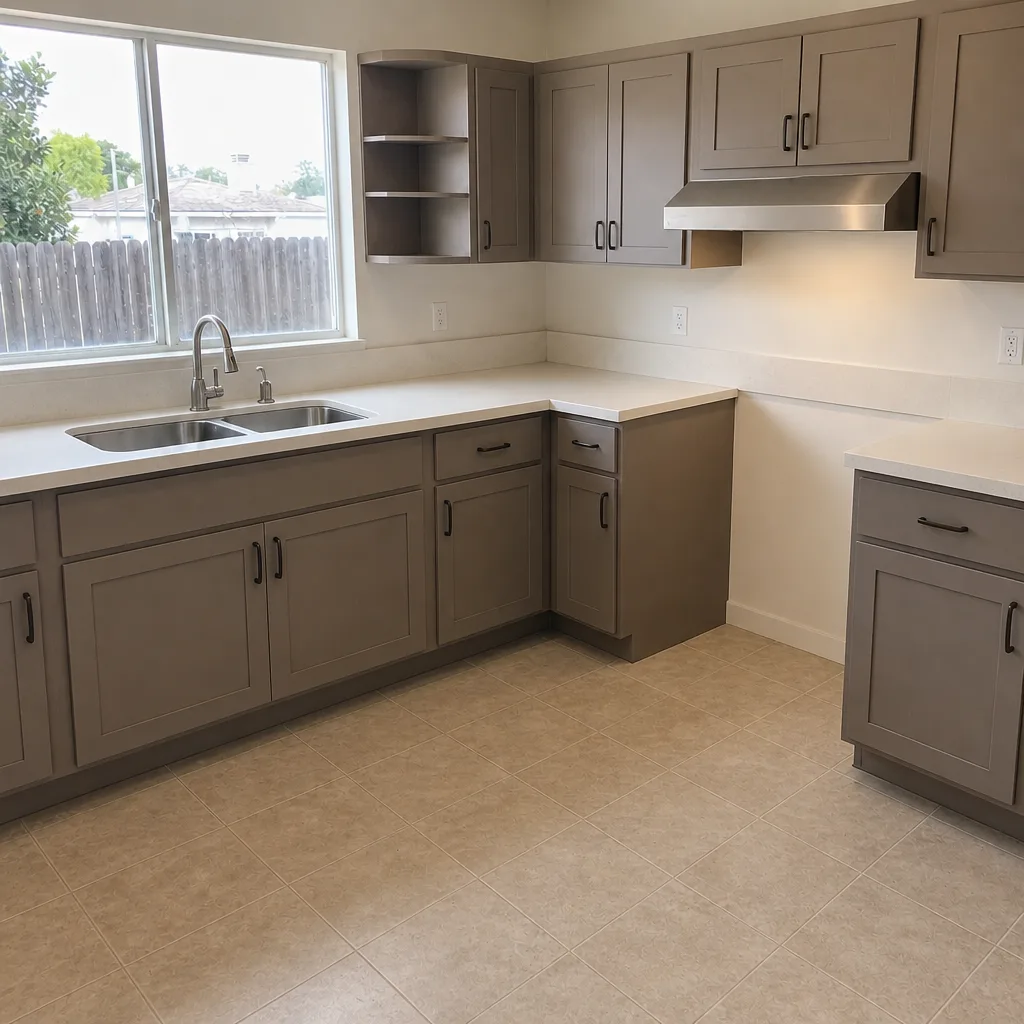 After
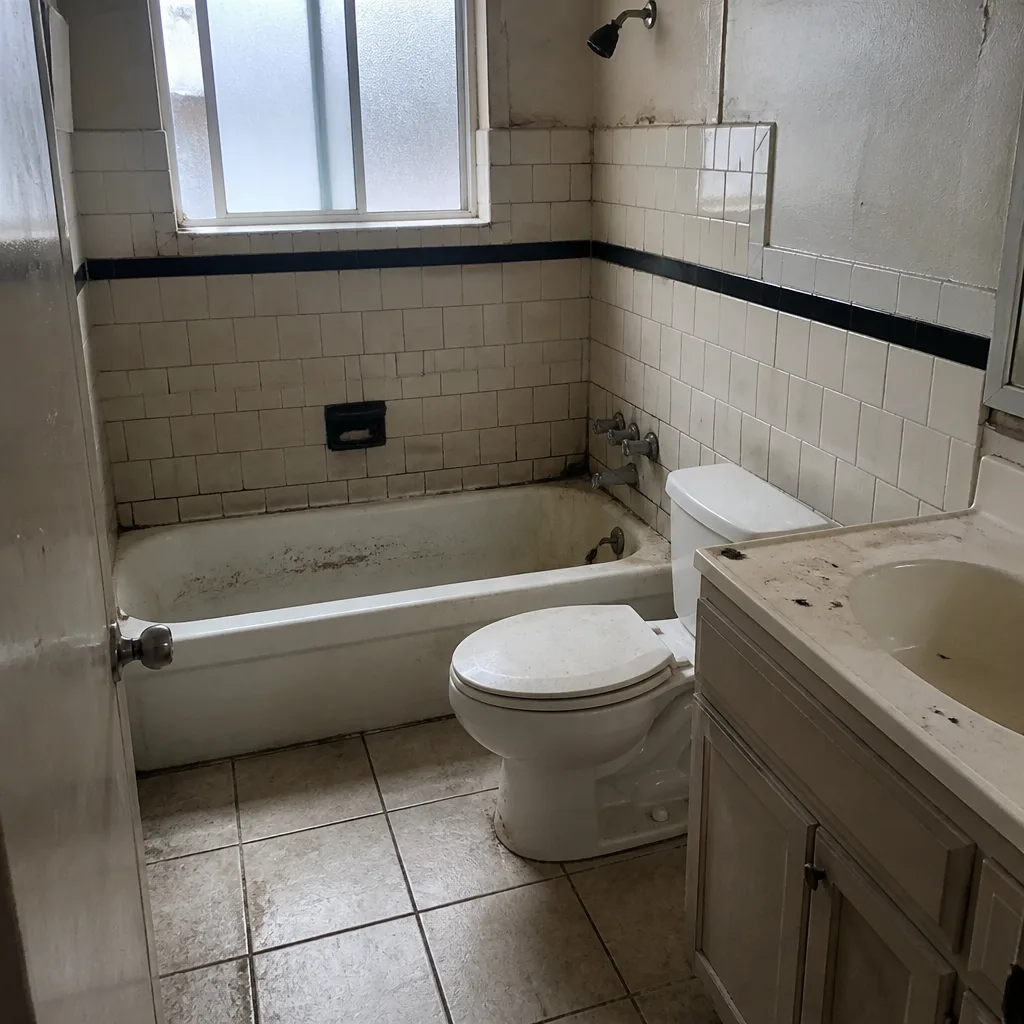 Before
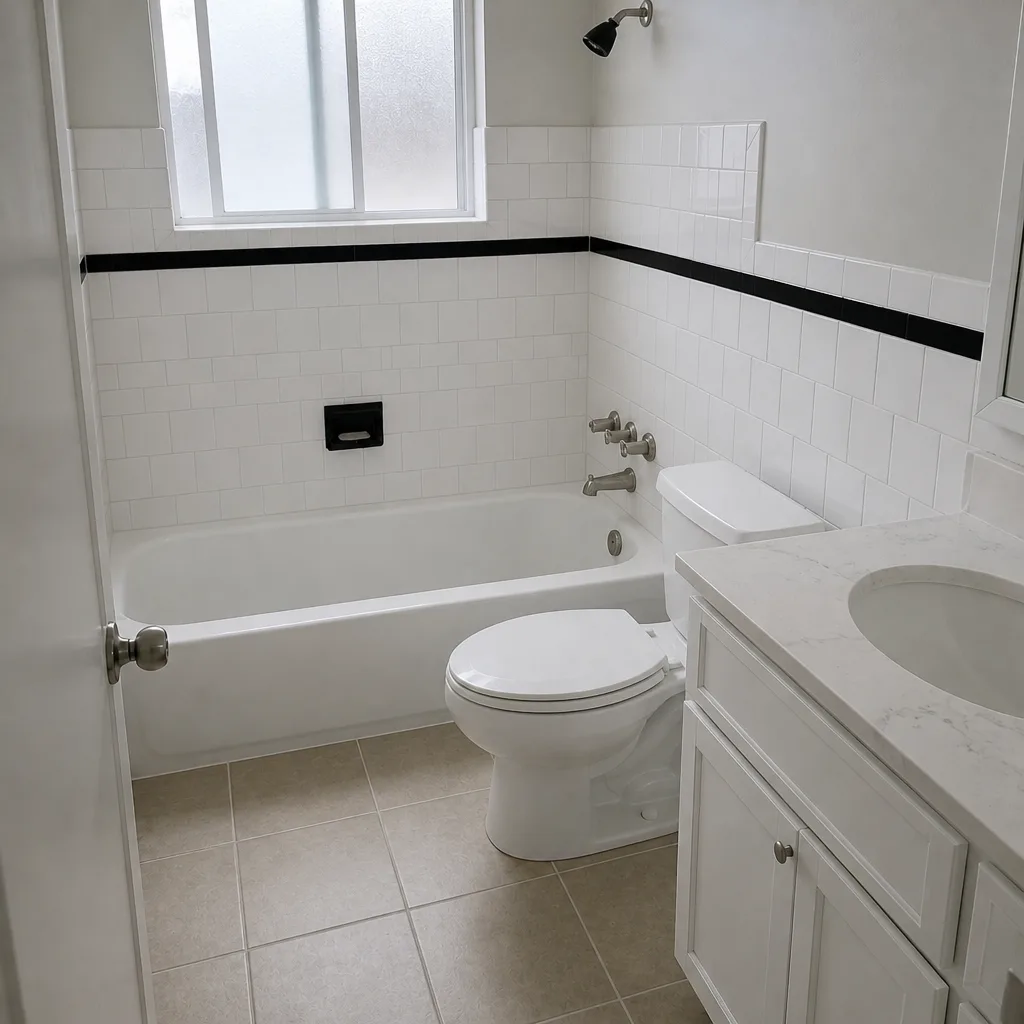 After
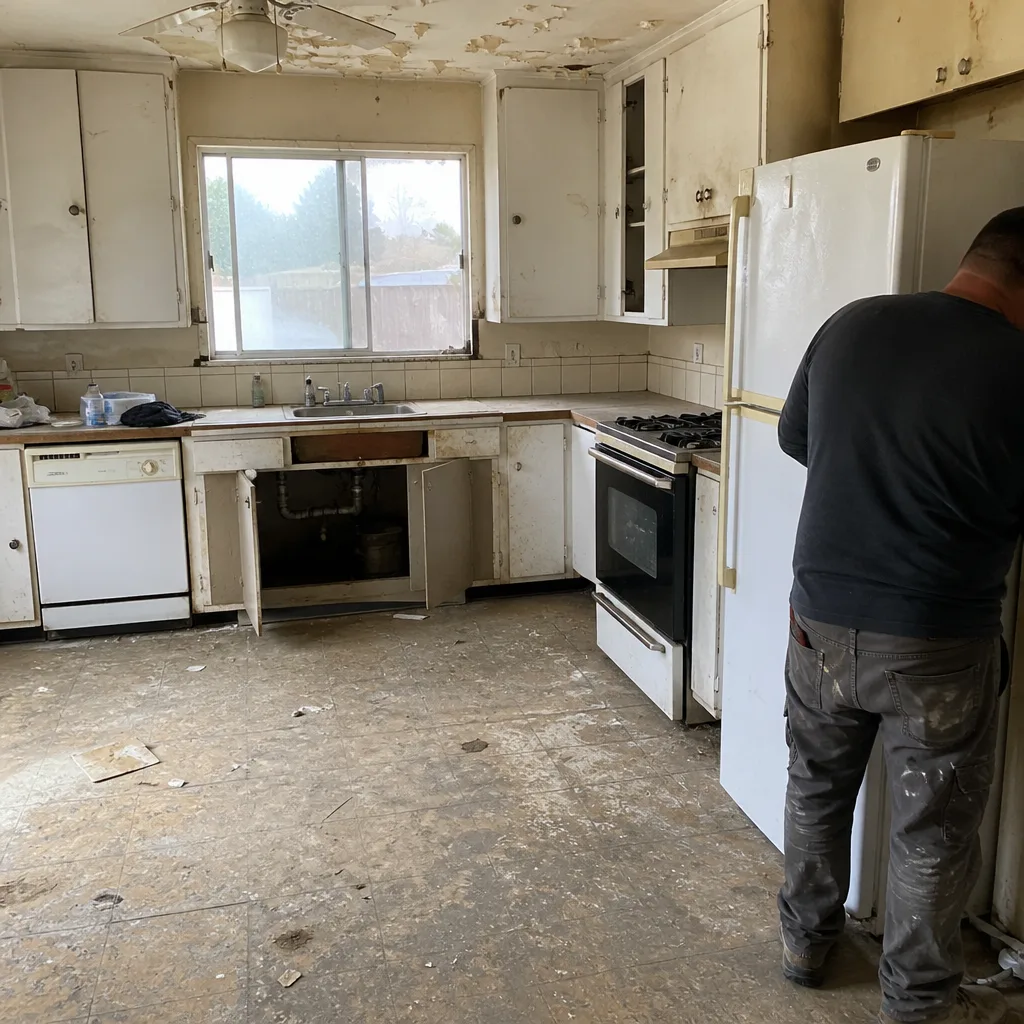 Before
 After
When to Call a Professional
Bring in a licensed contractor for every scope that touches structure, systems, or the permit. Foundation, framing, roof, electrical, plumbing, gas, HVAC, and any Title 24 or HERS verification: those need a professional working under their own license and bond, not a homeowner’s best intentions. That’s not a sales pitch, it’s how California law and Antioch building code work.
Groundwork Construction Co. of Antioch offers free estimates on home additions and ADUs in Antioch, and we handle the licensed-side work from foundation to finish line under our 730-Day Done Right Promise. Call (888) 419-3650 to schedule your free estimate; a live person answers, every hour of the day. The call is not a commitment to hire anyone, and the number you see on our quote is the number you pay.
Frequently Asked Questions
Yes, in a limited sense. California’s owner-builder exemption lets you pull permits as your own contractor if you own the property and will live in the structure for at least 12 months after finishing. But that exemption doesn’t let you self-perform the licensed trades. Electrical, plumbing, gas, and HVAC still require a licensed contractor under their own permit. Foundation and framing aren’t license-restricted but must pass inspection against stamped plans, and the liability for those permits stays with you. Call (888) 419-3650 if you want to understand exactly which scopes you can safely own before you pull the permit.
A 500-square-foot addition in Antioch typically runs $180,000 to $280,000 when done fully by a licensed team, and the DIY savings on the finish scopes are real at roughly $8,000 to $18,000 depending on which scopes you own. The savings disappear the moment you self-perform anything that fails inspection or has to be redone. For an exact quote on your specific addition, call (888) 419-3650 and we’ll walk the site with you. Estimates are free.
Not by standard policy, in most cases. Standard homeowner’s policies treat owner-builder construction as an excluded activity, which means you need a builder’s risk rider added before demolition starts. Skipping the rider to save $500 to $1,500 on a $250,000 project is a bad trade. Talk to your insurance agent before you pull the permit, not after.
Yes. California’s Transfer Disclosure Statement and seller property questionnaire require you to disclose all permitted and non-permitted work, including owner-builder work. Buyers and their inspectors pull permit records and see owner-builder permits for structural and systems work as a risk signal. Finish-scope DIY that required no permit typically doesn’t alarm buyers the same way.
Antioch’s Building Division charges a re-inspection fee after the first failed inspection on a given scope, and each additional visit carries another fee. Expect $180 to $400 per re-inspection depending on scope. A project that fails framing, electrical, and final inspection could be $540 to $1,200 in re-inspection fees alone, and that doesn’t count the cost of reworking to pass. Call (888) 419-3650 for a second opinion on any DIY plan before you submit it for plan check.
Finish work, painting, landscaping, cabinet installation, fixture swaps on existing circuits, and flooring are all safe and legal DIY scopes in Antioch. Everything structural or systems-related isn’t. The cutoff is: if a permit is required and a mistake creates a safety or water intrusion risk, hire it out. If neither is true, you’re free to own it. Our Home Additions & ADU in Antioch team can review your scope list and tell you which items you can safely handle and which need a licensed trade.
The Bottom Line
DIY on an Antioch addition or ADU works beautifully for finish scopes and poorly for structural and systems scopes. The three-question filter gets you where you need to go: if the work requires a permit, if a mistake creates safety or water intrusion risk, or if you’d need to disclose it in a way that reduces value, hire it out. Everywhere else, your own labor is a real savings. Groundwork Construction Co. of Antioch handles the licensed side from foundation to finish line, backed by our 730-Day Done Right Promise, upfront pricing with $1,000 off projects over $10,000, and 0% financing for 18 months. Call (888) 419-3650 to schedule your free estimate.
Written by the team at Groundwork Construction Co. of Antioch.