
Last updated November 17, 2026
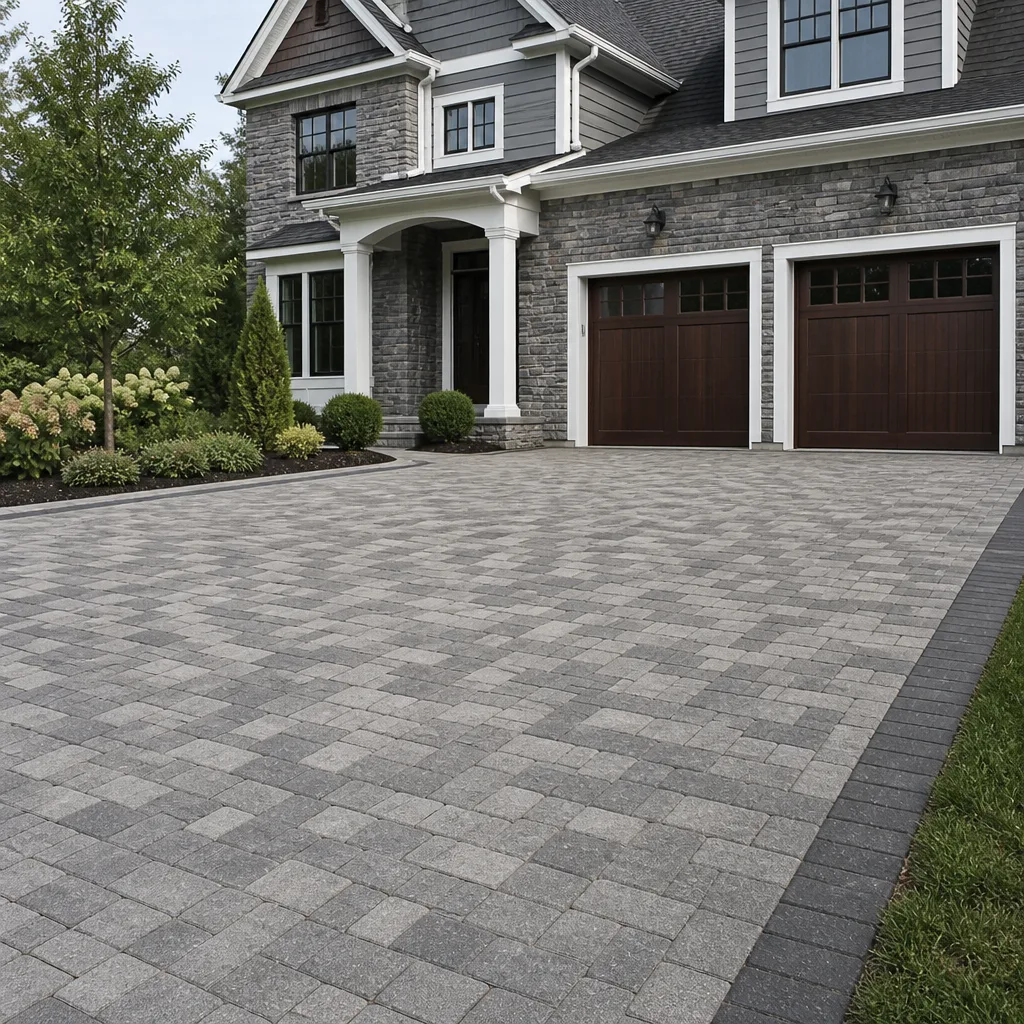 Driveway & pavers
 Kitchen remodeling
 Bathroom remodeling
 Home additions & ADU
 Roofing
 Windows & doors
 Fence
Free written scope consultation - allowances, timeline, and change-order rules on paper before a single trade is scheduled
Driveway & Pavers Warning Signs Every Homeowner Should Know
The warning sign that precedes almost every major paver failure isn’t a crack or a sunken stone. It’s a subtle change in how water moves across your driveway after rain. Most homeowners miss it because they’re looking for damage, not behavior. But if you know what to watch for, you get a six-to-twelve-month head start on a serious problem. By the time a crack shows up, base failure has already been working under your feet for months. This guide covers the early indicators that show up before visible damage, so you can act while repair is still cheap. We’ve watched Antioch driveways fail in predictable stages, and the pattern holds.
Quick Answer
The earliest warning signs of driveway paver problems are changes in how water pools after rain (indicating base settling), joint sand washing out before cracks appear, grout lines widening between pavers, and weed growth concentrated near drains or edge borders. Catching these signs early keeps repair costs in the hundreds instead of the thousands. If you’re seeing any of them, schedule a qualified inspection before visible damage spreads.
Styles & brands we work with
- Kitchen remodeling
- Bathroom remodeling
- Home additions & ADU
- Roofing
- Windows & doors
- Driveway & pavers
- Fence
Table of Contents
- Reading Post-Rain Water Patterns
- Joint Sand Erosion and Grout Widening
- The Edge Deterioration Sequence
- What Weed Zones Really Tell You
- Why Base Settling Drives Everything
- Antioch’s Soil and Seasonal Patterns
- How to Document Warning Signs
- Common Mistakes to Avoid
Reading Post-Rain Water Patterns
Water is the most honest diagnostic tool you have, and it’s free. After the first meaningful rain of the season, walk your driveway slowly and look at where water stands, where it flows, and where it disappears faster than it should. Pavers are supposed to shed water evenly toward the street or a drain. When that rhythm changes, the base underneath has moved.
Here’s what to look for in specific patterns:
- Standing water in a low of an inch or less: a normal puddle that drains in 20-30 minutes is fine. Water that sits in the same spot for hours means the base grade has changed.
- Water flowing backward toward the garage apron: a red flag for settling near the garage foundation, which is where the highest water volume collects.
- A ring-shaped residue after water drains: fine silt left in a ring is what we call the “bathtub line.” It means fine soil particles have migrated up through the bedding sand. The base is packing.
- Dry patches that should be wet: if a section dries faster than the surrounding pavers after rain, water is running off into a crack or joint instead of beading on the surface. That’s a hidden channel forming.
In Antioch we see the backward-flow pattern most often on driveways built between 2005 and 2015 in the newer subdivisions east of Somersville Road, where expansive clay soils meet a sloped street grade. That combination forces water to move more laterally than the original base was built for.
Mark the dry or wet spots with painter’s tape and photograph them. If the same spot repeats after the next rain, you’re not imagining it.
Joint Sand Erosion and Grout Widening
Grout line widening is the first visible sign of base movement. Not the crack that comes later. The grout between pavers is a measurement, and if you know your original joint width, you can compare. Most joints in Antioch pavers should be a consistent 3/16 to 1/4 inch. If one area is now 3/8 inch while the rest is unchanged, that area is spreading apart and the base is moving.
Here’s the sequence we see:
- Sand washes out of the top 1/4 inch of the joint. You’ll see the joint shadow look deeper than usual. This is the first sign and it’s almost always missed.
- The paver edges start to chip at the top corners. Loose pavers rock very slightly when stepped on, and the chipping is the visible result.
- The joint widens at the surface between pavers, and the pavers appear to have tilted. The tilt is real. Base failure is now underway.
- A small crack appears in the joint or the paver face. By this point, a base repair is unavoidable.
Grout line widening happens earliest on driveways where the base was compacted less than the full 6-inch depth (Antioch’s clay soils require 6-inch compacted aggregate base, and many older driveways in the Mira Vista and Ridgerock areas were built to 4 inches). If your home is 20+ years old, that shorter base is expected, but it means you should watch the joints closely.
Do not ignore the joint widening and re-sand alone. Sanding the joint without addressing the movement behind it is a one-season band-aid. Call a qualified paver contractor for a base inspection before the crack appears.
The Edge Deterioration Sequence
Paver borders are the diagnostic amplifier of your driveway. They carry the most lateral load, they sit closest to plant roots and soil, and they show structural stress first. Below is the sequence, from earliest warning to worst case:
- Edge pavers begin rocking slightly when you walk on them. Test by stepping on the outer row along the driveway’s perimeter. If any rock, the edge restraint has shifted.
- The paver border begins to spread outward into the planting bed by 1/4 to 1/2 inch. Measure the gap between the paver edge and the adjacent soil line. If the gap is now noticeably wider than the paver thickness, the edge restraint has failed.
- The edge disappears under a layer of soil or mulch. This is where the border has spread so far the pavers are now buried. The interior pavers are spreading next.
- Whole pavers lift or settle, and the driveway edge has a stair-step appearance. The base at the edge is failing, and interior failure is not far behind.
In our experience, edge failure in Antioch almost always traces back to two causes: an edge restraint that was never pinned into the base with adequate spike depth, or a planting bed with poor drainage that keeps saturated soil pressed against the pavers all winter. Both are cheap to fix early (a top edge repair and a new restraint run costs a fraction of full replacement) and expensive to ignore.
Your fence line tells you something too. If a fence post is leaning near the driveway edge, that’s a soil-movement signal. For a closer look at how fencing and hardscape interact, see our Fence Installation in Antioch guide.
What Weed Zones Really Tell You
A weed coming up between pavers is not automatically a sign of failure. A weed coming up in a specific zone is. Here’s the distinction that most guides miss:
- Random weeds across the driveway: likely seed blow-in and normal maintenance. Pull them and move on.
- Weeds concentrated along the joints that run toward the drain: that’s joint sand erosion. The sand is the weed’s growing medium, and the weed’s presence tells you the sand is gone in that channel.
- Weeds along the edge border between pavers and soil: base movement is opening a path for water to carry soil into the joint. The weeds are following the soil.
- Weeds in a small circular or rectangular patch: a sub-base is failing under that patch. The pattern traces a localized base collapse, not a general maintenance issue.
The reason this matters: sand erosion is the earliest stage of base failure in most pavers we inspect in Antioch. Once you see the weeds in a distinct zone, you’re seeing the first symptom of the process that eventually causes the crack. Treat it as diagnostic data, not a landscaping problem.
The fix in the early stage is a sand refill after the base is checked. If the base is compromised, the sand will wash out again within a year.
Why Base Settling Drives Everything
Every warning sign in this guide traces back to one cause: the base is settling or compacting under the pavers. Understanding why helps you interpret what you’re seeing.
The base is the compacted aggregate layer beneath your pavers, usually 4 to 8 inches deep depending on soil and traffic. It’s the load-bearing layer. The pavers are just the finish. When the base compactes unevenly, every surface sign follows.
Common causes in Antioch:
- Expansive clay soils that swell when wet and shrink when dry. Much of Antioch sits on clay-heavy soils that push and pull the base with each rainy season.
- Poor drainage under the base where water pools instead of draining away. In the flat spots around downtown Antioch and the Ruthven neighborhood, water table movement is a factor.
- Insufficient compaction during installation (compaction in lifts, not one pass). This is the most common cause of early failure on driveways built in the 2000s boom.
- Tree roots lifting the base from below. Common on properties near Black Diamond Mines and along the older streets where mature trees are close to the driveway edge.
Once the base moves, the pavers cannot stay flat. That’s a physics issue, not a workmanship failure of the pavers themselves. This is why we recommend a base inspection rather than a re-sand when you see the early signs. It’s also why our installation process for Driveway & Pavers in Antioch starts with soil and drainage evaluation, not with the surface.
The good news: base problems caught in the first 6-12 months are cheap to repair. A localized base re-compaction and paver reset is a fraction of full driveway replacement cost.
Antioch’s Soil and Seasonal Patterns
Antioch’s climate accelerates certain failure modes. Our wet winters followed by hot, dry summers create the exact wet-dry cycle that forces clay soils to expand and contract. That cycle is harder on paver bases than the constant conditions in more moderate climates.
What this means in practice:
- Check your driveway in November after the first significant rain. That’s when base movement from the summer dry-out becomes visible for the first time.
- Watch the north-facing edges (shaded side of the driveway) in winter. Those stay wetter longer and fail earliest.
- The hot spots in July-August along sunny south and west edges. Heat drives faster drying and more extreme settlement on the sunny side.
- October through March is inspection season for water patterns. April through September is inspection season for joint widening, chipping, and edge spread.
We see the most aggressive failure in Antioch neighborhoods on clay-heavy lots near the San Joaquin River corridor, where the soil holds more moisture year-round. A homeowner in the Lone Tree area will typically see base settling warnings a year or two earlier than a comparable driveway on higher, sandier ground.
One more local factor: our summer irrigation patterns on adjacent landscaping can push water against the driveway base in a way that dry-climate compounds don’t have to account for. When you water the lawn, watch where that water goes.
How to Document Warning Signs
This step is the one most homeowners skip, and it’s the one that saves you money. A contractor who can see photos of the driveway’s behavior over six months can make a precise diagnosis. A contractor working from a photograph of one cracked paver has to assume the worst and quote accordingly.
Here’s how to build the record:
- Photograph your driveway after every rain from October through March. Same three angles: from the street looking up, from the garage looking down, and straight down at the low corner. A smartphone is fine.
- Use tape or chalk to mark the wet or dry spots. Photograph with a small note card showing the date and the location. Consistency matters more than quality.
- Write one sentence per observation. “Water pooling at driveway-garage transition, 2 inches deep, drains in 4 hours.” That’s enough.
- Measure joint widths quarterly at three marked reference points using a credit card edge or a set of feeler gauges. Record the widths. A 1/8-inch change over six months is a clear signal.
- Photograph the edge border at the same angle every time. Compare quarter by quarter.
- Keep the file. When you request an inspection, share it. The contractor will diagnose faster and quote accurately.
This documentation also protects you from being upsold. A reputable contractor can look at your timeline and tell you “this is a re-sand and edge repair” instead of “you need a full replacement.” Insist on a written line-item quote that separates base repair, paver reset, edging, and any replacement pavers.
For context on how we approach documentation and warranty on larger home projects, our Home Additions & ADU in Antioch page explains the written-scope practice we apply across all trades.
Common Mistakes to Avoid
- Waiting for a crack before calling anyone. The crack is the third sign in the sequence. By the time you see it, base repair is no longer optional. Watch the water, not the pavers.
- Treating joint sand loss as a landscaping problem. Re-sanding without checking base movement is a one-season fix. The sand will wash out again and you’ll be back here.
- Ignoring the edge border because it’s “just cosmetic.” The edge is the earliest structural warning you have. A spreading border on an Antioch driveway almost always precedes interior settling.
- Pulling weeds without examining the joint. The weed is the symptom that tells you the joint sand is gone. Pull it, but photograph the joint first and identify the location.
- Letting a bad quote pressure you into full replacement. A paver driveway in Antioch can often be repaired sectionally. Demand a written line-item quote that breaks out repair vs. replacement.
- Associating a small puddle with rain, not with base. Any water that stays pooled for hours means the base has a hollow. That’s data, not weather.
- Skipping the inspection because the pavers “still look fine.” The early signals are behavioral, not visual. The pavers look fine right up until the crack appears.
See the difference
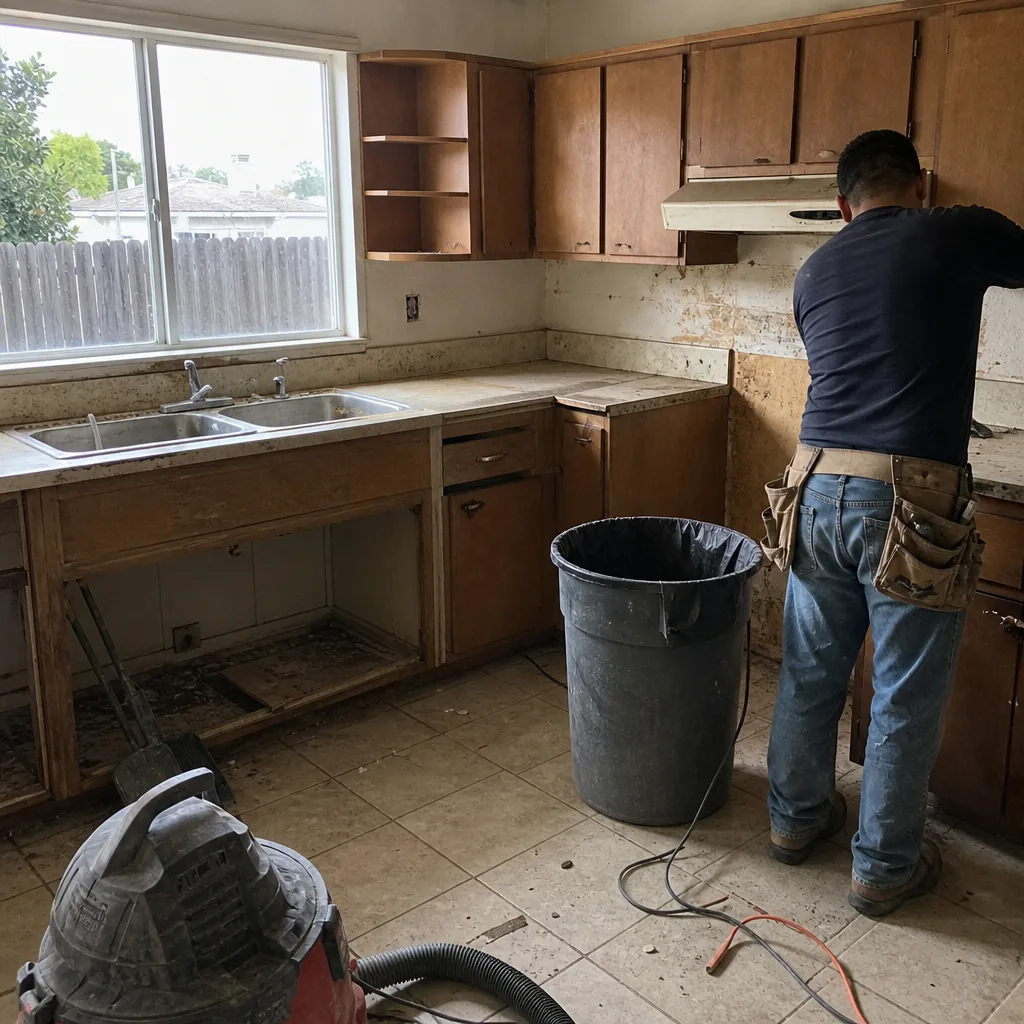 Before
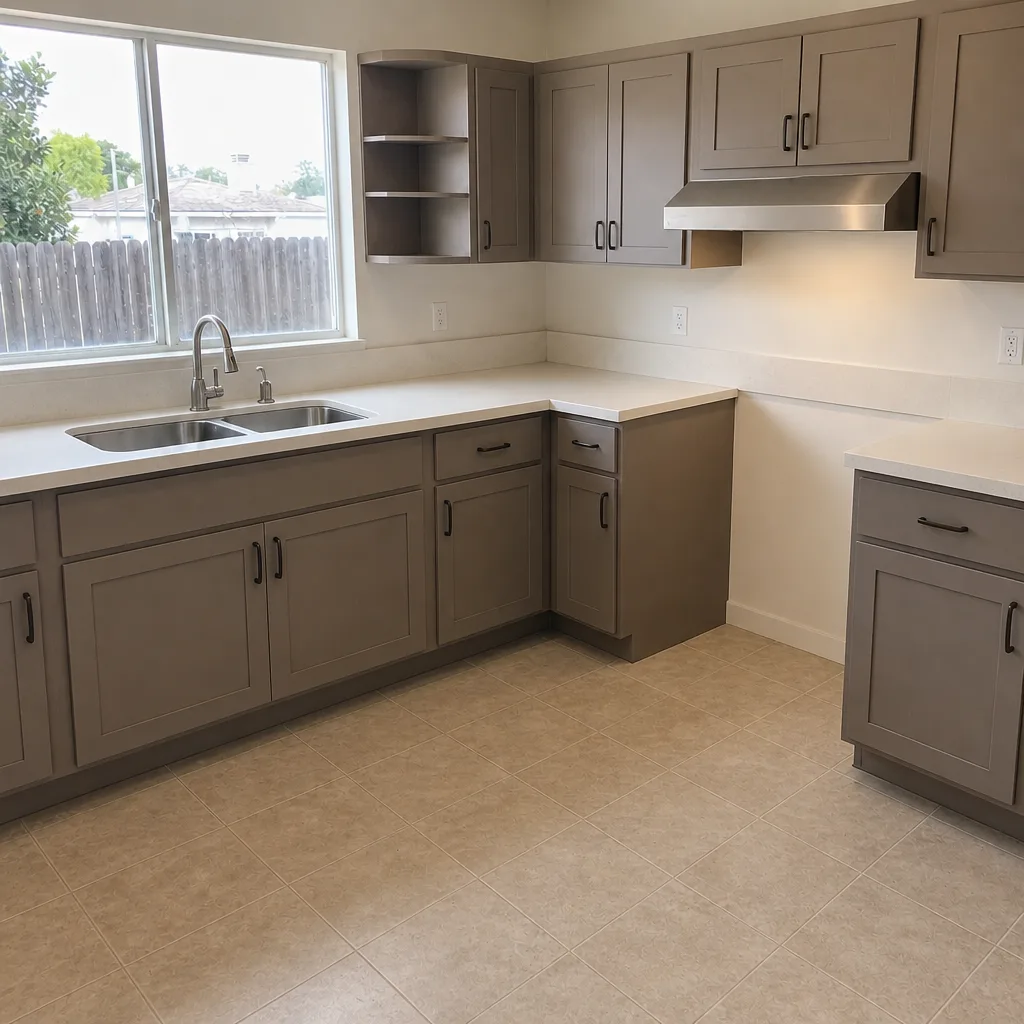 After
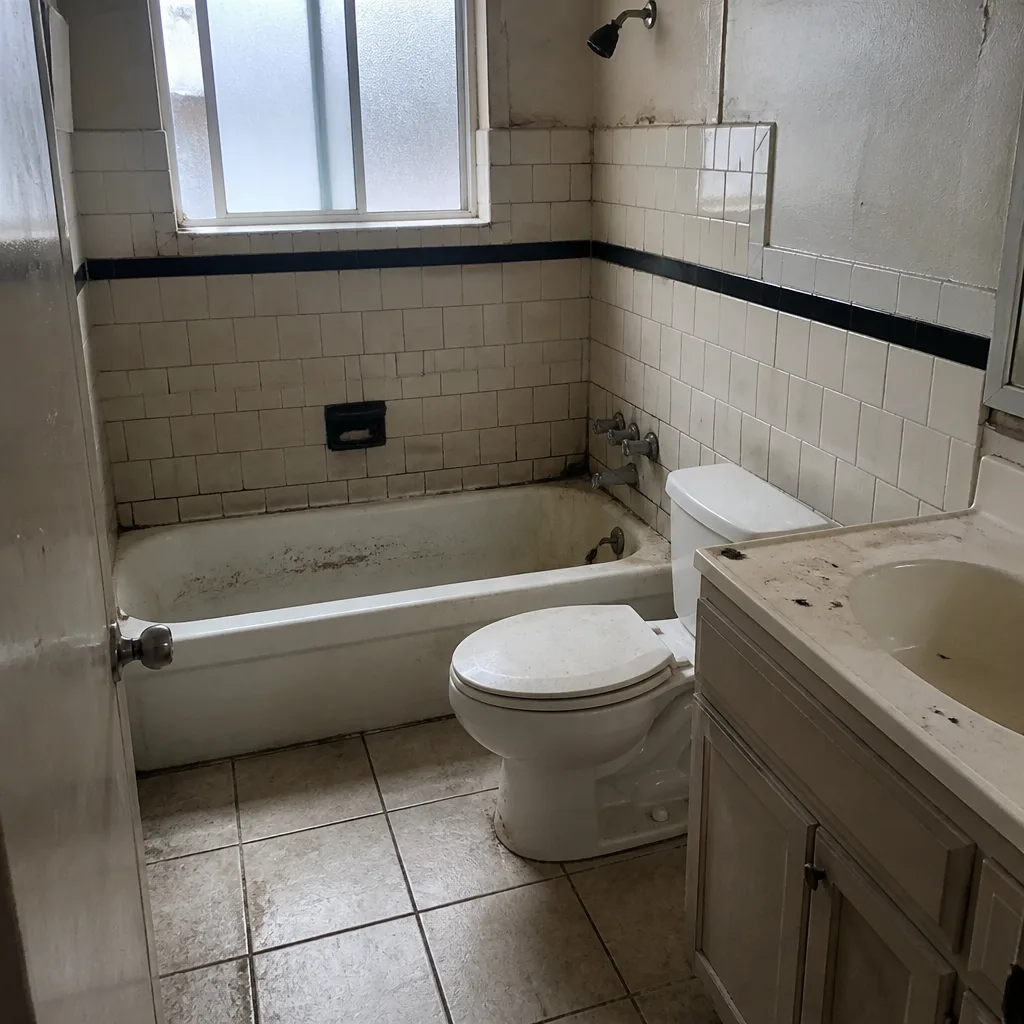 Before
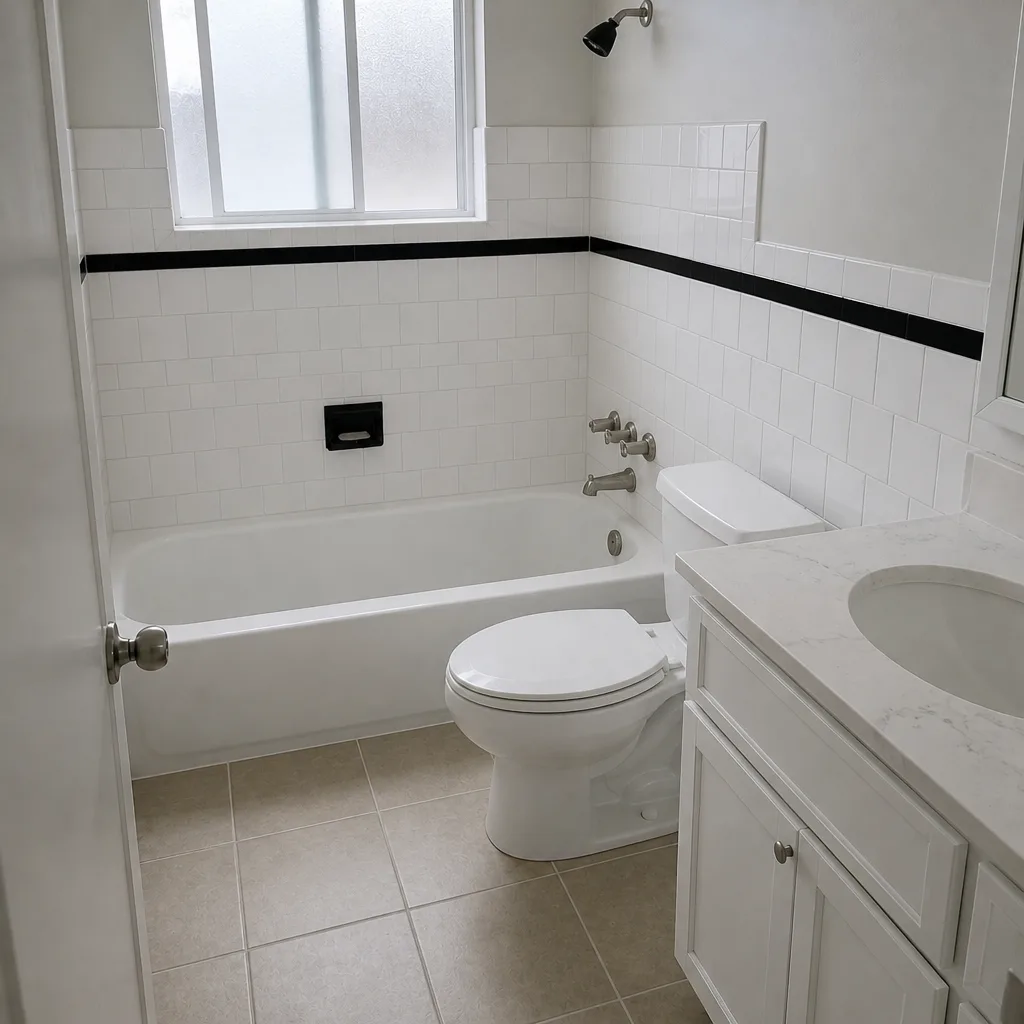 After
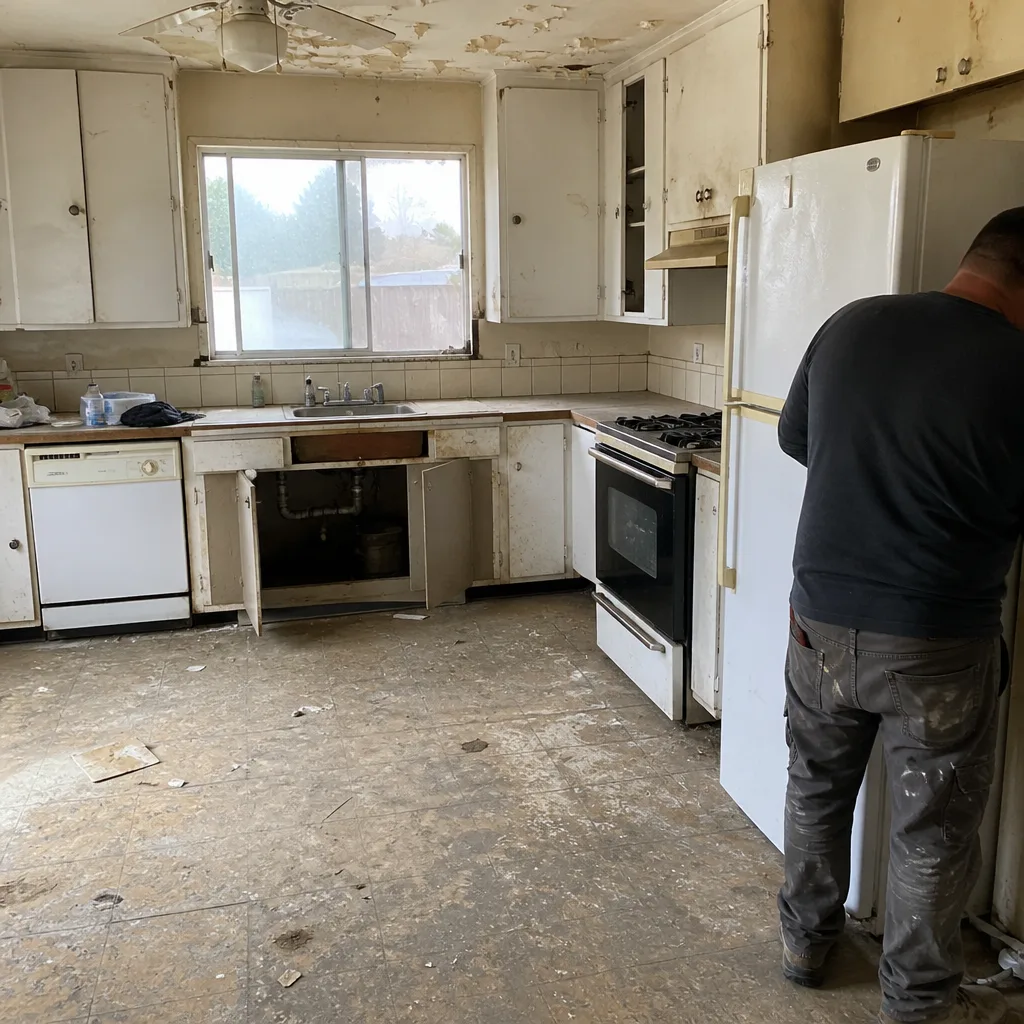 Before
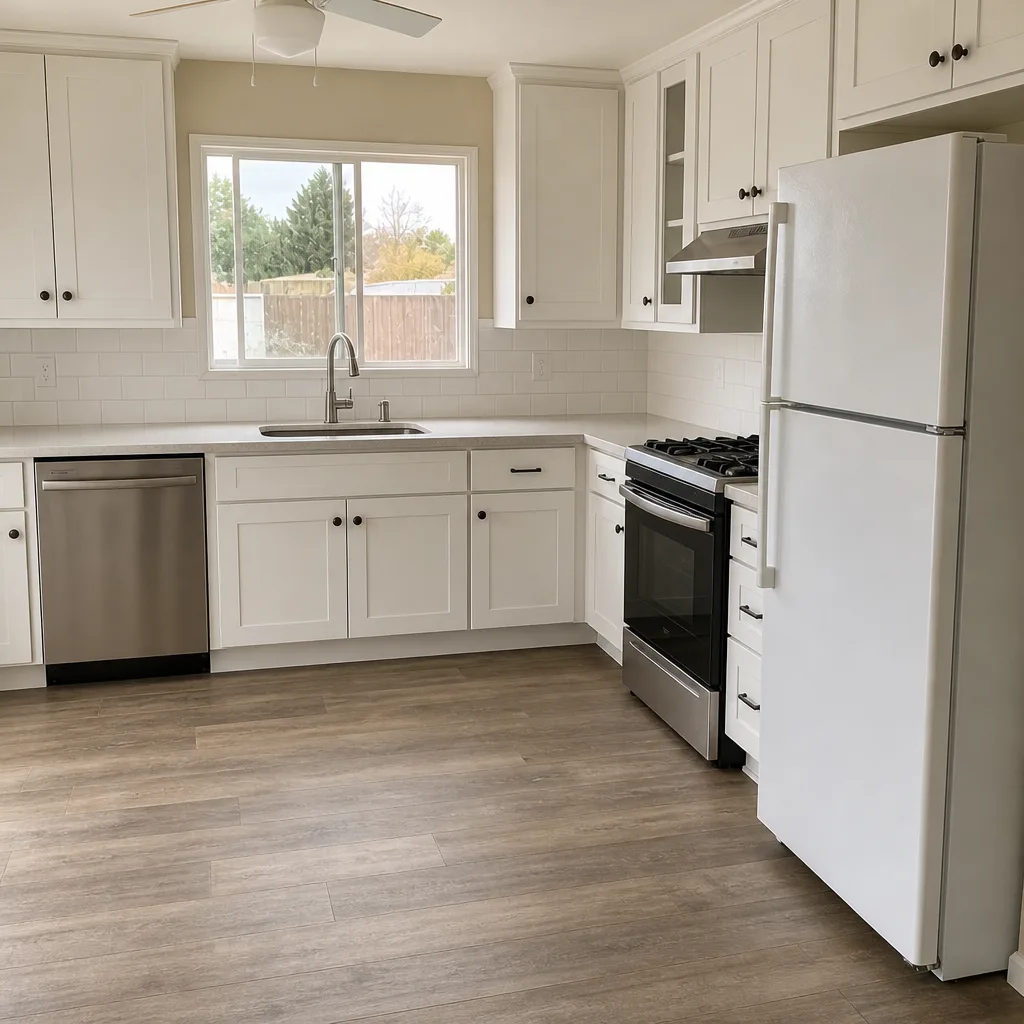 After
When to Call a Professional
Some paver problems are cosmetic and some are structural, and the line between them isn’t always obvious from the surface. Call a qualified paver contractor if you’re seeing any of these: a puddle that lingers for hours in the same spot after rain, a joint that has widened by more than 1/8 inch compared with its neighbors, an edge border spreading into the planting bed, water flowing back toward the garage, a rock underfoot when you walk a specific paver, or weeds reappearing in the same zone after you pull them twice. Any one of those justifies an inspection. Two of them together mean base work is likely.
The other trigger is a written record you can’t interpret. If you’ve documented six months of photographs and the changes are real, you already have the evidence a contractor needs to give you an accurate, no-surprise quote. Groundwork Construction Co. of Antioch offers free estimates in Antioch. Call (888) 419-3650 and we’ll walk the driveway with you, explain what we see, and quote repair versus replacement honestly.
Frequently Asked Questions
The first sign is a change in water behavior after rain, specifically a puddle that lingers in the same spot for hours or water that flows backward toward the garage. This indicates the base has settled. Grout line widening and joint sand loss follow within weeks. If you’re seeing the early water pattern, call (888) 419-3650 for an inspection before the crack appears.
In Antioch, a localized paver reset with joint sand refill typically runs in the hundreds of dollars per section, and a full edge repair with new edge restraint runs higher but stays well below full replacement cost. Base re-compaction on a compromised section costs more than a re-sand but far less than tearing out and rebuilding the driveway. Every quote should itemize base work, paver reset, edge repair, and materials separately. Call (888) 419-3650 for a free estimate with a written line-item quote.
No. Groundwork Construction Co. of Antioch uses upfront pricing, and the number you approve is the number you pay. If we open up a base section and find more movement than expected, we stop and re-scope with you in writing before continuing. That’s part of the 730-Day Done Right Promise: no surprise change orders on work we’ve already quoted. Call (888) 419-3650 to schedule a free estimate.
Most paver repairs we complete in Antioch finish in a single visit. A joint sand refill and edge repair is a half-day job. A localized base re-compaction with paver reset (a 50-square-foot section or smaller) typically finishes in one day. Full section replacement that requires drying time between base compaction and paver reset can run two days. Call (888) 419-3650 for an exact timeline based on your driveway.
You can, but the sand will wash out again within a season if base movement is the real cause. Re-sanding is the right fix only if the base underneath is stable. The inspection is what tells you which situation you’re in. Skip it and you’re paying for the same repair twice. Call (888) 419-3650 for an inspection before you re-sand.
Yes. Antioch’s wet-winter, dry-summer cycle forces the clay-heavy soils under many local driveways to swell and shrink every year, and that movement works against the paver base. Driveways in the Lone Tree, Mira Vista, and older downtown areas tend to show settling signs earlier than comparable driveways on sandier ground. Inspect in November after the first rain to catch the pattern early. Call (888) 419-3650 to schedule an Antioch inspection.
The Bottom Line
Your driveway tells you it’s failing months before it looks broken. Water behavior after rain, joint sand loss, grout widening, weedy zones, and a spreading edge border are the five early warning signs that precede every cracked or sunken paver. The homeowners who come out cheapest are the ones who photograph their driveway every rainy season, call a contractor when the water pattern changes, and ask for a written line-item quote instead of a verbal one. That discipline keeps a few hundred dollars of early repair from turning into a full driveway replacement. If you’re in Antioch and something looks off, get the inspection while repair is still small.
Groundwork Construction Co. of Antioch builds and repairs driveways and paver surfaces across Antioch with upfront pricing, no-surprise quotes, and the 730-Day Done Right Promise backing every job. Our technicians have up to 12 years of experience, arrive background-checked and in uniform, and we stick to a written scope from the first call. View our Groundwork Construction Co. of Antioch home page to see the full range of work we do across the property. When you’re ready, call (888) 419-3650 for a free estimate and design consult. A live person answers around the clock, and estimates are free.
Written by the team at Groundwork Construction Co. of Antioch.