
Last updated November 17, 2026
 Bathroom remodeling
 Kitchen remodeling
 Home additions & ADU
 Roofing
 Windows & doors
 Driveway & pavers
 Fence
Free written scope consultation - allowances, timeline, and change-order rules on paper before a single trade is scheduled
How Long Does Bathroom Remodeling Take? Timelines and What to Expect
A gut-and-rebuild bathroom in Antioch takes an average of 6 to 10 weeks from signed contract to final inspection. Most homeowners only ever hear about the middle chunk of that: the 2 to 3 weeks of actual hammering, tile-setting, and fixture hanging. The rest of the calendar disappears from the conversation – permit queues, material lead times, inspection scheduling – and that gap is exactly why so many remodels feel like they drag on forever. This guide breaks the whole job into its five real phases, with honest time ranges for each one, so you know what’s happening on every day of your project and where the delays actually come from.
Quick Answer
A full bathroom remodel in Antioch typically runs 6 to 10 weeks from contract signature to final inspection. A cosmetic refresh (new vanity, paint, flooring over existing subfloor) can finish in 2 to 3 weeks, while a gut remodel with layout changes stretches to 10 to 14 weeks. The construction itself is rarely the bottleneck – permitting, material procurement, and inspection scheduling eat more calendar days than most homeowners expect.
Styles & brands we work with
- Kitchen remodeling
- Bathroom remodeling
- Home additions & ADU
- Roofing
- Windows & doors
- Driveway & pavers
- Fence
Table of Contents
- The Five Phases of a Bathroom Remodel
- Permit Turnaround Times in Antioch
- Why Material Pre-Selection Compresses the Schedule
- The Biggest Schedule Killer: Late Changes
- What a Realistic Buffer Week Looks Like
- What Happens During the Construction Phase
- The Inspection Phase and Final Walkthrough
- How We Keep Homeowners From Guessing
The Five Phases of a Bathroom Remodel
Every bathroom project moves through the same five stages, and each one has its own clock. Here’s how the calendar really breaks down for a mid-range Antioch remodel:
- Design and selection: 1 to 3 weeks. Choosing tile, vanity, fixtures, and layout. This is the phase homeowners control most, and the one where fast decisions save the most time downstream.
- Permitting: 2 to 5 weeks in Antioch, depending on scope and how complete the submittal is. Moving walls or adding plumbing fixtures triggers a longer review than a like-for-like replacement.
- Demolition: 1 to 3 days for most bathrooms. Older homes near the Antioch waterfront sometimes reveal rot or old galvanized plumbing behind the walls, which can add a day or two of repair before framing begins.
- Construction: 2 to 4 weeks for a standard remodel. This covers rough-in plumbing and electrical, waterproofing, tile, vanity, fixtures, and finishes. Layout changes push this toward the longer end.
- Inspection and punch list: 3 to 7 days. The building department schedules the final inspection, and any punch-list items get resolved before the walkthrough.
Add those up and you land at the 6-to-10-week range for most Antioch bathrooms. The mistake is assuming the construction phase is the whole story – it’s roughly a third of the total timeline.
Permit Turnaround Times in Antioch
Permit review is the phase that surprises homeowners most, and it’s the one nobody puts in their bid. In Antioch, a straightforward bathroom permit – replacing fixtures in the same locations, no wall movement – often clears review in about 2 to 3 weeks once the submittal is complete. Add a moved toilet, a relocated shower drain, or a new wall and the review timeline stretches toward 4 to 5 weeks, because the plan reviewer is checking plumbing and structural details, not just fixture swaps.
The single biggest variable is submittal completeness. Plans missing a plumbing riser diagram, an electrical load calculation, or a site-specific detail get kicked back for corrections, and each correction cycle can add a week or more. We submit permit packages with every detail the Antioch building department asks for on the first pass, which is one reason our projects don’t sit in review limbo.
There’s a neighborhood angle here too. Homes in the older parts of Antioch, particularly around the historic downtown blocks, sometimes carry unpermitted prior work – a converted closet bathroom, an added half-bath with no record. When the building department sees existing unpermitted work on the plan set, the scope of the permit expands to cover that too, and the review gets longer. We flag those issues during the initial site walk so the timeline reflects reality rather than a guess.
If you’re planning a larger project that touches the building envelope – say, expanding your bathroom as part of an addition – the permitting sequence gets more complex and worth planning around in advance. Our team handles Home Additions & ADU in Antioch with the same permit-first approach.
Why Material Pre-Selection Compresses the Schedule
Here’s a schedule rule that holds true on nearly every bathroom project: the tile, vanity, and fixtures should be selected and ordered before the permit is submitted, not after. When a homeowner finalizes selections during the permit review window, materials arrive on site right as construction begins. When selections lag, construction stalls waiting on a backordered vanity or a discontinued tile.
Bathroom materials carry real lead times, and they’re longer than most people assume:
- Vanities: 2 to 6 weeks depending on size, finish, and whether it’s a stocked model or a semi-custom build.
- Tile: 1 to 3 weeks if in stock; 4 to 8 weeks if it’s a special order or a natural stone with a fabrication step.
- Faucets and fixtures: 3 to 10 days for common finishes; longer for specialty finishes or unique configurations.
- Shower glass and enclosures: 2 to 4 weeks for custom-templated panels, which are measured after tile is set.
Name brands matter here for a reason beyond looks. When we specify Grohe fixtures or Schluter waterproofing systems, those components are typically available through established distribution channels, so a backorder is a rare exception rather than a routine risk. Cheaper components sourced from wherever they happen to be in stock are the ones that blow up a schedule in week three.
We ask homeowners to lock selections within the first two weeks of the project. Confirm the vanity, the tile, the fixtures, the shower configuration, and the lighting plan. Once those are signed off, the permit can run in parallel with the material orders, and the two timelines finish together.
The Biggest Schedule Killer: Late Changes
Changing a tile or a fixture after rough-in work is complete is the single most common reason a bathroom remodel stretches from 6 weeks to 10 or more. Here’s why: once plumbing has been roughed in and inspected, moving a shower valve, relocating a drain, or reconfiguring a vanity means reopening finished walls, re-doing rough-in, re-requesting inspection, and re-ordering materials. The work that was two days becomes two weeks.
We’ve watched this play out more than once in Antioch – a homeowner sees the new tile in place, decides they want a larger-format tile after all, and the schedule backslides. The tile itself might only take a few days to replace, but the demolition of finished work, the re-waterproofing, the second inspection, and the reordering all stack up. Multiply that by two or three changes across a project and you’ve added a month without changing the scope.
The fix is boring and effective: decide early, then hold the decision. If you’re going to change your mind, do it during the design phase when the change costs nothing but a conversation. Once tile is on the wall, a change is expensive in both money and calendar days, and no amount of good project management can undo it.
For a look at the materials that tend to hold up over the long run – the stuff worth committing to on the first pass – see our Groundwork Construction Co. of Antioch home page.
What a Realistic Buffer Week Looks Like
A contractor who quotes a bathroom remodel with no buffer in the schedule is setting up a conflict, even if the work is flawless. Bathrooms are small jobs with lots of trades in tight spaces, and small unknowns compound. A buffer week isn’t padding – it’s the difference between delivering on time and delivering a week late with an apology.
What a properly buffered schedule actually protects against:
- Inspection scheduling: The building department runs on its own calendar. If you need a rough-in inspection to move forward and the next available slot is four business days out, that’s four days of waiting you can’t compress.
- Hidden conditions: Removing an old shower surround in an Antioch home occasionally reveals a soft subfloor, a partially clogged drain line, or old galvanized pipe that needs replacement. The work is quick once found, but it has to be found first.
- Material arrival hiccups: A vanity delivered with a cracked mirror or the wrong finish adds a week of reordering. A buffer absorbs that without leaving the homeowner staring at a half-finished bathroom for days.
- Tile setting and curing: Mortar and grout need cure time before the next step. Rushing the cure to save a day creates a call-back later, which is a worse trade.
We build a buffer into every schedule we quote. It’s not extra time we plan to use – it’s time we hope to give back. On most projects, the buffer shrinks during the job and the finish lands on the front end of the promised window. On the projects where something goes sideways, the buffer means the timeline holds.
What Happens During the Construction Phase
The construction phase runs about 2 to 4 weeks for a typical Antioch bathroom, and the order of operations is what determines whether it runs on schedule. Here’s the realistic sequence:
- Demolition (days 1-3): Removal of old fixtures, tile, drywall, and flooring down to the studs and subfloor. Debris hauled out.
- Rough-in plumbing and electrical (days 3-6): New supply lines, drain lines, and wiring run to code. Rough-in inspection called.
- Framing and waterproofing (days 6-9): New framing if the layout changed, then waterproofing applied – on our projects, typically a Schluter system – followed by the waterproofing inspection where required.
- Tile and flooring (days 9-16): Wall tile, floor tile, grout, cure time. The visual transformation happens here.
- Fixtures and finishes (days 16-21): Vanity, toilet, faucets, shower trim, lighting, mirror, paint. The room starts looking like a bathroom instead of a construction site.
- Punch list and cleanup (days 21-24): Final touch-ups, caulking, hardware, and the walkthrough.
The construction phase is where good project management shows. Our technicians have up to 12 years of experience and work off a printed schedule with daily milestones, so everyone on the job knows what’s expected and when. If a trade is running behind, it surfaces the same day rather than at the end of the week.
The Inspection Phase and Final Walkthrough
Inspection and walkthrough add 3 to 7 days to the total timeline in most Antioch remodels, and they’re worth the time. The final building inspection confirms that plumbing, electrical, and structural work meet code – which protects you at resale and when you file an insurance claim down the road. The walkthrough is where you and the project lead confirm the finish list is complete.
What to expect during the walkthrough:
- Every fixture tested and confirmed working – hot water direction verified, drains flowing, no leaks under the vanity.
- Tile grout and caulk inspected for voids and proper finish.
- Paint and drywall checked for flaws that show under raking light.
- Punch list documented in writing, with completion dates attached to each item.
The final inspection sign-off is the moment the project becomes a documented upgrade to your home rather than a stack of receipts. If a punch-list item surfaces after the walkthrough – and on occasion one does – the 730-Day Done Right Promise covers it. If it’s not done right, we make it right – and that guarantee runs for two full years after the final invoice.
How We Keep Homeowners From Guessing
The most common complaint about remodeling isn’t the work – it’s the silence. Homeowners don’t know what’s happening this week, they don’t know why the crew didn’t show on Tuesday, and nobody answers the phone when they call to ask. That silence is where trust dies, and it’s the easiest part of a remodel to fix.
Our process runs on advance communication rather than reactive updates:
- A written schedule at contract signing that maps every phase to a date window, including the buffer.
- Milestone updates before each phase begins, so the homeowner knows what’s coming and what they need to decide.
- Calls answered by a live person 24 hours a day, seven days a week – if something comes up on a Sunday evening, you reach a human, not a voicemail.
- Upfront pricing locked at contract, so the number you see is the number you pay. No change orders unless the homeowner requests a scope change.
- No-hassle financing options including 0% financing for 18 months and $1,000 off projects over $10,000, so the cash-flow side of the project doesn’t add schedule stress.
We also handle every trade involved – plumbing, electrical, tile, drywall, paint, glass – through a single project manager. The homeowner doesn’t chase subcontractors, because we do. From foundation to finish line, one point of contact.
Common Mistakes to Avoid
- Finalizing tile and fixture selections after demo starts. Every week of indecision during construction is a week of stall. Lock selections before the permit is filed.
- Comparing quotes on price alone without comparing schedule assumptions. A low bid that assumes 3 weeks of permit turnaround when Antioch is running 5 isn’t a bargain – it’s a schedule risk that lands on you.
- Ignoring hidden-condition risks in older Antioch homes. Homes built before the 1980s often have galvanized plumbing or soft subfloor under old tile. Assuming the walls will open clean is how projects blow their budget and timeline at the same time.
- Booking a bathroom remodel while you’re out of town. The construction phase needs someone local to make decisions quickly. If you’re gone for two weeks during framing, the job stalls.
- Assuming a cosmetic refresh needs a full permit. Replacing a vanity or repainting doesn’t trigger a permit typically, but moving plumbing or electrical does. Knowing which side of that line your project lands on changes the schedule significantly.
- Skipping the buffer to save a week on the quote. Contractors who promise a fast finish without a buffer almost always deliver late. The buffer costs nothing on the quote and buys a lot of peace on the back end.
- Not confirming inspection scheduling in writing. Ask when the rough-in and final inspections will be called and how long the building department is currently running. Vague answers mean vague timelines.
See the difference
 Before
 After
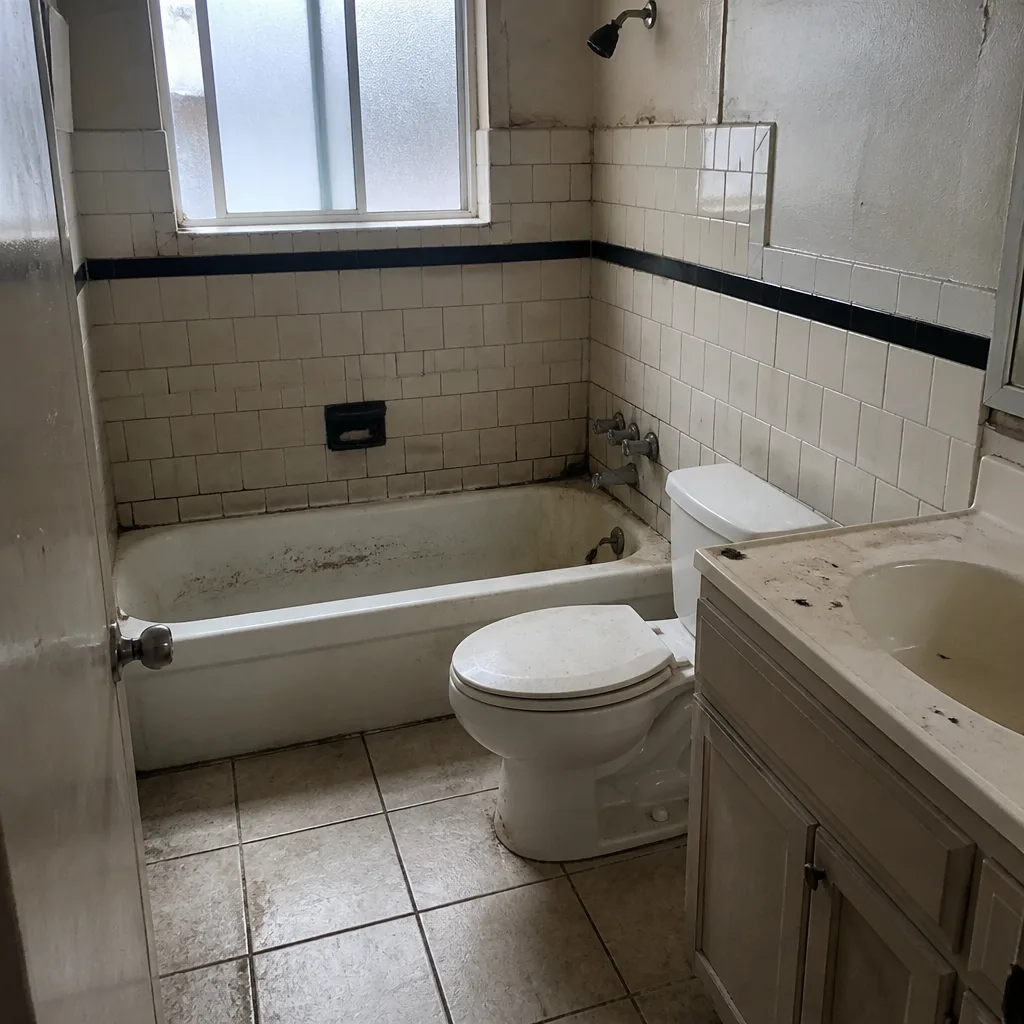 Before
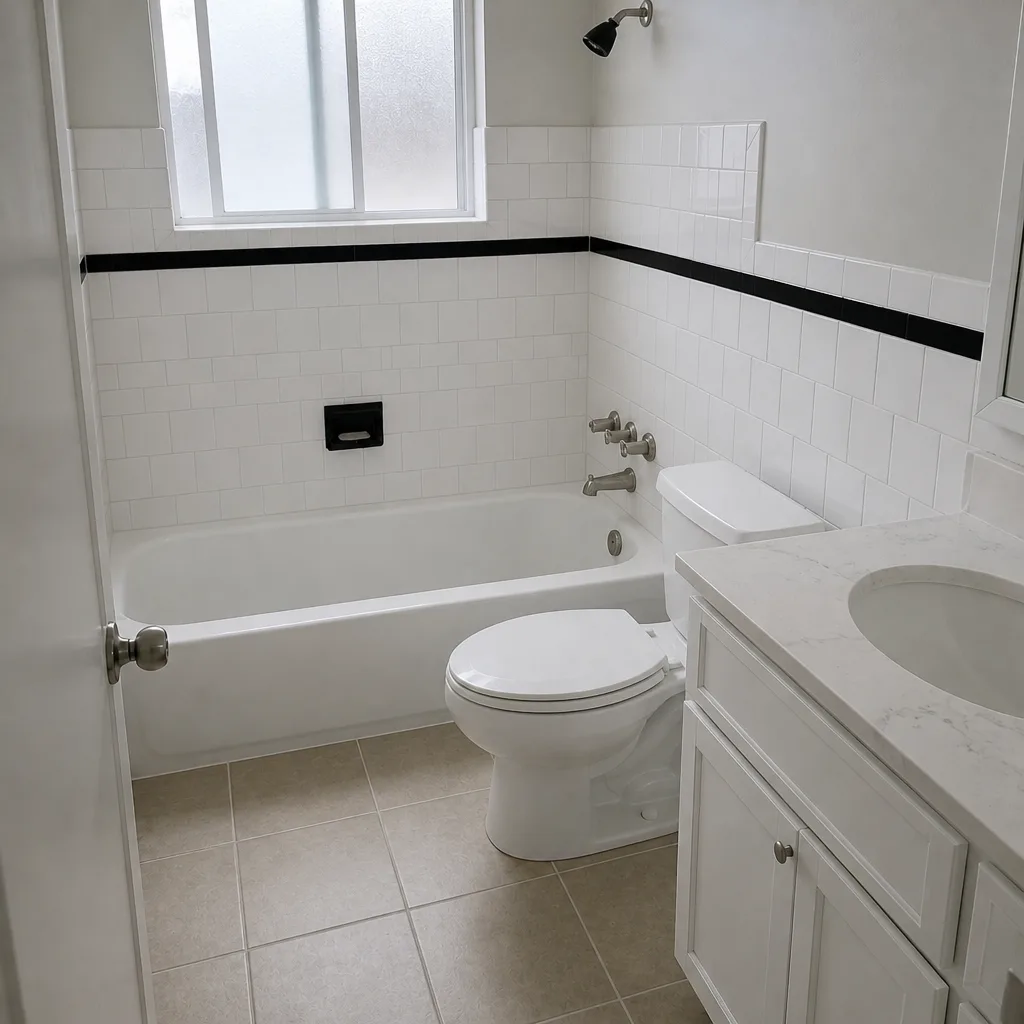 After
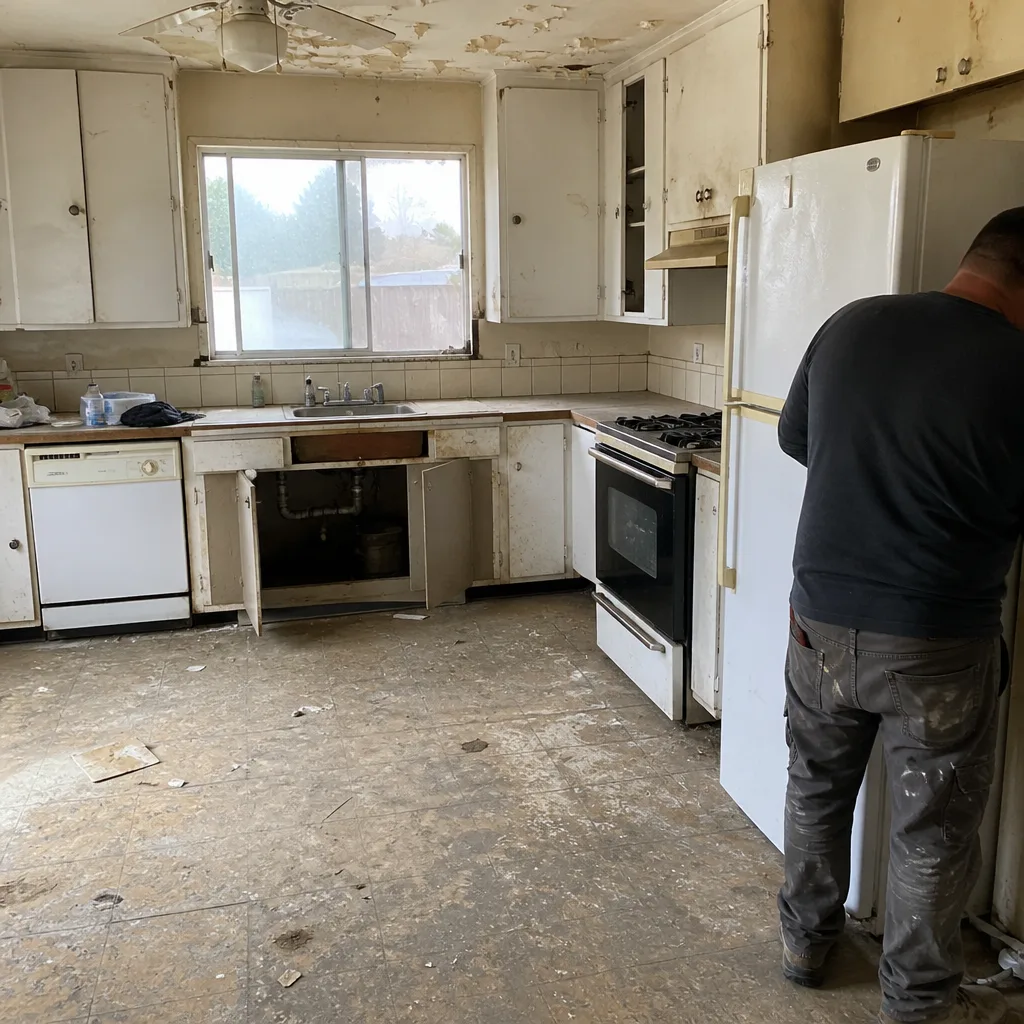 Before
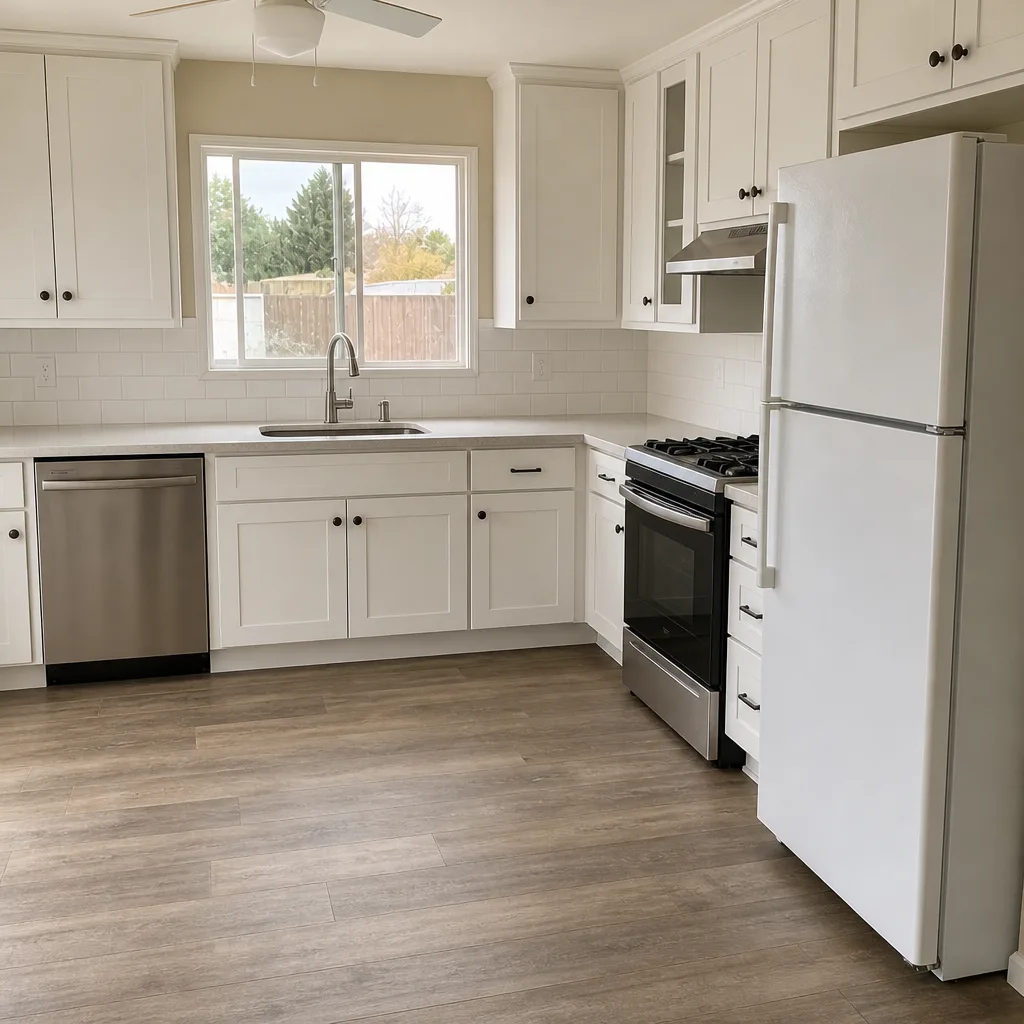 After
When to Call a Professional
Some bathroom projects are genuinely DIY territory – paint, a swap-in vanity, a new mirror and lighting fixture. The line to call a professional is when plumbing or electrical rough-in changes, when walls are moving, or when waterproofing in a wet zone is involved. Waterproofing failures in a shower are expensive to fix twice, and code compliance on plumbing and electrical affects resale. If the sight of your bathroom plan involves a permit, a plumber, or a shifted drain, bring in a professional before demo starts.
Groundwork Construction Co. of Antioch offers free estimates in Antioch – call (888) 419-3650 to schedule yours. We’ll walk your bathroom, talk through realistic timelines based on current Antioch permit and material conditions, and give you a written line-item quote with the schedule from the first conversation.
Frequently Asked Questions
A full bathroom remodel in Antioch typically takes 6 to 10 weeks from signed contract to final inspection. A cosmetic refresh runs 2 to 3 weeks, and a gut remodel with layout changes runs 10 to 14 weeks. Call (888) 419-3650 for a timeline estimate specific to your bathroom – estimates are free.
Yes, if you’re moving plumbing, electrical, or walls, or adding a new fixture location. Cosmetic work like paint, tile replacement over existing substrate, or a like-for-like vanity swap typically doesn’t require a permit. When in doubt, the safe answer is to pull a permit – unpermitted work surfaces at resale and can complicate insurance claims. Call (888) 419-3650 to confirm your specific scope.
Only if the project is cosmetic – paint, a vanity swap, flooring over existing subfloor, and no plumbing or electrical changes. A full remodel with a permit, tile, and new fixtures is realistically a 6-to-10-week project. Contractors promising a full gut in two weeks are either skipping the permit or planning to rush waterproofing and cure times, both of which create call-backs.
With upfront pricing, the price you sign is the price you pay – unless you request a scope change. The exceptions are hidden conditions uncovered during demolition (like a rotted subfloor under old tile) which get documented and quoted before work continues. Call (888) 419-3650 for a written quote with the change-order process spelled out.
Yes. We handle the permit application, submittal, and inspection scheduling with the Antioch building department. That includes the plumbing and electrical drawings the department requests, so the review doesn’t cycle through corrections. Homeowners don’t chase inspectors on our projects.
In Antioch, a standard full bathroom remodel typically ranges from around $18,000 to $45,000 depending on scope, materials, and layout changes. A cosmetic refresh runs lower, and a high-end gut remodel with custom tile and premium fixtures runs higher. Call (888) 419-3650 for a line-item quote – the $1,000 off projects over $10,000 promotion and 0% financing for 18 months are both available.
The Bottom Line
The timeline a contractor quotes and the timeline you experience should be the same – if the quote includes permit time, material lead time, inspection scheduling, and a real buffer week. Most don’t, and that’s the origin of nearly every “it took way longer than they said” story. A 6-to-10-week bathroom in Antioch is honest, and it’s achievable when selections are locked early, the permit is filed with the material orders, and changes wait until the next project. If you want a written schedule from first call to final punch list, call Groundwork Construction Co. of Antioch at (888) 419-3650 for your free estimate.
Written by the team at Groundwork Construction Co. of Antioch.