
Last updated November 17, 2026
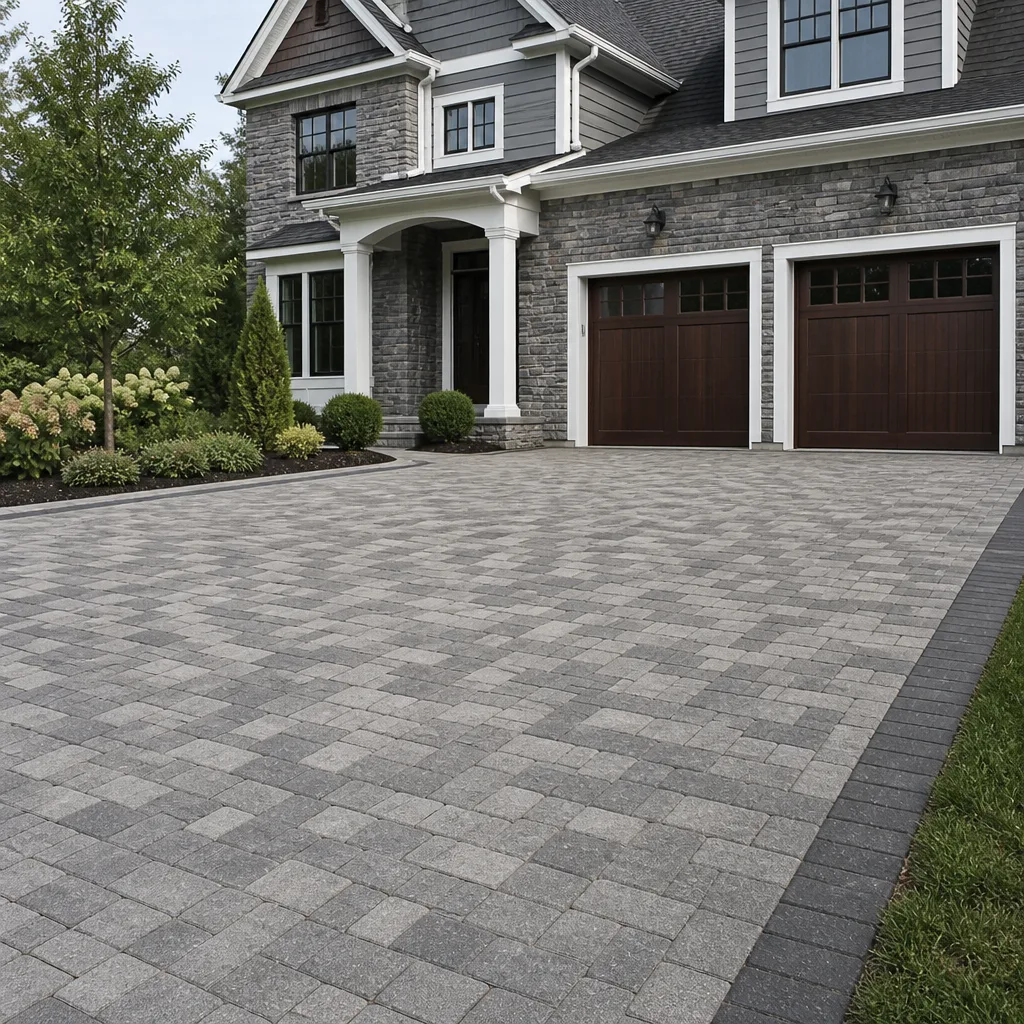 Driveway & pavers
 Kitchen remodeling
 Bathroom remodeling
 Home additions & ADU
 Roofing
 Windows & doors
 Fence
Free written scope consultation - allowances, timeline, and change-order rules on paper before a single trade is scheduled
How Long Does Driveway & Pavers Take? Timelines and What to Expect
The contractor who tells you your driveway pavers will be done in three days is probably right – and your driveway still won’t be ready for heavy vehicle traffic for another four to seven days after that. Here’s the gap nobody puts in writing: the installation is the short part. Demolition, excavation, base compaction, joint sand, and sealer cure stretch the real timeline to somewhere between nine days and three weeks for most Antioch homes. What follows is the full sequence, phase by phase, with realistic day counts for each one, so you can plan around the actual schedule instead of the sales pitch.
Quick Answer
Driveway paver installation takes 9 to 21 days from demolition to full vehicle use for a typical two-car driveway. The paver laying itself is usually 2 to 4 days; the rest is excavation, base compaction, edge restraint, joint sand, and – the step most homeowners underestimate – sealer cure time, which alone adds 2 to 4 days before you can park on it. In Antioch, heavy clay soil and winter rain windows are the two factors most likely to push that number higher.
Styles & brands we work with
- Kitchen remodeling
- Bathroom remodeling
- Home additions & ADU
- Roofing
- Windows & doors
- Driveway & pavers
- Fence
Table of Contents
- The Full Project Sequence: Every Phase and How Long It Takes
- How Antioch Soil and Weather Stretch the Timeline
- Why Sealer Cure Time Is Non-Negotiable
- How Project Size Scales the Timeline
- Legitimate Delays vs. Contractor Scheduling Red Flags
- Permits, Inspections, and Antioch Requirements
- What to Expect Day by Day as a Homeowner
- Driveway Types and Their Timeline Differences
The Full Project Sequence: Every Phase and How Long It Takes
A paver driveway is built from the bottom up, and the bottom is where most of your time goes. We’ve seen homeowners assume the clock starts when the first pallet of pavers lands in the yard. It starts the day the old surface comes out. Here’s the sequence, with realistic day counts for a 400 to 600 square foot two-car driveway in Antioch.
- Demolition and haul-off (1 to 2 days). Old concrete, asphalt, or gravel comes out. Concrete breaks slower than asphalt and hauls heavier, so a concrete driveway adds a day on the back end of this phase.
- Excavation to subgrade (1 to 2 days). The crew digs down far enough to fit base, bedding sand, and pavers. On Antioch’s expansive clay, that often means digging deeper than a homeowner expects – 8 to 10 inches for a residential driveway is common.
- Base installation and compaction (2 to 4 days). Crushed aggregate goes in lifts of 2 to 3 inches and gets compacted one lift at a time. This is the single most important phase and the one most likely to blow past its estimate when soil is wet or unstable.
- Edge restraint (half a day). A concrete or aluminum edge locks the pavers in place. Skip it and the driving edge spreads within a season.
- Bedding sand and paver laying (2 to 4 days). Screeded sand bed, then pavers laid in the pattern you selected. A 500 square foot driveway with a simple running bond goes faster than a herringbone with a circular border.
- Cutting and joint sand (1 day). Edge cuts, then polymeric or regular joint sand swept into the gaps.
- Sealer application and cure (2 to 4 days). Sealer goes on last, and it’s the step that determines when you can actually park.
Add it up and you get 9 to 17 working days for a standard Antioch two-car driveway, with weather days on top. That runs to 5 or 6 weeks for a large circular drive. Anyone quoting you “three days” is quoting phase five only.
How Antioch Soil and Weather Stretch the Timeline
Base compaction is where timelines live or die, and in Antioch the two biggest variables are soil type and rain. Much of the city sits on expansive clay that swells when wet and shrinks when dry. Dig into that clay after a rain and you can’t compact it – you’ll make mud pies, and the base will shift under your pavers within a season. The fix is patience: wait for the subgrade to dry to a workable moisture content, or amend with aggregate. Waiting is a day or two. Rushing is a driveway that fails in two years.
Antioch also sits in a real rain window. October through April is the wet season here, and a single heavy storm can turn a compacted base into a slump overnight. During that stretch, we build in schedule cushion for weather days. A project that runs 9 days in June might run 14 in January, not because anyone is dragging their feet but because you can’t lay pavers on saturated base.
Two more local factors:
- Afternoon heat. Antioch summer afternoons regularly push into the 90s. Heat accelerates sealer cure on the surface but can flash the solvent before it cures through, which is why sealer gets applied in the morning on hot days. That can add a half-day of scheduling.
- Neighborhood access. Narrow lots and shared driveways in older parts of Antioch slow demolition and haul-off. Wider lots in newer subdivisions move much faster.
None of this is guesswork. A contractor who has installed pavers in Antioch for years knows which blocks and lots have drainage issues, which ones need subdrain, and where the clay is worst. That local knowledge is worth more than a fast estimate.
Why Sealer Cure Time Is Non-Negotiable
Sealer cure is where most driveway frustration actually happens, and it’s the one phase with zero flexibility. Sealer needs to cure fully before vehicles touch it – typically 24 to 72 hours of no traffic after the final coat, and 2 to 4 days before heavy vehicles like trucks or campers. Joint sand needs the pavers stable underneath, and the pavers need the sealer to lock the sand.
What happens if you drive on it too soon:
- Tire marks that never come out. Partial sealer cure plus tire heat equals permanent black scuff patterns.
- Sand displacement. Driving over uncured joint sand blows it out of the joints, which means joints refill and sealer re-application.
- Uneven finish. Sealer on fresh sand moves under tire pressure, leaving a blotched, uneven gloss.
- Paver shift. The sealer and edge restraint are what keep pavers locked. Heavy traffic on a half-cured finish can shift a drive edge overnight.
We tell Antioch homeowners to plan on moving vehicles to the street for the entire sealer cure window, and to keep the driveway off-limits to anyone delivering, parking, or turning around. A contractor who says you can drive on it “the next day” is selling speed, not a driveway. A good sealer job is worth the extra two days of inconvenience every time.
How Project Size Scales the Timeline
Timeline scales with square footage and shape, but not linearly. A double-wide driveway doesn’t take twice as long as a single, and a circular drive doesn’t take four times. What scales are demolition, excavation, base compaction, and paver laying – the crew can lay pavers faster on straight runs than on curves and borders. Here’s the reference chart we use when we sit down with homeowners in Antioch.
- Single-car driveway (10 x 20 ft, ~200 sq ft): 6 to 9 days total. Demolition 1 day, base 1-2, laying 1, cure 2-3.
- Double-wide driveway (18 x 20 ft, ~360 sq ft): 8 to 12 days. Adds a base day and a laying day.
- Long double driveway (20 x 30 ft, ~600 sq ft): 9 to 14 days. This is the most common Antioch configuration.
- Circular or custom-shaped drive (~1,000+ sq ft): 14 to 21 days. Curves require cutting and fitting that slows laying significantly.
- With drainage or subdrain: add 1 to 2 days. Common in lots where runoff has nowhere to go.
- With retaining edge or slope: add 1 to 3 days. Antioch hillside lots frequently need this.
If you’re comparing a quote from one contractor at 9 days and another at 16 days for the same square footage, the numbers aren’t automatically a red flag. Ask what’s different about the base depth, whether drainage is included, and whether sealer is part of the quote. Usually the gap solves itself once you compare scope. Sometimes the low-timeline quote is also the one that skipped a phase.
Legitimate Delays vs. Contractor Scheduling Red Flags
Some delays are nobody’s fault. Washing out a base after a storm, waiting on a soil moisture reading, or rescheduling sealer for a cool morning are all legitimate. Here’s how to tell reasonable project friction apart from a contractor with a scheduling problem.
Legitimate delays
- Weather holds on base work. Wet subgrade can’t be compacted. It gets dried or amended, and that takes time.
- Soil surprises. Unstable soil discovered during excavation may require deeper base, geotextile, or subdrain. All are correct responses, not stalling.
- Material lead times on specialty pavers. If you chose a specific color, shape, or brand (Belgard, for example), a specialty order can add a week of lead time before the job starts. That’s a pre-start delay, not an in-project one.
- Inspections. Some projects require a base inspection before pavers go on. The inspector’s calendar is not within the contractor’s control.
- Sealer weather window. Sealer needs a dry day and a cool enough surface. If the weather doesn’t cooperate the day before sealer, the next dry day is the right call.
Red flags
- Guaranteed three-day installation, firm, in writing. No legitimate paver contractor can promise this for a full driveway. If they do, they’re quoting the paver-laying phase and nobody has told you about the base.
- No written phase-by-phase schedule. You should get a written schedule with phases, not just a start date and end date.
- Crew shows up, does demolition, disappears for a week. Unless weather is the reason, a gap of more than two working days between demolition and base work usually signals a contractor juggling too many jobs.
- No mention of sealer cure time anywhere in the contract. Either they’re not sealing, or they’re not telling you the driveway isn’t ready for a week after they finish.
- Subcontracted base work with no communication. When a contractor subs out the base and pavers to different crews, missed handoffs are exactly where timelines get blown.
- They won’t put the cure time in writing. If the schedule only says “done on day 9” and doesn’t say “ready for vehicle traffic on day 12,” ask why.
The best predictor of a smooth timeline is a contractor who hands you a full written schedule – phases, expected day counts, and cure windows – before you sign. Anything less is a promise, not a plan.
Permits, Inspections, and Antioch Requirements
Not every paver driveway requires a permit, but many do, and the permit process can stretch your overall timeline by one to three weeks – before physical work even starts. Whether yours needs one depends on scope. New driveway construction, widening a driveway, changing a curb cut, or adding drainage that ties into public infrastructure typically requires a permit through the City of Antioch. Replacing pavers in kind on the same footprint often doesn’t.
Where inspections fit into the schedule:
- Permit application and issuance: 1 to 3 weeks, before ground work.
- Base inspection: Before bedding sand and pavers, one working day after the inspection call.
- Final inspection: After paver installation, typically within a week of completion.
When permits are done right, the inspection cycle adds maybe 3 to 5 working days to the physical project. When permits are skipped or wrong (wrong scope, wrong lot coverage, wrong drainage plan), you’re looking at red-tag delays, re-inspections, and possibly tearing out work to redo it. Any contractor who brushes off permits as “not needed around here” is handing you the risk. A legitimate installer pulls the permit, coordinates inspections, and hands you the signed approval at the end. That’s part of what the schedule covers.
What to Expect Day by Day as a Homeowner
Here’s the day-by-day picture we walk Antioch homeowners through before we start. Your exact sequence will shift with weather and site conditions, but this is the map.
- Day 1: Crew arrives, sets up protection, demolition begins. Expect noise and truck traffic. Your driveway is off-limits to vehicles from this point.
- Days 2 to 3: Excavation to subgrade, hauling dirt off-site. Plan for a dumpster or two if the old driveway is concrete.
- Days 3 to 6: Base goes in, lift by lift, with compaction checks. Weather days most likely here.
- Day 6 or 7: Edge restraint installed. This is the point of no return on layout – pavers now have a frame.
- Days 7 to 10: Bedding sand screeded, pavers laid. Visible progress picks up here; this is the gratifying part.
- Day 10 or 11: Cut pavers at edges, joint sand swept in and compacted.
- Day 11 to 12: Sealer applied. Typically in the morning before heat builds.
- Days 12 to 15: Cure window. No foot traffic for 24 hours, no vehicle traffic for 2 to 4 days depending on sealer. Trucks and heavy vehicles wait longer.
Plan for the driveway to be out of commission for the entire project. That means parking on the street, coordinating with delivery drivers, and letting anyone in the household know the plan before day one. Neighbors should know too, since demo work and delivery trucks tend to take up space at the curbside.
Ready for a written timeline with real dates? Groundwork Construction Co. of Antioch builds a phase-by-phase schedule into every driveway proposal. Call (888) 419-3650 to schedule your free estimate.
Driveway Types and Their Timeline Differences
Not every driveway takes the same time, because not every driveway has the same base work. Here’s how the most common Antioch configurations compare.
Concrete pavers
Standard concrete pavers (the dominant residential choice around here) run the 9- to 17-day range we outlined above. The base and cure sequence is the same no matter what. What changes is the paver palette – a single-color running bond goes down faster than a mixed-color, mixed-size pattern.
Clay brick pavers
Clay brick pavers add a day or two, mainly because cutting and fitting is fussier and the weight is heavier. They’re beautiful and long-lived, and in Antioch’s summer heat they hold color better than some concrete pavers, but they don’t shave days off the schedule.
Permeable pavers
Permeable systems add 1 to 3 days because the base layer differs (open-graded aggregate) and the joint sand has to be the permeable type. Well-suited to lots with drainage issues, and increasingly common on newer builds around Antioch.
Natural stone
Natural stone (travertine, granite, sandstone) adds 2 to 5 days because each piece is unique, cutting is slower, and thickness varies enough that setting takes more care. Worth it if the look matters more than the calendar.
For a broader overview of driveway materials and paver options, see our guide to Driveway & Pavers in Antioch. Many homeowners pair a driveway project with a matching hardscape or entry path, and that’s where the timeline math gets more interesting – big multi-surface jobs share a base crew and often compress beautifully when planned together.
Common Mistakes to Avoid
- Planning on driving in “three days.” If your contractor quotes the paver-laying phase without mentioning sealer cure, you’ll be parking on the street longer than you budgeted. Budget for at least five days without vehicle access.
- Scheduling deliveries on your driveway during the project. Amazon, grocery delivery, a furniture drop – all of it has to be rerouted while pavers are going down. Tell everyone in the household up front.
- Choosing pavers before you’ve discussed soil. In Antioch clay, the pavers themselves matter less than the base. A pattern-heavy, high-end paver on shallow base will fail faster than a plain paver on a properly compacted base.
- Skipping sealer to save time. Unsealed pavers lose joint sand, shift at the edges, and stain easily. Sealer cure is the schedule item you want, not the one you skip.
- Assuming the permit isn’t needed. Check with the City of Antioch before any driveway widening, new construction, or drainage tie-in. A permit is a schedule item, not a surprise.
- Starting a driveway project in the middle of a rain window without cushion. In Antioch, building 3 to 5 weather days into the schedule is realistic. Building zero is a promise you won’t want to hold the contractor to.
- Not asking what “done” means in the contract. Get it in writing: completion of paver laying, completion of joint sand, completion of sealer, and cure time before vehicle traffic. Four milestones, four dates.
See the difference
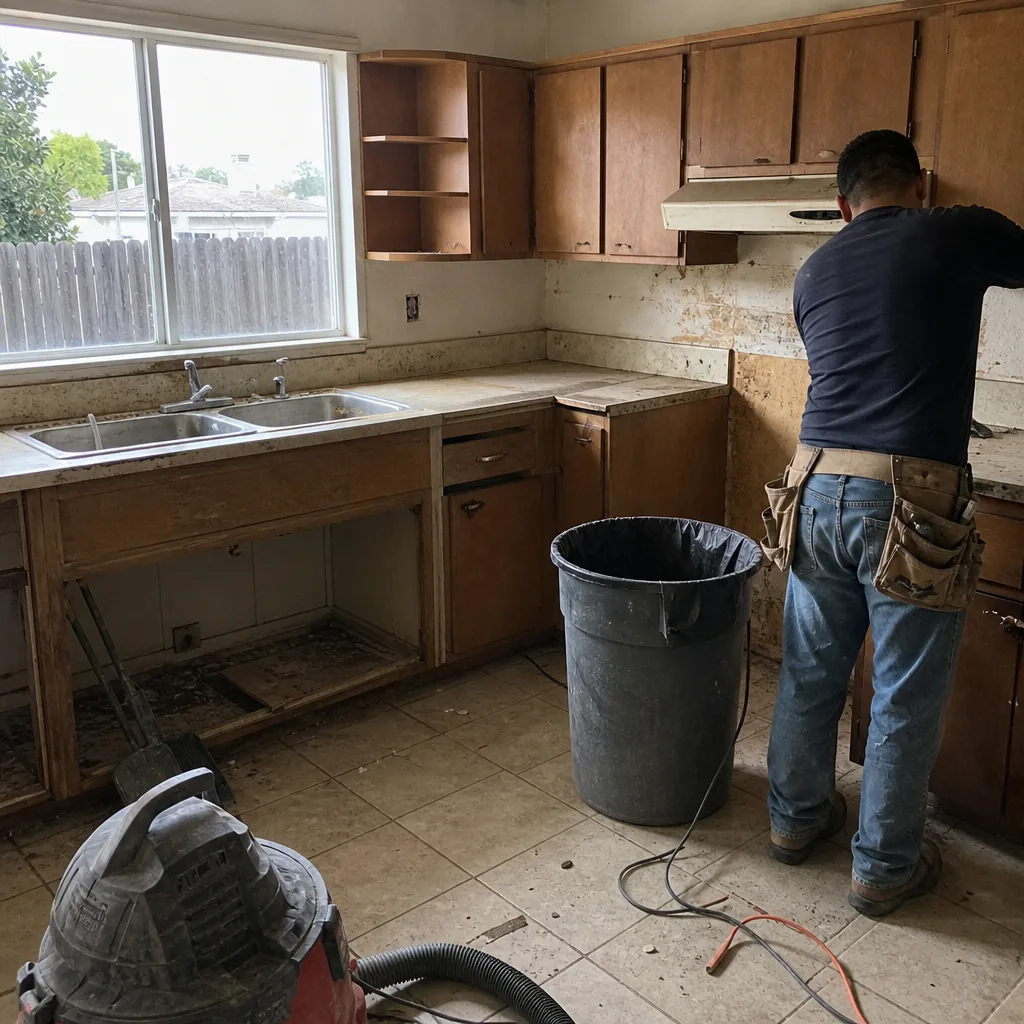 Before
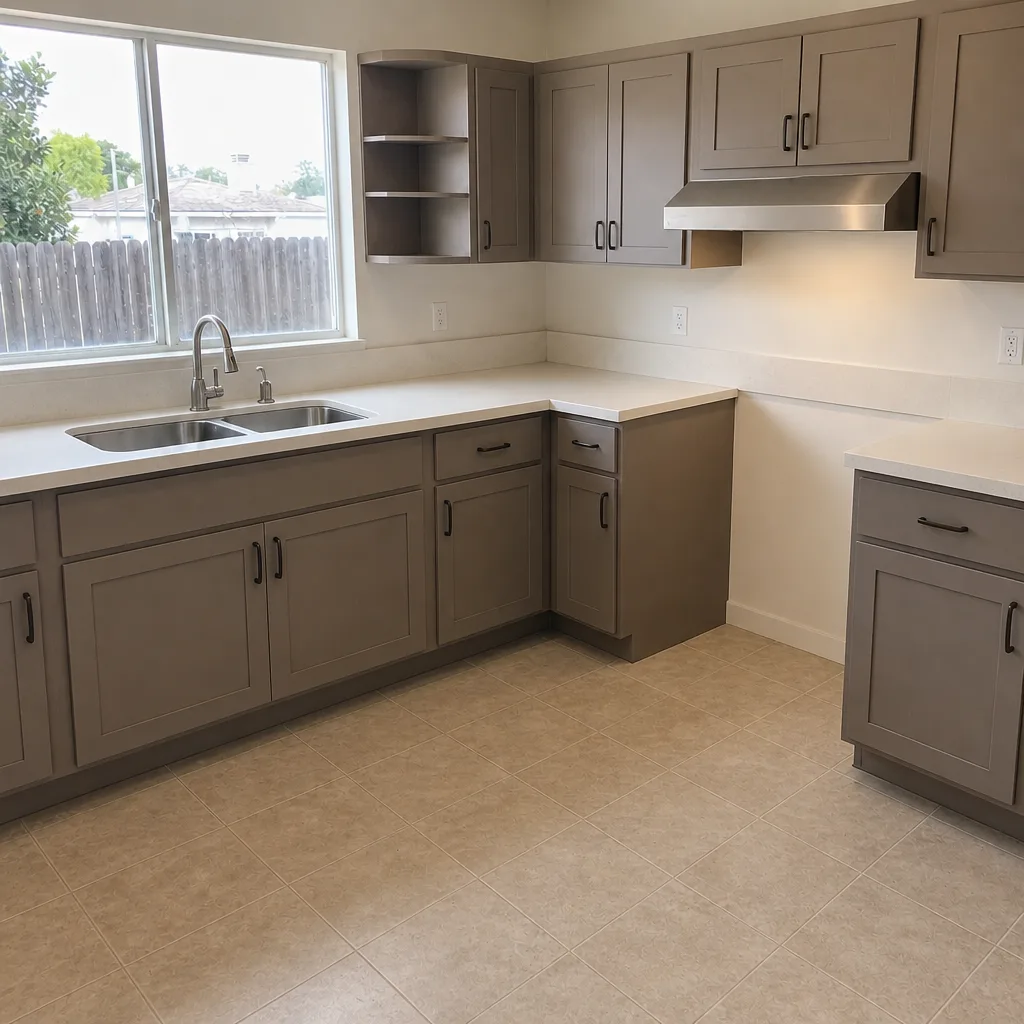 After
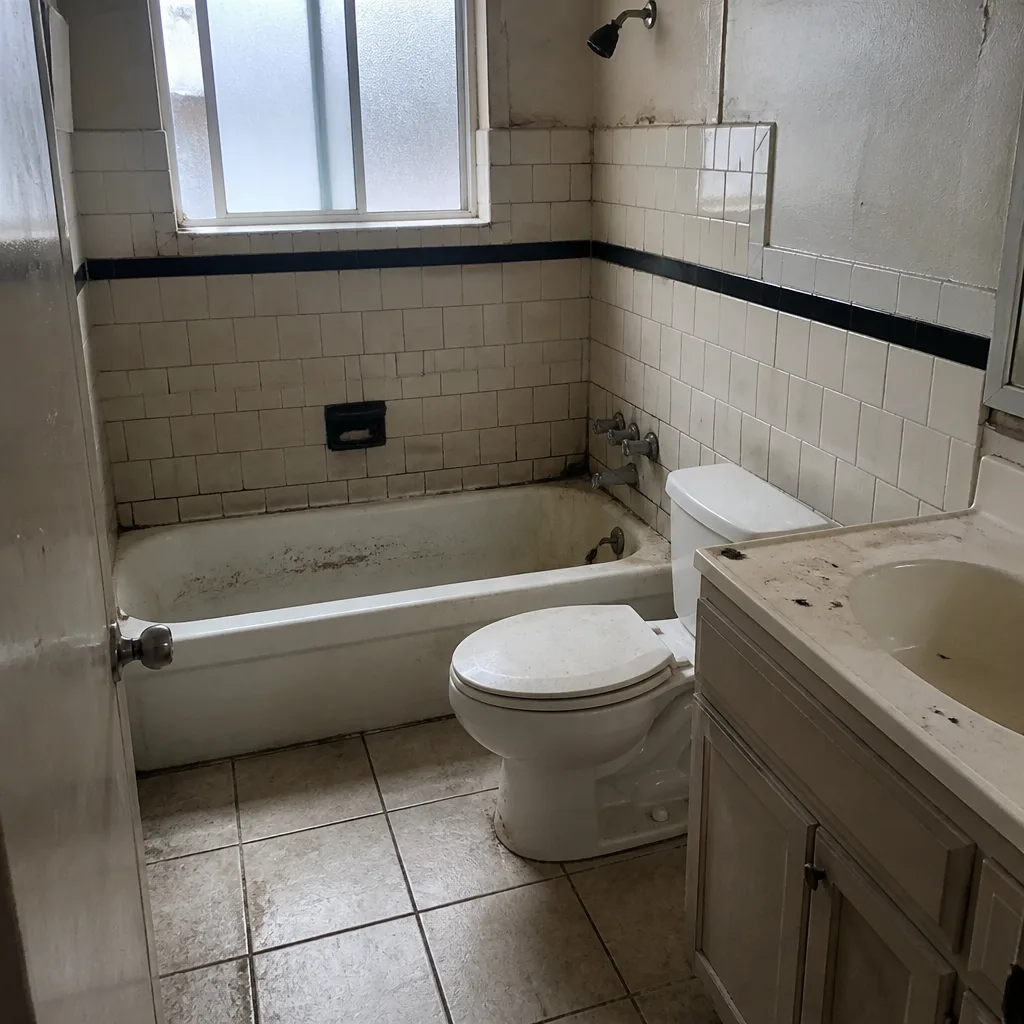 Before
 After
 Before
 After
When to Call a Professional
Call a professional for any paver driveway that involves removing an existing surface, changing the driveway footprint, adding drainage, or excavating more than 8 inches into Antioch’s clay. Those aren’t weekend projects – they involve base compaction equipment, permit coordination, and the kind of soil judgment that separates a driveway that lasts 20 years from one that shifts in two. The same applies to any driveway where the existing surface has cracked, sunk, or started puddling after rain – the fix isn’t on top, it’s underneath. Groundwork Construction Co. of Antioch offers free estimates in Antioch – call (888) 419-3650. Our technicians have up to 12 years of experience, our crews are background-checked and uniformed, and every driveway we install is backed by the 730-Day Done Right Promise.
Frequently Asked Questions
Most Antioch paver driveways take 9 to 17 working days from demolition to sealer cure, plus weather days. The paver-laying phase itself is 2 to 4 days; the rest is base work, joint sand, and cure time. During the wet season from October through April, plan on two to five additional weather days. Call (888) 419-3650 for a written timeline for your specific driveway.
No. Wait at least 24 hours after sealer for foot traffic and 2 to 4 days for vehicle traffic, longer for trucks or heavy vehicles. Driving too early causes permanent tire marks, joint sand blowout, and paver shift at the edges. A contractor who tells you to drive the next day is not protecting the driveway. Call (888) 419-3650 – we’ll put the cure schedule in writing before we start.
Yes, and it should. Wet subgrade can’t be compacted, so a rain event can add one to three working days while the base dries. Winter is a real scheduling factor in Antioch – building weather cushion into the timeline is the right call, not a sign your contractor is slow. Call (888) 419-3650 to plan a project around Antioch’s seasonal weather window.
Often, yes. New driveway construction, widening, curb cut changes, and drainage ties typically require a City of Antioch permit; replacing pavers in kind on the existing footprint often doesn’t. Build 1 to 3 weeks into your timeline for permit issuance if one is needed. Call (888) 419-3650 – we’ll tell you up front whether your project needs one.
Paver installation (laying the pavers) is a 2- to 4-day phase. Full project time is demolition through sealer cure – 9 to 17 days for most Antioch driveways. The distinction matters because a contractor who quotes only the laying phase is understating your actual schedule by 5 to 10 days. Call (888) 419-3650 for a phase-by-phase timeline, not a single number.
A typical two-car paver driveway in Antioch runs $12 to $22 per square foot installed, so $6,000 to $13,000 for a 500 square foot driveway depending on material, base depth, and sealer. Specialty pavers, drains, and retaining edges push that higher. Call (888) 419-3650 for a free line-item estimate – upfront pricing, no surprises, and we’ll walk you through the full sequence and timeline before you commit.
The Bottom Line
The paver installation is the short phase. The full driveway project – demolition, excavation, base compaction, paver laying, joint sand, sealer cure – runs 9 to 17 working days for most Antioch homes, with weather and permit time on top. The two things that stretch your timeline most are wet base conditions and rushing cure, and both are the contractor’s job to plan for, not yours to absorb. Ask for a written phase-by-phase schedule with a cure date, then hold your contractor to it. Done right, your driveway will outlast the memory of the inconvenience. Built to last, backed in writing – that’s the standard we hold every driveway to.
If you’re planning a driveway or any other exterior project, we also handle Groundwork Construction Co. of Antioch home, Fence Installation in Antioch, and Home Additions & ADU in Antioch as part of the same full-scope approach. Modular and prefab additions are moving quickly in this market – brands like Cover and Mighty Buildings are shortening build schedules for ADUs, and the timelines we walk homeowners through for those projects follow the same phase-by-phase principle. For any driveway plan, budget conversation, or project sequence question, call Groundwork Construction Co. of Antioch at (888) 419-3650 for your free estimate. Our team will hand you a written phase-by-phase schedule before you ever sign, and every paver project is backed by the 730-Day Done Right Promise – if it’s not done right, we make it right.
Written by the team at Groundwork Construction Co. of Antioch.