
Last updated November 17, 2026
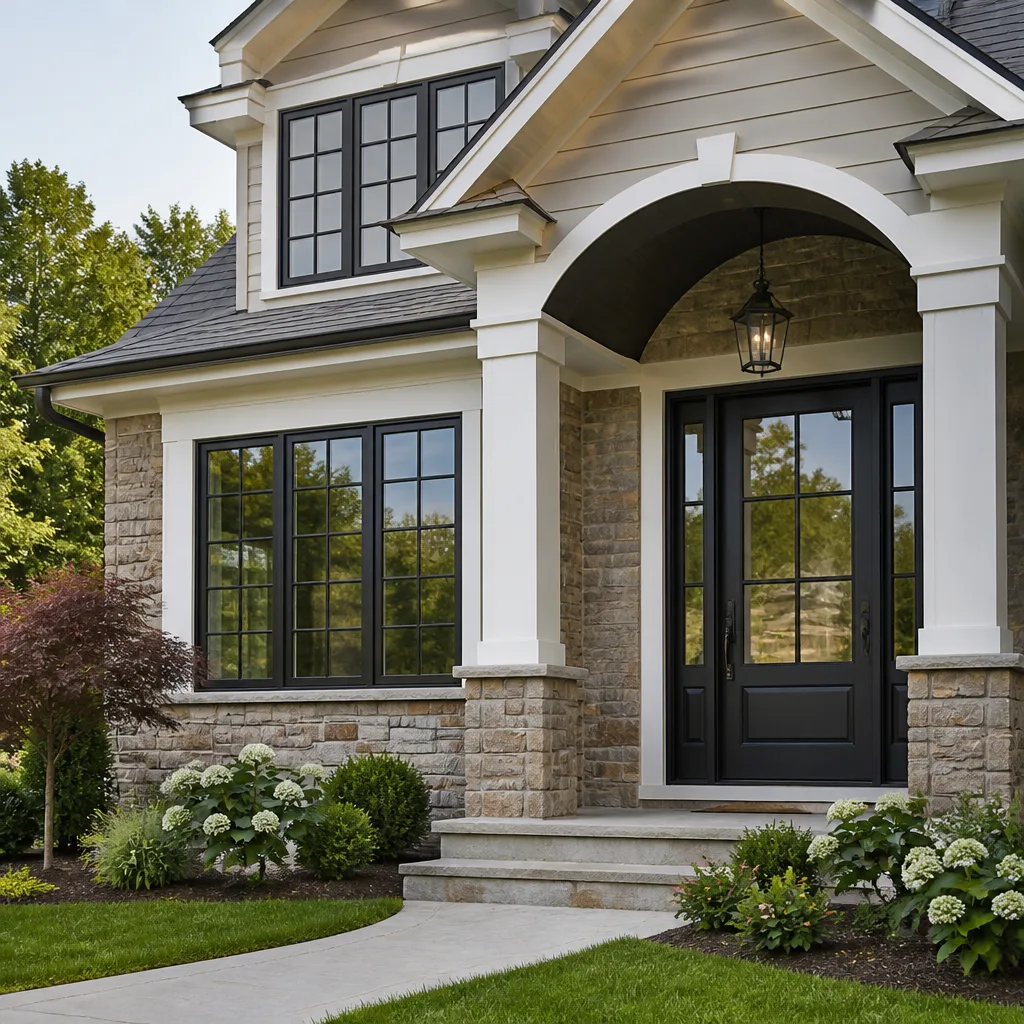 Windows & doors
 Kitchen remodeling
 Bathroom remodeling
 Home additions & ADU
 Roofing
 Driveway & pavers
 Fence
Free written scope consultation - allowances, timeline, and change-order rules on paper before a single trade is scheduled
How Long Does Windows & Doors Take? Timelines and What to Expect
A 15-window whole-house replacement in Antioch can physically be installed in two days – but the actual project from contract signing to final inspection is typically 6 – 9 weeks, almost entirely due to permit and product lead time, not labor. That gap between “installation day” and “project complete” catches nearly every homeowner off guard. In this guide, we break down realistic timelines for single-window replacements versus full-house projects, explain what drives lead times by manufacturer and window type, walk through Antioch permit requirements, and map out what installation day actually looks like hour by hour. You’ll also learn how occupied-home logistics affect scheduling and what “substantial completion” really means.
Quick Answer
Most window and door replacements in Antioch take 1 – 2 days of actual installation labor, but the full project timeline from signed contract to final inspection runs 4 – 9 weeks for stock-size replacements and 8 – 14 weeks for custom orders. The biggest variables are product lead time (3 – 8 weeks depending on manufacturer and whether you’re ordering stock or custom), Antioch building permit turnaround (1 – 3 weeks for most residential window and door permits), and inspection scheduling.
Styles & brands we work with
- Kitchen remodeling
- Bathroom remodeling
- Home additions & ADU
- Roofing
- Windows & doors
- Driveway & pavers
- Fence
Table of Contents
- Single-Window vs. Whole-House: Two Totally Different Timelines
- Product Lead Time by Manufacturer and Window Type
- Antioch Permit Requirements: What Triggers a Permit and What Doesn’t
- Installation Day, Hour by Hour
- Occupied-Home Logistics: Furniture, Pets, and Kids
- Substantial Completion vs. Final Closeout
- Door Projects: Why They Run on a Different Clock
- Common Mistakes to Avoid
Single-Window vs. Whole-House: Two Totally Different Timelines
A single-window replacement and a whole-house window project share almost nothing from a scheduling standpoint, and we’ve watched homeowners plan both as if they operate the same way. They don’t.
A single-window replacement – one broken pane, one fogged double-pane, one drafty slider in a bedroom – often finishes in 2 – 4 hours on site. If you’re replacing a stock-size unit with a like-size unit and the opening doesn’t need to be modified, you may not need a permit at all (more on that below). Order-to-installation is usually 1 – 3 weeks for stock sizes, sometimes less if the unit is in a dealer’s local inventory. Improvised projects like this are the exception, not the rule.
A whole-house window project of 12 – 20 units is a different animal:
- Contract and design phase: 1 – 2 weeks (measuring, finalizing product specs, ordering)
- Product lead time: 3 – 8 weeks depending on manufacturer and customization
- Permit approval: 1 – 3 weeks (runs parallel to lead time if you order early)
- Installation: 1 – 3 days of active work
- Punch list and inspection: 1 – 3 weeks after installation
Add it up and a realistic whole-house timeline in Antioch lands at 6 – 9 weeks for stock-size units and 8 – 14 weeks for custom. The installation itself – the part homeowners instinctively focus on – is roughly 5% of the total project duration.
Product Lead Time by Manufacturer and Window Type
If there’s one decision that swings your timeline by 3 – 4 weeks, it’s whether you order stock sizes or custom units. This is where we see the widest gaps between homeowner expectations and reality.
Stock Sizes vs. Custom Orders
Window manufacturers build to standard opening dimensions – commonly called “stock sizes” – in high volume. Common widths like 24″, 30″, 36″ and heights like 48″, 54″, 60″ move fastest. If your existing rough openings match a stock size (and in most mid-century and 1980s – 2000s Antioch tract homes, many do), you can often get product in 1 – 3 weeks.
Custom sizes and configurations – non-standard dimensions, special glazing packages, arched or radius units, unusual opening types, custom colors or interior wood finishes – are built to order. Realistic lead times run 5 – 8 weeks, with specialty units (arched, bay, bow, custom wood) sometimes stretching to 10 – 12 weeks. Premium lines like Marvin and Andersen’s custom tiers are worth the wait, but they’re not fast.
Manufacturer Lead Time Snapshot
General ranges we see quoted in the East Bay market (always confirm at order time – manufacturer schedules shift with demand):
- Andersen 100 Series and 400 Series: stock sizes typically 2 – 4 weeks; custom 5 – 8 weeks
- Marvin Elevate and Essential: stock 3 – 5 weeks; custom 6 – 10 weeks
- Pella vinyl and fiberglass: stock 2 – 4 weeks; custom 5 – 8 weeks
- Builder-grade vinyl (various): stock 1 – 3 weeks; custom 4 – 6 weeks
That’s a 3 – 4 week swing from a decision homeowners can often make in the first meeting: pick a stock size that fits your opening, or wait for a custom unit that fits your design.
Why Lead Times Vary
Window manufacturing is a schedule-driven business. When demand spikes (post-storm, or after a big replacement wave in the market), custom timelines stretch first. Stock sizes recover faster because plants can dedicate lines to common dimensions. In Antioch, we’ve seen the biggest lead-time volatility in spring, when homeowners start prepping for summer heat and windows become urgent.
Antioch Permit Requirements: What Triggers a Permit and What Doesn’t
Permits add 1 – 3 weeks to a project timeline on average, sometimes more if the plan reviewer comes back with questions. Here’s when they apply to window and door work in Antioch:
When a Permit Is Usually Required
- Any replacement window where the rough opening changes size – cutting into framing, reframing, or expanding an opening
- Egress window replacements (bedrooms, basements) – both for safety code compliance and to confirm the new unit meets egress dimensions
- Sliding door or French door replacements where the rough opening, header, or structural elements change
- Any new window or door added to an existing wall
- Window replacements where energy code compliance (Title 24) needs to be documented – most full-house replacements require energy documentation
When a Permit Is Usually Not Required
- Like-for-like single-window replacement with the same opening size and same operational style, in a home where the replacement is treated as ordinary repair
- Glass-only replacement (a broken pane replaced in an existing sash)
- Hardware-only replacements (cranks, locks, weatherstripping)
Here’s the honest truth about Antioch: interpretation varies. The City of Antioch’s Building Division applies California code, and enforcement depends on the scope you’re proposing – a whole-house project is going to get reviewed, a single fogged unit is not going to trigger a review unless the opening changes. Don’t guess on whether a permit applies. If you’re replacing more than two or three units, or anything structural is happening, get the permit. The cost of the permit (typically a few hundred dollars on residential window work) is trivial compared with re-opening walls later.
In our experience running window and door projects across Antioch – from the older homes near the riverfront to newer construction in the Hillcrest and Prewett Ranch areas – permit turnaround usually runs 1 – 3 weeks. Plan review can be faster if the submittal is clean and drawings are clear. It takes longer if the project includes a door replacement with header changes or any framing modification.
How to Shorten Permit Time
- Submit complete drawings and window schedules – every opening dimensioned with unit type, glass package, and U-factor
- Include Title 24 documentation with the submittal
- Order product in parallel with permit review – no reason to wait for the permit stamp to order materials; just don’t install until you have the permit in hand
- Have a licensed contractor submit it – a complete submittal from a licensed contractor often clears plan review on the first pass
Installation Day, Hour by Hour
The installation is the smallest part of the timeline and the most visible. Here’s what a typical 15-unit whole-house replacement day looks like.
A typical crew is 2 – 4 technicians – sometimes more on larger projects. That headcount drives how many windows go in per day. Rough rule of thumb: a 3-person crew installs 6 – 8 windows per day depending on the complexity of the opening.
Hour-by-Hour: A Representative Installation Day
- 7:30 – 8:00 a.m.: Crew arrives, walks the property with the homeowner, sets up a staging area, lays drop cloths, and confirms the day’s unit sequence
- 8:00 – 9:30 a.m.: First 2 – 3 windows are removed, and the rough openings are cleaned and prepped (this is the messiest, most disruptive part of the day – the first hour is the loudest)
- 9:30 – 11:30 a.m.: First units set, shimmed, leveled, and fastened; foam and flashing go in
- 11:30 a.m. – 12:30 p.m.: Lunch, plus a second sequence begins (a lot of teams work in two phases – remove and prep in the morning, set and finish in the afternoon)
- 12:30 – 3:30 p.m.: Remaining units set and finished; interior trim, exterior trim, and caulking begin
- 3:30 – 4:30 p.m.: Final cleanup, operability check on each unit, photo documentation, and a walkthrough with the homeowner
The full-house project takes 2 days on a 12 – 15 window scope, and 3 days on larger projects with 18+ units or complicated unit types (bay, bow, door units).
What Sequencing Really Looks Like
Crews work in sides or zones, not unit-by-unit across the whole house. That means the front of the house is often done in day one, the back in day two. That’s practical because the rough removal generates the most disruption – getting it done in one zone lets the crew move to a quieter phase elsewhere. It also gives you a good idea of which rooms will be available to use when.
Occupied-Home Logistics: Furniture, Pets, and Kids
Almost every window replacement happens with the homeowner living in the house. That’s a scheduling factor homeowners underestimate, and it directly affects how fast installation day runs.
Two Weeks Before Installation
- Move furniture away from each window – at least 2 – 3 feet of clearance for the crew
- Take down window treatments – blinds, curtains, and valances
- Clear wall decor near windows (removal and rehanging generate vibration)
- Remove or secure valuables in the immediate area
- Notify the crew of pets: pets need to be contained in a closed room or elsewhere for the day; a dog that escapes during a front-door replacement is a bad way to spend an afternoon
On Installation Day
- Plan for the loudest hours (roughly the first 90 minutes and mid-afternoon) – break out the headphones, plan a walk, or schedule errands
- Keep children and pets away from work zones – dust, tools, and open wall cavities are not kid-friendly
- Provide clear access to the work area – a clean path from the staging area to the windows speeds everything up
- Expect limited room access – rooms being worked on that day are best left unoccupied
If a homeowner needs a specialty item (a custom-trimmed window, an interior wood-clad finish on a Wellborn or Marvin unit) it may require a scheduled visit, not the same install day. Plan for it as a separate trip.
Tile and stone countertop scheduling is a different trade, but the same logic applies – the follow-up visit isn’t the same as the main install. We see the same friction on kitchen projects with Cambria, Silestone, or Caesarstone tops; the countertop template happens after the cabinets go in, and the install happens a week later. Window projects have a version of that too when trim or finish work is custom.
Substantial Completion vs. Final Closeout
This is where the timeline and the calendar truly diverge. The crew leaves when the windows are installed. The project isn’t done yet.
What “Substantial Completion” Means
Substantial completion is the point at which the work is done well enough that the space can be used for its intended purpose – in new construction, this triggers the owner’s right to occupy the space. For a window replacement, it means every unit is installed, sealed, operational, and safe, and the crew has demobilized. Punch list items and finish details might remain.
What Comes After the Crew Leaves
- Punch list walk – the homeowner and the contractor walk the property, note finish details that need attention (a scratch on a sill, a strip of caulk that needs a second pass, a screen that isn’t seated right)
- Scheduling the punch list visit – typically 1 – 2 weeks out
- Inspection request – the contractor calls for the municipal inspection (rough and final, depending on permit scope)
- Inspection appointment – typically 1 – 2 weeks out in Antioch; the inspector confirms the installation matches the permitted scope and that energy code documentation is in place
- Final sign-off – inspection report closed, project formally complete
Add this up: the crew leaving on day 2 doesn’t mean you’re done. Realistic closeout is 2 – 3 weeks after installation day, sometimes 4 if the inspector’s schedule is congested. Don’t schedule a post-renovation party the week after install.
Why the Done Right Promise Matters Here
The workmanship warranty matters most at the point right after the crew leaves. If a sill isn’t seated, an exterior sealant needs a second line, or a unit isn’t operating smoothly, the warranty is what pays for the fix. The 730-Day Done Right Promise covers workmanship for two full years after the project is complete – and we mean the full closeout, not just installation day. If something isn’t right, we come back and make it right.
Door Projects: Why They Run on a Different Clock
Door replacements share a lot of the window timeline but diverge in specific ways. Worth breaking out separately because homeowners often bundle doors and windows in one project.
Exterior Door Replacement
An exterior entry door, patio door, or sliding door typically takes 4 – 6 hours on installation day for a single unit, or 1 – 2 days for a whole-house set. Lead time runs 2 – 6 weeks for stock Pella and Andersen units, 5 – 9 weeks for custom. Permits apply more often on exterior doors than on windows because doors often involve header changes or full-frame replacement (not just slab swap).
Interior Door Replacement
Interior doors are the fastest project in this category. A 10-door swap (slab replacement, no frame change) runs 1 day with a 2-person crew and doesn’t typically require a permit. New construction or doorway-additions take longer and do require permits.
Door Additions (New Doors in Existing Walls)
Adding a door where none existed is the door project that eats time. Rough framing, header install, permit review, inspection – realistic timeline is 4 – 8 weeks from contract signing, with a strong overlap between permit review and product scheduling. If the door opening needs to be cut into a load-bearing wall, structural drawings are often required, pushing the permit phase to 2 – 4 weeks alone.
Common Mistakes to Avoid
- Ordering product before the permit is approved. If plan review changes the scope (glass package, unit type, opening size), you may end up ordering the wrong product. Confirm scope with the permit reviewer first, then order.
- Underestimating lead time by picking custom. That 6 – 8 week Marvin wait is realistic. Ordering custom then expecting installation in three weeks is how projects slide from March to June.
- Skipping the pre-installation clearing. Furniture, window treatments, and wall decor need to be moved two weeks before install – not the morning of. Crews lose half a day rearranging living rooms.
- Scheduling exterior door replacements during any rain forecast. In Antioch, spring and early-winter storms make open-wall door installations dangerous and slow. Exterior door replacements are best scheduled April through October, or between storm windows in the wet months.
- Assuming the final inspection happens the week of install. Plan for 2 – 4 weeks after installation day; don’t schedule a final payment based on the assumption that the inspection is the same week.
- Skipping the punch list walk. Walk every window with the contractor before the crew leaves. Anything you notice later goes on the punch list, and follow-up visits get harder to schedule.
- Choosing a contractor on price alone. The lowest bid doesn’t always include permit handling, disposal, exterior trim, or punch list work – that’s how a “two-week” project becomes a six-week one. Ask what’s in the bid and what’s coming after install day.
See the difference
 Before
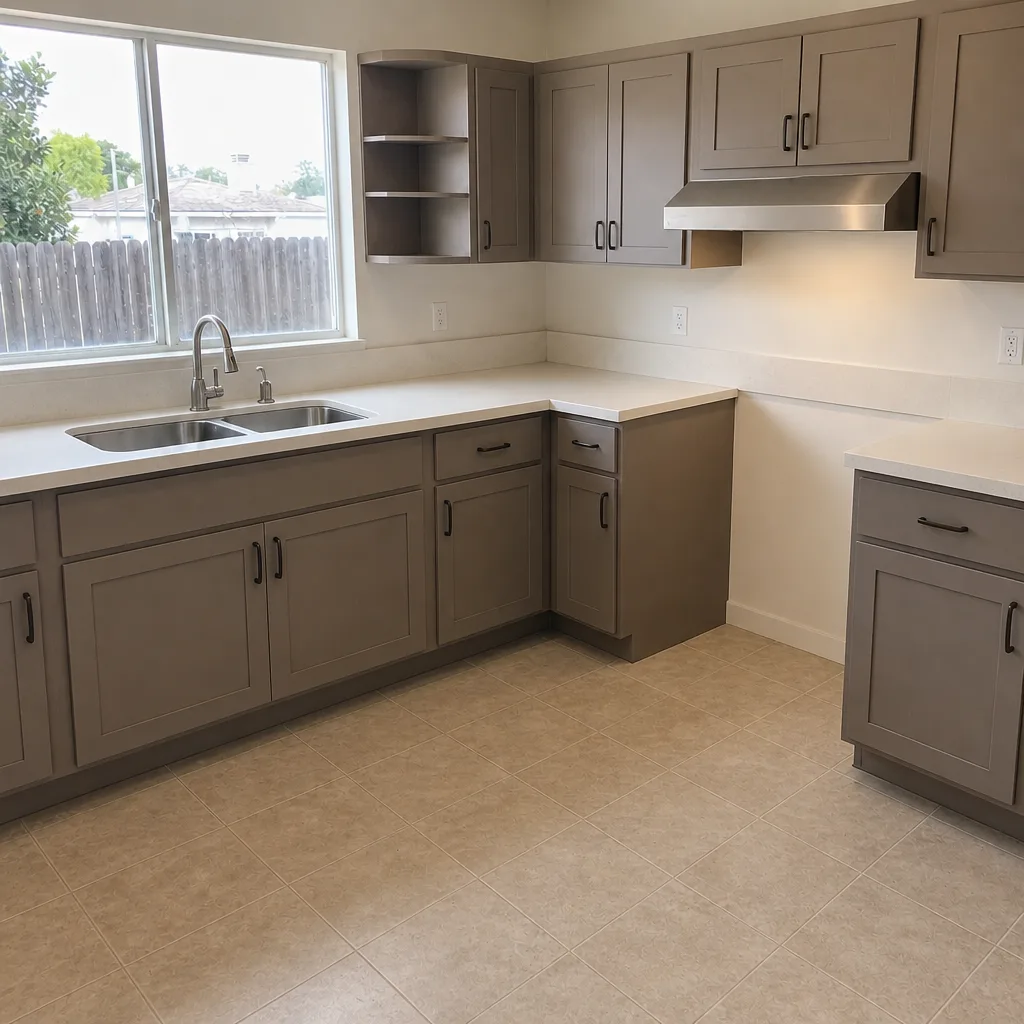 After
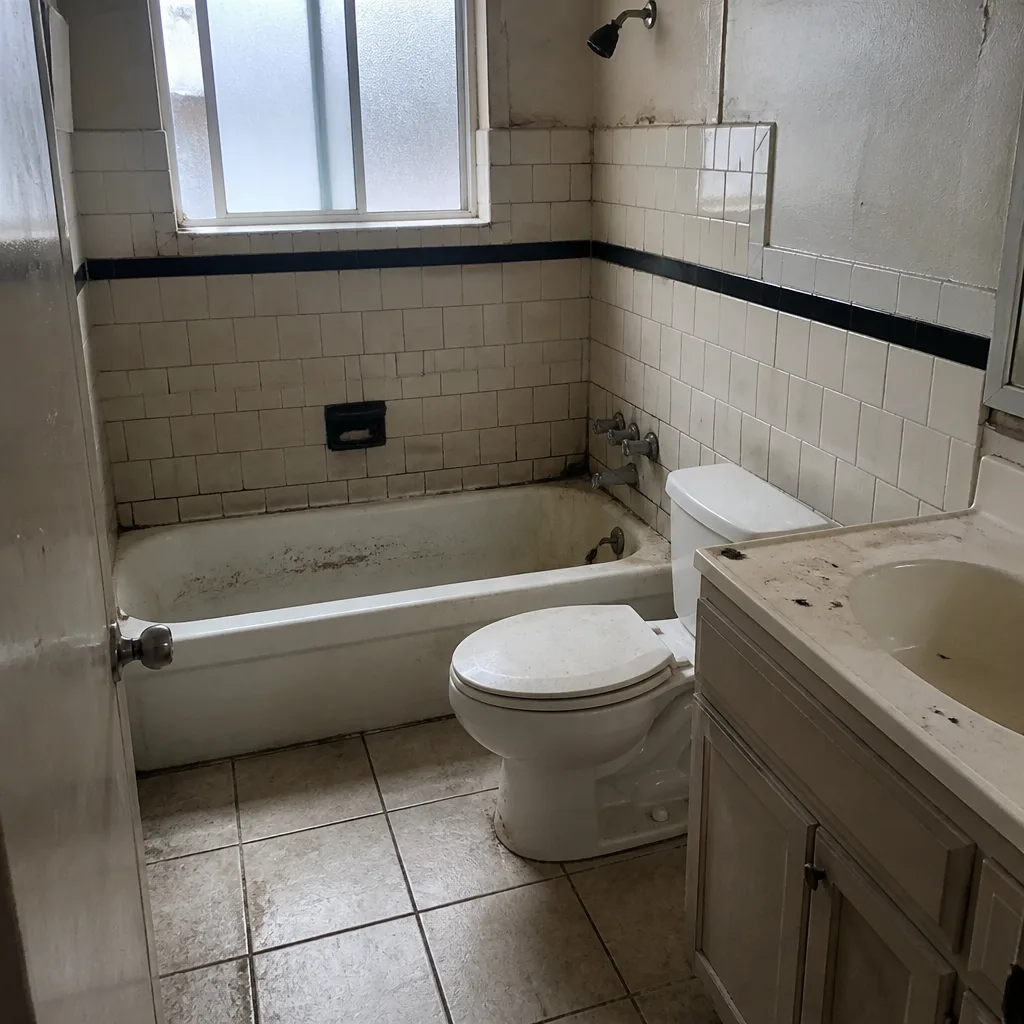 Before
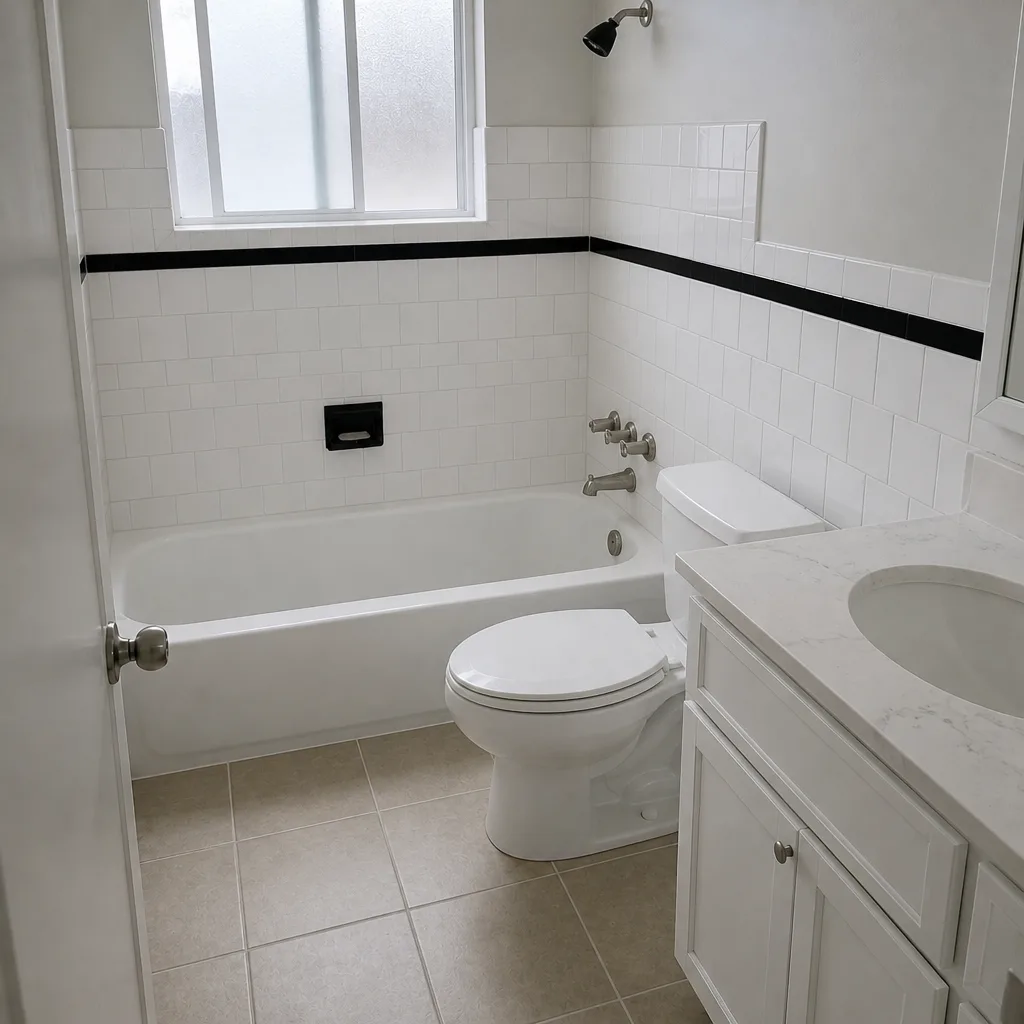 After
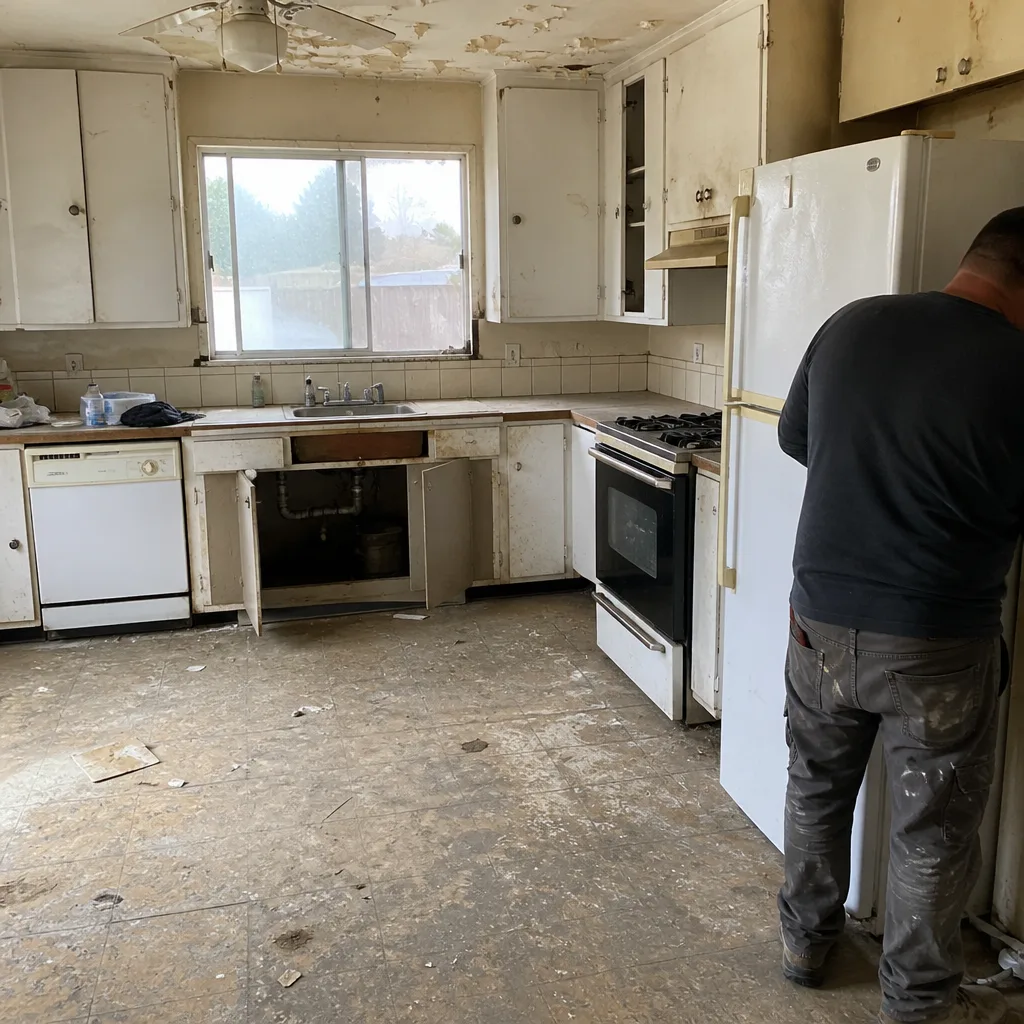 Before
 After
When to Call a Professional
Some window problems are cosmetic and some are structural, and the line between them isn’t always obvious. Call a professional if you see fogged or failed double-pane glass (seal failure means water intrusion and loss of energy performance), water staining or rot around the interior or exterior frame, drafts or visible gaps at the sash or frame, a window that no longer opens, closes, or locks, or egress windows in bedrooms that no longer meet opening requirements. Any whole-house project involving more than three or four windows is worth a professional site visit – the difference between “replace the window” and “correct the whole opening” is the difference between a two-hour job and a two-day one, and only a professional can tell which one you’re buying.
If you also have roof or exterior issues surfacing during the walkaround, those are handled through Groundwork Construction Co. of Antioch home as a full-scope partner; and when the property’s entry and yard need to match the new exterior, Fence Installation in Antioch and Driveway & Pavers in Antioch are scheduled around the same project calendar.
Groundwork Construction Co. of Antioch offers free estimates in Antioch – call (888) 419-3650 any time; a live person answers 24/7 and can schedule a site visit within days.
Frequently Asked Questions
A whole-house replacement in Antioch typically takes 6 – 9 weeks from signed contract to final inspection, with 2 – 3 days of active installation labor. The bulk of the timeline is product lead time (3 – 8 weeks) and permit review (1 – 3 weeks), which can run concurrently. If you need exact timing for your project, call (888) 419-3650 for a free estimate.
Yes, and often no. A single like-for-like replacement with the same opening size and operational style typically doesn’t need a permit in Antioch; a replacement that changes the rough opening does. Either way, most single-window projects finish in 2 – 4 hours on site. Call (888) 419-3650 for a quick assessment – estimates are free and there’s no obligation.
Yes, window replacements in Antioch need to meet California’s Title 24 energy code for the climate zone, which usually means a U-factor and SHGC specification on the window schedule. The paperwork is part of the permit submittal. When we quote window projects, Title 24 compliance is baked into the product selection and documentation – you don’t handle that separately. Want a quote? Call (888) 419-3650.
Installation day is usually 4 – 6 hours for a single exterior unit, and the full project timeline (contract to final closeout) is 4 – 8 weeks including product lead time and permit review. Sliding patio doors can run slightly longer due to opening preparation. Call (888) 419-3650 to schedule a free estimate.
Yes. Hauling away old units is standard scope on our window projects and factored into the quote, not an add-on. Old windows are removed the same day the new ones go in, and the site is left clean. If you’re comparing bids, make sure removal and disposal are line-itemed – that’s a common hidden cost. Call (888) 419-3650 with questions before you sign anything.
An inspection failure typically comes from documentation gaps (missing Title 24 forms) or a detail the inspector wants corrected (flashing, caulking, hardware). On a project we handle, we correct the item and request re-inspection – the permit stays open until it passes. Any correction work is covered by our 730-Day Done Right Promise. Call (888) 419-3650 if you’ve had a failed inspection on a prior project and need help resolving it.
The Bottom Line
Window and door projects have two timelines, not one. The installation is fast: 1 – 3 days for most whole-house projects in Antioch, 2 – 4 hours for a single unit. The project itself is longer: 6 – 9 weeks on stock-size replacements, 8 – 14 weeks on custom, and 4 – 8 weeks on most door replacements. The gaps come from product lead time and permit review – both of which can run concurrently if you plan the sequencing right. Start with a realistic order-and-permit calendar, clear the prep work two weeks before install, and don’t schedule the final payment until the inspection closes. That’s what keeps a window project on schedule instead of slipping from spring to summer.
Ready to put a real timeline on your window or door project? Call (888) 419-3650 any time – a live person answers 24/7. We’ll send out a background-checked, uniformed technician for a free estimate and a written, line-item quote with no surprises. Every project we handle is backed by the 730-Day Done Right Promise; from foundation to finish line, we make it right. And if your project expands into a bigger addition, Home Additions & ADU in Antioch is handled by the same team.
Written by the team at Groundwork Construction Co. of Antioch.