
Last updated November 17, 2026
 Windows & doors
 Kitchen remodeling
 Bathroom remodeling
 Home additions & ADU
 Roofing
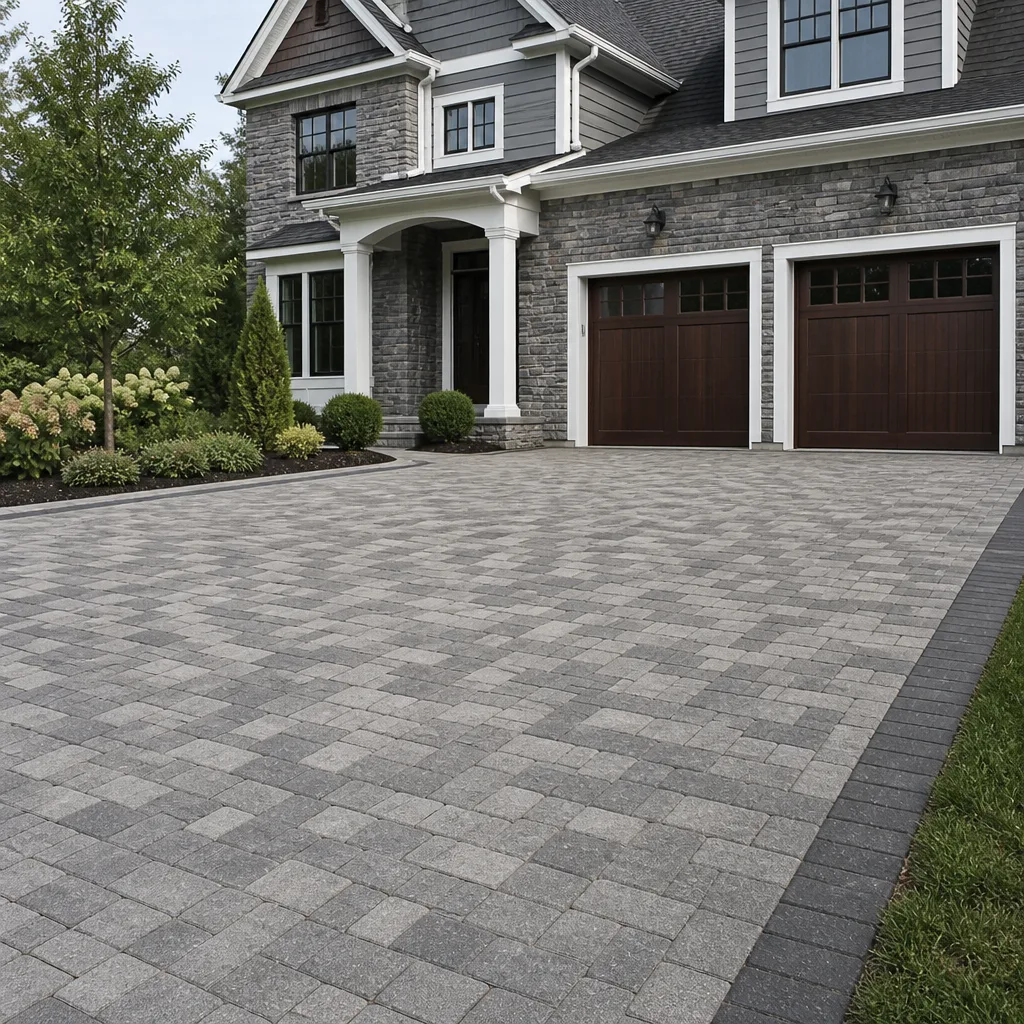 Driveway & pavers
 Fence
Free written scope consultation - allowances, timeline, and change-order rules on paper before a single trade is scheduled
Windows & Doors Warning Signs Every Homeowner Should Know
Paint peeling on interior window trim is almost never a painting problem. It’s your wall telling you that moisture has been migrating through a failed window seal or flashing gap long enough to push through the drywall. By the time you see that bubbling paint, the rot behind the wall has often been growing for 12 to 24 months. We’ve opened up walls in Antioch that looked fine from the couch and found framing soft enough to push a screwdriver through with two fingers. This guide teaches you to read the early signals from the outside of the house first, so you catch problems while they’re still cheap to fix.
Quick Answer
The earliest window and door warning signs show up on the exterior: cracked caulk joints around frames, paint that peels in a pattern following the frame outline, water stains on the sill or threshold, and doors that suddenly stick or won’t latch squarely. Interior fogging between glass panes, condensation on one window only, and soft spots in the frame when probed with a screwdriver all point to damage that started months ago. Catching these signals early is the difference between a few hundred dollars of flashing repair and a five-figure reframe-and-replace job.
Styles & brands we work with
- Kitchen remodeling
- Bathroom remodeling
- Home additions & ADU
- Roofing
- Windows & doors
- Driveway & pavers
- Fence
Table of Contents
- Exterior Paint Patterns That Reveal Flashing Failure
- How to Spot Frame Rot Early (and What “Soft” Really Means)
- Condensation: Three Different Problems, One Symptom
- A Sticking Door and What It Says About Your Foundation
- Contractor Red Flags During Window and Door Installation
- Why Antioch’s Climate Accelerates Window and Door Decay
- A Seasonal Inspection Checklist for Antioch Homeowners
- Common Mistakes to Avoid
Exterior Paint Patterns That Reveal Flashing Failure
Flashing is the thin metal or membrane that channels water away from the wall at the window head, sill, and jambs. When it fails or was never installed correctly, water gets behind the siding and enters the rough opening. The first visible clue is almost always on the exterior paint, not the interior. Look for these specific patterns on a dry day, ideally after a rain event when the exterior has had a chance to dry but the wall cavity has not.
- Peeling that follows the frame outline. Paint comes off in a rectangular shape tracing the window or door trim. That’s moisture escaping through the joint, not sun damage.
- Bubbling or blistering under the sill. Water is pooling behind the paint film at the base of the window because the sill flashing is tipped the wrong way or missing.
- Cracked or receding caulk joint at the head of the window. A gap at the top lets water run in. Recaulking annually treats the symptom; the head flashing is the actual problem.
- Discoloration or algae streaks running down from the top corner. Water is channeling behind the trim and trickling out at the lowest point.
On a house in Antioch’s Lone Tree neighborhood, we see this most often on the south and west-facing windows where the summer sun bakes the caulk joints until they shrink and pull away from the frame. The fix at that stage is often just re-flashing the head and resealing; wait another year and it becomes a sheathing replacement. If you catch peeling paint in the frame pattern, that’s your cue to call for a look from the exterior, not to schedule a painter.
Why Painters Usually Miss It
A painter is hired to prep and repaint a surface, not to diagnose flashing. They’ll scrape, prime, and coat, and the paint will look great for one to three years before the moisture pushes through again. That cycle of recurring peeling paint is one of the most reliable early signs of a water intrusion problem we see on windows and doors around Antioch. If your exterior paint keeps failing at the same spot every two years, stop repainting and start looking at the flashing.
How to Spot Frame Rot Early (and What “Soft” Really Means)
Rot hides where you don’t look. On windows, the most common hiding spots are the lower corners of the frame, under the sill, and behind the trim on the bottom third of the opening. On doors, it’s the bottom of the jamb, the threshold, and the lower hinge-side frame. Surface weathering feels rough and sounds dull when you tap it. Rot feels spongy, honeycombed, and gives way under pressure.
The Screwdriver Probe Test
- Choose a dry day. Rot is easier to detect when the wood is not saturated, because the difference between soft rot and wet wood becomes clearer.
- Use a small flathead screwdriver. Don’t use a knife; you want a blunt probe that reveals softness without cutting into sound wood.
- Press at a 45-degree angle into the sill and lower frame corners. A healthy, weathered surface should resist. If the tool sinks in more than a quarter inch with light-to-moderate pressure, you’ve found rot.
- Probe the trim seam below the sill. This is where water sits longest, and it’s where the siding meets the window frame on most Antioch builds.
- Tap along the frame with a screwdriver handle. A hollow, dull thud versus a sharp tap tells you where the wood has lost density, even if it feels firm on the surface.
The key thing to understand: rot that’s visible on the outside of the trim has already spread inward along the frame. In our experience with windows and doors in Antioch, once the exterior trim is soft, the rough opening framing behind it is often compromised too. That’s a job for a trained carpentry crew, not a caulk gun. Probe gently, note what you find, and get it looked at before the next rainy season.
Condensation: Three Different Problems, One Symptom
Water on the inside of your windows could mean three completely different things, and treating it as one problem wastes money. Here’s how to tell them apart.
1. Condensation on the Inside of the Glass (Room-Side)
Water beads on the interior surface of the glass itself. This is high interior humidity plus a cold pane, not a failed window. Cooking, showers, and a tight house all contribute. Run the bath fan longer, run the kitchen exhaust when cooking, and get a cheap hygrometer to see if interior humidity is above 55%. If it drops after ventilating, the window is working fine.
2. Fogging Between the Glass Panes
The sealed unit has failed. The insulated glass unit (IGU) is two panes with a gas-filled gap, and the perimeter seal has gone. You’ll see a hazy or milky film between the panes that doesn’t wipe off. That’s a replacement glass unit, sometimes covered under window warranties if the window isn’t too old. Call in the brand name on the IGU sash to check: brands like Andersen, Marvin, CGI, and CWS all have documented warranty terms on sealed units. This is not a humidity problem; it’s a broken component.
3. Condensation at the Frame Edge, Not the Glass
Water collects where the glass meets the frame, or along the frame itself, and it’s cold to the touch. That’s a thermal bridge in the framing or a poorly insulated rough opening. The glass is fine; the frame or installation is the culprit. This is the one that often gets misdiagnosed as “the window is bad” when the real fix is air sealing and re-insulating the rough opening. On older homes around Antioch, we frequently find that a “failing” window is actually an installation issue from the original build.
A Sticking Door and What It Says About Your Foundation
Doors stick for two reasons: the door changed, or the frame changed. If the door has swelled from moisture, you’ll see it bind along the top or bottom corner. If the frame has gone out of square, you’ll see the door rub along the strike jamb or hang open on its own. The distinction matters because one is a door problem and the other is a foundation signal.
When It’s Just the Door
- The sticking appeared after a humid stretch and eased when the weather dried out.
- The gap at the top of the door is even on both sides.
- The door swings evenly and the latch lines up with the strike plate.
When It’s the Foundation
- The door binds only at one corner and the gap is visibly tapered.
- You’ve noticed cracks in the drywall above the door or at the ceiling corners nearby.
- Floor tiles or slab finish in the room have new cracks.
- Windows on the same wall have become harder to open or close in the last year.
- Doors across multiple rooms started sticking around the same time.
Two or more of those structural signals together is a call-to-a-professional moment. A door that sticks in one dry month is not a crisis. Doors and windows that go out of alignment together, on multiple walls, are telling you something about the home’s foundation or framing. In Antioch, the clay-heavy soils in some parts of town expand and contract with moisture, which is exactly the kind of movement that shows up first in doors and windows. Do not ignore it if it’s spreading.
Contractor Red Flags During Window and Door Installation
Most window and door failures we see were born at installation, not at the factory. If you’re having windows or doors replaced, watch for these specifics. A good crew does all of them without being asked.
- Skipping sill pan flashing. The sill is the number one water entry point on any window or door. If the crew sets the unit directly on the rough framing without a pan flashing or a fully adhered sill membrane, water that gets behind the frame has nowhere to drain. This is a hidden detail you can only confirm if you’re watching during install.
- Using expanding foam as the primary air barrier. Foam is a supplement, not a substitute for proper flashing tape and a continuous air barrier. If the crew is relying on foam alone to seal around the frame, that joint will crack as the building moves and water will find the gaps.
- Not protecting rough openings during a rain delay. An open wall in Antioch during a wet week soaks the framing, sheathing, and insulation. A good crew seals the opening before they leave for the day. If your install runs into a rain delay and the opening is left exposed, that’s a problem worth raising immediately.
- Setting the window without checking level and plumb. Ask to see the level on the sill and the jamb. Out-of-level installs cause the sash to bind within a year.
- No back-dam or end-dam at trim. The trim needs its own drainage path. If the installer runs the trim tight to the wall with caulk at the bottom, water has nowhere to exit.
- Skipping the flanged vs. non-flanged conversation. The right unit depends on the wall assembly. A crew that doesn’t ask about this on the estimate is not thinking it through.
We include these installation details in every written scope. That’s the standard we hold crews to at Groundwork Construction Co. of Antioch, and it’s what the Groundwork Construction Co. of Antioch home page describes as the baseline for every project. If you’re replacing windows or doors, ask your contractor to explain how they’ll handle the sill pan, the head flashing, and the air barrier. If they can’t, that’s your answer.
Why Antioch’s Climate Accelerates Window and Door Decay
Antioch sits at the confluence of the Sacramento and San Joaquin rivers, which means hot, dry summers are followed by wet winters with the delta breeze pushing moisture against the east-facing walls. That swing is hard on windows and doors in a specific way. In summer, the south- and west-facing frames bake at 100-plus degrees, which dries out and shrinks the caulk joints and expands the IGU seals. In winter, the moisture comes back and pushes into the cracks that opened in the summer. Two seasons of that cycle is often enough to start an IGU seal failure or a flashing leak.
Houses in the older neighborhoods near downtown Antioch and along the river side of town also see more moisture pressure because the humidity is higher there during the wet months. In newer subdivisions out toward the east side and toward Antioch’s hillier edges, sun exposure on the south and west walls is more intense, and that’s where we see caulk failing fastest. Both situations call for the same response: get up on a ladder twice a year and look at the frames with your hands, not just your eyes.
A Seasonal Inspection Checklist for Antioch Homeowners
Run this inspection in October (before the rainy season) and again in April (after it). It takes about 30 minutes for a typical single-family home and can save you thousands.
- Walk the exterior and look at every window and door head, sill, and jamb. Note any cracked caulk, peeling paint in a frame pattern, or dark streaks.
- Press a small flathead screwdriver into the lower frame corners and sills. Record any soft spots.
- Check the interior of every window for condensation after a cold night. Note which windows show it and whether the moisture is on the glass or between panes.
- Open and close every window and door. Note any that are newly difficult to operate compared to last season.
- Look at the door gaps at the top and along the strike jamb. A gap that’s visibly wider on one side is a warning sign.
- Check the drywall above every door and window for new cracks. Photograph anything you find so you can compare next season.
- Check the exterior weatherstripping on doors. Worn or missing strips let water past the threshold.
If anything on this list turns up repeated problems in the same spot, don’t just re-caulk it. Get a trained eye on it. That’s the difference between catching a flashing problem at the caulk stage and catching it after it has softened the sheathing.
Common Mistakes to Avoid
- Treating interior peeling paint as a painting problem. Repainting the interior trim hides a moisture issue and guarantees you’ll be repainting the same spot within two years. If the paint fails in a frame pattern, inspect the exterior first.
- Recaulking without diagnosing the flashing. Fresh caulk over a failed flashing buys you one season at best. It traps water behind the seal and often makes the damage worse in Antioch’s wet winters.
- Assuming all window condensation is the same. Between-pane fogging is a broken IGU; edge-of-glass moisture is a thermal bridge; room-side condensation is humidity. Three different fixes, three different costs. Misdiagnosing wastes money on the wrong repair.
- Ignoring a door that goes out of square. A single sticking door isn’t a crisis. Doors and windows going out of alignment together across the house warrants a professional look at the foundation.
- Hiring the lowest window bid without asking about installation details. The window unit is about half the cost. The flashing, pan, and sealing work is the other half, and it’s where cheap bids cut corners.
- Skipping the pre-rain inspection. An October walk-around catches caulk and flashing issues while there’s still time to fix them before the wet season. Waiting until March means paying emergency rates or living with moisture damage.
- Letting a rough opening sit exposed through a rain delay. If a contractor leaves your wall open overnight during a storm, the framing soaks and every window or door on that wall is compromised. Protect the opening or don’t open it.
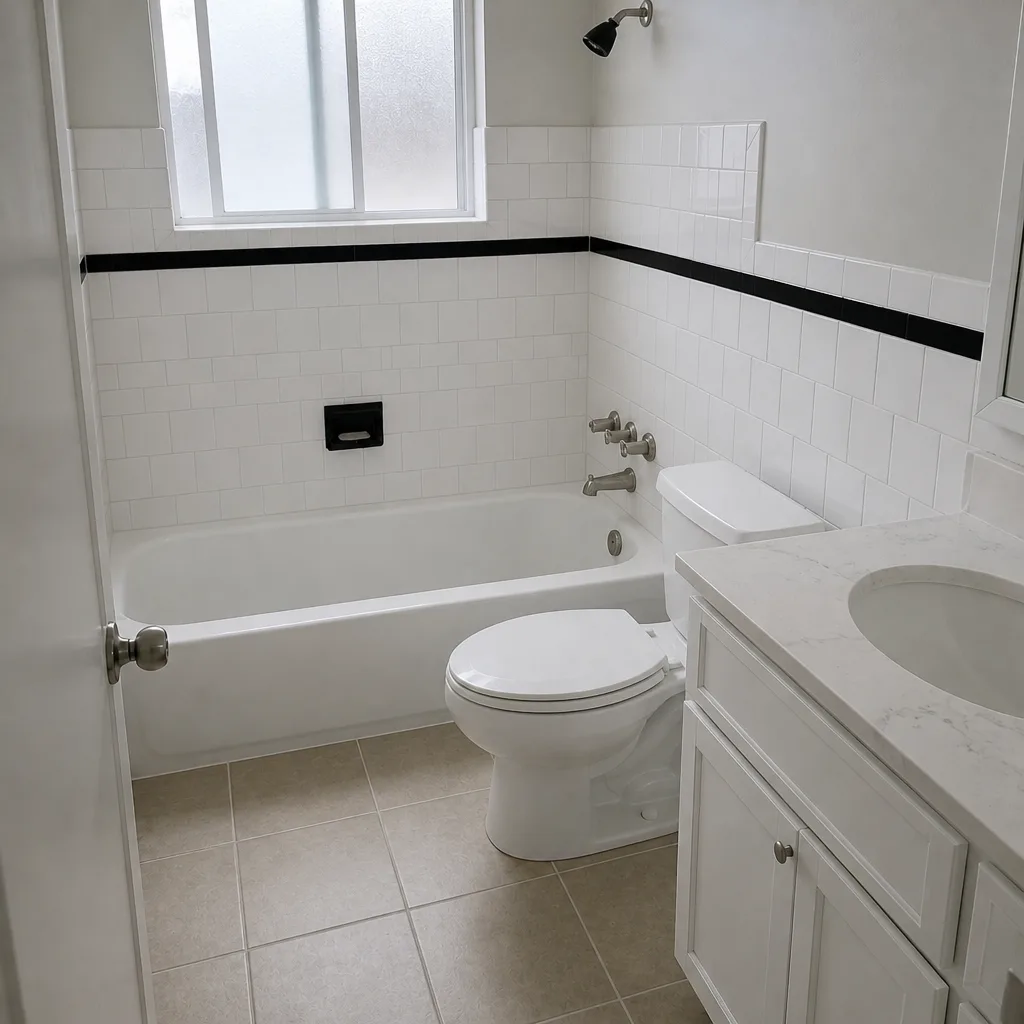
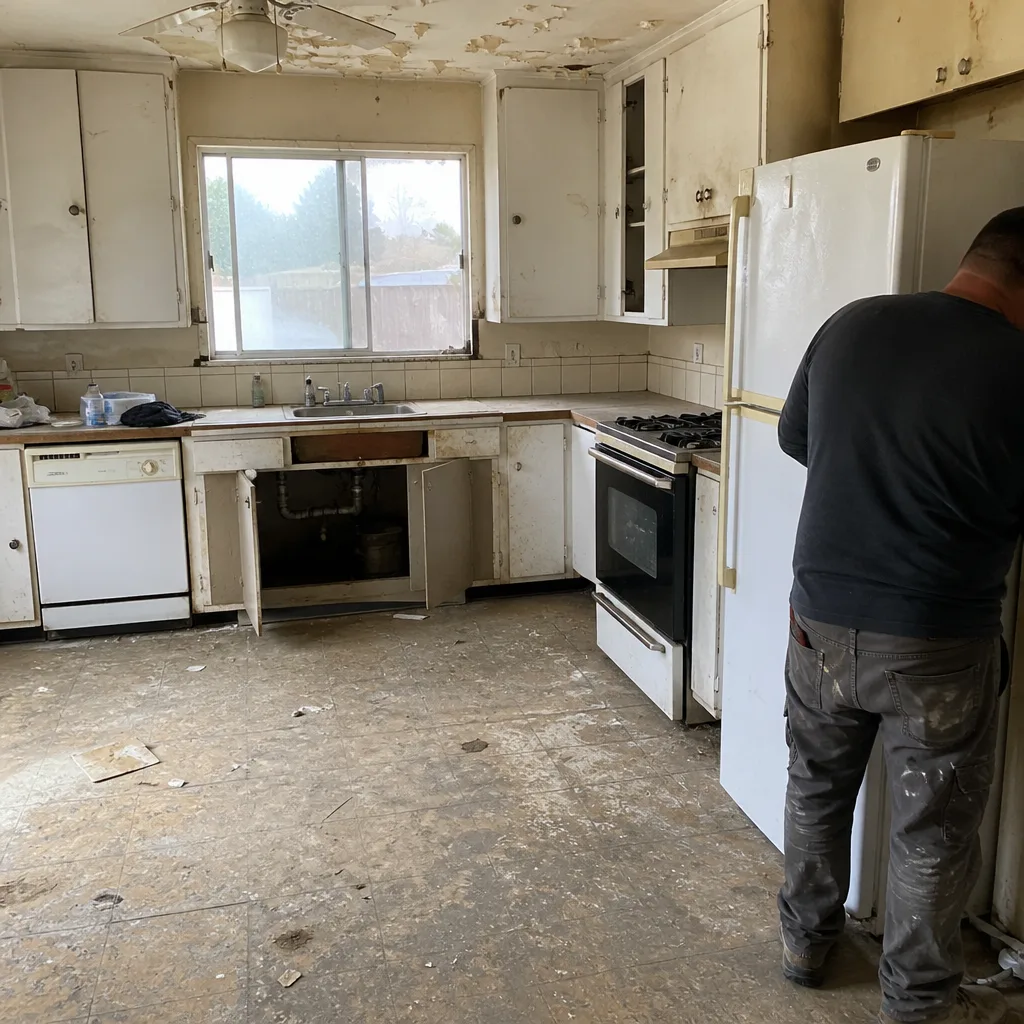
See the difference
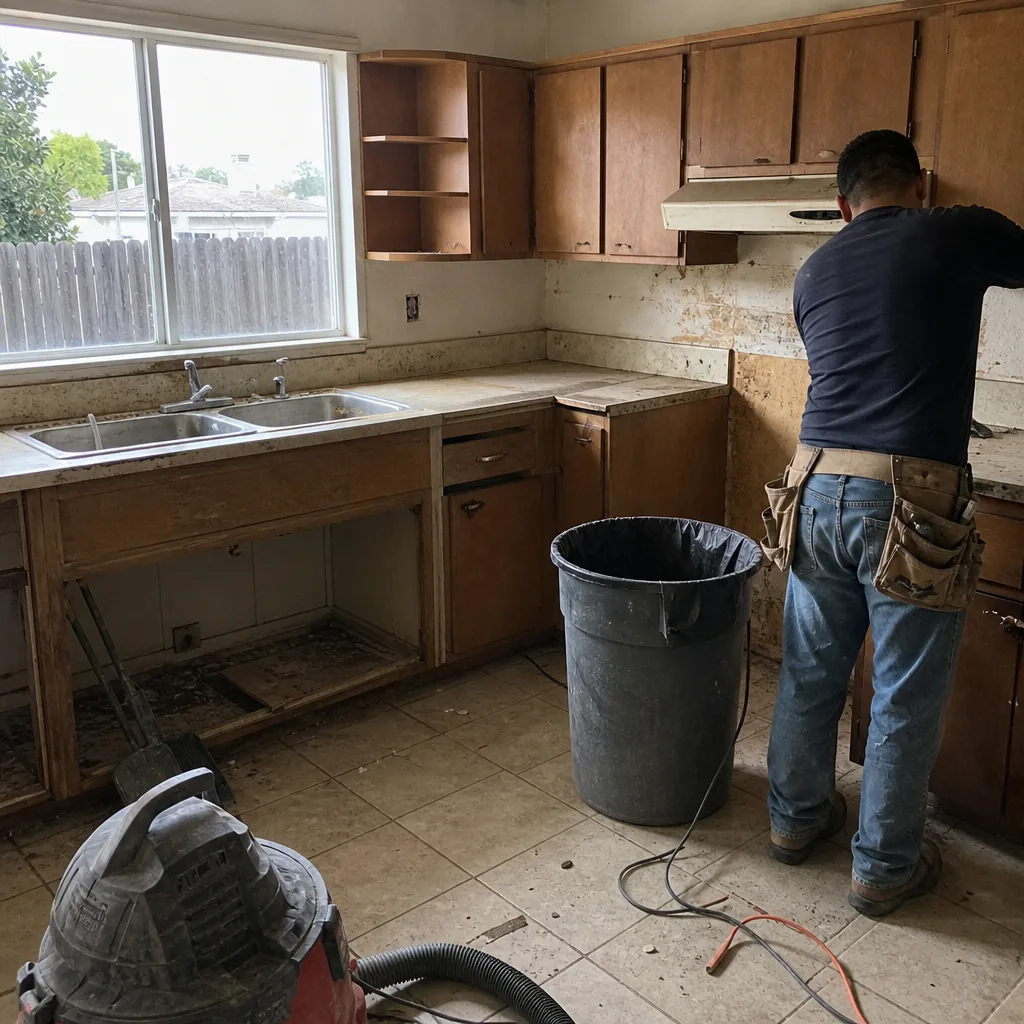 Before
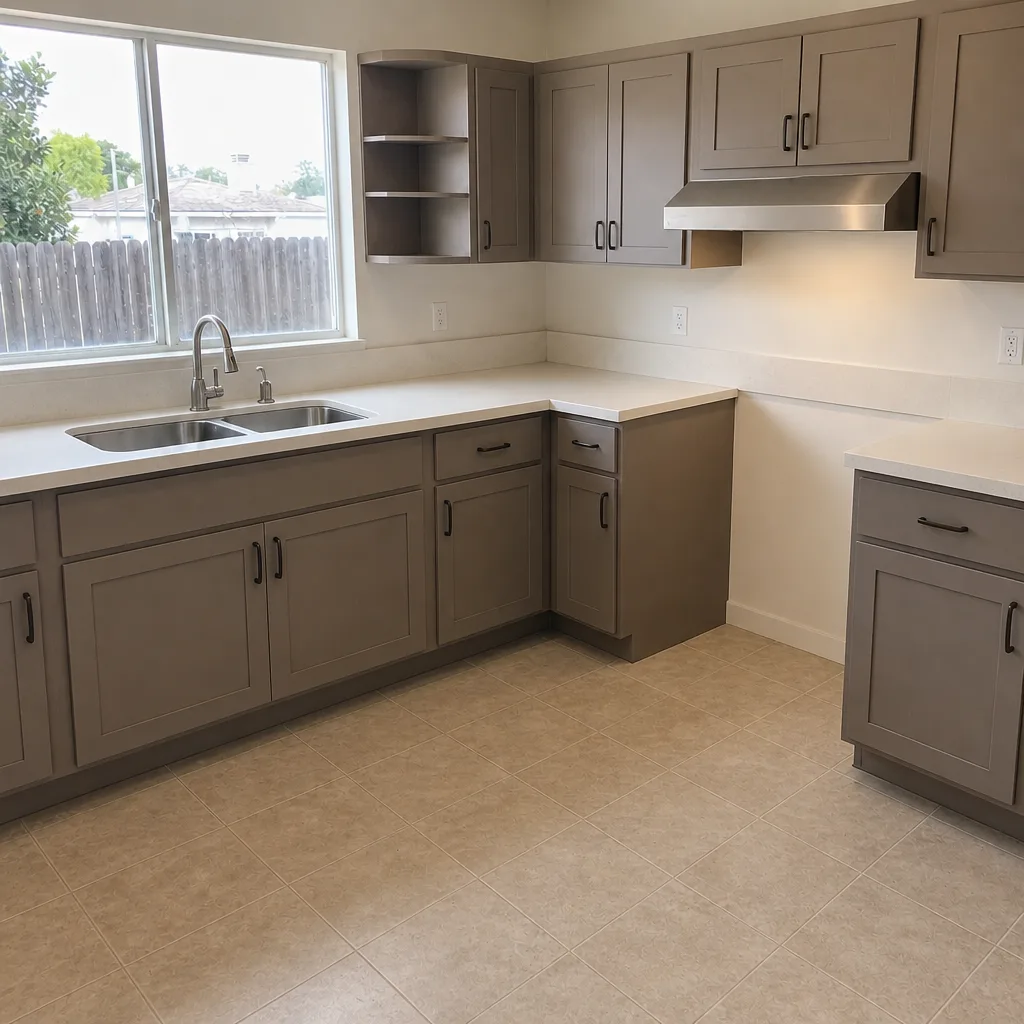 After
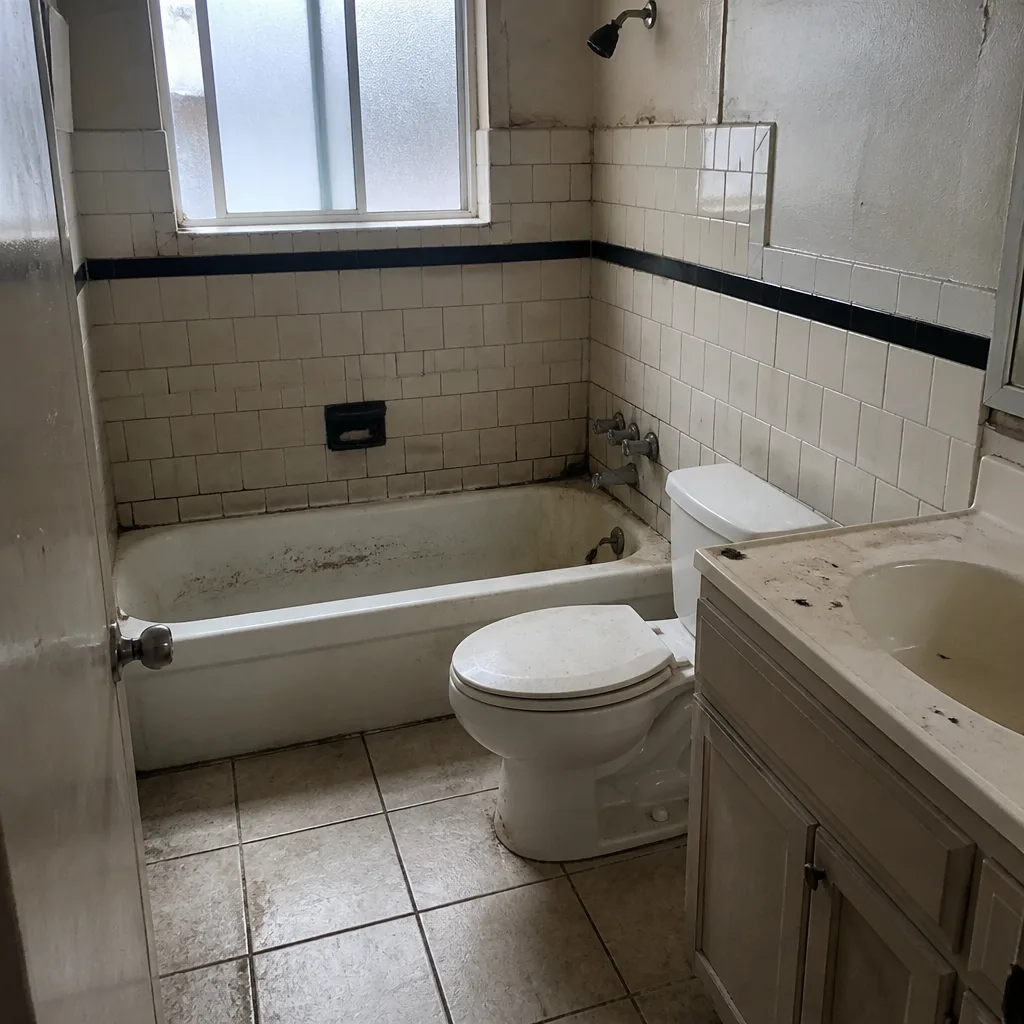 Before
 After
 Before
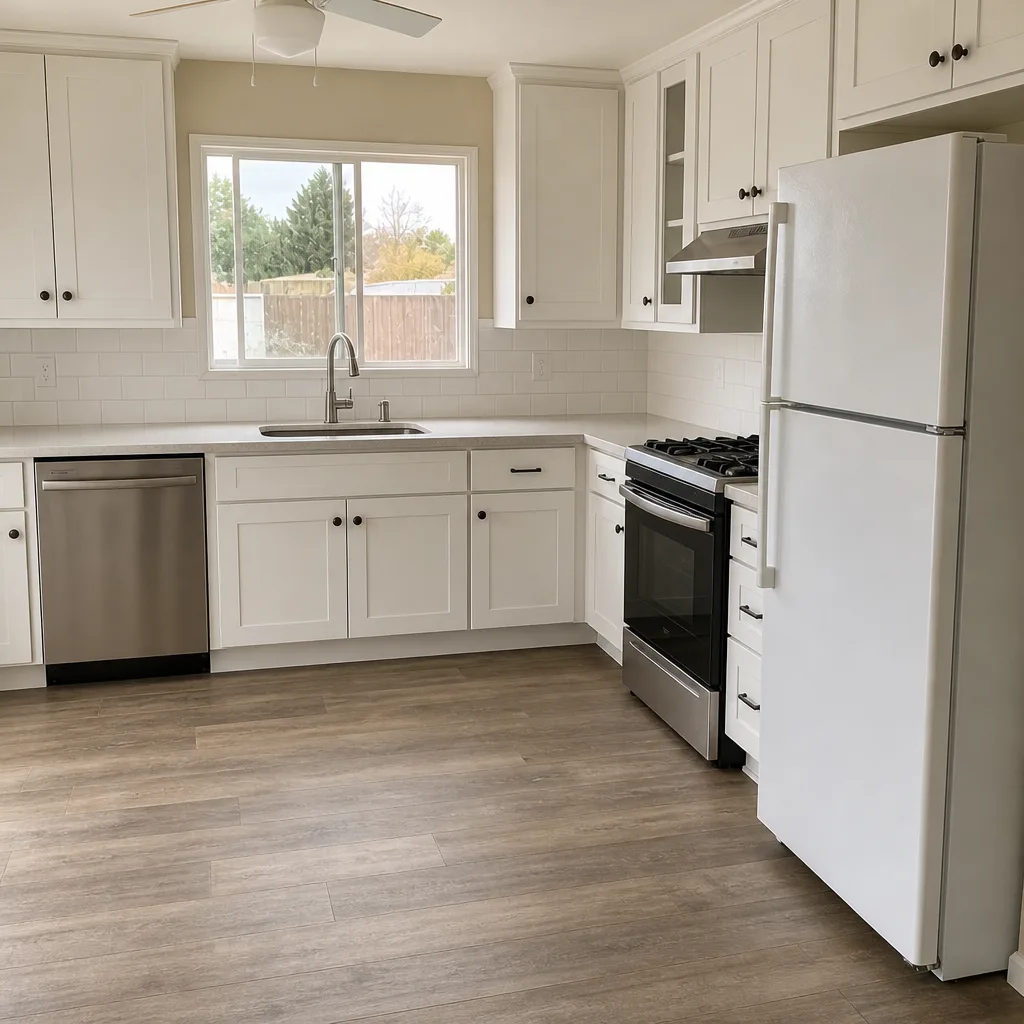 After
When to Call a Professional
Call a professional when you find soft wood in any window or door frame, when IGU fogging appears on multiple windows, when doors and windows around the house have all gone harder to operate in the last year, or when exterior paint keeps failing in the same window or door frame every two years no matter how many times you repaint. Those aren’t maintenance items; they’re early signs of failing flashing, failed seals, or structural movement. If you’re planning a larger exterior project at the same time, our team handles Driveway & Pavers in Antioch and Fence Installation in Antioch so the same crew thinks about water drainage around the whole property, not just one wall. Groundwork Construction Co. of Antioch offers free estimates in Antioch. Call (888) 419-3650 and a live person will pick up, any hour.
Frequently Asked Questions
If the frame is structurally sound, the flashing can be corrected, and only the sealed glass unit has failed, you’re usually looking at a repair or a glass-unit replacement, not a full window swap. Replacement makes sense when the frame itself is soft, when rot has spread into the rough opening, or when the installation was flawed and the whole unit needs to come out to fix the flashing correctly. Get an inspection before you commit to either repair or replacement.
A single condensing window almost always points to a problem with that specific window or the wall assembly around it, not the whole house’s humidity. Common causes are a failed IGU seal, a thermal bridge in the framing that’s colder than the rest, or a flashing gap letting exterior moisture in. If the moisture appears on the room-side of the glass and only after a hot shower, that’s probably humidity, but if it’s between the panes, the sealed unit has failed. Call (888) 419-3650 for a free inspection and we’ll tell you which it is.
No. A door that sticks in humid weather and eases when things dry out is usually a moisture-and-wood issue, not a foundation issue. A door that sticks on one corner with a tapered gap, and especially when windows on the same wall also become hard to operate, is worth a professional look at the foundation. Foundation movement shows up first in doors and windows because those are the tightest-tolerance openings in the house. If you’ve also got new drywall cracks near the ceiling corners, that’s a stronger signal.
Twice a year, at minimum: once in October before the rainy season and once in April after it. Antioch’s hot-dry-to-wet-cold swing is hard on caulk, flashing, and IGU seals, so a fall inspection catches the summer damage before rain gets in. A full inspection takes about thirty minutes for a typical house, and it’s the single best way to avoid a five-figure repair bill.
A small frame rot repair caught early runs a few hundred dollars because the fix is local carpentry and re-flashing. Left alone through a couple of Antioch winters, the rot spreads into the rough opening, sheathing, and interior framing, and the repair becomes a partial reframe and window replacement. That’s the difference between a same-day service visit and a multi-week project. If you probe a frame and it feels soft, get it on the schedule before the next wet season. Call (888) 419-3650 for a free inspection and upfront pricing.
Like-for-like window replacement in the same opening typically doesn’t require a permit, but any project that changes the opening size, adds a new door or window, or alters the wall structure does. We pull permits where they’re required and pass inspection before the job closes out, so you’re not left with an unpermitted change on your record when you sell the house. Ask your contractor to confirm what permits your specific project will need before work begins. Call (888) 419-3650 and we’ll walk you through it on a free estimate.
The Bottom Line
Windows and doors fail slowly, then all at once. The visible clues almost always show up on the exterior first: paint peeling in a frame pattern, cracked caulk at the head or sill, soft wood in the lower corners when you probe it, or a door that suddenly doesn’t close the way it used to. Each of those is your house telling you a specific component is failing, and each one is much cheaper to address today than after the damage compounds through another winter. Run the inspection twice a year, note what you find, and call in a trained eye when the same problem keeps coming back. Groundwork Construction Co. of Antioch offers free estimates, upfront pricing with no surprises, and every project is backed by our 730-Day Done Right Promise. When you’re ready to schedule, call us at (888) 419-3650 to start your free estimate.
Written by the team at Groundwork Construction Co. of Antioch.