
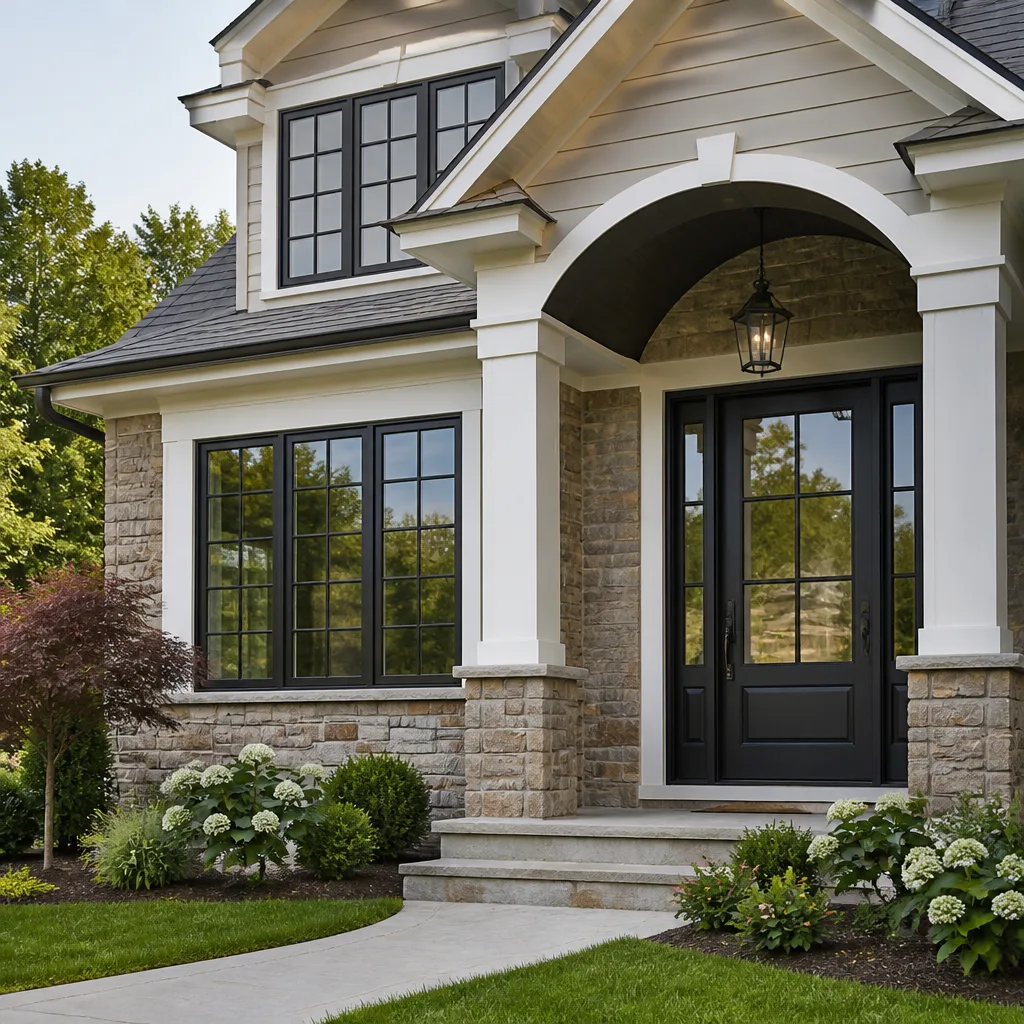
 Windows & doors
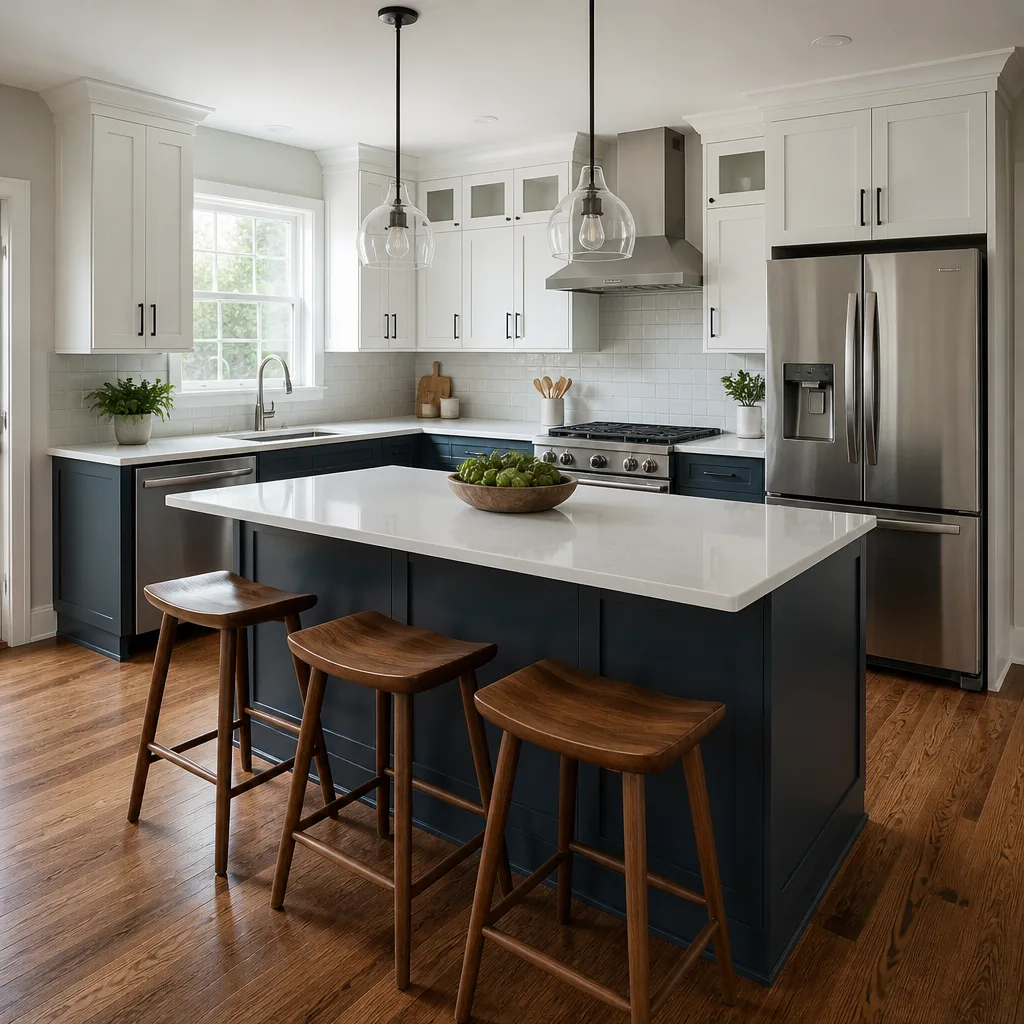 Kitchen remodeling
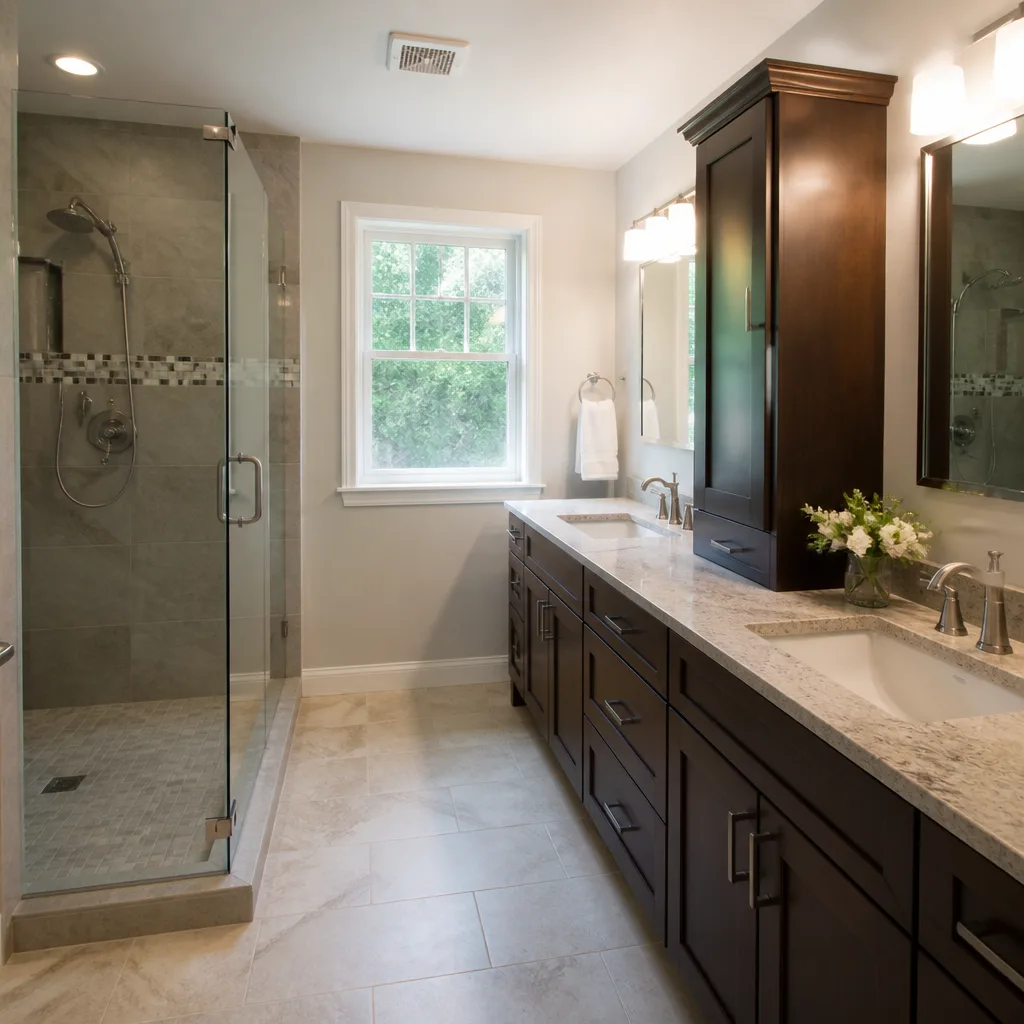 Bathroom remodeling
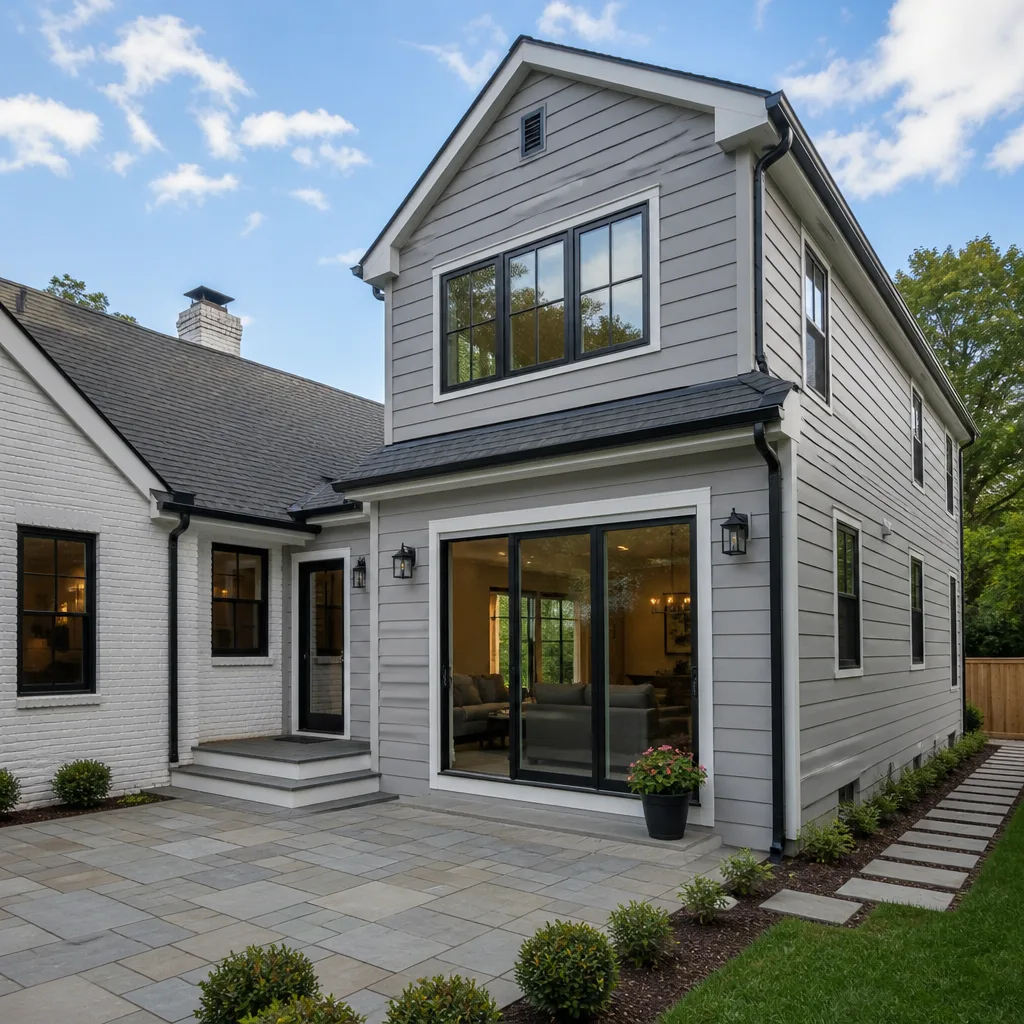 Home additions & ADU
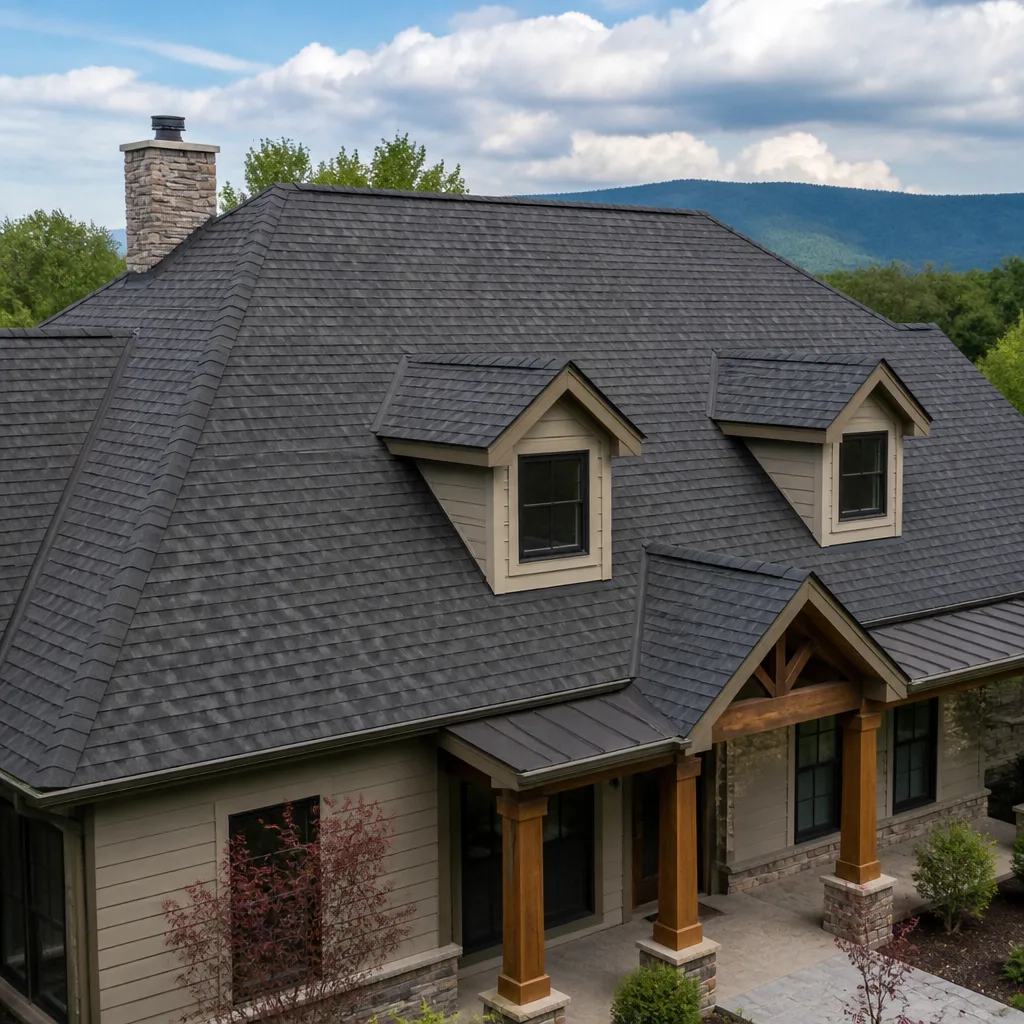 Roofing
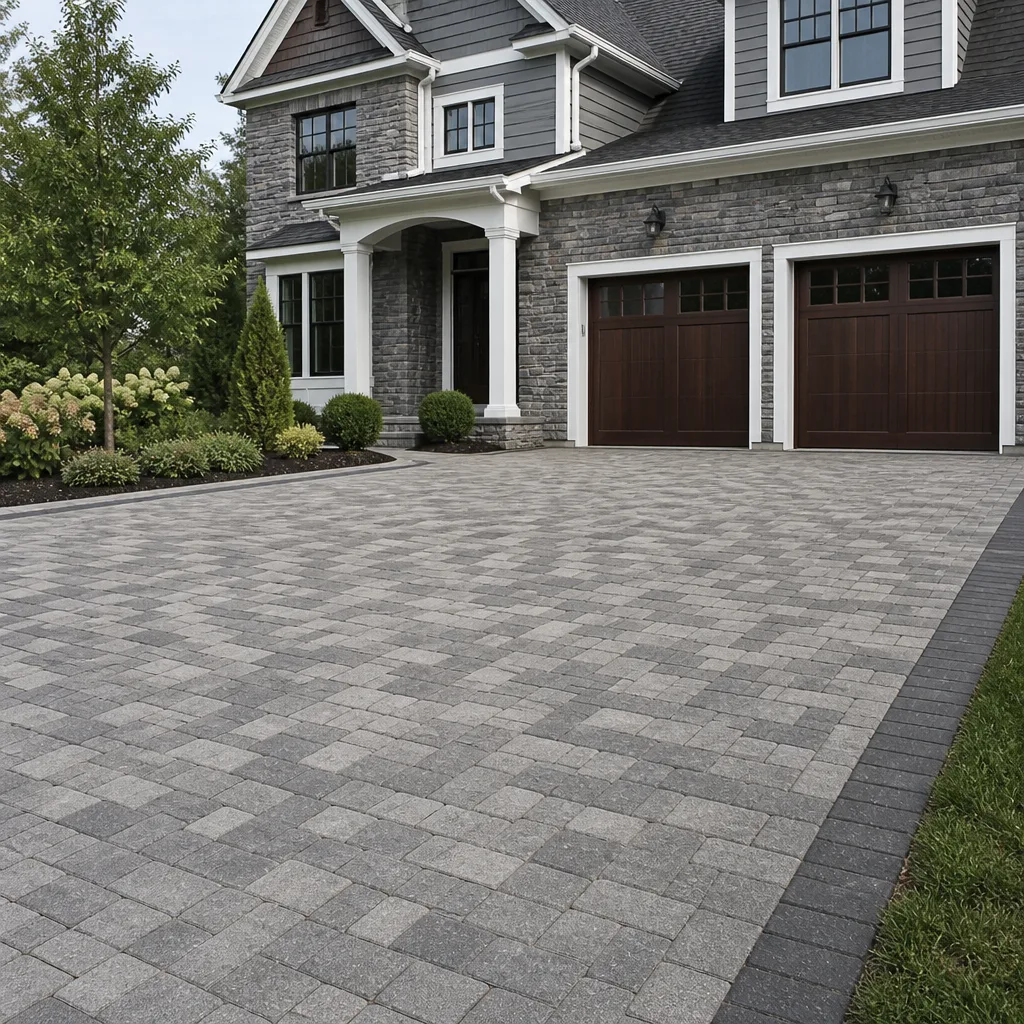 Driveway & pavers
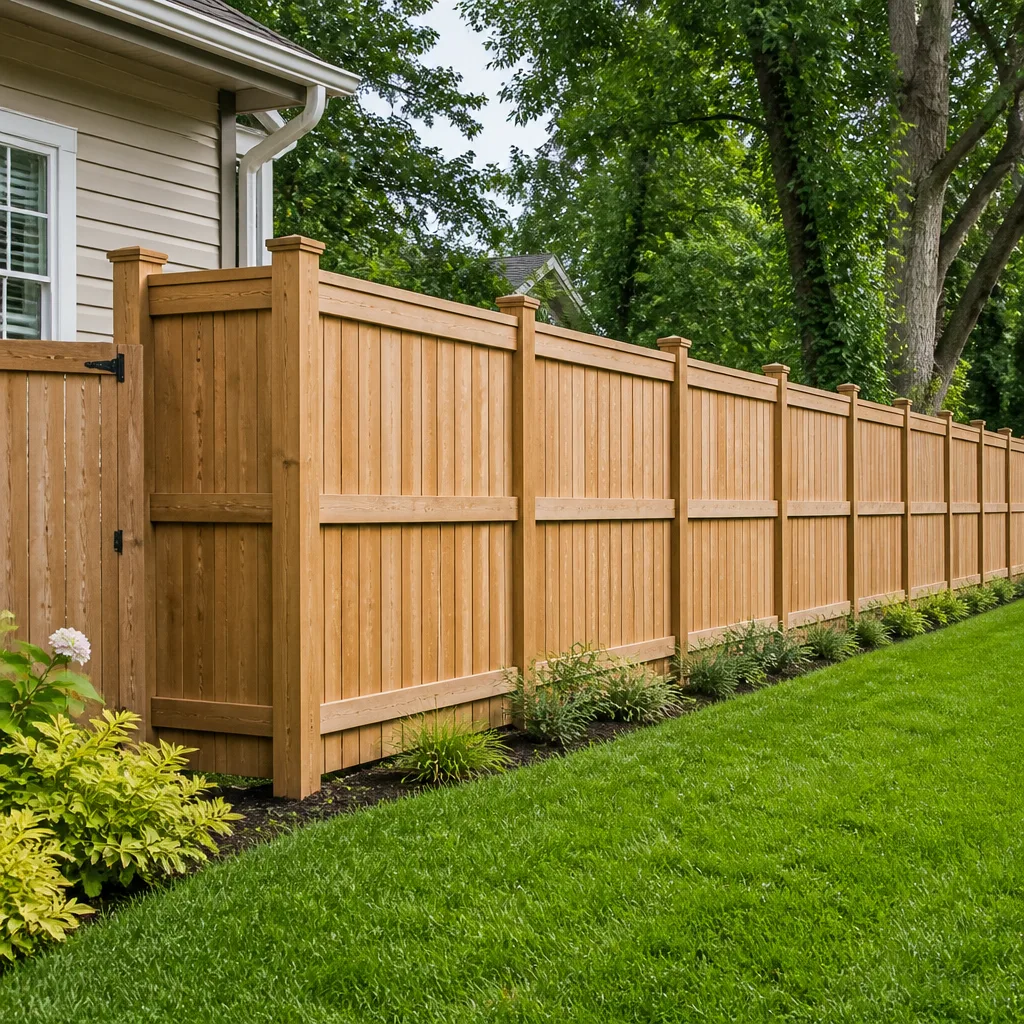 Fence
Free written scope consultation - allowances, timeline, and change-order rules on paper before a single trade is scheduled
Styles & brands we work with
- Kitchen remodeling
- Bathroom remodeling
- Home additions & ADU
- Roofing
- Windows & doors
- Driveway & pavers
- Fence
See the difference
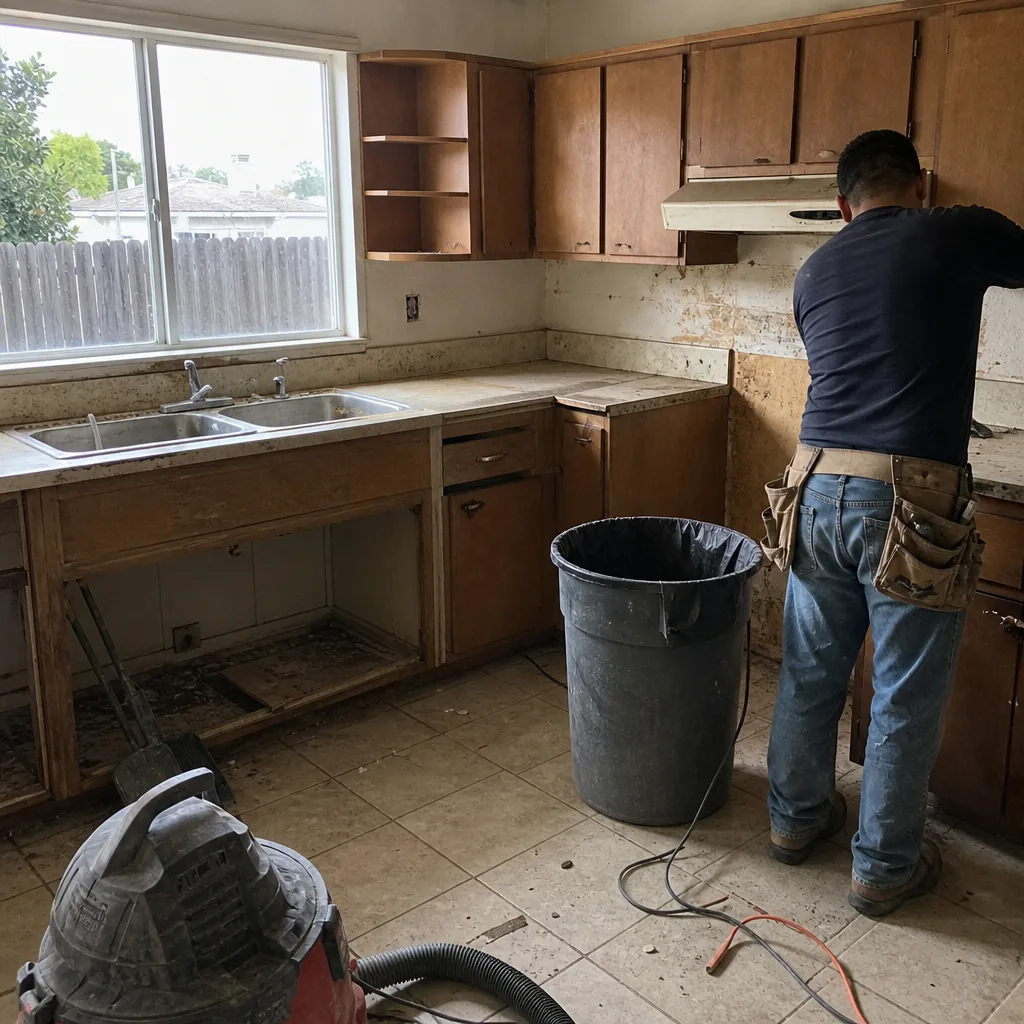 Before
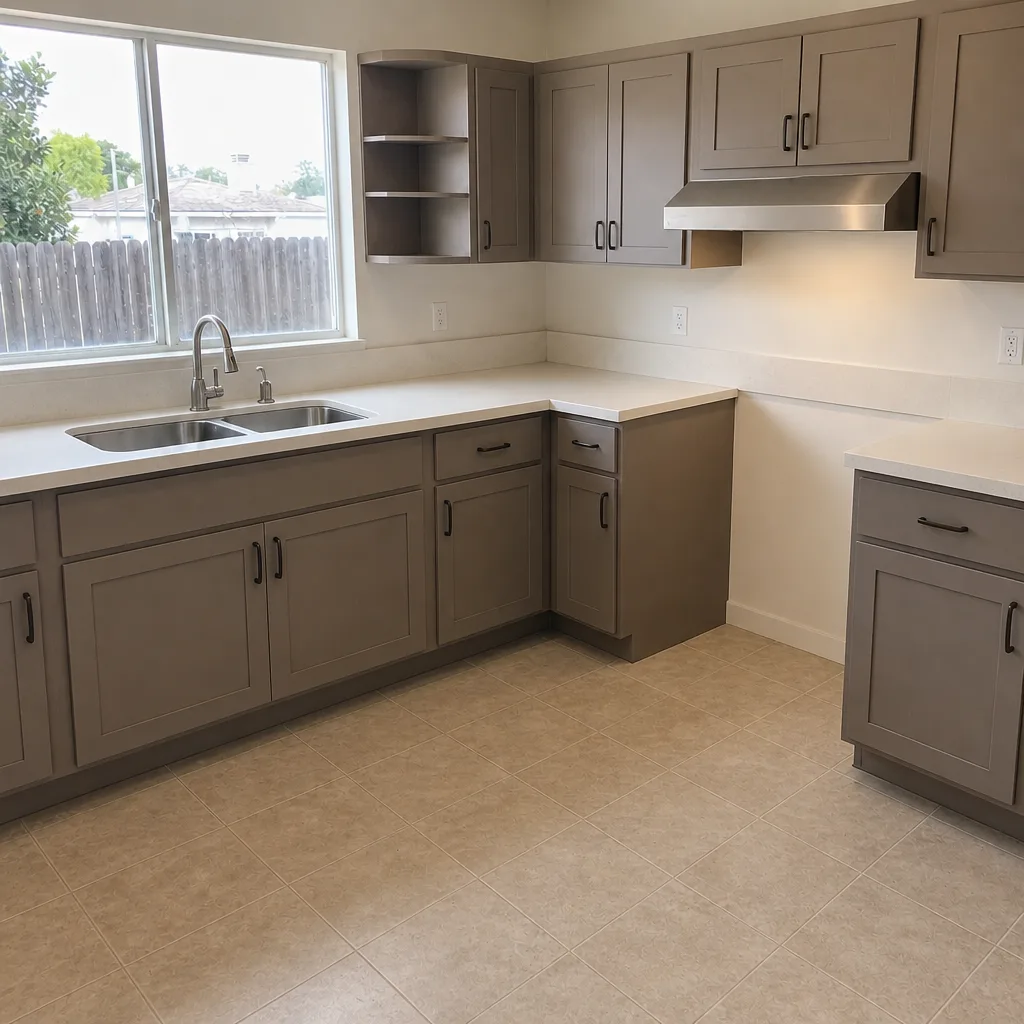 After
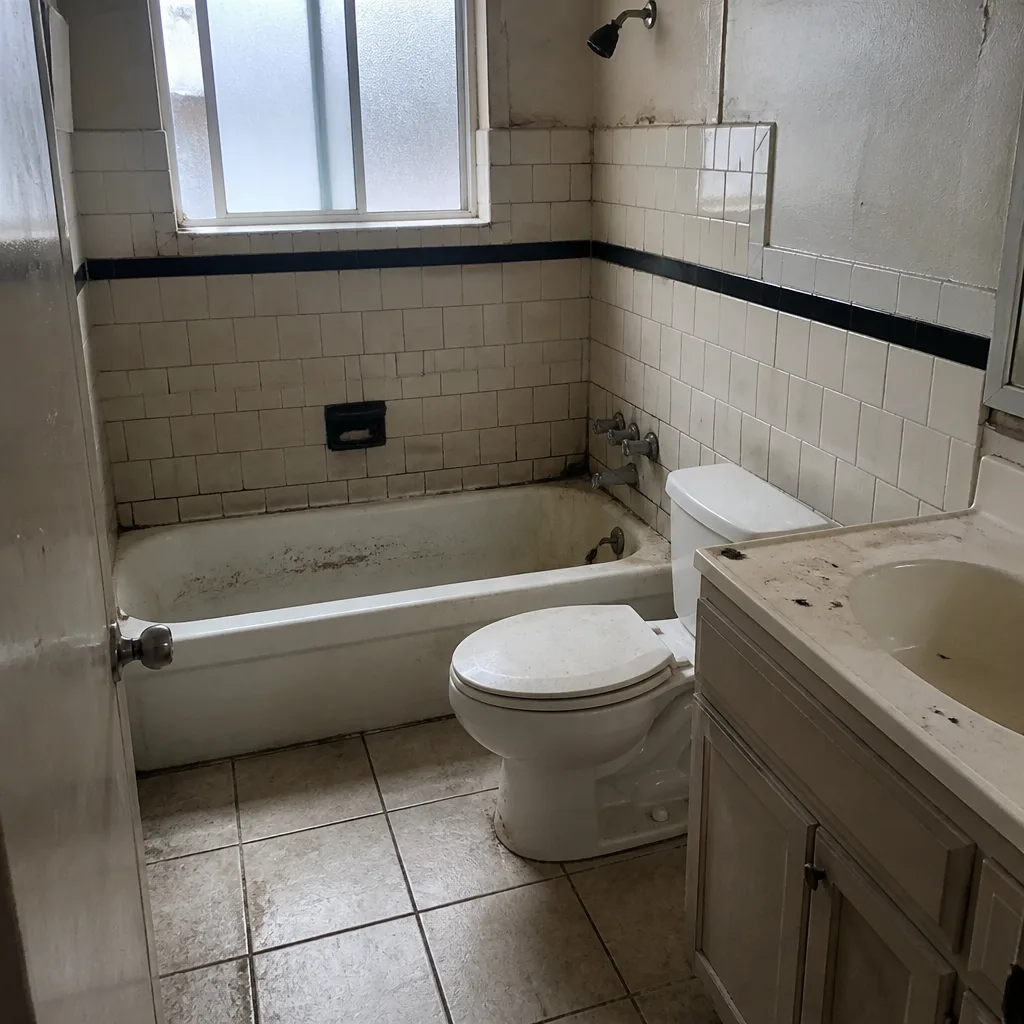 Before
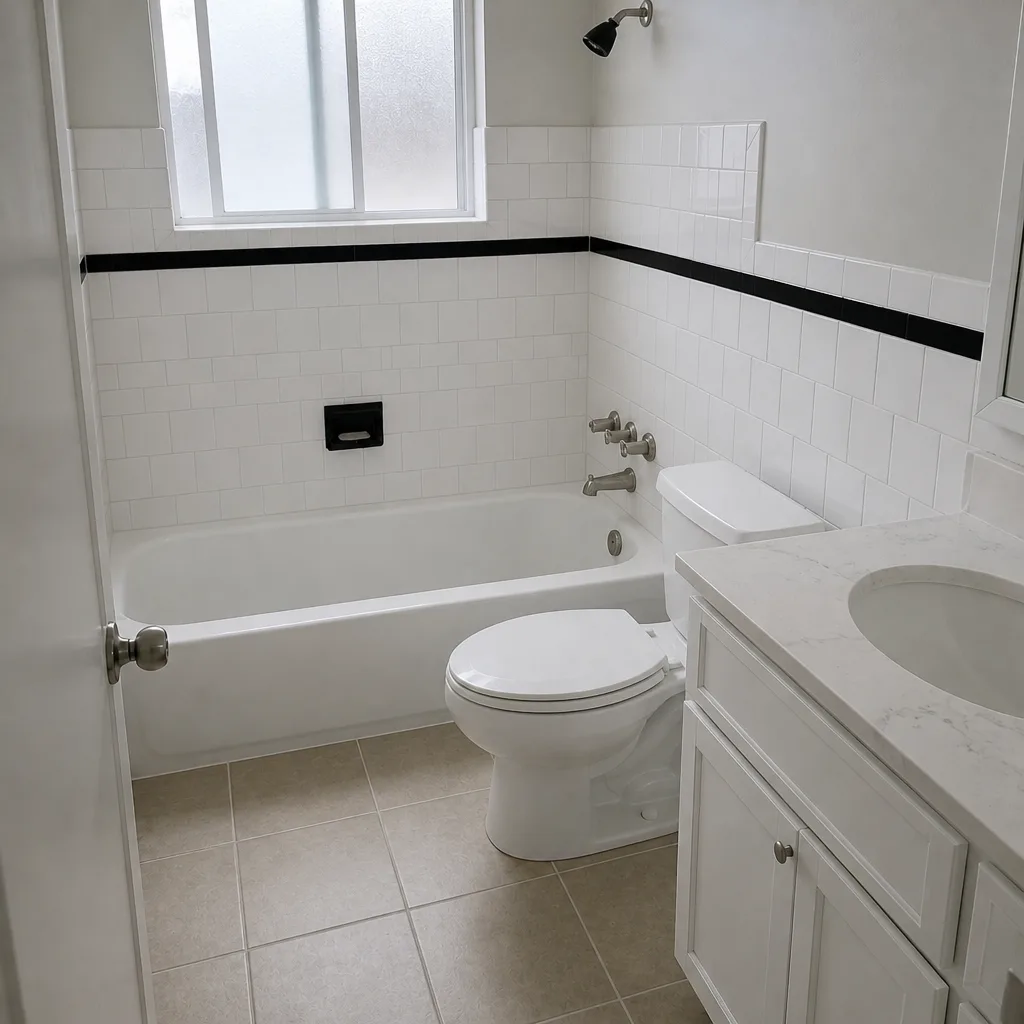 After
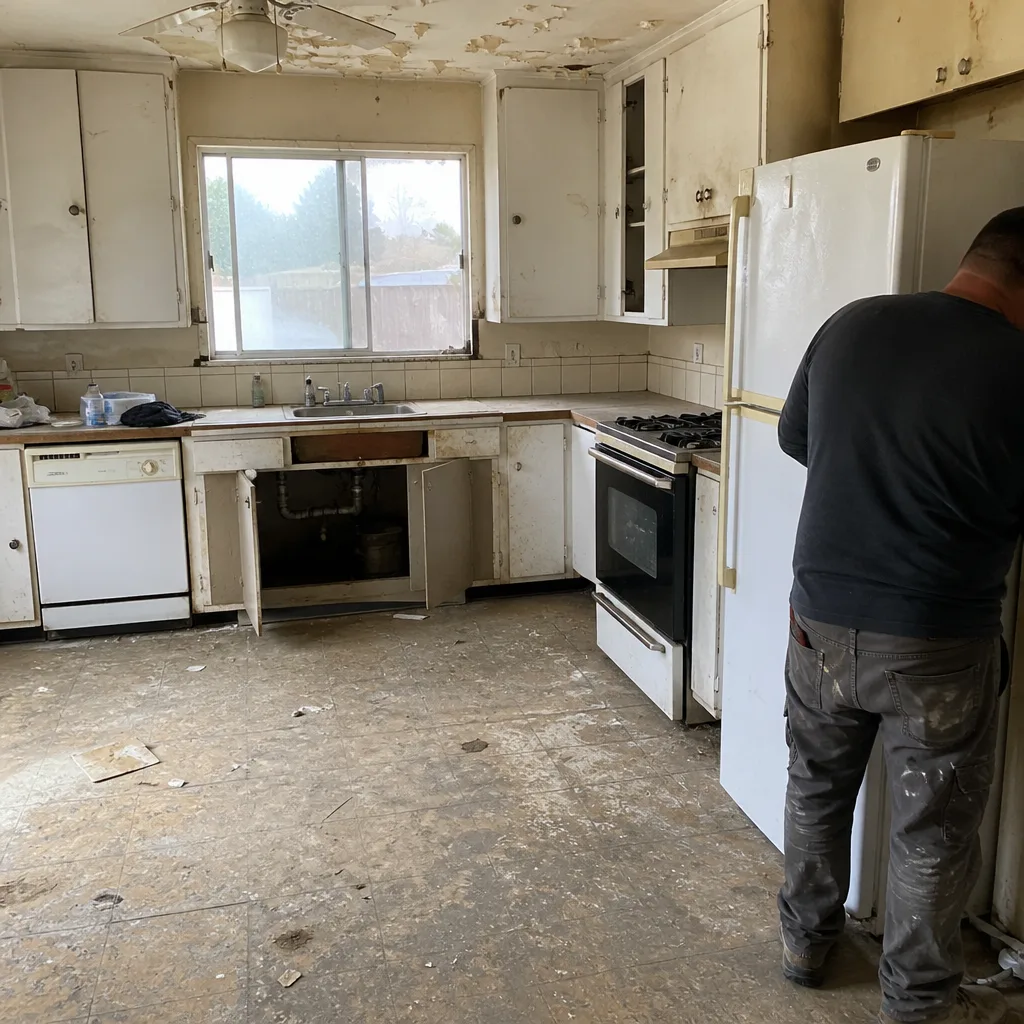 Before
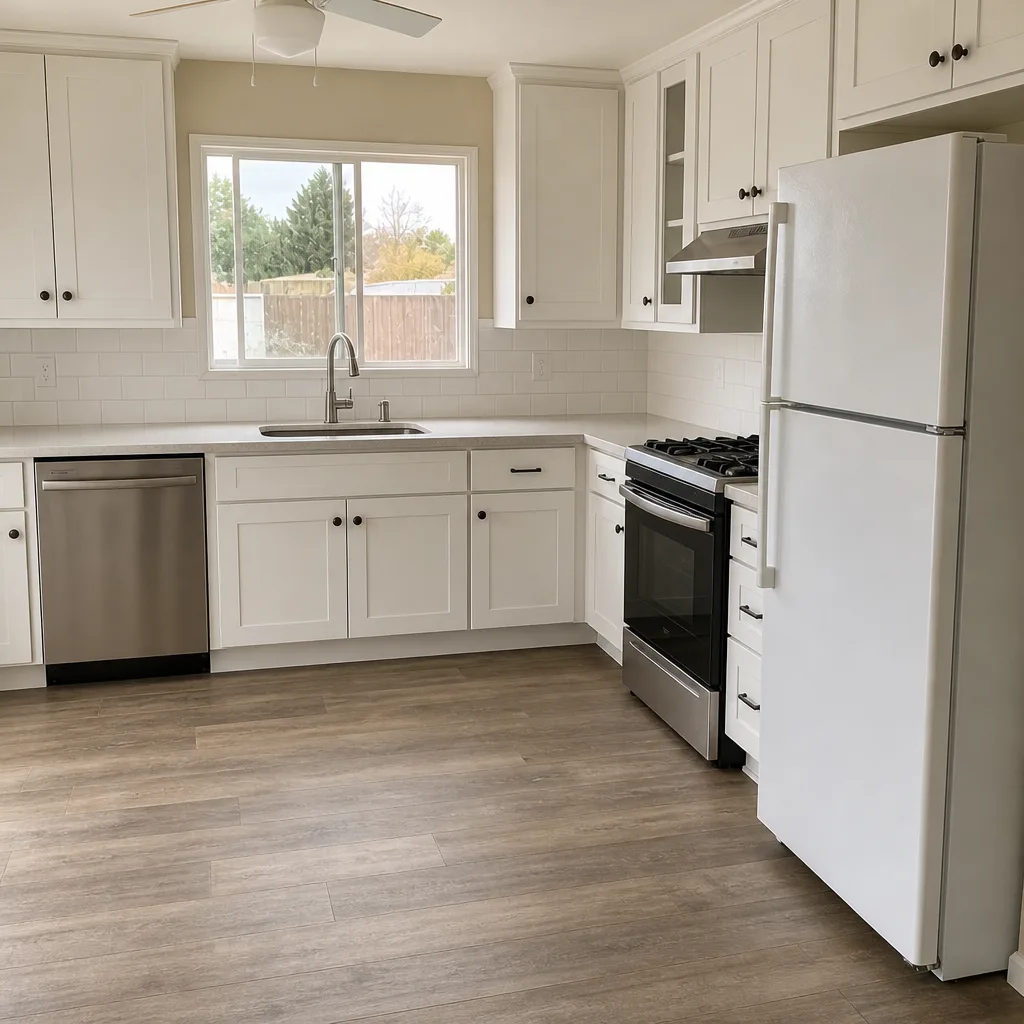 After
Here’s the page, starting with the direct answer so it’s positioned for AI Overview and featured snippets.
How Custom Windows Are Made, and Why Antioch’s Older Homes Often Need Them
Custom windows are made by measuring a home’s actual rough opening to the fraction of an inch, building a design file from those exact dimensions, extruding or laminating the frame to spec, fabricating the insulated glass unit with its spacer, gas fill and low-E coating, then assembling and testing the finished window in a factory before it ships. The whole sequence runs about 3-6 weeks. In Antioch, that process isn’t a luxury add-on: much of the city’s mid-century housing stock was built to loose tolerances, and a stock window forced into a non-standard opening never seals the way it should. If you’re weighing custom against off-the-shelf, call Groundwork Construction Co. of Antioch at (888) 419-3650 for a free estimate and an honest read on which one your house actually needs.
Why “Your Ranch Home Needs Custom Windows” Usually Isn’t an Upsell
When a contractor tells you your 1963 Antioch ranch home needs custom windows, most homeowners assume they’re being sold something they don’t need. They usually aren’t. Walk the older flats between downtown and the river and you’ll find 1950s through 1970s tract homes where window openings were framed by hand, on site, to whatever the crew was measuring that day. Those openings routinely miss modern standard sizes by an inch or more in either direction.
Forcing a stock window into an opening like that means shimming the gaps and covering the difference with trim. The window closes. It looks fine on day one. What you can’t see is the air seal that got compromised in the process, and that seal is the whole reason you’re replacing the window. Custom fabrication isn’t a status symbol here. It’s the structurally correct answer to a non-standard hole in the wall.
The newer subdivisions up in the southern hills are a different story. Those 1980s-2000s builds used more standardized framing, so stock sizes often drop in with far less drama. Which is to say: whether you need custom depends on the house, not on the sales pitch. Our technicians have up to 12 years of experience reading exactly that difference, and we’ll tell you when stock is genuinely the smarter buy.
The Manufacturing Sequence, Step by Step
Here’s what actually happens between the day you sign off on a window and the day it shows up at your curb. Each step matters, because shortcuts at any one of them show up as a draft, a fogged pane, or a callback two winters later.
- Exact-dimension measurement. A technician measures the rough opening at multiple points, top to bottom and side to side, because older framing is rarely square. The smallest measurement governs. This is the step that separates a custom order from a guess.
- Factory design file. Those numbers become a manufacturing file: frame dimensions, sill profile, glass spec, finish, hardware. Every downstream step reads from this file.
- Frame extrusion or lamination. The frame is either extruded from vinyl or aluminum, or laminated wood is cut and joined to the exact spec. Andersen and Marvin operate at tight tolerances here, which is part of why their units hold up over decades of Delta wind and sun.
- Glass unit fabrication. The insulating glass unit gets built: two panes, a spacer between them, argon or krypton gas fill, and a low-E coating applied in the factory. Seal quality at this step determines whether the unit fogs from the inside out in five years or fifteen.
- Assembly and quality inspection. Frame, glass and hardware come together, then the finished unit gets checked for square, seal integrity and gas retention before it’s crated. Reputable manufacturers test gas fill retention on insulating units; commodity shops sometimes don’t.
- Delivery to the job site. Three to six weeks from order to delivery is normal for custom. That timeline is the price of precision, not a delay anyone’s padding.
The difference between Andersen or Marvin custom work and a bargain custom shop usually comes down to two things you can’t see from the street: precision tolerances on the frame and gas fill retention testing on the glass. Add factory-applied exterior coatings rated for UV exposure and wind-driven grit, and you’ve got a window built for a climate that throws both at it.
What Antioch’s Delta Climate Does to a Window Order
Antioch sits on the Delta at the foot of the East Bay hills, which means hot, dry summers with persistent afternoon wind off the river and cool, fog-influenced winters. That combination should drive the glass specification on any custom order, and it often doesn’t when a homeowner orders through an online configurator that ships with national defaults.
When we specify custom units, we match the solar heat gain coefficient (SHGC) and U-factor to Antioch’s climate zone rather than accepting whatever the form defaults to. Get that wrong and you’ll spend the next decade fighting afternoon heat gain in the summer and condensation on cold winter mornings. It’s a small line on a factory order and a large difference in how the house feels.
The same housing stock that makes custom sizing necessary is also full of original single-pane windows, which is why window replacement in Antioch so often turns into a whole-house conversation rather than a one-room swap. You can see the broader scope of what we handle on our Windows & Doors service page.
Putting a Number on It
Custom windows cost more than stock, and the premium is real. Here’s the range we see in Antioch for the finished job, installation included:
| Scope | Typical Antioch Range |
|---|---|
| Window replacement (whole-home or multi-window) | $4,500-$15,000 |
| Impact window installation | $8,000-$25,000 |
Where a given project lands depends on window count, size, frame material and glass spec. A handful of custom units in a 1960s ranch sits near the bottom; a full-house order with impact-rated glass and premium frames climbs toward the top. We quote upfront pricing with no surprises, and the number you see is the number you pay. Projects over $10,000 also qualify for $1,000 off, and 0% financing for 18 months is available if spreading the cost helps.
Common Local Scenarios We Walk Into
- The downtown ranch with an out-of-square opening. Original single-pane windows, hand-framed in the 1960s, where a stock unit would need so much shimming that the air seal fails within a season.
- The riverfront block with high water table. Expansive clay soils along the San Joaquin River waterfront move with the seasons, and older window frames take the brunt of it. Custom sizing accounts for a house that shifts.
- The hills subdivision with standardized framing. A 1990s build where stock sizes genuinely fit, and we’ll say so rather than sell a custom order you don’t need.
- The full-house upgrade driven by one bad room. Homeowners who start with a single drafty window and, once they see the difference, want the rest of the house done to match.
Why the Manufacturing Detail Matters for the Warranty
Every project Groundwork Construction Co. of Antioch installs carries our 730-Day Done Right Promise. That’s one of the longer workmanship guarantees in residential construction, and it covers the fit-and-finish failures a rushed or under-specified custom order produces: sticking sashes, failed seals, hardware that loosens, trim that pulls away from the wall as the house moves through its seasonal cycle.
The manufacturing process above is the reason that guarantee can exist. When the rough opening was measured properly, the glass was specified for this climate, and the unit was built to a real design file instead of pulled off a rack, the installation has something solid to work with. When any of those steps get skipped, no warranty in the world fixes the window that was never going to fit. Choosing home improvements with a written guarantee behind them is how you avoid paying twice.
FAQs
Custom windows typically take 3-6 weeks from order to delivery, and that timeline runs on top of measurement and installation scheduling. The weeks go to the factory steps: design file, frame build, glass fabrication, assembly and inspection. Shorter turns usually mean a stock-size unit or a shop cutting corners on seal testing. Call (888) 419-3650 for a free estimate and a realistic timeline for your house.
Often yes, because the alternative is a stock window shimmed into a non-standard opening, which compromises the air seal and defeats the purpose of replacing it. In Antioch’s 1950s-1970s tract homes, the rough openings frequently miss standard sizes, so custom is the correct fix rather than an upgrade. In newer hills subdivisions, stock may fit fine and we’ll tell you. Call (888) 419-3650 for a straight answer on your specific house.
The main differences are precision tolerances on the frame, gas fill retention testing on the insulating glass, and factory-applied exterior coatings rated for UV and wind-driven grit. Commodity custom shops sometimes skip the seal testing, which shows up years later as fogged panes. We order through verified brand partners like Andersen and Marvin for exactly that reason. Call (888) 419-3650 to talk through options.
Expect roughly $4,500-$15,000 for window replacement in Antioch, with impact window installation running $8,000-$25,000. Your final number depends on window count, size, frame material and glass specification for the Delta climate. We quote upfront pricing, and projects over $10,000 get $1,000 off. Call (888) 419-3650 for an exact quote; estimates are free.
If you’d rather have it looked at, Groundwork Construction Co. of Antioch offers a no-pressure assessment in Antioch. We’ll measure your openings, tell you honestly whether custom is necessary, and quote it with upfront pricing and the 730-Day Done Right Promise behind the install. Call (888) 419-3650.
Written by the team at Groundwork Construction Co. of Antioch, serving Antioch, CA.