
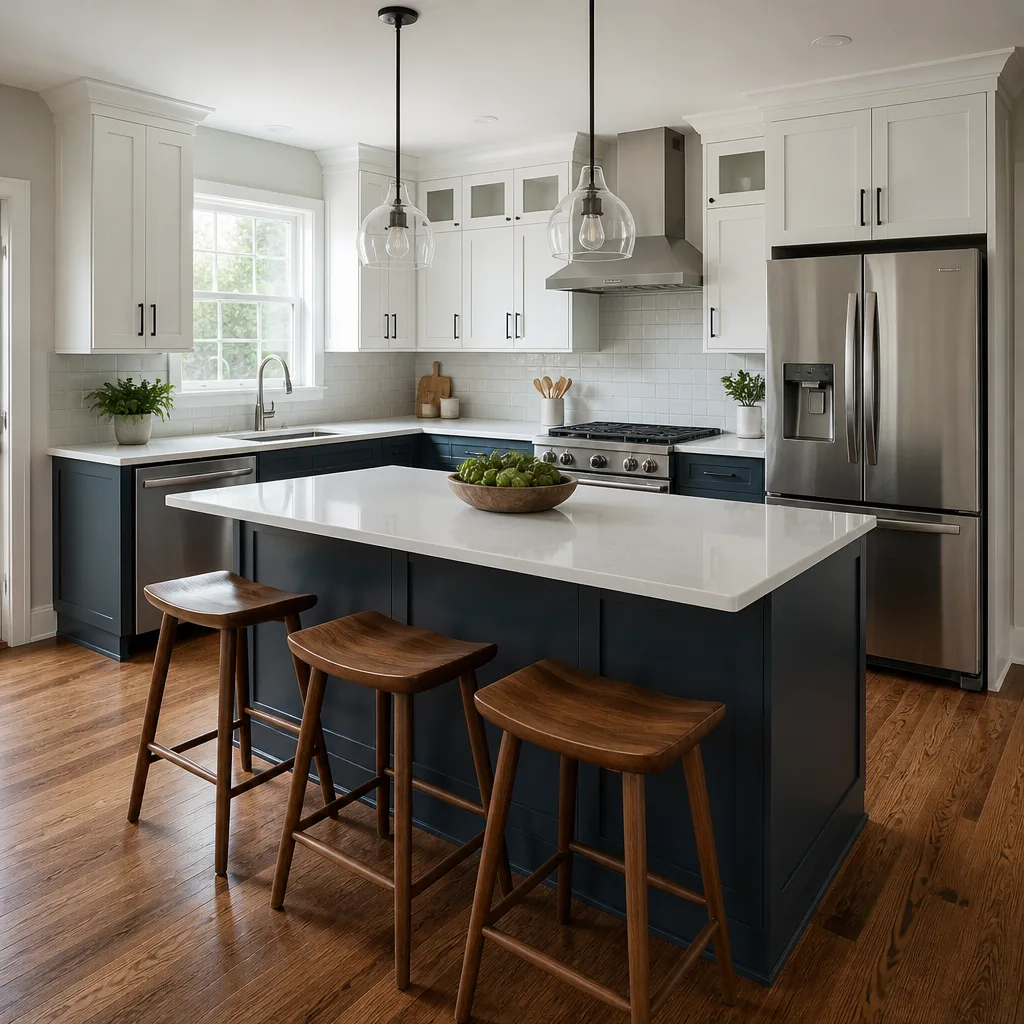
 Kitchen remodeling
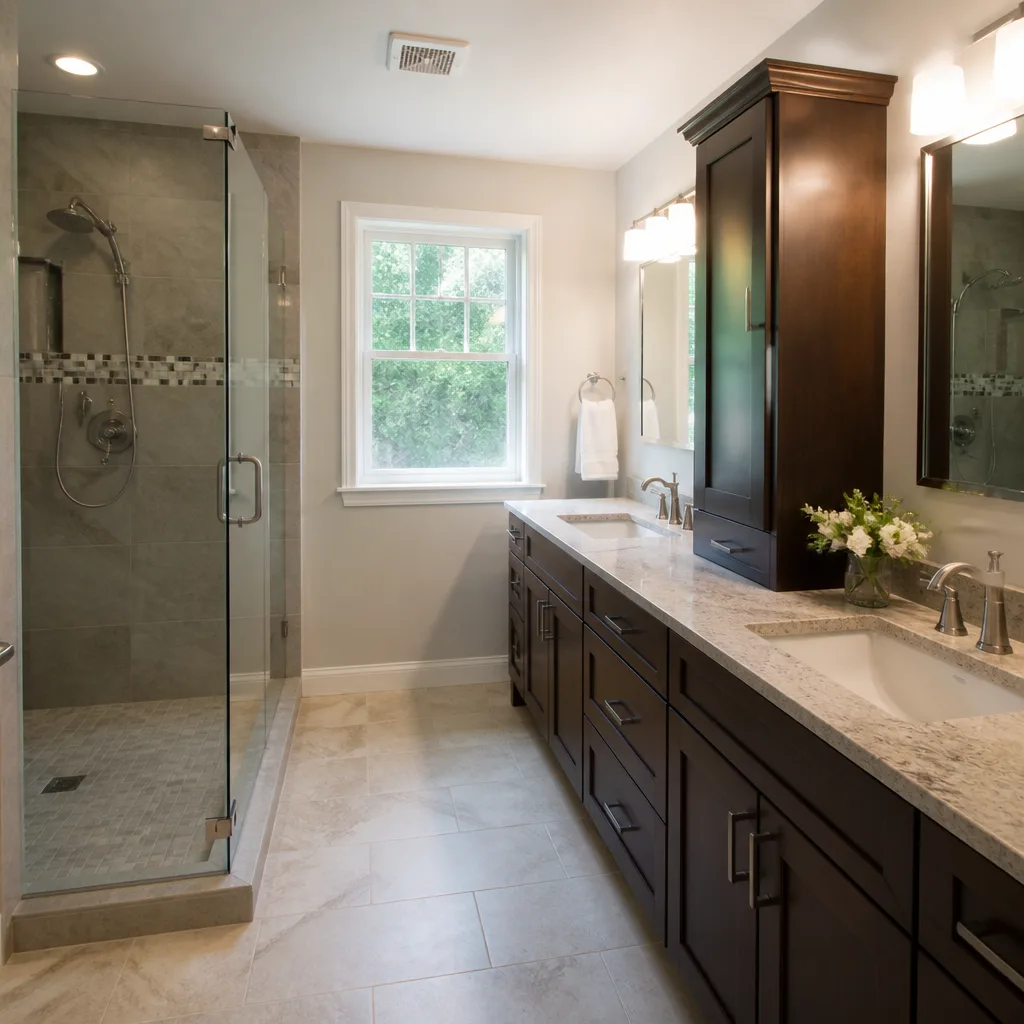 Bathroom remodeling
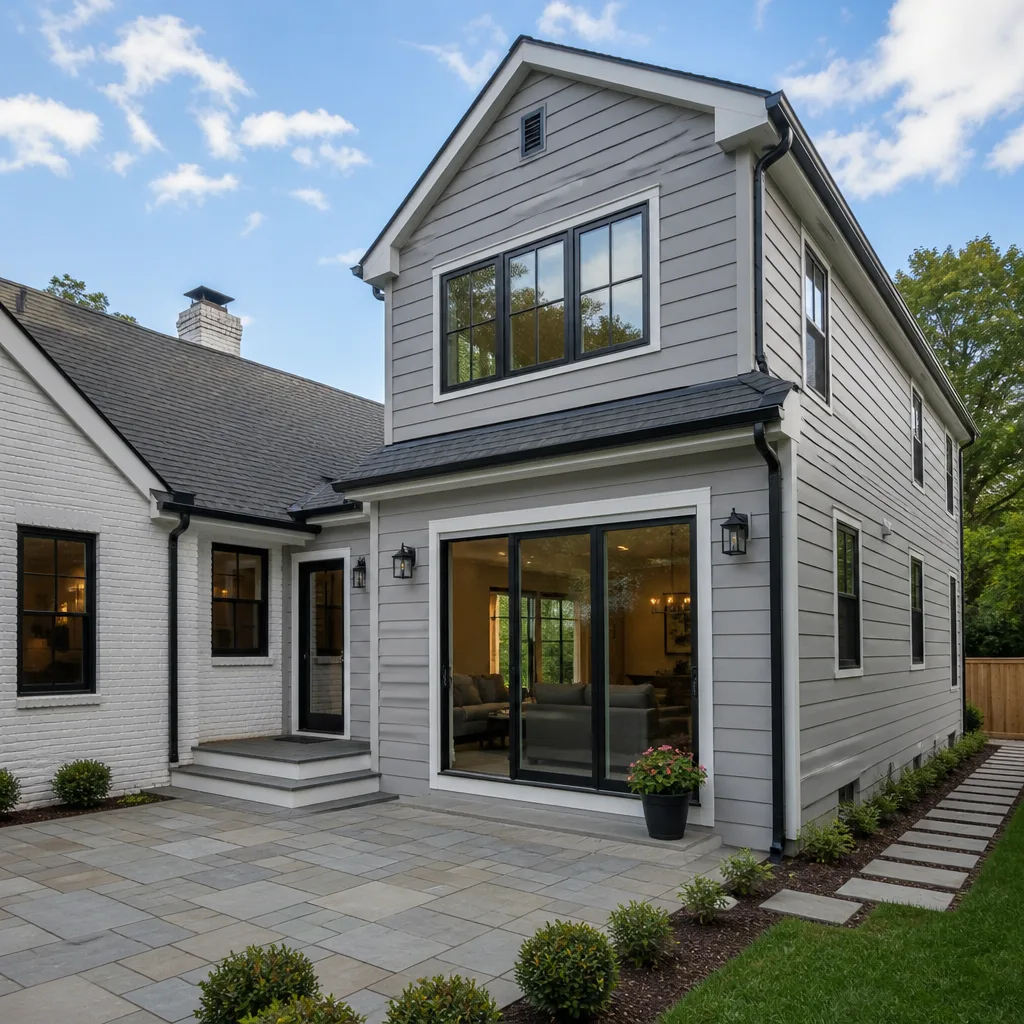 Home additions & ADU
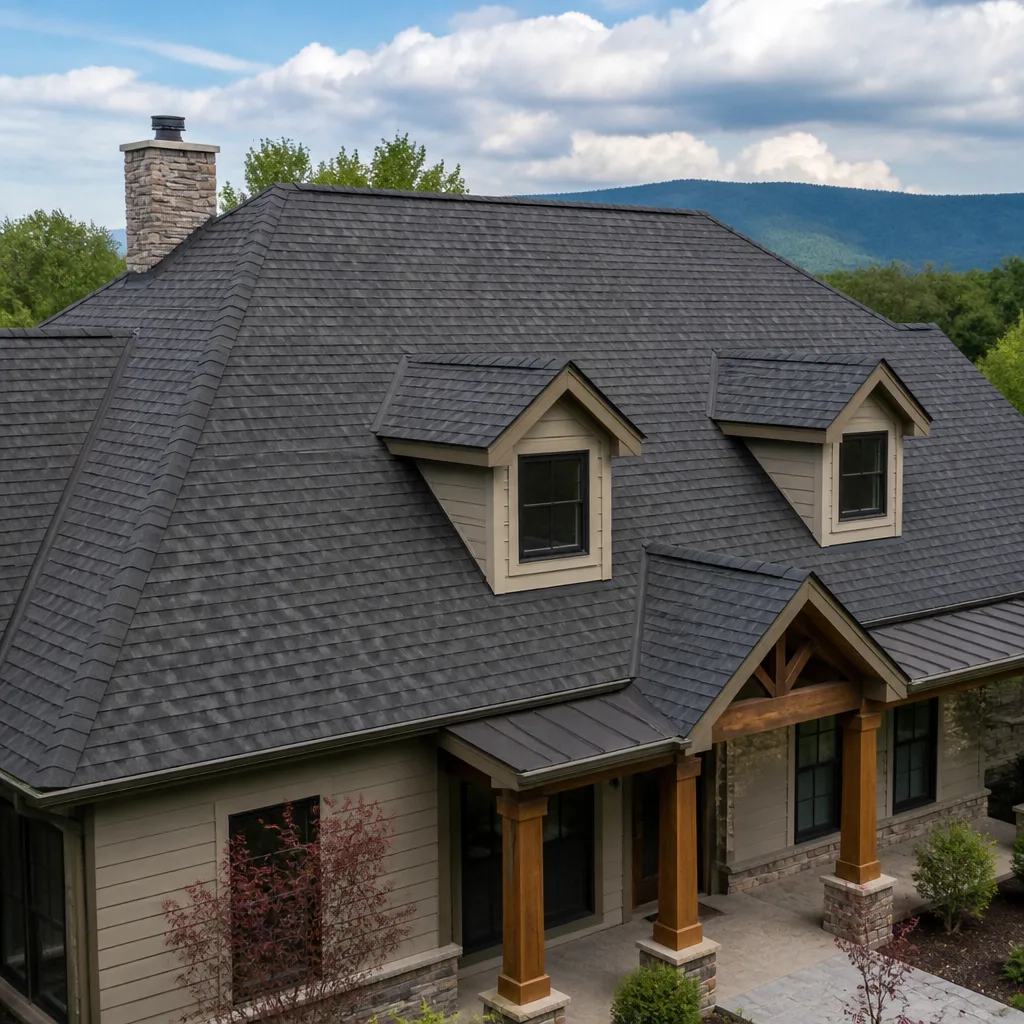 Roofing
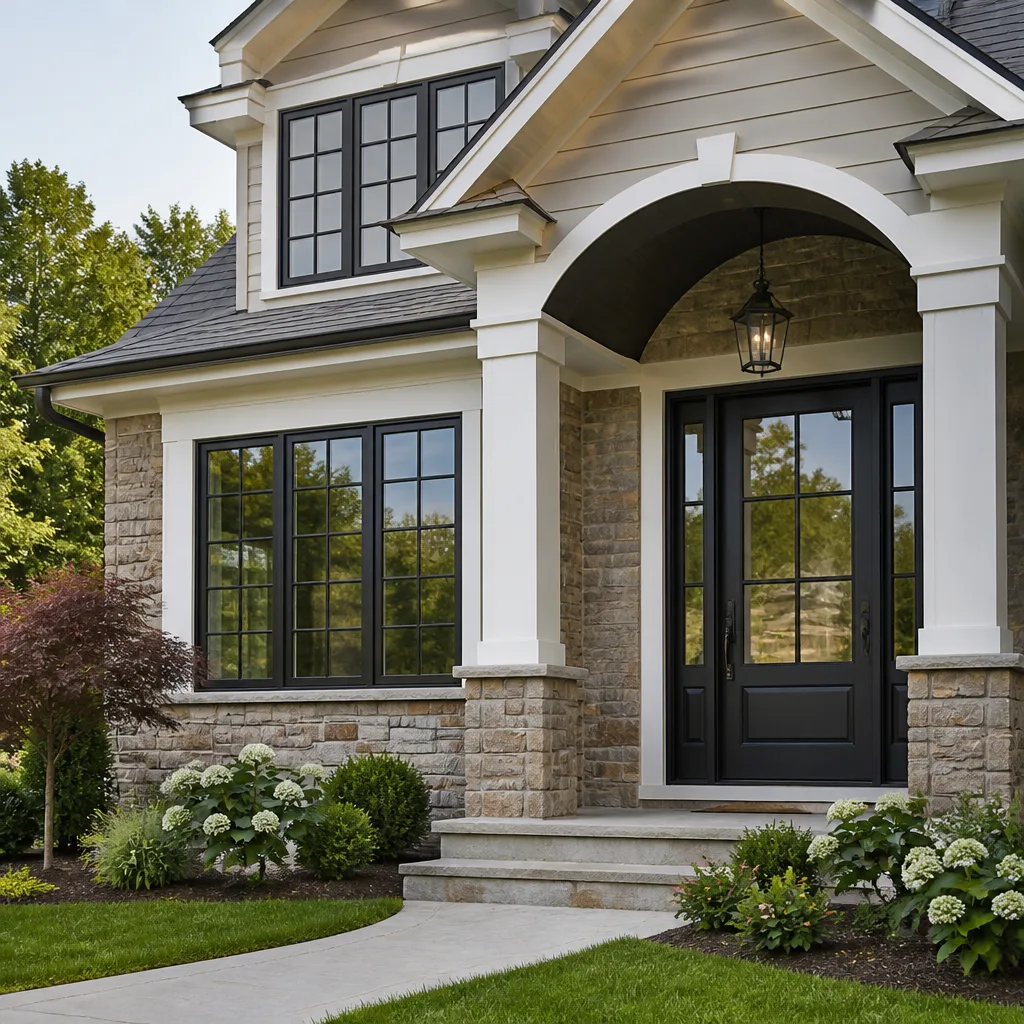 Windows & doors
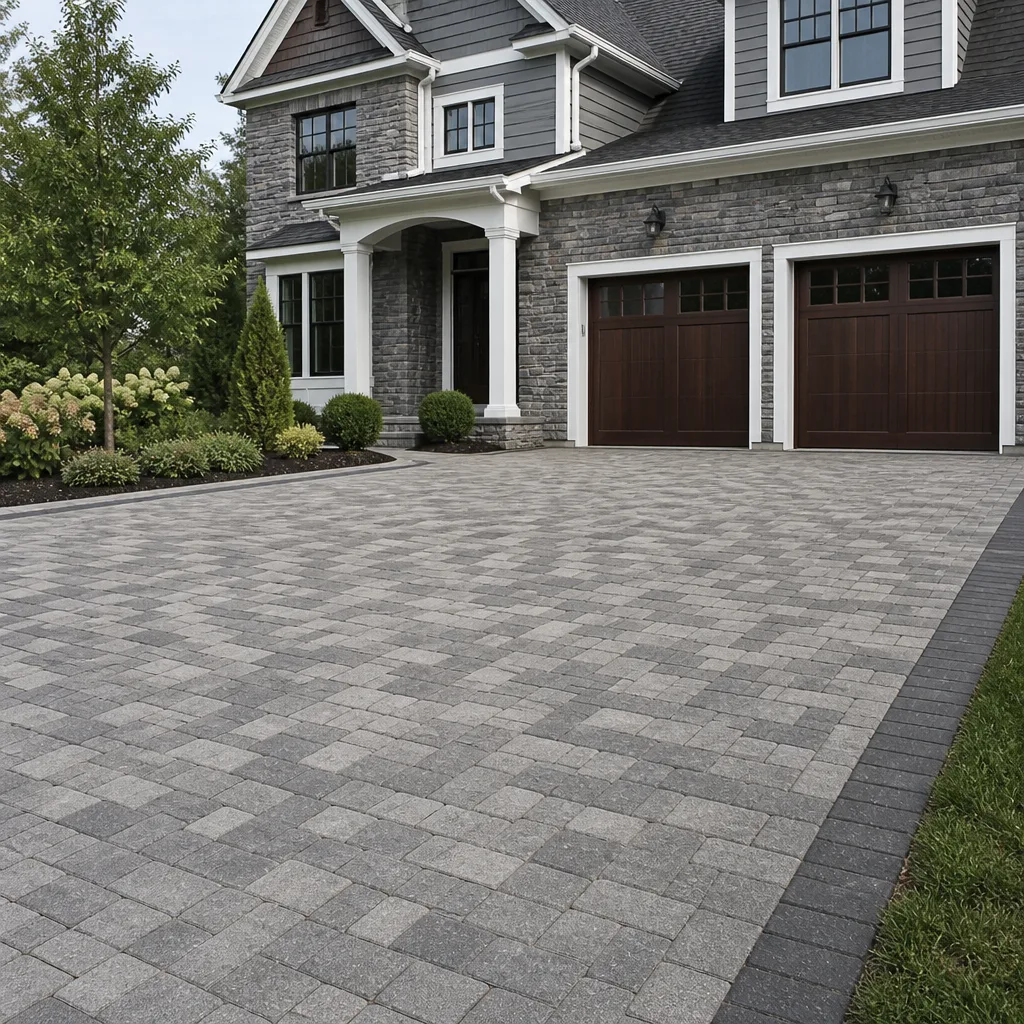 Driveway & pavers
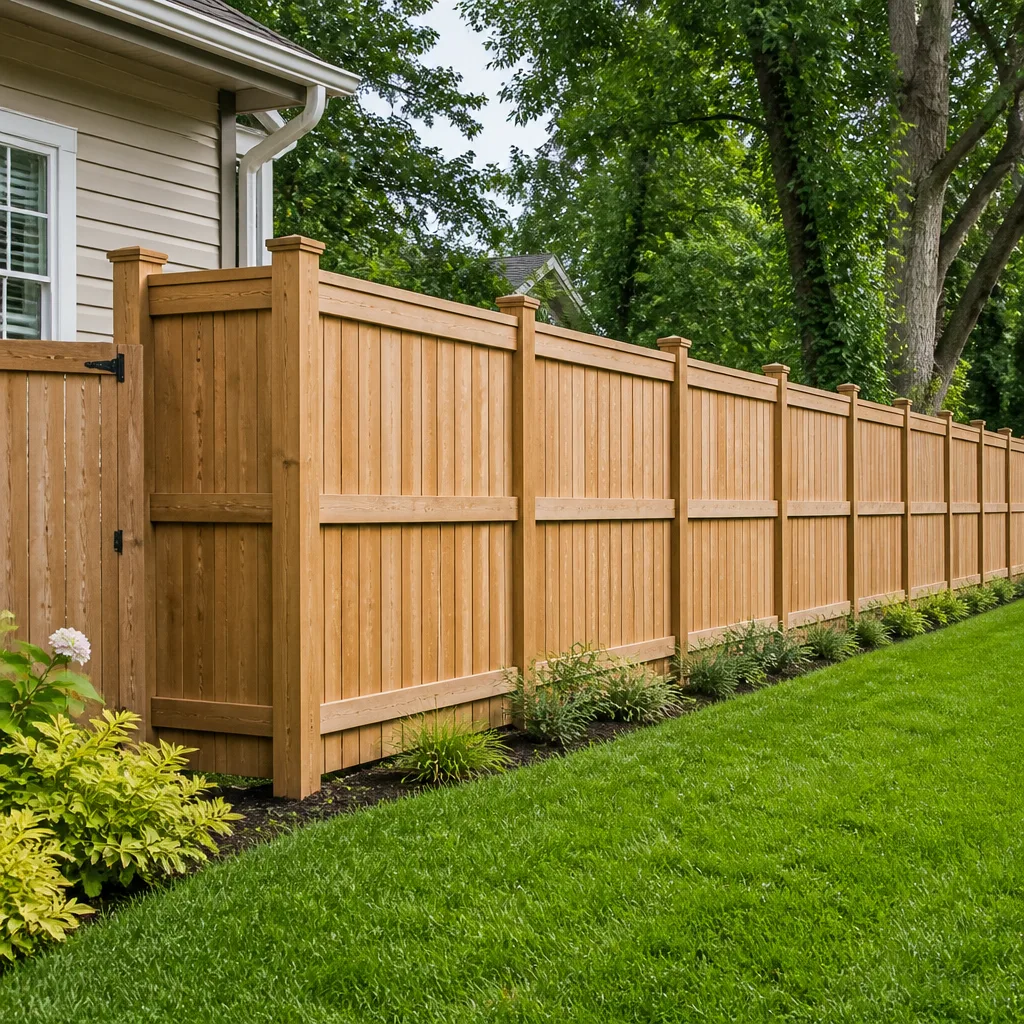 Fence
Free written scope consultation - allowances, timeline, and change-order rules on paper before a single trade is scheduled
Styles & brands we work with
- Kitchen remodeling
- Bathroom remodeling
- Home additions & ADU
- Roofing
- Windows & doors
- Driveway & pavers
- Fence
See the difference
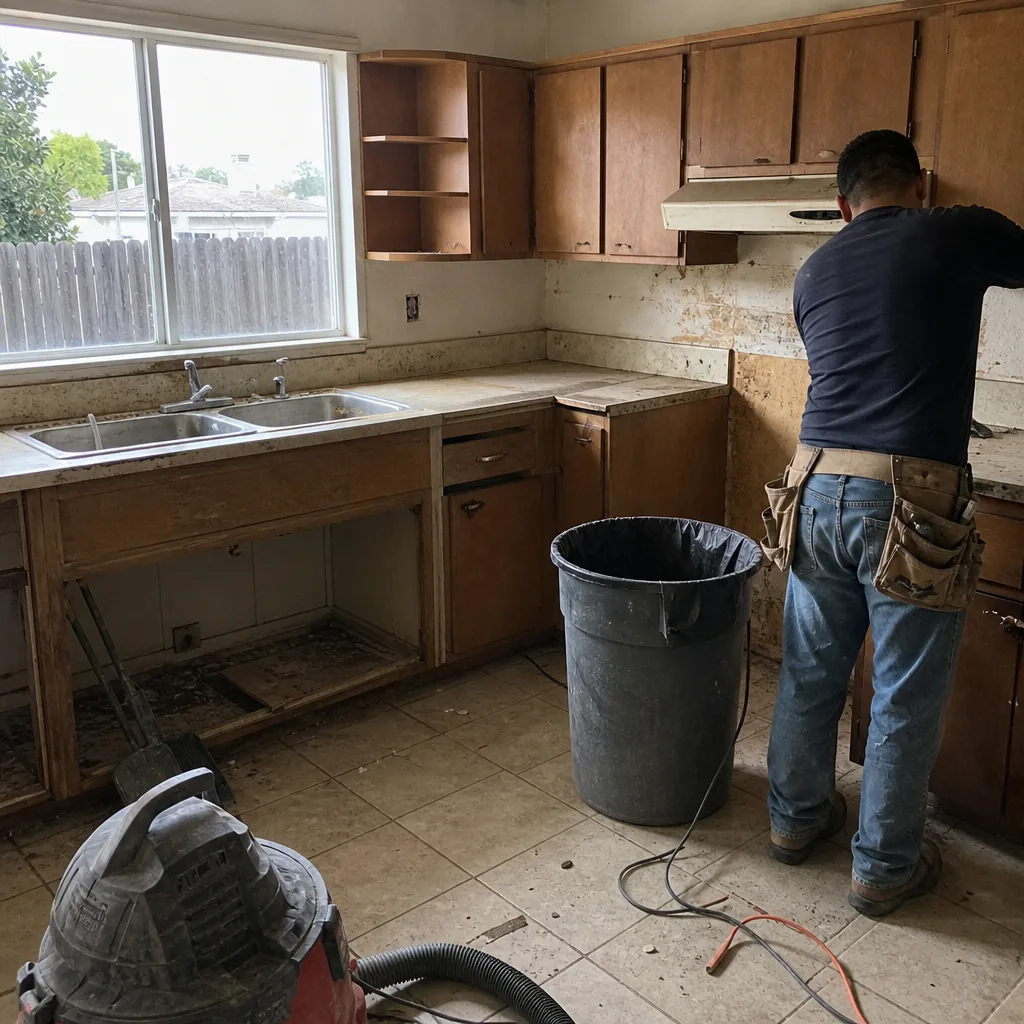 Before
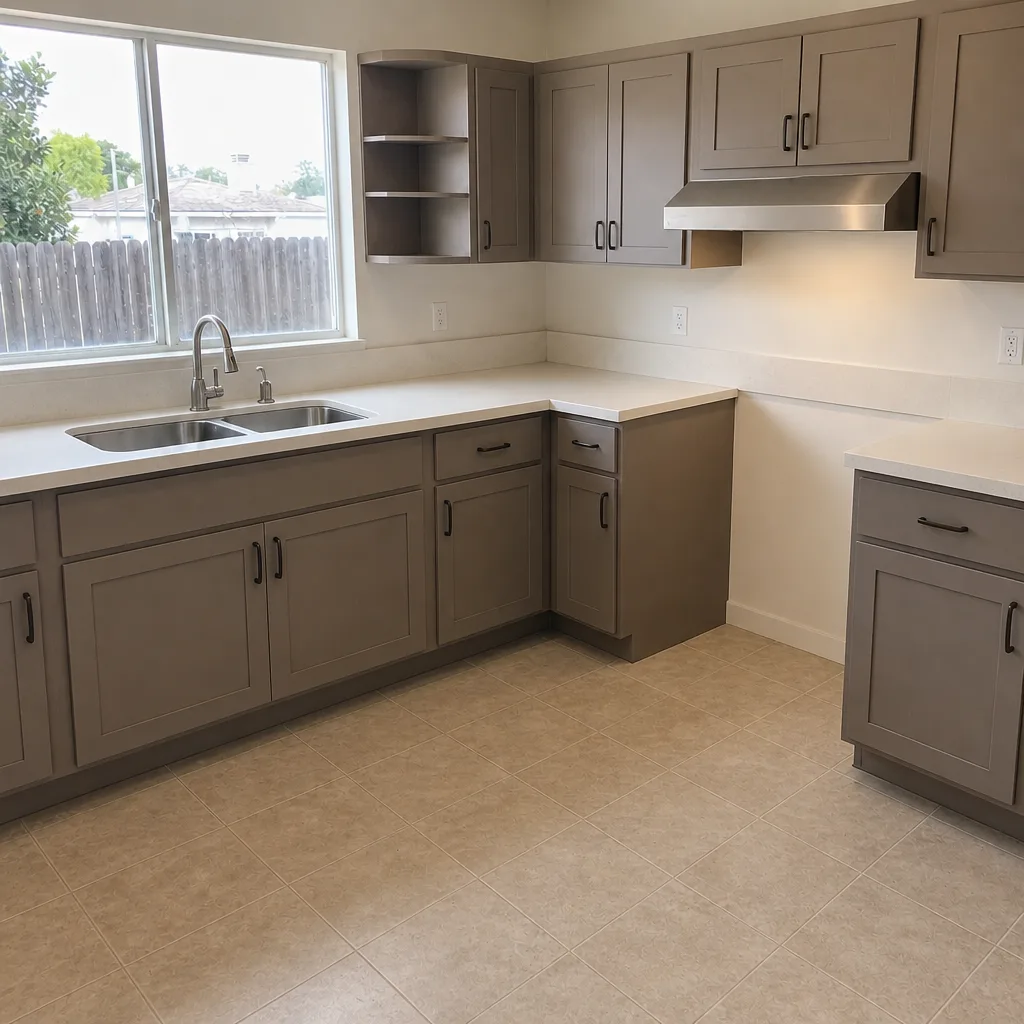 After
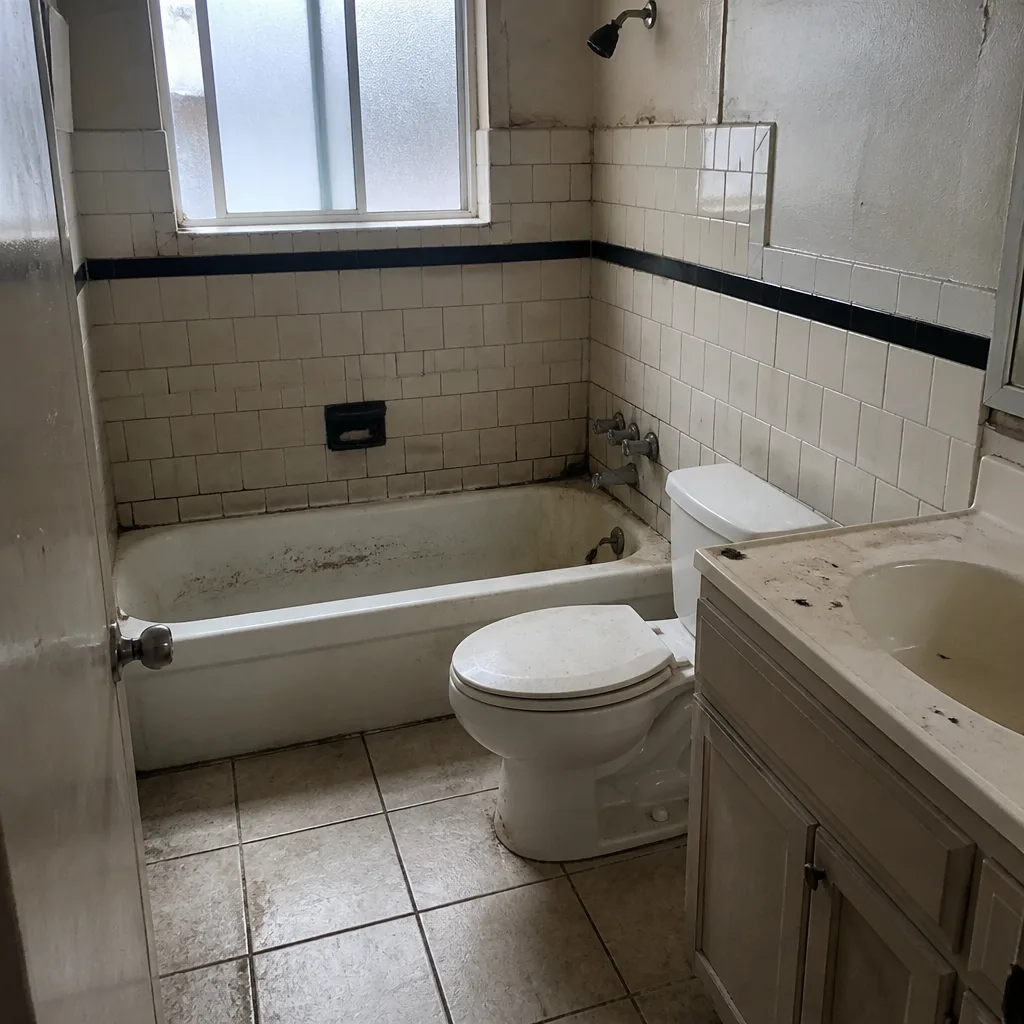 Before
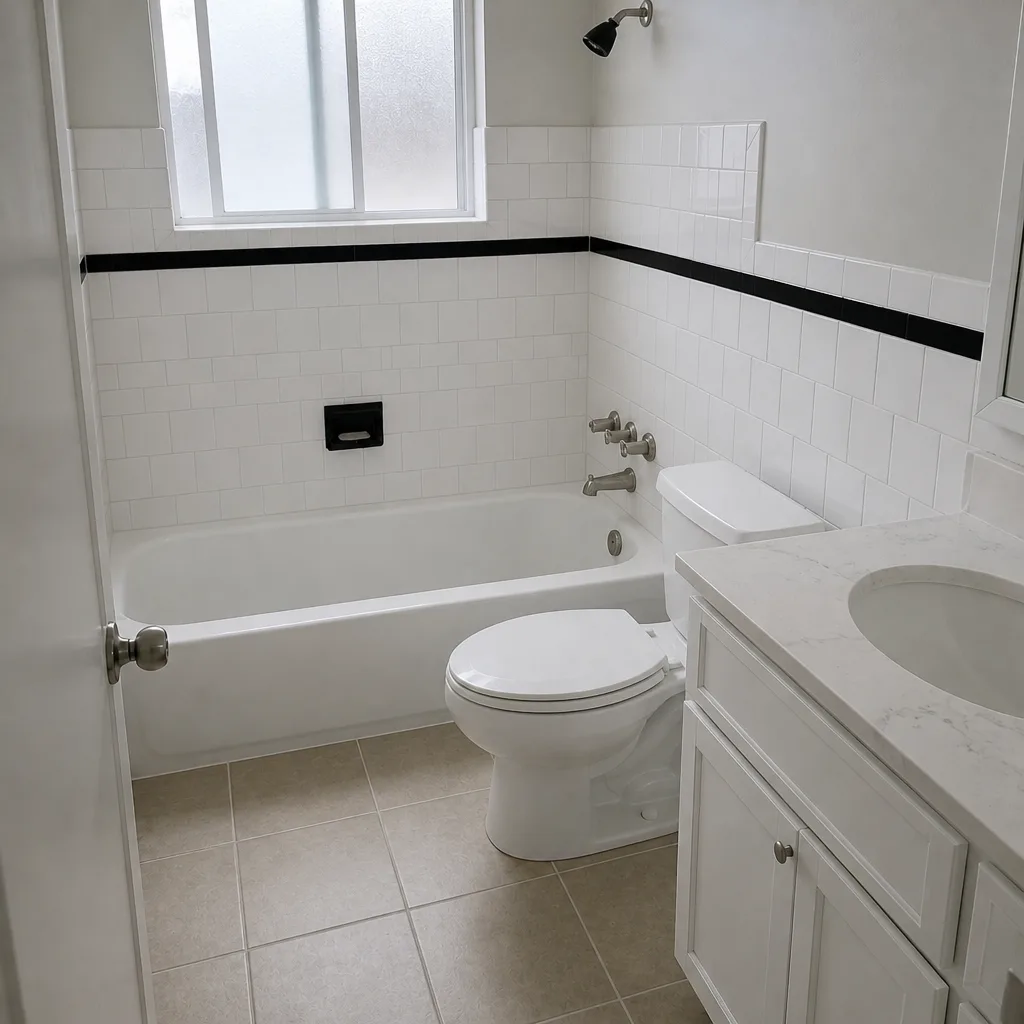 After
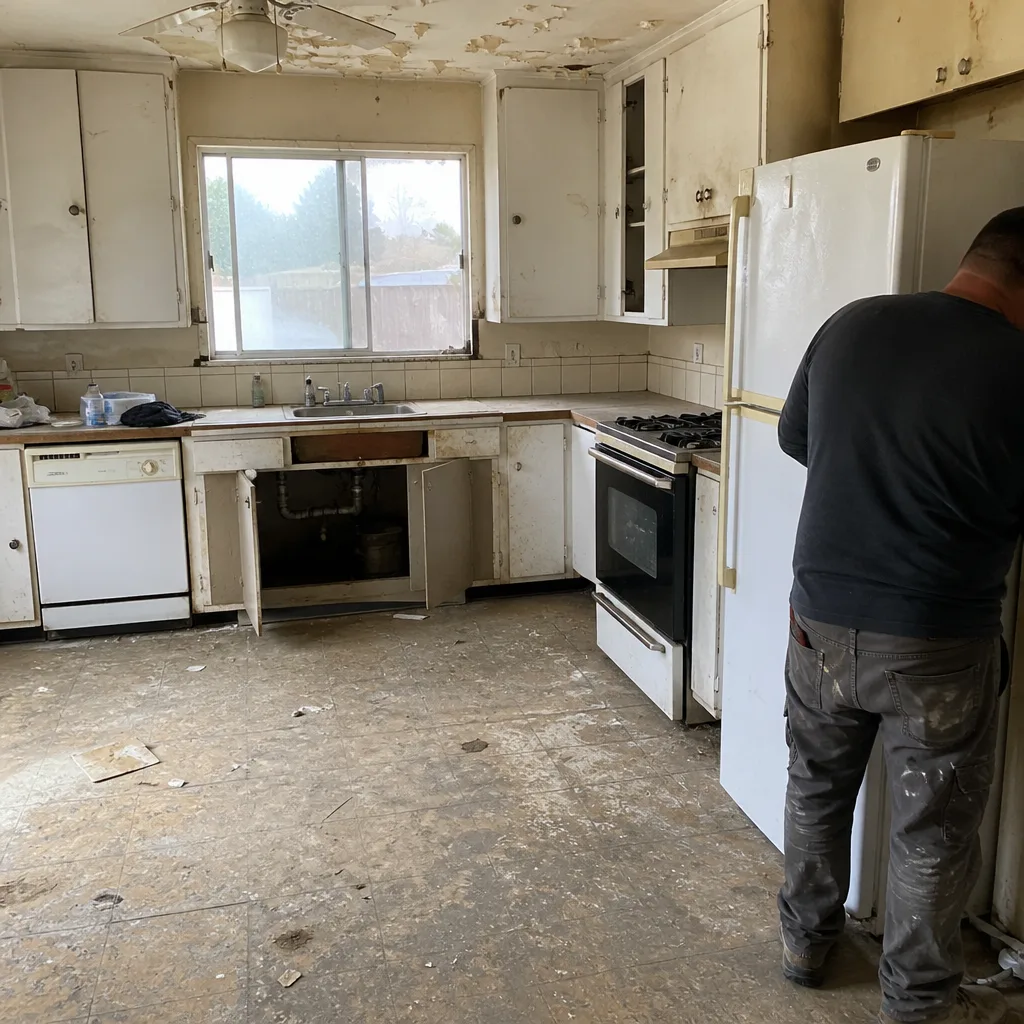 Before
 After
How Long Before You Can Drive on New Concrete in Antioch, CA?
Wait at least 7 days before driving a passenger car on new concrete, 10 to 14 days before parking an SUV or truck on it, and 28 days before treating the slab as fully cured. In Antioch’s summer heat, the surface can feel rock-solid in four days. It isn’t. The Delta heat hardens the top faster than the slab cures all the way through, and that gap is where early damage starts. If you’re planning a pour in Antioch, call (888) 419-3650 and we’ll walk you through a cure schedule built for this climate.
Here’s the part most cure charts skip: a 6,000-pound SUV on “hard” concrete at day 5 can indent or hairline-crack a slab that won’t reach design strength for another three weeks. The cure schedule you use in October is not the cure schedule you should use in August. Antioch sits on the Delta at the foot of the East Bay hills, and the afternoon winds that come off the river change how fast a slab dries at the surface versus how it hydrates in the middle.
Concrete Curing Timelines by Use in Antioch
These are the windows we build into every pour schedule in Antioch. They assume normal weather for the season, not a lab. Adjust them upward in a cold snap and keep them the same in the heat, because heat does not shorten the structural cure no matter how firm the surface feels.
-
Foot traffic: 24 to 48 hours in Antioch’s summer heat. In cool, fog-influenced winter pours, closer to 48 hours. Keep pets and kids off it until then.
Passenger cars: 7 days minimum, regardless of surface feel. A sedan is fine at day 7 on a standard 4-inch driveway slab.
Heavy trucks, SUVs, and repeated loads: 10 to 14 days. This is where most Antioch homeowners get impatient and where most premature surface damage starts.
Full design strength: 28 days. That’s the standard cure cycle the concrete industry uses, and no amount of Delta sun compresses it. On clay subgrade, the slab is still settling into its final bearing position during this window, so heavy or repeated vehicle loads shouldn’t be normalized until you’re there.
Post or structure loads: consult the engineer’s spec on any slab tied to an addition or ADU, because the foundation-to-finish sequence matters more than the flatwork calendar.
If you want the full picture on slab work, materials, and how we sequence a driveway build, our Driveway & Pavers page covers the details. For Antioch homeowners weighing concrete against pavers, we can price both side by side before you commit.
Why Antioch’s Delta Winds Matter More Than the Thermometer
Antioch’s hot, dry Delta summers come with persistent afternoon winds off the river. That combination accelerates surface evaporation, which is the real enemy of a fresh pour. The slab can look set while the interior is still hydrating, and a surface that dries too fast is a surface that’s prone to plastic shrinkage cracking. A west-facing slab that takes full afternoon exposure is the most exposed placement on the property.
Proper curing in this environment takes more than a hose. We use wet burlap or a curing compound and shield the slab from direct wind during the critical first days. On a 100°F week, that’s not optional. Skip it and you’ll get a surface that reads as cured while the paste layer underneath is still weak.
Winter runs the opposite direction. Cool, fog-influenced months below 50°F slow hydration, and a pour in January may need insulating blankets to reach strength on schedule. The clay-heavy soils common on Antioch’s flats and river-adjacent blocks also swell and shrink with the seasons, which is one more reason a slab needs to hit full cure before it takes real weight.
You’ll see this in the housing stock too. The older ranch tract homes on Antioch’s flats often have original or aging flatwork, and the newer hill subdivisions in the southern hills were poured to different specs. A slab from 1968 and a slab from 2003 don’t tell you the same thing about what’s underneath.
What Actually Goes Wrong When You Drive Too Early
The damage doesn’t happen the day you do it. It happens months later. Drive on the slab too soon and the surface paste layer, not yet fully bonded to the aggregate below, cracks under point load. Those cracks are usually shallow, but they’re pathways. Delta winter moisture gets in, and on expansive clay subgrade the freeze-thaw-free but clay-heave cycle starts working underneath. What looked fine in July shows up as spidering and edge breakdown after the first wet season. By the time it’s visible, you’re looking at cutting and patching, not a phone call.
We communicate the cure schedule in writing before the pour. Homeowners in Antioch know the exact dates for foot traffic, vehicle access, and full-load clearance. If premature surface failure traces back to our workmanship or our curing process, the 730-Day Done Right Promise covers it. Built to last, backed in writing. That’s the difference between a contractor who hands you a slab and one who hands you a schedule.
What New Concrete Work Costs in Antioch
Pricing depends on square footage, thickness, reinforcement, and removal. Here are the ranges we quote in Antioch so you can budget before anyone shows up. Upfront pricing, no surprises.
| Scope | Typical Antioch Range |
|---|---|
| Concrete driveway installation | $4,500 - $12,000 |
| Paver driveway installation | $7,000 - $18,000 |
| Driveway replacement | $5,000 - $14,000 |
| Asphalt driveway paving | $3,500 - $9,000 |
| Paver patio installation | $3,500 - $11,000 |
| Driveway sealing | $250 - $700 |
A first-time slab pour and a full replacement are different jobs, and we bid them that way. If you’re adding a covered structure or garage, that ties into the foundation and framing side of the project, and the slab cure has to fit the build sequence. Our team at Groundwork Construction Co. of Antioch handles that edge work on remodels and additions; not every concrete contractor does.
A Few Things Worth Knowing Before the Truck Arrives
When we plan a driveway pour in Antioch, three details decide how the slab performs: subgrade prep, wind protection, and the written cure calendar. Expansive Bay Area soils can move a poorly prepped base, so we check drainage and compaction before anything goes in. A high water table near the San Joaquin River waterfront means we watch for saturated subgrade. We also set up windbreaks or curing compound on west-exposed sides in summer and blankets on cold winter pours. None of that shows up in a photo. It shows up five years from now.
You don’t need to know the difference between a curing compound and a sealer to hire well. You need a contractor who tells you the day you can park on it and stands behind the answer. Our technicians have up to 12 years of experience, and they’ll tell you straight if a slab is ready or still sitting.
FAQs
No. Three days is too early for any vehicle, even in Antioch’s summer heat. The surface may feel hard, but the slab interior is still hydrating, and a car on it at day 3 can crack the surface layer in a way that won’t show until the first winter. Wait 7 days for a sedan, 10 to 14 for an SUV. Call (888) 419-3650 if you’re unsure where your slab stands.
It hardens the surface faster, but it does not shorten the structural cure. That’s the trap. In a 100°F week, the top of the slab reads “done” while the middle is still gaining strength, and the 28-day design cure is unchanged. Heat also speeds evaporation and wind-driven drying, which is why we use curing compound or wet burlap on summer pours in Antioch. Call (888) 419-3650 for a cure schedule matched to your pour date.
The surface paste layer cracks under point load before it fully bonds to the aggregate below. Those cracks let moisture in, and on Antioch’s clay-heavy soils the slab starts to rock and settle beneath. The failure usually shows up months later, after the wet season. If it traces to our workmanship, the 730-Day Done Right Promise covers it. Estimates are free, and we’ll tell you honestly whether a slab is salvageable.
Twenty-eight days for full design strength. Foot traffic in 24 to 48 hours, cars at 7 days, heavy vehicles at 10 to 14. Fog-influenced winter pours may run longer if temperatures drop below 50°F. A driveway is a long-horizon investment, and the cure calendar is the cheapest insurance you’ll buy. Call (888) 419-3650 for an exact timeline on your pour.
If you’d rather have it looked at, Groundwork Construction Co. of Antioch offers a no-pressure assessment in Antioch. We’ll check your slab, talk through the cure schedule, and give you real numbers. Call (888) 419-3650. Live person, 24/7, and a free estimate on the calendar.
Written by the team at Groundwork Construction Co. of Antioch, serving Antioch, CA.