
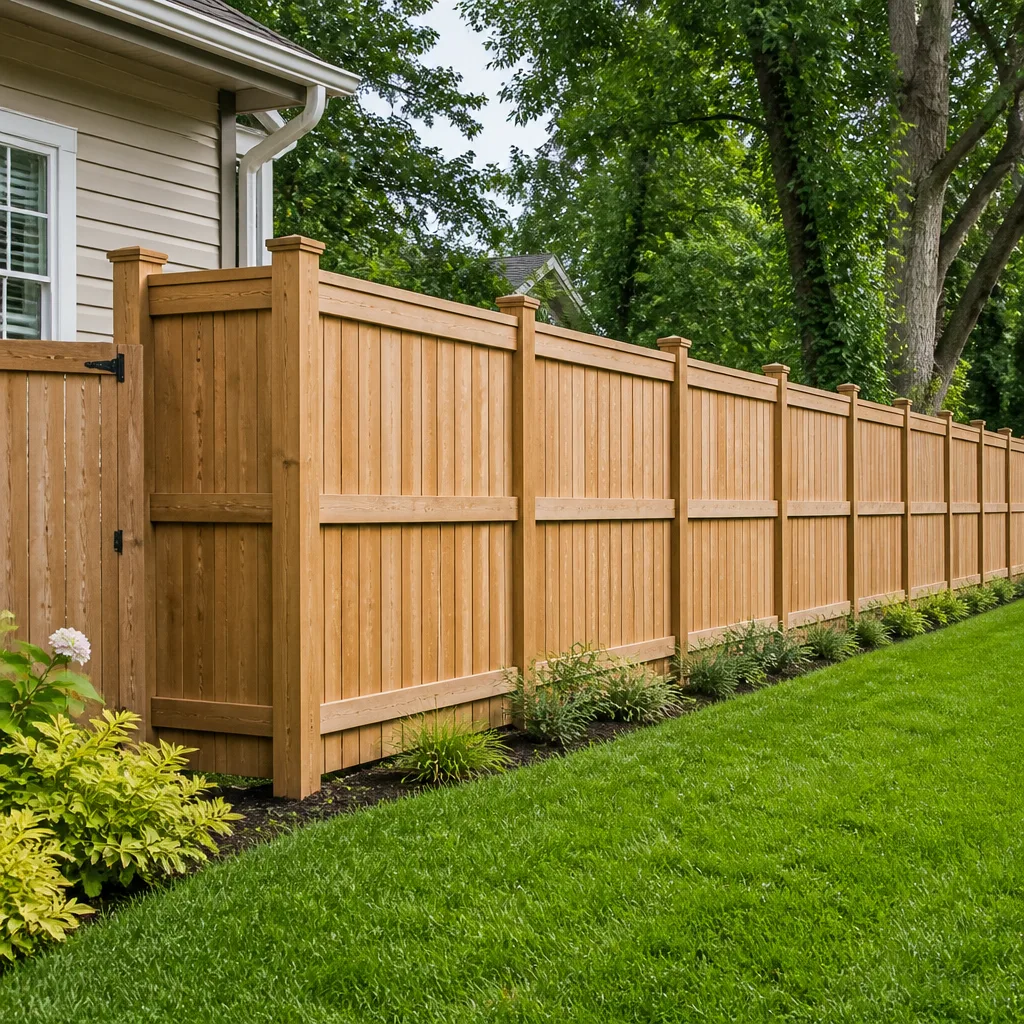
 Fence
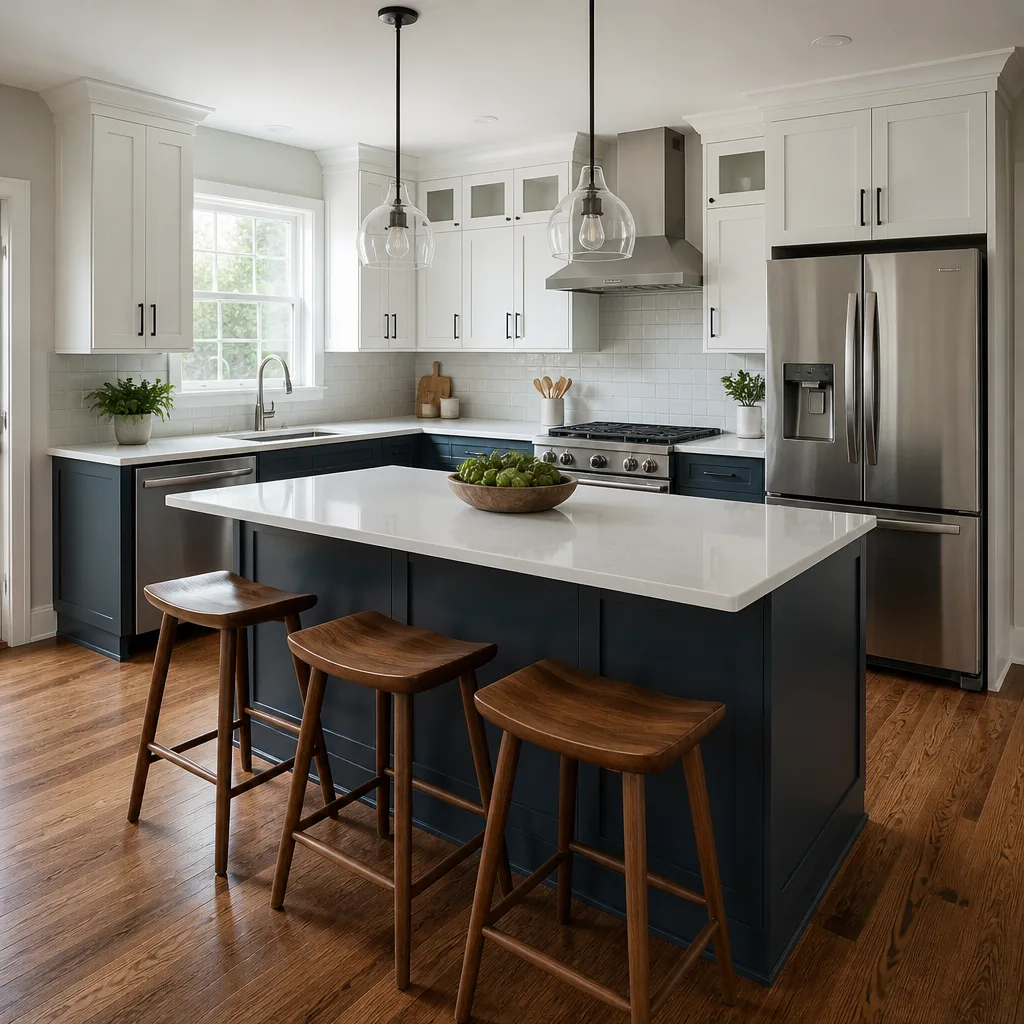 Kitchen remodeling
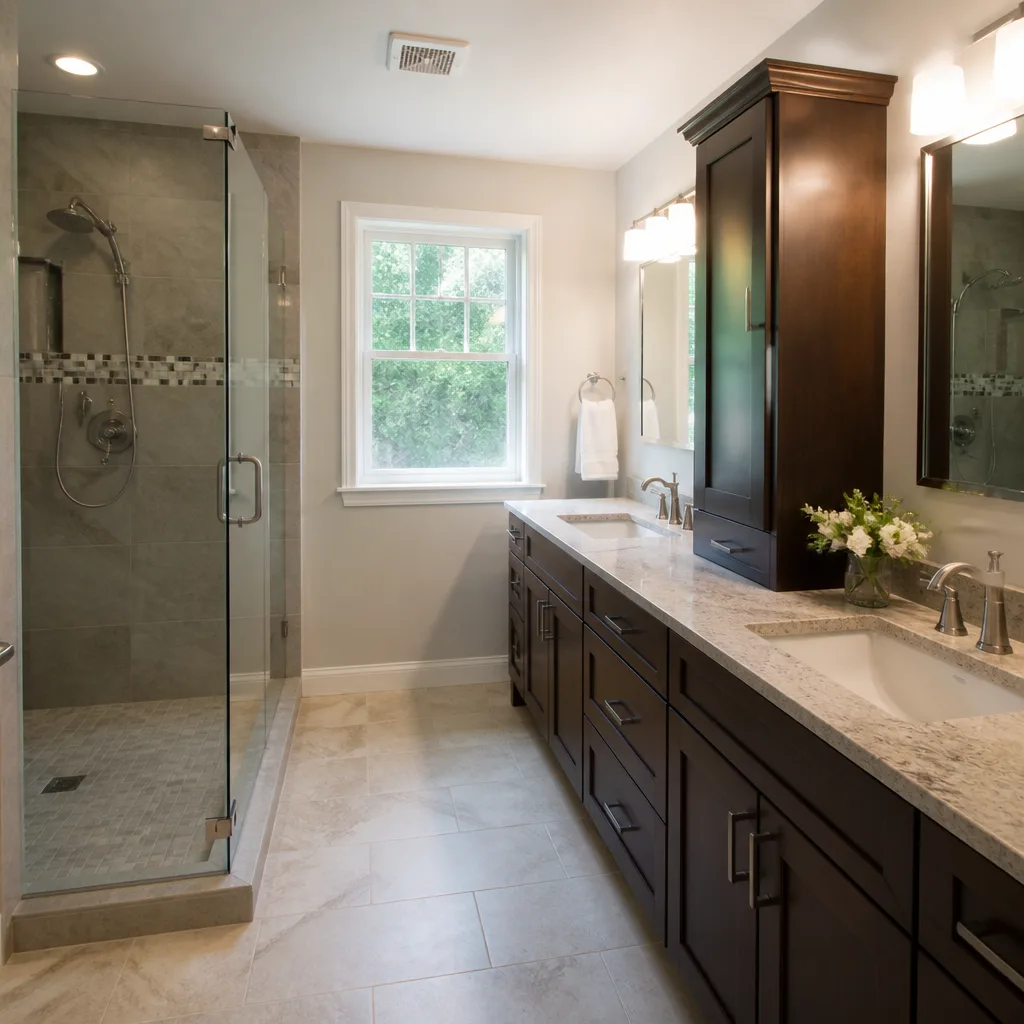 Bathroom remodeling
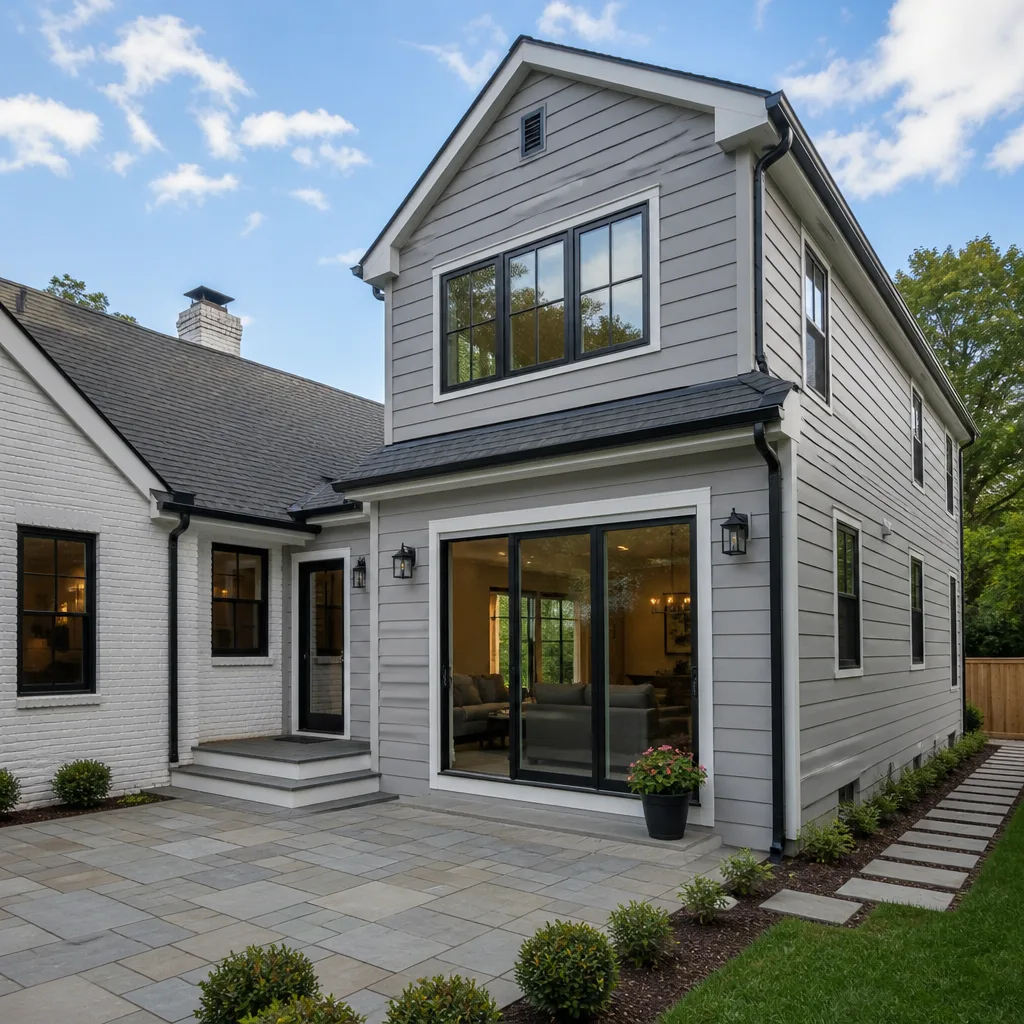 Home additions & ADU
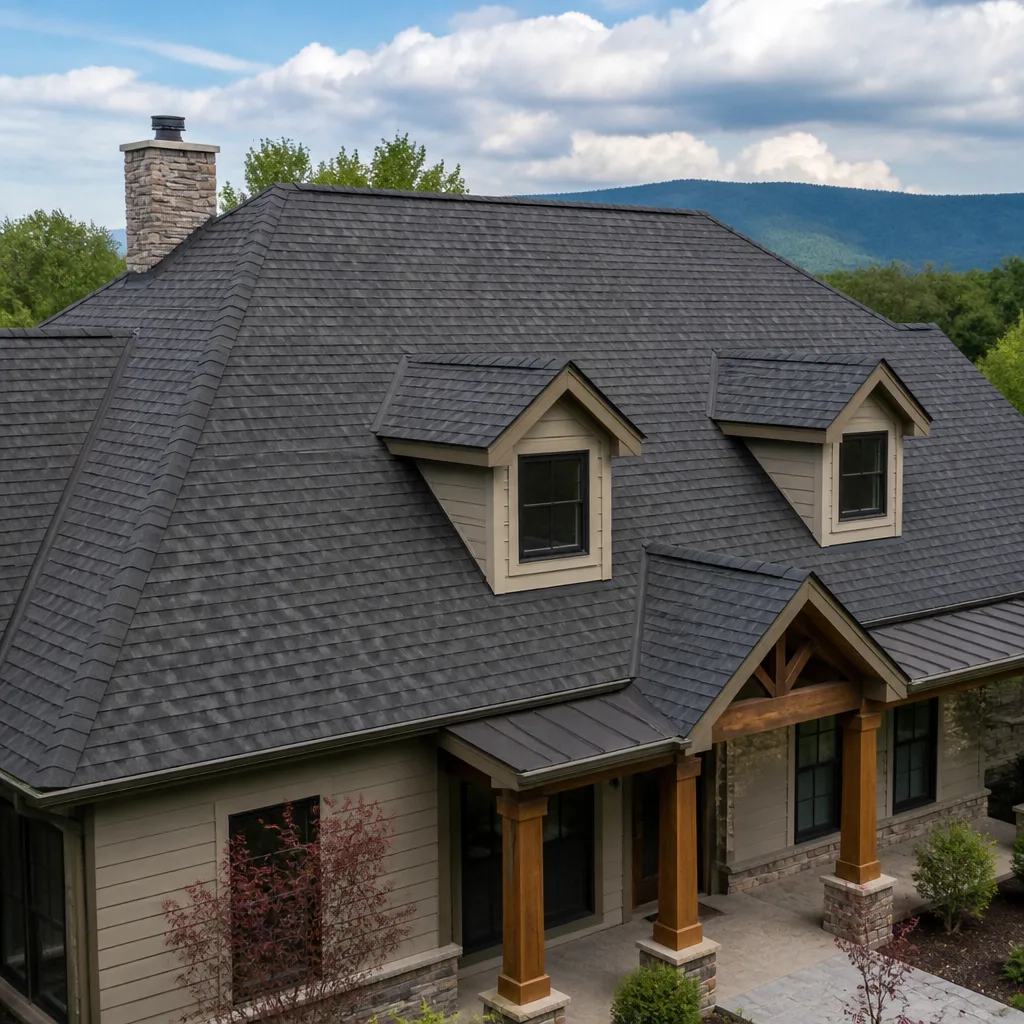 Roofing
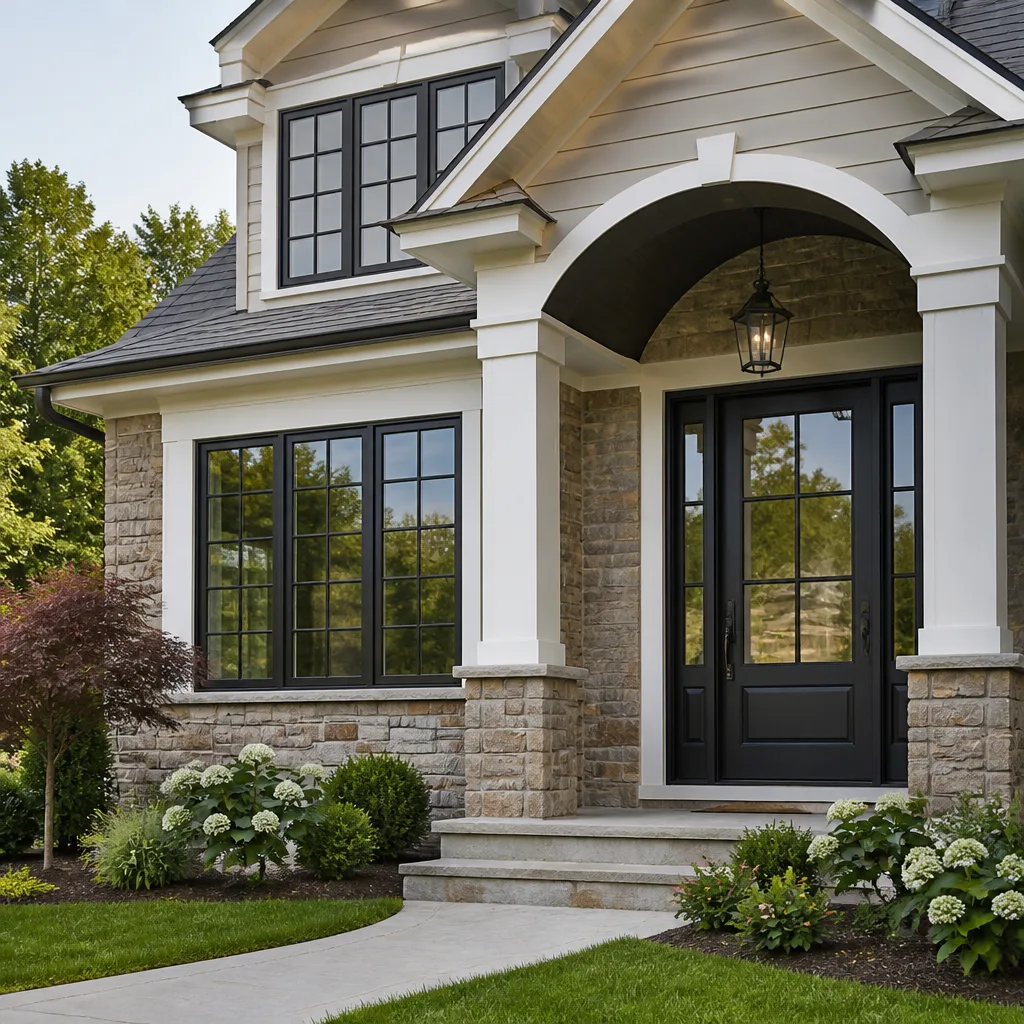 Windows & doors
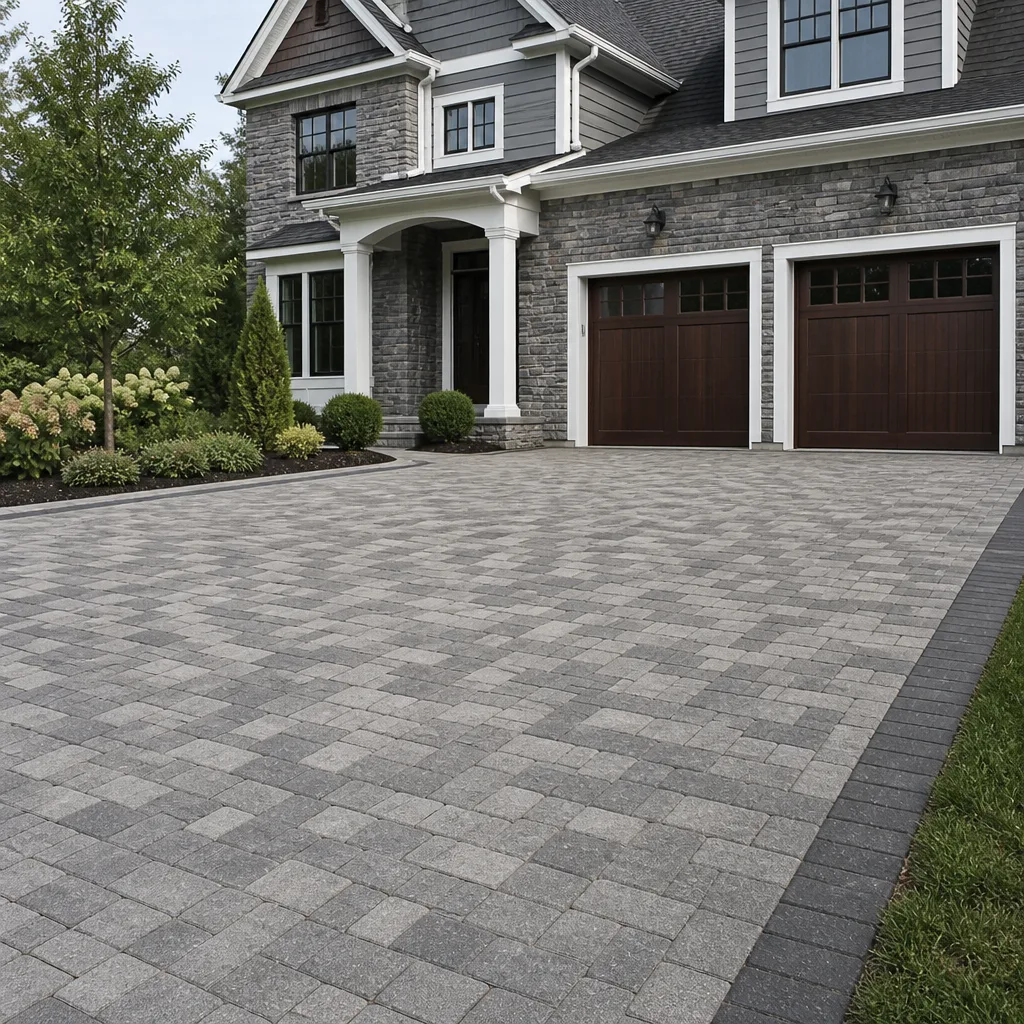 Driveway & pavers
Free written scope consultation - allowances, timeline, and change-order rules on paper before a single trade is scheduled
Styles & brands we work with
- Kitchen remodeling
- Bathroom remodeling
- Home additions & ADU
- Roofing
- Windows & doors
- Driveway & pavers
- Fence
See the difference
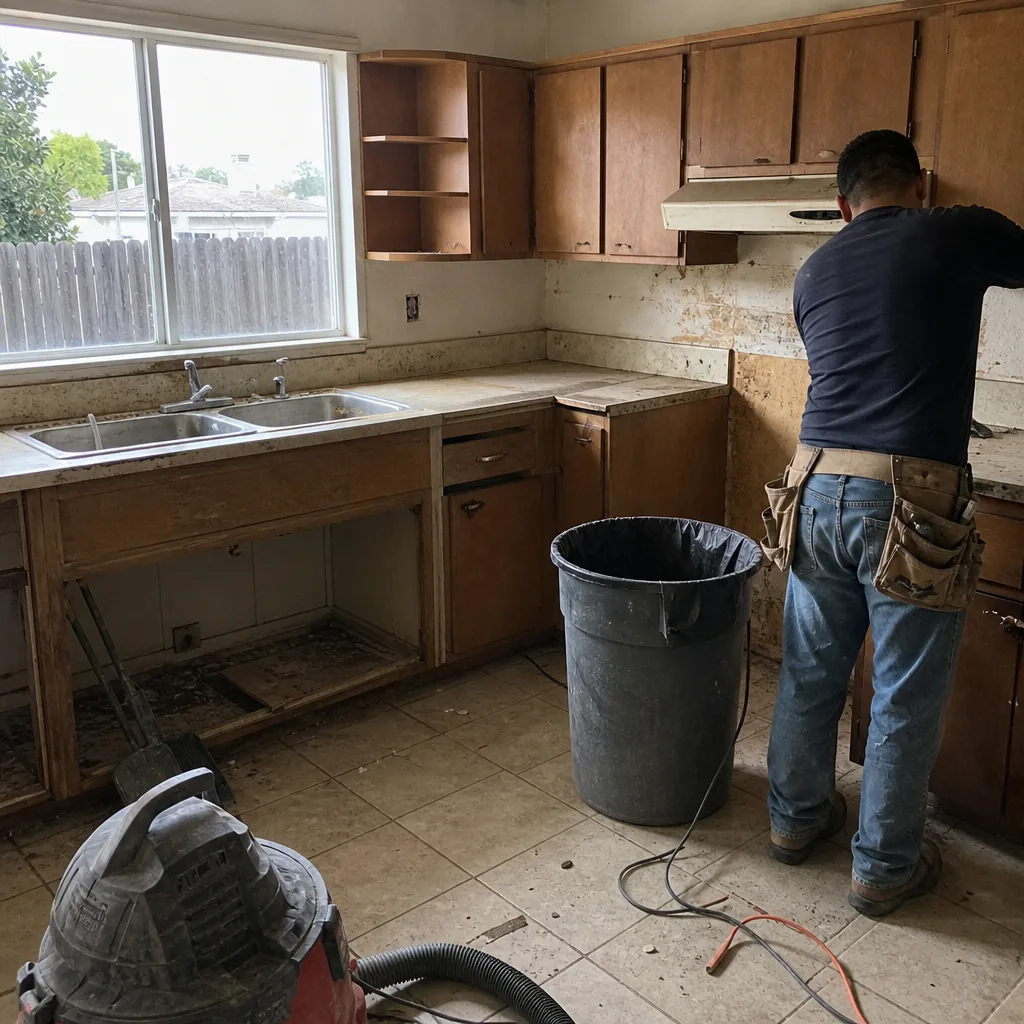 Before
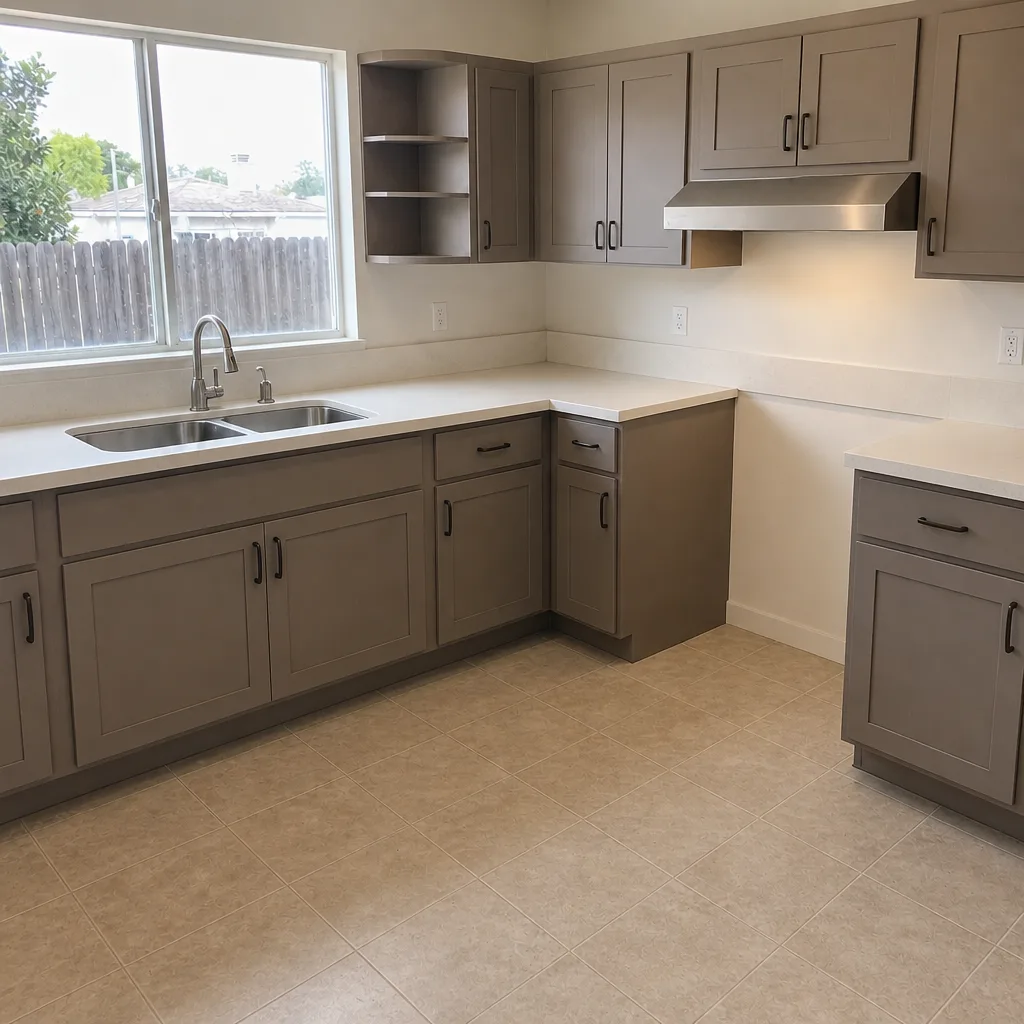 After
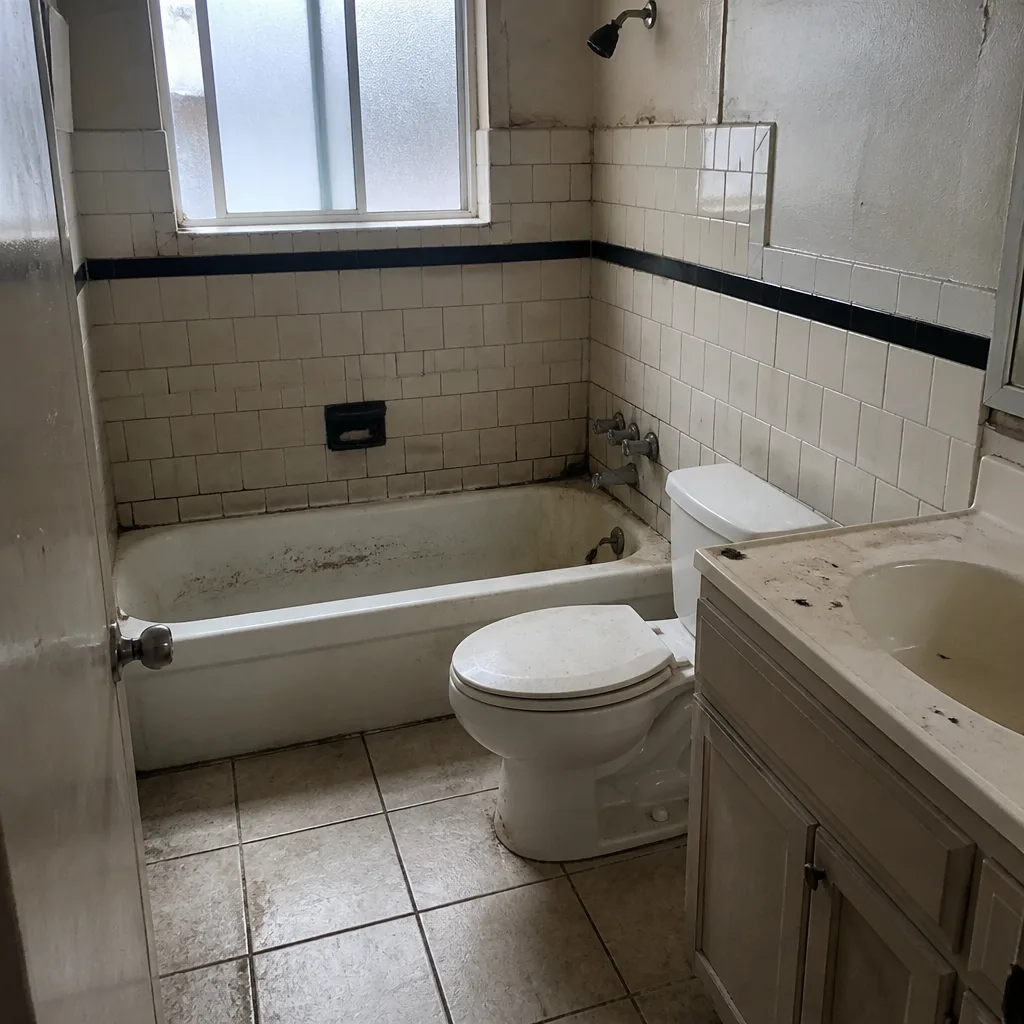 Before
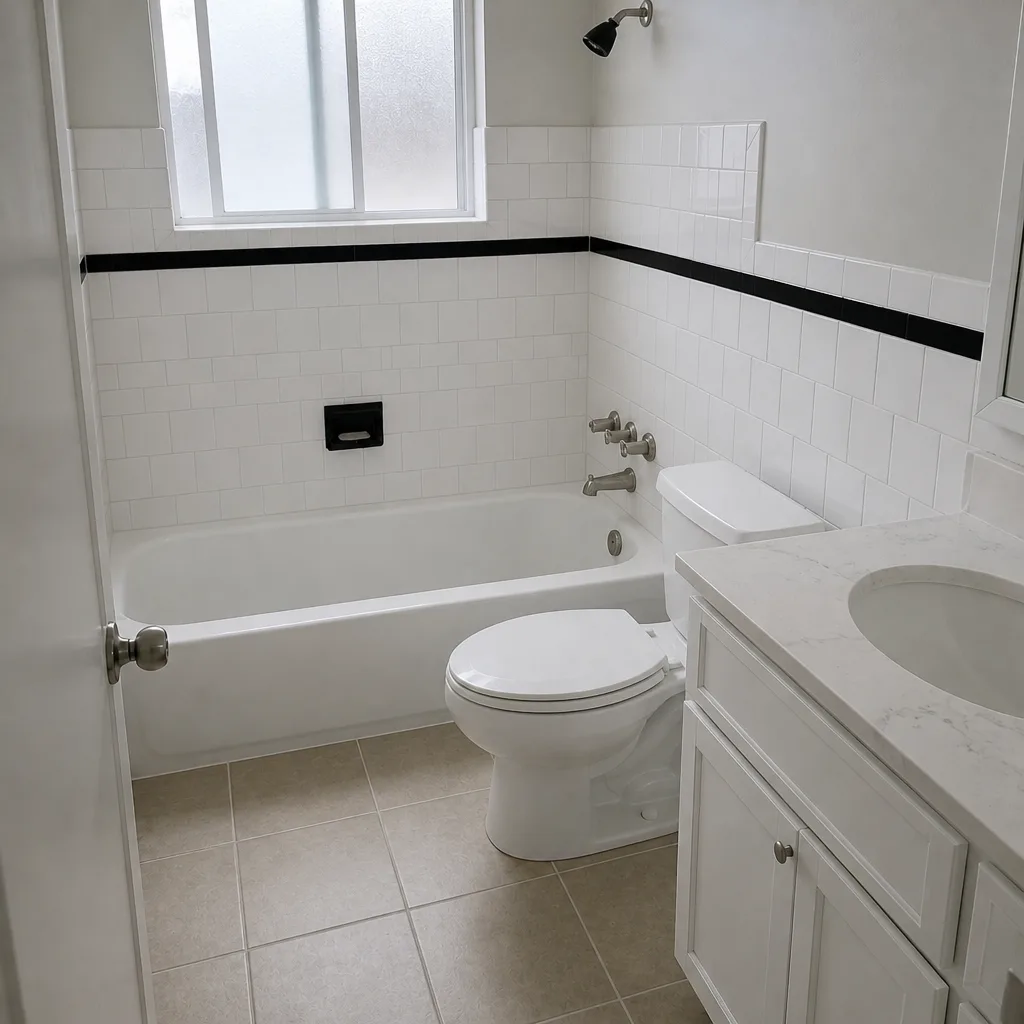 After
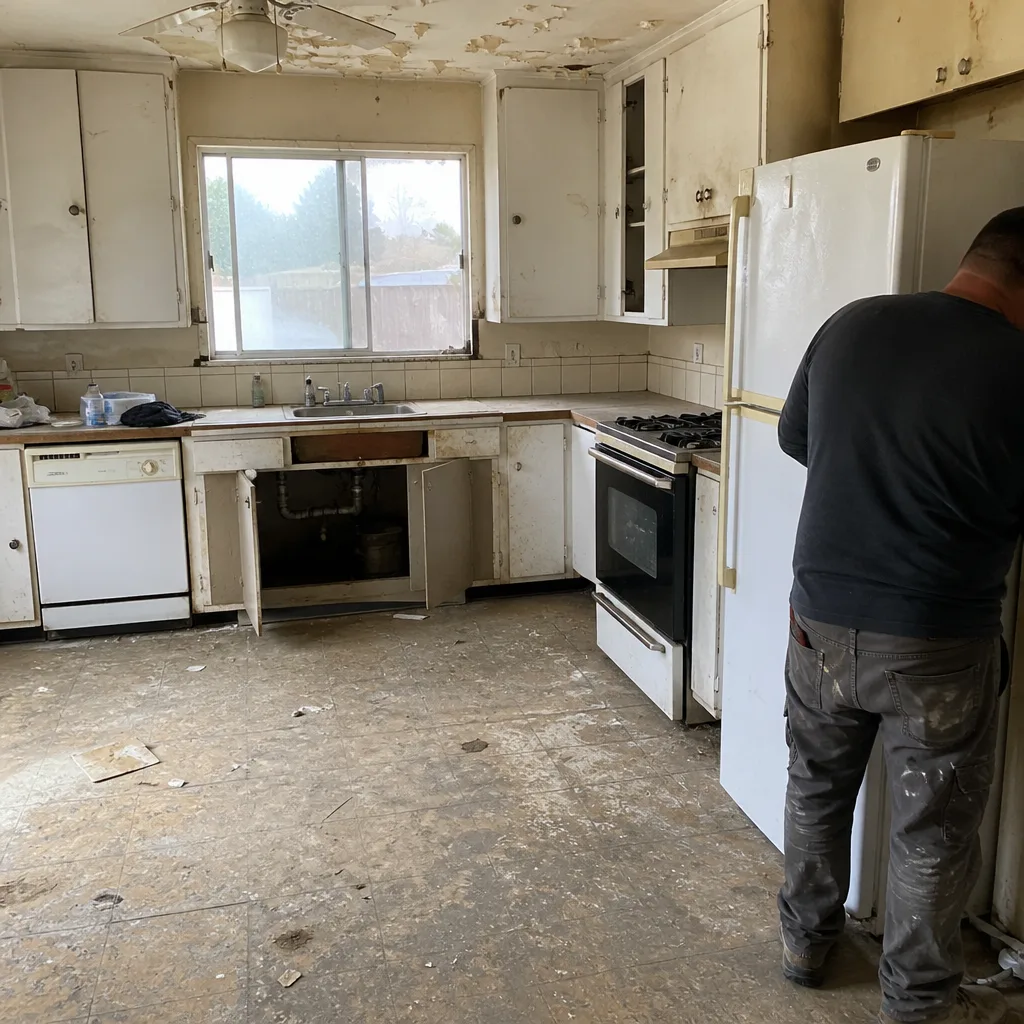 Before
 After
How Long Does a Wood Fence Last in Antioch, CA?
A wood fence in Antioch typically lasts 9 to 12 years before posts, rails, or pickets need major replacement, even though the same materials are often quoted at 15 to 20 years in inland markets. The gap comes down to three forces working together: Delta afternoon wind, dry summer heat that opens cracks in the wood, and expansive clay soil that traps moisture against post bases. A pressure-treated fence rated for 15 to 20 years in Sacramento might realistically give you 9 to 12 in Antioch’s wind-and-clay corridor. Call (888) 419-3650 for a free estimate on a fence built for these conditions.
Why Antioch Shortens a Wood Fence’s Life
Antioch sits on the Delta at the foot of the East Bay hills, and the local climate treats exterior wood harder than most national lifespan charts account for. Persistent afternoon winds off the river dry the west-facing face of a fence, baking out natural oils and accelerating UV damage while the shaded east face stays damp. That uneven drying warps pickets and pulls panels against their fasteners.
The soil does its own damage. Expansive clay swells in wet winters and shrinks through the dry season, moving post bases in a slow wet-dry cycle every year. Around the downtown and river-adjacent blocks where the water table runs high, untreated post bases rot faster than they would in bone-dry inland soil. Factor in that Antioch’s flats hold 1950s-1970s ranch tract homes and older downtown stock, many with fence lines that predate modern treated lumber, and you get a yard where a fence’s clock runs faster than the label suggests. Any crew that quotes you a lifespan without mentioning wind exposure and post-base moisture is quoting a different climate.
The Wind Factor Most Guides Miss
Delta wind does two jobs at once. It scours the finish off the windward face and it works at every panel-to-post connection, which is where fences fail first. A post that’s anchored shallow, or set in soil that has already swelled and shrunk a few seasons, will rock under a steady afternoon breeze until the fasteners loosen and pickets cup. When we walk an Antioch fence line, we look at the west-facing rails and the post-to-rail joints first, because that’s where the wind has been taking its cut.
Redwood vs. Pressure-Treated Pine vs. Cedar in Antioch
Species choice matters more here than the national guides let on. Each option is a real trade-off, not a clear winner:
- Redwood heartwood – Resists rot and insects best and holds finish well, but it’s the most expensive and still needs sealing against Delta UV. Good for riverfront blocks where post-base moisture runs high.
- Pressure-treated pine – The most common and budget-friendly pick, rated for ground contact. In Antioch’s clay, the rating only holds if posts are properly set and drained; cut ends need treating or they soak up moisture from below.
- Cedar – Naturally rot-resistant and lighter than treated pine, but softer, so wind-driven dust and knocks show. It finishes beautifully and is a solid middle road for inland-hill lots with better drainage.
A common mistake is choosing species by price alone. On clay-heavy Antioch lots, the post setup and cap detail often extend a fence’s life more than the panel wood does. That’s a big part of why our Fence Installation work starts below grade, not at the pickets.
What a Wood Fence Costs in Antioch
Most wood fence installations in Antioch run $3,500 to $9,000, depending on run length, species, and how much post work the clay demands. Here’s how the line items break down for planning:
| Item | Typical Antioch Range |
|---|---|
| Basic wood fence installation (treated pine) | $3,500-$6,500 |
| Premium species (redwood/cedar) upgrade | $5,500-$9,000 |
| Post replacement and resetting | Included in install scope |
| Staining and sealing | Quoted with install, small add-on |
Upfront pricing means the number we quote is the number you pay, no mid-job add-ons. Concrete work around posts uses Quikrete and Sakrete mixes selected for soil-movement conditions. Every installation carries the 730-Day Done Right Promise, so if post heave from clay movement shows up inside two years, we make it right. That coverage on the workmanship, including the foundation problem that moves fences, is something a weekend installer simply can’t offer. If you want a concrete comparison, our Fence Installation in Antioch page covers materials and options in detail.
A Realistic Maintenance Timeline
You can’t stop Antioch’s climate, but a home can stay ahead of it with a simple schedule:
- Year 1: Inspect and re-tighten rails and pickets after a full seasonal wind cycle, and confirm post bases are draining. This catches wind-loosened fasteners before they recur.
- Years 2-3: Restain and reseal, especially the west-facing face. Sun-exposed finish breaks down fastest, and sealing cuts UV damage.
- Year 5: Check the post bases for swelling, softness, or rot, and re-level where the clay has shifted a post. This is the checkpoint that separates a fence that makes 12 years from one that fails at 8.
Keep the inspection short and seasonal: inspect after the first heavy winter rain and again late summer when the clay has fully shrunk.
Key Takeaways
- Wood fences in Antioch realistically last 9-12 years, shorter than the 15-20 most guides quote.
- Delta afternoon wind attacks the west face and the panel-to-post joints first.
- Expansive clay soil speeds rot at post bases through a yearly wet-dry cycle.
- Proper post setting and drainage can matter more than species.
- Installers offering no workmanship coverage on post movement leave the common failure on you.
FAQs
A pressure-treated pine fence in Antioch generally holds up 9 to 12 years, versus the 15 to 20 years usually quoted for inland climates. Clay soil movement and Delta wind cause most of the early failures, so post setup matters as much as the panel wood. Call (888) 419-3650 for a no-pressure assessment of your fence line.
Yes. The persistent afternoon wind dries the west-facing face fast, cracks the finish, and works the panel-to-post joints until they loosen, so wind-exposed fences age quicker than sheltered ones. Sealing that face and checking connections each year offsets much of the wear. Call (888) 419-3650 to schedule an inspection before the next season.
Redwood heartwood resists rot and insects best but costs more, while pressure-treated pine is the budget workhorse that holds up if posts are properly set and drained. On clay-heavy lots near the riverfront, the post setup often matters more than the species. Call (888) 419-3650 for an honest quote on either.
You can, but setting posts in clay soil so they resist frost and seasonal movement, then anchoring them against Delta wind, is where weekend jobs fail. The 730-Day Done Right Promise covers workmanship defects, including post heave from soil movement, which you won’t get from your own install. Groundwork Construction Co. of Antioch handles it from the post base up. Call (888) 419-3650 for a free estimate.
If you’d rather have it looked at, Groundwork Construction Co. of Antioch offers a no-pressure assessment in Antioch. We’ll walk your line, flag the wind- and clay-stressed points, and quote a real number for a fence built to make it past the decade mark. Call (888) 419-3650 today.
Written by the team at Groundwork Construction Co. of Antioch, serving Antioch, CA.