
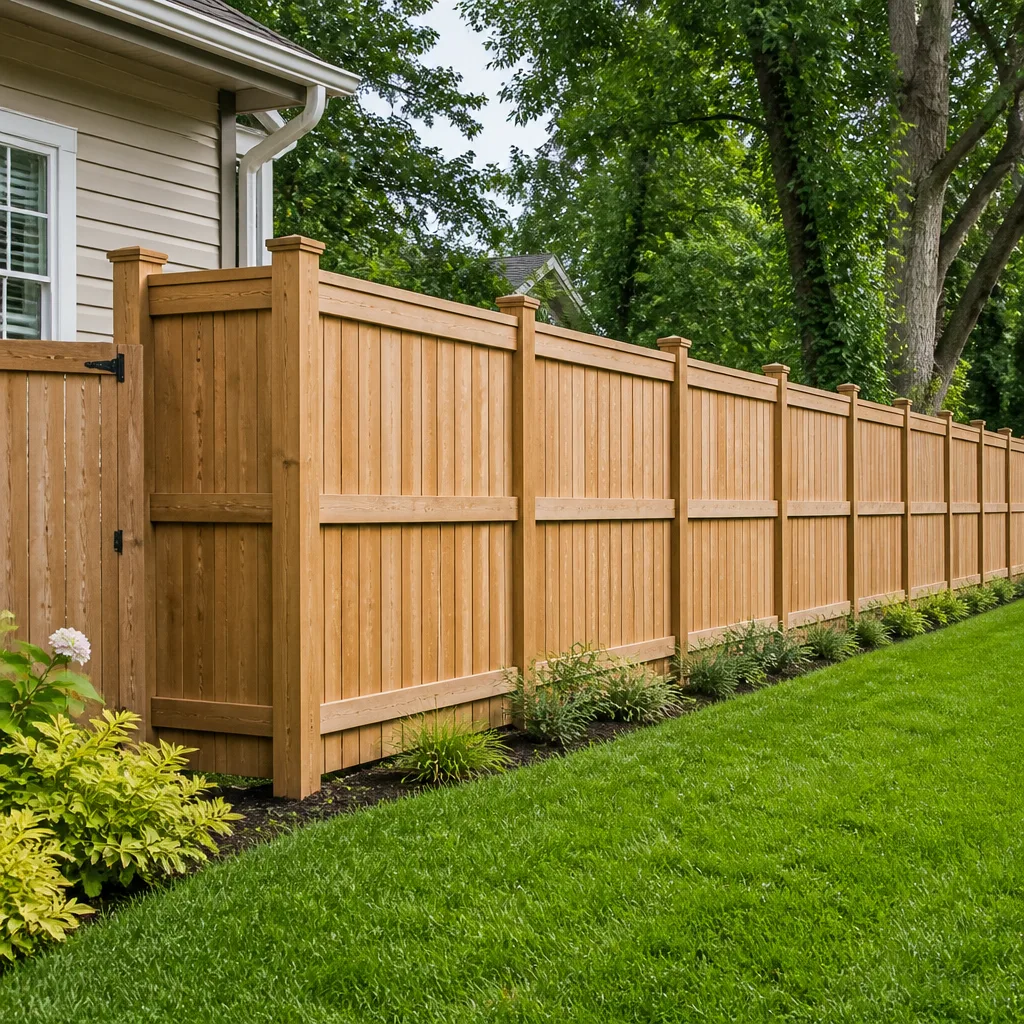
 Fence
 Kitchen remodeling
 Bathroom remodeling
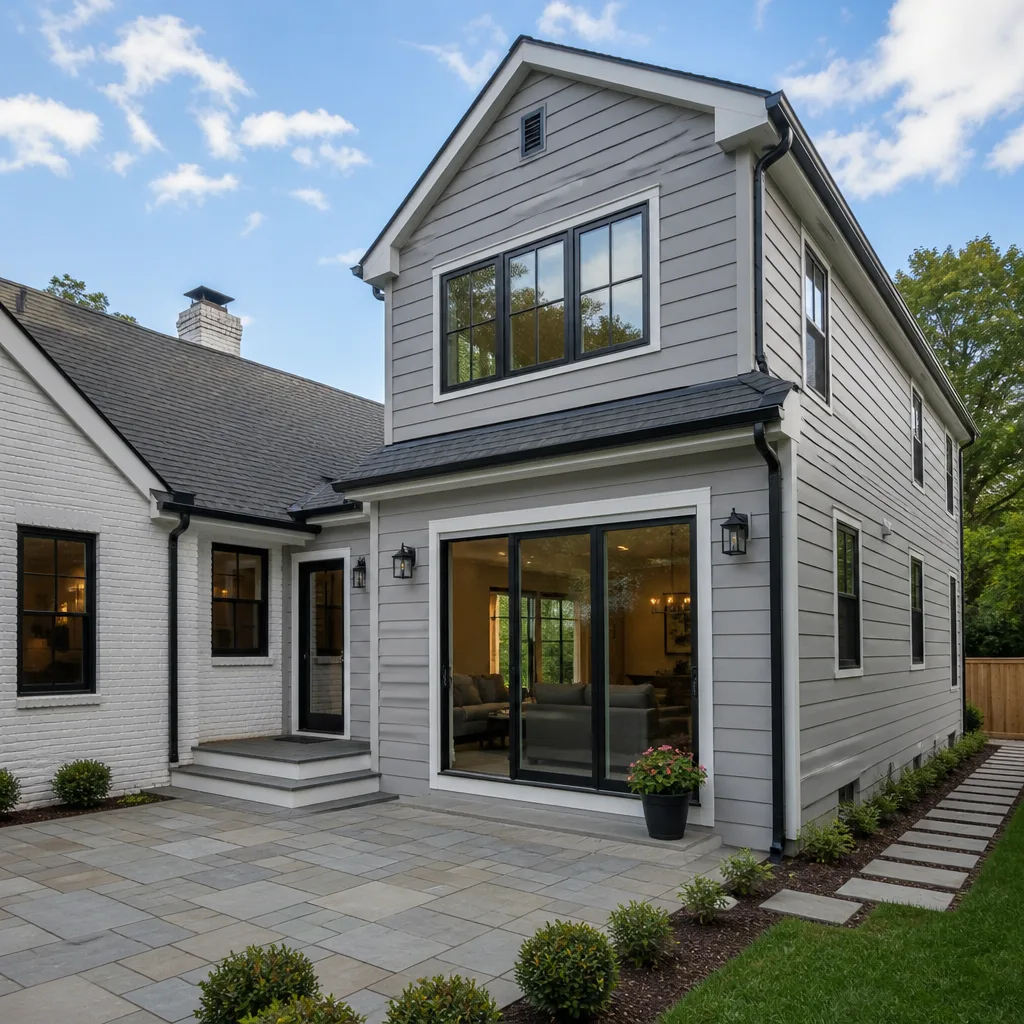 Home additions & ADU
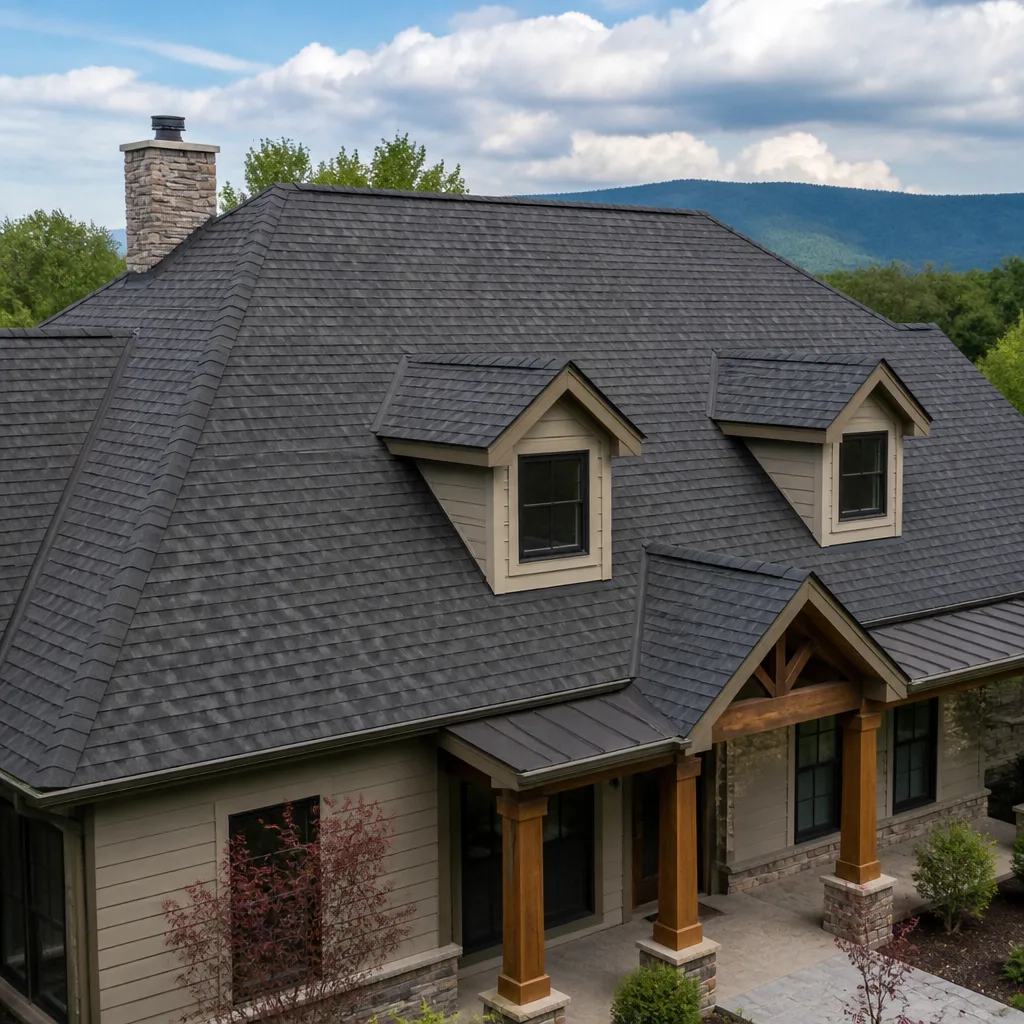 Roofing
 Windows & doors
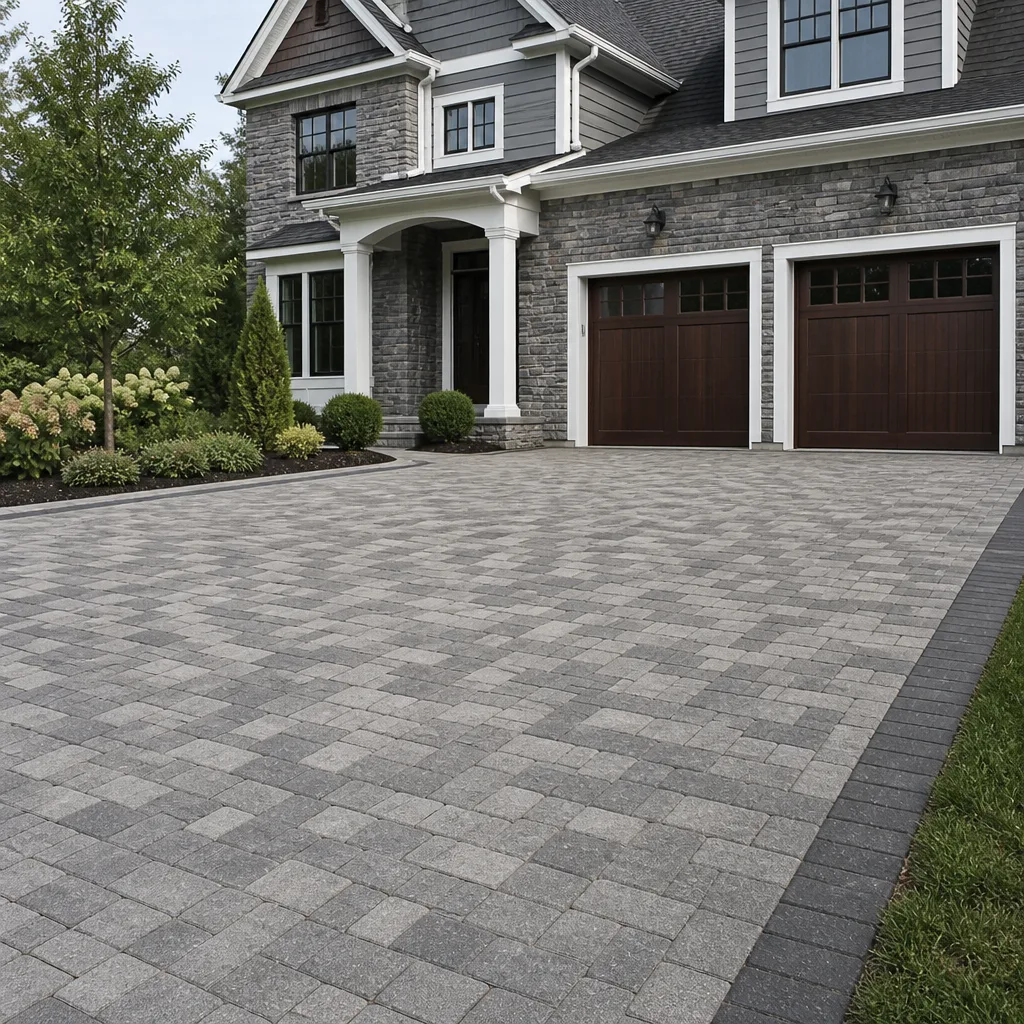 Driveway & pavers
Free written scope consultation - allowances, timeline, and change-order rules on paper before a single trade is scheduled
Styles & brands we work with
- Kitchen remodeling
- Bathroom remodeling
- Home additions & ADU
- Roofing
- Windows & doors
- Driveway & pavers
- Fence
See the difference
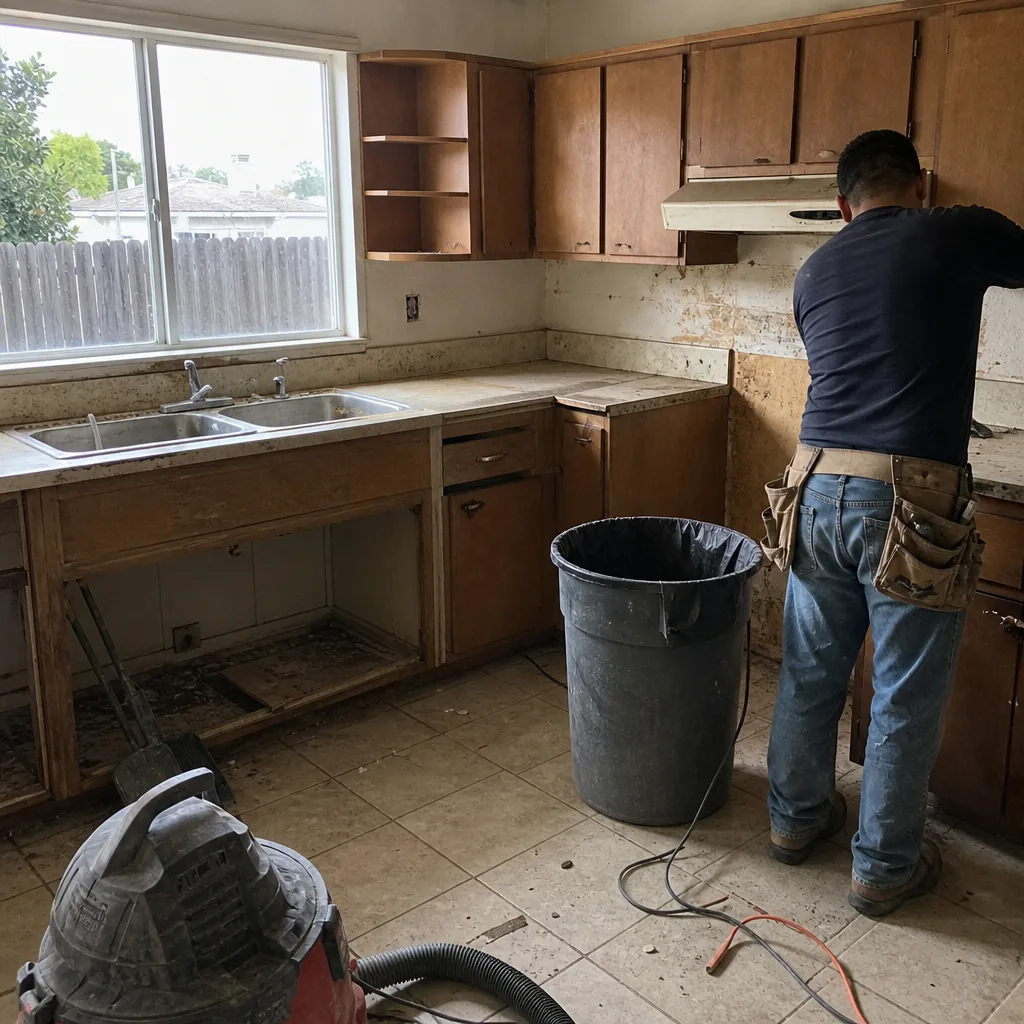 Before
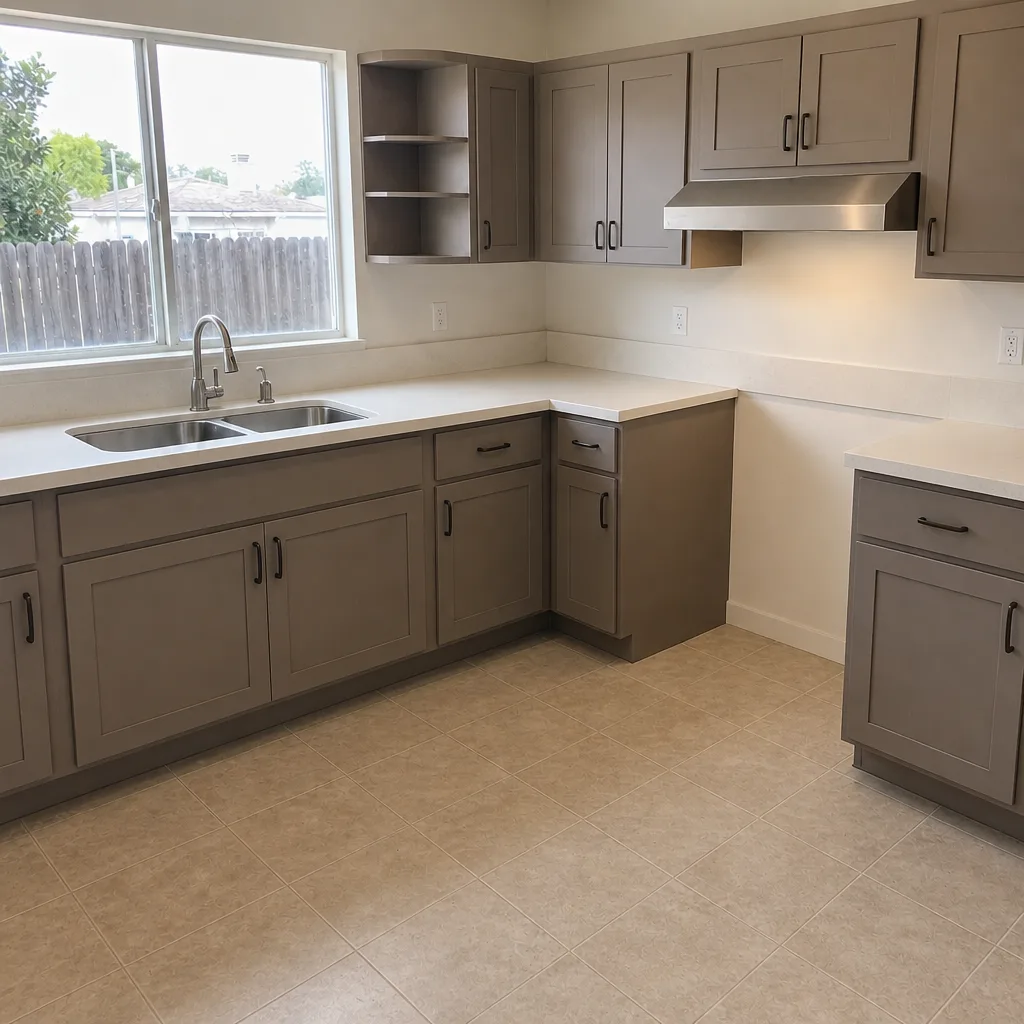 After
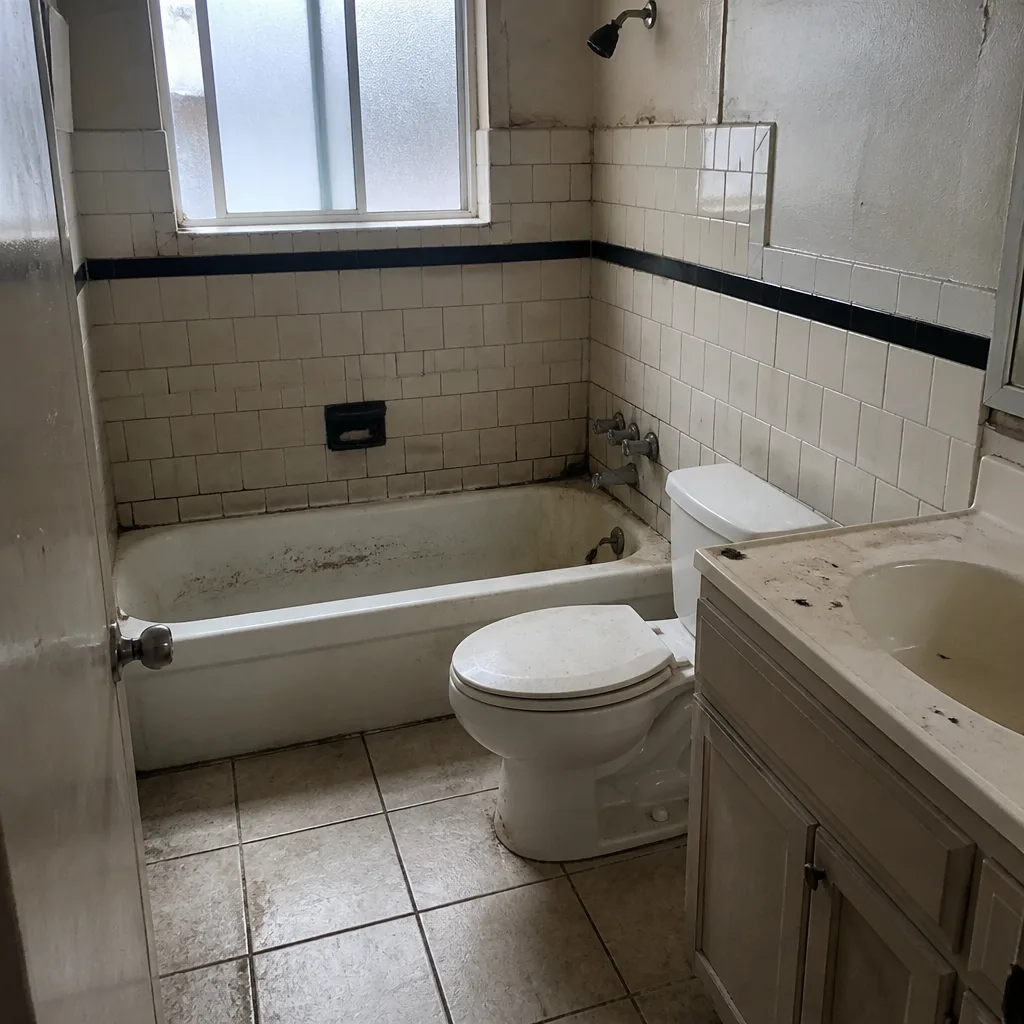 Before
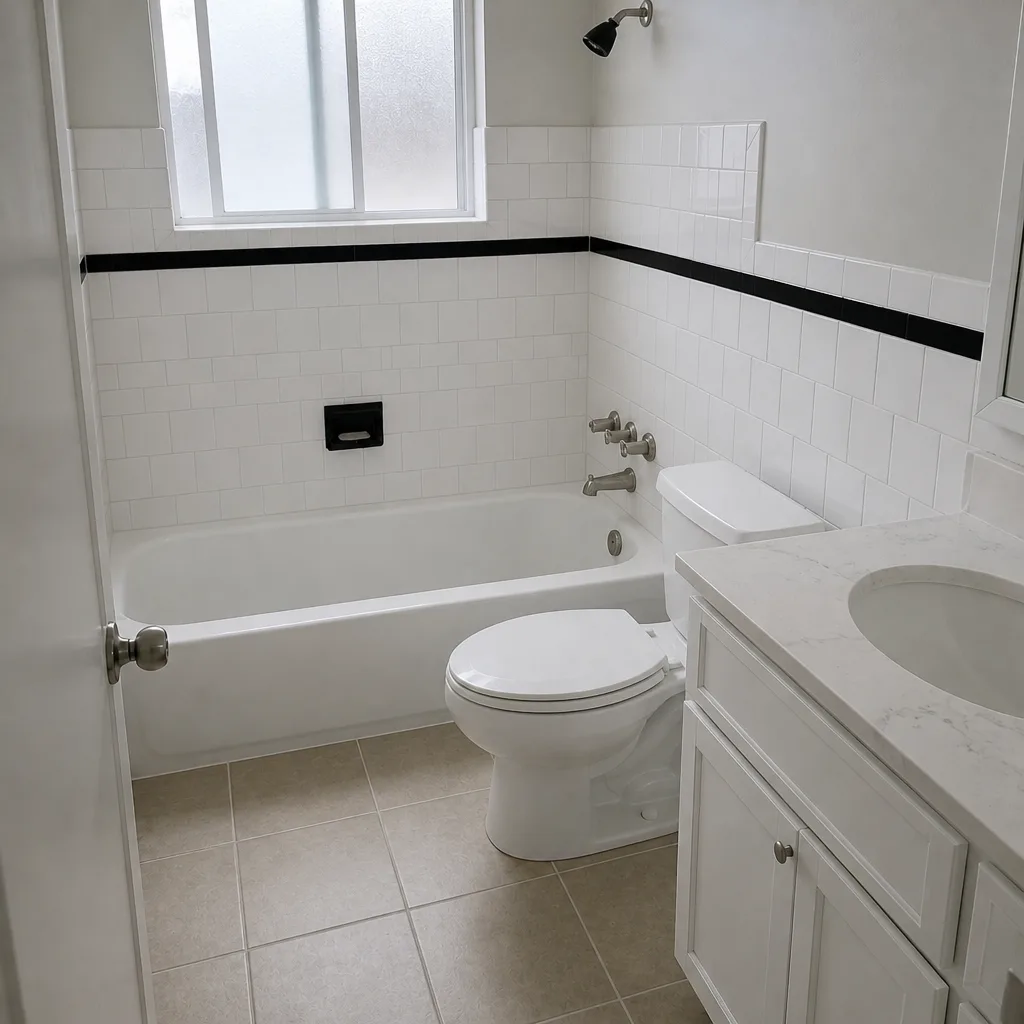 After
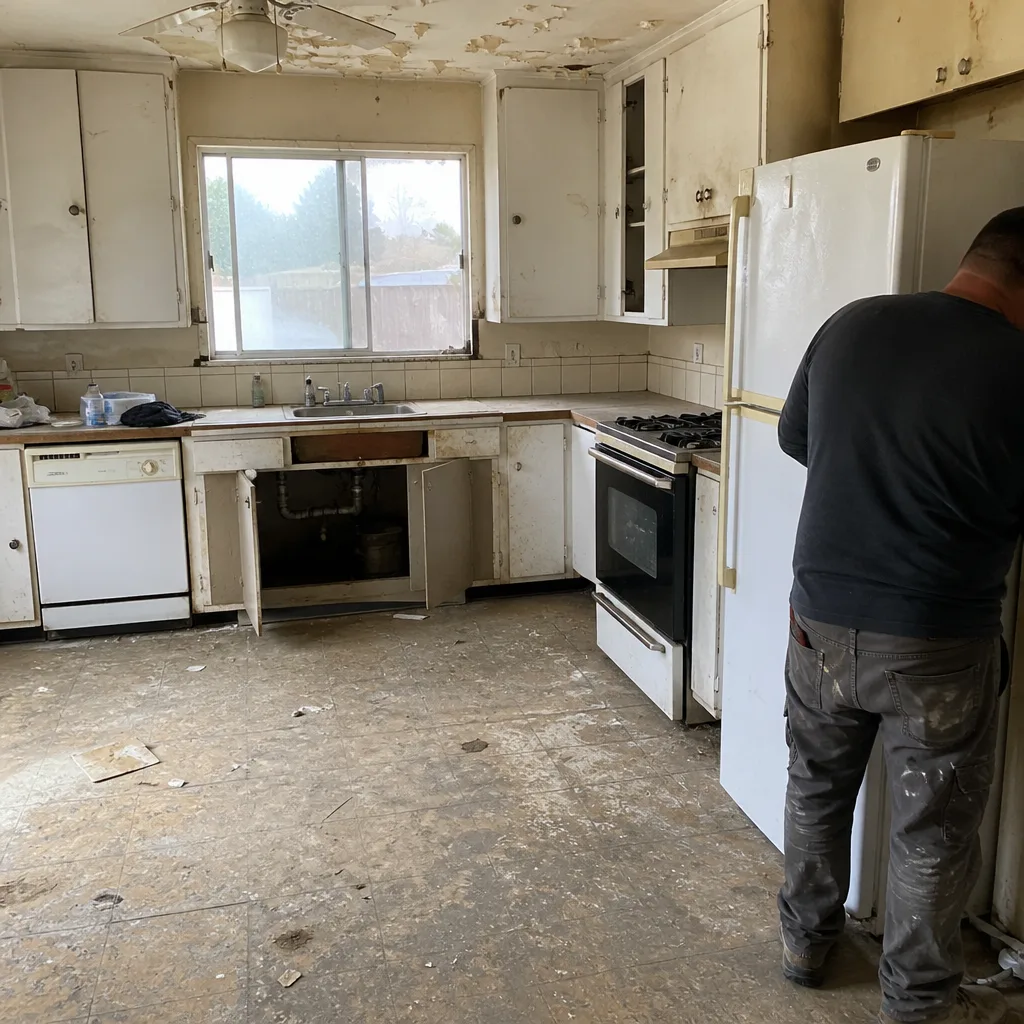 Before
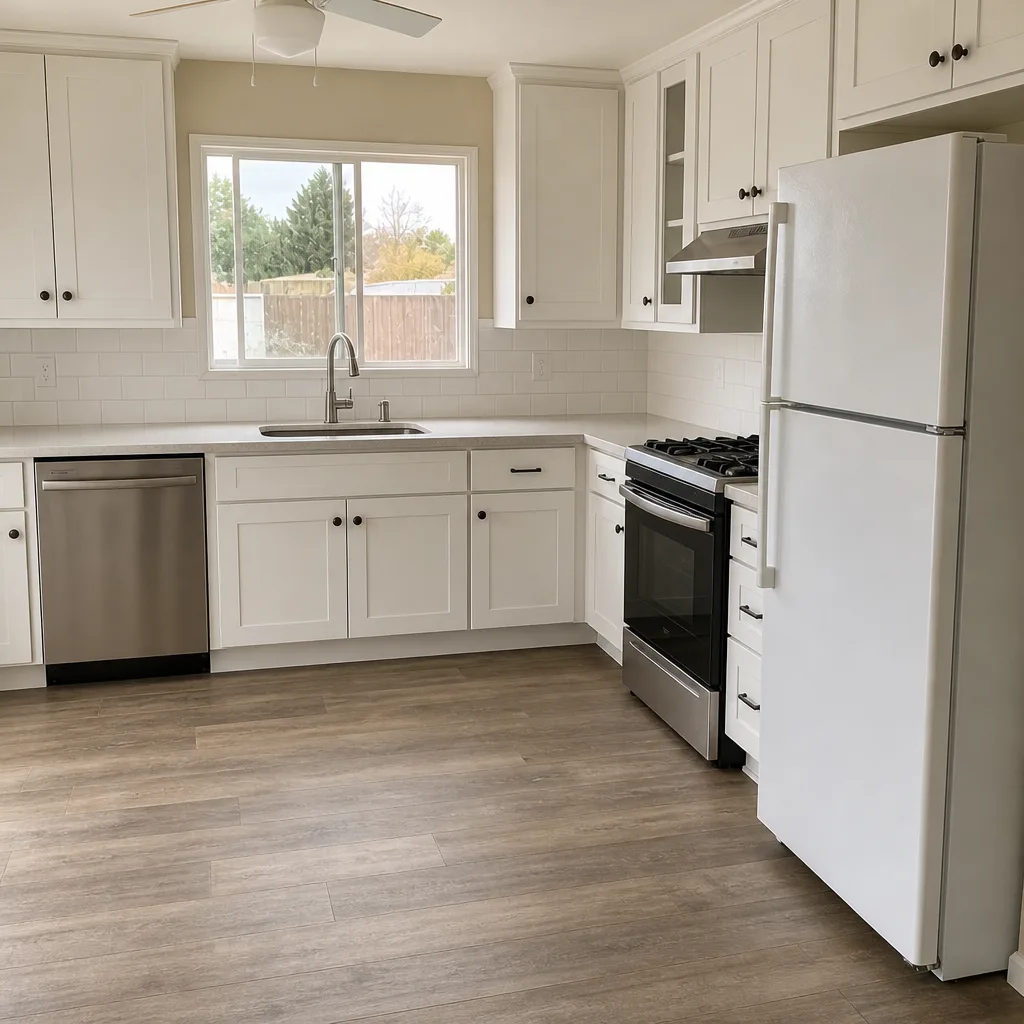 After
How to Repair a Chain Link Fence in Antioch, CA (And Why the Post Is Usually the Real Problem)
Most chain link fence repairs in Antioch, CA come down to two separate jobs: patching bent or pulled fabric, or fixing the post base that has corroded in the ground. In Antioch’s mid-century flatland neighborhoods, the sag you see up top is frequently caused by rust and soil movement below grade, not a torn mesh. If you’re not sure which one you’re looking at, an inspection is usually the fastest route to the right answer. For a no-pressure assessment, call (888) 419-3650, and a live person answers any hour of the day.
Here’s the picture we see over and over. Antioch sits on the Delta at the foot of the East Bay hills, and the clay-heavy soils under the flats hold moisture around a galvanized post base almost year-round. The hot, dry Delta summers crack that same clay at the surface, opening oxygen channels down to the metal. Moisture plus oxygen plus ten or twenty summers of it equals corrosion at the exact spot you can’t see. That’s why a fence that looks solid at the top rail can wobble at the base.
Which Failure Are You Actually Dealing With?
Before you spend a dollar, figure out which problem you have. Fabric problems and post problems get completely different fixes, and treating the wrong one wastes money.
- Fabric damage: tears, cuts, pulled links at a corner, or sections that have been pushed in by a car, a dog, or a falling branch. The posts stay vertical. The mesh has failed.
- Post-base corrosion or heave: the fence leans, sags between posts, or the fabric looks loose even though it’s intact. When you push on a post, it rocks at the ground. The mesh was never the problem.
Do a quick check. Walk the fence line and push each post side to side. A sound post won’t budge. A post with a corroded base moves a little, and the movement is at ground level, not at the top. Then crouch down and look at the foot of each post where it meets soil. Rust staining, flaking galvanizing, or a visible gap where soil has washed away are all tells.
Why Antoine’s clay makes this worse
Those dry-summer cracks and the wet winters that follow are what speed up oxidation. In hillside subdivisions built in the 1980s and 2000s, drainage is often better and posts tend to last longer. On the older flats, where lots were graded decades ago and the water table runs closer to the surface near the riverfront blocks, the post base takes a beating. You’ll see this pattern in ranch homes across the flats, and it’s the same expansive-soil story that shows up in foundation and drainage work around downtown. Knowing the neighborhood tells you a lot about which failure you’re likely to find.
Step-by-Step Fabric Repair (The Straightforward Job)
If the posts are solid and only the mesh is damaged, this is a real repair you can do in an afternoon. A few specifics make the difference between a patch that holds and one that sags by fall.
- Clear the damage. Cut out the bent section with bolt cutters, leaving clean ends. Keep the cut tidy so the new piece ties in evenly.
- Match the mesh. Chain link comes in different gauges and mesh sizes. Bring a cut sample to the supplier so you match gauge and height. A mismatched gauge won’t tension evenly.
- Tension with the right tool. This is where most DIY patches fail. A fence puller or a come-along attaches to the end of the fabric and stretches it to tension, then you tie it off with tension wire along the top rail and your ties. Threading new wire in by hand and twisting it tight looks fine for a week and sags soon after. The tool is the difference.
- Re-tie and check the rail. Use proper ties every foot or so, and check that the top rail is straight. A bent rail will pull the whole section out of line no matter how well you tensioned the mesh.
On newer builds and hill-side subdivisions, fabric fixes are usually enough because the posts and drainage are holding up. On the flats, do the post check first.
Post-Base Repair: Sleeve It or Replace It?
This is the decision that makes or breaks a chain link repair budget. A post corroded at the base above grade can often be saved with a repair sleeve: you cut out the rusted section, slip a steel repair sleeve over the remaining post, and drive it down into firm ground, then reattach the fence. It’s faster and cheaper than a full replacement and works well when the corrosion is confined to a short section above grade. But once the corrosion runs below grade, a sleeve is a patch over a problem that keeps going. In that case, full post replacement is the honest answer.
How do you know which you’re facing? Dig down a few inches beside a suspect post and look at the metal itself. Surface rust above grade is a sleeve candidate. Pitting and flaking that continue below the soil line means replacement. Our technicians have up to 12 years of experience diagnosing exactly this kind of call, and getting it right the first time saves you a redo.
If you’re replacing posts anyway, it’s often the moment to talk about whether the whole fence makes sense. You can see the full material and design options on our Fence Installation in Antioch page, and for a broader look at our Fence Installation work, we’ll walk you through what’s realistic for your yard. We work with homeowners throughout the region and know the soil conditions block by block.
What Chain Link Repair Costs in Antioch
For context on budget, here’s what fence work typically runs in this market. Small fabric-only patches can sit at the low end; post replacement across a run of fence pushes toward the higher end. These are upfront ranges with no surprises, and if a job runs over $10,000, our standing $1,000 off projects over $10,000 applies. We also offer 0% financing for 18 months on larger jobs.
| Job | Typical Antioch Range |
|---|---|
| Fabric patch / re-tension | $150-$600 |
| Post repair sleeve (per post) | $100-$300 |
| Full post replacement (per post) | $200-$500 |
| Partial fence section rebuild | $800-$2,500 |
| Full vinyl fence installation | $3,500-$9,000 |
Every project we take on is covered by the 730-Day Done Right Promise. If it’s not done right, we make it right. Bufftech and ActiveYards vinyl, for instance, hold up well to Delta wind and moisture, so a repair or replacement with quality material is built to last, backed in writing. Call (888) 419-3650 for an exact quote; estimates are free.
When a Repair Becomes a Money Pit
Two warning signs tell us to stop repairing and start talking replacement. First, if more than 30% of your posts show base corrosion, you’ll be chasing them one by one for years, and the fence will never feel solid. Second, if the top rail is bent at more than one or two points, the frame has taken structural hits that patching won’t fix. In both cases, we’d rather hand you transparent replacement pricing upfront than sell you a repair that fails within a couple of seasons.
On the flats, where the soil chemistry is consistent block to block, this call comes up often. A fence that’s reached that point needs a fresh start, and the same goes for drainage or foundation work we’d flag on an older homestead. A repair that buys a season isn’t a repair; it’s a delay.
FAQs
Push each post side to side and watch for movement at ground level, then dig a few inches beside it: pitting and flaking that continue below the soil line mean it’s corroded and needs replacement, not just a patch. On Antioch’s clay flats, that corrosion is the most common cause of a sagging or leaning fence. Call (888) 419-3650 for a free inspection and an honest read.
Fabric patches and re-tensioning are reasonable DIY jobs, but post-base repair and post replacement involve digging, cutting metal, and getting the sleeve seated in firm ground, so a pro is usually the better call. Our technicians are background-checked and arrive in uniform, and one visit often settles the diagnosis. Reach out at (888) 419-3650 for a no-pressure estimate.
Simple fabric patches usually run $150-$600, while post repair sleeves or replacement cost $100-$500 per post depending on the method. A partial section rebuild can land in the $800-$2,500 range. Call (888) 419-3650 for an exact price on your fence; estimates are free.
Repair is cheaper when the posts are sound and only the mesh is damaged, but once more than 30% of posts show base corrosion or the top rail is bent in multiple spots, replacement is the more economical choice over a few years. We’ll give you transparent replacement pricing so you can compare honestly. Call (888) 419-3650 to talk it through.
If you’d rather have it looked at, Groundwork Construction Co. of Antioch offers a no-pressure assessment in Antioch. We’ll tell you whether you’re looking at a fabric fix, a post repair, or a replacement, and give you a clear number either way. Call (888) 419-3650 to get started.
Written by the team at Groundwork Construction Co. of Antioch, serving Antioch, CA.