
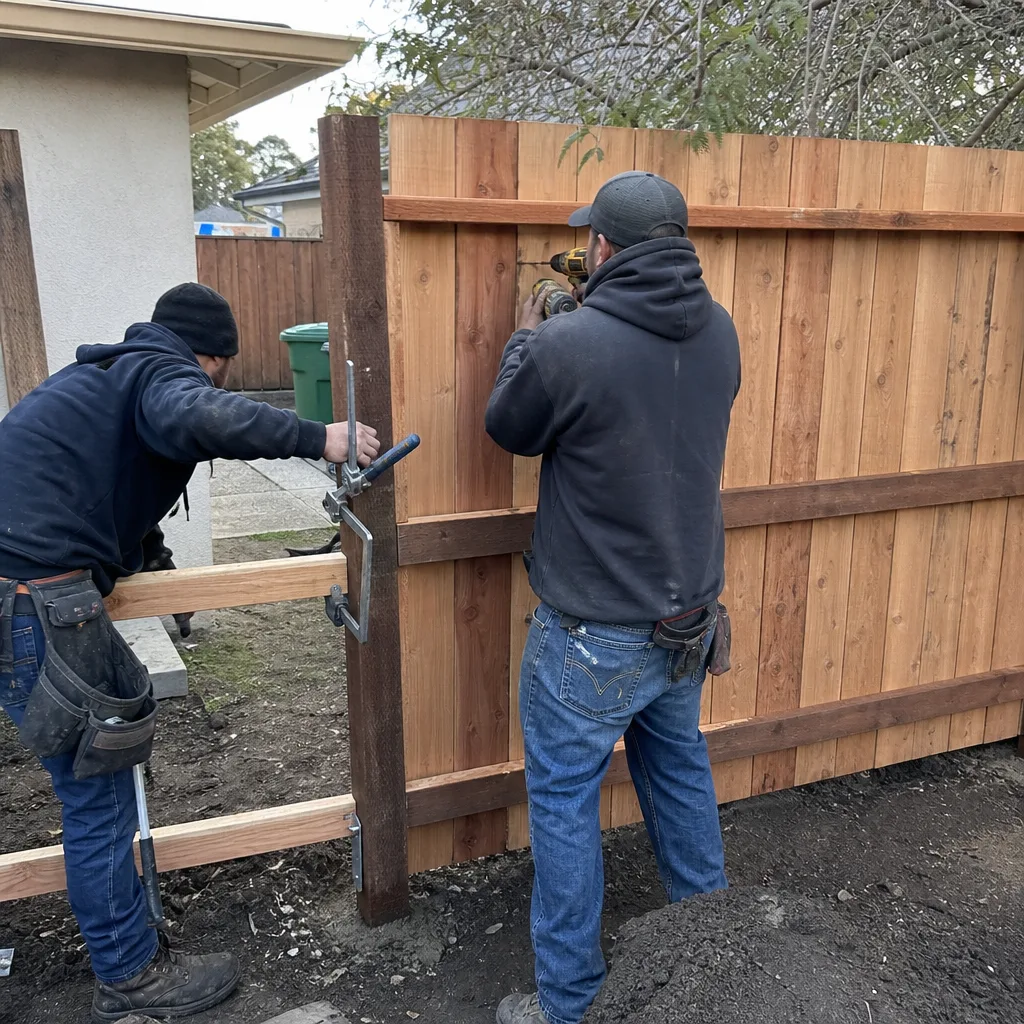
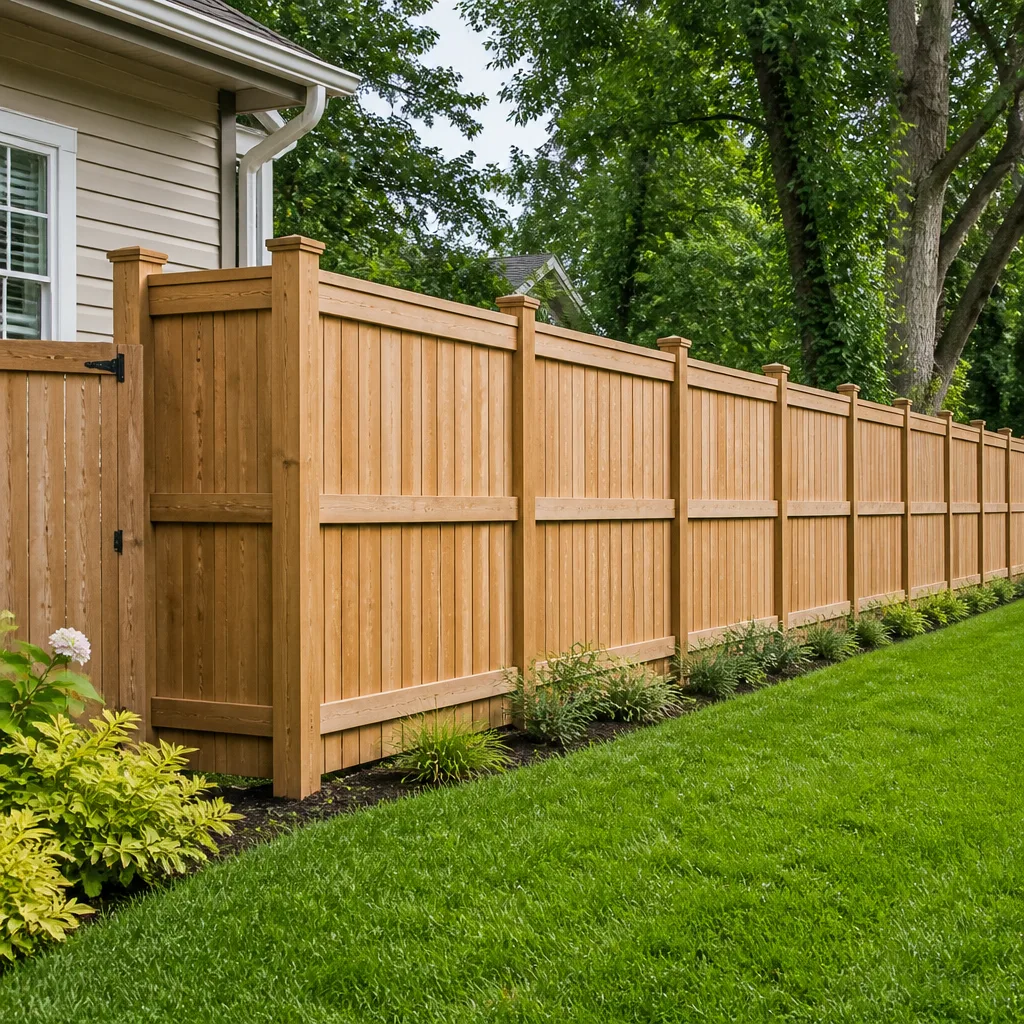
 Fence
 Kitchen remodeling
 Bathroom remodeling
 Home additions & ADU
 Roofing
 Windows & doors
 Driveway & pavers
Free written scope consultation - allowances, timeline, and change-order rules on paper before a single trade is scheduled
Iron Fence in Pleasant Hill, CA: What the Job Actually Involves
An iron fence in Pleasant Hill typically runs $3,500 – $9,000 for a standard residential run of 80 – 120 linear feet, and most projects take two to four days on site once materials are in hand. The work covers layout and marking, post-hole excavation, concrete-set posts, panel or picket assembly, and a finish pass. Call (888) 419-3650 and we’ll walk your property, price the run against your actual soil and setbacks, and give you the number in writing before anything gets dug.
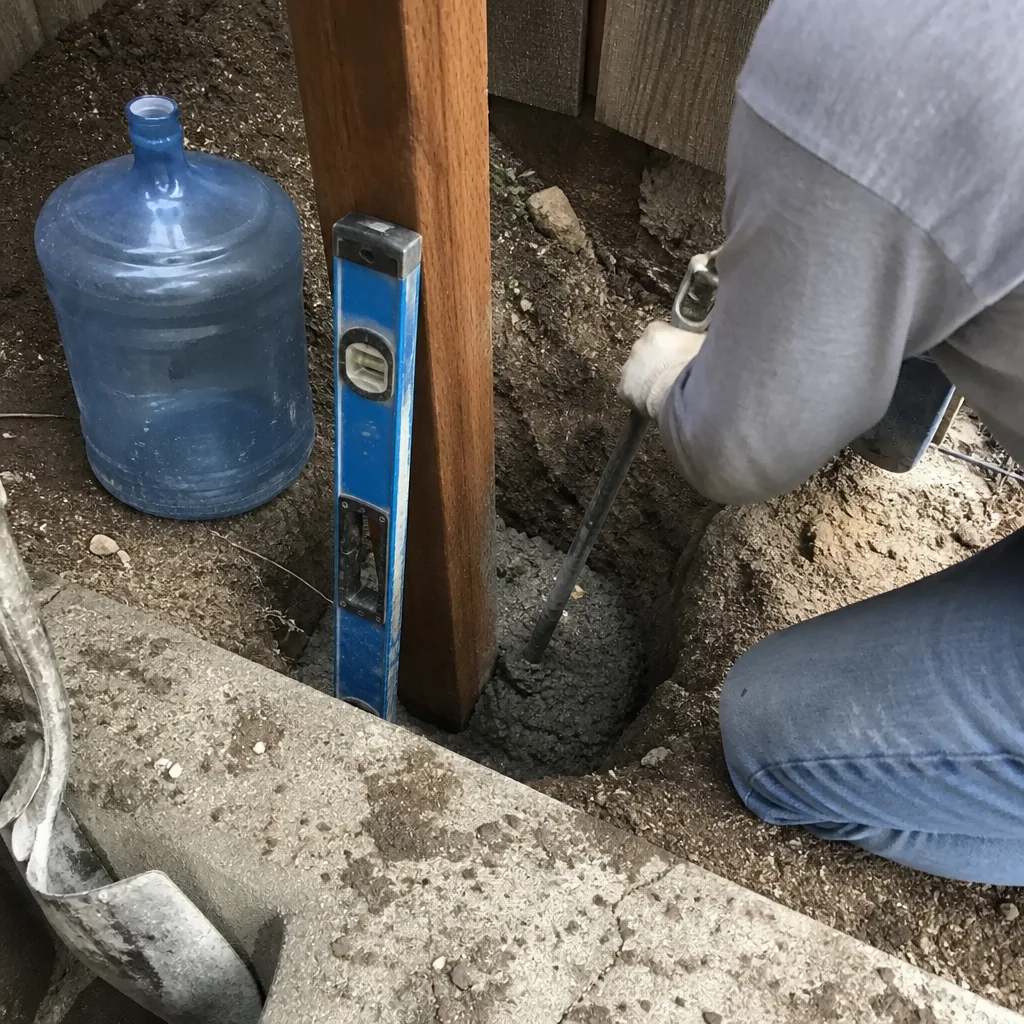
How We Build an Iron Fence Here, Stage by Stage
An iron fence is unforgiving. Posts that are half an inch out of line read as sloppy from thirty feet away, and a fence set into the wrong grade looks worse every year as the ground settles around it. The sequence matters more than the individual steps, so here’s how a real install breaks down.
Day 1 morning: layout and utility check
We walk the line with you and mark every post location with paint or stakes before a shovel touches dirt. This is where you sign off on the exact run: gate placement, corner posts, and where the fence stops against the house or a neighboring wall. Before excavation we call in the utility locating service and wait for the marks. Pleasant Hill’s mid-century parcels often carry irrigation lines, old gas stubs, and the occasional buried electrical run to a detached structure, and cutting one sets the whole job back.
Day 1 afternoon: demo and excavation
If an old fence comes out, we pull it the same morning and haul it away. Post holes go down 24 – 36 inches, deeper on slopes or where the soil is loose. In the hillside lots along the ridge edges, a rock bar and a little patience come out of the day before the digging does. You don’t need to be on site for this part. It’s loud, it’s dusty, and it’s the least interesting stage of the project.
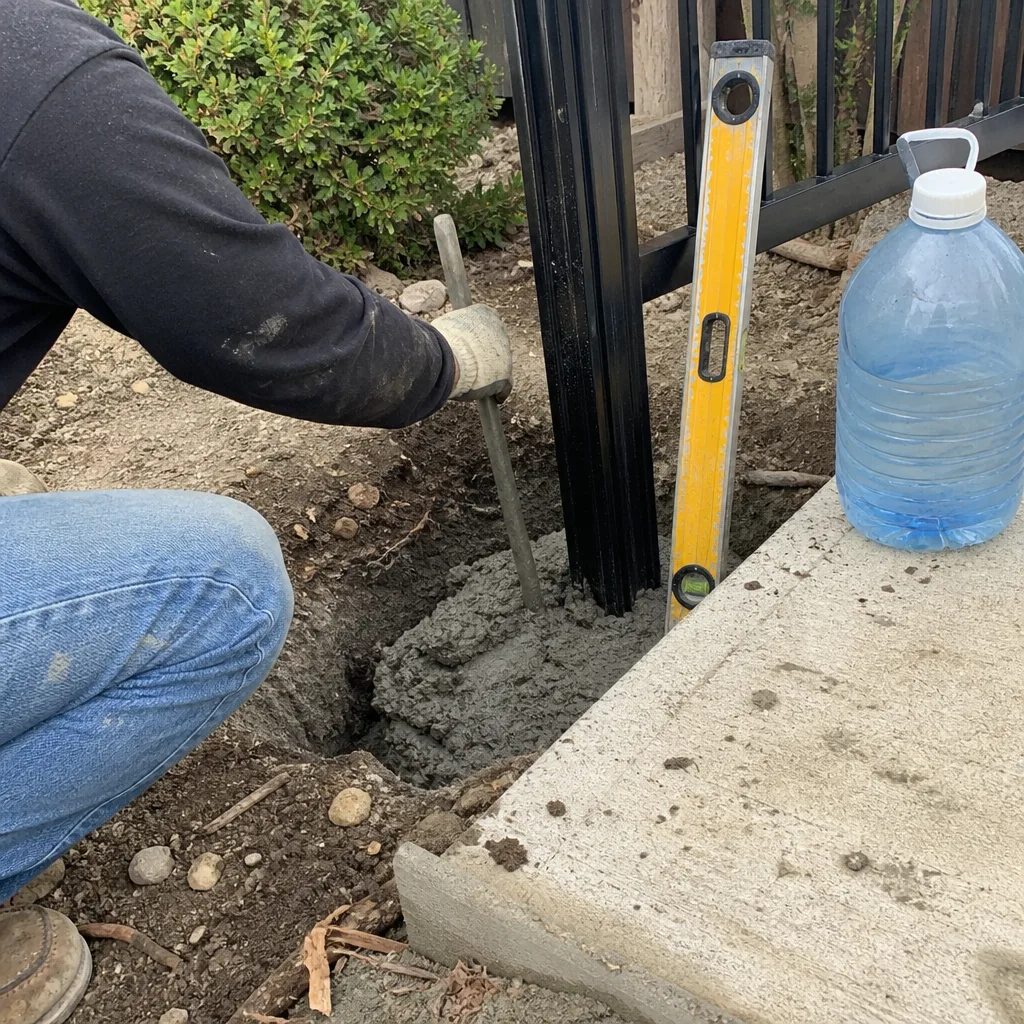
Day 2: setting posts and pouring concrete
Posts go in with a concrete mix rated for exterior ground contact, set plumb and braced at consistent height. We don’t skip the cure time. Fast-setting mixes shorten the wait, but a heavy iron panel pushed onto green concrete will drift, and a fence that drifts doesn’t fix itself. For a typical Pleasant Hill ranch lot, we’re setting 12 – 20 posts in a day, and the concrete cures overnight.
Day 3: panels, pickets, and gates
Rails and pickets or panels go on, leveled against the string line. Gate hardware gets fitted here: hinges, latch, and any self-closing mechanism. If you picked a powder-coated finish, this is where we inspect for scratches and touch them up before final walk. Any custom finials or decorative pickets go on last, because they’re the first thing to catch a ladder or a dropped wrench.
Final day: inspection and handoff
We walk the whole line with you, gate by gate. Latch alignment, post caps, and finish get checked in daylight, and we point out anything that will need attention in five or ten years. Final payment is where the 730-Day Done Right Promise starts. If a post leans, a weld fails, or a hinge loosens inside that window, we come back and make it right.
The whole thing usually lands in three to four working days for a typical lot. Materials lead time is the wild card: stock panels turn around in a day or two, custom runs take longer.
Styles & brands we work with
- Kitchen remodeling
- Bathroom remodeling
- Home additions & ADU
- Roofing
- Windows & doors
- Driveway & pavers
- Fence
The Options You’ll Actually Choose Between
Iron fence isn’t one product. The choices below are the ones that most change how the fence looks, how long it lasts, and what it costs.
- Material: True wrought iron (rare now, usually custom-forged, runs at the top of the price range and lasts decades) or galvanized steel or aluminum made to look like iron (the practical choice for most Pleasant Hill homes, cheaper, lighter, and still strong). Steel is the heavier, tougher option; aluminum is more rust-resistant out of the box.
- Finish: Powder-coated in black, bronze, or a custom color. Powder coat is the standard for a reason: it holds up against UV, so it doesn’t chalk and fade the way a painted finish does in our summers. Bare or painted iron looks good new and demands more upkeep.
- Panel vs. picket construction: Pre-assembled panels install faster and hold their spacing; built-in-place pickets allow tighter curves, custom dimensions, and decorative patterns. Panels are the better value for straight runs.
- Picket style and height: Flat pickets, pressed spear points, decorative finials, and heights from 4 to 6 feet. Taller fences say “privacy and security”; shorter ones read as landscape accent. Speak to what the fence is doing.
- Gate type: Walk gate, double driveway gate, or a mixed layout with a matching pedestrian gate. A gate is where the hardware budget lives: hinges and latches eat cost and are the parts that wear out first.
- Ornamental enhancements: Scrollwork, rings, or custom finial designs. These push you to the upper end, mostly because they need custom fabrication and more install time.
Brands like Belgard and Techo-Bloc come into play if you’re pairing the fence with a paver border, walkway, or hardscape apron at the driveway, since their modules line up cleanly against fence lines.
What Iron Fence Costs in Pleasant Hill, CA
A residential iron fence in Pleasant Hill runs $3,500 – $9,000. That’s the honest range for a typical 80 – 120 foot run of galvanized or aluminum fence with one gate, and most Pleasant Hill jobs land inside it. The number that matters is your specific one, and we put it in writing before any digging starts.
Four things move the number:
- Linear feet: Every extra 10 feet adds roughly $300 – $500 in material and labor. A long side yard or a wrap-around corner pushes toward the top.
- Material and finish grade: Aluminum fence sits at the lower end; true wrought iron or a custom powder-coat color pushes you higher. Custom finials and scrollwork add on top.
- Slope and soil: A level lot installs quickly. A hillside lot near the ridge edges, or one with heavy rock and old tree roots, adds excavation time and may need deeper footings.
- Gate count and hardware: One walk gate is standard. Driveway gates, double gates, or self-closing hardware add cost and install time.
- Demo of the old fence: If there’s an existing wood or chain link run, pulling it, capping off concrete footings, and hauling it away is real work and gets priced separately.
A written estimate from us lists linear feet, material specification, post spacing, gate count and hardware, demo, and cleanup line by line. What’s not included: fence staining or painting after install, major grading, retaining wall work, or the hardscape around the fence. If you’re pairing the fence with a full landscape plan, that’s part of a Fence Installation in Pleasant Hill scope and we can walk it in one visit. Our Fence Installation service covers the wider picture if iron isn’t the only material in the mix.
See the difference
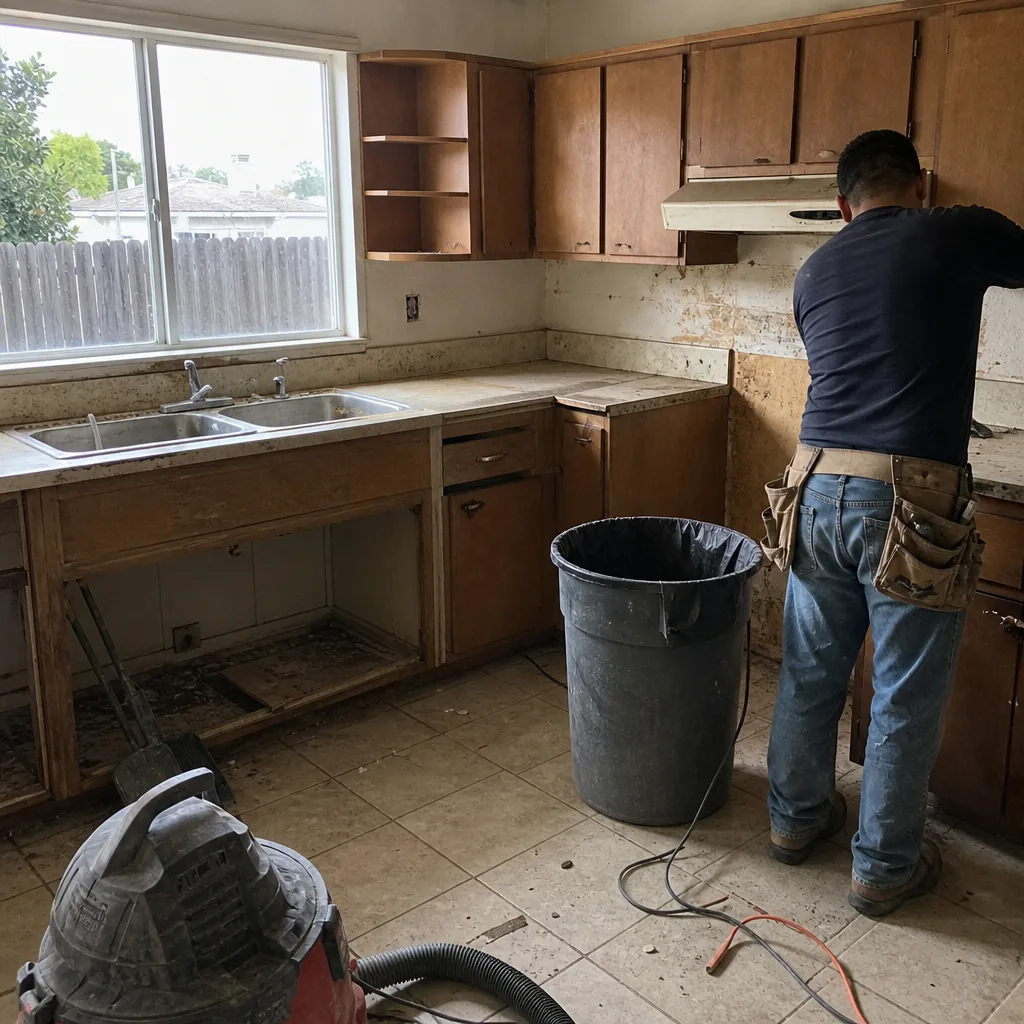 Before
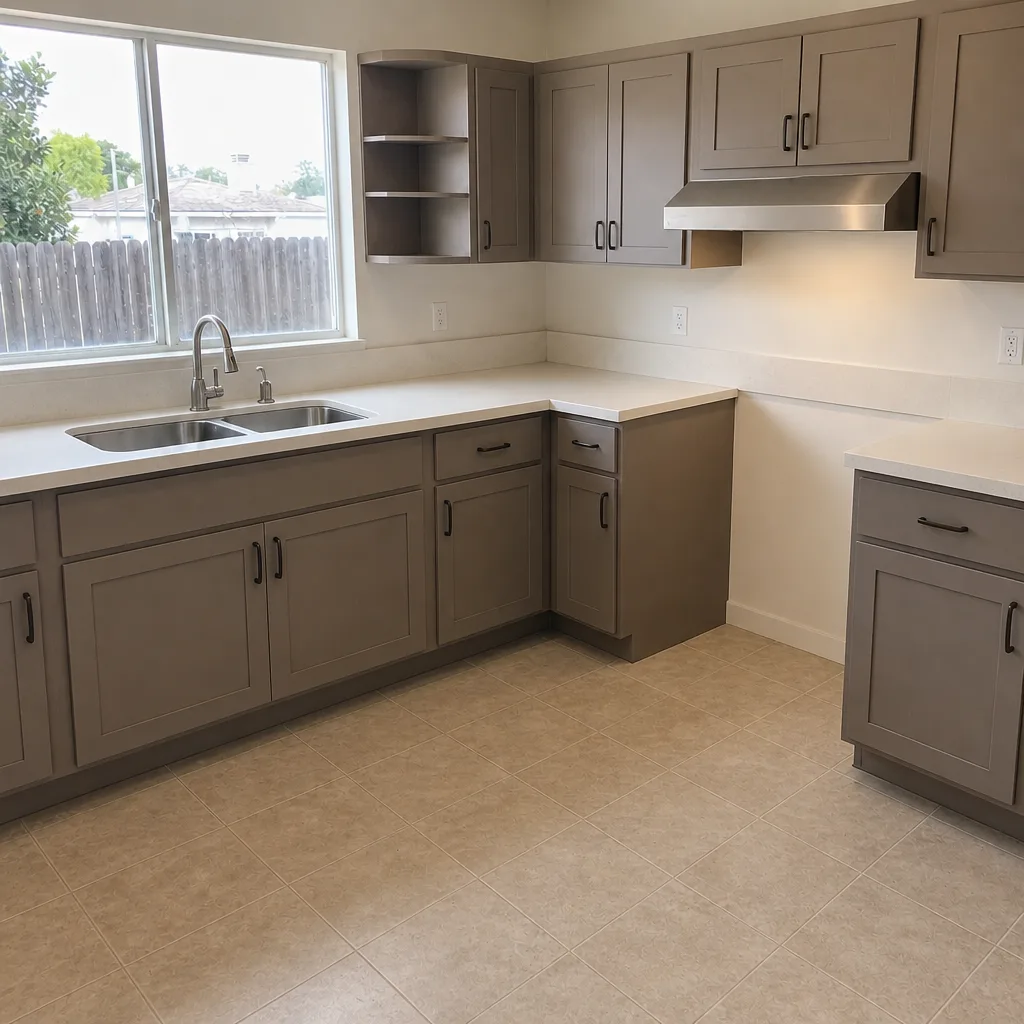 After
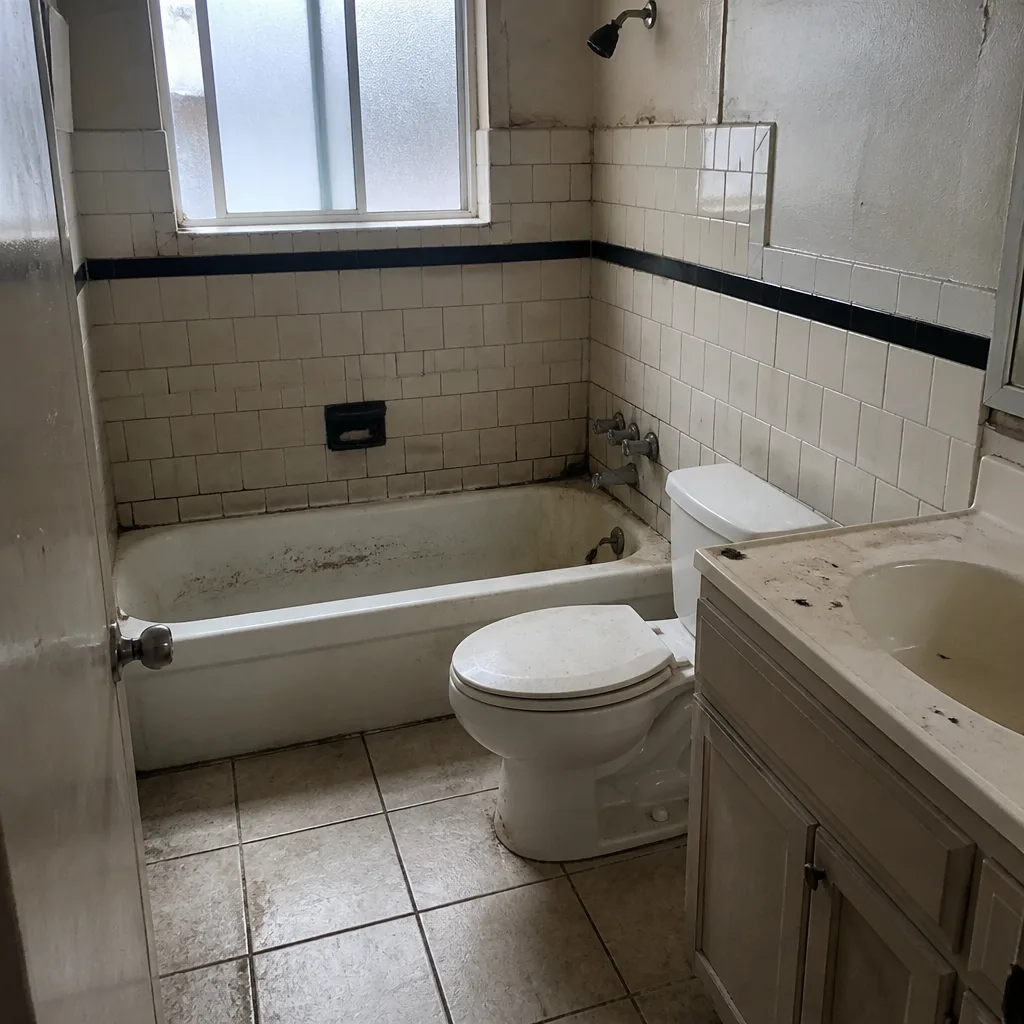 Before
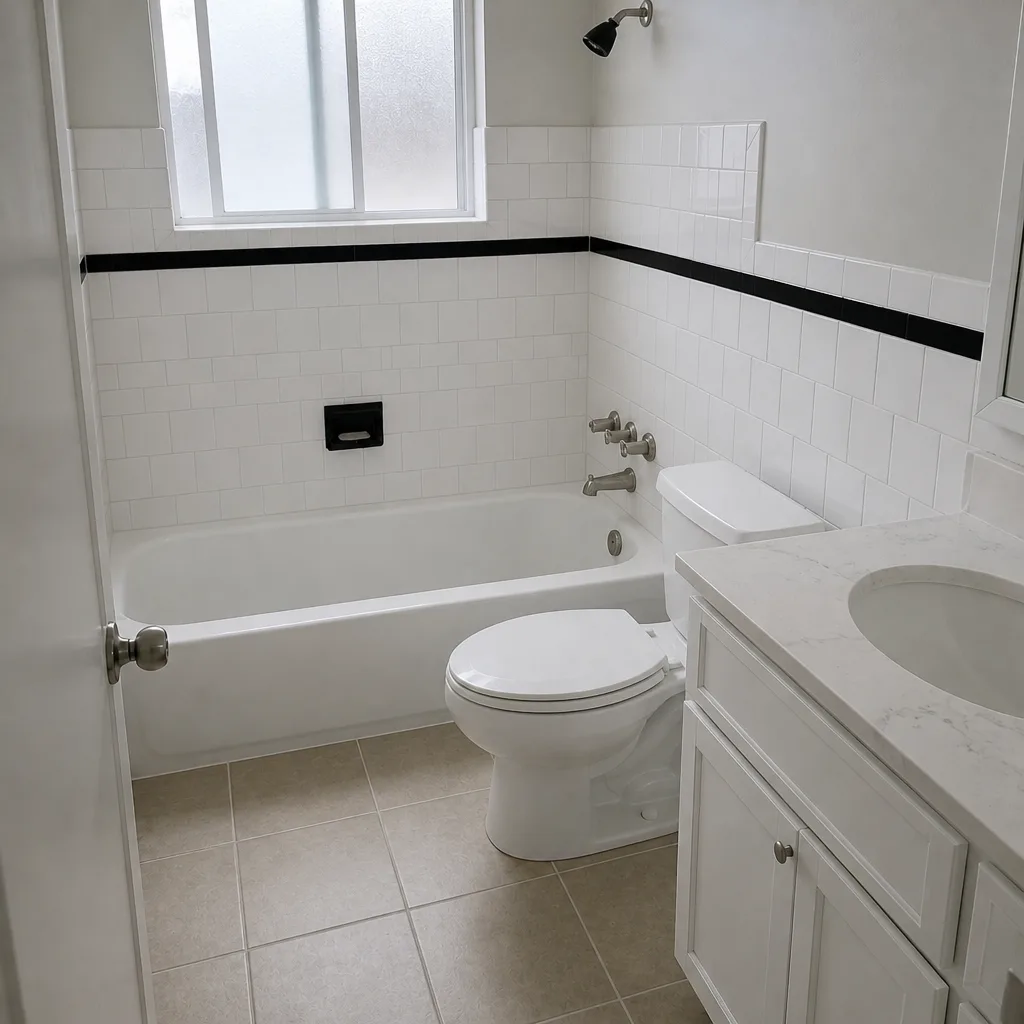 After
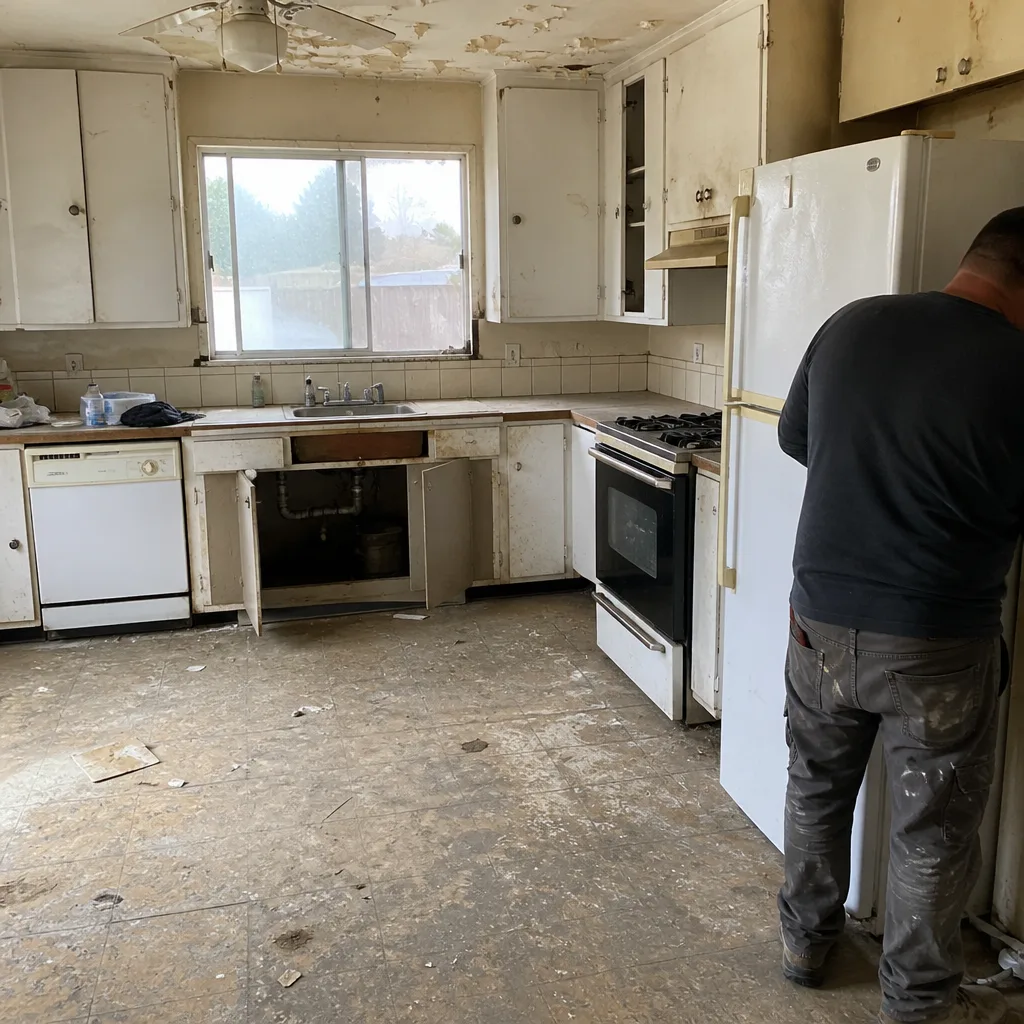 Before
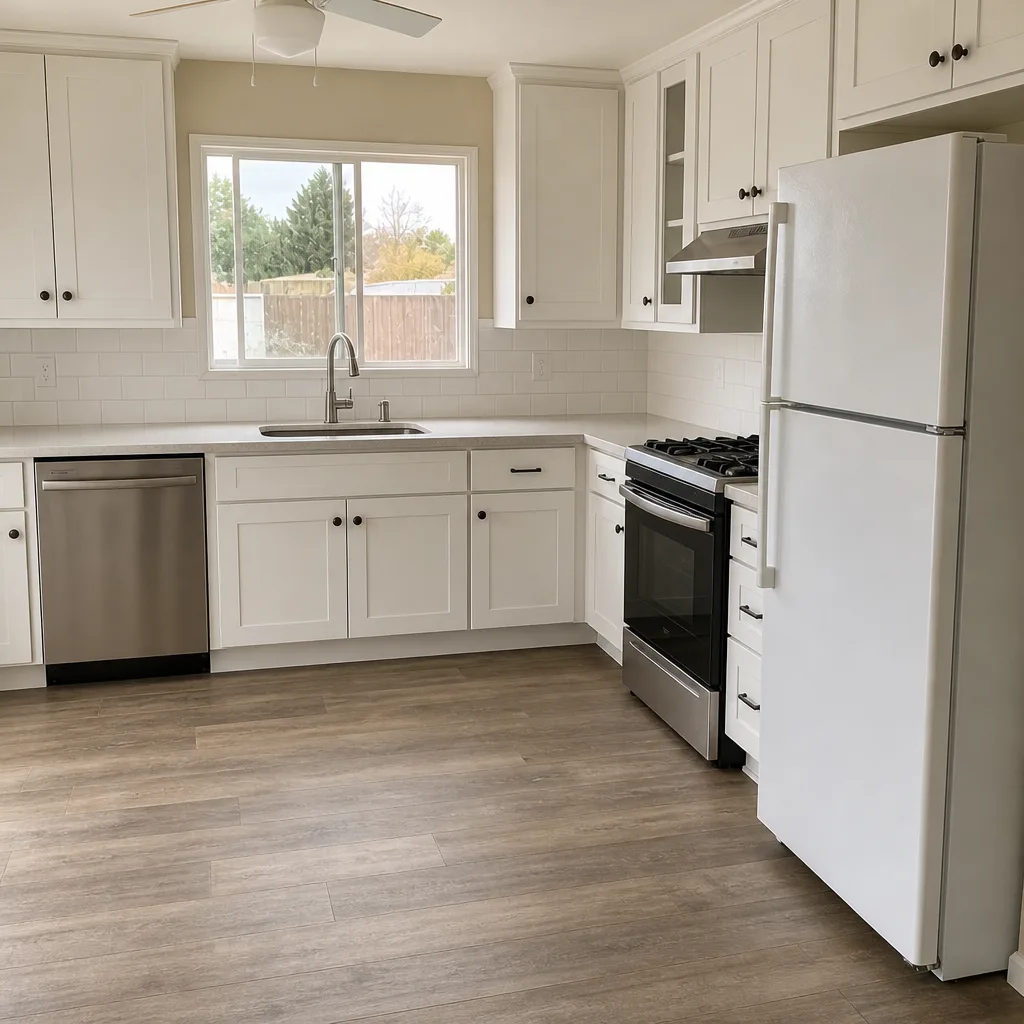 After
What Pleasant Hill Homes Specifically Do to This Job
Pleasant Hill is a built-out, post-WWII Contra Costa suburb, which means almost every iron fence here is a replacement or a boundary rebuild, not part of a fresh lot carve-up. The old fence is where the job gets interesting: decades-old wood posts, frost-heaved concrete footings, and property lines that were never as clean as the plat map suggests. We measure the line against the plat before we dig, because original mid-century ranch parcels often have fences that crept a few feet onto the neighbor’s side over the years.
The city’s permitting culture is small and picky. Front-yard fences and any fence above six feet in height generally require a permit with a site plan showing setbacks, and Pleasant Hill takes that plan seriously. Hillside lots backing onto the open-space ridges near the surrounding oak canopy also trigger drainage and grading review, since a solid fence line changes how stormwater runs off a sloped yard.
Pleasant Hill’s hot, dry summers do a number on exterior finishes, and the winter rain load finds every open seam. Iron fence is durable, but the failure modes we see here are predictable: powder coat chalking after a decade of UV, gate hardware seizing from dry season to wet season, and posts rotting at the base where the concrete cap wasn’t sealed. Doing the job right means catching those details on the install line, not after. If the work is part of a larger outdoor project, homeowners often pair it with Patios, Walkways & Pool Decks in Pleasant Hill so the fence line ties into the hardscape, and we cover the whole of Pleasant Hill.
Serving Pleasant Hill, CA – Our Local Coverage Area
We serve Pleasant Hill and nearby communities. Use the map below to see the area we cover. If you’re nearby, we can almost certainly help.
Frequently Asked – Iron Fence in Pleasant Hill
Most residential iron fence installs run three to four working days once materials are on site, and we set the schedule with you in writing before we start. A 100-foot run with one gate is generally two days of excavation and post setting followed by a day or two of panels, gate hardware, and final inspection. Add a day for demo of an old fence or for a hillside lot with heavy rock. Call (888) 419-3650 for a free estimate and a realistic timeline.
Yes. For front-yard fences and any fence over six feet in height, the city typically wants a permit and a site plan showing setbacks, and we handle that filing and the inspection. If your fence is a like-for-like replacement at the same height and line, it may not need a permit, and we’ll tell you honestly which side of that line your project falls on. Call us and we’ll walk the requirements before you commit.
In most cases, yes. Post holes are set individually rather than along a continuous trench, so we can work around mature shrubs, existing irrigation lines, and stone hardscaping without tearing it all out. We flag the run with you beforehand and adjust the line to protect the plants worth protecting. Some excavation loss is unavoidable around each post, but we keep it contained.
A true wrought-iron fence sits at the top of the $3,500 – $9,000 range, while galvanized or aluminum fence made to look like iron sits at the bottom for the same footprint. The trade-off is weight and rust behavior: steel is heavier and tougher, aluminum holds up to rust better without any maintenance. Both are durable options in Pleasant Hill’s climate. A written estimate from us shows the difference line by line.
Workmanship on an iron fence we install is covered by our 730-Day Done Right Promise: if a post leans, a weld fails, or a hinge loosens, we make it right. That’s on top of whatever manufacturer warranty comes with the panel or finish you choose. Call (888) 419-3650 and we’ll spell out exactly what’s covered before the estimate.
Ready for a Free Iron Fence Estimate in Pleasant Hill?
A free on-site estimate is how we price every iron fence. We walk your property, measure the actual run, check the soil and slope, and talk through material and gate choices on the spot. You get a written line-item quote, no change orders, no hidden fees, and 0% financing for 18 months if you need it. Call (888) 419-3650 to schedule your free estimate.
Written by the team at Groundwork Construction Co.