
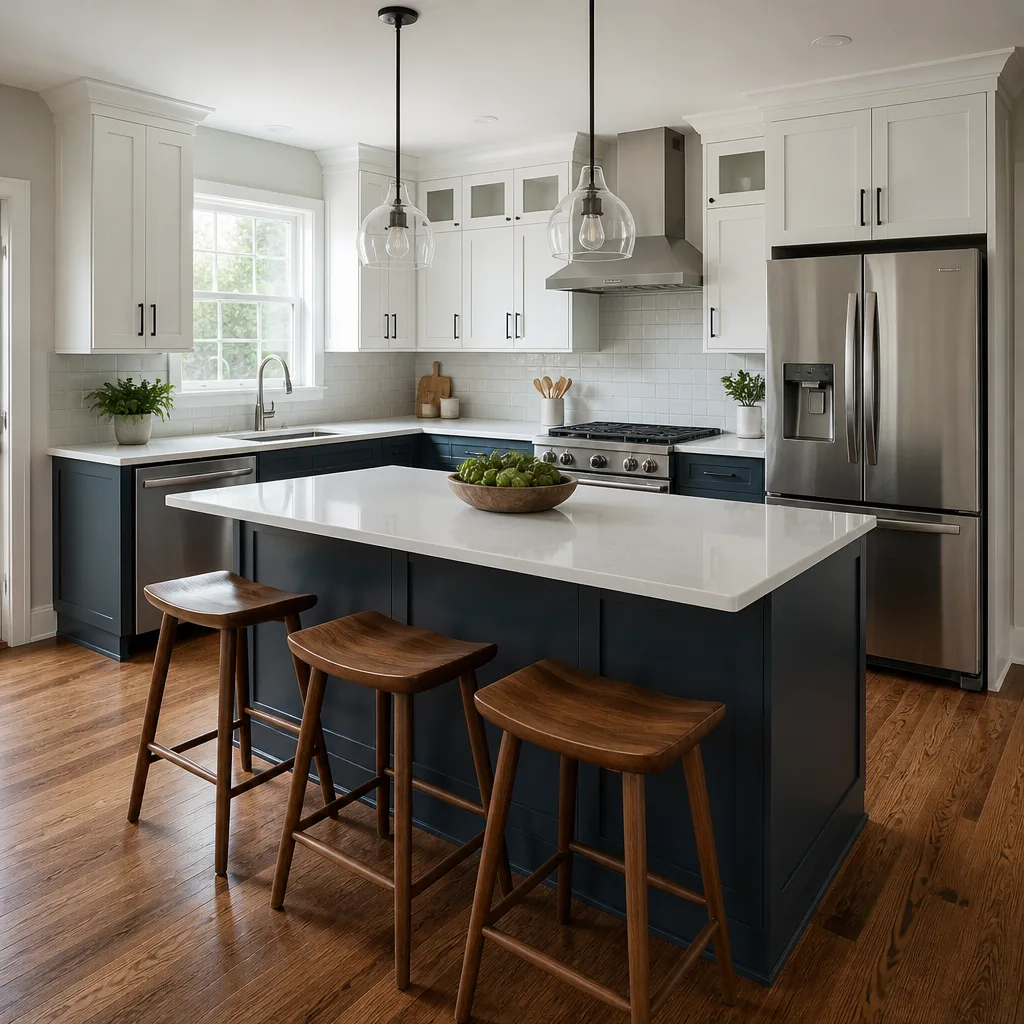
 Kitchen remodeling
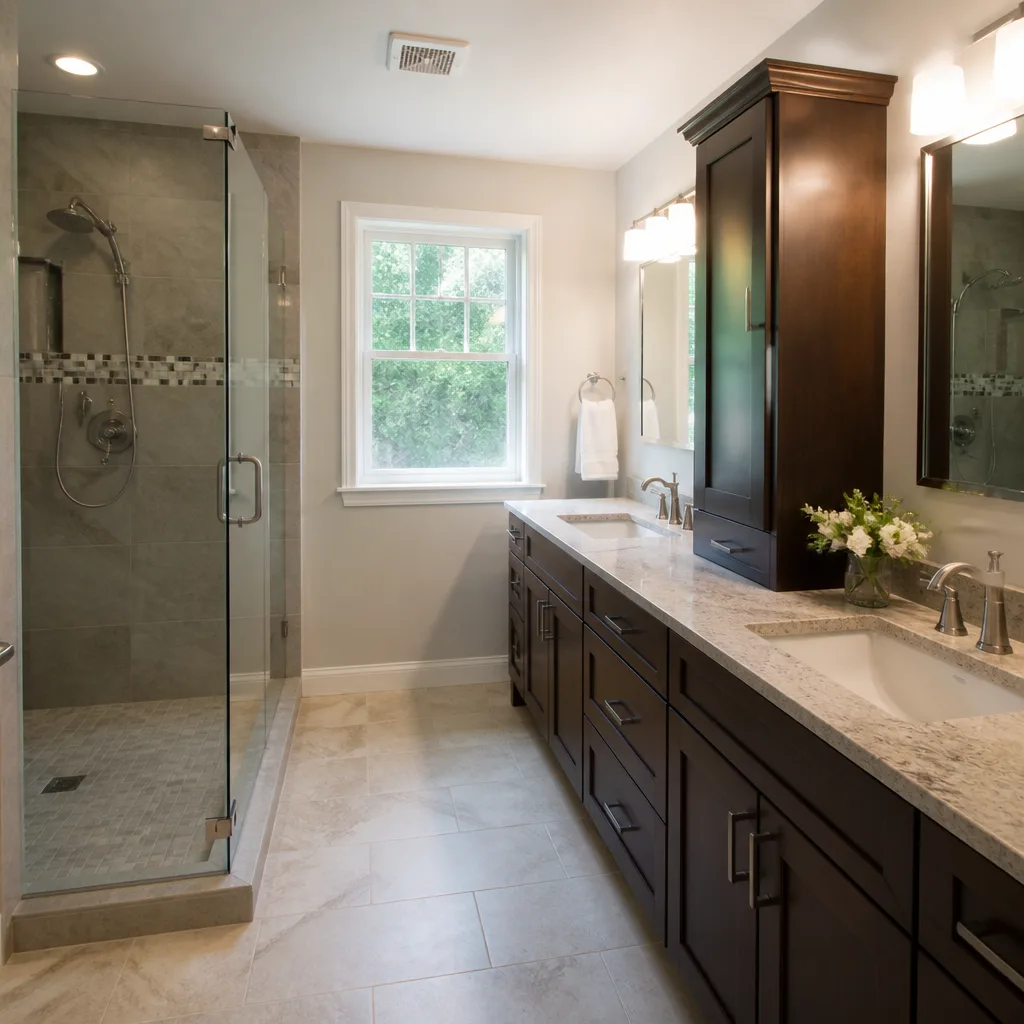 Bathroom remodeling
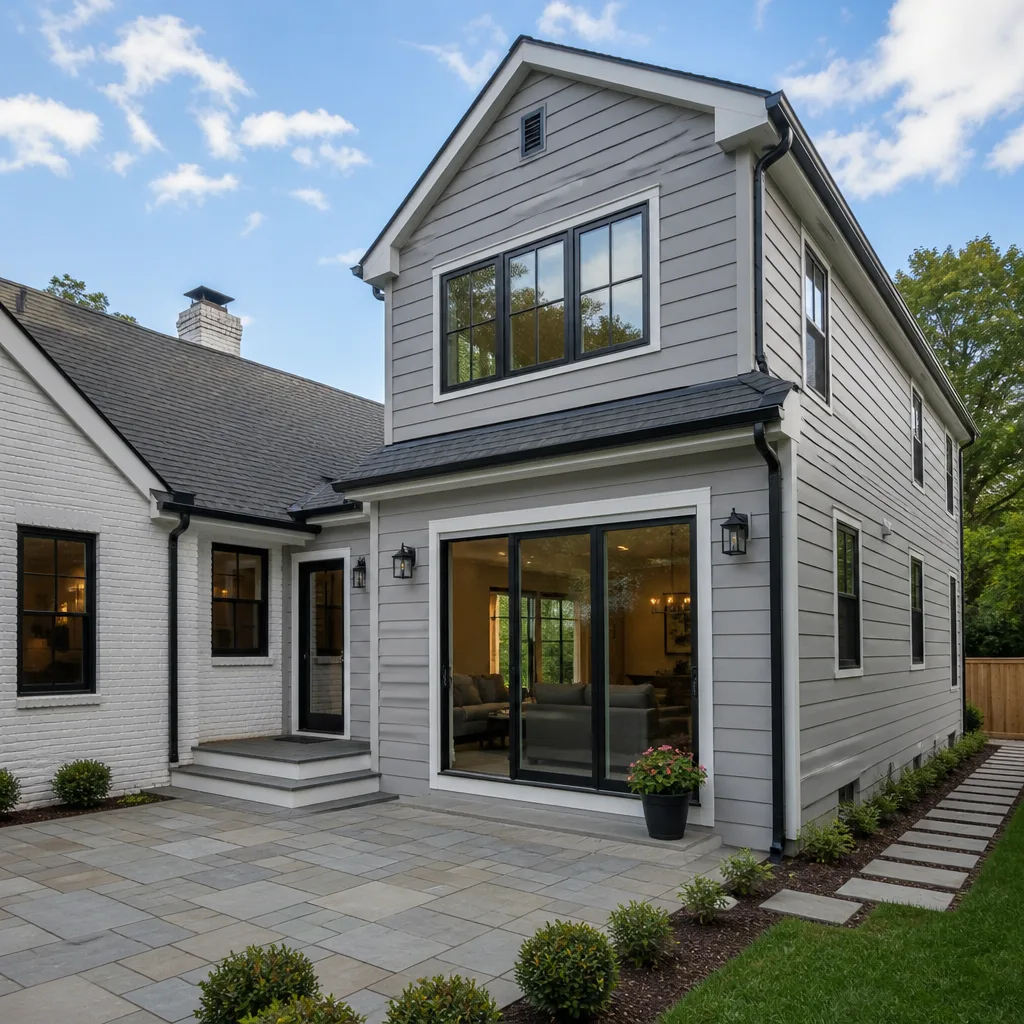 Home additions & ADU
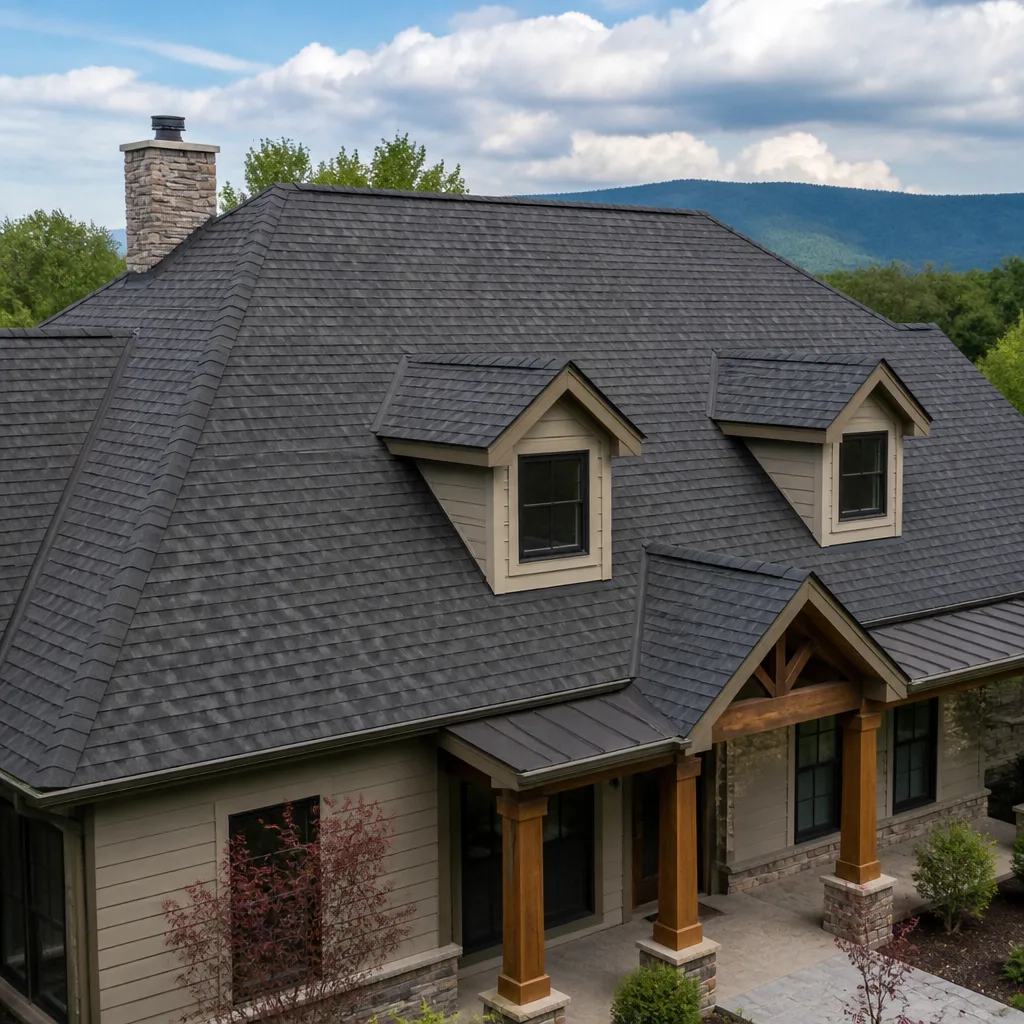 Roofing
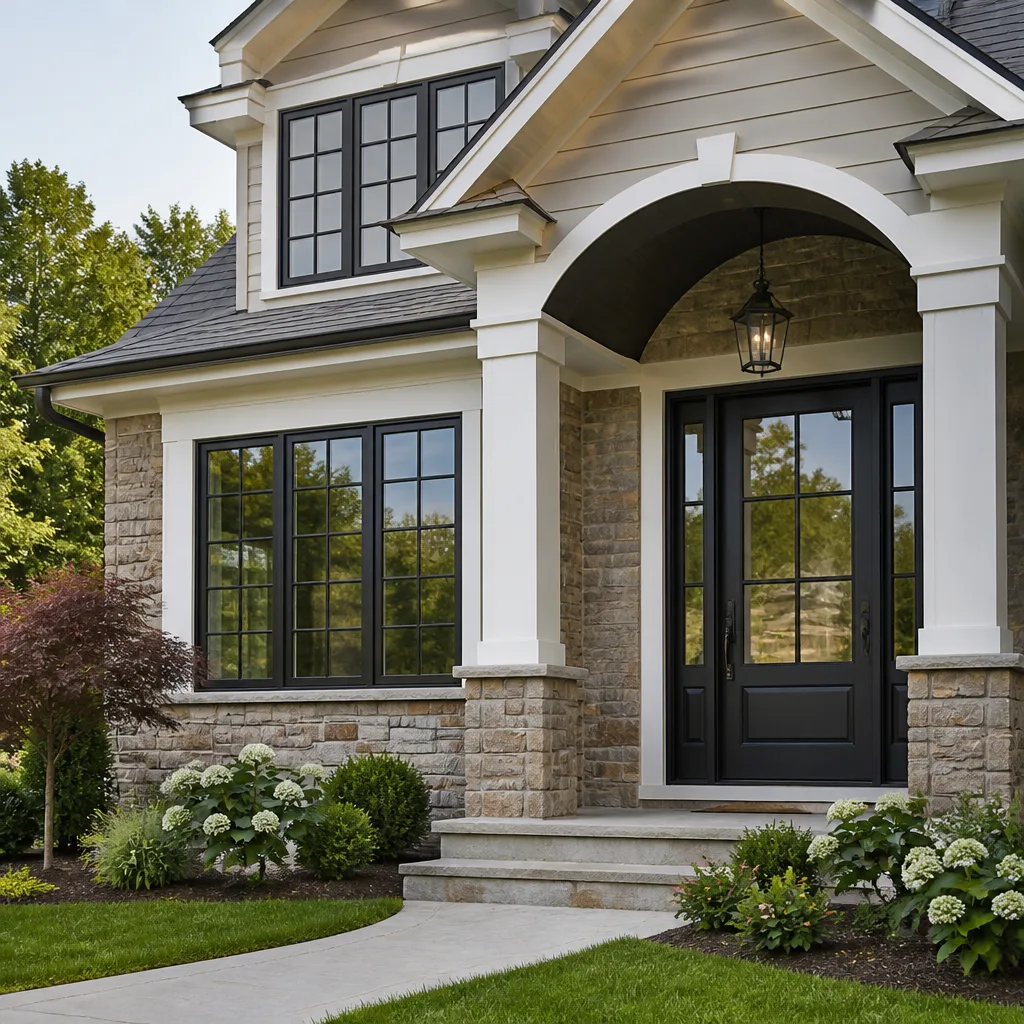 Windows & doors
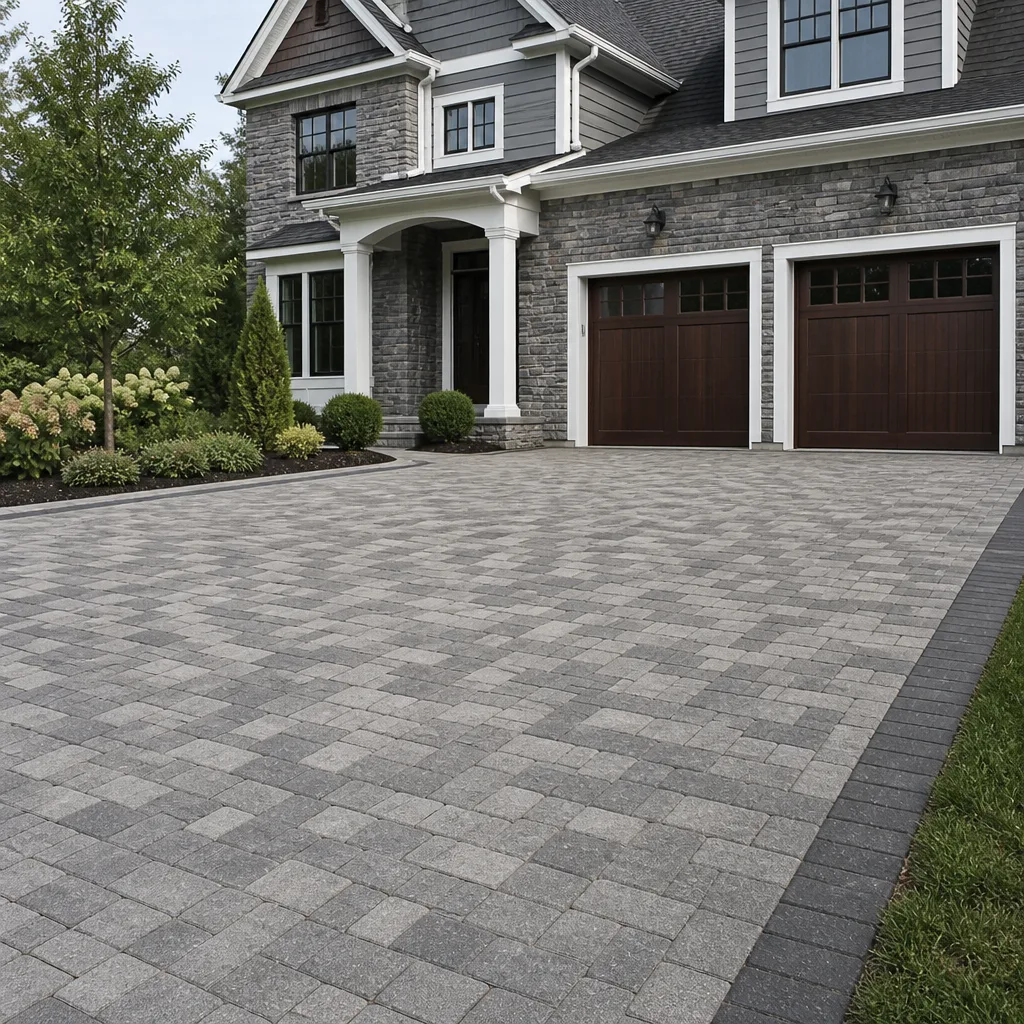 Driveway & pavers
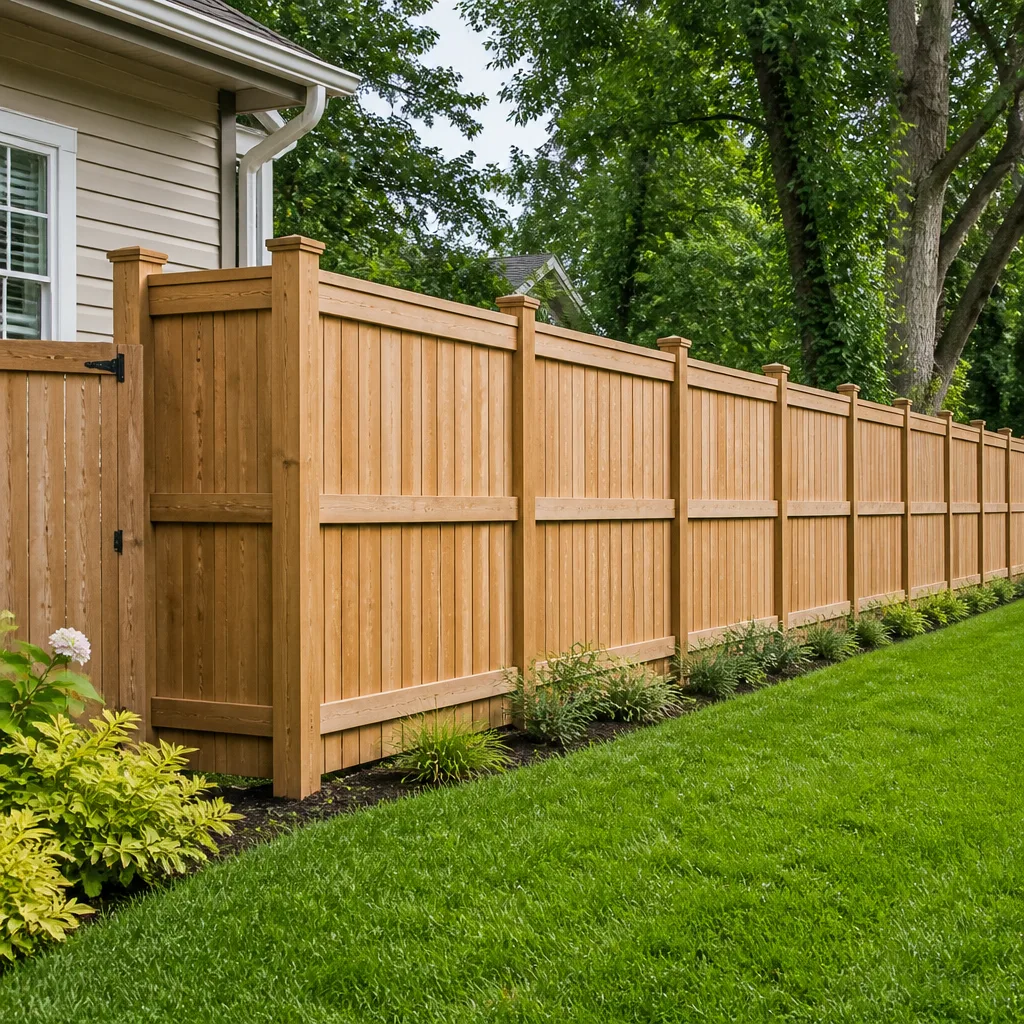 Fence
Free written scope consultation - allowances, timeline, and change-order rules on paper before a single trade is scheduled
Styles & brands we work with
- Kitchen remodeling
- Bathroom remodeling
- Home additions & ADU
- Roofing
- Windows & doors
- Driveway & pavers
- Fence
See the difference
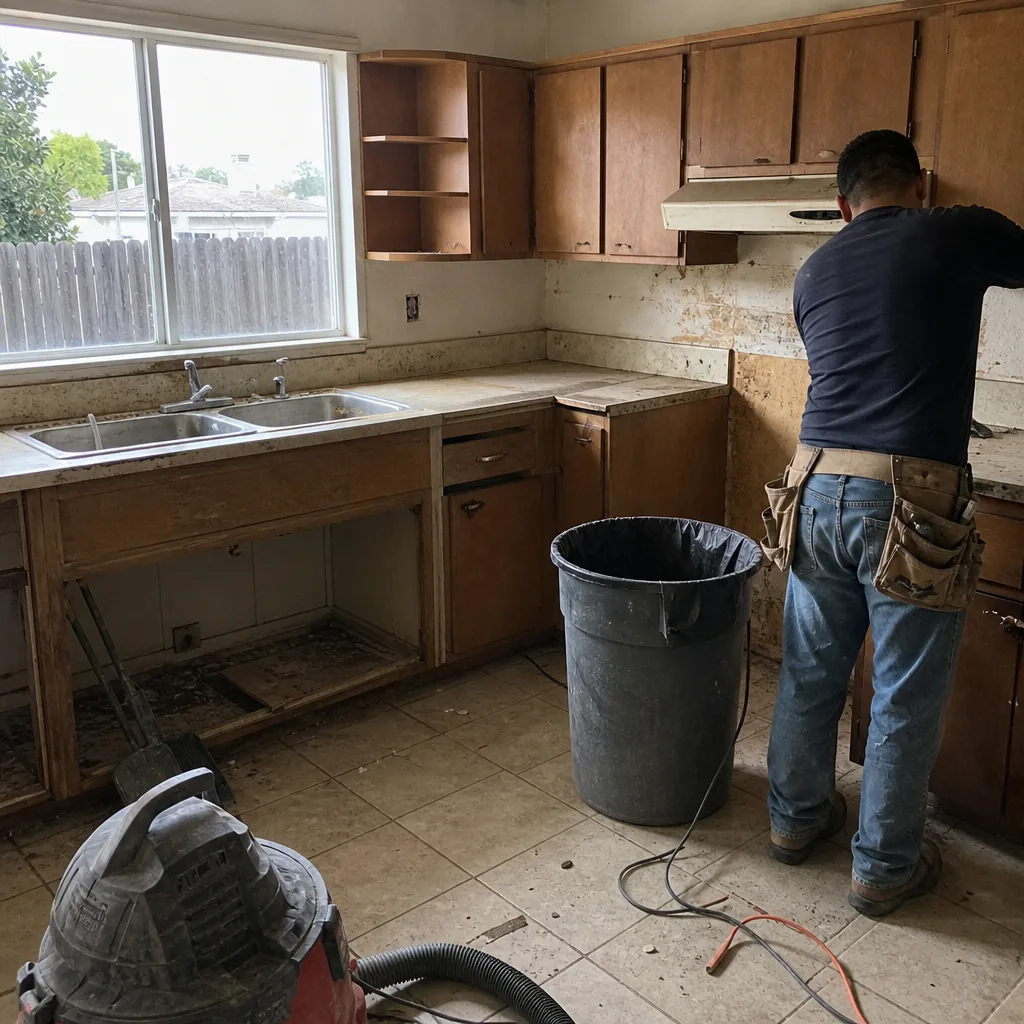 Before
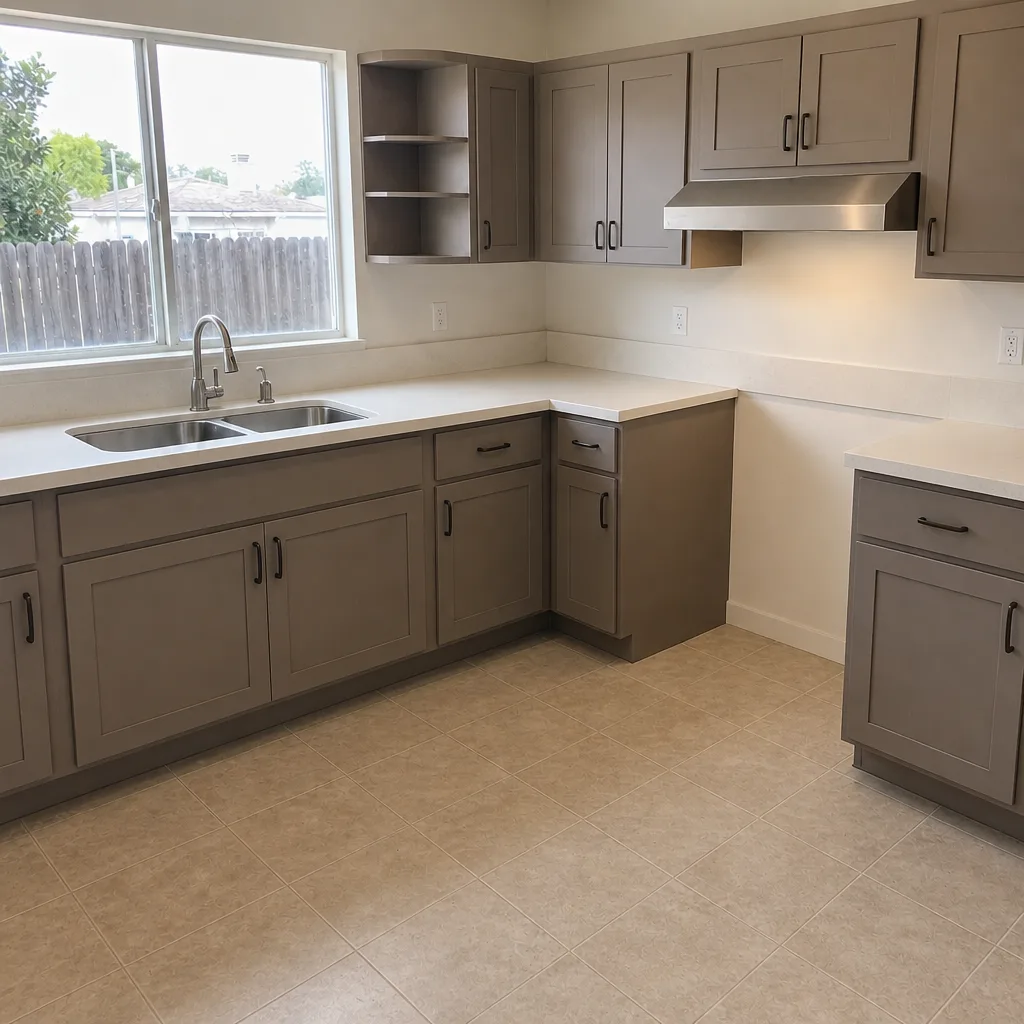 After
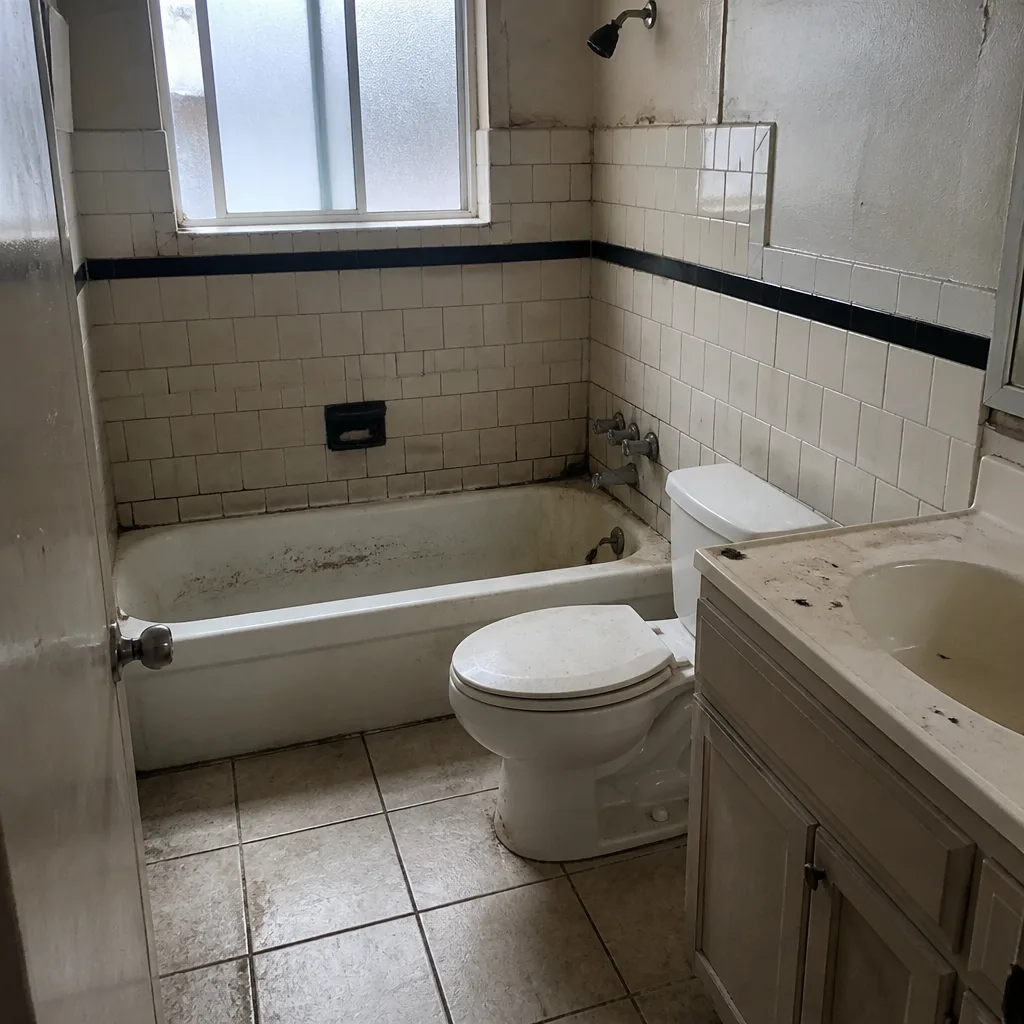 Before
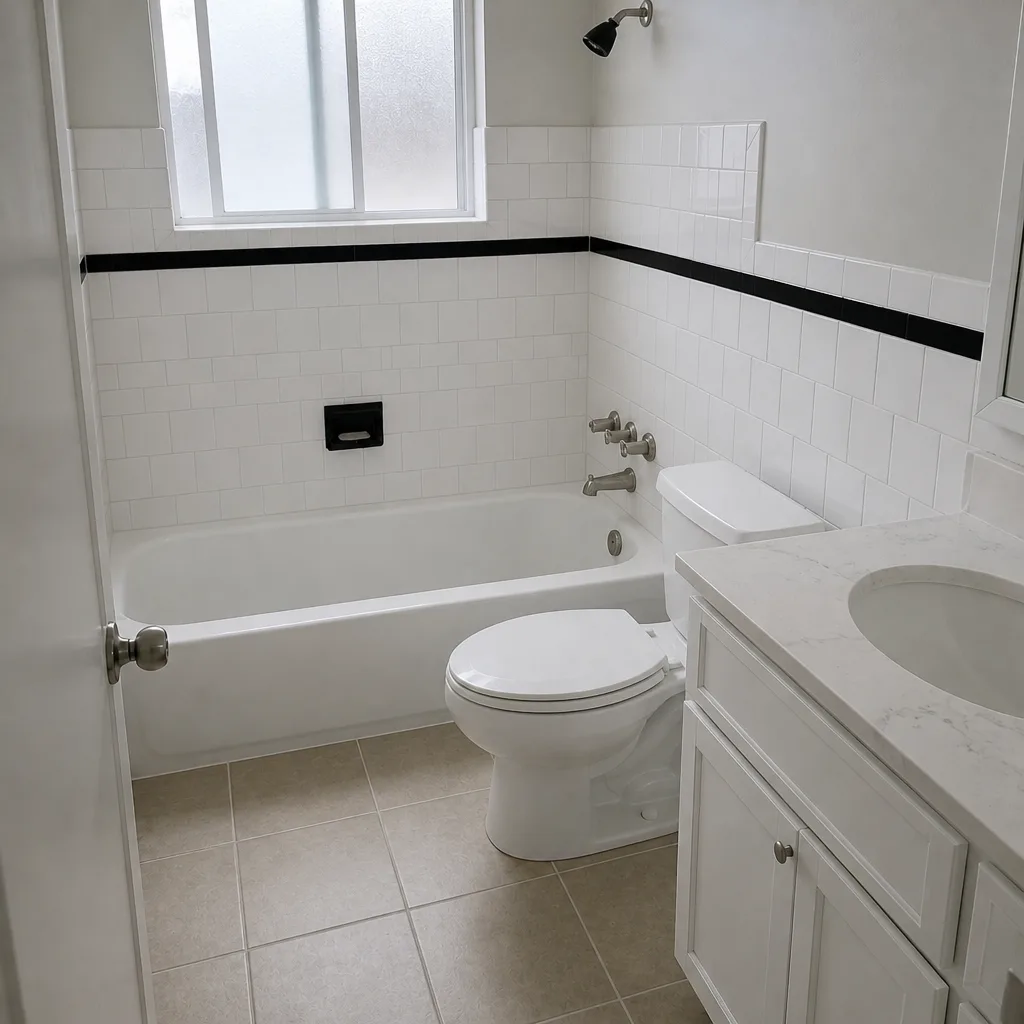 After
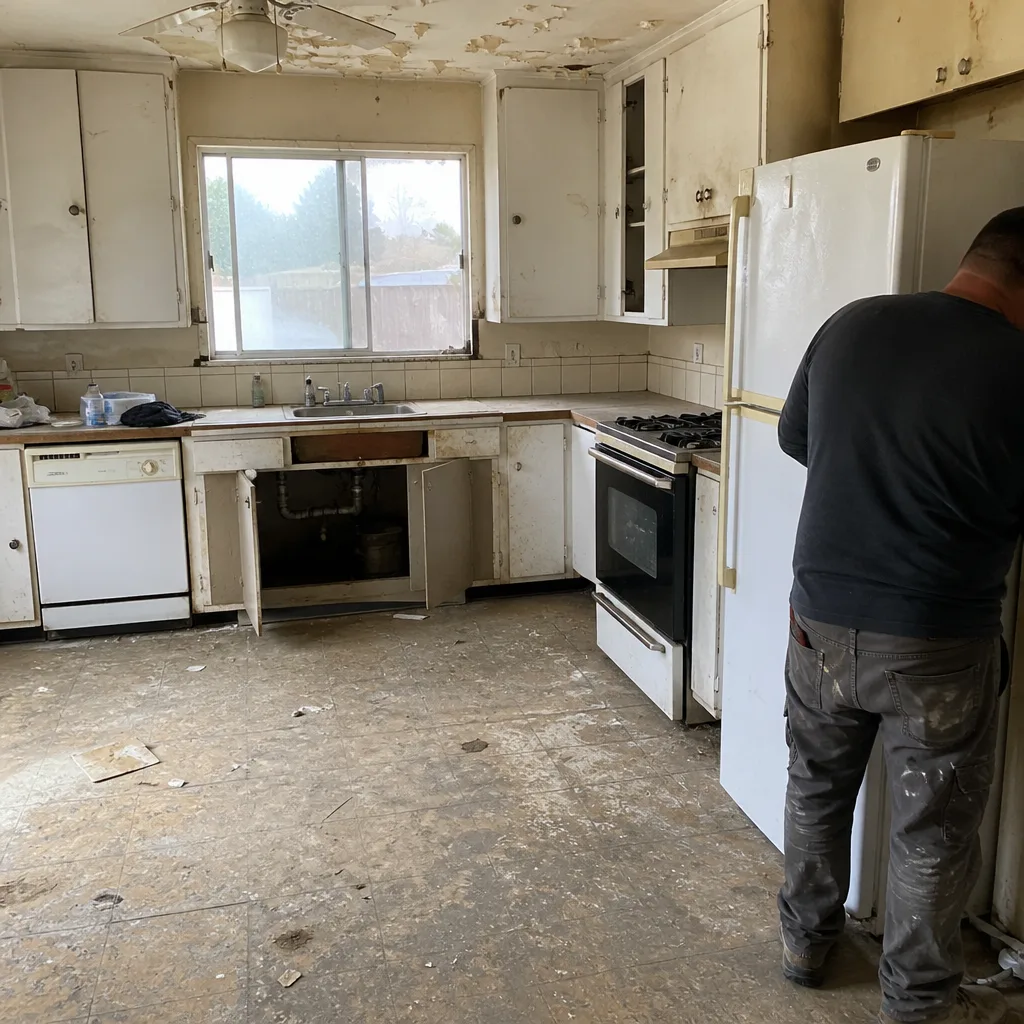 Before
 After
Repair or Replace Your Roof in Antioch, CA? Decide on Deck Condition, Not Age
Replace the roof if the deck underneath is compromised or the sheathing has been cycling through clay-soil movement for decades. Repair it if the deck inspects flat and solid and the failure is localized. That’s the short answer, and it’s the right one for most Antioch roofs – but it isn’t the framework most homeowners are handed, because the usual rule (“repair if the cost is under 50% of replacement”) ignores the variable that matters most on the flats. If your ceiling has been staining since the first big rain and you want a straight read on it, our team at (888) 419-3650 answers around the clock.
A 15-year-old ranch roof in Antioch is not the same as a 15-year-old ranch roof in Pleasanton. Antioch’s expansive Bay Area clay has been subtly cycling the deck on every one of those 15 years, and the question shifts from “how many shingles are shot?” to “is the deck still flat, and is the flashing still seated?” Those two answers move the math more than age or shingle count ever does.
Why Age Is the Wrong Place to Start
Standard advice tells you to look at the roof’s age first. On Antioch’s flats – the older downtown and river-adjacent blocks especially, where the water table runs high – that’s backwards. A roof can be newer than the house and still have a tired deck beneath it, and a roof can be old and still sit on sheathing that never moved. What actually determines whether a repair holds is the substrate: whether the deck is flat, whether the original skip-sheathing has opened up, and whether flashing is still seated at every penetration.
Here’s the part most quotes skip. Many of these homes were built with skip-sheathing, the gaps between boards the original builder left on purpose. When the clay swells in a wet winter and shrinks in a hot, dry Delta summer – the pattern we get every year – those gaps work open a little more. A repair nailed over a deck that’s been flexing for 40 years will look fine in June. Then the first wind-driven Delta rain finds the same seam, and you’re back to square one in two to four years. We’ve watched that exact cycle repeat on these blocks.
The Four-Quadrant Decision Matrix That Actually Works
Forget the percentage rule for a minute. Two variables decide it: how much useful material life is left (more or less than 8 years) and whether the deck and structure are sound or compromised. Plot those against each other and you get four honest answers.
| Deck / Structure | Roof has 8+ years of life left | Roof has under 8 years left |
|---|---|---|
| Sound deck | Repair. Fix the failure, keep a passable roof, revisit later. | Replace now. The material is the issue, not the structure. |
| Compromised deck | Replace. A good roof over a bad deck is a liability waiting to open. | Replace. This is the worst-case combination – no upside to waiting. |
The matrix is only as good as the inspection feeding it. A repair pitched to you without anyone checking the deck isn’t a diagnosis – it’s a guess with a price tag. If you’ve already had a few estimates and they all skipped straight to shingle counts, that’s the gap to close.
Where Repair Is Genuinely the Right Call
A hill-development home built in the late 1990s with concrete tile, one localized flashing failure, and a deck that inspects flat and solid is a repair candidate – full stop. On those homes, pushing a replacement because the calendar says “it’s time” would be an upsell. Concrete tile is long-lived, and if the underlayment and flashing are holding everywhere but one spot, a targeted repair is the honest recommendation. We’ll say so, even when the bigger ticket is sitting there.
The same logic applies on the flats. Plenty of the mid-century ranch homes have a sound deck with one true failure – a valley that collects river wind-blown debris, a vent boot that dried out, a chimney flashing that pulled loose. Those are repairs. Repair in Antioch runs roughly $400-$1,800 for common fixes and $600-$2,500 for tile work, against $8,000-$20,000 for a full replacement. The matrix tells you which number applies – not the age of the house.
What Our Inspection Actually Checks (and Documents)
The decision is only as strong as the evidence behind it. Here’s what we assess, and we put all of it in writing so you can make the call yourself rather than take our word for it:
- Deck flatness. We measure it. A deck that has rippled or cupped from clay movement shows up in the numbers before a single shingle comes off.
- Decking material and fastener condition. Skip-sheathing gaps, rotten board ends, and fasteners that have backed out are all structural signals.
- Flashing seat integrity at every penetration – vents, valleys, chimneys, and skylights.
- Underlayment age estimation, since the layer under the shingles is what really keeps water out.
- Gutter-overflow evidence at the eave edge, which points to how long water has been sitting and where it’s been going.
Everything lands in a written report: what we found, what it means, and what each path costs. That’s the “upfront pricing, no surprises” you should expect from anyone standing on your roof. Our technicians have up to 12 years of experience, and we work with established material lines like GAF and CertainTeed, so replacement recommendations carry a proven product behind them.
A Clear Stance for Antioch Homes Over 20
On Antioch homes older than 20 years on the flats, a repair-only recommendation with no deck inspection is professionally incomplete. The clay-soil cycling plus original skip-sheathing creates a class of homes where repairs consistently fail within a couple of years because the substrate was never really evaluated. Over a 10-year horizon, a replacement on a sound deck costs less than a string of repairs on a compromised one – that’s just arithmetic once the deck is in the picture. The plan-worthy read on the full scope of what we do is on our Roofing page, and the regional overview sits at Roofing in Antioch.
Here’s what makes us comfortable putting that in writing: the work carries our 730-Day Done Right Promise. If we recommend a repair and it fails because we misread the underlying condition, we come back and make it right at no charge. A contractor who backs repair work in writing has a financial reason to call the deck honestly – not the convenient way. That’s accountability you can build a decision on.
Common Local Scenarios
These come up again and again on Antioch roofs, and they don’t all point the same direction.
- Downtown ranch, 1960s, leaking at the chimney. Often the flashing, not the field of shingles. Inspects flat and sound? Repair it.
- River-adjacent block, high water table, eave staining. Overflow and deck movement are common here. Check the deck before you believe a patched seam will hold.
- Late-1990s hill home, concrete tile, one bad valley. A textbook repair candidate when the deck reads flat.
- Flat-roof section over an addition. Ponding and Delta wind-driven rain expose any weak seam fast. If the deck is sound, seal it; if not, it’s a replacement.
If your roof is ready for a real assessment from a full-scope partner working from foundation to finish line, we’d rather give you the honest call than the expensive one.
FAQs
Repairs typically run $400-$1,800, tile repairs $600-$2,500, and a full replacement $8,000-$20,000 on most Antioch homes. The gap is wide because the deck is the variable – a sound deck can mean a small fix, a compromised one pushes you toward replacement. Call (888) 419-3650 for a free estimate with upfront pricing.
You can, but on Antioch homes over 20 years old it’s a gamble. The clay-soil movement and original skip-sheathing mean a repair over a moving deck often fails within a couple of years. An honest inspection checks deck flatness and flashing seat before anyone quotes a fix – call us and we’ll put the findings in writing.
It’s cheaper to repair when the deck is sound and the failure is one localized spot; it’s cheaper to replace over 10 years when the deck is compromised and repairs keep recurring. Age alone doesn’t decide it. Call (888) 419-3650 and we’ll walk you through the four-quadrant call for your specific roof – estimates are free.
Often, yes. We answer the phone with a live person 24/7, so you’re not leaving a voicemail and waiting until Monday. Tell us what you’re seeing – a stain, a missing shingle, a seam that keeps leaking – and we’ll get a free assessment scheduled. Call (888) 419-3650.
If you’d rather have it looked at than guess, Groundwork Construction Co. of Antioch offers a no-pressure assessment in Antioch. We’ll measure the deck, check the flashing, and hand you a written recommendation with real numbers – repair or replace, whichever the evidence supports. Call (888) 419-3650 for a free estimate. The call is answered by a live person, day or night, and the work is backed by our 730-Day Done Right Promise.
Written by the team at Groundwork Construction Co. of Antioch, serving Antioch, CA.