
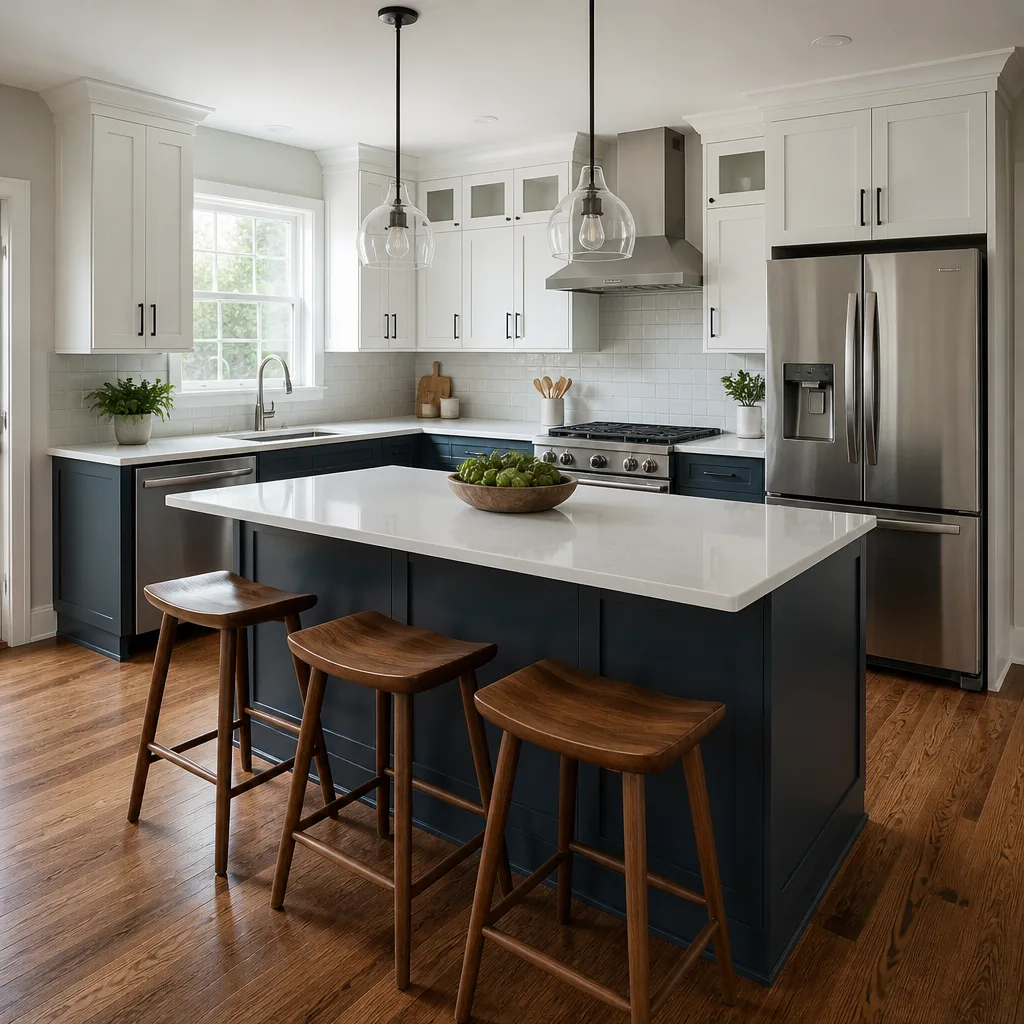
 Kitchen remodeling
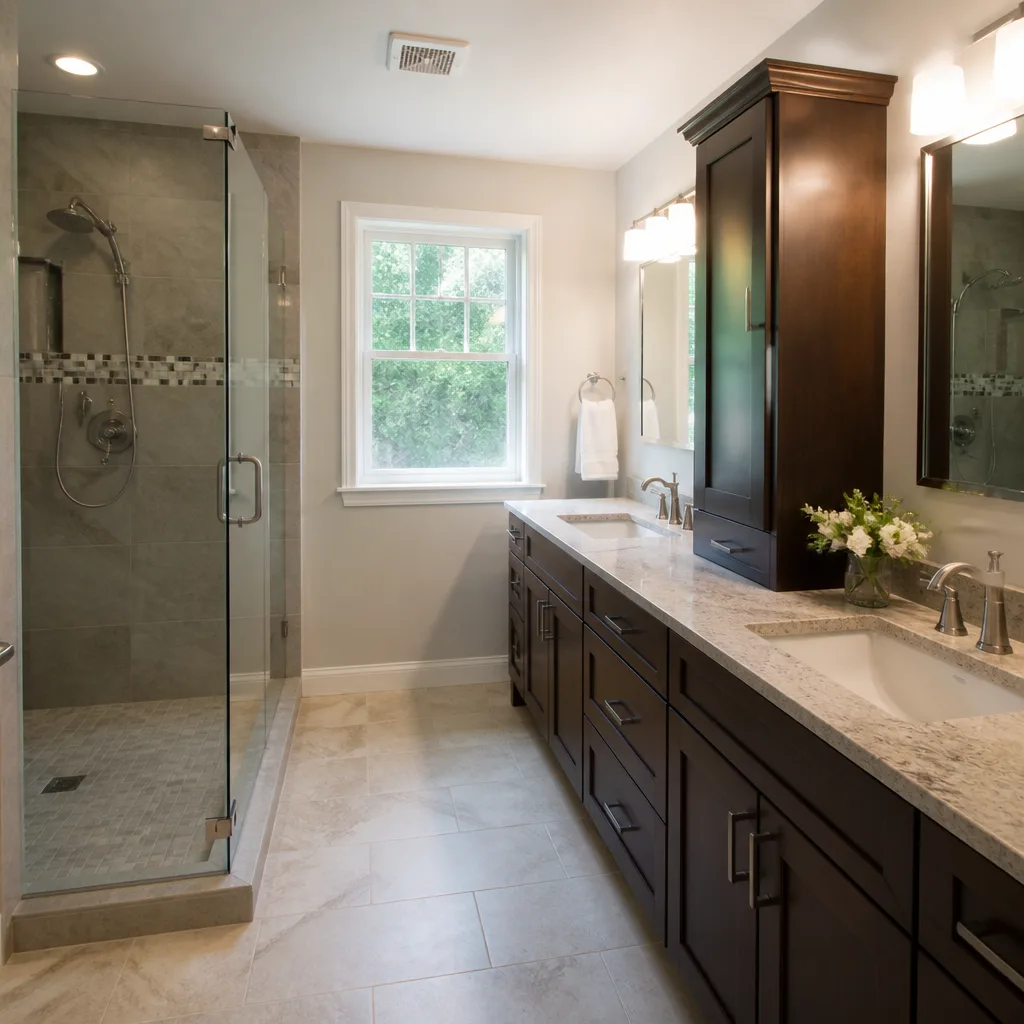 Bathroom remodeling
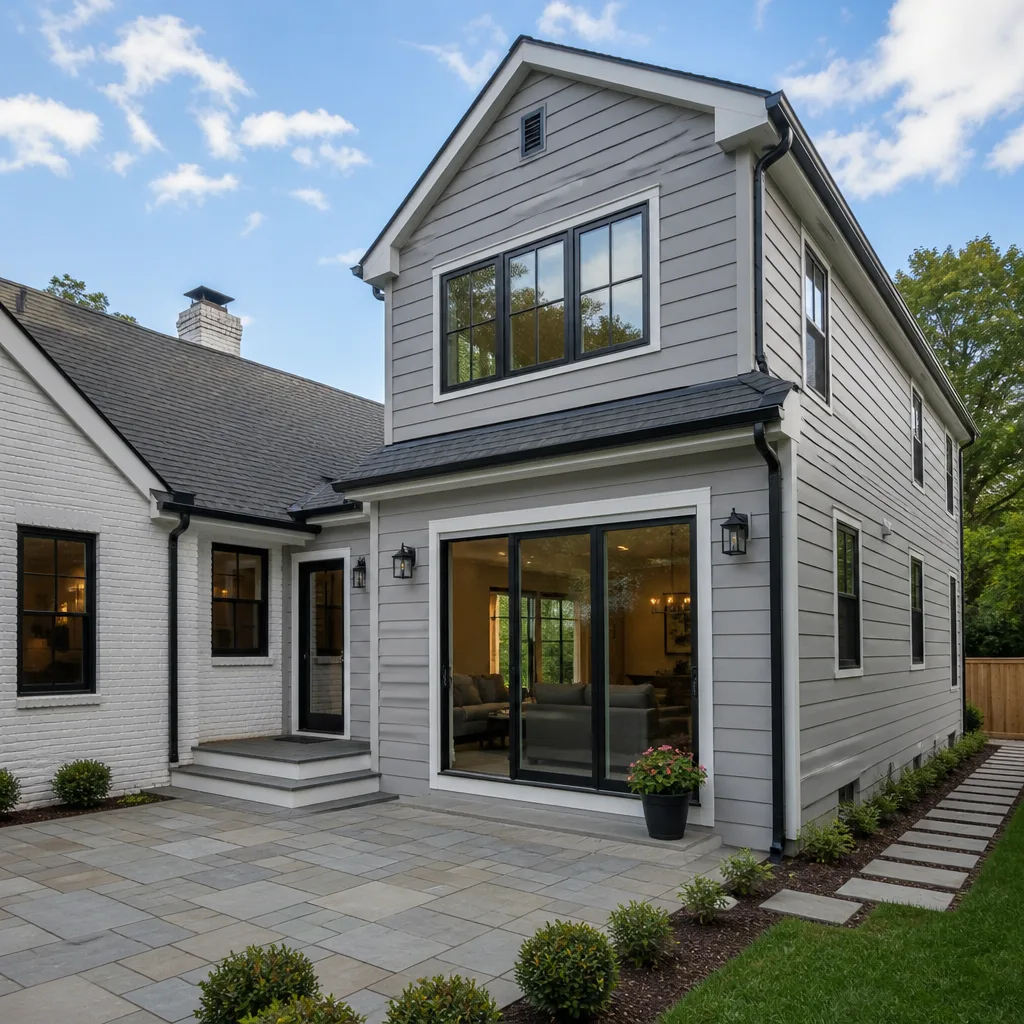 Home additions & ADU
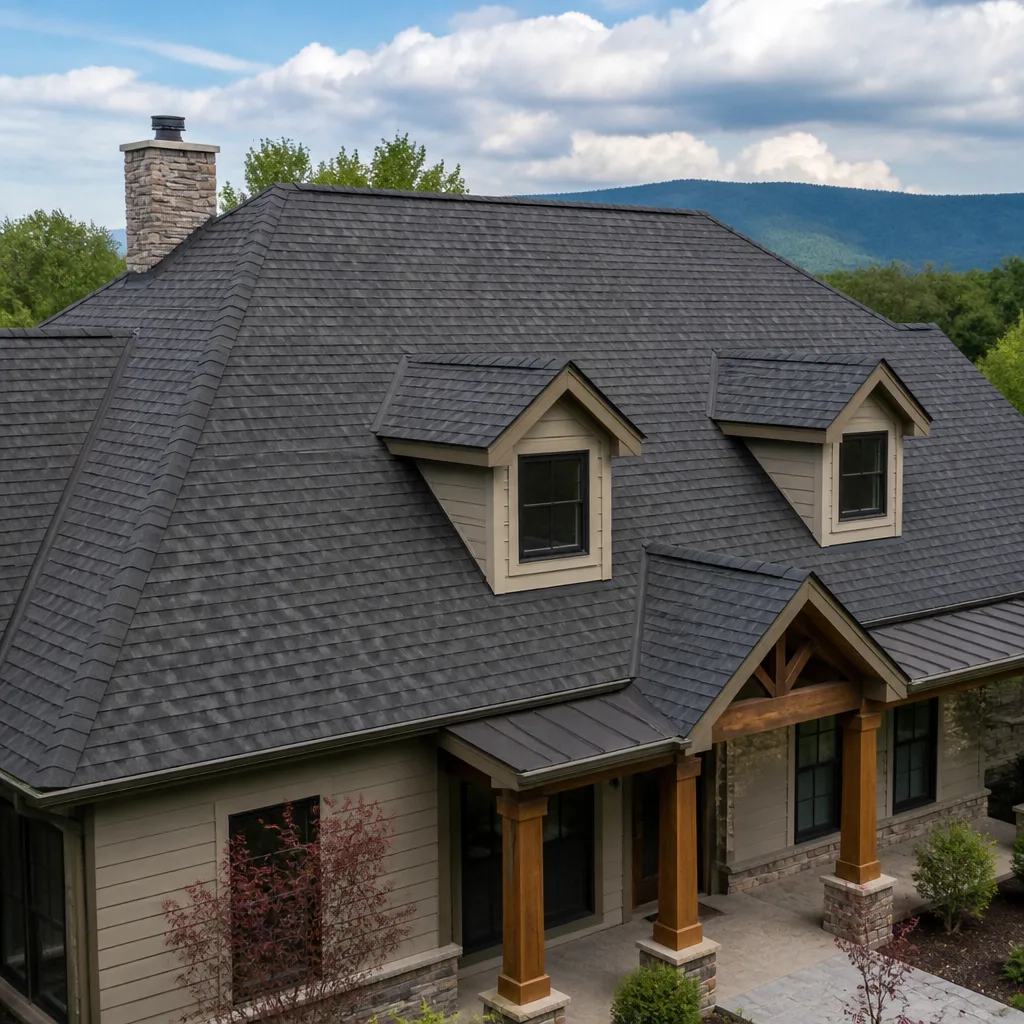 Roofing
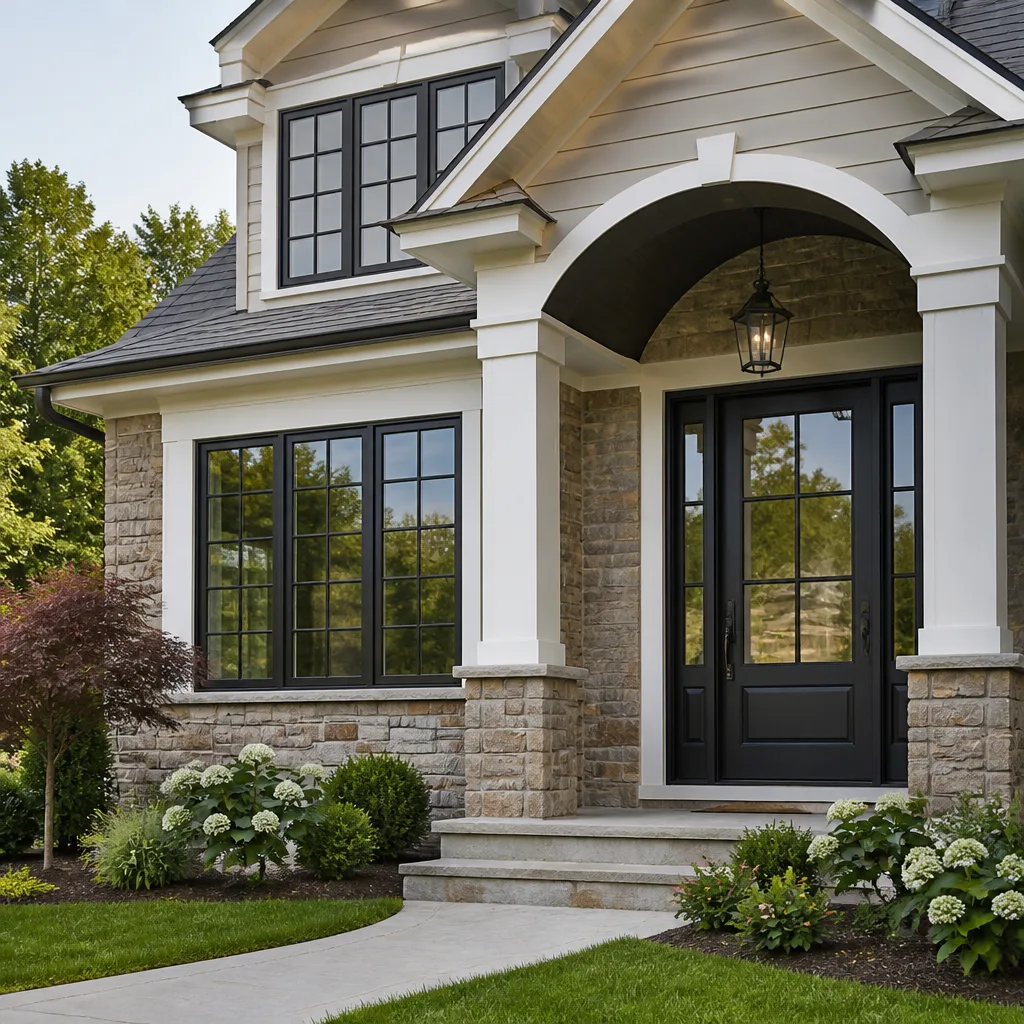 Windows & doors
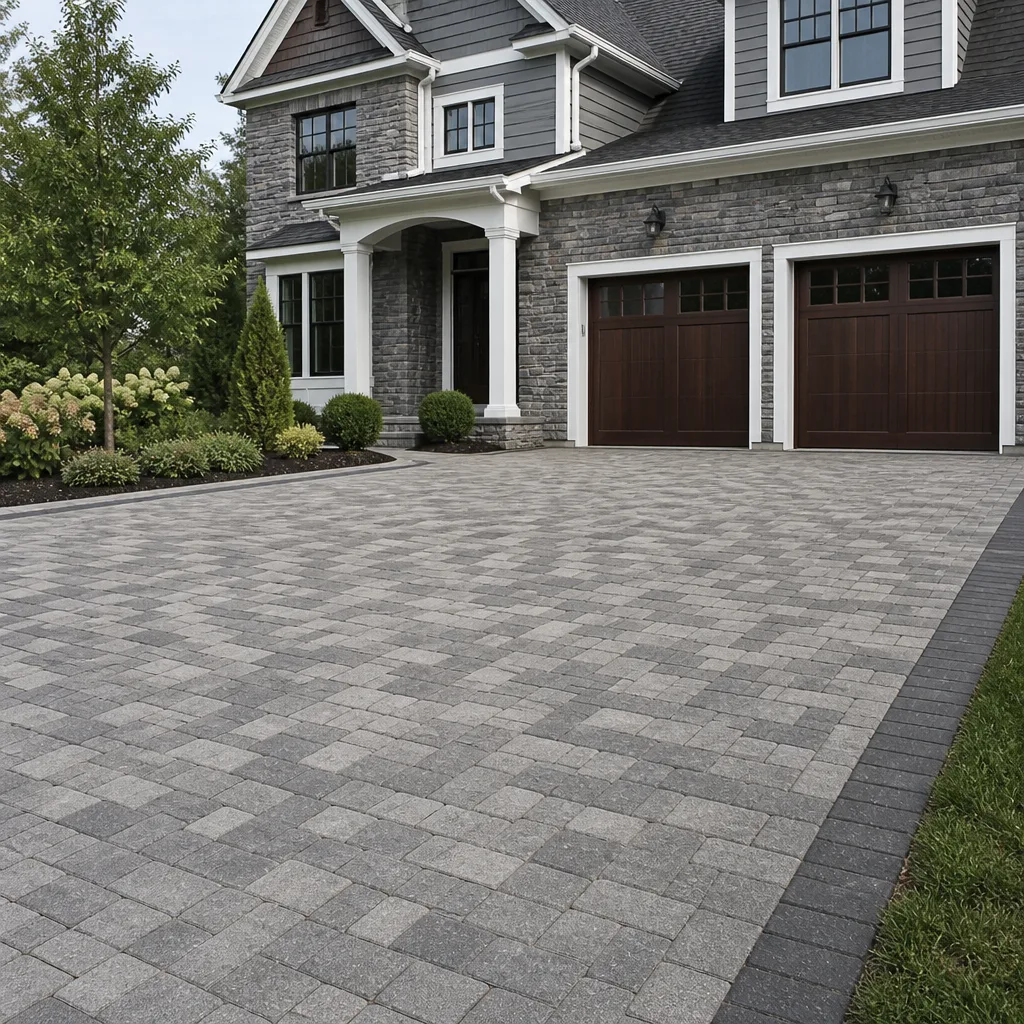 Driveway & pavers
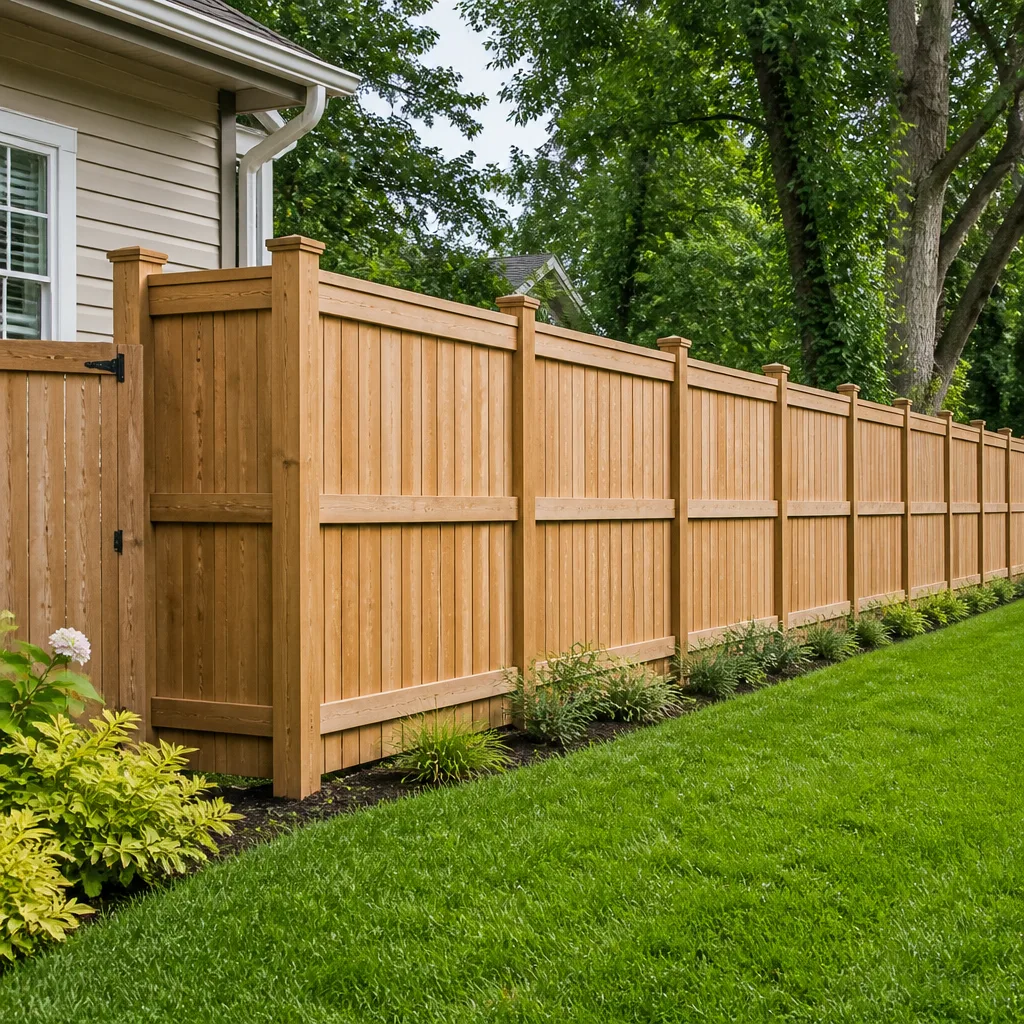 Fence
Free written scope consultation - allowances, timeline, and change-order rules on paper before a single trade is scheduled
Styles & brands we work with
- Kitchen remodeling
- Bathroom remodeling
- Home additions & ADU
- Roofing
- Windows & doors
- Driveway & pavers
- Fence
See the difference
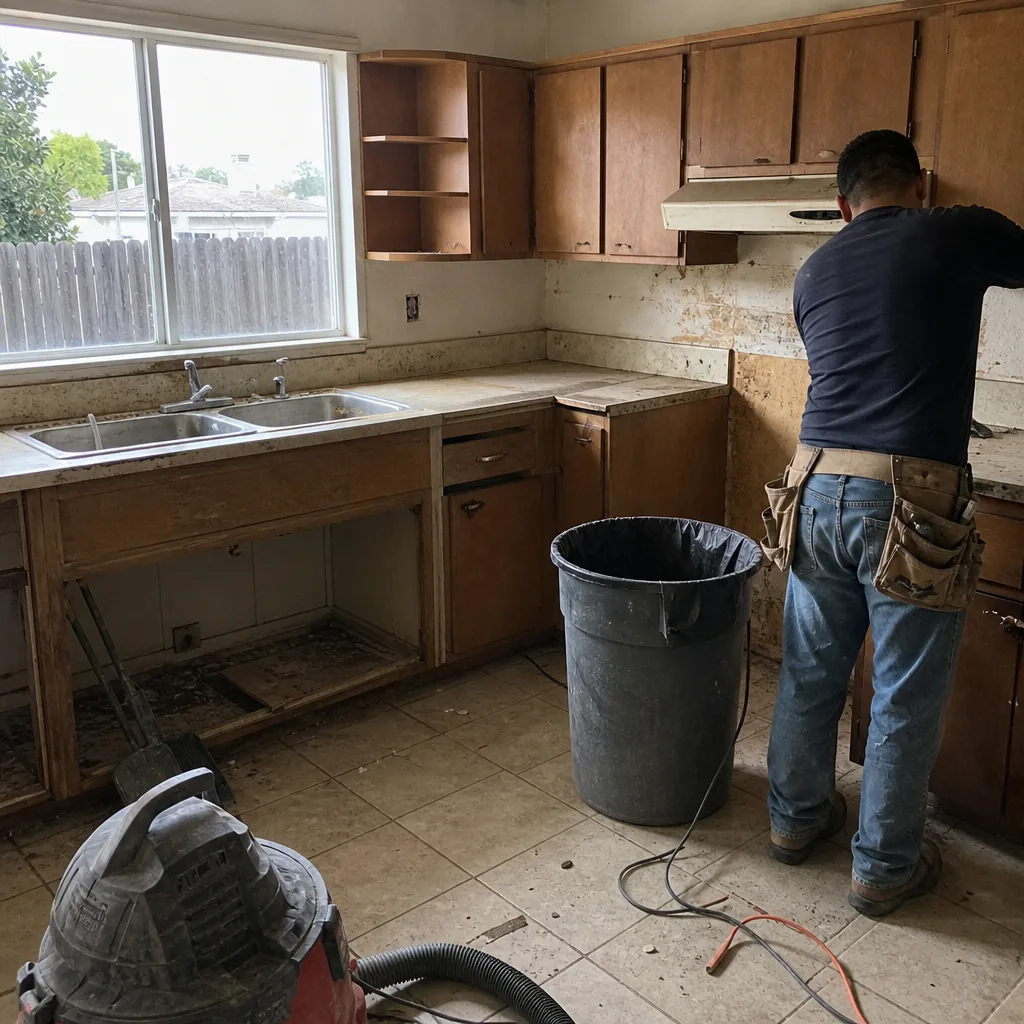 Before
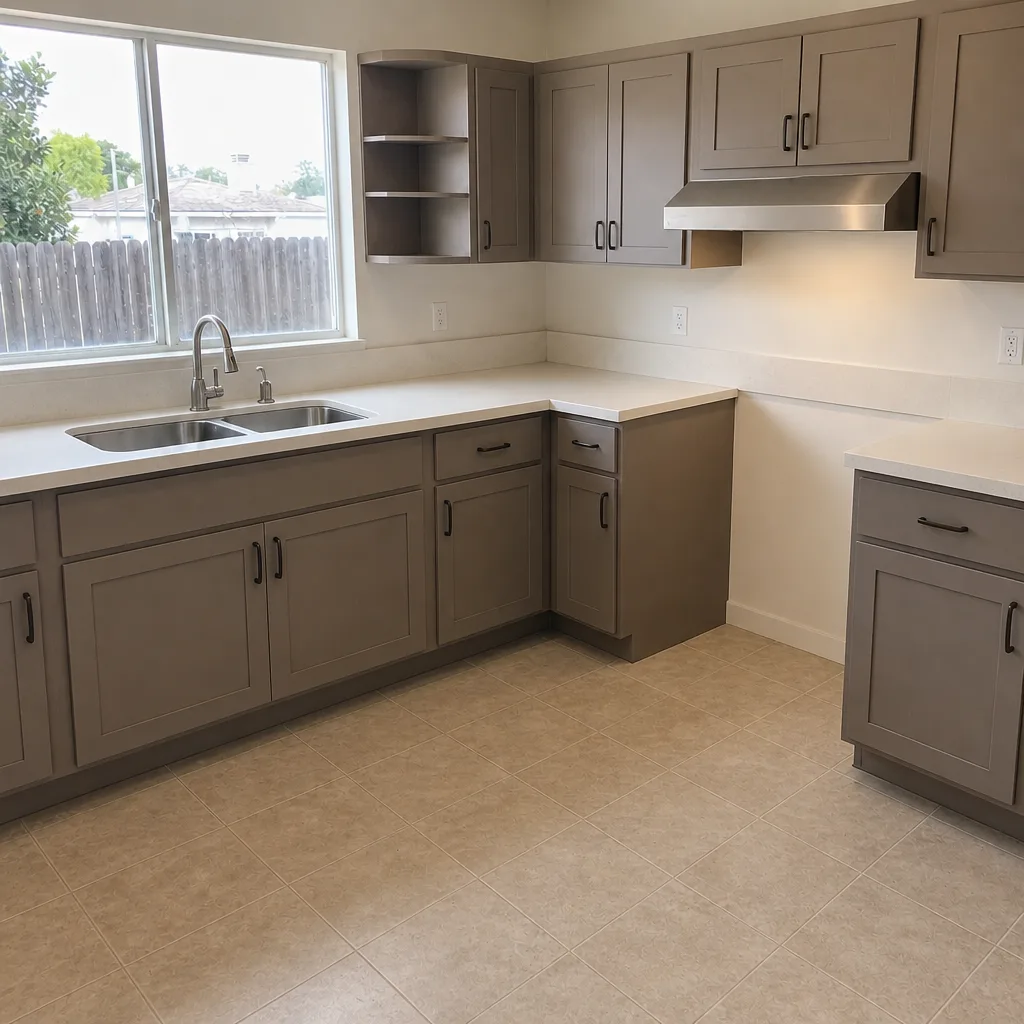 After
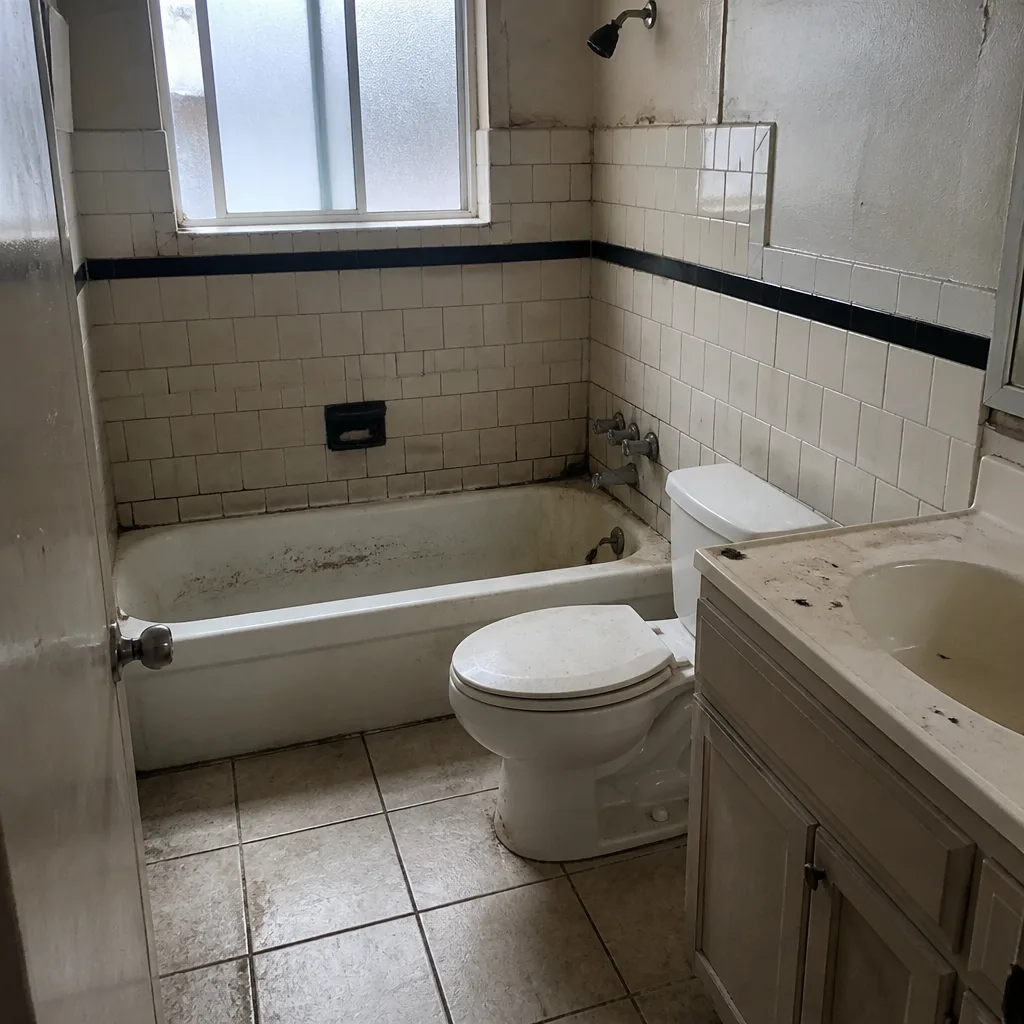 Before
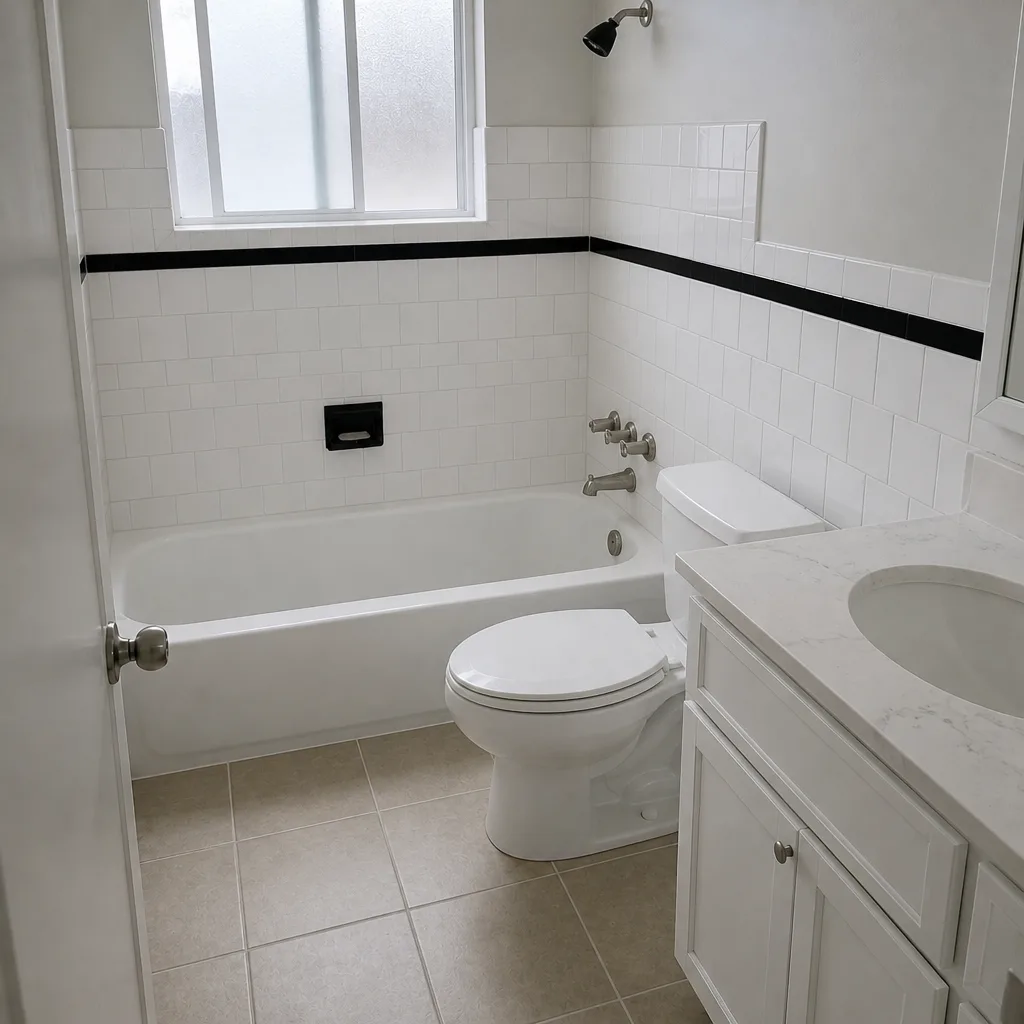 After
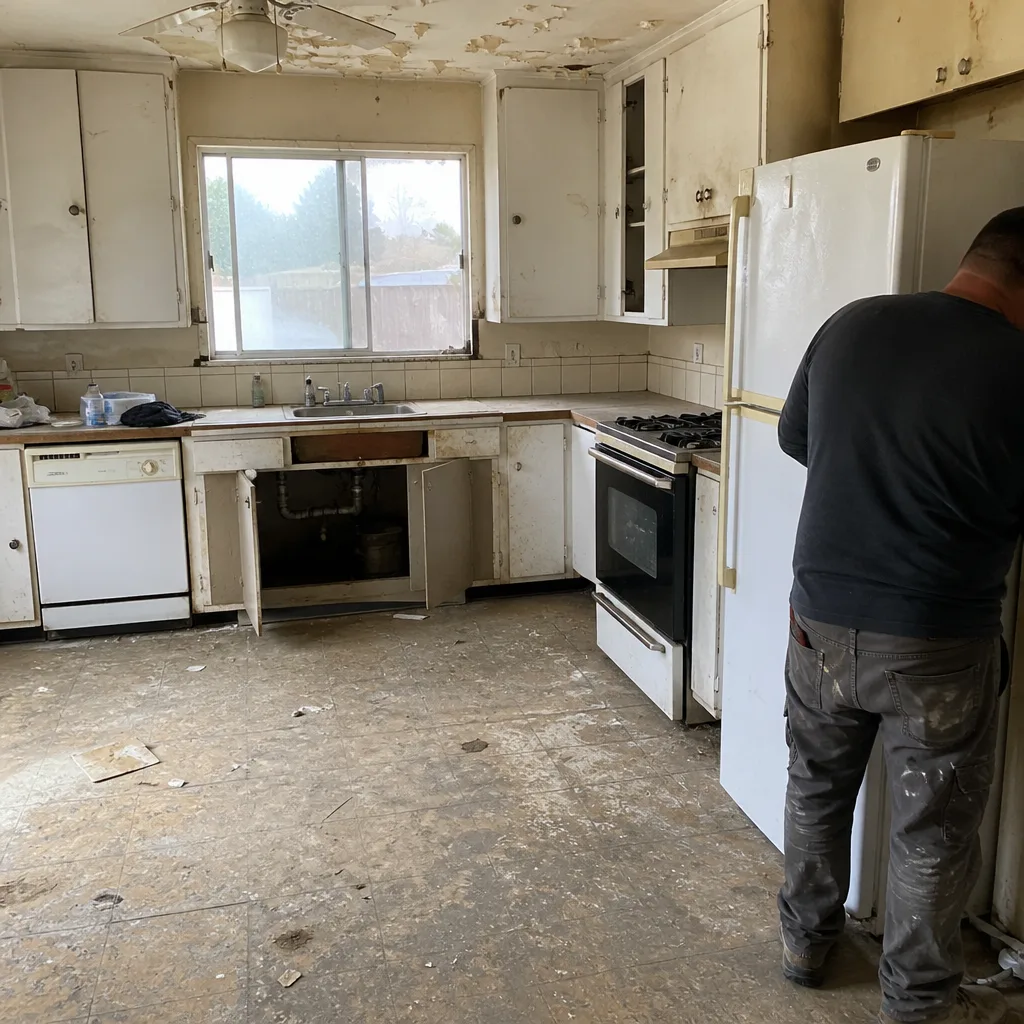 Before
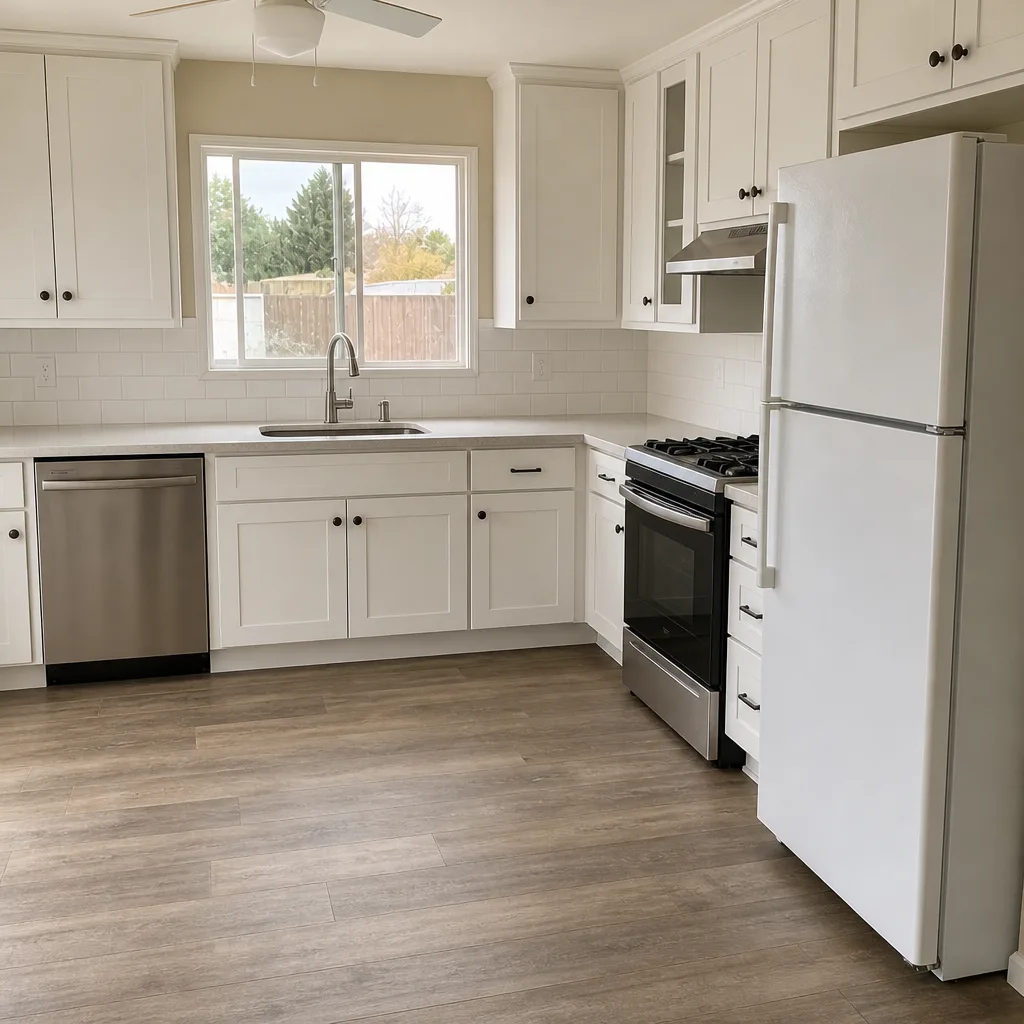 After
Here’s the page, built around the Antioch climate-performance thesis with the product details, seam logic, and broken-out pricing the showroom conversation usually skips.
Quartz vs Granite Countertops in Antioch, CA: The Climate-First Answer
Choose quartz unless you’ve set your heart on a specific granite slab you can’t walk away from. In Antioch, the deciding factor isn’t the look. It’s the climate. Granite is porous, and in a kitchen with west-facing windows where afternoon temperatures hit 95-100°F in July and August, an under-sealed slab pulls in grease and moisture faster than most people expect. Quartz, specifically Cambria, holds up better to that cycle with no annual sealing ritual. Call Groundwork Construction Co. of Antioch at (888) 419-3650 for a free in-home measurement and a written, itemized quote.
That’s the short version. The rest of this page is the honest decision framework behind it, because neither material is “bad” and the right call depends on your kitchen, your patience for maintenance, and what’s actually under that window slab.
Why Antioch’s Summertime Is the Real Variable
Most quartz-vs-granite comparisons are written for a climate that doesn’t exist here. Antioch sits on the Delta at the foot of the East Bay hills, and the heat and wind pattern that shapes foundation work also shapes countertop performance. Summers are hot and dry, the afternoon winds coming off the San Joaquin run hard, and winters swing cool and damp. That’s a wide seasonal range for a stone surface to live through.
Here’s the part showrooms tend to leave out: thermal cycling. A south- or west-facing countertop next to a window or an exterior wall absorbs a lot of direct sun in July. Natural granite and engineered quartz expand and contract at different rates and recover from heat soak differently. Over a decade, that shows up as hairline cracks near seams or the edges of a cutout on some granite slabs, while quartz’s resin binder keeps it dimensionally tighter. We’ve seen both, and it’s one reason we push clients toward quartz for sun-baked runs and don’t fight them when they prefer granite on a shaded island.
Antioch’s housing stock plays into it too. The flats are full of 1950s-1970s ranch tract homes where a kitchen remodel often means reworking the full run of cabinets anyway, and the older downtown and river-adjacent blocks carry a high water table that keeps indoor humidity from ever sitting quite as low as it does in a newer hill subdivision. Where indoor moisture runs higher, an unsealed granite is a worse bet. Details like that are why a good kitchen remodel in this town starts with the room, not the sample book.
Quartz or Granite: What Actually Matters in the Comparison
Porosity, sealing, and stain resistance
Granite is a natural stone with microscopic pores, so it needs sealing to resist oil, wine, and grease. Most fabricators recommend resealing every 12 months, and heavily used or sun-baked countertops may need it every 6-9 months. That’s a real cost: roughly $150-$350 per application if you hire it out, or a $30-$60 bottle and an hour of your Saturday if you do it yourself. Skip it and you get the slow amber stain around the cooktop that no amount of scrubbing removes. Quartz is non-porous. Cambria, which we install, is NSF-certified for food contact, and it never needs sealing. That’s the single biggest maintenance difference between the two.
Heat and thermal expansion
Both materials handle a hot pan fine if you use a trivet. Where they differ is long-term thermal expansion under persistent sun. Granite reacts more to heat gradients across a slab, which matters on that west-facing window run. Quartz stays more dimensionally stable, but the resin content means it’s less forgiving of a direct high-heat shock, so a hot pot set straight on the surface is a bad idea on either material. We’ll tell you which of your runs get the most sun during the measurement visit.
Seams and fabrication on longer runs
This is the practical consideration most people skip, and it matters in Antioch’s U-shaped kitchens with long continuous runs. Granite comes out of the quarry with unique veining, so matching the pattern across a seam takes careful layout work and sometimes a second slab. Get it right and the seam nearly disappears; get it wrong and you see a visible break in the veining. Quartz, particularly Cambria, offers consistent patterning, so seams sit where they sit and the eye barely notices. For a long U-shaped run, quartz is the lower-risk choice on seam appearance.
Cost in the Bay Area East market
Blended per-square-foot numbers hide the parts that actually move your budget, so here’s the honest breakdown by line item for a typical 30-40 sq ft kitchen countertop project in Antioch.
| Line item | Granite | Quartz (Cambria) |
|---|---|---|
| Material (per sq ft) | $45-$85 | $70-$120 |
| Fabrication (per sq ft, cutouts & seams) | $25-$45 | $30-$55 |
| Standard edge profile | $15-$30 per linear ft | $20-$40 per linear ft |
| Sink cutout | $150-$350 | $150-$350 |
| Removal & disposal of old top | $250-$600 | $250-$600 |
| All-in for a typical 30-40 sq ft kitchen | $2,000-$5,500 | $3,000-$6,500 |
Those ranges land within our overall countertop installation envelope of $2,000-$6,500, and if the countertop is part of a larger kitchen remodel, the whole project typically falls between $14,000 and $45,000. Quartz runs roughly 20-30% more up front. On a 730-Day Done Right Promise, though, the long-term math favors it: no resealing, easier cleaning, and less risk of a heat-related crack in a sunny window run.
What We’d Recommend, and Why
For most Antioch kitchens, go with Cambria quartz. It removes the annual sealing chore, handles the summer sun and humidity swings without drama, and hides seams better on a long U-shaped run. Choose granite when you’ve found a slab whose veining you love, your main countertop run is shaded or on a north wall, and you’re comfortable with a yearly seal. There’s no wrong answer here, only a wrong fit for the room.
- Pick quartz if: your countertop is by a west or south window, your kitchen runs long and U-shaped, you want zero maintenance, or you’re in an older flat with higher indoor humidity.
- Pick granite if: the slab itself is the design statement, the run sits in shade, and you’ll actually keep up with sealing.
- Either way: get a written quote that itemizes material, fabrication, edge profile, and cutouts. That’s what our upfront pricing means; the number you see is the number you pay.
We carry brand partners like KraftMaid for cabinets and Cambria for quartz because homeowners should get to choose quality, not just whatever’s in stock. When the countertop is part of a bigger remodel, the full run of cabinets, backsplash, and hardware gets planned together, and our technicians – up to 12 years of experience on our crew – build the whole thing to last. If you’d rather see it in one place, we’ve laid out how the full project comes together on our Kitchen Remodeling page.
Worth knowing: our project estimate and design consult is free, and projects over $10,000 qualify for $1,000 off. We also offer 0% financing for 18 months, so a larger countertop or full kitchen job doesn’t have to happen all at once. And when you call, a live person answers 24/7 – no voicemail, no waiting until Monday. You can also see the wider range of work we do, from home renovations to full Kitchen Remodeling in Antioch.
FAQ
Quartz typically runs $3,000-$6,500 installed for a standard kitchen in Antioch, while granite lands around $2,000-$5,500, roughly 20-30% less up front once material, fabrication, edges, and cutouts are all counted. Call Groundwork Construction Co. of Antioch at (888) 419-3650 for an exact quote – estimates are free.
Yes, most granite benefits from resealing every 12 months, and sun-baked or high-humidity countertops may need it every 6-9 months. In Antioch’s hot summers and damp winters, skipping it leads to staining and dulling; quartz like Cambria never needs sealing at all. Our team can walk you through it on a free visit.
Quartz holds up better in that spot because it resists heat cycling and doesn’t need sealing, while an under-sealed granite by a sun-baked window will absorb grease and moisture faster. Call (888) 419-3650 and we’ll check which of your runs get the most sun before you commit.
We do. The countertop is one piece of a full kitchen project, which typically runs $14,000-$45,000 in Antioch and is covered by our 730-Day Done Right Promise. Call (888) 419-3650 for a free design consult and upfront pricing.
Get a Straight Answer Before You Choose
If you’d rather have it looked at, Groundwork Construction Co. of Antioch offers a no-pressure assessment in Antioch – we’ll measure your runs, check the sun exposure, and hand you itemized quartz and granite numbers in writing. No voicemail, no surprises. Call (888) 419-3650 to set up your free estimate.
Written by the team at Groundwork Construction Co. of Antioch, serving Antioch, CA.